Geography Geography 4 min read

Ol’ Men Rivers

Without these 12 rivers, cities like Las Vegas likely wouldn't exist
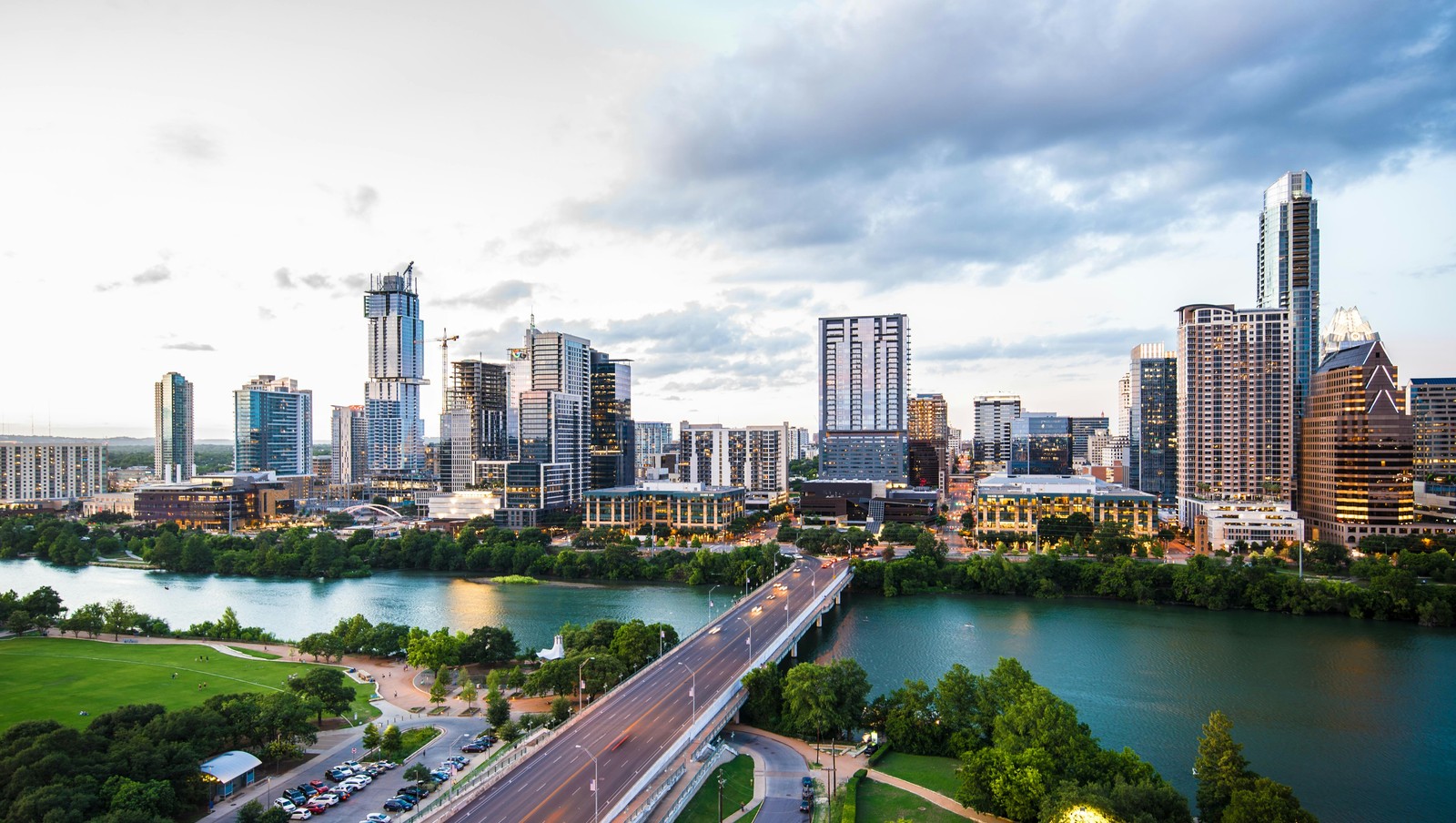
Image: Carlos Delgado

Long before highways and airports, rivers were America’s original transportation network. Settlers, traders, and industries depended on waterways to move goods and people across vast distances. As a result, many of the nation’s largest cities developed where streams offered access to trade, power, and fertile land. From the Mississippi to the Colorado, these 12 famous rivers helped shape the growth of some of the biggest urban centers.

1
Mississippi River (New Orleans)
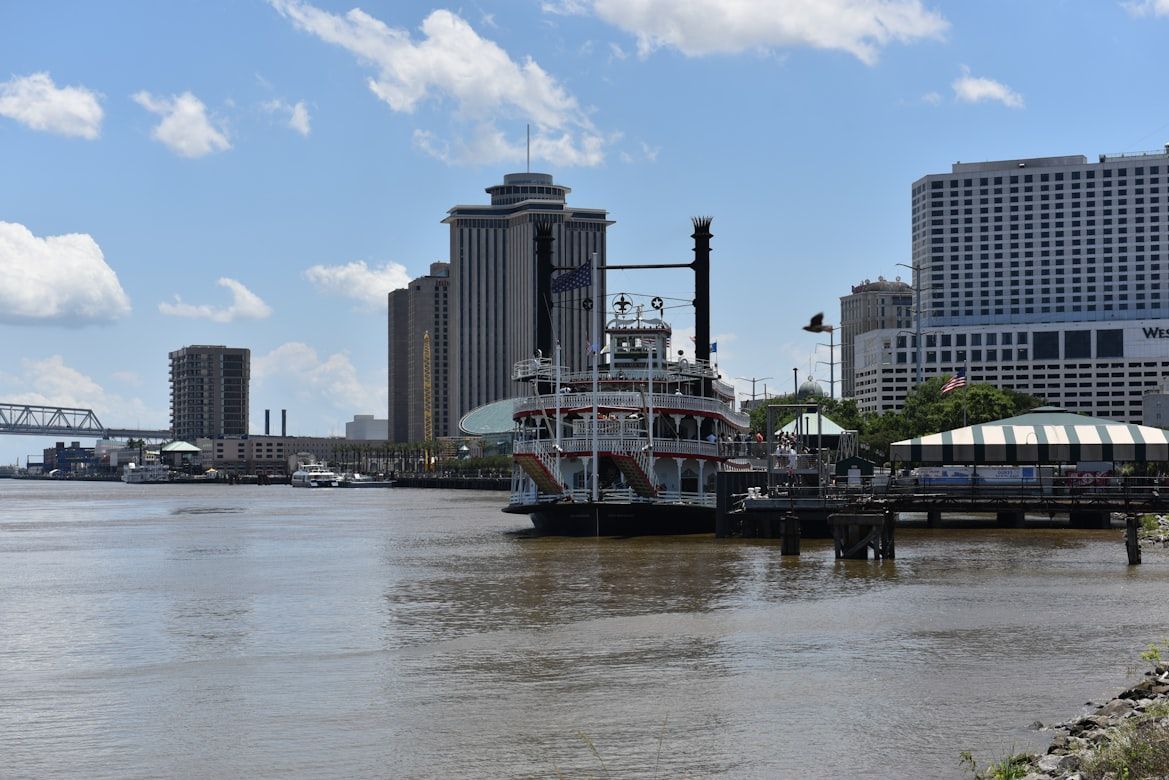
Image: Gower Brown

The Mississippi River, which flows through Minnesota, Wisconsin, Iowa, Illinois, Missouri, Kentucky, Tennessee, Arkansas, Mississippi, and Louisiana, has long served as the backbone of commerce in America. Winding through 10 states, it connects farms, factories, and cities across the country .

New Orleans flourishes at its mouth, which turned it into one of America’s busiest ports. Goods from the Midwest, like grain, cotton, and timber, traveled downriver to ships bound for global markets.

2
Hudson River (New York City)
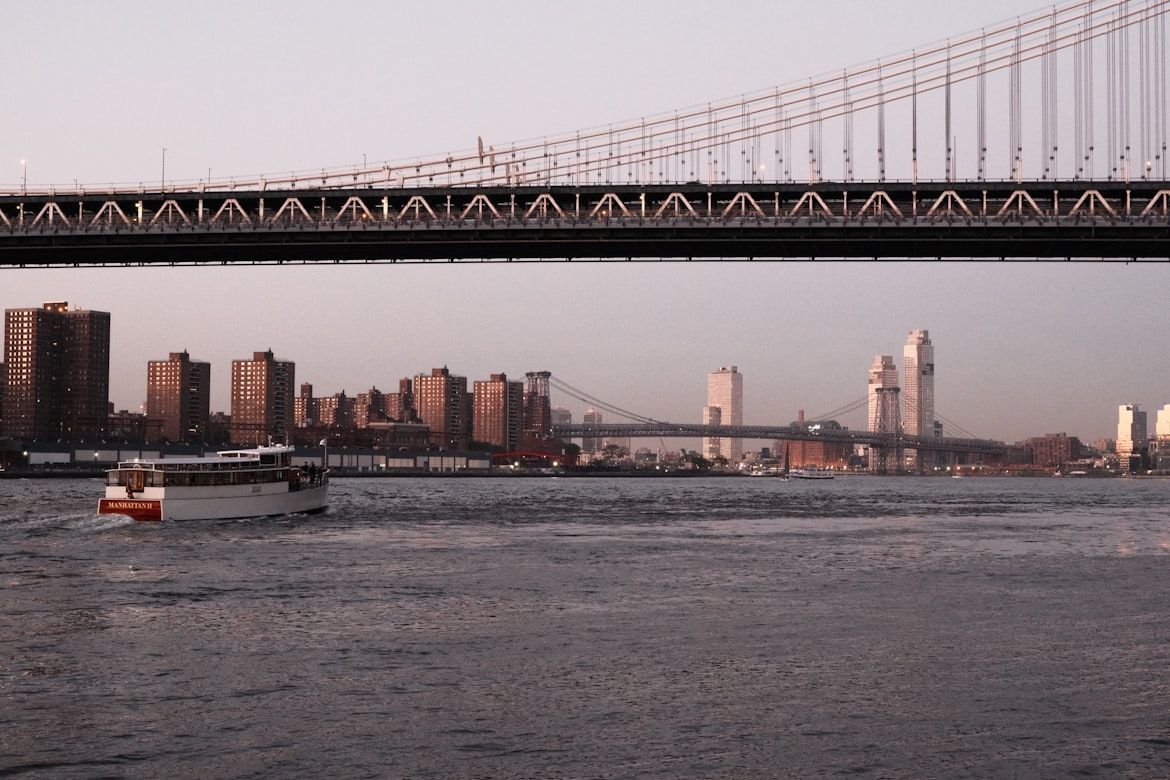
Image: Melanie Celine

The Hudson River transformed New York City into the East Coast's leading port, as its deep waters allowed ocean-going ships from the Atlantic to travel far inland .

When the Erie Canal opened in 1825, it linked the Hudson River to the Great Lakes near Waterford, New York, about 150 miles north of the city. This created a direct trade route between the Midwest and the Atlantic, cementing New York’s economic dominance.

3
Chicago River (Chicago)
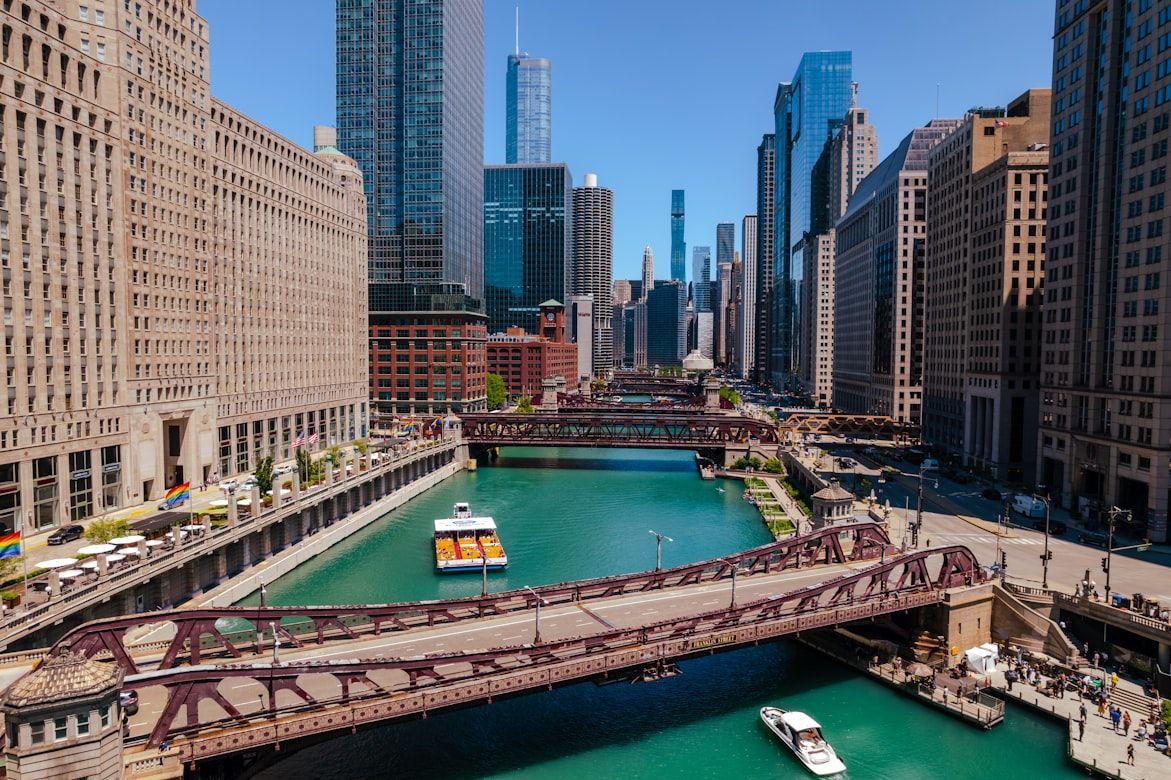
Image: Zander Betterton

Chicago’s rise began with its strategic location along the Chicago River, a short but crucial waterway connecting Lake Michigan to inland routes .

With the construction of the Illinois and Michigan Canal in 1848, Chicago became the gateway between the Great Lakes and the Mississippi River basin, fueling explosive growth in trade and industry.

4
Charles River (Boston)
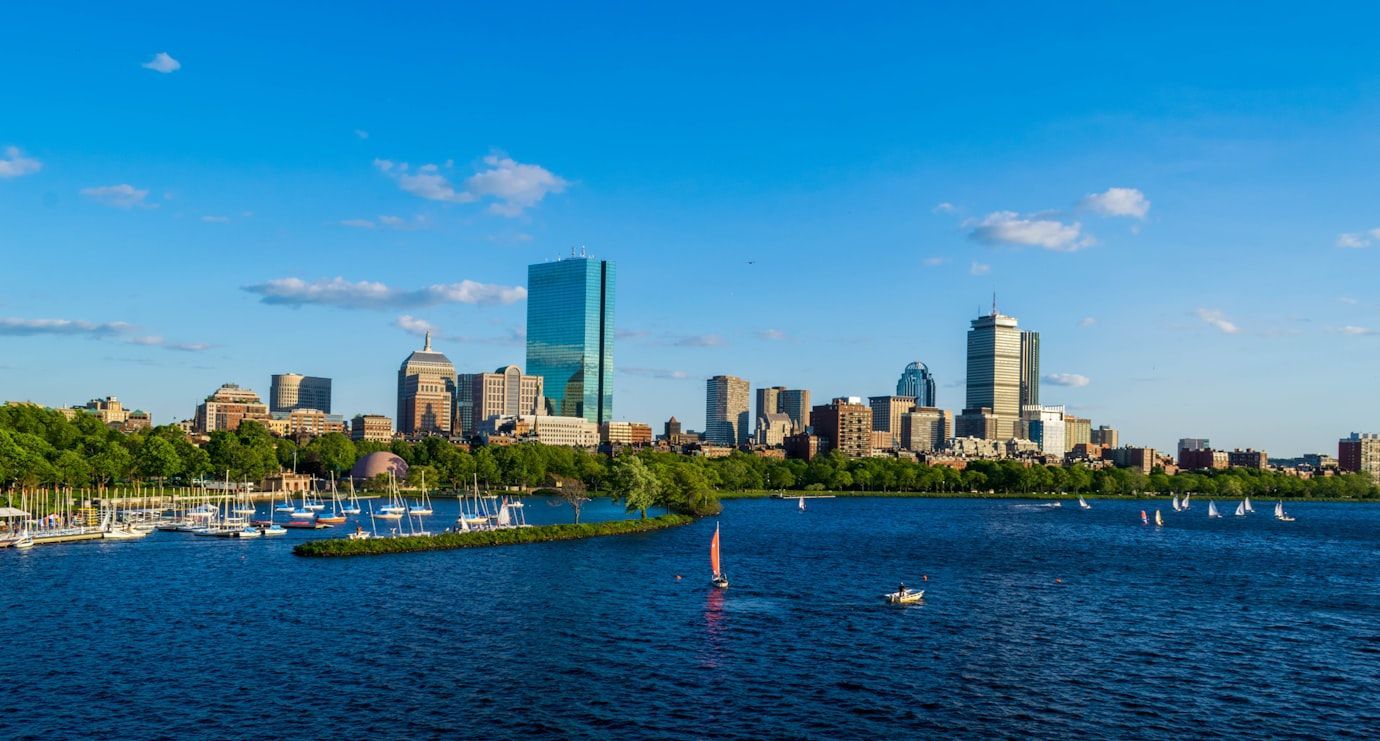
Image: Prateek Pisat

The Charles River played a central role in early American industry. In the early 1800s, mills along its banks harnessed the river’s power to run machinery .

The nearby textile mills in Waltham helped pioneer the American factory system. The Boston Manufacturing Company mill was the first fully integrated textile factory in the U.S., integrating the spinning, weaving, and finishing processes under one roof. The river’s energy helped transform the Boston region into a major industrial center.

5
Delaware River (Philadelphia)
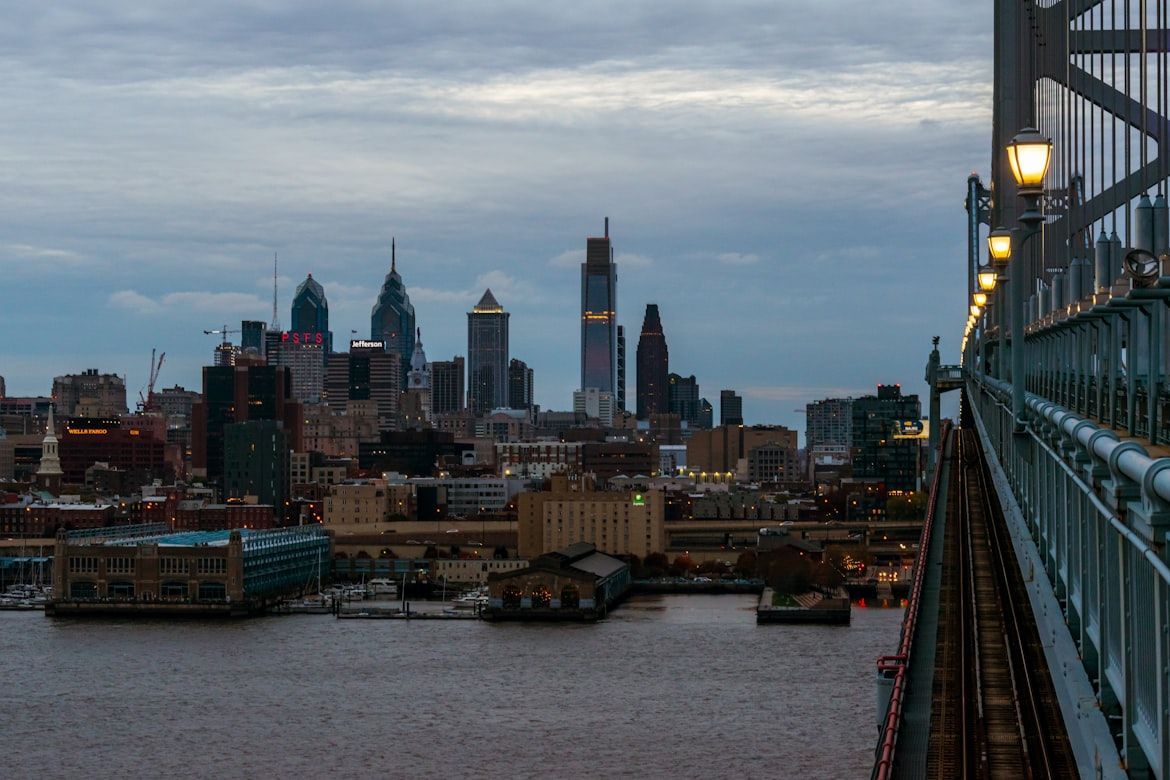
Image: Mick Kirchman

Philadelphia was founded along the Delaware River, which quickly became one of colonial America’s most important trade corridors.

Ships carrying grain, lumber, and manufactured goods traveled between Philadelphia and the Atlantic . The river helped the city grow into one of the largest and most prosperous ports of early America.

6
Potomac River (Washington, D.C.)
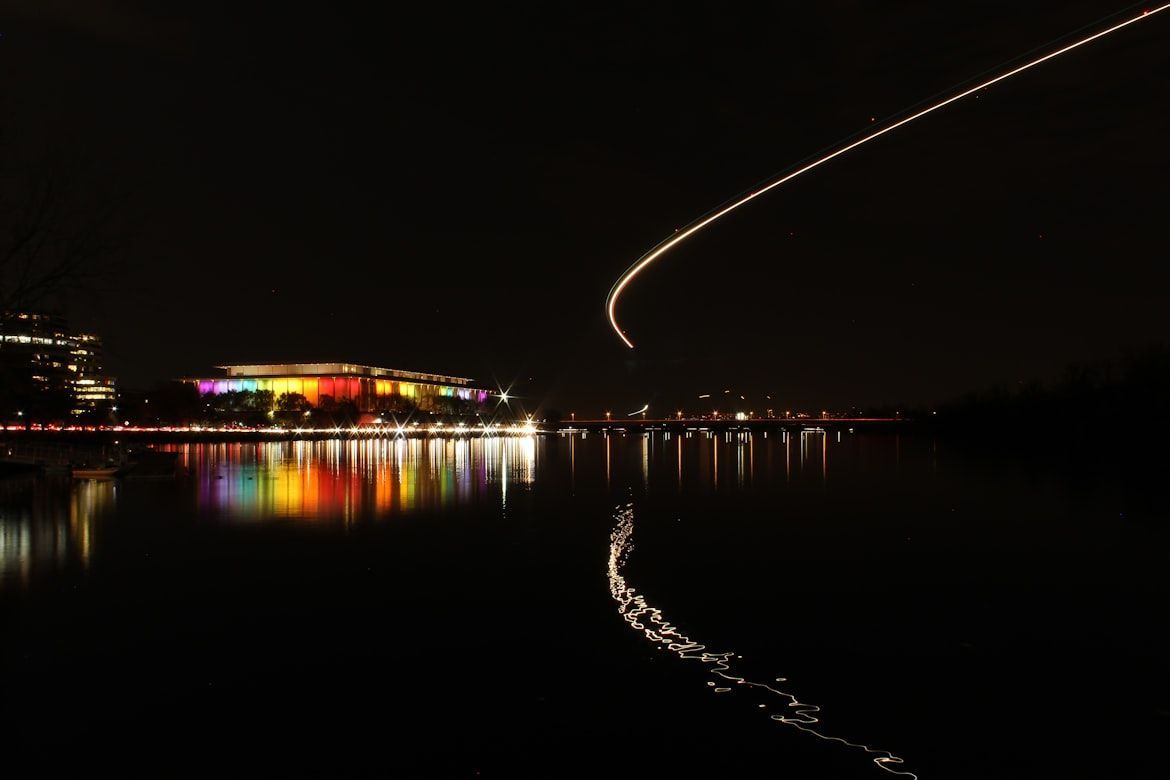
Image: Nicholas Wright

The Potomac River helped determine the location of the nation’s capital, which was established in 1790. This broad waterway was intended to provide access between the Atlantic and the interior of the new country .

Early leaders, like George Washington, hoped the river would become a major commercial corridor linking the young capital to western towns through canals and improved navigation routes.

7
Schuylkill River (Philadelphia)
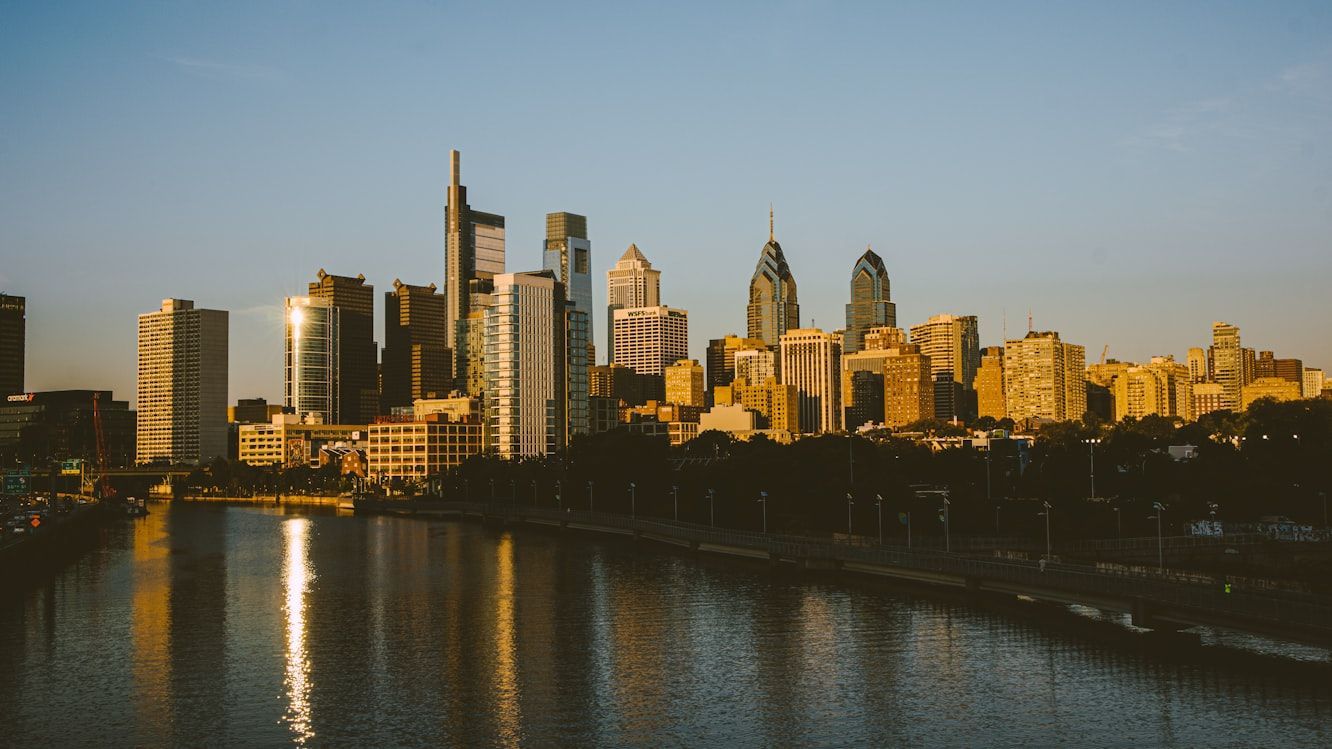
Image: Alejandro Barba

Flowing through Philadelphia, the Schuylkill River powered much of the city’s early industrial growth. Its waters supported mills and factories throughout the 19th century .

The Schuylkill Canal also carried vast shipments of Pennsylvania anthracite coal, providing the fuel that powered factories and heated homes across the growing nation.

8
Ohio River (Pittsburgh)
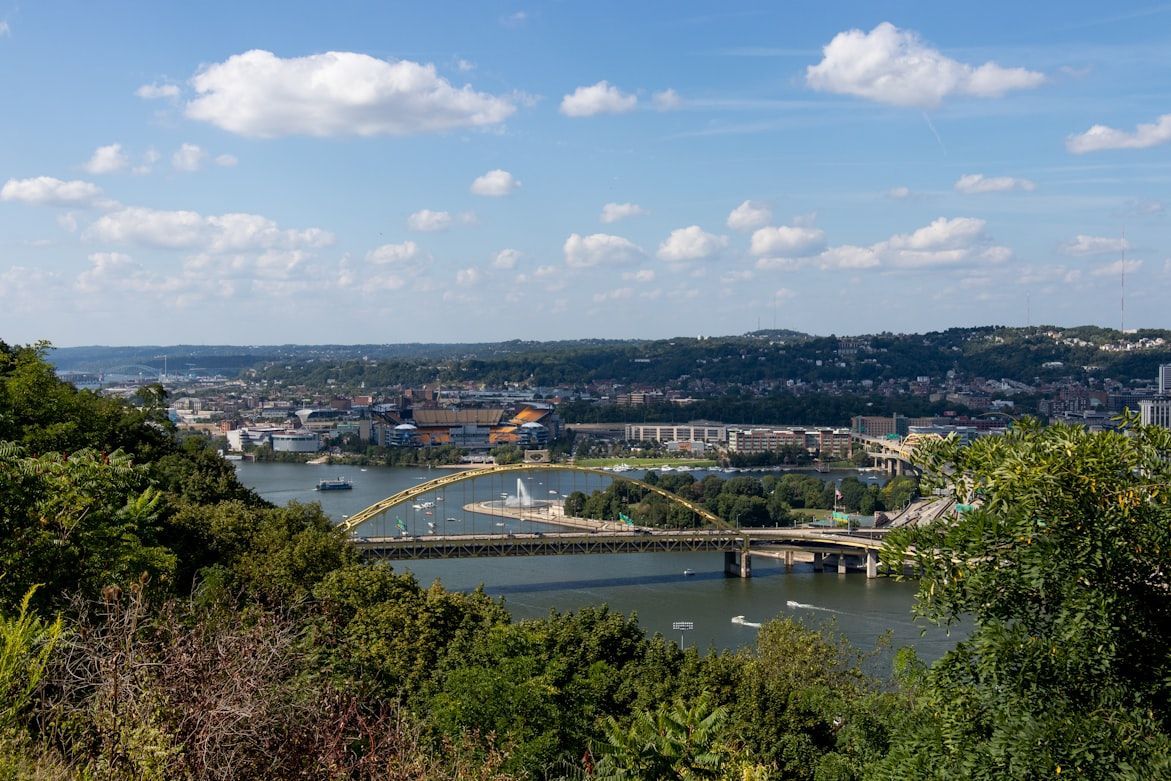
Image: Carson Kaskel

The Ohio River begins at Pittsburgh, where the Allegheny and Monongahela rivers meet. This strategic location turned the city into a gateway to the expanding American frontier .

Beginning in the 1810s, steamboats carried settlers and goods downstream to cities like Cincinnati and Louisville, helping Pittsburgh grow into a major industrial and transportation center.

9
Missouri River (Kansas City, Missouri)
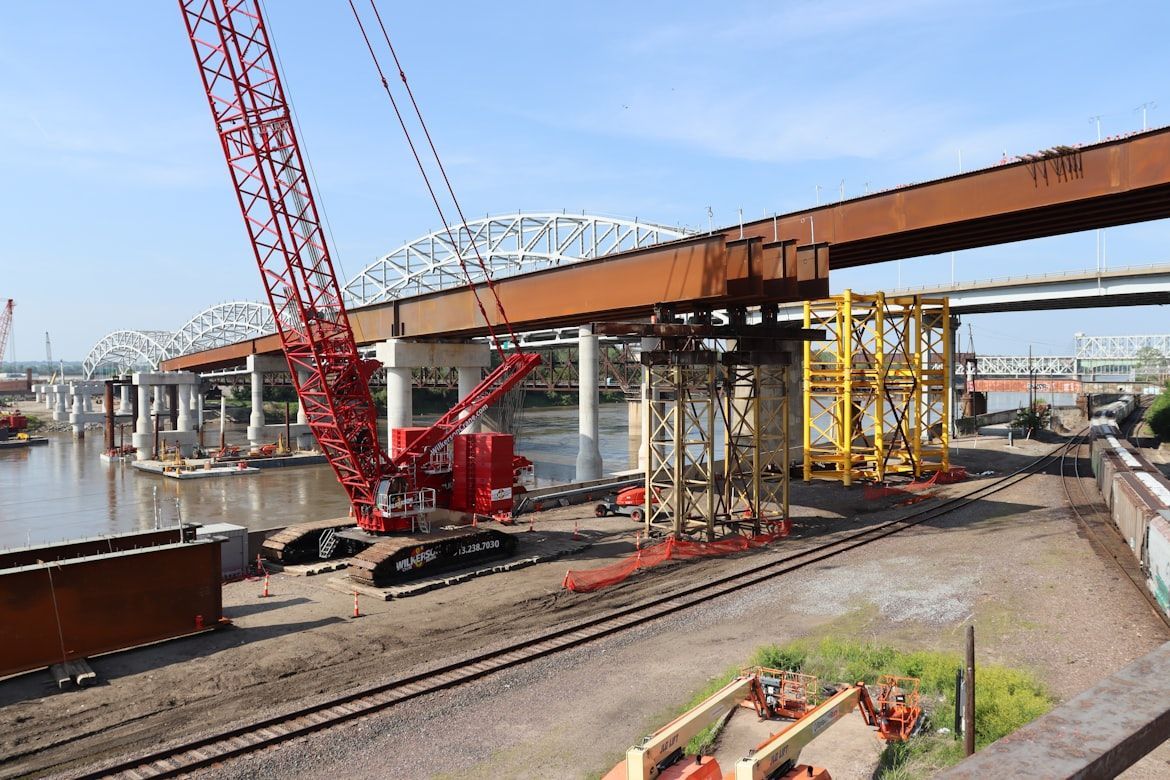
Image: Nathan Sack

The Missouri River served as a key launching point for westward expansion during the 19th century.

Kansas City grew where river trade intersected with overland trails heading west , including the Santa Fe and Oregon Trails. The river made the city a critical supply hub for pioneers and traders.

10
Detroit River (Detroit)
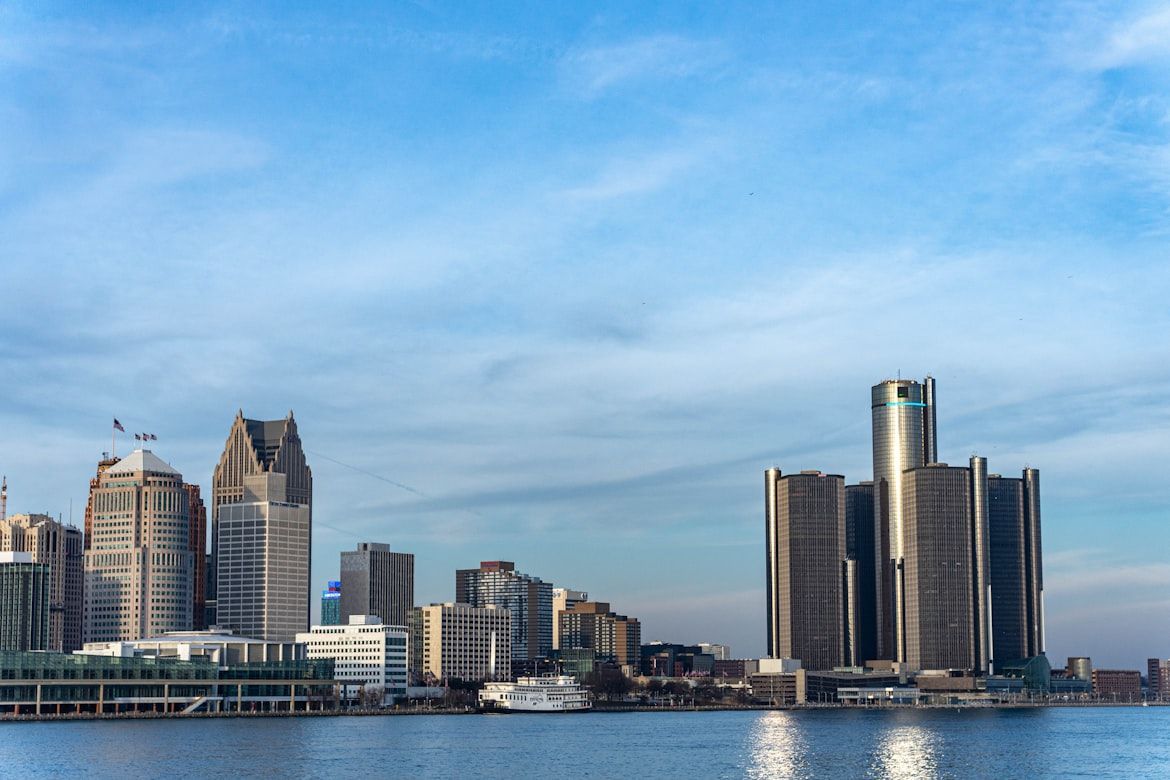
Image: GV Chana

The Detroit River links Lake Erie and Lake St. Clair, forming a vital passage in the Great Lakes shipping system .

Detroit developed along this busy corridor, where ships transported iron ore, timber, and other raw materials. These resources helped fuel the city’s rise as a manufacturing center.

11
Cuyahoga River (Cleveland)
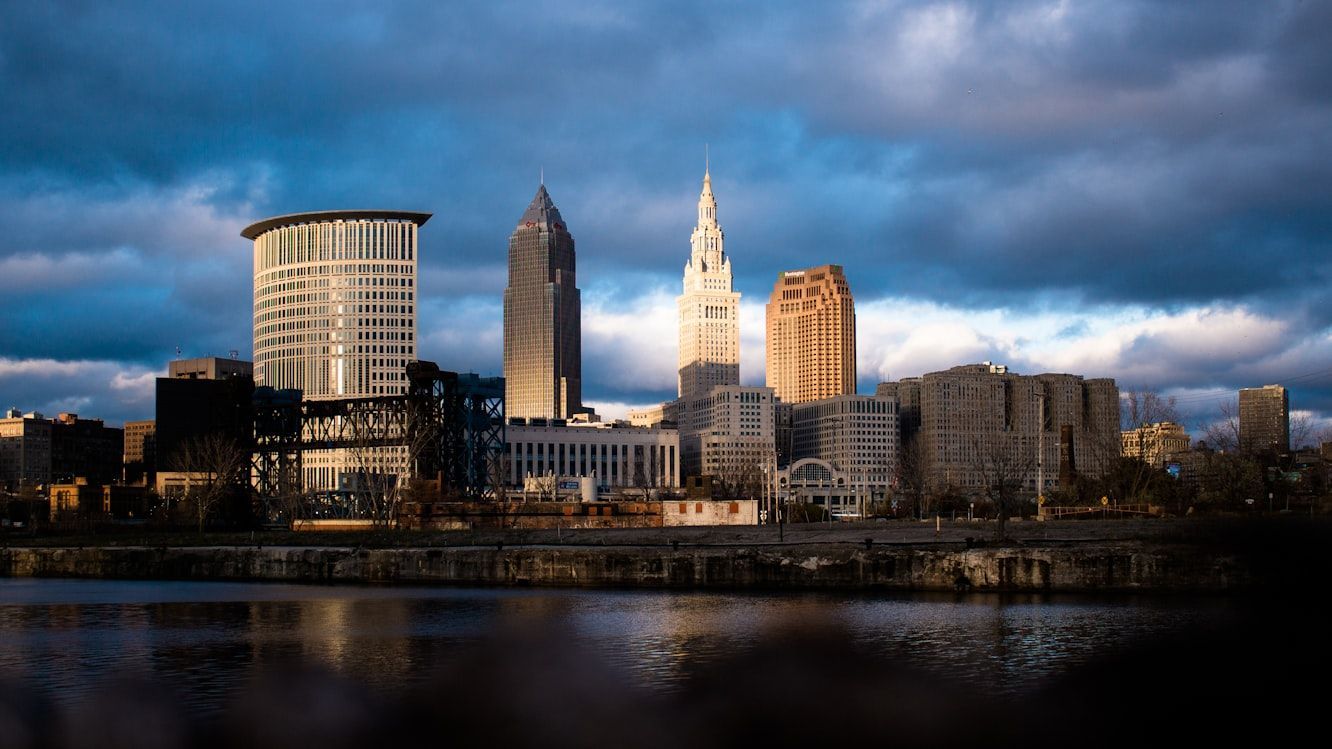
Image: DJ Johnson

The Cuyahoga River winds through Cleveland before emptying into Lake Erie, creating a natural harbor that attracted industries .

Steel mills, shipyards, and refineries lined its banks during the late 19th and early 20th centuries, turning Cleveland into one of the Midwest’s most important industrial cities.

12
Colorado River (Las Vegas)
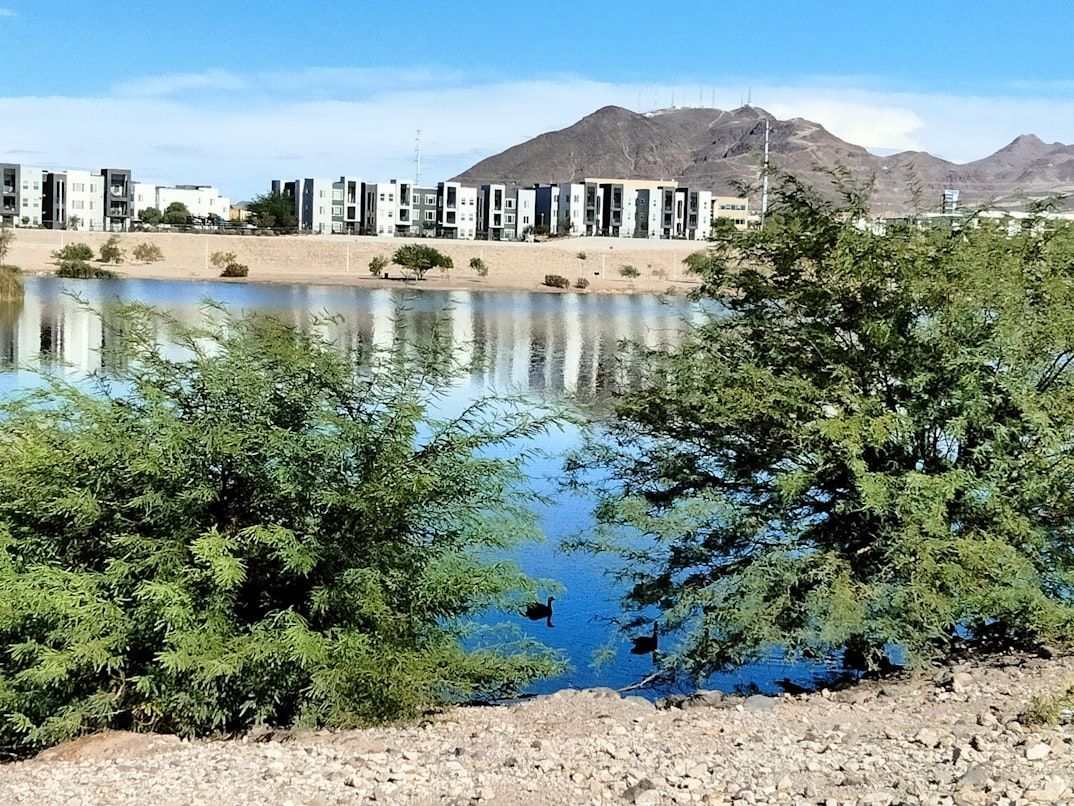
Image: Veronica Ascencio

Though best known for carving the Grand Canyon, the Colorado River also helped make the rise of modern cities in the desert Southwest possible .

Projects like Hoover Dam and Lake Mead provided water supplies and hydroelectric power that supported the rapid growth of nearby cities, such as Las Vegas, in an otherwise arid region.

Culture Culture 4 min read

Your beloved TV locations, in real life

I bet you didn't know these TV locations are real places you can visit

Image: Ben Griffiths

Ever wondered what it would be like to walk in the footsteps of your favorite TV characters? Well, pack your bags and grab your camera, because these iconic television locations are real places you can visit across America . From diners to crime scenes to small-town squares, these spots bring your beloved shows to life in ways that'll make you feel like you've stepped right into the screen.

1
The diner from "Seinfeld" - New York City

Image: Peter Bond

Remember Tom's Restaurant, where Jerry, George, Elaine, and Kramer hatched their hilariously terrible plans over coffee and endless conversations about nothing ? It's a real place!

The restaurant has embraced its TV fame, and fans from around the world stop by daily to snap photos and enjoy a meal where sitcom history was made. Fair warning: the actual interior looks nothing like the show, but you’re still eating where Seinfeld characters theoretically ate!

2
Central Perk from "Friends" - Times Square, New York City

Image: Ilse Orsel

Friends fans, your dreams have come true: Central Perk now has a permanent location in Times Square where you can actually grab your morning coffee! Located at the northeast corner of 7th Avenue and 47th Street, this is the real deal—a functioning coffeehouse where you can sit near that iconic orange couch and pretend you're part of the gang. There's also a sister location in Boston, so if you're in either city, you can finally experience the coffee shop that was supposedly right there in New York all along.

3
The "Breaking Bad" car wash - Albuquerque, New Mexico

Image: Juliann Hervio

Walter White's car wash empire might have been built on crystal meth money, but the actual building is squeaky clean and still operating! Mister Car Wash (formerly Octopus Car Wash) at 9516 Snow Heights Circle NE in Albuquerque is where they filmed those tense scenes of Walt and Skyler's legitimate business venture. You can even get your car washed at the same spot where some of TV's most dramatic moments unfolded.

4
Luke's Diner from "Gilmore Girls" - Unionville, Ontario (okay, Canada, but close enough!)

Image: ayumi kubo

Coffee addicts and fast-talking fans of Gilmore Girls will be thrilled to know that Luke's Diner is real sort of . The exterior shots were filmed at a building in Unionville, Ontario, just outside Toronto. The charming small-town main street where the diner sits perfectly captured that Stars Hollow magic, even if it technically wasn’t in Connecticut. The building now houses different businesses, but the streetscape remains wonderfully quaint and photogenic.

5
The "Full House" house - San Francisco, California

Image: Kyle Smith

The Tanner family's iconic Victorian home, with its unforgettable Painted Lady facade, is absolutely real and stands at 1709 Broderick Street in San Francisco's Lower Pacific Heights neighborhood. While the interior scenes were filmed on a set, the exterior is the genuine article and has become one of the most photographed houses in the city. Fans regularly make pilgrimages to stand across the street and recreate that opening credits moment.

6
Courthouse Square from "Back to the Future" - Universal Studios, California

Image: Roger Ce

Doc Brown's time-traveling DeLorean circles around Hill Valley's Courthouse Square in one of cinema's most memorable scenes, and you can visit that exact spot! The Courthouse Square is a standing set on the Universal Studios backlot in Los Angeles , and has been used in countless productions over the decades. On the studio tour, you'll recognize it instantly—it’s where Marty McFly skateboarded through 1955 and where the clock tower still stands.

7
Katz's Delicatessen from "When Harry Met Sally" - New York City

Image: Michał Kubiak

"I'll have what she's having" became one of the most famous movie lines ever uttered in a restaurant, and you can eat at that very same spot! Katz's Delicatessen, located at 205 East Houston Street on Manhattan's Lower East Side, is where Meg Ryan filmed that unforgettable scene. The deli has been serving up massive pastrami sandwiches since 1888, and they’ve marked the table where the scene was filmed with a sign that reads, "Where Harry met Sally… hope you have what she had!"

8
The "Twin Peaks" Double R Diner - North Bend, Washington

Image: DJ Paine

Fans of David Lynch's surreal masterpiece can grab a slice of cherry pie and "a damn fine cup of coffee" at Twede's Cafe in North Bend, Washington . This is the actual diner used for exterior and some interior shots of the Double R Diner, where Agent Cooper discussed his dreams and Deputy Hawk dispensed wisdom. After a 2000 fire, the diner was rebuilt and renovated, but it has maintained its Twin Peaks connection, which continues to draw fans from around the world.

9
The "Cheers" bar - Boston, Massachusetts

Image: Savann Prak

Sometimes you really do want to go where everybody knows your name, and you can do exactly that in Boston! T he Bull & Finch Pub, located at 84 Beacon Street beneath the Hampshire House, is the real bar that inspired the exterior of Cheers . There's even a replica Cheers bar in Faneuil Hall Marketplace for tourists who want the full experience.

Here’s the catch: the interior of the Bull & Finch Pub looks nothing like the TV show—those scenes were all filmed on a Hollywood soundstage. But the Faneuil Hall location recreated the TV set’s interior, so if you want to feel like you’re really stepping into the show, that’s your best bet.

10
The Biltmore Hotel from "Mad Men" - Los Angeles, California

Image: Stephanie Klepacki

Don Draper and the gang from Sterling Cooper certainly knew how to pick a sophisticated meeting spot, and the Millennium Biltmore Hotel in downtown Los Angeles was one of their favorites.

The Biltmore is still a functioning luxury hotel where you can book a room, grab a cocktail at the bar, or simply wander through the stunning public spaces. It has hosted Academy Awards ceremonies, presidential candidates, and countless Hollywood events over its nearly 100-year history.

General General 6 min read

Frontier lingo

Learning is never “barkin' at a knot” 10 phrases from the Wild West!

Image: Anya Juárez Tenorio

We all know about the cowboys and the outlaws! But the Wild West, or the American Frontier, was much more than that! The culture, history, and geography of this time were fascinating, as was its dialect. Can you guess what "barkin’ at a knot" or "highfalutin" means? Many of these expressions may sound odd to our modern ears, but they once captured the rugged spirit of the time , and they helped early Americans describe their surroundings. So, keep reading if you’re eager to learn 10 expressions directly taken from the Wild West!

1
Higgledy-piggledy

Image: Peter Herrmann

Imagine a table full of random objects, all jumbled together, with no categories whatsoever. Chaotic, right? Well, that’s exactly what "higgledy-piggledy" means. Can you figure it out from context?

When things got all mixed up or disorganized , folks in the Wild West would call it "higgledy-piggledy." This playful phrase was used to describe chaos or confusion. But it’s not only about a mess of objects, a pile of papers sort of mess, it could also be a situation that got out of hand.

It’s believed to be of British origin, but it found a way to cross the pond and make its way into the American frontier lingo. The repeating sound of the words adds to the sense of disorder – kind of like a tongue-twister that reflects the state of things.

2
Bag of nails

Image: Blake Emge

Don’t take this too literally—it gets gross quickly. But when it comes to the meaning, it’s highly relatable. Ever had one of those days where nothing seems to go right ? The Wild West had a term for that: "bag of nails."

When things were in complete disarray, those personal situations that quickly escalated into chaos, they were described as a bag of nails.

Imagine spilling a bag of nails everywhere, gross at first, but then it’s also messy, frustrating, and hard to clean up.

The origin of the term is not very clear, but it paints a vivid picture of total disorder. If you are having a bag-of-nails kind of day, it’s time to take a deep breath and try again tomorrow!

3
Toad strangler

Image: Mike Kotsch

One curious thing about this phrase, originally from the South, is that in every variation it refers to the same animal in the same situation. For example, "frog choker."

In any case, when the rain came down so hard it could "drown a toad," you were in the middle of a "toad strangler."

This funny phrase (although it may not be so funny for the poor toad) was used to describe a heavy downpour , the kind that left everything soaked and muddy. In a land where the weather could change in an instant, such storms were both a blessing and a nuisance. Now, if you come to think about the mud, this wasn’t so funny for the people either!

4
Barkin' at a knot

Image: Robert Gramner

You could get the meaning of this phrase by simply picturing a dog barking at a not. What’s the first thought that crosses your mind? "What on Earth is that dog doing?" Well, that’s pretty much the gist of the expression.

In Wild West lingo, if you were "barkin' at a knot," it meant you were trying to do something impossible or wasting time on a rather pointless task .

This term comes from the image of a dog barking at a tree knot: the dog thinks the knot is a threat, but all the barking gets them nowhere.

It was used on the frontier to describe situations where people were expending effort for no reward. But it can be used today to talk, don’t you think? Time to move on, partner!

5
Leaky mouth

Image: Vitolda Klein

From the gross to the nonsensical and straight into the literal, in the Wild West, if someone had a "leaky mouth," it meant they couldn’t keep their lips sealed, that they talked too much, and, more often than not, spilled secrets. We all know someone like this!

Gossipers were everywhere back then, (and this is still the case!), and having a leaky mouth was definitely not a compliment, as you can imagine. People who shared too much information or spread rumors were seen as troublemakers, which made sense considering the number of outlaws around!

We may not have those kinds of outlaws anymore, but the leaky-mouthed ones are still around!

6
Raisin' sand

Image: Richard Lee

You may have heard the expression "to raise Cain," and if that’s the case, you can guess what this expression means!

When someone was causing trouble or creating a disturbance, they were basically "raisin' sand." You know the type—the kind of person who can’t sit still for a second, the kind that is always kicking up a storm of dust; mischief in every step they take. Well, this expression is about them.

Frontier towns had their fair share of rowdy folks, and raising sand could mean anything from a loud argument to a full-blown fight. And we’ve all seen enough Western movies to know how that usually ended!

7
High-falutin'

Image: Senya Mitin

Pretentious, fancy people have existed since the beginning of times. No society has escaped the "highfalutin’" sort of folks who are always bragging about. Can you guess what it means?

"Highfalutin" or "high-falutin’" referred to people in the Wild West who were acting overly fancy or pompous , and it was not precisely a compliment.

This term was used to poke fun at people who were full of themselves or trying too hard to appear important. The origin of the phrase is a bit hazy, but there seems to be consensus to believe the phrase is a combination of "high" and "fluting" which means having ornamental grooves. Either way, if you were labeled high-falutin’, it was time to dial it down a notch.

8
Guttersnipe

Image: Amsterdam City Archives

Kids on the street trying to survive are not just a thing of today; there have always been cases of children abandoned to their own fate. Back in the Wild West, "guttersnipe" was the term used to describe a homeless kid who was trying to make it on the streets.

These kids were scrappy survivors, navigating the rough streets much like birds picking through the gutters for food.

Dating back to the 1850s, the word became highly popular thanks to Mark Twain’s descriptions in his novels, and it stuck. Had you heard it before?

9
Four-flusher

Image: Klim Musalimov

Oh, who hasn’t had a fun game night with the family that didn’t end quite like one imagined? Suddenly, everyone is arguing over the rules of the game just because there was one four-flasher who couldn’t resist the temptation to cheat!

In the Wild West, a "four-flusher" was someone who tried to cheat their way to victory , and also someone who resorted to bluffing to win a game.

The phrase comes from poker, where a flush requires five cards of the same suit. A four-flusher, then, would be someone who tried to pass off four matching cards as a flush, hoping no one noticed. Outside of cards, the term grew to describe any liar, cheat, or fraud. If you were called a four-flusher, you were someone who couldn’t be trusted. And those were certainly not welcome in the typical Wild West saloons!

10
California widow

Image: gaspar zaldo

The term "widow" in this phrase is quite deceptive because the expression doesn’t refer to a woman whose husband has died. Instead, it referred to a woman whose husband had gone off to seek fortune, often in the California Gold Rush.

These women were left behind, sometimes for years, while their husbands pursued riches out West. Though they were still married, they were called "widows" because they were left to manage on their own.

It was a common term in the mid-1800s, as the Gold Rush drew many men away from their homes. For some women, this separation was temporary, but for others, their husbands never returned. Quite sad, huh?

Explore more American facts

Choose your favorite category!

General
General

As American as apple pie—the very best America has to offer!

Culture
Culture

Delve into the astounding richness of American lore.

Geography
Geography

Hop in and explore vast and diverse American landscapes.

History
History

Discover the key moments that shaped the United States.