Halloween secrets
Why is Halloween orange and black? The surprising meaning behind it
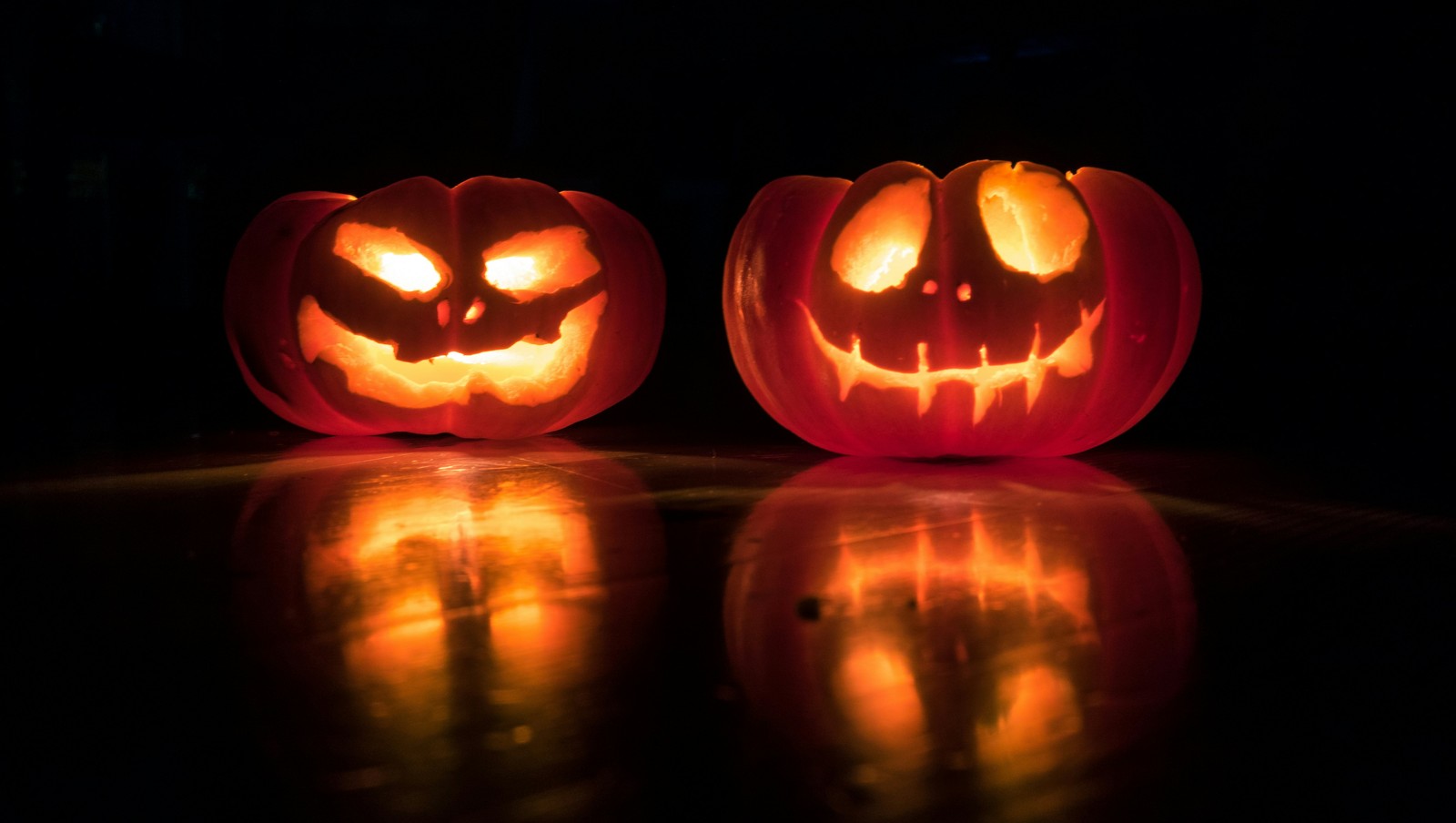
Image: David Menidrey
It’s hard not to love Halloween. It’s a time for celebration, jack-o’-lanterns, and of course, candy. But behind today’s traditions lie plenty of spooky secrets about the holiday and where it came from. From the meaning behind costumes to the origins of trick-or-treating, we’re exploring 10 facts you probably didn’t know about Halloween. Let’s get started!
1
Ancient roots

Image: Miguel Teirlinck
Believe it or not, what we call Halloween began more than 2,000 years ago. The ancient Celtic festival of Samhain, held from October 31 to November 1 in what is now Ireland, Scotland, and parts of Britain, marked the shift from the harvest season to the dark days of winter. The Celts believed that, on that night, the boundary between the living and the dead grew dangerously thin. Spirits could slip through that barrier... both benevolent and darker ones.
2
Why scary costumes?
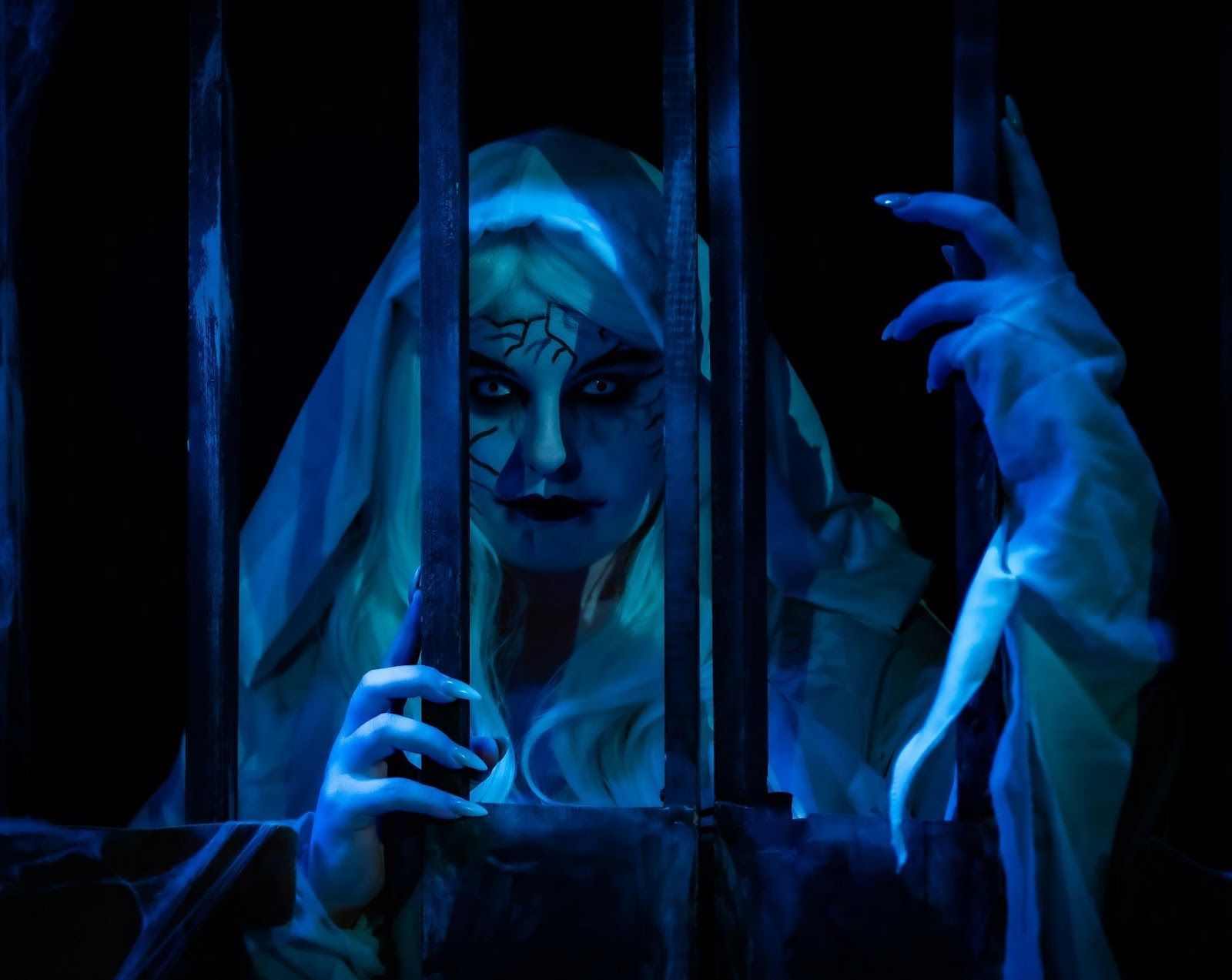
Image: JOHN BEARBY IMAGES
If the spirits of the dead were roaming the earth, what would you do? The Celts had a clever solution: they disguised themselves with animal skins and masks to look frightening and protect themselves from any spirits that might not have the best intentions. The hope was that ghosts would either mistake them for one of their own or be scared off entirely. Over time, the tradition evolved, but its roots remained; just look at all the little witches, skeletons, and other spooky costumes we see on Halloween today.
3
There's a reason for black and orange
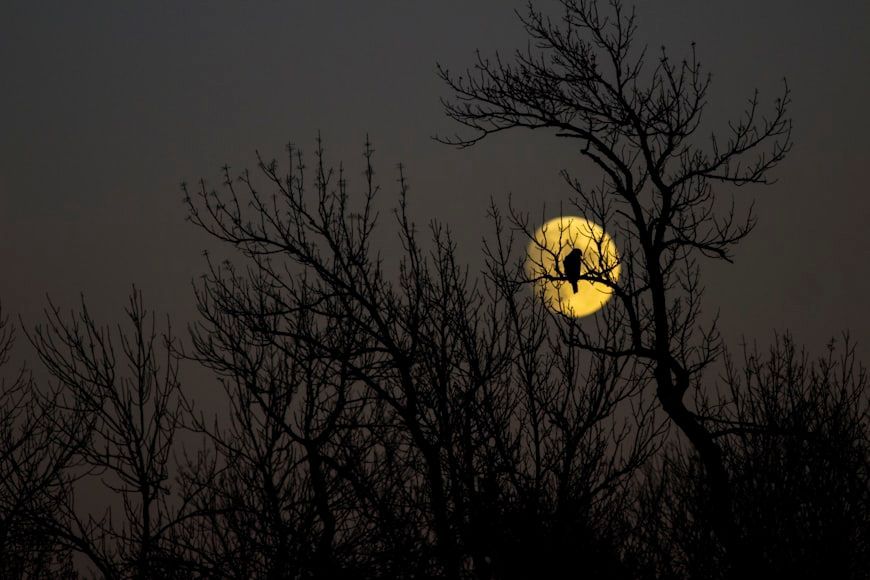
Image: Gary Fultz
Orange and black take over homes and streets every Halloween, but why? The answer goes back to the Celtic festival of Samhain as well. Orange symbolized the end of autumn and fallen leaves, while black represented the darkness of the long winter nights ahead.
4
Witches weren’t always seen as scary
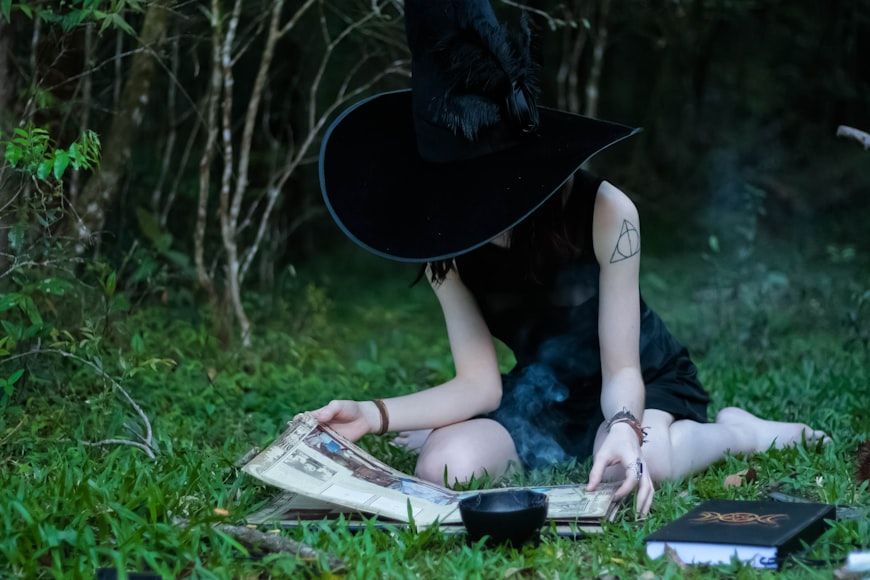
Image: Halanna Halila
Witches have been part of Halloween lore for ages. Countless stories cast them as spooky figures with flying broomsticks, pointed hats, and bubbling potions. But it wasn’t always this way. Among the Celts, many practices now labeled as "witchcraft" were connected to healing, spirituality, and nature, and weren’t seen as evil at all; that association came much later with the spread of Christianity. In fact, the English word "witch" is often linked to the Old English wicca (masculine) and wicce (feminine), meaning "wise one."
5
Trick-or-treating origins
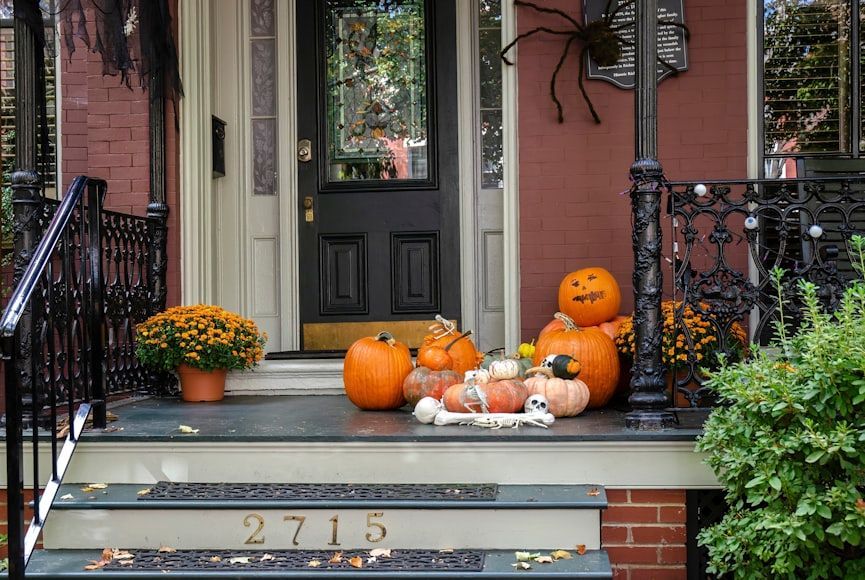
Image: Robin Jonathan Deutsch
In addition to dressing up to protect themselves, the Celts also left treats on their doorsteps to appease wandering spirits. Over the centuries, that custom changed and spread. By medieval times in Europe, people—especially children—would go door to door during this season, offering prayers for departed souls or performing small songs and jokes in exchange for food or treats. This tradition, known as "souling" or "guising," eventually inspired the trick-or-treating we know today.
6
Scary tricks
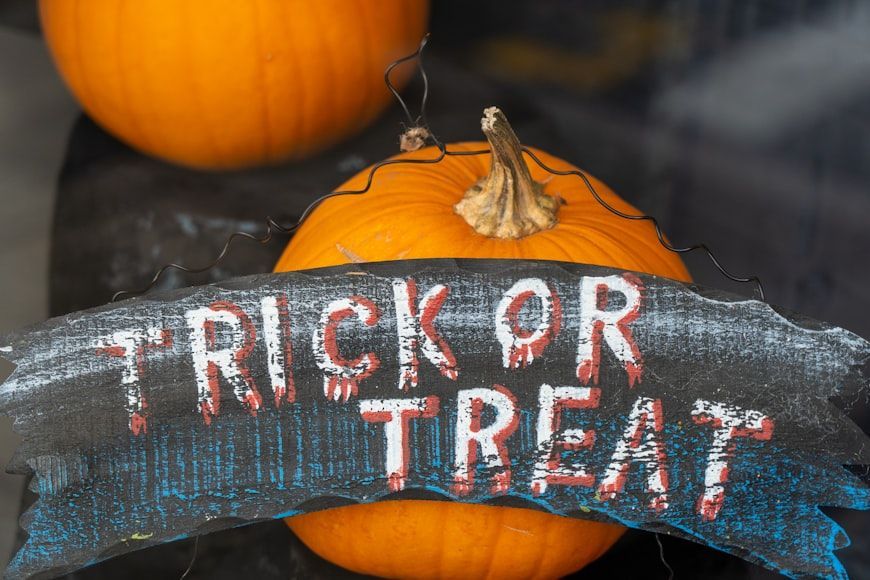
Image: Nick Fewings
In the recent past, the "tricks" in trick-or-treating were no joke—they could be genuinely frightening. In the late 19th and early 20th centuries, Halloween was known far more for mischief than for candy. Kids pulled off pranks like tying doors shut or slamming windows to make homeowners think their houses were haunted. Scary? Yes. Fun? Definitely.
7
In the past, they weren't pumpkins
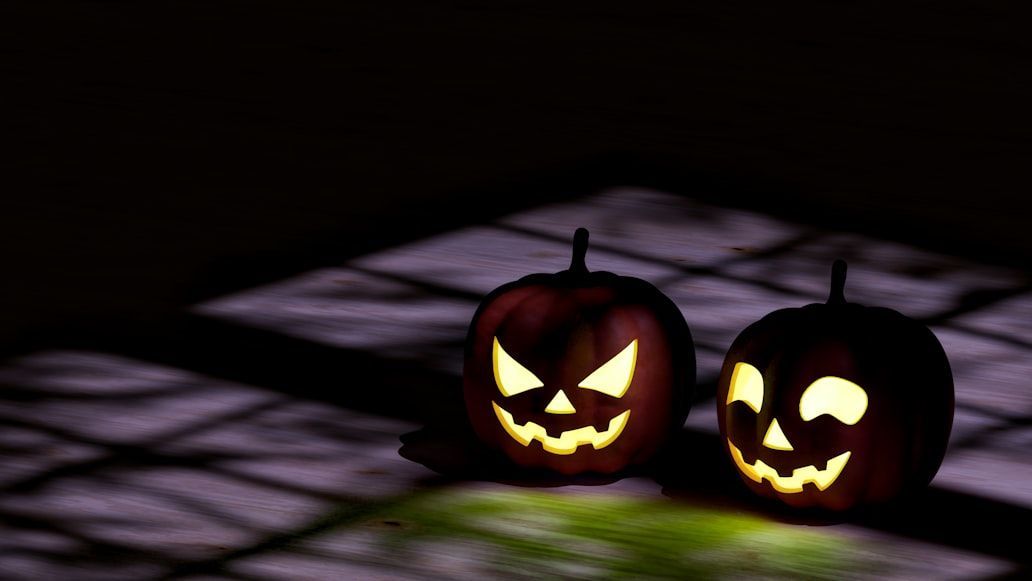
Image: Igor Omilaev
Pumpkins may be the stars of Halloween décor today, but they weren’t always the first pick. The tradition of carving Halloween lanterns also began in Ireland and Scotland, but not with pumpkins. In the old days, people carved turnips, beets, and other root vegetables. When Irish immigrants arrived in the United States in the 19th century, they found that pumpkins were bigger, softer, and far easier to carve, so pumpkins quickly replaced the turnips.
8
Halloween, SC
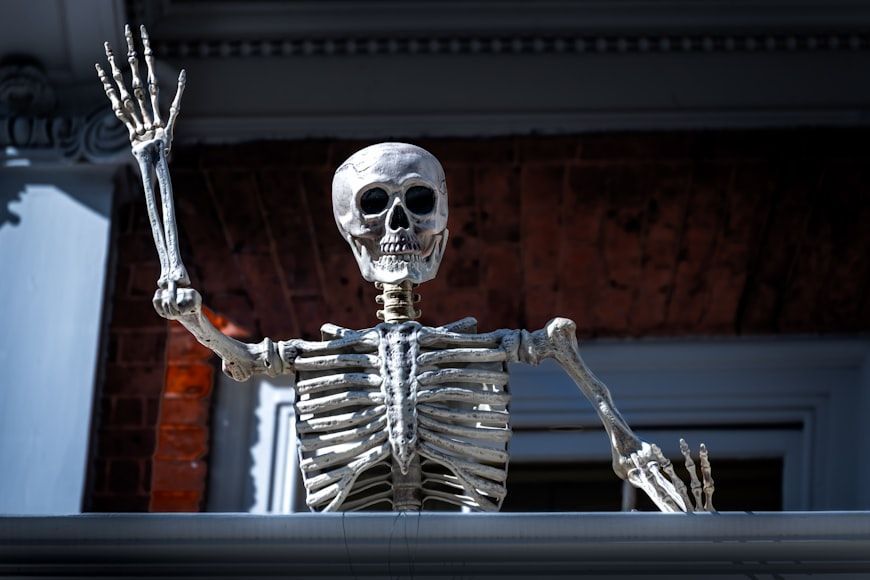
Image: Joseph Corl
Today, Americans put a lot of effort into Halloween celebrations. But perhaps no one embraces it more than the residents of Conway, SC, who made headlines for a bold decision. In 2022, the city officially adopted the monikers "City of Halloween" and "Halloween, SC" for the month of October. Although "Conway" remains its legal name year-round, the town uses the spooky nickname during the holiday season to attract visitors eager to experience its larger-than-life celebrations and decorations.
9
Parents also have their "tricks"
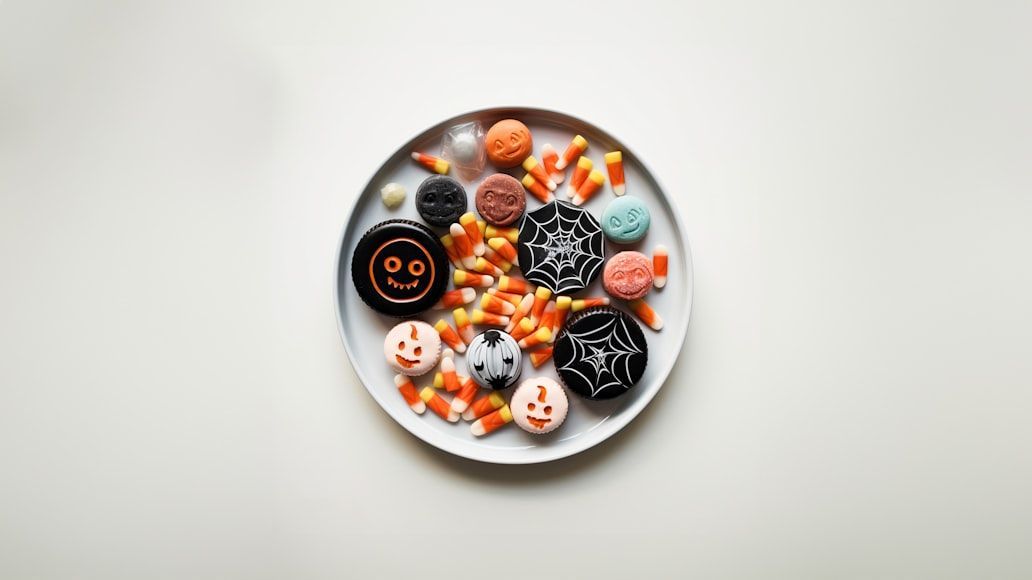
Image: Tolgahan Akbulut
Although trick-or-treating is mostly for kids, parents definitely get in on the fun. According to a 2019 survey, 74% of parents admitted to stealing a few pieces of their children’s candy. And honestly, who can blame them? A pumpkin bucket overflowing with sweets is hard to resist.
10
Paranormal full moon
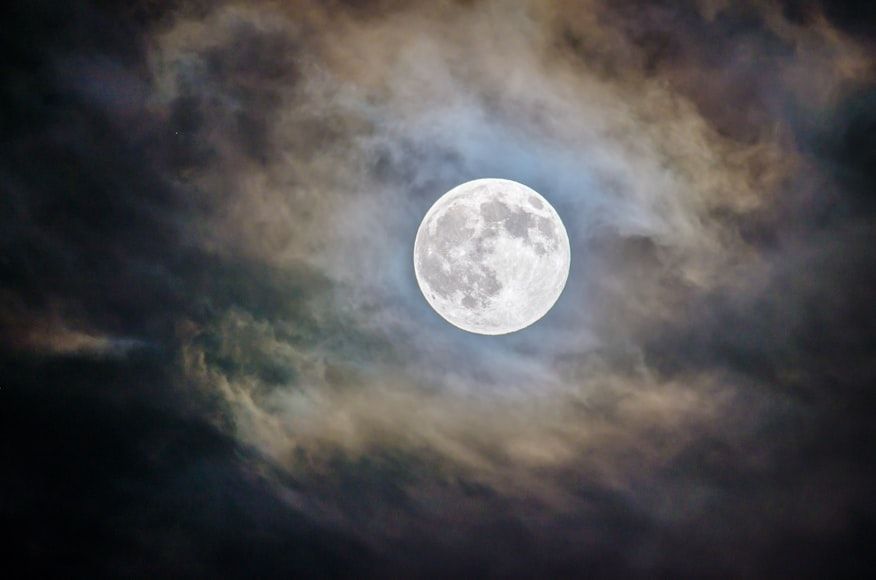
Image: Ganapathy Kumar
Celebrating Halloween under a full moon has a special charm, as that lunar phase has long been linked to heightened paranormal activity. But this coincidence is rare: a full moon on Halloween only happens about every 18–19 years. The last full moon during Halloween was in 2020, and according to forecasts, we won’t see another until 2039.


