General General 6 min read

Faces of television

Why did this game show host kiss female contestants?
Image: New Africa

Remember guessing words, watching contestants choose between a car and a mystery box, or shouting answers at the TV before contestants could? From a host who urged America to spay or neuter its pets to one who inspired a famous math puzzle and another who kissed female contestants , these 10 game show legends made TV history. How many do you remember?

1
Bob Barker: The Price Is Right
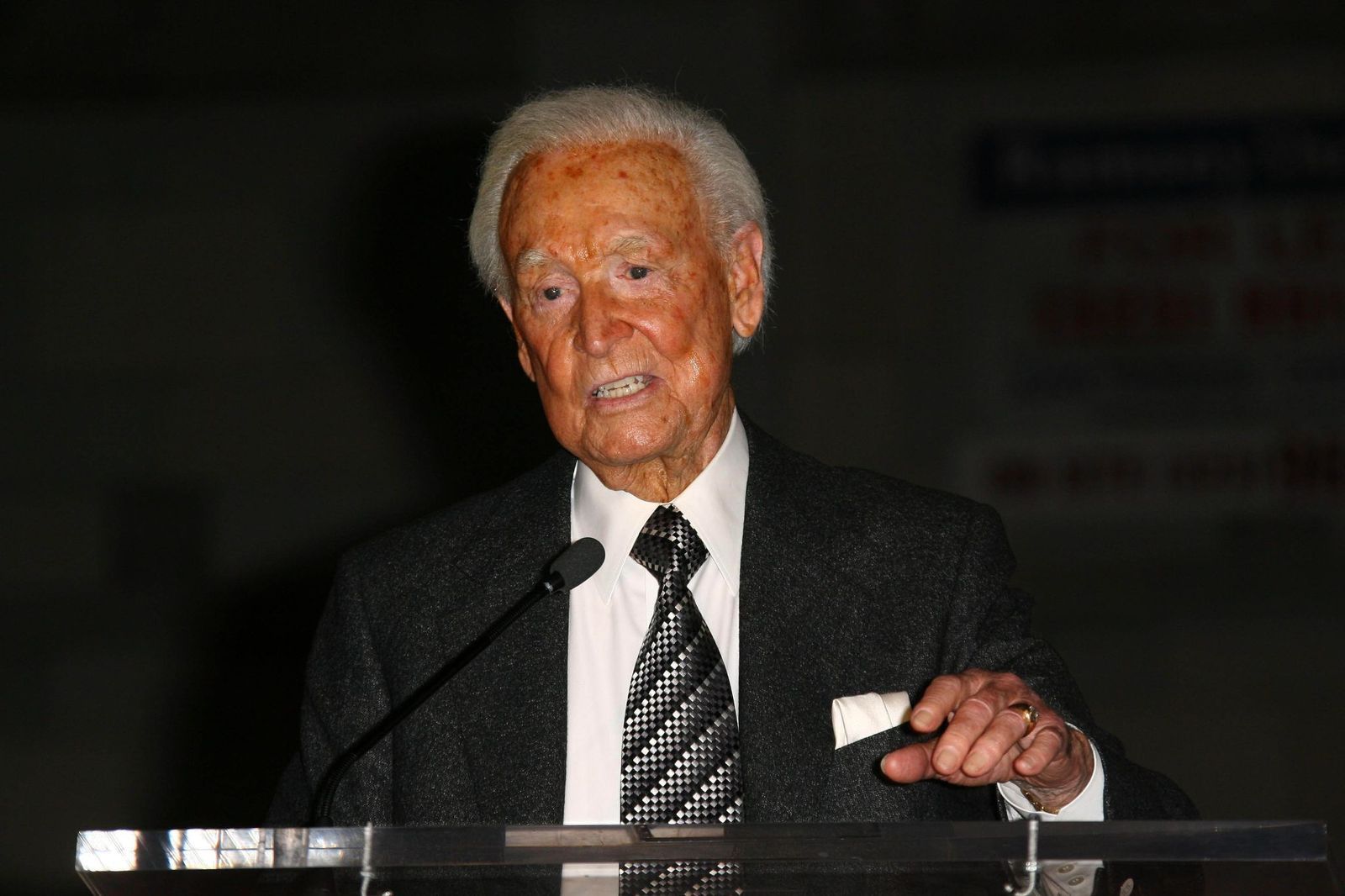
Image: s_bukley

Bob Barker hosted The Price Is Right for 35 years, from 1972 until his retirement in 2007, making him one of the most recognizable faces of American television. He won 19 Emmy Awards, including a Lifetime Achievement Award in 1999, and was inducted into the Television Academy's Hall of Fame in 2004.

His famous sign-off became just as memorable as the show itself: " Help control the pet population, have your pets spayed or neutered. " Barker introduced the message in 1979 to raise awareness of pet overpopulation and animal shelter euthanasia. Influenced by his late wife, Dorothy Jo, he embraced vegetarianism and became a passionate animal welfare advocate. Barker passed away at age 99 in 2023, and Drew Carey succeeded him as host.

2
Richard Dawson: Family Feud
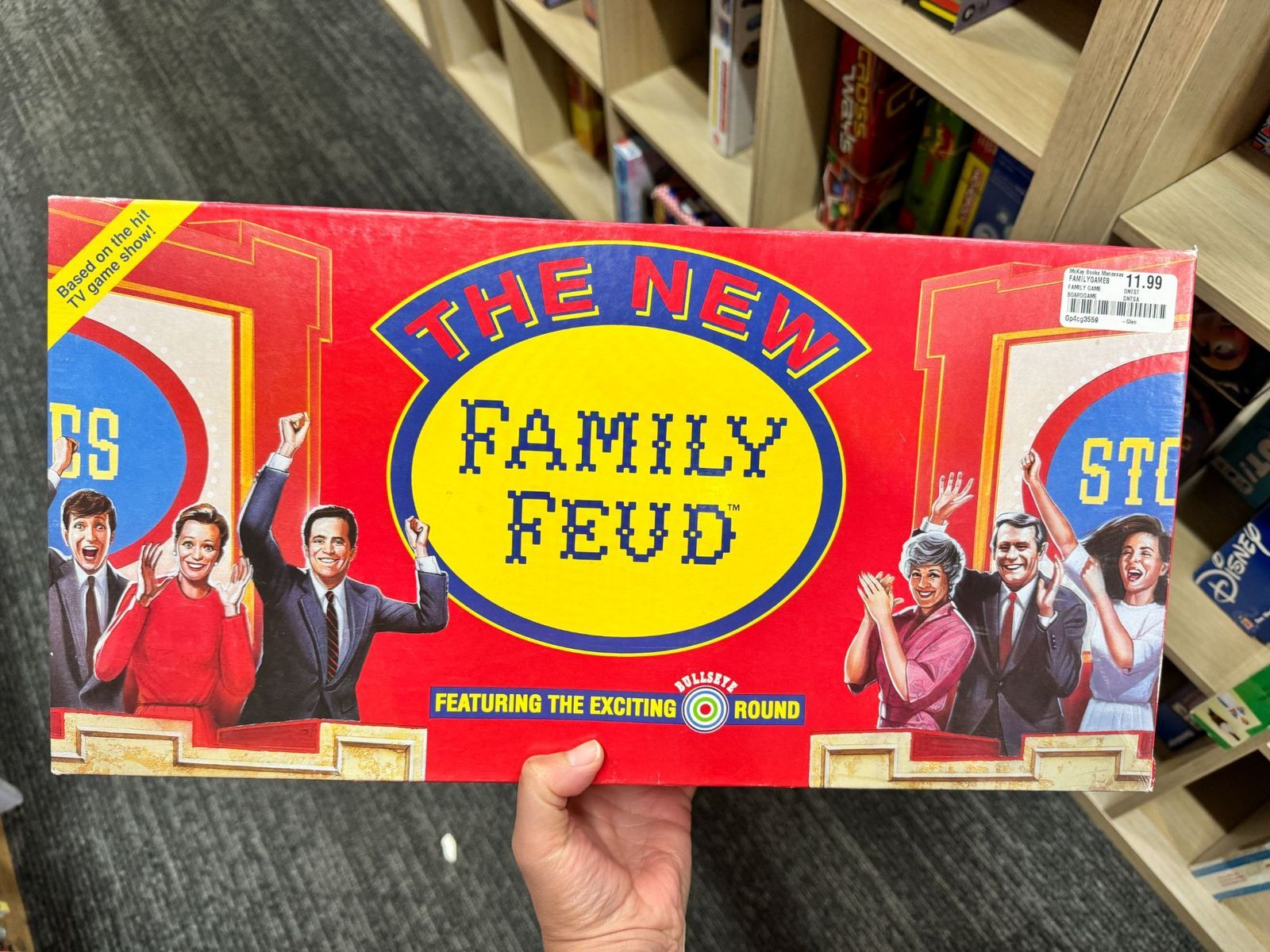
Image: melissamn

Richard Dawson became famous for kissing female contestants on Family Feud , turning an unexpected gesture into one of the show's most talked-about traditions. He said it began when he kissed a nervous contestant on the cheek for good luck , helping her relax enough to answer a question. The gesture soon became his trademark, although it also sparked complaints from some viewers.

Dawson hosted the original run of the show from 1976 to 1985, briefly returning for another season in the mid-1990s. His quick wit and playful interactions with contestants helped turn the family-versus-family competition into a television favorite. He also popularized the catchphrase "Survey says!" whenever the board revealed the most popular answers. Dawson won a Daytime Emmy Award for Outstanding Game Show Host in 1978.

3
Art Fleming: Jeopardy!
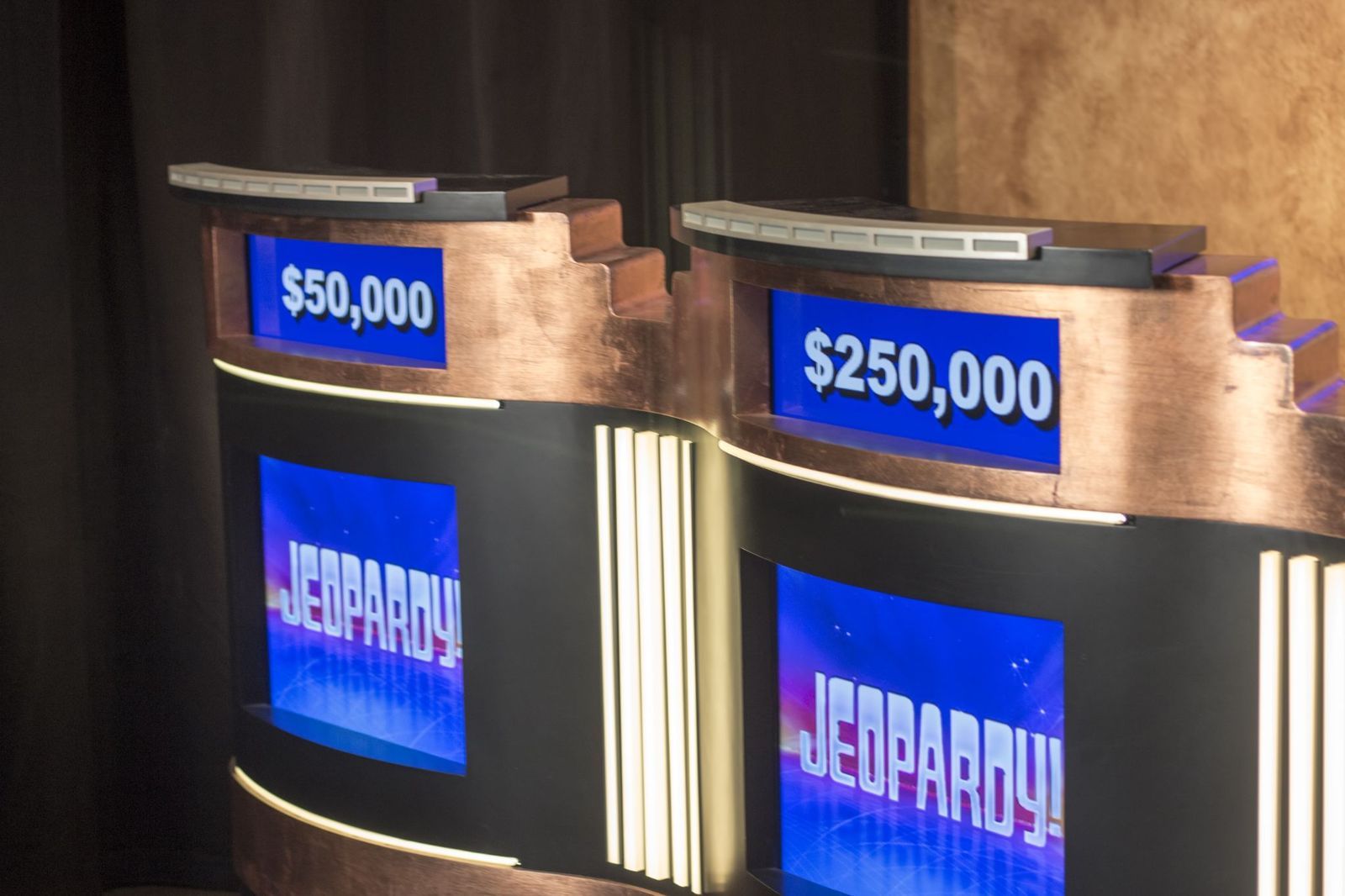
Image: Ryan J. Thompson

Art Fleming was the first-ever, suave host of Jeopardy! , leading the iconic answer-and-question quiz show when it premiered on NBC in 1964. He led its original run for 11 years before returning for a brief revival in the late 1970s.

Creator Merv Griffin reportedly spotted Fleming in a TWA commercial and offered him the hosting job. Born Arthur Volk Fazzini, Fleming had quite a life before television: he was a World War II Navy pilot, actor, and radio personality . He passed away in 1995, leaving behind the gentlemanly, dignified hosting style that helped establish the show's identity.

4
Monty Hall: Let’s Make a Deal
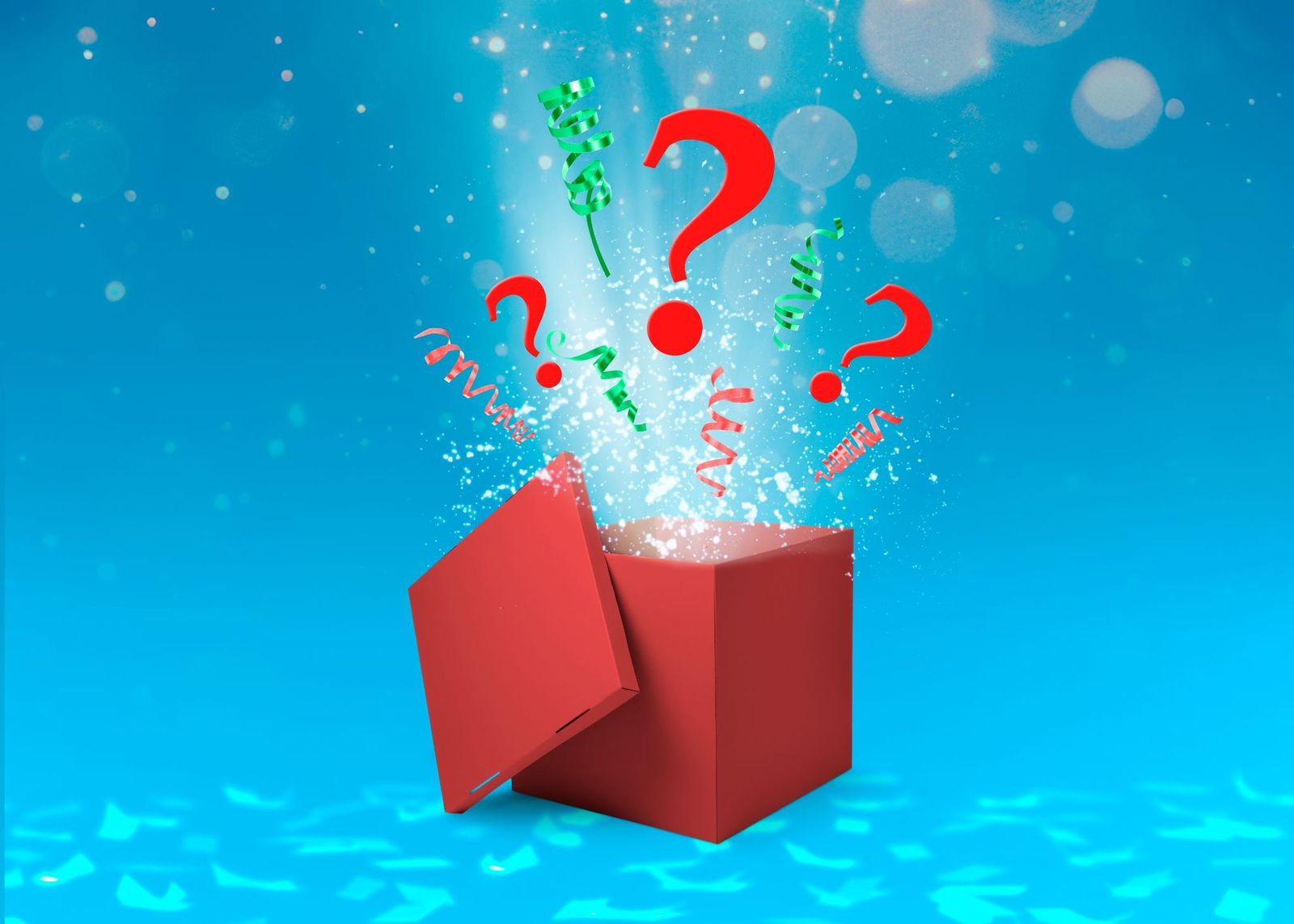
Image: New Africa

Would you trade a prize you already knew you had for a mystery box that could contain a brand-new car, or a worthless gag gift? That was the gamble at the heart of Let's Make a Deal , the game show co-created and hosted by Monty Hall.

Contestants dressed in outrageous costumes to catch Hall's attention and get picked to play, then faced tempting offers involving cash, prizes, and mystery items hidden behind doors, curtains, and boxes. The show, which premiered in 1963, even inspired a famous mathematical puzzle known as the ‘Monty Hall Problem.’ Based on the show's prize-and-door format, it asks whether contestants should stick with their original choice or switch after the host reveals an empty door. The surprising answer? Switching doubles their odds of winning, from one in three to two in three.

5
Pat Sajak: Wheel of Fortune
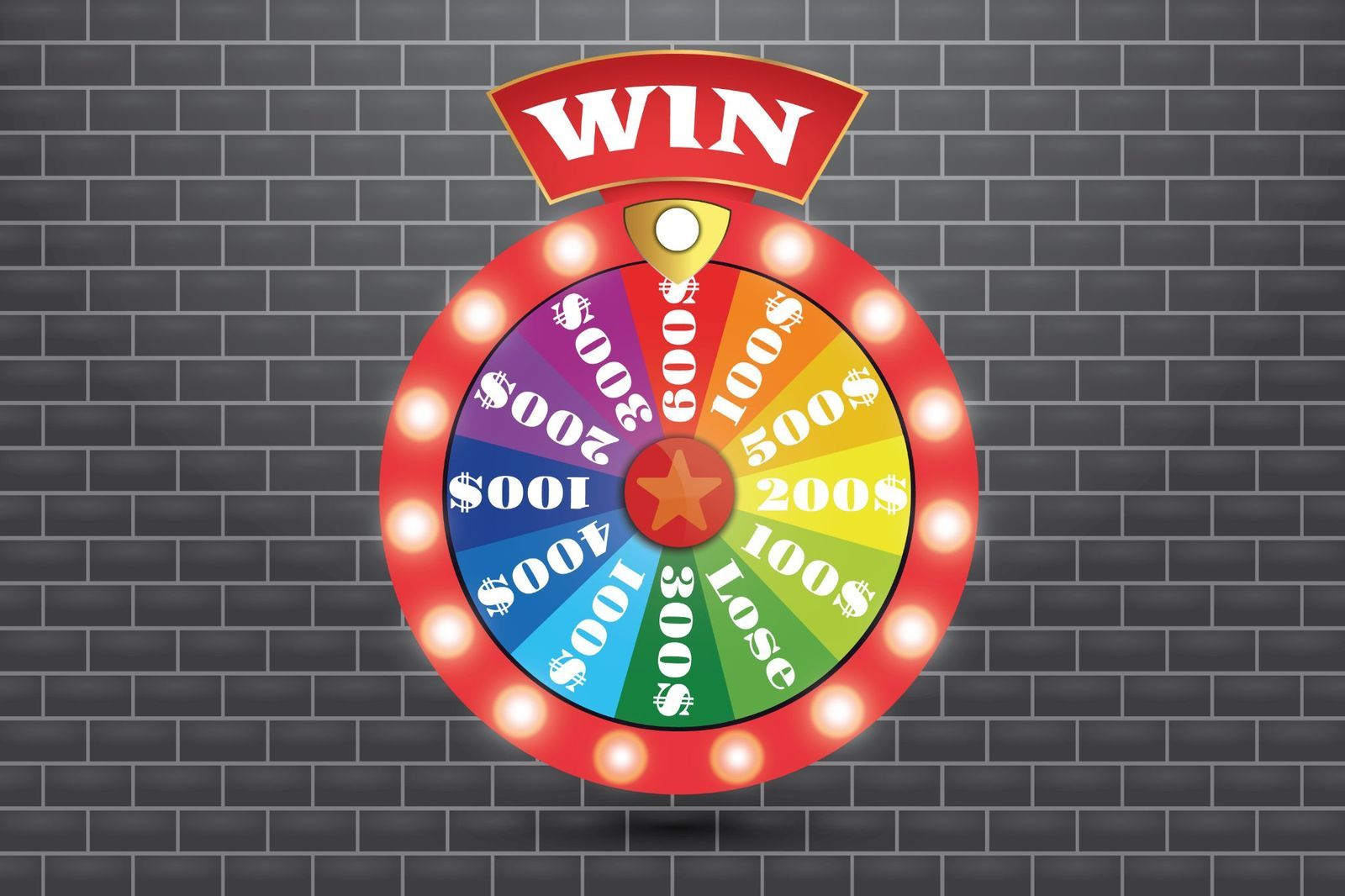
Image: Riddick Patrec

Pat Sajak became a familiar face on Wheel of Fortune , hosting the show for more than four decades, from 1981 until his retirement in 2024. In fact, he set a Guinness World Record for the longest career as a game show host of the same show , with 40 years and 275 days.

Contestants spun the giant wheel to determine their cash prizes, called out letters, and bought vowels as they tried to solve the hidden phrases before their opponents. Vanna White, who joined Sajak in 1982, became famous for turning the letters on the puzzle board. Ryan Seacrest took over as host in 2024.

6
Chuck Woolery: Love Connection

Image: Iqbal Nuril A

"‘We'll be back in two and two!’ Chuck Woolery's signature sign-off became one of the most memorable catchphrases in television dating-show history. As host of Love Connection , he guided singles through the sometimes hilarious world of dating , as contestants watched video profiles of three potential matches and chose one for a date. A couple of weeks later, they returned to the studio to tell Woolery and the audience how it went.

The show ran for 11 seasons, from 1983 to 1994, and Woolery's famous phrase referred to the two-minute-and-two-second commercial break, often accompanied by his distinctive two-finger hand gesture. He passed away in November 2024 at age 83.

7
Gene Rayburn: Match Game
Image: vovan

A skinny, telescoping microphone, a quick wit, and a panel of celebrities ready to deliver outrageous answers: Gene Rayburn had all the ingredients to emcee a memorable hour of television.

As host of Match Game , Rayburn presided over two contestants trying to fill in the blanks of humorous, often cheeky phrases and match the answers given by a six-celebrity panel. This was the format of the show's hugely successful 1970s revival; regulars such as Brett Somers, Charles Nelson Reilly, and Richard Dawson helped make it a daytime television favorite. Rayburn hosted the original NBC version from 1962 to 1969 before returning for the CBS revival in 1973. He became just as famous for his playful banter and theatrical entrances as for the game itself.

8
Dick Clark: The $10,000 Pyramid
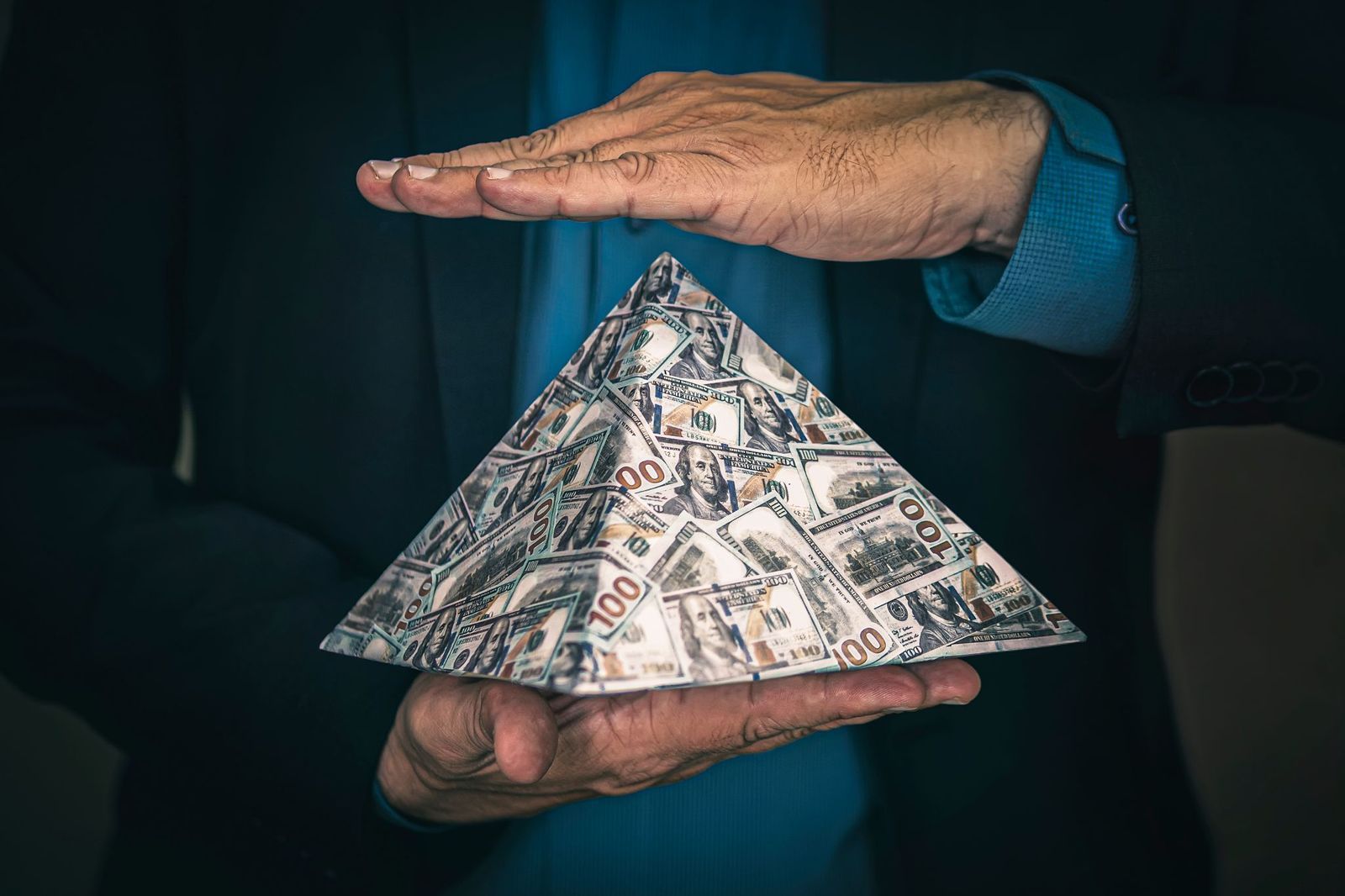
Image: Melnikov Dmitriy

How quickly could you get a celebrity partner to guess a mystery word without actually saying it? That was the challenge behind The $10,000 Pyramid , the fast-paced game show Dick Clark began hosting in 1973 and continued hosting in various versions until 1988.

Two teams, each pairing a contestant with a celebrity guest, raced against the clock to communicate words and phrases across six categories arranged in a pyramid. Teammates took turns giving clues and guessing the answers. The winning team then advanced to the famous "Winner's Circle" for a chance at the grand prize. As the show evolved, its name changed to reflect bigger potential winnings, with later versions offering prizes as high as $100,000 .

9
Allen Ludden: Password
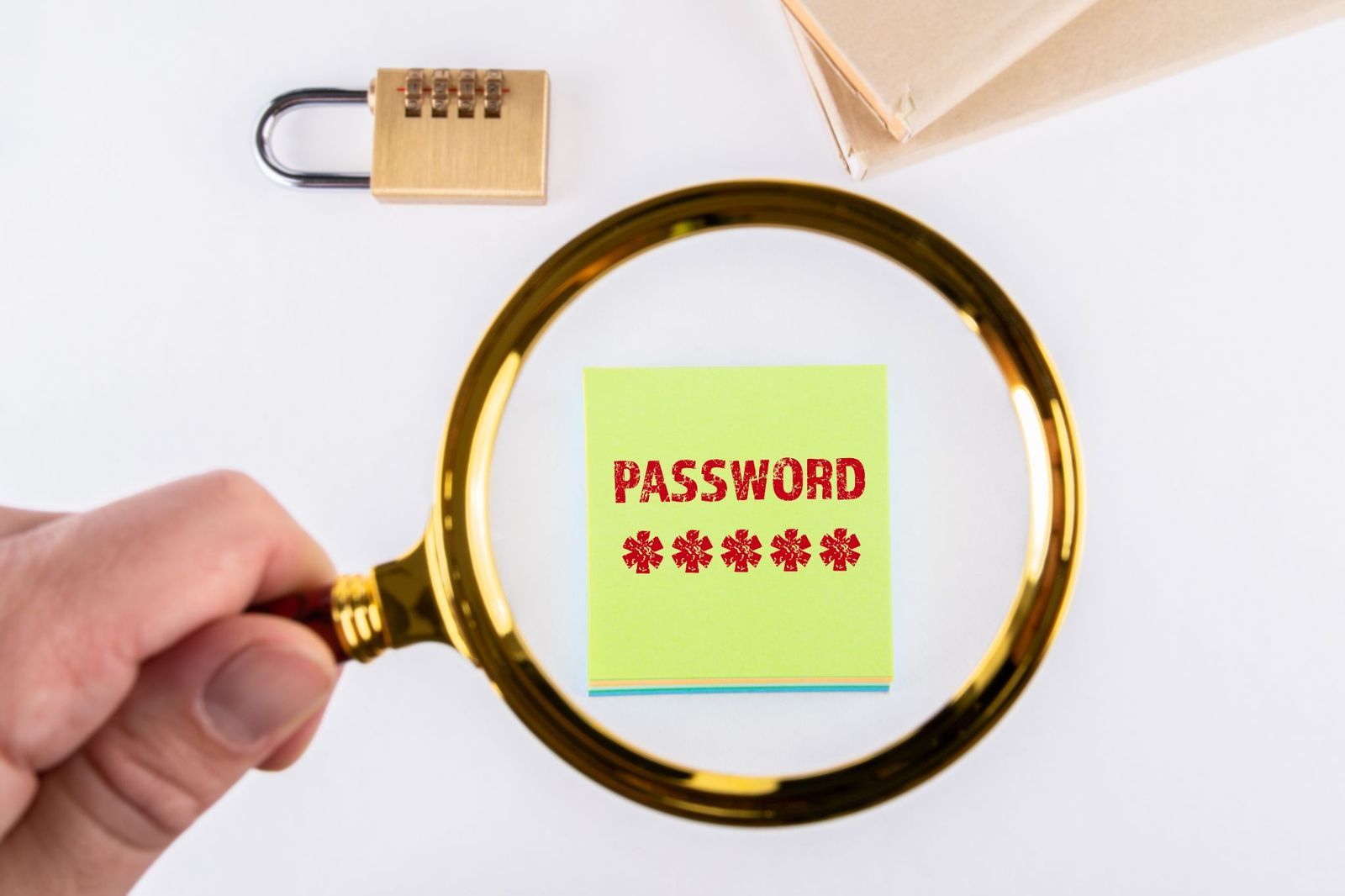
Image: stoatphoto

One word was all you could use to help your teammate guess another. That was the simple but addictive premise of Password , the classic game show hosted by Allen Ludden.

The show paired celebrities with everyday contestants, who had to communicate secret words using single-word clues. Ludden hosted several versions of the program, including its original CBS run from 1961 to 1967 and its later ABC revival from 1971 to 1975. He also had a famous real-life partnership: Ludden married actress Betty White in 1963 , and the couple remained together until his death in 1981 at age 63. He won a Daytime Emmy Award for Outstanding Game Show Host in 1976.

10
Alex Trebek: Jeopardy!
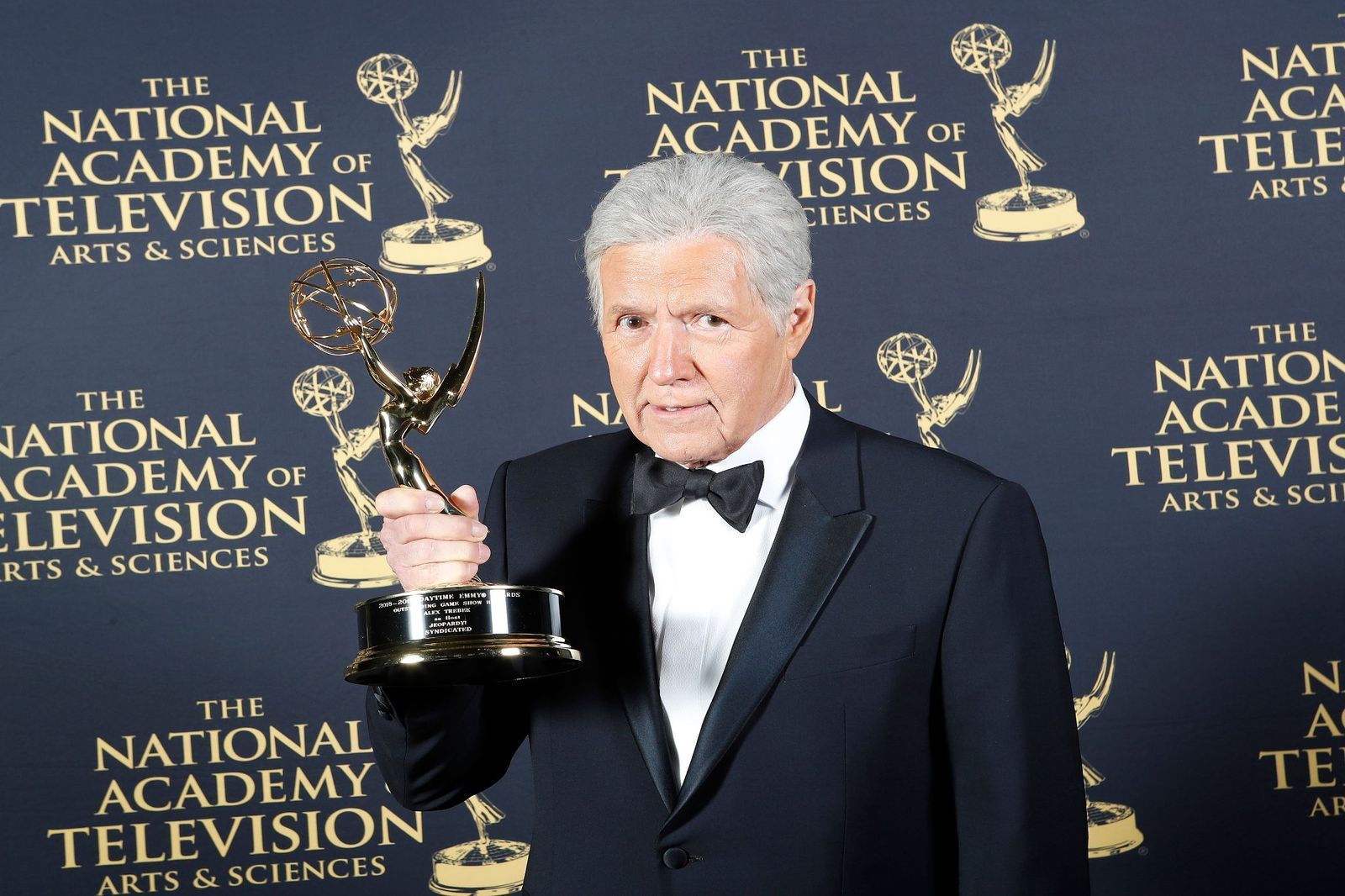
Image: Joe Seer

For nearly four decades, Alex Trebek was the calm, reassuring voice guiding America through the questions and answers of Jeopardy! He hosted the syndicated quiz show for nearly 37 years (from 1984 to 2020), becoming one of the most recognizable and respected figures in American television.

Known for his serene delivery, sharp wit, and occasional self-deprecating humor, Trebek made even the most challenging trivia feel approachable . He hosted more than 8,200 episodes and won seven Daytime Emmy Awards for Outstanding Game Show Host during his lifetime, along with a Lifetime Achievement Award. In 2019, Trebek publicly announced that he had been diagnosed with stage 4 pancreatic cancer. He continued hosting for another 18 months, recording his final episodes in October 2020. He passed away on November 8, 2020, at age 80.
General General 6 min read

From the Nike Air to the Cell phone camera

NASA in your house: 10 inventions that revolutionized everyday life

Image: NASA

You probably never realized that NASA, the same agency that revolutionized space travel back in the sixties and seventies, is also responsible for the microchips in your favorite electronics, the alarm that warns you of fire, the sensor that lets you take a quick selfie on your phone , among other everyday inventions. Ready to rediscover them?

1
Microchip

Image: Laura Ockel

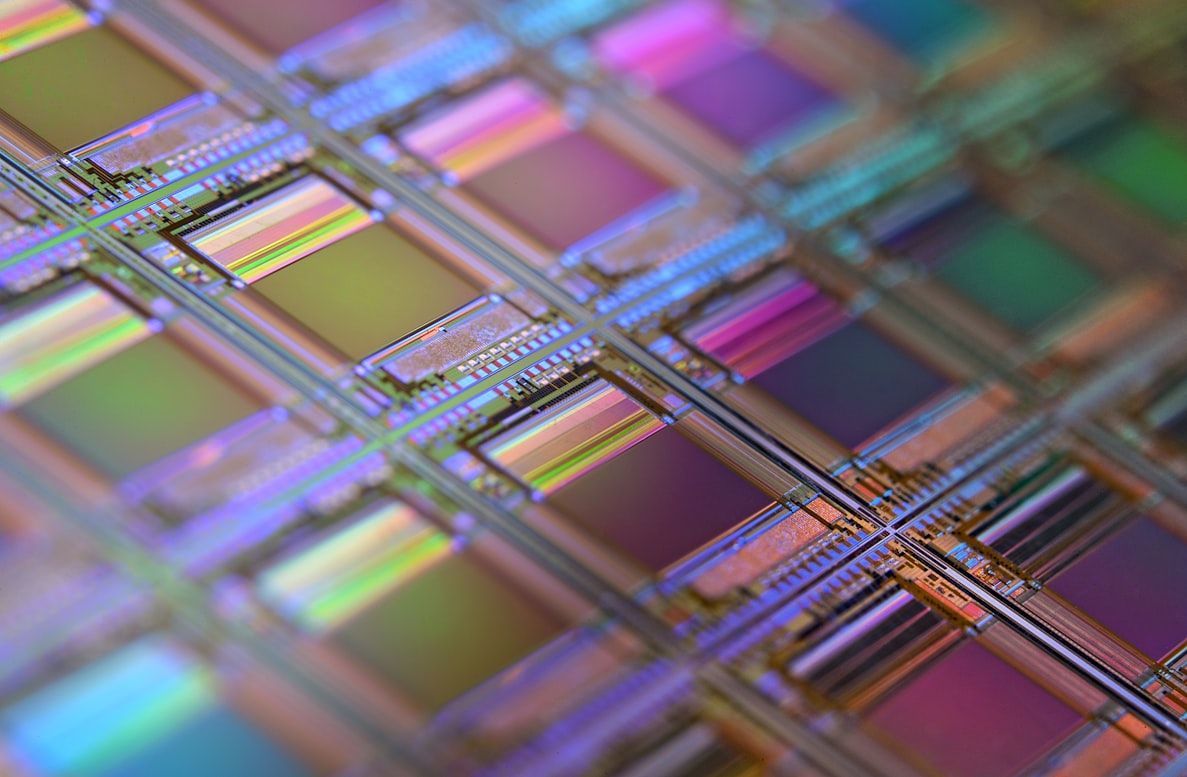
Before microchips, computers relied on glass vacuum tubes that were large, fragile, and too heavy for a spacecraft. To solve this, NASA, during the moon race in the 60s, made a massive bet on a new invention called the integrated circuit, which packed complex electronics onto a tiny sliver of silicon. While these early "microchips" were very expensive and unproven, the Apollo program committed to buying over 60 per cent of all chips made in America. This guaranteed market gave companies like Fairchild Semiconductor, a Californian technology company, the support they needed to perfect the tech and lower the costs. NASA's support as the principal customer for microchips helped the digital revolution happen much sooner than expected. Today, that technology is within almost every electronic device, from the microwave to the laptop.

2
Smoke Detector

Image: Yosuke Ota

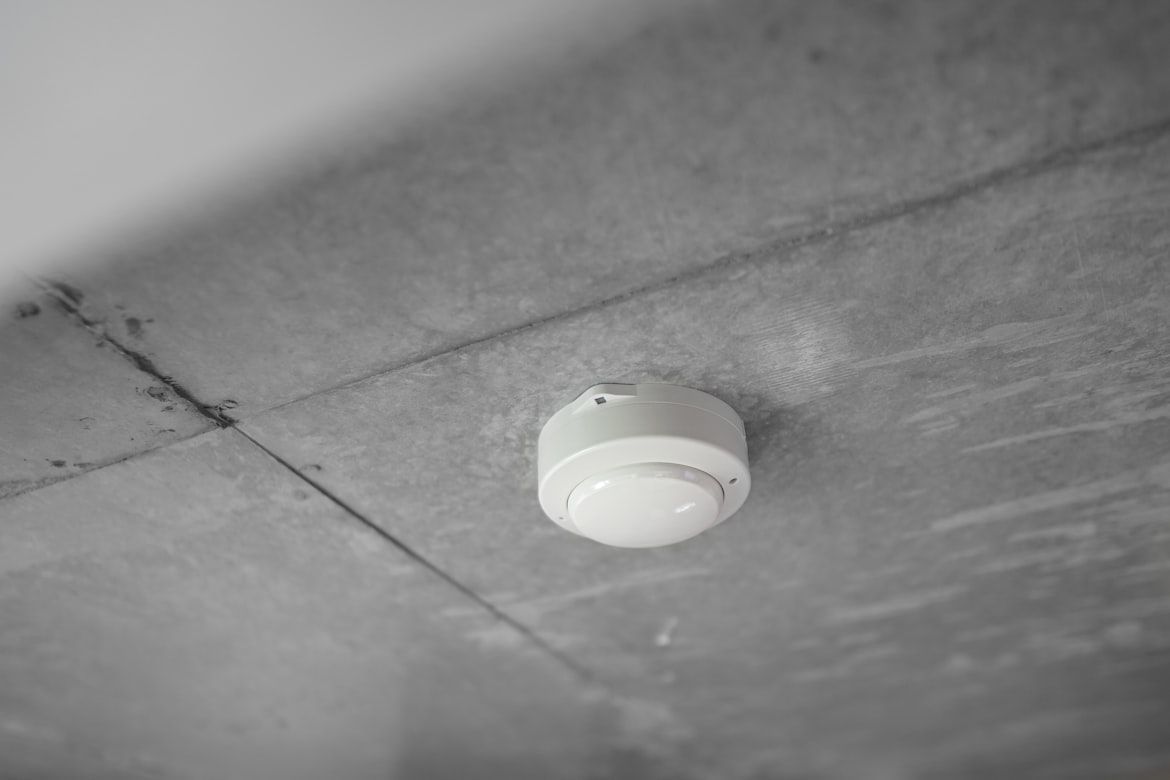
They are among the most important safety tools in our homes, and most people don't know their modern version was shaped for a 1970s space mission. Truth is, the first electric smoke detector was invented in the 1930s by Swiss physicist Walter Jaeger, almost by accident, while working on a gas detection device. Early smoke detectors worked, but they were often too expensive or sensitive for everyday homes.

In the 1970s, NASA teamed up with Honeywell Corporation, a North Carolina-based technology and manufacturing company, to improve the design for Skylab, the first U.S. space station. Astronauts needed an alarm that could detect a real fire without constantly reacting to harmless gases inside the station's tight living quarters. So they added an adjustable sensitivity and long-lasting backup batteries, creating the "nuisance-free" smoke alarm we still use in our homes today.

3
Cell Phone Camera

Image: JD Mason

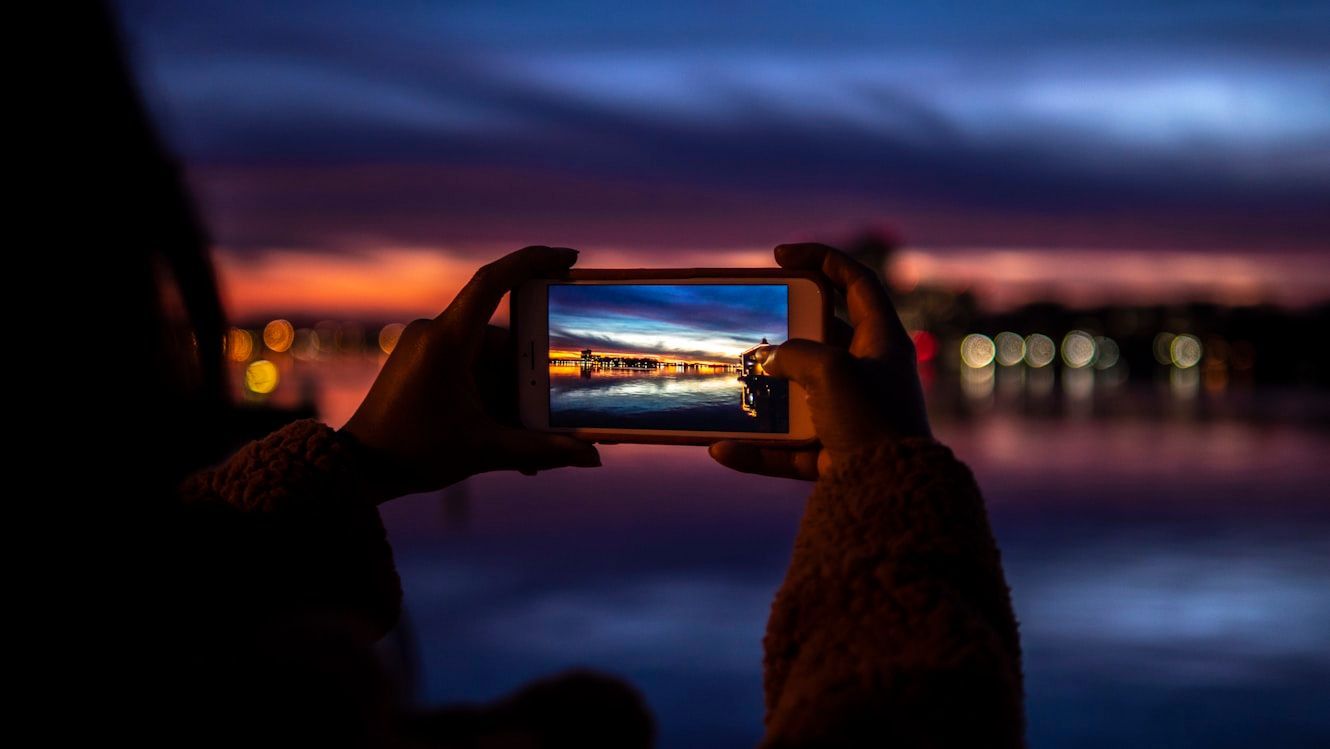
In the 1990s, NASA's Jet Propulsion Laboratory needed to shrink cameras down so they could fit on small spacecraft without draining the battery. Engineer Eric Fossum invented the image sensor, which put all the camera's functions onto a single tiny chip , making cameras much smaller and more efficient than ever before.

In 1995, Fossum founded the company Photobit to bring this space-age sensor to the commercial market. Today, this technology allows smartphones to take high-quality photos while staying thin enough to fit almost everywhere, making it the most used camera tech in the world.

4
Cordless Tools

Image: rakhmat suwandi

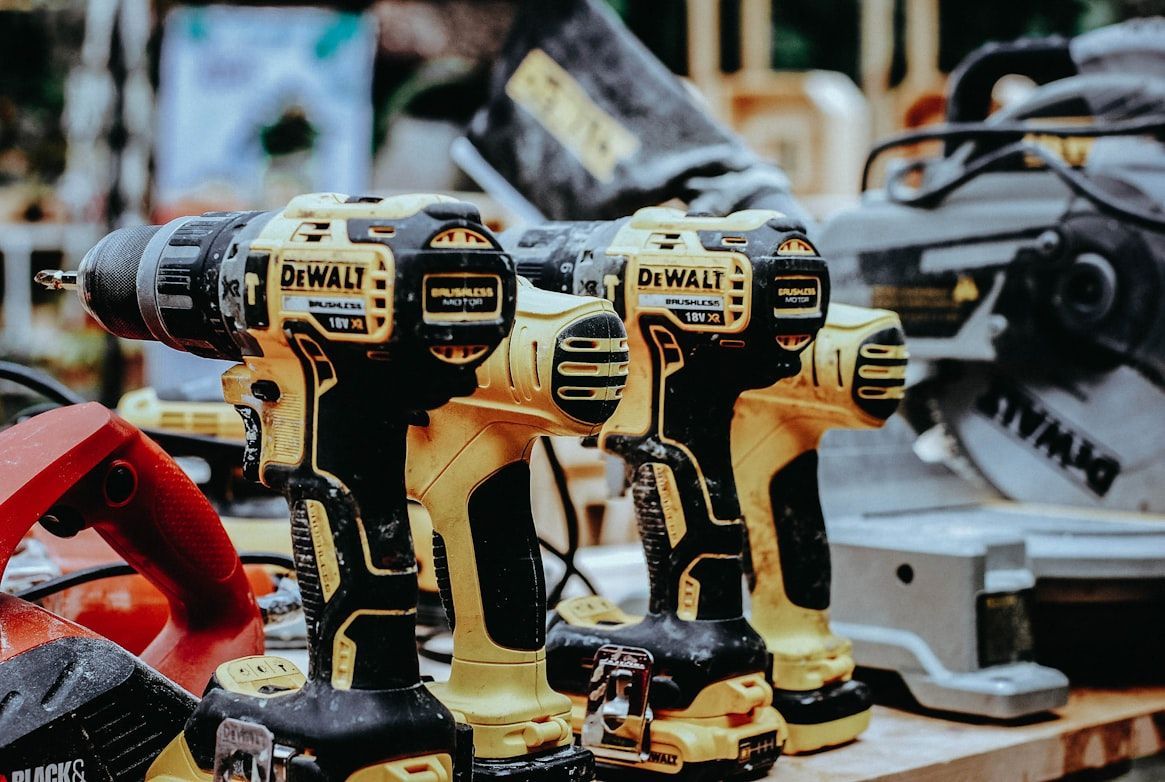
In the early 1960s, Black & Decker developed the first cordless electric drill for commercial use. NASA later recognized the potential and, in 1965, contracted Black & Decker to adapt and refine this technology for the Apollo program, creating a lightweight, battery-powered drill that could operate in the moon's harsh environment and in zero gravity.

But that wasn't all. To make it work for space, they had to improve a specialized motor and smart software that didn't drain the battery too fas t. By the late 1970s, the Dustbuster, the first cordless vacuum, was created, along with the improved battery-powered tools we still rely on today.

5
Memory Foam

Image: Kier in Sight Archives

Have you ever wondered why your mattress is smart enough to remember its original shape? Memory foam is a type of high-density polyurethane foam that softens when heated and under pressure. When you lie down on it, it molds to your body, and when you get up, it slowly returns to its original shape. That's what the "memory" part is about.

NASA developed memory foam in the 1960s to improve seat cushioning and crash protection for airline pilots and passengers, and later adapted it to protect astronauts from "G-forces" during space travel . As it reacted to body heat, the foam softened and molded perfectly to a person's frame, absorbing shock on impact. It took about twenty years to reach the public; the first memory foam mattress didn't hit the market until the early 1990s by companies like Tempur-Pedic and Fagerdala World Foams.

6
Sneaker Air Cushioning

Image: Damian Barczak

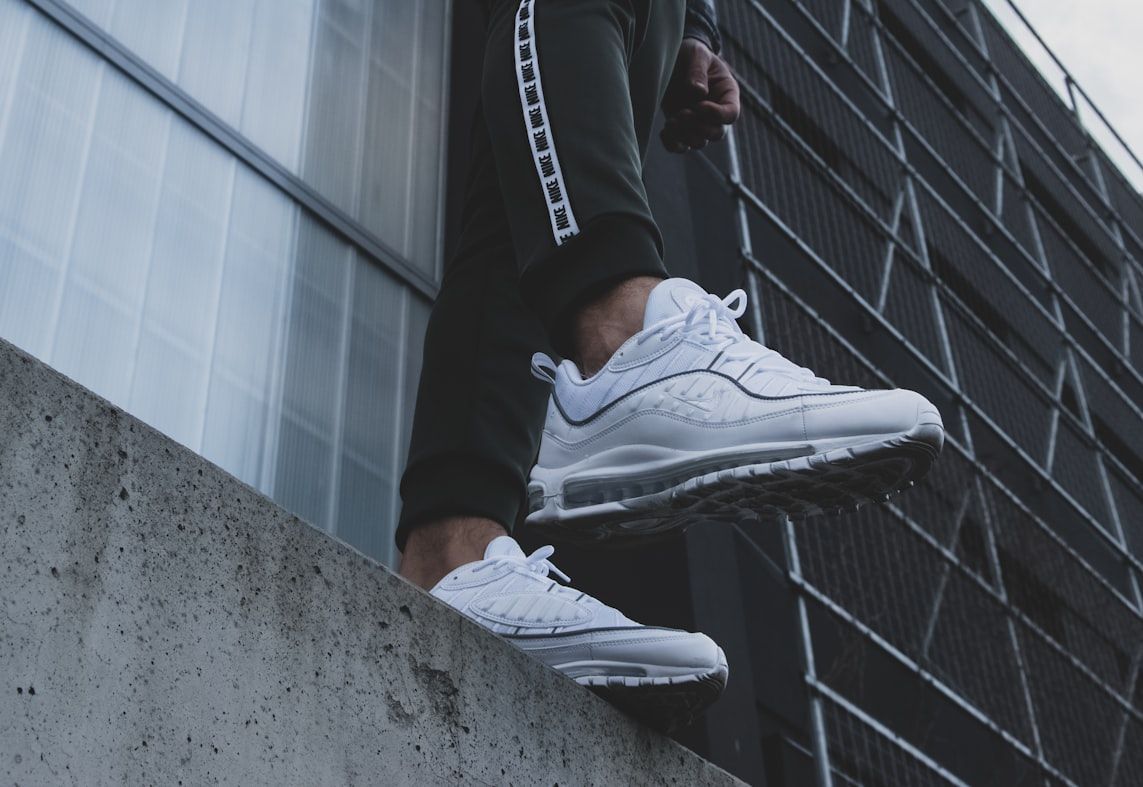
Ever wondered how Nike Airs were created? The truth is that the bounce in many modern sneakers is actually a product of the space industry. A NASA engineer named Frank Rudy, who worked on the Saturn and Apollo rocket engines, was introduced to a process called blow rubber moulding, used to create sealed, pressurised membranes for aerospace applications. He realized this same process could be used to trap gas inside a shoe sole.

In 1977, he brought this idea to Nike, and this led to the creation of the Nike Air Tailwind in 1978, the first shoe to feature this space-inspired cushioning. Today, air-cushioned soles are a standard, using the same aerospace tech to protect joints in every step.

7
Water Filters

Image: RephiLe water

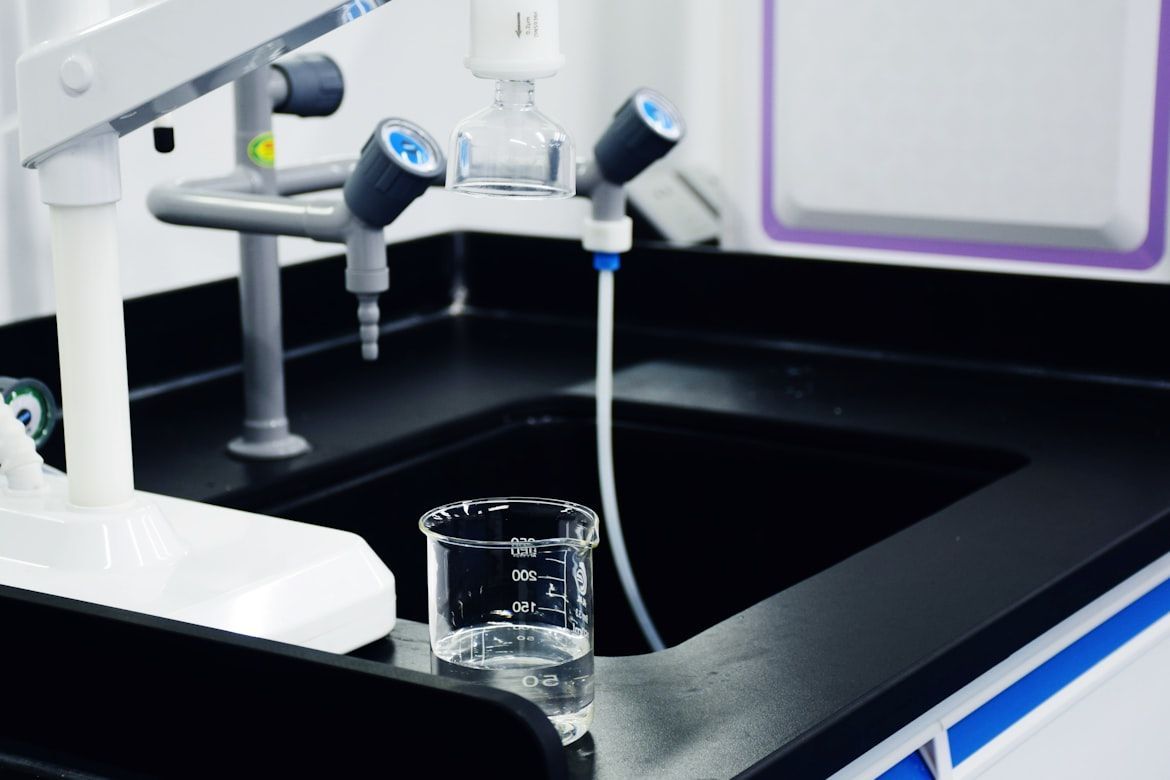
In 1963, NASA faced an important challenge for the Apollo program: keeping drinking water pure for long missions without using heavy chemicals. To solve this, they pioneered a system that used silver ions to kill bacteria and activated carbon to remove pollutants. This allowed astronauts to have clean water stored for weeks.

By the 1970s, NASA shared this technology with the public, leading to the creation of companies like Aquaspace. These days, this same silver-ion and carbon tech is used inside household water pitchers and refrigerator filters to remove contaminants.

8
Scratch-Resistant Lenses

Image: Alireza Hashemi

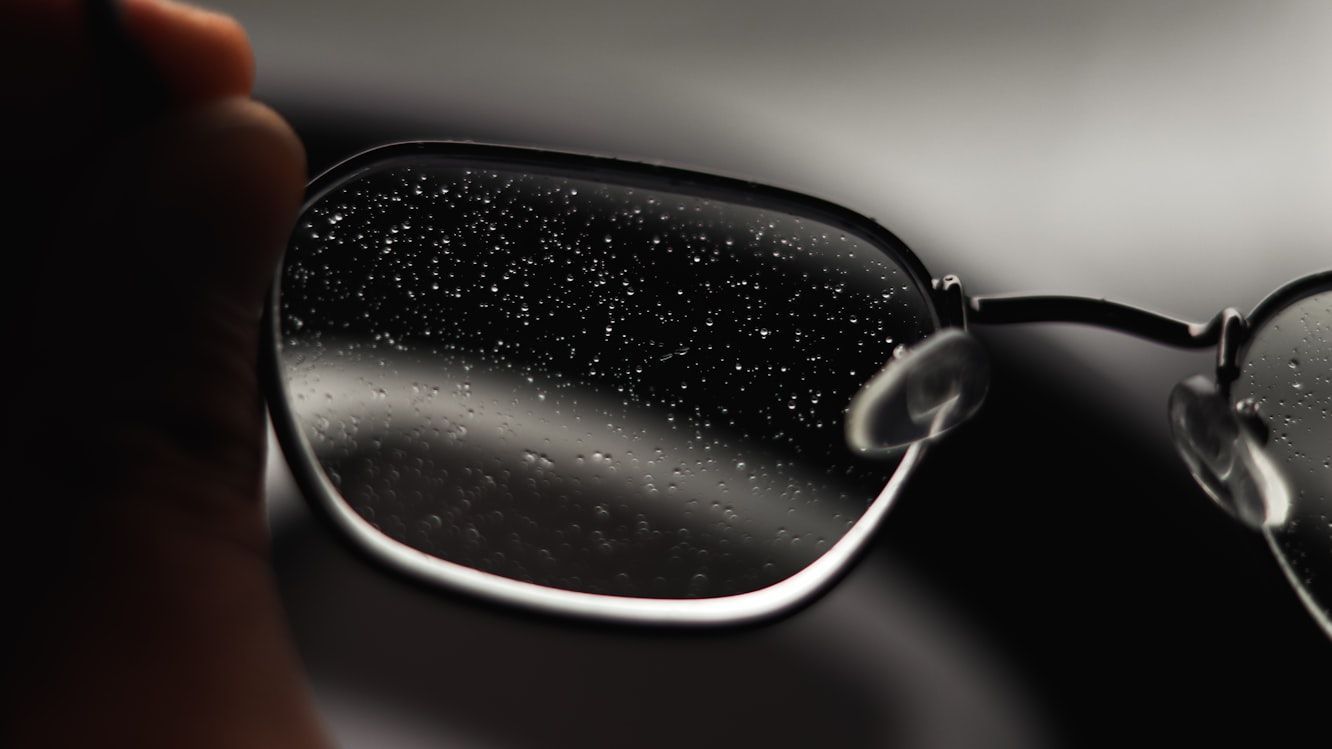
In the 1970s, NASA scientist Ted Wydeven of the Ames Research Center was working on a spacecraft water purification system when he coated a filter with a thin plastic film using an electric discharge of an organic vapor. The result protected the plastic surfaces of aerospace equipment from scratching.

This film made plastic up to ten times more scratch-resistant than earlier materials. In 1983, Foster-Grant licensed the technology and used it to produce scratch-resistant lenses for sunglasses and eyeglasses, introducing space technology to our daily lives.

9
Ear Thermometer

Image: Artur Solarz

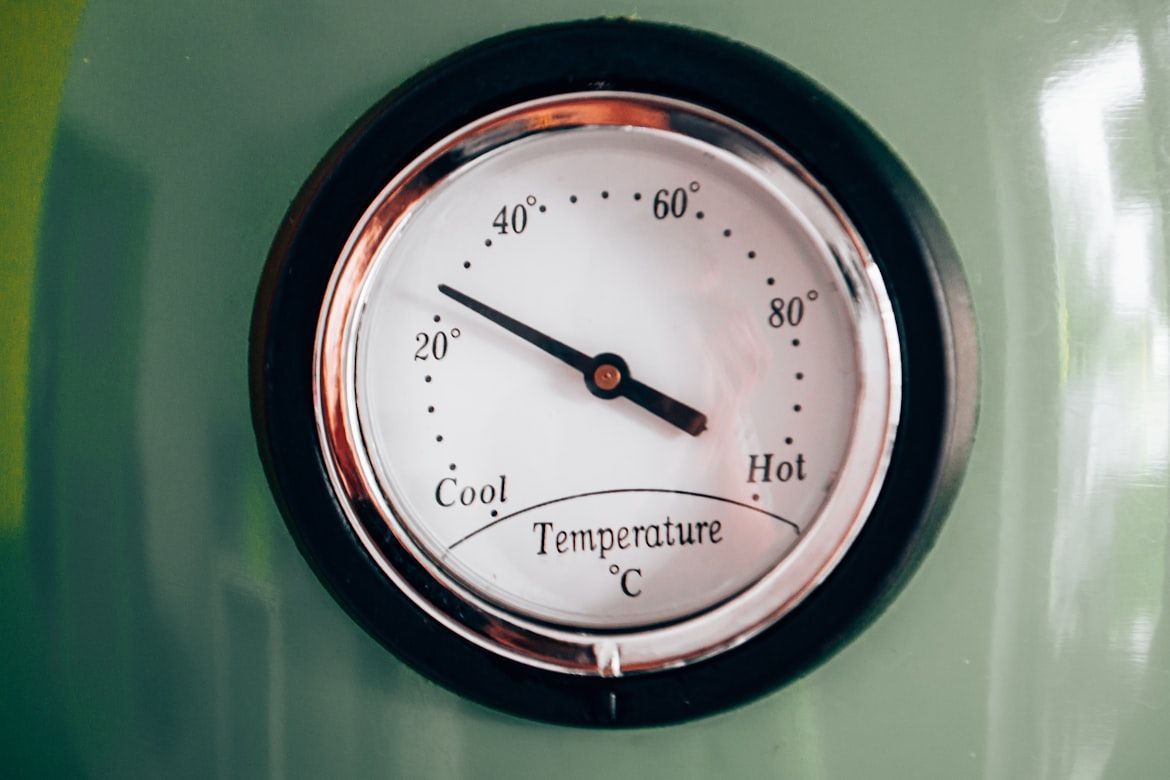
NASA technology and modern healthcare are surprisingly close. It turns out that the same tech used to measure the heat of distant stars is now in our medicine cabinet . In the 1980s, NASA developed special infrared sensors because scientists evidently couldn't place a physical thermometer on a planet millions of miles away. These sensors worked by "reading" invisible heat energy from a distance.

By 1991, a medical technology company called Diatek teamed up with NASA to bring this space tech into daily medicine. They realized the human eardrum also emits infrared heat, and that could work as a perfect window to measure our body temperature. This partnership resulted in the first handheld ear thermometer, making fever checks much more comfortable and easier.

10
Super Soaker

Image: Michael Starkie

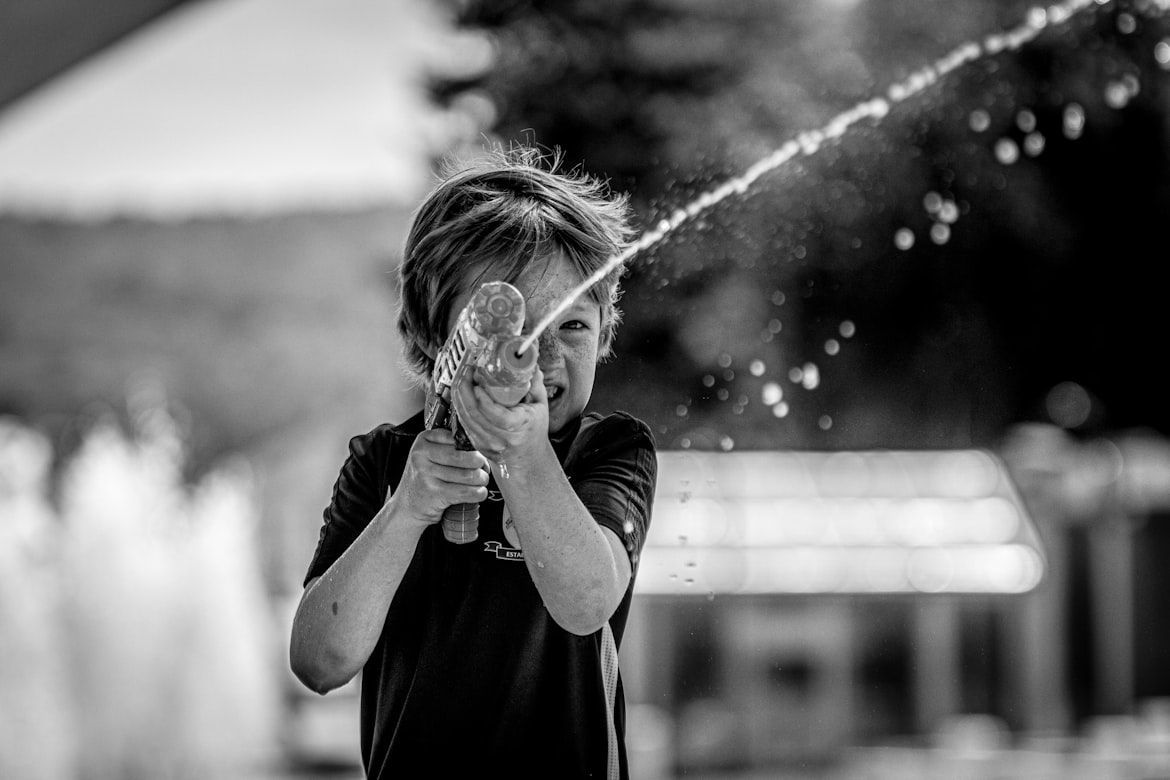
You probably assumed that the world's most famous water gun was created in a toy lab. It was actually invented in the home workshop of NASA engineer Lonnie Johnson. In 1982, while working on a new heat pump that used water instead of refrigerant, a nozzle he was testing shot a powerful stream across his bathroom.

Johnson realized its toy potential and licensed his "Power Drencher" design to the toy company Larami. It was renamed to the Super Soaker in 1991, and it uses the same air-pressure principles Johnson applied to spacecraft systems.

General General 3 min read

It’s a dog’s life

Made in the USA: Dog Edition! Did you know these 10 breeds are American?

Image: Till Daling

Mankind’s best friend has been a loyal companion forever, all over the world. But some breeds have originated right here, in America, for specifical purposes and uses. The following ten are proud examples of American dogs but plenty more breeds can be found. Do you own an American dog? Take a look and see if it made our list!

1
Alaskan Malamute

Image: Till Daling

The Alaskan Malamute has been a loyal companion to humans for a long time now since it walked with them across the Bering Strait into present-day Alaska. This breed is smart, athletic, and eager to please their human family. Malamutes are also quite social and will howl to express themselves.

2
Mountain Cur

Image: Josh Bean

Outdoor lovers would enjoy the company of a mountain cur. Originally a working dog for early U.S. settlers , this breed was so valuable to the pioneers that they were often carried by pack animals during travel. These days, Mountain Curs love walking through the prairies and mountains on their paws.

3
Black and Tan Coonhound

Image: Wren Meinberg

Known for their acute sense of smell, black and tan coonhounds are hunting dogs that were originally trained to chase their prey and point out its hiding place . These Coonhounds have floppy ears and soft eyes that make them beautiful pets for everyone.

4
Boston Terrier

Image: Oskar Kadaksoo

Known as the "American Gentlemen", Boston Terriers are small dogs that don’t need a lot of space to be happy . Their short noses make breathing difficult and it is not uncommon to see these pups snoring on the couch after playtime.

Boston Terriers make excellent house pets and are great companions for any family.

5
Boykin Spaniel

Image: Nick Russill

If you haven’t heard of the Boykin Spaniel this might be because this breed is rarely found outside of the American Southeast . The Boykin Spaniel was developed entirely in the 1900s and their history can be traced back to a single stray dog found in South Carolina.

6
Catahoula Leopard Dog

Image: Jorge Alcala

This unique breed dates back to the Louisiana Territory's beginnings and it was originally called the "Catahoula Leopard Cur". The name officially changed when he became the State Dog of Louisiana in 1979. Catahoulas have visually striking merle coats .

7
Bluetick Coonhound

Image: Arya Dubey

The second coonhound on this list, the Bluetick Coonhound is also known for his acute smelling sense that made it a perfect hunting dog . Bluetick Coonhounds can follow a trail even if the scent is several days old and can point to their prey’s hideout. This breed has been declared the State Dog of Tennnessee.

8
Chesapeake Bay Retriever

Image: Dana Ward

Retrievers are a very popular breed of dog all over the world and the only American exponent is the Chesapeake Bay retriever. This dog is extremely apt for fetching waterfowl from cold, Northeastern waters.

Even people who are not interested in hunting will find this dog to be an excellent companion. The breed needs to be kept busy, as it has a lot of energy.

9
Australian Shepherd

Image: Amber Mayo

While the name may hint otherwise, the Australian Shepherd is not really Australian. These pups are the most popular American dog breed and have been present since the days of the Wild West.

Australian Shepherds are a great match for active families who love to spend time outdoors and do physical activity often.

10
Carolina Dog

Image: Berkay Gumustekin

A breed believed to have been Native American companion dogs , Carolina dogs were found running free in the 1970s. These pups have even been called the "American dingo" and are quite shy around people.

Explore more American facts

Choose your favorite category!

General
General

As American as apple pie—the very best America has to offer!

Culture
Culture

Delve into the astounding richness of American lore.

Geography
Geography

Hop in and explore vast and diverse American landscapes.

History
History

Discover the key moments that shaped the United States.