Culture Culture 5 min read

Double feature

10 times movies with identical plots were released at the same time
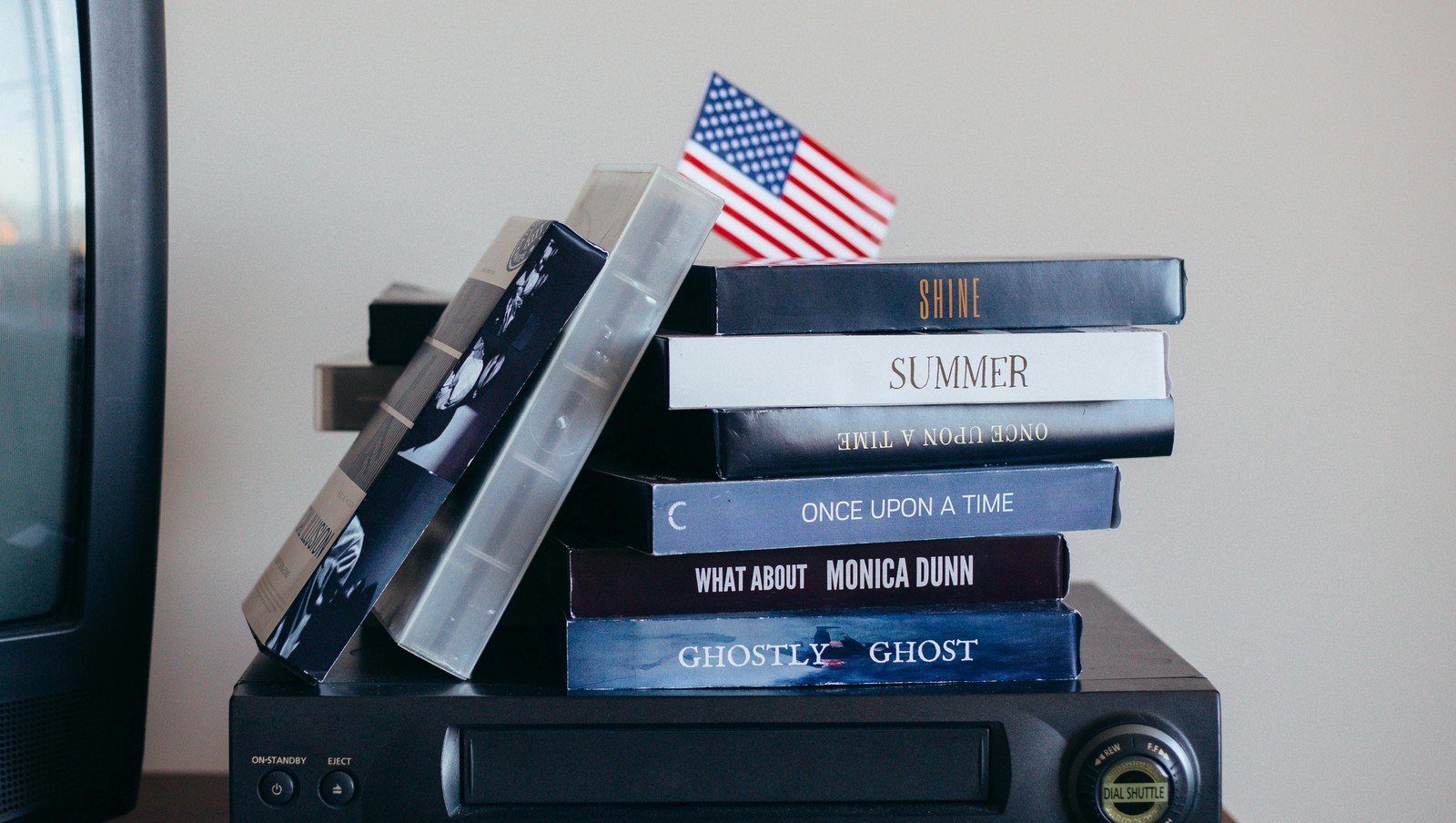
Image: cottonbro studio

After years of cinema history, it's hard to find a narrative that's a hundred percent original. Everything seems to take inspiration from something that's come before, but sometimes Hollywood takes this to the extreme. Twin films —two feature films with a striking resemblance and released at roughly the same time— are a fascinating cinematic phenomenon. Sometimes, both movies do relatively well at the box office; other times, one film completely buries the other. In this article, we have compiled 10 pairs of cinematic doppelgangers that offer two compelling versions of the same story. Can you think of other examples?

1
Elvis & Priscilla
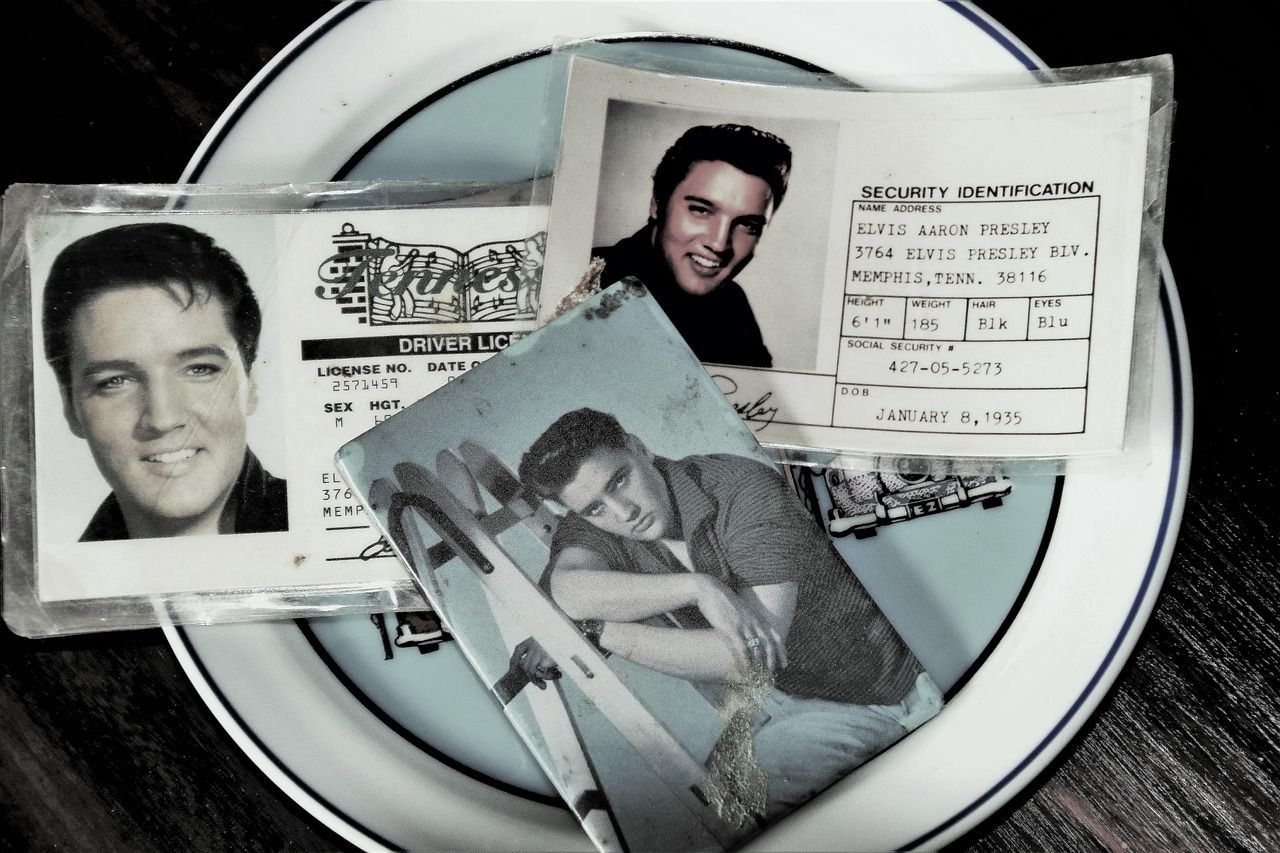
Image: pasja1000

Elvis (2022) is an original script based on the life of Elvis Presley, directed by Baz Luhrmann, starring Austin Butler and Tom Hanks. On the other hand, Priscilla (2023) is based on the autobiography Elvis and Me, written by Priscilla Presley and directed by Sofia Coppola.

Although based on the life of the same public figure, the two films have their unique tone, extremely distinct executions, and different goals in mind. While Elvis focuses on the King of Rock and Roll himself and covers a lot more ground, Priscilla is much more intimate and has his wife and her experience at the center of the plot.

2
Top Gun & Iron Eagle
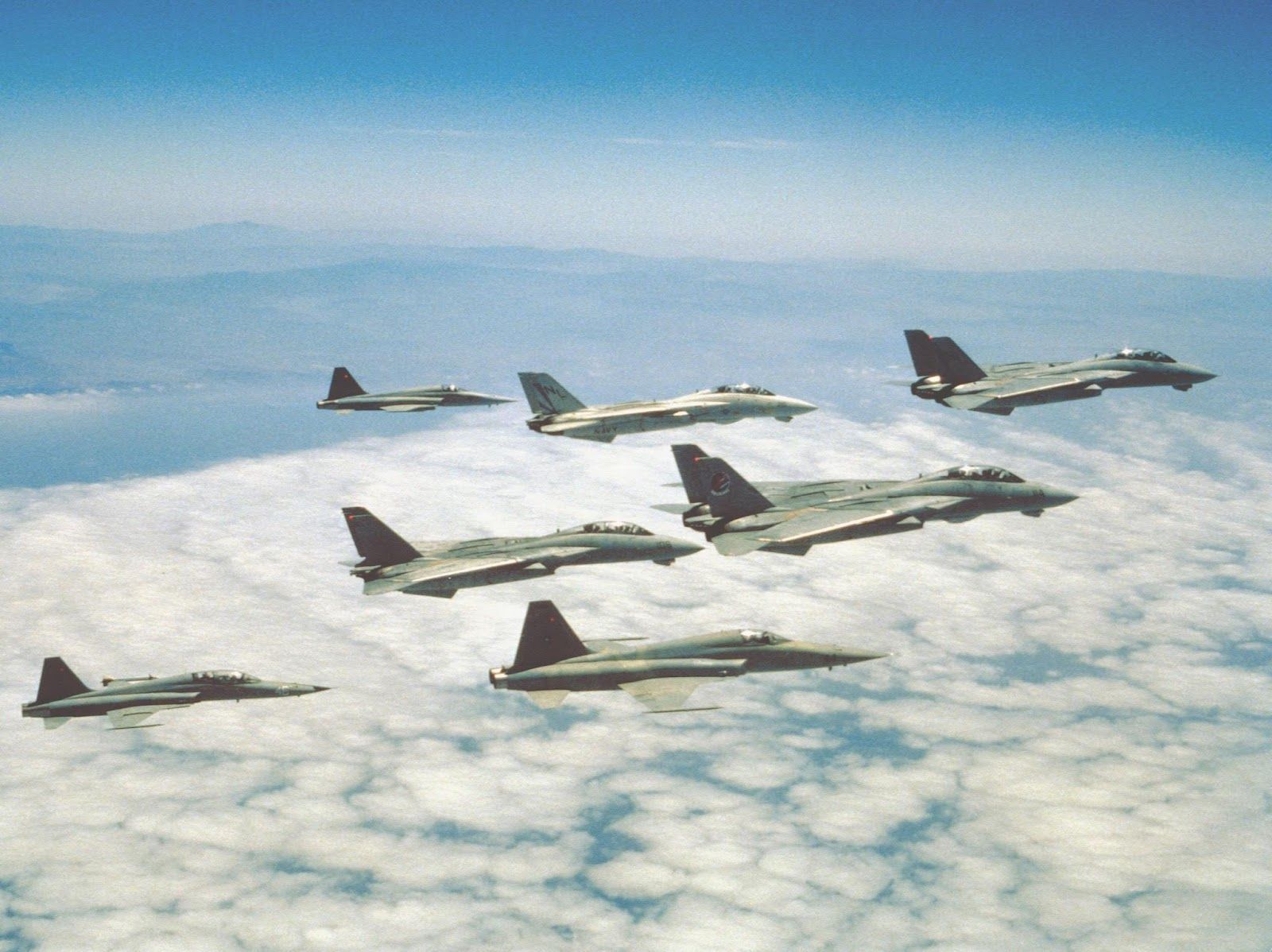
Image: LCdr. David Baranek, U.S. Navy, Public domain, via Wikimedia Commons

You've almost certainly seen Top Gun at some point. The 1986 hit that launched a young Tom Cruise to stardom as naval aviator Pete "Maverick" Mitchell was the highest-grossing title of that year, even though it was not only competing with a very similar film but wasn't even the first to be released.

Four months earlier, Iron Eagle , the story of brave fighter pilots battling in the skies, had been premiered. Although the Jason Gedrick-starring film had three sequels, none came close to the $1 billion mark that Top Gun grossed.

3
The Truman Show & EDtv

Image: Nathy dog

The Truman Show (1998) and EDtv (1999), both about a man whose life is filmed 24 hours a day for a TV show, were inspired by the then-emerging reality television.

While Truman is unaware that his life has been broadcast since he was a baby, Ed Pekurny is fully willing to air his daily life on TV —at least at first. Perhaps that lack of mystery, combined with a premiere just a few months after The Truman Show , meant that EDtv couldn't win over the audience. Would it be more popular if it had premiered earlier? Maybe, but it's hard to deny that The Truman Show is a masterpiece that will go down in cinema history.

4
Capote & Infamous

Image: Eric Koch for Anefo, CC0, via Wikimedia Commons

Truman Capote was a seminal writer in American literature. His life is full of exciting stories, so it's not surprising that his biography inspired several movies and TV series. Yet, in the case of Capote (2005) and Infamous (2006), this happened almost simultaneously.

Even more unusual, both films chose to tell the author's process that led him to interview the killers of the Clutter family and that would later become his most successful work, In Cold Blood . Capote stars Philip Seymour Hoffman and Toby Jones gives an excellent performance in Infamous . Which was your favorite?

5
Deep Impact & Armageddon
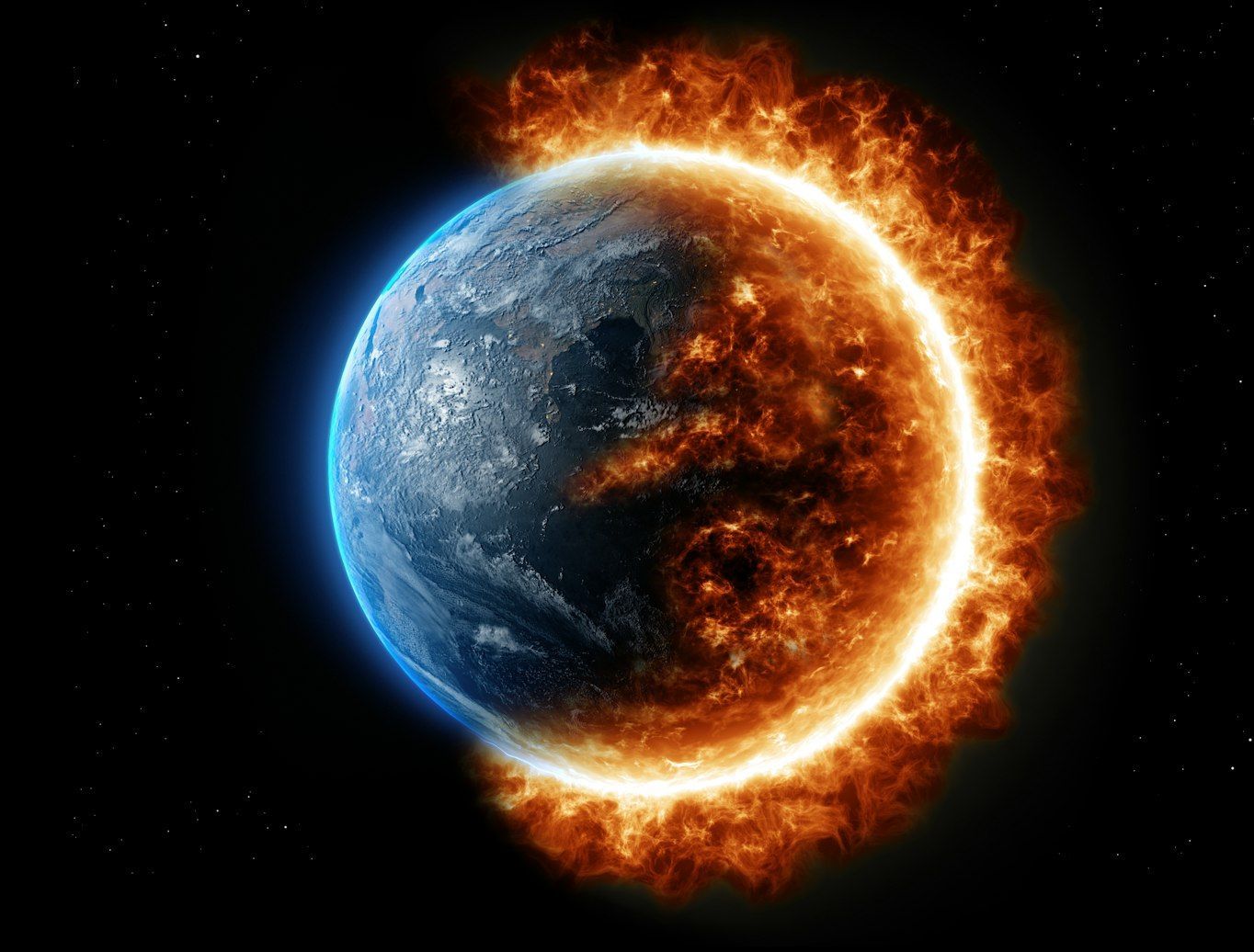
Image: Javier Miranda

In the summer of 1998, Deep Impact hit the cinemas, and just a few months later, Armageddon was released. Since both movies have similar plots —basically a comet or asteroid threatens to destroy the Earth—we can focus on which one had the better cast. On one side, you have Robert Duvall, Elijah Wood, Tia Leone, and Morgan Freeman. On the other, Bruce Willis, Ben Affleck, Billy Bob Thornton, Steve Buscemi, and Liv Tyler team up to save the world.

Looking at the box office returns, however, it's clear which one reigned supreme. Armageddon became the highest-grossing film that year, even though it received mostly negative reviews and was criticized for its scientific inaccuracies. All that said, Armageddon and Deep Impact are the pairing to go with if you're ever in the mood for a double feature.

6
Saving Private Ryan & The Thin Red Line
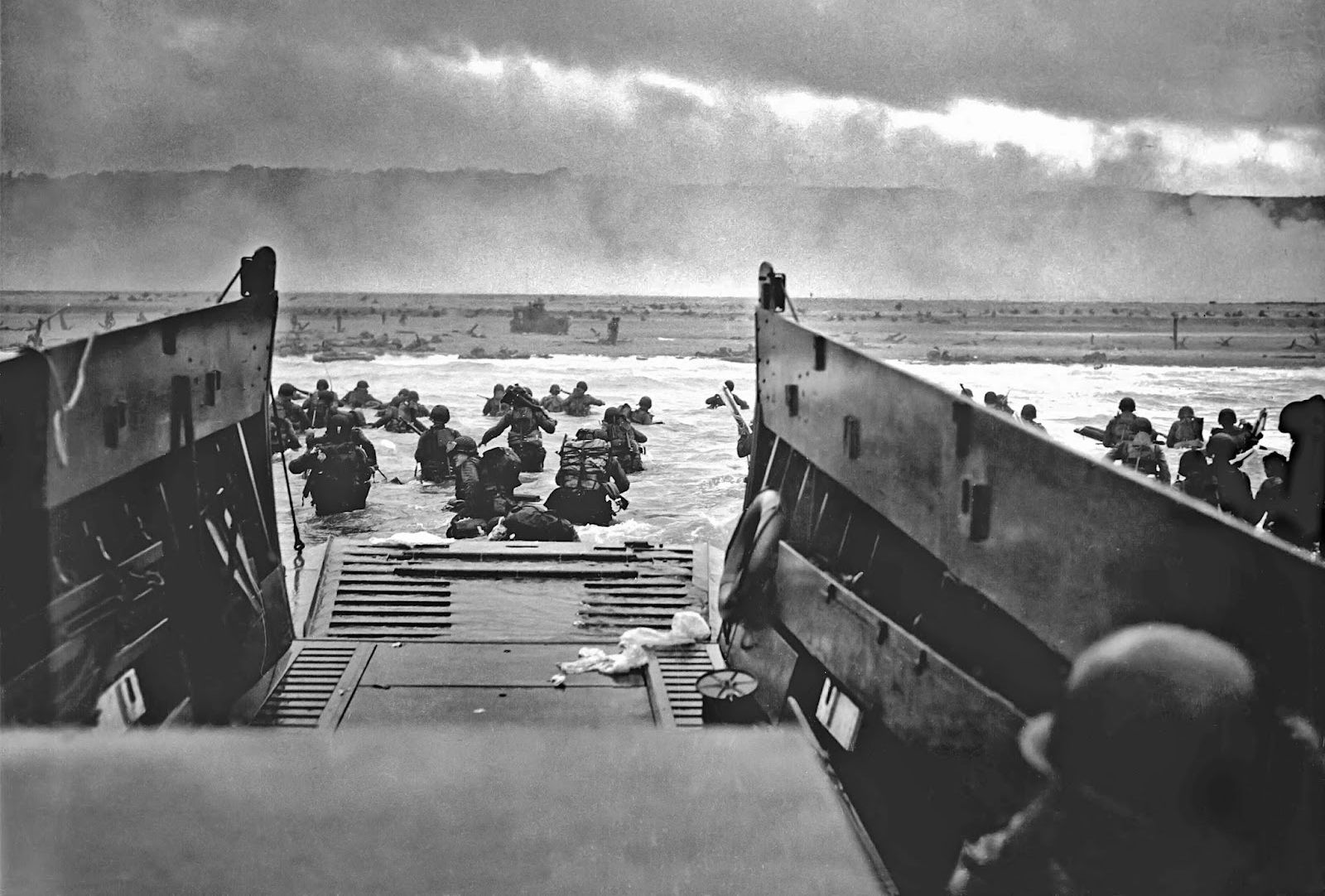
Image: Chief Photographer's Mate (CPHOM) Robert F. Sargent, U.S. Coast Guard, Public domain, via Wikimedia Commons

In 1998, Saving Private Ryan was one of the defining films of the year and captivated audiences with its heart-wrenching story and realistic portrayal of World War II. Shortly after making a fortune at the box office and scoring 11 Oscar nominations, The Thin Red Line hit the cinemas.

Both films feature similar themes and setups, but while Steven Spielberg’s take is a bit commercial and has a more straightforward narrative, the nearly three-hour-long version of Terrence Malick is more on the artistic side. That said, and despite the unfortunate coincidence, both movies are worth seeing if you like crude, realistic depictions of war.

7
The Prestige & The Illusionist

Image: jasper benning

For some reason, magic, a centuries-old form of entertainment, had its revival at the beginning of the 21st century thanks to cinema. While The Illusionist (2006) tells the story of Eisenheim, a Viennese magician who must confront Prince Leopold to avoid being discredited, The Prestige (2006) focuses on two rival magicians competing to win over late 19th-century London audiences. The two films, though different in style and tone, are excellent for any magic enthusiast.

8
Churchill & Darkest Hour

Image: Barthelemy de Mazenod

England's most famous Prime Minister, Winston Churchill, is one of the most revered leaders of World War II. Proof of that are the biographical films Churchill and Darkest Hour , released in 2017. Although both follow the same historical figure, they are very different in style, tone, and setting.

Churchill , starring Brian Cox, focuses on the last period of his wartime career, before the Normandy invasion. Released later but set earlier in time, Darkest Hour portrays Winston Churchill, played by Gary Oldman, as he holds the fate of Western Europe at the beginning of the war. The latter film turned out to be the more successful of the two, even winning an Academy Award for best actor.

9
K-9 & Turner and Hooch
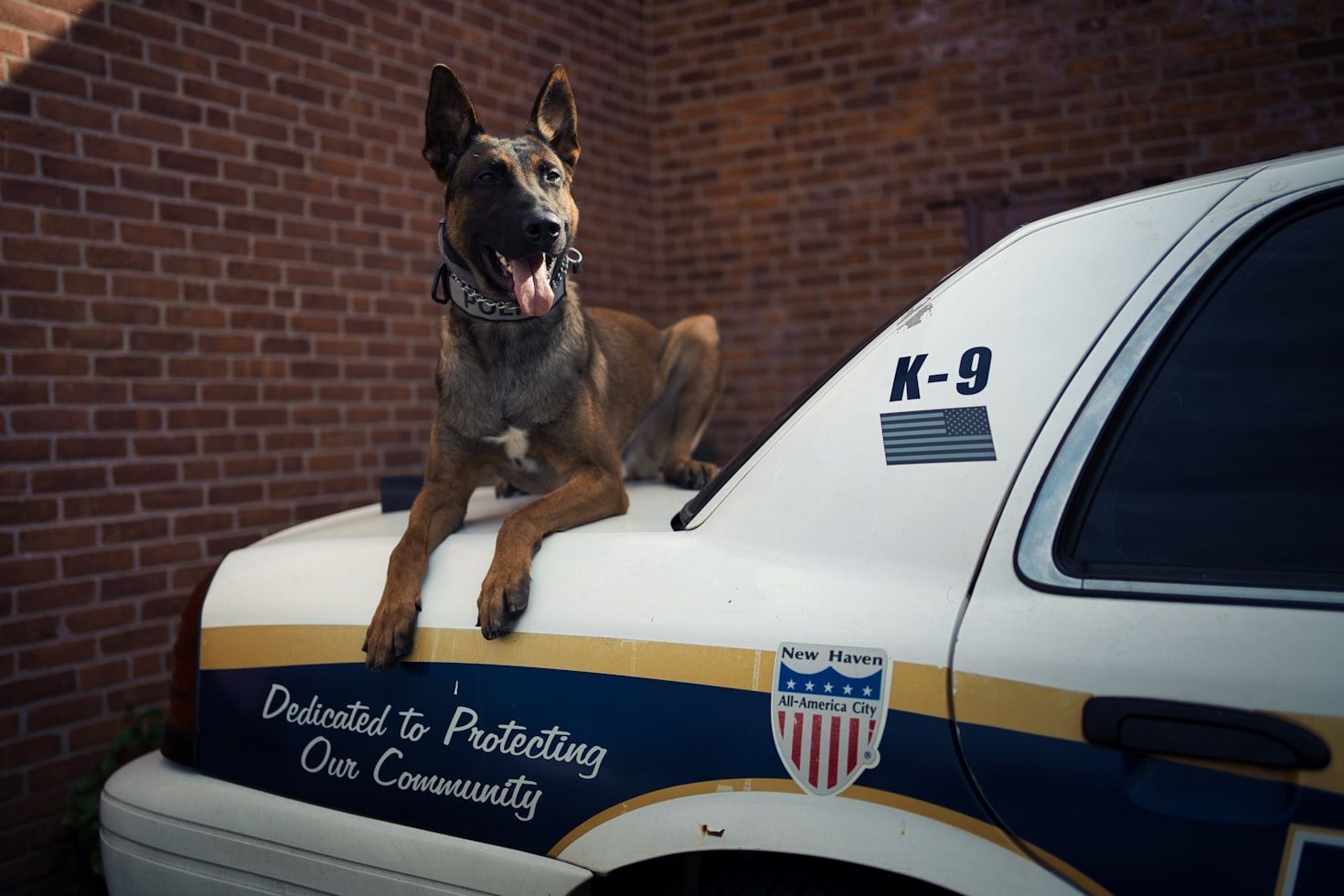
Image: Martin Podsiad

In 1989, there were not one but two films that portrayed police officers teaming up with a dog to fight crime. The first was K-9 , starring Jim Belushi as the angry police detective Michael Dooley. Instead of taking a human partner, Dooley decides to get a German Shepherd named Jerry Lee. From there, all kinds of antics ensue.

Just a few months later, Tom Hanks played a meticulous police investigator who's forced to take a troublesome dog who's the only witness to a horrible crime in Turner and Hooch . Obviously, a lot of the humor from both of these movies stems from the erratic behaviors of their titular canines. So, if you are into dog jokes, then you'll probably find something to like here.

10
No Strings Attached & Friends with Benefits

Image: cottonbro studio

In 2011, two romantic comedies were released centered around the idea of friends casually hooking up to end up realizing they were in love. No Strings Attached had Natalie Portman and Ashton Kutcher in the leading roles, while Friends with Benefits starred Mila Kunis and Justin Timberlake.

Although they are practically the same movie, they had some success. Both of them made about 150 million at the box office. However, if you have a problem telling them apart, don't worry, you are not alone!
History History 5 min read

The foundation of the American nation

The Founding Fathers of America: 10 interesting facts

Image: The New York Public Library

We all know who the Founding Fathers were, but we seldom think of them as human beings rather than heroes who gave shape to our country . Despite their amazing deeds, they still were a group of men of varied origins, ideologies, beliefs, and concerns, which led to more than one discussion and rivalry. Let’s learn some more about them!

1
There is no official ‘Founding Fathers’ list

Image: The New York Public Library

Who can be called a Founding Father? The term was coined by Senator Warren G. Harding in 1916 and is used to refer to the leaders of the Revolutionary movement, but there’s no set list . While it is mainly used for key figures such as George Washington, Thomas Jefferson, John Adams, Benjamin Franklin, Alexander Hamilton, John Jay, and James Madison, the term applies broadly to those who signed the Declaration of Independence and the Constitution .

2
4th of July deaths

Image: Stephanie McCabe

The legal separation of the Thirteen Colonies from the British Crown was voted by the Continental Congress on July 2nd, 1776, but was formally adopted on July 4th , immortalizing the date for the rest of American history. But did you know that it is also the death anniversary of three Founding Fathers?

Thomas Jefferson and John Adams both died July 4, 1826, on the 50th anniversary of the Declaration of Independence, while James Monroe died five years later, on July 4th, 1831. Interestingly, John Adams disliked the date chosen for celebrations, as he believed the day of the vote to be more significant.

3
Refusal to sign the Constitution

Image: Howard Chandler Christy, Public domain, via Wikimedia Commons

The Constitutional Convention took place in 1787, from May to September. The Constitution of the United States was presented on September 28, 1787 , but nearly two years had to pass for it to be ratified by all the states, superseding the nation’s first constitution, the Articles of Confederation.

Not all signing constituents agreed on the final seven articles, among them Benjamin Franklin, but three of them in particular —George Mason, Edmund Randolph, and Elbridge Gerry— flat out refused to sign the document . Mason suggested the addition of a bill of rights, but was denied, a suggestion that would ultimately inspire the drafting of the Bill of Rights by James Madison.

4
A lawyer for the enemy

Image: National Archives at College Park, Public domain, via Wikimedia Commons

The Boston Massacre of 1770 was part of the incidents that prompted the start of the Revolutionary movement in the colonies. British soldiers stationed in Massachusetts to support the implementation of the Townshend Acts were confronted by an angry crowd. Overwhelmed, the soldiers opened fire without authorization, resulting in five deaths and six wounded.

During the subsequent trial, Founding Father John Adams worked as a defense lawyer for the British soldiers charged , a decision that prompted public criticism. However, he was a firm believer in the right to a fair trial for everyone, and argued that most soldiers had acted in self-defense. In the end, only two soldiers were convicted of manslaughter, a verdict Adams agreed with.

5
The origins

Image: Alex Boyd

None of the Founding Fathers was born an American (for obvious reasons), but most of them were born in the American colonies and had British origins . Out of the 56 signers of the Declaration of Independence, 47 were born in what is now U.S. territory.

The other nine? Eighth of them came from the British Isles : Two were English-born (Button Gwinnett, Robert Morris), three were Irish (George Taylor, Matthew Thornton, and James Smith), two were Scottish (James Wilson, John Witherspoon), and one was Welsh (Francis Lewis). The last one, Alexander Hamilton, was born in the British West Indies , now St. Kitts and Nevis.

6
The first signature

Image: David Nitschke

Have you ever wondered why people ask for a ‘John Hancock’ when they need a signature? It is all because of Founding Father John Hancock. One of the wealthiest men in the Thirteen Colonies, Hancock was a merchant (and smuggler) by trade, served as president of the Continental Congress, and as Governor of the Commonwealth of Massachusetts after the Revolution.

Why is he associated with a signature? John Hancock was the first person to sign the Declaration of Independence, and his signature stands out because it is visibly larger than the rest. According to legend, he claimed to have made it big so King George would be able to read it.

7
The anti-slavery clause that wasn’t

Image: Hussain Badshah

It is no secret that many Founding Fathers were slaveholders, but there was no unified opinion on the subject. Some, such as George Washington, freed their slaves in their wills, while others, such as Franklin, Paine, Hamilton, and Adams, were passionate abolitionists. Thomas Jefferson was a curious case: while he owned numerous slaves all his life, he was against the international slave trade and believed that America had to abolish slavery gradually to avoid civil unrest.

In his first draft of the Declaration of Independence, Jefferson included his conflicted views on slavery in a paragraph condemning King George III for his role in the Transatlantic Slave Trade and the affronts to liberty caused by this. Ultimately, this clause had to be removed due to the objections of many delegates who supported slavery.

8
The vice president

Image: Ian Hutchinson

When the Constitutional Convention considered the best way to choose a chief executive (a.k.a., the president), they weren’t even considering the figure of the vice president , and had decided that the Senate would elect its own president. After creating the Electoral College, they realized that, being a new country, state loyalty would most likely outweigh loyalty to the union. The solution? Each elector had to choose two candidates, one of which should be from a different state. The two most-voted candidates would be president and vice president, respectively.

The first elected vice president, John Adams, was not happy with the position . He had received a huge amount of votes, but George Washington had still won in a landslide. Although he regarded the position as the "most insignificant office that ever the invention of man contrived", he took on his role as President of the Senate with the utmost dedication.

9
Confidence in the Constitution

Image: Adam Nir

It is difficult to believe that any Founding Father thought the Constitution to be perfect. After all, not only did some refuse to sign it, but they also included the possibility of amending it to better protect the stability and liberties of the country.

Some Founding Fathers, however, lacked confidence in the Constitution as a document. Benjamin Franklin expressed his disapproval of certain clauses . Still, he was not sure they could write one better, so he decided to sign it, faults and all, preferring to doubt himself than halt the constitutional process. On the other hand, Washington believed the Constitution to be much better than the Articles of the Confederation, but he expressed his doubts about the document lasting for more than twenty years.

10
A varied group of men

Image: Nathaniel Currier, CC0, via Wikimedia Commons

The centuries passed, and the wigs on the portraits have created the illusion of the Founding Fathers being a group of old men , but this is not exactly right. Although Benjamin Franklin was around 70 years old during the Revolutionary War, most Founding Fathers were young enough to fight and were between 30 and 45 years old.

The differences of age, background, and ideology between the Founding Fathers were the cause of many discussions, enmities, and rivalries, but these differences contributed to the foundation of the United States of America.

General General 5 min read

What’s in a team’s name?

No Grizzlies in Tennessee: Decoding 10 NBA team nicknames

Image: Abhay siby Mathew

What could knickerbockers, animals, and mechanical engineering have in common? Well, plenty, if you ask an NBA fan. The naming of basketball teams has involved whole fan communities, local polls, and a lot of state industry pride. Nuggets, Pistons, Pacers—some evoke local wildlife, while others dig centuries back into historical roots. Ever wondered why Tennessee has Grizzlies or how Miami’s team ended up simply as "Heat"? Let’s dive into the stories behind the league’s most iconic—and surprising—team names.

1
Knicks

Image: Kelly Sikkema

"Knicks" is the shorter, catchier version of "Knickerbockers." The New York team name was chosen in the 1940s because of its association with Dutch settlers in the city. In Washington Irving's satirical book A History of New York , the author used "Diedrich Knickerbocker" as a fictional narrator. Over time, the term came to symbolize the city’s colonial heritage.

One of the oldest teams in the NBA, the Knicks never changed their worldwide-known name or their headquarters. They also boast one of the most iconic sports arenas in the world: Madison Square Garden . The Knickerbockers brand became so well-established that it intentionally opted to never introduce a team mascot, to preserve its classic image.

2
Nuggets

Image: PIX1861

The Denver Nuggets don’t allude to any form of food. Let’s look at the team’s history before explaining its name. Originally, as members of the American Basketball Association, they were called the Denver "Rockets" in reference to one of the owner’s businesses. However, when the team prepared to join the NBA in the 1970s, they had to change their name because Houston already had a team named the Rockets.

After a fan contest, the name "Nuggets" was chosen as a nod to Colorado’s gold and silver mining heritage , where prospectors sought valuable "nuggets" of precious metals. The team adopted a logo featuring a miner holding a pickaxe, and the name has stuck ever since.

3
Rockets

Image: NASA

So, why did Houston name its team The "Rockets"? Technically, it didn’t. The team was founded in San Diego in the 1960s as an NBA expansion team. The name "Rockets" was chosen through a fan contest, inspired by San Diego’s slogan at the time, "A City in Motion," and its ties to the aerospace industry.

Less than 10 years later, the team relocated to Houston, Texas. It was understood that a name change wasn’t necessary: "Rockets" fit seamlessly with Houston’s role as NASA’s space center and its nickname, "Space City."

4
Pistons

Image: Tim Mossholder

The Pistons were originally founded in Indiana as the Fort Wayne Zollner Pistons . Their owner, Fred Zollner, also owned a manufacturing company that produced pistons for automotive and railroad engines. The team carried the last part of the name forward when they joined the NBA, and later moved to Detroit.

Detroit, known as "Motor City" for its global reputation as the center of the American auto industry, was the perfect fit for the Pistons name. The concept that the Pistons symbolized "horsepower" was what inspired the introduction of their mascot, Hooper, a horse wearing the Pistons’ jersey.

5
76ers

Image: Jimmy Woo

The Philadelphia 76ers derive their name from an entirely different source than most other teams. Honoring the city’s insignia as the birthplace of the Declaration of Independence in 1776, the team’s name pays tribute to this pivotal moment in American history.

In its inception, the team was based in Syracuse, New York, and was known as the "Syracuse Nationals." It was one of the NBA’s original franchises. When it moved to Philadelphia, though, a fan contest was issued to select the best possible name. "76ers" was selected and it quickly became the popular consensus to shorten it to the nickname "Sixers."

6
Grizzlies

Image: Greg Johnson

Everyone’s first reaction upon hearing where the Grizzlies are based is the same: "But are there any grizzlies in Tennessee?" The answer is, none that we know of. But the team was founded far from those lands, in Vancouver, British Columbia. In the mountainous regions of western Canada, grizzly bears are indeed a thing.

However, the team faced financial difficulties and fan support challenges in Vancouver, leading to their relocation to Memphis in the early 2000s. At the time, there was some debate about whether to change the name. Ultimately, the NBA and team management decided to keep "Grizzlies" to maintain a connection to the team’s origins and avoid the costs of rebranding.

7
Heat

Image: Maxim Tajer

As many people observe, it’s unusual for a team name not to be a plural word. "Heat" is as fiery as it is accurate, belonging to the hottest state in the U.S. The city’s tropical weather inspired one of the most abstract names in the NBA, often symbolized by fire and the colors red, orange, and black.

The Miami "Heat" name was designated after winning a fan contest, beating other options like "Sharks" and "Barracudas." Fans also suggested names such as "The Beaches" and "The Miami Vice."

8
​​Timberwolves

Image: Andrew Ly

There may be no grizzlies in Memphis, but there are certainly timber wolves in Minnesota. In fact, the state has the largest population of timber wolves in the contiguous United States. The name for Minneapolis’ team was chosen through a statewide contest as a nod to Minnesota’s wilderness and natural wildlife. It was an instant hit.

The other finalist in the contest was the option "Polars," but it seems people found "Timberwolves" to be more unique. In later years, the team introduced its mascot, Crunch , a wolf often seen at events around the city.

9
Pacers

Image: Rui Alves

The Pacers emerged and remained in Indiana. The name was chosen mostly to pay homage to Indiana’s rich racing heritage: pace cars were used in the iconic Indianapolis 500 auto race , which evolved from horse races held annually in the state. However, it can also be considered a pun on the "fast-paced" style of playing that the team hoped to live up to.

In fact, one of the investors of the Pacers franchise was Chuck Barnes , who represented three legendary race car drivers: Mario Andretti, A.J. Foyt, and Rodger Ward. The team proudly retained the name when they joined the NBA in the 1970s after achieving remarkable success in the ABA.

10
​​​​Cavaliers

Image: PublicDomainPictures

Lastly, Cleveland’s "Cavaliers" is another example of a team name chosen through a fan vote. A local fan suggested the term, which refers to gentlemen trained in arms and horsemanship, for its associations with boldness, a fighting spirit, and a certain elegance. This option won, and over time, enthusiastic fans began referring to the team as "the Cavs."

Other contestants in the row were "Jays," "Foresters," and "Presidents." The "Cavs" nickname gained significant popularity during the LeBron era , as the star player’s success helped the team gain a stronger national following. Interestingly, the best-known rivalry for the Cavs is none other than the Golden State "Warriors."

Explore more American facts

Choose your favorite category!

General
General

As American as apple pie—the very best America has to offer!

Culture
Culture

Delve into the astounding richness of American lore.

Geography
Geography

Hop in and explore vast and diverse American landscapes.

History
History

Discover the key moments that shaped the United States.