Classic film surprises
Why did the original Tin Man suddenly disappear from Oz? Here's the story

Image: Zoran Jesic
You've probably watched these classic movies more times than you can count, but how well do you really know them? From the surprising age difference between Mrs. Robinson and Benjamin in The Graduate to the "blood" seen in Psycho and how the real von Trapp actually escaped, these 10 behind-the-scenes secrets reveal a whole new side to Hollywood favorites.
1
The Wizard of Oz:
The Tin Man had a different actor at first
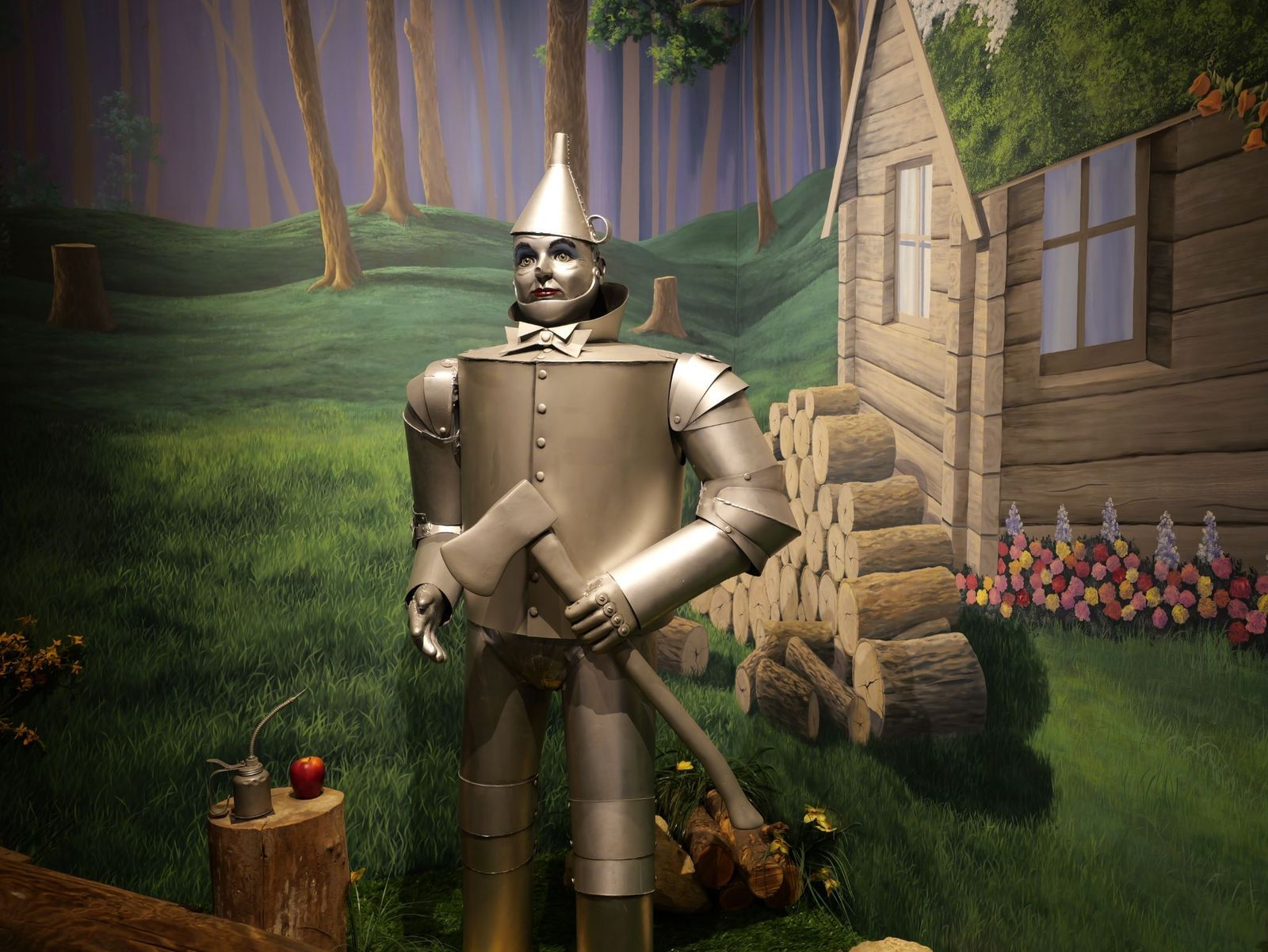
In The Wizard of Oz (1939), Buddy Ebsen was originally cast and shot scenes as the Tin Man until Jack Haley took over the role. Before that, toxic makeup nearly killed Ebsen . To achieve the character's metallic shine, artists coated Ebsen’s face with a paste mixed with loose aluminum dust, which he inhaled, causing severe lung problems. About 10 days into filming, he was rushed to the hospital with severe breathing difficulties and spent two weeks recovering in an oxygen tent.
Rather than halting production, the studio recast the role with Haley. The makeup department switched to a safer aluminum paste to prevent him from suffering the same fate. Haley also experienced problems, developing an eye infection from the new makeup. Ebsen was left with lasting respiratory problems, but a piece of him remained in the 1939 classic: his original vocal tracks can still be heard in the final version of "We're Off to See the Wizard."
2
Psycho: Chocolate helped create movie blood
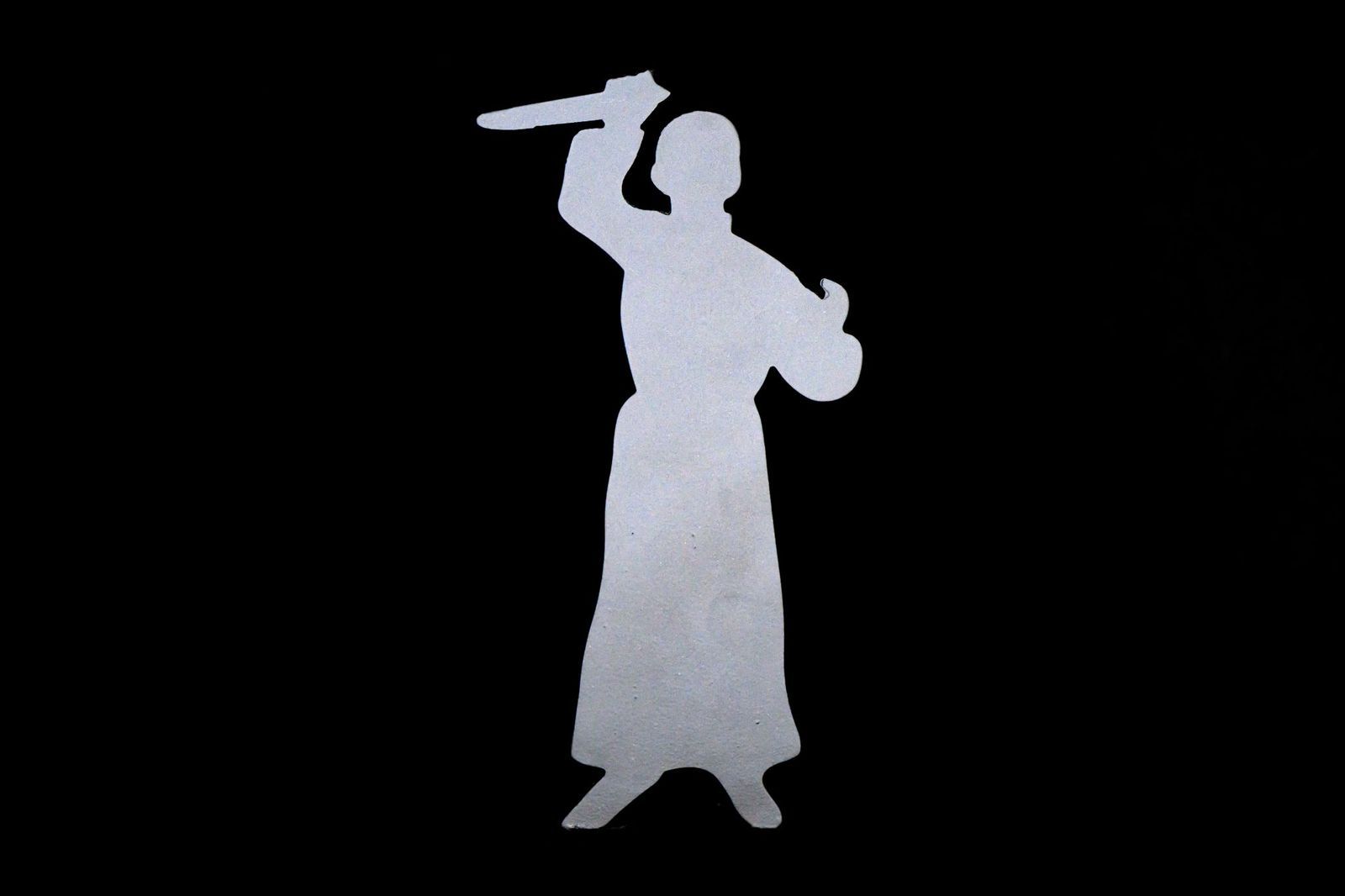
Alfred Hitchcock's Psycho (1960) forever changed the horror genre, but its most terrifying sequence, the infamous shower scene, relied on a surprisingly sweet secret. While audiences gasped at what appeared to be a brutal bloodbath, the filmmakers faced a technical challenge: traditional stage blood didn't always look convincing on black-and-white film.
To solve the problem, the crew turned to a household favorite: chocolate syrup. They used diluted Hershey's syrup, which looked much more like blood on camera than conventional alternatives. Because the film was shot in black and white, the syrup's actual color didn't matter; what counted was its dark, thick appearance on screen. It's a deliciously unexpected ingredient behind one of Hollywood's most frightening scenes.
3
The Graduate: Mrs. Robinson wasn't that much older than Ben

Anne Bancroft and Dustin Hoffman had an actual age gap of just six years when they filmed The Graduate (1967). Bancroft, who played Mrs. Robinson, was 35, while Hoffman, who played Benjamin Braddock, was 29. Yet on screen, their characters seemed to belong to entirely different generations.
In the story, Benjamin is a recent college graduate just 21 years old, while Mrs. Robinson is portrayed as a much older, more experienced woman. Through makeup, hairstyling, costumes, and Bancroft's commanding performance, the filmmakers created the illusion of a much wider age gap, helping cement Mrs. Robinson as one of cinema's most recognizable characters.
4
Casablanca:
Sam wasn't really the one playing the piano
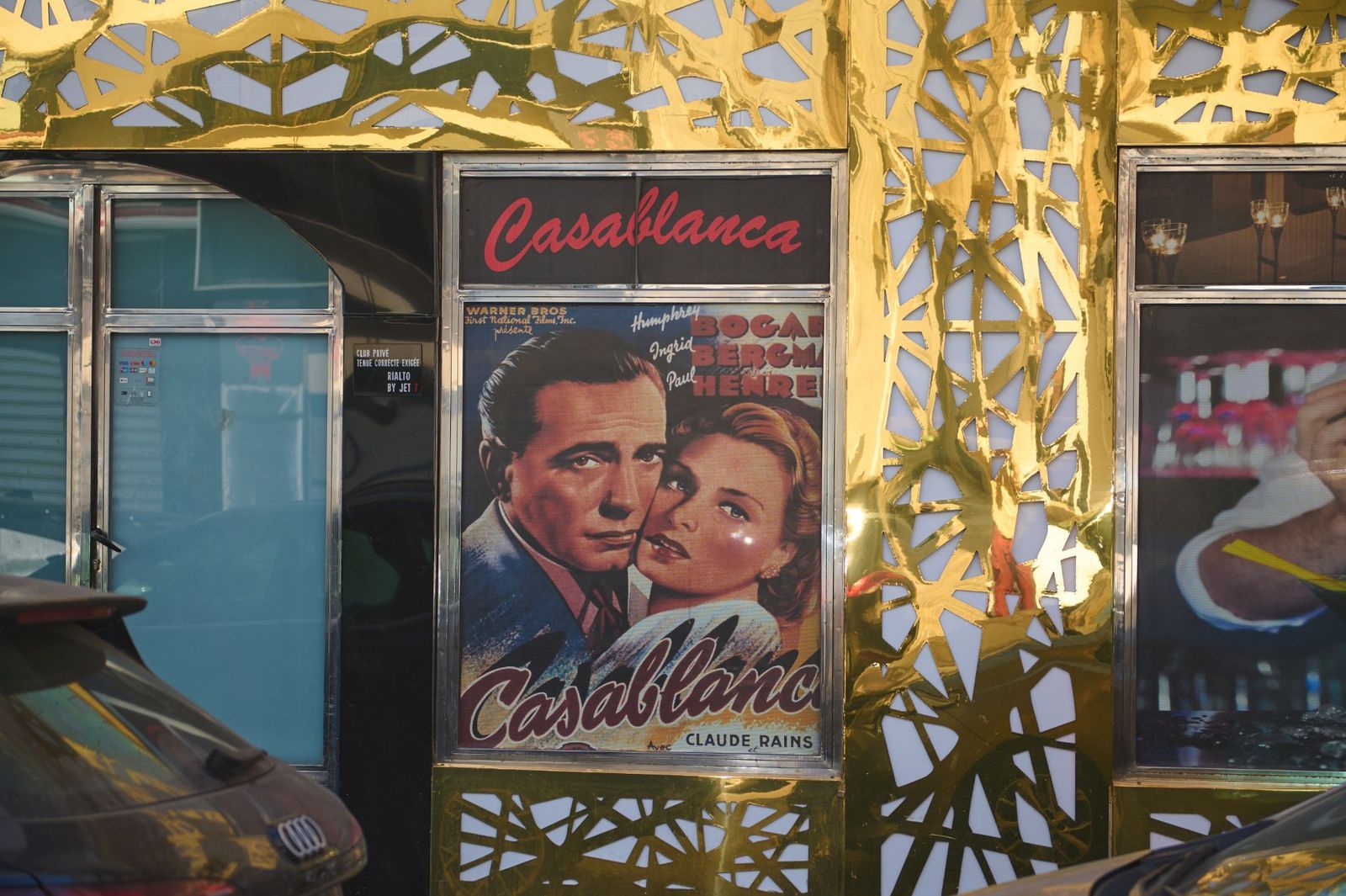
In Casablanca (1942), Dooley Wilson, who played Sam, delivered one of cinema's most memorable musical performances. But there's a surprising secret behind his character: Wilson wasn't actually playing the piano at all. While his soulful voice and magnetic presence brought "As Time Goes By" to life, Wilson was a professional drummer, not a pianist . As the cameras rolled, he mimicked the hand movements on the keys while another musician provided the piano performance heard in the movie.
The identity of the pianist behind the recording has been debated. Although Elliot Carpenter is often credited, research by the American Federation of Musicians has pointed to studio pianist Jean Plummer as the likely performer. The poignant, nostalgic melody that defined the heartbreaking romance between Rick (Humphrey Bogart) and Ilsa (Ingrid Bergman) helped turn Sam's performance into one of the most memorable musical moments ever onscreen.
5
Jaws:
The troublesome shark helped create suspense
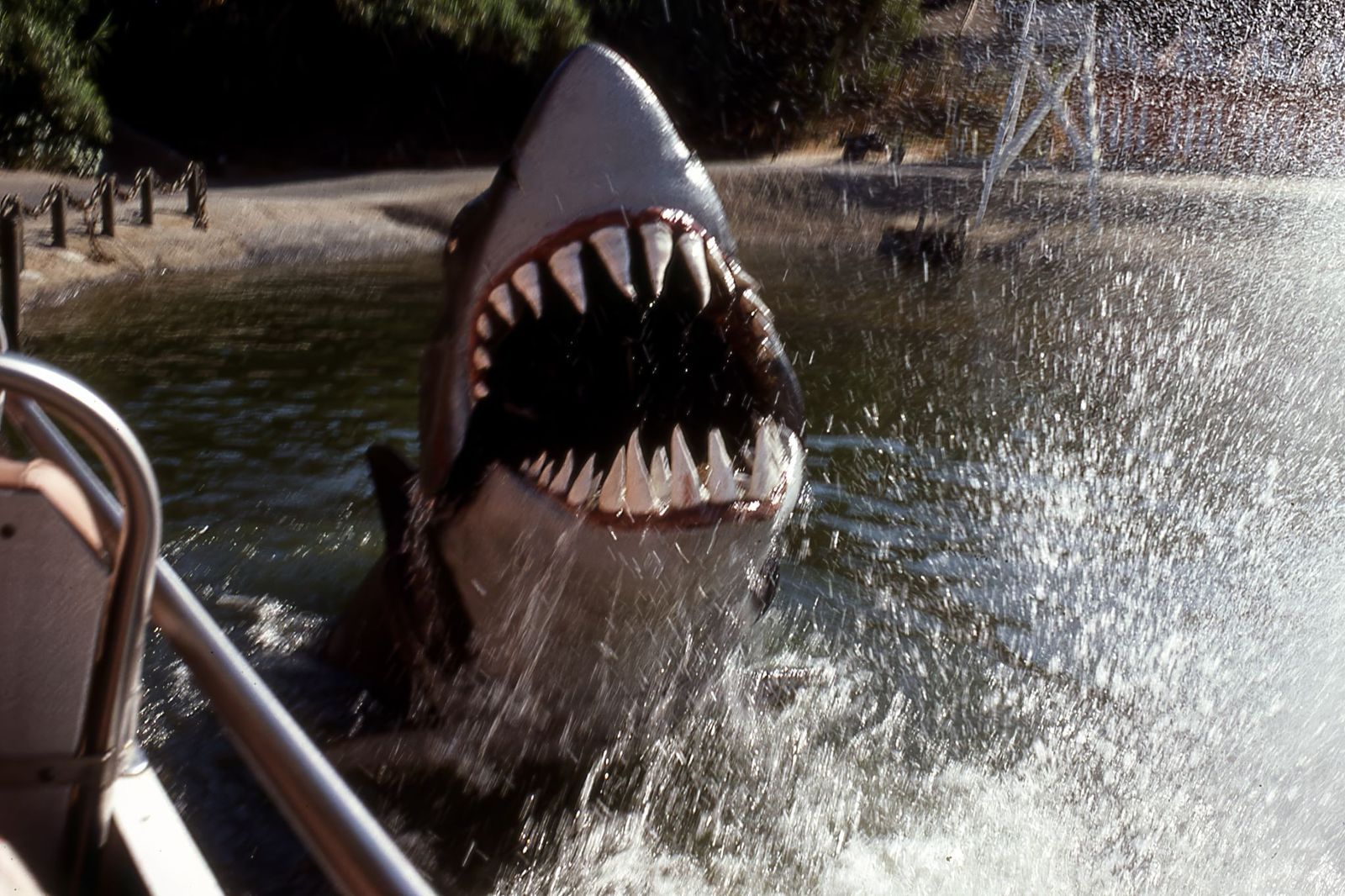
In Jaws (1975), Steven Spielberg’s mechanical nightmare became an unexpected blessing . During the grueling production, the animatronic shark, affectionately dubbed "Bruce", constantly malfunctioned, and the crew struggled to make it operate in the saltwater. Deadlines slipped, and the budget ballooned as the young director faced mounting production problems. Forced to work around a monster that wouldn't cooperate, Spielberg made a radical decision: he would show less of the shark, letting its terrifying presence linger just beneath the surface of the audience's imagination.
By keeping the creature largely out of sight, Spielberg transformed a mechanical disaster into a masterclass in suspense. Relying on John Williams' ominous, two-note theme and underwater point-of-view shots, the film forced viewers to imagine something far more terrifying than any prop could show. The shark's constant breakdowns didn't ruin the movie—they helped create its signature suspense and contributed to the success of a film that ushered in the modern summer blockbuster era, forever changing how Hollywood released and marketed major movies.
6
Gone with the Wind:
Scarlett wasn't an easy casting decision
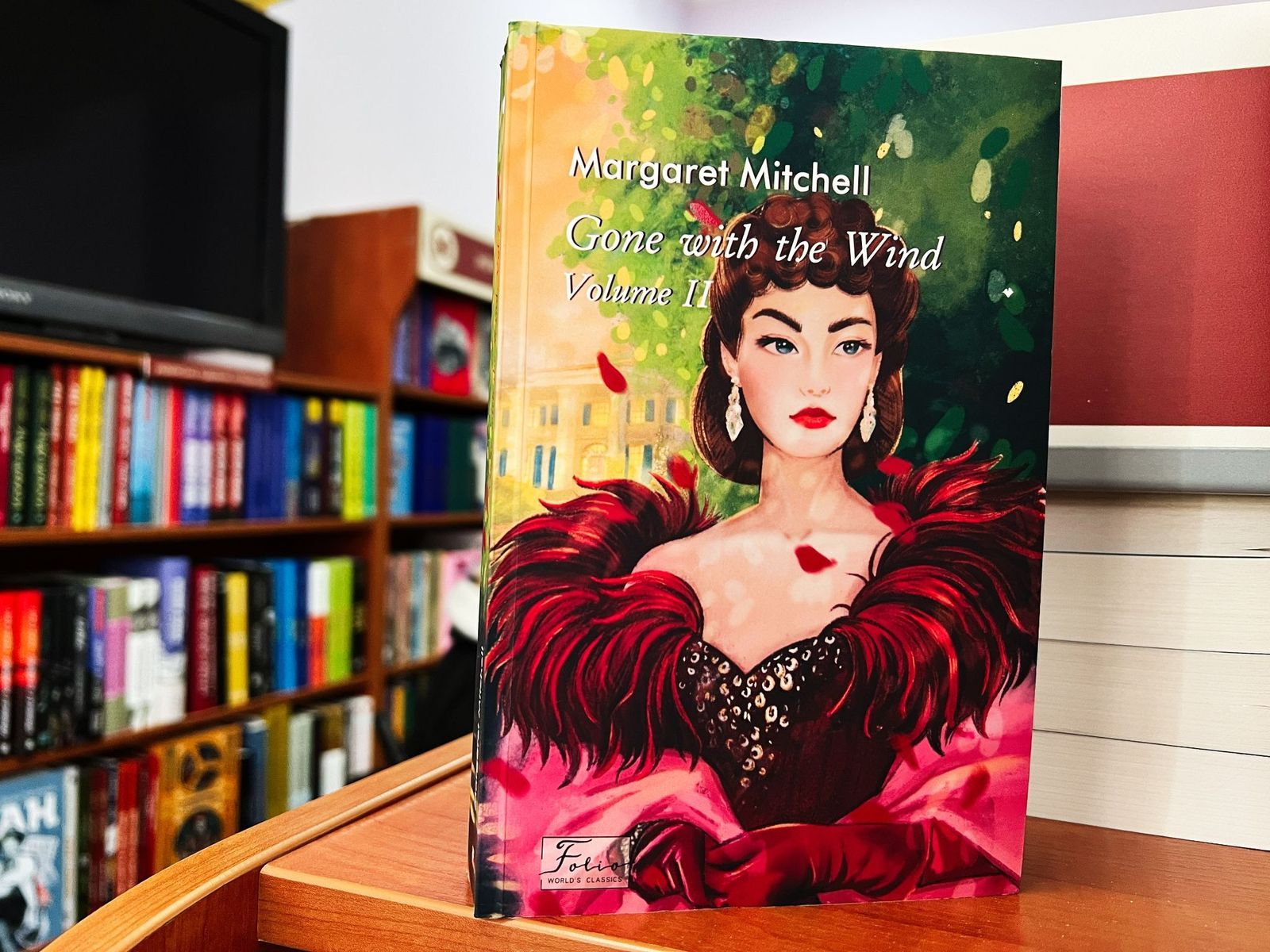
The search for Hollywood's ultimate Southern belle became a nationwide sensation. For Gone with the Wind (1939), producer David O. Selznick launched an unprecedented search for his Scarlett O'Hara , interviewing around 1,400 women and screen-testing 31 of them. Even as production began with the famous burning of the Atlanta set, Selznick still hadn't found his leading lady, leaving the film's most important role unfilled.
Then, a British actress entered the picture. Vivien Leigh was introduced to Selznick on the burning set while visiting her agent, Myron Selznick, the producer's brother. After impressing the producer, Leigh went on to win the coveted part. In a remarkable twist, a relatively little-known British star landed one of Hollywood's most sought-after American roles.
7
The Godfather:
Don Corleone had an unexpected scene partner
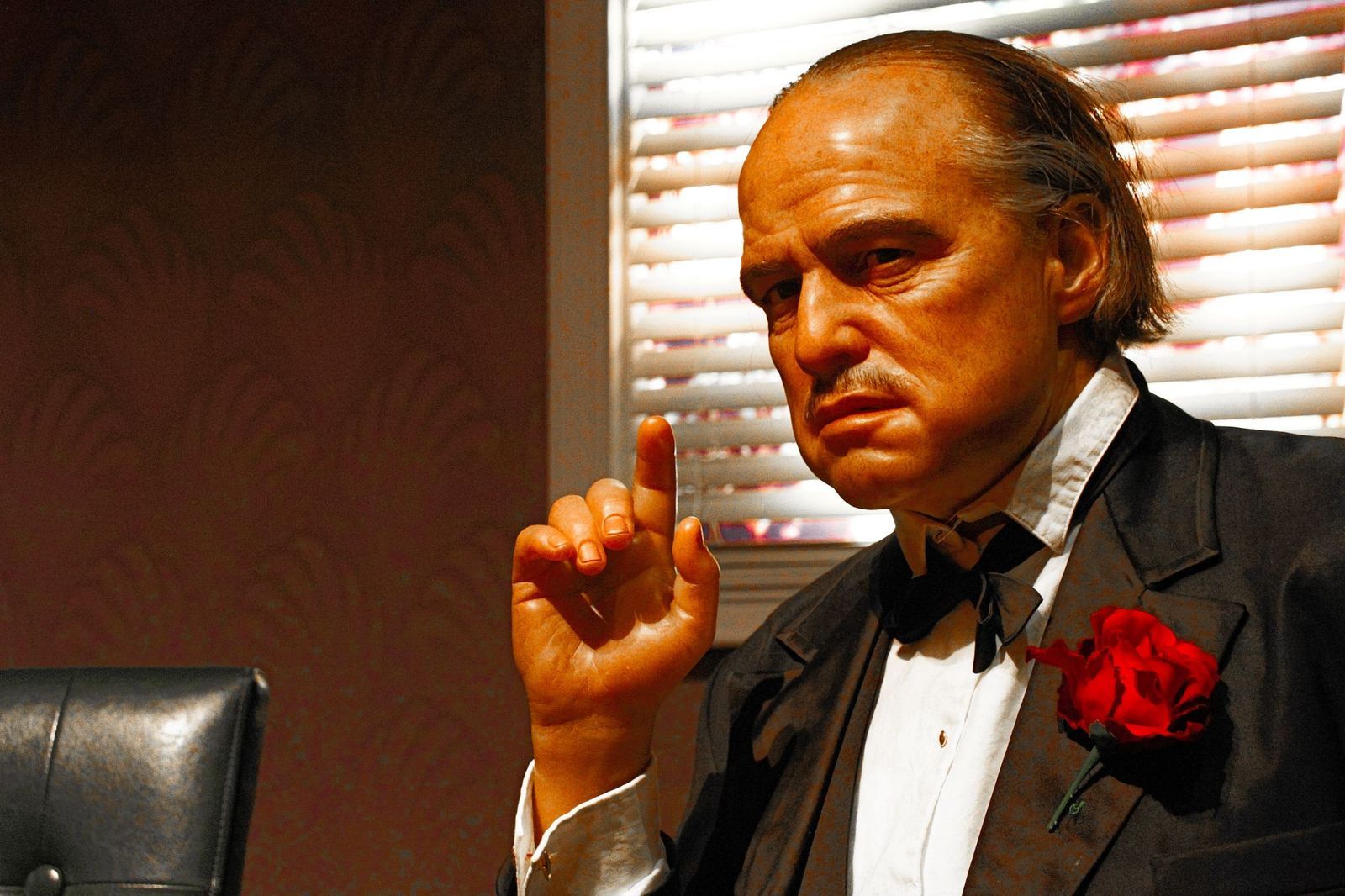
The iconic cat cradled by Don Corleone (Marlon Brando) in The Godfather (1972) was never actually in the script. Director Francis Ford Coppola spotted the stray feline wandering around the Paramount studio lot and, on a whim, scooped it up and handed it to Brando just moments before the cameras started rolling . This spontaneous addition transformed a standard mafia office scene into an unforgettable moment, perfectly contrasting Don Corleone's terrifying power with a touch of gentle, domestic tenderness.
However, this unscripted co-star nearly stole the scene for an entirely different reason. The cat was so comfortable in Brando's lap that its enthusiastic purring reportedly muffled some of the actor's dialogue, making parts of the performance difficult to hear. The sound team had to address the issue in post-production.
8
Mary Poppins:
Dick Van Dyke's bad accent became legendary
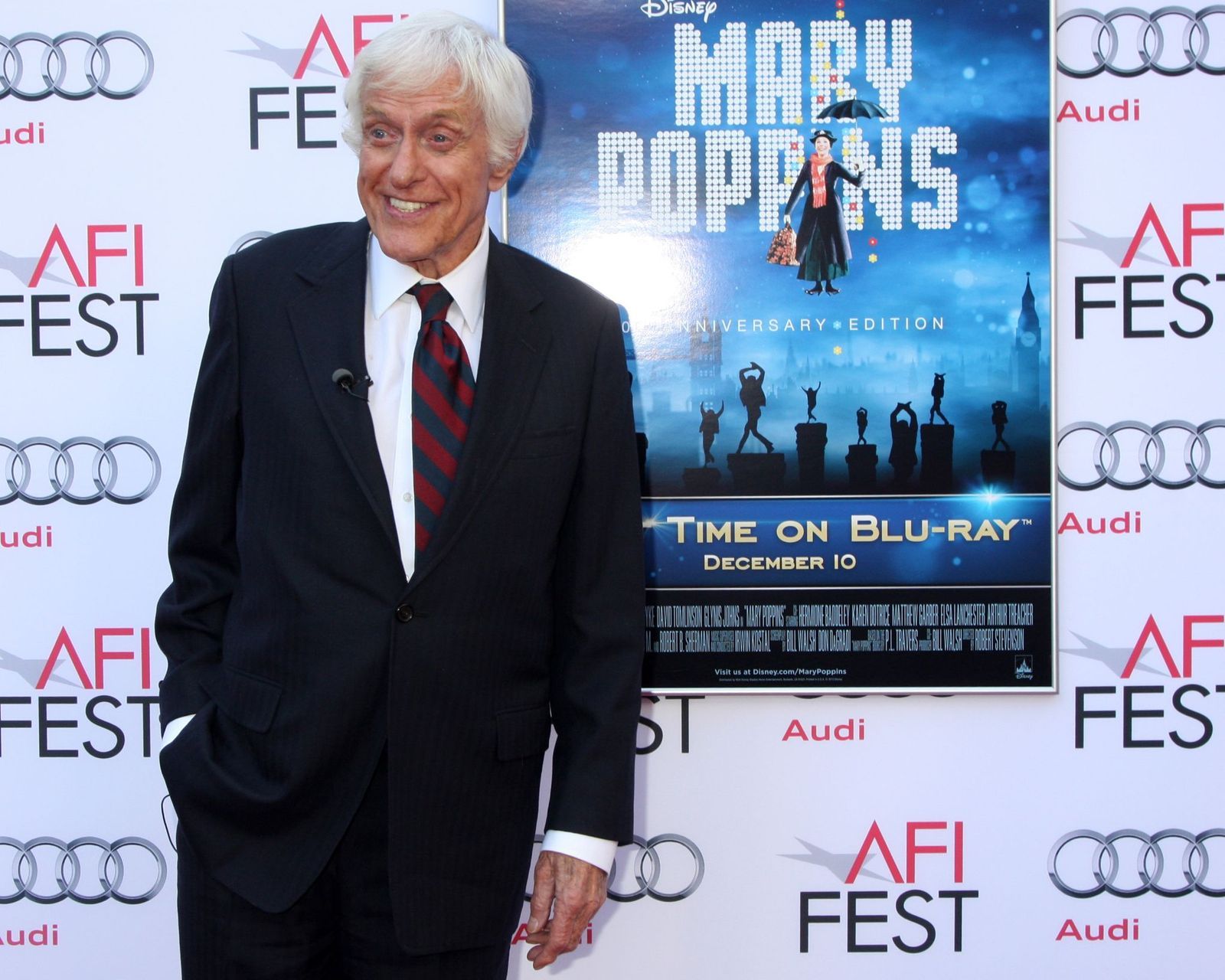
Dick Van Dyke's infamous Cockney accent in Mary Poppins (1964) is often considered one of cinema's most memorable misfires. While the film enchanted millions and secured its place in the all-time pantheon, Van Dyke's attempt at a London dialect became a legend of its own for all the wrong reasons. His vowels seemed to wander all over the place, creating an accent that left British audiences baffled and film critics amused for decades.
Van Dyke, an American actor playing the chimney sweep Bert, worked with an Irish voice coach, J. Pat O'Malley, to help him master the accent. Years later, Van Dyke admitted that his coach's Cockney wasn't particularly convincing either. Rather than ruining the performance, the famously flawed accent became part of Bert's unforgettable charm , proving that sometimes an actor’s choice can be so wonderfully wrong that it becomes completely right.
9
The Sound of Music:
The real family's escape was different
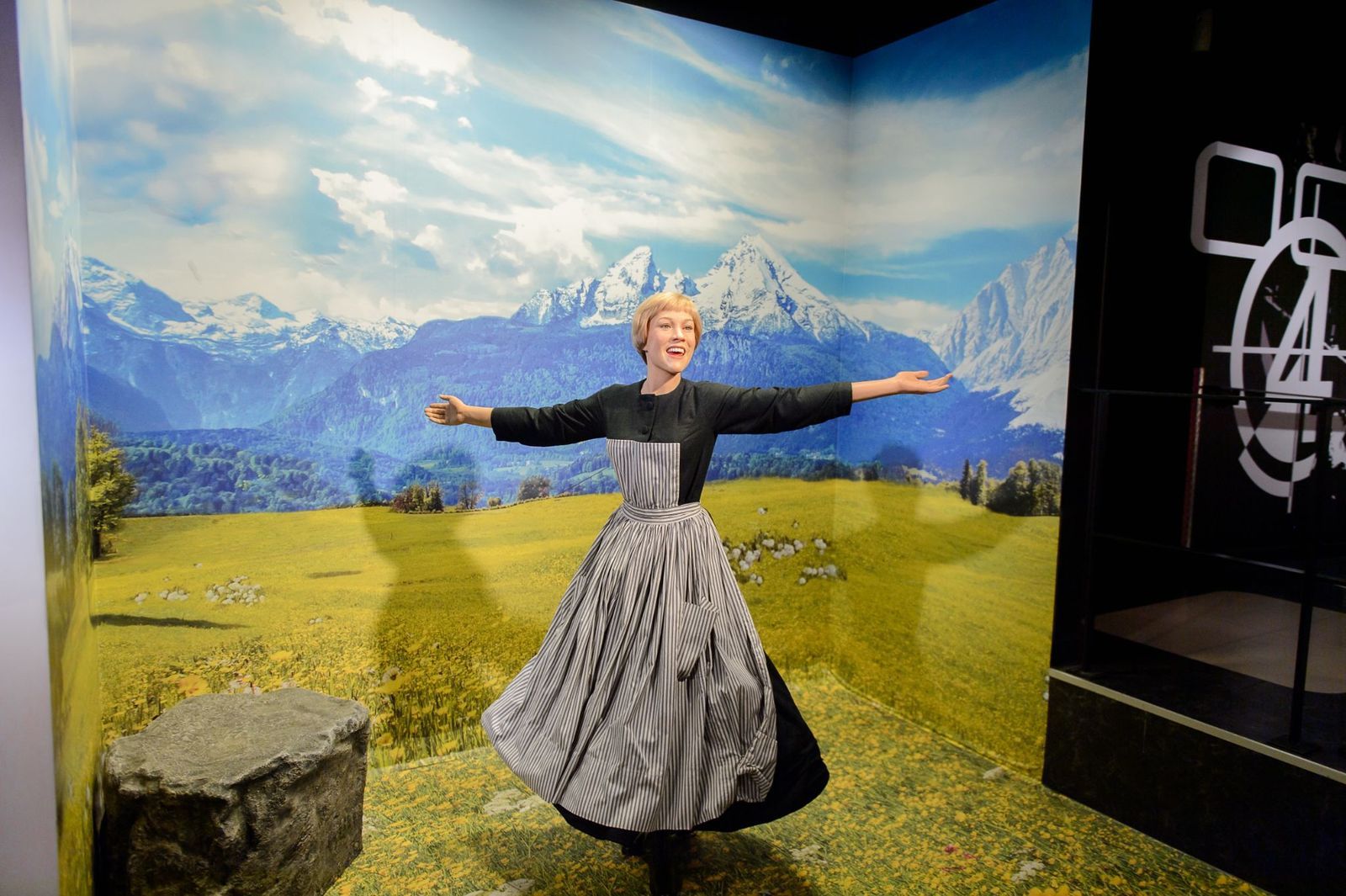
While the von Trapp family's escape in The Sound of Music (1965) involves scaling the Alps under the cover of darkness, the real story was far less dramatic, and surprisingly casual. Instead of dodging Nazi spotlights, the family left Austria by train in broad daylight . They weren't fleeing in secret: they departed openly, carrying their belongings and heading to Italy before eventually making their way to the United States.
The story has another fascinating twist Hollywood left out: Captain Georg von Trapp was an Italian citizen because he had been born in Zadar, which became part of Italy in 1920. His citizenship helped the family leave Austria legally, using valid travel documents. They didn't have to hike a single mountain or sneak across the border. Their real departure was considerably less dramatic than the movie's famous escape, but it nevertheless marked a major turning point in the family's life.
10
Singin' in the Rain:
The rain had a movie-making secret
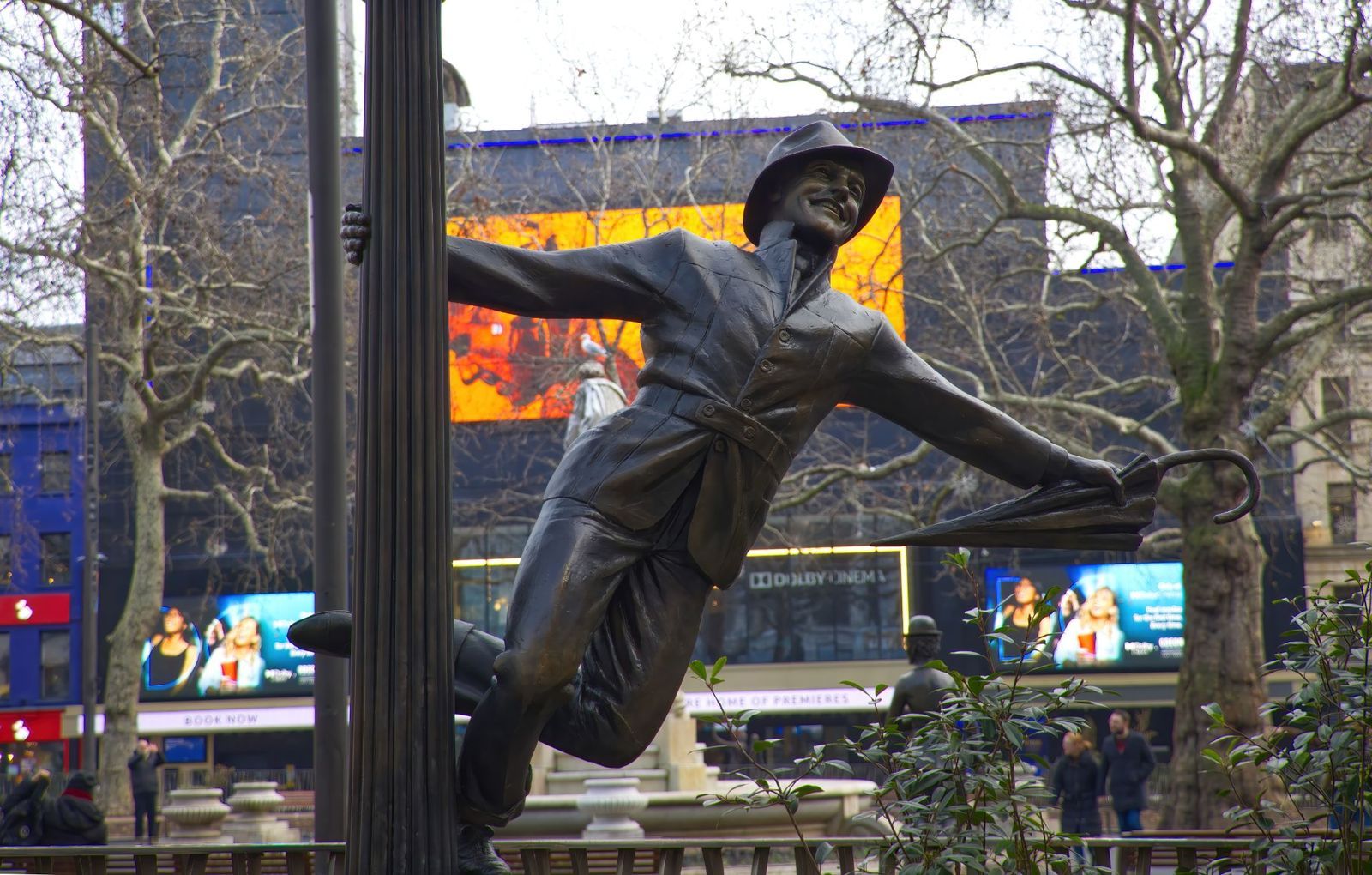
In Singin' in the Rain (1952), Gene Kelly, who played Don Lockwood, performs one of Hollywood's most memorable dance scenes. But capturing those glistening raindrops on Technicolor film was a challenge. For years, a popular story claimed that filmmakers mixed milk into the water to make the rain more visible. But cinematographer Harold Rosson later explained that the secret was actually in the lighting.
To give the storm its magical look, the production crew positioned powerful lights behind the artificial water sheets. This precise backlighting illuminated the droplets against the dark background, bringing the rain to vivid life. Filming the famous sequence wasn't easy for Kelly, either: he performed it with a scorching 103-degree fever , while the water caused his wool suit to shrink as he made cinema history.