Inspiring Jobs
Why did Columbo need "just one more thing" to uncover the truth?
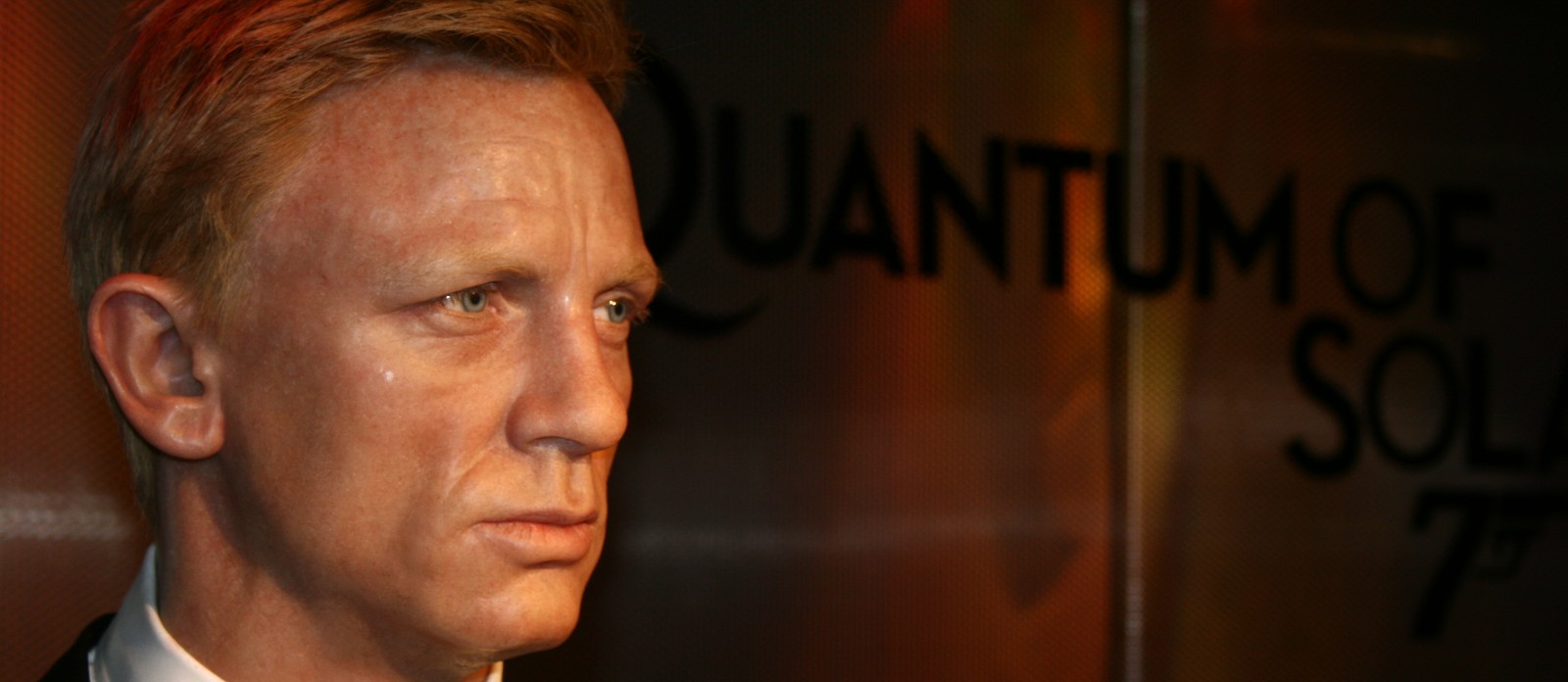
Image: Aashish950 at en.wikipedia, CC BY 3.0, via Wikimedia Commons
How many times have we wished to live the lives we saw onscreen? When watching our favorite TV shows or movies, even the dullest job, filled with paperwork and everyday problems, became inspiring. Characters showed us that, through their work, they could change lives, promote important values, and lead to some unforgettable adventures. Here are 10 fictional characters who used their jobs to make a real difference.
1
Perry Mason, Defense Attorney
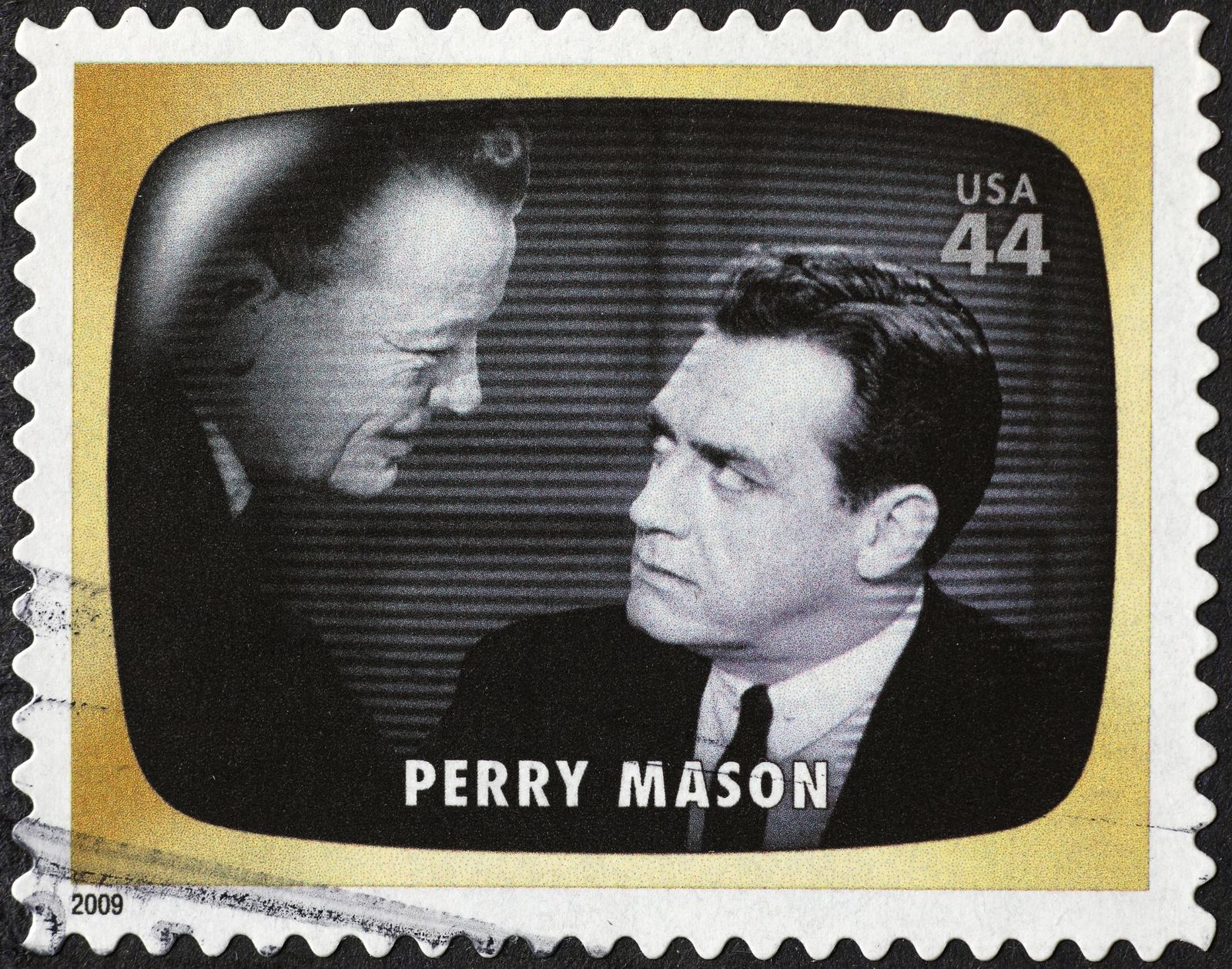
A defense attorney's job is to protect their clients’ rights, making sure they receive a fair trial. They investigate the case, interview witnesses, collect evidence, negotiate pleas, and defend their client in court.
Perry Mason (Raymond Burr) made the L.A. defense attorney’s job look like the work of a real-life hero on the self-titled series, which aired from 1957 to 1966. With a superior mind and strong sense of right and wrong, Mason did whatever it took to get innocent people out of seemingly hopeless situations. He rarely lost a case, and the most thrilling moments came when he exposed the real killer on the witness stand at the last minute.
2
Lieutenant Columbo, Homicide Detective
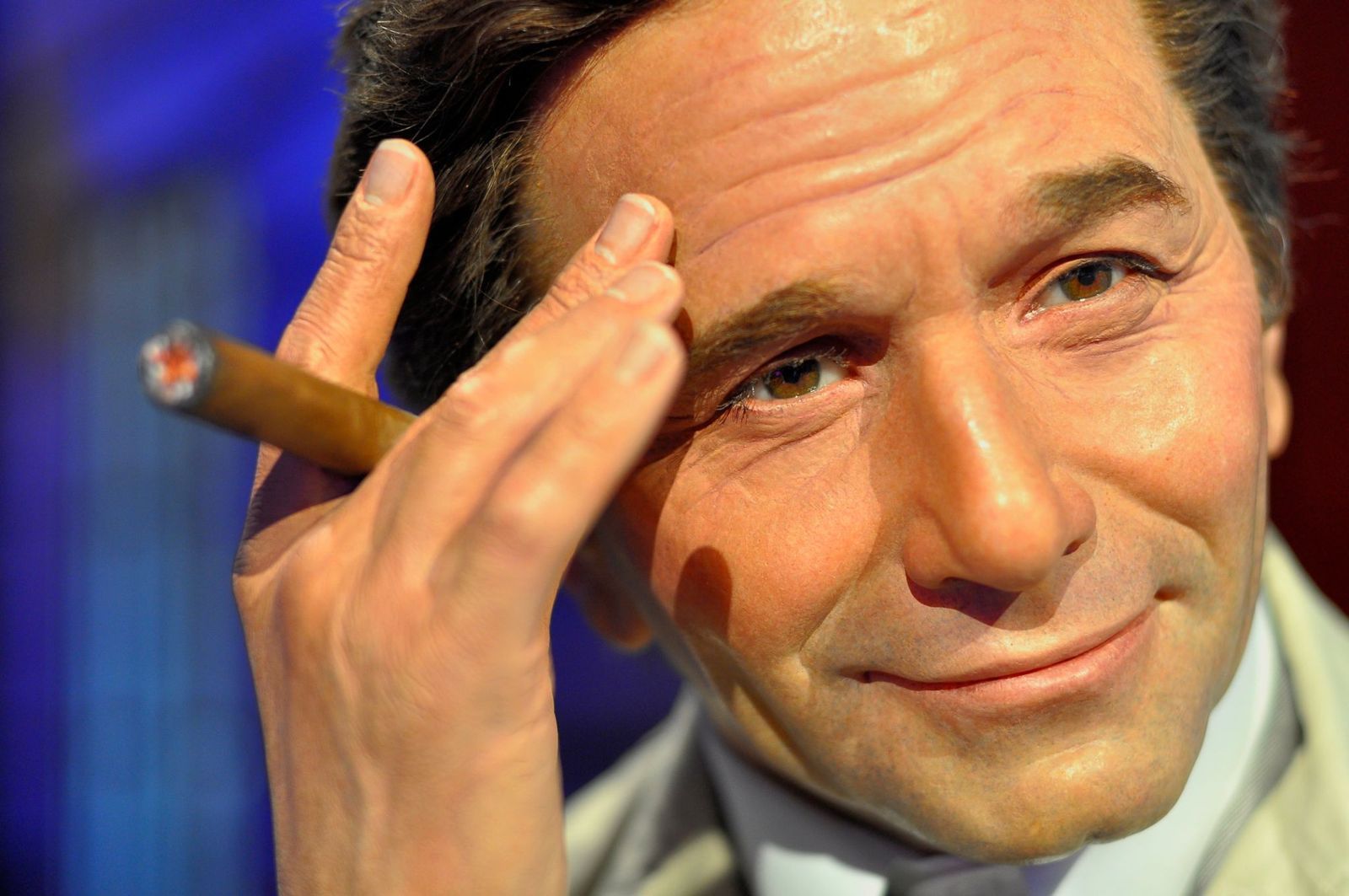
Columbo originally aired from 1971 to 1978 and later returned with new episodes from 1989 to 2003. Portrayed by Peter Falk, Columbo made us all want to be homicide detectives. He understood how society worked, and everything about his actions and appearance was part of his strategy: with his rumpled coat and beat-up car, he played the fool, deliberately making arrogant high-society suspects underestimate him. The most curious of detectives, he could notice tiny inconsistencies when no one else could. With his signature catchphrase, "Just one more thing...," he persisted until he found the truth, showing us that no detail should ever be overlooked.
3
Indiana Jones, Archaeologist
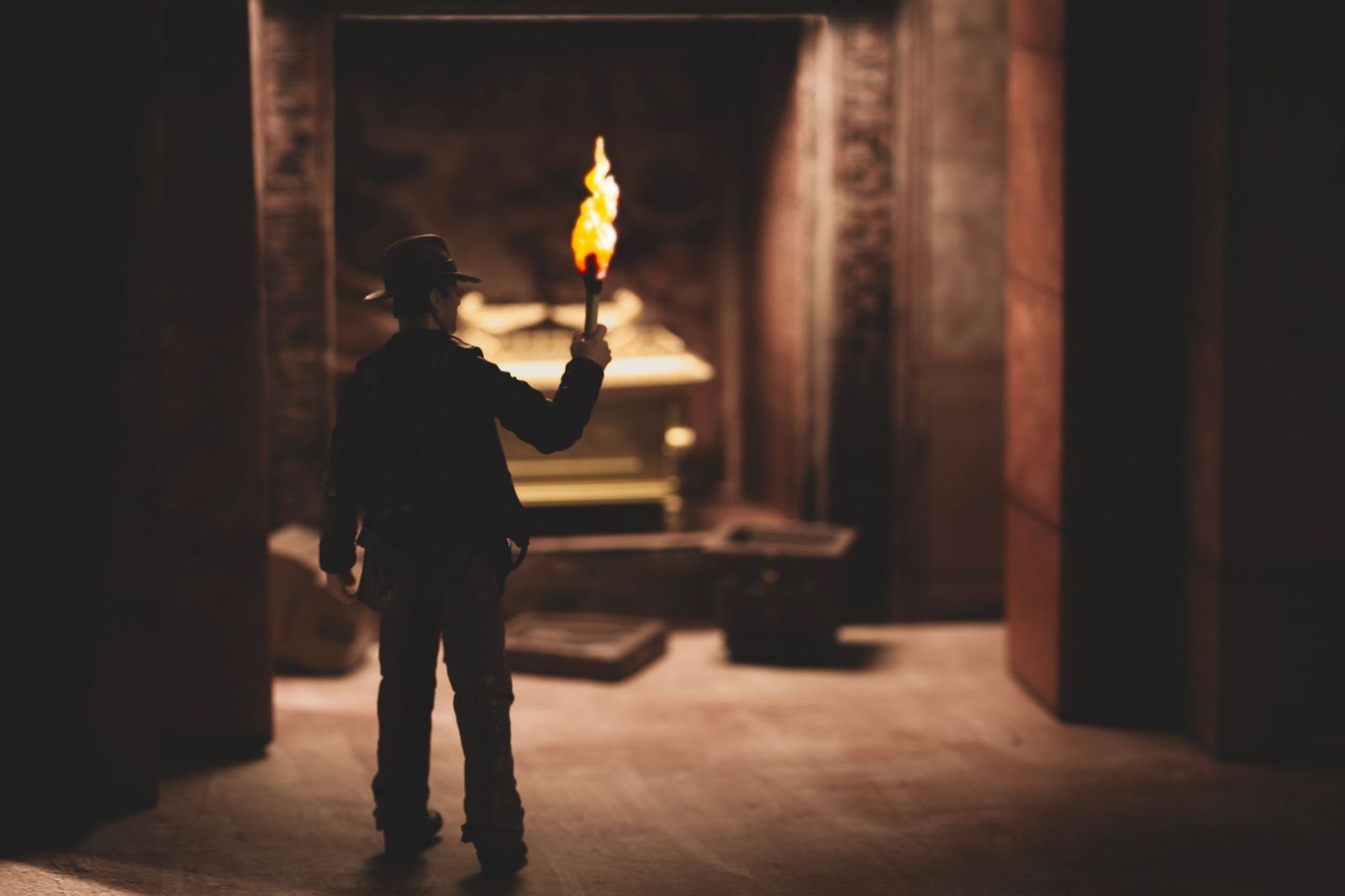
Spielberg’s Raiders of the Lost Ark was the movie franchise’s first installment, premiering in 1981, with four sequels released through 2023. Indiana Jones (Harrison Ford) actually lived a double life: a quiet, book-loving archaeology professor by day and an explorer whenever trouble knocked on his door. He was truly passionate about discovery. The impact was huge. Indiana Jones inspired generations of students to pursue careers in archaeology, history, and anthropology. He helped spread the idea that ancient artifacts are part of our history and deserve to be protected rather than stolen.
4
James Bond, Secret Agent
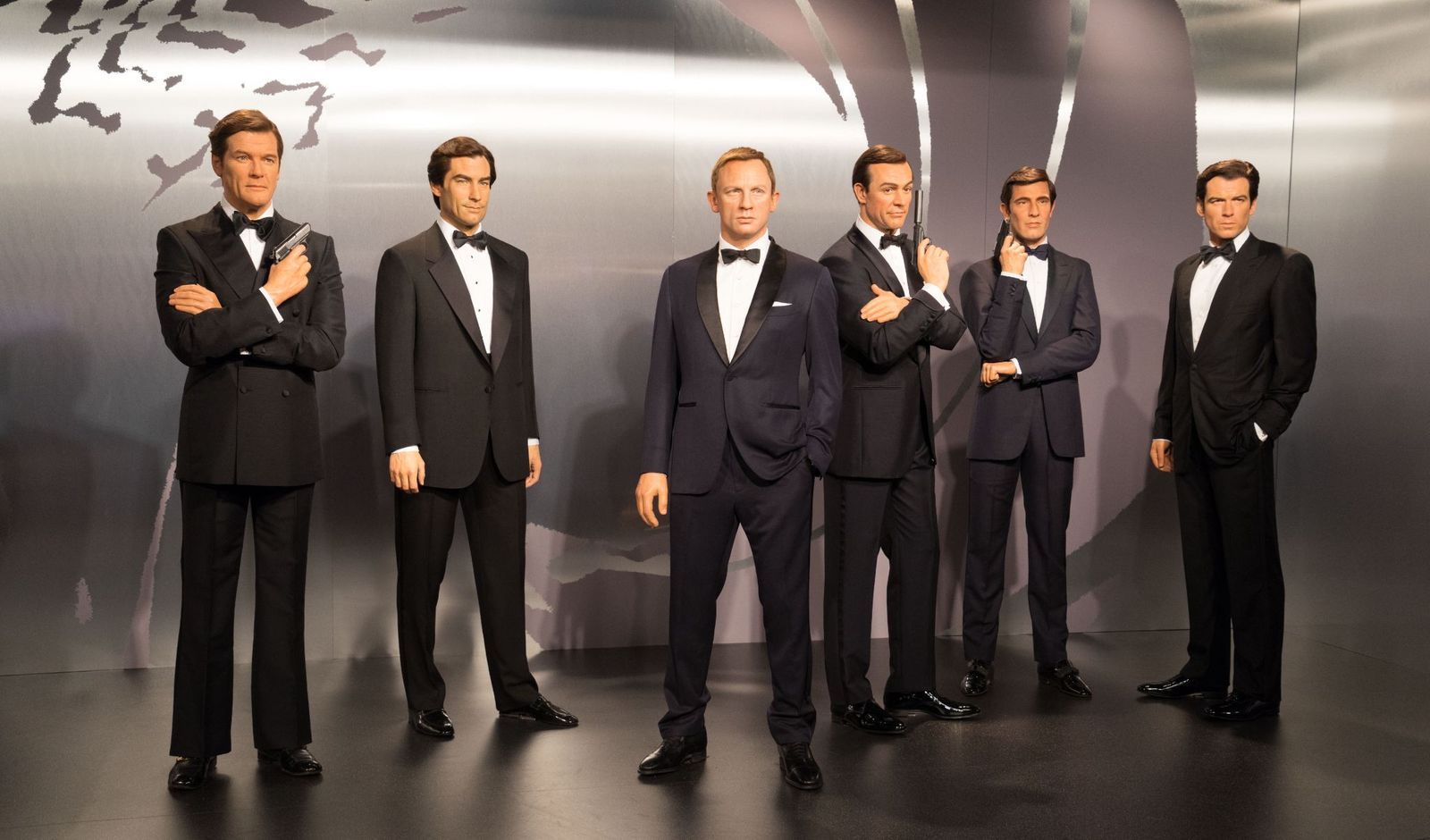
Played by six actors and counting across 25 films since 1962, the iconic British secret agent who worked for MI6 under the code number 007 was, of course, James Bond. Bond brought a level of glamour and excitement that few real-life jobs could ever match: his formal suits, high-tech gadgets, and remarkable confidence.
He always stayed calm and in control, even when things got dangerous. His missions were filled with constant risk, yet he always managed to make it out unharmed . Time and again, Bond proved that he was prepared for almost any mission. And after saving the day, there was always time for his favorite martini: shaken, not stirred.
5
Mary Richards, TV News Producer
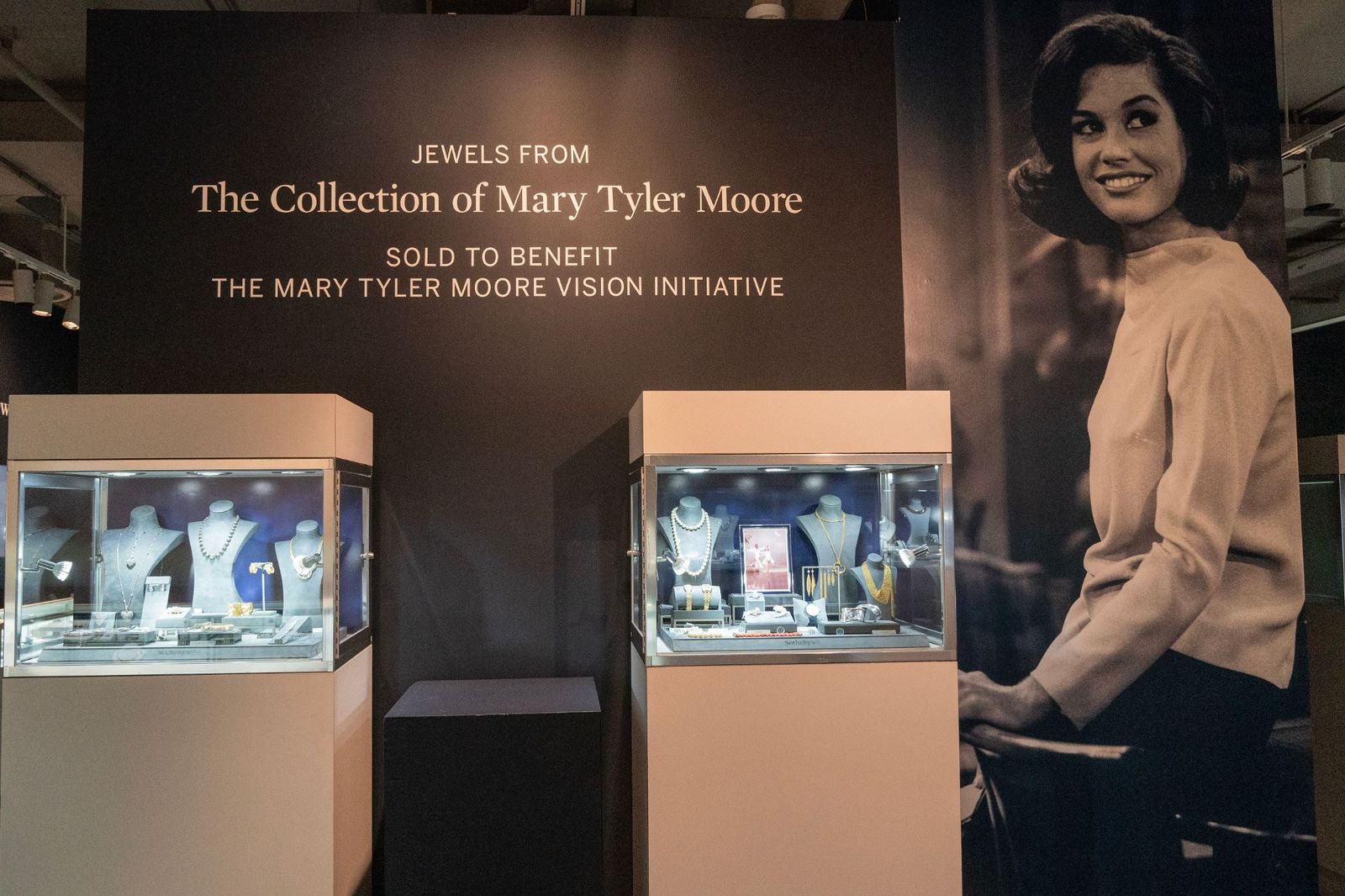
Mary Richards (Mary Tyler Moore) was the heroine of The Mary Taylor Moore Show, which ran for seven seasons, starting in 1970. She was an independent, single woman of her decade, a TV news producer who showed women could handle demanding careers. She faced everyday office struggles, stood up for equal pay, and even asked for a raise when she realized she earned less than men doing the same work . With her characteristic humor, bravery, spunk, and determination, she helped normalize women’s ambition on television.
6
Ben Cartwright, Rancher
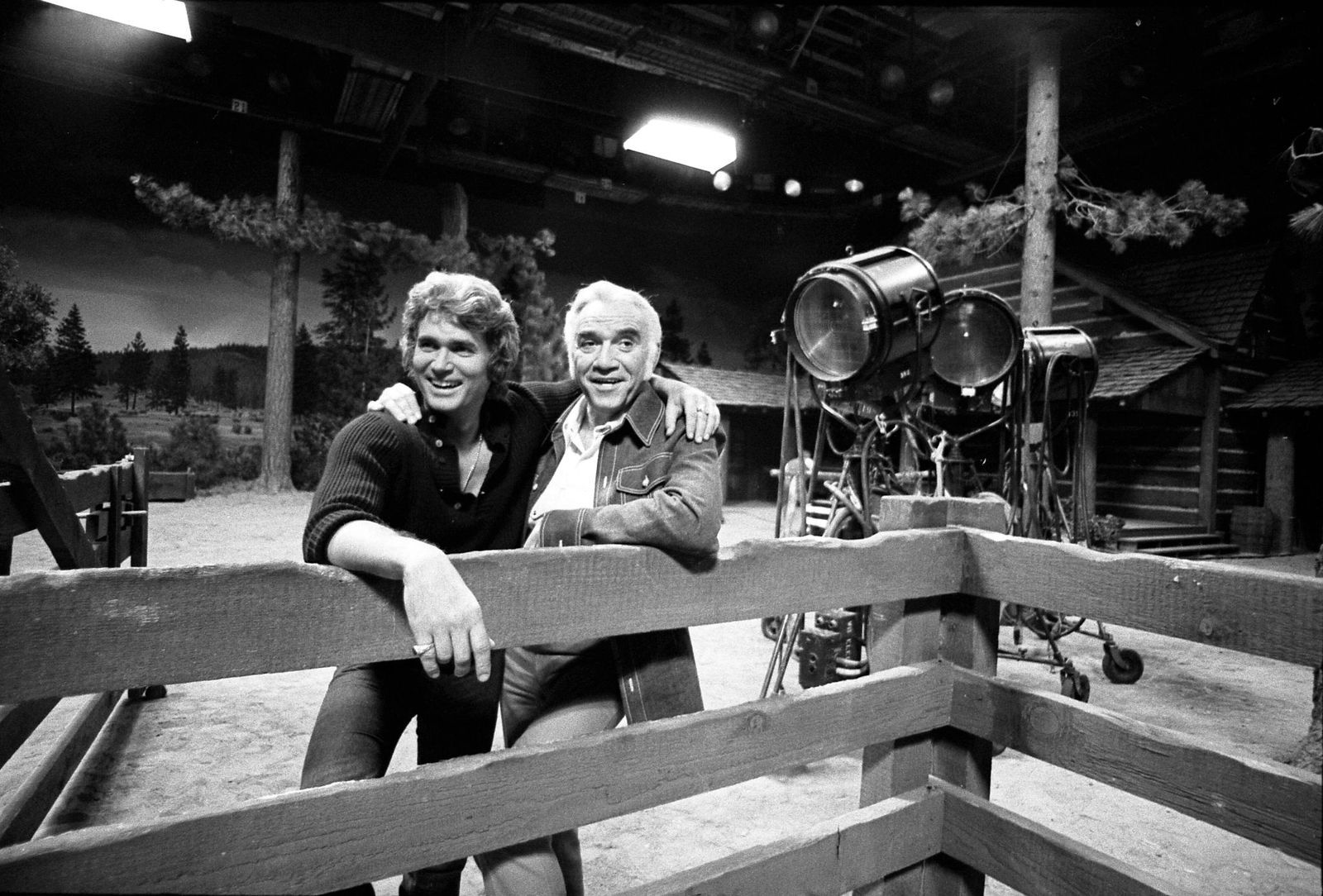
Ben Cartwright showed us that running a ranch in the Old West involved much more than riding horses and handling cattle. Ben, played by Lorne Greene on Bonanza from 1953 to 1973, owned the Ponderosa Ranch in Nevada, was a widower, and had three sons. He managed the land and its workers while helping his family face the everyday challenges of frontier life.
Ben showed us that a good rancher needed good judgment to survive. He worked hard to protect the Ponderosa and treated everyone fairly: family, workers, neighbors, and even strangers. As the story is set during and after the Civil War, Ben lived in a dangerous world, but he was still a leader and respected the land.
7
Scotty, Engineer
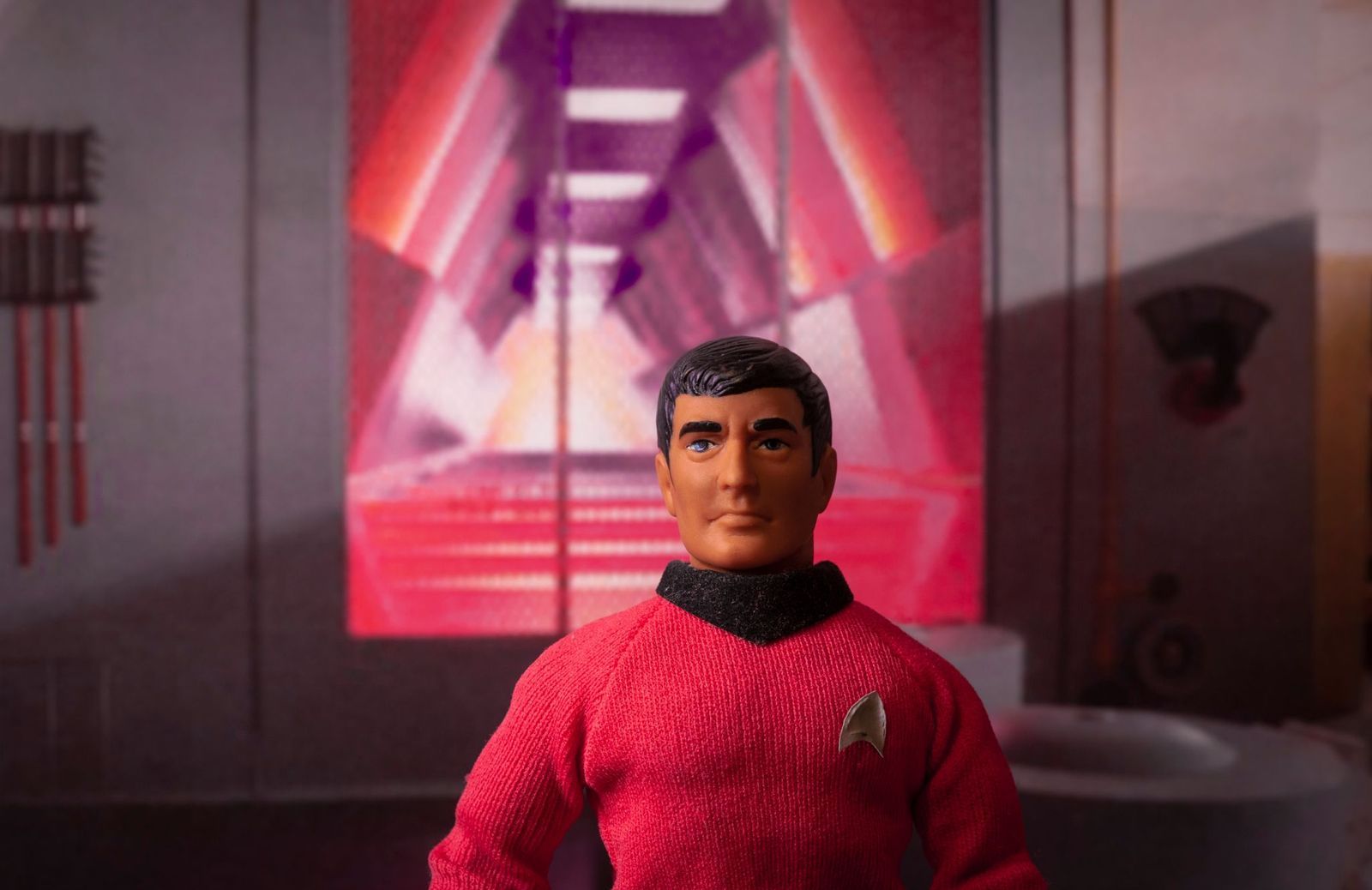
On a ship traveling through space, the engineer isn’t usually the one who gets the glory. Scotty was the exception. Played by James Doohan, Montgomery "Scotty" Scott appeared in Star Trek: The Original Series , which aired on NBC from 1966 until 1969. The show arrived at the height of the Space Race, three years before the Moon landing, when the idea of exploring distant worlds captured the country’s imagination.
As chief engineer of the Enterprise, Scotty was the man everyone turned to when things fell apart. No matter how impossible the problem seemed, he always found a way to fix it under pressure. His steady, reliable know-how made engineering feel like the most essential job on the entire ship.
8
Mike Brady, Architect
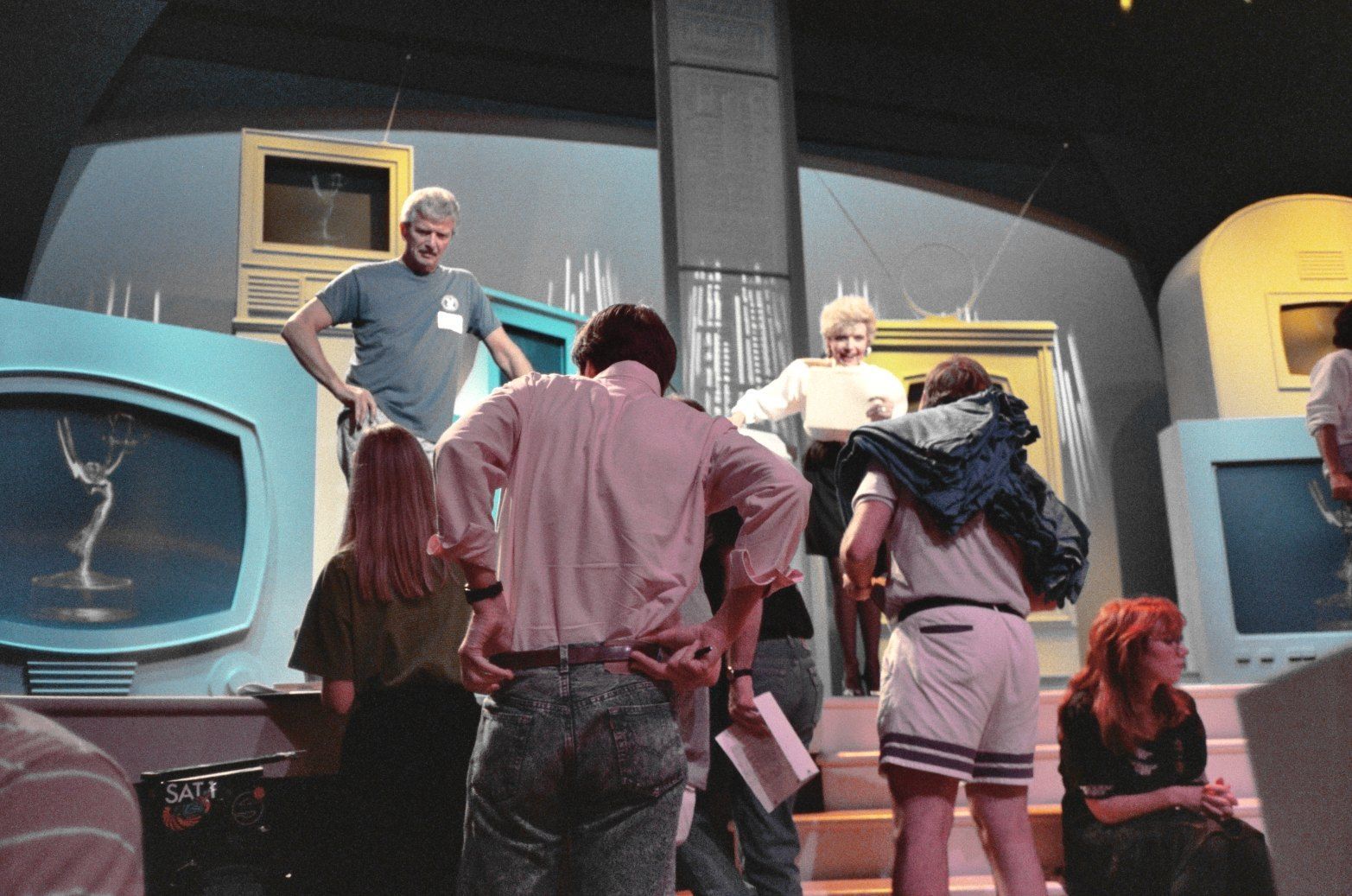
With Mike Brady, architecture found its way into mainstream television. Played by Robert Reed, Brady was the patriarch of The Brady Bunch (1969-1974) and had his own architecture firm. He showed that being an architect could go hand in hand with being a devoted husband and father of six. He sometimes worked from home, long before that became common, blending his career with everyday family life. He also prioritized public safety and honesty over profit in his projects. Mike was an ethical architect who made a complicated profession seem accessible and interesting.
9
Quincy, Medical Examiner
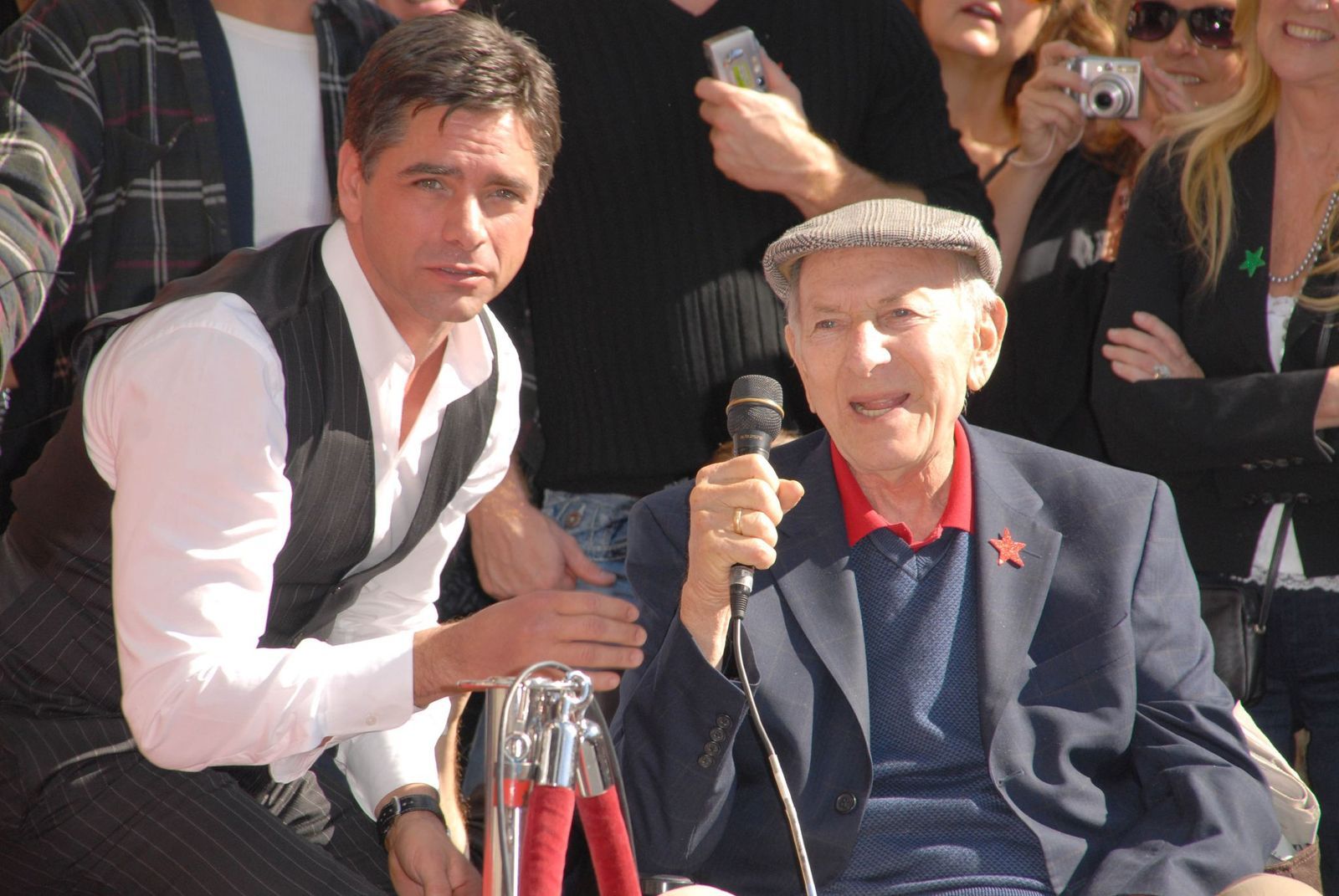
Quincy, played by Jack Klugman on Quincy M.E. (1976-1983), was the medical examiner who refused to let suspicious deaths go unnoticed. With his unwavering ethic, he treated every body as an important story that deserved to be understood and looked after. He constantly fought against bureaucracy and apathy, driven by his principles rather than personal convenience.
As one of the earliest forensic procedurals on TV aired in the 70s, the show made science a powerful tool for truth and justice, paving the way for modern shows like CSI . It also tackled real-world issues most shows avoided at the time, like public health crises, environmental pollution, pharmaceutical greed, and elder care, all wrapped inside a weekly mystery.
10
John-Boy Walton, Writer
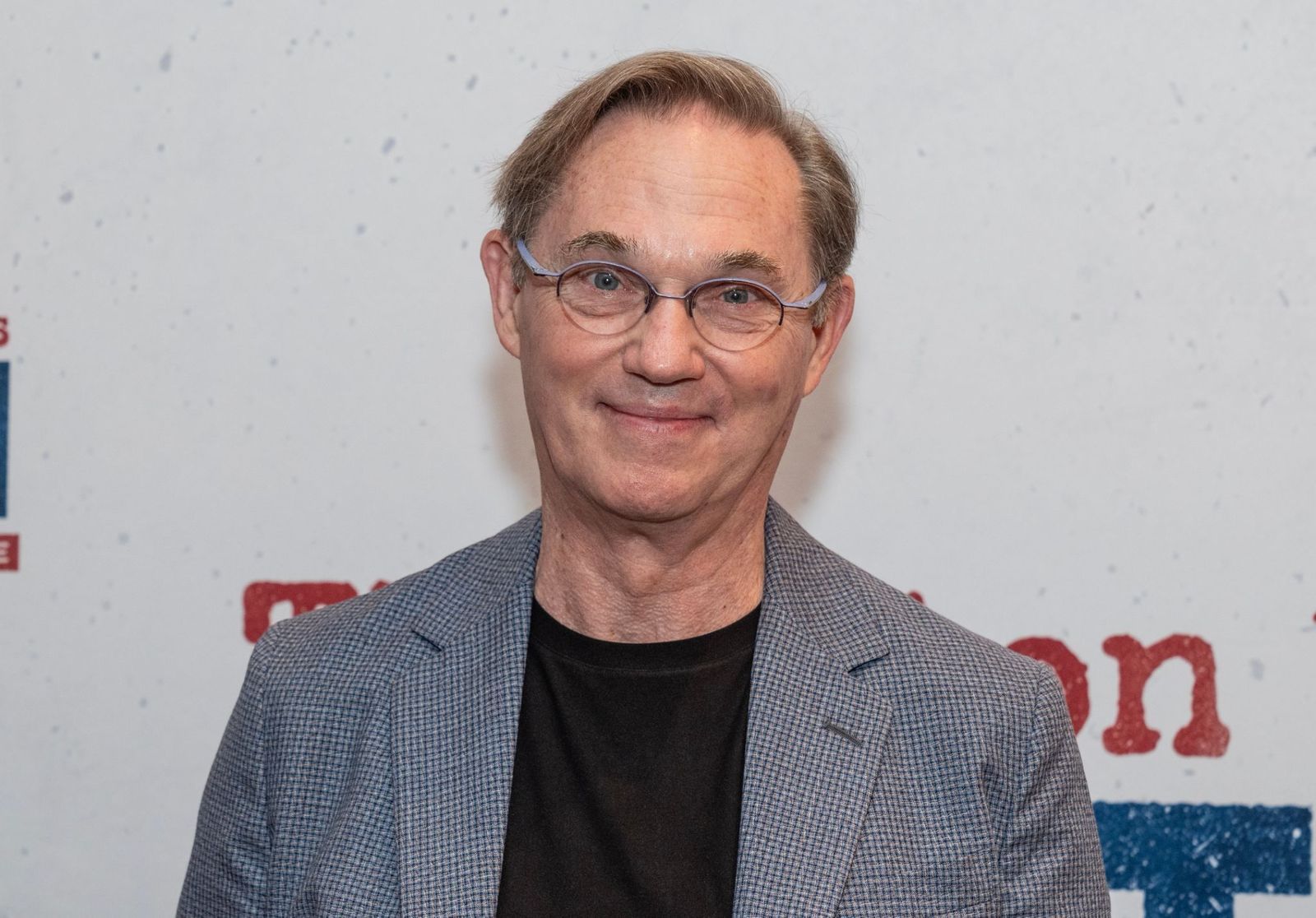
Played by Richard Thomas on The Waltons , John-Boy Walton grew up in a large family in rural Virginia during the Great Depression. The show aired from 1972 to 1981. While helping his family through difficult times, he dreamed of becoming a professional writer and carefully recorded his experiences in his journal.
John-Boy treated everyday family struggles, conversations, and memories as stories worth preserving. Even when money was tight and his dream seemed distant, he continued studying and writing. Inspiring many, he proved that curiosity and discipline were the secret powers that could take a young writer far beyond.