Geography Geography 4 min read

Landmarks have secrets

Why can't you go to Lady Liberty's torch: Facts about iconic buildings
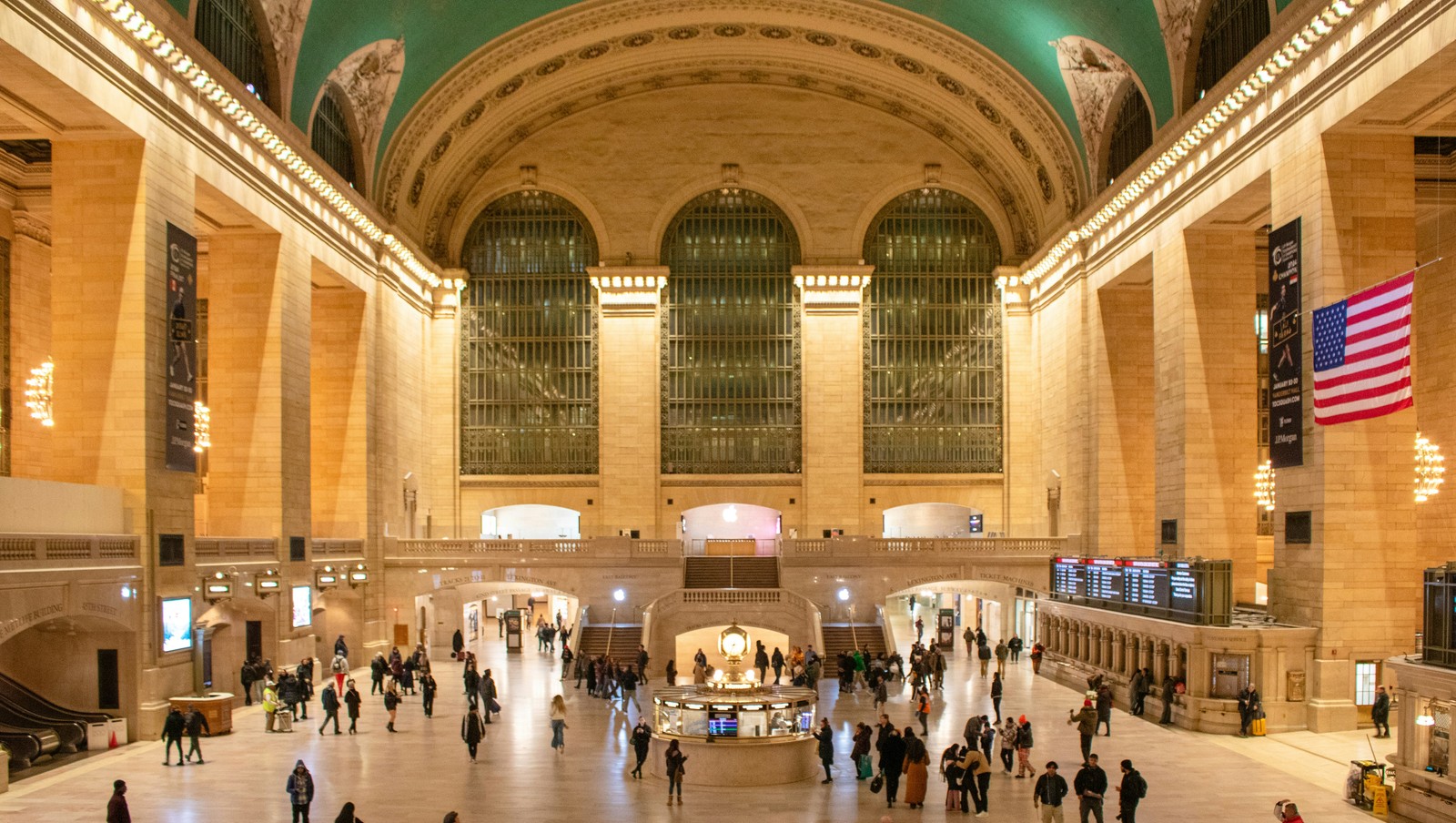
Image: Zoshua Colah

Did you know that the Golden Gate Bridge wasn’t supposed to stay that color? Or that the White House wasn’t meant to have that name? Could you guess which of our iconic buildings shows a map of the stars that’s, err… wrong? We think we are somewhat acquainted with the basic facts about the most famous structures in our country. But here is a list of some behind-the-scenes stories you probably hadn’t heard before!

1
How the White House gained its name
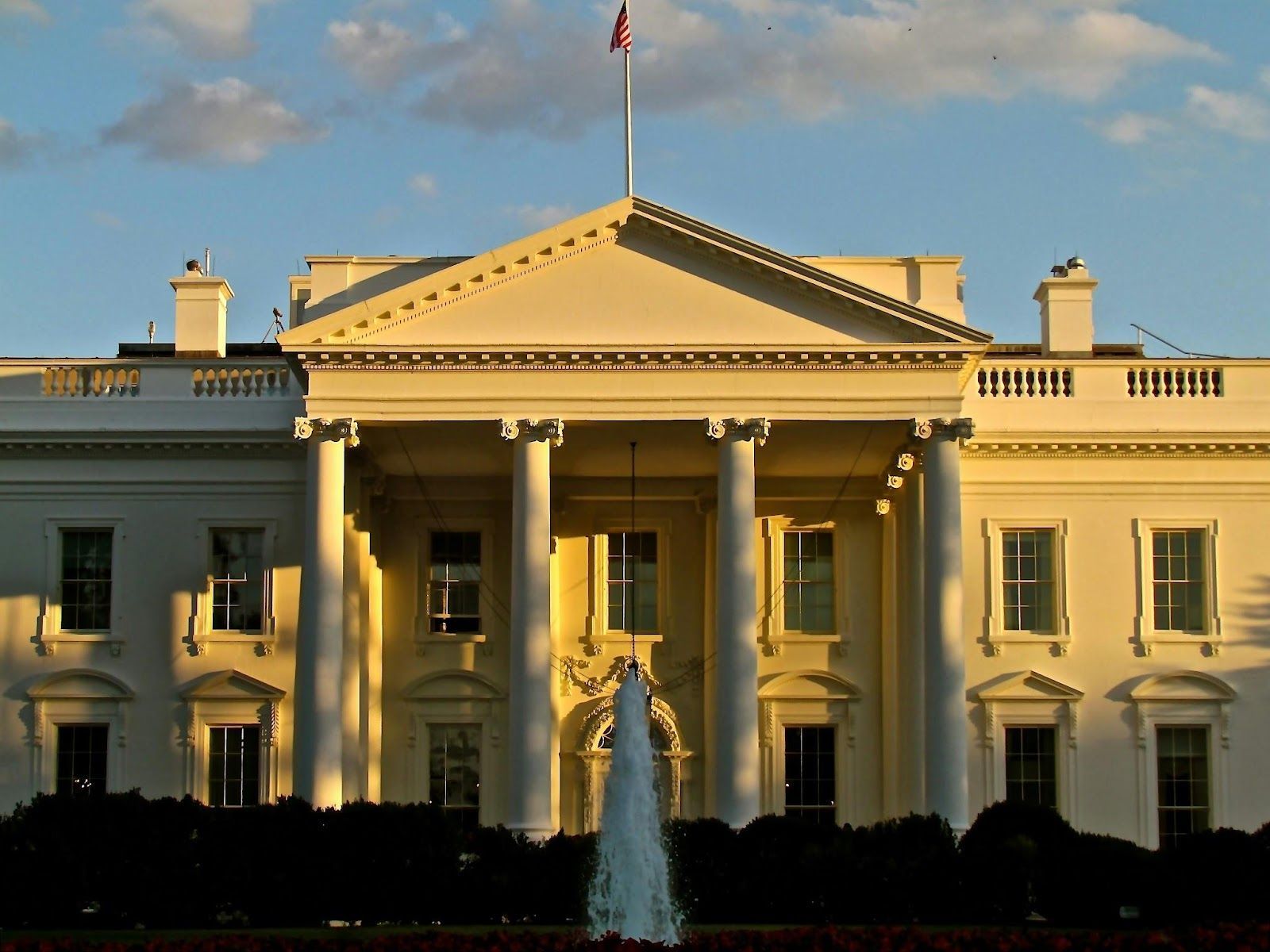
Image: Suzy Brooks

Originally, the building was called the "President’s House." That only changed after the 1814 fire. During the War of 1812, British troops marched into Washington and set many buildings on fire, including the main one.

Walls were scorched, and smoke damage lingered inside and outside the building. When repairs began, painters coated the building white to cover the burn marks . This resulted in the "White House" nickname. Nearly a century later, Theodore Roosevelt made it official.

2
A hidden underground beneath America’s books
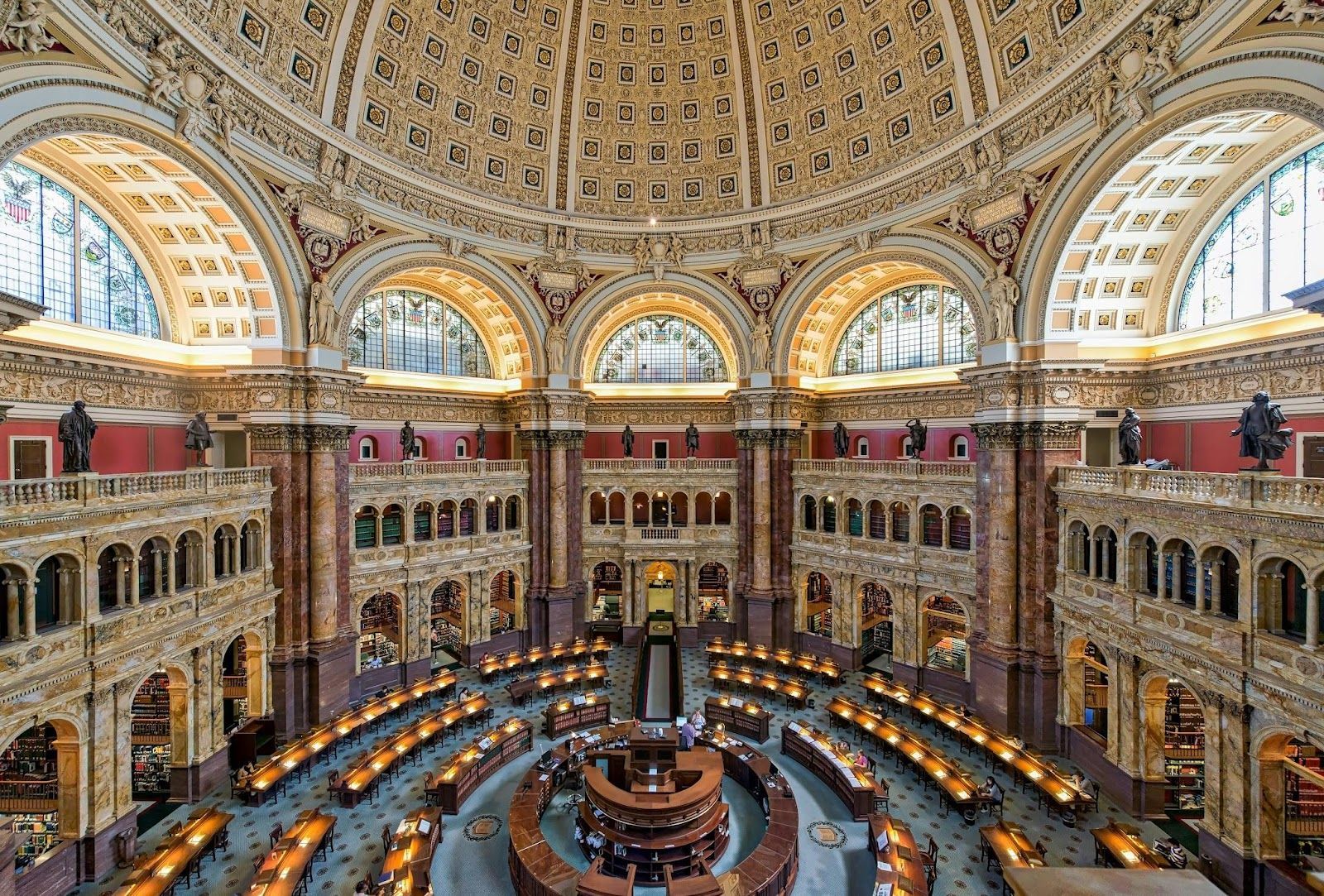
Image: Stephen Walker

Have you ever heard of the Library of Congress's underground tunnels? Most visitors never see them or learn about them. They connect their buildings, allowing staff to transport rare books and documents safely and efficiently. Fragile, valuable materials had better be protected from the weather, the sunlight, and, well, the people!

3
The Golden Gate Bridge wasn’t supposed to stay red
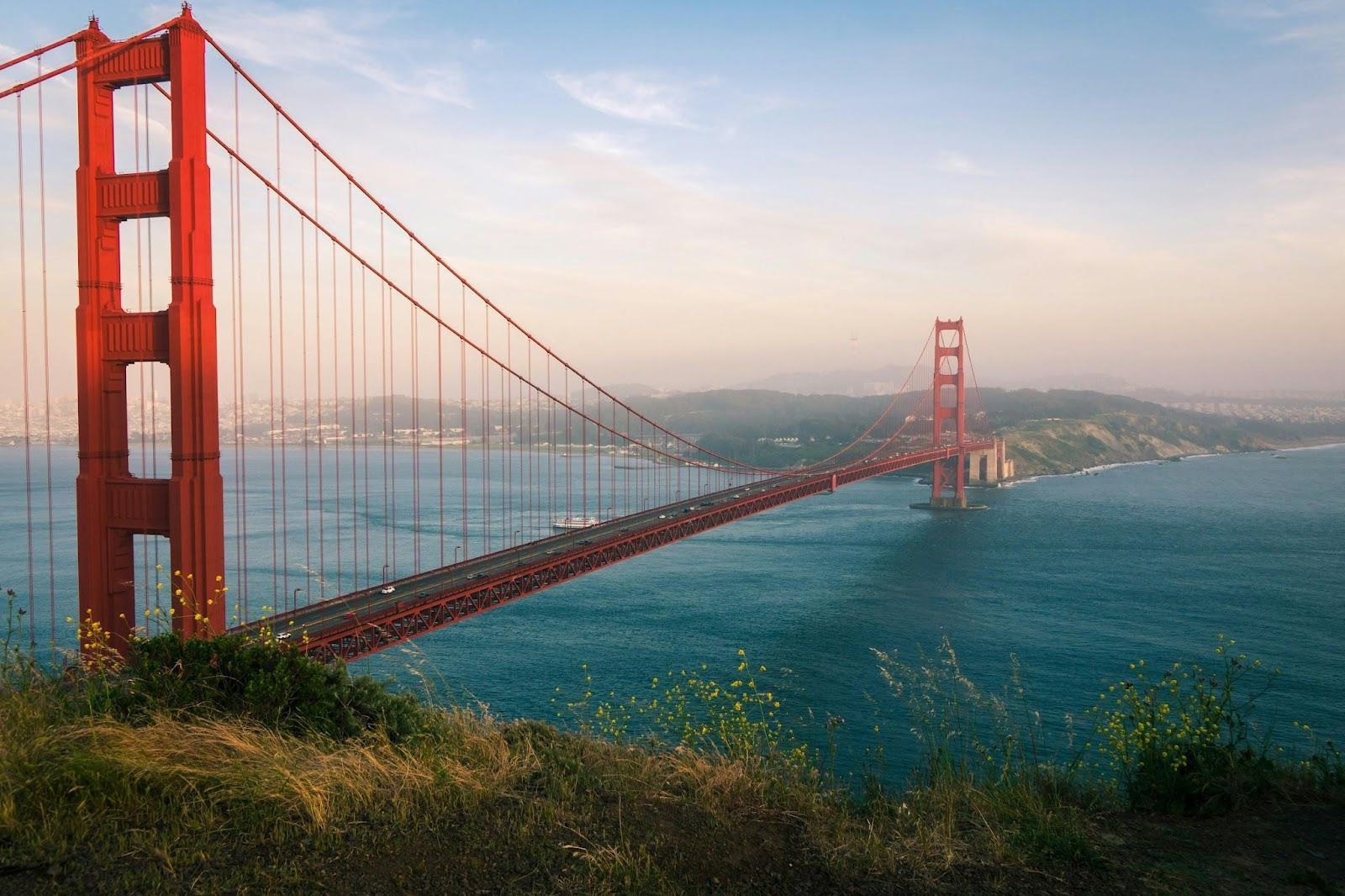
Image: Trent Erwin

The reddish color of the Golden Gate Bridge (officially named "International Orange") was supposed to be a temporary priming coat to protect the steel.

However, when engineers looked at the bright color peeking through the fog against the stunning blue and green of the San Francisco Bay, they said, "You know what?" It should stay like that. The Navy proposed painting it black and yellow, but it was never done. The stunning color turned it into one of the most iconic buildings in the world.

4
The Empire State Building wanted to welcome airships
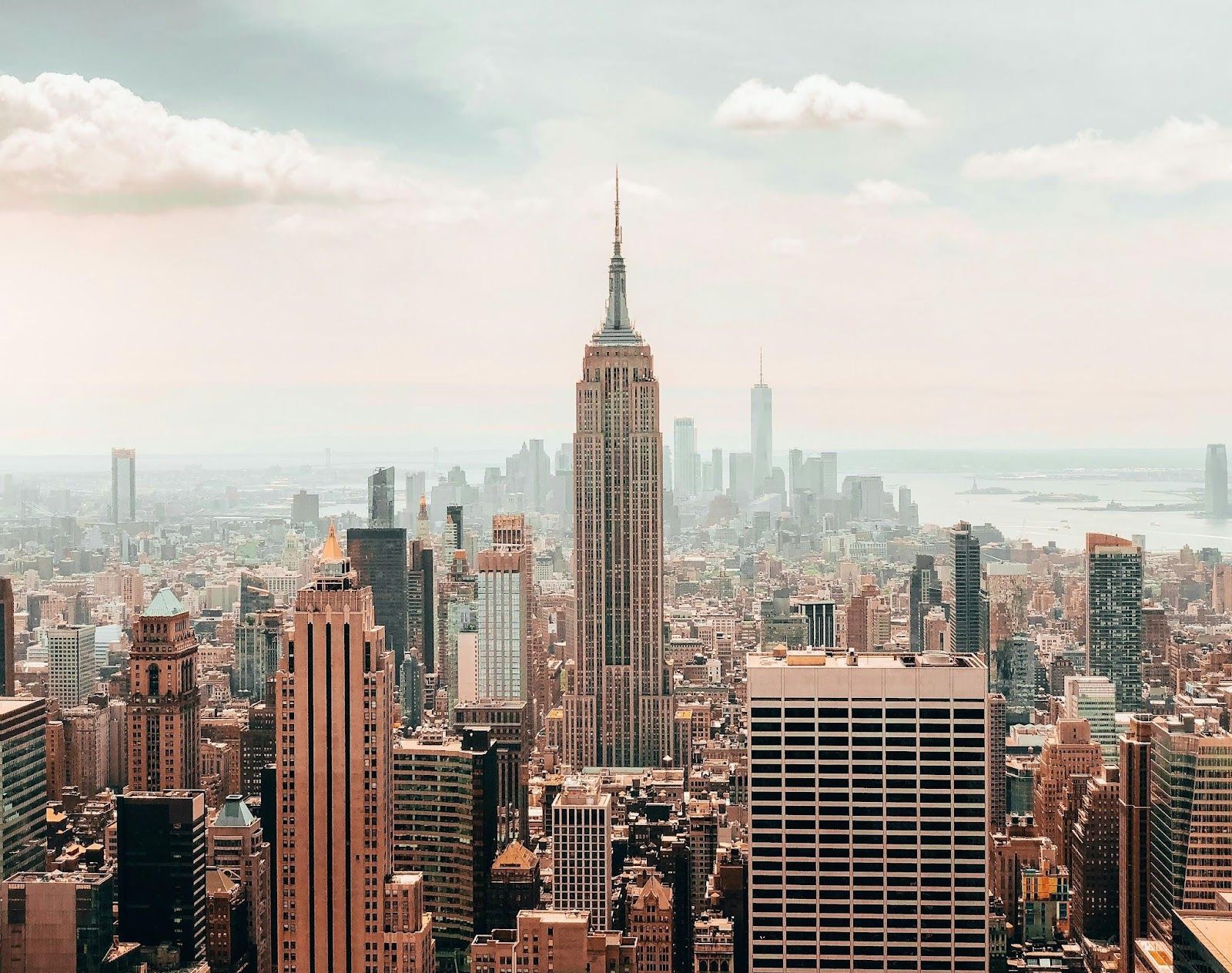
Image: Christian Ladewig

Back in 1931, the Empire State Building’s spire was intended as a mooring mast to serve as a docking station for airships. The idea was that passengers should be able to step directly into Manhattan from the sky!

Sure, it was a futuristic plan, but it was eventually dismissed for being wildly dangerous. Passengers would have had to climb out at dizzying heights in strong winds. Not ideal! And certainly not glamorous.

5
The famous ceiling that got the stars wrong
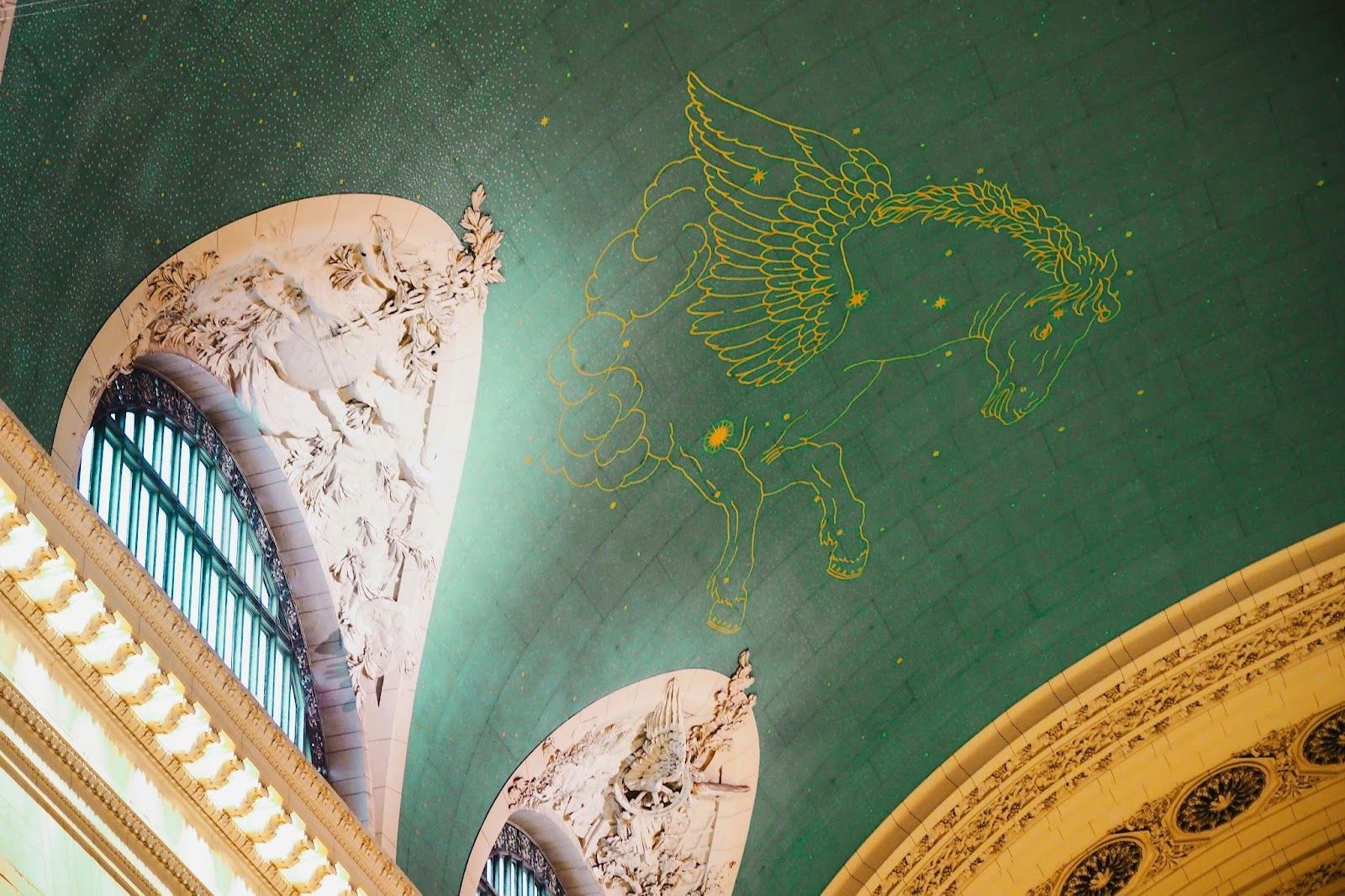
Image: Alexa Soh

You may have seen images of Grand Central Terminal’s celestial ceiling —or seen it with your own eyes. But there’s a twist: Did you know that the constellations in it are painted backward?

The way they are represented is as if viewed from outside the universe, rather than from Earth. Whether it was a mistake by the artist or it was an intentional reverse on cosmic perspective, the terminal ceiling has looked like this since its opening in 1913.

6
The president who quietly ran a whiskey empire
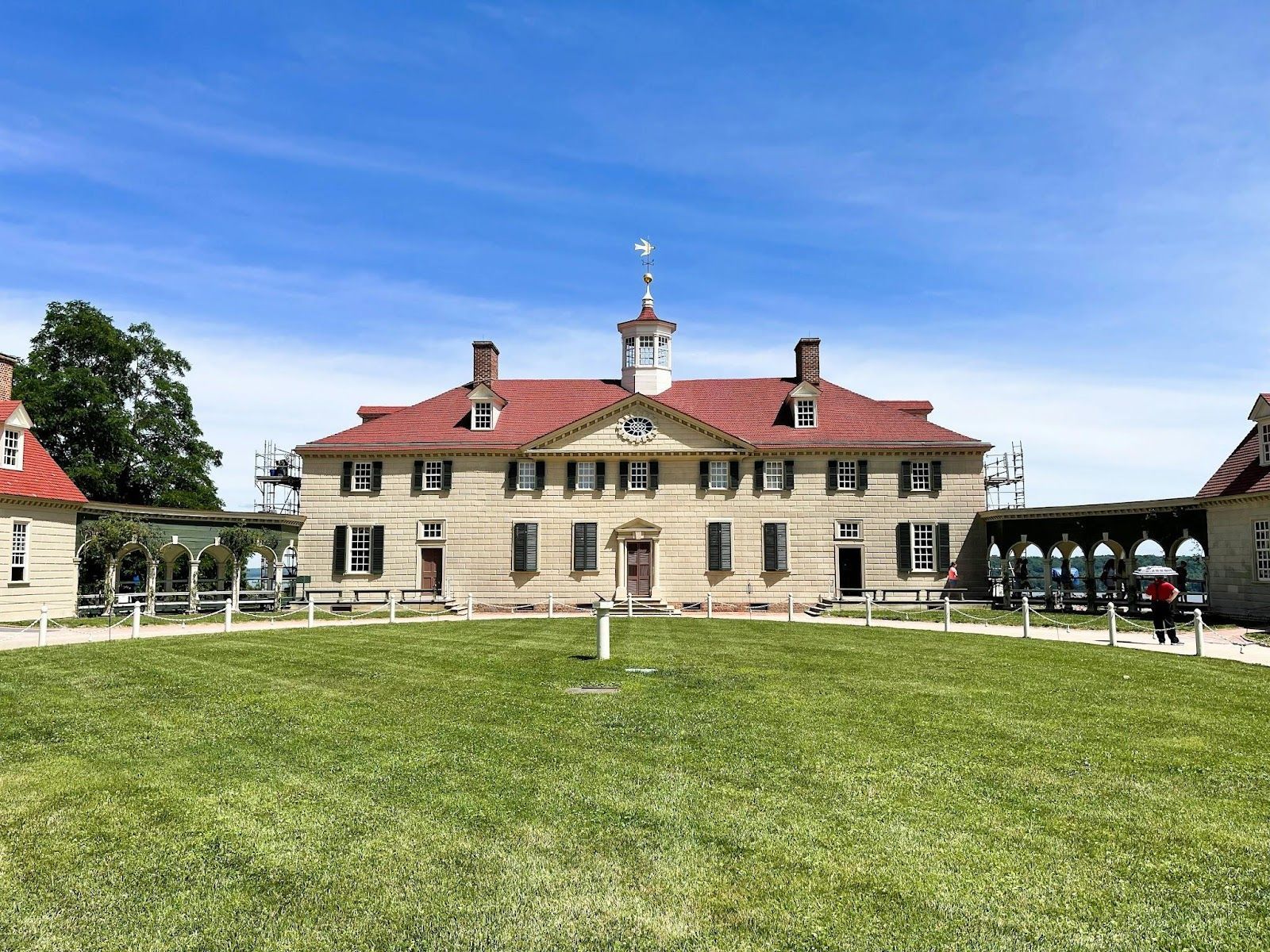
Image: Antonella Vilardo

George Washington is remembered as a general and a president, of course. But he was also a major whiskey producer. Hidden on the grounds of Mount Vernon was a fully functioning distillery, built in the late 1790s.

By the time of Washington’s death, it was producing nearly 11,000 gallons of whiskey a year. That made him one of the largest distillers in the young United States!

7
The iconic façade didn’t exist during the battle
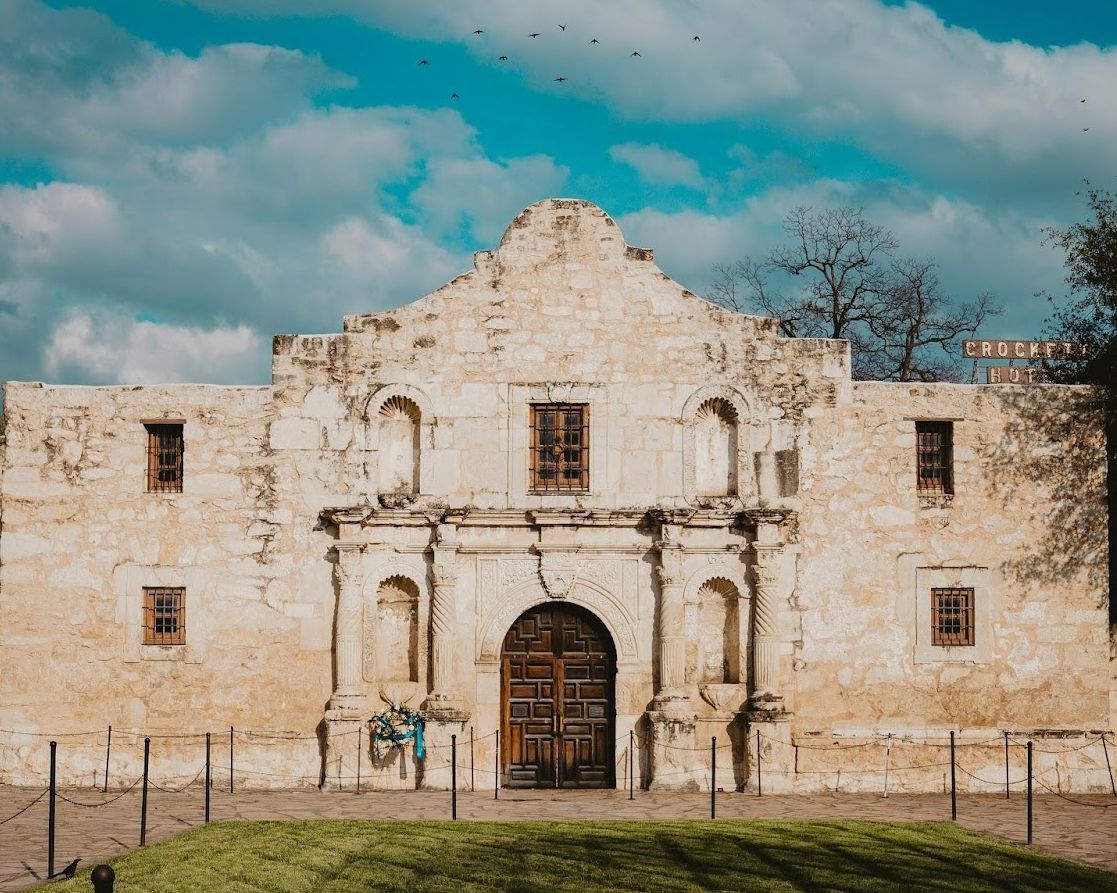
Image: Eric Francis

When you think of the Alamo, you surely picture its iconic façade. However, that structure was not part of the original mission!

During the famous 1836 battle, the building looked far simpler, and it lacked its now-famous curved top. That façade was added decades later by the U.S. Army when the structure was used as a supply depot

8
Why visitors can no longer climb to the torch
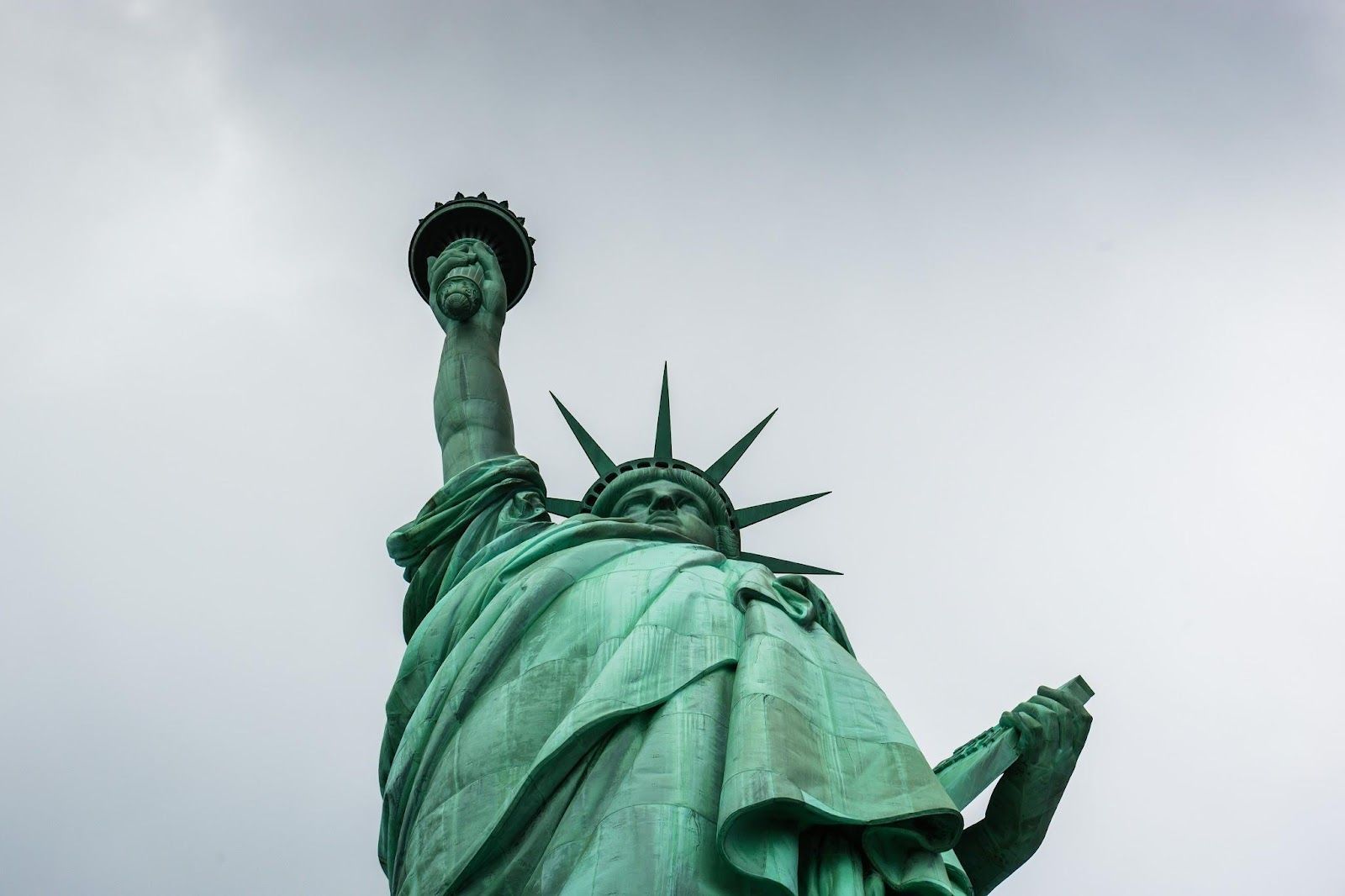
Image: Jason Krieger

Did you ever hear some old relative’s anecdote ot climbing all the way to the top of Lady Liberty’s torch? They weren’t lying: Up until 1916, visitors could. However, around that time, some explosions in a nearby munitions depot sent shockwaves through the statue.

The blast damaged the torch and weakened its structure. For safety reasons, access was permanently closed to the public.

9
The concrete that is still hardening today
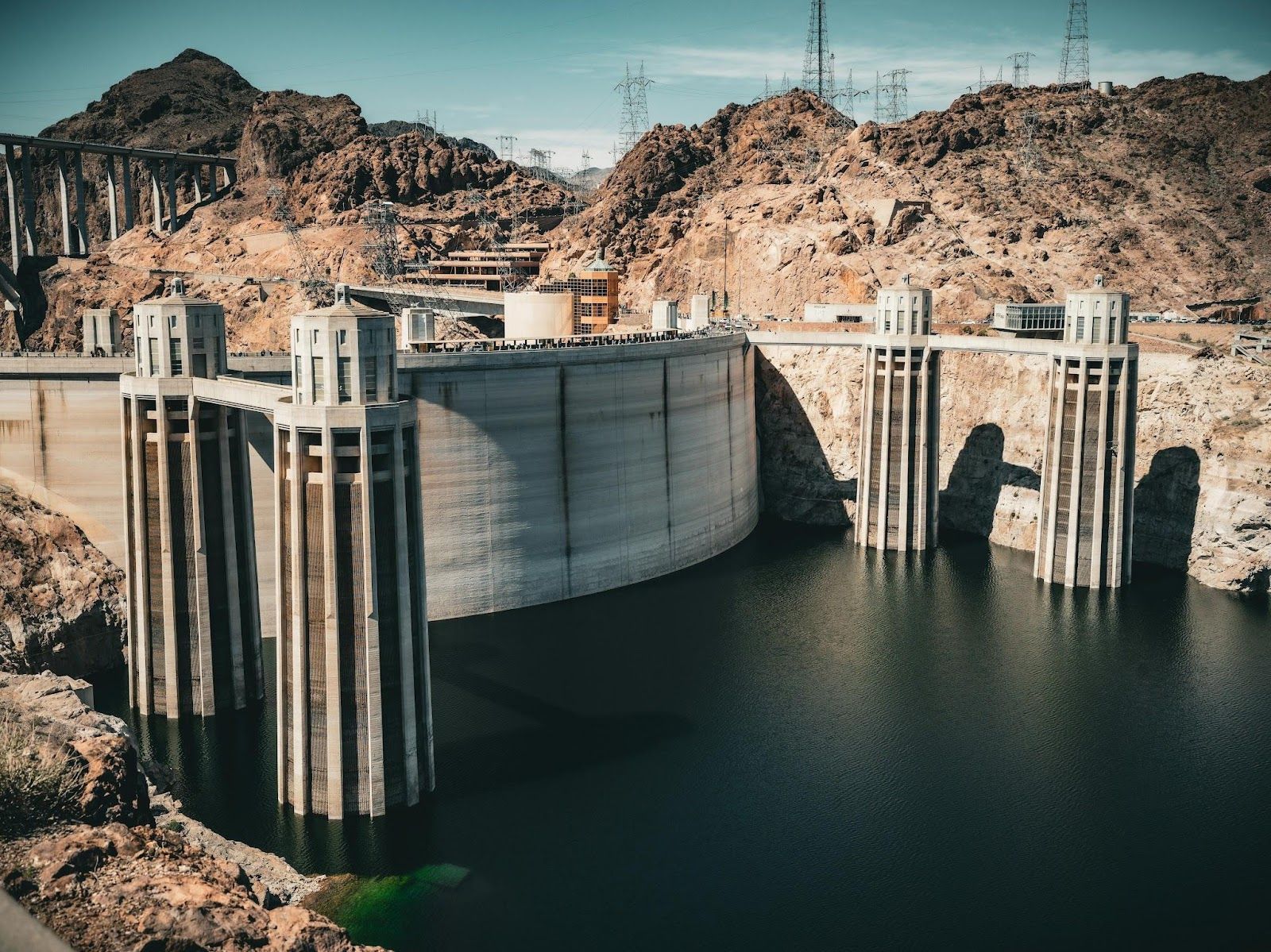
Image: Chase T

The Hoover Dam contains so much concrete that it generates heat as it cures. Engineers knew that if poured as one solid mass, it would take more than a century to cool and could crack.

Instead, they built it using interlocking concrete blocks, each cooled with circulating water. Even so, parts of the dam are still slowly curing today.

10
The building that accidentally cooked its neighbors
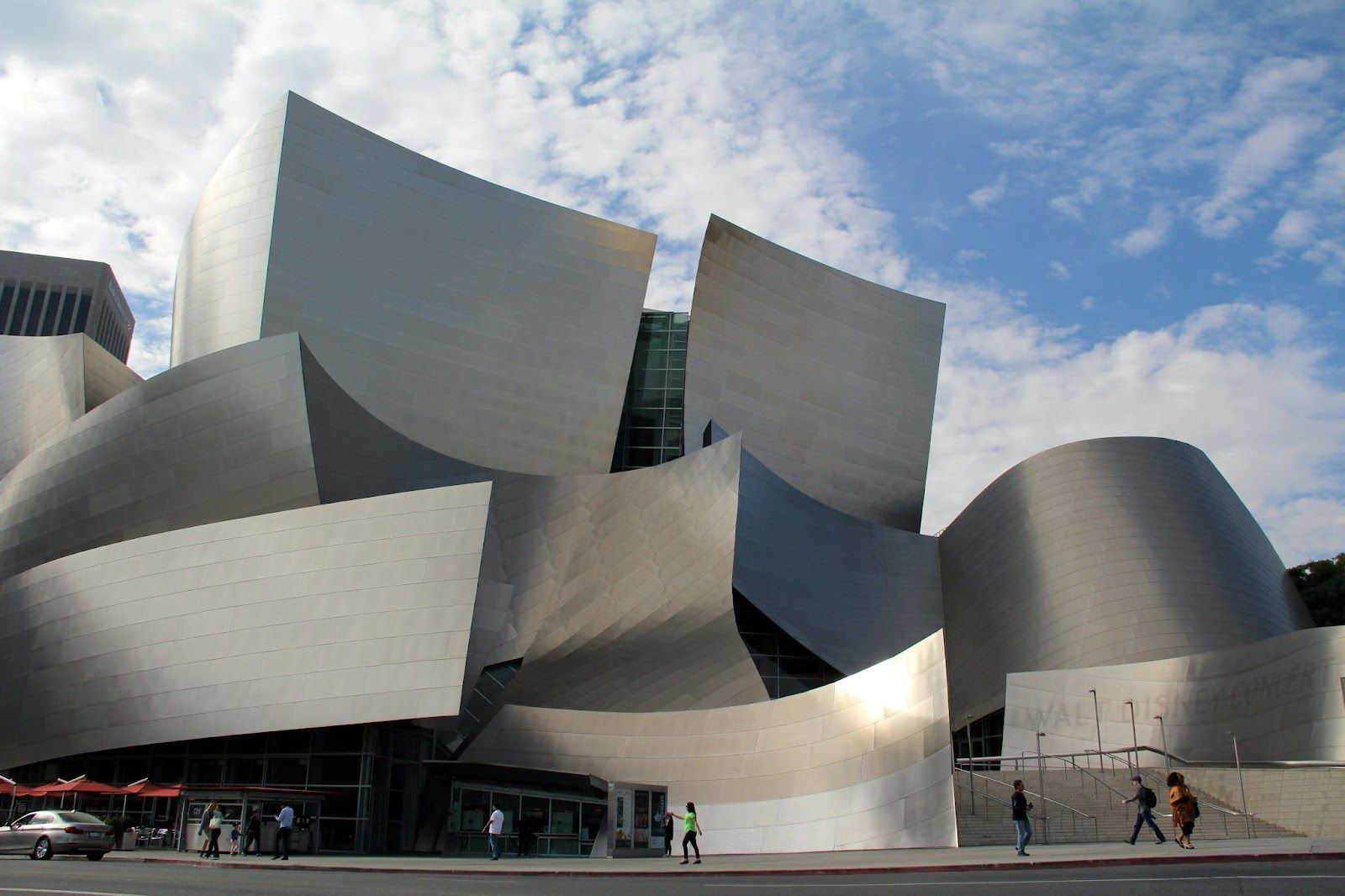
Image: Michael Beener

When the Walt Disney Concert Hall opened in Los Angeles, its gleaming metal exterior stunned visitors. But it also caused an unexpected problem…

The highly reflective steel panels bounced sunlight onto nearby sidewalks and apartments. In some spots, the glare was so intense that it melted materials! As a result, engineers eventually had to dull parts of the surface.

11
The Capitol’s dome isn’t stone
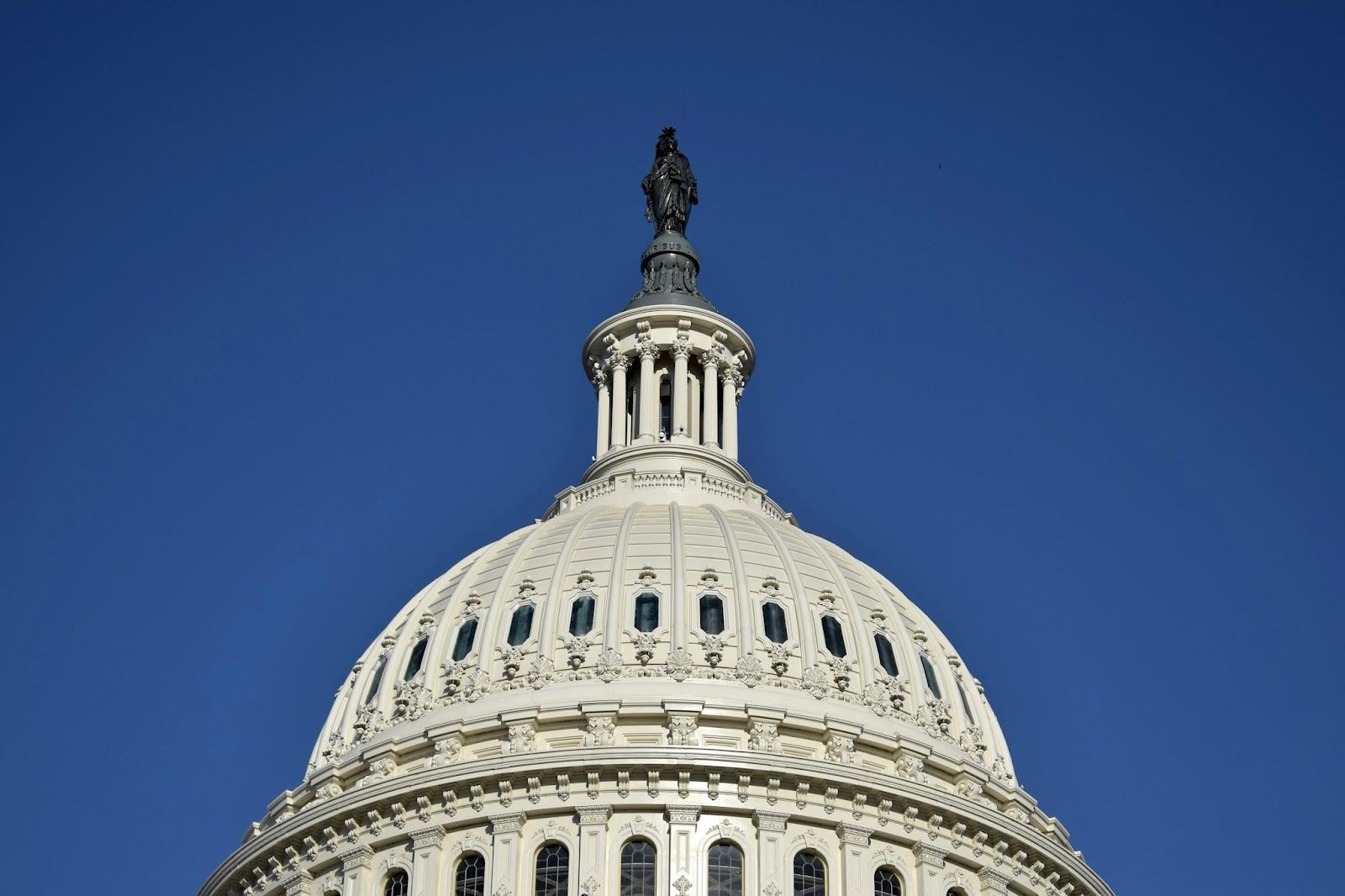
Image: Sins S

The grand, massive dome atop the U.S. Capitol looks like solid stone, doesn’t it? But, in fact, it is made of cast iron.

In the mid-1800s, stone was considered too heavy and expensive for such an ambitious structure. Cast iron allowed builders to create a taller, more ornate dome that weighs nearly nine million pounds.

General General 5 min read

What’s in a team’s name?

No Grizzlies in Tennessee: Decoding 10 NBA team nicknames

Image: Abhay siby Mathew

What could knickerbockers, animals, and mechanical engineering have in common? Well, plenty, if you ask an NBA fan. The naming of basketball teams has involved whole fan communities, local polls, and a lot of state industry pride. Nuggets, Pistons, Pacers—some evoke local wildlife, while others dig centuries back into historical roots. Ever wondered why Tennessee has Grizzlies or how Miami’s team ended up simply as "Heat"? Let’s dive into the stories behind the league’s most iconic—and surprising—team names.

1
Knicks

Image: Kelly Sikkema

"Knicks" is the shorter, catchier version of "Knickerbockers." The New York team name was chosen in the 1940s because of its association with Dutch settlers in the city. In Washington Irving's satirical book A History of New York , the author used "Diedrich Knickerbocker" as a fictional narrator. Over time, the term came to symbolize the city’s colonial heritage.

One of the oldest teams in the NBA, the Knicks never changed their worldwide-known name or their headquarters. They also boast one of the most iconic sports arenas in the world: Madison Square Garden . The Knickerbockers brand became so well-established that it intentionally opted to never introduce a team mascot, to preserve its classic image.

2
Nuggets

Image: PIX1861

The Denver Nuggets don’t allude to any form of food. Let’s look at the team’s history before explaining its name. Originally, as members of the American Basketball Association, they were called the Denver "Rockets" in reference to one of the owner’s businesses. However, when the team prepared to join the NBA in the 1970s, they had to change their name because Houston already had a team named the Rockets.

After a fan contest, the name "Nuggets" was chosen as a nod to Colorado’s gold and silver mining heritage , where prospectors sought valuable "nuggets" of precious metals. The team adopted a logo featuring a miner holding a pickaxe, and the name has stuck ever since.

3
Rockets

Image: NASA

So, why did Houston name its team The "Rockets"? Technically, it didn’t. The team was founded in San Diego in the 1960s as an NBA expansion team. The name "Rockets" was chosen through a fan contest, inspired by San Diego’s slogan at the time, "A City in Motion," and its ties to the aerospace industry.

Less than 10 years later, the team relocated to Houston, Texas. It was understood that a name change wasn’t necessary: "Rockets" fit seamlessly with Houston’s role as NASA’s space center and its nickname, "Space City."

4
Pistons

Image: Tim Mossholder

The Pistons were originally founded in Indiana as the Fort Wayne Zollner Pistons . Their owner, Fred Zollner, also owned a manufacturing company that produced pistons for automotive and railroad engines. The team carried the last part of the name forward when they joined the NBA, and later moved to Detroit.

Detroit, known as "Motor City" for its global reputation as the center of the American auto industry, was the perfect fit for the Pistons name. The concept that the Pistons symbolized "horsepower" was what inspired the introduction of their mascot, Hooper, a horse wearing the Pistons’ jersey.

5
76ers

Image: Jimmy Woo

The Philadelphia 76ers derive their name from an entirely different source than most other teams. Honoring the city’s insignia as the birthplace of the Declaration of Independence in 1776, the team’s name pays tribute to this pivotal moment in American history.

In its inception, the team was based in Syracuse, New York, and was known as the "Syracuse Nationals." It was one of the NBA’s original franchises. When it moved to Philadelphia, though, a fan contest was issued to select the best possible name. "76ers" was selected and it quickly became the popular consensus to shorten it to the nickname "Sixers."

6
Grizzlies

Image: Greg Johnson

Everyone’s first reaction upon hearing where the Grizzlies are based is the same: "But are there any grizzlies in Tennessee?" The answer is, none that we know of. But the team was founded far from those lands, in Vancouver, British Columbia. In the mountainous regions of western Canada, grizzly bears are indeed a thing.

However, the team faced financial difficulties and fan support challenges in Vancouver, leading to their relocation to Memphis in the early 2000s. At the time, there was some debate about whether to change the name. Ultimately, the NBA and team management decided to keep "Grizzlies" to maintain a connection to the team’s origins and avoid the costs of rebranding.

7
Heat

Image: Maxim Tajer

As many people observe, it’s unusual for a team name not to be a plural word. "Heat" is as fiery as it is accurate, belonging to the hottest state in the U.S. The city’s tropical weather inspired one of the most abstract names in the NBA, often symbolized by fire and the colors red, orange, and black.

The Miami "Heat" name was designated after winning a fan contest, beating other options like "Sharks" and "Barracudas." Fans also suggested names such as "The Beaches" and "The Miami Vice."

8
​​Timberwolves

Image: Andrew Ly

There may be no grizzlies in Memphis, but there are certainly timber wolves in Minnesota. In fact, the state has the largest population of timber wolves in the contiguous United States. The name for Minneapolis’ team was chosen through a statewide contest as a nod to Minnesota’s wilderness and natural wildlife. It was an instant hit.

The other finalist in the contest was the option "Polars," but it seems people found "Timberwolves" to be more unique. In later years, the team introduced its mascot, Crunch , a wolf often seen at events around the city.

9
Pacers

Image: Rui Alves

The Pacers emerged and remained in Indiana. The name was chosen mostly to pay homage to Indiana’s rich racing heritage: pace cars were used in the iconic Indianapolis 500 auto race , which evolved from horse races held annually in the state. However, it can also be considered a pun on the "fast-paced" style of playing that the team hoped to live up to.

In fact, one of the investors of the Pacers franchise was Chuck Barnes , who represented three legendary race car drivers: Mario Andretti, A.J. Foyt, and Rodger Ward. The team proudly retained the name when they joined the NBA in the 1970s after achieving remarkable success in the ABA.

10
​​​​Cavaliers

Image: PublicDomainPictures

Lastly, Cleveland’s "Cavaliers" is another example of a team name chosen through a fan vote. A local fan suggested the term, which refers to gentlemen trained in arms and horsemanship, for its associations with boldness, a fighting spirit, and a certain elegance. This option won, and over time, enthusiastic fans began referring to the team as "the Cavs."

Other contestants in the row were "Jays," "Foresters," and "Presidents." The "Cavs" nickname gained significant popularity during the LeBron era , as the star player’s success helped the team gain a stronger national following. Interestingly, the best-known rivalry for the Cavs is none other than the Golden State "Warriors."

History History 3 min read

NASA can be fun

Smuggled sandwiches, gorillas & more: 11 incredible space stories

Image: Gerhard Janson

Space exploration might seem like all rockets and science on the surface, but behind NASA’s historic missions lie some truly weird and hilarious moments. From smuggled sandwiches floating in zero gravity to surprise gorilla-suit pranks aboard the International Space Station, the U.S. space program has had its share of unexpected twists. Did you know about these 11?

1
Smuggled sandwich

Image: Gennady Zakharin

During the Gemini 3 mission, astronaut John Young secretly brought a corned beef sandwich into space . He and fellow astronaut Gus Grissom took a few bites while in orbit.

Needless to say, Mission Control wasn’t amused—there were serious concerns about crumbs floating around and interfering with the spacecraft’s systems.

2
A gorilla in the ISS

Image: Amy Reed

Astronaut Scott Kelly pulled off a wild prank during his year in space by dressing in a gorilla suit and chasing fellow astronaut Tim Peake around the International Space Station.

The costume had been secretly sent by Scott’s twin brother, Mark Kelly, as a surprise birthday gift during the mission.

3
Lunar picnic

Image: Lucie Capkova

In 1969, Neil Armstrong and Buzz Aldrin made history as the first humans to walk on the Moon. But they didn’t stop there.

To mark the occasion, they also shared the first meal on the lunar surface . The menu included bacon squares, peaches, sugar cookie cubes, a pineapple-grapefruit drink, and coffee.

And unlike the smuggled corned beef sandwich incident, this meal was entirely mission-approved.

4
Fined by Mars "owners"

Image: Planet Volumes

In 1997, NASA was sued by three men from Yemen who claimed that Mars had been passed down to them by their ancestors.

They accused NASA of trespassing when the Pathfinder rover landed—and even began selling plots of Martian land for $2 per square meter. Of course, the case was never taken seriously.

5
Metric vs. Imperial

Image: Bozhin Karaivanov

Back in 1999, NASA lost a Mars orbiter due to a mix-up between metric and imperial units. One team used the metric system, while another used imperial units to track thruster force.

The error caused the spacecraft to veer off course and burn up in the Martian atmosphere. It had been intended to be the first satellite to study Mars's climate and weather in detail.

6
Another fine—for littering

Image: Attila Lisinszky

In 1979, NASA’s Skylab space station re-entered Earth’s atmosphere and broke apart, scattering debris across Western Australia, about 482 kilometers east of Perth.

In response, the Shire of Esperance , a local government body in Western Australia, jokingly fined NASA $400 for littering.

7
A building with its own weather

Image: reza shayestehpour

NASA’s Vehicle Assembly Building (VAB) at the Kennedy Space Center is one of the largest buildings in the world by volume, enclosing over 3.7 million cubic meters of space. It was originally built to assemble the massive Saturn V rockets used in the Apollo missions.

But its immense size—combined with Florida’s high humidity—once led to clouds forming inside . To prevent this, NASA installed a 10,000-ton air conditioning system to control moisture and protect delicate spacecraft.

8
Bathroom issues

Image: Jan Antonin Kolar

Early space missions didn’t have modern toilets—just plastic bags taped in place. During Apollo 10, this led to an awkward moment when a piece of human waste was spotted floating through the cabin .

Commander Tom Stafford asked for a napkin to grab it, but no one claimed responsibility. Minutes later, another one appeared. The crew laughed it off, but to this day, the mystery remains unsolved.

9
Mutiny in space

Image: Towfiqu barbhuiya

In 1974, the Skylab 4 crew spent 84 days in space—the longest mission at the time. Overworked and stressed, the astronauts staged the first space mutiny by taking a surprise day off and cutting communication with NASA.

They relaxed and enjoyed the view of Earth before resuming contact the next day. NASA wasn’t thrilled but learned a valuable lesson: space missions must care for astronauts’ mental health, not just their physical well-being.

10
Paid to stay in bed

Image: Kinga Howard

NASA once paid volunteers $15,000 to lie in bed for 90 days to simulate the effects of zero gravity on the human body.

It sounds like a dream job (pun intended)—until you realize they weren’t allowed to get up at all, not even for a second.

11
No insurance

Image: Vlad Deep

Before Apollo 11 launched, the crew couldn’t get life insurance due to the mission’s high risks . So Armstrong, Aldrin, and Collins came up with a clever backup plan.

They signed envelopes and postcards, which friends postmarked during the mission. If the astronauts didn’t return, their families could sell them to collectors for financial support.

Explore more American facts

Choose your favorite category!

General
General

As American as apple pie—the very best America has to offer!

Culture
Culture

Delve into the astounding richness of American lore.

Geography
Geography

Hop in and explore vast and diverse American landscapes.

History
History

Discover the key moments that shaped the United States.