History History 7 min read

The history before the history

What were the thirteen colonies named after?
Image: Aaron Burden

The thirteen original colonies are the birthplace of America as a free country, but their history started way before 1776 . Did you know that there were actually only twelve proper colonies? Or that not all colonies were originally settled by the British? How did they come to be? What is the origin of their names? Let’s explore all these questions and more!

1
Virginia (1607)
Image: Praswin Prakashan

Before being an established colony, the entirety of England’s territories in North America was referred to as Virginia. While it is commonly accepted that Sir Walter Raleigh named it after Elizabeth I, the Virgin Queen , some historians have suggested that it is the European rendering of Wingina , the name of that region’s native ruler.

The first two English settlements (in modern-day Newfoundland and North Carolina) were not successful. The third one, Jamestown, was settled by the Virginia Company as a charter (a sovereign’s permission to establish a colony). Eventually returned to the crown’s authority, it was officially known as the Virginia Colony. After the English Civil War, Charles II conferred on it the title of "Old Dominion" as a token of gratitude, a name that survives as the state’s current nickname.

2
Massachusetts (1620)
Image: Pascal Bernardon

Also established by charter, the Massachusetts Bay Colony was not only created for trading purposes, like other settlements. It was also intended as a safe haven for English Puritans who desired to escape persecution . Its charter and name changed several times due to the Civil War and political unrest. Eventually, several colonies were merged into the Dominion of New England and later into the Province of Massachusetts Bay.

The name Massachusetts was taken from the indigenous population of the region, an Algonquian tribe called the Massachusett or Muhsachuweesut . It is believed that the name means ‘by the great hills’ or ' at the range of hills’, in reference to the Blue Hills.

3
New Hampshire (1623)
Image: Peter Lewis

The first settlements in New Hampshire were the result of land being granted to John Mason and Sir Ferdinando Gorges , neither of whom ever traveled to the region. Additional settlements in the area were established by colonists from Massachusetts Bay, who were unhappy with the strict Puritan rule of the colony.

Although John Mason had been born in Norfolk, he had ties to Hampshire County in South East England, after whom he decided to name his newly granted land . After Mason’s death, the region lacked a proper authority, and the settlers voted to be part of the Massachusetts Bay Colony. After the Civil War, the Province of New Hampshire was established by Charles II.

4
Maryland (1634)
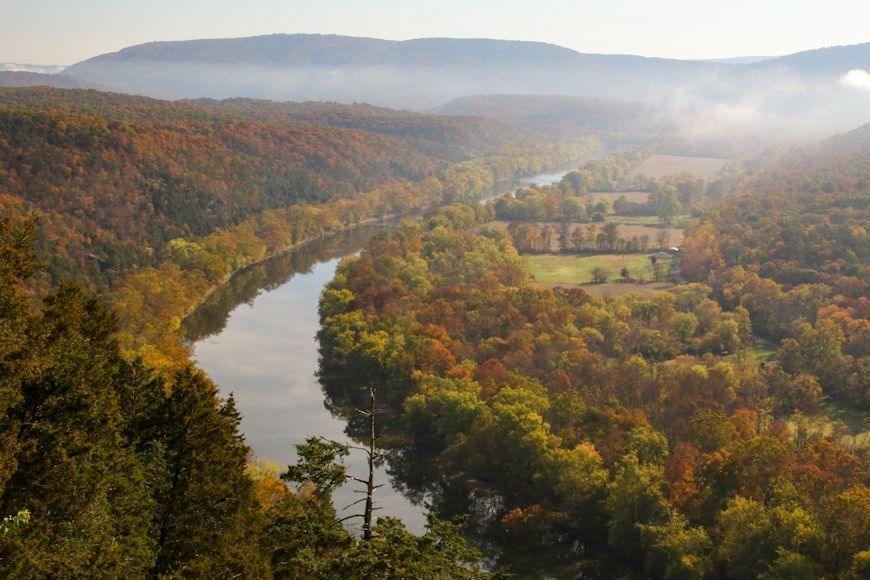
Image: Liz Guertin

A similar situation to the Massachusetts colony, Maryland was also established as a refuge from religious persecution, this time for Roman Catholics . With this purpose in mind, George Calvert, 1st Baron Baltimore, secured a land grant from Charles I. Despite several religious conflicts, Maryland remained one of the most tolerant colonies.

Maryland was named after Charles I’s wife, Henrietta Maria , who was a devout Catholic. Lord Baltimore had initially intended to use the name Crescentia (or ‘the land of growth’), but he decided to let the King choose the name. Charles named it Terra Mariae (Maria’s land), although the English version quickly became more widely used.

5
Connecticut (1636)
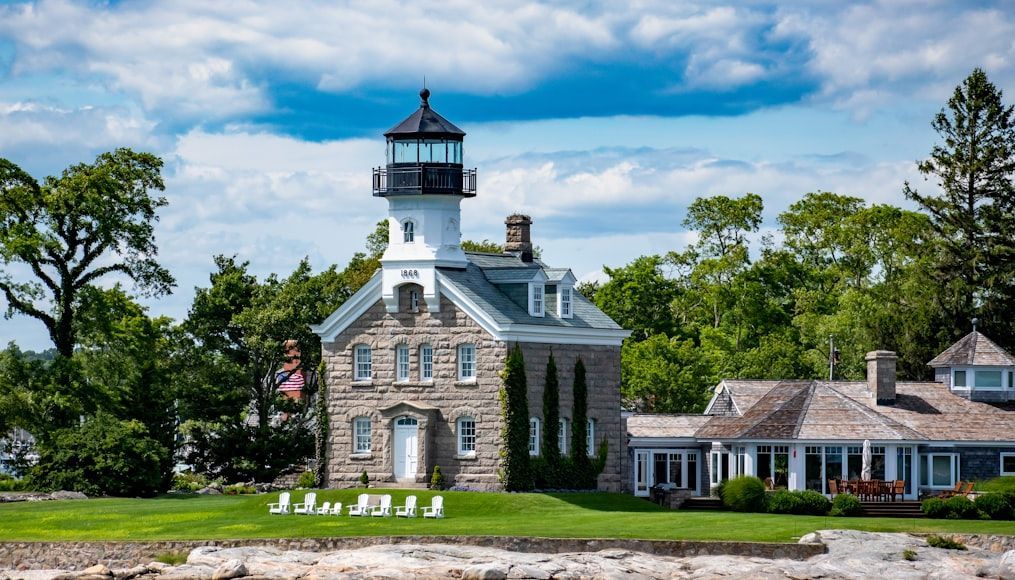
Image: Rusty Watson

The first settlements in the area were established by Dutch explorers, but English settlers soon arrived from the Plymouth colony in Massachusetts. The colony took its name from the Connecticut River , a corrupted form of the native words quinetucket and kwinitekw , meaning ‘beside the long, tidal river’.

Connecticut's current nickname, ‘the Constitution State’, is a reference to the Colony’s constitution, the Fundamental Orders of Connecticut , one of the earliest constitutions in modern history.

6
Rhode Island (1636)
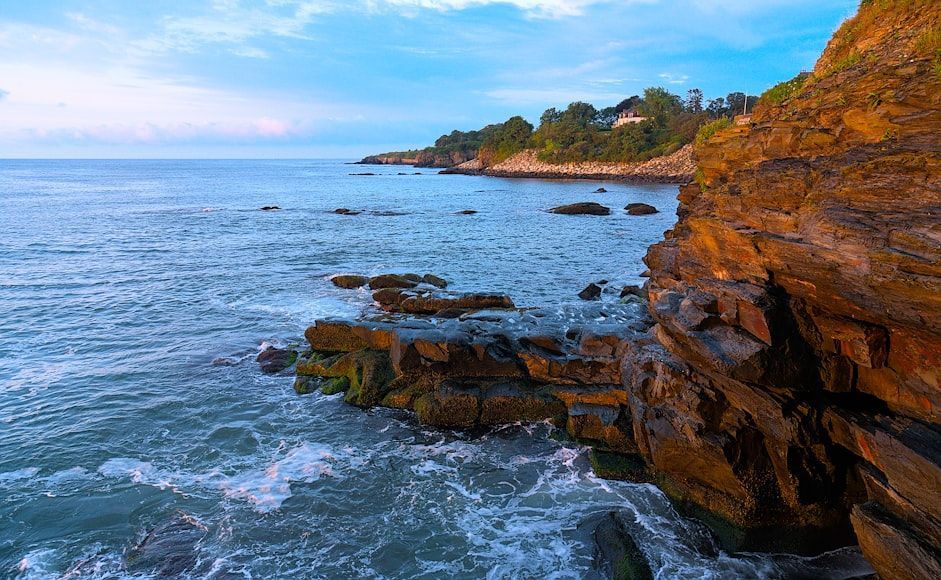
Image: Steve Anton

Founded by a Puritan minister who had been expelled from the Massachusetts Colony, Rhode Island was initially named Providence Plantations . Committed to ensuring religious freedom, it became a refuge for religious dissenters who found it difficult to live in the strict Puritan colonies. Later on, it merged with several other settlements —among them, Aquidneck Island, also known as Rhode Island— and took the name of the Colony of Rhode Island and Providence Plantations.

It’s uncertain where the name Rhode Island came from, but the two most likely theories cite either a connection with the Greek island of Rhodes or the Dutch phrase "een rodlich eylande" (‘a reddish island’) . All three names (Rhode Island, Island of Rhodes, and Red Island) are used in 17th-century documents.

7
North and South Carolina (1663)
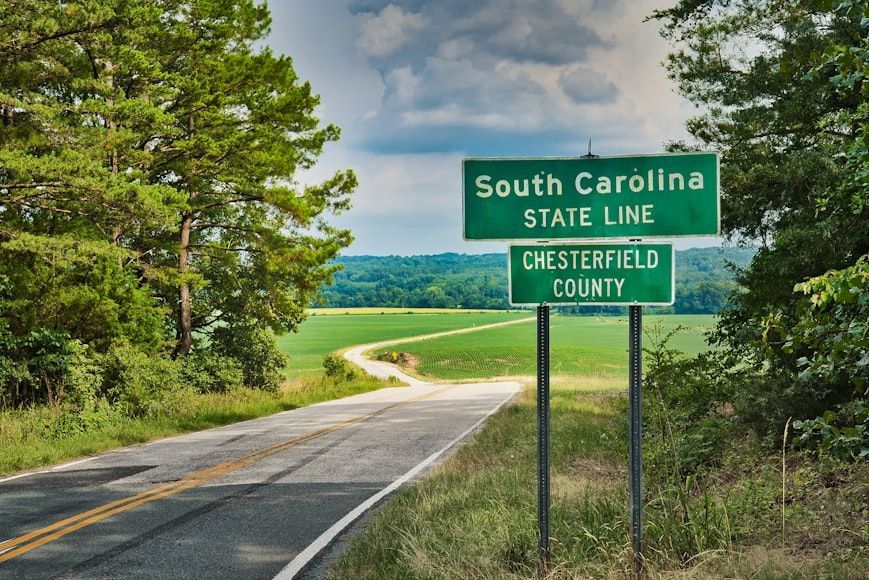
Image: Clint Patterson

Before there was a North and a South Carolina, there was just Carolina . The land of both colonies had been granted to various nobles as a reward for their role in the restoration of the monarchy. The charter granting the lands —which included areas from present-day North Carolina, Tennessee, South Carolina, Georgia, Alabama, Mississippi, and Florida— named them Carolina (from the Latin Carolus ) after King Charles I .

The area covered by the province of Carolina was divided into two distinct parts, and communication and transportation between the two proved difficult. A deputy governor for the northern region was initially appointed, but the noble proprietors eventually decided to divide the province into two , North Carolina and South Carolina.

8
New York (1664)
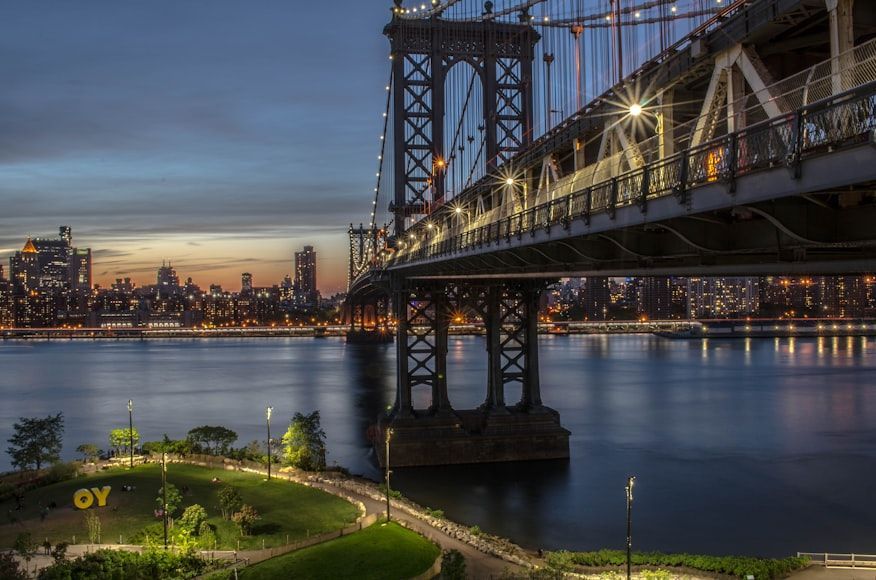
Image: Matthias Kinsella

It is a widely known fact that modern-day New York was initially colonized by Dutch settlers under the name ‘New Netherland’, with ‘New Amsterdam’ as its capital city . In 1664, King Charles II and his brother, the Duke of York, gathered a fleet to seize the New Netherland territories, a conquest disputed by the Dutch West India Company, the colony administrator.

The Duke of York was made proprietor of the territory, now renamed ‘New York’. In the following decade, the ownership of the territory was disputed, and the Dutch made several attempts to recover it. Eventually, the Treaty of Westminster was signed in 1674, where the Dutch forfeited the New York territories in exchange for the Suriname colony in South America.

9
Delaware (1664)
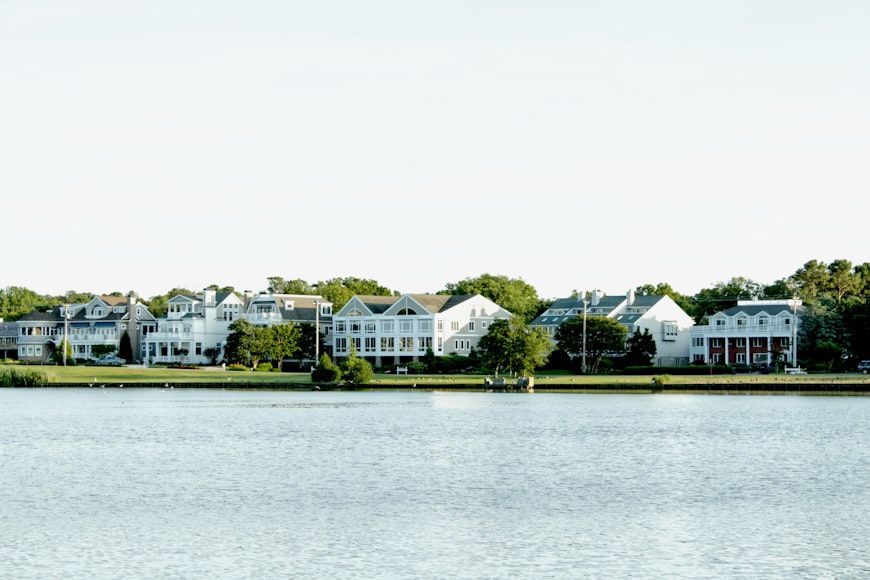
Image: Gökhan Kara

The territory of Delaware was originally part of New Netherland, which made it part of the New York Province after British conquest, but it was never effectively controlled by the New York government. These counties had taken their name from the neighboring Delaware River , which in turn had been named after Thomas West, 3rd Baron De La Warr, governor of Virginia at the time the English gained control of that territory.

While they were never a colony of their own, the Delaware counties had an independent legislature and functioned as a de facto colony. Later included in the land granted to William Penn, they refused to merge with the Pennsylvania government and were eventually granted their own assembly. At the start of the Revolutionary War, the Delaware assembly voted for separation from Britain, thus creating the state of Delaware.

10
New Jersey (1665)
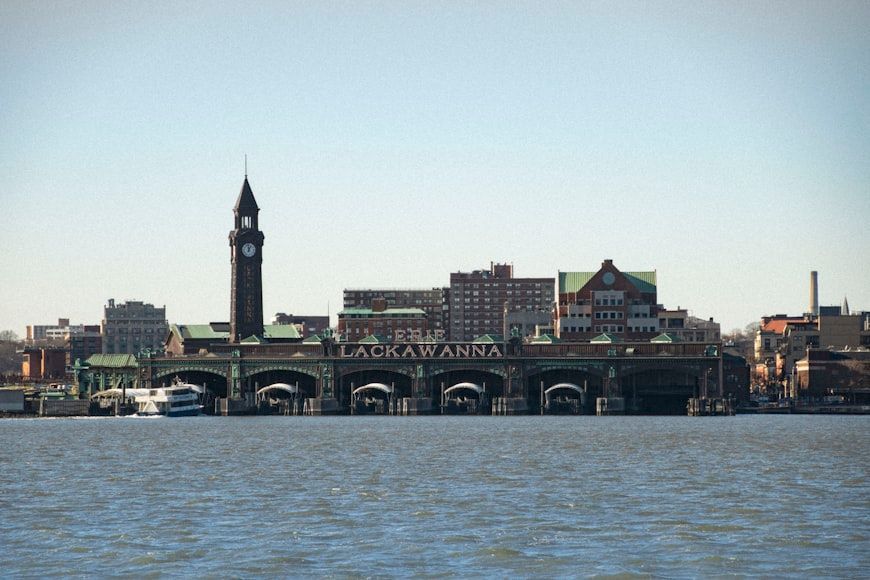
Image: R

Originally part of the New Netherland territory, half of the New Jersey territory was conferred by the Duke of York to Sir George Carteret as a reward, while the other half was sold to Lord Berkeley of Stratton. The territory was named after Carteret’s homeland, the island of Jersey .

A few years later, New Jersey was divided into two provinces, East and West Jersey , with their respective governors and constitutions, which were eventually incorporated into the New England Dominion, alongside the province of New York. However, the Dominion was dissolved after a few years, and the East and West Jersey territories were unified as the Province of New Jersey.

11
Pennsylvania (1681)
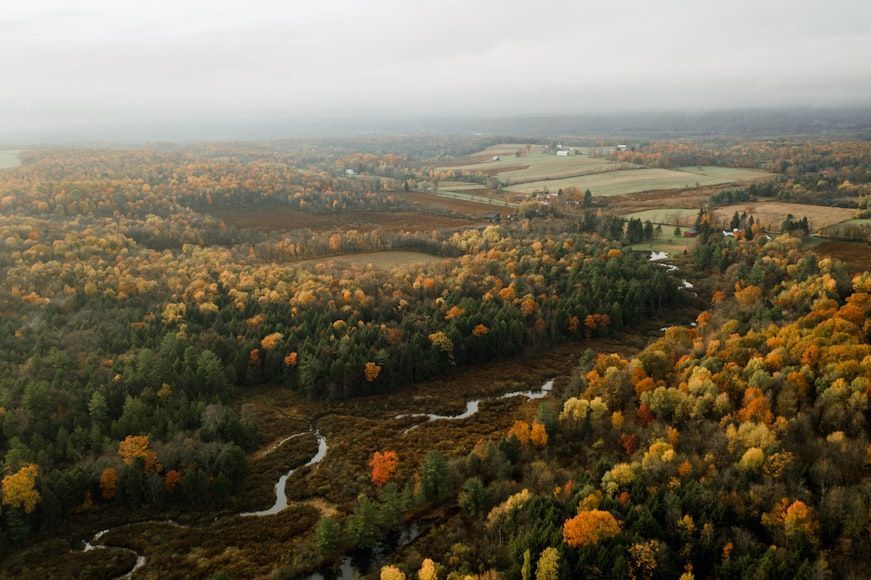
Image: Donnie Rosie

Pennsylvania, alongside Carolina, is one of the two major Restoration colonies, chartered by Charles II to reward loyal subjects after the war. In this case, it was conferred on William Penn, an influential Quaker thinker, to settle a debt owed to his father. Penn and his associates had already purchased most of the New Jersey territory to establish a Quaker haven, but religious tensions in England made him propose a mass emigration of Quakers to the King.

The king conferred Penn a large territory —which made him the largest private non-royal landowner— with almost absolute rights. While Penn intended to name the colony either ‘New Wales’ or ‘Sylvania’ (Latin for ‘forests’), the king named it Pennsylvania after Penn’s father . Penn personally travelled to the territory to establish the first settlements, signed treaties with the Lenape tribes of the area, and established a proto-constitution which guaranteed freedom of religion, elections, and trials by jury.

12
Georgia (1732)
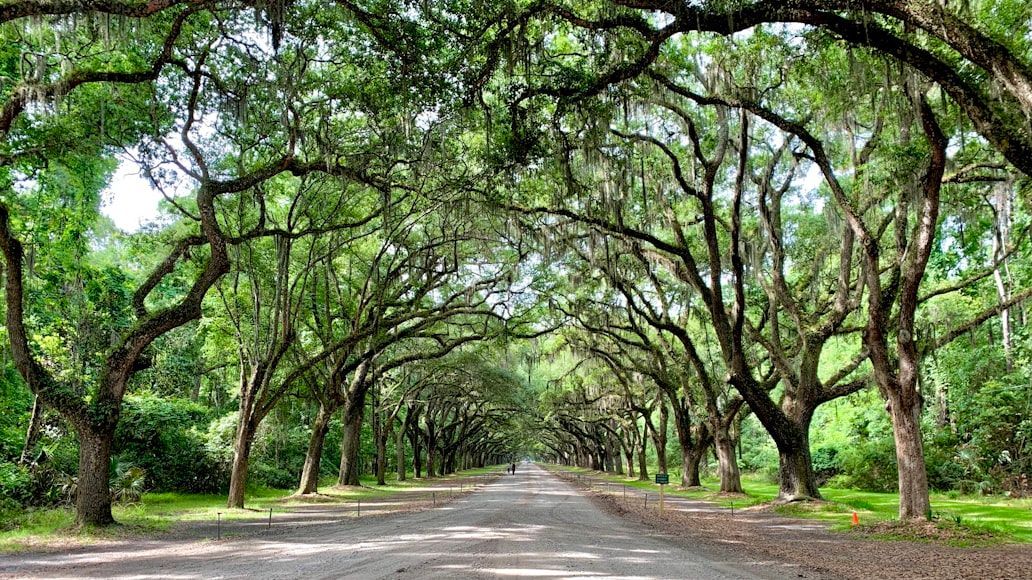
Image: Jacob Mathers

The last colony to be established, Georgia was chartered to James Oglethorpe by King George II, after whom it was named . A social reformer, Oglethorpe, wanted to establish the territory as a haven for debtors and poor people, and implemented measures such as the banning of alcohol and slavery. He also disliked the large plantation system, favoring smallholdings.

The colony was also intended to be a ‘buffer’ between the British colonies and the Spanish territories in Florida. Despite Oglethorpe’s well-intentioned designs, the colony was difficult to manage, and it was returned to the crown two decades later. Upon becoming a royal colony, Oglethorpe’s measures against slavery and the plantation system were overturned.

General General 4 min read

Beloved products that vanished from stores

Ten discontinued American products we still miss today

Image: Natasha Connell

Remember when you could walk into any store and find your favorite snack, only to have it vanish without a trace years later? Some discontinued products become legends, living on in our memories and late-night conversations about "the good old days." Here are ten discontinued products that still make us nostalgic, and honestly, a little hungry for the past.

1
Hydrox Cookies

Image: Conor Brown

Introduced in 1908, these chocolate sandwich cookies with cream filling were the original, while Oreos followed four years later in 1912 . Hydrox had a crunchier cookie and a less sweet filling, which devoted fans absolutely loved.

Hydrox disappeared from shelves in 2003, leaving longtime fans heartbroken and insisting that they were superior to their more famous competitor. The cookie made a brief comeback in 2015 under new ownership, but it never quite recaptured its former glory or widespread availability.

2
Squeezit

Image: Haley Owens

Squeezit arrived on the scene in 1985 with its unique bottle design that you literally had to squeeze to drink from—no straw needed! The bottles came in wild colors and flavors like Chucklin' Cherry and Grumpy Grape, each with its own cartoon character printed on the label.

General Mills discontinued Squeezit in 2001, crushing the dreams of millennials everywhere who had fond memories of squeezing these bottles a little too hard and squirting juice everywhere.

3
Jell-O Pudding Pops

Image: sheri silver

Bill Cosby might have made these famous in commercials, but it was the frozen treat itself that made Pudding Pops legendary in the 1980s. Introduced in 1979, these weren't your typical popsicles— they had a creamy, mousse-like texture that was somewhere between pudding and ice cream.

Jell-O discontinued the original Pudding Pops in the early 1990s, and despite several attempted comebacks with different formulations, they've never tasted quite the same as the originals. People who remember the real deal insist that the modern versions just don't have that same creamy texture or rich flavor.

4
Crystal Pepsi

Image: Giorgio Trovato

Launched in 1992, this clear cola was supposed to represent "purity" and tap into the clear product craze of the era . It tasted almost exactly like regular Pepsi, which created a weird cognitive dissonance: your brain expected lemon-lime, but your taste buds got cola. Crystal Pepsi flopped hard and disappeared by 1994, but it achieved cult status among nostalgic millennials and Gen Xers.

5
Bonkers! Candy

Image: Edgar Chaparro

"Bonkers bonks you out!" went the commercial jingle, and this chewy fruit candy certainly made an impact when it hit stores in the early 1980s. Each piece was wrapped individually and packed an intensely fruity flavor that was almost overwhelming—in a good way . Bonkers came in flavors like grape, strawberry, and watermelon, and they had a unique texture that was chewier than Starburst but softer than taffy.

Nabisco stopped making Bonkers in the 1990s, and fruit candy lovers have been mourning ever since. There were brief periods when the candy reappeared under different ownership, but it never achieved the same widespread distribution.

6
Dunkaroos

Image: RUMEYSA AYDIN

Introduced by Betty Crocker in 1990, these snack packs came with small kangaroo-shaped cookies and a container of frosting for dipping. The concept was simple but brilliant—make cookies even more fun by turning them into an interactive snack. Flavors included chocolate chip cookies with vanilla frosting, vanilla cookies with chocolate frosting, and the ultimate combo of chocolate cookies with chocolate frosting.

General Mills discontinued Dunkaroos in the United States in 2012, sparking outrage among millennials who considered them a sacred part of their childhood. The good news? After years of petitions and social media campaigns, Dunkaroos made a triumphant return in 2020.

7
Clearly Canadian

Image: 소녀

Before sparkling water became trendy, there was Clearly Canadian— a flavored sparkling water that came in distinctive teardrop-shaped glass bottles . Launched in 1987, this Canadian import became hugely popular in the U.S. throughout the late 80s and 90s. The flavors had fancy names like Wild Cherry, Country Raspberry, and Orchard Peach, and the carbonation was more aggressive than today's LaCroix.

Clearly Canadian largely disappeared from American stores in the 2000s as other beverages dominated the market, though the company never completely shut down. Thanks to a Kickstarter campaign in 2015, it made a comeback, but it's still not as widely available as it once was.

8
P.B. Crisps

Image: Olga Nayda

Planters gave us the ultimate peanut butter snack in 1992 with P.B. Crisps— crispy shell-shaped cookies filled with peanut butter . These weren't ordinary peanut butter cookies; they had a unique, crispy texture on the outside and creamy peanut butter on the inside, creating a perfect contrast.

Sadly, P.B. Crisps were discontinued in 1995 after just three years on the market, leaving peanut butter lovers devastated. No snack has quite filled that void—Nutter Butters are too cookie-like, and peanut butter crackers are too cracker-like.

9
Altoids Sours

Image: Customerbox

These tiny, tangy candies came in flavors like Tangerine, Citrus, and Raspberry, and they packed a seriously sour punch that made your whole face scrunch up . They came in the same iconic tin as regular Altoids, which made them feel substantial and collectible.

Altoids discontinued the Sours in 2010, and fans have been petitioning for their return ever since. There have been multiple online petitions, Facebook groups, and even people hoarding old tins as collectors' items.

10
Snapple Elements

Image: Snappr

Launched in 1999, these drinks came in wide-mouthed glass bottles and had more exotic flavors than typical Snapple offerings . Rain was agave cactus, Sun was starfruit, and Fire was dragonfruit. The bottles themselves were beautiful, with distinctive designs and colors that made them stand out on store shelves.

The Elements line was discontinued in the early 2000s, though Snapple brought back a reformulated version in 2008 that wasn't quite the same. The original Elements had a devoted following who appreciated the more complex flavors and the beautiful bottle design.

General General 5 min read

Second look

Lost in history: 10 forgotten presidents who changed America

Image: Library of Congress

Be honest—how many U.S. Presidents can you name off the top of your head? Great leaders like Washington and Lincoln often steal the spotlight, and with legacies as groundbreaking as theirs, it's totally understandable. However, this also means the work of many lesser-known—but no less important—figures in American history is often overlooked. From controversial characters to underrated statesmen, join us as we unravel the stories of 10 forgotten U.S. presidents.

1
Martin Van Buren (1837-1841)

8th President

Image: Library of Congress

Van Buren, the first president born after the American Revolution, inherited an economic crisis shortly after taking office, known as the Panic of 1837 . The market crash, caused by speculative banking practices, led the country into a severe economic depression.

Van Buren’s quick response was to establish an independent treasury system, which effectively separated federal funds from private banks. This system helped stabilize the currency and laid the foundation for modern federal financial management. Furthermore, Van Buren was also a key figure in the development of the two-party system that continues to shape American politics today. Quite the legacy for an often-overlooked figure!

2
John Tyler (1841-1845)

10th President

Image: Library of Congress

John Tyler became president in 1841 following William Henry Harrison’s death, marking the first time a vice president succeeded a sitting president. Although this might seem unremarkable today, Tyler asserted the constitutional authority of the presidency by doing so, setting an important precedent for the peaceful transfer of power and solidifying the role of the vice presidency in American democracy.

However, Tyler is mostly remembered for championing westward expansion and overseeing the initial negotiations for the annexation of Texas—a move that literally reshaped the nation. Though this ultimately led to tensions with Mexico and the Mexican-American War, his efforts to settle a peaceful border treaty between the United States and Canada helped balance his legacy.

3
James K. Polk (1845-1849)

11th President

Image: Library of Congress

James K. Polk, the 11th president, is often called the "expansionist president" due to his aggressive territorial policies. Under his leadership, the United States expanded significantly, acquiring more than a million square miles of land through various treaties and the victory in the Mexican-American War.

His presidency fulfilled the concept of Manifest Destiny, extending the nation's reach to the Pacific Ocean. However, his legacy remains somewhat controversial, as many of his actions exacerbated the divide between the northern and southern states, setting the stage for the American Civil War.

4
Zachary Taylor (1849-1850)

12th President

Image: Library of Congress

Zachary Taylor, a hero of the Mexican-American War, became president in 1849 with little political experience. Despite being a Southern slave owner, he opposed the expansion of slavery into the newly acquired western territories, a stance that put him at odds with many in the South.

While Taylor's presidency was cut short by his sudden death in 1850, his role in opposing the spread of slavery into new states set the stage for future debates. Though brief, his actions as president are often praised for their conciliatory nature, as he sought compromises in an attempt to prevent the looming conflict.

5
Millard Fillmore (1850-1853)

13th President

Image: Library of Congress

Millard Fillmore took over after Zachary Taylor's untimely death in 1850, inheriting a fractured nation on the brink of civil war. His most controversial act was signing the Compromise of 1850, which included the Fugitive Slave Act, requiring the return of escaped slaves to their owners.

This somewhat ham-fisted attempt to maintain the fragile peace between the North and South only deepened the divisions that eventually led to the Civil War. On a lighter note, Fillmore was the first president to initiate trade relations with Japan, marking the start of Japan’s modernization and its integration into the global economy.

6
Franklin Pierce (1853-1857)

14th President

Image: Library of Congress

Franklin Pierce, elected in 1852, faced an increasingly divided nation over the issue of slavery. His signing of the Kansas-Nebraska Act in 1854 allowed new territories to decide for themselves whether to permit slavery, leading to violent confrontations between pro- and anti-slavery factions in what became known as "Bleeding Kansas."

Despite his troubled domestic policies, Pierce followed his predecessor's path of expanding U.S. influence abroad. He pushed for new trade routes and even attempted to negotiate the acquisition of Cuba from Spain, though his efforts ultimately failed.

7
James Buchanan (1857-1861)

15th President

Image: Library of Congress

James Buchanan’s inability to resolve the tensions between North and South is often criticized, but he faced a nearly impossible task. He sought to avert conflict through diplomacy but was hesitant to overstep states' rights, arguing that the Constitution did not grant him the authority to prevent secession.

Despite his efforts, South Carolina seceded in December 1860, just weeks after Abraham Lincoln’s election, setting the stage for war. In foreign policy, Buchanan strengthened U.S. relations abroad, securing trade agreements with China and managing tense relations with Great Britain.

8
Rutherford B. Hayes (1877-1881)

19th President

Image: Library of Congress

Rutherford B. Hayes is often remembered for his controversial election in 1876, which was decided by a congressional commission after a disputed vote count. His administration is also known for effectively ending the Reconstruction Era by withdrawing federal troops from the South.

While this helped bring stability to the South, it also allowed the rise of segregationist policies. On the other hand, Hayes was one of the first presidents to advocate for civil service reform, arguing that a merit-based government workforce was necessary to reduce corruption and ensure efficiency within the federal system.

9
Chester A. Arthur (1881-1885)

21st President

Image: Library of Congress

Initially seen as a product of the corrupt political machine system, Chester A. Arthur surprised many by becoming a champion of civil service reform. In 1883, he signed the Pendleton Civil Service Reform Act, which mandated that government jobs be awarded based on merit rather than political connections.

This act significantly reduced the influence of patronage in American politics, a practice that had long fueled corruption. Arthur also modernized the U.S. Navy, which had been neglected since the Civil War. His administration helped lay the foundation for the powerful naval force that would emerge in the 20th century.

10
Benjamin Harrison (1889-1893)

23rd President

Image: Library of Congress

Though almost forgotten today, Harrison’s administration was marked by significant legislative accomplishments. In particular, the Sherman Antitrust Act aimed at curbing the power of monopolies and promoting competition, and is considered the first major attempt by the federal government to regulate corporate power.

Harrison pushed to secure federal funding for education and voting rights for African Americans, but many of his efforts were blocked by Congress. Despite these setbacks, he remained a vocal advocate for African American civil rights, consistently addressing the issue in his speeches to Congress.

Explore more American facts

Choose your favorite category!

General
General

As American as apple pie—the very best America has to offer!

Culture
Culture

Delve into the astounding richness of American lore.

Geography
Geography

Hop in and explore vast and diverse American landscapes.

History
History

Discover the key moments that shaped the United States.