History History 4 min read

Presidential anecdotes

Which president proposed on the first date? 10 crazy presidential moments
Image: NASA, Public domain, via Wikimedia Commons

Sure, many big moments in our history were protagonized by presidents. But today, we’d like to highlight those times when presidents found themselves at the center of odd situations and wild stories: less polished, less formal, and much crazier! Here are 10 surprising facts you probably didn’t know about our commanders-in-chief.

1
Richard Nixon proposed to his wife the day they met
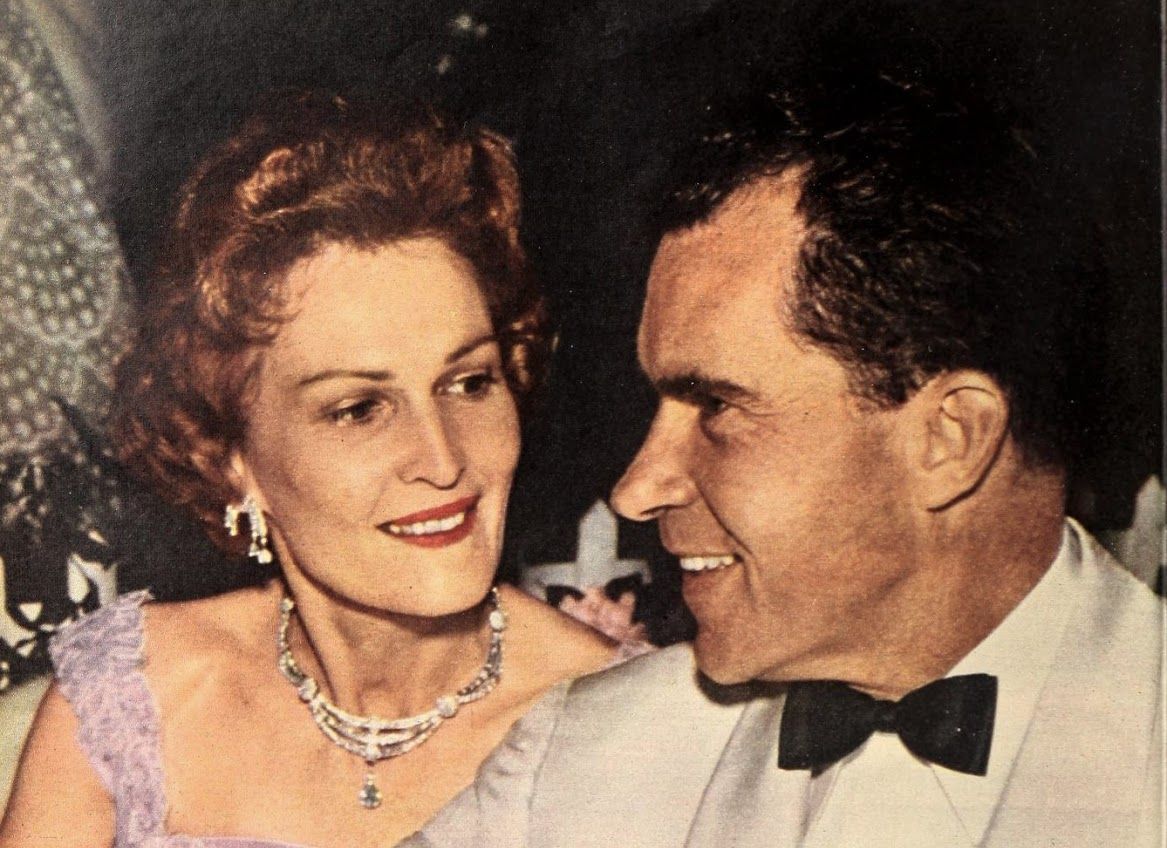
Image: Dell Publishing, 1960. Photographer: Maggi of Pictorial, Public domain, via Wikimedia Commons

Richard Nixon met Pat Ryan in 1937 while auditioning for a community theater play. According to reports, he fell head over heels for her right away, and even proposed on their very first date! Pat, showing a little more sense, said no at the time, but two years later, in June 1940, she finally said yes and became his wife. The true romantic-in-chief!

2
George H.W. Bush almost chose Clint Eastwood as his running mate
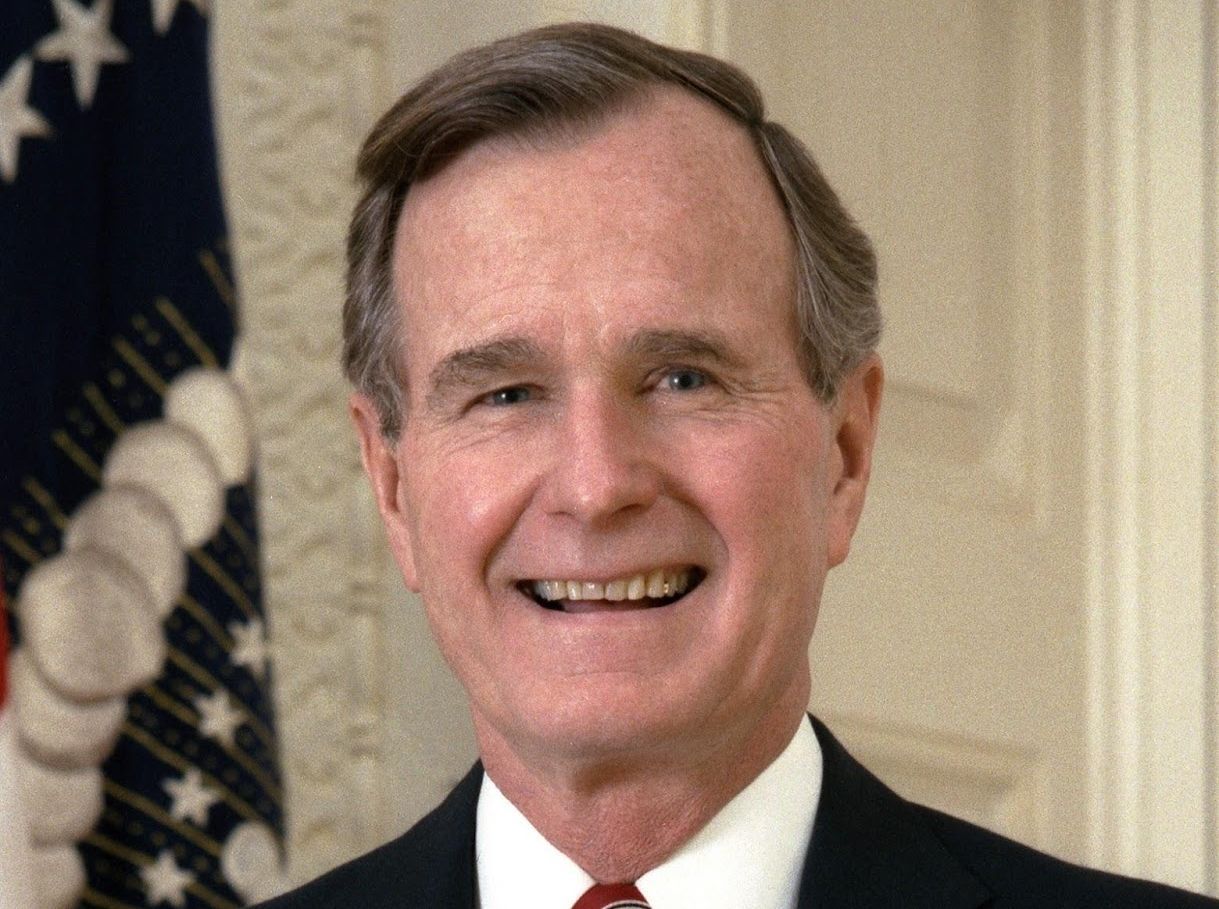
Image: David Valdez, Public domain, via Wikimedia Commons

During George H.W. Bush's 1988 presidential campaign, his team considered a candidate who was definitely well-known to everyone, even people who didn’t follow politics. It was none other than Clint Eastwood, Hollywood star and former mayor of Carmel, California. Can you imagine if a movie star had been Bush’s vice president?

3
Martin Van Buren wrote an autobiography without mentioning his wife
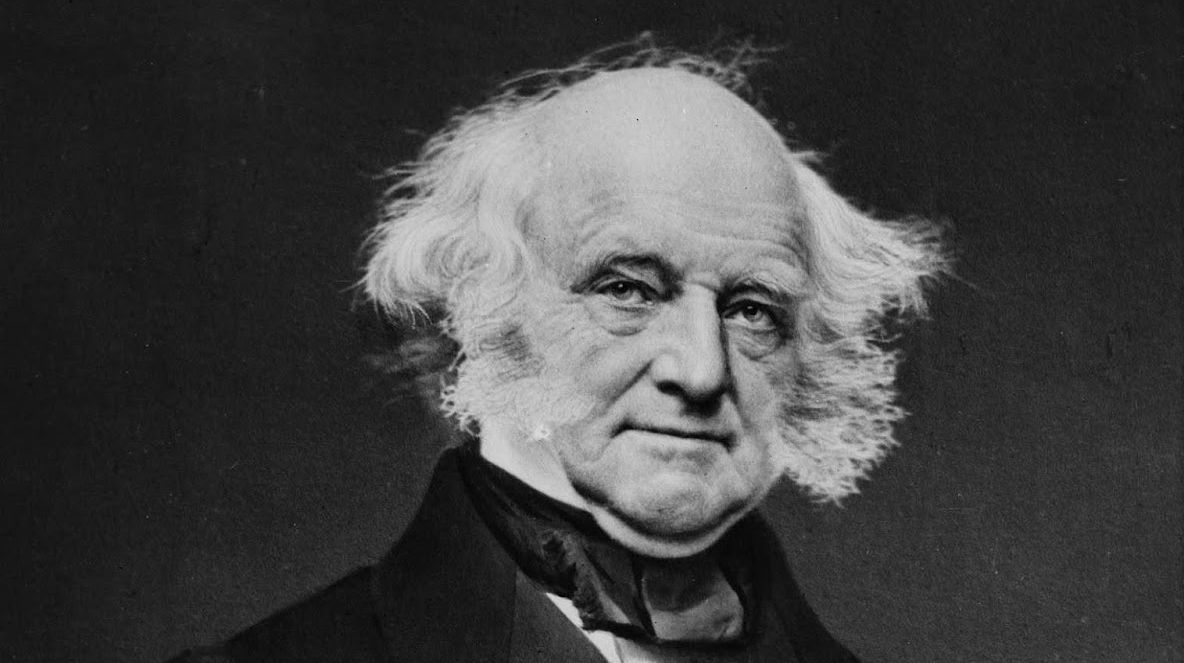
Image: Mathew Benjamin Brady, Public domain, via Wikimedia Commons

How do you write an autobiography and leave out your wife? Well, President Martin Van Buren did exactly that. Historians suggest two reasons: at the time, it was considered poor taste to write about one’s wife, and the other reason was Van Buren’s heartbreak. Hannah Hoes Van Buren, his wife and also his childhood sweetheart, died of tuberculosis years before he became president, and some believe his grief kept him from remarrying or even talking about her.

4
William Faulkner turned down an invitation from JFK
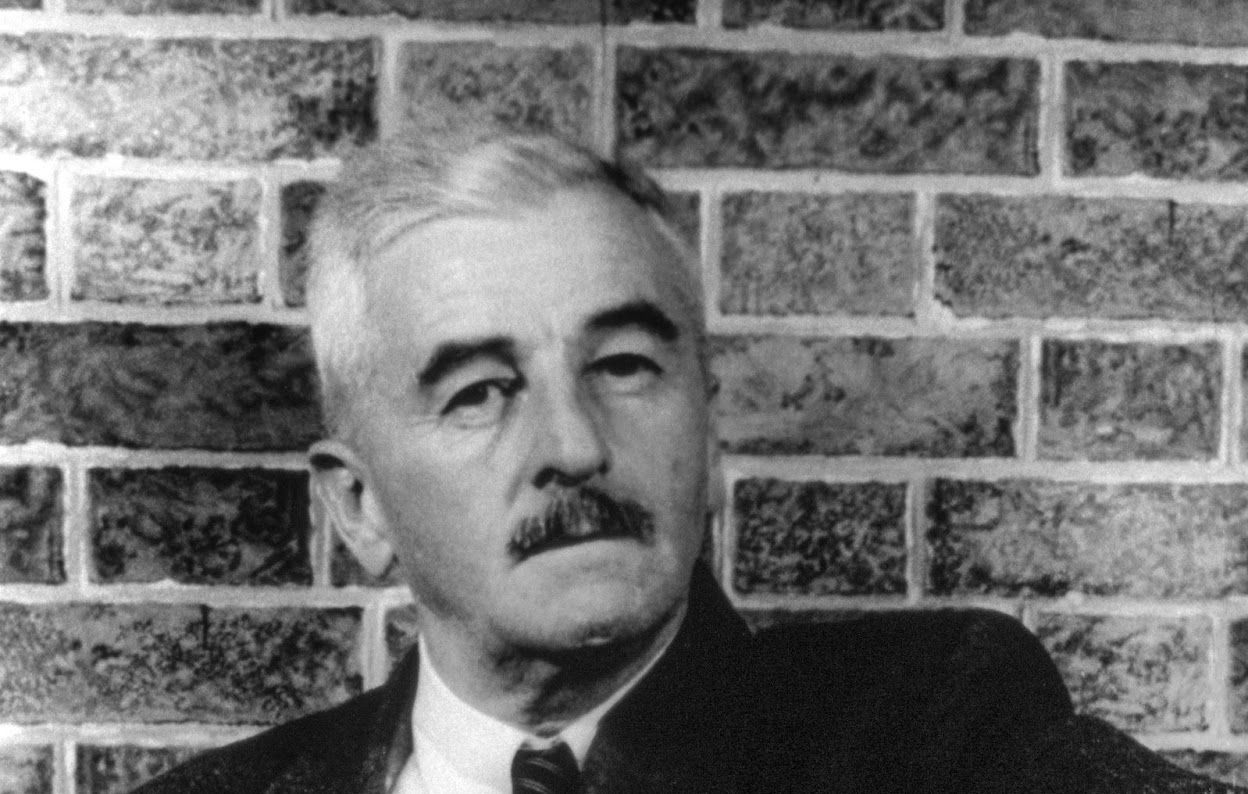
Image: Carl Van Vechten, Public domain, via Wikimedia Commons

Would you turn down a dinner invitation at the White House? Renowned writer William Faulkner did. He declined an invitation from President John F. Kennedy, who had included him in an event honoring Nobel Prize winners. Faulkner explained he was "a hundred miles away" and that it was "a long way to go just to eat."

5
Jimmy Carter wrote a children's book
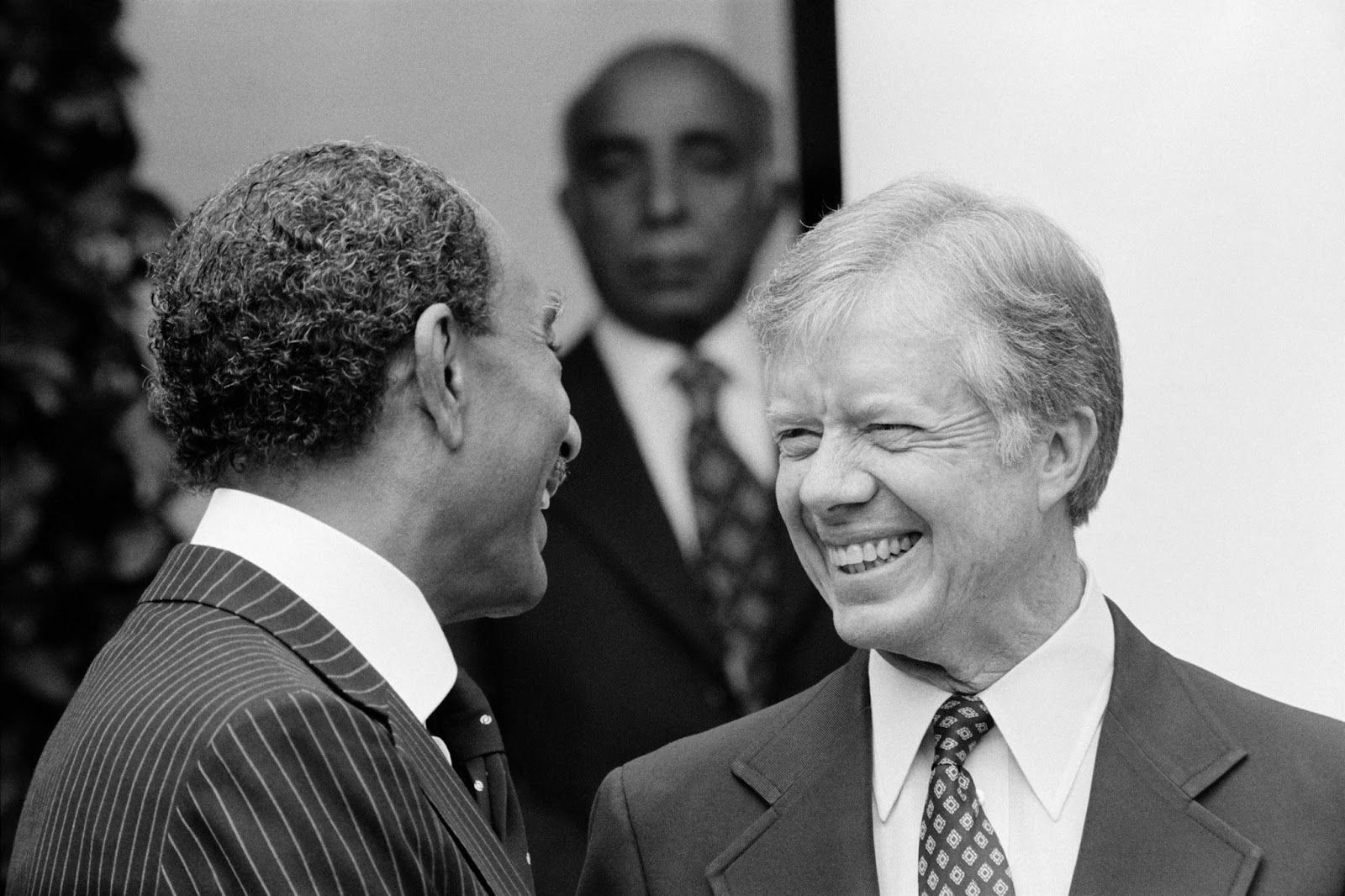
Image: Leffler, Warren K., photographer or Trikosko, Marion S., photographer. Work for hire made for U.S. News and World Report., Public domain, via Wikimedia Commons

Jimmy Carter wasn’t just a state senator, governor, and President of the United States. It turns out he had other interests too, including literature. Did you know he wrote a children’s book? Titled The Little Baby Snoogle-Fleejer , it was published in 1995.

6
Theodore Roosevelt didn’t think a black eye seemed presidential
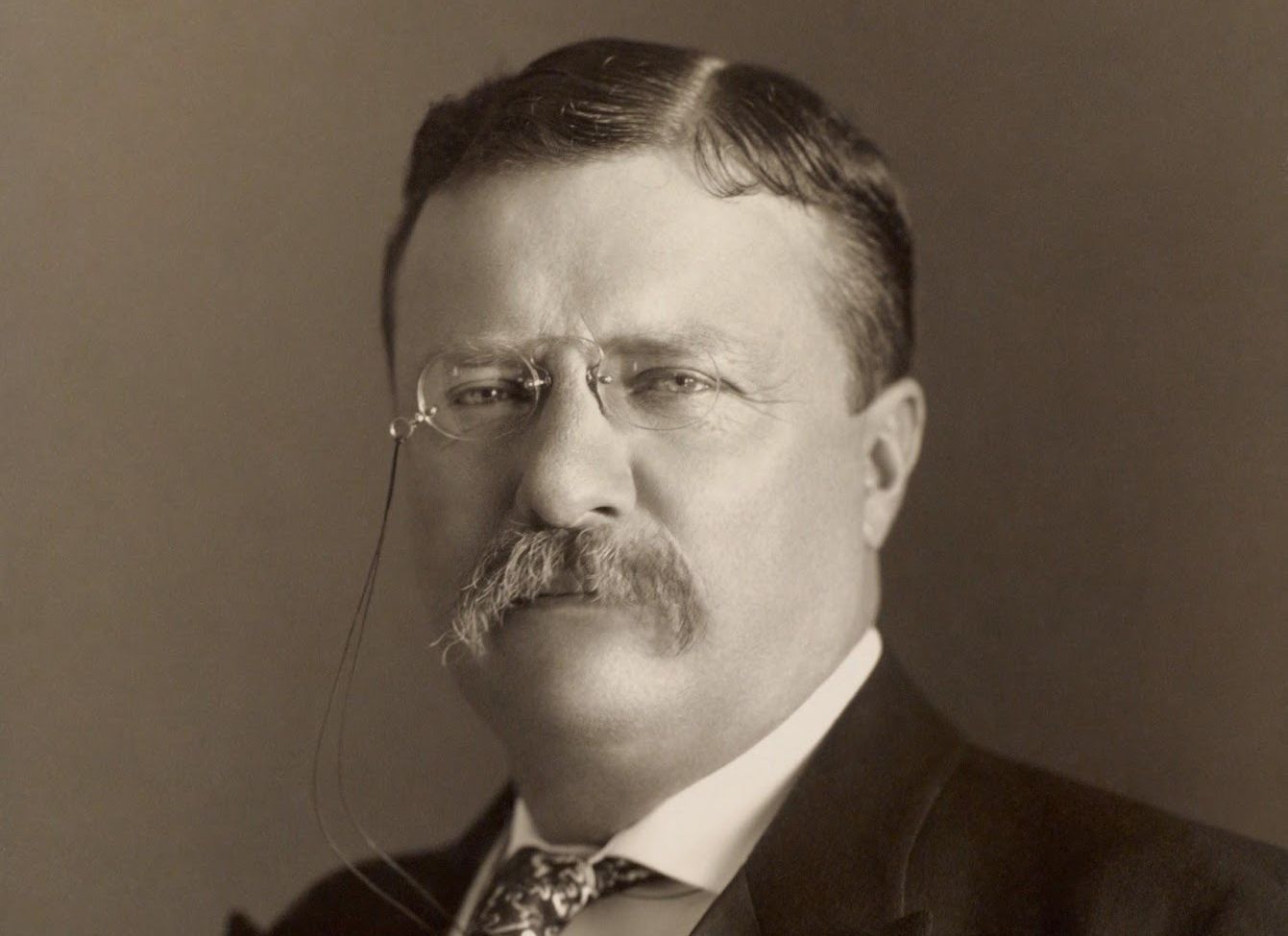
Image: Theodore_Roosevelt_by_the_Pach_Bros

Teddy Roosevelt loved boxing, but once he became president, he had to be cautious. He chose to scale back his training sessions at the White House, saying it was, in his own words, "rather absurd for a president to appear with a black eye, a swollen nose, or a cut lip."

7
Bill Clinton's cat had its own video game
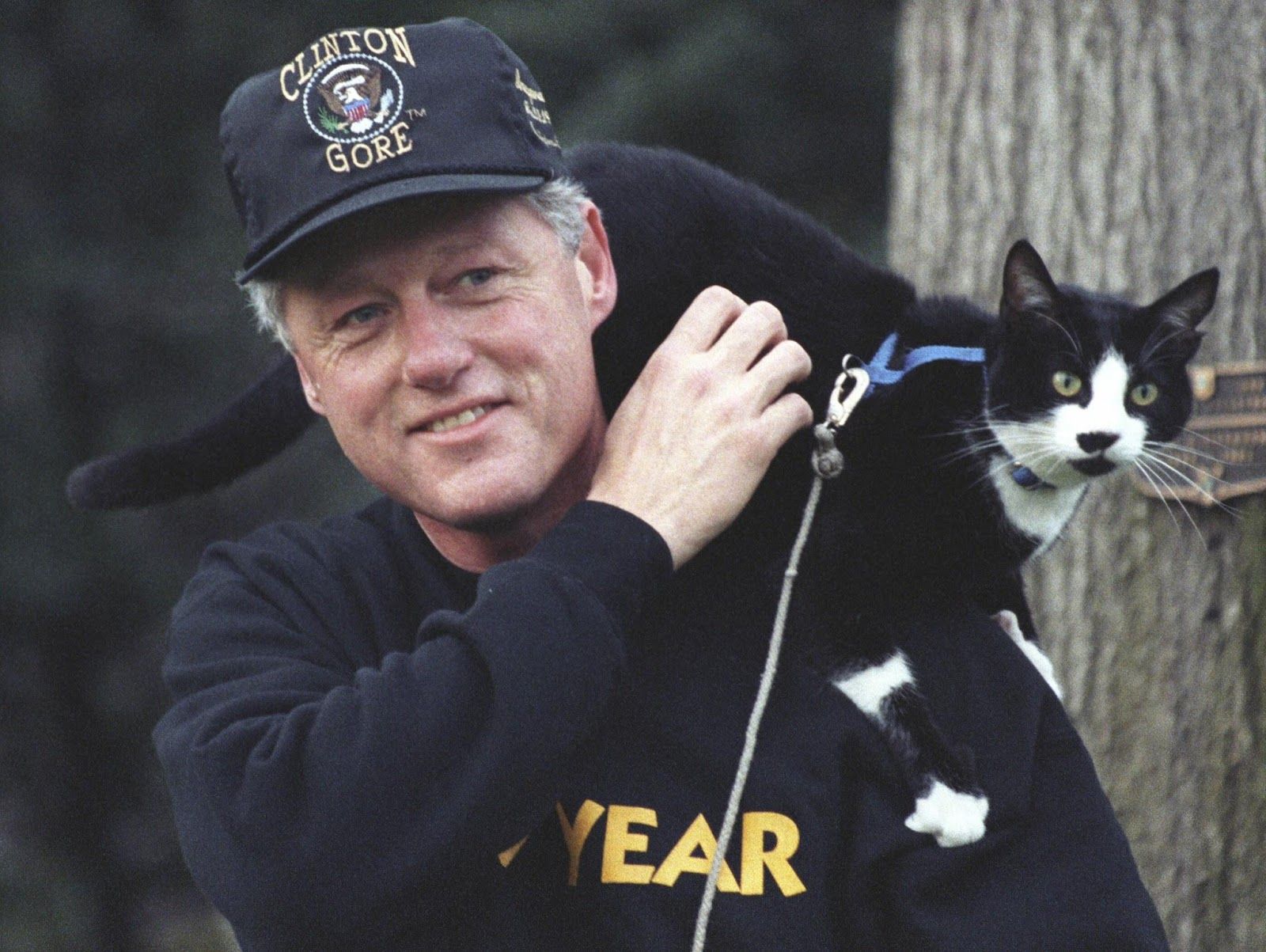
Image: The U.S. National Archives, No restrictions, via Wikimedia Commons

Have you heard of Socks the Cat Rocks the Hill ? It was a game developed for the Super Nintendo Entertainment System (SNES) and Sega Genesis, starring Socks, the Clinton family’s famous cat. Unfortunately, it was canceled before it ever reached the public.

8
Theodore Roosevelt had a lock of Abe Lincoln's hair
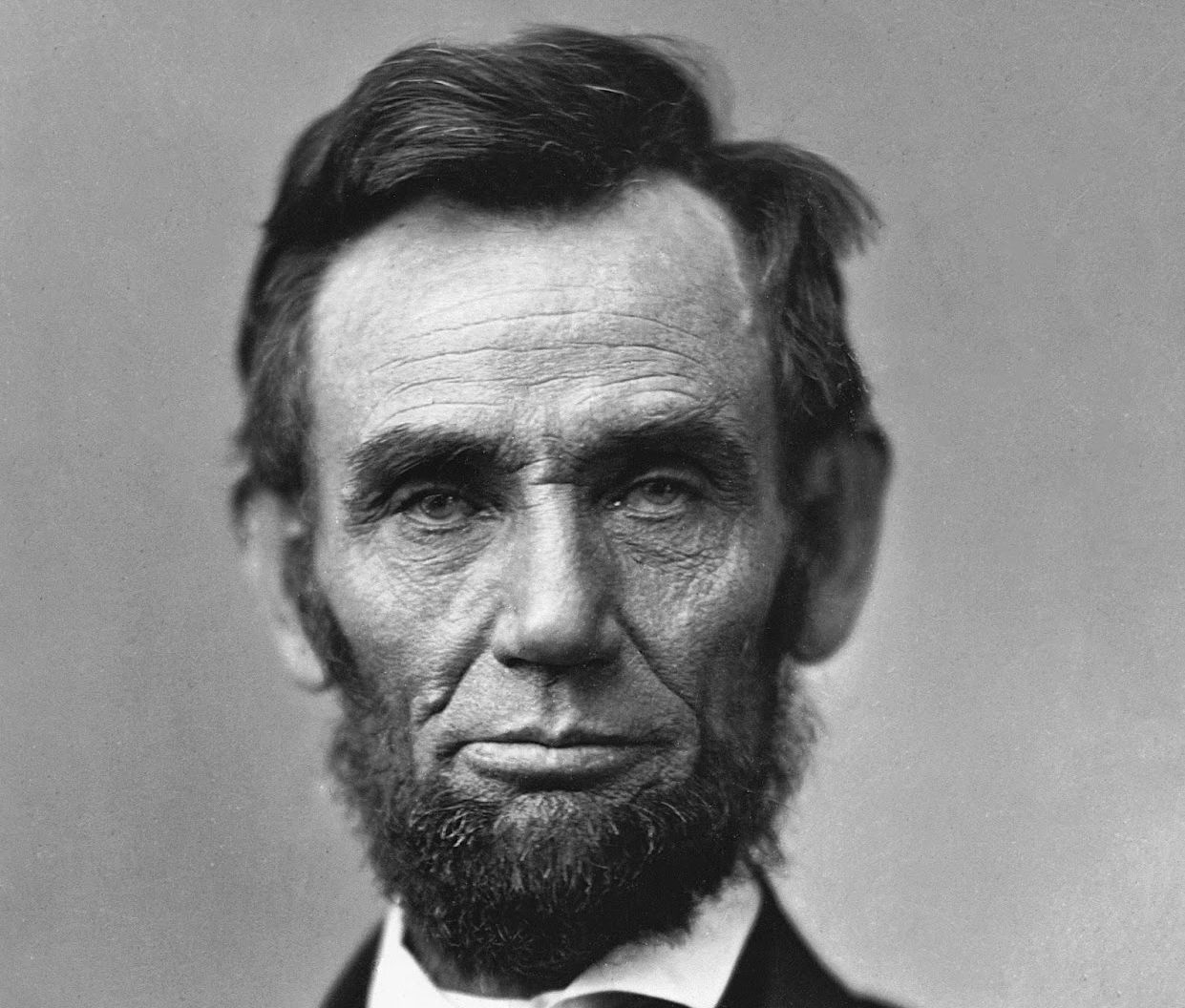
Image: Alexander Gardner, Public domain, via Wikimedia Commons

Yes, we know, the title sounds a little odd, but it’s actually a story of loyalty and admiration. When Teddy Roosevelt started his second term, he wore a ring containing a lock of hair from none other than Abraham Lincoln. It was a gift from John Hay, one of Lincoln’s private secretaries, who knew of Roosevelt’s deep respect for Honest Abe.

9
Gerald Ford worked as a model
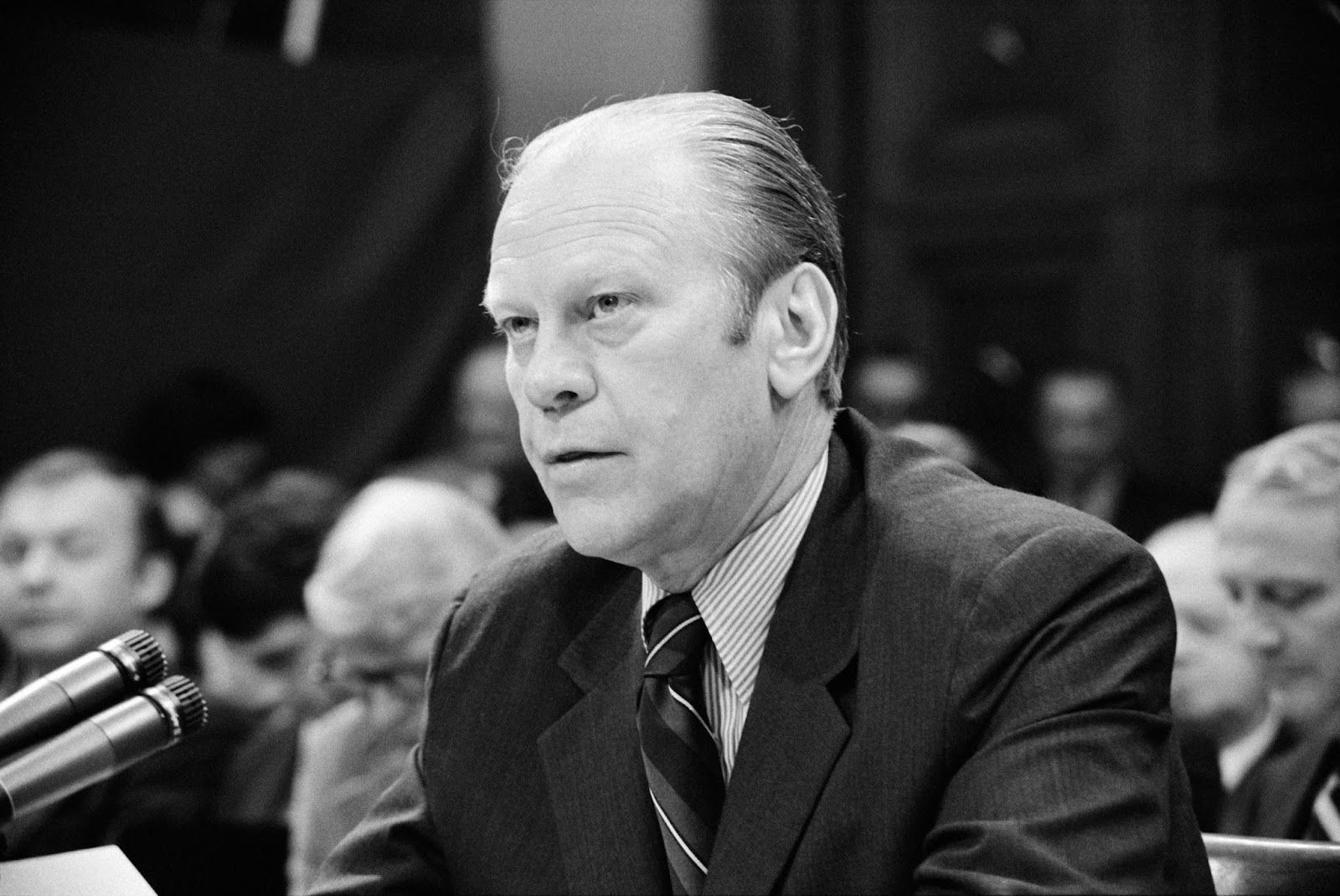
Image: Thomas J. O'Halloran, photographer, Public domain, via Wikimedia Commons

Many presidents had hobbies, and some even held jobs outside politics before the Oval Office. One of them was Gerald Ford, who worked as a model! In fact, it was through modeling that he met the woman who would become his wife.

10
Herbert Hoover managed the football team
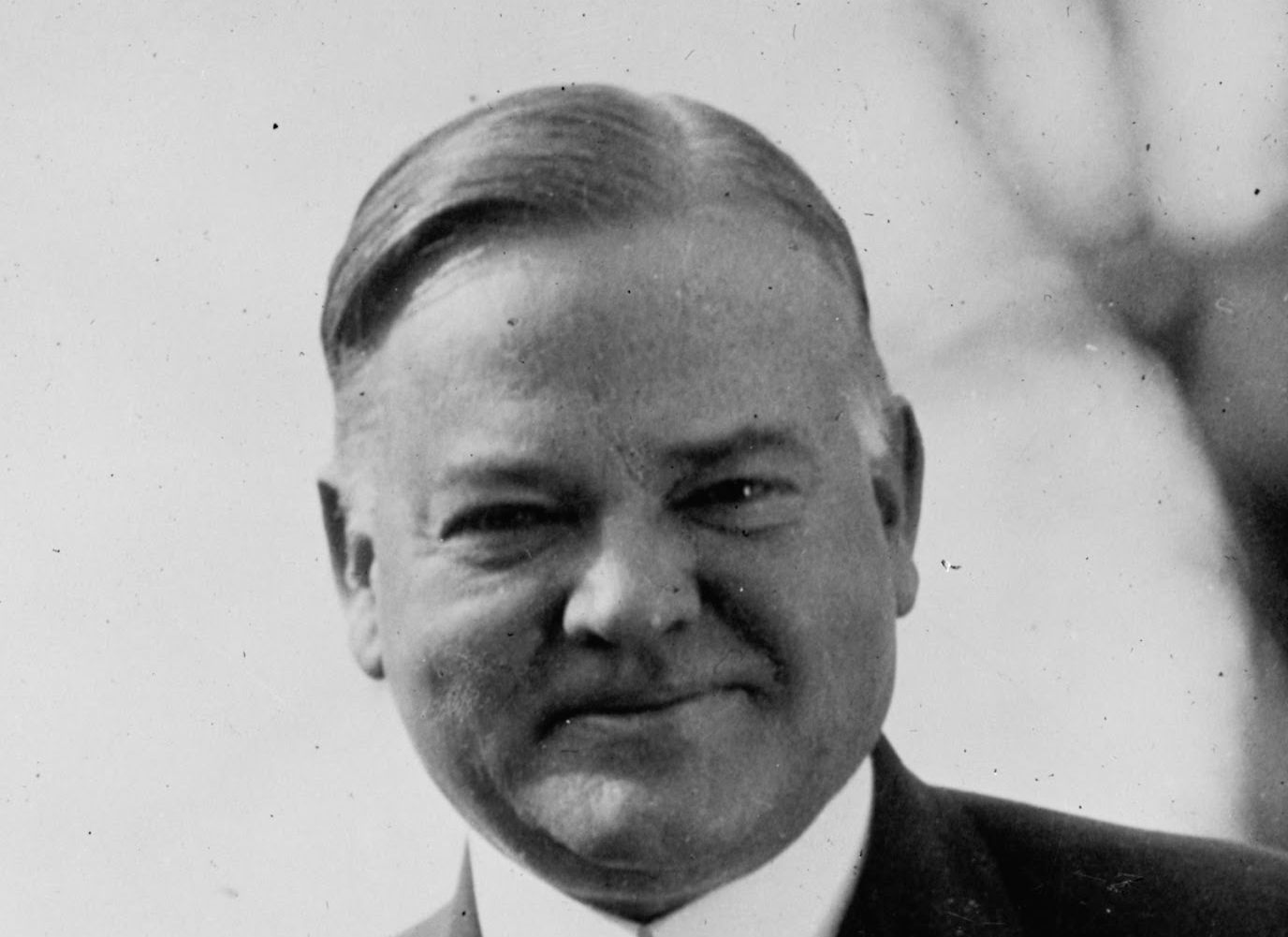
Image: Herbert E. French, Public domain, via Wikimedia Commons

Speaking of hobbies and interests, Herbert Hoover had a pretty common one: He really loved sports. But here’s the interesting part: He came to manage the baseball and football teams at Stanford in 1892.

General General 3 min read

Which one is your favorite?

How word of mouth has changed over the years

Image: Cottonbro Studio

Over the years, how we’ve tuned into news, music, and entertainment in America has undergone serious changes. From the days of gathering around to hear stories passed down through oral traditions, to listening to the radio for the evening broadcast, to the modern age of podcasts, each era has its flavor. Take a look at these 12 media formats that we have used and use today.

1
The human voice

Image: Priscilla Du Preez 🇨🇦

Before modern technology, oral communication and word of mouth were the primary ways people shared news, stories, and music everywhere.

From Native American storytelling traditions to community gatherings, spoken word connected people, passed down history, and spread important information long before any other medium ever existed.

2
Public proclamations

Image: Andrew Ebrahim

Public proclamations were an early form of mass communication in America, used to spread news and official announcements.

Town criers or officials would read proclamations aloud in public squares , ensuring that important information reached everyone, even those who couldn't read, who were more than a handful at the time.

3
Live music

Image: Francesco Giacomini

Before recorded music, people would gather at local events, fairs, or churches to hear musicians perform songs that reflected current events, social issues, or, often, served as entertainment.

In the same way as today, live performances were a major form of entertainment and communication.

4
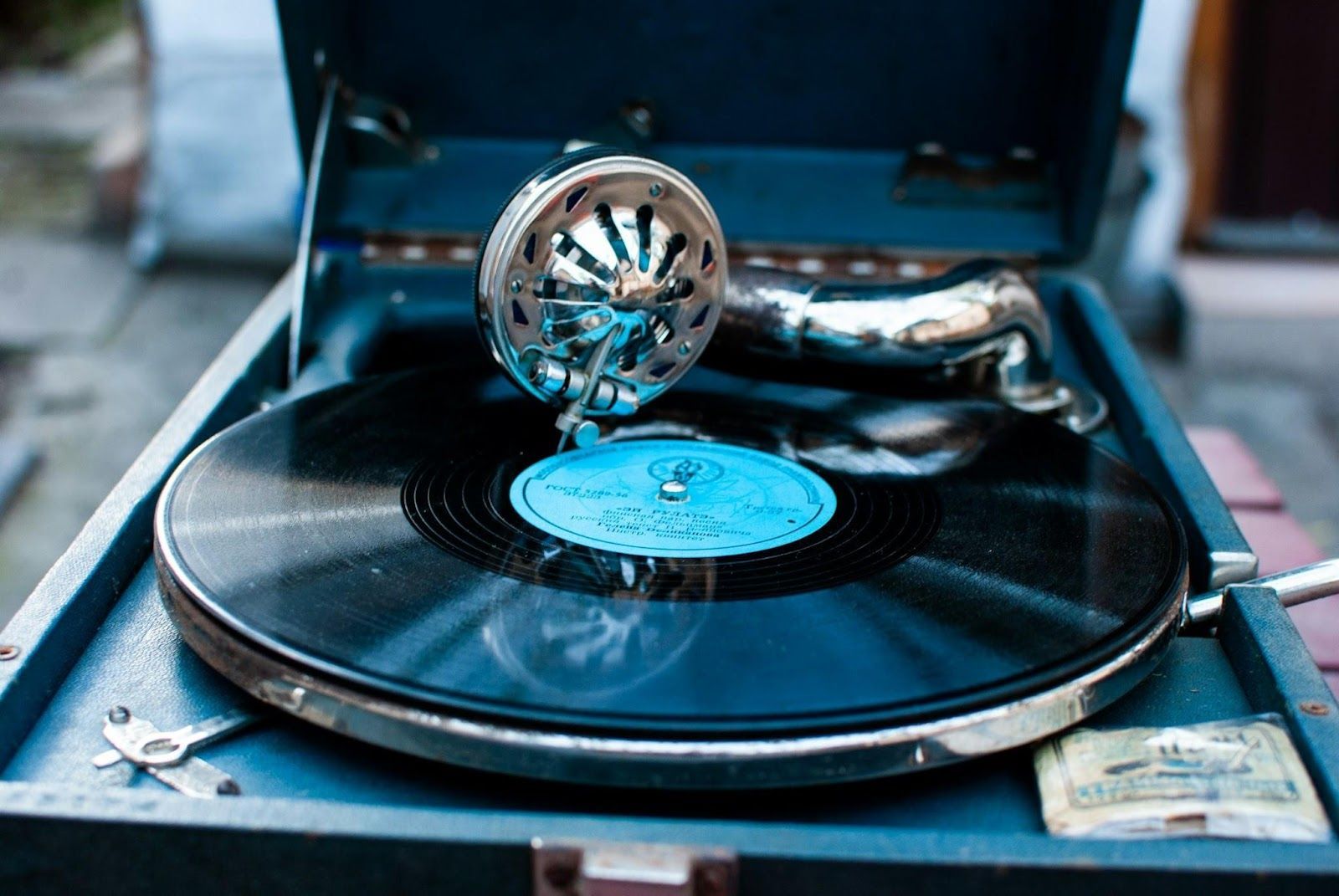
Gramophones

Image: Tasha

Gramophones and Edison’s musical cylinders revolutionized how Americans consumed music and news in the late 19th and early 20th centuries.

These devices allowed people to listen to recorded sound at home for the first time , offering a new way to enjoy music, speeches, and even news broadcasts.

5
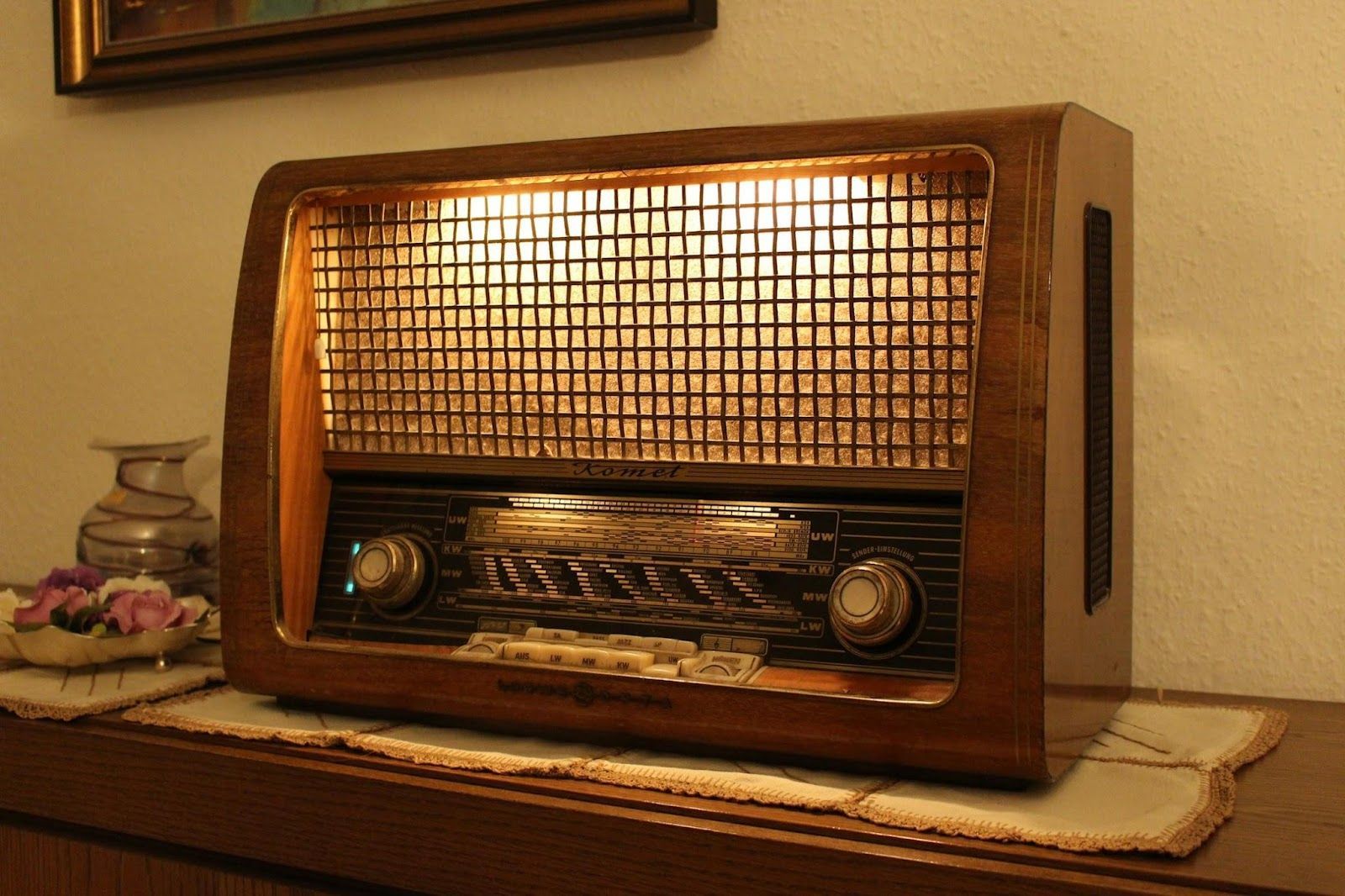
Radio broadcasts

Image: Maximilian Hofer

It is hard to overstate the importance of radio. It was a game-changer in the early 20th century, bringing news, music, and entertainment directly into homes across America.

For the first time, families could listen to live broadcasts of events, catch the latest hits, or hear radio dramas .

6
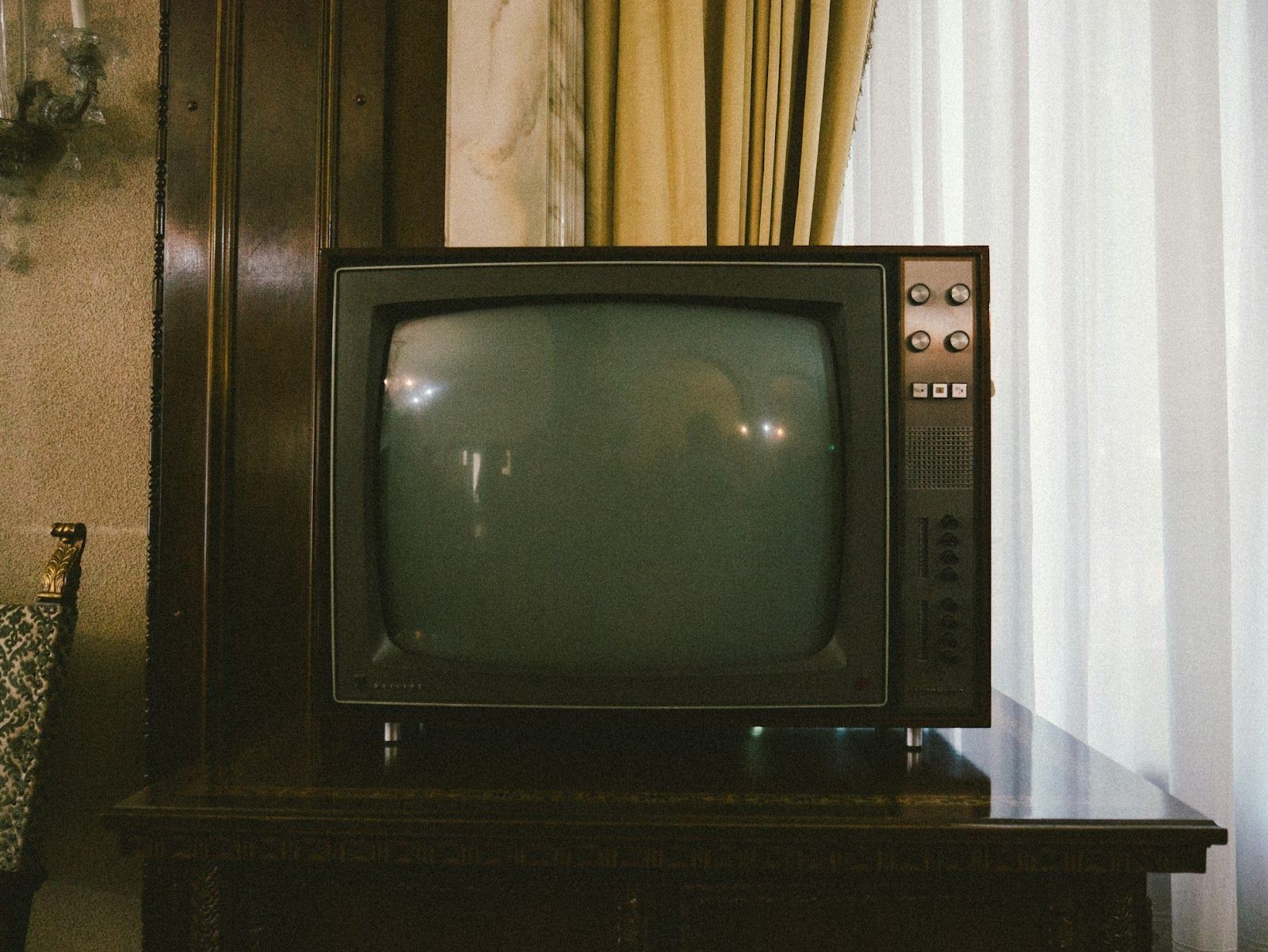
Television

Image: PJ Gal-Szabo

Television caused a huge impact in the 1950s, blending news, music, and entertainment into one screen . As with radio, families gathered around the TV for nightly broadcasts, from the evening news to variety shows and music performances.

This new visual element added a deeper level of engagement, shaping how Americans consumed information and entertainment, making TV a major force in media for decades.

7
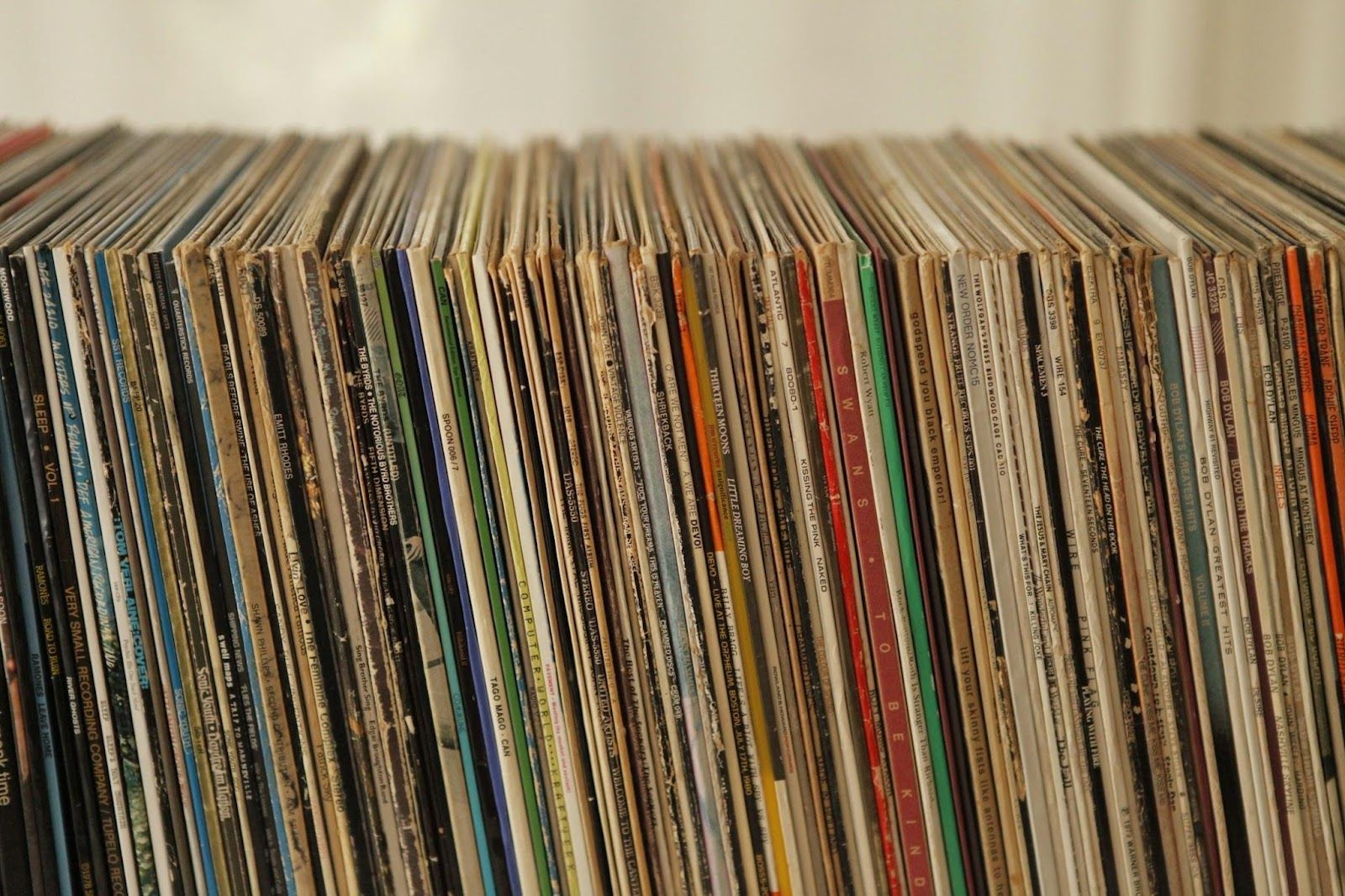
Vinyl record players

Image: Eran Menashri

Vinyl record players became a major music format in the mid-20th century, offering high-quality sound. People could listen to entire albums, making music a personal, immersive activity .

Vinyl records also became a cultural icon, with album artwork and collector’s editions turning listening into a ritual.

8
Magazine players

Image: Ciocan Ciprian

Somewhat of a half-step format between the vinyl records and compact cassettes , magazine players offered a portable way to listen to music and news in the 1960s through the 1980s.

These devices used cartridges or tapes that could hold multiple songs or recordings, making it easy for people to enjoy their favorite tunes on the go.

9
Cassette players

Image: Dave Weatherall

If magazine players made music a portable activity, cassette players and, especially, Walkmans, took it even further.

With the ability to play mixtapes or purchased albums anywhere, these devices gave people personal control over their music while on the go . Walkmans, in particular, became iconic for offering a private, on-demand listening experience.

10
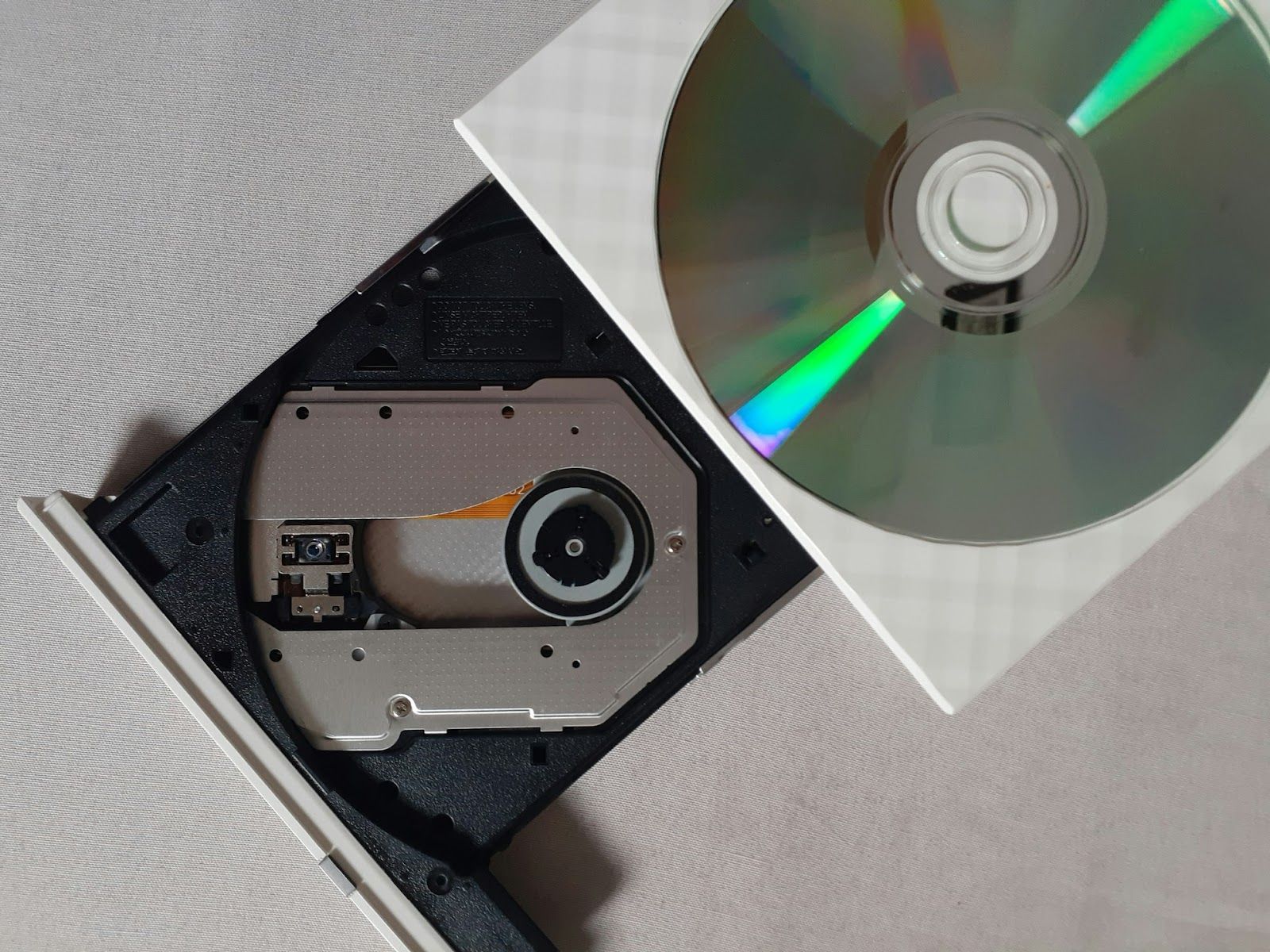
CD players

Image: Lucky Alamanda

CD players became the go-to music format in the 1990s, offering a digital upgrade to cassettes with better sound quality and durability .

Compact discs could store albums without the wear-and-tear issues of tapes, and CD players were easy to use, making them popular in cars, homes, and portable devices.

11
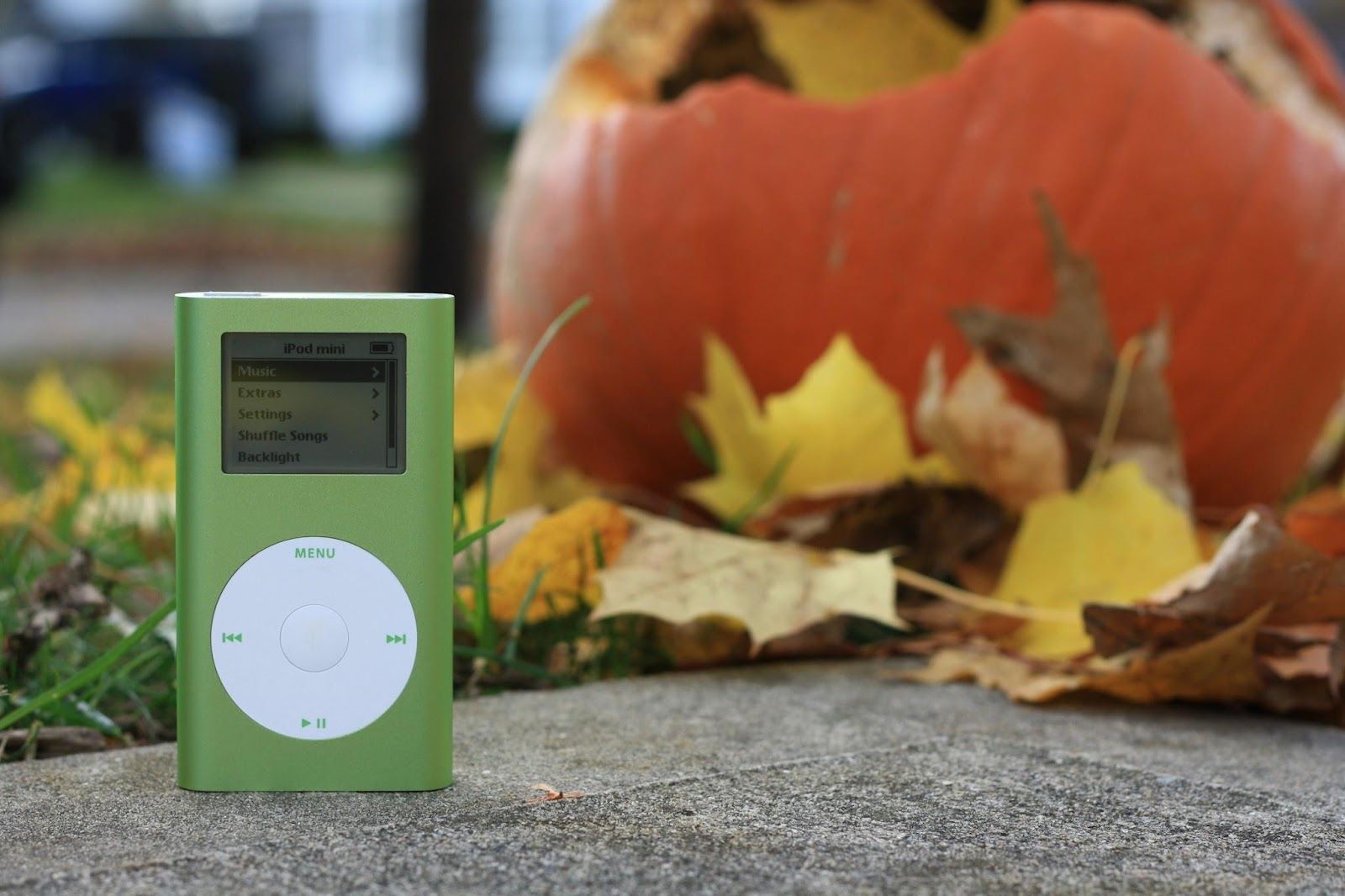
MP3 players

Image: Ben Szymanski

The possibility of holding entire album catalogs and more in a single portable device became real in the early 2000s when MP3 players made their appearance.

Devices like the iPod became cultural icons, shaping how people accessed and enjoyed music, paving the way for the next and last item on our list.

12
Streaming services

Image: Heidi Fin

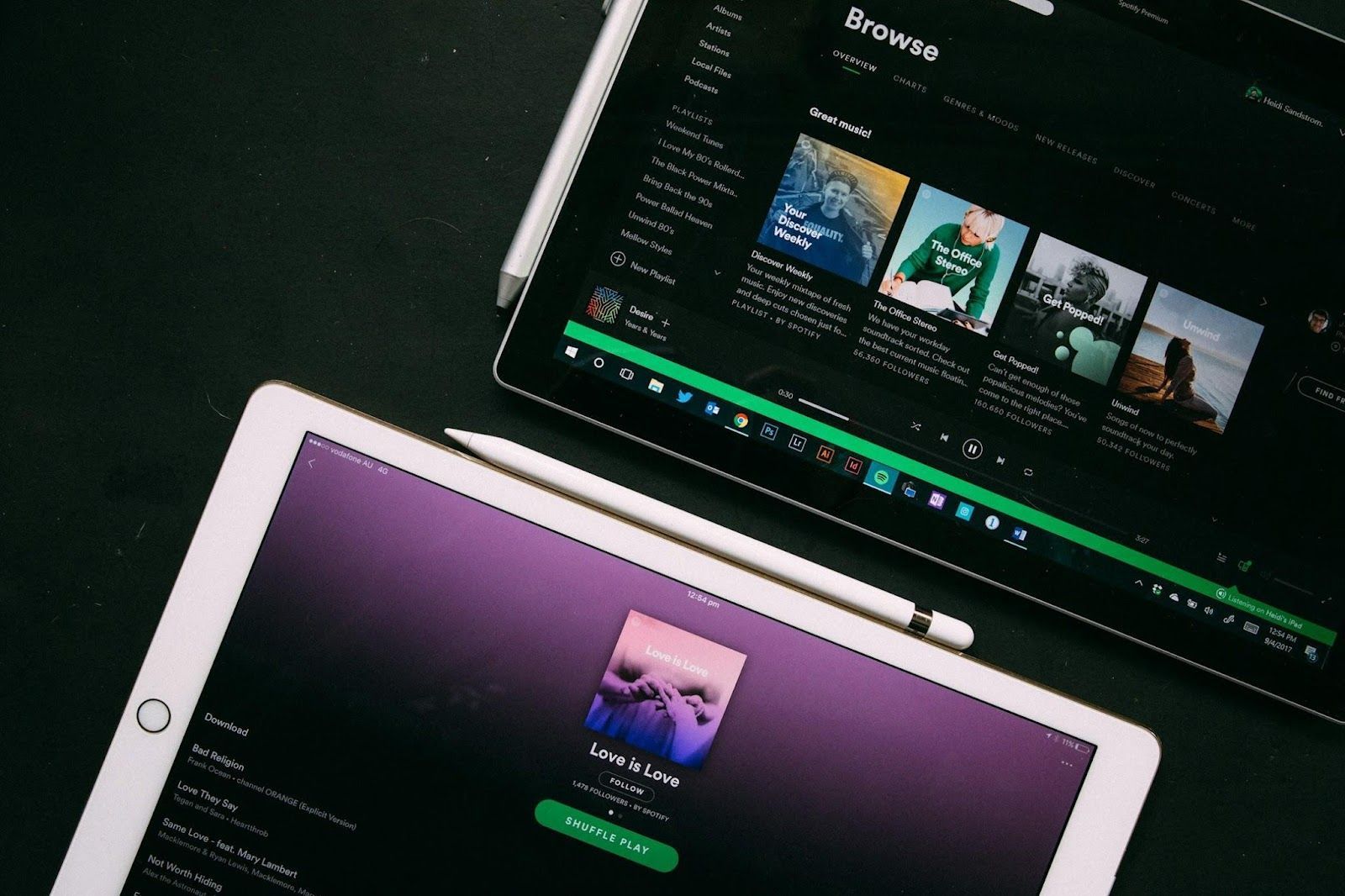
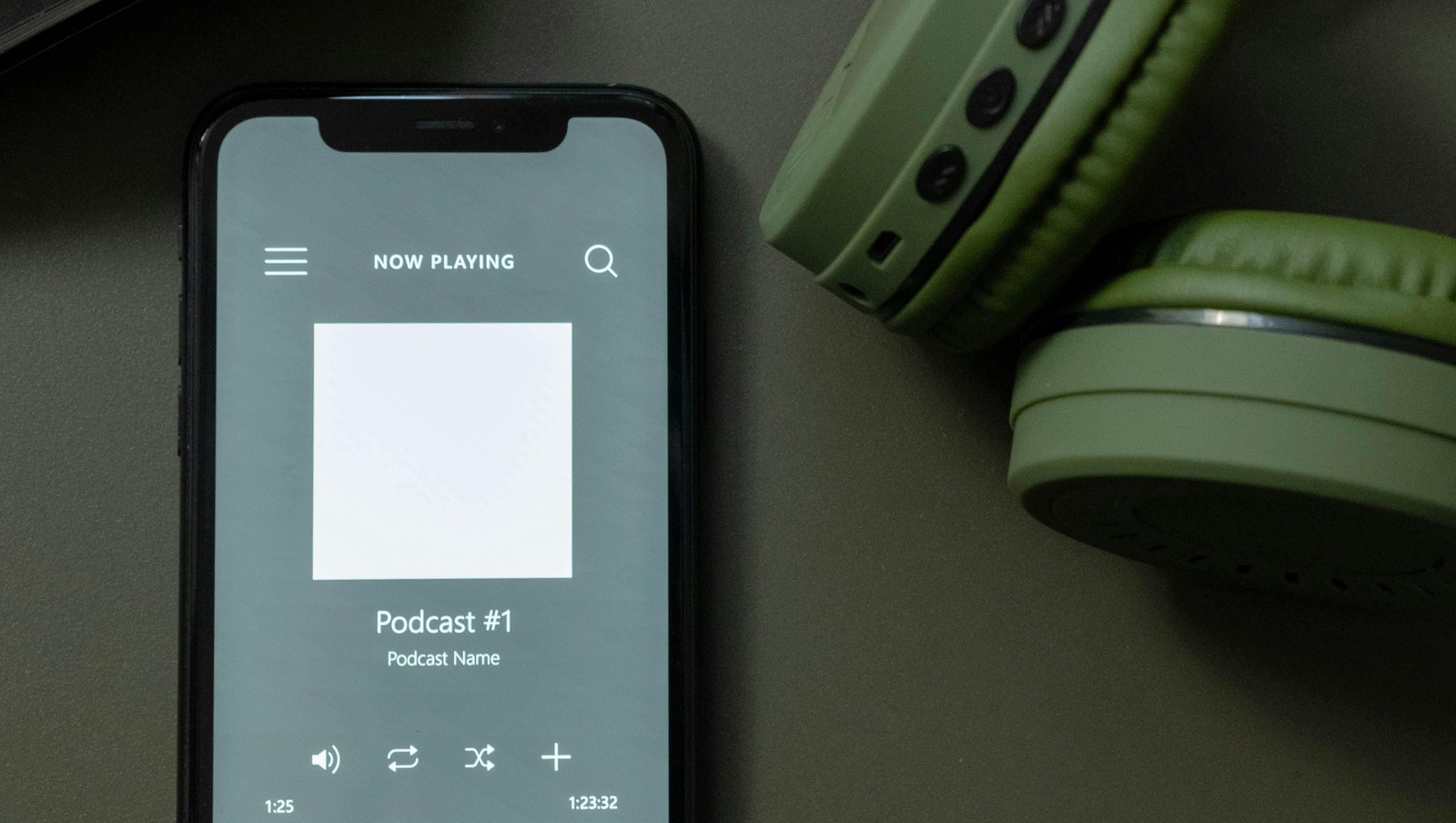
In the last decade, streaming services and podcasts have transformed the media landscape, allowing everybody to instantly access music, news, and entertainment on demand.

Platforms like Spotify and Apple Music put millions of songs at users' fingertips, while podcasts offer a vast range of topics for all interests .

General General 3 min read

The language of today

Could you make a "GRWM"? Here's modern slang you need to know!

Image: Cup Of Couple

If you scroll through social media for even a few minutes, you'll likely come across terms like "bussin'" or "amped" and unusual abbreviations like "GRWM" or "IYKYK." Do you know what they mean? If you want to stay up to date with these and other trending slang terms, don't miss this article!

1
Extra

Image: Obie Fernandez

Some people are reserved and discreet, while others are just "extra." This slang term describes someone who is exaggerated, overly dramatic , or excessive—does anyone come to mind?

If a friend shows up to a casual hangout in an extravagant outfit or makes a big deal out of something insignificant, you can call them "extra."

2
GRWM

Image: Alexander Shatov

A popular abbreviation on TikTok is "GRWM." It's so well-known that you've probably heard it before.

Since fashion influencers often share videos about their outfits or ask for clothing advice, "GRWM" stands for "Get Ready With Me." With this phrase, video creators make viewers feel like part of their daily lives and invite them to join their digital adventures.

3
Bussin'

Image: Jackson Sophat

When it comes to flattery, "bussin'" is the term you need to speak today’s language. Something described as "bussin'" is exceptionally good, impressive, or exquisite. While it's most commonly used to describe food—like in "That Burger was just bussin'"—it can also be used to compliment other things or actions.

4
Mid

Image: Eran Menashri

Contrary to the previous term, "mid" is used to describe something as average or unimpressive. While it isn’t necessarily negative, it implies that a performance, dish, or speech wasn’t exactly the best you’ve seen.

"Mid" comes from the word "middle," suggesting that what you're referring to is neither good nor bad—it's just somewhere in the middle.

5
Spill the tea

Image: Manki Kim

If someone asks you to spill the tea, they’re not asking you to make a mess on the snack table—they want something much more interesting.

"Spill the tea" is a slang expression used to ask someone to share juicy gossip . If you love drama or want to stay up to date with the latest news and scandals, this phrase will come in handy. As for its origin, some suggest that "spill the tea" may have evolved from an earlier phrase with a similar meaning: "spill the beans."

6
IYKYK

Image: Melissa Askew

While it may look like a word from a strange, distant language, "IYKYK" is actually an abbreviation for "If you know, you know." It's great for those inside jokes you share with your friends or recalling moments that only a select group was part of. You know, something intimate, secret, or exclusive.

7
GOAT

Image: Nandhu Kumar

What do Michael Jordan, Aretha Franklin, Babe Ruth, Frank Sinatra, Anthony Hopkins, and Serena Williams have in common? Well, they're all GOATs! But what does that mean?

"GOAT" doesn’t refer to the adorable animal—it stands for "Greatest of All Time." That's right! This term is used to describe those who truly stand out as the best in their field, discipline, or art.

8
No Cap/Cap

Image: Jakob Owens

It seems that saying "true" or "false" has gone out of fashion. The new trend is to say "no cap" or its opposite, "cap." As you might guess, these terms relate to truthfulness, honesty, and authenticity .

If a friend says, "The show was incredible, no cap," they’re assuring you they’re telling the truth. But if someone hears a suspicious story and calls out "cap," they’re likely calling it a lie.

9
Amped

Image: Austin Schmid

Have you been on Cloud Nine lately? If so, there's a perfect slang term for you: "amped." This adjective describes someone who’s excited about something or simply feeling really, really happy .

The term originated in the 1980s as a shortened form of "amplified," originally referring to someone highly charged with energy. Over time, it became associated with excitement and joy and has recently made a comeback, especially on social media.

10
Bet

Image: Ursula Castillo

If you're talking with a group of teens and you want to express your agreement with something, just say, "Bet." This short word is commonly used today to mean "Yes," "Exactly," "That’s it," or "Let’s do it."

As you might have guessed, it was born in the gambling world and is tied to that feeling of confidence or certainty needed when placing a bet.

Explore more American facts

Choose your favorite category!

General
General

As American as apple pie—the very best America has to offer!

Culture
Culture

Delve into the astounding richness of American lore.

Geography
Geography

Hop in and explore vast and diverse American landscapes.

History
History

Discover the key moments that shaped the United States.