Haters gonna hate
Which of these bestselling books was the most hated by the critics?

Image: Araix Rand
Not every bestseller wins over the critics. In fact, some of the most wildly popular books were absolutely roasted when they first hit shelves. Whether it was the writing, the message, or just sheer snobbery, these 12 hugely successful books — many of them pop culture phenomena — didn’t get much love from literary gatekeepers of the time.
1
The Da Vinci Code
- Dan Brown

A 2003 global bestseller later turned into a movie starring Tom Hanks, The Da Vinci Code, the second in Brown’s Robert Langdon series, thrilled millions with its fast-paced plot and conspiracy-laden narrative. Readers devoured its mix of history, religion, and puzzles.
Critics, however, slammed the novel’s writing as clunky and the characters as wooden . Many reviews mocked Brown’s prose and accused the book of historical inaccuracies and sensationalism.
2
Valley of the Dolls
- Jacqueline Susann
Published in 1966, Valley of the Dolls became a sales phenomenon, later inspiring a camp classic film. Its scandalous look at fame, drug addiction, and the lives of glamorous young women captivated readers.
Critics were merciless, branding it vulgar, trashy, and poorly written . Literary elites dismissed it as pulp, with some refusing to review it at all.
3
Atlas Shrugged
- Ayn Rand
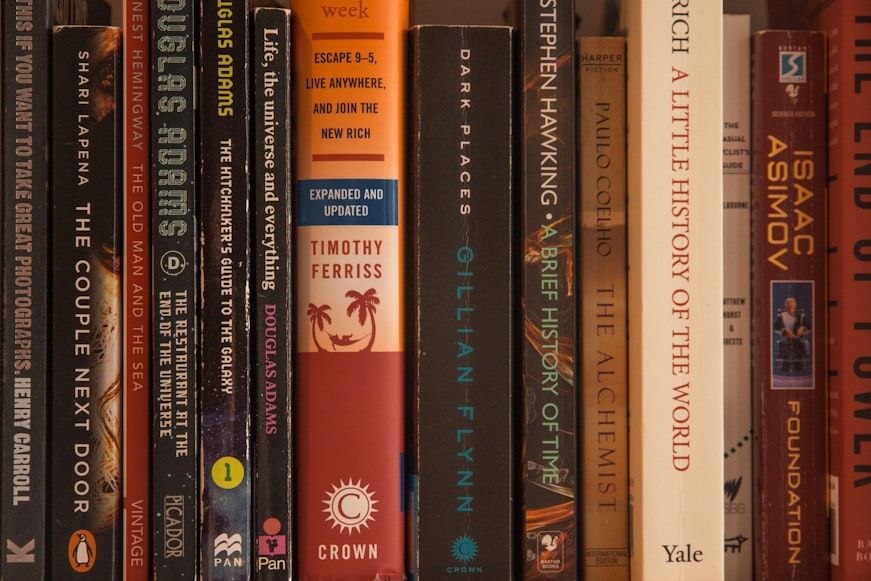
Published in 1957, Atlas Shrugged developed a cult following and continues to sell decades after publication. Rand's philosophical vision of objectivism inspired fierce devotion among fans.
The literary world, however, tore it apart. Critics found the dialogue stilted and the message overly didactic . Many viewed it as a bloated, moralizing tome with little literary merit.
4
Fifty Shades of Grey
- E.L. James
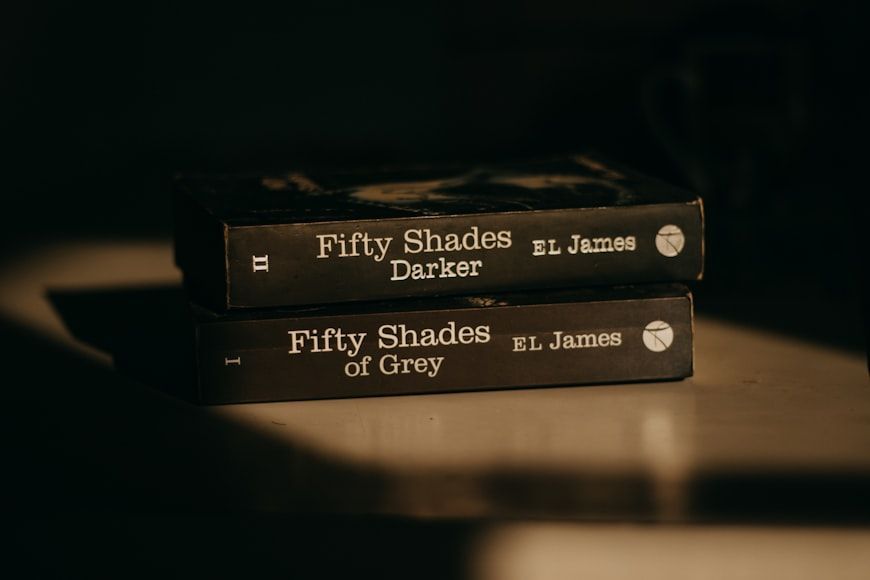
This erotic romance, published in 2011, became a pop culture sensation, spawning multiple sequels and movies. Millions were drawn to its taboo themes, sparking debates and fan fervor worldwide.
Critics eviscerated the book for its repetitive prose and one-dimensional characters . It was widely mocked for poor grammar, simplistic plotting, and glorifying unhealthy relationships.
5
The Bridges of Madison County
- Robert James Waller

This romantic novel, published in 1992, was a runaway hit, touching readers with its brief tale of a passionate affair between a photographer and a housewife, inspiring a film starring Meryl Streep and Clint Eastwood.
Critics, though, rolled their eyes. The book was labeled melodramatic, emotionally manipulative, and stylistically flat , with more schmaltz than substance.
6
The Celestine Prophecy
- James Redfield
This spiritual adventure novel, released in 1993, gained traction through word-of-mouth, eventually becoming a mega-bestseller. Its mystical insights resonated with readers interested in all things New Age.
Critics were unimpressed, calling it preachy and amateurish . Many dismissed it as pseudo-philosophy dressed up in a thin narrative , lacking depth or literary quality.
7
Jonathan Livingston Seagull
- Richard Bach

Bach's fable about a seagull chasing transcendence captured the imagination of millions in the 1970s. Its short format and uplifting message struck a chord.
Yet reviewers derided it as shallow and overly sentimental . Critics said its philosophical posturing felt empty and simplistic.
8
The Shack
- William P. Young
In 2007, The Shack found immense success, especially among religious readers. Its emotional story and portrayal of God in unconventional forms drew deep emotional reactions.
Theologians and critics, however, lambasted its theology and weak storytelling .
9
Twilight
- Stephenie Meyer

This vampire romance became a cultural juggernaut when it was published in 2005. Teens and adults alike were swept into Bella and Edward’s forbidden love story, fueled even further by three more books and the movies.
Critics were less kind. The writing was often mocked as juvenile, with characters deemed flat and the relationship dynamics problematic .
10
The Alchemist
- Paulo Coelho

Though first published in Brazil, The Alchemist found enormous success in the U.S. in 1988. Readers praised it for its inspirational message and simple allegory.
Critics weren’t convinced. Many called it trite, vague, and overly didactic .
11
The Secret
- Rhonda Byrne
This 2006 self-help bestseller promised readers they could manifest anything they desired. Its message of positive thinking struck a chord worldwide.
But critics lambasted it as pseudoscience . Detractors called it naïve and irresponsible , arguing it oversimplified real-world problems and encouraged magical thinking over action.
12
A Million Little Pieces
- James Frey

This memoir of addiction recovery became an Oprah Book Club pick and soared in sales. Readers found its raw honesty and chaos compelling.
But then, much of the book was revealed to be fabricated . Critics turned on it, calling the prose self-indulgent and the deception unforgivable in a marketed memoir.