Meet your local fauna
Which animals can only be found in North America? 11 native species
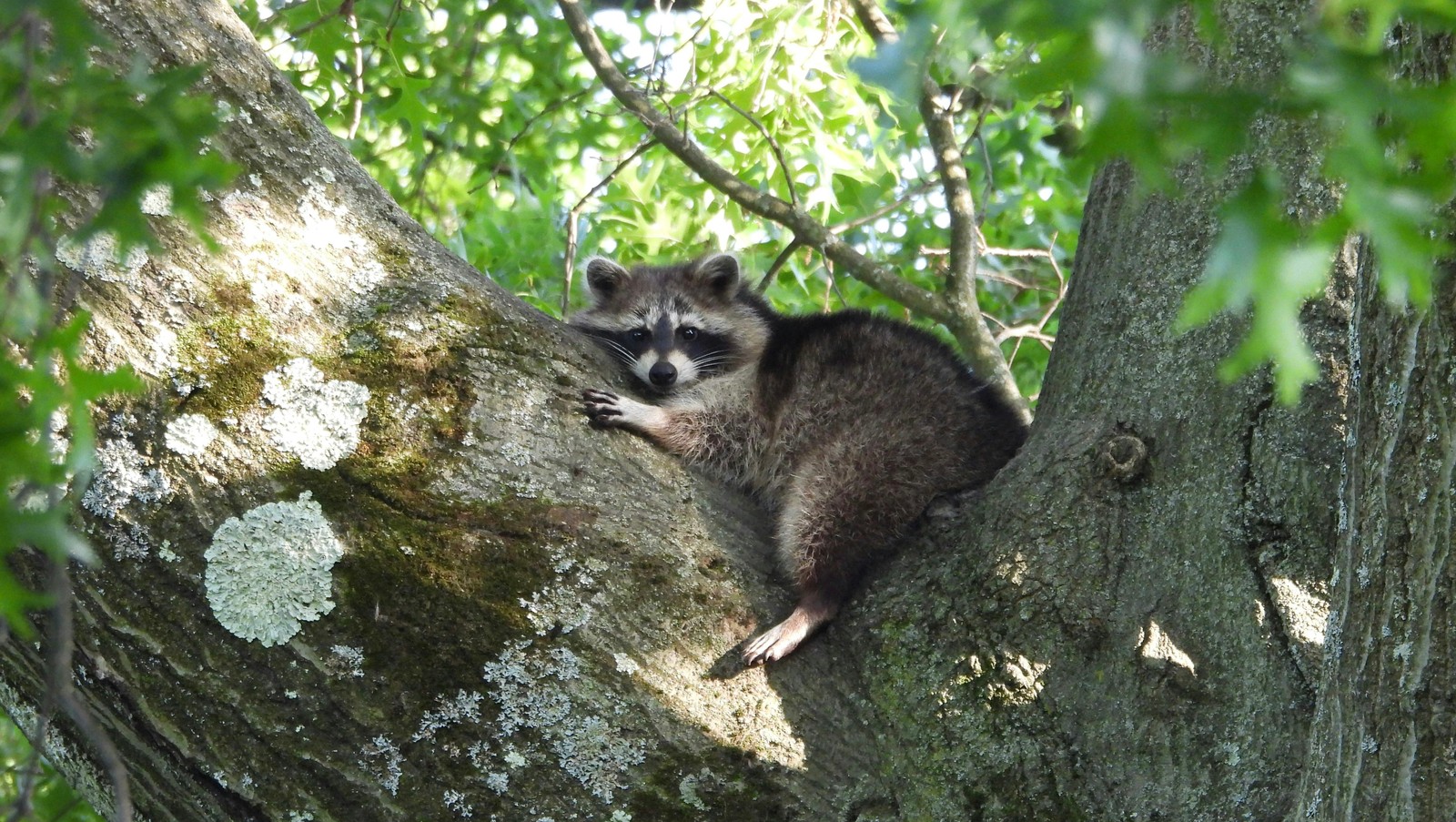
Image: Tracy Jentzsch
In today’s globalized world, we sometimes forget that many animal species are native to a specific region , despite having been introduced to other habitats. Some of these species seamlessly adapt to their new environments with minimal to no negative impact, but many become invasive, disrupting ecosystems and preying on native fauna and flora. North America’s ecosystems have their fair share of native species that have become so familiar worldwide that their origins are often overlooked. Here are 11 species that originated in North America!
1
American Alligator
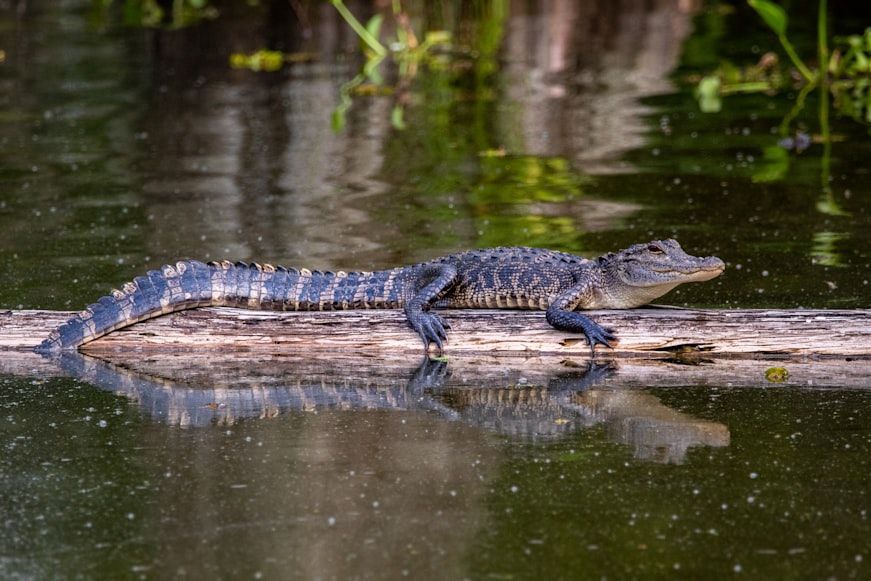
Image: Joshua J. Cotten
Did you know that American alligators are one of only two alligator species in the whole world ? China is the only other place with an alligator species, the Chinese alligator. Often confused with their relatives, the crocodiles and the caimans, alligators can be differentiated by the shape of their teeth, their round snouts, their darker color, and their preference for freshwater habitats. An inhabitant of tropical and subtropical wetlands, the American alligator can be found throughout the Southeastern U.S.
2
Nene
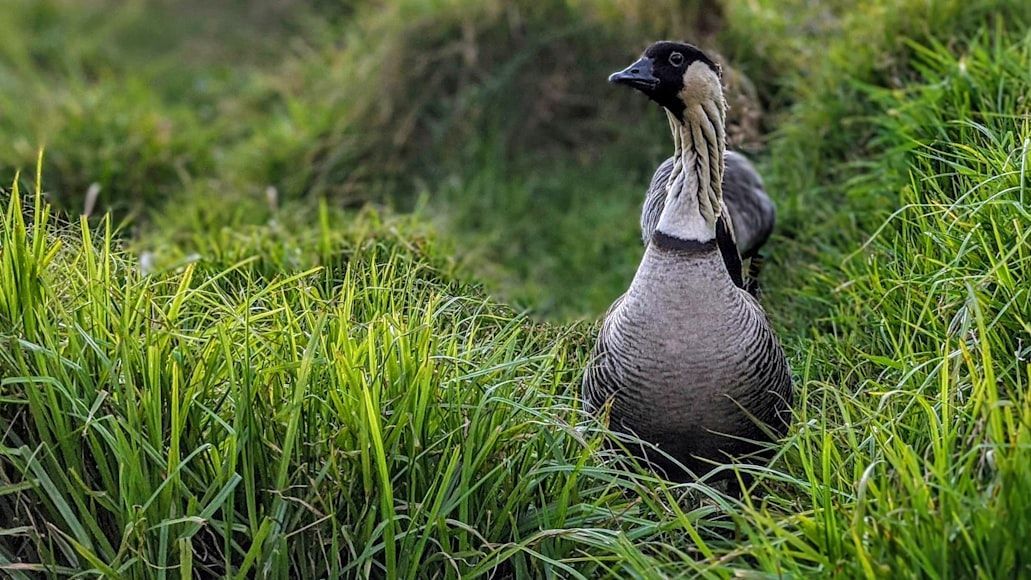
Image: Lyle Wilkinson
Also known as the Hawaiian goose, this bird can only be found in its wild state across the islands of Maui, Kauaʻi, Molokai, and Hawaiʻi . Believed to be distantly related to the Canada goose, the nēnē is considered the rarest goose species in the world and is a protected species. Thanks to successful conservation efforts, it has been reclassified from endangered to near threatened. It has also been designated as the official state bird of Hawaiʻi.
3
Common Raccoon
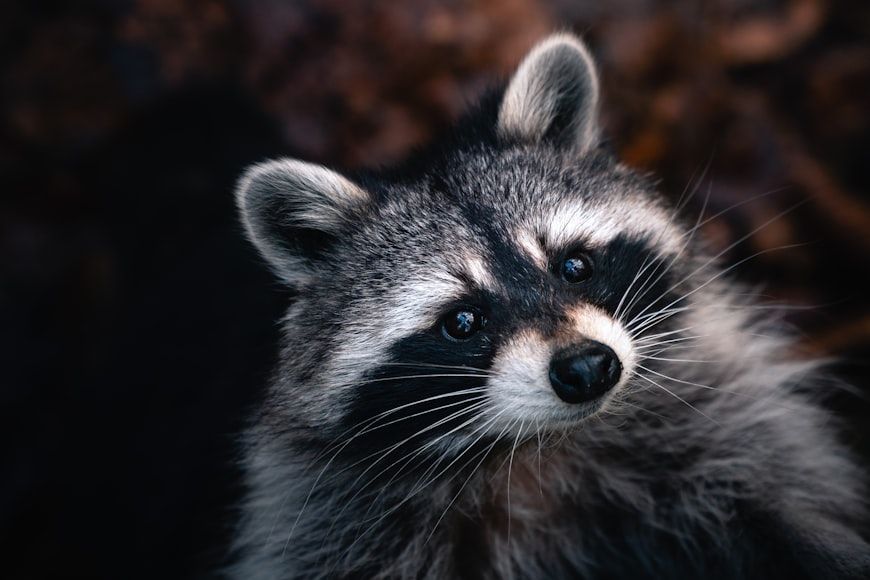
Image: Chris Ensminger
If you are asked to describe a raccoon, the common raccoon, native to North America, will most likely come to mind. The other two species of raccoon—also native to the Americas—present marked differences in color and size. Their name is derived from the Algonquian aroughcoune , meaning ‘he who scratches with his hands.’ The unusual shape of their thumbs, combined with their cleverness, allows them to open closed containers to access food and trash, which has earned them the nickname of "trash pandas." Due to human intervention, they have become a highly invasive species in European and Asian ecosystems.
4
Monarch Butterfly
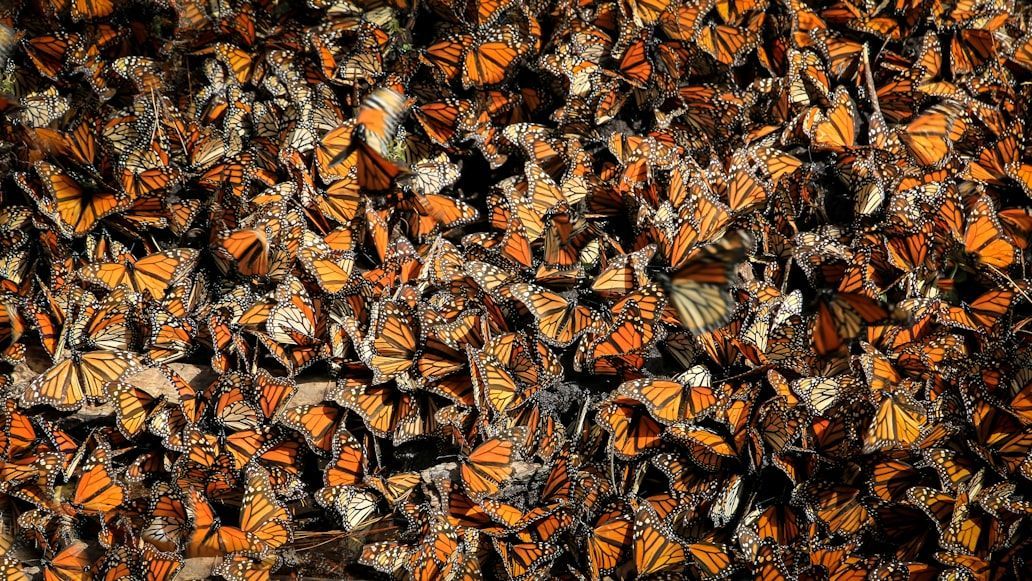
Image: Alex Guillaume
One of the most recognizable butterfly species, the Monarch can be identified by its orange and black wings with white spots . Monarch subspecies can be found across the Americas, but the North American monarch is especially known for its remarkable migratory behavior. As winter approaches, monarch butterflies in the northern United States travel thousands of miles to overwintering sites in California and central Mexico. In spring, they will return home in time for summer.
5
North American Beaver
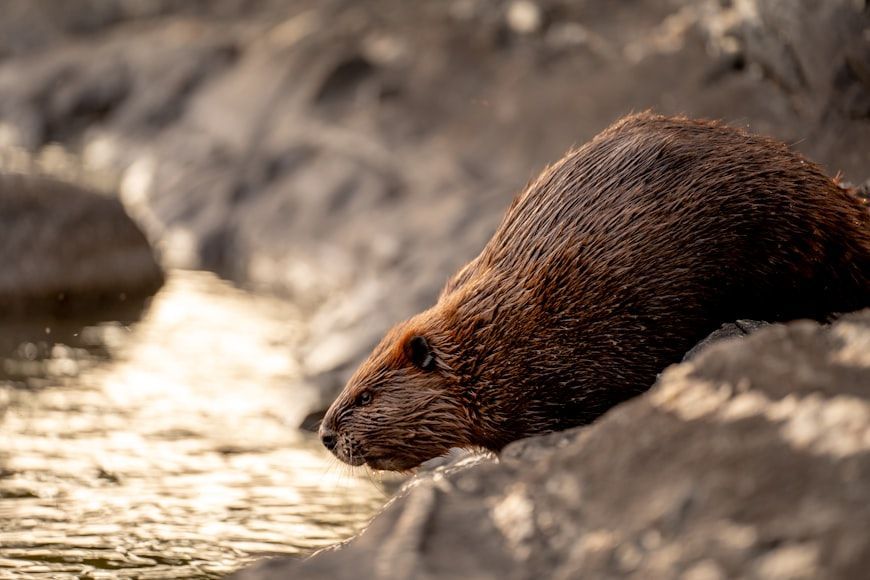
Image: Tim Umphreys
Though North American beavers are related to those found in Asia and Europe, their genetics are so different that they are unable to mix. North American beavers are generally larger and darker than their Eurasian counterparts , and they have a broader and longer tail. They are a widespread species across the Continental U.S., Canada, and northern Mexico and have been chosen as the official state mammal of Oregon and New York.
6
Bald Eagle
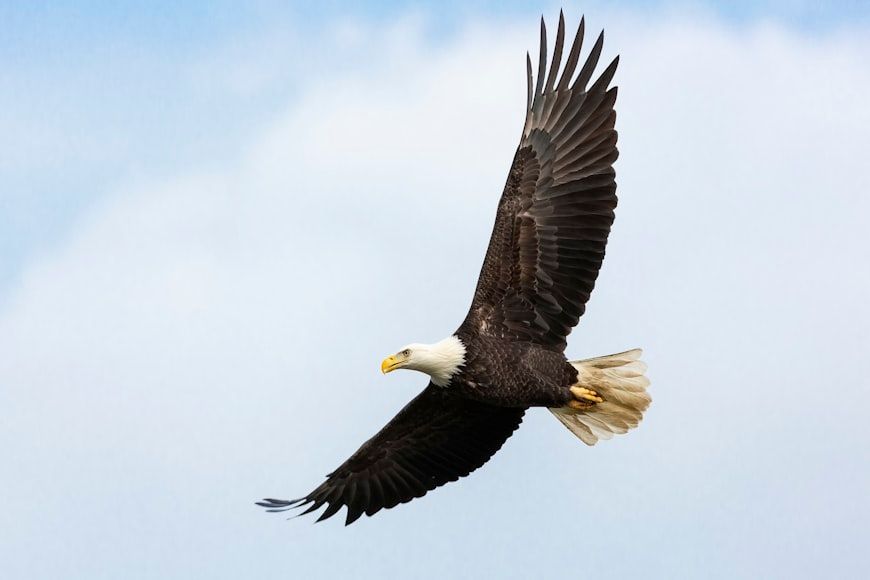
Image: Mathew Schwartz
Widely recognized as a national U.S. symbol and featured in multiple official imagery , the bald eagle came close to extinction in the late 20th century. Found across most of North America, it favors habitats near large bodies of water. Fun fact: bald eagles were named after the color of their head feathers, as the word ‘bald’ was anciently used for ‘having a white head.’
7
Alligator Snapping Turtle
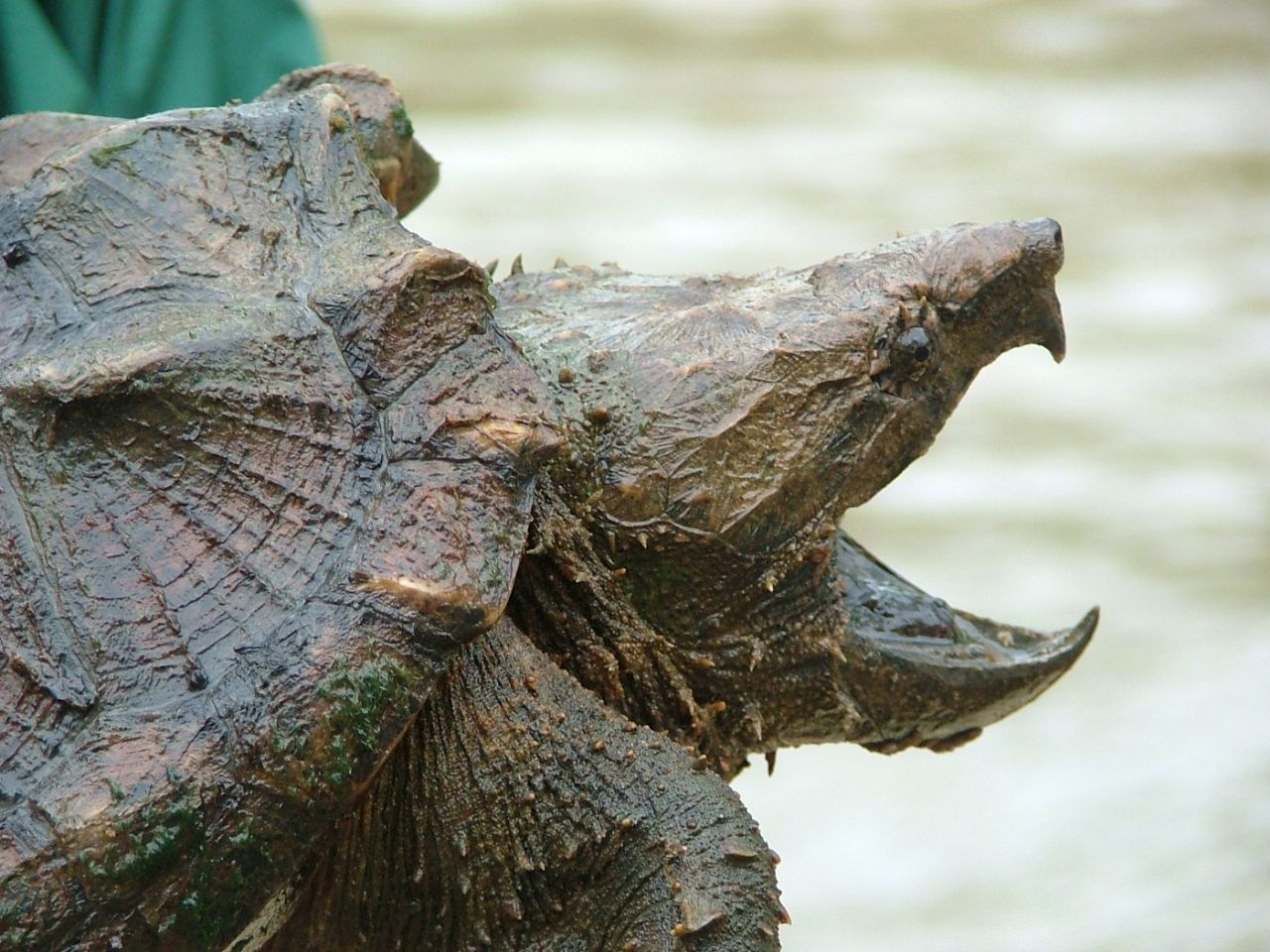
Image: U.S. Fish and Wildlife Service Southeast Region, Public domain, via Wikimedia Commons
Like the reptile it takes its name from, this pointy reptile is only found in freshwater habitats across the U.S. The spiky ridges on its shell give it an armored tank appearance, but these will flatten as the turtle ages. They have an extremely powerful bite , and they have been known for biting human fingers off, which makes them a dangerous animal that should be approached with caution.
8
Texas Blind Salamander

Image: Ryan Hagerty/USFWS, Public domain, via Wikimedia Commons
Unlike other entries on this list, this amphibian can only be found in a very specific place: San Marcos, Texas . Considered to be a critically endangered species, the Texas blind salamander lives in underground caves and streams and is highly sensitive to water pollution and droughts.
9
Coyote
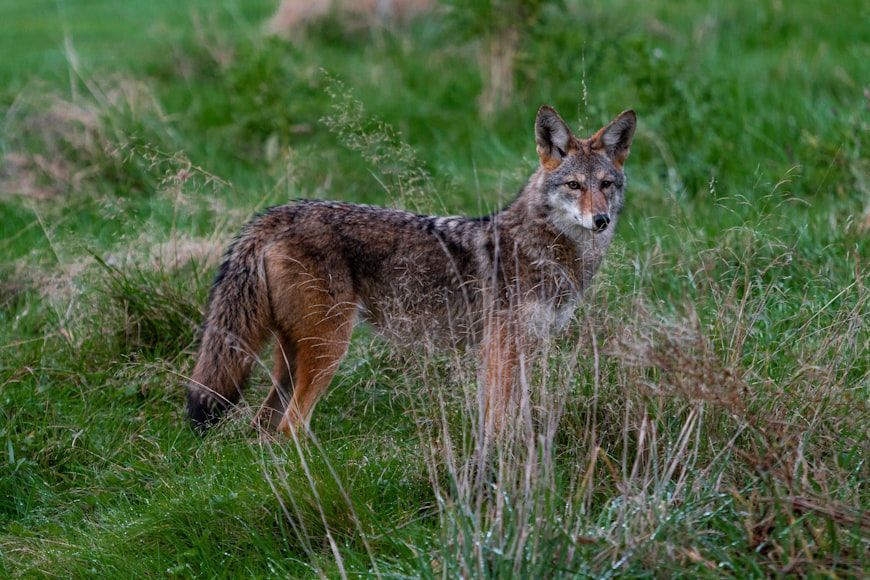
Image: Dylan Ferreira
Also known as the American jackal or prairie wolf, the coyote fulfills a key role in North American ecosystems by helping regulate the population of smaller animals and consuming carrion that could otherwise spread disease. Somewhat friendly toward humans, coyotes play an important role in Native American folklore, and there are recorded cases of domesticated coyotes.
10
Giant Kangaroo Rat
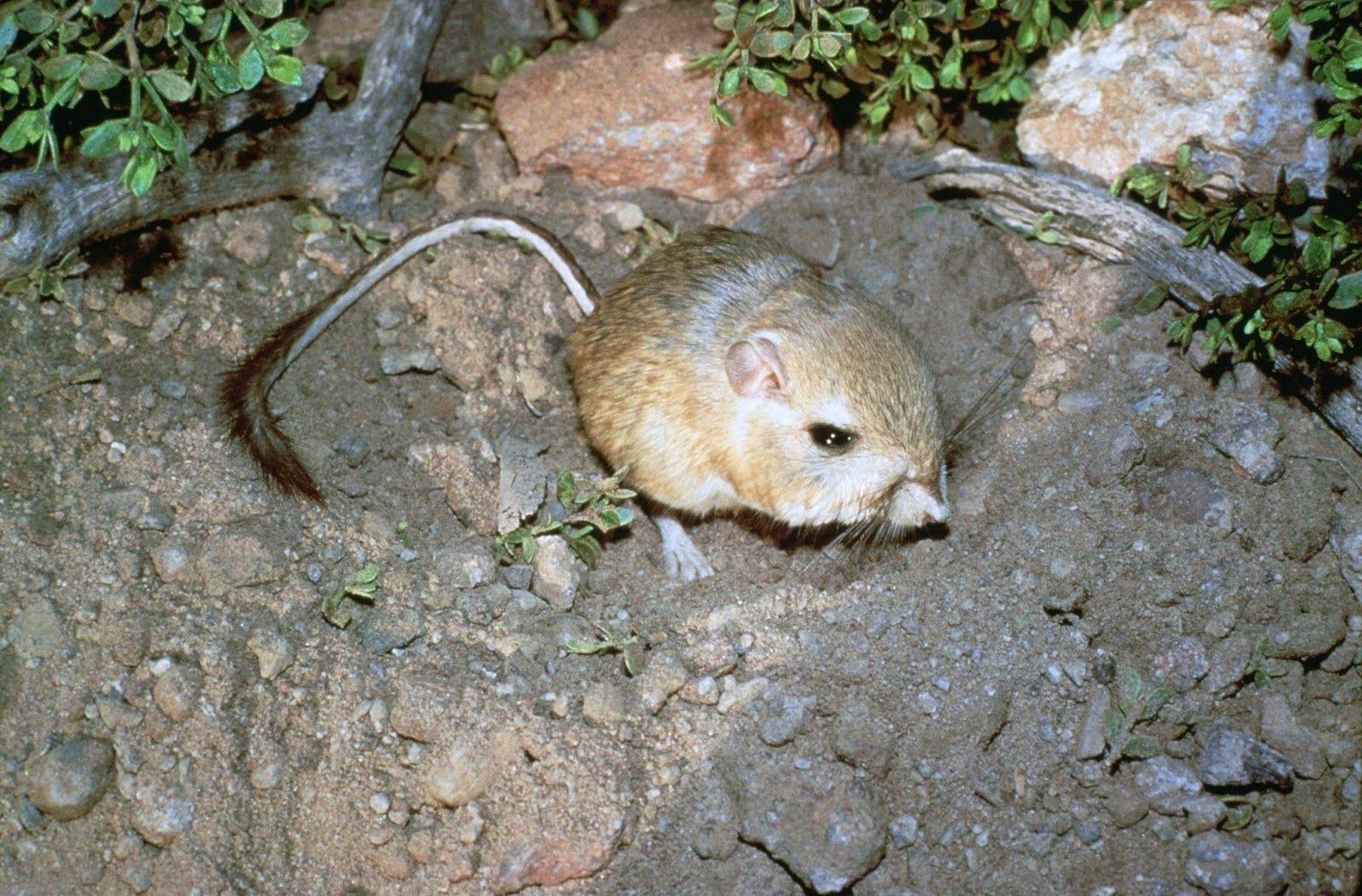
Image: Harrison, George, Public domain, via Wikimedia Commons
Although kangaroos are native to Australia, giant kangaroo rats are found only in California . Preferring dry, sandy habitats that allow them to dig burrows, these rodents are known for using foot stomps as a way of communicating. Due to habitat loss caused by agriculture, the giant kangaroo rat has been classified as an endangered species.
11
American Mink
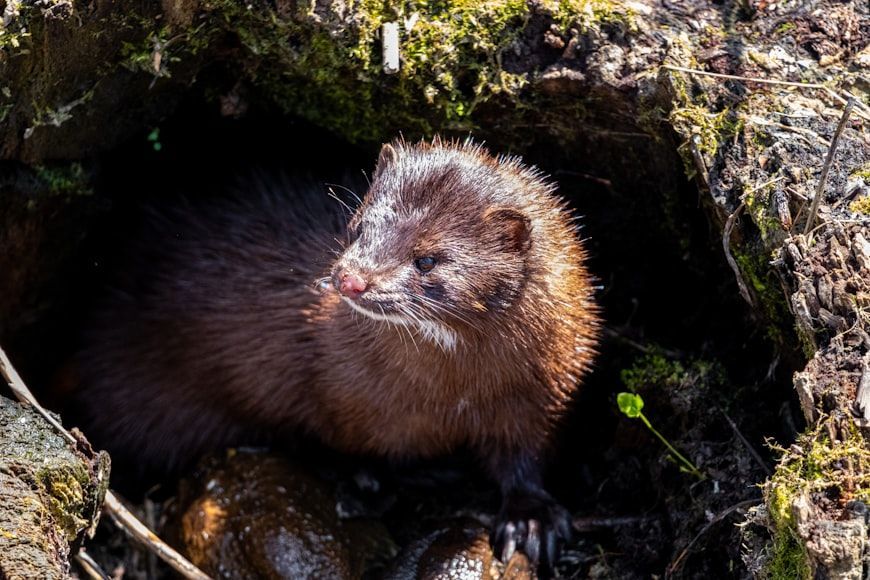
Image: Alexandre Daoust
American minks can be found across Alaska, Canada, and the northern and central United States, both in the wild and on farms. Although they are not specifically bred to be tame, they are officially considered suitable to be pets if trained from a young age. Their introduction to many parts of Europe, Asia, and South America has harmed native species, and they have been classified as invasive in many of these regions.