General General 4 min read

True gems

I Will Always Love You, Purple Rain & more hits that almost didn't happen

Image: Alexas_Fotos

We all have those unforgettable songs that take us back to special moments in our lives. But some of those iconic hits almost never made it out into the world. Remember the theme song from The Bodyguard ? Believe it or not, it was almost replaced! Today, we're looking back at 10 legendary songs that, for one reason or another, were nearly never released. Let's hit play and enjoy!

1
"I Will Always Love You" by Whitney Houston

Image: Ransford Quaye

This legendary ballad was originally written and recorded by Dolly Parton in 1973. When the song was selected for the The Bodyguard soundtrack , the producers were initially hesitant. They were about to choose a different song for Whitney Houston, but everything changed in a second. Once they heard her sing it, they knew they couldn't pass it up. Today, it's considered one of her most iconic performances!

2
"Purple Rain" by Prince
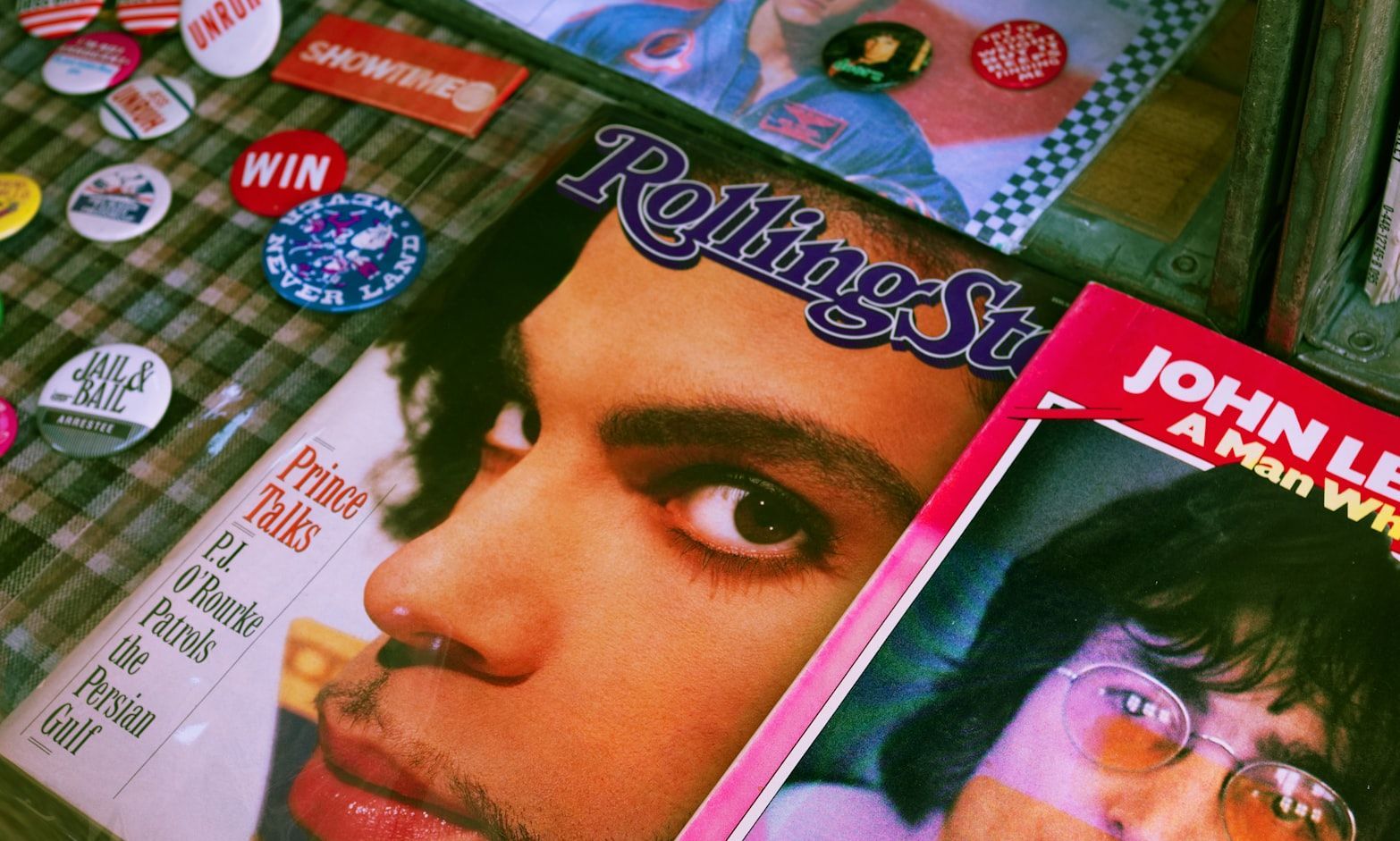
Image: Doyoun Seo

While we can't imagine a world without the iconic "Purple Rain," it almost wasn't released! At first, Prince conceived the song as a duet with Fleetwood Mac's Stevie Nicks, but she turned it down, saying the piece felt too overwhelming. Prince then trimmed the original version (the final still runs over 8 minutes) as the theme was considered too complex and extensive. Fortunately, after those arrangements, it was released on the album of the same name in 1984 and became one of his most legendary works.

3
"Billie Jean" by Michael Jackson
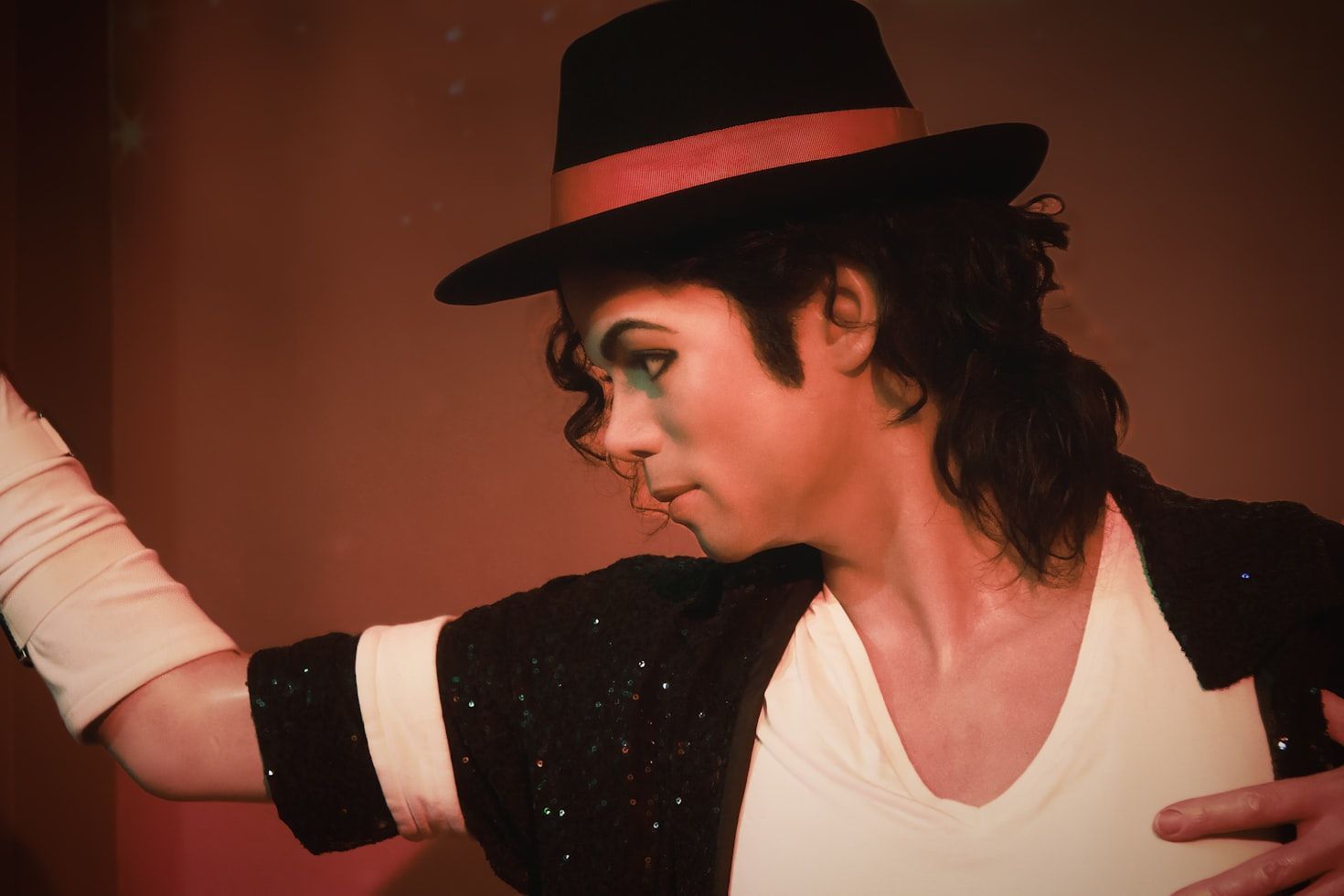
Image: Mathew Browne

The Thriller album wouldn’t be the same without the incomparable "Billie Jean"! But did you know that it almost didn't make the cut? Believe it or not, the album's producer didn't like the song and thought the title might confuse people, especially due to its similarity to tennis player Billie Jean King's name. He even suggested changing not just the title, but also the iconic bass intro. Fortunately, Jackson stood his ground, and the song became a turning point in his career!

4
"Nothing Else Matters" by Metallica

Image: Yurii Stupen

Metallica gave us the incredible ballad "Nothing Else Matters," later covered by multiple artists and bands around the world. But vocalist James Hetfield almost deprived us of this beautiful work! As he tells it, he composed the ballad on the road while missing his home and family. However, when his spirits lifted, Hetfield worried that the song might be too personal, and perhaps too soft for Metallica's heavy metal vibe. Fortunately, when the band members heard it, they loved it and convinced him to include it on The Black Album .

5
"Livin' on a Prayer" by Bon Jovi

Image: andre mosele

Who hasn't sung " Whoaaaa, we're halfway there, whoa-ooooh, livin' on a prayer " at the top of their lungs? We certainly have! But, strangely enough, Jon Bon Jovi almost kept this anthem a secret . When he first heard the full version of the song, he wasn’t convinced—he thought it was too simplistic and might not resonate with fans. Thankfully, his bandmates saw something special in it and convinced him to give it a chance.

6
"Smells Like Teen Spirit" by Nirvana
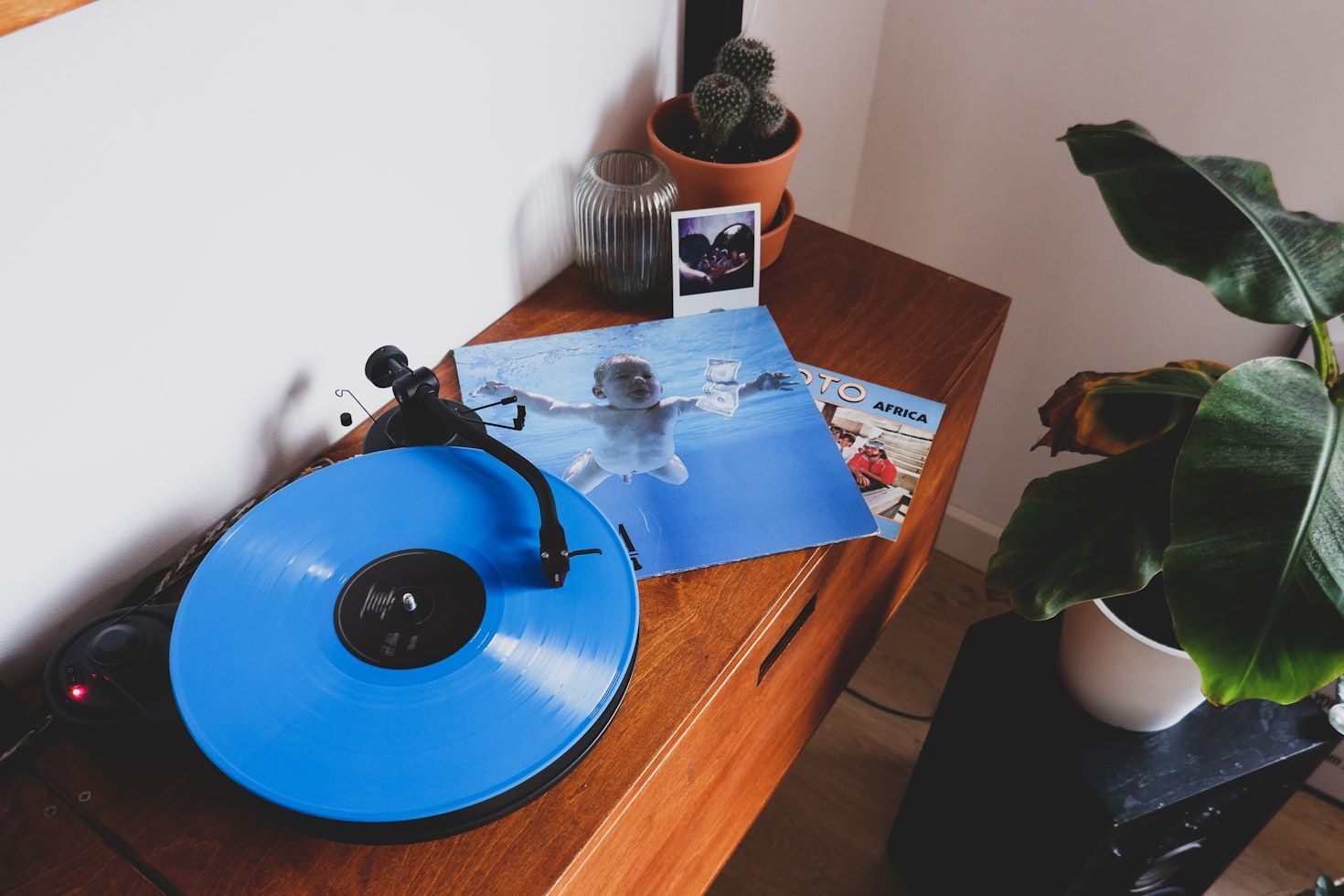
Image: Jurian Kersten

The legendary Kurt Cobain wrote "Smells Like Teen Spirit" as a protest against the polished pop hits dominating the music scene—but the result didn’t convince him. He was worried that the song would become too mainstream, given its commercial appeal. After some debate, the producer and the band convinced him to record it. To this day, it's one of the band's most iconic tracks and a defining anthem of the entire grunge movement!

7
"Like a Prayer" by Madonna
Image: Jonathan J. Castellon

"Like a Prayer" by Madonna is one of the most famous hits in pop music history. But the religious imagery in both the song and its music video raised concerns among her producers and record label executives, who feared an intense backlash that could affect the singer's career. Although it’s said that Madonna herself was initially hesitant as well, the song was not only released but also became one of her defining anthems.

8
"Sweet Child O’ Mine" by Guns N’ Roses

Image: Simon Weisser

Although it may be hard to believe, a record company once considered "Sweet Child O' Mine" unrepresentative of Guns N’ Roses’ sound. In fact, it’s said that Slash’s now-iconic guitar riff started out as an ironic joke! When the rest of the band heard it and wanted to build a song around it, he flatly refused. Luckily for the fans, the song did come out, and it also became the band's only number-one hit on the US Billboard Hot 100!

9
"1979" by The Smashing Pumpkins

Image: Francisco Moreno

Although many of us love "1979" by The Smashing Pumpkins, it was almost left off their album Mellon Collie and the Infinite Sadness . The song, written by lead singer Billy Corgan, was initially rejected by the band because they felt it didn't fit with the overall vibe of the album. Fortunately, after hearing the completed track, they realized how unique it was and decided to include it.

10
"What’s Going On" by Marvin Gaye

Image: Caio Silva

One of the most iconic songs in American music history, "What's Going On," almost didn't see the light of day. When Marvin Gaye brought the track to Motown founder Berry Gordy, he was met with resistance. Gordy felt the song’s social and political themes were too risky and potentially controversial. But Gaye was determined. He pushed forward and recorded it anyway—and thanks to that decision, we have this timeless masterpiece today.

Geography Geography 6 min read

AN UNUSUAL TRAVELLER’S GUIDE

Discover 10 Of The Saddest (But Funniest) Names On Your Map.

Image: Pat__

Every city, island, mountain, and lake has an interesting story behind its name. Many of them are called after the person who discovered them. Others, however, were baptized after the mood and mindset of the person who had the honor of naming them.

In 2017, Artist Damien Rudd published Sad Topographies , an illustrated guide that compiles some of the saddest —and funniest— names around the world. Inspired by his book, in this article, we have gathered just a few examples out of an incredible array of somber places in the United States . Read on and we hope that, if you are not in the best mood today, we’ll make you smile.

1
Frustration Lake, Alaska

Image: Robin Holmquist

Have you ever felt upset or annoyed when you were trying unsuccessfully to achieve something? Well, that’s probably what happened to a pilot in the 60s when he couldn’t land on the rough surface of this icy lake in Alaska. Located in the Matanuska-Susitna region, by the Tordrillo Mountains, and adjacent to Triumvirate Glacier this area is difficult to access but frequented nonetheless by mountaineers in search of adventure .

According to Alaska Guide Co, Frustration Lake got its name in 1964 after a plane carrying three alpinists had to look for another climbing spot when they realized that it would be impossible to master the extreme conditions of this wayward body of water . So now you know, if you ever visit The Last Frontier, you might want to visit this faraway lake just to wash away all your frustrations.

2
Misery Islands, Massachusetts

Image: MagicTV

Misery Islands, an 87-acre nature reserve near Salem Harbor in Massachusetts, is full of stories. As early as 1900, a business group built a luxury retreat meant for the Boston and North Shore socialites that included a saltwater swimming pool, a casino, a clubhouse, a tennis court, a lounge, and even a 9-hole golf course! Can you imagine? Unfortunately, the enterprise didn’t last long, and a year later only ruins remained.

Not long after, a summer colony of more than 25 cottages was established on the coasts of Misery Islands, although they were also short-lived. In 1926, a devastating fire destroyed many houses and the owners eventually left. In light of these events, it is not surprising that in the 1620s, shipbuilder Captain Robert Moulton described his time here as "three miserable days". Despite the name they inherited, nowadays Misery Islands are open to the public and are worth a visit if only to appreciate their breathtaking views and the fresh sea air.

3
Desperation Drive and Solitude Way, California

Image: vishu

If you are driving to Eldorado National Forest in California and you suddenly start feeling down, don’t panic, perhaps you just got lost and landed on the intersection of Desperation Drive and Solitude Way . Located on Frenchtown, originally a mining camp 37 miles from Sacramento and southeast of Shingle Springs, these two charming winding roads to nowhere are somewhat of a mystery.

We can't be sure why or who gave them those names, but we couldn’t leave them out of this list. Who hasn't felt desperate and alone at some point? And who knows, maybe their remote location and surrounding tall pine trees bring some kind of solace and comfort.

4
Failure Canyon, Utah

Image: Ashim D’Silva

Utah is known for its natural beauty, national monuments, world-class ski resorts, and let’s face it, unusual names. Due to its cowboy, Indian, and Mormon heritage the Beehive State is home to places like Mount Timpanogos, Cutthroat Lake, and Eureka City. But perhaps one of the most peculiar ones is Failure Canyon, a valley in the mountainous Summit County.

With an elevation of 7,200 feet, this gorge originates in the southwest section of the Uinta Mountains and drains north into Beaver Creek. Rumor has it that it was named after Beaver Creek Charlie , a Ute Indian who went broke after failing as a prospector during the gold rush.

5
Spiteful Geyser, Wyoming

Image: David Köhler

We’ve heard of vengeful people, but spiteful geysers? Apparently, it’s a thing. Spiteful Geyser, located on Firehole River in Yellowstone National Park, is a crystalline pool with an average temperature of 179.5°F running off down the hillside.

This hot spring possibly formed from a hydrothermal explosion, got its name because when it erupts it spatters water straight at the boardwalk , catching everyone around off guard. However, despite its vindictive reputation, Spiteful Geyser seems to have grown in the last few years: it has not erupted since 1998.

6
Cape Disappointment, Washington

Image: Karsten Winegeart

Don't let the name fool you, Cape Disappointment won’t let you down! In fact, it’s one of Washington’s favorite state parks , featuring coastal forests, large beaches, an old fort, breathtaking scenery, and not one but two working lighthouses. Located just by the town of Ilwaco, where the Columbia River meets the Pacific Ocean, this 2,023-acre camping park established in the early 1950s offers its visitors a variety of fun outdoor activities all year round.

So why is it called Cape Disappointment? The area earned its depressing name in 1788 when Captain John Meares failed to cross the river bar . The English navigator and explorer thought that the mouth of the Columbia River was only a bay and was eventually proved wrong. Over the years, the area was renamed a couple of times only to end up being called as one frustrated man intended, more than two centuries ago.

7
Lonelyville, New York

Image: Billy Liao

Lonelyville is a small beach community located on Fire Island in Suffolk County, New York. This little town got its nostalgic name from three businessmen and friends from Bay Shore who planted the flag in the area in the early 1900s. An article under the title "Lonelyville-By-The-Bay, Not So Lonely After All", published in a newspaper of the time stated that. one member of the group "racked his fertile brain for a name" and "almost immediately ‘Lonelyville’ suggested itself, and with due eclat, and champagne, the resort was christened and launched upon the sea of fame."

Nowadays, Lonelyville has approximately 80 houses, predominantly summer-only vacation cottages. There are no bars, stores, or cafes, so it’s the ideal place to vacation if you are looking for peace and quiet . Fun fact: one of the most prominent past residents of Lonelyville is writer and director Mel Brooks, who used to own an ocean-front house designed by no other than famed architect Richard Meier.

8
Nothing, Arizona

Image: ashutosh nandeshwar

Can you think of a better name for a ghost town? We certainly can’t! Nothing is an uninhabited town in eastern Mohave County, Arizona that, at its height, had a population of four. The settlement was established in 1977 by Richard "Buddy" Kenworthy, a liquor store owner from Coolidge. A friend suggested that he should call the new land Nothing, "since there ain't nothing out there."

For some time, the site consisted of a small convenience store and a gas station but was abandoned in 2005 when Kenworthy finally moved out. Over the years there were a few attempts to revive the town and even a pizza joint was opened in 2009. Unfortunately, these efforts proved to be unsuccessful and today Nothing is just a stopover for travelers passing through Route 93.

9
Despair Island, Rhode Island

Image: Pexels

Despair Island is one of the many islands that make up Narragansett Bay in Newport County, Rhode Island. This small 91-acre isle, composed mainly of rocks used by nesting birds, is a bit elusive. At high tide, it is barely visible and has to be marked with a buoy.

It was Puritan minister Roger Williams who gave this group of islands their names in the 17th century. Unfortunately for Despair Island, it got the worst possible one . The others surrounding it were given more uplifting aliases: Hope Island and Prudence Island. In fact, a children's Colonial-period song honored them like this: "Prudence, Patience, Hope, and Despair / And little Hog Island, right over there."

10
Disenchantment Bay, Alaska

Image: Joshua Sukoff

It seems to have been a popular fashion among explorers to embody their maritime frustrations in the names they gave to the places they discovered. This inlet right at the head of Yakutat Bay in Alaska, was named "Puerto del Desengaño" —Spanish for "bay of disenchantment"— by Tuscan explorer Alessandro Malaspina in 1792. Similar to what happened to other places listed in this article, Malaspina was disappointed when he discovered that the bay was not the entrance to the legendary Northwest Passage.

Nowadays, Disenchantment Bay is far from an unsatisfying place. It can be visited on a cruise ship or a charter boat to enjoy its spectacular views of the rugged coastline, icy islands, and the breathtakingly beautiful Hubbard Glacier.

General General 4 min read

Into the Executive Mansion

A bowling lane in the White House? Read all about this national landmark!

Image: Tomasz Zielonka / Bravo Prince

The White House isn’t just where the president lives; it represents American history, power, and plenty of peculiar stories. This iconic building has seen it all, and probably so have you, but have you ever wondered about the number of rooms or secret passages within? Did you know it suffered a fire? Whether you’ve toured it yourself or admired it from afar, there’s always more to learn about this national landmark. Let’s pull back the curtain and explore some fun and surprising facts about 1600 Pennsylvania Avenue.

1
The numbers behind it

Image: Melo Liu

One could say the White House is a home, but a more accurate description would be "small city." With 132 rooms, 32 bathrooms, and six levels, it accommodates everyone from the First Family to visiting dignitaries.

As if that wasn’t enough in terms of numbers, add 412 doors, 147 windows, 28 fireplaces, seven staircases, and three elevators, and you’ve got a place that’s as grand as it is functional. The only number left to wonder about is how many people it takes to clean it! With so much going on, it’s safe to say the White House is always buzzing.

2
From "President’s House" to "The White House"

Image: Saul Rodriguez

Did you know the White House wasn’t always called that? Over the years, it’s been referred to as the "President’s Palace," the "President’s House," and the "Executive Mansion."

But it wasn’t until 1901 that President Theodore Roosevelt made "The White House" the official name. The change reflected a more democratic image, distancing the building from European-style palaces.

3
6,000 visitors a day: A popular destination

Image: Saul Rodriguez

You have probably toured the White House at least once, haven’t you? Well, on any given day, the White House welcomes around 6,000 visitors.

From local and foreign tourists on a guided tour, diplomats, to school groups, the building sees a steady stream of guests. That’s a lot of handshakes, selfies, and security checks! More than power and politics, the charm of the White House lies in the national history it holds.

4
Presidential firsts: Planes, photos, and more

Image: Jainam Sheth

Every president brings something new to the White House, but some have achieved truly historic "firsts."

For example, John Tyler was the first to have his photograph taken. Theodore Roosevelt rode in the first presidential car and became the first president to travel abroad, to Panama. Franklin Roosevelt added air travel to the mix as the first president to fly.

You may be wondering who the first president to live there was, but we’ll cover that fact later in this article!

5
A kitchen built for a crowd

Image: Odiseo Castrejon

We may not know about the cleaning crew, but we do have some facts about the chefs!

There are five full-time chefs in the White House, so the kitchen is ready for any occasion. It can serve dinner to 140 guests or hors d’oeuvres to more than 1,000 people at a time. From state dinners to casual family meals, the kitchen staff handles it all with finesse. Five stars for them, please!

6
Painting the town (or the House) White

Image: Steve Johnson

Keeping the White House pristine is no small task: Can you guess how much paint it takes to cover it? Here’s the answer: It takes a whopping 570 gallons of paint to cover its iconic exterior. This monumental paint job ensures the building remains the picture of elegance and charm. Over the years, this white coat has become a symbol of the presidency itself. Who knew painting could carry so much historical weight? Fun fact: ours is not the only presidential home with a trademark color!

7
Fun and games at 1600 Pennsylvania Avenue

Image: Jay Wennington

When you think of the Executive Mansion, you probably picture people in suits going from one point to another, solving national and international matters, right? Well, that may be true, but the White House isn’t all business; there are some recreational rooms, too.

Residents (which range from the presidential family to diplomats to staff) enjoy a tennis court, jogging track, swimming pool, movie theater, billiard room, and even a bowling lane. Talk about a house with some serious amenities, huh?

8
George Washington never slept here

Image: Kenny Eliason

While George Washington oversaw the creation of the White House, he never got to live in it. The mansion wasn’t completed until 1800, a year after Washington’s death.

So, to answer the question from the "presidential firsts" section, John Adams became the first president to move in, and it’s been the home of every president since. Washington’s influence is still felt, but don’t expect to see his ghost wandering the halls.

9
The White House has survived two fires

Image: Cullan Smith

Well, the title pretty much covers it, right? The White House has faced fire twice in its history.

In 1814, British forces burned it during the War of 1812, though some exterior walls and the famous Gilbert Stuart portrait of George Washington were saved. Then, on Christmas Eve in 1929, a chimney flue sparked a blaze that gutted parts of the West Wing. President Herbert Hoover even directed firefighting efforts during the chaos. Now, this is proof of its true Americanness: It only came back stronger and taller!

10
Teddy Roosevelt built the West Wing

Image: Srikanta H. U

Teddy Roosevelt is the man behind the West Wing. In 1902, he expanded the White House by adding this now-famous section to house presidential offices.

The project replaced some old conservatories and introduced the colonnaded gallery that connects it to the main residence. Later presidents, like Taft and Franklin Roosevelt, expanded the West Wing further, but it all started with Teddy’s vision. Today, the West Wing is the spinal cord of the presidency as it holds the Oval Office.

Explore more American facts

Choose your favorite category!

General
General

As American as apple pie—the very best America has to offer!

Culture
Culture

Delve into the astounding richness of American lore.

Geography
Geography

Hop in and explore vast and diverse American landscapes.

History
History

Discover the key moments that shaped the United States.