History History 6 min read

Where did the cowboy really come from? 10 icons with surprising histories

Image: RDNE Stock project

When we think of classic American culture, certain images come to mind: a lone cowboy riding into a desert sunset, the neon glow of a fast-food hamburger sign, or fireworks lighting up the sky on the Fourth of July. These symbols are deeply woven into the fabric of the American identity; however, many of the items, songs, and traditions we consider quintessentially American were actually borrowed, adapted, or completely invented by other cultures long before they crossed the Atlantic. Here is the surprising history behind ten "All-American" staples that actually have deep roots abroad.

1
Cowboys
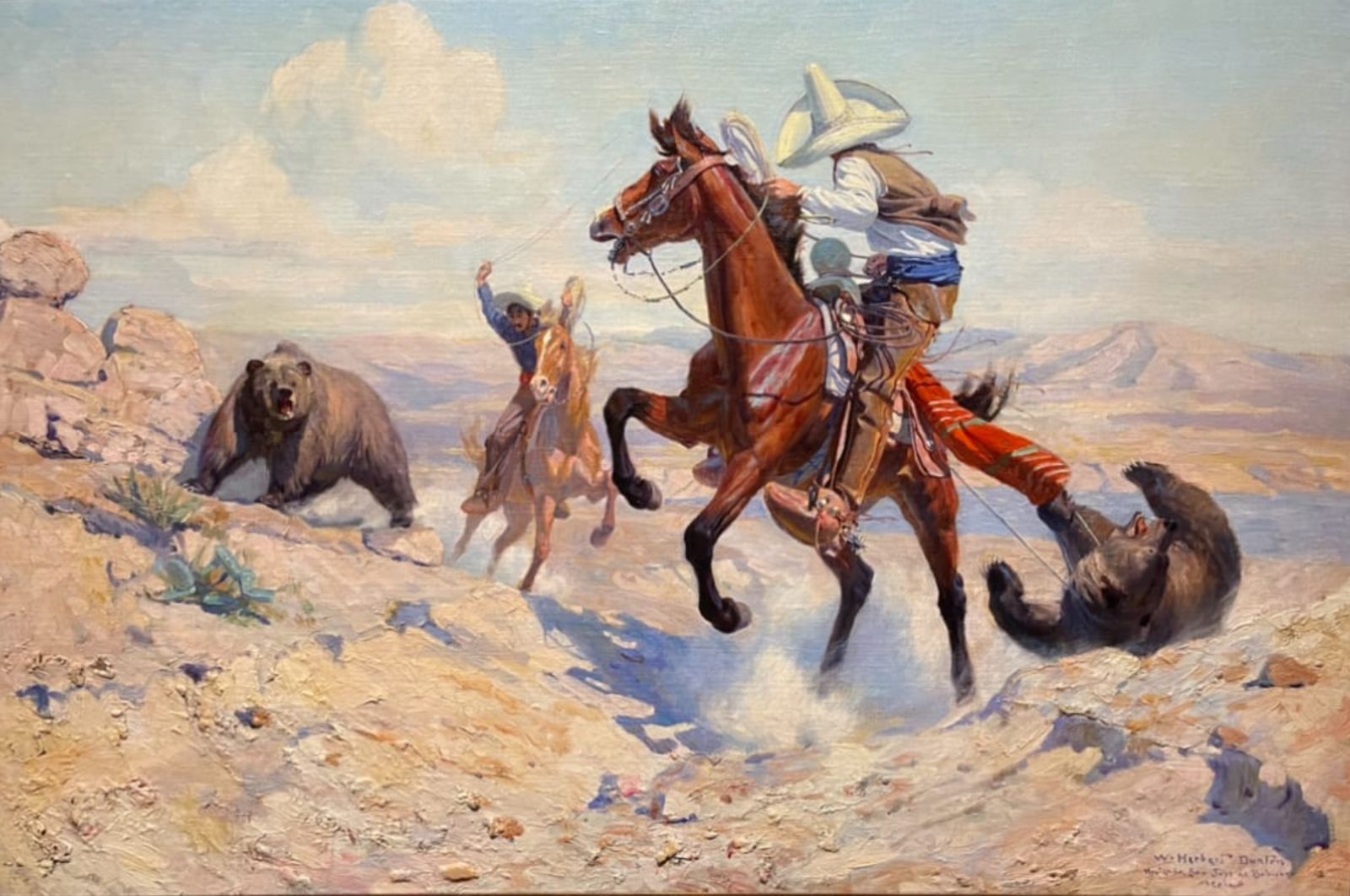
Image: W. Herbert Dunton, Public domain, via Wikimedia Commons

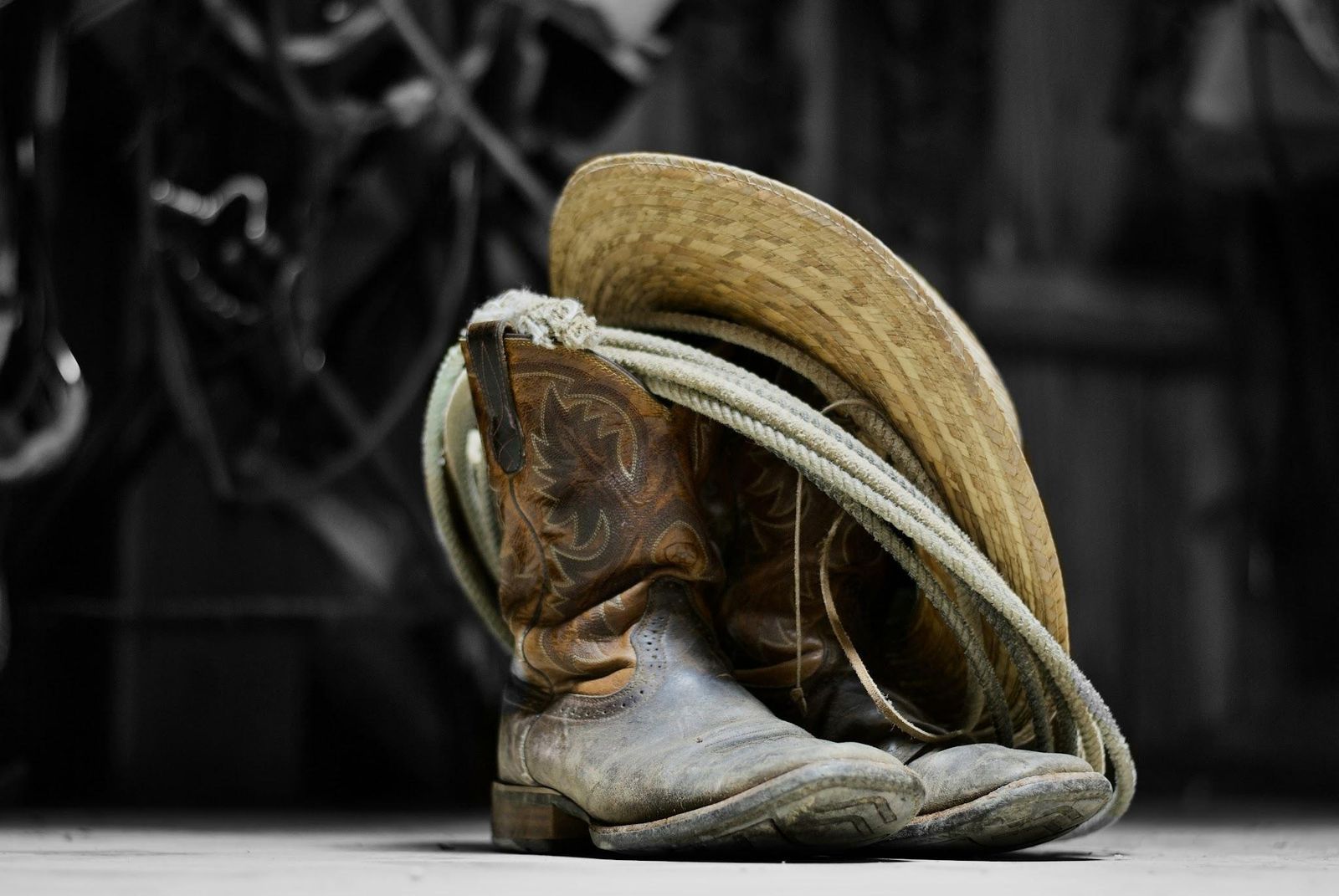
The image of the rugged cowboy is arguably the ultimate symbol of the American West, popularized by folklore and Hollywood westerns. Yet, the entire lifestyle and wardrobe of the classic cowboy were inherited from Mexican cattle herders, known as vaqueros.

When Anglo-American settlers moved into Texas and California in the 19th century, they encountered Spanish and Mexican ranching methods that had existed for generations. The settlers adopted these traditions immediately. The iconic cowboy hat evolved from the wide-brimmed sombrero; "chaps" came directly from the protective chaparreras; and the lasso was an adaptation of the reata. Even the language of the West reveals its origin: terms like rodeo, lariat, mustang, and buckaroo (a phonetic corruption of vaquero) are all borrowed from Spanish.

2
Skyscrapers
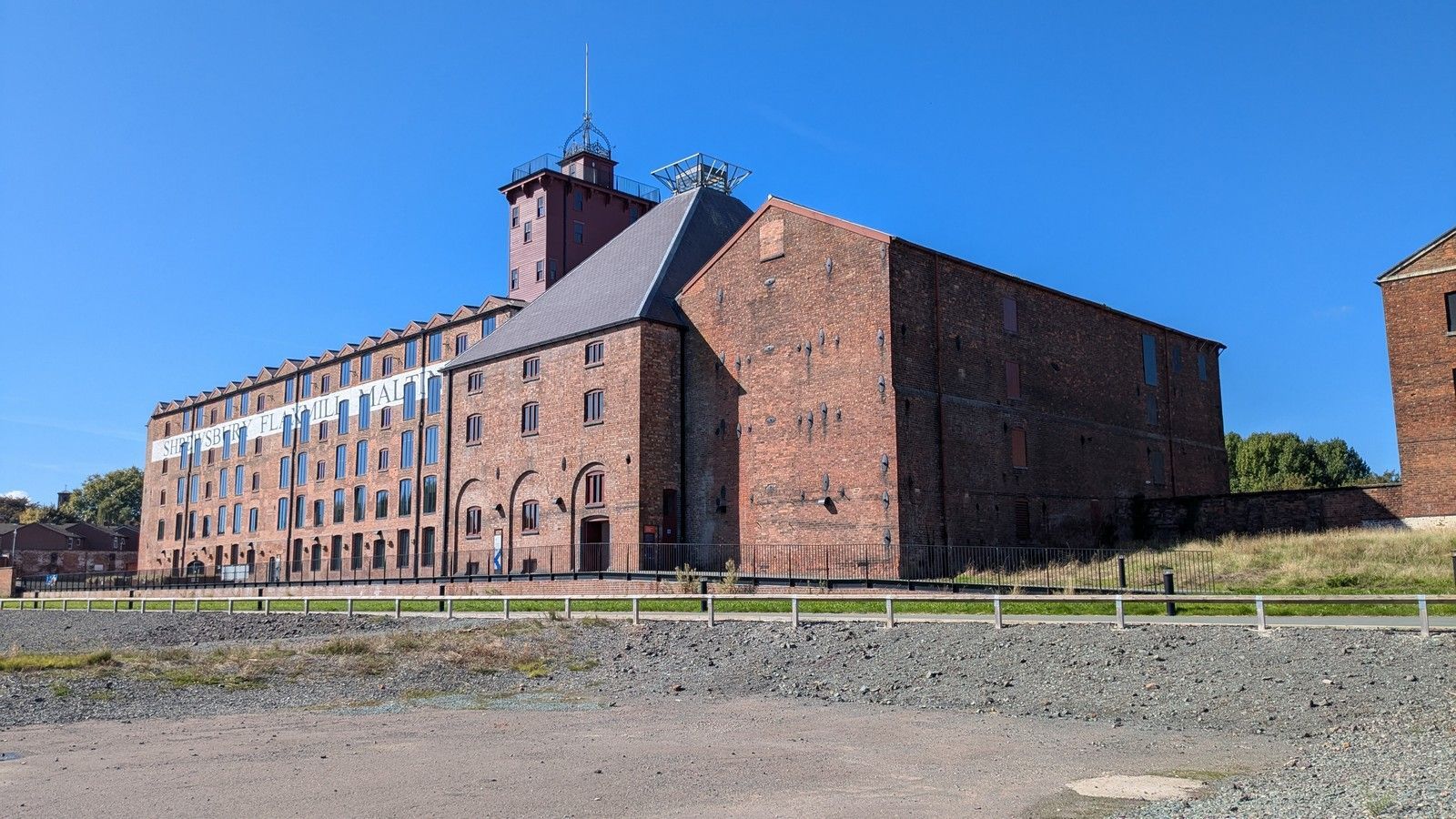
The towering skyscrapers of New York and Chicago defined 20th-century urban modernity and American architectural dominance. While American engineers perfected the high-rise and invented the safety elevator, the structural engineering that made skyscrapers possible belongs to Great Britain.

Before a building can safely scale dozens of stories, it requires an internal skeleton to support its weight. The world’s first iron-framed building was actually the Ditherington Flax Mill in Shropshire, England, constructed in 1797. British engineers pioneered the use of internal cast iron columns and beams to make textile mills fireproof. This exact framework was later adapted and upgraded to steel by American architects to create the modern skyline.

3
Hamburgers

Image: Valeria Boltneva

Nothing says America like a juicy hamburger. While the fast food industry turned the burger into a multi-billion-dollar business, the dish is firmly rooted in European maritime history.

The clue is right there in the name: the hamburger originates from the port city of Hamburg, Germany. In the 19th century, Hamburg was a major transatlantic departure point. German immigrants travelling to the United States brought along a popular regional delicacy called the "Hamburg steak", a seasoned, minced beef patty that was grilled or fried. Once in America, creative food vendors realized that placing this German steak between two slices of bread made it the perfect portable meal for busy industrial workers.

4
The rocket takeoff countdown

Image: NASA

The dramatic "T-minus ten seconds and counting" ritual heard during NASA launches feels like a product of pure Cold War American aerospace engineering. However, counting backward to build suspense wasn’t invented by scientists, but by a German filmmaker.

Director Fritz Lang introduced the concept of the countdown in his 1929 silent science fiction masterpiece, Woman in the Moon . During the film’s rocket launch scene, Lang realized that counting forward felt anticlimactic. To maximize dramatic tension, he decided to count down to zero instead. Years later, when German rocket scientists immigrated to the U.S. to help build the American space program, they brought this technique into real-life mission control rooms.

5
The song "My Way"
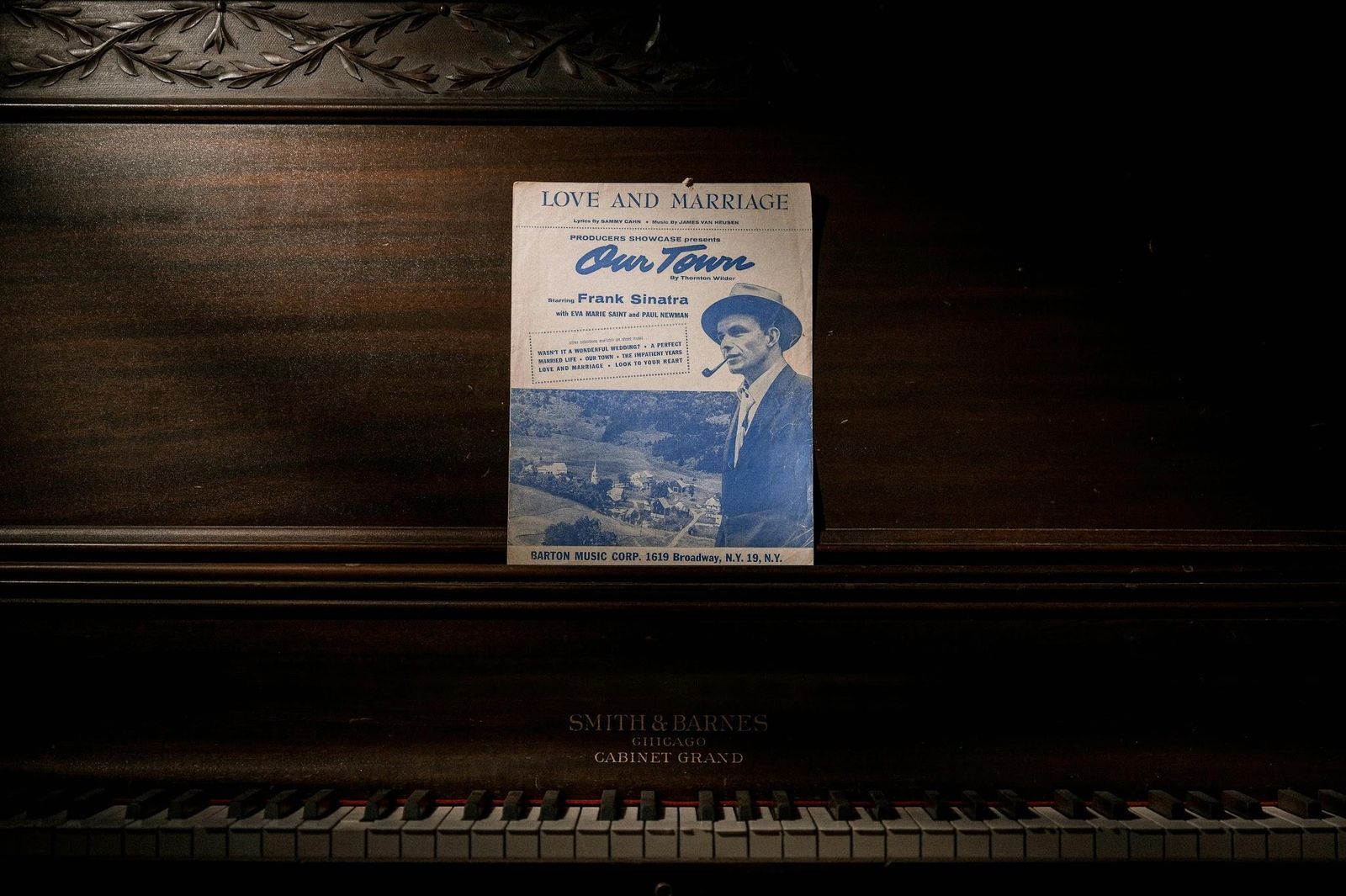
Image: Brett Sayles

Frank Sinatra’s legendary 1969 hit "My Way" is considered the ultimate anthem of the self-made American man. But before Ol’ Blue Eyes put his spin on it, the melody belonged to a melancholy French pop song.

The original tune, titled "Comme d'habitude" ("As Usual"), was composed by Jacques Revaux and Gilles Thibaut, and released by French pop star Claude François in 1967. The original French lyrics tell a depressing story about the mundane, daily routine of a married couple whose love has completely died out. Singer-songwriter Paul Anka heard the track while vacationing in the South of France, bought the rights, and wrote entirely new lyrics tailored specifically to Sinatra’s persona.

6
American cheese

Image: Steve Spring (Attribution or Attribution), via Wikimedia Commons

Although it is a staple of grilled sandwiches and burgers, the technology to create meltable processed American cheese was actually pioneered in the Alpine valleys of Switzerland.

In 1922, Swiss food scientists were looking for a way to stop regional cheeses like Emmentaler from spoiling during long export journeys to warm climates. They discovered that by shredding the cheese, heating it up, and adding sodium citrate, the dairy fats would emulsify. This prevented the cheese from separating into an oily mess when melted and allowed it to cool back down into a uniform, stable block. A few years later, American businessman James L. Kraft patented a similar process using cheddar cheese.

7
The Star Spangled Banner
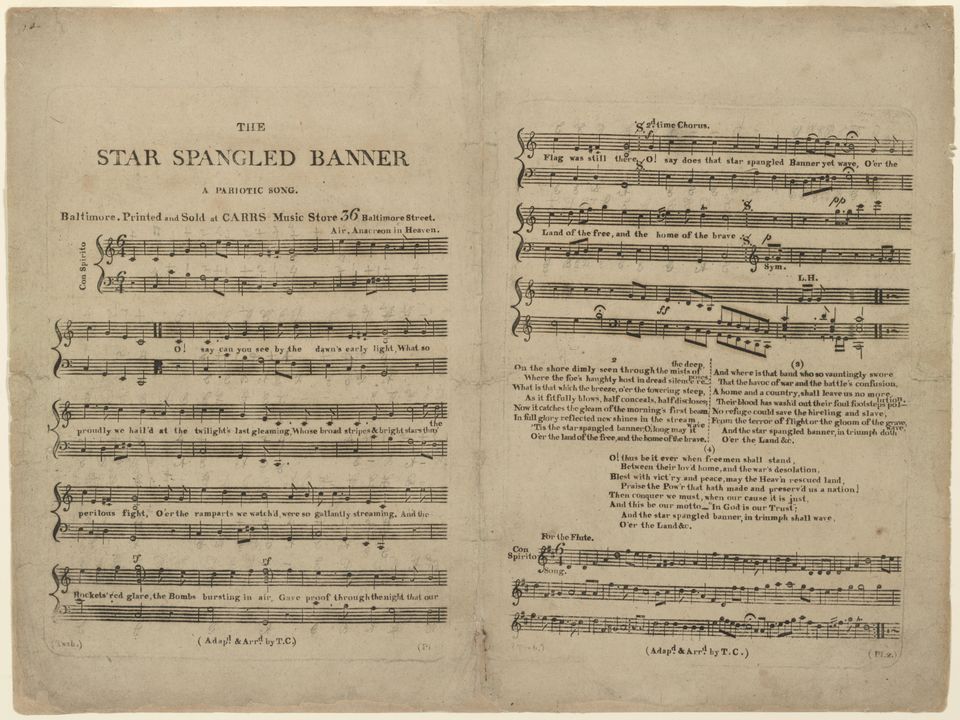
Image: Thomas Carr (arranger), Public domain, via Wikimedia Commons

The United States National Anthem tells the story of the 1814 bombardment of Fort McHenry. While Francis Scott Key penned the patriotic lyrics, the music belongs to a popular British club song.

Key wrote his poem to fit the exact cadence of a melody titled "To Anacreon in Heaven". Composed by John Stafford Smith around 1780, this tune served as the official anthem for an exclusive gentlemen’s amateur music club in London.

8
Cars
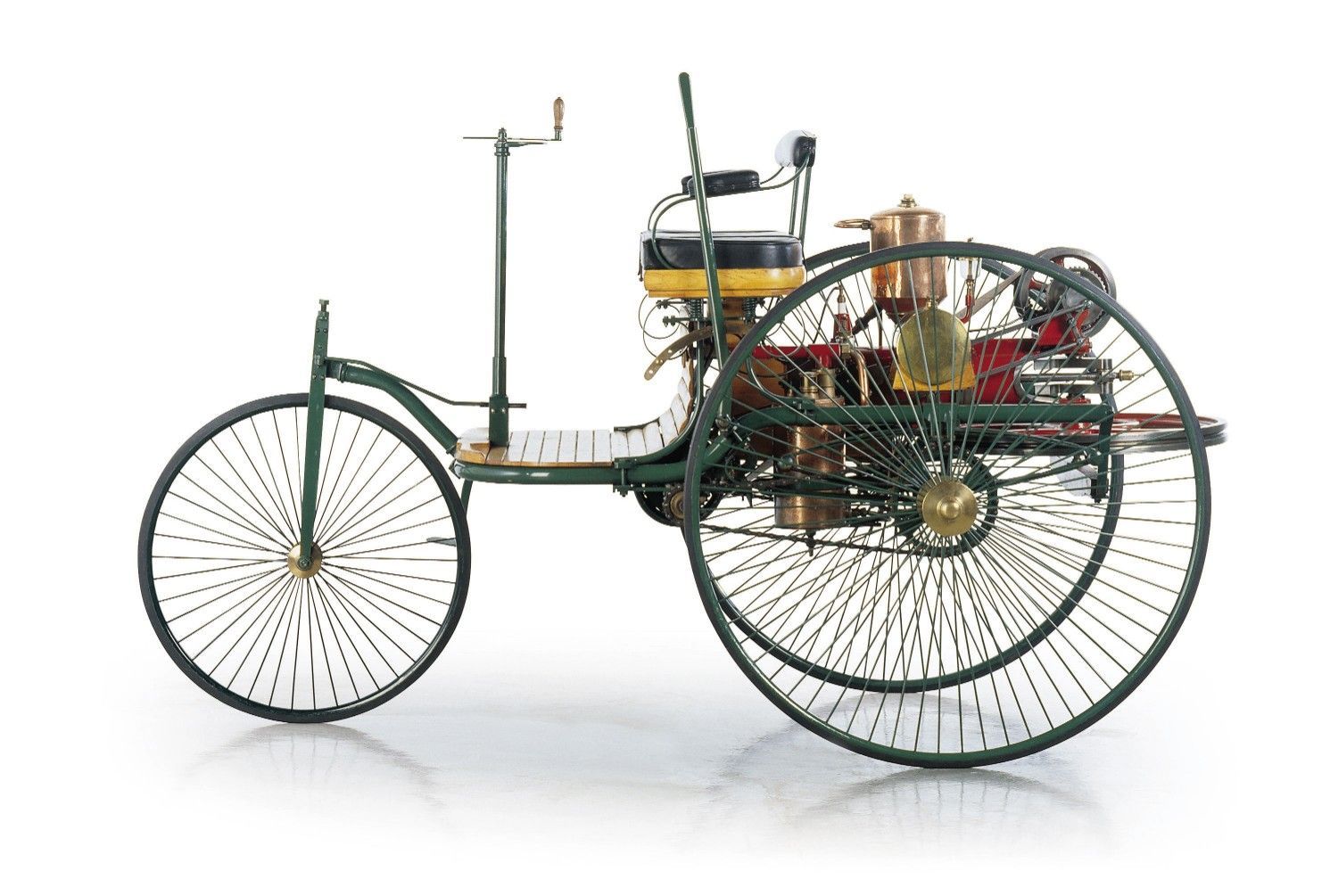
Image: DaimlerChrysler AG, CC BY-SA 3.0, via Wikimedia Commons

Car culture is deeply embedded in American life. Yet, the invention of the automobile belongs across the Atlantic, to one of the fathers of Mercedes-Benz.

German engineer Karl Benz patented the Benz Patent-Motorwagen in 1886, widely recognized as the world's first modern gasoline-powered automobile. At the same time, French innovators like Panhard and Levassor pioneered the modern automotive layout, including placing the engine in the front and using a rear-wheel-drive system. Henry Ford undeniably revolutionized the world by using the assembly line to make cars affordable for the masses, but the machine itself was a European invention.

9
Peanut butter

Image: ROMAN ODINTSOV

Peanut butter is an irreplaceable childhood comfort food in the United States, present in millions of lunchboxes every day. While American innovators like Dr. John Harvey Kellogg and George Washington Carver popularized and refined it, they didn't invent it.

The practice of roasting peanuts and mashing them into a smooth paste dates back thousands of years to the ancient Aztec and Inca civilizations, who used it for nutritional and medicinal purposes. Furthermore, the first modern patent for peanut paste wasn't American at all; it was granted to a Canadian chemist named Marcellus Gilmore Edson in 1884.

10
Fireworks
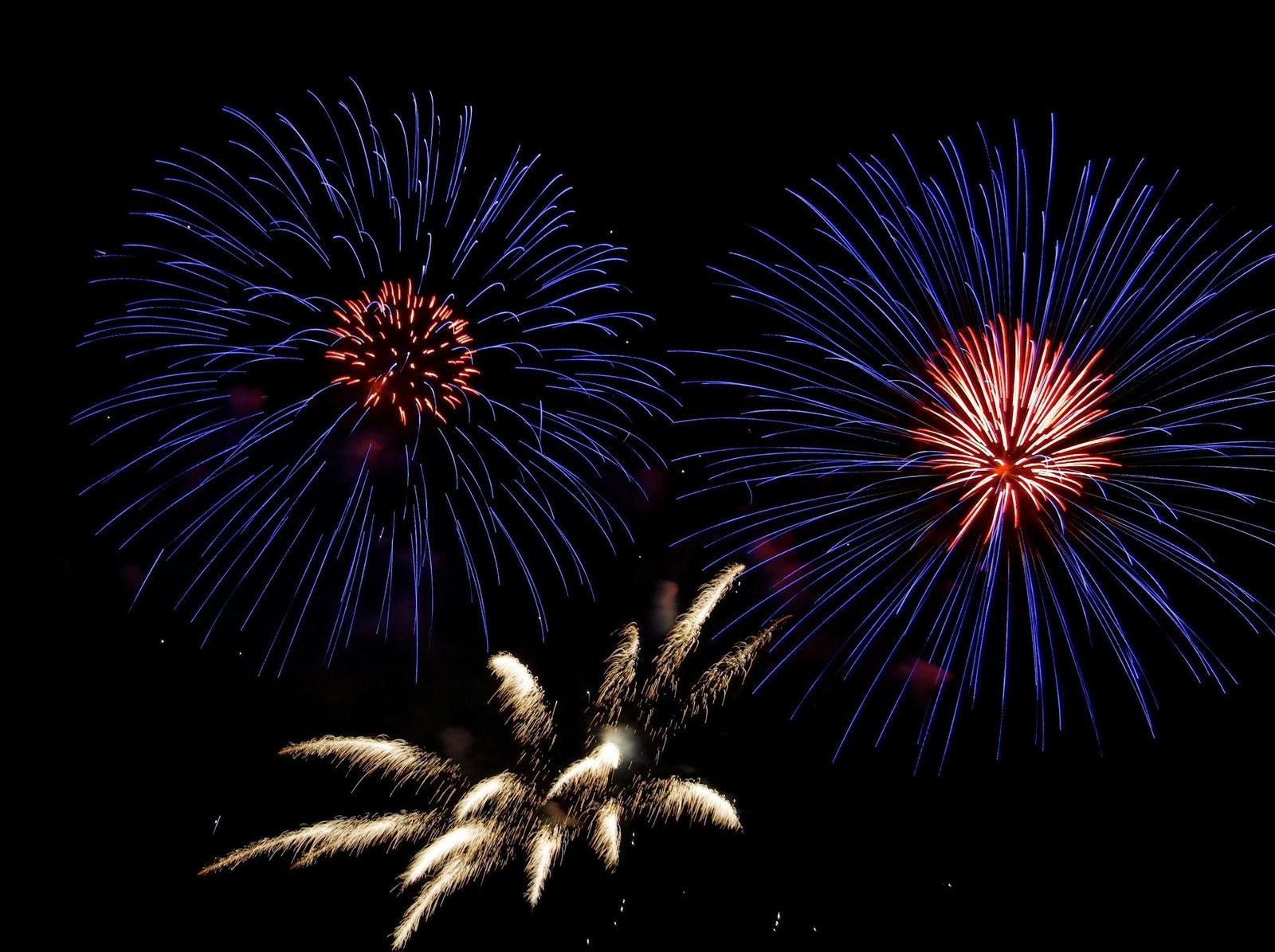
Image: Holger Wulschlaeger

No American Independence Day celebration is complete without a massive fireworks display. However, this tradition predates the founding of the United States by more than a millennium.

Fireworks were invented in ancient China, tracing back as far as the Han Dynasty around the 2nd century BCE. The technology eventually traveled west via the Silk Road, long before making its way to the New World.

General General 4 min read

Beyond the Preamble

The amendment that took 200 years and other intriguing Constitution facts

Image: Anthony Garand

The Constitution is undoubtedly one of the most important documents in our history —and in our present! But even if we think we know everything about it, there are still some surprising details that might shock even the most knowledgeable history fans. Did you know that the 27th Amendment, which is also the last one, took more than 200 years to be ratified? Join us to uncover 10 fascinating facts about the Constitution that many people don't know about!

1
10/12

Image: Sue Winston

We know that the Bill of Rights consists of the first 10 amendments to the Constitution, but did you know that Congress originally proposed 12 amendments? That's right! Yet, the states ratified only 10, leaving two out.

But here's the interesting part: One of these unratified amendments —the one concerning congressional compensation— was ratified more than 200 years later! In 1992, it became the 27th Amendment, which is also the last one.

2
World record

Image: Pierre Bamin

Our Constitution was signed in the 18th century, and while we know it's been a long time, what you might not know is that it is considered the world's oldest written national constitution still in effect today.

With various changes and amendments added over the years, this document not only defined the ideals of our nation but also earned us a world record!

3
The youngest

Image: MJ S

The men who signed this historic document were of varying ages. In fact, the age difference between the youngest and oldest signer was a remarkable 55 years!

The youngest to sign was attorney Jonathan Dayton of New Jersey, who was 26 years old at the time. Do you want to know who was the oldest? Keep reading!

4
The oldest

Image: Adam Nir

Well, as we mentioned, there was a 55-year age gap between the youngest and oldest signers of the US Constitution.

Do you know who the oldest was? That's right, Benjamin Franklin! He was a distinguished 81 years old when he signed this historic document.

5
500 copies

Image: Christa Dodoo

The original Constitution had 500 copies printed for distribution, made by the Founding Fathers themselves. They distributed those copies to members of Congress and state legislatures. Of those 500 original copies, however, only 13 are known to exist today. We have to say that, given that more than 230 years have passed, it's impressive that so many have survived!

6
How much?

Image: Jp Valery

Logically, since so few original copies remain, they ' re incredibly rare and valuable. In fact, one of these original documents was sold in 2021, and you won't believe its price!

You might have imagined it was sold for $5 million, maybe $10 million. But no, this invaluable copy went for $43.2 million. With that sale, it also became the most expensive historical document ever sold at an auction.

7
30 bucks

Image: Barry A

The person who transcribed the original US Constitution signed in 1787 had an important job, didn't he? The man who accomplished this major deed was Jacob Shallus, a clerk of the Pennsylvania General Assembly at the time. He was responsible for taking the text drafted by the Founding Fathers and transcribing it onto parchment: over 4,000 words scribbled down entirely by hand! Surprisingly, he was paid just $30 for this task.

8
Let's celebrate

Image: Kelly Sikkema

In 1789, long before Thanksgiving became an official national holiday, President George Washington issued a proclamation declaring November 26 as a day to give thanks. As it was an occasion for national gratitude, he also encouraged citizens to celebrate the birth of the new nation and the recently established Constitution.

9
A spelling issue

Image: Katherine McAdoo

Being a text from so long ago, some words —particularly proper nouns— may have changed slightly since the Constitution was first drafted. This was the case for the state of Pennsylvania, which is spelled as "Pensylvania" in the original document. However, while some may consider it a misspelling today, it was actually an accepted spelling for the state's name in the 18th century.

Fun fact: You can also find "Pensylvania" engraved on the Liberty Bell!

10
The Father of the Constitution

Image: Richard Hedrick

"The Father of the Constitution" is one of the nicknames given to James Madison, one of our Founding Fathers. And it's these very words that appear on the rare $5,000 bill.

Although this bill is no longer in circulation, if you are lucky enough to get your hands on one, you'll read "James Madison, The Father of the Constitution" next to the portrait of the 4th U.S. President.

General General 5 min read

Historic castles across America worth visiting

Ten forgotten American castles you can explore

Image: Pascal Bernardon

America might not have medieval knights or dragon legends, but we've got castles—lots of them, actually . Built by eccentric millionaires, romantic dreamers, and people who apparently had too much money and not enough hobbies, these stone fortresses dot the landscape from coast to coast.

1
Bannerman Castle, New York

Image: Erim Berk Benli

This crumbling fortress sits on a tiny island in the Hudson River, looking like something straight out of a Gothic novel . Francis Bannerman VI built it in 1901 to store his surplus military weapons because, apparently, his wife refused to keep thousands of munitions in the basement anymore.

The castle partially exploded in 1920 when some gunpowder got a little too excited, and it's been slowly deteriorating ever since. You can kayak out to the island or take a boat tour to see the ruins up close, where nature is slowly reclaiming the stone walls in a beautiful, apocalyptic sort of way.

2
Fonthill Castle, Pennsylvania

Image: Leyla M

Henry Mercer built this concrete monstrosity between 1908 and 1912. The guy was obsessed with tiles and built his castle as a showcase for his handmade ceramic collection , resulting in 44 rooms, 32 stairwells, and 18 fireplaces.

The castle has no blueprints because Mercer apparently just made it up as he went along, adding rooms and towers whenever the mood struck.

3
Gillette Castle, Connecticut

Image: Darya Tryfanava

William Gillette, famous for playing Sherlock Holmes on stage, built this eccentric castle in the 1910s and filled it with spy mirrors, secret doors, and wooden locks he carved himself . The place looks like someone dropped a medieval fortress into a blender with a detective novel.

The castle has 47 doors, none of which work like normal doors should, because Gillette apparently thought regular doorknobs were for boring people. Now it's a state park where you can wander through rooms designed by someone who clearly never met a quirk he didn't like.

4
Boldt Castle, New York

Image: Pascal Bernardon

George Boldt started building this Rhineland-style castle in 1900 as a Valentine's Day gift for his wife Louise . Then she died suddenly in 1904, and he immediately halted construction and never returned, leaving behind a monument to heartbreak on Heart Island in the Thousand Islands.

The castle sat abandoned for 73 years until the Thousand Islands Bridge Authority took it over and began restoration. Today you can visit via ferry and explore the grand halls, the powerhouse, and the perfectly intact bowling alley.

5
Castello di Amorosa, California

Image: Museum of New Zealand Te Papa Tongarewa

This one's a bit of a cheat since it was built in 2007, but it's so ridiculously authentic that it deserves a spot . Winemaker Dario Sattui spent 14 years and $40 million building a 13th-century Tuscan castle in Napa Valley, complete with a moat, drawbridge, and torture chamber, because apparently wine tastings needed more medieval flair.

The castle used 8,000 tons of hand-chiseled stone and over a million antique bricks imported from Europe. You can tour the dungeons, great hall, and of course, taste wine in a setting that makes you feel like you should be wearing chainmail instead of your Costco polo shirt.

6
Belvedere Castle, New York

Image: Birmingham Museum Trust

Perched on Vista Rock in Central Park, this miniature castle was built in 1869 as a Victorian folly —basically an expensive decoration that serves no practical purpose. It's now home to the Henry Luce Nature Observatory and offers panoramic views of the park, which is considerably more useful than its original job of just looking pretty.

The castle got a major renovation in the 1980s after decades of neglect left it looking more "haunted" than "enchanting." Today it's one of Central Park's most popular spots.

7
Bishop Castle, Colorado

Image: Art Institute of Chicago

Jim Bishop started building this castle by himself in 1969 and worked on it for over 55 years until his death in 2024 . The hand-built stone structure rises 160 feet into the Colorado sky and includes towers, walkways, and a dragon that breathes actual fire—all constructed by one incredibly dedicated (and possibly slightly unhinged) man.

There are no railings on many of the precarious walkways because Bishop didn't believe in them. Admission is still free, though you might want to update your will before climbing to the top of the tallest tower, where the views are spectacular, and the safety regulations remain charmingly absent.

8
Searles Castle, Massachusetts

Image: John Phelan

Edward Searles built this castle in 1888 in Great Barrington, Massachusetts, creating a 40-room mansion that combined Romanesque and Gothic styles into something that can only be described as "aggressively architectural." The castle features stained glass windows, carved woodwork, and enough turrets to repel a small army.

After changing hands several times, the castle is now home to the John Dewey Academy. You can't tour the interior since it's a school, but you can admire the exterior and imagine what it's like to do algebra homework in a building that looks like it should contain dragons.

9
Kip's Castle, New Jersey

Image: Birmingham Museum Trust

This English Tudor-style castle was built in 1902 by textile businessman Frederic Kip on a mountain in Montclair . The castle features towers, battlements, and spectacular views of Manhattan, proving that even early 1900s commuters wanted homes with dramatic flair and manageable drive times.

The castle has been through various owners and purposes, including a brief stint as a Prohibition-era speakeasy, because apparently nothing says "secret illegal bar" like a castle. Today it's used for private events, but the grounds are part of a county park where you can hike around and pretend you're visiting distant relatives who happen to be slightly eccentric nobility.

10
Chateau Laroche (Loveland Castle), Ohio

Image: ConlonTT

Harry Andrews started building this medieval castle in 1929 using stones from the Little Miami River , spending over 50 years creating his dream fortress. Andrews was inspired by his time in Europe during World War I and decided Ohio needed more castles, which is hard to argue with.

He built most of it himself using ancient techniques, including a primitive pulley system and sheer determination. Today, the castle is maintained by the Knights of the Golden Trail, a Boy Scout-like organization Andrews founded. You can tour the castle for a few bucks and marvel at what one man with too much time and enough river rocks can accomplish.

Explore more American facts

Choose your favorite category!

General
General

As American as apple pie—the very best America has to offer!

Culture
Culture

Delve into the astounding richness of American lore.

Geography
Geography

Hop in and explore vast and diverse American landscapes.

History
History

Discover the key moments that shaped the United States.