History History 7 min read

Can you believe this happened?

When was sliced bread banned in America?
Image: Jametlene Reskp

When was sliced bread banned in America, and why? Can a natural disaster be caused by molasses? What crop was brought to trial and declared innocent? In its more than two centuries of history, the United States has been the scene of many bizarre events , from a pig war to spy cats and snow in July. Here are 10 times American history was frankly bizarre.

1
The Battle of Los Angeles (1942)
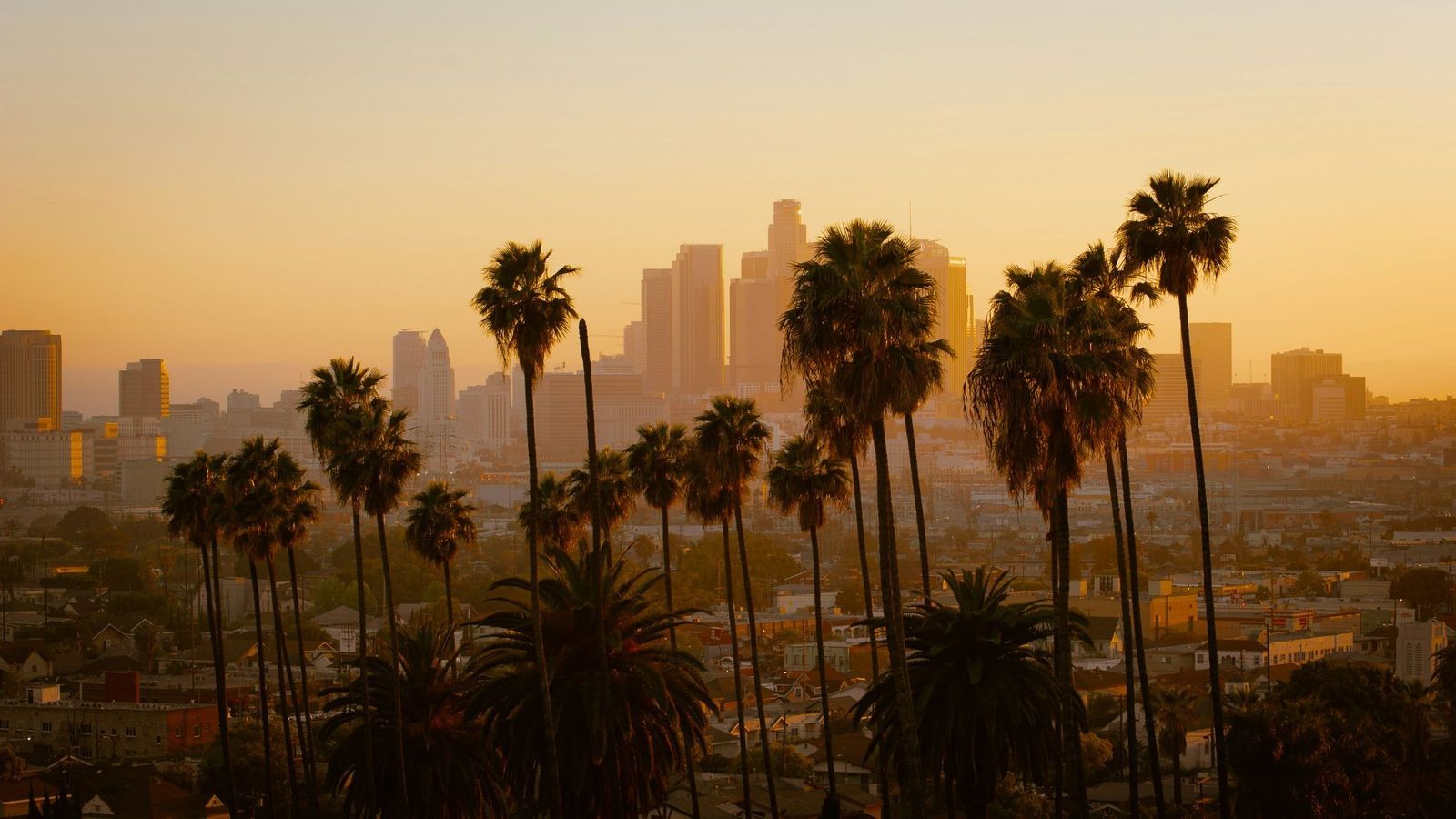
Image: Cedric Letsch

On the night of February 24th, 1942, a few months after the Pearl Harbor attack, sentinels identified what they thought was an aircraft near Culver City, which prompted them to fire over 1,440 anti-aircraft shells into the sky.

The enemy was never identified, and no bombs were dropped, although the chaos caused by the shooting resulted in five civilian casualties. The event was later reported as a false alarm, but to this day no one knows what caused the uproar , though some theories suggest it was a weather balloon, a tray bird, or a weather phenomenon.

2
The Great Molasses Flood (1919)
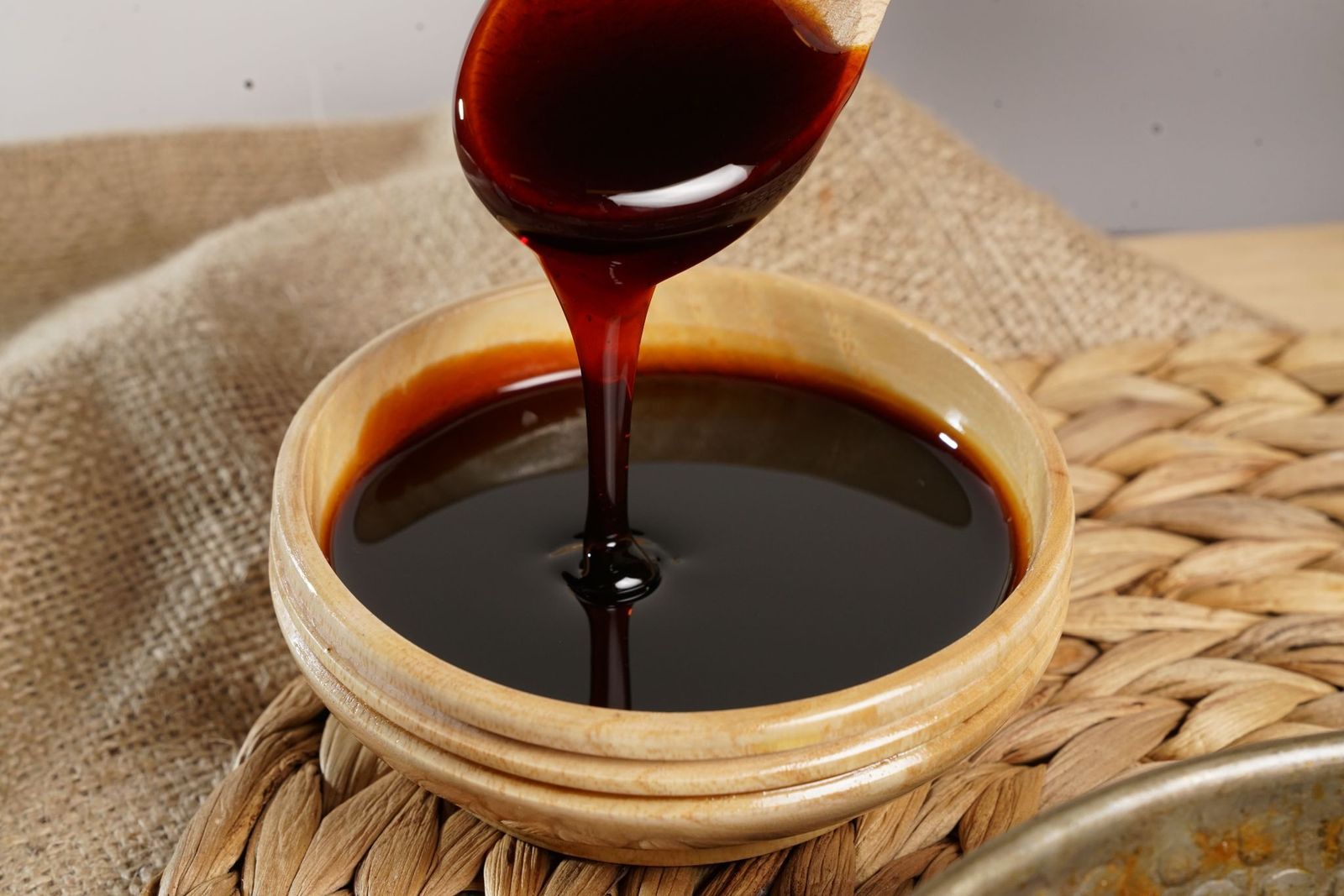
Image: Labebe

We’ve heard about disasters caused by heavy rains, overflowing rivers, and mudslides, but how often are they caused by syrup? For Bostonians, it was at least once, on January 15, 1919. A 50-foot-tall and 90-foot-wide steel tank owned by the United States Industrial Alcohol Company burst , releasing 2.3 million gallons of molasses into the streets.

A wave of molasses from 25 to 40 feet high swept through Boston's North End, toppling buildings and infrastructure , taking the lives of 21 people and several animals, and injuring at least 150 people. The cleaning efforts took weeks to remove the residue from the street, and a lawsuit against the company resulted in reforms in engineering, building codes, and safety certification.

3
The sliced bread ban (1943)
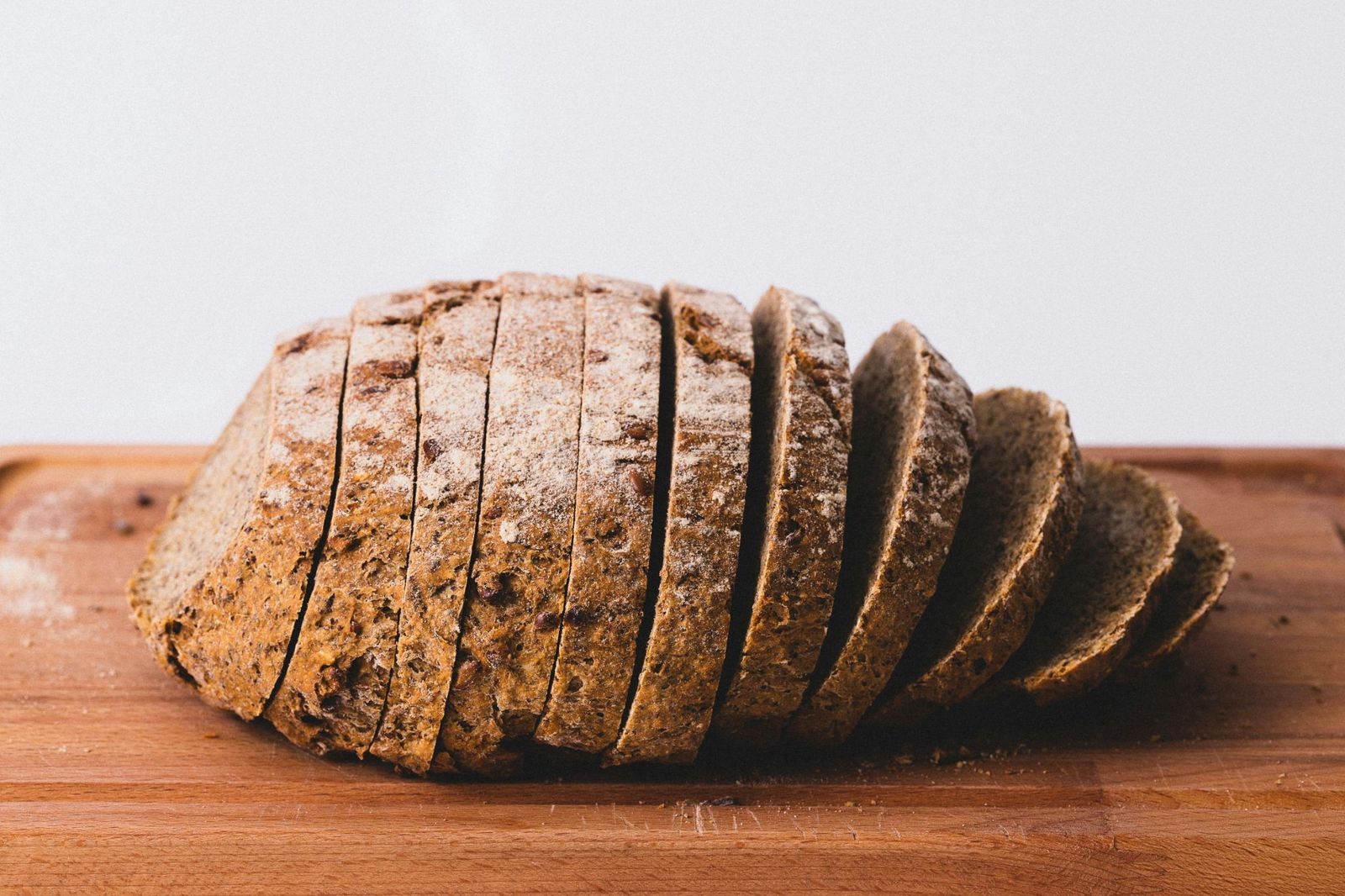
Image: Jude Infantini

Pre-sliced bread is one of the comforts of modern life we take for granted now, but there was a time when it was banned as part of the war effort. On January 18, 1943, the American government decided to ban the sale of sliced bread to reduce the use of steel (used for slicing machines) and wax paper (used for wrapping the bread).

The measure was not only unpopular but also ineffective, as it didn’t make a real difference in wax paper and steel savings . The seemingly easy task of slicing bread by hand caused an uproar across the country, and bread sales dropped, forcing the government to lift the ban only two months after.

4
The Ohio "Toledo War" (1835)
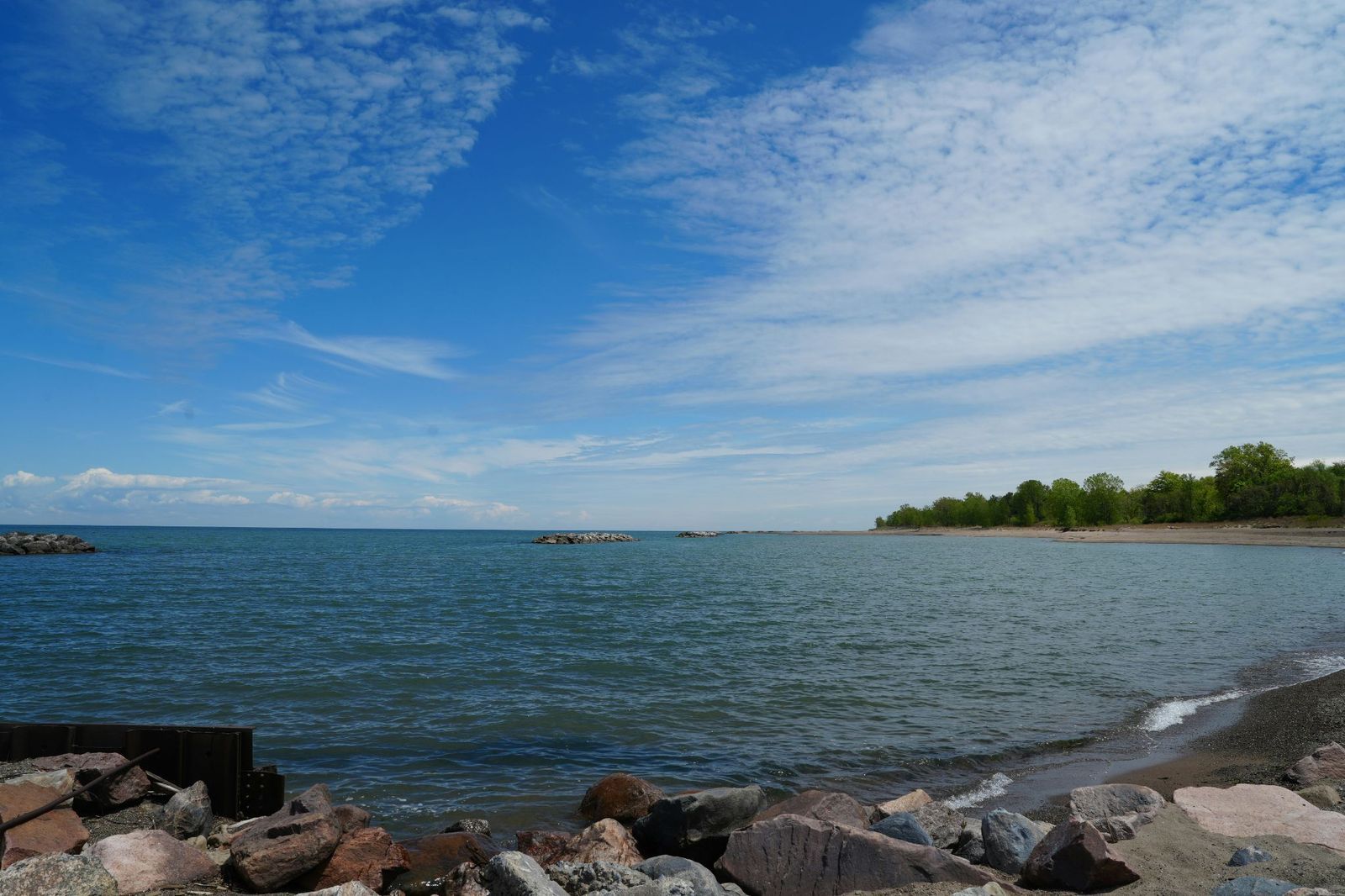
Image: zhendong wang

Border disputes among states are not uncommon in American history, usually settled in court and unlikely to result in a military standoff. But sometimes they do, as in 1835, when Ohio and Michigan (then still a territory) quarreled over the Toledo Strip, a 468-square-mile piece of land with critical access to Lake Erie . Official boundary demarcations were vague, so control over the area was asserted by constructing roads and collecting taxes in the case of Michigan, and by involving Congress and creating demarcation lines in the case of Ohio.

National intervention proved necessary when both governors mobilized their militias, and President Jackson mediated in the dispute. The Toledo Strip was given to Ohio, but in turn, Michigan was granted statehood , and the Upper Peninsula was added to its territory. While the conflict was luckily bloodless, it’s at the root of the historic rivalry between Michigan and Ohio.

5
The Salem tomato trials (1820)
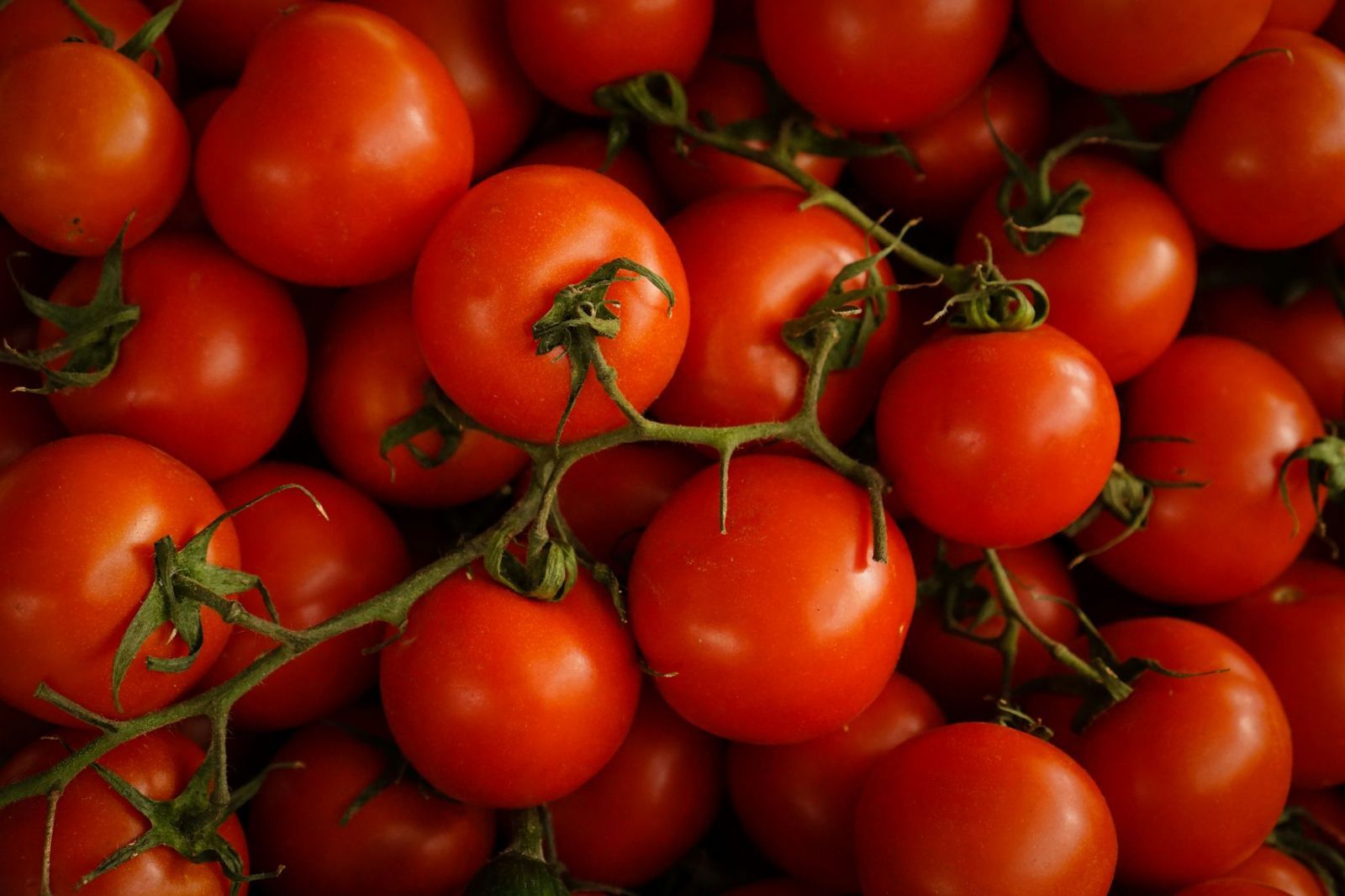
Image: Tom Hermans

Although Salem, Massachusetts, is famous for its witch trials, this particular case takes us to Salem, New Jersey. In 1820, tomatoes had already been popularized worldwide, but some people still had reservations because they were rumored to be poisonous . Robert Gibbon Johnson, a wealthy local farmer, decided to dispel the stigma and sponsored competitions for the largest tomato grown, which sparked an uproar and drew in the local courts.

According to the story, Johnson arrived at court with a basket full of tomatoes and proceeded to eat them all in front of the crowd. As he didn’t die or become violently ill, it was proven that tomatoes were safe for consumption.

6
The Battle of Athens (1946)
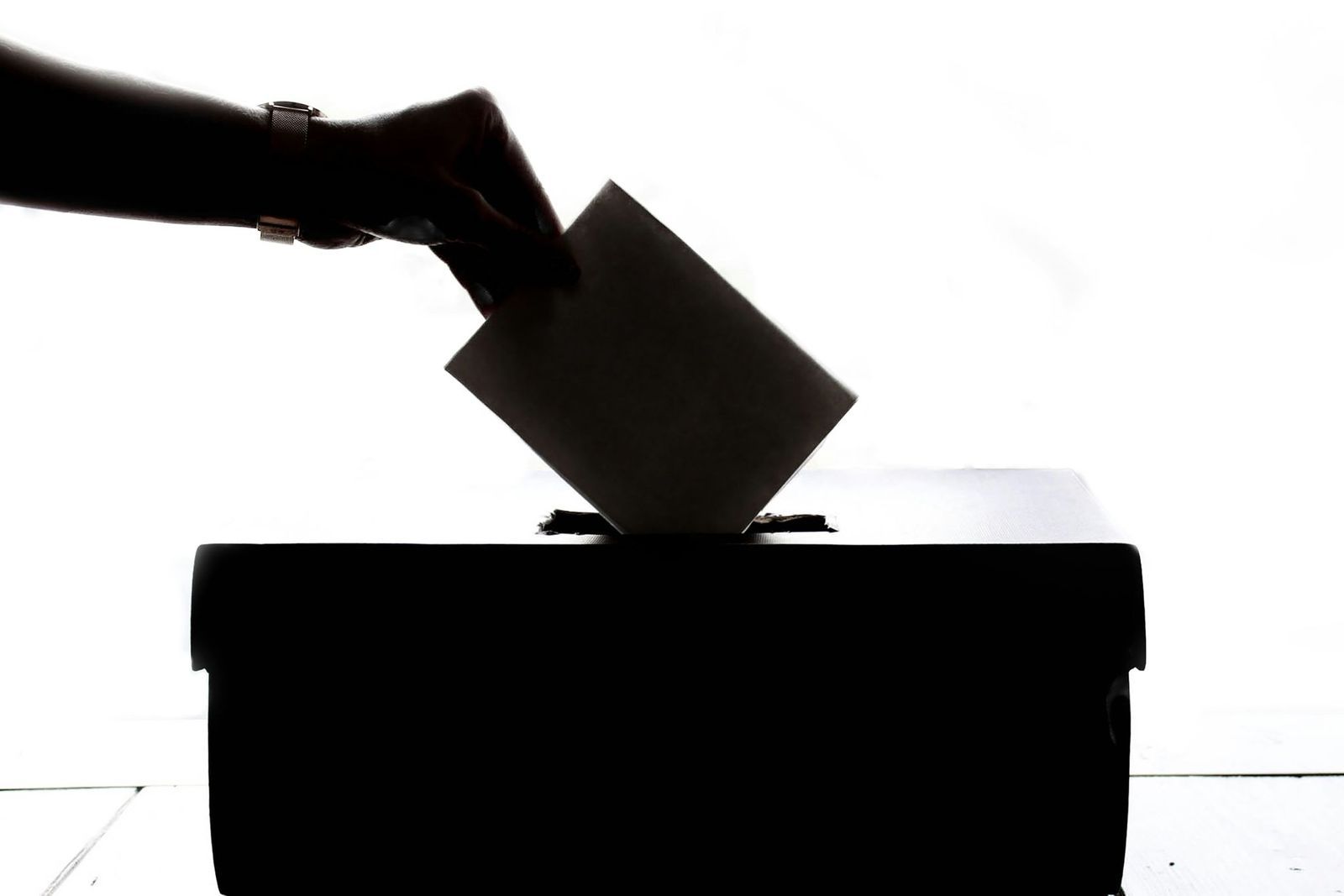
Image: Element5 Digital

The Greek city of Athens claims to be the birthplace of democracy, but Athens, Tennessee, has also done its part to ensure the safeguarding of democratic values. In the 1940s, McMinn County in Tennessee was part of a criminal network involving politicians and law enforcement, who randomly detained citizens under false charges to collect fines. The system was dependent on rigged elections, so when armed deputies locked themselves with the ballot boxes in the county jail during the August 1, 1946 elections, the people of Athens and Etowah took matters into their hands.

Around 200 veterans, recently returned from WWII, raided the National Guard Armory for guns and ammunition, and laid siege to the jail. After a gunfight that lasted through the night, they breached the entry using dynamite and secured the ballot boxes , which were then counted in public, resulting in a landslide victory for the opposition. All the firearms were then cleaned and quickly returned to the armory, and no criminal charges were raised against the veterans on account of their righteous intentions.

7
The pig war (1859)
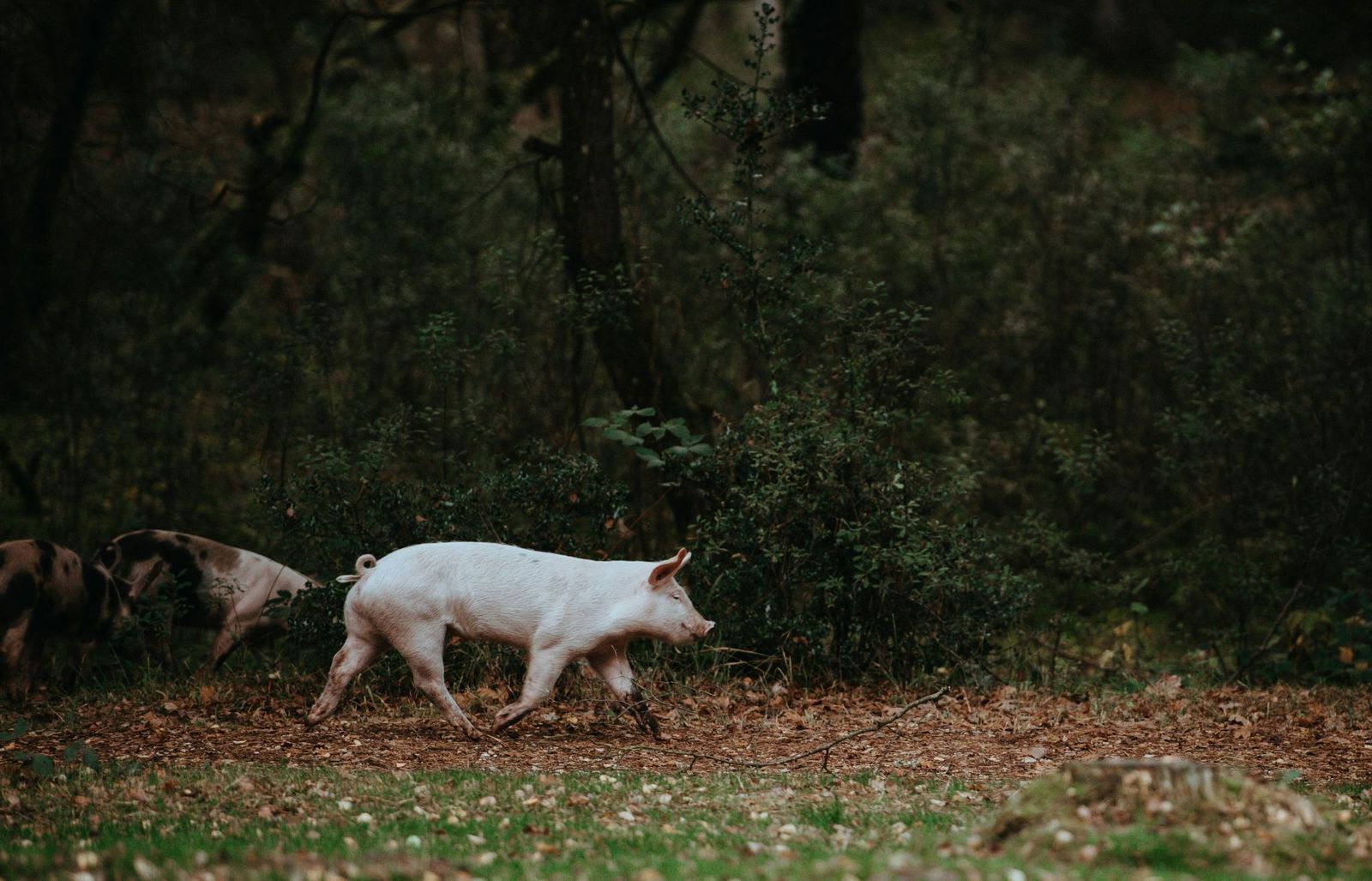
Image: Annie Spratt

The U.S. and the U.K. have gone to war more than once, but only one time was a pig the cause of the conflict. In 1859, the San Juan Islands (now part of Washington state) were a disputed territory between America and the U.K. as a result of vague wording in the 1846 Oregon Treaty. The diplomatic dispute quickly turned into real conflict when an American farmer in one of the islands shot a pig that regularly dug into his garden.

As it turned out, the pig belonged to an employee of the British Hudson's Bay Company. Although the farmer offered to pay for the animal , its owner demanded higher compensation, and British authorities threatened to arrest the farmer . This caused the American settlers to petition for military protection, and both countries mobilized troops into the area. The conflict was resolved through international mediation 12 years later in favor of the United States, with the pig as the only casualty.

8
The child mailing system (1913)
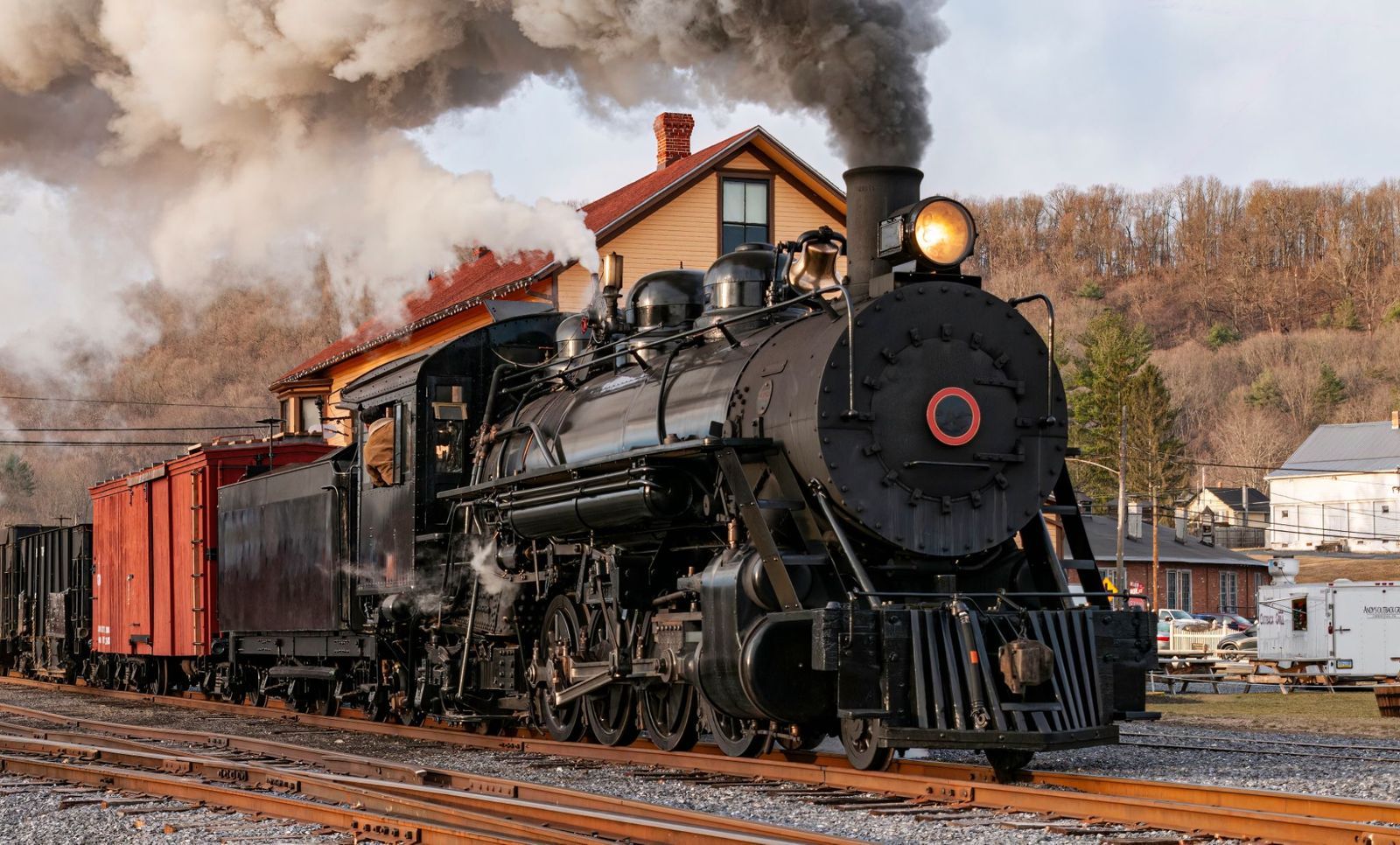
Image: Greg Kelton

The railroad and the establishment of a national postal system did wonders for communication in America, but sometimes it led to controversial and potentially dangerous situations, such as the child mailing system. In 1913, the U.S. Post Office Department launched a parcel post service for packages up to 11 pounds. The content of the parcels was not clearly delimited, and people started using it to send for small children , as it was cheaper than paying for a train ticket.

Children as small as 8-month-olds were mailed (although unwrapped) with postage stamps attached to their clothes and under the care of railroad workers. The system was short-lived, as the Postmaster General banned the mailing of children as soon as he learned about it, claiming they didn’t count as "harmless live animals".

9
Project Acoustic Kitty (1960s)
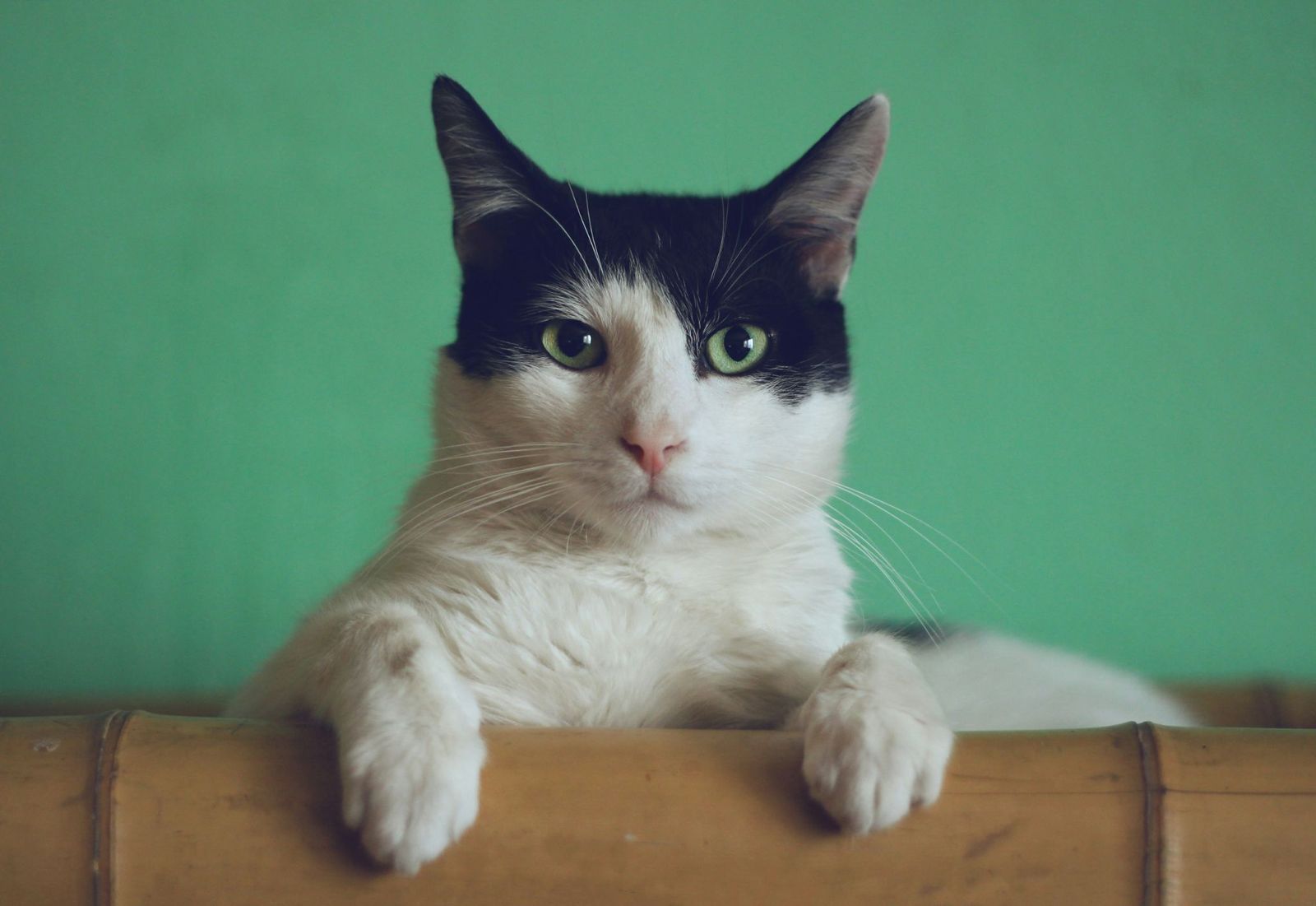
Image: Manja Vitolic

At the height of the Cold War, espionage had turned into an art form, with agencies on both sides of the conflict resorting to all kinds of methods to gather sensitive information, including the development of technological gadgets and the recruitment of non-human agents . "Project Acoustic Kitty" was one of the CIA’s attempts, aiming to infiltrate the Kremlin and the Soviet embassies with the help of surgically modified cats.

The cats underwent surgery to implant a microphone into their ear canal and a transmitter into their body, allowing them to record and transmit sound from their surroundings. The cats would then be released near the target location, hoping to pick up conversations between Soviet diplomats and office workers. According to some sources, the first mission ended abruptly when the cat in question was struck by a taxi, but CIA former officials claim that the project never prospered due to the difficulty in training the cats.

10
The Year Without a Summer (1816)

Image: Alexander Sinn

In 1816, North America (as well as part of Europe) experienced freezing cold temperatures during Spring and Summer, all thanks to an Indonesian volcano. In April 1815, the Indonesian Mount Tambora experienced a massive volcanic explosion, releasing millions of tons of ash, dust, and sulfur dioxide across the world , which created a shield in the stratosphere, blocking sunlight.

In America, the event manifested as a fog that was not dispersed by rain or wind, and the lack of sunlight resulted in frost and snow during late Spring and early Summer, especially across New England. While the low temperatures themselves were not as taxing on the population, they were detrimental to the crops and livestock, creating food shortages and causing thousands of families to relocate to different regions of the country to escape famine and poverty.
History History 4 min read

Fur, feathers, and fame

The first pets: The surprising, funny, and furry side of history!

Image: Sara Kurfeß

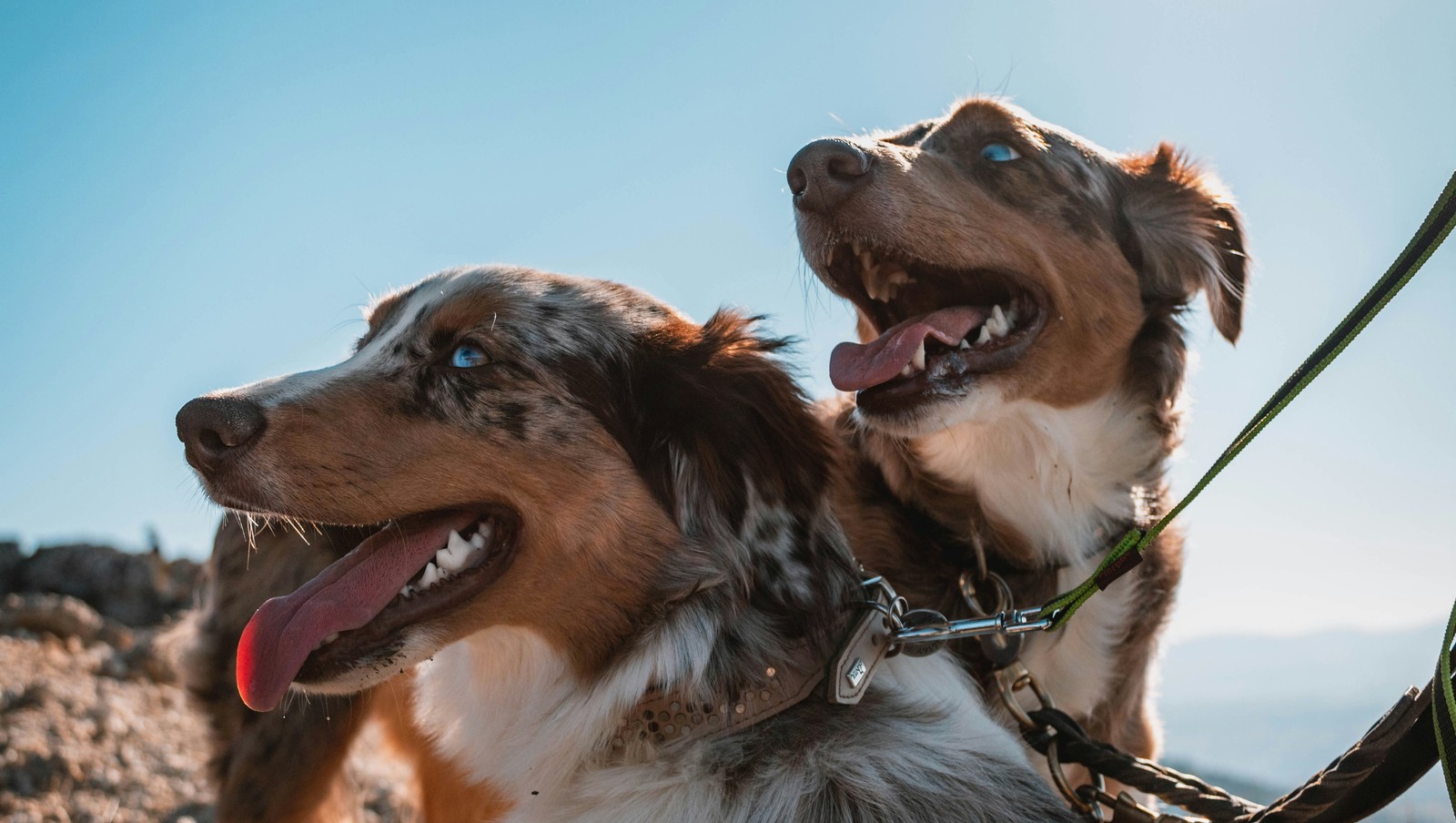
Before social media and spin doctors, some of the most beloved figures in Washington had four legs or wings. From dogs to horses, rabbits, and even raccoons, presidents have shared the White House with a colorful parade of creatures. These pets weren’t just sidekicks; they were family, confidants, and sometimes even headline-makers.

1
George Washington’s hungry hound

Image: Mitchell Orr

George Washington didn’t just lead a new nation; he also led a lively pack of dogs . His favorite, Vulcan, became a bit of a legend after sneaking into the kitchen and stealing a ham right before a fancy dinner party. Washington’s home was full of animals, from hounds with names like Sweet Lips and Madam Moose to strong horses such as Nelson and Blueskin, who carried him through the Revolution. The father of our country clearly had a soft spot for man’s best friend.

2
Thomas Jefferson’s exotic companions

Image: 🇸🇮 Janko Ferlič

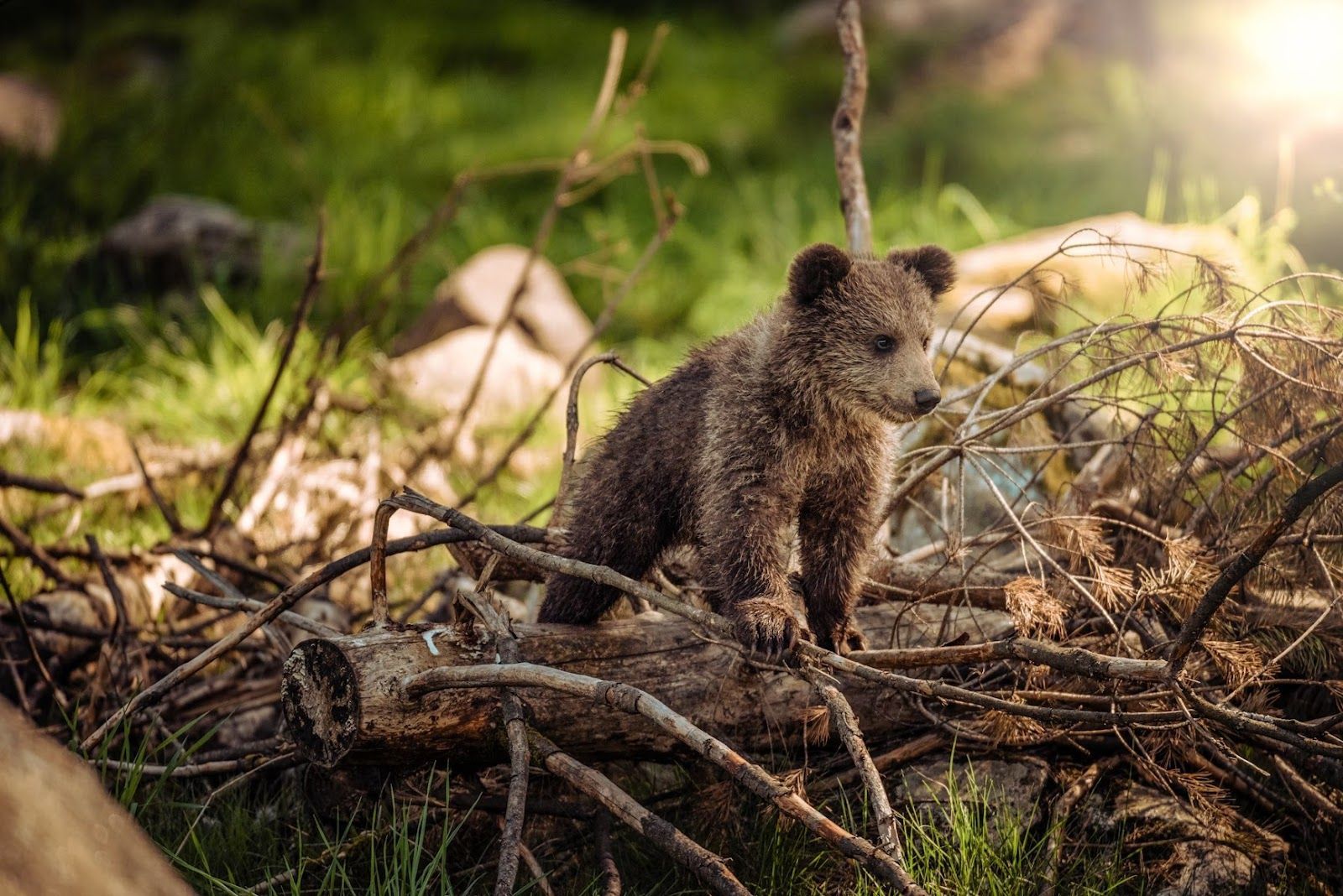
When Thomas Jefferson returned from France, he brought back more than political ideas. He also brought home a dog named Bergere, who had puppies during the voyage. Later, explorers Lewis and Clark sent him two bear cubs that lived for a time at Monticello. Jefferson also kept birds, which showed a curious and gentle side to the man remembered for serious debates and historic documents.

3
Abraham Lincoln’s family menagerie

Image: Sergiu Vălenaș

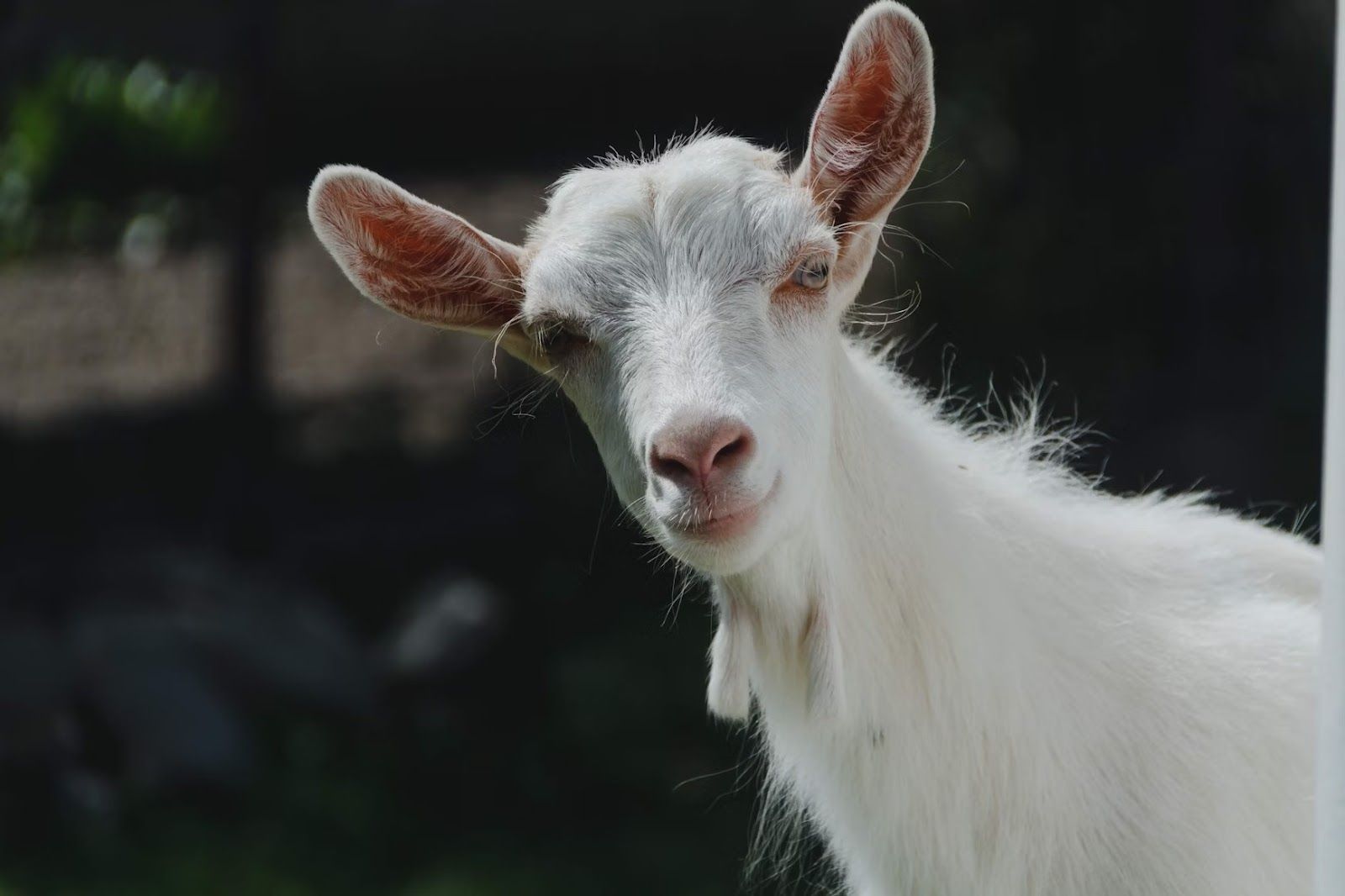
Abraham Lincoln’s household was full of affection, laughter, and animals. His loyal dog, Fido, stayed behind in Springfield when the family moved to Washington, but Lincoln made sure he was cared for. The White House soon filled up with two playful goats named Nanny and Nanko , horses, cats named Tabby and Dixie, and even a few rabbits. Lincoln’s kindness toward animals mirrored his compassion for people.

4
Theodore Roosevelt’s White House zoo

Image: Jaroslaw Slodkiewicz

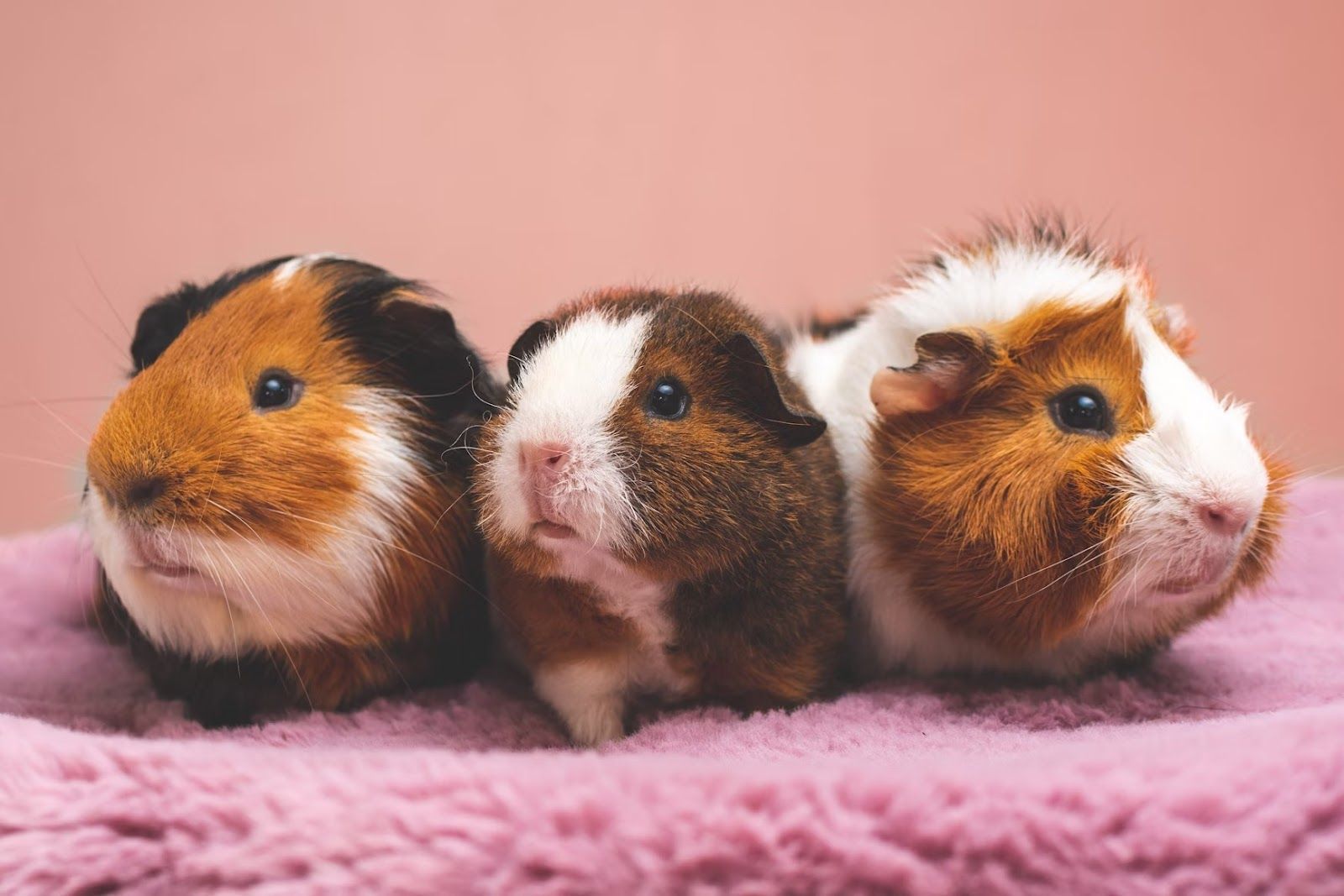
Theodore Roosevelt didn’t just bring energy to politics; he brought it to pet ownership too. His home was a whirlwind of fur, feathers, and scales. Alongside horses and dogs, there were guinea pigs, a macaw, a badger, a snake named Emily Spinach, and even a bear called Jonathan Edwards. Roosevelt’s six kids were always introducing new creatures, turning the White House into a joyful, unpredictable zoo.

5
Woodrow Wilson’s tobacco-chewing ram

Image: Livin4wheel

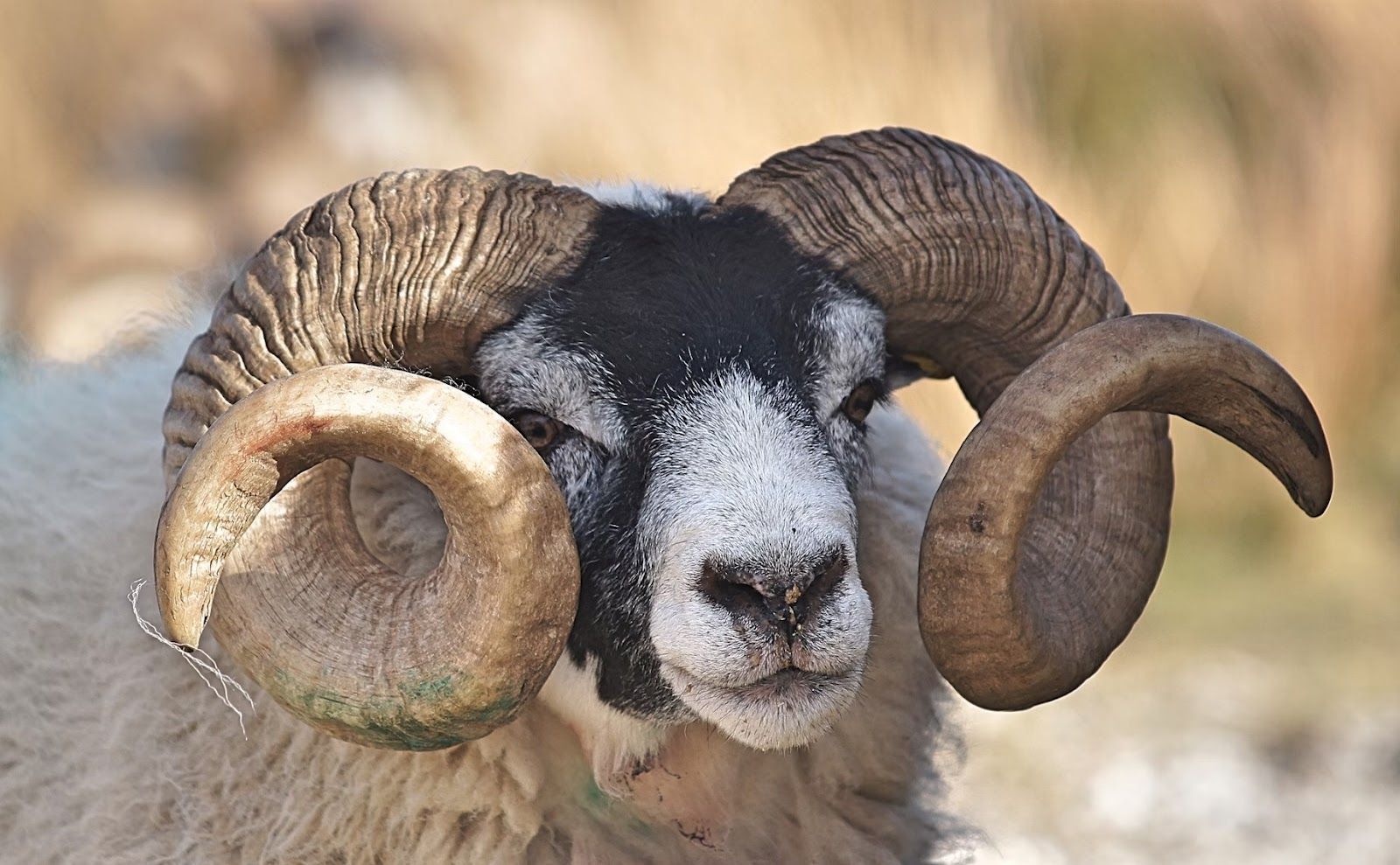
Woodrow Wilson’s presidency wasn’t all about policy and world affairs. He also had a ram named Old Ike, who was known for chewing on cigars . Wilson kept a flock of sheep on the White House lawn during World War I to help raise money for the Red Cross by selling their wool. Along with dogs, birds, and a cat named Puffins, the Wilson White House looked more like a small farm than a seat of government.

6
Calvin Coolidge’s cheerful chaos

Image: Christian Hess Araya

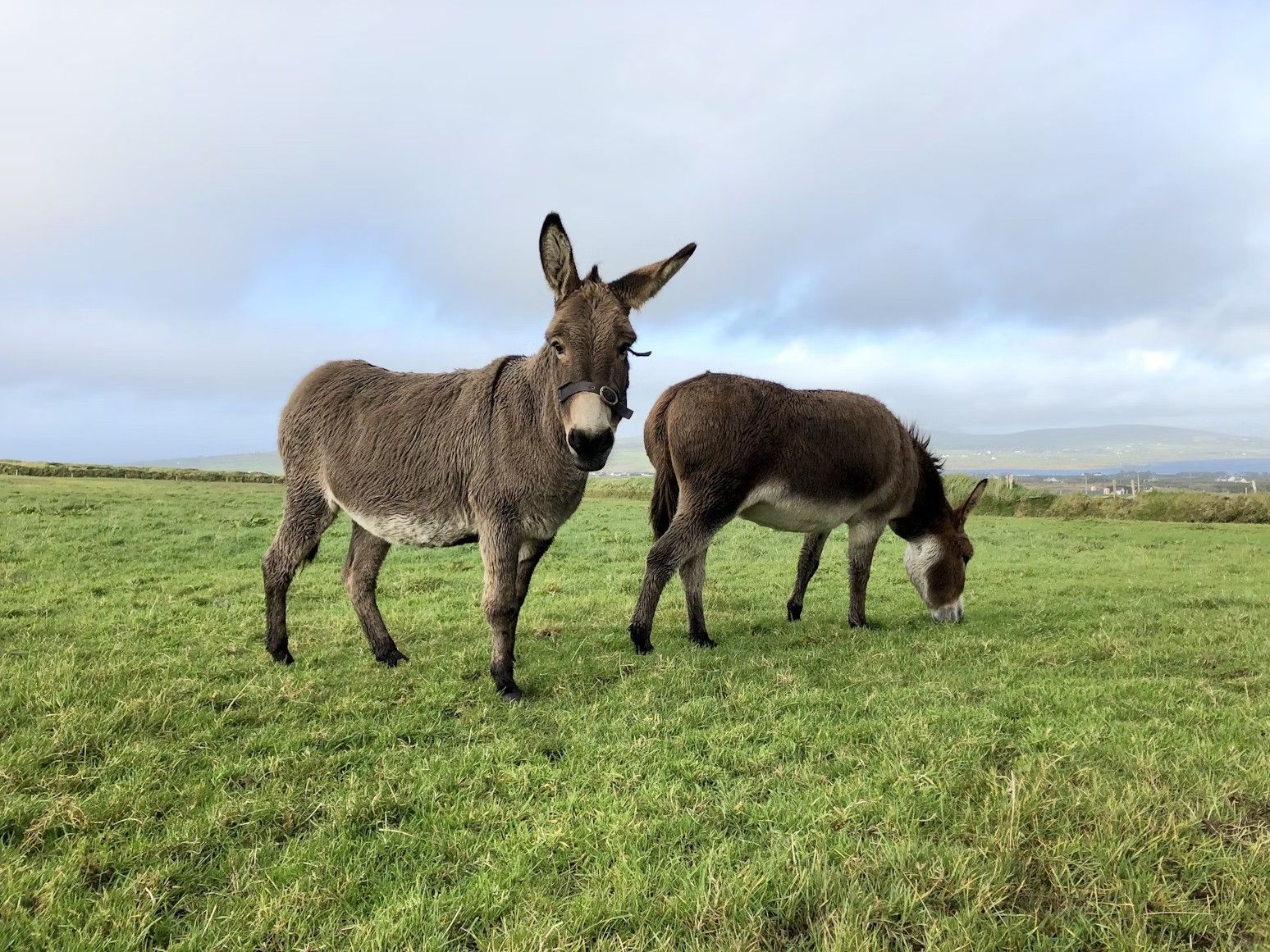
If anyone rivaled Roosevelt’s menagerie, it was Calvin Coolidge. He and his wife, Grace, were devoted animal lovers. Their White House included twelve dogs, two cats, seven birds, a donkey named Ebenezer, two raccoons called Reuben and Rebecca, and even a bobcat named Smoky. Rob Roy, their white collie, was so beloved that he appeared in Grace Coolidge’s official portrait. With so many paws and claws around, quiet moments were rare, but laughter was constant.

7
Franklin D. Roosevelt’s loyal Fala

Image: Chris Arthur-Collins

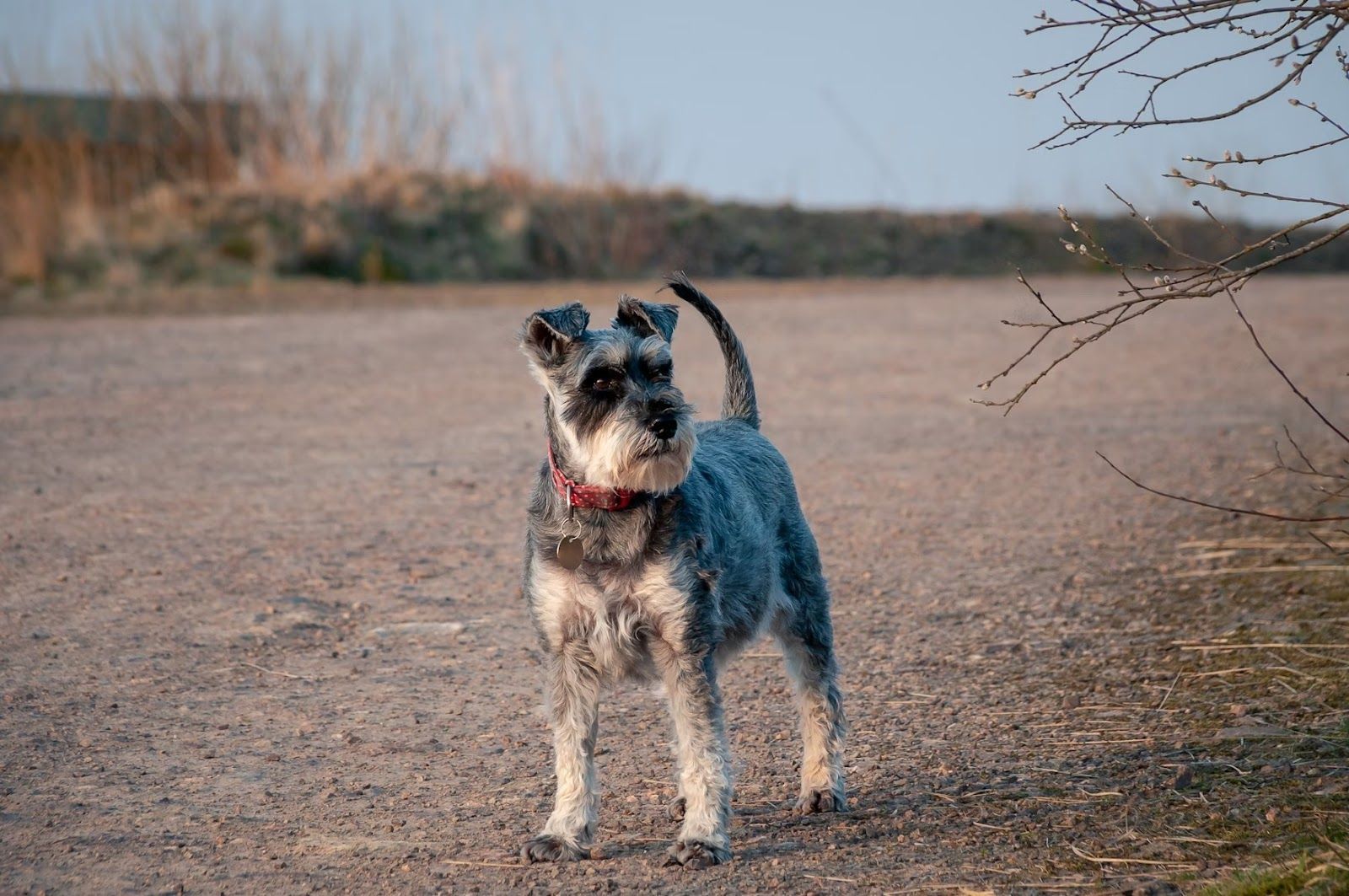
Few pets have reached celebrity status quite like Franklin Roosevelt’s Scottish terrier, Fala . The little dog went everywhere with the president and even had his own fan club. When critics accused Roosevelt of forgetting Fala during a trip to Alaska, the president jokingly denied it in a speech that won over the crowd. Fala stayed faithfully by his side through good times and bad, a symbol of loyalty during some of the nation’s hardest years.

8
John F. Kennedy’s household of charm

Image: Gary Bendig

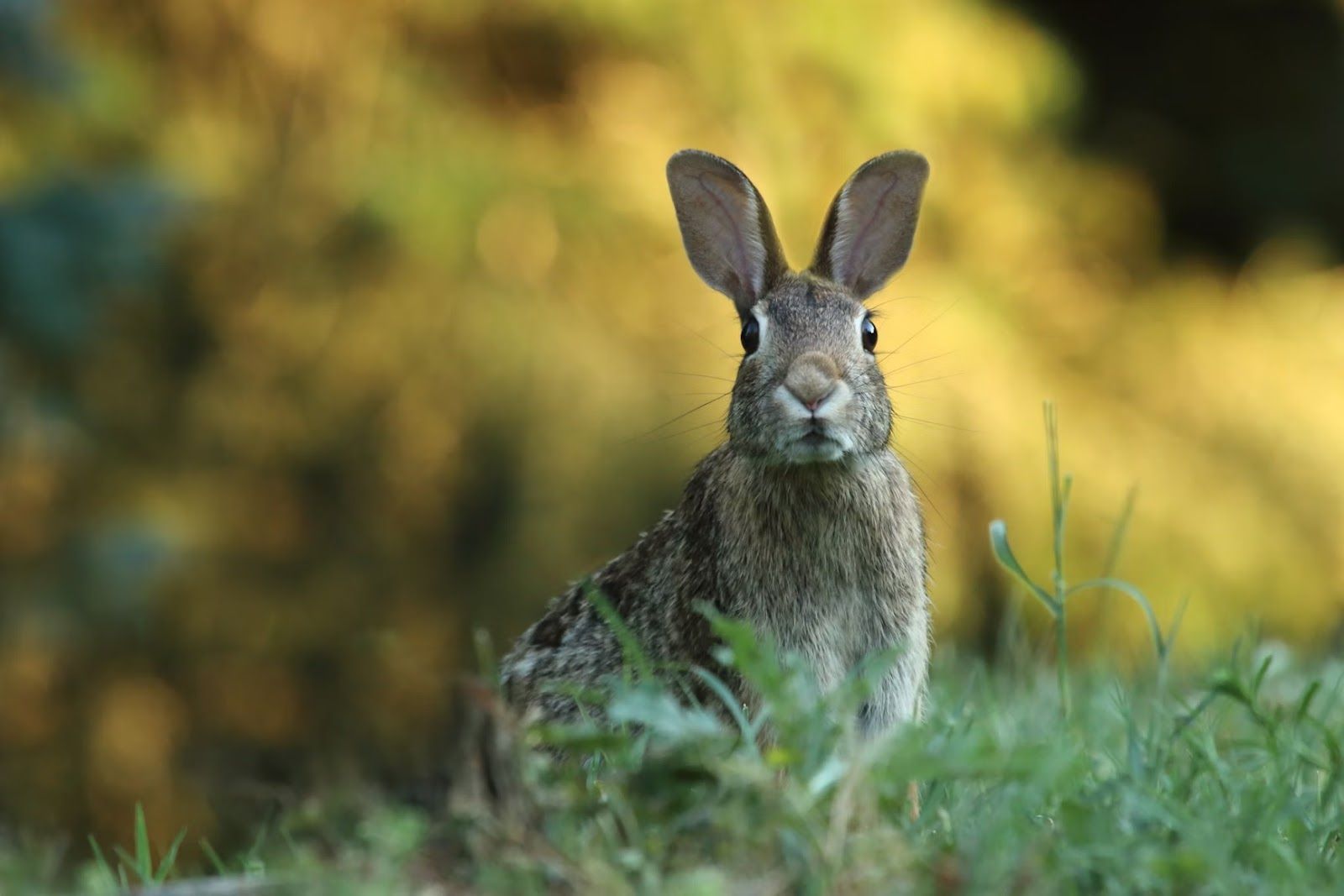
The Kennedys filled the White House with laughter and animals. Their pets included Pushinka, a gift from Soviet leader Nikita Khrushchev, who had puppies with the family’s dog, Charlie. The Kennedys gave the puppies to children who wrote to them. They also had horses, cats, birds, hamsters, and even a rabbit named Zsa Zsa . Caroline’s pony, Macaroni, became a favorite of photographers and fans, perfectly matching the family’s youthful, warm image.

9
Lyndon B. Johnson’s famous beagles

Image: Doğan Alpaslan DEMİR

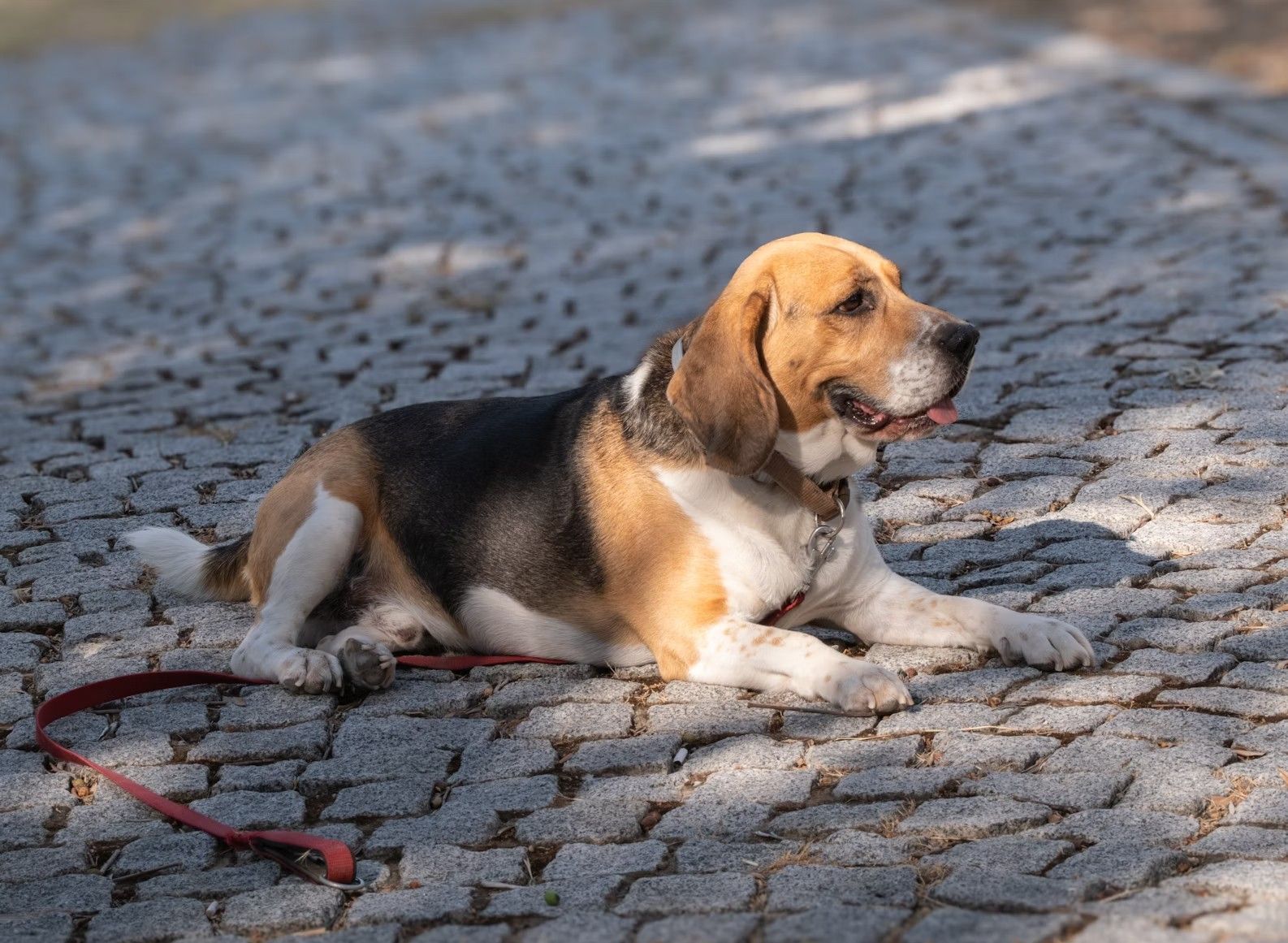
Lyndon B. Johnson’s dogs, Him and Her, became almost as well known as their owner. Johnson once caused a stir by lifting one of them by the ears for a photo, but he truly loved his pets. He kept several dogs, along with birds and hamsters that entertained his family. Johnson was the last president to keep anything beyond the usual cats and dogs at the White House, marking the end of a particularly lively era for presidential pets.

10
Ronald Reagan’s ranch companions

Image: Florin Palamarciuc

For Ronald Reagan, animals were part of the good life. His dogs, Lucky and Rex, often joined him at the family ranch, where he could ride horses and enjoy the open air away from Washington. Rex even had his own miniature White House doghouse . The Reagans saw their pets as family and often talked about how much joy they brought to their lives, proof that even presidents need a wagging tail to make a house feel like home.

History History 5 min read

Mass hysteria, anyone?

Did you fall for any of these 10 outrageous fads?

Image: txking

Every generation leaves behind a few trends that make the next one wonder what they were possibly thinking. You probably can think of one or two from your childhood. Long before viral challenges, folks climbed flagpoles, fought over dolls, bought rocks as pets, and turned playground games into miniature economies. Some of these crazes lasted for years, while others disappeared almost overnight. Yet for one strange moment, each of them was enormously popular.

1
People spent weeks sitting on flagpoles

Image: The Camera Dad

In the 1920s, sitting still became a spectator sport —as long as the seat was on top of a flagpole. Stuntman Alvin "Shipwreck" Kelly, from New York City, helped launch the craze in 1924 by remaining aloft for 13 hours and 13 minutes. Soon, imitators across the country were competing to stay up longer.

Kelly kept raising the bar. He spent seven days on a pole in St. Louis, 23 days in Baltimore, and 49 days and one hour above Atlantic City’s Steel Pier in 1930 . He ate, shaved, and even slept on his perch before the Great Depression helped bring the strange craze back down to earth.

2
College students crammed themselves into telephone booths

Image: Nicholas J Klein

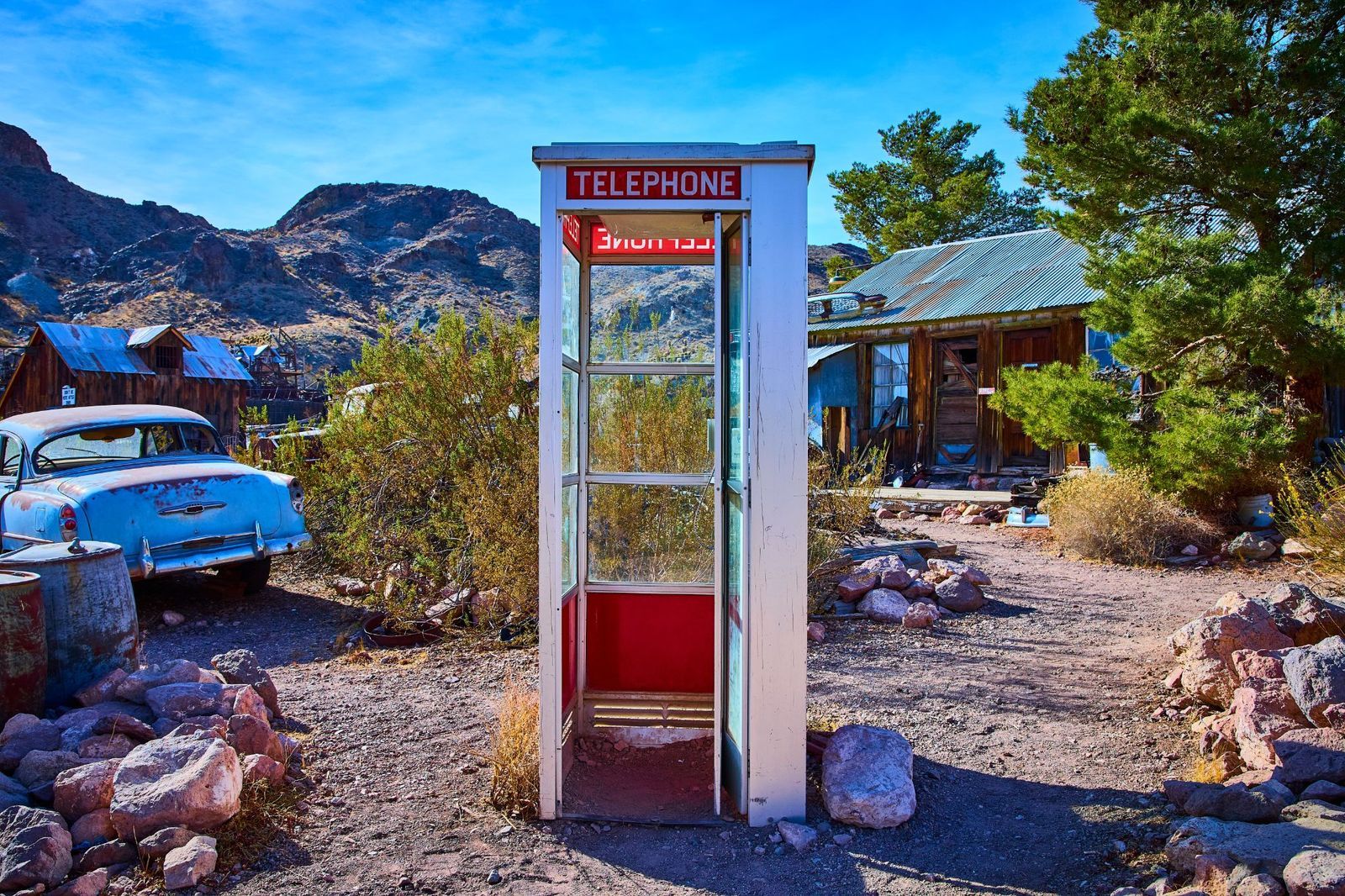
In 1959, American college students embraced a wonderfully pointless challenge: stuffing as many people as possible into a telephone booth . The fad had already appeared overseas, including a 25-student attempt in Durban, South Africa, before spreading rapidly across U.S. campuses.

At Saint Mary’s College in Moraga, California, 22 students squeezed into one upright booth , producing one of the craze’s most famous photos. Arguments soon broke out over rules: Did feet have to fit? Could the booth lie sideways? By the end of 1959, the fad was already giving way to the next campus novelty.

3
Pet Rocks were a thing

Image: Duntrune Studios

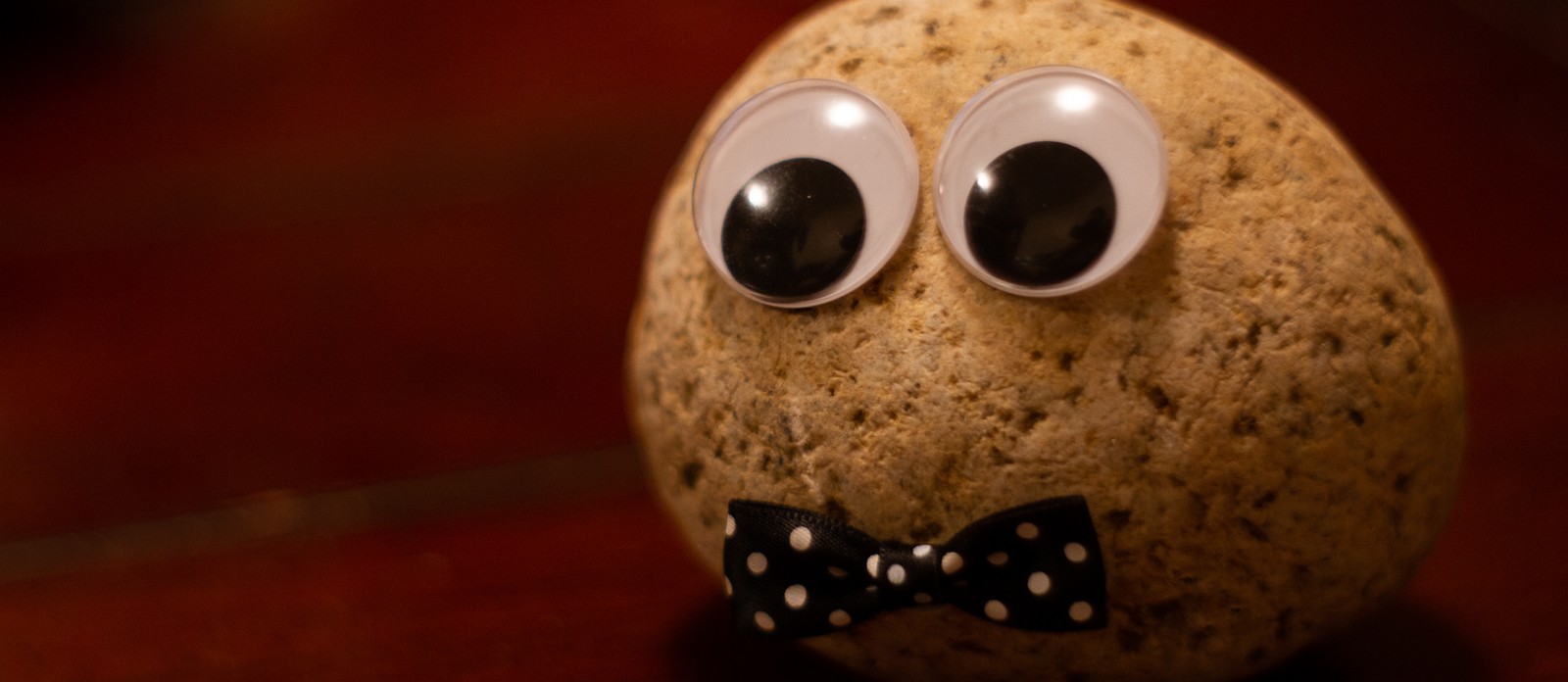
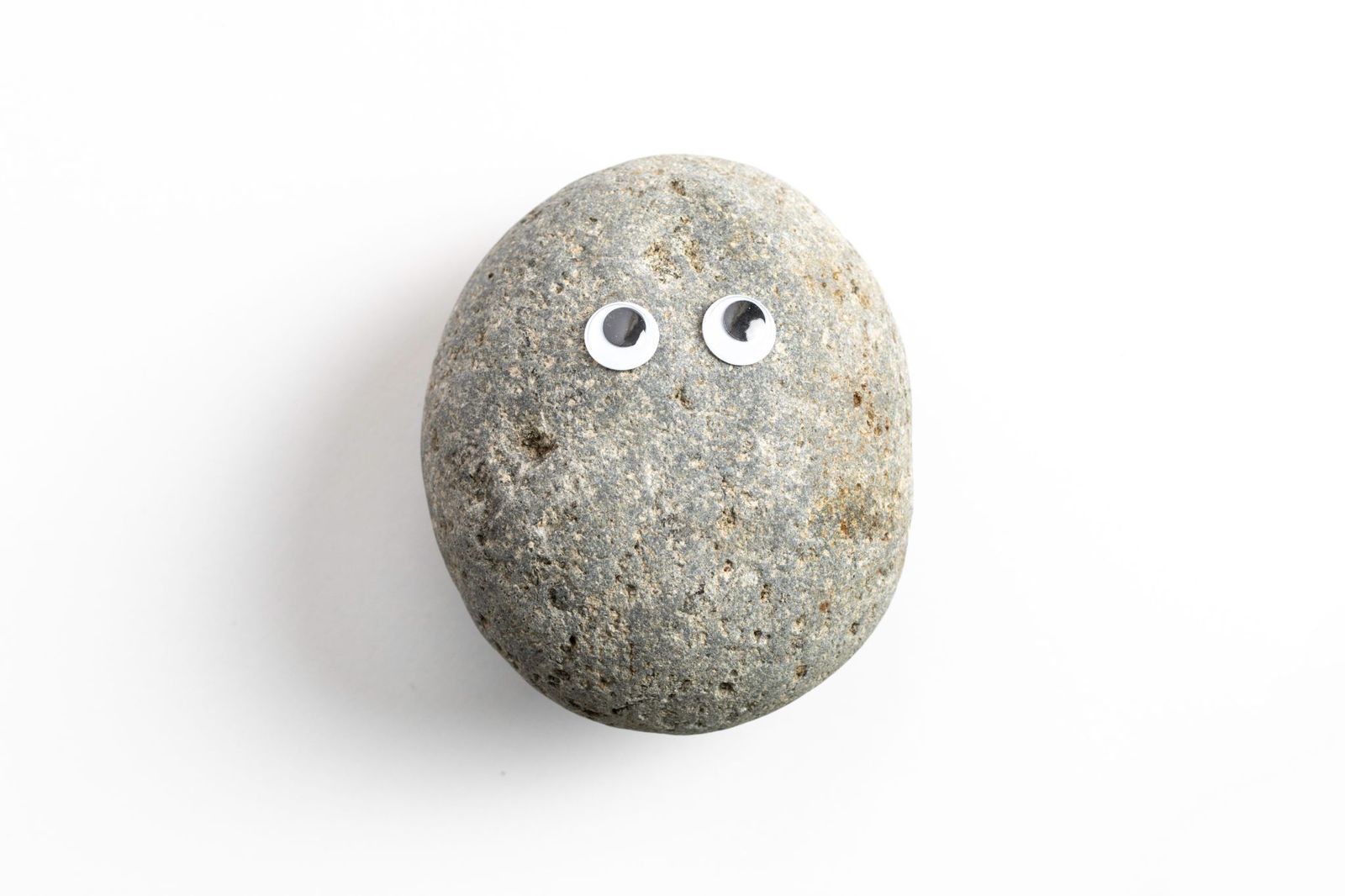
In 1975, advertising executive Gary Dahl came up with the perfect low-maintenance pet: a rock. For about $4, buyers received a smooth Mexican beach stone in a cardboard carrier with straw, air holes, and a tongue-in-cheek manual explaining how to "train" and care for it .

The joke became a genuine business sensation. Dahl later estimated that about 1.5 million Pet Rocks were sold, especially during the 1975 holiday season, making him a millionaire. The craze faded almost immediately afterward, but it proved that clever packaging could turn an ordinary stone into a national phenomenon.

4
Raccoon coats became a college status symbol

Image: Jean Blom

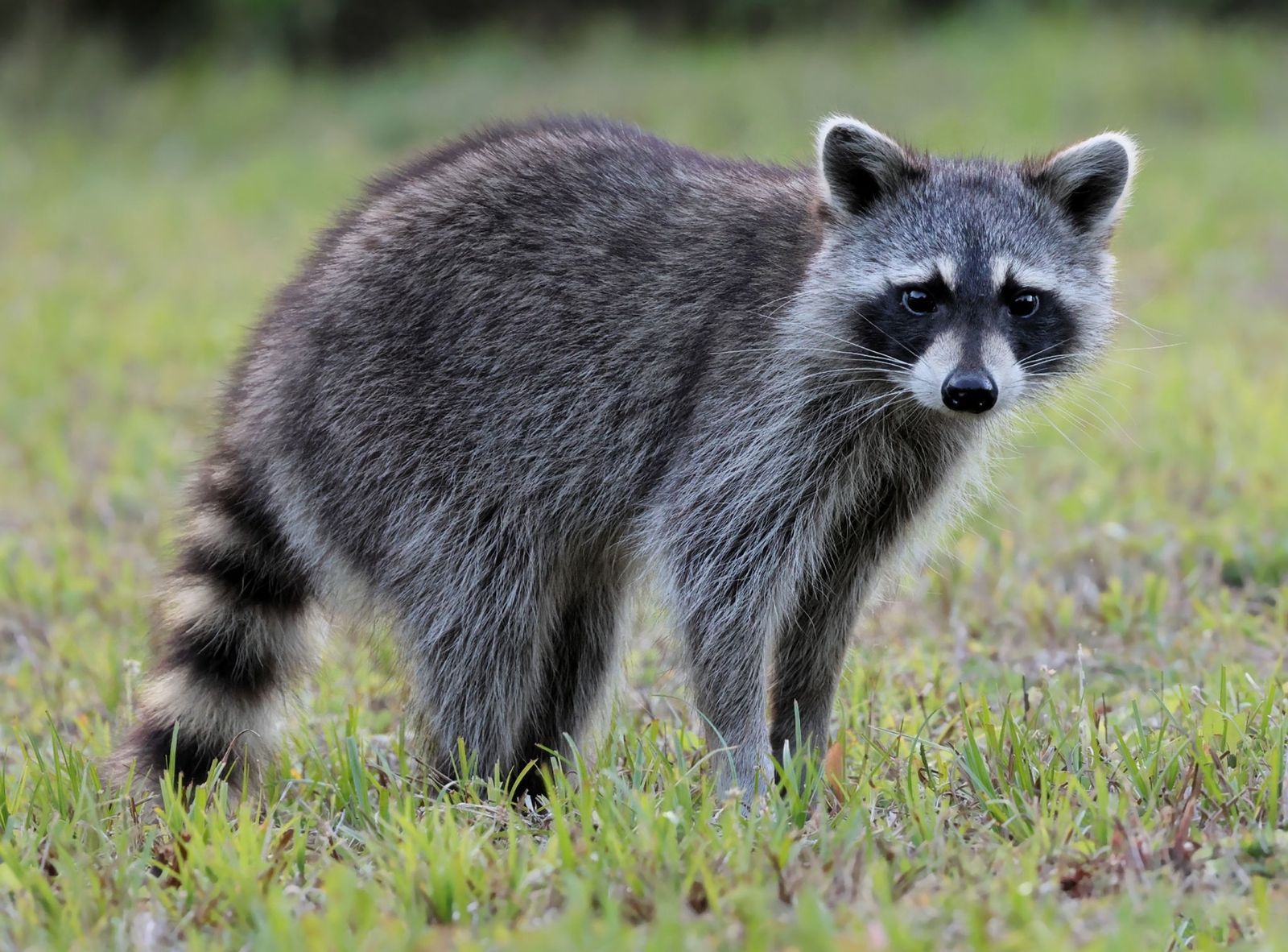
During the Roaring Twenties, enormous raccoon-fur coats became a fashionable badge of college life . Princeton’s student newspaper reported in 1923 that the coats were "as thick as flies" on campus. They were warm enough for chilly open cars, but they also signaled money and status .

They were expensive, too: typical prices reportedly ranged from $350 to $500 in the 1920s (worth about $5,840 to $8,350 today). Football star Red Grange and movie heartthrob Rudolph Valentino helped popularize the look , and the 1928 song "Doin’ the Raccoon" celebrated the fad. After the 1929 crash, however, such extravagant outerwear lost much of its appeal.

5
Troll dolls were everywhere

Image: Rex K. Williams

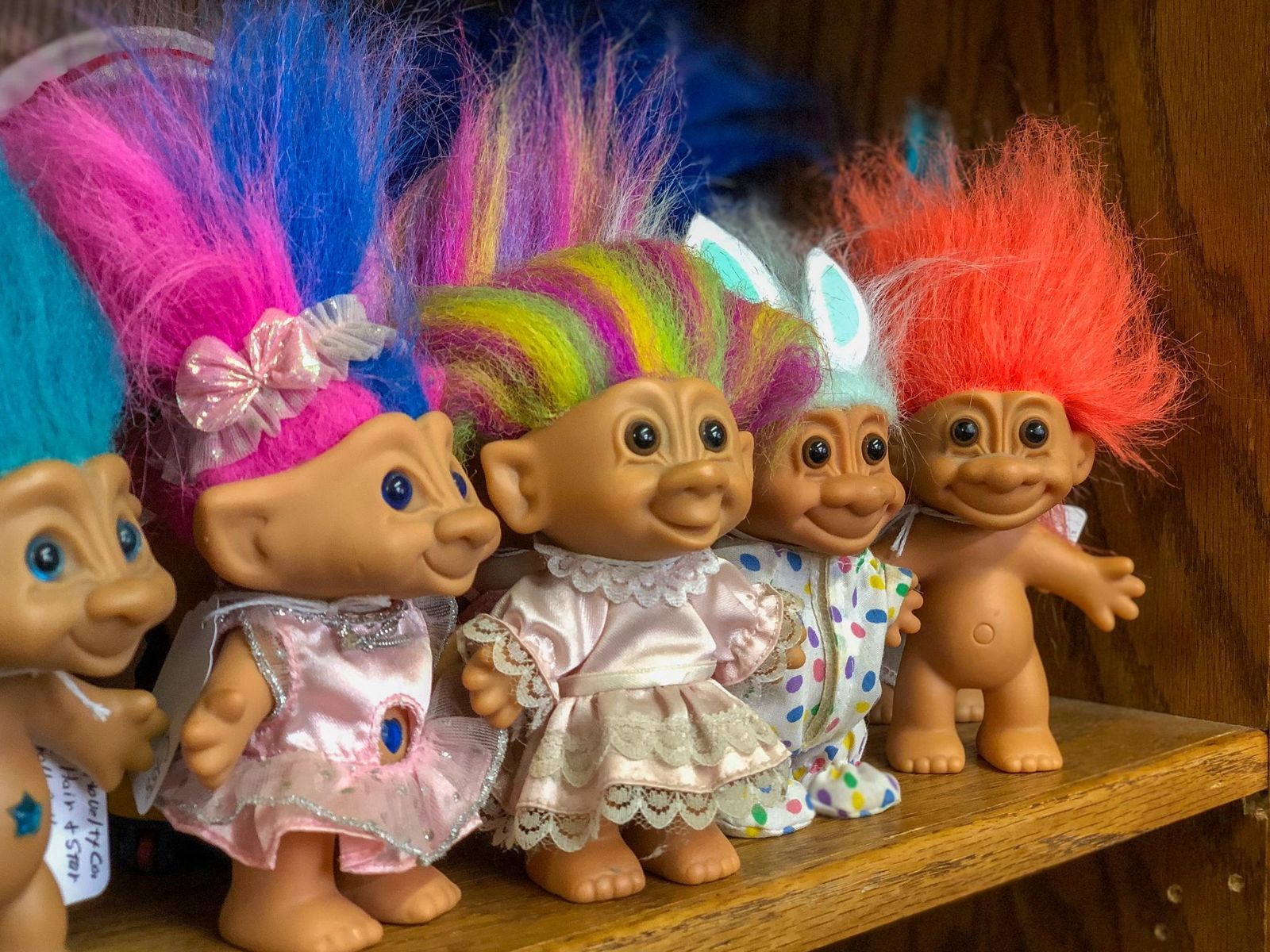
With potbellies, oversized heads, wild hair, and faces that were more odd than cute, troll dolls somehow became a huge American toy craze. Danish creator Thomas Dam developed them in the 1950s, and by the 1960s the strange little figures had become enormously popular in the country .

Americans bought more than one million genuine Dam trolls in 1964 alone. Demand for their distinctive hair reportedly grew so large that Dam’s company bought Iceland’s entire sheepskin harvest. The popular dolls had a revival of sorts in the late 80s and early 90s, but nowhere near their first wave.

6
Cabbage Patch Kids caused shopping mayhem

Image: Del Harper

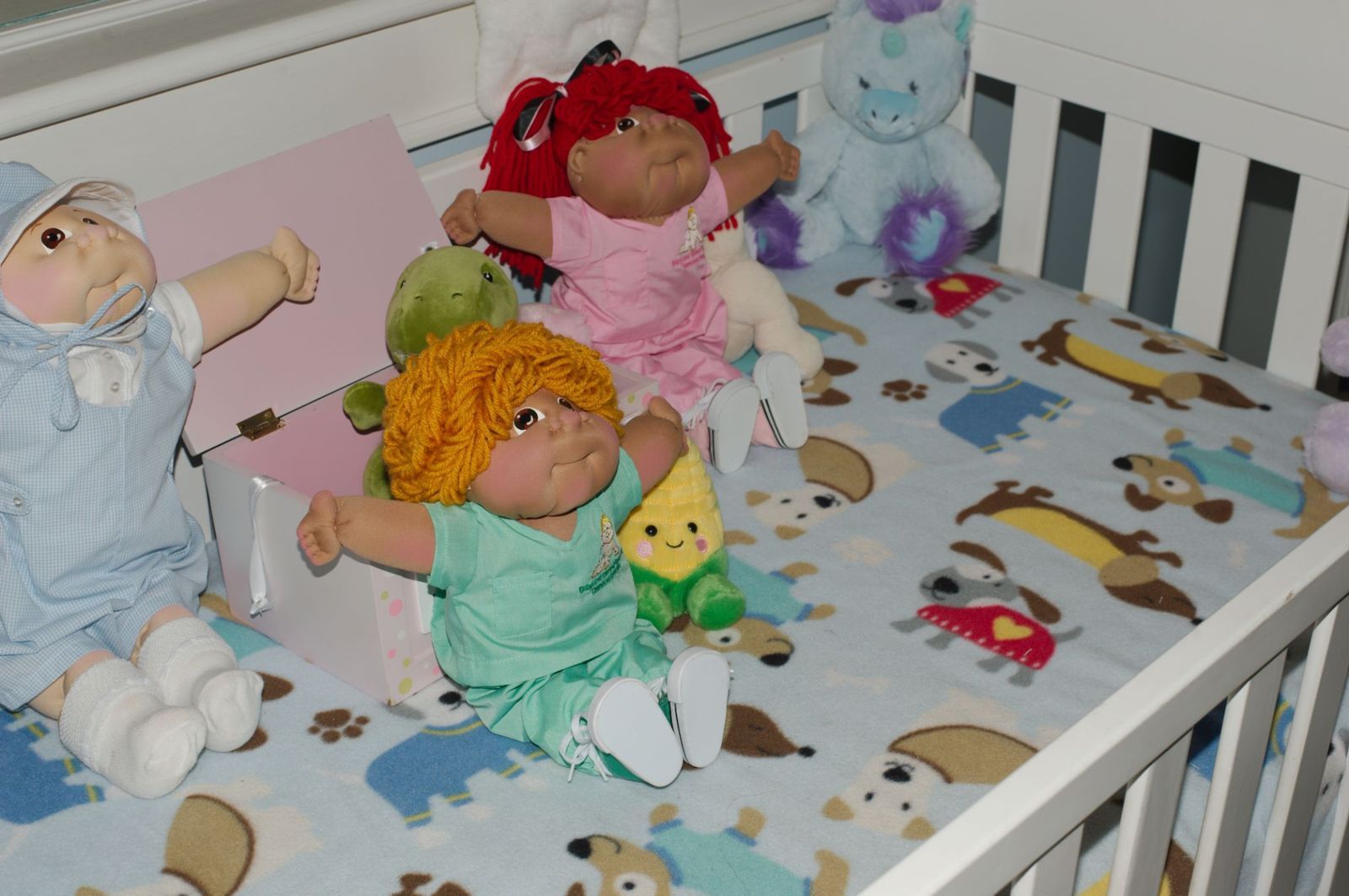
Cabbage Patch Kids turned holiday shopping into chaos in 1983. The dolls, based on creations by Georgia artist Xavier Roberts, came with names, birth certificates, and adoption papers. When Coleco mass-produced them, demand quickly overwhelmed supply across the country.

At a Hills store in Charleston, West Virginia, about 5,000 shoppers reportedly crowded in during one sale. Elsewhere, customers camped outside, grabbed dolls from carts, and even suffered injuries in the rush . More than 2.5 million dolls (not counting the black market versions that preyed on the craze) were sold in their first year, with a price tag ranging from $18 to $35 depending on location.

7
Pogs took over playgrounds

Image: Emre Turkan

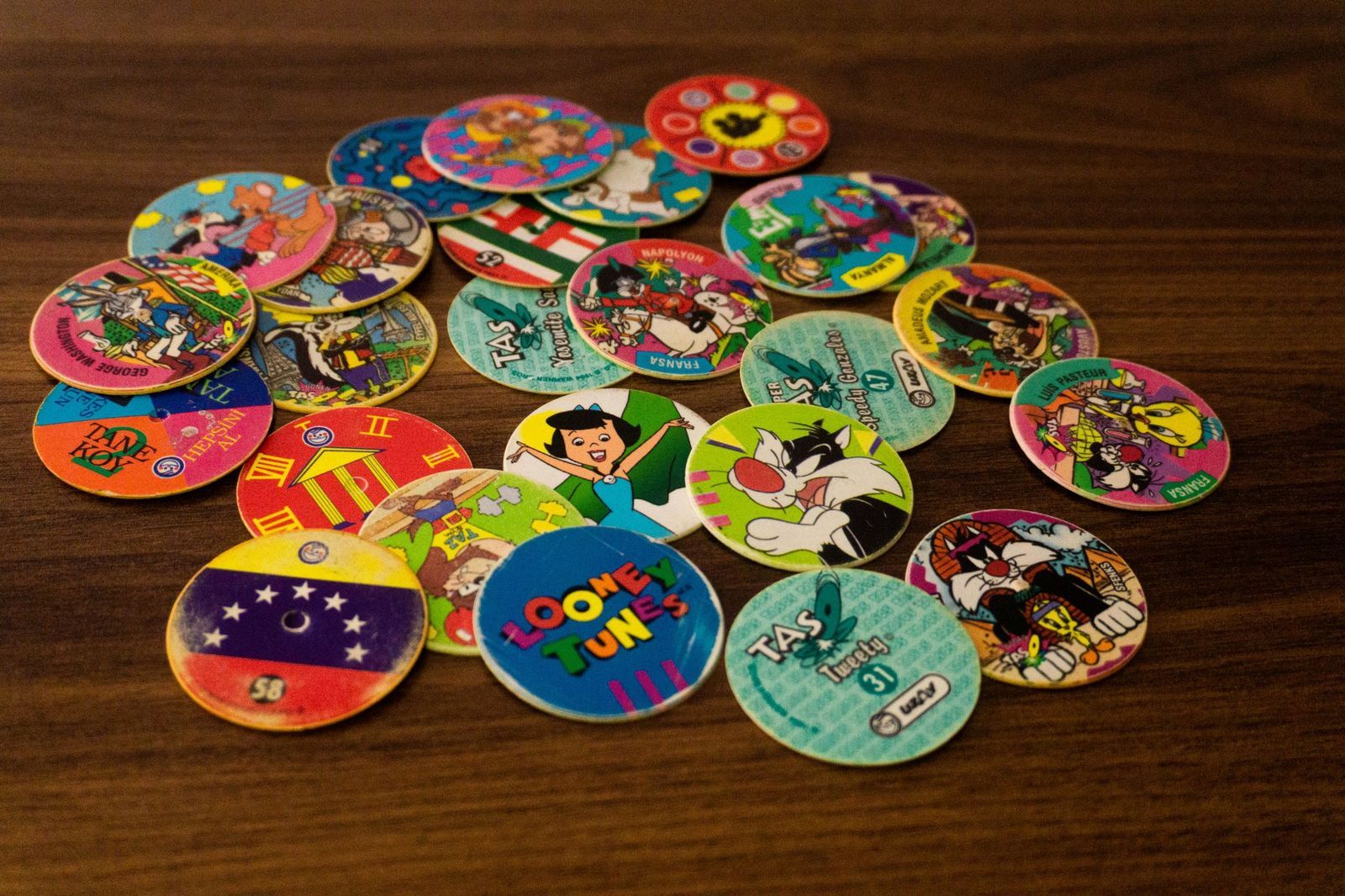
For a brief stretch in the 1990s, colorful cardboard discs became serious playground currency. Pogs grew from a Hawaiian milk-cap game revived by teacher Blossom Galbiso around 1991. Players stacked the discs and struck them with a heavier "slammer," trying to flip them over .

The trouble came when children played "for keeps," taking any Pogs they flipped. Arguments, theft, distractions, and concerns about gambling led many schools to ban or restrict the game.

8
Dance marathons lasted weeks

Image: Master1305

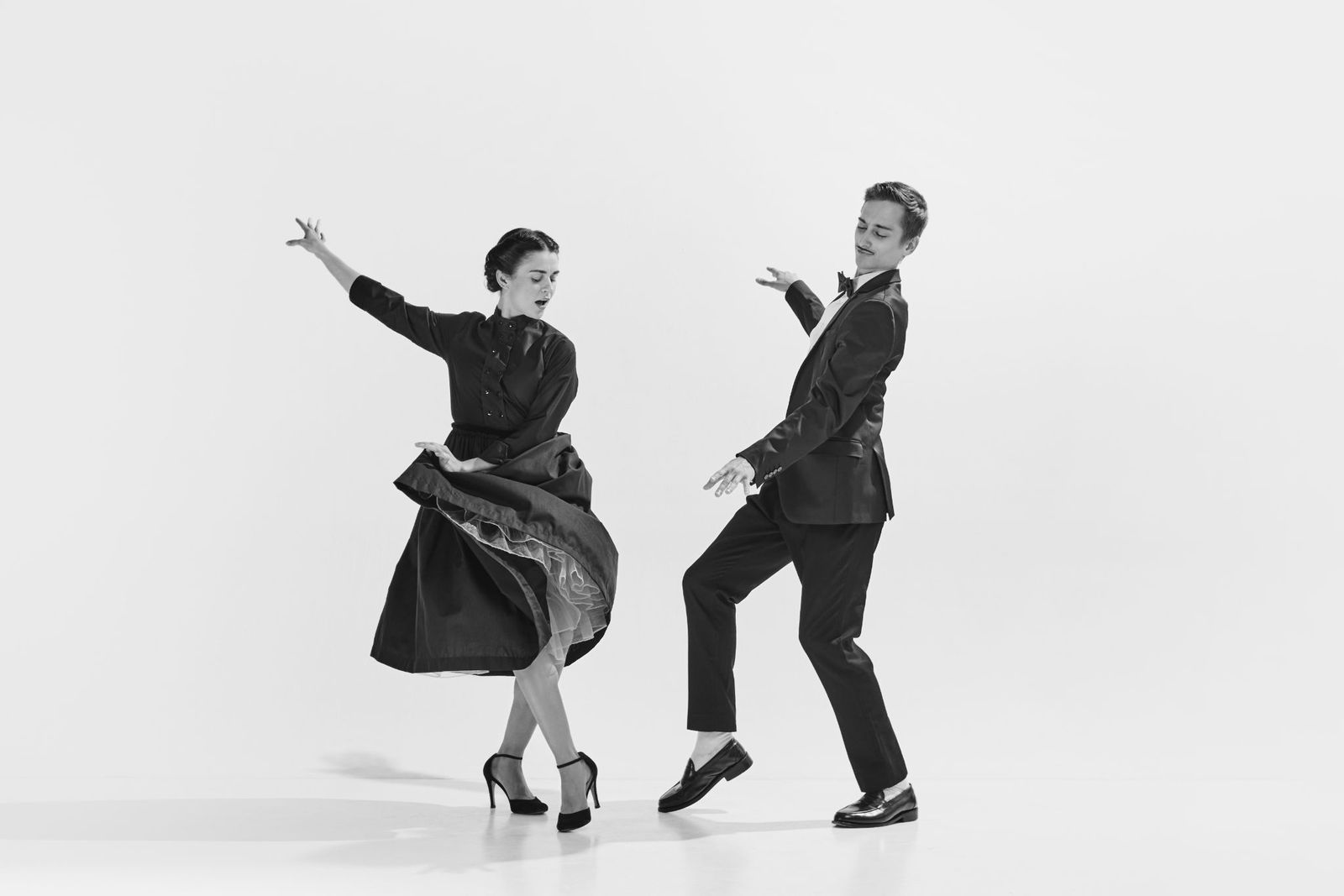
Dance marathons began as a 1920s endurance craze and became far harsher during the Great Depression. In 1923, New York instructor Alma Cummings danced for 27 hours, inspiring imitators . Promoters soon turned marathon dancing into paid entertainment watched by large crowds.

Contestants could be required to remain in motion for 45 minutes of every hour, day and night, with only brief rest periods. Some events lasted for weeks: a 1935 marathon in Wenatchee, Washington, ran for 1,492 hours . Cities increasingly objected to the grueling conditions, and Seattle banned the contests in 1928. The bleak Depression-era extremes of the fad were dramatized in the 1969 film They Shoot Horses, Don’t They? starring Jane Fonda.

9
The Davy Crockett caps craze

Image: Phovoir

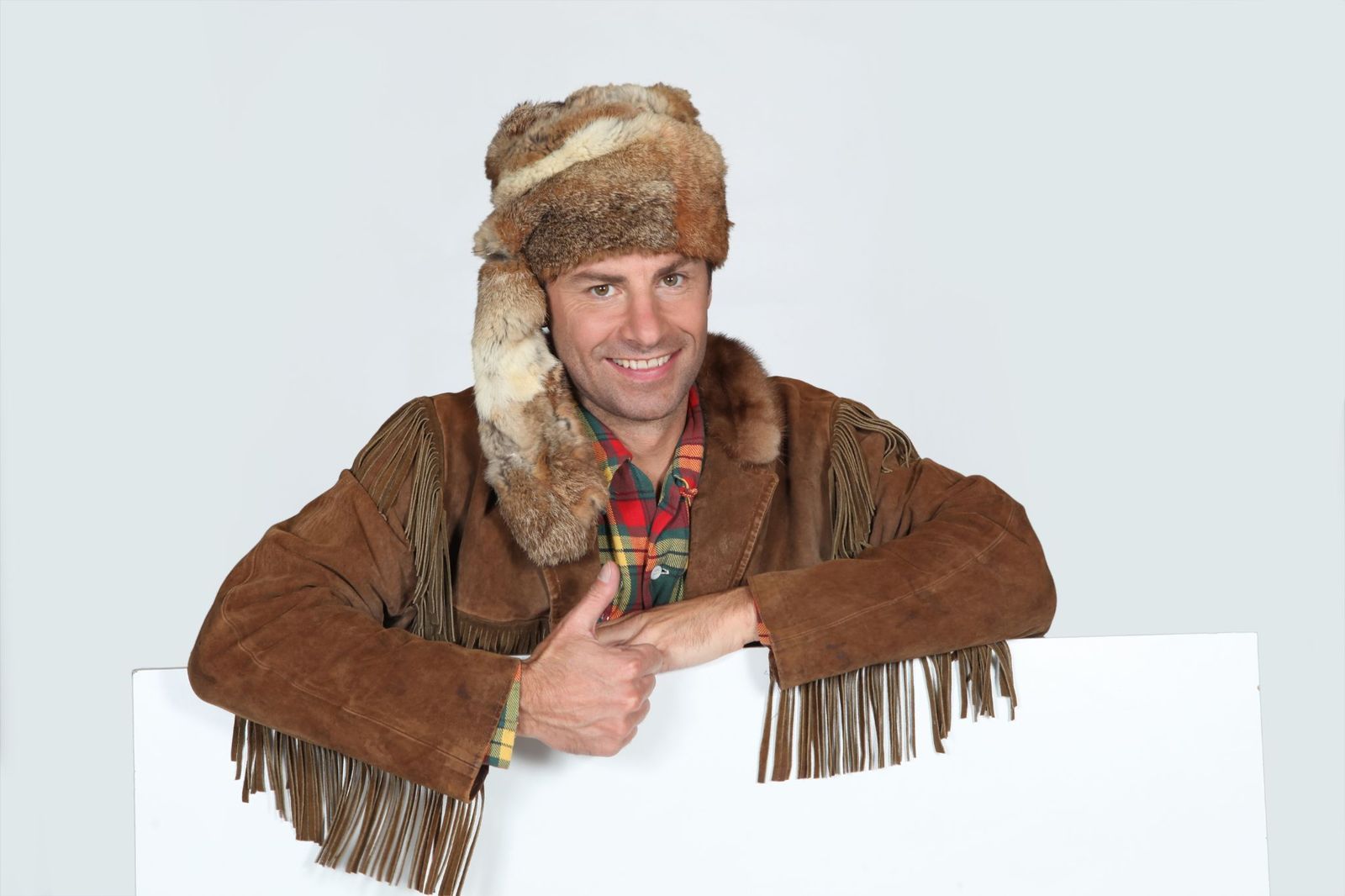
When Disney aired its Davy Crockett television adventures beginning in late 1954, actor Fess Parker helped turn the frontiersman into a national sensation. Children suddenly wanted the hero’s trademark coonskin cap, complete with a furry tail hanging down the back .

At the height of the craze, about 5,000 children’s caps were reportedly selling each day. "Polly Crockett" versions were even marketed to girls. By May 1955, TIME estimated that Americans had bought about $100 million in Crockett merchandise.

10
More than 20 million Hula Hoops sold in four months

Image: Annie Spratt

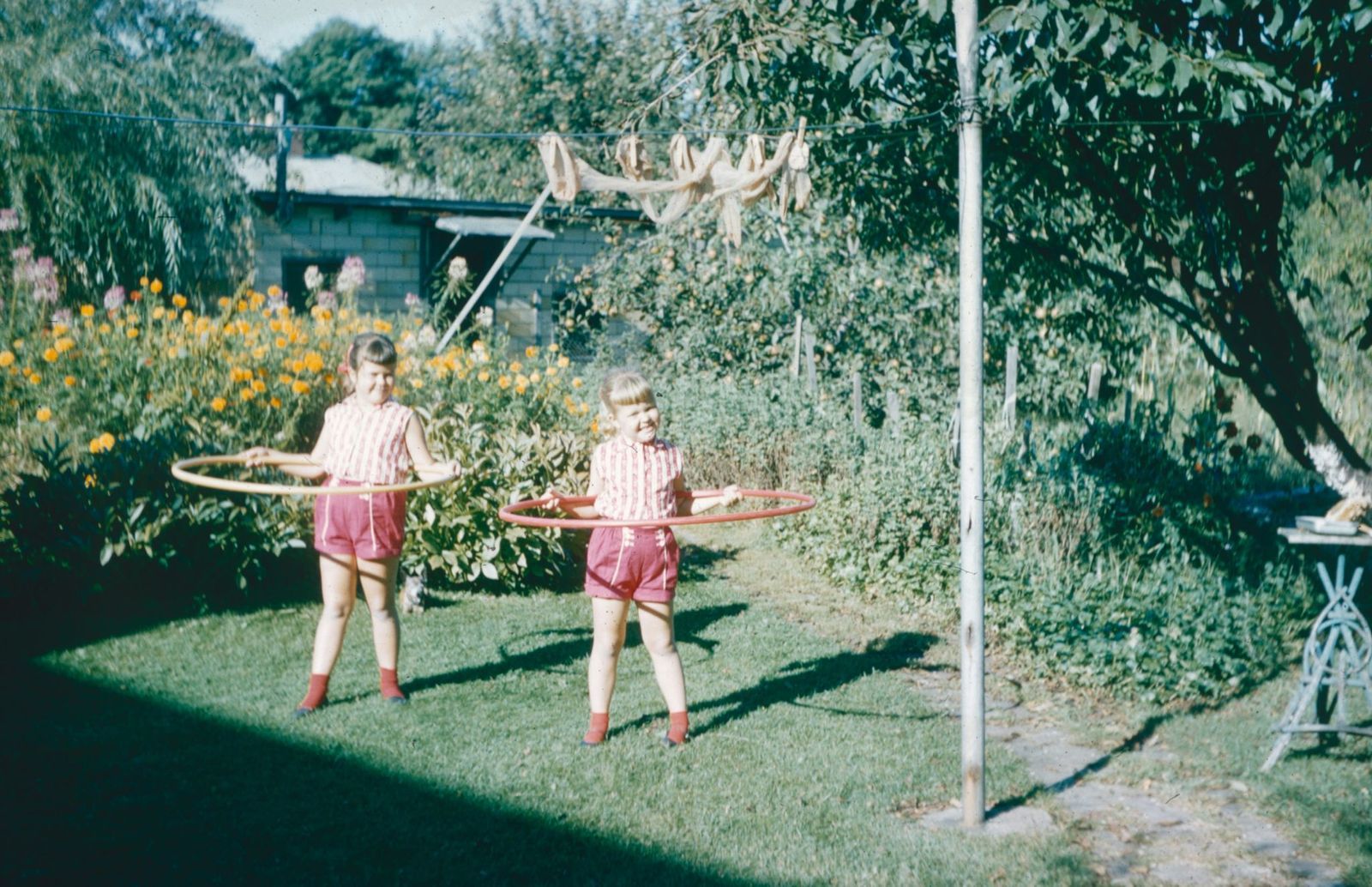
When Wham-O introduced the Hula Hoop in 1958, the toy became one of the fastest-moving crazes in American history. Founders Richard Knerr and Arthur "Spud" Melin were inspired by hoops used by Australian children and developed a lightweight plastic version for the local market.

The company promoted the toy directly to schoolchildren, and the strategy worked spectacularly . More than 20 million Hula Hoops were sold in the country within four months. Wham-O was reportedly producing around 20,000 a day as competitors rushed in, before the mania faded almost as quickly as it had begun. Nowadays, Hula Hoops are still popular, but nowhere near their heyday.

Explore more American facts

Choose your favorite category!

General
General

As American as apple pie—the very best America has to offer!

Culture
Culture

Delve into the astounding richness of American lore.

Geography
Geography

Hop in and explore vast and diverse American landscapes.

History
History

Discover the key moments that shaped the United States.