History History 3 min read

Stars, stripes, and surprises

What's written on the back of the Declaration of Independence?
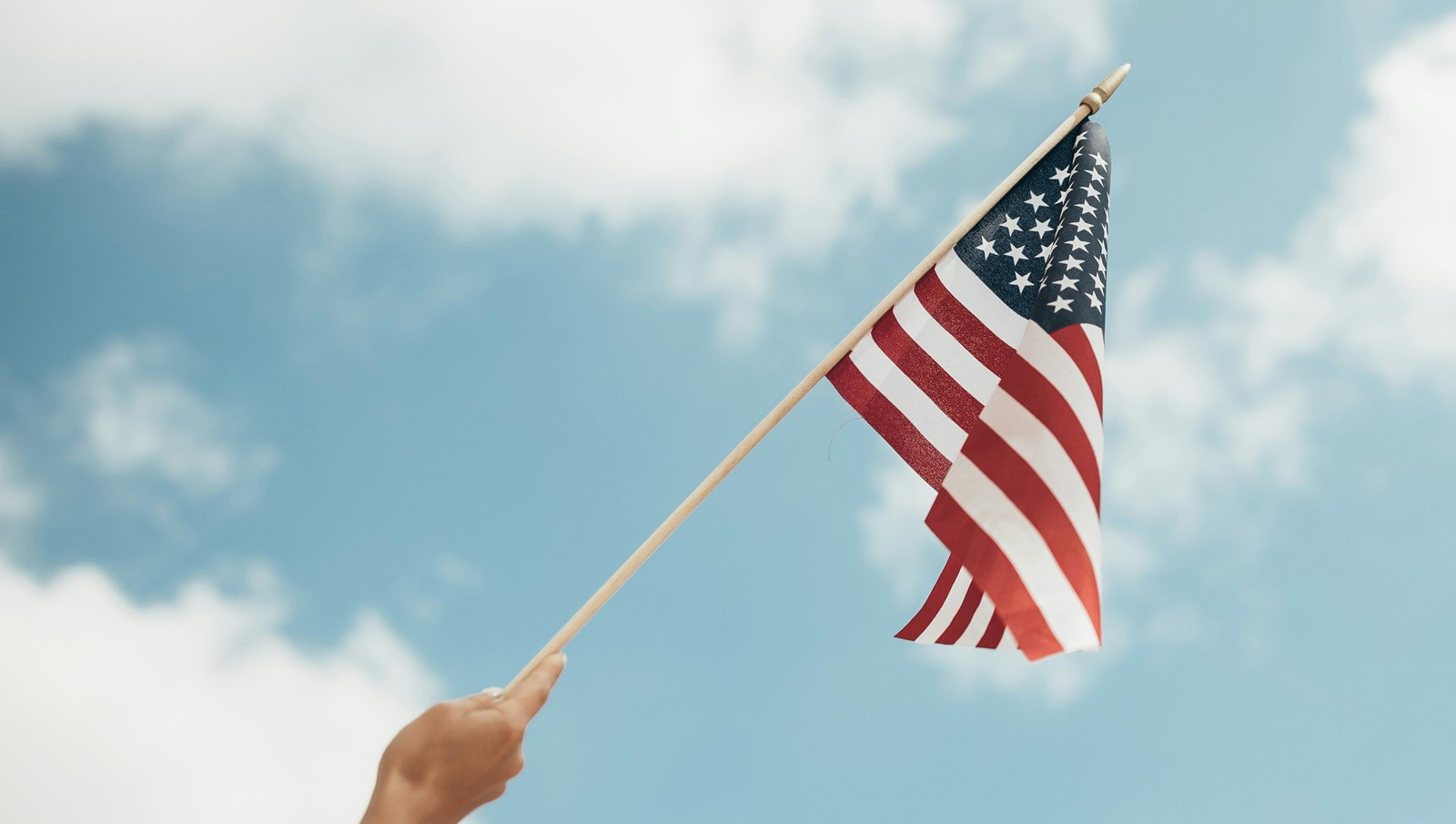
Image: Paul Weaver

The 4th of July is all about fireworks, parades, and patriotic pride, and for good reason: It marks the birth of our nation's independence. But the way to that historic day wasn't easy, it was full of challenges and a few surprises. Did you know some Founding Fathers wanted to celebrate Independence on July 2nd? Or that there's actually something written on the back of the Declaration? Get ready to discover 10 fun and little-known facts about the 4th of July that might surprise you.

1
July 2nd
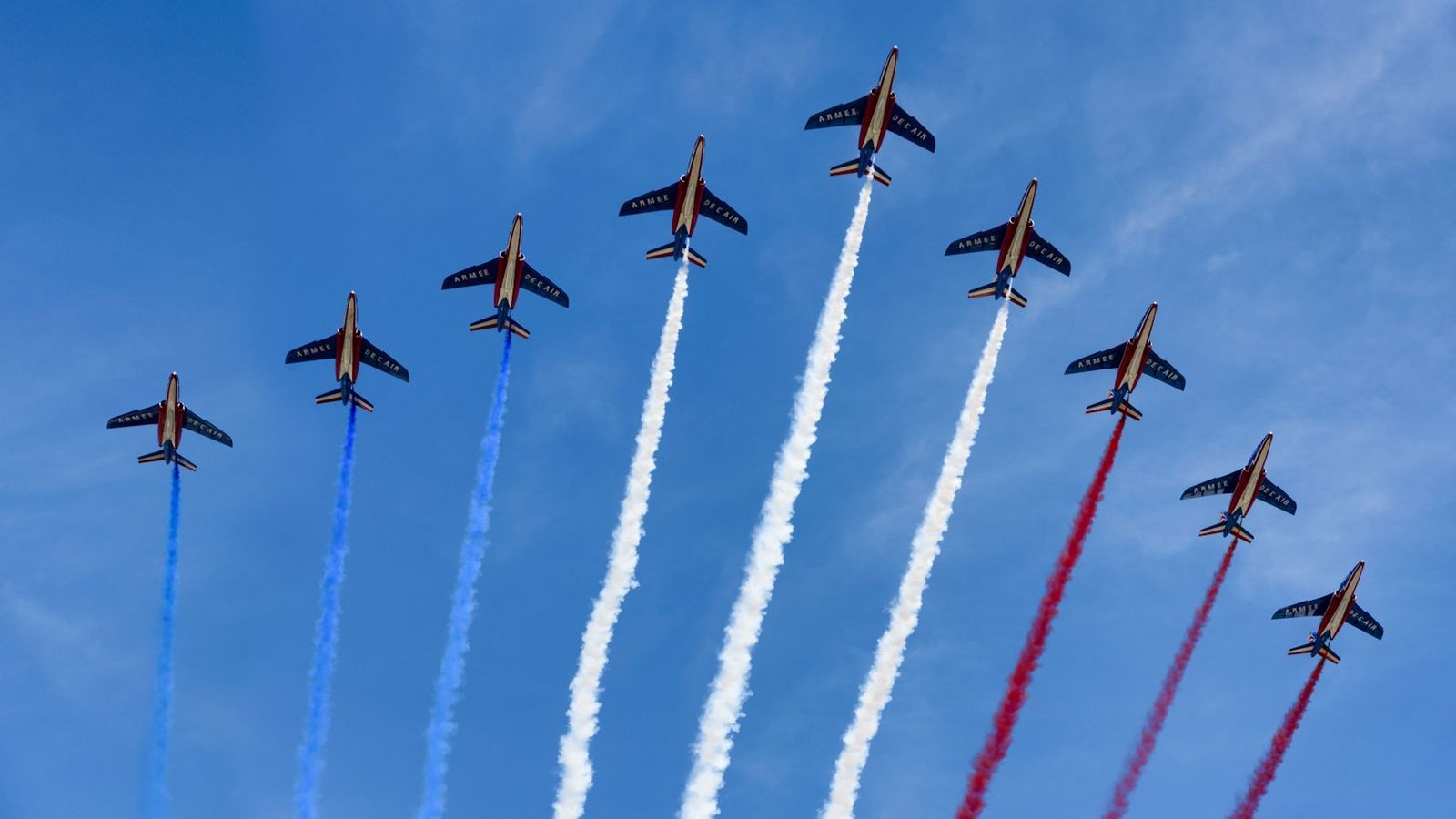
Image: Joe deSousa

In a letter to his wife Abigail, John Adams predicted that July 2nd would go down in history. Why? Well, because that's the day in 1776 when the Continental Congress voted in favor of independence from Great Britain. But while the vote happened on the 2nd, the text of the Declaration of Independence wasn't approved until the 4th, so that's the date we celebrate.

2
Secret signers

Image: Pierre Bamin

The signing of the Declaration of Independence wasn't as simple as it might seem. In fact, signatures were added over time, from July to August. In addition, the names of the signers were kept secret from the public for six months. Why? Because if the fight for independence had failed, those who signed the document would have been labeled traitors, and under British law, that meant a punishment of death.

3
Washington invites
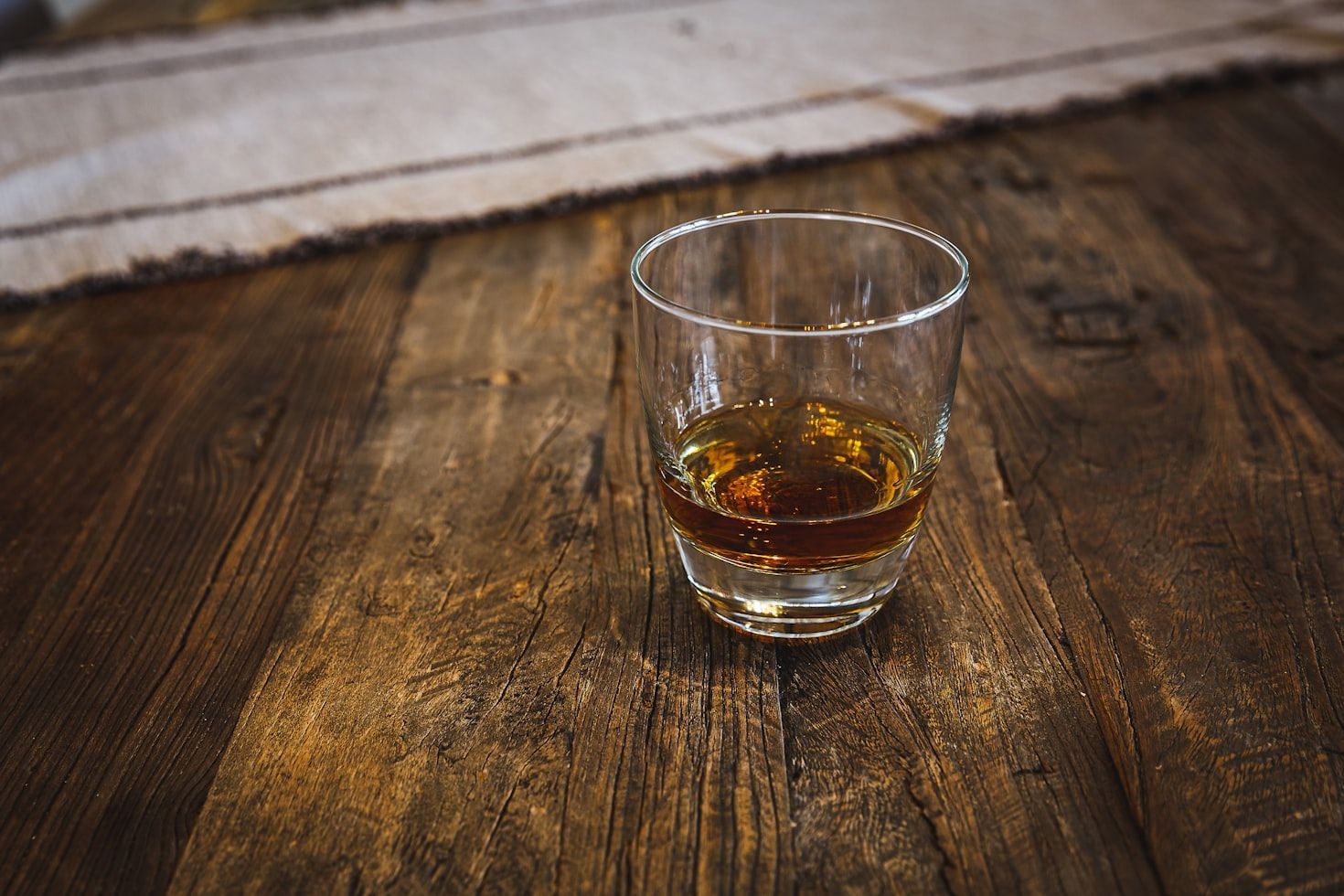
Image: phil cruz

In the middle of the Revolutionary War, 1778 marked the second anniversary of the Declaration of Independence. As Commander-in-Chief of the Continental Army, George Washington wasn't about to let the anniversary go unnoticed, so he ordered a double ration of rum for his soldiers to celebrate the holiday.

4
Something written on the back

Image: Anne Nygård

There's actually something written on the back of the Declaration of Independence. This handwritten note appears upside down at the bottom of the back of the parchment, and it reads: "Original Declaration of Independence dated 4th July 1776." Just like we label the files we save on our computers today, it's believed they added the note to help identify the original document from other copies.

5
We are many more now

Image: Rob Curran

Many courageous people did everything they could to make the Independence dream a reality and help the nation grow. And it did grow. While there's no exact official data from that time, the US Census Bureau estimates that about 2.5 million people lived in America in 1776. By the most recent census in 2020, that number had grown to about 332 million.

6
John Adams' idea
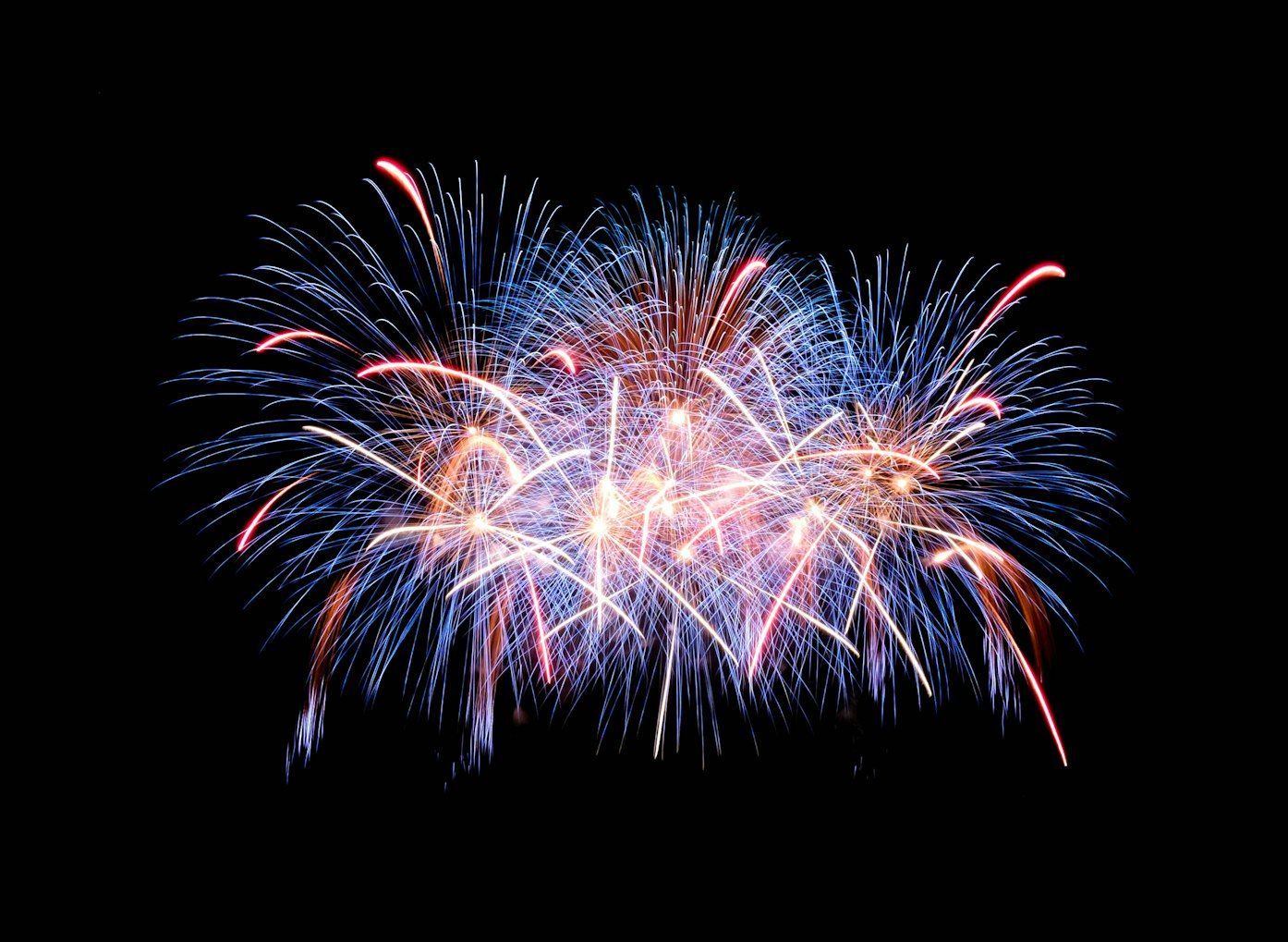
Image: Jingda Chen

It's hard to imagine the 4th of July without the classic barbecues, parades, and -of course- fireworks lighting up the sky. But even though these traditions are now staples, there was a first time for all of them. It's said that John Adams himself, in that letter to his wife Abigail, suggested using fireworks and illuminations to celebrate this important day.

7
Busy hospitals

Image: camilo jimenez

While fireworks are beautiful and help raise patriotic spirit during Independence Day celebrations, it's also true that they can sometimes be dangerous. In fact, it's been reported that hospitals see more patients than usual on July 4th due to fireworks-related injuries.

8
Thomas Jefferson's laptop

Image: Alicia Razuri

Of course, laptops didn't exist at the time of the drafting and signing of the Declaration of Independence, but that's a fun way to describe the lap desk Thomas Jefferson used to write it. That's right: The father of the Declaration of Independence didn't need a grand marble desk or anything fancy to put his ideas into words.

9
Surprising coincidences
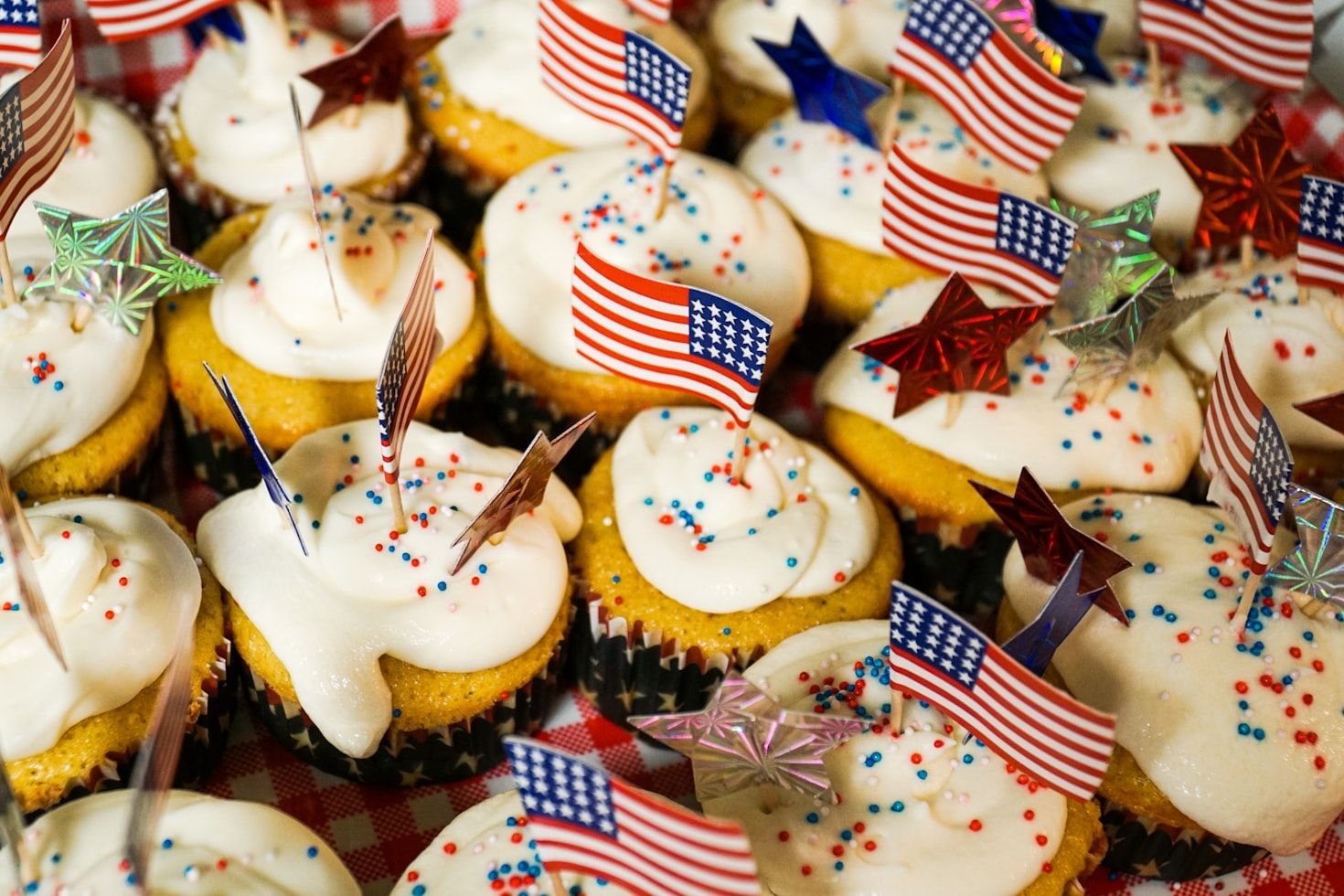
Image: Thomas Park

The 4th of July isn't just the day America officially declared its independence; it also holds some incredible historical coincidences. On Independence Day in 1826, both Thomas Jefferson and John Adams died, exactly 50 years after the birth of the nation they helped create. Five years later, in 1831, James Monroe became the third president to die on the 4th of July.

But it's not all about endings: President Calvin Coolidge was born on the 4th of July, 1872, making him the only US president born on Independence Day.

10
Millions of hot dogs
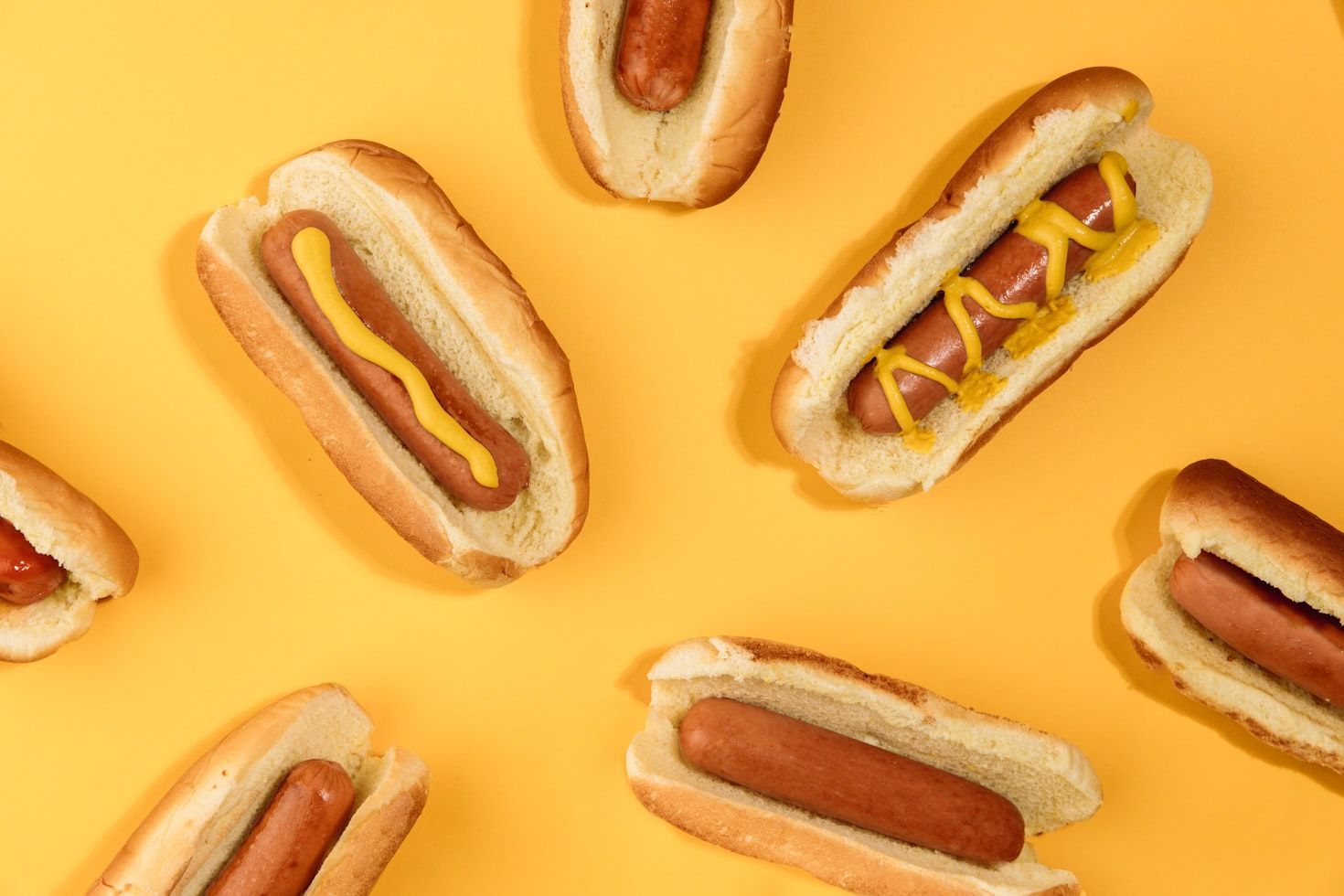
Image: Ball Park Brand

It's clear we Americans love hot dogs, and for good reason. This iconic food is closely tied to one of the most important days in our nation's history. According to the National Hot Dog and Sausage Council (yes, that's a real thing), Americans typically eat around 150 million hot dogs on Independence Day alone.

General General 5 min read

Stay out of trouble!

Is that a crime? 10 of the most bizarre laws in America

Image: Tingey Injury Law Firm

America is known as the land of the free, but we also have a lot of laws and rules that allow us to live together as a community. While most of us are familiar with major laws, did you know that many states, cities, and towns have some very specific and unique rules? Some of the laws highlighted in this article may seem strange, obscure, or downright ridiculous, but keep in mind—they exist for a reason. Read on to discover 10 weird and funny laws sanctioned across the U.S. you probably didn't know existed.

1
Beware of the banana peel!

Image: SHVETS production

It might sound like a scene straight out of The Three Stooges , but we assure you, this was once a legitimate concern. It’s no myth that residents of Waco, Texas are forbidden from eating bananas and tossing the peels into the street. Lawmakers feared horses could slip on the peels and injure themselves.

This is also true for Elmira, New York. A city ordinance from 1899 stated that no person could throw any banana peels—or any other fruit skins—onto the sidewalk. As it happens, back when bananas were introduced to the northern states, they were very cheap and people usually bought them in bulk. The surplus was huge and the waste was becoming a problem. In fact, in 1893 a woman sued the city after slipping on a banana peel, falling on the sidewalk, and breaking her leg.

2
Dueling candidates

Image: various illustrators, Public domain, via Wikimedia Commons

It may sound old-fashioned, but this law is still in effect in West Virginia. To be eligible as governor, a candidate must not only be at least 30 years old and have resided in the state for at least five years preceding the election, but they must also never have participated in a duel.

According to §6-5-7 of the West Virginia Code, any citizen who sends or accepts a challenge or participates in a duel with deadly weapons "shall ever thereafter be incapable of holding any office of honor, trust or profit in this state." By the end of the American Civil War dueling had become almost obsolete, but for some reason, The Mountain State is one of the few states that still hasn’t repealed its dueling laws.

3
Extraterrestrial exposure

Image: Bradley Dunn

Despite popular opinion, Title 14, Section 1211 of the Code of Federal Regulations did not make it illegal for Americans to have contact with extraterrestrials or their vehicles. Instead, the law was enacted just before the Apollo 11 mission to give the government authority to quarantine astronauts in case they became contaminated with an alien virus during their moonwalk.

This regulation, best known as the Extra-Terrestrial Exposure Law was adopted by NASA in 1969. It stipulated that astronauts be kept in isolation for 21 days after their liftoff from the Moon in case there was a remote possibility that they were harboring "unknown lunar organisms that might endanger life on Earth." The rule was revoked in 1977 and formally repealed in 1991.

4
Women vote

Image: See page for author, Public domain, via Wikimedia Commons

Did you know that although American women were not universally granted the right to vote until 1920, state laws in New Jersey allowed them to vote as early as 1776 ? In 1790, when the New Jersey State Constitution was reformed, it formalized what the previous constitution had only implied: that propertied women could vote.

A few years later, a law expanded the previous election reforms and allowed women without "clear estate" to vote too. So, after the adoption of this 1797 law, the number of women voters at the polls significantly increased. New Jersey women enthusiastically exercised their rights until 1807, when the state finally restricted voting to white men.

5
Keep it classy

Image: Clay Banks

If you want to live in North California, you have to follow some rules of good taste. In 1998, the city of Wilson outlawed the keeping of upholstered furniture on front porches, on the basis that the practice was unsightly and tacky.

A year later, the town of Morganton followed suit, outlawing couches, recliners, and similar indoor furniture from verandas and yards. Mel Cohen, the city mayor at the time, said that outdoor furniture was drawing many complaints, so the city embarked on a quest to "beautify" the neighborhoods. Violators of the ordinance could be fined up to $300 for their offense.

6
Three-second hugging

Image: Mary Taylor

By the beginning of the 21st century, the rules of public displays of affection seemed to be changing and left previous generations in a state of confusion. In 2009, after noticing an increasing number of students embracing in the hallways, school officials in Hillsdale, New Jersey, implemented a "three-second hugging" rule. Apparently, adults were concerned that the constant displays of affection could disrupt the flow of hallway traffic.

Teenagers argued that the gesture was entirely unromantic and merely a way of saying "hello." However, schools preferred to go back to the old handshake in order to maintain an atmosphere of academic seriousness and to prevent any instances of unwanted physical contact.

7
Blue sundaes

Image: Markus Spiske

Ever heard of "blue laws"? Blue laws are rules that once banned certain activities on Sundays, adopted originally for religious reasons. Blue laws often restricted business and recreational activities to encourage observance of the Christian day of worship.

For example, buying ice cream on Sundays was once illegal in Ohio because it was thought to be frivolous and luxurious. To circumvent this law, ice cream vendors began adding fruit toppings to disguise the frozen treat below and make it appear more "nutritious." This clever workaround ultimately led to the creation of the ice cream sundae.

8
Poking turkeys

Image: RDNE Stock project

Finding the perfect Thanksgiving turkey can be an artistry or a real challenge. How can you ensure that the well-rounded breast you pick up in the supermarket’s poultry section will turn into a delicious, juicy treat?

Everyone has their own strategy, but depending on which state you are in, your method might actually be illegal without you even knowing it. For example, did you know that in Los Angeles, California, it is prohibited to poke a turkey for sale in a meat market to check its tenderness? Don’t say we didn’t warn you!

9
Permanent marks

Image: Linda Xu

Carrying a marker in your pocket, purse, or backpack while walking the streets of California could land you in trouble. In the Golden State, it’s illegal to possess "broad-tipped indelible markers" —a.k.a. permanent markers—in a public space. Any person carrying a chisel, an awl, an aerosol paint container, or a harmless felt tip marker can be accused of committing vandalism.

The law is in place to curb graffiti and other forms of unauthorized street art. It is considered a misdemeanor and can be punished with up to 90 hours of community service, typically scheduled outside of school or work hours.

10
Go nuts!

Image: Vladislav Nikonov

Nuts can be a real problem for many people with food allergies. But even so, these laws prohibiting the consumption of nuts in public places may surprise you. For instance, in Boston, Massachusetts, it’s illegal to eat peanuts in church . Meanwhile, in Charleston, South Carolina, eating nuts on a public bus can result in a fine of up to $500 and as much as 60 days in jail.

If you thought it couldn't get any more specific than that, hold your horses! In Ridley Park, Pennsylvania, people are not allowed to eat peanuts while walking backward in front of the Barnstormers Theater during a performance. Probably the craziest law on this list, don’t you think?

General General 5 min read

PIZZA TIME!

Want a Slice? Enjoy These 10 Tasty Facts About American Pizza!

Image: Quin Engle

Who doesn’t love pizza? This tasty Italian treat is truly the great equalizer: If there is something that can bring every American from across the aisle together, that is a good old slice of delicious pizza.

The United States has a proud pizza history that encompasses the better half of the 20th century, and continues to this very day. Let’s take a look at different styles, iconic parlors, and fun facts about America’s favorite street food.

1
New York-style Pizza

Image: Alex Haney

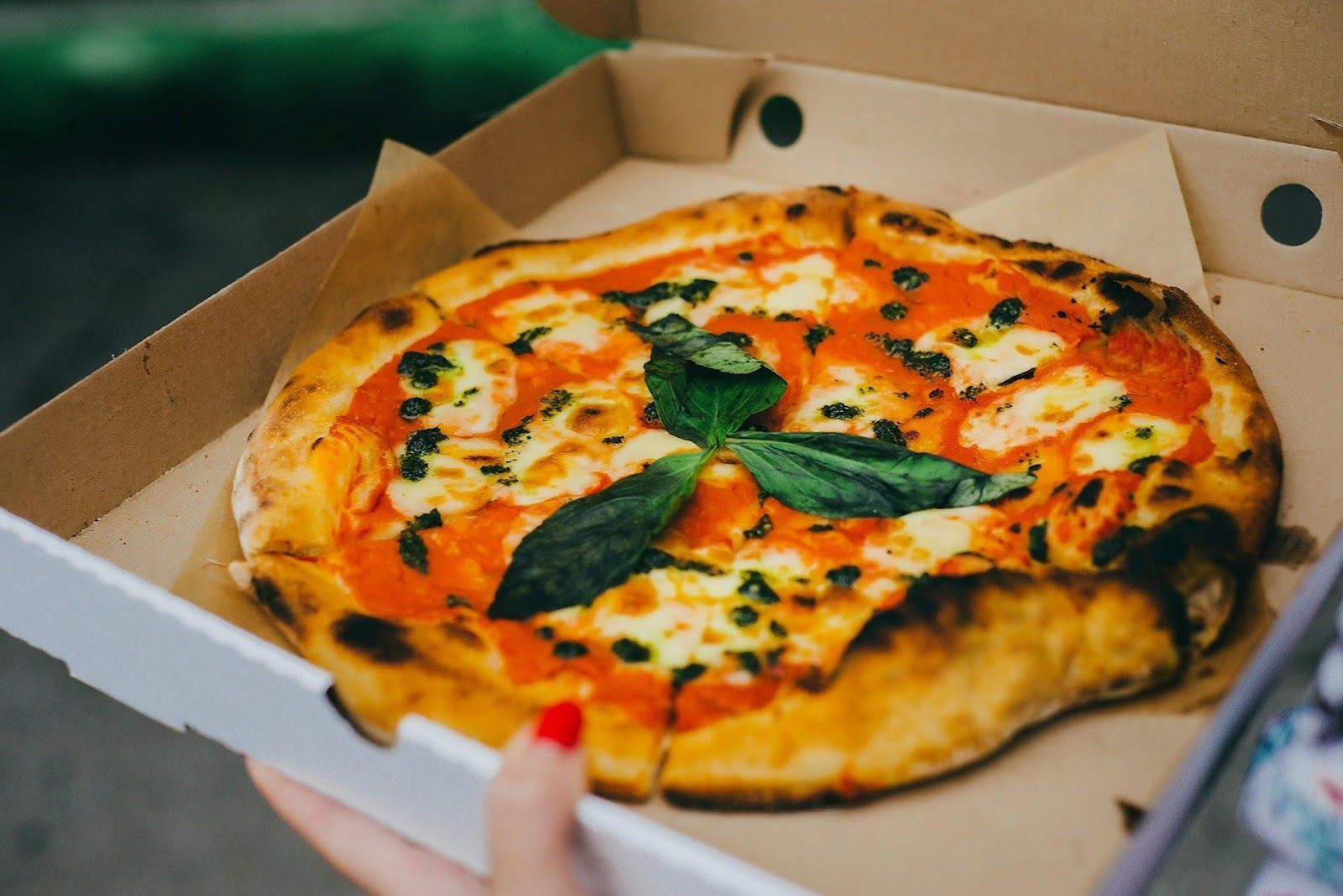
Let’s start with a city synonymous with excellent pizza . New York-style pizza is an iconic variety, universally recognizable for its thin crust, delicious sauce, and melted mozzarella cheese. Nothing says New York City as folding a mouth-watering slice and enjoying this delicacy while the sounds of "The City that Never Sleeps" seem to fade in the background.

New York style is remarkably similar to the Neapolitan style, an Italian recipe considered by many to be close to perfection . Many historians believe that Naples is the birthplace of pizza, so it seems almost poetic that what many consider to be the first truly American style was inspired by this iconic city.

2
Chicago-style pizza

Image: Marit & Toomas Hinnosaar

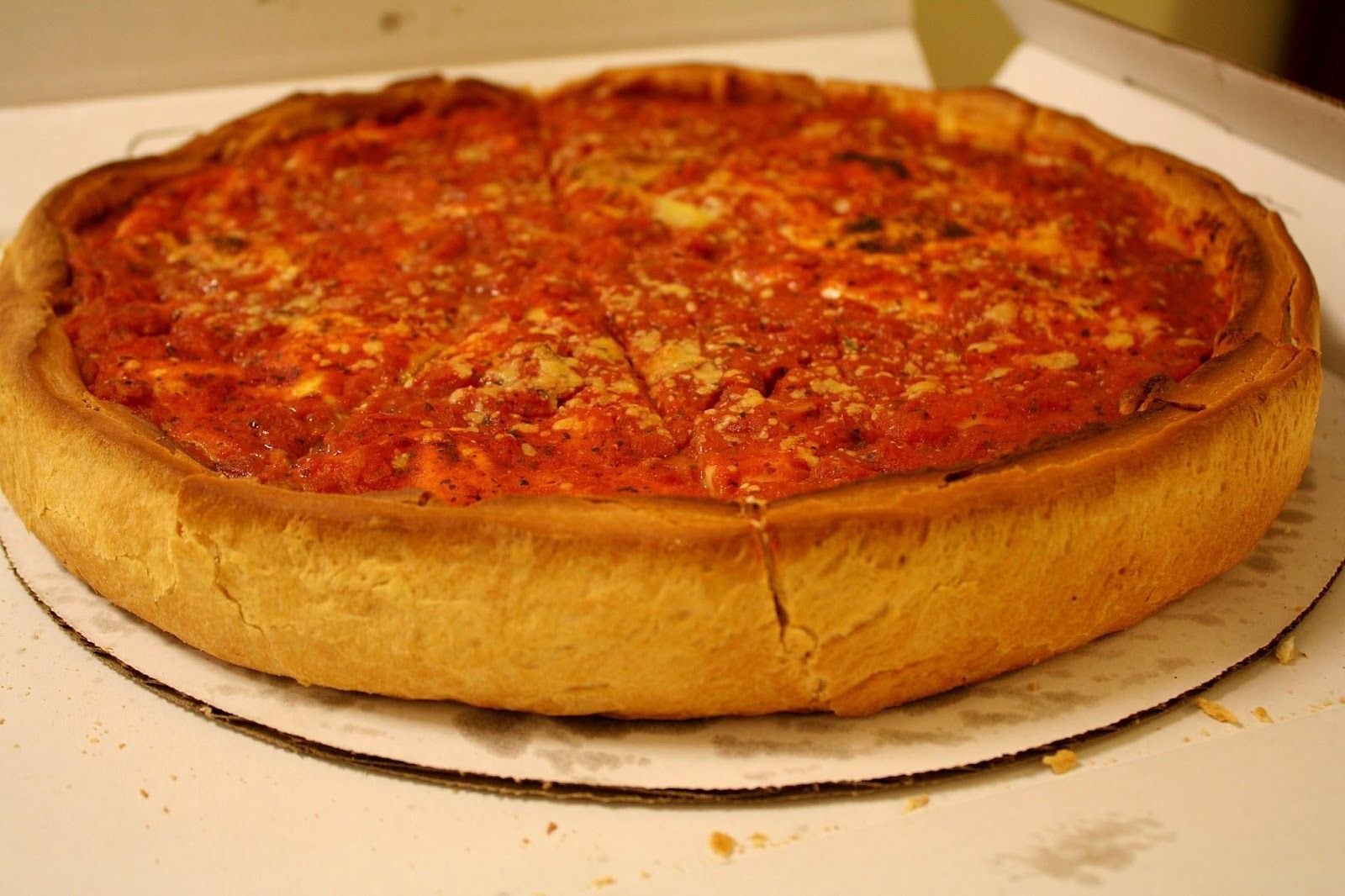
Unlike its New York City counterpart, the Windy City’s pizza has no Italian ancestor. While its exact origins are still debated, we do know that Chicago-style pizza was developed at some point between the 1920s and 1940s. However our Italian friends might feel about this style, the good people of Chicago proudly stand by this beloved deep-dish, high-edge cheesy treat.

One of the most interesting things about Chicago-style pizza is how it turns around the traditional way in which pizza ingredients are placed: Its chunky tomato sauce covers the copious amounts of cheese used. The result is a hearty and delicious meal , sought after by both locals and tourists alike.

3
Pepperoni

Image: Alan Hardman

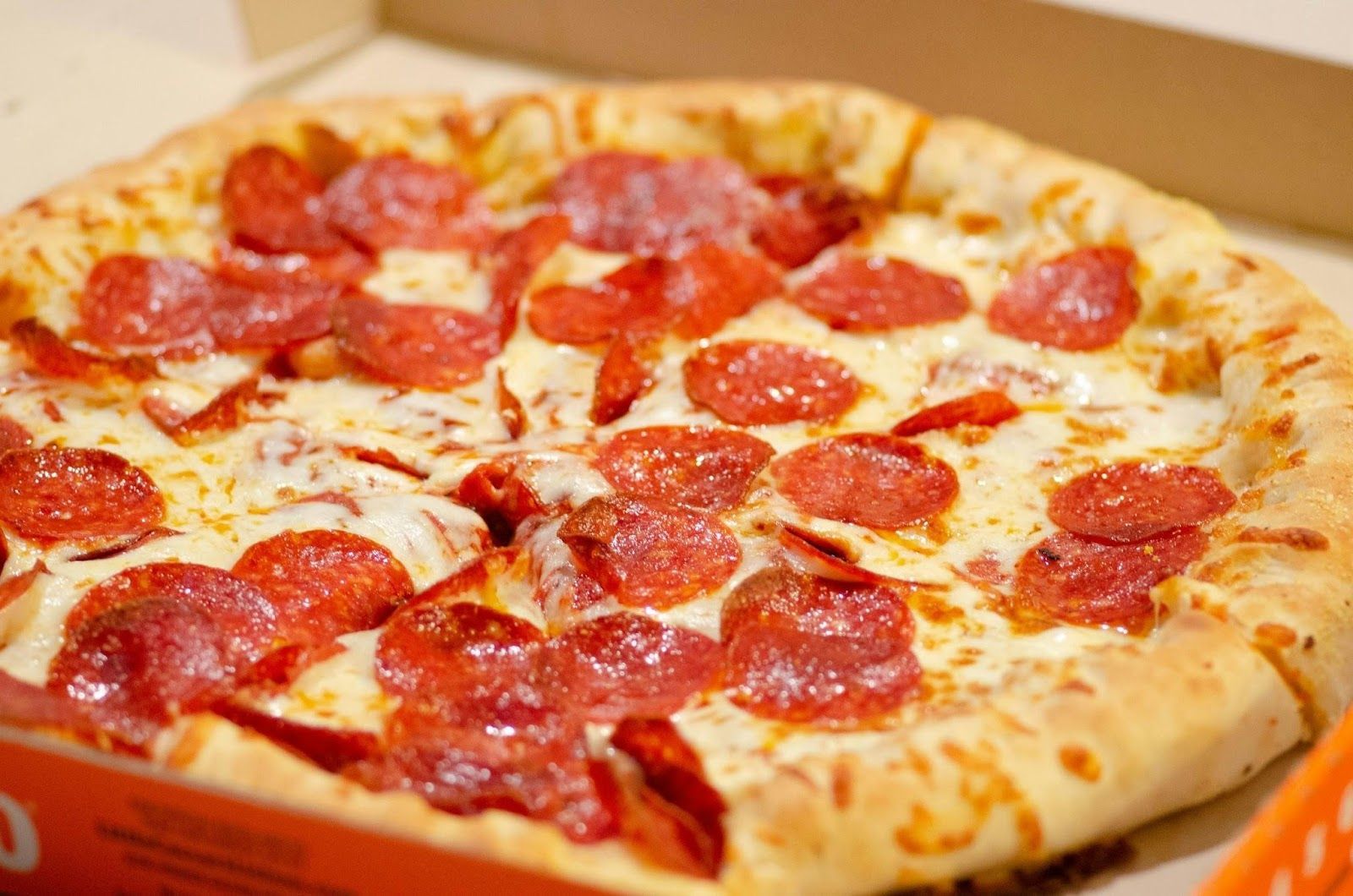
While no one can deny that Italy is the birthplace of pizza, this delicious ingredient comes straight from America . Granted, it is a variation of the Italian salami invented by immigrants in New York City at the start of the 20th century, but it has grown to become one of the most iconic toppings associated with American pizza.

Pepperoni comes from " peperoni ," which is the Italian word for "bell peppers". This spicy sausage is fairly similar to the salamis from Southern Italy, like " salsiccia" or " soppressata ."

4
California style pizza

Image: Prayitno

This is one of the youngest entities on this list. In the 1980s, several California chefs simultaneously came up with a new idea for pizza: a pie that combines New York’s thin crust with traditional toppings from California cuisine. The result is known as the California-style pizza, an amalgamation of traditional characteristics and innovative new flavors .

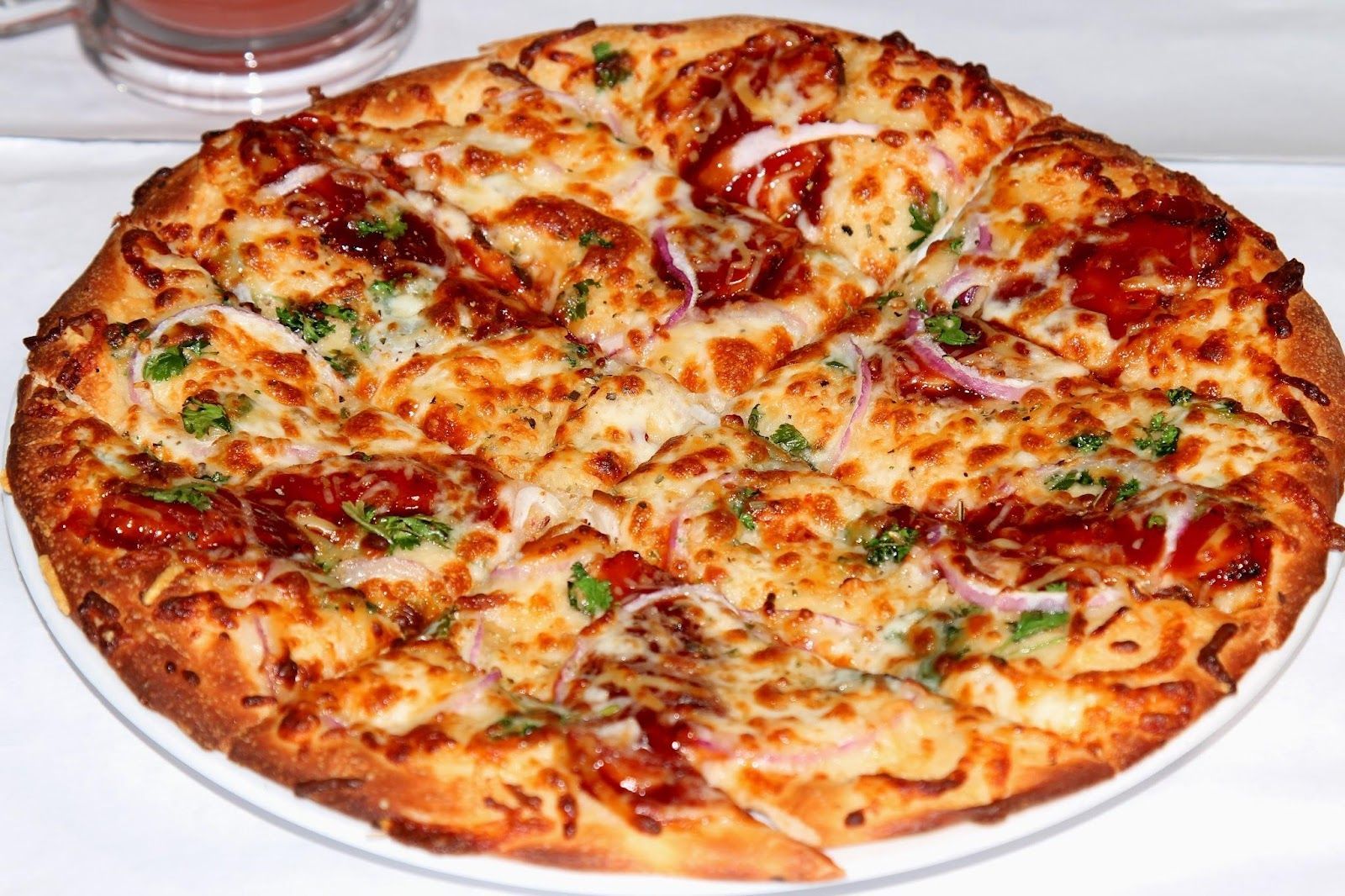
Among the many toppings that might be included in this type of pizza, a few that particularly stand out are zucchini flowers, smoked salmon, eggs, and bacon. However, perhaps the most well-known contribution from this style is the now-iconic barbecue chicken pizza , created by chef Ed LaDou in 1985.

5
Detroit Style

Image: Parker Hilton

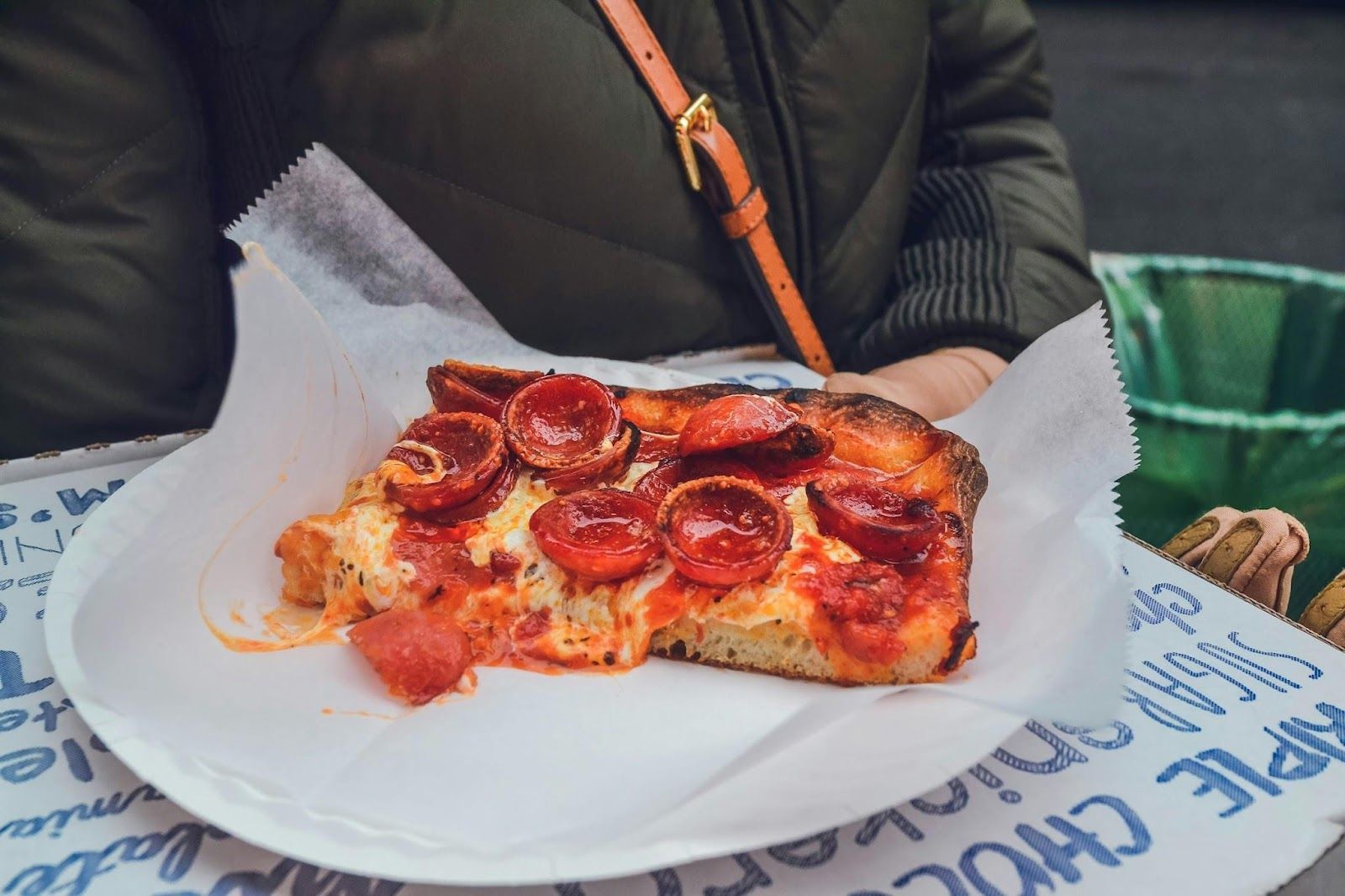
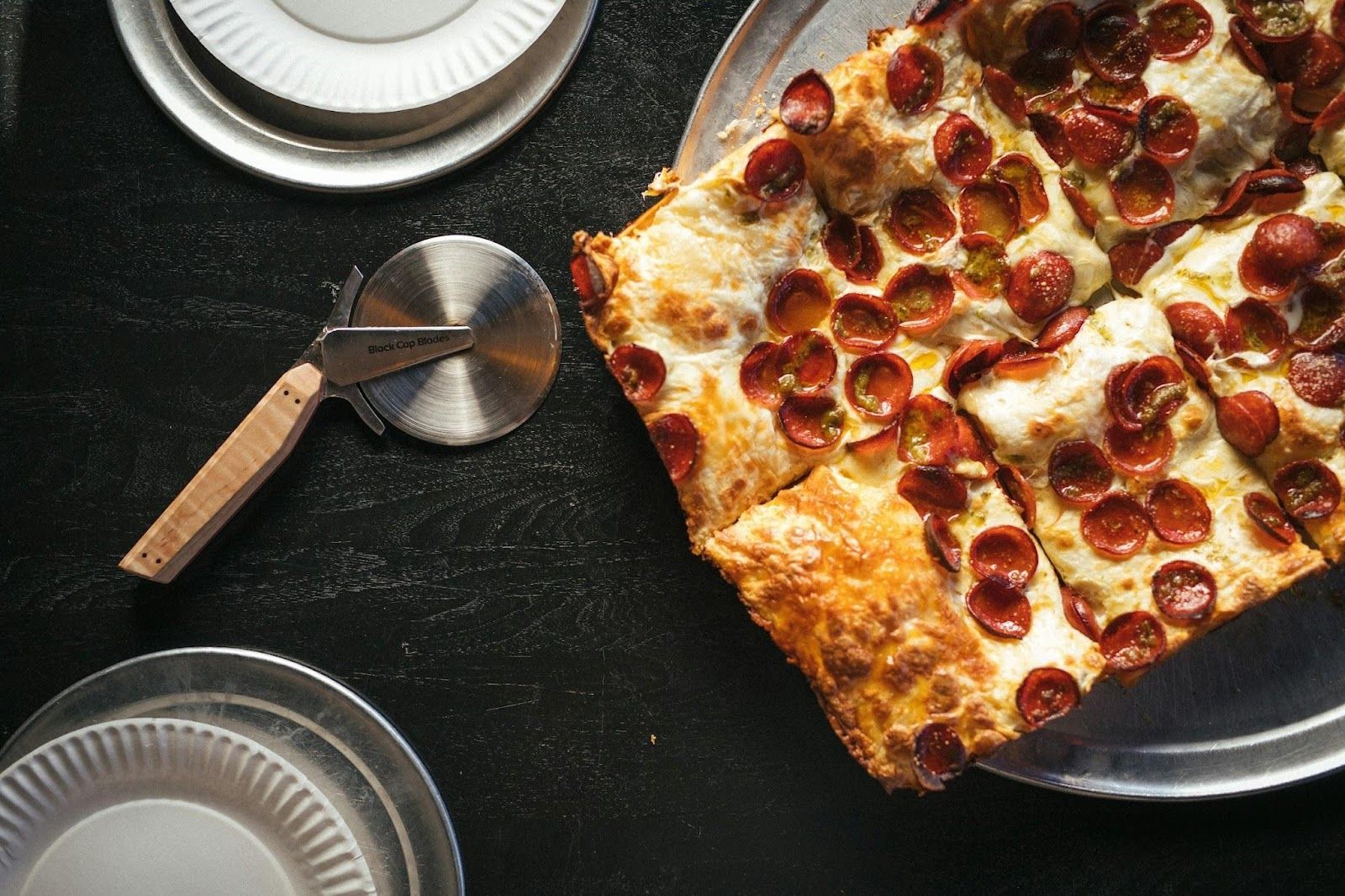
If Detroit-style pizza teaches us anything, is that pizza is delicious no matter which shape it’s in . Known for its characteristic rectangular shape, this variety’s crust resembles a typical focaccia , a type of Italian bread. It was created in the 1940s, allegedly invented in a former speakeasy at the corner of Six Mile Road and Conant Street.

Interestingly, the unusual shape of this delicious pizza is associated with Detroit’s impressive automotive industry. Many believe that the first pies of this style were baked in steel trays used in car factories, either as dripping pans or to hold small parts.

6
Famous Pizza Places

Image: Dylan Mullins

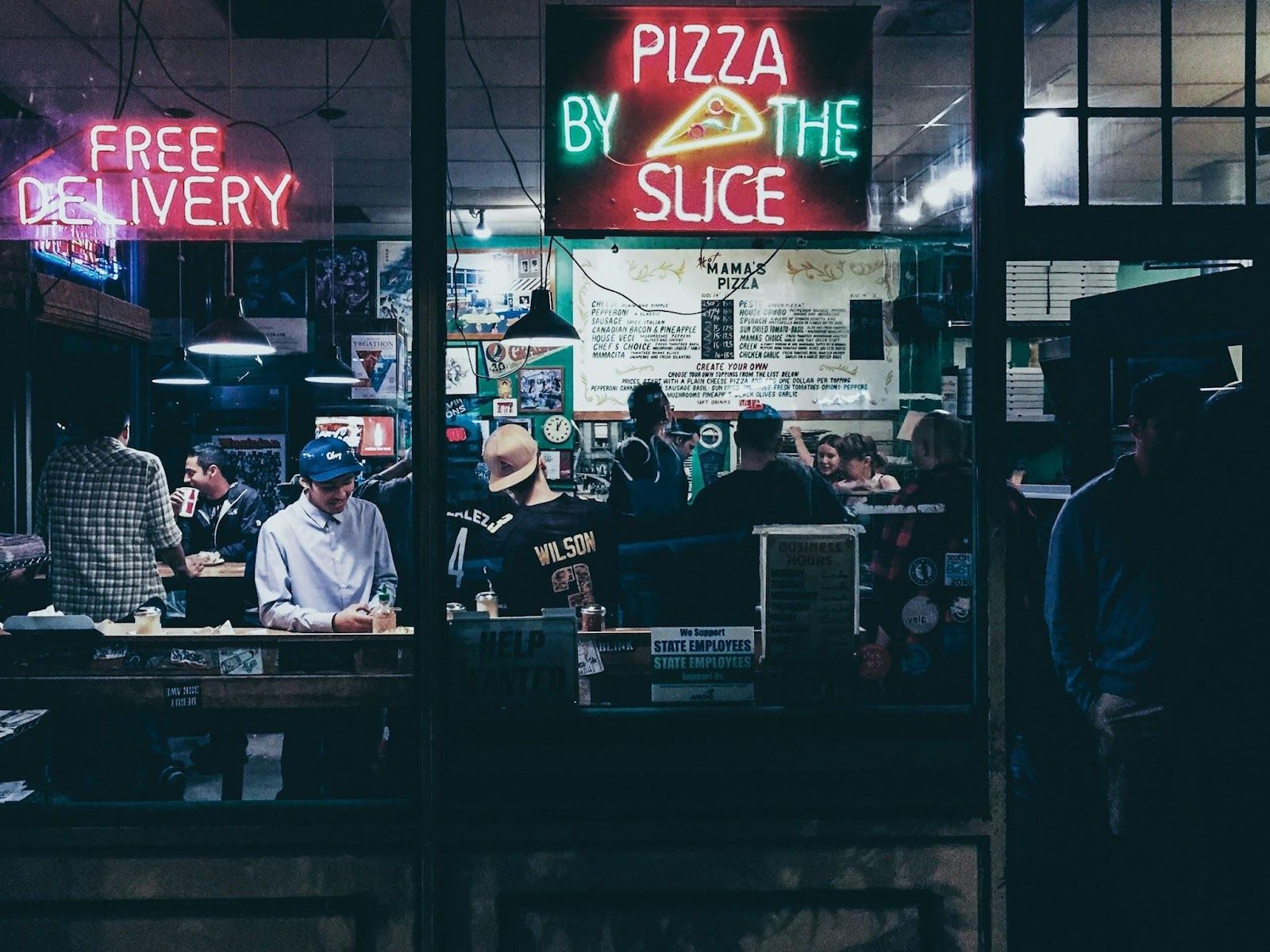
In 1905, Italian immigrant Gennaro Lombardi opened the very first pizza restaurant in America, located in the heart of Manhattan. And while the still-operational Lombardi’s was the first American parlor, it certainly wasn’t the last. Let’s take a memento to recognize a few of the very best pizza places America has to offer.

If you are looking for an unusual yet unforgettable pie, you might want to visit Frank Pepe's in New Haven, Connecticut, and try their unique clam pizza, topped with olive oil, garlic, and freshly shucked clams. Should you want a nice deep-dish pizza, try the original Uno Pizzeria & Grill, which claims to be the birthplace of Chicago-style pizza . Or, if you want to stick with a classic, you can always visit Lombardi’s and try their 119-year-old recipe.

7
Hawaiian pizza

Image: bckfwd

The origins of this pizza are controversial , and almost as divisive as this peculiar flavor is. For starters, let’s start with the elephant in the room: This pizza was not invented in America. It was created by Sam Panopoulos, a Greek-born Canadian cook who wished to experiment with sweet and savory flavors and decided to try adding bits of pineapple to a ham pizza.

However, this pizza is named after America’s 50th state for a reason, since pineapples are probably Hawaii’s most iconic product . In fact, Panopoulos named his creation after the brand of canned pineapple he was using at the time. In any case, the matter of whether Hawaiian pizza was a hit or a miss is still debatable. Some praise its unique taste, while others openly loathe it.

8
Pizza Chains

Image: Alexandra Gorn

After the American public was introduced to it in the 20th century, pizza unsurprisingly became an extremely profitable consumer good. In the 1960s, many now-massive pizza chains came into existence, providing the market with a massively popular and easily produced fast food.

Just to name a few, brands like Pizza Hut, Domino’s or Little Caesar’s became household names in no time. Besides their massive success and worldwide locations, these pizza chains share a common characteristic: they all started as small businesses, that eventually became beloved behemoths through hard work and resilience.

9
Tomato pie

Image: NASA

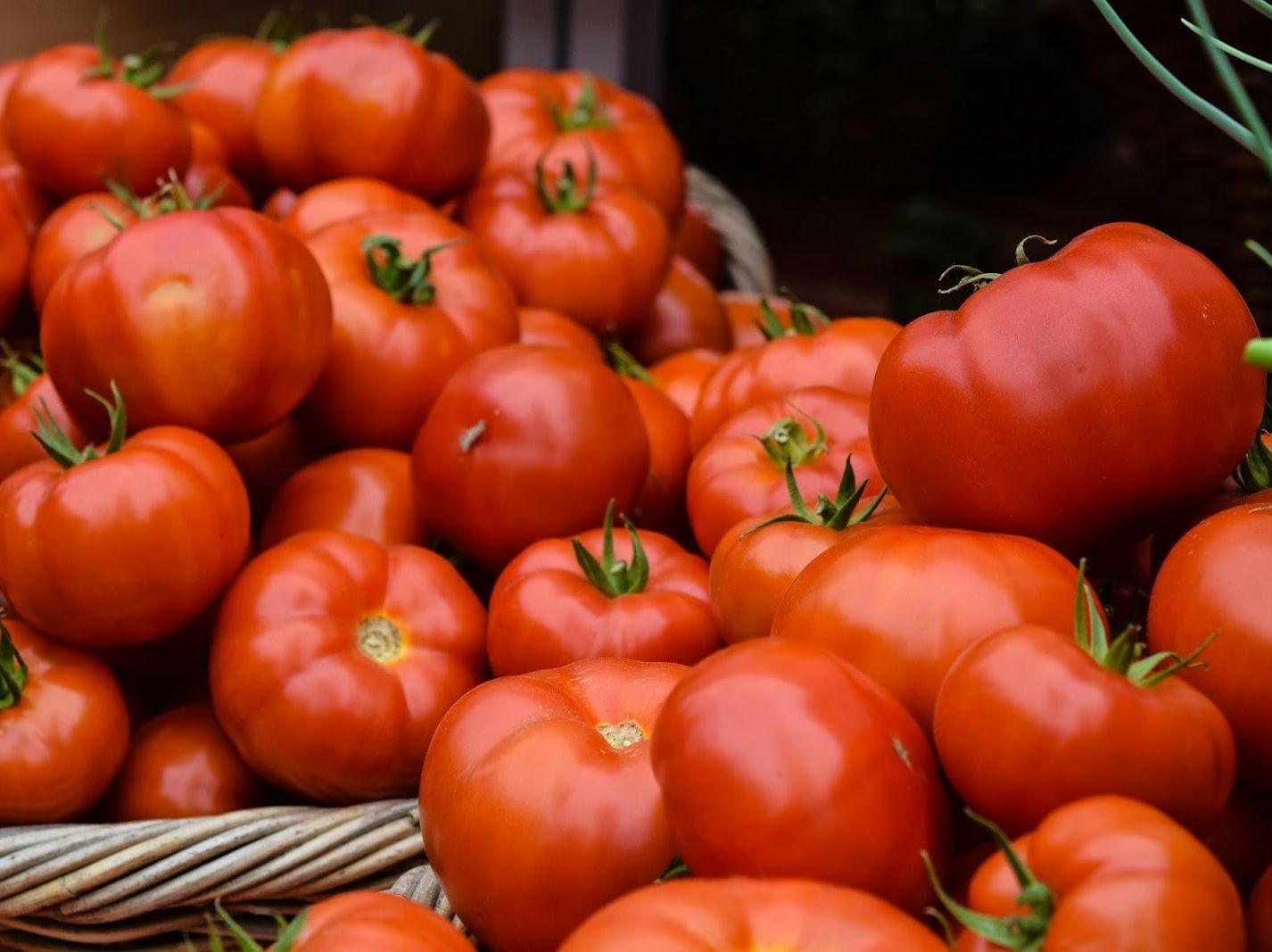
Just like with Hawaiian pizza, prepare for a controversial subject , which can be summed up into a single, self-contained question: Are tomato pies pizzas? Let’s see the arguments for both sides. On one hand, tomato pies are usually not served straight from the oven, and in some areas, they are even completely cheeseless. On the other, we can take an "if it looks like a duck" mentality regarding tomato pies: If they look like pizza and taste like pizza, then how can we consider them anything else but pizza?

In any case, whatever classification this tasty treat might fall into, it should be said that tomato pies are a must-try delicacy while visiting the Northeastern United States. They are also known as bakery pizza and church pie in Rhode Island and Philadelphia.

10
Pizza Delivery

Image: Rowan Freeman

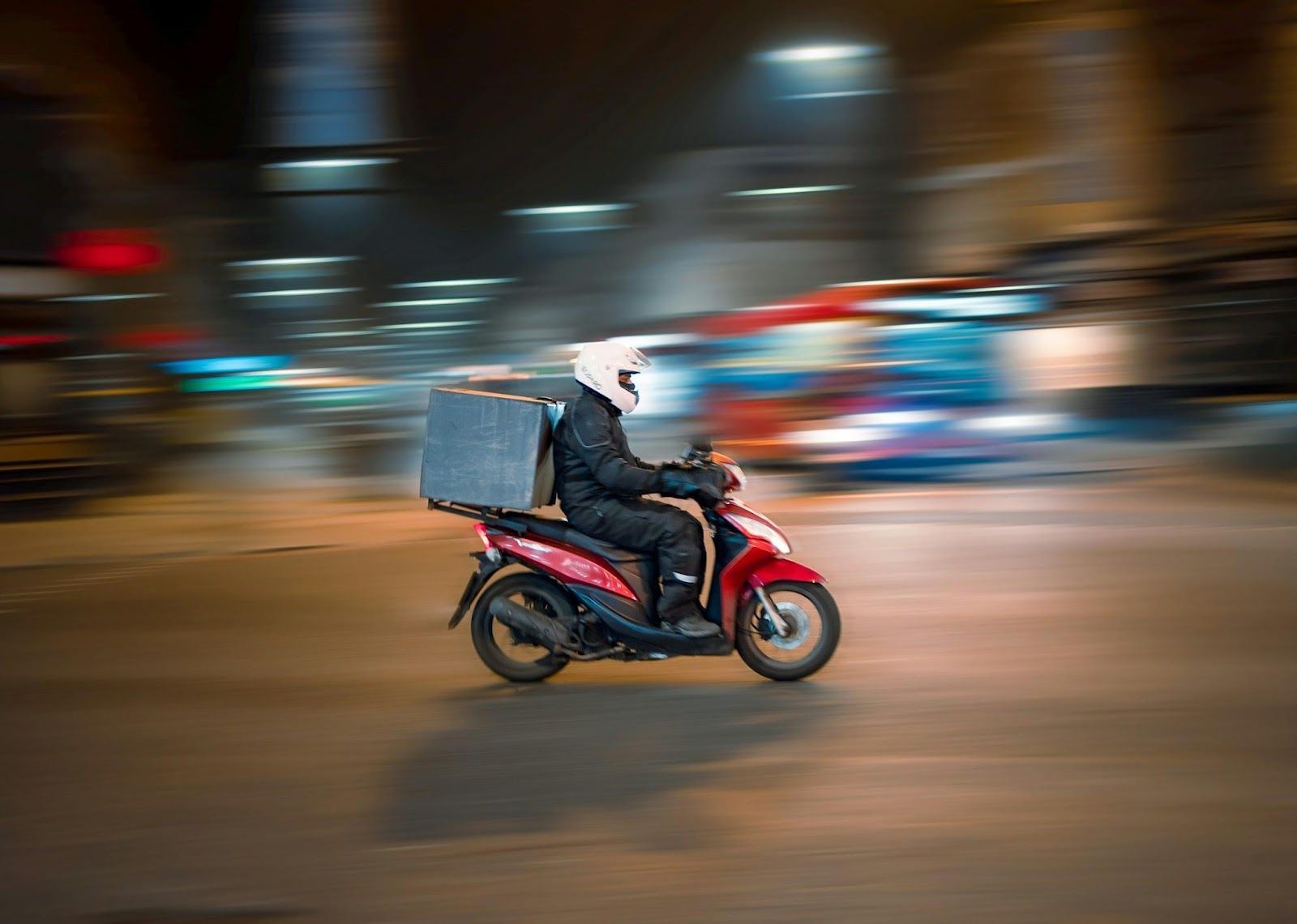
The history of pizza wouldn’t be complete without the advent of this game-changing innovation. Deliveries allowed us to enjoy all the cheesy goodness of pizza in the comfort and convenience of our homes. A lot could be said about the unsung heroes who made pizza and movie nights possible, so we’ll pay tribute to them by retelling two turning points in pizza delivery history.

In 1994, Pizza Hut made history by launching the very first viable online ordering system. While primitive, this service registered thousands of orders: To this date, Pizza Hut claims that the very first online purchase ever was a Pizza Hut pizza. Not content with this record, in 2001 Pizza Hut decided to go against "the Final Frontier" and delivered a salami pizza to the International Space Station, the very first pizza successfully delivered to outer space.

Explore more American facts

Choose your favorite category!

General
General

As American as apple pie—the very best America has to offer!

Culture
Culture

Delve into the astounding richness of American lore.

Geography
Geography

Hop in and explore vast and diverse American landscapes.

History
History

Discover the key moments that shaped the United States.