History History 4 min read

White House, obscure facts

What’s under the White House? Discover 10 incredible secrets revealed
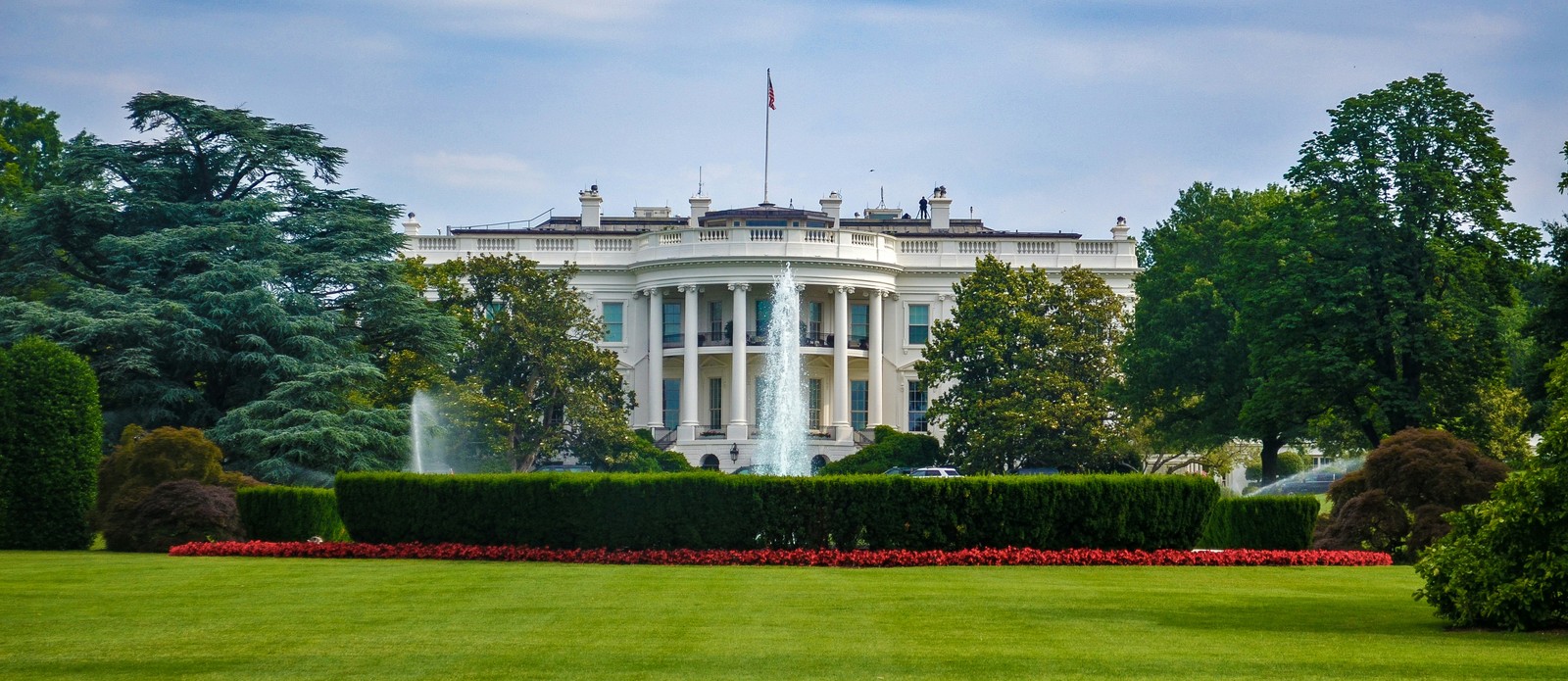
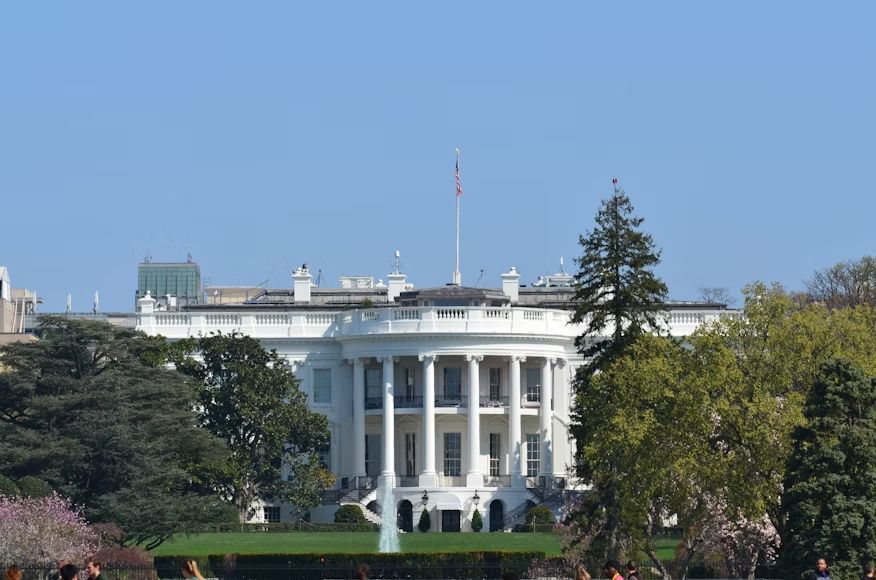
Image: David Everett Strickler

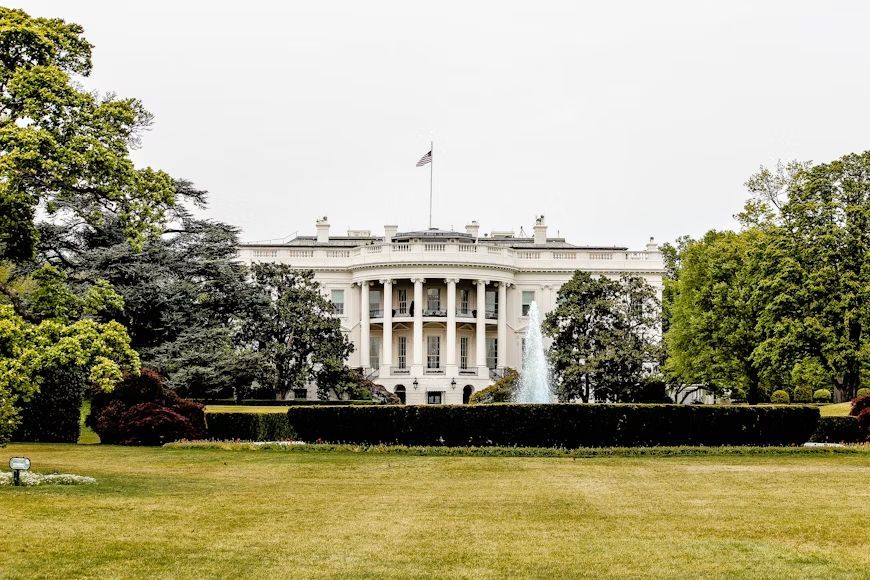
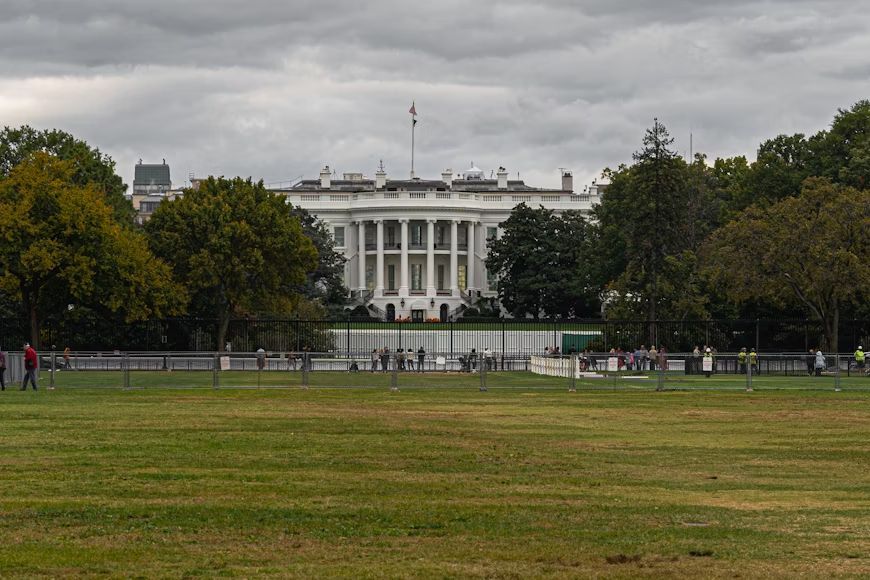
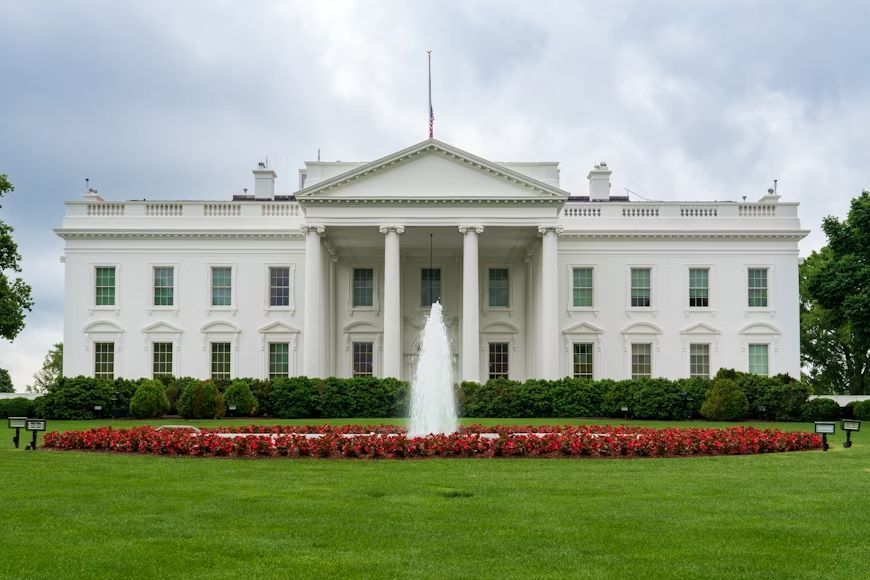
For more than two centuries, the White House has served as the home of American presidents and the center of the executive branch of the U.S. government. But behind its famous columns and historic rooms lies a hidden world that most visitors never see. Beneath the mansion are secret bunkers, underground passageways, forgotten spaces, and surprising facilities built for emergencies, security, and private presidential life. Take a look at 10 of these incredible secrets. Did you know about any of these?

1
Hidden bunker
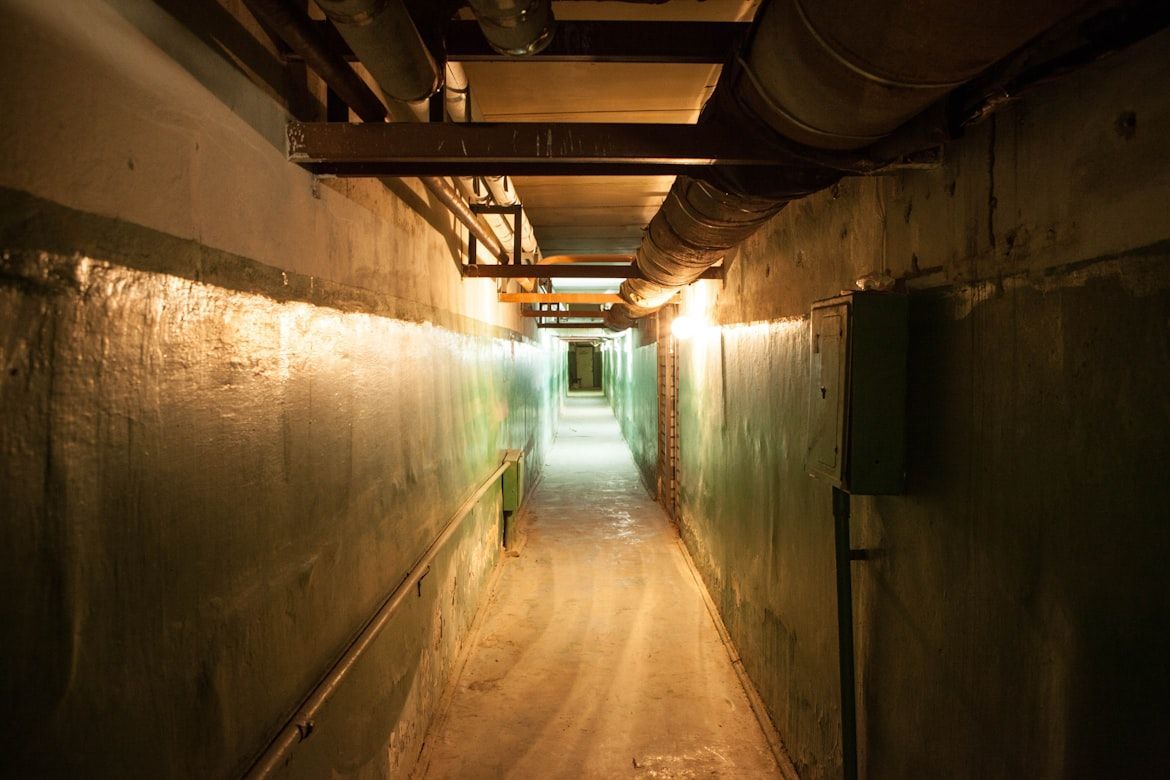
Image: Evgeniy Smersh

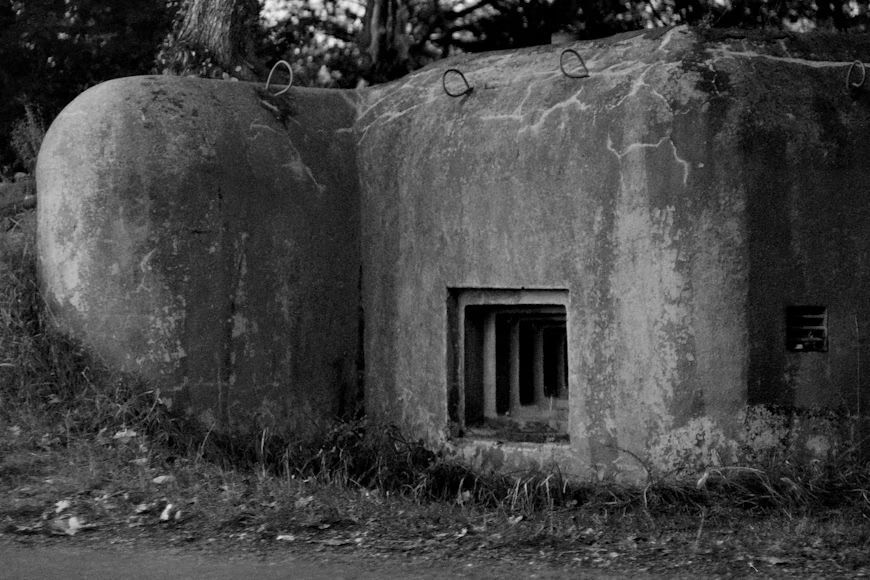
Beneath the East Wing sits the Presidential Emergency Operations Center (PEOC), a heavily fortified bunker created during World War II for President Franklin D. Roosevelt. It was expanded during Harry Truman’s massive White House renovations from 1948 to 1952 and became one of the safest locations in Washington, D.C.

The bunker became widely known after the September 11, 2001, attacks, when Vice President Dick Cheney and senior officials were rushed underground by the Secret Service. It was eventually dismantled in October 2025 when the entire White House East Wing was torn down by work crews to make way for a new, modernized underground command center and a large State Ballroom

2
Indoor swimming pool

Image: Thomas Park

An indoor swimming pool was installed in 1933 by Franklin D. Roosevelt, who used swimming therapy to help manage the effects of polio. The pool was considered extremely modern for its time, with underwater lighting and advanced filtration systems .

Harry Truman, John F. Kennedy, and Lyndon Johnson all used the pool regularly. In 1970, President Richard Nixon ordered the space converted into the White House press briefing room, though the original pool structure remains hidden underneath the floor today.

3
Dentist office

Image: Benyamin Bohlouli

Very few people realize the White House has had its own dental office since the Hoover administration in the early 1930s. The facility was placed in the basement so presidents could receive emergency treatment without leaving the building .

Historic photographs from March 10, 1948, show the office fully equipped before the Truman renovation began. Barack Obama later joked in an interview that he was surprised to discover "the whole chair" and dental setup hidden beneath the White House. The practice is still fully operational and in use today.

4
Private movie theater

Image: Marius GIRE

The White House once contained its own private movie theater inside the East Wing. Created during Franklin Roosevelt’s presidency in the 1940s, the room was converted from a cloakroom into a screening space during wartime renovations .

Presidents have used the theater for both entertainment and diplomacy. Ronald Reagan frequently screened westerns there, while modern presidents have previewed major Hollywood releases before public premieres. The theater was demolished in October 2025 alongside the rest of the East Wing to make way for a new state ballroom.

5
Almost demolished during the Truman era
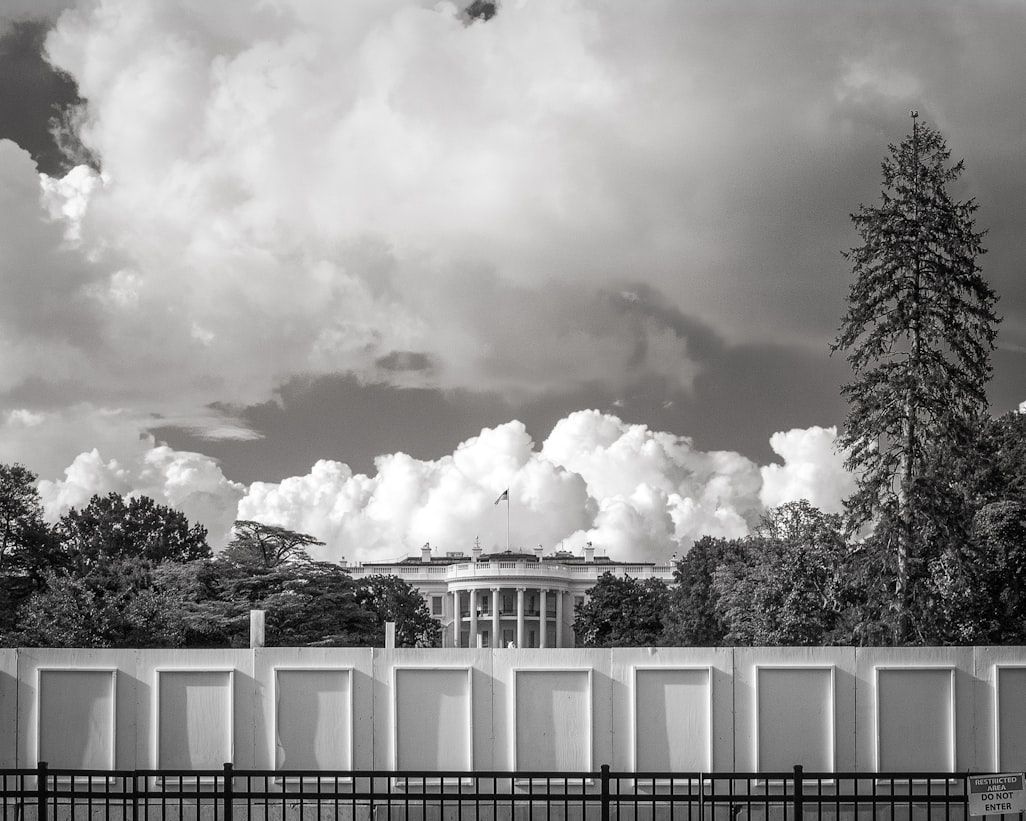
Image: Rosie Kerr

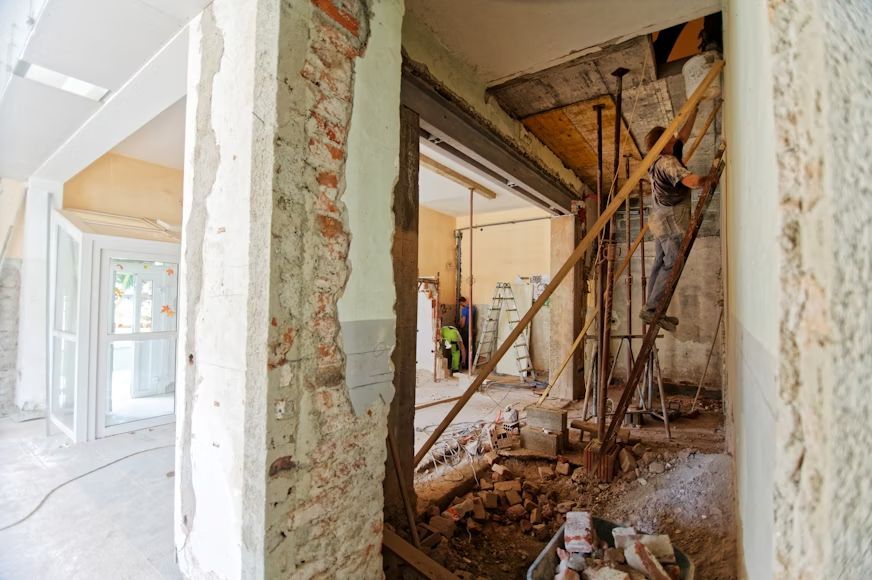
By the late 1940s, the White House had become dangerously unstable, physically speaking. Floors sagged, walls cracked, and parts of the building were close to collapse after decades of expansions and poor structural support .

President Harry Truman ordered a complete gut renovation from 1948 to 1952. The interior was almost entirely dismantled while the exterior walls were temporarily held in place with steel supports. The Truman family lived across the street at Blair House during the reconstruction.

6
Escape route for the Cold War era
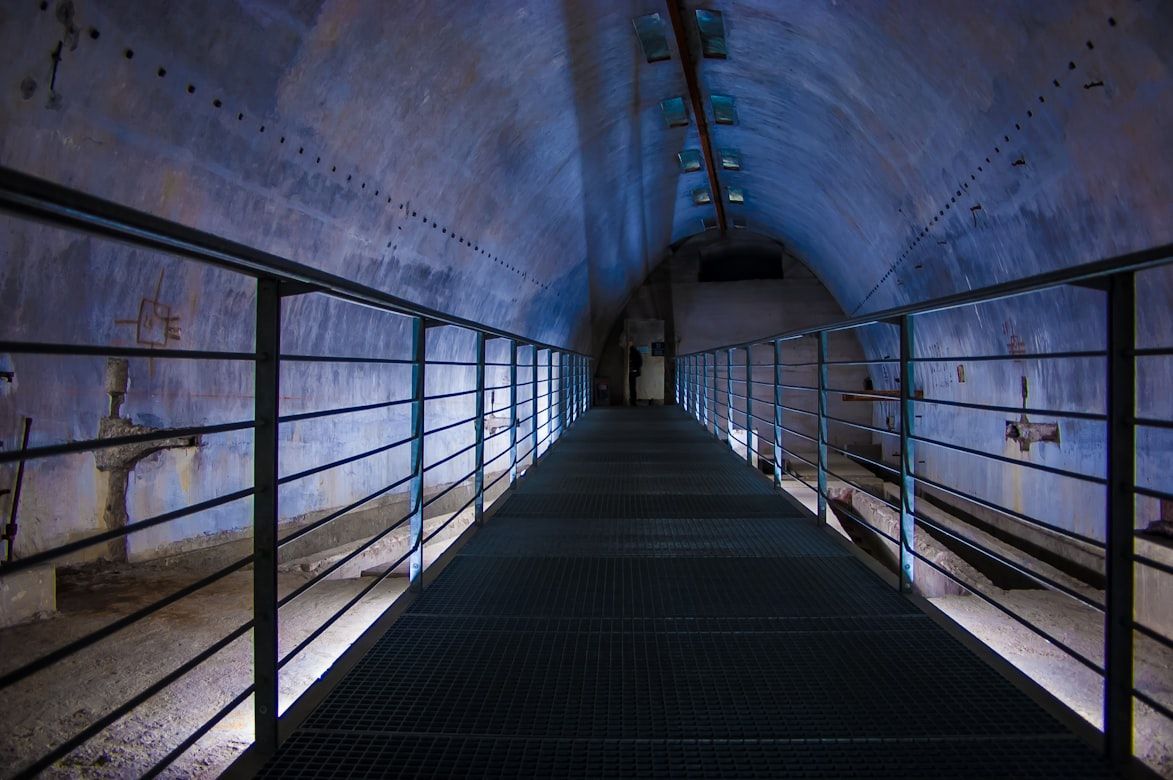
Image: Alex Holzreiter

During the Cold War, secret underground passageways and emergency routes were reportedly added beneath the White House complex to prepare for nuclear threats . Many details remain classified even today.

The reinforced underground network connected secure areas beneath the East Wing and surrounding government buildings. These emergency systems were especially strengthened during the Truman renovation as fears of atomic attack grew in the early 1950s.

7
The attic was used as wartime storage
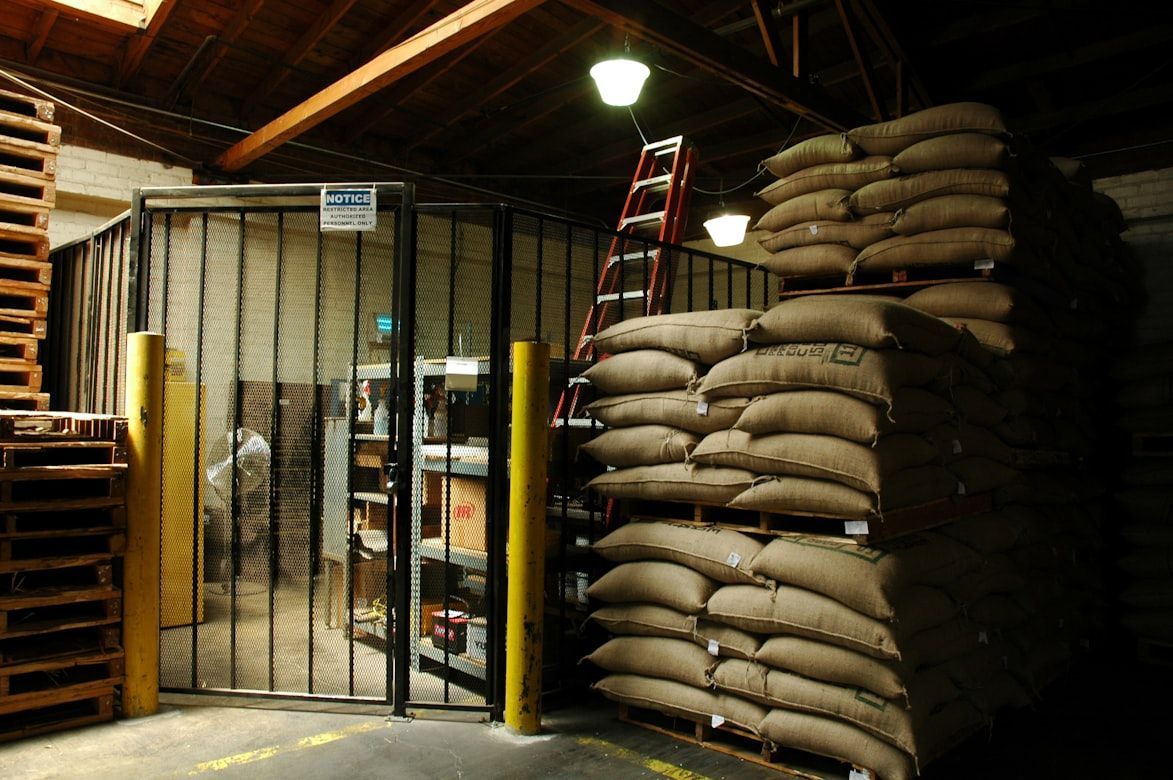
Image: Wonderlane

During World War II, unused areas of the White House attic were used as storage for emergency supplies, documents, and wartime materials . Security concerns dramatically increased after the attack on Pearl Harbor in 1941.

The upper levels of the mansion were also used to protect historic furnishings and archives during renovation projects and wartime precautions. Many visitors never realize the White House includes hidden utility and storage spaces above the famous state rooms.

8
Secret floral workshop
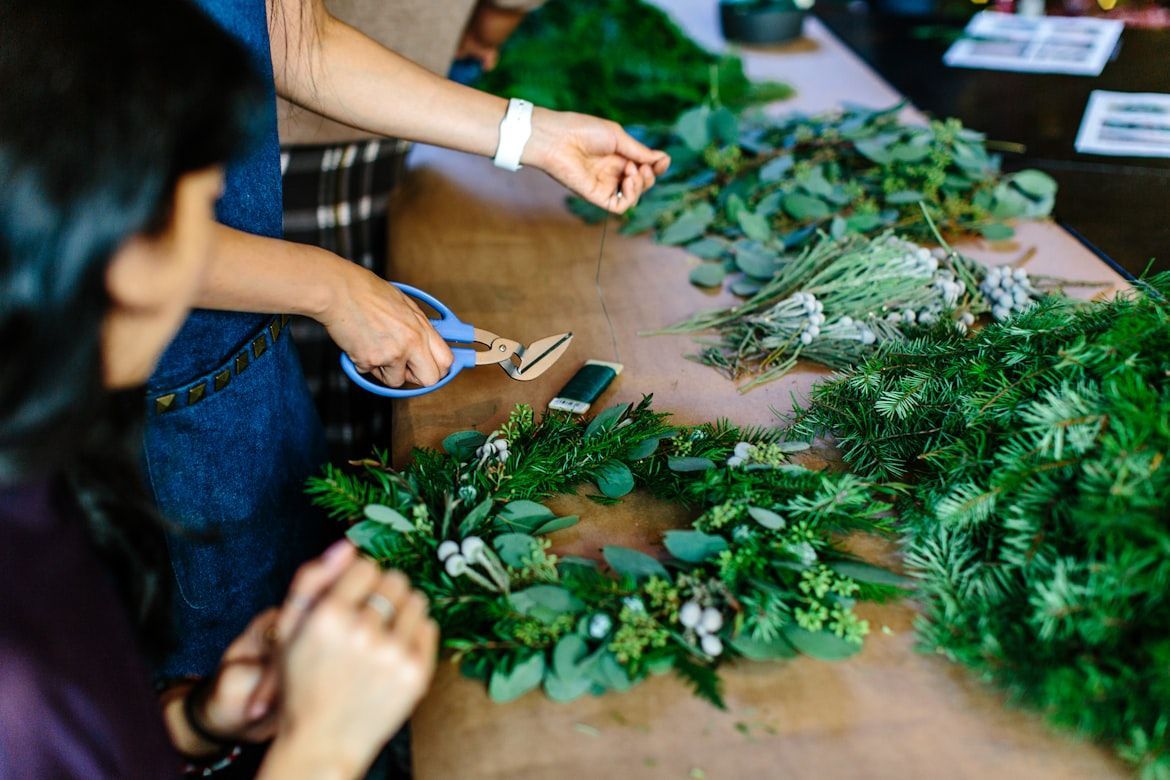
Image: Hillary Ungson

The White House maintains a hidden floral design workshop operated by an official team of florists. They prepare thousands of flower arrangements each year for state dinners, diplomatic receptions, and holiday events.

The operation works behind the scenes to coordinate flowers with historic rooms, national traditions, and visiting foreign leaders . Designers often work overnight before major ceremonies so arrangements appear fresh for televised events and tours.

9
Forgotten rooms and artifacts
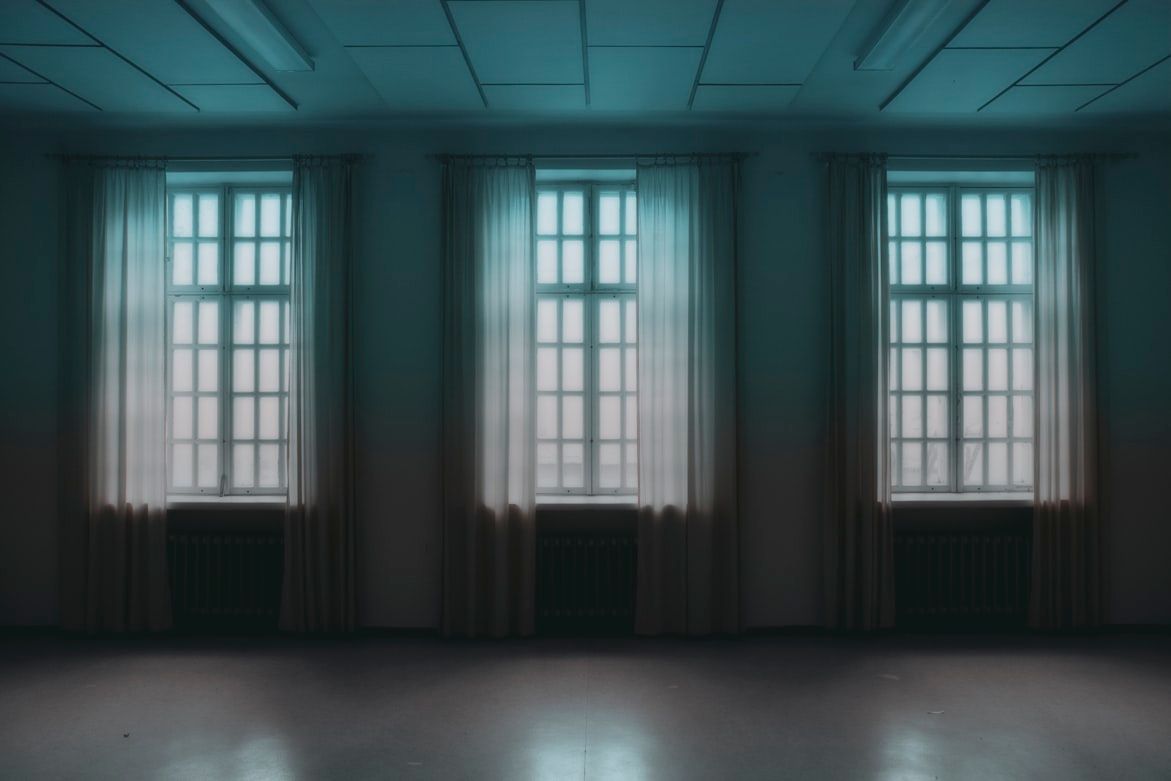
Image: Hans Eiskonen

The White House contains dozens of lesser-known rooms rarely seen by the public, including old service areas, storage rooms, and spaces left over from earlier renovations . Some hidden corners still preserve traces of earlier administrations.

Historic artifacts are also stored throughout the mansion and its underground levels, including furniture, paintings, and decorative objects removed during renovations. Some pieces date back to the early 1800s and are noted in and out of public rooms over time.

10
Multiple underground levels
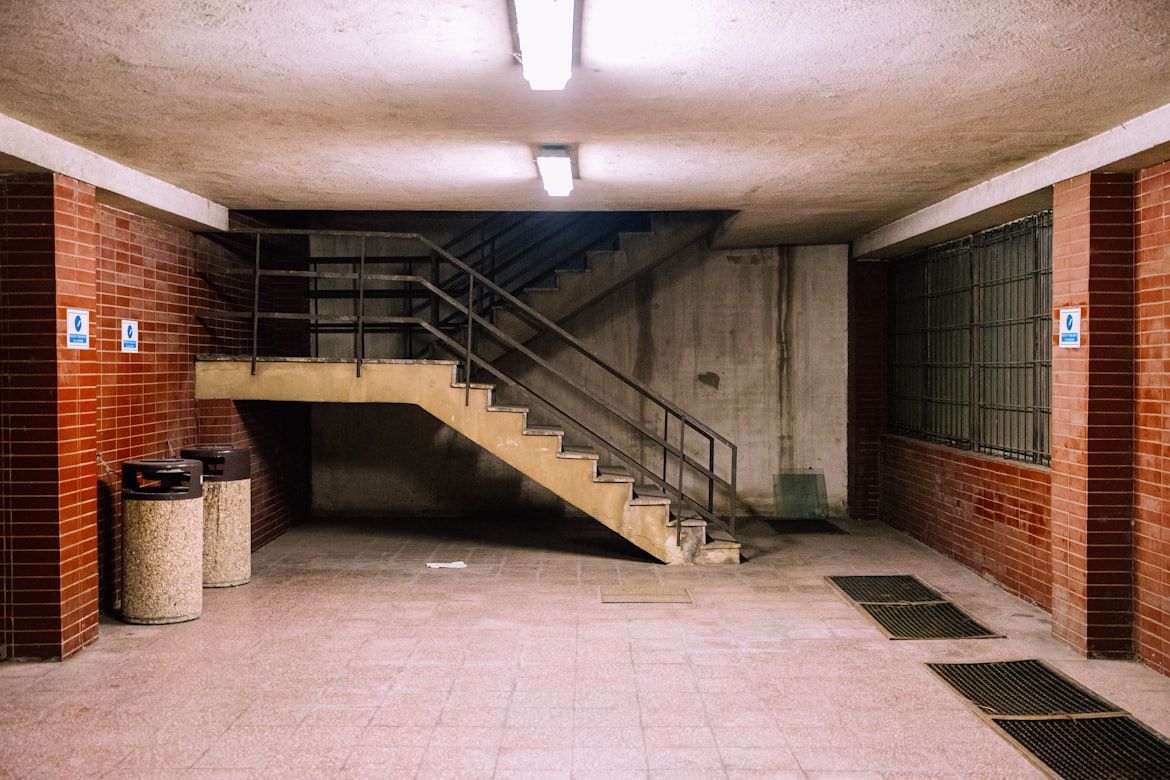
Image: Michal Balog

Most visitors never realize the White House extends far below ground level. In addition to the main floors, the complex includes sub-basements, mechanical systems, secure communications areas, kitchens, storage facilities, and emergency infrastructure.

Historians estimate the White House contains roughly 55,000 square feet and six levels in total . Much of the underground structure was reinforced with concrete and steel during the Truman renovation to improve security and stability.

Culture Culture 5 min read

Rock on!

Did you know these 10 American guitar legends?

Image: ANTONI SHKRABA production

While usually it’s the charismatic singers who get all the attention, a good guitarist is truly the backbone of every self-respecting band. As the birthplace of rock and roll, it stands to reason that America has produced its fair share of groundbreaking guitarists, all of which have left their unforgettable mark on this genre’s history. With that in mind, we have decided to write this small homage to 10 of the most amazing guitar players our country has given to the world. Are your favorite musicians on this list? Keep on reading and find out!

1
Jimi Hendrix

Image: Aditya Wardhana

We’ll start with what many believe to be the very best guitarist of all time. James Marshall Hendrix , better known as "Jimi", truly redefined rock music during his tragically short career. Born in Seattle, Jimi’s fascination with music started at an early age: His school teachers recall that he would often carry around a broom, on which he would pretend to play the guitar.

The four albums recorded by Hendrix are still regarded as masterworks, known for their innovation, technique, and amazing design. If we have the difficult task of summing up this amazing musician’s legacy in one moment, we would definitively choose his rendition of the "Star-Spangled Banner" at Woodstock.

2
B.B. King

Image: Thomas Kelley

If you are looking for an undisputed king of the blues, look no further: After all, this man has the word "King" as his surname. Born as Riley B. King in 1925, B.B. King’s career was filled with amazing performances, timeless records, and an undying love for the blues.

However, the influence of "The King of the Blues" is definitely not limited to only one genre: Many iconic musicians and bands owe a lot to B.B. King. Not only that, in 1987, King was inducted into the Rock and Roll Hall of Fame, a spot well earned by one of the most groundbreaking guitar players in history.

3
Chuck Berry

Image: Rachel Bramlett

Chuck Berry’s contributions to rock and roll can’t be overlooked: After all, there’s a reason people know him as "the Father of Rock N’ Roll". Berry’s legacy truly befits a pioneer such as himself: He redefined the concept of rhythm and blues into the most defining elements of what we now know as rock and roll, creating the basis of history’s most popular music genre in the process.

Chuck wrote such legendary songs as "Johnny B. Goode", "Maybellene", and "Roll Over Beethoven". His charisma and raw talent quickly made him one of the most famous music stars in the 50s, but his legacy still lives on to this day.

4
Carlos Santana

Image: Simon Weisser

We mentioned Jimi Hendrix’s unforgettable performance at Woodstock, but it’s also necessary to talk about Carlos Santana and his amazing breakthrough in this legendary music festival. For many Americans, Woodstock was the very first time hearing Santana’s music, but it certainly wouldn’t be the last.

Carlos Humberto Santana Barragán began playing music at an early age: His father, a musician, taught him how to play the violin and the guitar when he was 5. Nowadays, at the young age of 77, he happily continues to tour around the world.

5
Slash

Image: Cathy Mü

Some guitar players are so iconic that they don’t even need a full name, but Slash takes it to the next level: After all, he only needed a punctuation mark for the whole world to remember him. Known worldwide as the guitarist of the 80s hard rock band Guns N’ Roses, Slash is instantly recognizable by his insane riffs and solos, as well as his wild hair and elegant top hat.

Slash has been named one of the best rock guitarists in history by several magazines and publications, including Rolling Stone and Time Magazine. Should you want to hear some of his most amazing melodies, we recommend the guitar riff in "Sweet Child of Mine" as well as the insane guitar solo in "November Rain".

6
Stevie Ray Vaughan

Image: Dominik Scythe

Although his career was cut abruptly short, Stevie Ray Vaughan is considered to this day one of the most influential and groundbreaking guitar players in music history. Vaughan’s seven years in the public eye left an indelible mark on rock and roll that still continues to influence young musicians around the world.

Born in Dallas, Stevie began playing the guitar at the age of 7, inspired by his older brother, guitarist Jimmie Vaughan. By the time he made it on his own as the frontman of the "Stevie Ray Vaughan and Double Trouble" trio, Vaughan was already an accomplished studio guitarist, even recording the instrumentals on David Bowie’s iconic 1983 album Let’s Dance.

7
Frank Zappa

Image: Dominik Scythe

As you would expect, this article includes its fair share of talented and groundbreaking musicians, but we can certainly state that Frank Zappa has a quality we haven’t seen in our previous entries: His sense of humor. Zappa’s raw talent playing the guitar can only be compared to his incredible sense of irony and parody, often reflected in the lyrics of his band "The Mothers of Invention".

However, don’t let his ability for satire make you think that Zappa was anything less of a virtuoso: Even detractors who consider his experimental and eclectic style off-putting also admit that his talent can’t be denied.

8
Wes Montgomery

Image: Adrian Ordonez

For any casual observer, the guitar often seems overlooked by jazz orchestras, falling in the shadows of other instruments like the piano, the trumpet, or the saxophone. However, we can almost guarantee that any jazz aficionado will agree that Wes Montgomery ’s contributions to this genre have no equal.

You might not know that Wes was not the only musician in his family: Both his brothers, Monk and Buddy, were accomplished jazz players in their own right. However, Wes is probably the most influential of the three; many of his songs have become jazz standards, while his unique style of playing was instrumental in the creation of smooth and fusion jazz.

9
Sister Rosetta Tharpe

Image: Samuel Ramos

Many regard Rosetta Tharpe as the "original soul sister," and with good reason, as she performed under the stage name " Sister Rosetta Tharpe " throughout her entire career. However, there’s another title that shouldn’t be overlooked: Since she has influenced music legends like Elvis Presley, Eric Clapton, and Chuck Berry, she is also known as "The Godmother of Rock n’ Roll".

Born in Cotton Plant, Arkansas, by the age of 6, Tharpe had joined her mother in a traveling evangelical group, advertised as a "singing and guitar-playing miracle". By 1938, her amazing guitar skills, often showcased in guitar battles at the legendary Apollo Theater in New York, had already earned her a name as one of the best guitar players around.

10
Robert Johnson

Image: Ahmed Rizkhaan

We’ll end this article with a man that the Rock and Roll Hall of Fame describes as perhaps "the first ever rock star". Born in Mississippi in 1911, Robert Johnson is recognized as a pioneer in the "Delta Blues" style and one of the most influential musicians of the 20th century.

What’s interesting is that Johnson’s career spanned only seven months: He recorded 29 songs in only 2 sessions. However, his amazing skills even spawned a supernatural legend. Many believed that Johnson’s talent came from an agreement with a supernatural entity at a crossroads.

General General 4 min read

Meet your local fauna

Which animals can only be found in North America? 11 native species

Image: Tracy Jentzsch

In today’s globalized world, we sometimes forget that many animal species are native to a specific region , despite having been introduced to other habitats. Some of these species seamlessly adapt to their new environments with minimal to no negative impact, but many become invasive, disrupting ecosystems and preying on native fauna and flora. North America’s ecosystems have their fair share of native species that have become so familiar worldwide that their origins are often overlooked. Here are 11 species that originated in North America!

1
American Alligator

Image: Joshua J. Cotten

Did you know that American alligators are one of only two alligator species in the whole world ? China is the only other place with an alligator species, the Chinese alligator. Often confused with their relatives, the crocodiles and the caimans, alligators can be differentiated by the shape of their teeth, their round snouts, their darker color, and their preference for freshwater habitats. An inhabitant of tropical and subtropical wetlands, the American alligator can be found throughout the Southeastern U.S.

2
Nene

Image: Lyle Wilkinson

Also known as the Hawaiian goose, this bird can only be found in its wild state across the islands of Maui, Kauaʻi, Molokai, and Hawaiʻi . Believed to be distantly related to the Canada goose, the nēnē is considered the rarest goose species in the world and is a protected species. Thanks to successful conservation efforts, it has been reclassified from endangered to near threatened. It has also been designated as the official state bird of Hawaiʻi.

3
Common Raccoon

Image: Chris Ensminger

If you are asked to describe a raccoon, the common raccoon, native to North America, will most likely come to mind. The other two species of raccoon—also native to the Americas—present marked differences in color and size. Their name is derived from the Algonquian aroughcoune , meaning ‘he who scratches with his hands.’ The unusual shape of their thumbs, combined with their cleverness, allows them to open closed containers to access food and trash, which has earned them the nickname of "trash pandas." Due to human intervention, they have become a highly invasive species in European and Asian ecosystems.

4
Monarch Butterfly

Image: Alex Guillaume

One of the most recognizable butterfly species, the Monarch can be identified by its orange and black wings with white spots . Monarch subspecies can be found across the Americas, but the North American monarch is especially known for its remarkable migratory behavior. As winter approaches, monarch butterflies in the northern United States travel thousands of miles to overwintering sites in California and central Mexico. In spring, they will return home in time for summer.

5
North American Beaver

Image: Tim Umphreys

Though North American beavers are related to those found in Asia and Europe, their genetics are so different that they are unable to mix. North American beavers are generally larger and darker than their Eurasian counterparts , and they have a broader and longer tail. They are a widespread species across the Continental U.S., Canada, and northern Mexico and have been chosen as the official state mammal of Oregon and New York.

6
Bald Eagle

Image: Mathew Schwartz

Widely recognized as a national U.S. symbol and featured in multiple official imagery , the bald eagle came close to extinction in the late 20th century. Found across most of North America, it favors habitats near large bodies of water. Fun fact: bald eagles were named after the color of their head feathers, as the word ‘bald’ was anciently used for ‘having a white head.’

7
Alligator Snapping Turtle

Image: U.S. Fish and Wildlife Service Southeast Region, Public domain, via Wikimedia Commons

Like the reptile it takes its name from, this pointy reptile is only found in freshwater habitats across the U.S. The spiky ridges on its shell give it an armored tank appearance, but these will flatten as the turtle ages. They have an extremely powerful bite , and they have been known for biting human fingers off, which makes them a dangerous animal that should be approached with caution.

8
Texas Blind Salamander

Image: Ryan Hagerty/USFWS, Public domain, via Wikimedia Commons

Unlike other entries on this list, this amphibian can only be found in a very specific place: San Marcos, Texas . Considered to be a critically endangered species, the Texas blind salamander lives in underground caves and streams and is highly sensitive to water pollution and droughts.

9
Coyote

Image: Dylan Ferreira

Also known as the American jackal or prairie wolf, the coyote fulfills a key role in North American ecosystems by helping regulate the population of smaller animals and consuming carrion that could otherwise spread disease. Somewhat friendly toward humans, coyotes play an important role in Native American folklore, and there are recorded cases of domesticated coyotes.

10
Giant Kangaroo Rat

Image: Harrison, George, Public domain, via Wikimedia Commons

Although kangaroos are native to Australia, giant kangaroo rats are found only in California . Preferring dry, sandy habitats that allow them to dig burrows, these rodents are known for using foot stomps as a way of communicating. Due to habitat loss caused by agriculture, the giant kangaroo rat has been classified as an endangered species.

11
American Mink

Image: Alexandre Daoust

American minks can be found across Alaska, Canada, and the northern and central United States, both in the wild and on farms. Although they are not specifically bred to be tame, they are officially considered suitable to be pets if trained from a young age. Their introduction to many parts of Europe, Asia, and South America has harmed native species, and they have been classified as invasive in many of these regions.

Explore more American facts

Choose your favorite category!

General
General

As American as apple pie—the very best America has to offer!

Culture
Culture

Delve into the astounding richness of American lore.

Geography
Geography

Hop in and explore vast and diverse American landscapes.

History
History

Discover the key moments that shaped the United States.