From the battlefield to everyday life
What the military doesn't tell you about your GPS and microwave
Image: Shutterstock
So many things that were born on the battlefield ended up in our kitchens, our cars, and our living room. Before becoming common technologies and devices we take for granted today, they were created to meet critical wartime needs. Here are 10 military innovations that found second lives far from the battlefield.
1
GPS
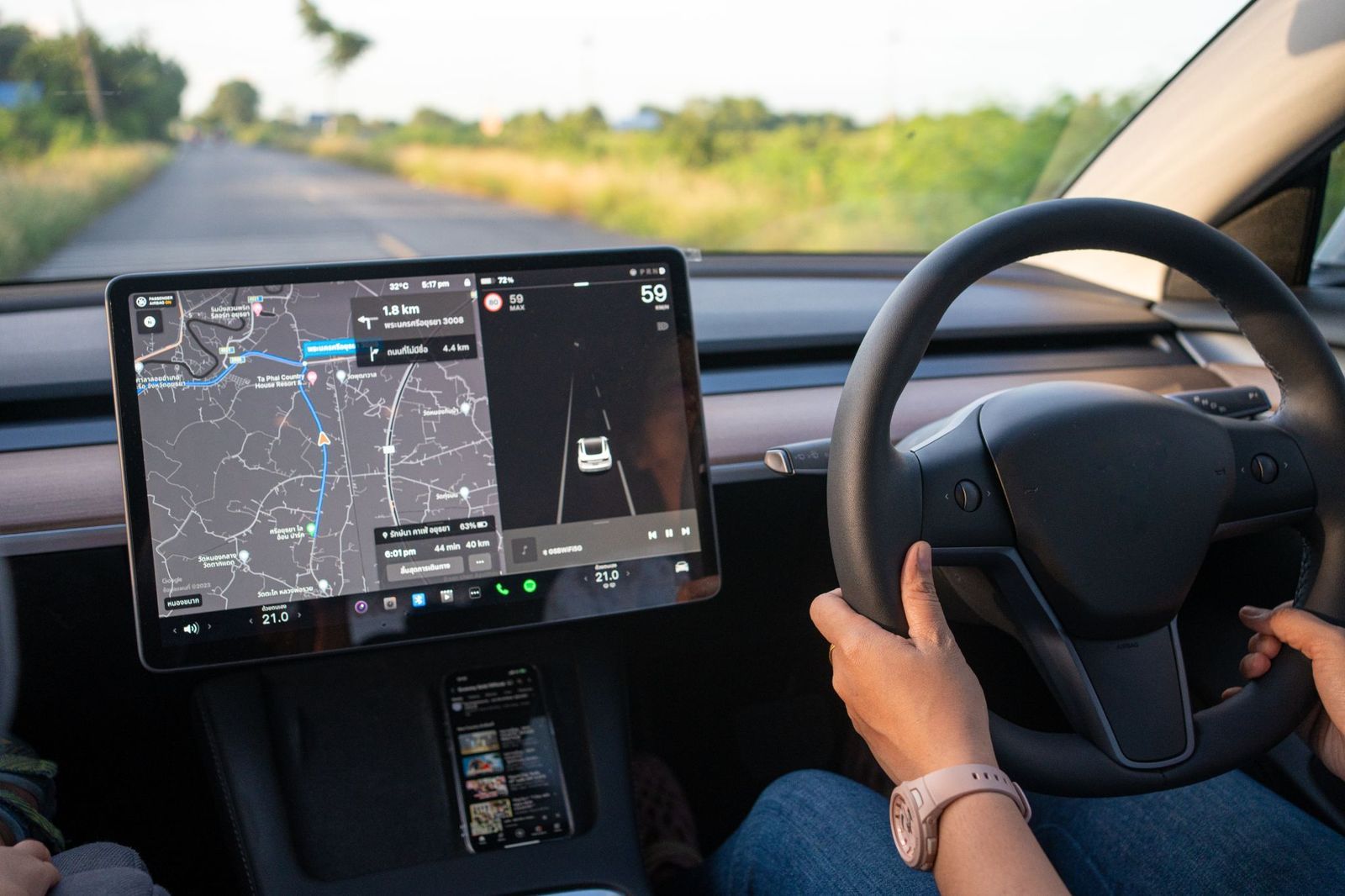
Today, GPS warns you about police checkpoints, your speed, and every possible route you could take to destinations near and very far. But GPS had a different purpose before it became available to everyone.
The U.S. Department of Defense needed a way to guide ships, aircraft, missiles, and troops. In 1973, U.S. Air Force Colonel and aerospace engineer Bradford Parkinson led a program to develop a precise navigation system. The first Navstar GPS satellite was launched in 1978, and the technology proved successful. President Ronald Reagan then opened GPS to civilian aviation in 1983, but receivers were costly and less accurate until the 2000s. Now GPS navigation systems are installed in Garmin devices, smartphones, and cars for everyday use.
2
The Internet
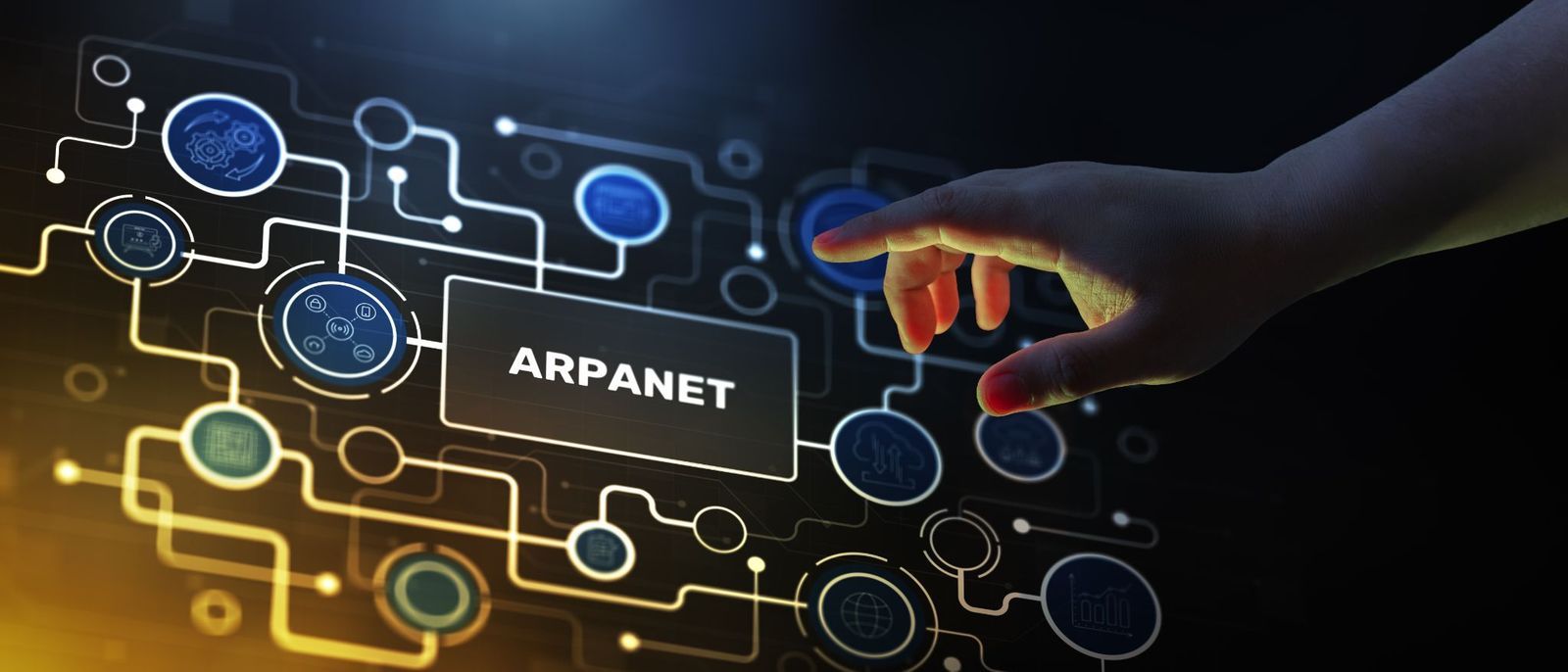
Could computers in different cities share information over a single network? That was the problem the Advanced Research Projects Agency, ARPA, an office of the U.S. Department of Defense, faced in 1968. So ARPA hired engineers at the Massachusetts tech company Bolt Beranek and Newman to build devices to route information between computers. The result was the connection of four universities through ARPANET the following year.
ARPA computer scientists wanted more, so they created a set of rules that allowed different networks to "talk" to one another. ARPANET adopted this system in 1983, but then shut it down in 1990 as the Internet grew far beyond that original network. Soon, services such as CompuServe and AOL brought internet access into our homes.
3
Military drones
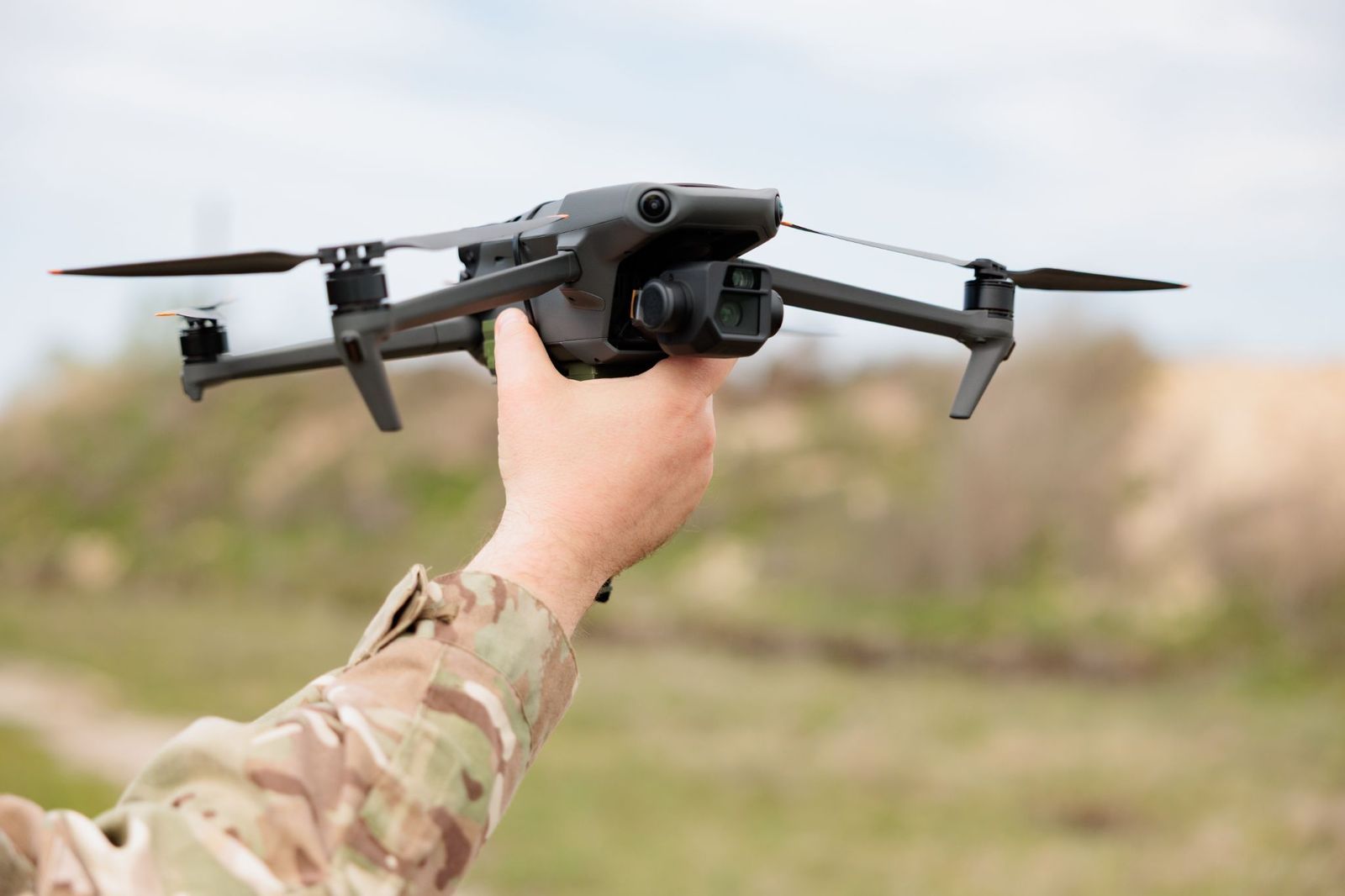
Drones are used today to film everything from real estate listings to personal vacations to sweeping landscapes in movies, TV, and social media clips. Aerospace engineer Abraham Karem built the original prototype in his garage back in the 1980s for a U.S. Air Force solicitation. This new device flew long missions over dangerous combat zones, streaming back live video without putting a human pilot at risk.
Almost 30 years later, Chinese and American companies like Parrots and DJI developed new models that made drones easier for civilian use. From there, drones became part of everyday life and essential tools for filming major productions. The 2012 James Bond movie Skyfall is credited as the first major film to use remote-controlled drones for professional aerial shots.
4
Microwave
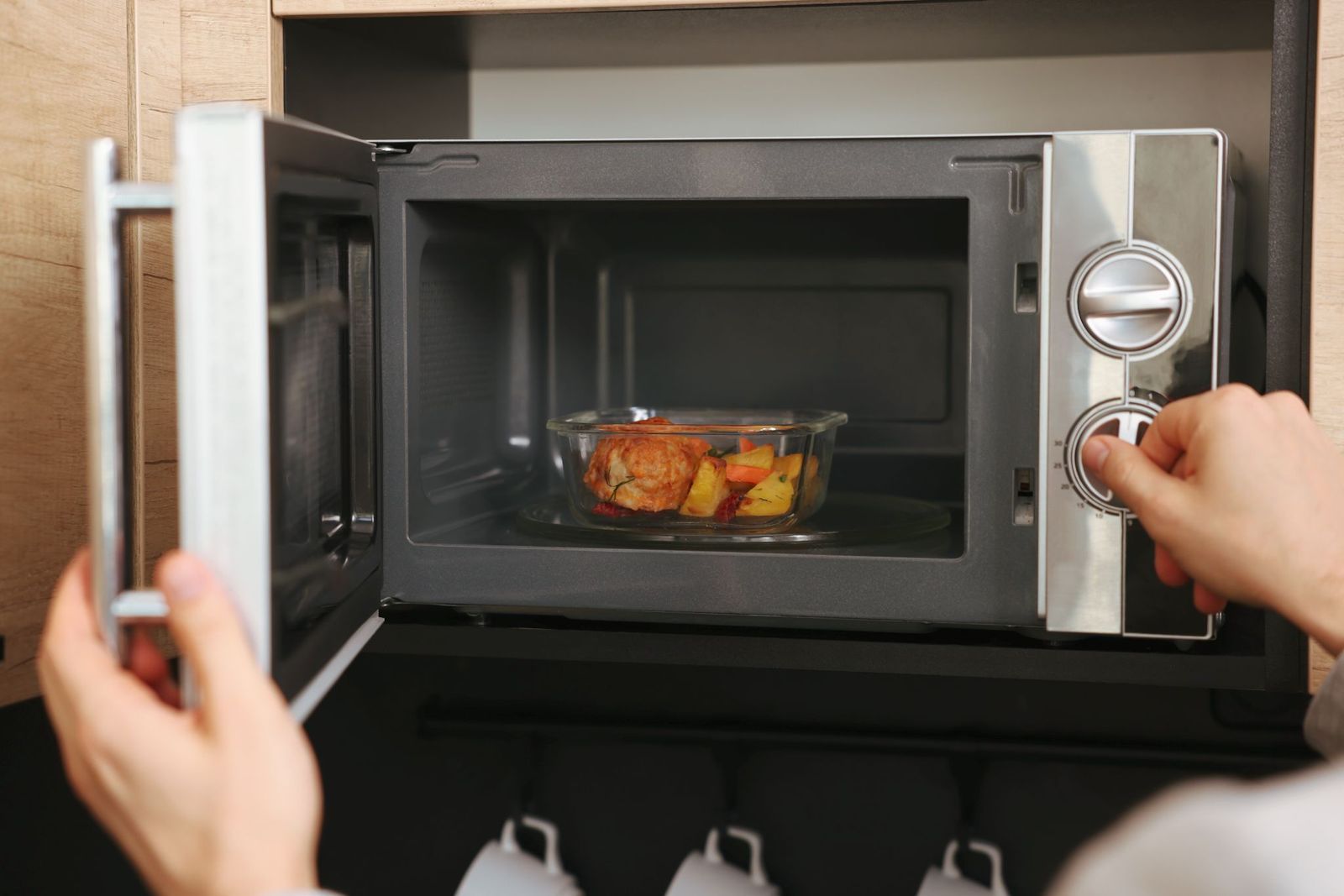
While testing magnetron vacuum tubes for military radar arrays in 1945, engineer Percy Spencer noticed something unexpected. He worked for the Raytheon Company, a defense contractor developing advanced detection hardware for the U.S. Navy. The magnetron tubes emitted short radio waves to spot enemy aircraft, but when Spencer stood near an active unit, the high-frequency radar waves quickly melted a candy bar in his pocket.
Spencer then tested it with popcorn kernels and an egg, proving radar waves cook food rapidly from the inside out. Raytheon commercialized the discovery in 1947 with the 750-pound "Radarange" for commercial ships, but microwave technology truly made its big entrance into home kitchens in 1967 through Raytheon's Amana division. Amana ran nationwide television spots showing how homemakers could bake a potato in four minutes, changing dinner across the country for good.
5
Night-Vision Technology
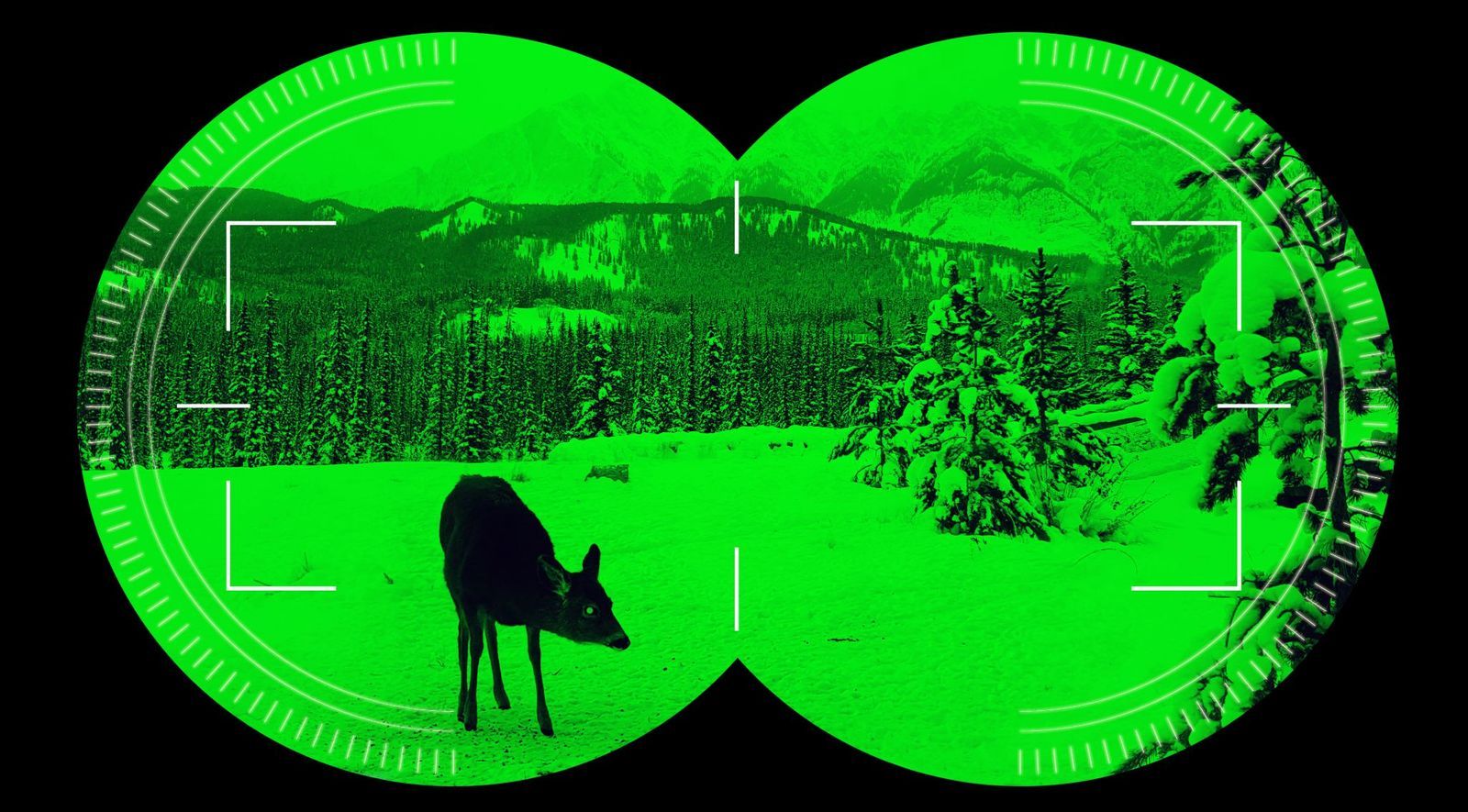
Seeing in the dark once felt like a superpower. And for wartime, this could surely be a major advantage. During World War II, military laboratories tested devices that used infrared light to reveal hidden targets. But the first models were heavy, and they had to be mounted on rifles. So the U.S. Army opened its Night Vision Laboratory, and by the Vietnam War , soldiers were using improved night-vision goggles to move and observe their surroundings after dark.
By the late 1980s, security companies replaced those heavy tubes with small infrared sensors to guard business warehouses after dark. Companies like Honeywell and Sony brought that same night vision right into our homes with infrared security cameras. And nowadays, whenever someone wanders onto the driveway, your home camera automatically flips to crisp black-and-white night mode to catch every move.
6
ENIAC to Modern Computers
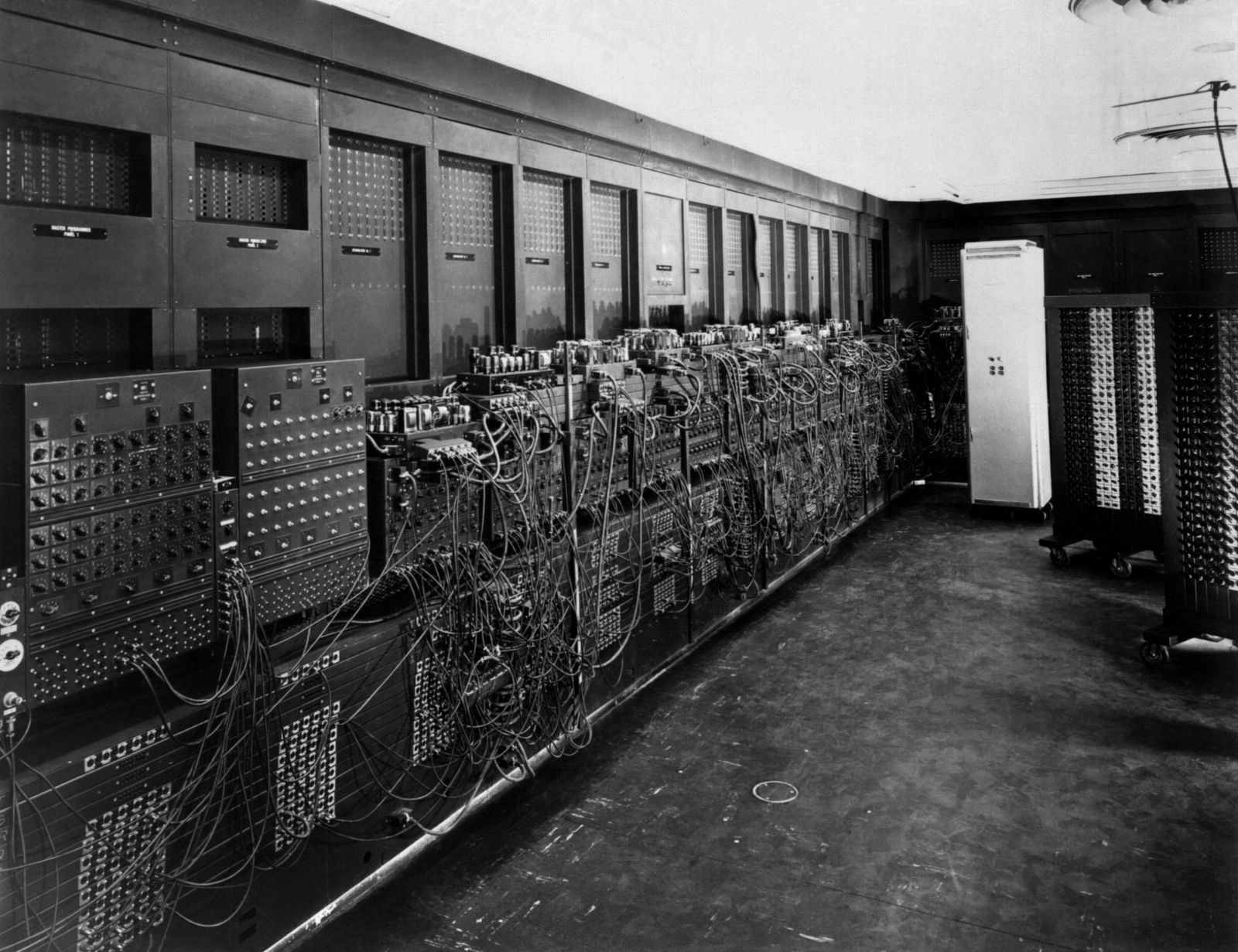
During World War II, calculating a single artillery table by hand could take a trained person many hours, and the Army’s Ballistic Research Laboratory didn’t have much time. To solve this problem, physicists at the University of Pennsylvania’s Moore School of Electrical Engineering began to work on ENIAC, the Electronic Numerical Integrator and Computer. It was completed in 1945, but it was too late, as the war was reaching its end.
Instead, it was used for work related to nuclear weapons and weather forecasting. In 1951, the UNIVAC I, Universal Automatic Computer I , became the first commercial computer for civilians. IBM later helped bring computers into offices and homes with its first personal computer, introduced in 1981 . ENIAC didn’t arrive in time to prepare artillery tables, but thanks to it, computers now solve countless other tasks in seconds.
7
Jet Engines
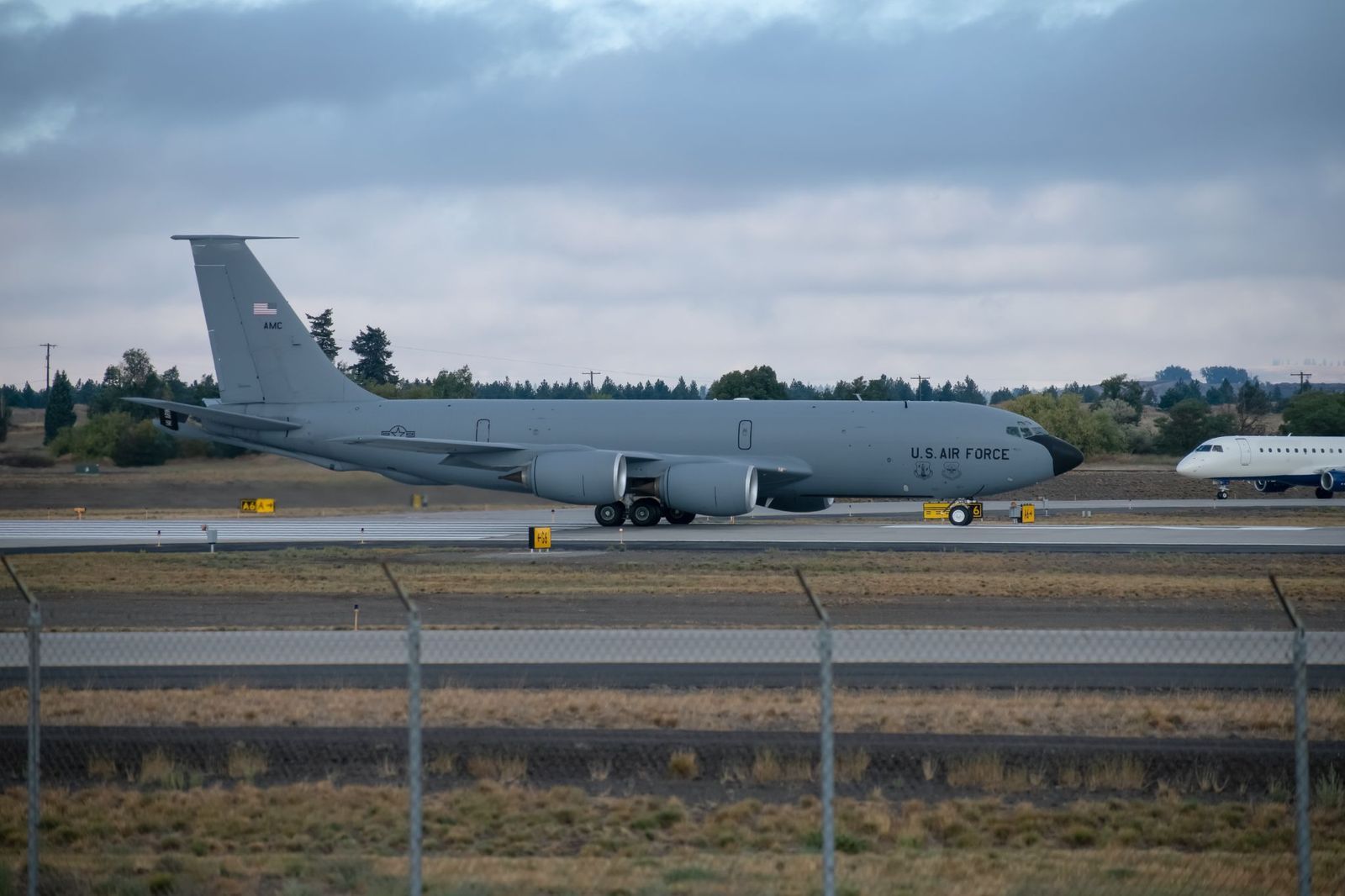
The first jet engine design was developed by the British Royal Air Force and the Power Jets company. At the same time, the aircraft company Heinkel flew the first jet-powered airplane in 1939. During World War II, the U.S. Army Air Forces asked General Electric to build an American engine based on the British design.
American jet fighters showed up too late for the war, but they proved that planes could fly faster and higher than propeller aircraft — so the technology was adapted for passenger travel. In 1958, Boeing Aerospace introduced the 707, and Pan American World Airways put it into transatlantic service that October, beginning what is known as the Jet Age and making air travel much more accessible.
8
Weather Radar
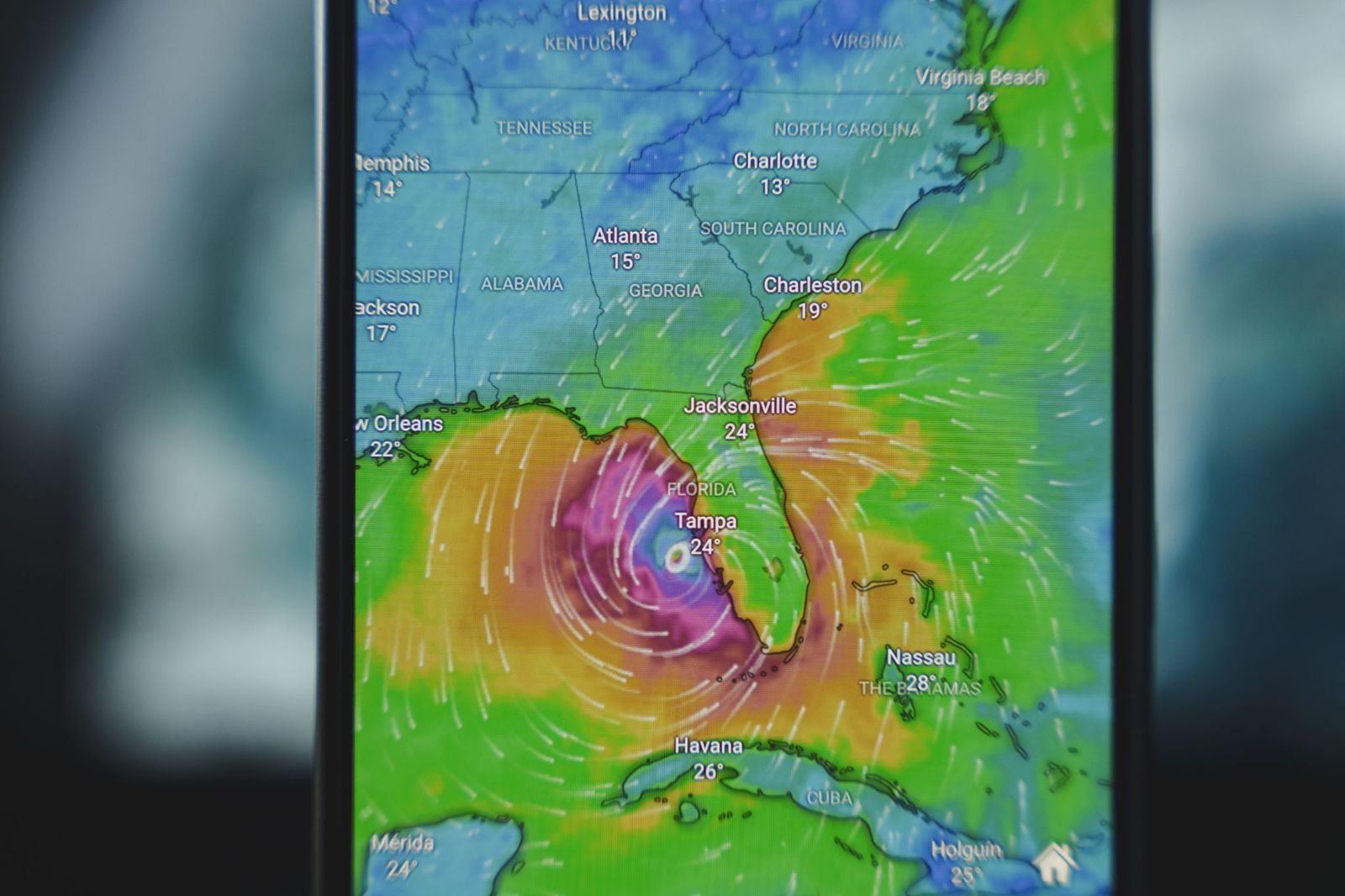
Local evening news broadcasts weather radar on television, showing storm signals and warning viewers about nearby tornadoes, severe thunderstorms, and other meteorological events. But before weathermen and women learned to read these signals, they were just a nuisance. During World War II, storms and cloud banks showed up as annoying interference on coastal radar displays during naval patrol flights.
Meteorologist David Atlas served as an officer in the U.S. Army Air Forces and studied these clutter patterns. He realized radar beams could actually map approaching rainstorms and severe fronts. When military bases decommissioned radar equipment after the war, the Weather Bureau acquired the stations for the country's first national storm-warning network.
9
The EpiPen
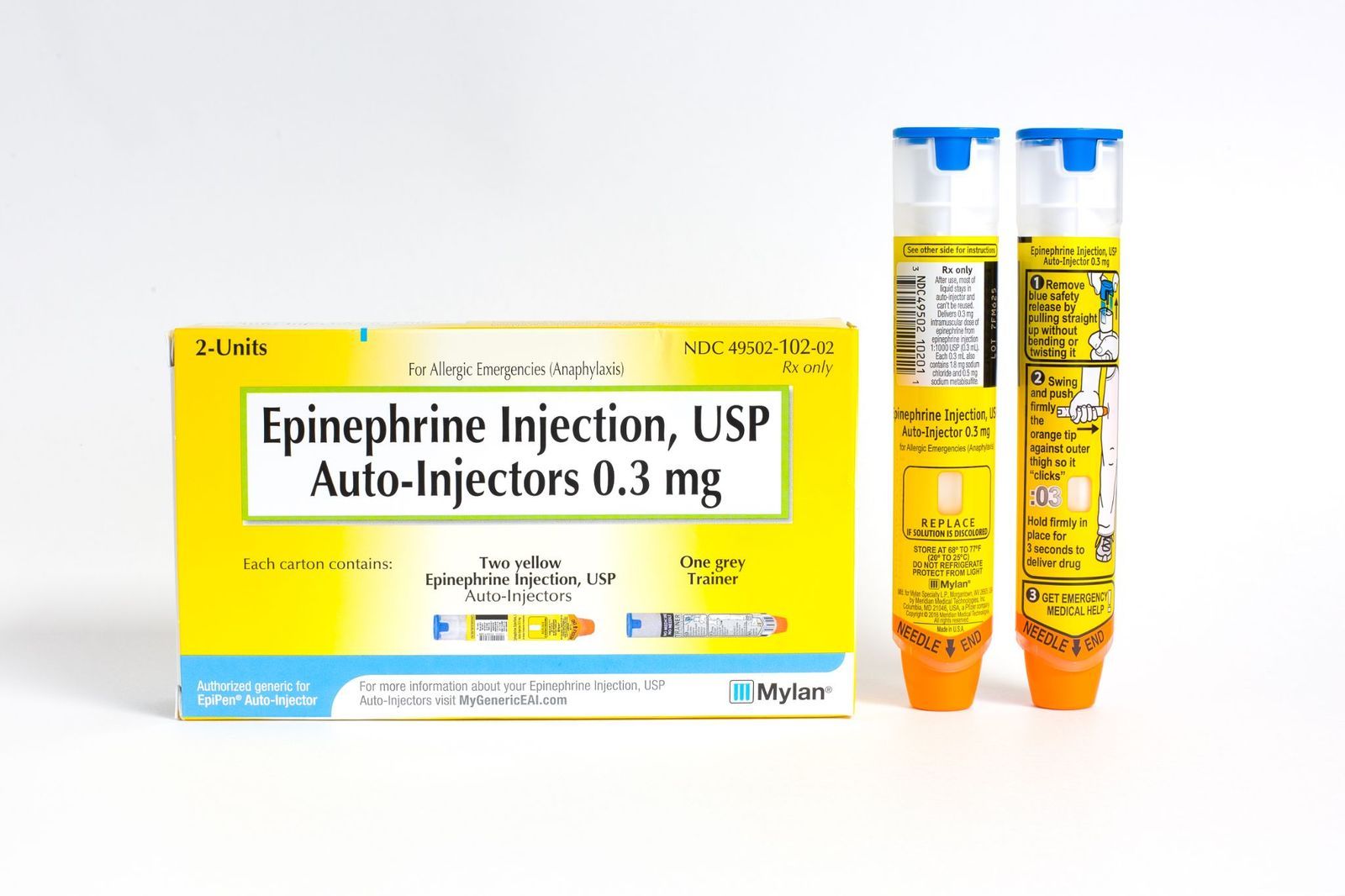
Soldiers facing chemical warfare needed a fast way to inject an antidote right through heavy protective suits. Medical supplier Survival Technology accepted the challenge and invented the ComboPen. This spring-loaded tube fired a clean needle and a dose of nerve-gas medicine deep into the soldier's muscle.
The ComboPen functioned perfectly, giving soldiers a practical way to save their own lives in combat. Kaplan then realized the same design could help people suffering life-threatening allergic reactions, too. In 1987, the device could be bought at neighborhood pharmacies as the EpiPen, and ever since, it has been a reliable solution for allergy-related emergencies.
10
Kevlar
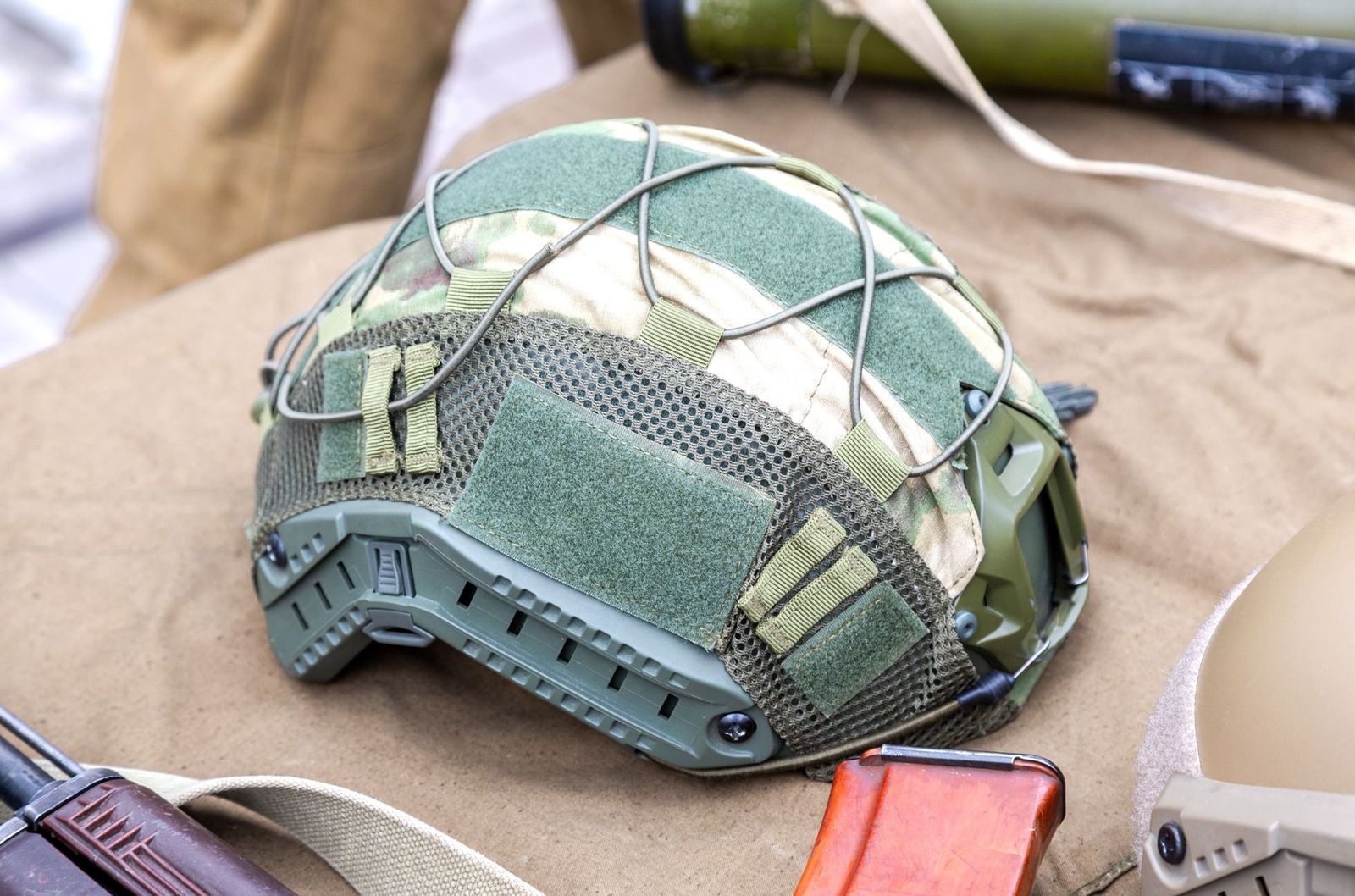
Chemist Stephanie Kwolek was working in a DuPont laboratory in Massachusetts in 1965, searching for a lightweight material to save fuel on military vehicles. DuPont asked him for a super-strong synthetic fiber to replace the heavy steel wires inside military truck tires. So Kwolek spun a cloudy liquid into a featherweight fiber called Kevlar, which turned out to be five times stronger than an equal weight of steel.
The material worked even better than expected, and the U.S. Army quickly hired DuPont to use it for troops' bulletproof vests and helmets. In the 1980s, it was already being used in civilian life for cut-proof work gloves, hockey sticks, and car tires, among others.