History History 5 min read

Comeback Nation

What is the biggest comeback in U.S. history? 10 strong contenders listed

Image: Daniele Franchi

American history is full of moments when the odds seemed impossible. Outnumbered armies, struggling economies, desperate sports teams, and risky space missions all tested the country’s resilience. In many of these cases, experts were expecting failure. Instead, the U.S. pulled off dramatic turnarounds that became part of our national story. Here are 10 famous times our country fought from behind and came back on top.

1
The American Revolution against the British Empire
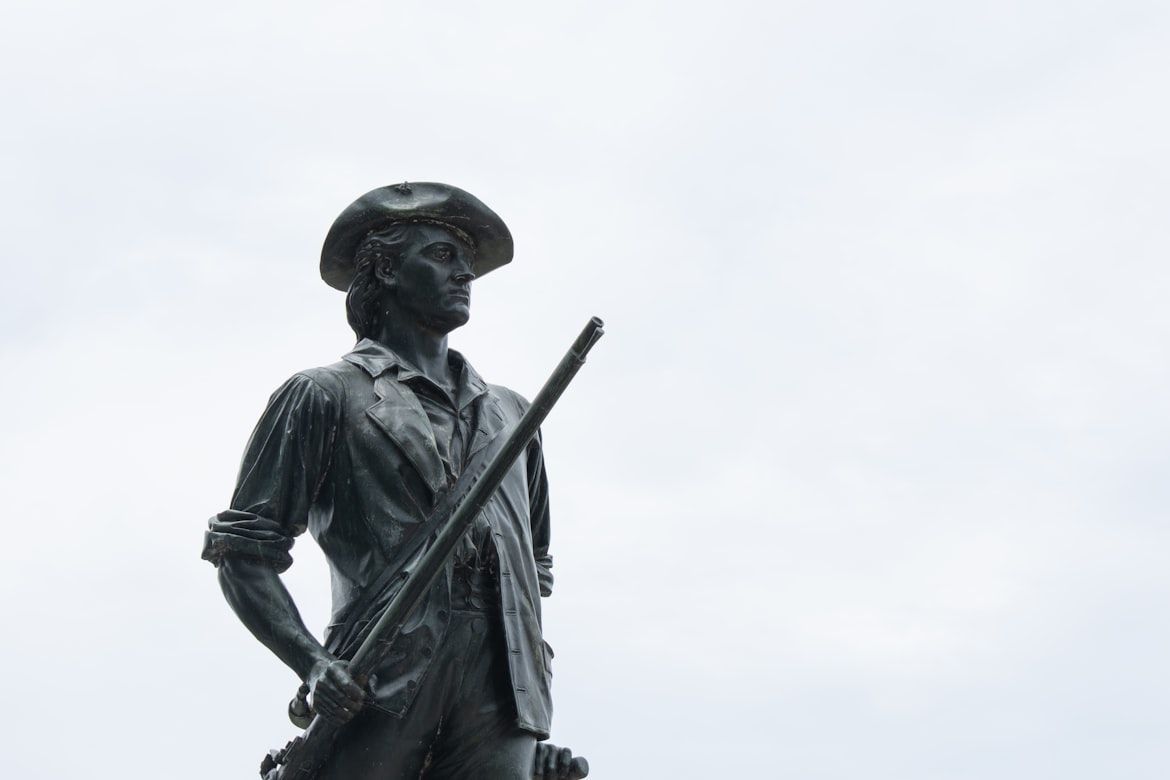
Image: Donovan Reeves

When fighting began in 1775, Britain was the world’s most powerful empire. The colonies had no professional army, little money, and limited supplies . George Washington’s Continental Army often struggled with food shortages, harsh winters, and major defeats during the early years of the war.

The turning point came after the American victory at Saratoga, New York, in 1777, which convinced France to support the colonies. British General Charles Cornwallis finally surrendered at Yorktown, Virginia, on October 19, 1781. The Treaty of Paris officially recognized U.S. independence in 1783.

2
Abraham Lincoln won the Civil War after early Union defeats
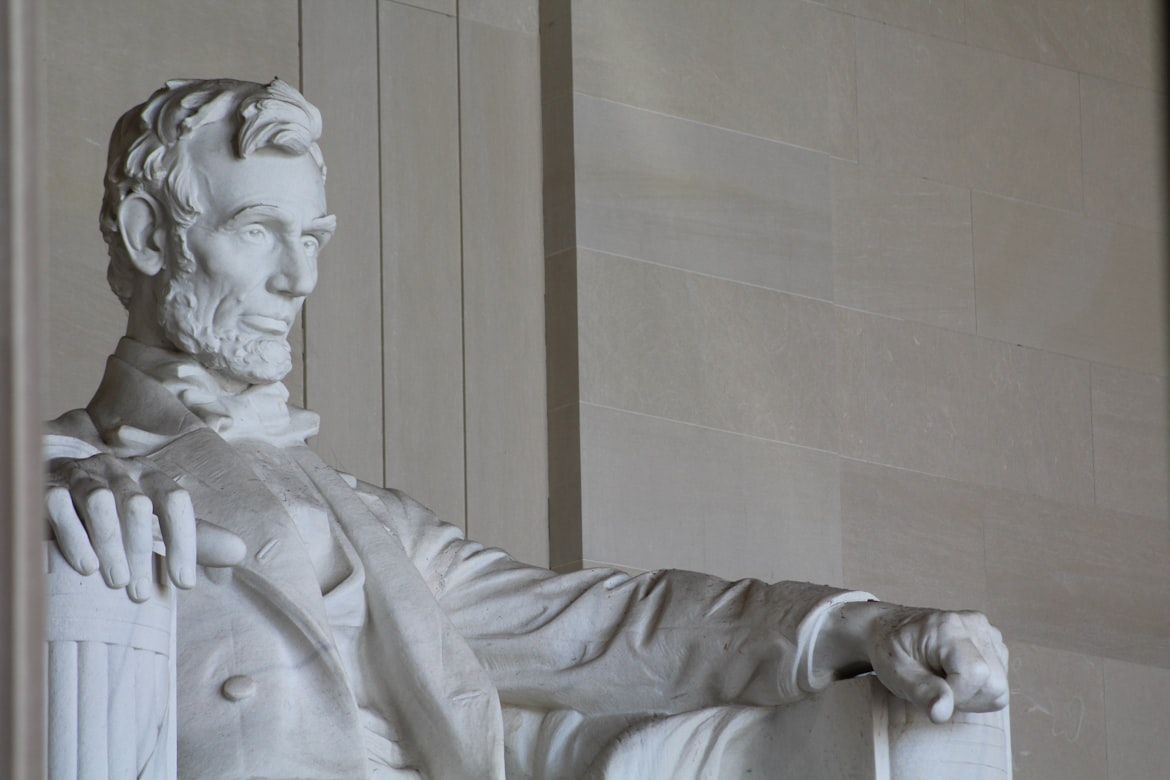
Image: Ed Fr

At the start of the Civil War, the Union suffered humiliating losses, including the First Battle of Bull Run in 1861. Many Americans doubted President Abraham Lincoln’s leadership, while Confederate General Robert E. Lee repeatedly defeated Union forces in Virginia.

Things changed in July 1863, when Union victories at Gettysburg, Pennsylvania, and Vicksburg, Mississippi, shifted momentum . Lincoln’s support for General Ulysses S. Grant helped the North gain control. Lee surrendered at Appomattox Court House, Virginia, on April 9, 1865.

3
The Apollo 13 mission’s safe return
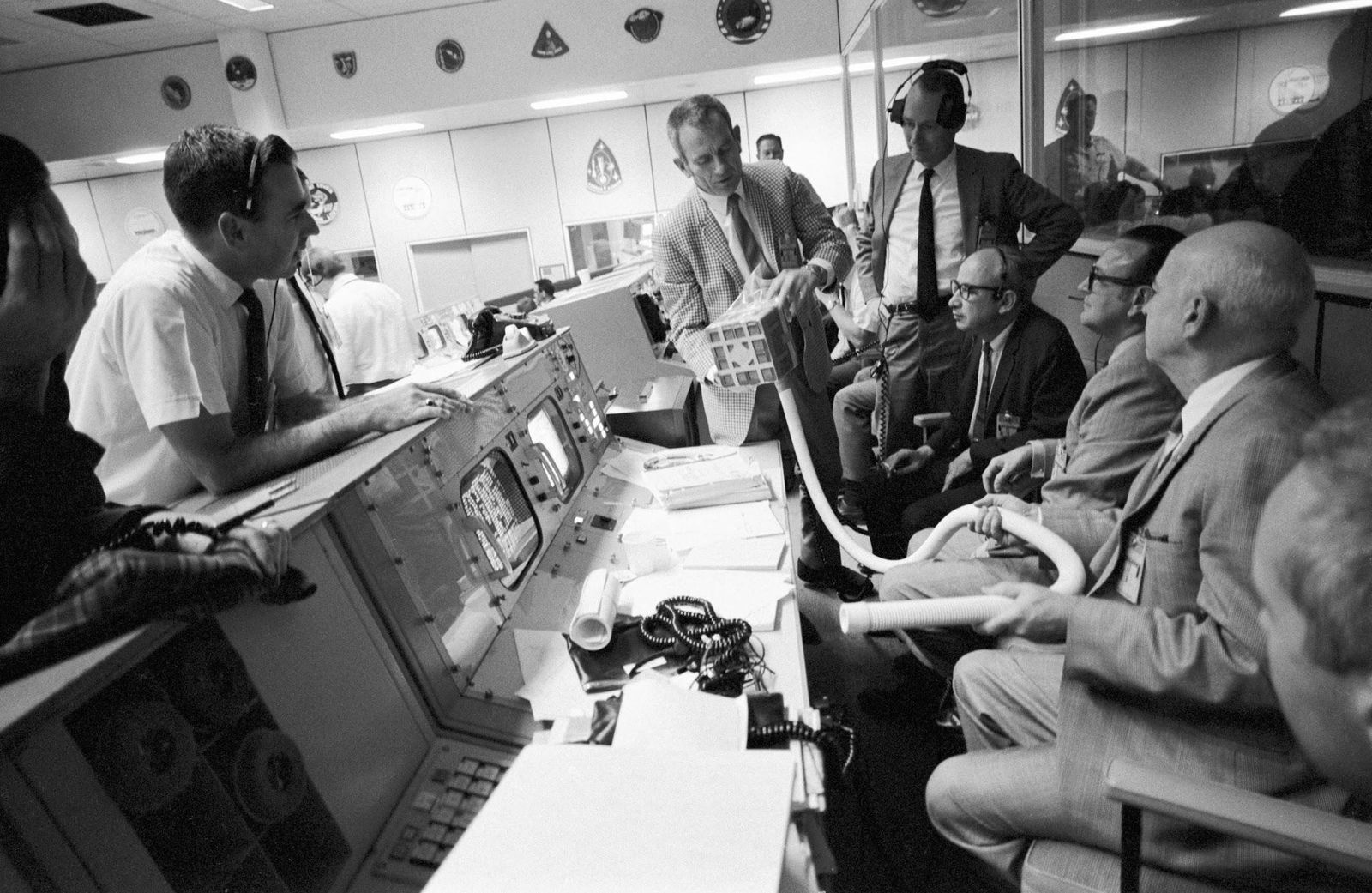
Image: NASA, Public domain, via Wikimedia Commons

Apollo 13 was launched on April 11, 1970, and was supposed to become NASA’s third Moon landing. But two days later, an oxygen tank exploded in space. Astronauts Jim Lovell, Fred Haise, and Jack Swigert suddenly faced freezing temperatures, limited power, and dwindling oxygen .

NASA engineers in Houston worked nonstop to save the crew. The astronauts used the lunar module as a lifeboat and improvised repairs with onboard materials. Against enormous odds, Apollo 13 safely splashed down in the Pacific Ocean on April 17, 1970.

4
Economic recovery from the Great Depression
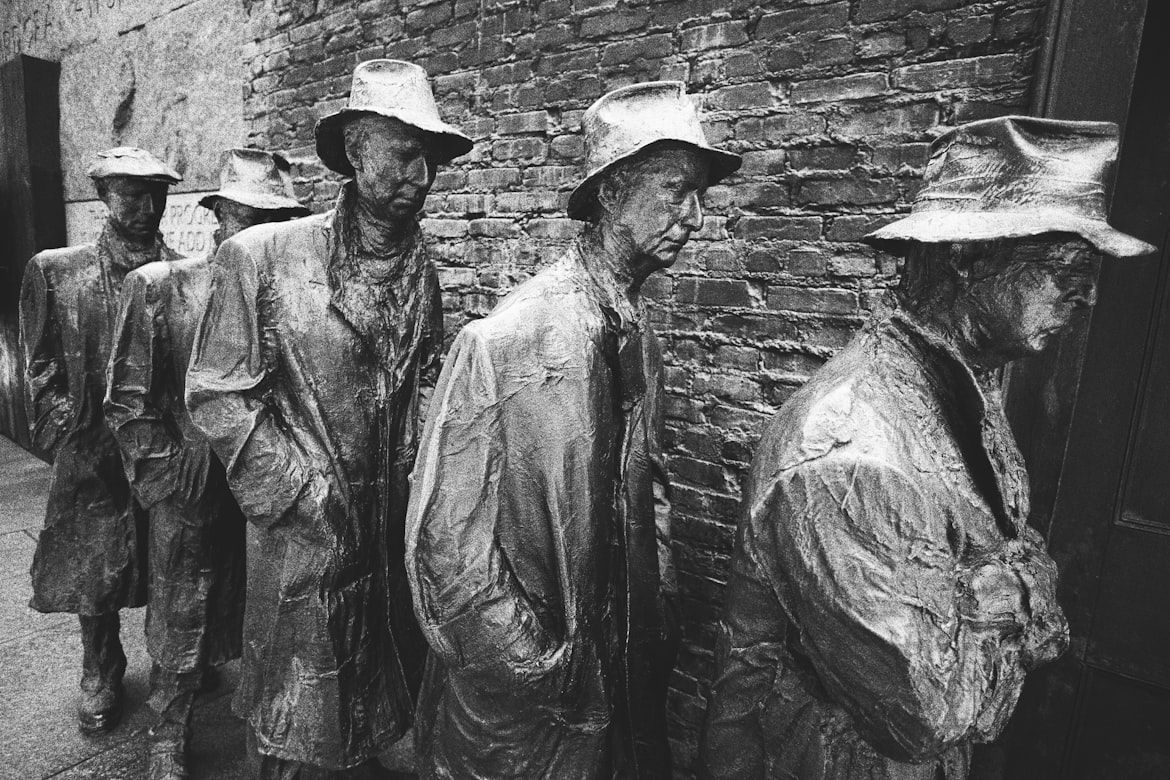
Image: Sonder Quest

The Great Depression devastated the U.S. after the stock market crash of 1929. By 1933, unemployment had reached nearly 25%, banks were collapsing, and millions of Americans lost homes, jobs, and savings during the worst economic crisis in modern U.S. history.

President Franklin D. Roosevelt introduced New Deal programs aimed at relief and recovery after taking office in March 1933. Public works projects, banking reforms, and job programs slowly helped stabilize the economy . The country eventually emerged stronger during the years leading up to World War II.

5
The 1980 "Miracle on Ice" victory v.s the USSR
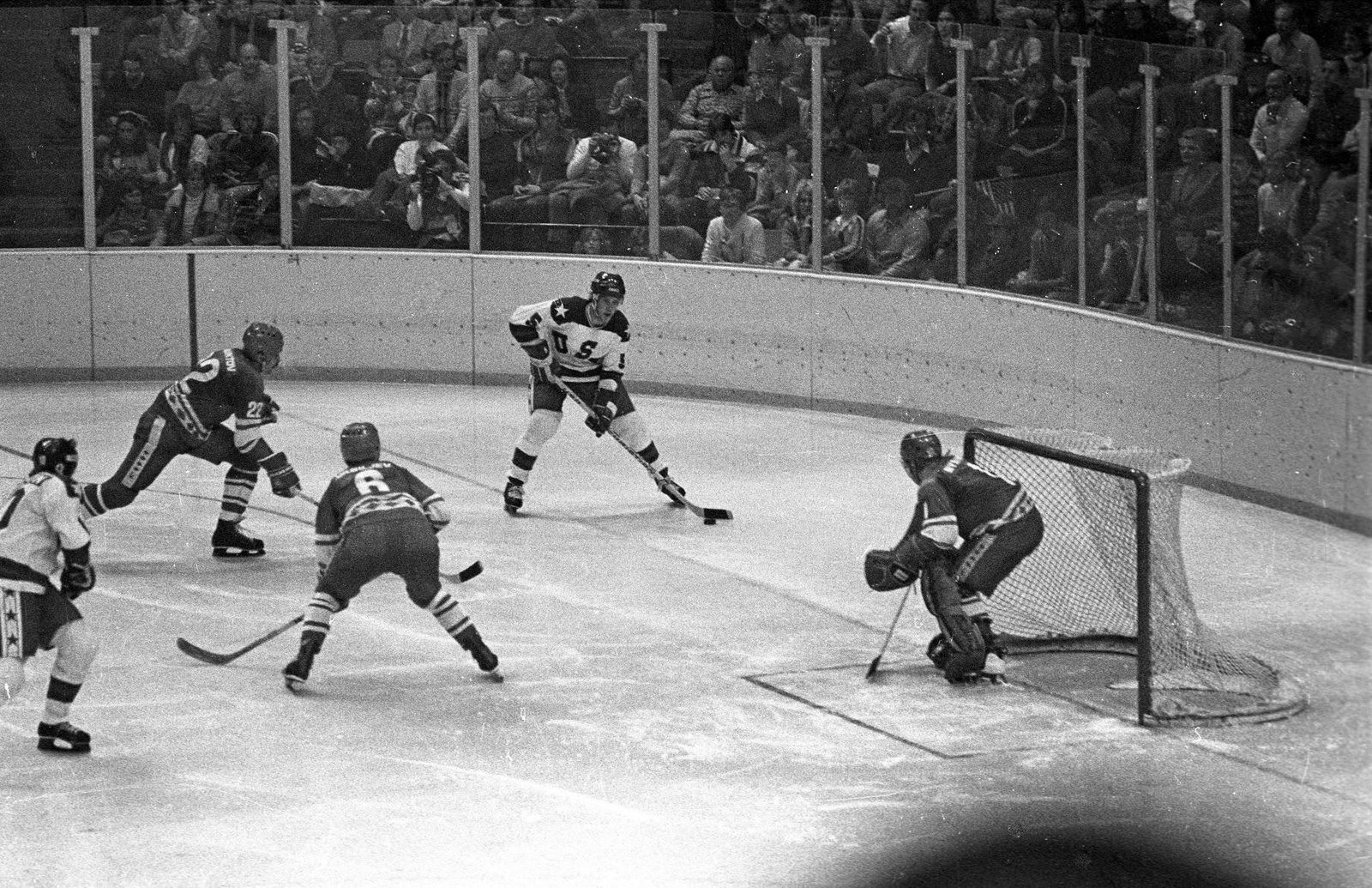
Image: Henry Zbyszynski, CC BY 2.0, via Wikimedia Commons

During the 1980 Winter Olympics in Lake Placid, New York, the Soviet hockey team was considered nearly unbeatable . The USSR had dominated international hockey for years, while the young American team consisted mostly of amateur and college players.

On February 22, 1980, the U.S. shocked the world with a dramatic 4-3 victory over the Soviets . Mike Eruzione scored the winning goal, and broadcaster Al Michaels famously asked, "Do you believe in miracles?" The Americans later defeated Finland to win Olympic gold.

6
The Chicago Cubs ending their 108-year World Series drought in 2016
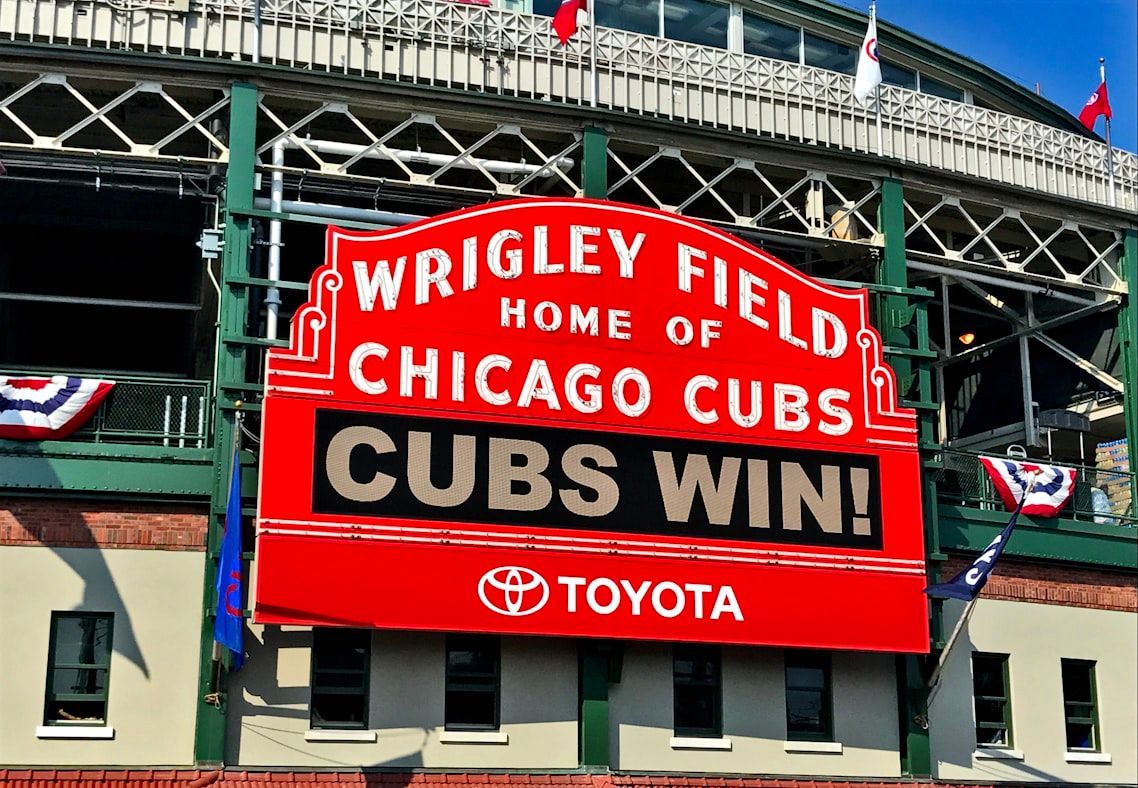
Image: Heather Maguire

The Chicago Cubs had not won the World Series since 1908, suffering one of the longest championship droughts in sports history. By 2016, generations of fans believed the team was cursed after decades of heartbreaking losses and missed opportunities.

The Cubs fell behind three games to one against Cleveland in the 2016 World Series, but fought back to force Game 7. On November 2, 2016, Chicago won 8-7 in 10 innings after a rain delay, finally ending its 108-year drought

7
The Space Race
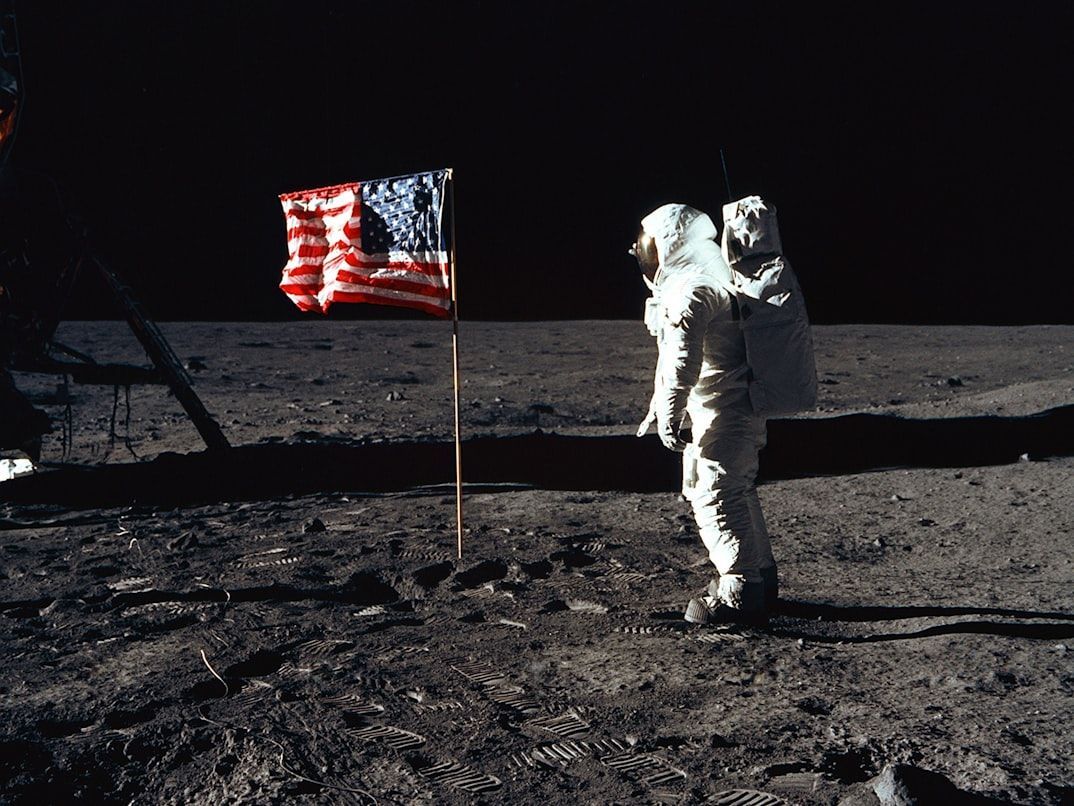
Image: NASA

The Soviet Union dominated the early Space Race by launching Sputnik in 1957 and sending Yuri Gagarin into orbit in 1961. At the time, many experts believed the U.S. was permanently behind in space technology.

President John F. Kennedy challenged NASA to land a man on the Moon before the decade ended. After years of Mercury, Gemini, and Apollo missions, Neil Armstrong and Buzz Aldrin landed on the Moon on July 20, 1969, during Apollo 11.

8
New Orleans’ recovery after Hurricane Katrina
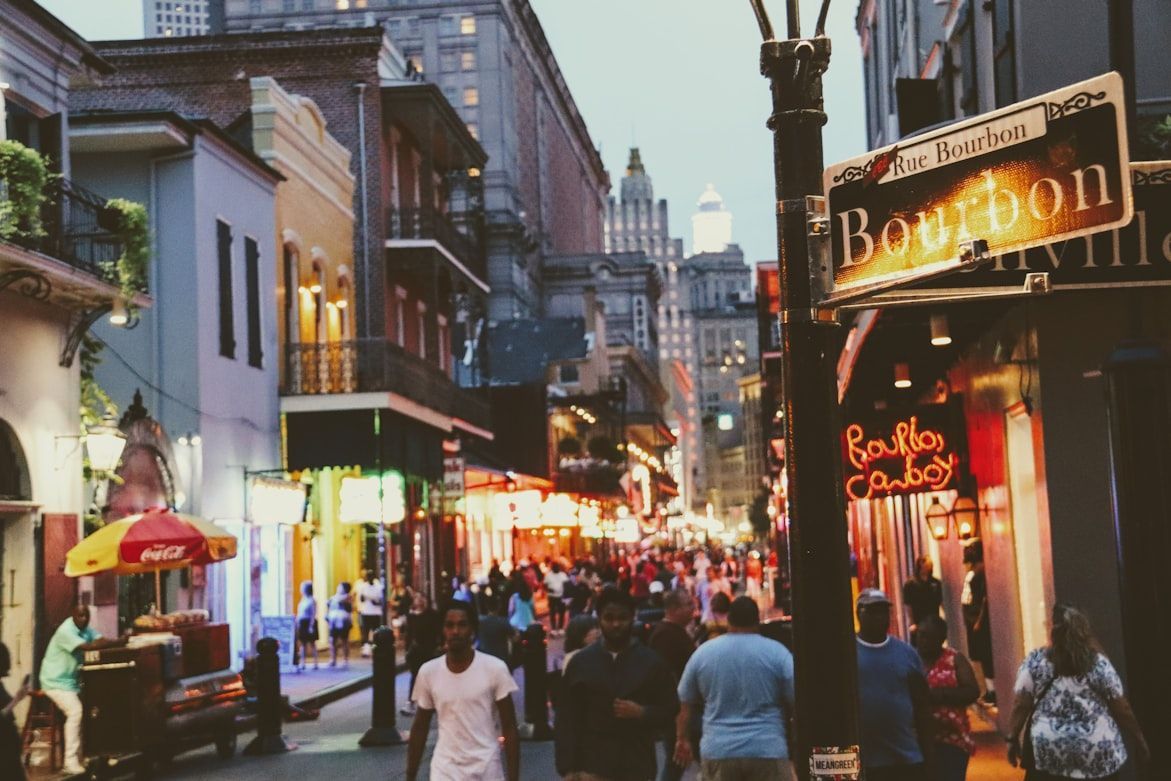
Image: Mitch Hodiono

Hurricane Katrina struck the Gulf Coast in August 2005 and caused catastrophic flooding in New Orleans after the levees failed. About 80% of the city was flooded, and hundreds of thousands of residents were displaced in one of America’s worst natural disasters.

Recovery took years and required rebuilding homes, schools, roads, and flood protection systems . Despite enormous challenges, New Orleans gradually restored much of its tourism, culture, music scene, and population while continuing to strengthen its storm defenses.

9
The U.S. women’s soccer team in 1999 and 2019
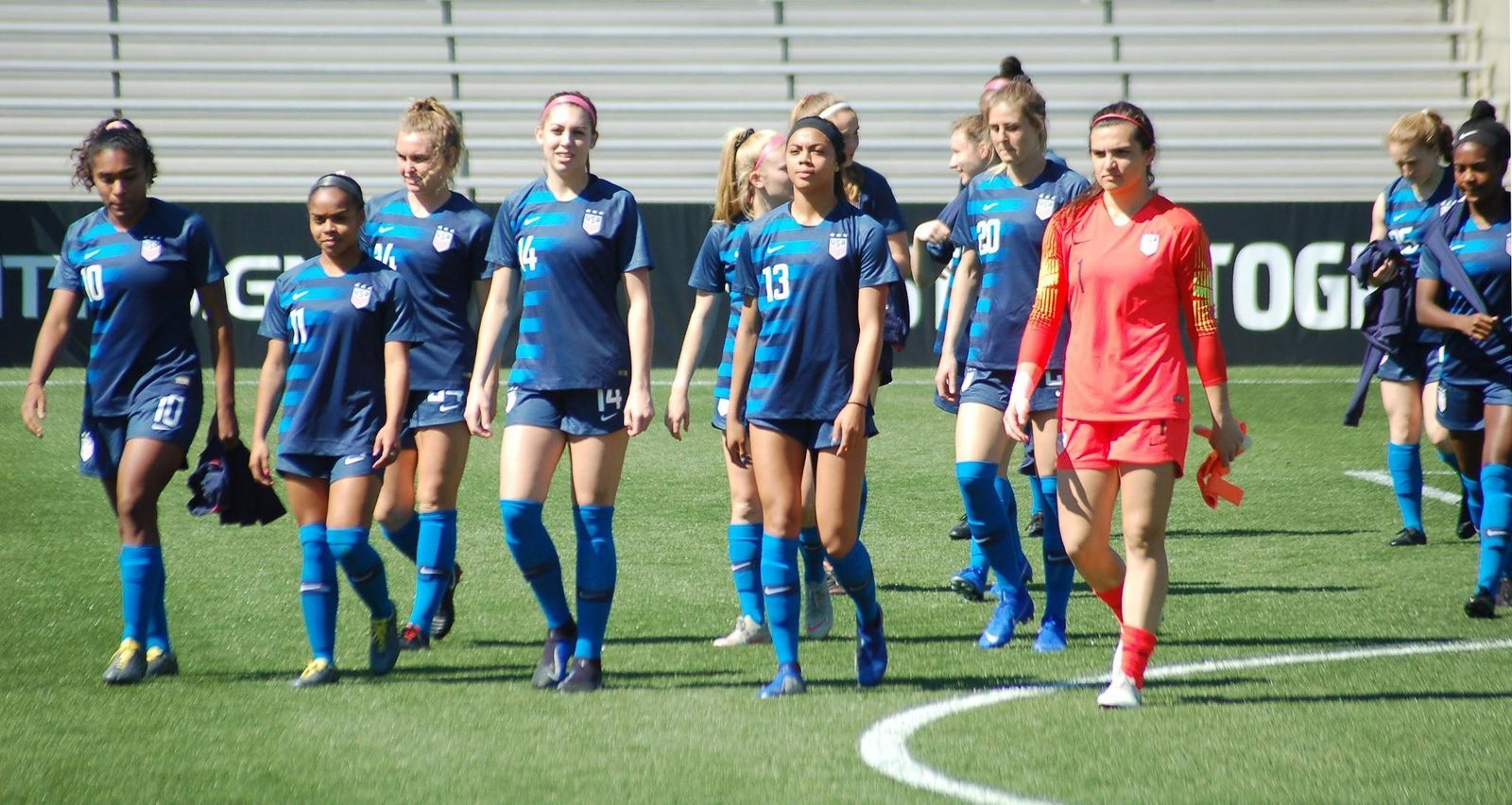
Image: Dana Orlosky, CC BY 2.0, via Wikimedia Commons

The 1999 U.S. women’s soccer team helped transform women’s sports in America. Facing strong international competition, the Americans defeated China in the Women’s World Cup final before more than 90,000 fans at the Rose Bowl in Pasadena, California.

Twenty years later, the U.S. returned to the top again at the 2019 Women’s World Cup in France . Megan Rapinoe and Rose Lavelle scored in a 2-0 victory over the Netherlands in Lyon, giving the U.S. its fourth world title.

10
The Boston Red Sox reversing a 0-3 deficit against the Yankees in 2004
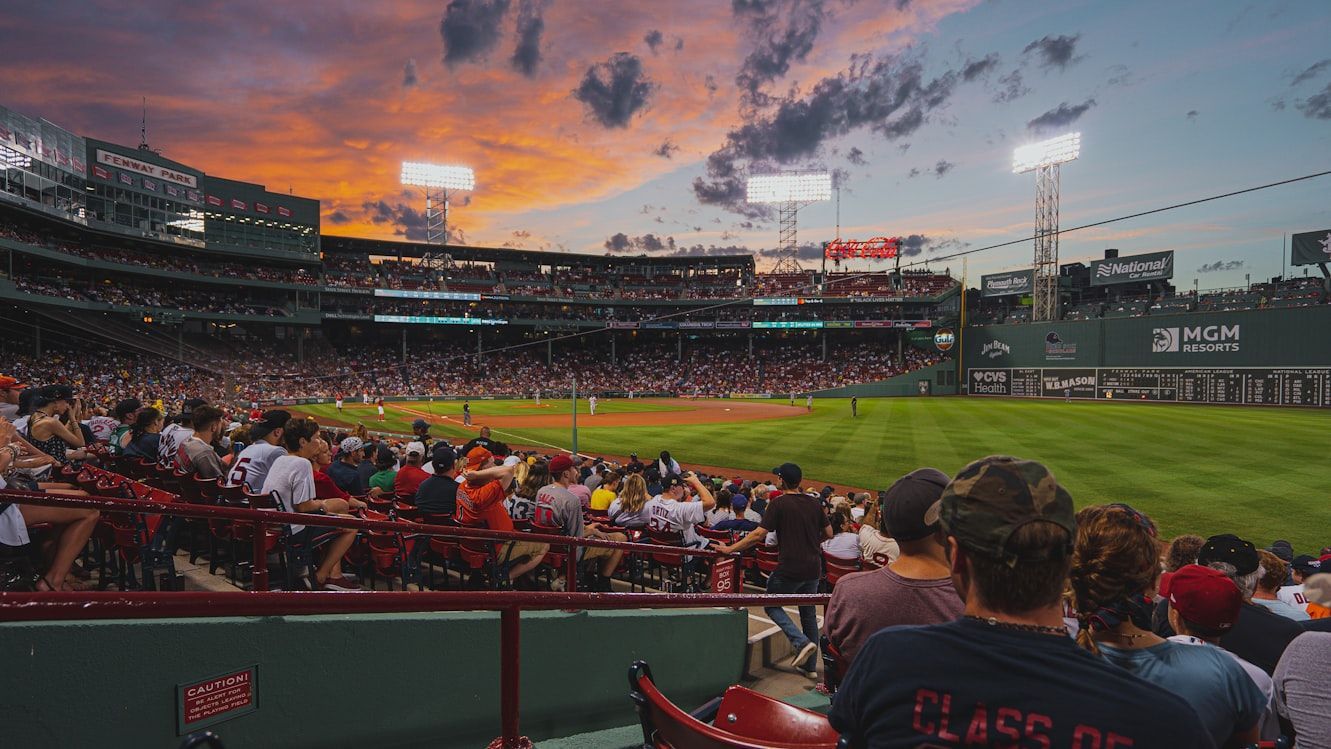
Image: Wei Zeng

In a 2004 American League Championship Series, the Boston Red Sox lost the first three games against their rivals, the New York Yankees. No baseball team had ever recovered from a 0-3 deficit in a best-of-seven postseason series.

Boston stayed alive after Dave Roberts stole second base in the ninth inning of Game 4. The Red Sox then won four straight games to complete the comeback . They went on to sweep the St. Louis Cardinals and win their first World Series since 1918.

General General 4 min read

Which tradition is your favorite?

From Groundhog Day to roadkill cookoff: 12 weird traditions in America

Image: fietzfotos

America is known for its bold personality, and that spirit shows up in some quirky traditions. From competitive eating contests to cherry pit spitting, and those perfectly posed (and sometimes hilariously awkward) holiday family cards, there's no shortage of ways people across the country celebrate and have fun. Do you participate in any of these 13 traditions?

1
Competitive eating

Image: Gigi

Nathan’s Famous claims to have hosted its first Fourth of July hot dog-eating contest in 1916 at Coney Island. According to legend, four immigrants took part to prove who was the most patriotic . The winner, an Irishman, downed 13 hot dogs to claim the title.

Though this origin story was likely an invention for publicity, this quirky event has grown into the beginnings of what would become a long-standing American tradition.

2
Turkey pardoning

Image: Tyler Donaghy

The tradition of pardoning a turkey dates back to 1863, when President Abraham Lincoln reportedly spared a bird after his son Tad begged for its life . Originally meant for Christmas dinner, the turkey was saved thanks to Tad’s compassion.

While a few later presidents, including Harry Truman and John F. Kennedy, also chose to spare turkeys, it wasn’t until 1989 that President George H.W. Bush made the turkey pardon an official White House tradition.

3
Groundhog Day

Image: Camerauthor Photos

Groundhog Day centers around a groundhog named Punxsutawney Phil , who is said to predict the weather each February 2nd . If Phil sees his shadow, it signals six more weeks of winter; if not, spring is supposedly on its way.

The tradition began when newspaper editor Clymer Freas pitched the idea to the Punxsutawney Groundhog Club in the late 1800s. Despite its popularity, Phil’s weather predictions have only been accurate about 39% of the time, according to the National Climatic Data Center.

4
Pickle-shaped ornaments on Christmas trees

Image: Drew Geraets

The Christmas pickle tradition is believed to have started as a clever marketing move by Woolworths. After receiving a large stock of pickle-shaped ornaments , the store invented a festive game to help sell them.

They encouraged families to hide the pickle in their Christmas tree, with a small prize going to whoever found it first. What began as a sales tactic eventually became a quirky holiday tradition in many American homes.

5
Alaska's Nenana Ice Classic

Image: Ariane Frei

The tradition began in 1917, when a group of railroad engineers placed bets on when the ice on Alaska’s Nenana River would break . They wagered a total of $800, trying to predict the exact date, hour, and minute of the thaw.

What started as a friendly bet turned into an annual event known as the Nenana Ice Classic. Today, it’s a major Alaskan tradition that draws thousands of participants each year—and offers a jackpot that can exceed $300,000.

6
Cherry pit spitting

Image: Quaritsch Photography

During cherry season, cherry pit spitting contests pop up across the U.S., inviting participants to launch pits as far as they can —or even try to hit specific targets. These contests are famously held at events like the International Cherry Pit Spitting Championship in Eau Claire, Michigan, which began in 1974.

It’s a lighthearted test of skill that draws crowds in search of classic summer fun.

7
Tailgate parties

Image: Zachary Keimig

For many American sports fans—especially at football games—just attending isn’t enough. Hours before kickoff, parking lots fill with fans decked out in team colors , grilling food , and enjoying drinks as part of the pregame ritual known as tailgating.

Some tailgaters go all out, bringing TVs, sound systems, and even satellite dishes to create the ultimate game-day setup.

8
Black Friday shopping spree

Image: Erik Mclean

Just hours after Thanksgiving feasts wrap up, millions of Americans shift into shopping mode for Black Friday. This massive retail event kicks off a weekend spree that also includes Small Business Saturday and Cyber Monday—newer traditions that have quickly gained traction.

9
Holiday family cards

Image: Community Archives of Belleville and Hastings County

One beloved holiday tradition in the U.S. is sending and receiving festive family photo cards . These often feature coordinated outfits and include a short update on the family’s highlights from the past year—even from people you may barely remember.

10
Ostrich racing

Image: Dominic Yegon

Ostriches were introduced to the U.S. in the 1880s, and it didn’t take long for people to start racing them. These unusual competitions sprang up in several states and quickly gained attention for their novelty.

Today, the most well-known event is the Chandler Ostrich Festival in Arizona , which has been running for decades. As of 2024, it marked its 36th year, continuing the quirky tradition with a modern twist.

11
Roadkill cook-off

Image: Christoph Wick

With abundant wildlife and countless vehicles on American roads, animal collisions are an unfortunate reality. But in Marlinton, West Virginia, locals have found a unique way to turn that misfortune into a celebration.

Every September, the town hosts the Roadkill Cook-off, where adventurous eaters can sample dishes like squirrel gravy on biscuits, teriyaki bear, or deer sausage —all made from animals legally collected after road accidents.

12
Pumpkin chucking

Image: Marius Ciocirlan

In America, pumpkins aren’t just for pies and lattes—they’re also launched through the air in a tradition known as pumpkin chucking.

The largest and original event, Punkin Chunkin, originated in Delaware, where teams use contraptions like trebuchets, catapults, and air cannons to hurl pumpkins as far as possible .

Culture Culture 4 min read

Echoes from History

Who said, "I'm losing"? Discover the last words of American figures!

Image: WikiImages

Some icons in our history stood out for their wisdom or wit, even in their final moments. And their clever, wise, profound, funny, or unexpected last words are proof of that. Read on to discover the final words of American figures that will definitely leave you thinking!

1
Frank Sinatra

Image: Dushawn Jovic

Frank Sinatra was one of America’s—and the world’s—most recognized artists, and even today, his name remains an unmistakable icon. We’ll never forget hits like "New York, New York," "My Way," "Fly Me to the Moon," and many others. And his last words were no less poetic than his life: "I'm losing," he allegedly said.

2
Groucho Marx

Image: Alan Hardman

They say humor follows comedians in all aspects of their lives—even to the very end. This was true for the great Groucho Marx, who passed away in 1977 at the age of 86 after bringing laughter to millions during his lifetime. As for his last words, there are two versions of the story, and both are funny! One version claims he said, " Die, my dear? That’s the last thing I’ll do! " while the other has him exclaiming, "This is no way to live!"

3
Buddy Rich

Image: Katherine Hanlon

Bernard "Buddy" Rich was a legendary American drummer renowned for his unique improvisational ability. He passed away at age 69 after brain surgery. Reportedly, his last words were a witty response to a nurse who asked if he was allergic to anything: "Yeah, country music," he said.

4
Donald O'Connor

Image: Nikko Balanial

Some artists never separate themselves from their work. Perhaps that’s what was going through the mind of dancer, singer, and actor Donald O’Connor—famous for his role in Singin’ in the Rain —when heart failure caused his death. His last words were, "I'd like to thank the Academy for my lifetime achievement award that I will eventually get." He still hasn’t received one.

5
George Washington

Image: Priscilla Gyamfi

George Washington will always be remembered as the Father of his Country, who led the Continental Army to victory in the Revolutionary War and served as the first president of the United States. In 1799, George Washington fell ill with respiratory infections that grew more severe over time. He passed away that year at the age of 67 at his Mount Vernon estate. According to historical accounts, his last words were an expression of acceptance: "Tis well."

6
T.S. Eliot

Image: anotherxlife

T.S. Eliot, the famous Missouri-born writer known for works such as The Waste Land and Four Quartets, passed away on January 4, 1965, at the age of 76. It's said that, in his last moments, the poet was reflective and serene, and his last word was the name of his love: "Valerie."

7
Joan Crawford

Image: Noom Peerapong

The great American actress Joan Crawford was much more than a pretty face. Her talent and complex personality were evident throughout her fruitful career, which was crowned with films such as Mildred Pierce . She died in 1977 of a heart attack. According to a biography, while a nurse was praying at her bedside, the actress exclaimed her last words: "Don't you dare ask God to help me!"

8
Humphrey Bogart

Image: JOSHUA COLEMAN

Say Casablanca, The Treasure of the Sierra Madre, and The Maltese Falcon, and one face automatically comes to mind: the iconic Humphrey Bogart. He was 57 years old when he died of cancer in 1957. According to sources, his wife, Laura, was leaving the hospital to pick up their children from school when he uttered his last words: "Goodbye, kid. Hurry back."

9
Eugene O'Neill

Image: Gwen King

Eugene O'Neill, the celebrated American playwright, faced numerous health issues throughout his life, which worsened in his later years. He passed away in 1953 at the age of 65. As one might expect from a talented playwright, his dramatic last words were full of intensity: "I knew it, I knew it! Born in a goddamn hotel room and dying in a hotel room."

10
Emily Dickinson

Image: Gülfer ERGİN

The famous poet Emily Dickinson is one of our country’s literary prides, known for beautiful works such as "Because I could not stop for Death" and "Hope is the thing with feathers." She was born in 1830 and died in 1886 in Massachusetts. Her last words were as poetic as her life: "I must go in, the fog is rising."

Explore more American facts

Choose your favorite category!

General
General

As American as apple pie—the very best America has to offer!

Culture
Culture

Delve into the astounding richness of American lore.

Geography
Geography

Hop in and explore vast and diverse American landscapes.

History
History

Discover the key moments that shaped the United States.