Culture Culture 5 min read

Off-screen talent

What instrument was Jimmy Stewart known to bring to movie sets?

Image: Caleb George

Long before it became fashionable for celebrities to branch out into other media, there were already well-known figures in Hollywood with impressive musical abilities hidden behind their fame. Actors, comedians, and even talk show hosts often revealed surprising talent in playing instruments, writing songs, or stepping into a recording studio. For some, music was a personal interest pursued in private; for others, it was part of an early career path. Whether performing for an audience or simply playing at home, these 12 individuals remind us that artistic talent often runs deeper than what we see on screen or stage.

1
Charlie Chaplin

Image: Sigmund

Charles Chaplin was far more than a slapstick icon; he was also a gifted, self-taught composer. Despite never learning to read music, he had an exceptional ear and a deep love for melody. He personally created the musical scores for many of his films, ensuring every note matched his vision. One of his most enduring compositions, "Smile," was later turned into a beloved ballad recorded by Nat King Cole, Michael Jackson, and many others. Did you know that?

2
Clint Eastwood

Image: Markus Gjengaar

Known for his lone-wolf type characters and acclaimed work behind the camera, Clint Eastwood also has a deep love for jazz that has shaped much of his personal and creative life. A skilled piano player, Eastwood doesn’t just tinker with the keys—he plays with real finesse. He’s even composed original scores for several of his own films, including Mystic River and Million Dollar Baby . At home, his Steinway grand piano sits surrounded by a carefully curated vinyl collection, a tribute to the music that inspires him.

3
Mae West

Image: Clo Art

Long before anyone coined the term "multi-hyphenate," Mae West was already doing it all. A screen legend and the epitome of 1930s allure, she wasn’t just known for her wit and curves—she also had serious musical chops. Her signature sultry voice was famous, but did you know she also composed music and wrote her own lyrics? She even experimented with rock ’n’ roll in the 1960s, releasing albums well into her seventies. True to form, her songs—like her film scripts—were brash, playful, and unapologetically ahead of their time.

4
Jimmy Stewart

Image: Tomas Tuma

Beyond his warm, everyman charm, Jimmy Stewart had a lesser-known talent: playing the accordion. Though he never pursued it professionally, the instrument was his faithful companion. He often brought it to movie sets, entertaining cast and crew during breaks. For Stewart, music wasn’t about showmanship but a way to unwind and create a friendly atmosphere wherever he went.

5
Jerry Lewis

Image: Stéfano Girardelli

Renowned for his wild antics and legendary comedy duo with Dean Martin, Jerry Lewis was more than just a funny man—he was also a talented, self-taught pianist. He began playing as a child and kept music close throughout his career, often incorporating piano interludes into his routines. Beyond the stage, Lewis composed original pieces for films and television specials, showcasing a musical side that many fans may not even know about.

6
Meryl Streep

Image: Stefany Andrade

Meryl Streep may be the queen of acting, but long before she stepped in front of a camera, she was busy mastering the violin. As a young woman, she studied classical violin passionately, developing not just technique but a deep appreciation for music. Though she didn’t pursue it professionally, her early training paid off in unexpected ways—giving her the confidence and credibility to tackle musically demanding roles later in life, such as the hilariously off-key opera singer in Florence Foster Jenkins or the show-stopping mother in Mamma Mia!

7
Paul Robeson

Image: Yoel J Gonzalez

More than just a performer, Robeson was a powerful voice —both literally and politically. His booming bass made "Ol’ Man River" unforgettable, but his musical talent went far beyond that. A trained singer and accomplished actor, he viewed art as a force for justice. Fluent in over 20 languages, Robeson performed around the world, using his voice not only to entertain but also to speak out against racism and inequality wherever he went.

8
Johnny Carson
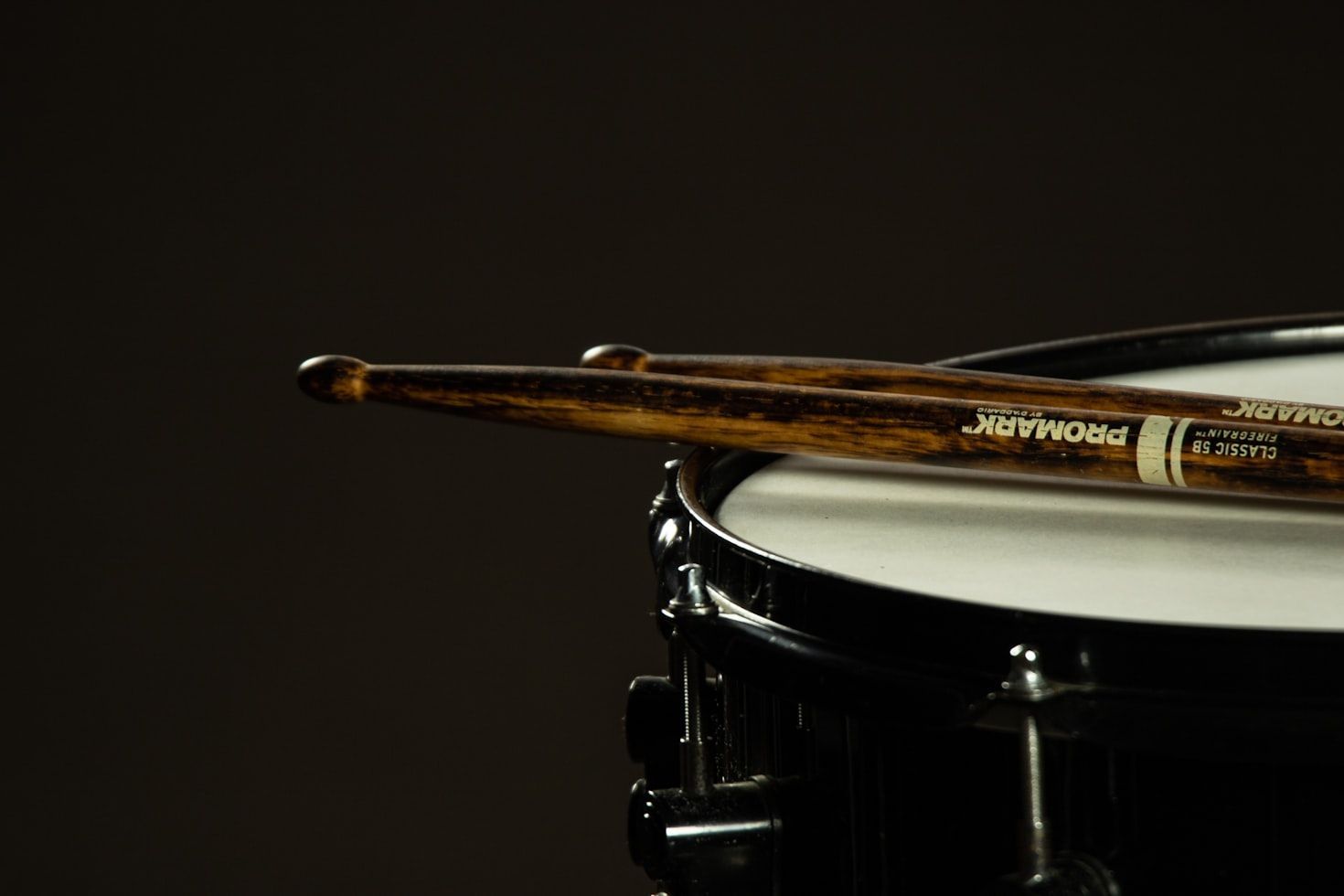
Image: Brent Ninaber

Best known as the face of The Tonight Show , Johnny Carson also had rhythm running through his veins. A lifelong music lover, he took up the drums as a boy and never lost the habit. While he never pursued it professionally, he occasionally surprised audiences by sitting in with the studio band for a quick jam—a subtle reminder that behind the suit and tie was a performer with more than one talent.

9
Anthony Quinn

Image: Eric Awuy

Long before captivating audiences as Zorba the Greek, Anthony Quinn was making noise in a completely different way. Born in Mexico and raised in Los Angeles, he picked up the trumpet and saxophone, playing in local jazz bands to earn money and express himself creatively. Music was his first love, and although acting eventually took center stage, those early musical roots stayed with him throughout his life.

10
Jack Lemmon

Image: Rohit Tandon

Beloved for his wit and warm on-screen charisma, Jack Lemmon had another talent up his sleeve: he was a gifted pianist. Audiences who saw him on talk shows were often treated to impromptu performances, where he’d sit down at the piano and play with real flair. It wasn’t just a party trick—music was a lifelong passion for Lemmon, a source of joy, and a way to express himself beyond the roles he played. Whether behind the keys or in front of the camera, his genuine charm always shone through.

11
Steve Martin
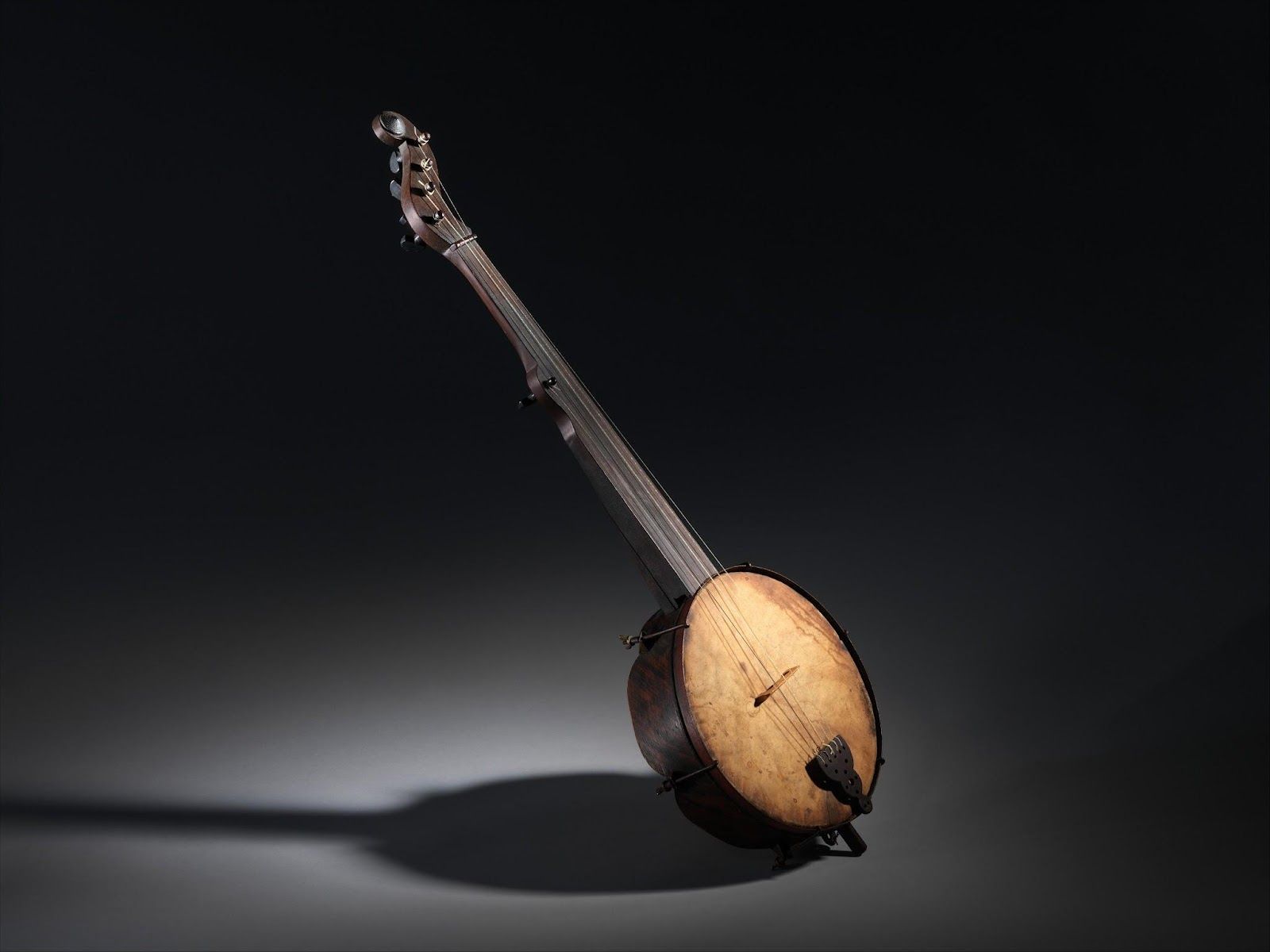
Image: Metropolitan Museum of Art, CC0, via Wikimedia Commons

Long before he became a household name with comedies like The Jerk , Steve Martin was already strumming the banjo with remarkable skill. What began as a teenage hobby grew into a lifelong passion for bluegrass. He has recorded several albums, earning multiple Grammy Awards, and shared the stage with legends like Earl Scruggs and Dolly Parton. Not just a performer, Martin also founded a nonprofit to support up-and-coming banjo players and keep the tradition alive.

12
Julie Andrews

Image: The Now Time

We can’t wrap up this list without tipping our hat to the great Julie Andrews. Most folks remember her as the angel-voiced Maria from The Sound of Music , but did you know she’s also a talented pianist? Trained in music from an early age, her time at the piano helped shape her legendary perfect pitch. Later in life, she often sat down to compose music—sometimes even teaming up with her daughter to create songs for children. A true class act, on and off the screen!

Geography Geography 5 min read

Are you brave enough?

Only for adventurers: These are 10 of the harshest American landscapes!

Image: Soly Moses

There’s no denying that American landscapes are beautiful . However, while the stunning wonder of these 10 locations is undeniable, they are definitely not for the faint of heart. These places are perfect for adventurers, for those with the urge to push themselves and explore harsh yet rewarding terrains. With that in mind, here’s our selection of 10 of the most demanding and harsh American National Parks, hoping to awaken your adventurous spirit and offer a glimpse of their beauty so you can enjoy it from the comfort and safety of your home. Enjoy!

1
Mojave Desert

Image: Paulius Dragunas

The possibility of being stranded in the desert has always terrified humankind. Can you imagine being completely alone in the harsh and unforgiving heat? Luckily, nowadays it’s extremely difficult to get lost in the Mojave Desert . However, that doesn’t mean visiting this gorgeous landscape isn’t a demanding endeavor.

The Mojave Desert spans four different western states and is crossed by the Colorado and Mojave rivers. One of its most famous locations is the area known as Death Valley , the point of lowest elevation in North America and the hottest place on Earth during the summer.

2
Mount Rainier

Image: Taylor

Also known as Tahoma, Mount Rainier National Park is located approximately 59 miles from Seattle. As you might guess, the main attraction of this park is the titular Mount Rainier, the highest mountain in the state of Washington and a formidable challenge for daring adventurers.

Mount Rainier’s official summit elevation is 14,410 feet, and it is one of the most popular climbing spots in the world. That doesn’t mean it is an easy climb—quite the contrary, in fact. In order to reach the summit, climbers must traverse glaciers similar to those found in southern Alaska. Of the approximately 11,000 climbers who attempt to summit Mount Rainier each year, only about 50% succeed.

3
Gates of the Arctic National Park

Image: Sauvage

The northernmost park in the United States, Gates of the Arctic National Park, is definitely hard to reach. In fact, it is the least visited park in the country due to its remoteness and lack of infrastructure.

In any case, camping and hiking are allowed in the park, though they are not for the faint of heart. The extreme temperatures, with an annual minimum average of −42.6 °F, make it a challenging yet alluring landscape for those seeking adventure.

4
Glacier National Park

Image: Michael Kirsh

While Montana’s Glacier National Park offers recreational opportunities for people of all ages, including kayaking, fly fishing, and hiking, many tourists visit the park seeking a more thrilling experience. They aren’t disappointed, as the park features numerous climbing challenges, including five peaks over 10,000 feet .

However, we recommend visiting during the tourist season. In winter, temperatures can plummet, with a historical low of -38°F. Additionally, the area is prone to sudden temperature changes, which can pose challenges for adventurers.

5
Lake Clark National Park

Image: Clayton Manche

Much like Glacier National Park, Lake Clark is not necessarily a severe environment during the tourist season. It offers a variety of recreational activities, ranging from bird-watching to more thrilling pursuits like kayaking and rafting. However, the extremely low temperatures and intense snowfall make this park much harsher during the winter months.

With a record-low temperature of -18°F, Lake Clark becomes inhospitable during the colder months. Not only that, but the park is not accessible by roads; only air taxis and boats can reach it.

6
Big Bend National Park

Image: Simon Hurry

As with many other parks on this list, we should start with a small disclaimer: Don’t be discouraged from visiting Big Bend National Park . Not that you need our warning—after all, half a million tourists enjoy the park's magnificence every year. However, a point should be made that the harsh desert conditions of Big Bend do provide a challenge that should not be overlooked.

According to Search & Rescue team reports, 1 in 1,000 visitors requires assistance of some kind. Although most of this assistance is not life-threatening (often involving mild dehydration), it highlights the importance of taking necessary precautions when visiting the park.

7
Rocky Mountain National Park

Image: Michael Kirsh

Located in the heart of Colorado , Rocky Mountain National Park offers unmatched views of the stunning Rocky Mountains, as well as numerous alpine lakes and lush forests that completely surround the park. However, there are many hazards you should be aware of if you plan to visit this beautiful location.

Visitors should be cautious of steep cliffs, falling rocks, cold temperatures, and adverse snow conditions. Additionally, the area is infamous for its recurring wildfires, so campers must be careful not to leave anything that might increase the risk of fire.

8
Great Basin National Park

Image: Shawn Powar

The arid beauty of Great Basin National Park is truly second to none. Although it is located in a desert area , the plants and vegetation have majestically adapted to the dry climate. With that in mind, you can also adapt and thoroughly enjoy this park if you keep these safety suggestions in mind.

We’ll mention just some of the safety tips recommended by the National Park Service for visiting Great Basin: For starters, remember that cell phone service is limited, so don’t rely entirely on your phone. Also, be mindful of sun exposure and take precautions to avoid sunburn and dehydration. One last thing: Like all desserts, heat is not the only concern. The park’s temperature drops significantly at night, so try to not be caught in the open when the sun goes down.

9
Voyageurs National Park

Image: Tim Umphreys

Located in northern Minnesota, right on the border with Canada, Voyageurs National Park was named after the French-Canadian fur traders who frequently traveled the area. It is particularly famous for its many lakes , which offer activities like kayaking, canoeing, and fishing.

However, there are a few dangers that boaters should be aware of, such as the many hazardous rocks hidden in the water. Additionally, during the winter season, many visit the park to engage in snowmobiling, which must be practiced carefully to avoid any soft spots.

10
Kobuk Valley National Park

Image: Adrià Masi

Kobuk Valley National Park is as massive as it is undeveloped. Although the park is larger than the state of Delaware, there are no roads leading to it , nor any internal roads or trails within the park. Visitors must arrive by air taxi, weather permitting, and bring all their gear and supplies if they intend to backpack, camp, or boat.

Not only that, the weather conditions in the park can be extreme, even during the summer, and are completely unpredictable. In any case, as with all the other parks in this article, we don’t want to dissuade you from visiting Kobuk Valley if you choose to. We simply want to emphasize the importance of keeping safety a paramount priority during your trip.

General General 3 min read

Big names for small creatures

Bird is the word: 10 American bird names explained

Image: Dulcey Lima

A world without birds would be a gloomy one, indeed. These feathered friends grace our skies and brighten our days with their songs, not to mention the important environmental roles they fulfill. The names we give them often showcase their characteristics or pay homage to the people who discovered them. Scroll on to learn about ten of the most common birds and their names. How many of these did you know?

1
Mourning Dove

Image: Anish Lakkapragada

The melancholic name of the mourning dove comes from its sad call , which the casual listener might mistake for an owl. Mourning Doves inhabit a wide range of open habitats, including suburbs and urban parks.

Their call is generally referred to as the "perch coo," a song sung by an unmated male from a perch. These birds have other well-known nicknames, such as "turtle doves" and "rain doves."

2
Northern Mockingbird

Image: Tyler Jamieson Moulton

More than just mockers, mockingbirds are expert singers, continuously adding new imitations of other birds' songs to their repertoires and sometimes mimicking unnatural sounds, such as car alarms. Northern mockingbirds may learn up to 200 different sounds.

These medium-sized, long-tailed gray songbirds prefer open habitats with a scattering of shrubs and small trees. They eat a wide variety of fruits, invertebrates, and even small vertebrates, such as lizards.

3
White-breasted Nuthatch

Image: Patrice Bouchard

You can recognize this bird by its white face and underside, bluish back and wings, dark crown, nasal "yank-yank" call, and its habit of creeping down tree trunks headfirst.

The name "nuthatch" is derived from "nut hacker," reflecting the bird's method of opening up nuts by jamming them into a crevice and then hammering at them.

4
Downy Woodpecker

Image: Joshua J. Cotten

The smallest woodpecker in North America, the Downy Woodpecker is a stubby-billed, black-and-white bird that inhabits deciduous woods and tree-filled urban and suburban parklands. It forages on trees, shrubs, and large weeds for insects and other arthropods.

The "downy" in this bird's common name refers to the soft, white feathers of its long, white back stripe . The "woodpecker" part refers to the fact that this bird pecks bark, looking for termites hidden underneath it.

5
House Finch

Image: Patrice Bouchard

Originally found only in the West, the House Finch was introduced to the eastern U.S. in 1939, when a few individuals were released from a pet store. The word "finch" comes from the German idiom fink , which refers to a lively or cheerful person —a description that certainly fits this active and gregarious songbird. The term "house" refers to the bird’s tendency to hang around human dwellings.

6
Song Sparrow

Image: Patrick Fobian

Song Sparrows, as their name suggests, sing a cheerful and recognizable song. Although these birds can be found in a wide range of habitats, their favorite spots are often close to streams and other sources of fresh water.

The English word "sparrow" derives from the Anglo-Saxon word spearwa . This term means "flutterer," an apt description for this active songbird.

7
Ruby-throated Hummingbird

Image: Joshua J. Cotten

The only hummingbird that regularly breeds in the eastern U.S. is the Ruby-throated Hummingbird. The male's metallic-looking red throat, or "gorget," explains the first part of the name. And the hummingbird part comes from the humming sound their wings make as they fly.

8
Blue Jay

Image: David Bridle

The "bullies" of the birdfeeder, Blue Jays' name comes from the bird's noisy, garrulous nature. This term has also been applied to other birds of the same family, which are generally gregarious as well.

Before approaching a feeder, Blue Jays often give harsh calls that sound like those of hawks, perhaps to scare off other birds that might compete for access to the bird seed.

9
Tufted Titmouse

Image: Paul Crook

These curiously named birds form longer-lasting family units than many other songbirds, with their younglings sometimes even hanging around for a second year to help raise younger siblings. The "titmouse" name has nothing to do with rodents, but instead comes from an Old English phrase meaning "small bird."

10
Spotted Towhee

Image: Anish Lakkapragada

Spotted Towhees are members of the sparrow family. These birds have dark heads and backs, white spots on their wings, rusty sides, and striking red eyes. Their song is a simple trill.

The name "towhee" is a simulation of the bird's call and it was coined in 1731 by the naturalist and bird artist, Mark Catesby.

Explore more American facts

Choose your favorite category!

General
General

As American as apple pie—the very best America has to offer!

Culture
Culture

Delve into the astounding richness of American lore.

Geography
Geography

Hop in and explore vast and diverse American landscapes.

History
History

Discover the key moments that shaped the United States.