General General 5 min read

Television memories

What do Lucy Ricardo, Fonzie, and Lieutenant Columbo have in common?
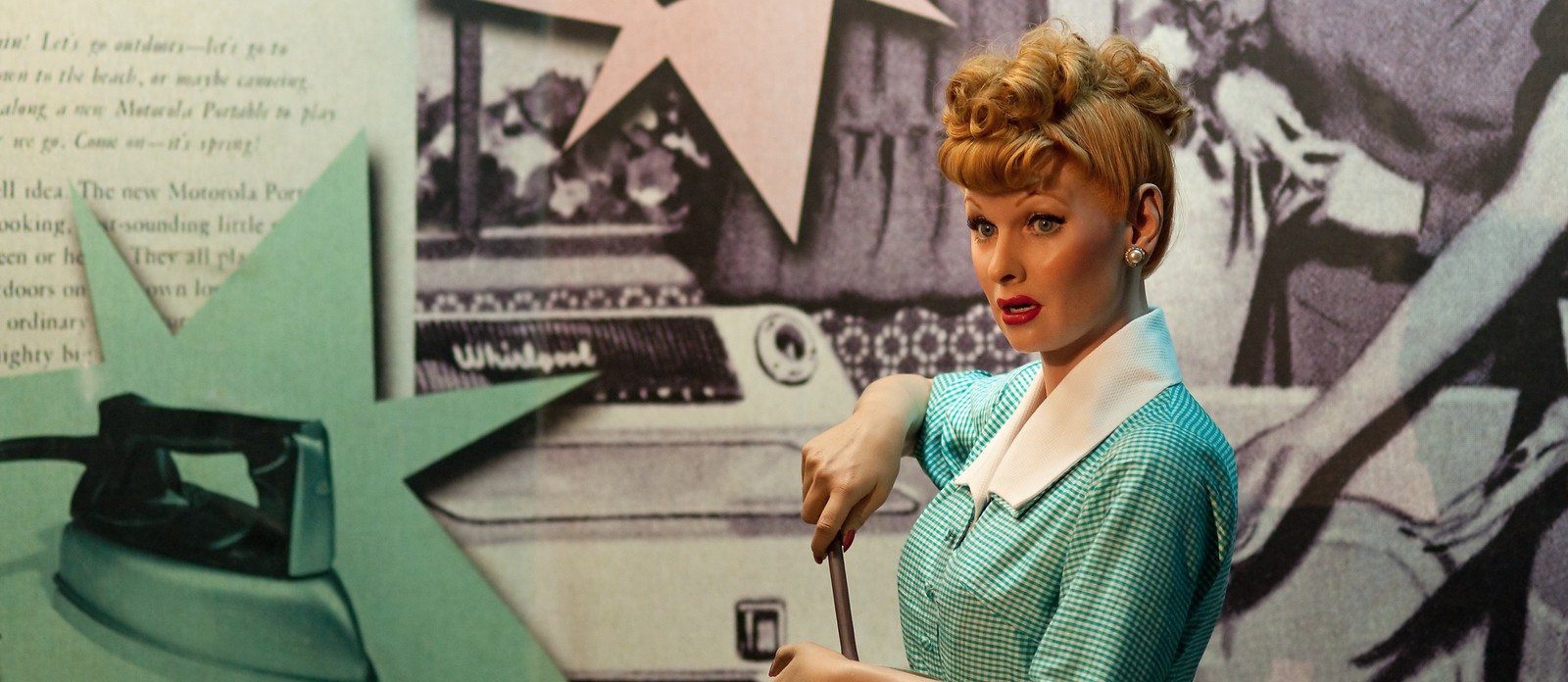
Image: Shutterstock

We live in a time where there's an endless supply of TV shows to choose from. And with so many options, it's easy to forget a character or really connect with them in the first place. But there was a time when characters felt relatable and could bring whole families together. As a result, they have become unforgettable. Let’s take a walk down memory lane with the TV characters who’ve stayed with us.

1
Lucy Ricardo, I Love Lucy
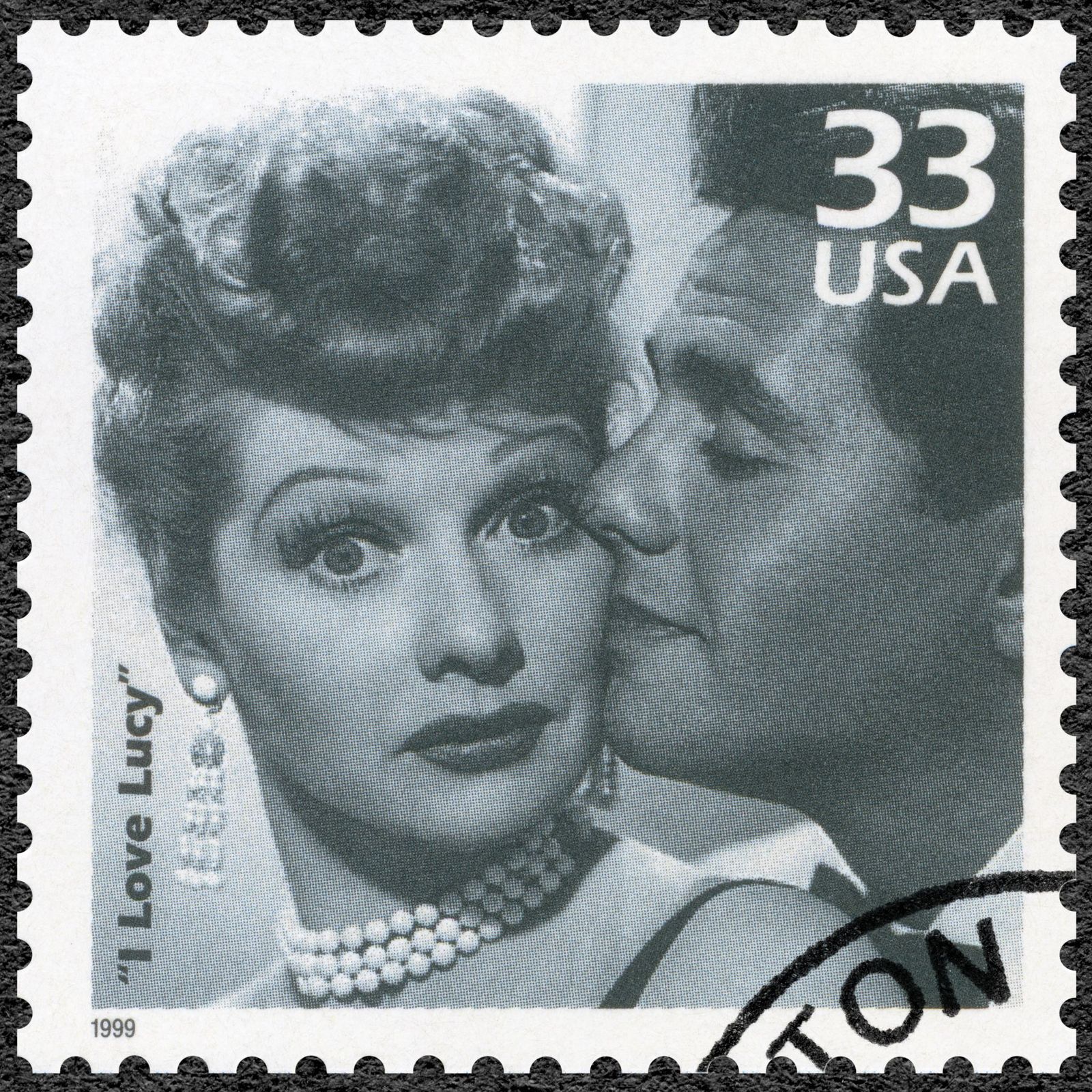
Image: Shutterstock

Why do we still love Lucy? Because her unique personality gave us some of the funniest moments in television history, including the real birth of her baby that matched her fictional one.

Lucy Ricardo was a housewife, and she stood in for most women of the 1950s, showing just how adventurous, messy, and fun a day at home could be. But Lucy also captured something else: women's desire to chase their dreams, even when society wasn't ready for it yet.

2
Arthur "Fonzie" Fonzarelli, Happy Days
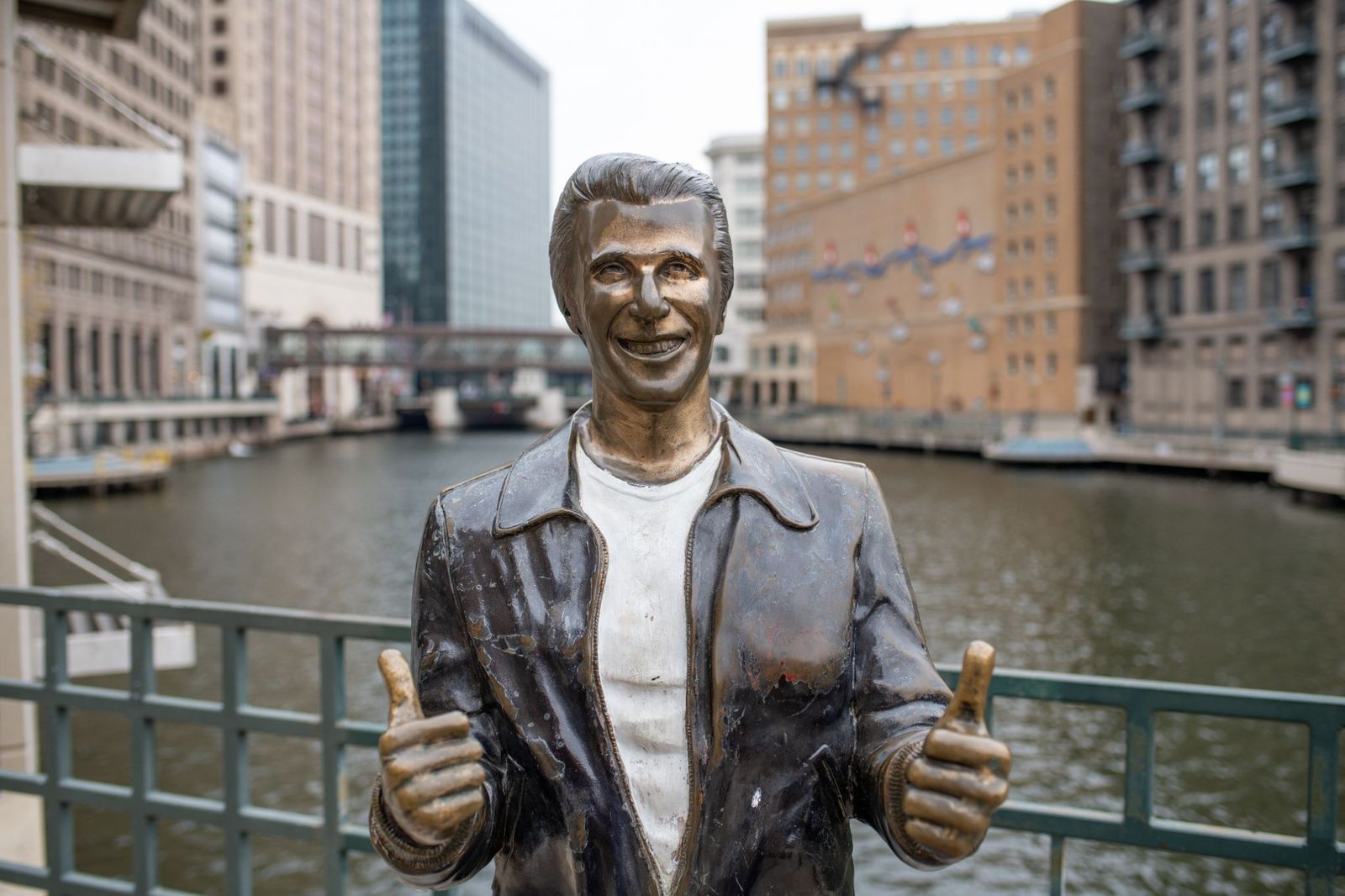
Image: Shutterstock

Arthur Fonzarelli, or "Fonzie", was played by Henry Winkler in the sitcom Happy Days (1974-1984). He was a greaser, often seen on his motorcycle, in his leather jacket, and started as a secondary character. But audiences loved him so much that he quickly became a leading star.

Fonzie redefined "cool" for an entire generation. He was self-confident but not cynical; he took responsibility for his mistakes, respected adults, and showed vulnerability without ever losing his coolness. He was the symbol of safe, necessary rebellion young guys admired with all the swagger of a classic greaser.

3
Lieutenant Columbo, Columbo
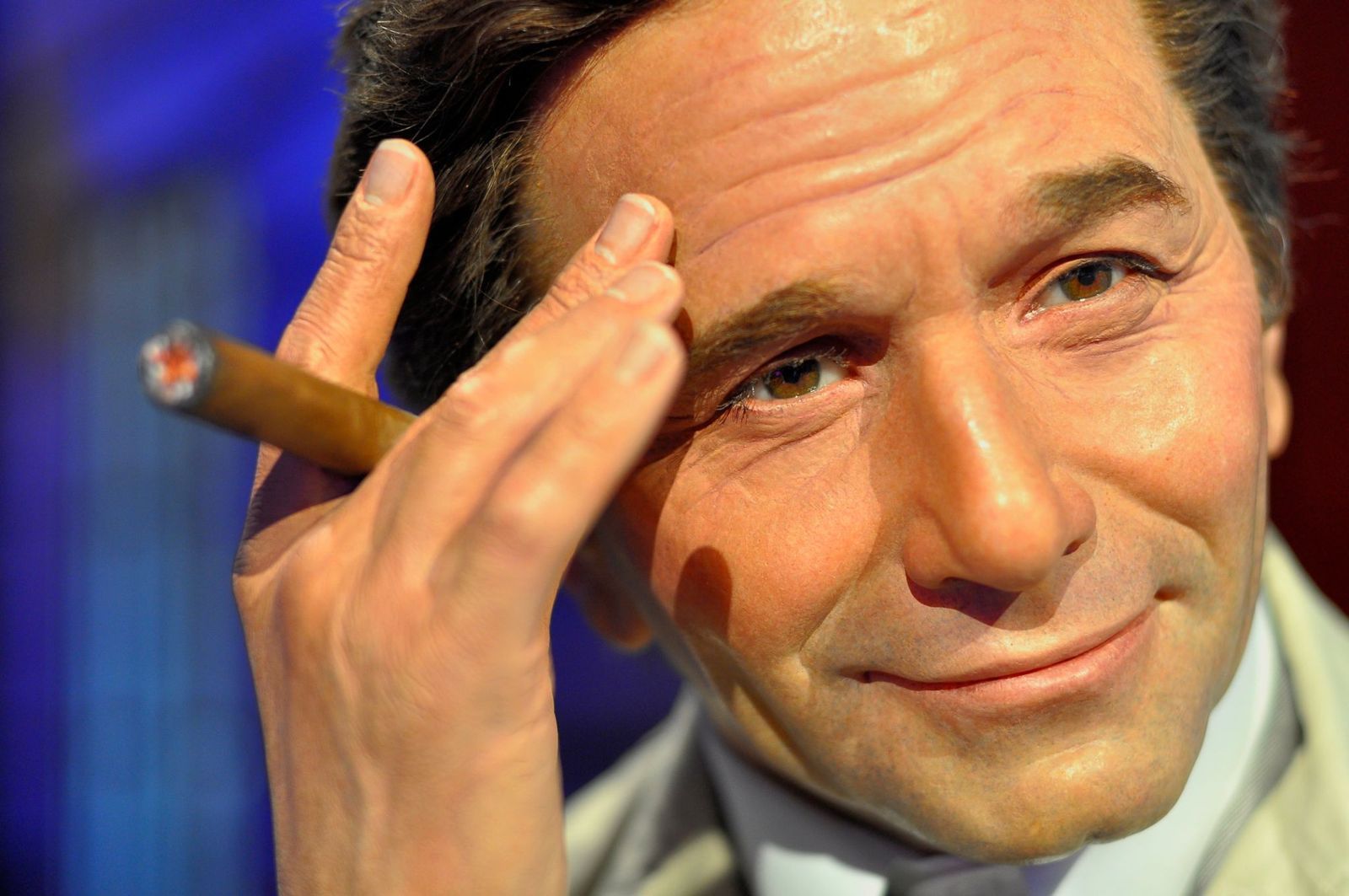
Image: Shutterstock

Lieutenant Columbo was the main character on the series that carries his name. Played by Peter Falk in his trademark rumpled beige raincoat, he was a homicide detective with the Los Angeles Police Department. The show originally aired on NBC in 1971 and was an inverted detective story format, or "whodunit" pioneer. Unlike most detective shows, Columbo revealed the killer and the crime at the beginning. The mystery wasn’t about who did it, but how Columbo would catch them. Viewers sometimes spotted the clues along the way, while others weren’t explained until the very end. Between episodes, Columbo gave us some valuable lessons: perseverance pays off, question everything, be humble, and be tough when it's necessary, too.

4
Captain Benjamin Franklin "Hawkeye" Pierce, M A S H
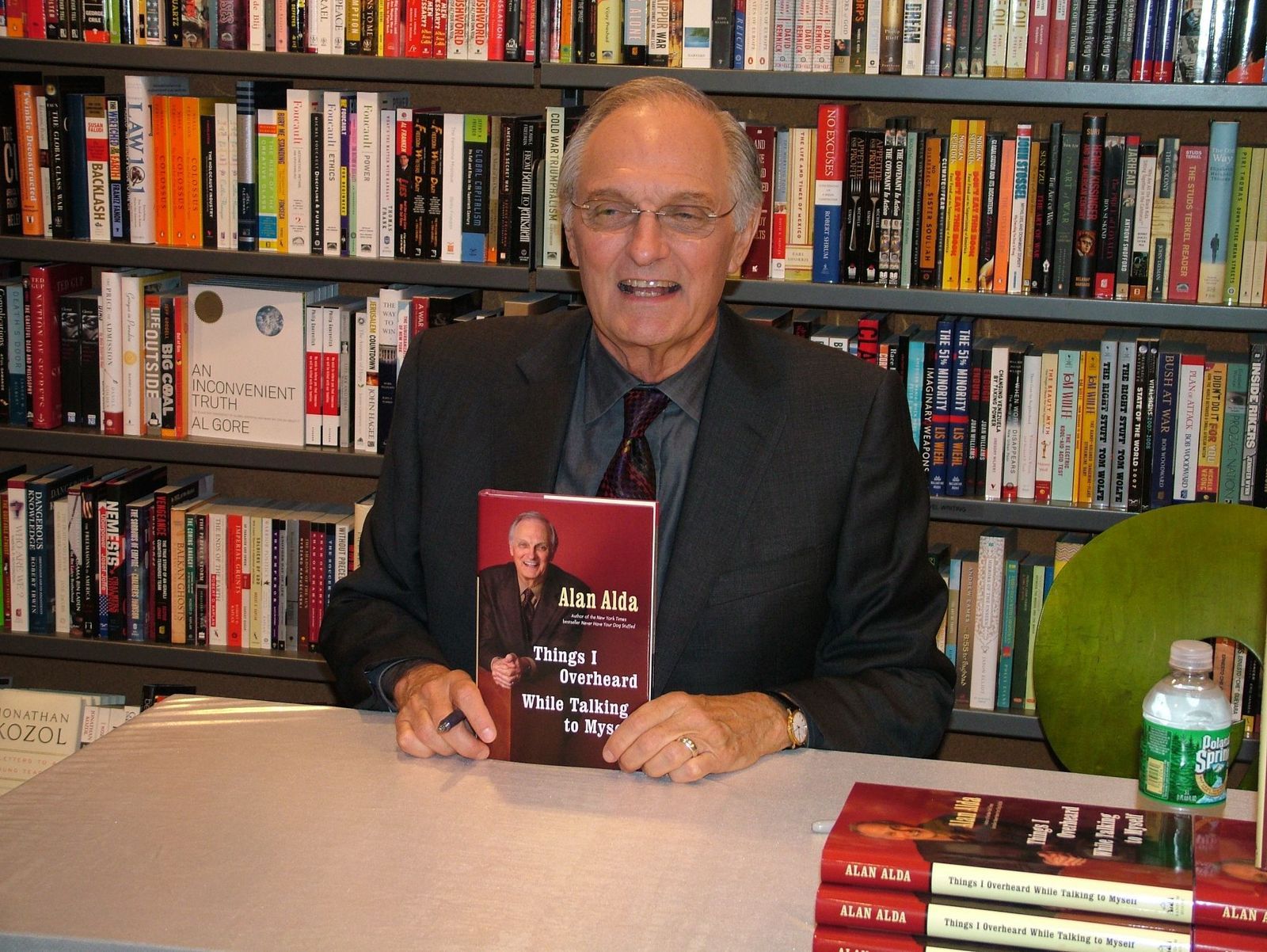
Image: Shutterstock

M A S H effectively blended comedy and drama. Hawkeye Pierce could make viewers laugh one minute and think about war’s consequences the next. Alan Alda played the quick-witted Army surgeon during the Korean War. When it premiered in 1972, many viewers connected it to the Vietnam War and the dramatic images they were watching every night on the evening news.

Hawkeye's trademarks were his jokes, pranks, and martinis. But beneath all that humor, he never stopped questioning the war and speaking out about its terrible cost. Alda became one of the show’s writers and directors, and he made Hawkeye more than just a funny doctor.

5
Archie Bunker, All in the Family
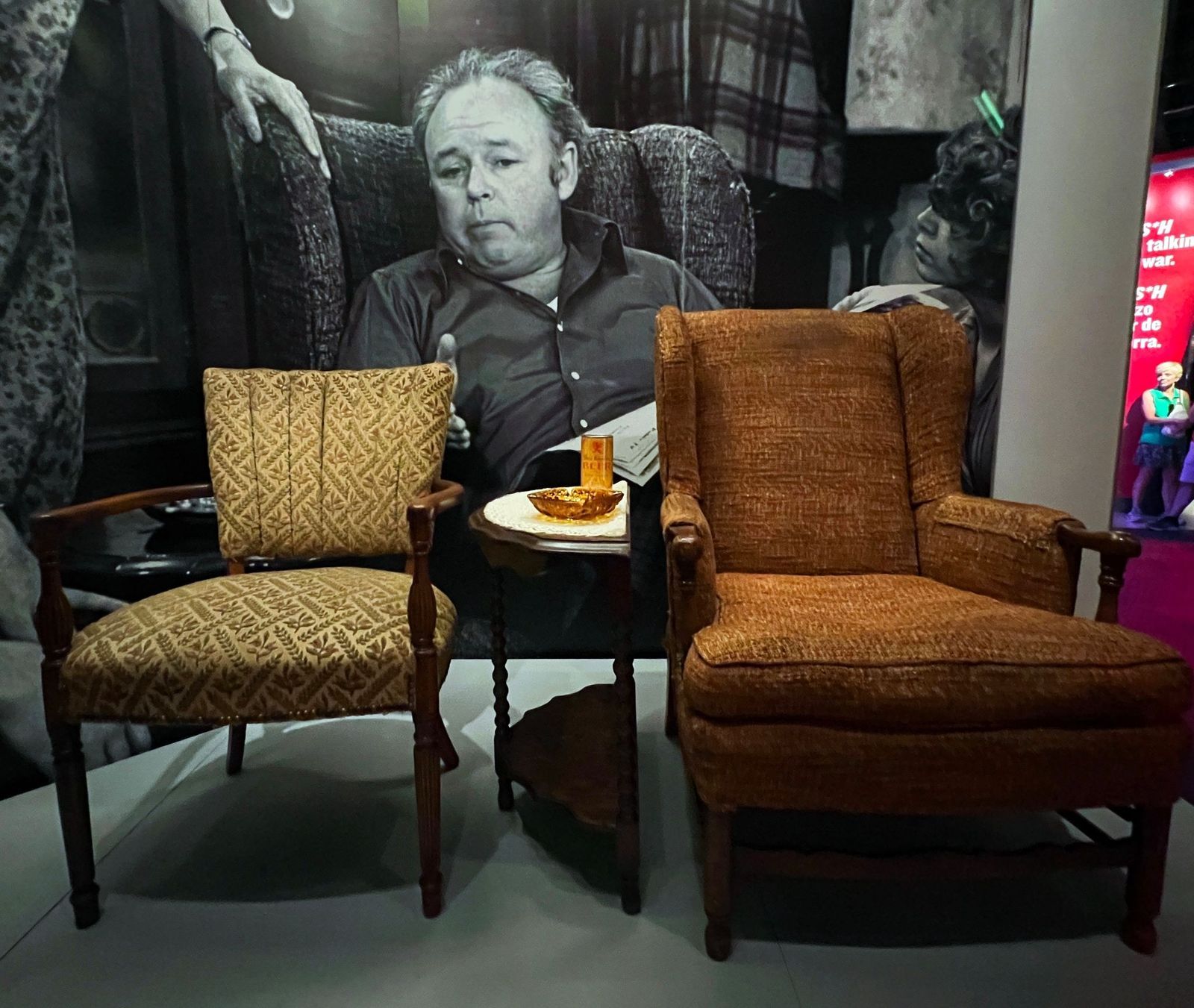
Image: Shutterstock

Carroll O’Connor starred as Archie Bunker in the 1970s sitcom All in the Family . Bunker was a World War II veteran, blue-collar worker, and family man. But above all of these, he exposed the uneasiness and ambivalence some Americans felt as society and its values began to change. Archie was always arguing with his son-in-law, Mike (Rob Reiner), and his daughter, Gloria (Sally Struthers). Their fights touched on the same issues dividing society at the time, including racism, prejudice, and women’s liberation.

6
Sheriff Andy Taylor, The Andy Griffith Show
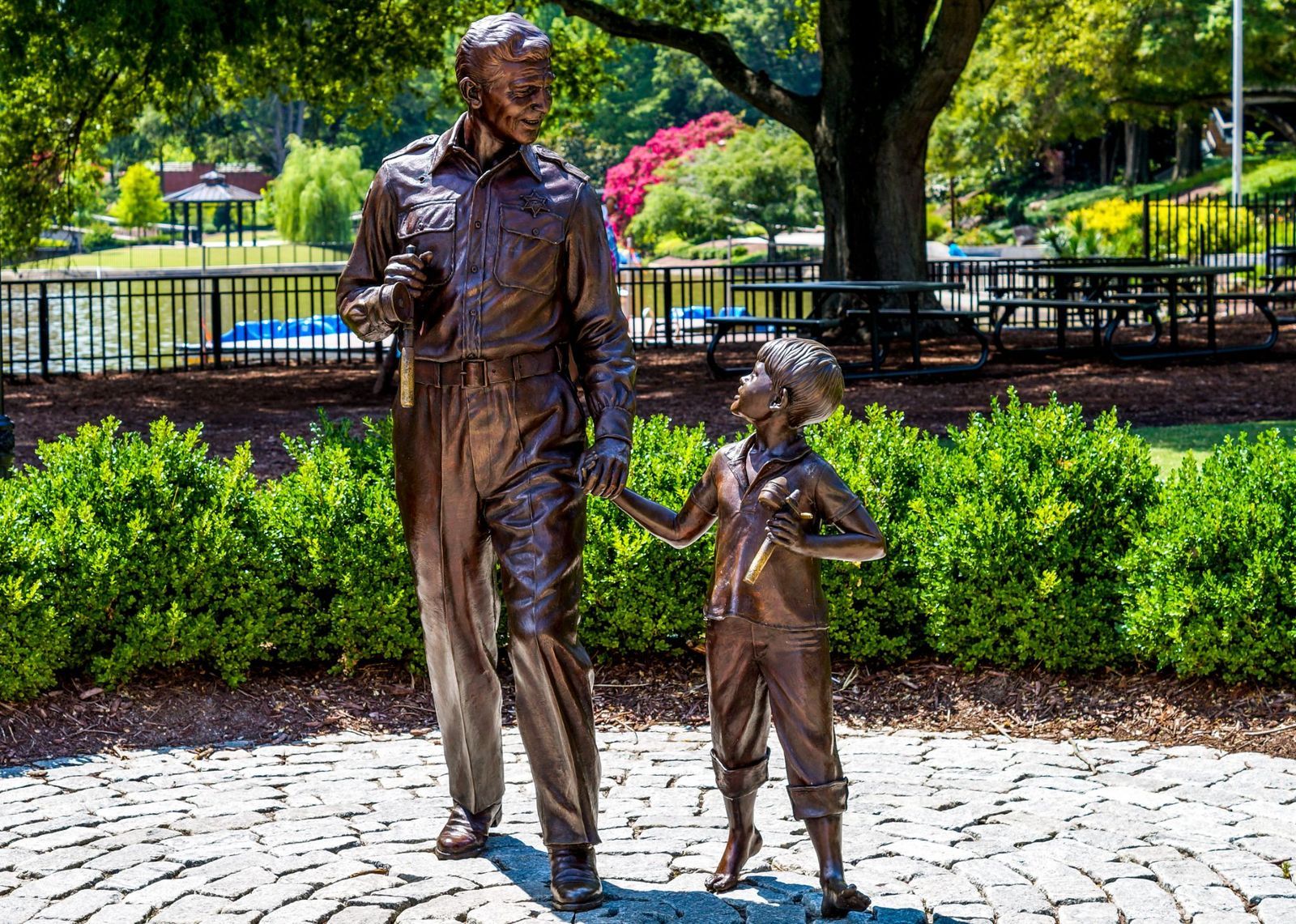
Image: Shutterstock

Andy Taylor was the sheriff of the sleepy town of Mayberry, North Carolina. The Andy Griffith Show aired in the 60s on CBS and became an instant success, ending its last season at number one in the ratings charts.

Sheriff Andy Taylor rarely carried a gun. He instead solved problems with patience, common sense, and conversation. Whether he was dealing with local disputes, teaching Opie a lesson, or keeping Barney Fife out of trouble, Andy usually knew how to make things right. He was much more than the town sheriff: he was also a neighbor, a father, and a trusted friend who truly knew the people he served. During the social and political changes of the 1960s, Andy and Mayberry offered a comforting picture of small-town life, where even the biggest problems were settled with kindness.

7
Samantha Stephens, Bewitched
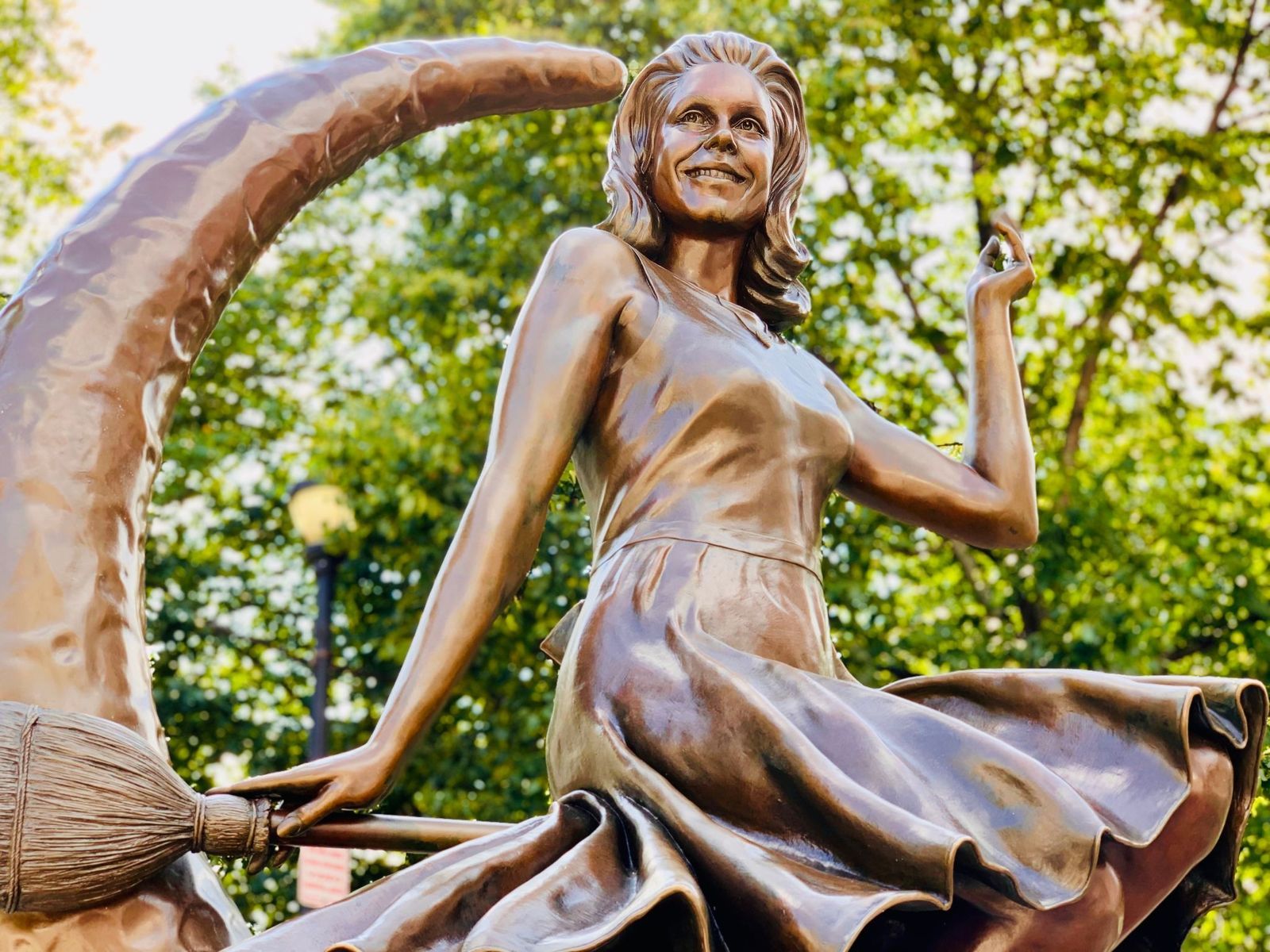
Image: Shutterstock

Bewitched premiered on ABC in 1964, with Elizabeth Montgomery playing Samantha Stephens. Samantha was a powerful witch who married an ordinary mortal, Darrin, and tried to settle into life as a typical suburban housewife. There was only one problem: Darrin wanted her to stop using magic, but Samantha’s famous nose twitch often proved too useful to resist.

Behind the magic and comedy, Samantha reflected the role of women in the 1960s. She loved her husband and family, but she was also independent and far more powerful than anyone around her. Her struggle to fit into Darrin’s idea of a "normal" wife resonated with many women questioning what society expected of them. She tried to blend into the neighborhood while keeping her true identity secret, but her powers could never stay hidden for long.

8
Jeannie, I Dream of Jeannie
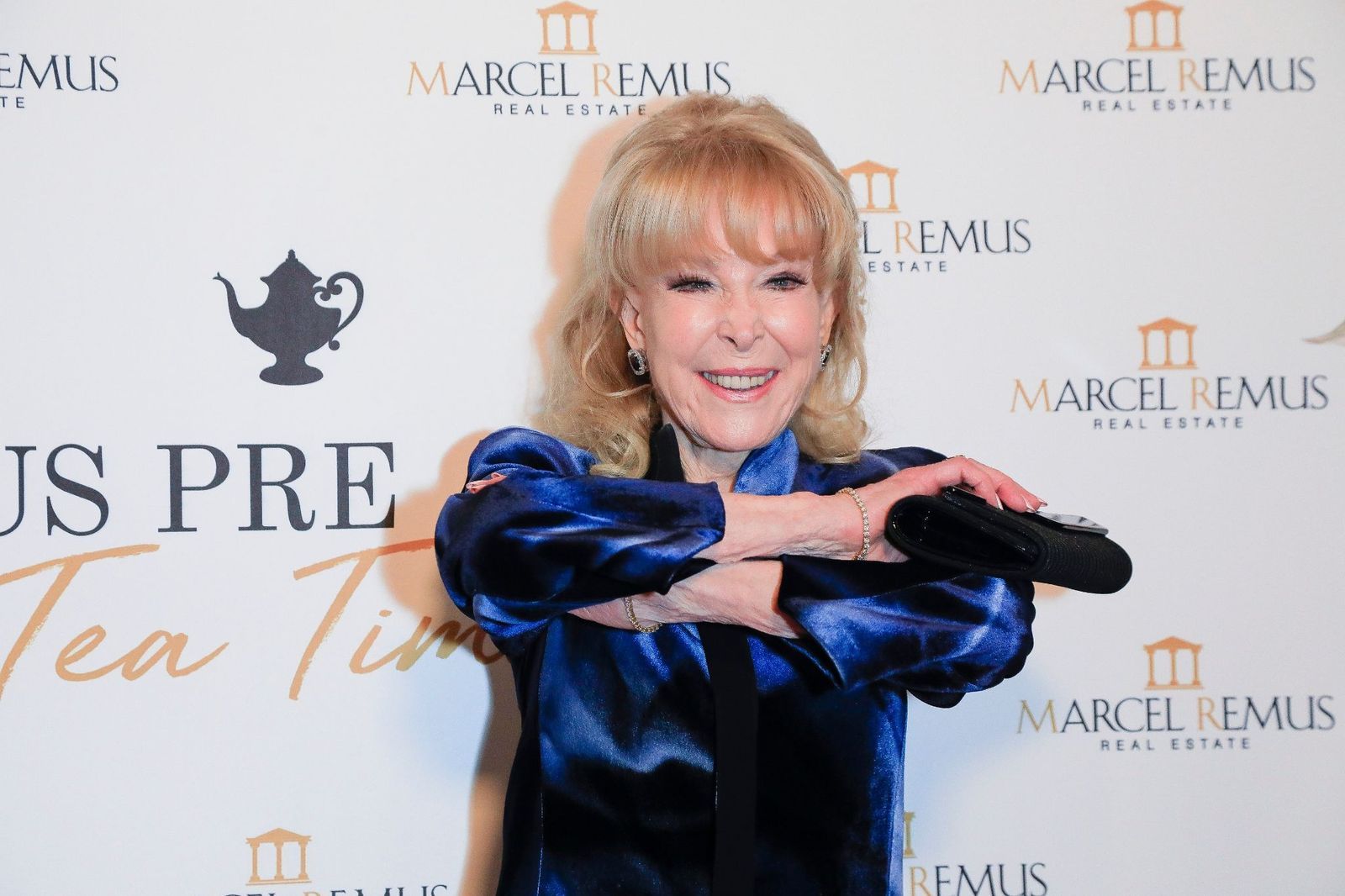
Image: Shutterstock

In I Dream of Jeannie , Barbara Eden played a 2,000-year-old genie who lived inside a magical bottle. The story began when astronaut Tony Nelson, played by Larry Hagman, landed on a deserted island and found a bottle on the beach. When he opened it, Jeannie appeared and followed him home, bringing magic and lots of trouble into his carefully ordered life.

Although Tony tried to control her magic, she was usually the most powerful person in the room, and her plans rarely went the way he expected. Mixing space travel with old-fashioned magic gave viewers a fun escape during a time of fast scientific and political change.

9
Mary Richards, The Mary Tyler Moore Show
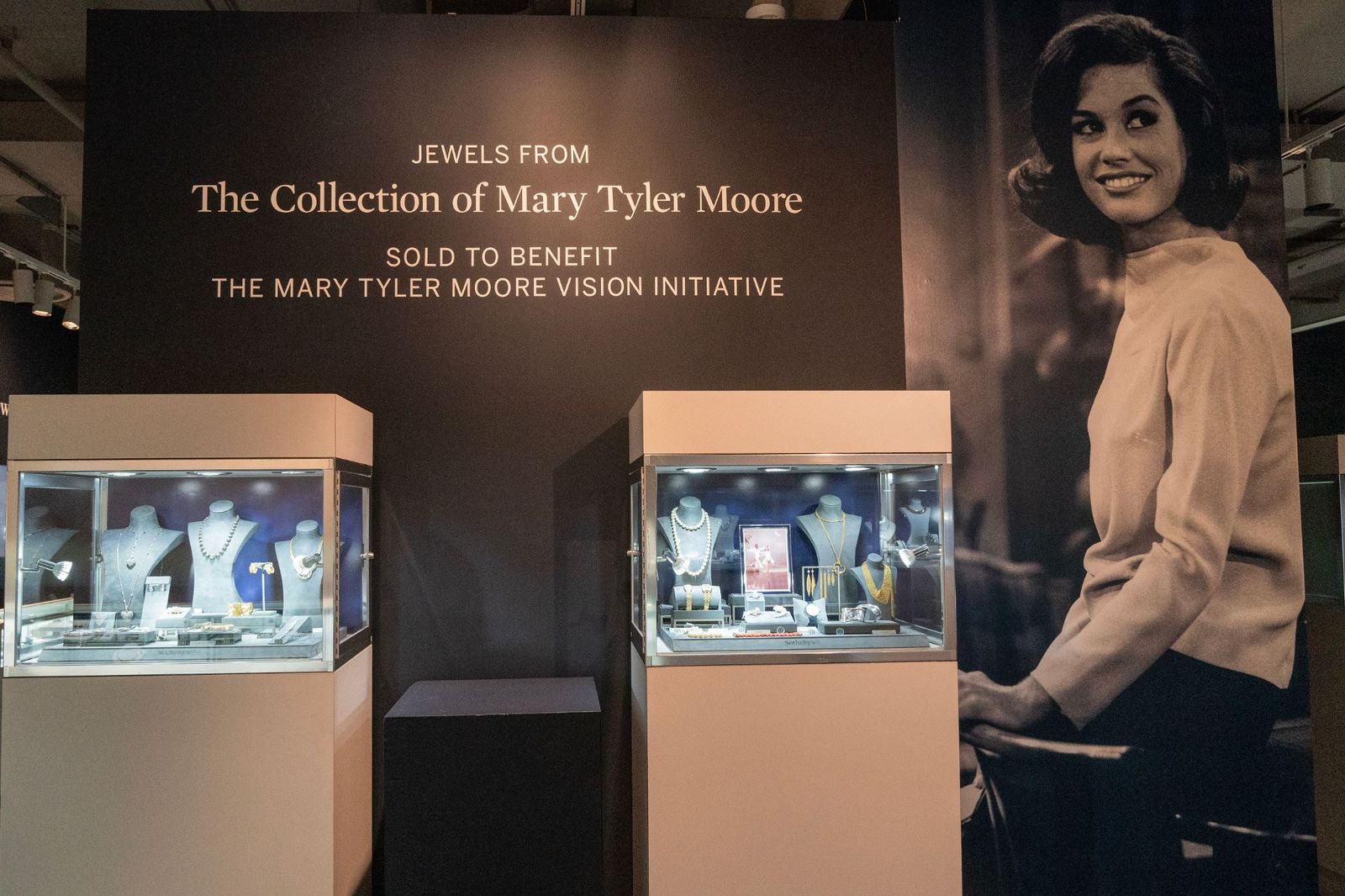
Image: Shutterstock

The Mary Tyler Moore Show first aired in 1970, with the actress playing a single woman in her thirties who moved to Minneapolis to work at a local television newsroom.

Mary had her own apartment, supported herself, and built a life around her career, friendships, and personal goals. She represented a new kind of woman on television that was becoming increasingly common in real life. She was independent and ambitious, but also warm, funny, and easy to relate to. She was not against marriage or family; she simply showed that a woman could enjoy a full, happy life without making either one her only goal. Mary made that path look possible at a time when more women were entering the workplace and questioning everything.

10
Lieutenant Theo Kojak, Kojak
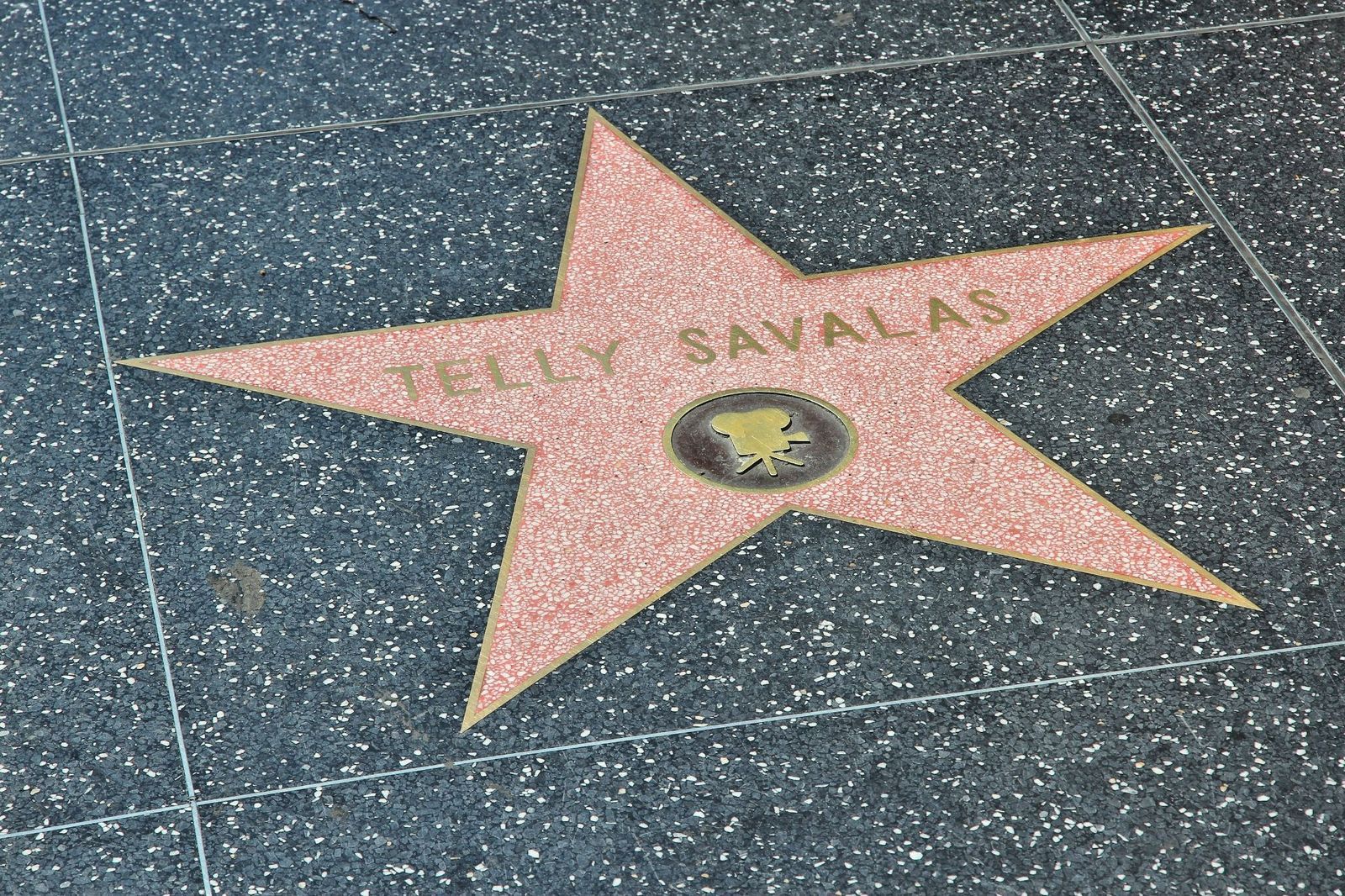
Image: Shutterstock

If Lieutenant Kojak represented one thing, it was surely incorruptible justice. Played by Telly Savalas, Theo Kojak took on crime in the rough streets of New York City in Kojak , which aired from 1973 to 1978.

At a time when political scandals and police corruption had made people suspicious of authority, Kojak was someone viewers could still trust. He often ignored the rulebook and argued with his bosses, but he never let the system corrupt him. Kojak could be tough when he needed to be, but he also cared about victims and people left out by society. With his bald head, sharp suits, ever-present lollipop, and famous "Who loves ya, baby?", he was impossible to confuse with any other TV detective .
General General 3 min read

Iconic façades

Can you recognize these architectural styles that were used in America?

Image: Eugene Kucheruk

When you picture America’s most famous buildings , you’re also looking at a time in history. Taste, identity, and ambition all became written in stone, wood, and steel. Many eras in America left their mark in distinctive styles, from classical Greek Revival to playful Art Deco. Let’s look at famous façades from around the US and what they say about the times that built them!

1
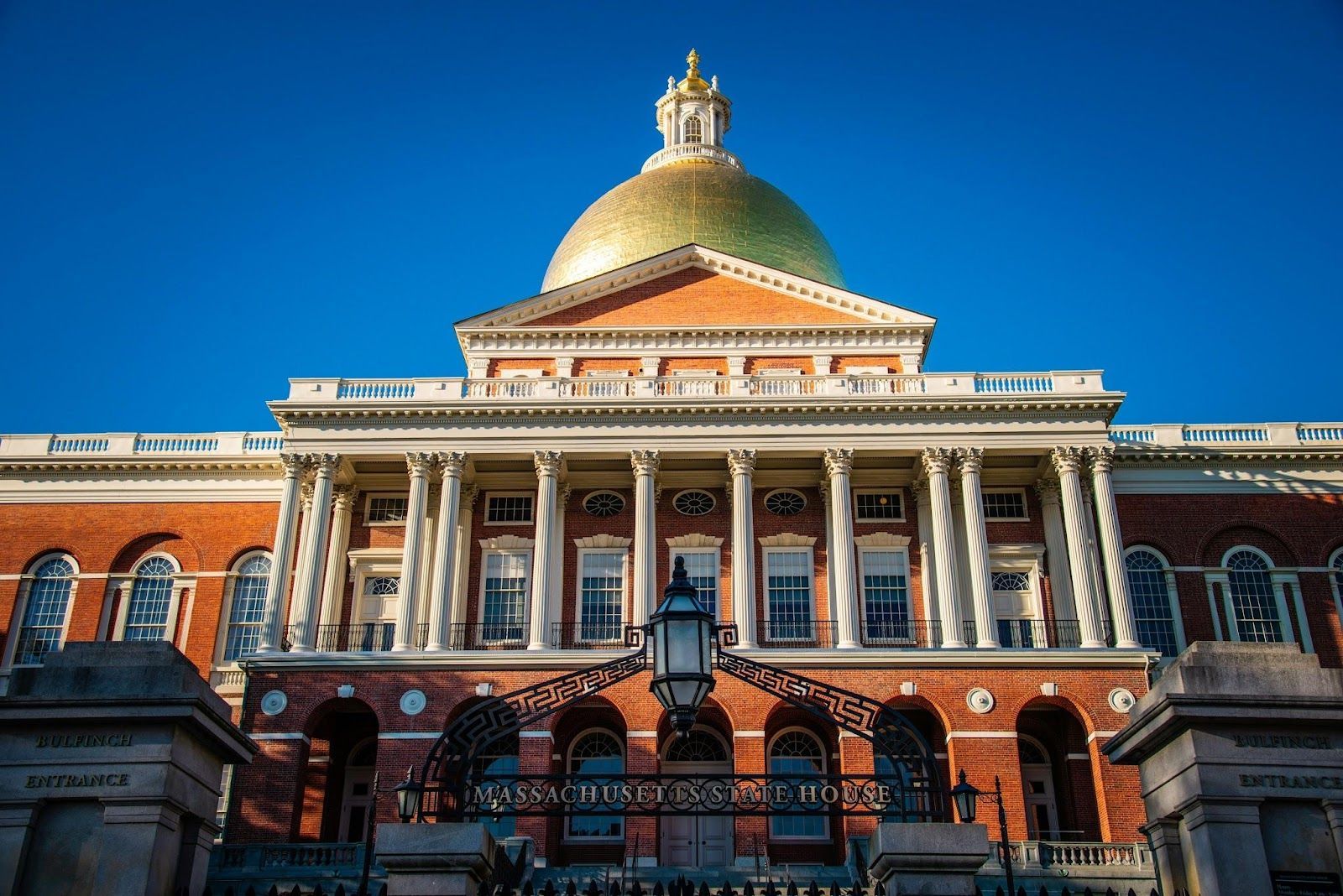
Federal Style

Image: Khay Edwards

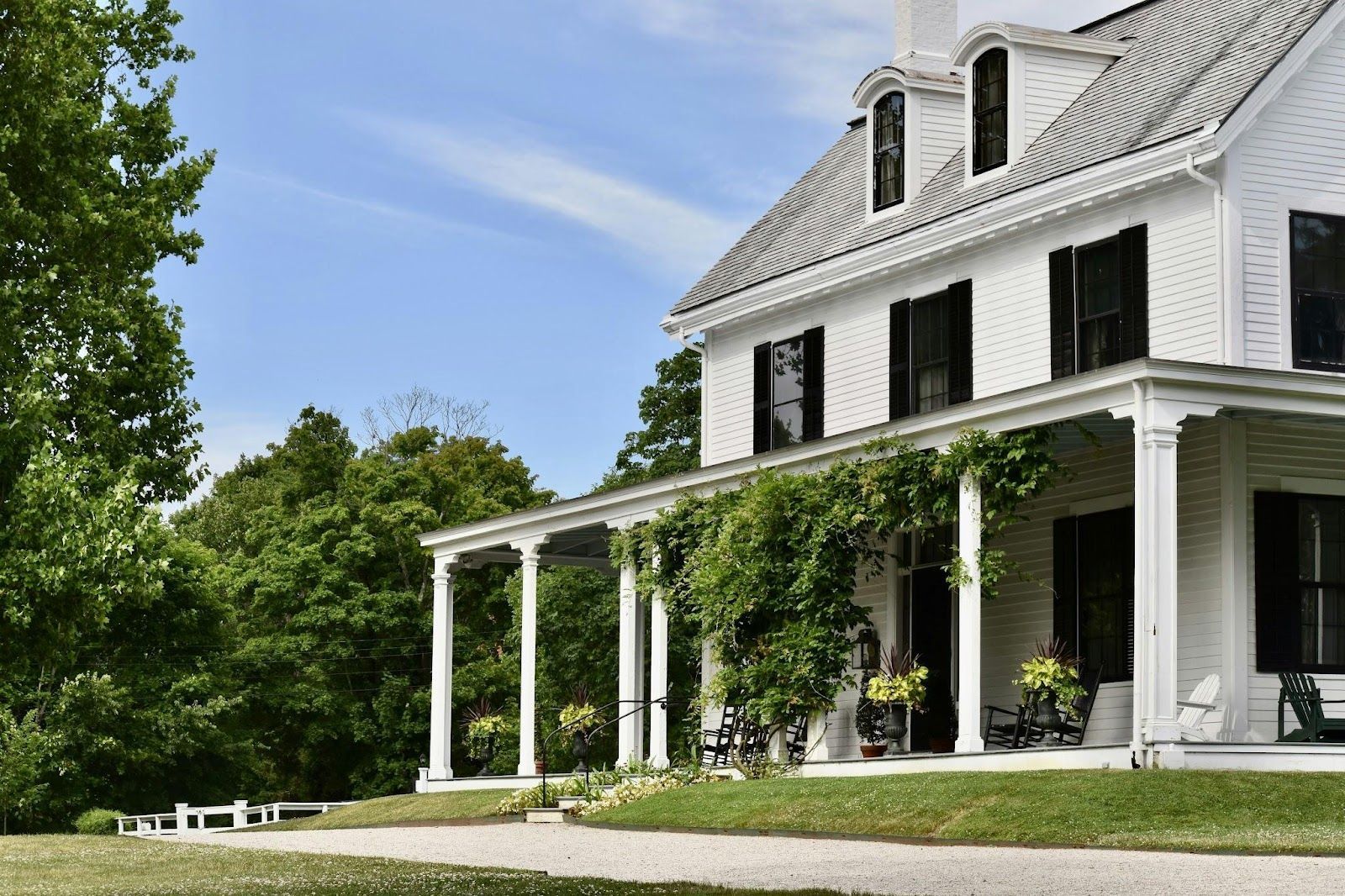
It emerged after the American Revolution. The Federal style gave the young nation its first distinctly American architectural voice. You can recognize it for its symmetry, fanlights above doors, delicate columns, and Palladian windows.

Famous examples include the Massachusetts State House in Boston and early townhouses in Washington, D.C.

2
Greek Revival

Image: Wilmer Olano

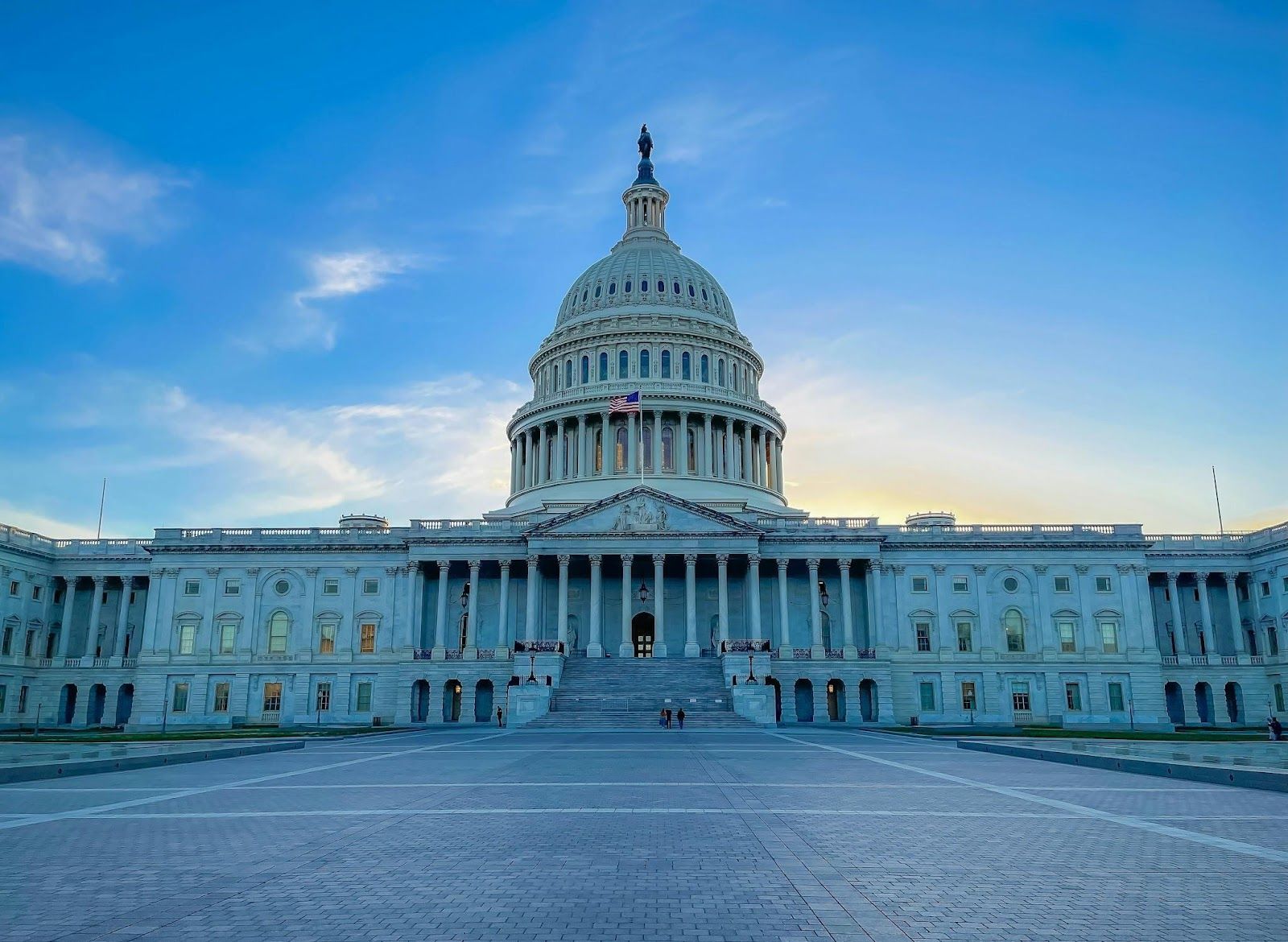
The U.S. Capitol is a hallmark example of the Greek Revival style. In the early 19th century, Americans embraced this design as a symbolic nod to democracy , borrowing the grandeur of ancient temples.

Tall Doric or Ionic columns, triangular pediments, and white-painted façades became common in courthouses and banks.

3
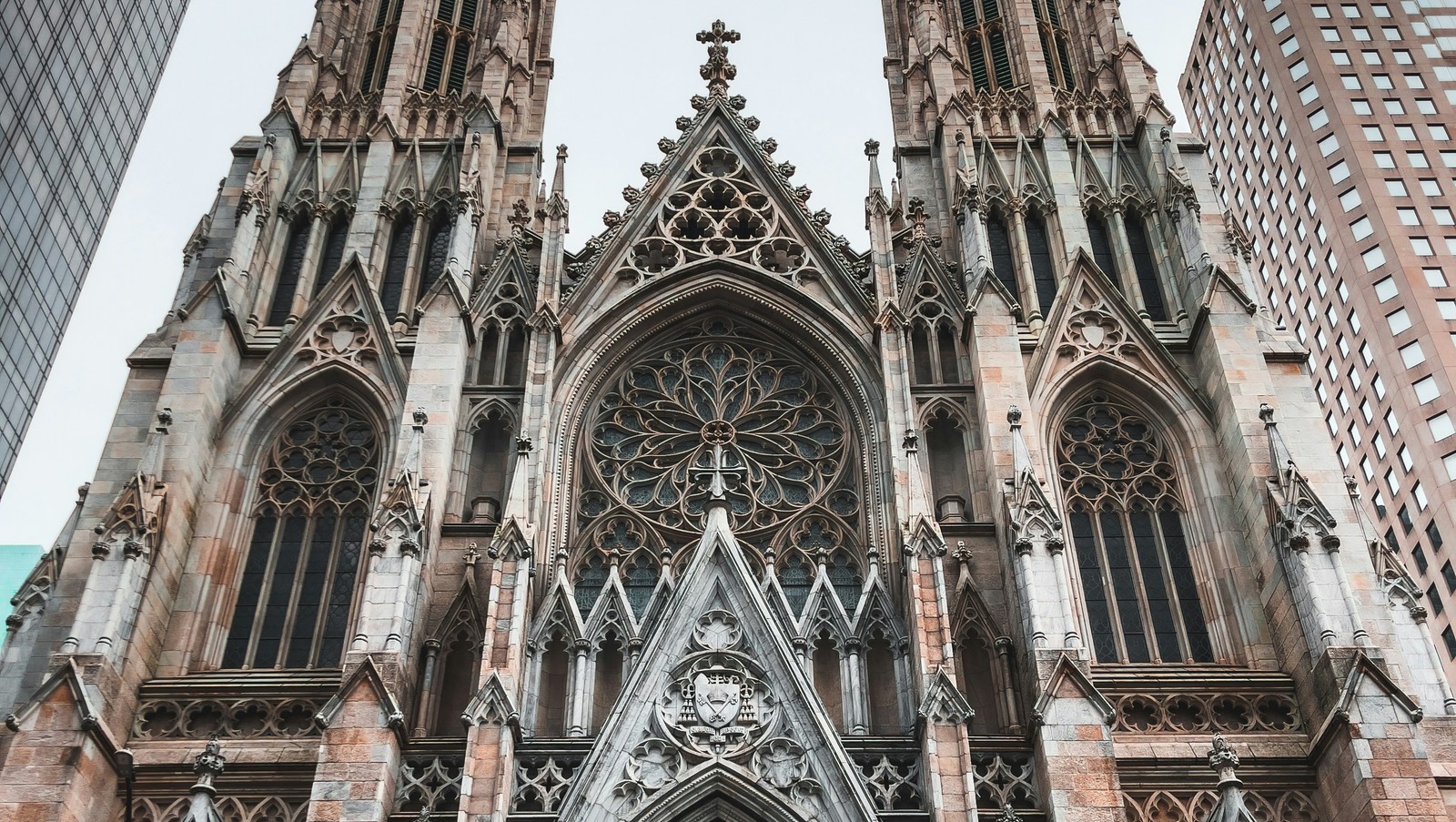
Gothic Revival

Image: Joseph Barrientos

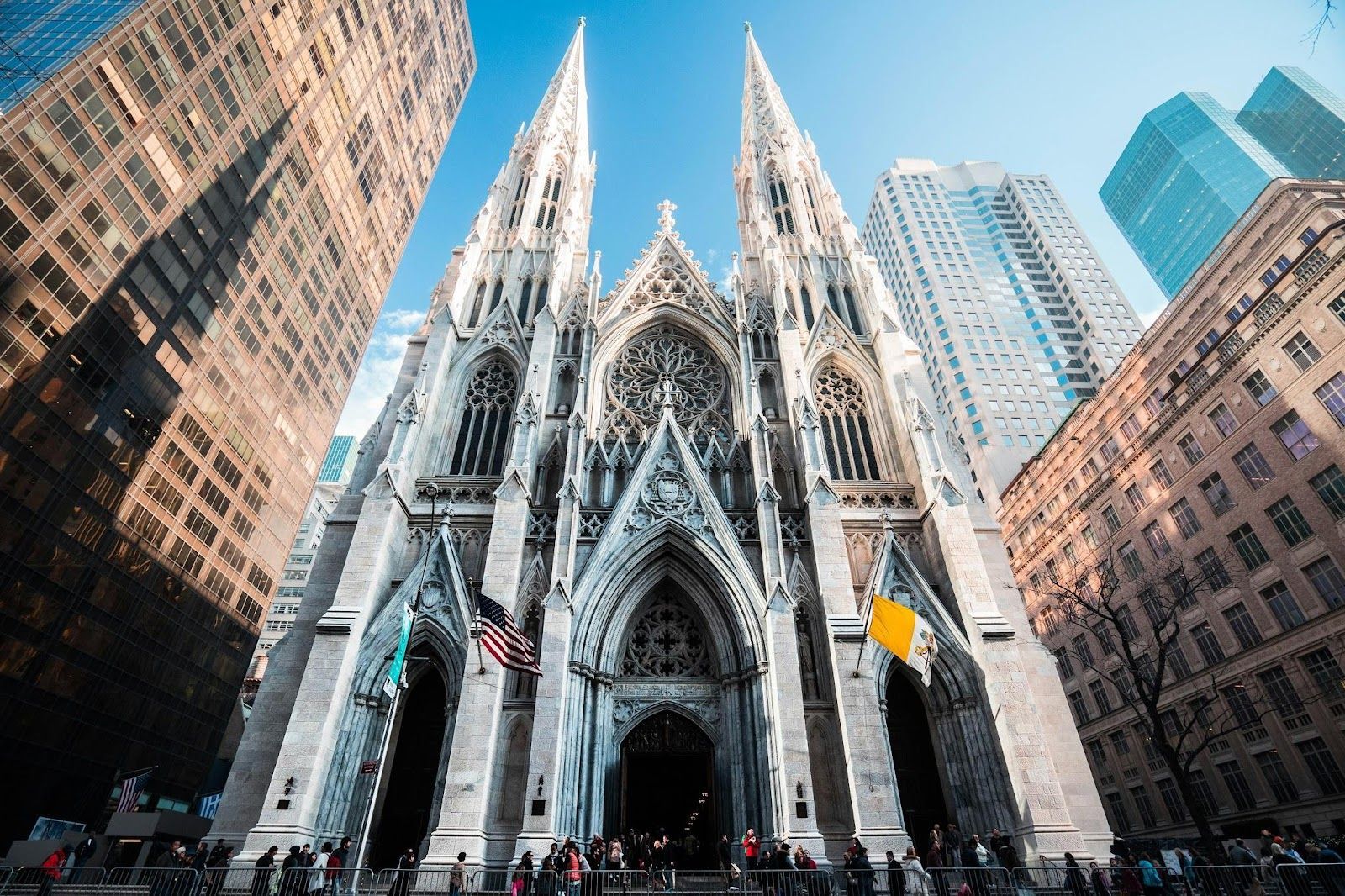
Pointed arches, steep gables, and intricate wooden trim turned homes and churches into miniature medieval castles. The Gothic Revival style brought a romantic, storybook quality to American landscapes in the mid-1800s.

New York’s Trinity Church is a famous example of this style’s grandeur.

4
Italianate

Image: Nikhil Mistry

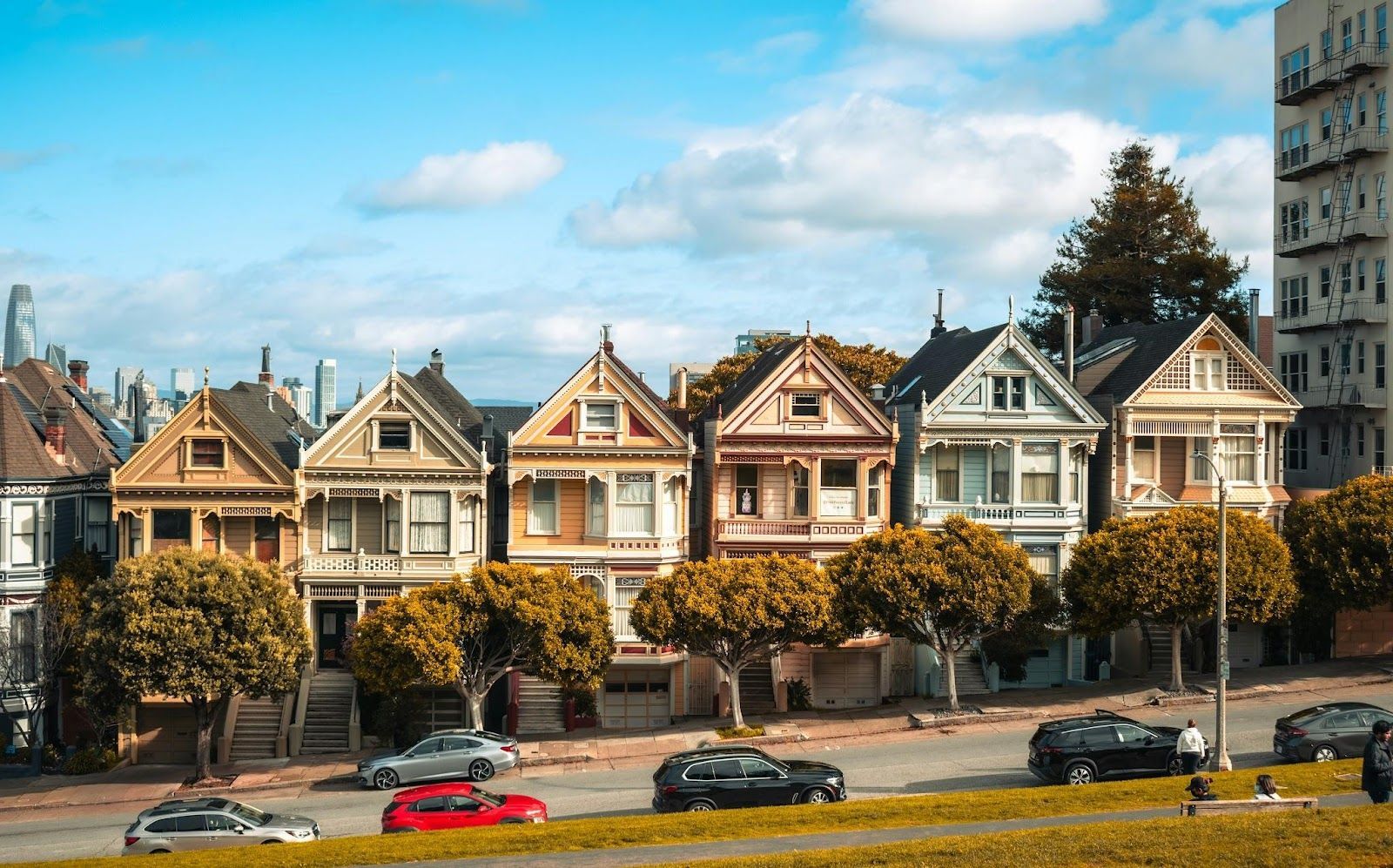
By the mid-1800s, Italianate houses became a staple in American cities, drawing from the romantic look of Italian villas. They feature low-pitched or flat roofs, wide eaves with ornate brackets, and tall arched windows.

San Francisco’s "Painted Ladies" rowhouses are iconic examples. This style was rooted in European design, but it flourished in the U.S. as an urban favorite for middle-class families.

5
American Craftsman

Image: Sieuwert Otterloo

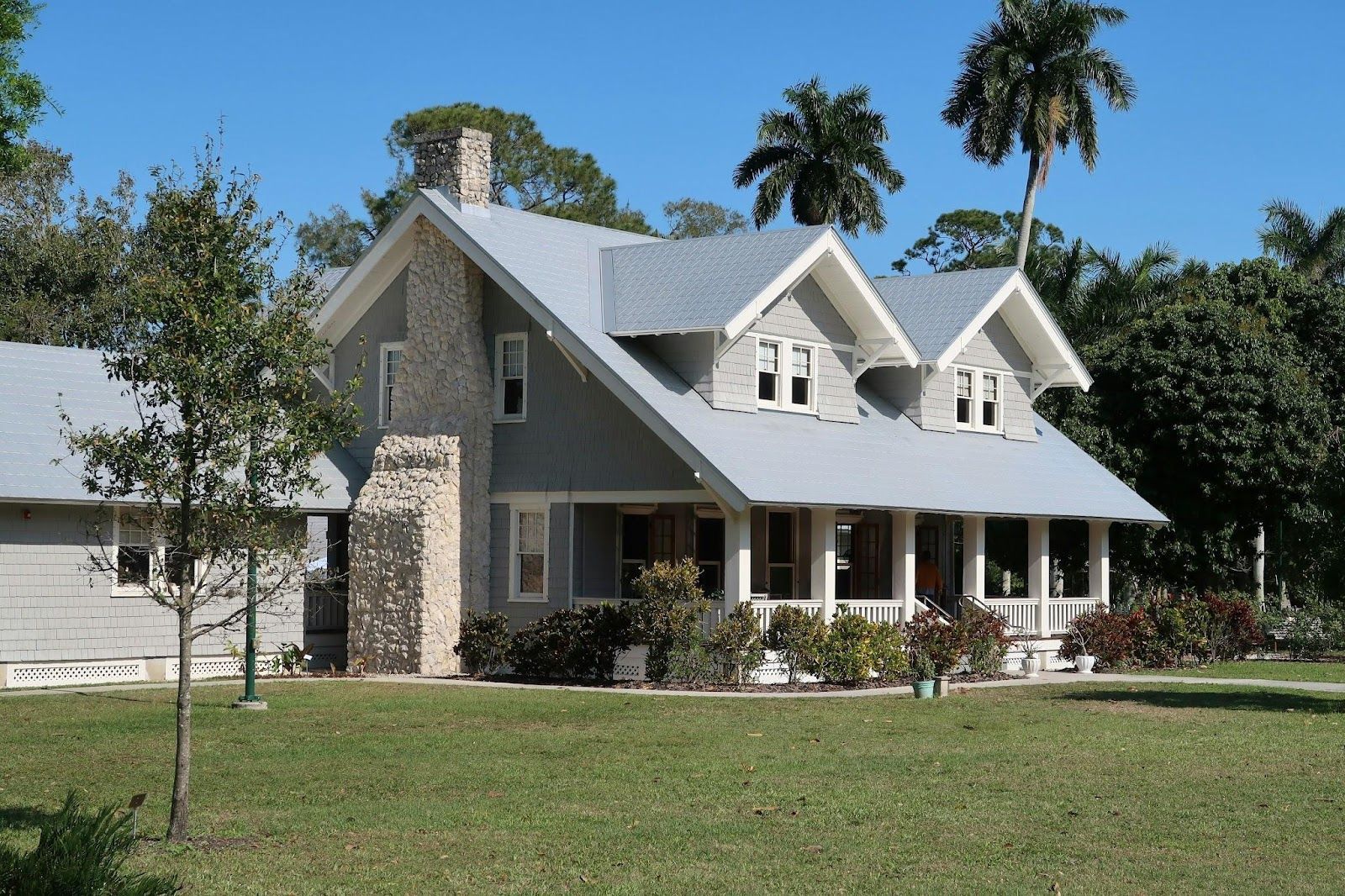
Born from the Arts and Crafts movement, the Craftsman style celebrated simplicity , natural materials, and honest workmanship. Low-pitched gabled roofs, exposed beams, wide porches, and built-in furniture became trademarks.

Pasadena’s Gamble House is one of the best-known examples.

6
American Foursquare

Image: Praswin Prakashan

Practical and no-nonsense, the American Foursquare dominated neighborhoods from the 1890s through the 1930s. Its hallmark was a simple boxy shape with four rooms per floor, a wide front porch, and a hipped roof with a central dormer.

Chicago and Midwestern towns saw countless examples rise quickly thanks to mail-order kits from Sears. It became the quintessential "everyman’s house."

7
Prairie School

Image: WOKANDAPIX

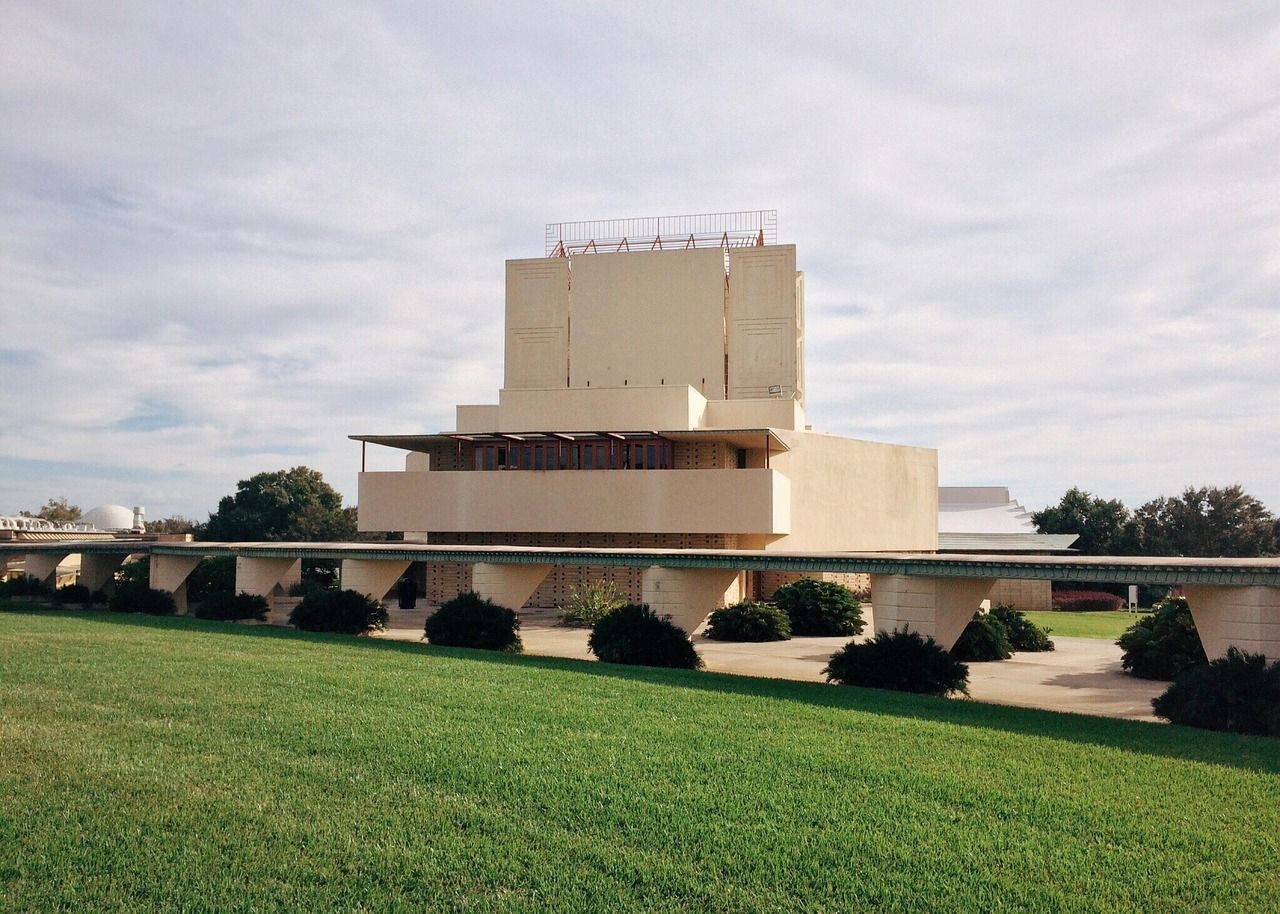
Frank Lloyd Wright and his contemporaries pioneered the Prairie School, reshaping American architecture at the turn of the 20th century. Its designs emphasized horizontal lines, low-pitched roofs, open interiors, and harmony with the landscape.

Wright’s Robie House in Chicago is a textbook example. The style was deeply tied to the Midwest, reflecting its wide, flat horizons.

8
Mission Revival

Image: Jim Witkowski

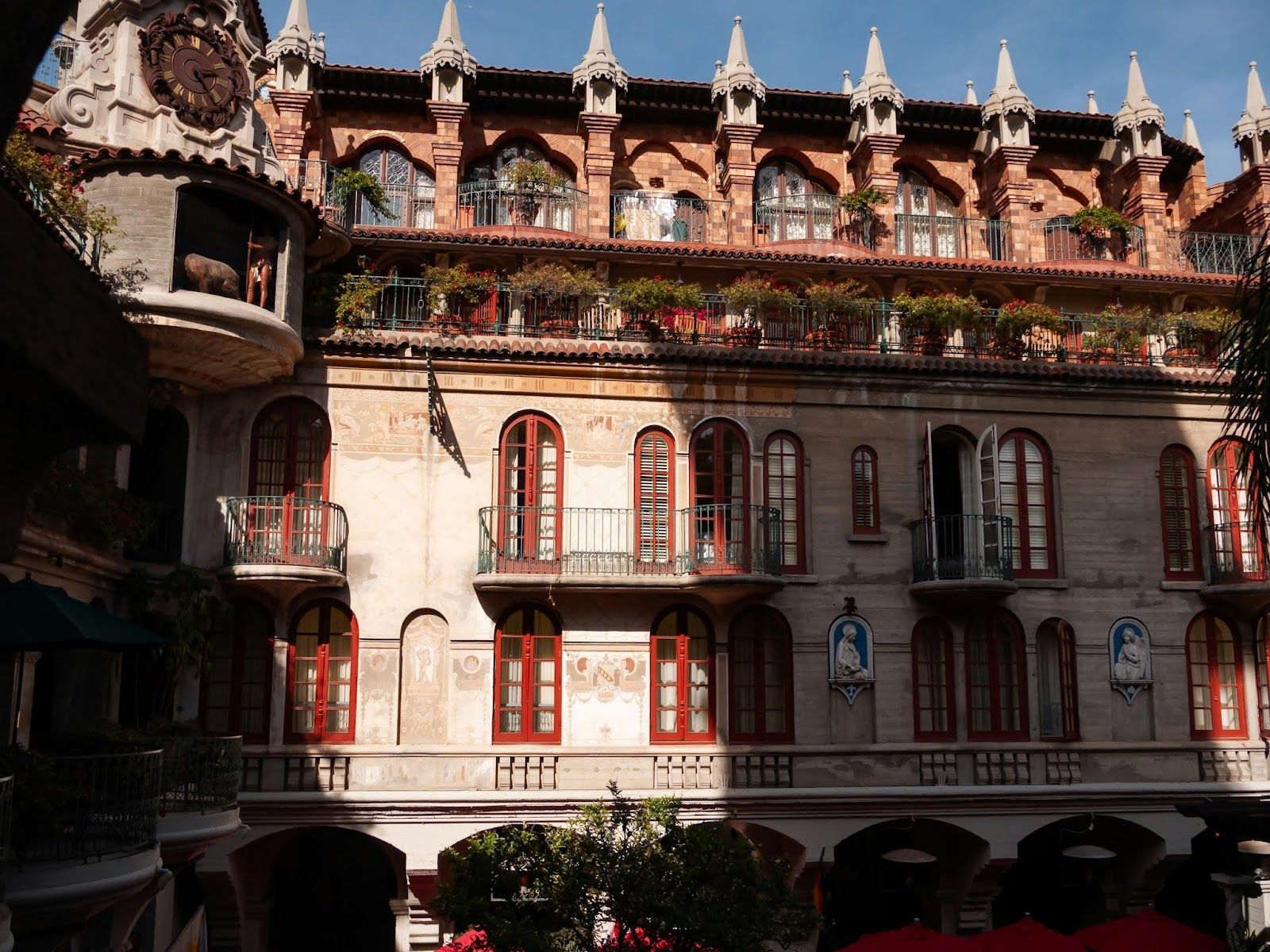
Inspired by California’s Spanish missions , Mission Revival emerged in the late 19th century with stucco walls, red tile roofs, arches, and bell towers. Iconic examples include the Mission Inn in Riverside, California, and numerous railway hotels in the Southwest.

It became especially popular in California and the Southwest for homes and public buildings.

9
Art Deco

Image: William Wachter

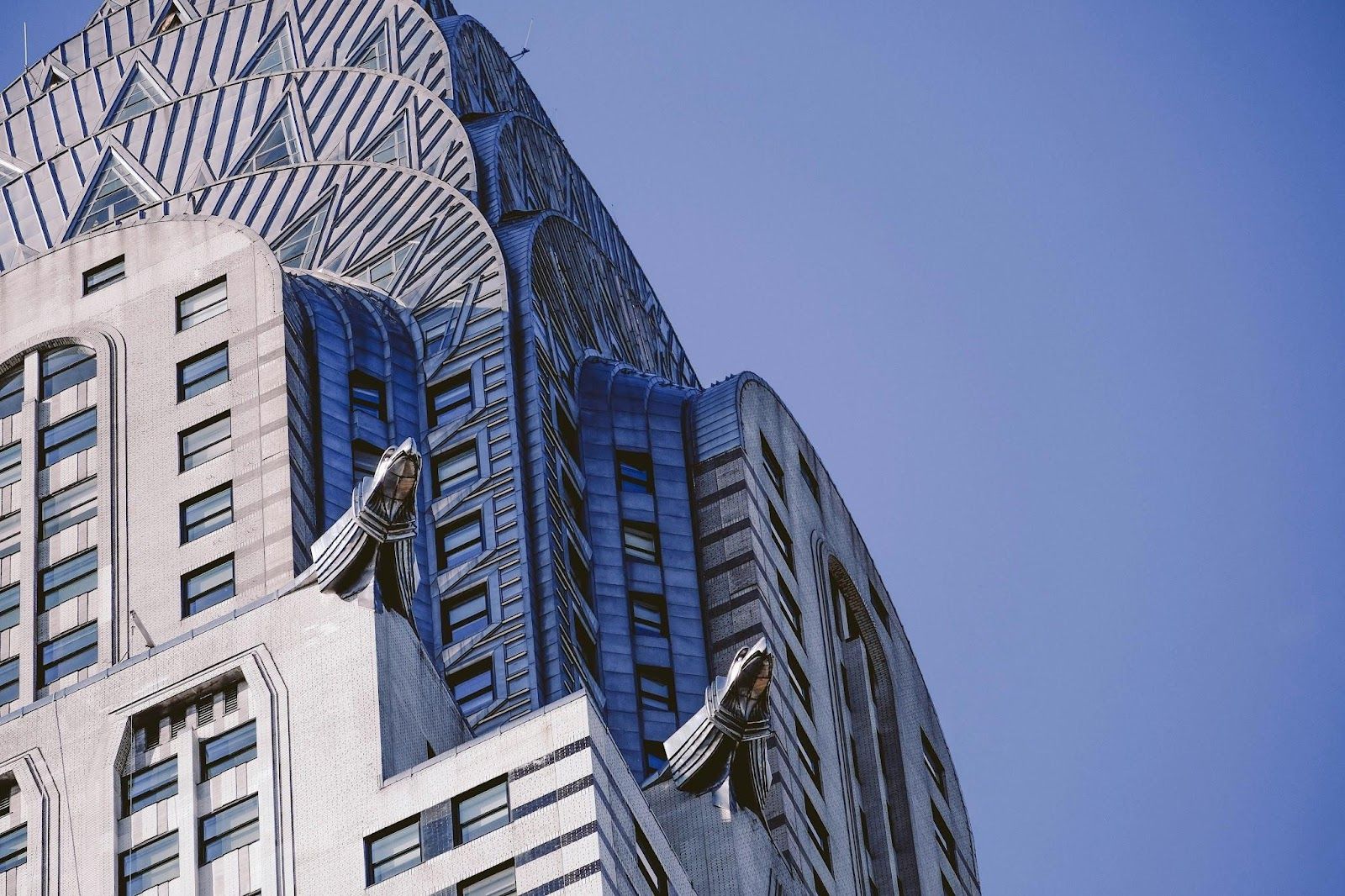
Though the Art Deco style was born in France, some of the world’s most famous representative buildings stand in America. The details of New York’s Chrysler Building are a clear example, with sleek, geometric forms, vertical emphasis, and stylized ornamentation.

The Empire State Building and the Miami Art Deco District are other remarkable examples.

10
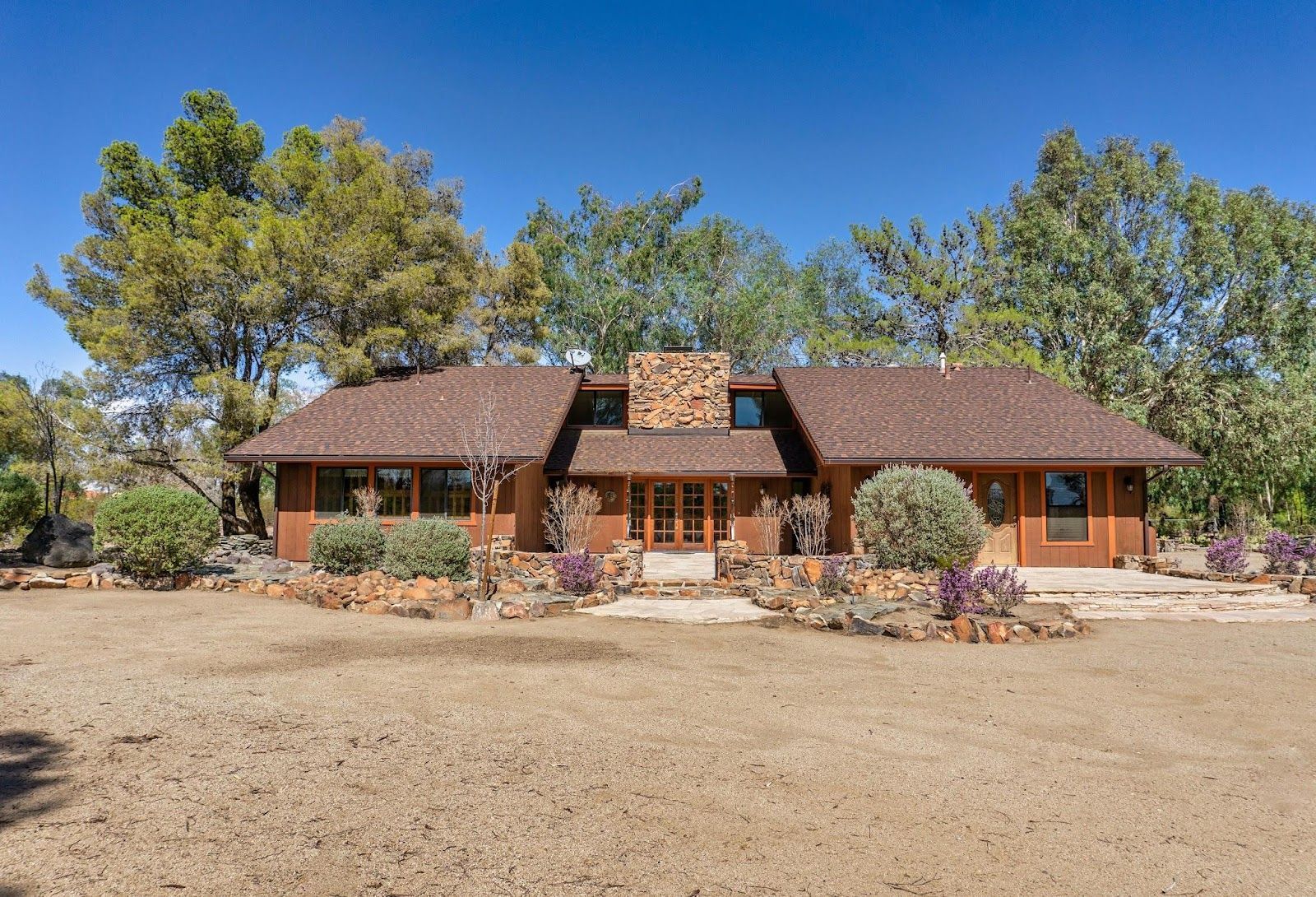
Ranch

Image: Brian Wangenheim

The Ranch style spread across postwar suburbs, focused on casual, single-story living with long, low profiles and open floor plans. Large windows and sliding glass doors connected indoor spaces to backyards.

Classic examples appear throughout California, such as Eichler homes in the Bay Area.

History History 3 min read

High data

Millions, secret floors, & survivors: 10 Empire State Building stories!

Image: Kit Suman / Ofuss

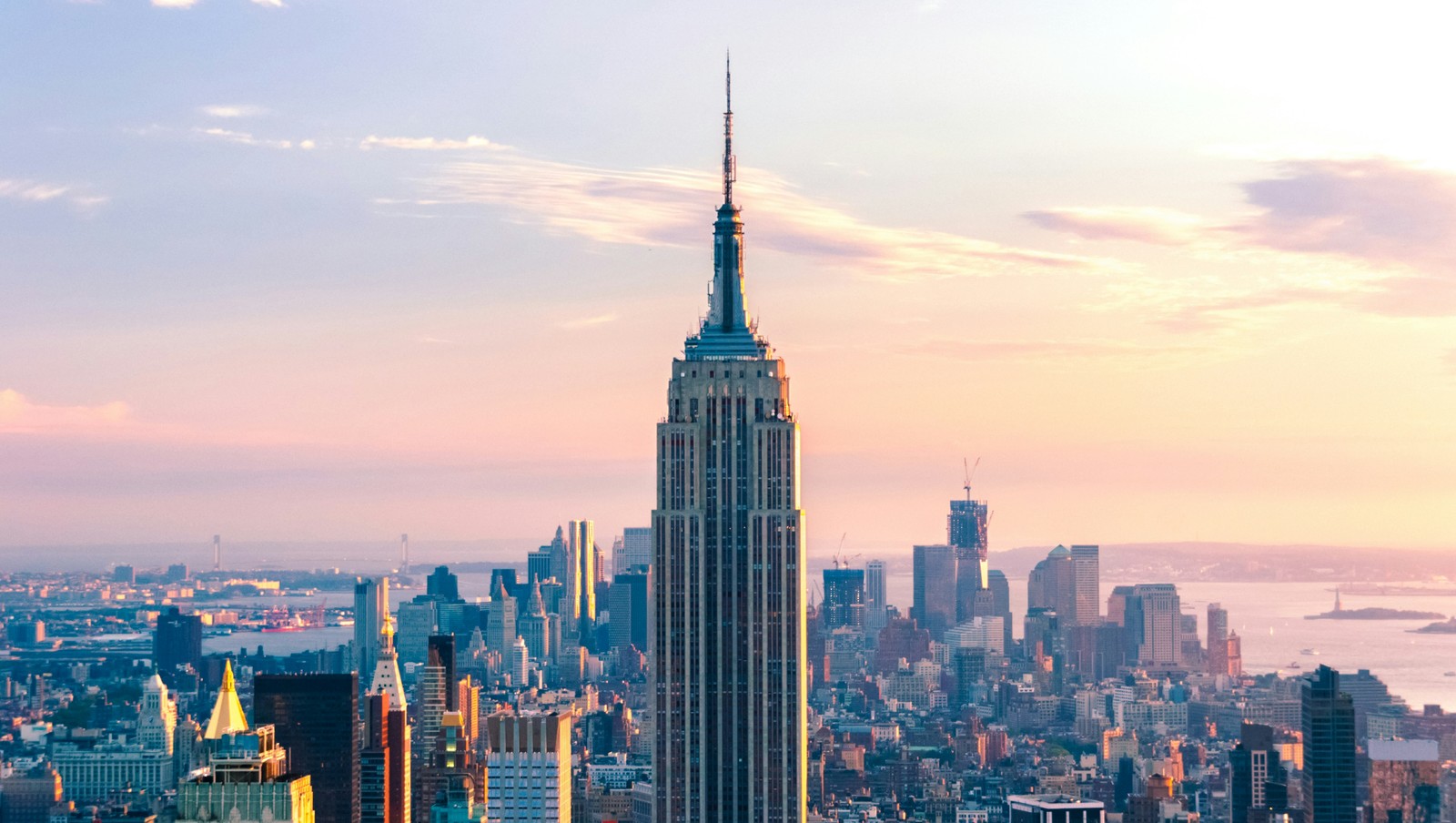
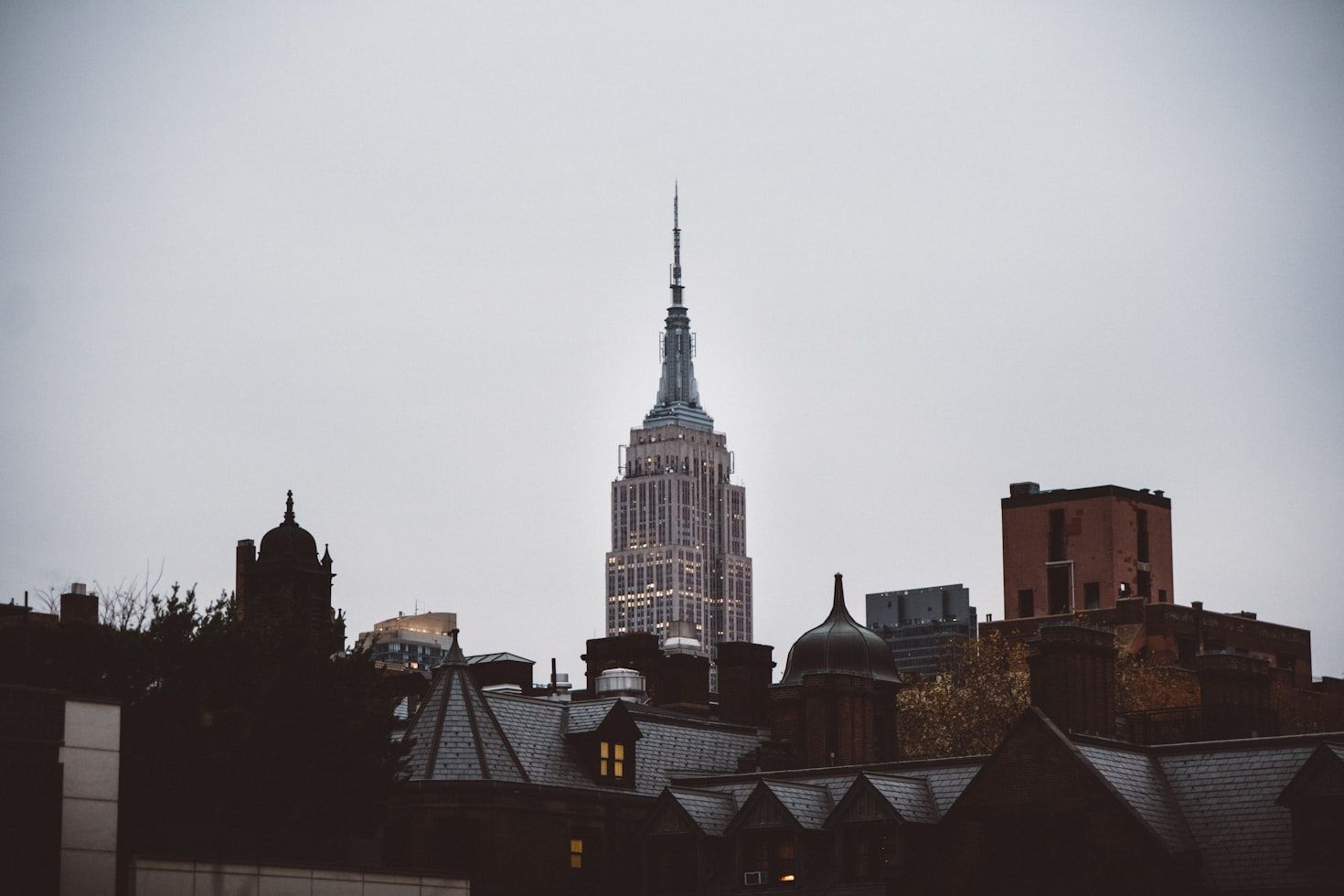
The Empire State Building may be an immense structure that's hard to miss, but its history holds events, quirks, and surprising facts that most people have never heard! From lightning constantly striking it to water invading from below, let's uncover 10 things no one ever told you about this iconic American skyscraper.

1
25 times a year

Image: Johannes Plenio

Its tall, elegant steel structure is definitely captivating; no wonder thousands of photographers, painters, and filmmakers have chosen the Empire State Building as the backdrop for their work. However, that imposing height comes with something a little scary: it's estimated that the building is struck by lightning about 25 times a year! Fortunately, it was designed to handle these strikes, so it's completely safe.

2
Really fast

Image: Guilherme Cunha

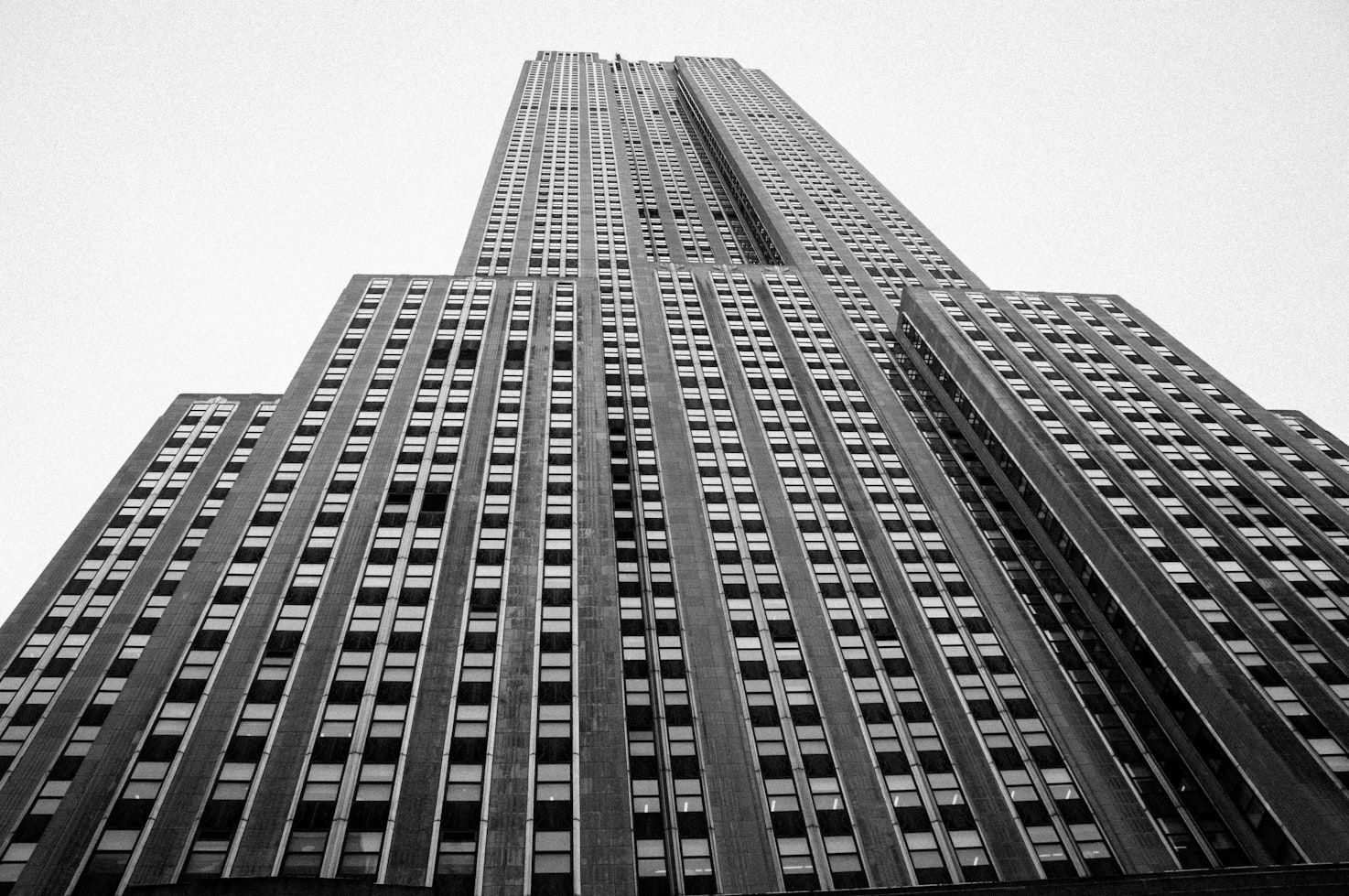
There are buildings that took decades to complete. But this is not the case with the Empire State Building. In fact, this is one of the fastest skyscrapers ever built: It took only one year and 45 days to erect such an architectural masterpiece. That means it was built at a rate of an incredible 4.5 floors per week!

3
Unlikely survivor

Image: Melanie Dretvic

It was 1945 when the Empire State Building was accidentally struck by a B-25 Mitchell bomber due to the thick fog that covered NYC. A worker named Betty Lou Oliver was on the 80th floor when the plane crashed into the 79th. She was severely injured, but incredibly, she survived. Hours later, while being rescued in an elevator, the damaged cables gave way, and Betty fell 75 floors to the basement. She survived that too!

4
40 million dollars

Image: Pepi Stojanovski

A tremendous building like the Empire State couldn't be built on a shoestring budget. When it was constructed —in the midst of the Great Depression, no less— it cost about $41 million . That's a hefty sum, even today! Adjusted for inflation, that would be around $600 to $700 million in 2025. Wow!

5
Secret floor

Image: roemer overdiep

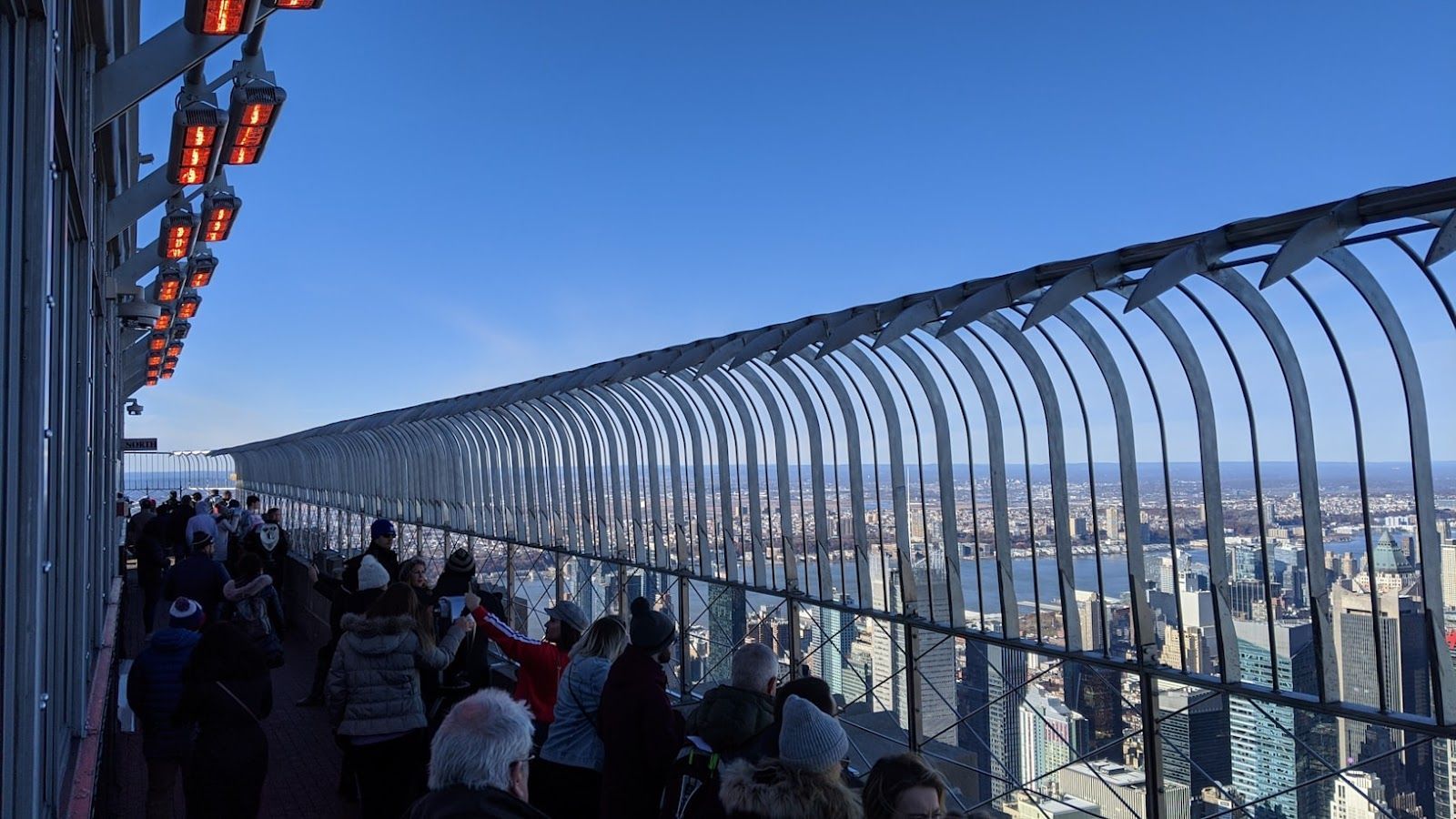
If you are afraid of heights, be prepared: the Empire State Building has two public observation decks, one on the 86th floor and another on the 102nd. But there's another one, and it's even higher! It's located on the 103rd floor, but it's not open to the public and is mostly used for VIPs or special occasions.

6
High security

Image: Pawel Czerwinski

Although an incredible 4 million people visit the building each year on average, getting in isn't easy. Many visitors say it feels like going through airport security, with X-ray machines and metal detectors everywhere. Visitors must also pass through a security checkpoint before reaching the observation decks, and the building is constantly monitored by cameras and security guards.

7
King Kong

Image: Simon Ray

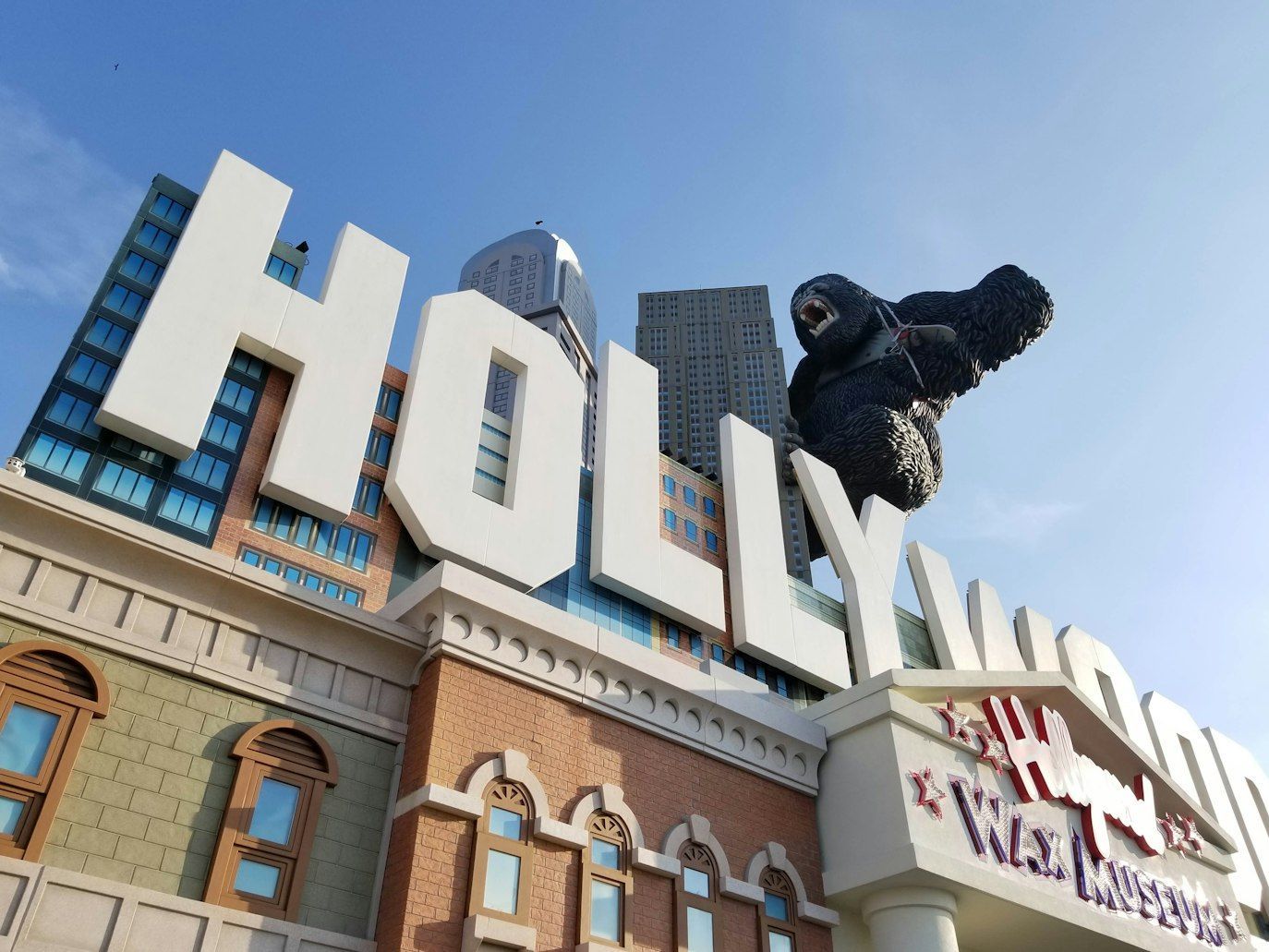
We all remember the iconic scene of the imposing King Kong climbing the towering mast of the Empire State Building. And while that image lives on in our minds, there's one detail many people overlook: When the original King Kong movie premiered in 1933, the Empire State Building was less than two years old! Plus, at the time, the building still held the title of tallest in the world, making King Kong's climb even more epic.

8
Underground waterways

Image: Evgeniy Smersh

Beneath what is now NYC, there was a network of streams and rivers that flowed freely before Manhattan and other boroughs covered them. The land below the Empire State Building is no exception, and these old underground waterways still occasionally cause complications. For example, during heavy rains, water can rise and seep into the building's wind tunnels, sometimes flooding areas with up to two feet of water.

9
The original plans

Image: Jaunt and Joy

The Empire State Building was originally supposed to have a dirigible anchor! That's right; the mast at the top of the building was meant to serve as a mooring post for dirigibles, with a docking platform and a door for passengers to disembark. However, due to the extreme height, high winds, and overall potential danger, the idea was discarded. Today, the mast is used for antennas and other communications equipment.

10
Green building

Image: Chris Ladouceur

This iconic building that defines New York's skyline is considered a "green building." And no, it has nothing to do with the color of its walls; it's about something much more meaningful. The sustainability modifications that the Empire State has undergone over the years have made it one of the most energy-efficient buildings of its size, minimizing its environmental impact and earning it the title of "green building."

Explore more American facts

Choose your favorite category!

General
General

As American as apple pie—the very best America has to offer!

Culture
Culture

Delve into the astounding richness of American lore.

Geography
Geography

Hop in and explore vast and diverse American landscapes.

History
History

Discover the key moments that shaped the United States.