History History 6 min read

Nicknames with lore

What did Delaware do to be called 'The First State'?
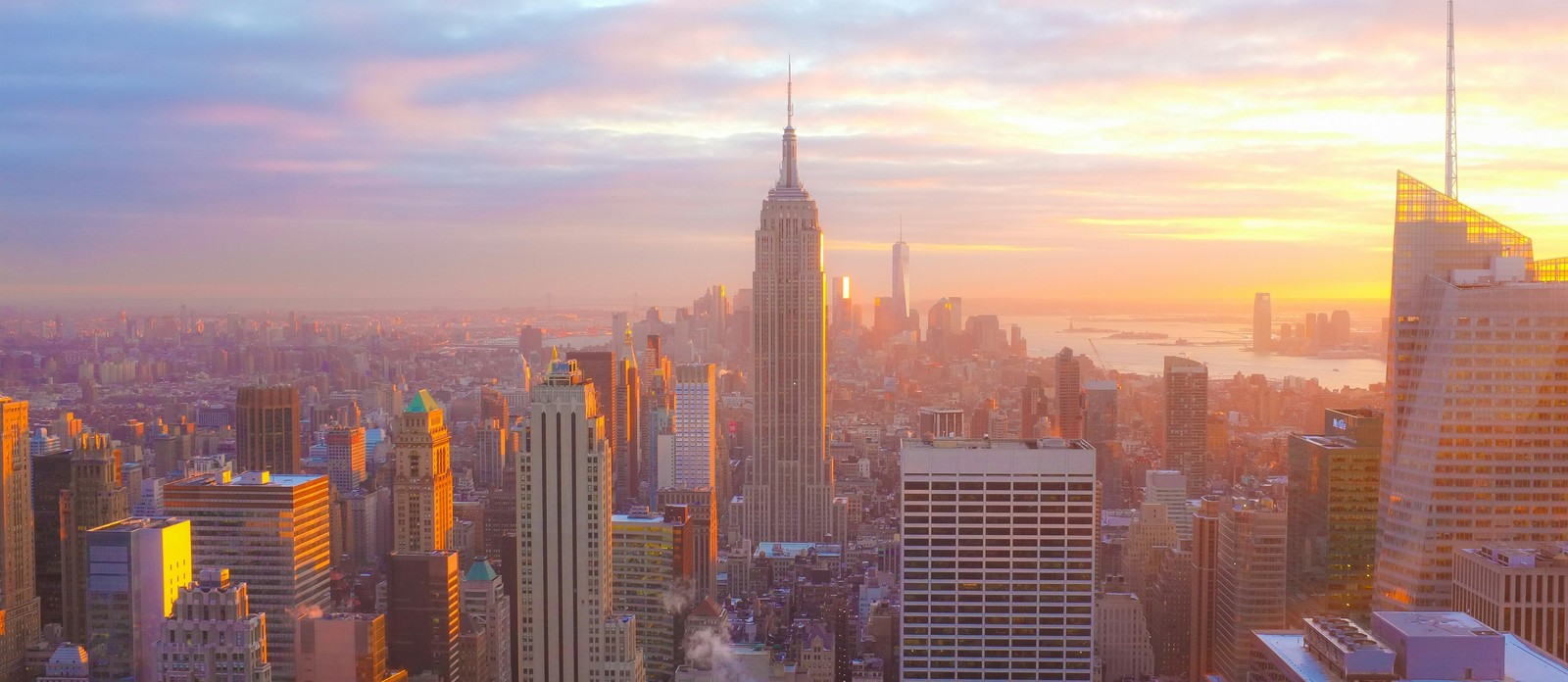
Image: Emiliano Bar

U.S states often have more than one nickname, be it those officially adopted or those bestowed on the state by their neighbors (or their adversaries). Some are used as advertisements for their resources and attractions, some are a result of a unique quality of the territory and its people, and some are related to the state’s history and traditions. Here is the history behind 10 state nicknames you have certainly heard of, but never knew how they came to be.

1
New York, The Empire State
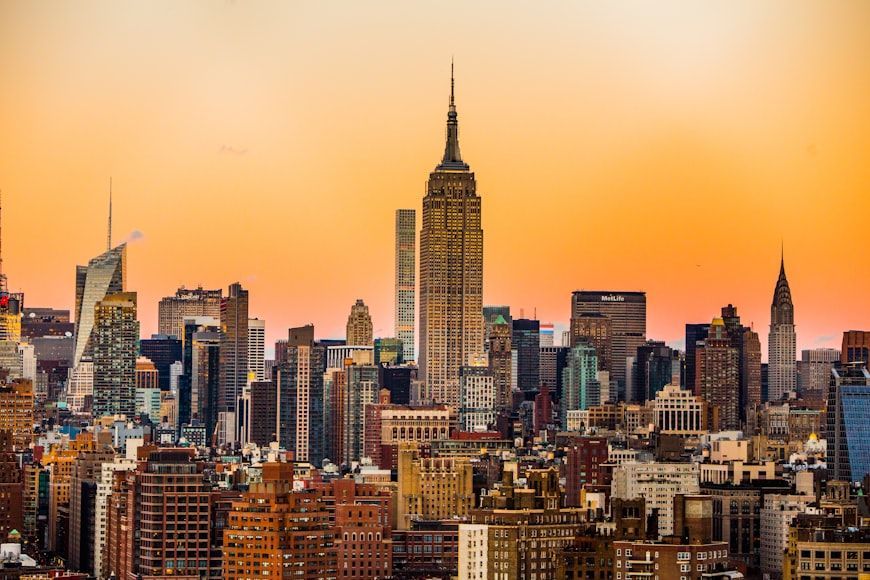
Image: Michael Discenza

Probably the most famous and recognizable state nickname, no one really knows who was the first to call New York State the "Empire State", but everyone agrees on the reason for the nickname. The state of New York has always been one of the richest, most developed, and strategically important territories in America , a powerhouse akin to an empire. George Washington himself had described it as "the seat of the Empire" in 1785, and many believe that these words were the source of the nickname.

2
Indiana, The Hoosier State
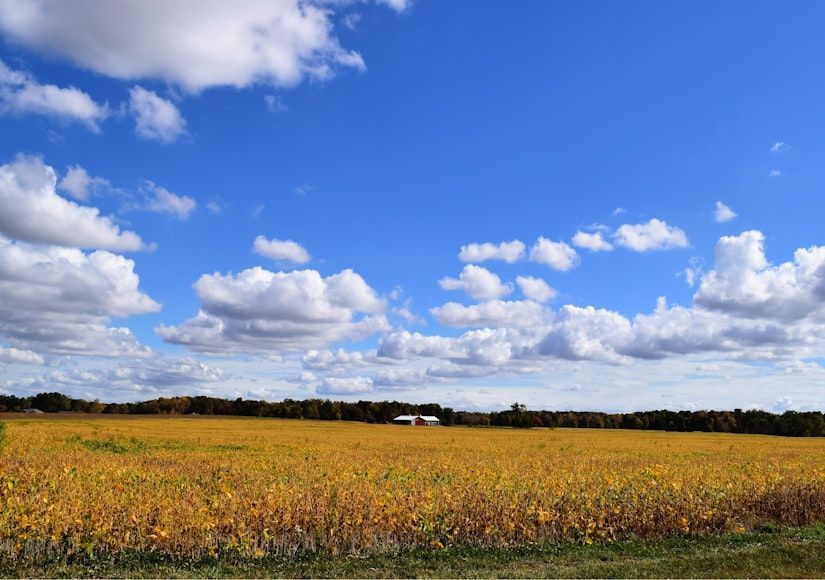
Image: Ginger Jordan

Another instantly recognisable nickname, the origin of the term ‘Hoosier’ is also widely debated. Believed to have emerged in the 1830s, some say that it is a deformation of the phrase "Who's here?". No matter its actual origin, the term was popularized by John Finley's 1833 poem "The Hoosier's Nest" , a description of rugged but welcoming Indiana pioneers, and it became a source of pride for the state, so much so that ‘Hoosier’ was officially adopted as a demonym by the state of Indiana in 2017.

3
Delaware, The First State
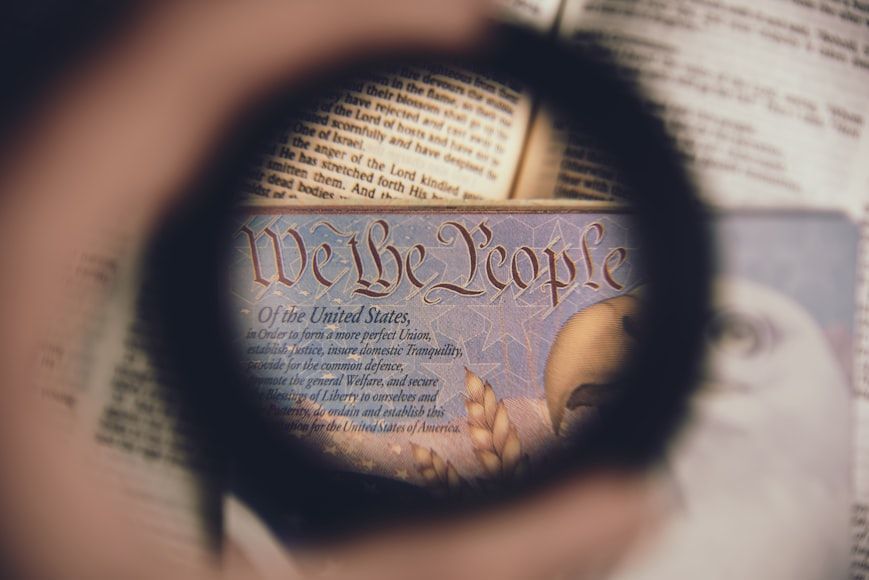
Image: Anthony Garand

Delaware was not the first colony to exist or to become a state. In fact, Delaware wasn’t even a colony: it was technically part of Pennsylvania. The ‘first’ referenced in the nickname alludes to Delaware’s role in the ratification of the U.S. Constitution , a task that took time and political compromise, as several states had concerns about the document and its articles. But while it took nearly two years for all the states to ratify the Constitution, it took less than three months for Delaware to do so unanimously, setting a precedent for other states.

4
Virginia, The Old Dominion
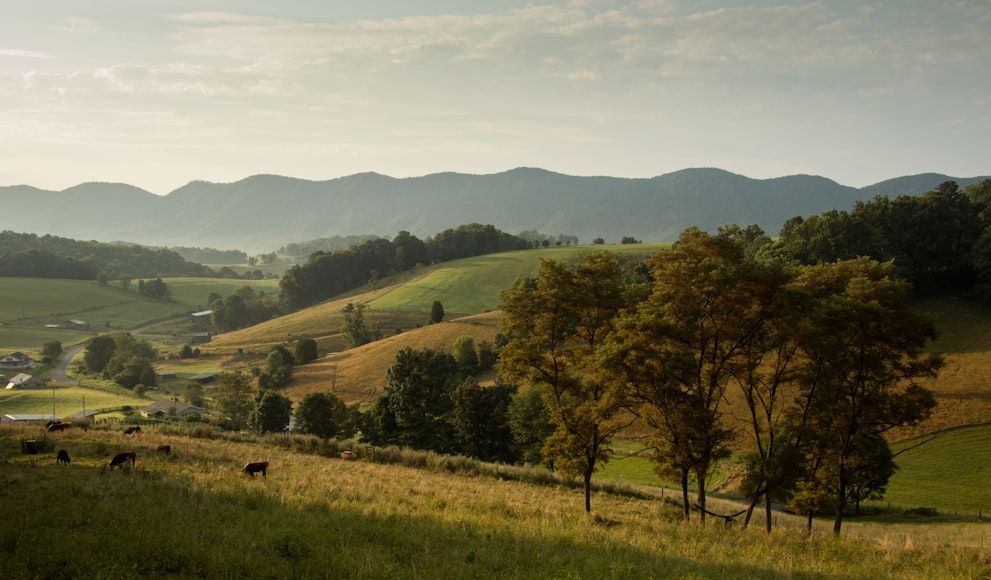
Image: Matthew Lancaster

Probably the oldest state nickname still in use, Virginia’s ‘Old Dominion’ nickname has existed for more than 400 years. The first English colony in America, Virginia was also the main colony to remain faithful to the monarchy during the English Civil War , supporting the exiled King, inviting him to take refuge in their territory, and resisting the siege from the Parliamentary fleet for a long time. After the restoration, King Charles II conferred the colony the title of ‘dominion’ —similar to a kingdom in rank— and affectionately called it "the most Ancient Colloney and Dominion."

5
Oklahoma, The Sooner State
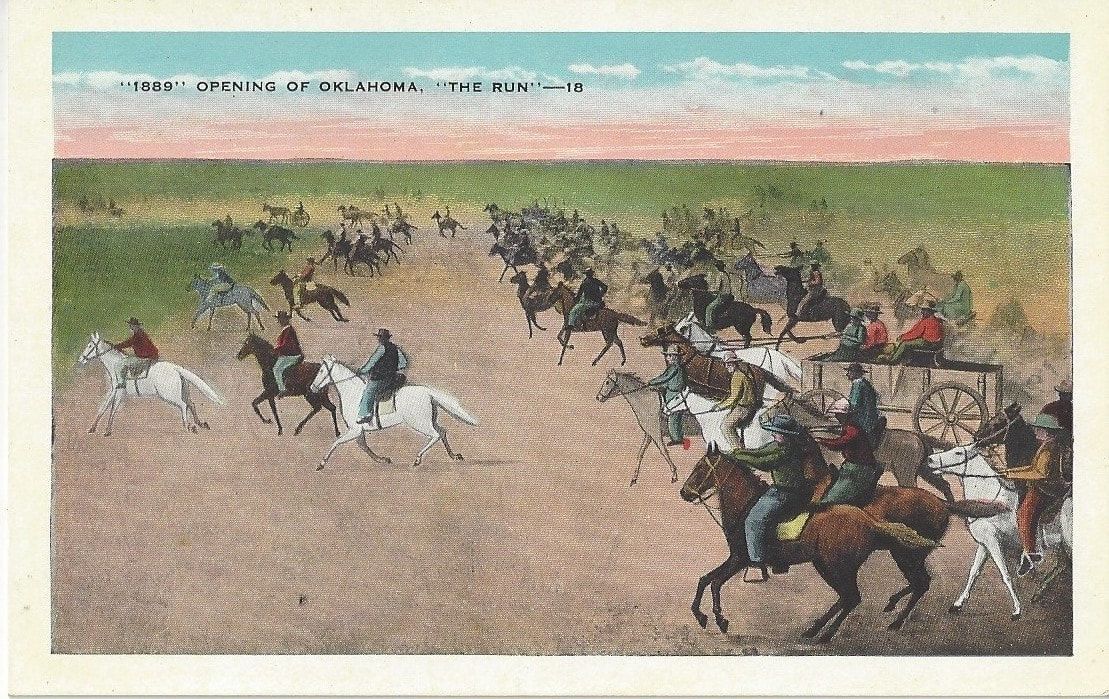
Image: See page for author, Public domain, via Wikimedia Commons

Although it is now used as a symbol of a competitive and pioneering attitude, the term ‘Sooner’ was not always seen as positive. During the Land Rush of April 22, 1889, the U.S. government opened a territory —freed by the forced displacement of thousands on ative Americans— for pioneers to take. At noon, a bugle would signal that settlers could enter and claim areas of land. However, several pioneers broke the rules, entering the territory ‘sooner’ , before the signal. Initially a pejorative nickname, the people of Oklahoma eventually owned the term as a symbol of their ‘can-do’ attitude.

6
Connecticut, The Constitution State
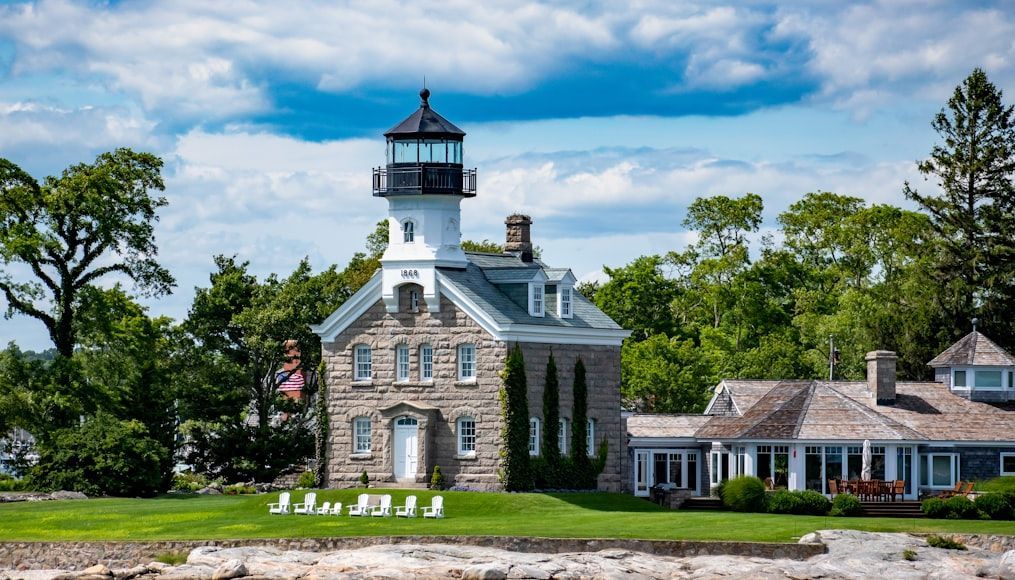
Image: Rusty Watson

Unlike what many people think, Connecticut’s nickname is not related to the U.S. Constitution. In fact, the ‘constitution’ referenced in it predates the American Constitution by more than a century. Unlike other colonies, established by royal charters, the Connecticut Colony was established through The Fundamental Orders , a document delineating a representative government based on "the free consent of the people". The Fundamental Orders are considered to be the first written constitution in Western modern history, a fact that gave Connecticut its nickname.

7
Tennessee, The Volunteer State
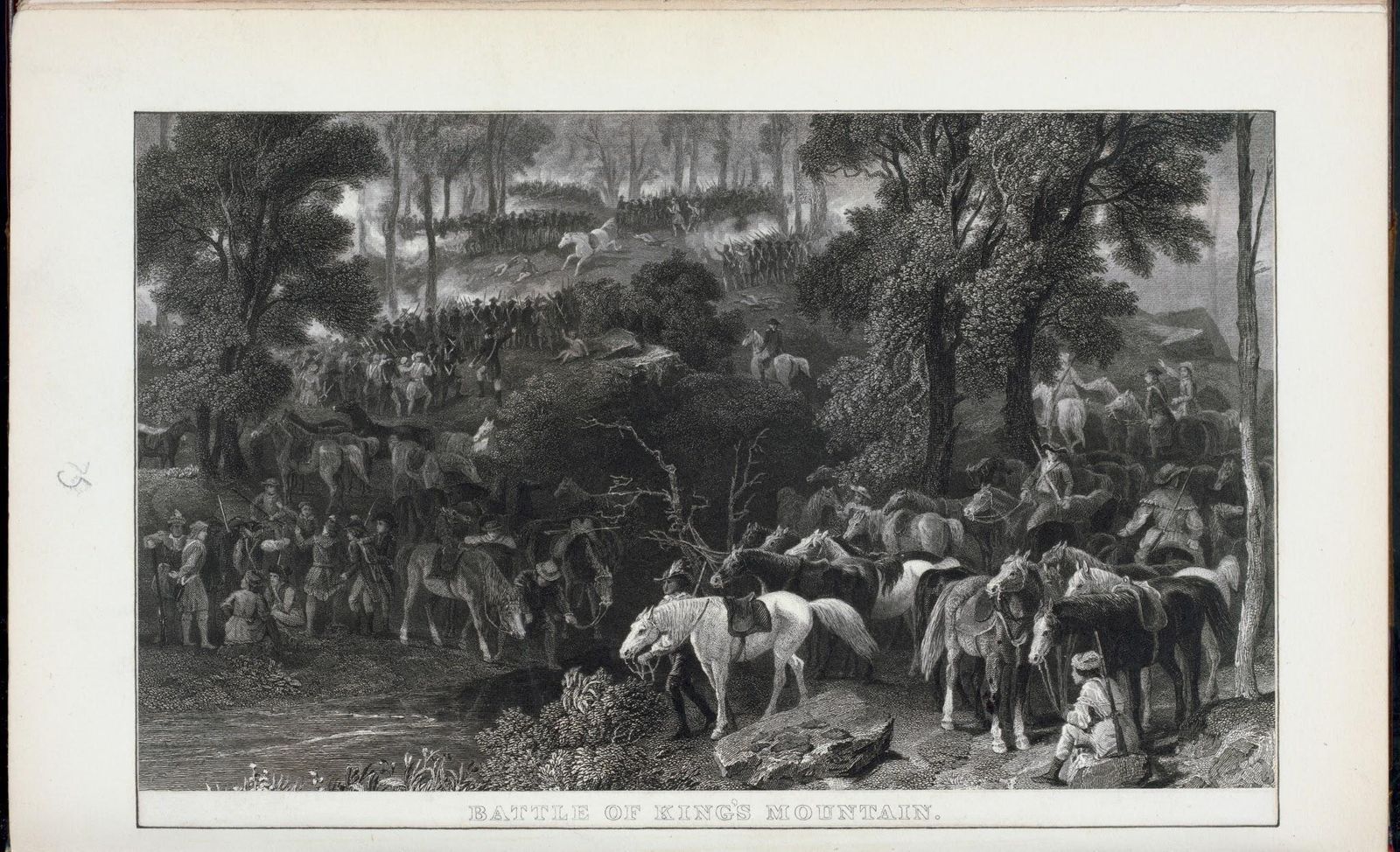
Image: Scan by NYPL, Public domain, via Wikimedia Commons

Out of the many things that showcase Tennessee’s patriotism, none is as old or as well-documented as its volunteer vocation. Starting during the Revolutionary War, with the Appalachian Overmountain men volunteering to fight during the Battle of King's Mountain, Tennessee’s men's willingness to volunteer as soldiers became known during the War of 1812 , with hundreds fighting under Andrew Jackson’s command and earning Tennessee the name of the Volunteer State. To further solidify it, when President James K. Polk asked Tennessee for 2,800 volunteers during the Mexican-American War of 1846, the state responded to the call by sending 30,000 volunteer troops.

8
Vermont, The Brave Little State
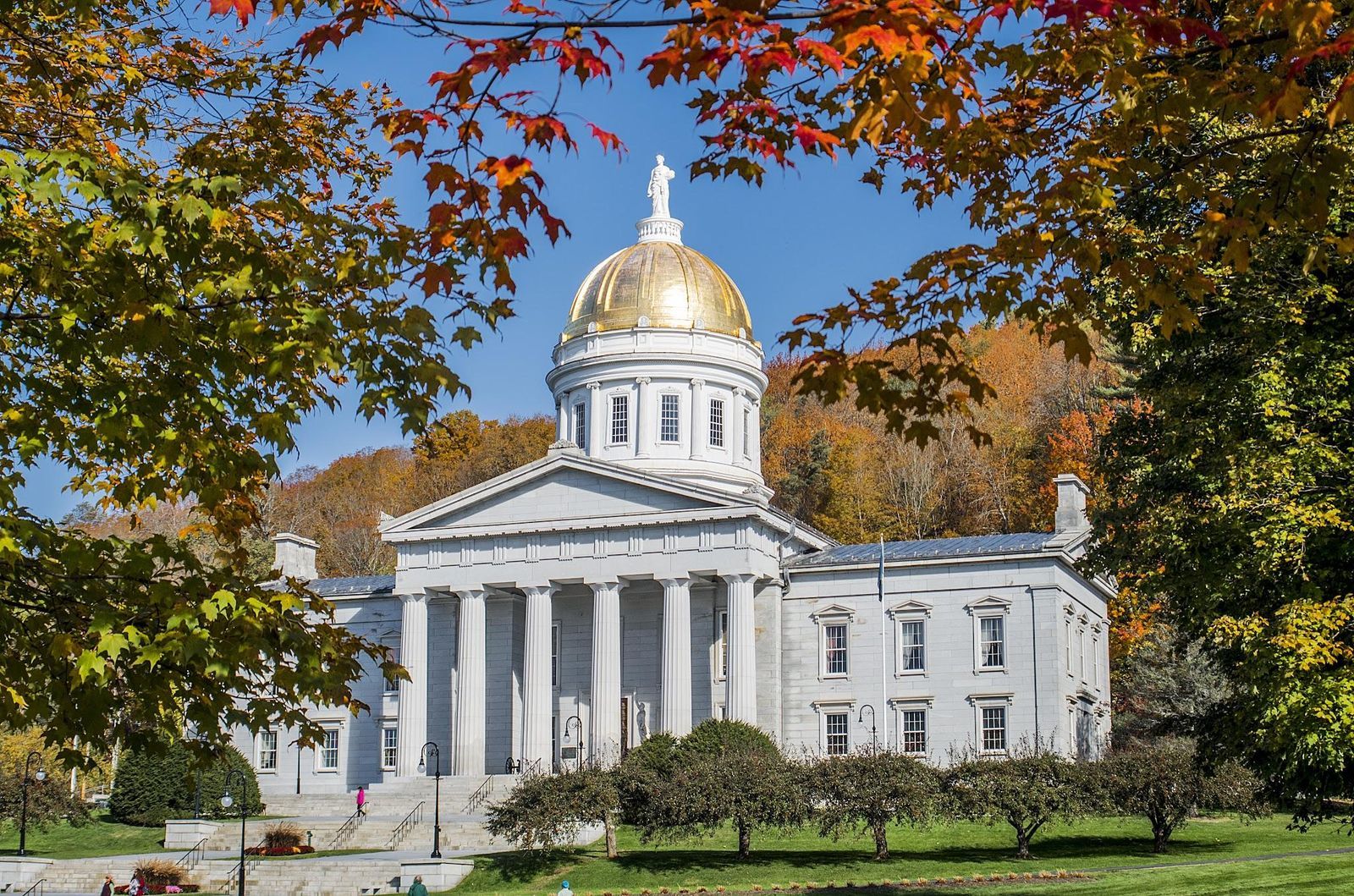
Image: Bob P. B., CC BY 2.0, via Wikimedia Commons

A relatively more recent nickname than others in this list, the description of Vermont as a ‘brave little state’ dates back to 1928. After a flood in 1927 resulted in nearly 100 casualties and millions of dollars in damages, President Coolidge, a Vermont native, visited the state to assess the situation. Coolidge, often seen as calm and taciturn, gave an emotional speech praising the efforts and the resilience of his fellow Vermonters , and their ties to a land that gave them sustenance but posed the hazard of natural disasters. Coolidge ended his speech by acknowledging the generosity of the people of "this brave little state of Vermont", a phrase that became so popular that it was later inscribed in the Vermont State House and became a common nickname for the state.

9
Wisconsin, The Badger State
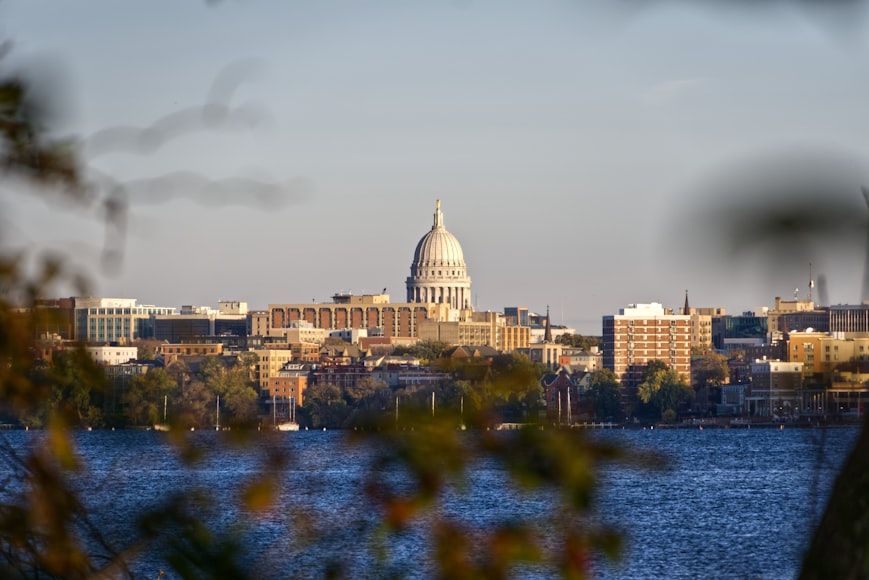
Image: Neil Bates

Though badgers can be found across Wisconsin, they are far less common than one would think, especially considering the state’s nickname. But this nickname has little to do with real badgers and much to do with people behaving like a badger. In the 1820s, prospectors all over America travelled to Wisconsin to look for lead ore. Working all day in the mines and lacking proper housing, the miners usually ended up living in the mines or digging holes in the hillsides to serve as shelter , which led people to compare them with burrowing badgers. Eventually, the ‘badger’ nickname became a symbol of the tenacity of the miners, and a point of pride for all Wisconsinites, who campaigned in 1957 to officially adopt the badger as their state animal.

10
Nebraska, The Cornhusker State
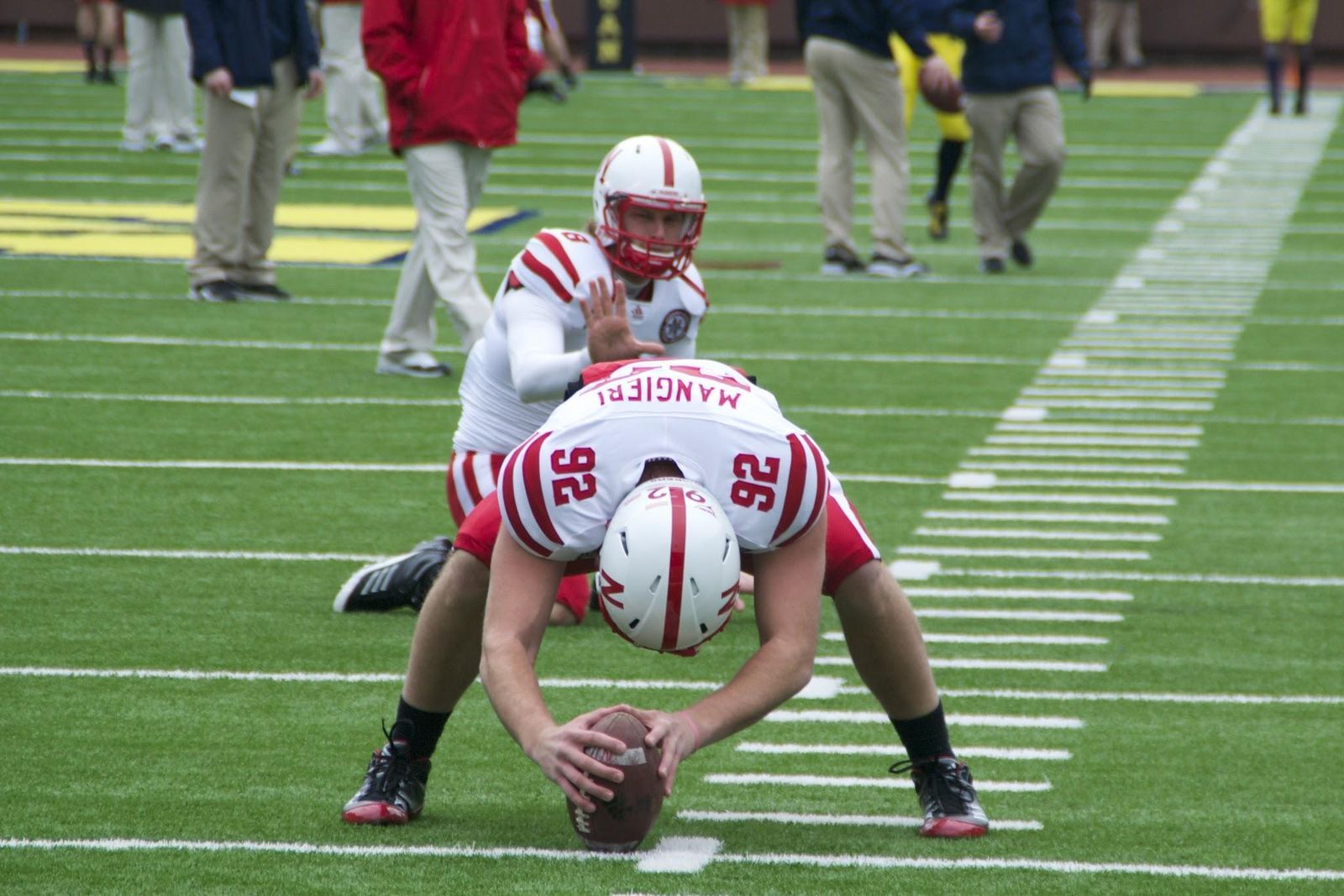
Image: Maize & Blue Nation, CC BY 2.0, via Wikimedia Commons

Though this famous nickname for Nebraska has ties with the agricultural identity of the state, it actually originated in the world of college football. Before 1900, the University of Nebraska football team had used several nicknames, such as Bugeaters, Tree Planters, or Rattlesnake Boys. Following a rough patch and wanting to give the team a new direction, sportswriter Charles Sherman suggested the nickname ‘cornhusker’ as a homage to the traditional corn husking done by hand by the Nebraska settlers . The name caught on and was eventually made extensive to all Nebraskans, being officially adopted by the state in 1945.

Culture Culture 4 min read

TIMELESS ACHIEVEMENTS

Celebrate These 10 Extraordinary American Nobel Laureates!

Image: Anastacia Dvi

For many disciplines, being awarded a Nobel Prize is akin to reaching the summit of Mount Everest: it is the highest achievement that many scientists, writers, and world leaders can aspire to. In that regard, we Americans can take pride in knowing that our country has been awarded an extraordinary 400 Nobel Prizes, making us the nation with the most laureates in the world. We have selected ten of these extraordinary Americans in history, in an effort to celebrate and remember their remarkable achievements.

1
Barack Obama

Image: History in HD

We’ll begin with our most recent Laureate President. You’ll quickly notice that many U.S. Presidents have made it to this list, which seems only fitting considering their paramount efforts in maintaining world peace.

In this regard, President Obama is no exception, and in 2009 he was awarded the Nobel Peace Prize for his "extraordinary efforts to strengthen international diplomacy and cooperation between peoples."

2
Al Gore

Image: Markus Spiske

The only American Vice President on this list, Al Gore, received the Nobel Peace Prize in 2007 for his "efforts to build up and disseminate greater knowledge about man-made climate change." Gore has been a long-time advocate for fighting climate change, and his endeavors were featured in the Academy Award-winning documentary An Inconvenient Truth .

Nowadays, Al Gore continues to educate the world about environmentalism and the perils of climate change. In 2021, he addressed the United Nations during their Climate Change Conference.

3
Martin Luther King Jr.

Image: Unseen Histories

No other figure represents the fight for Civil Rights in America as Martin Luther King Jr. does. In 1964, Reverend King was awarded the Nobel Peace Prize for "his non-violent struggle for civil rights for the Afro-American population."

King, who was 35 years old at the time, became the youngest Peace Prize recipient in history. This title is now held by Malala Yousafzai, who was awarded the Prize at 17 years of age, in 2014.

4
Richard P. Feynman

Image: Zoltan Tasi

From his bongo playing to his iconic studying technique, American theoretical physicist Richard Feynman has become a pop culture icon. In 1965, Feynman received the Nobel Prize in Physics alongside Julian Schwinger and Shin'ichirō Tomonaga "for their fundamental work in quantum electrodynamics."

While Feynman was by no means the first (nor will be the last) American Nobel-winning physicist, his recognition is still remembered fondly by the scientific community. With the money from the award, Feynman and his wife purchased a beach house in Baja California, Mexico.

5
Bob Dylan

Image: weston m

Bob Dylan is known as "The Voice of a Generation" and with good reason: his songs of protest and insightful lyrics have inspired generations of Americans for almost 70 years. Dylan is truly a renaissance man, being an accomplished musician, painter, and, perhaps more importantly for this list, writer.

In 2016, Bob Dylan was awarded the Nobel Prize in Literature for "for having created new poetic expressions within the great American song tradition." Fellow American musician (and die-hard Bob Dylan fan) Patti Smith performed a heartfelt rendition of his classic song "A Hard Rain’s a-Gonna Fall" during his Nobel ceremony.

6
Jimmy Carter

Image: Library of Congress

At almost 100 years of age, Jimmy Carter’s life has been filled with outstanding achievements and awards. In that sense, it is rather remarkable that our 39th President’s Nobel Peace Prize was awarded almost 20 years after he left the White House.

In 2002, President Carter received the Peace Prize for "his decades of untiring effort to find peaceful solutions to international conflicts." His award mostly acknowledged his work with the Carter Center and their exceptional work in defending and promoting human rights around the world.

7
Ernest Hemingway

Image: Annie Lang

"Beige" prose master and iconic American author Ernest Hemingway was awarded the Nobel Literature Prize in 1954 for his "mastery of the art of narrative". The Nobel Foundation specially cited Hemingway’s then most recent novel, The Old Man and the Sea , as a contributing factor in their decision.

At the time of his award, Hemingway was recuperating from an airplane accident and didn’t travel to Stockholm to receive the award. He did, however, send a speech to be read at the ceremony, in which he stated that "Writing, at its best, is a lonely life."

8
John Forbes Nash

Image: Roman Mager

American mathematician John Forbes Nash was brought into the spotlight thanks to the 2001 film A Beautiful Mind , in which Nash was portrayed by Russell Crowe. Thanks to this movie, the whole world was able to learn about Nash’s troubled but extraordinary life and the amazing theories that earned him a Nobel Prize in Economics in 1994.

Nash is mostly remembered for his groundbreaking contributions to the mathematical field known as "game theory." He was awarded the prize alongside John Harsanyi and Reinhard Selten "for their pioneering analysis of equilibria in the theory of non-cooperative games."

9
Toni Morrison

Image: Isaac N.

American novelist Toni Morrison was awarded the Nobel Prize in Literature in 1993 when she was 62 years of age. A few years earlier, Morrison received the Pulitzer Prize for her groundbreaking 1988 novel Beloved , which was instrumental in her Nobel nomination.

The Nobel Foundation acknowledged Morrison’s extraordinary talent, recognizing her as a writer "who in novels characterized by visionary force and poetic import, gives life to an essential aspect of American reality."

10
Theodore Roosevelt Jr.

Image: Library of Congress

We’ll end this article with the very first American to win a Nobel Prize. Our 26th President received the Nobel Peace Prize in 1906, in recognition of his tremendous and successful efforts in ending the Russo-Japanese War.

Roosevelt was not only the first American but also the very first statesman to receive the Nobel Peace Prize. While at the time this award was deemed controversial, ultimately the Nobel Foundation decided to acknowledge Roosevelt’s "role in bringing to an end the bloody war recently waged between two of the world's great powers, Japan and Russia."

General General 3 min read

Who doesn’t like board games?

These 12 criminally forgotten board games deserve a comeback

Image: Crookoo

There’s something comforting about entertaining ourselves with a real board game—one with physical pieces we can touch and feel, rather than being immersed in our screens all the time. The world of board games is filled with classics, from chess to Monopoly to Trivial Pursuit and beyond. But many other games have fallen into obscurity along the way. Do you remember any of these 12?

1
The Sinking of the Titanic

Image: K. Mitch Hodge

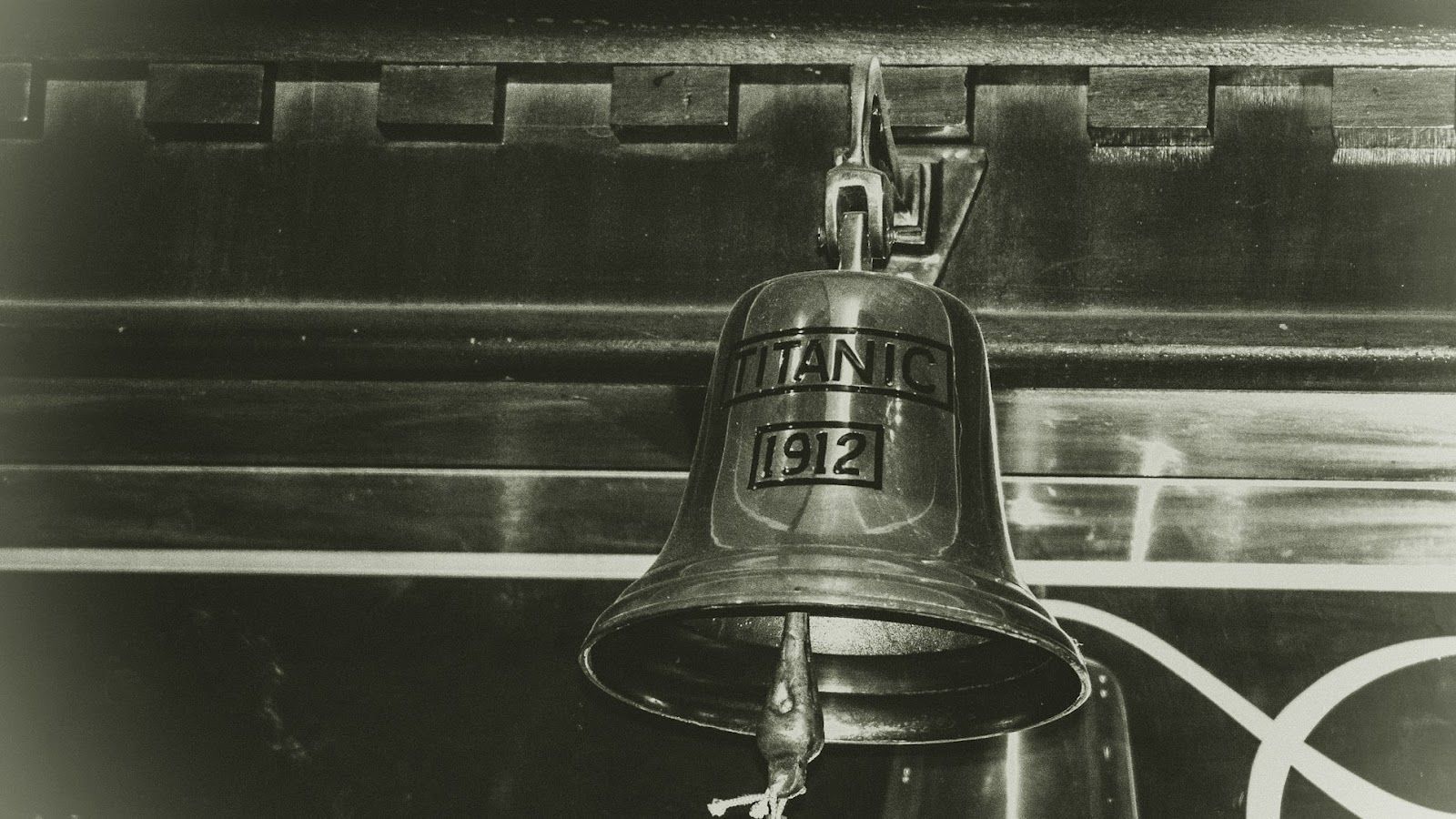
Even serious events—like the most devastating shipwreck in history—have been used as subjects for board games, and the Titanic is no exception. In this game, players find themselves aboard the ill-fated vessel , gathering supplies and trying to secure a spot on a lifeboat.

2
Public Assistance

Image: Aksel Fristrup

If you thought the previous game was controversial, this one pushes the envelope even further. In Public Assistance , players could choose to be either "workers" or "welfare recipients." The latter aim to live off the system, while the former struggle to earn a living—an intentionally provocative setup that sparked criticism.

3
The Game of Jaws

Image: Gerald Schömbs

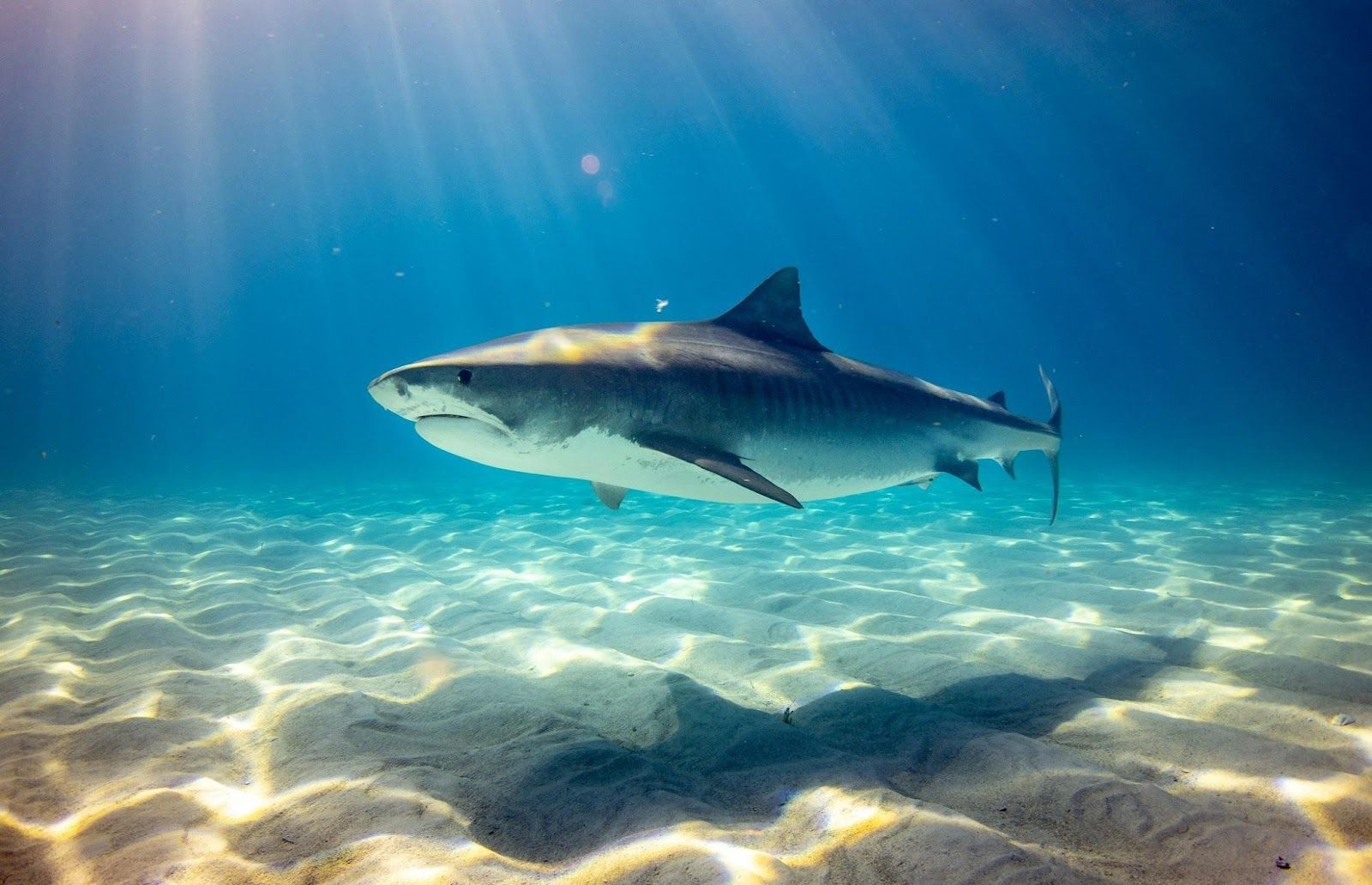
Perhaps less controversial than the previous two games—but just as nerve-wracking—this game featured a plastic shark from which players had to remove items using a hook . The concept was similar to the classic Operation , but with added suspense and a theme that terrified many young players.

4
Salta

Image: Galen Crout

This game from the early 20th century was quite popular in its day, enjoyed by royalty, theater stars, and famous artists . It was produced in various editions, ranging from extraordinarily expensive sets to more affordable ones. However, it eventually faded into obscurity.

5
Lexicon

Image: Nik Korba

This word game, somewhat similar to Scrabble, allowed players to exchange letters from other players' words to form their own. For example, if someone had the word pig and you needed the "p" for your word pair , you could swap it with one of your letters, such as a "w"—to change pig into wig and complete your own word.

6
Gorey Games

Image: Christopher Paul High

Based on the works of Edward Gorey, this game invited players to move through eerie settings and experience a darkly whimsical adventure . While it was adored by niche audiences, it never reached the popularity of other horror-themed board games.

7
The Vanishing Game

Image: Andrey Metelev

This mystery game invites players to solve a disappearance using a mix of deduction and strategic board movement . What made it truly unusual was its real-life element: players were encouraged to mail clues to the publisher in order to unlock additional secrets.

8
Mystery Mansion

Image: Ryan Wallace

If you like the idea of building a new house but making it look old, dirty, and creepy , then this game is for you. First released in the early 1980s, it featured a modular board where players revealed new rooms while searching for treasure. In any case, whoever came up with the Scooby-Doo edition of this game clearly knew their target audience.

9
Careers

Image: Tim Foster

This vintage board game invited players to customize their own goals for fame, happiness, and money, eschewing the one-size-fits-all mindset in favor of pursuing something more personal. Its blend of strategy and "real meaning" made this game stand out back in the day.

10
Stay Alive

Image: Simon Hurry

If strategy games with marbles are your thing, then this game would be a favorite. Players try to keep their marbles from falling through a shifting grid . Its thrilling nature and tactile challenge made it a popular choice for both adults and kids alike.

11
Shenanigans

Image: Jaciel Melnik

Based on the TV game show of the same name, this board game was a big hit back in the day. Combining trivia questions with physical challenges , it provided entertainment for people of all ages.

12
The Mad Magazine Game

Image: Christopher Paul High

MAD Magazine was an important cultural icon a few decades ago, and their parody version of Monopoly was filled with the irreverent humor that characterized the magazine. The game encouraged players to lose all their money instead of earning more, unlike the original Monopoly.

Explore more American facts

Choose your favorite category!

General
General

As American as apple pie—the very best America has to offer!

Culture
Culture

Delve into the astounding richness of American lore.

Geography
Geography

Hop in and explore vast and diverse American landscapes.

History
History

Discover the key moments that shaped the United States.