Culture Culture 4 min read

Was the 1950s truly the best decade to live the American Dream?
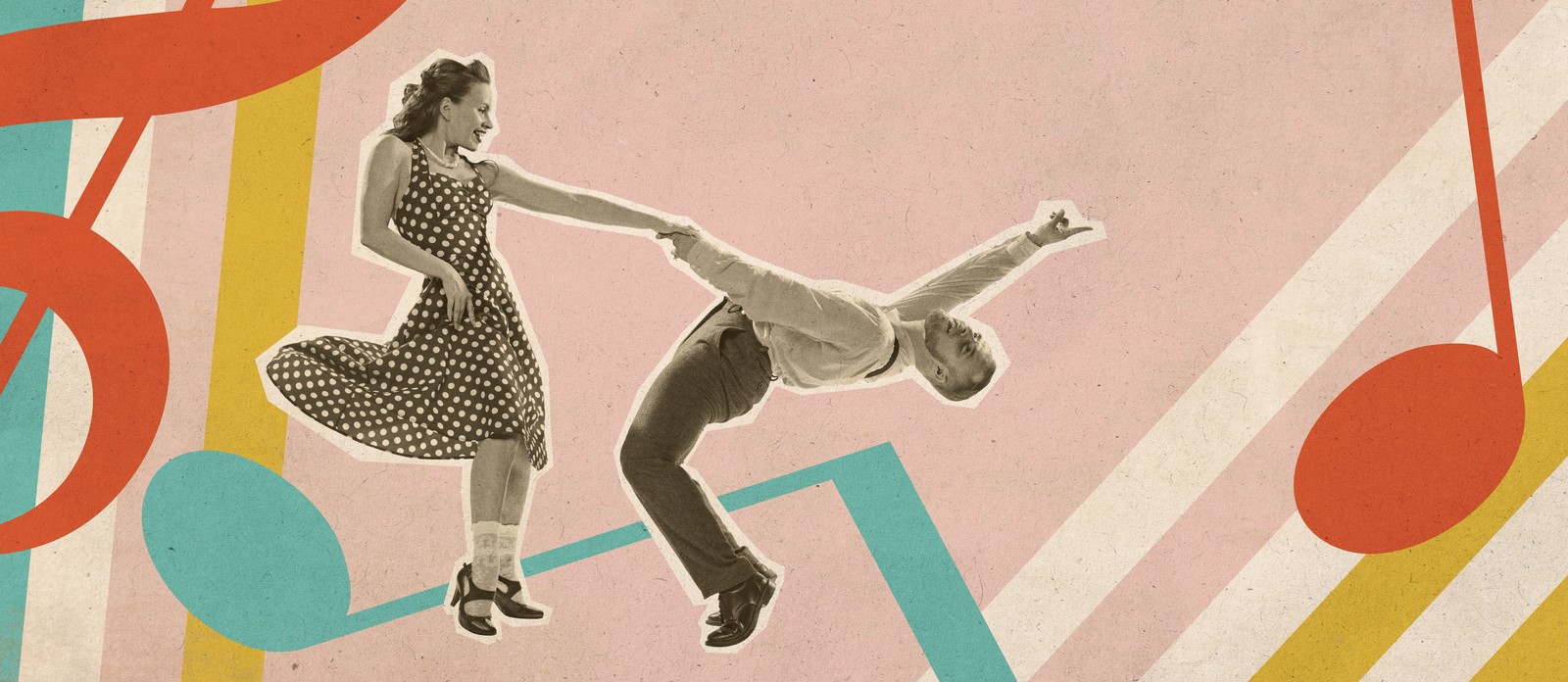
Image: Master1305

Emerging from the shadows of the Great Depression and World War II, 1950s America entered an era of optimism. It was a decade where the "American Dream" shifted from a concept to a tangible reality for millions of citizens. From the music playing on portable radios to the sudden affordability of a home with a yard, the fifties reshaped the cultural, technological, and economic landscape of the country. In this article, we explore 10 core reasons why the 1950s are remembered as an exceptionally great time to be an American.

1
Economic prosperity
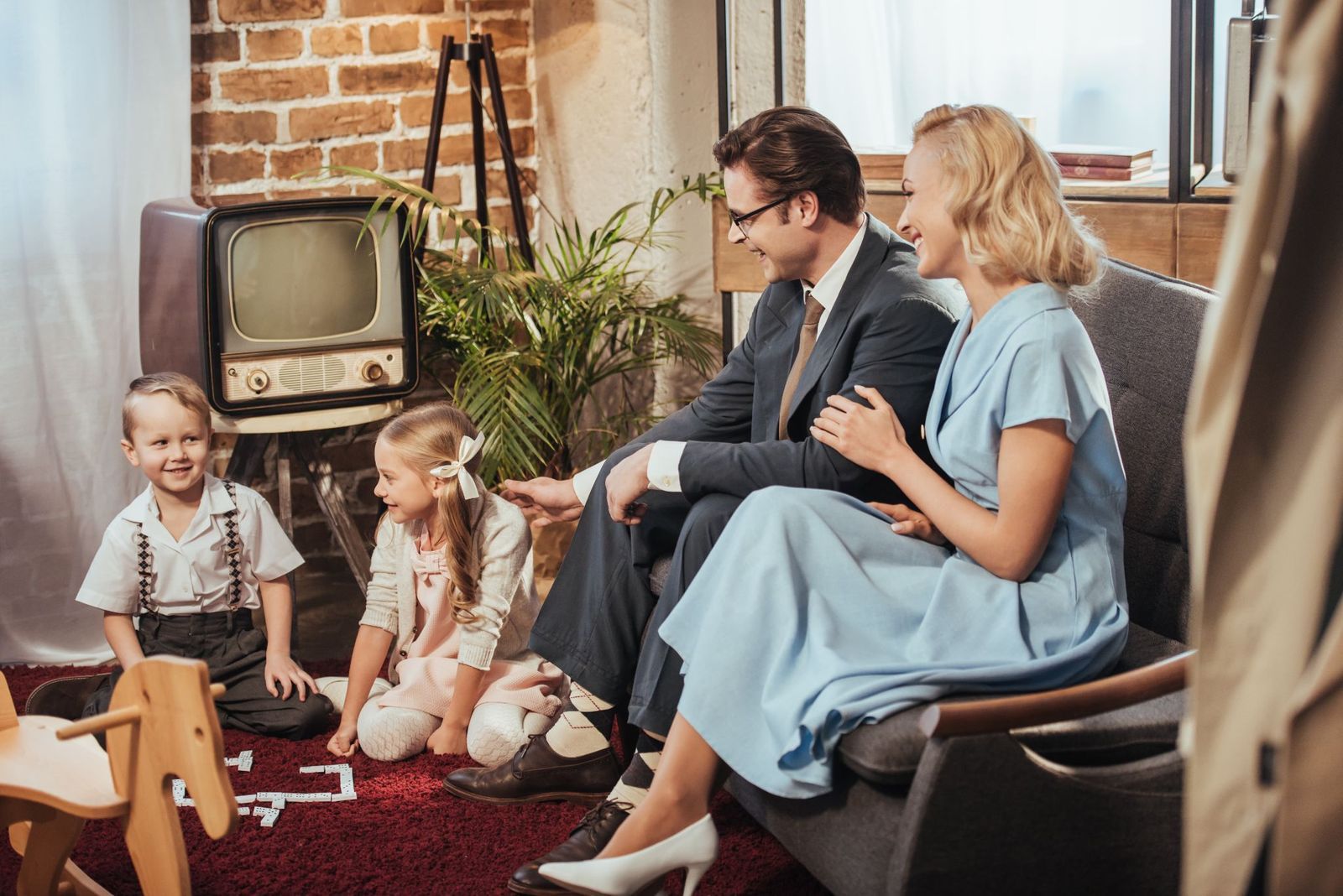
Image: LightField Studios

The foundation of everything that made the fifties fabulous was a booming economy. Following the end of World War II, the United States found itself as the world’s undisputed industrial leader, while much of Europe was still rebuilding.

Unemployment rates consistently dropped below 3%. Jobs were secure and offered strong wages that regularly surpassed inflation. Also, purchasing power exploded to the point where a single working-class income could comfortably cover a mortgage, buy a vehicle, and keep a pantry fully stocked, allowing financial stability for the average family.

2
The rise of suburbia

Image: Tupungato

With wallets full and families growing, millions of Americans left the crowded urban centers and headed for the periphery. The 1950s birthed the modern American suburb.

Developers revolutionized the housing industry by applying assembly line tactics to real estate, producing affordable homes. With low-cost mortgages, buying a suburban home suddenly became cheaper than renting a cramped city apartment. Suburbia became synonymous with safe, community-driven neighborhood living.

3
Baby Boom era
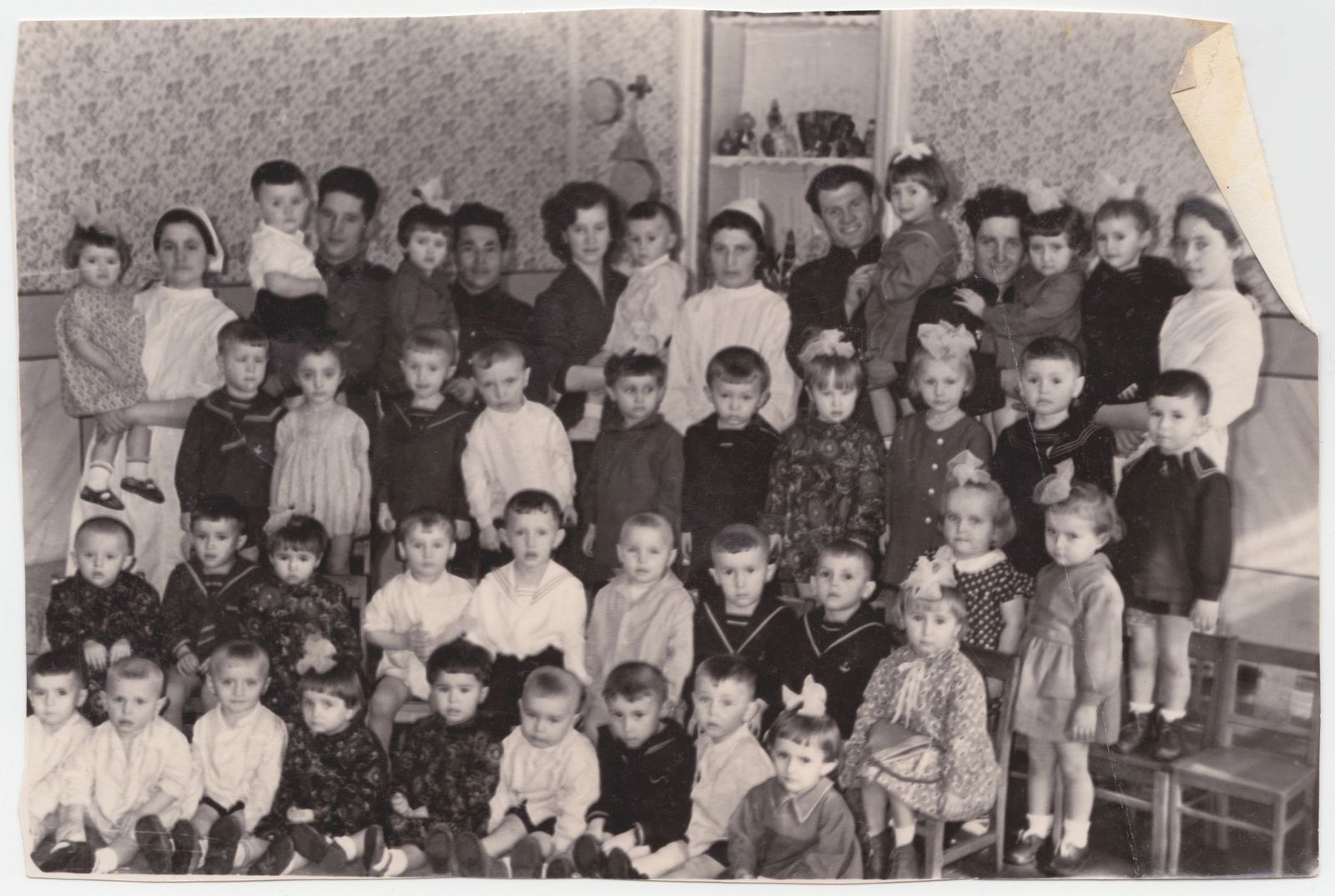
Image: fotoak

When the soldiers returned home from the war, they built families at a record pace. The "Baby Boom" era saw an astonishing 4 million babies born every single year in the U.S. throughout the decade.

By the time the boom dwindled, nearly 77 million new Americans had entered the world, shifting the nation’s commercial, architectural, and social priorities toward youth and family life. It was an era focused on domestic stability and a collective desire to protect and celebrate childhood.

4
Advances in medicine
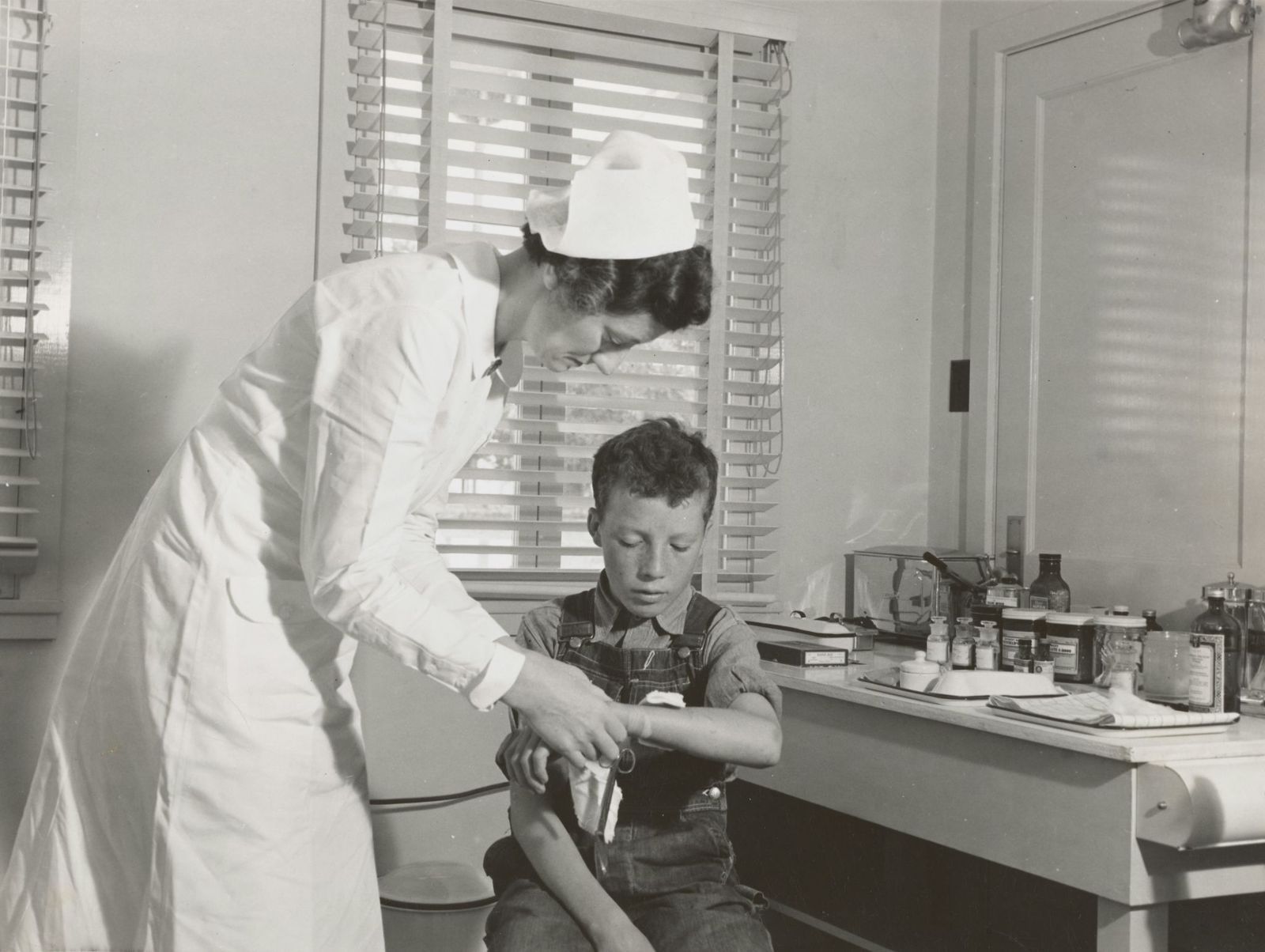
Image: The New York Public Library

Living in the 1950s meant witnessing some of the most profound medical miracles in human history. With the introduction of widespread inoculations, better anesthesia, and advanced pharmaceuticals, life expectancy surged.

In 1955, Dr. Jonas Salk’s polio vaccine was declared safe and effective. Within a few short years, a terrifying disease that had paralyzed thousands of children annually was near eradication. The fifties also welcomed the first successful human kidney transplant and massive structural breakthroughs in open-heart surgery.

5
The golden age of television
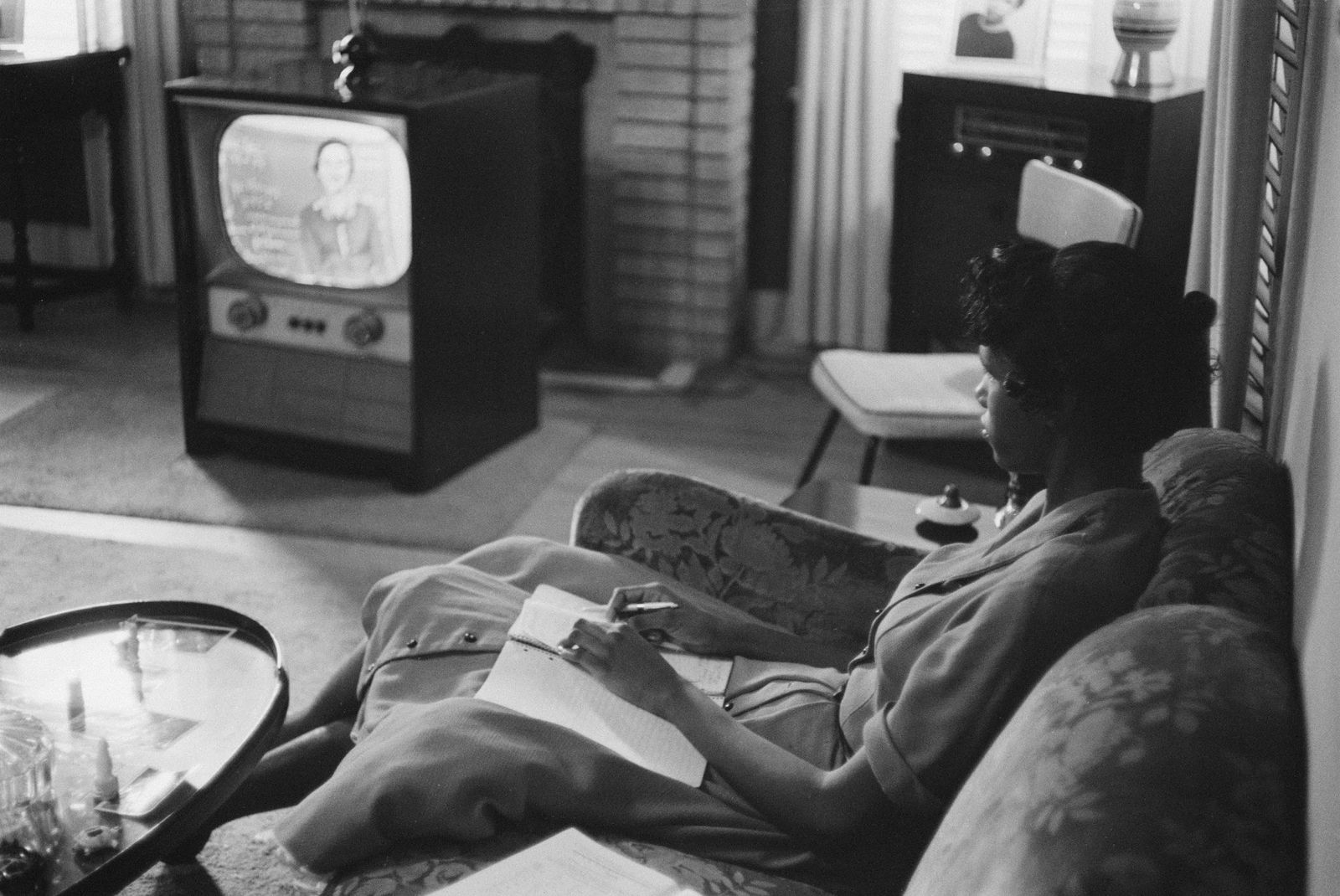
Image: Library of Congress

Before the 1950s, the radio was the centerpiece of the American living room. By the end of the decade, a glowing box took its place, permanently altering entertainment, news, and daily habits.

Electronic companies began mass-producing television sets that quickly became affordable for the average middle-class family. Americans gathered every night to share laughs over I Love Lucy , watch historic variety hours like The Ed Sullivan Show , or catch Westerns and championship wrestling. Millions of people across different states were suddenly watching the same stories, creating a unified national culture.

6
Iconic cars and drive-in culture
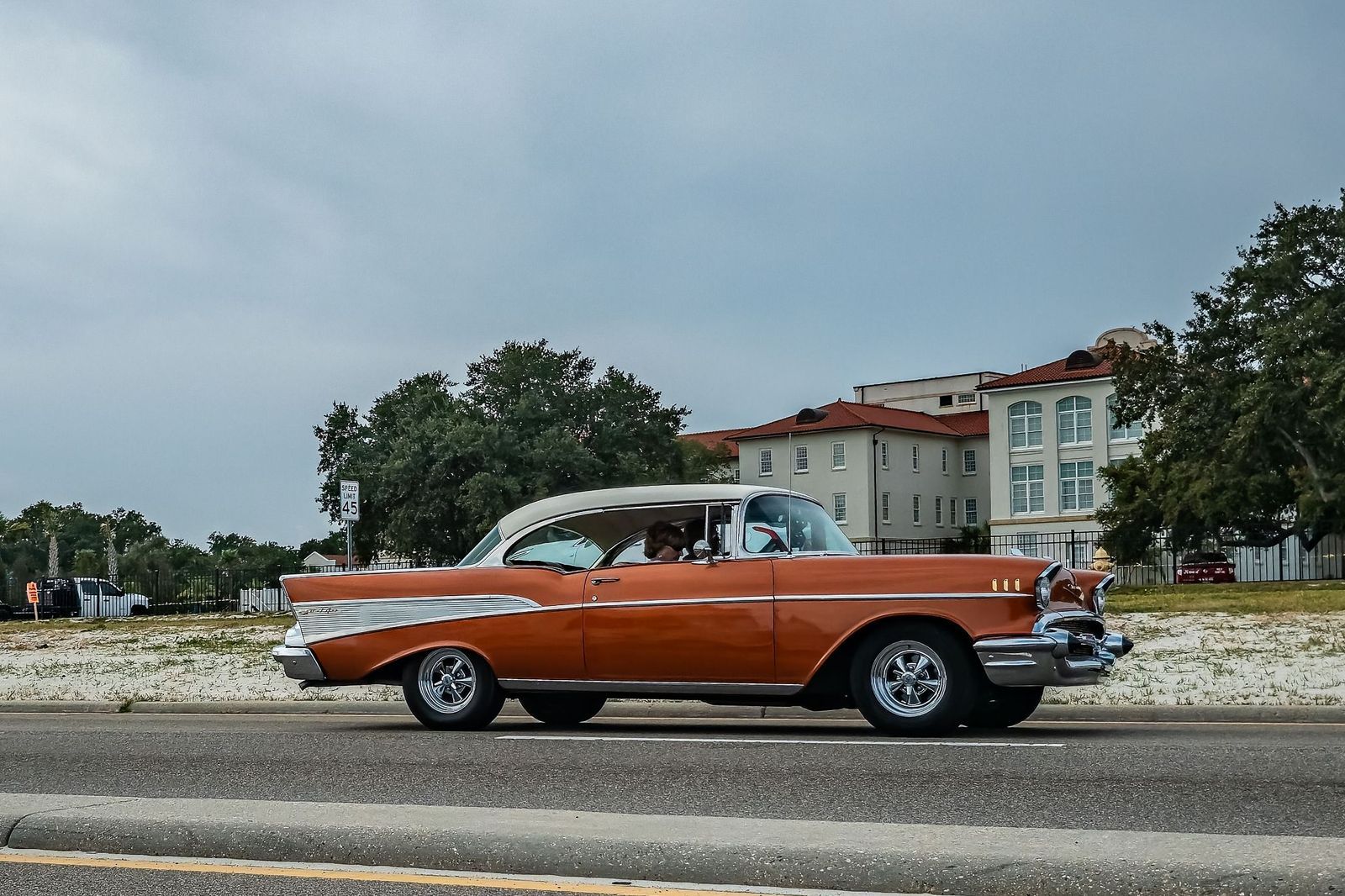
Image: Gestalt Imagery

Besides being a mode of transportation, the automobile in the 1950s was a declaration of personal freedom. Coupled with the expansion of the Interstate Highway System, car culture gave birth to a new social ecosystem.

Detroit created iconic machines like the Chevrolet Bel Air, with its tail fins that mirrored the era’s obsession with aviation and rocket design. Drive-in movie theaters and diners with roller-skating carhops became the epicenter of teenage social life, offering a sense of autonomy and mobility.

7
Rock ‘n’ Roll revolution
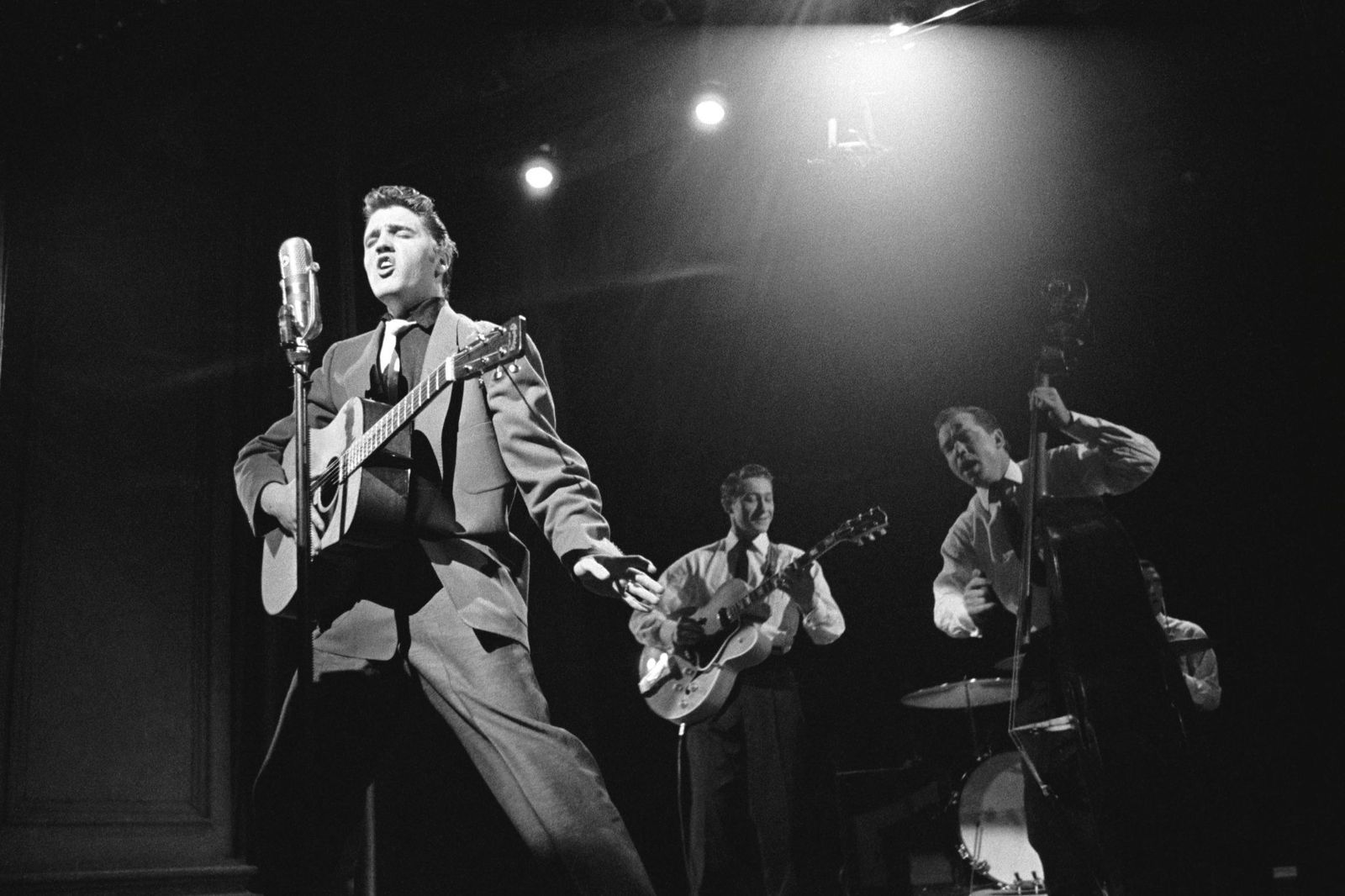
Image: Uncredited, Public domain, via Wikimedia Commons

The fifties gave birth to the teenager as a distinct cultural demographic, and that demographic needed its own unique soundtrack.

Pioneering artists like Elvis Presley, Chuck Berry, Bill Haley, and Little Richard fused rhythm and blues with country music to create a loud, energetic, and infectious sound. Enabled by the invention of the portable transistor radio and cheap vinyl records, teenagers could listen to their own music away from their parents. This sparked a youth counterculture that laid the groundwork for decades of musical and social evolution.

8
Space Race beginnings
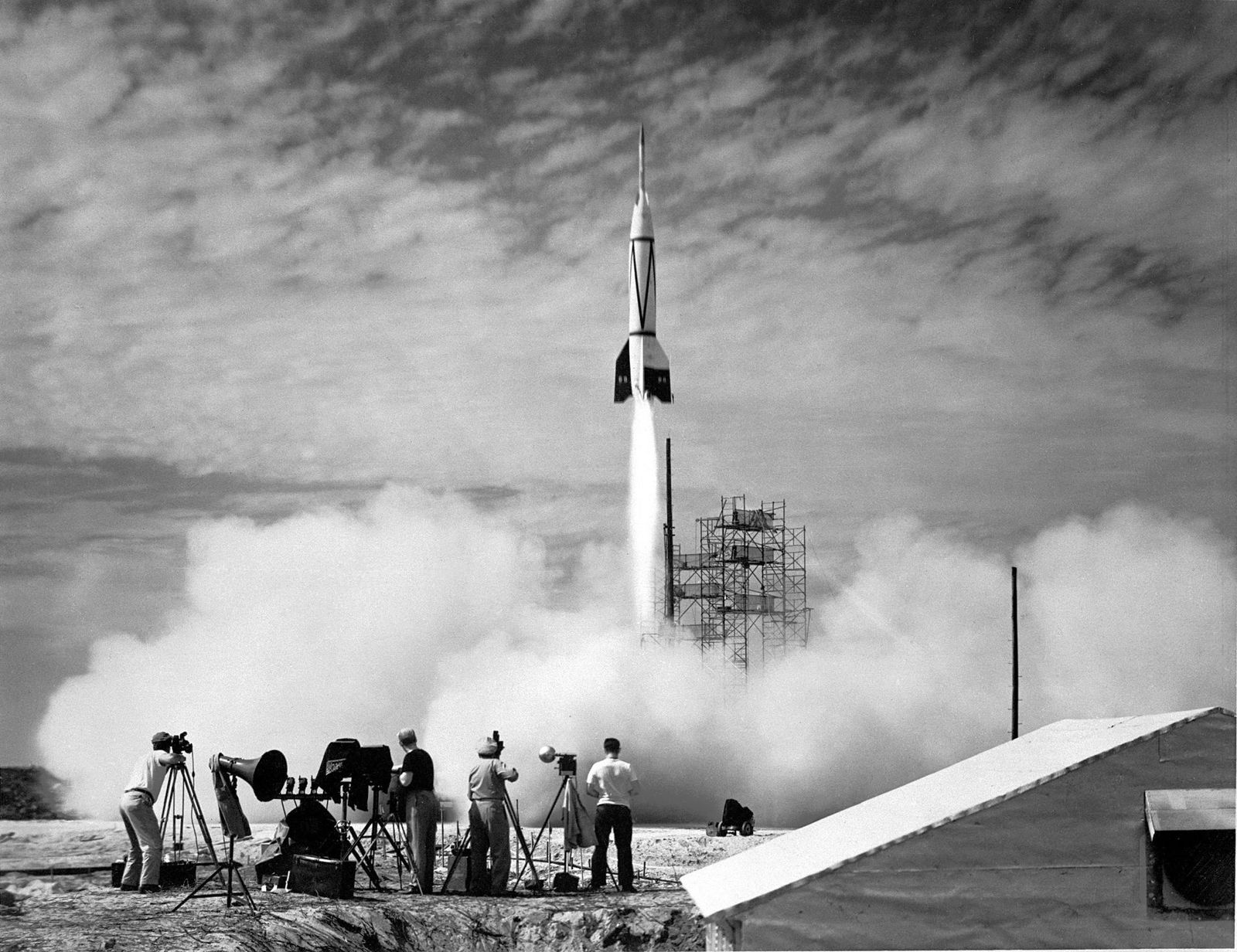
Image: NASA/U.S. Army, Public domain, via Wikimedia Commons

The late 1950s forced Americans to look up to the stars. When the Soviet Union successfully launched Sputnik in 1957, it ignited a fierce competitive drive known as the Space Race.

This cosmic rivalry meant that the government focused on funding science, mathematics, engineering, and technological research. The founding of NASA in 1958 captured the public’s imagination more than anything before. To be an American in the late fifties was to live on the precipice of the future.

9
Innovations in Technology & Home Life
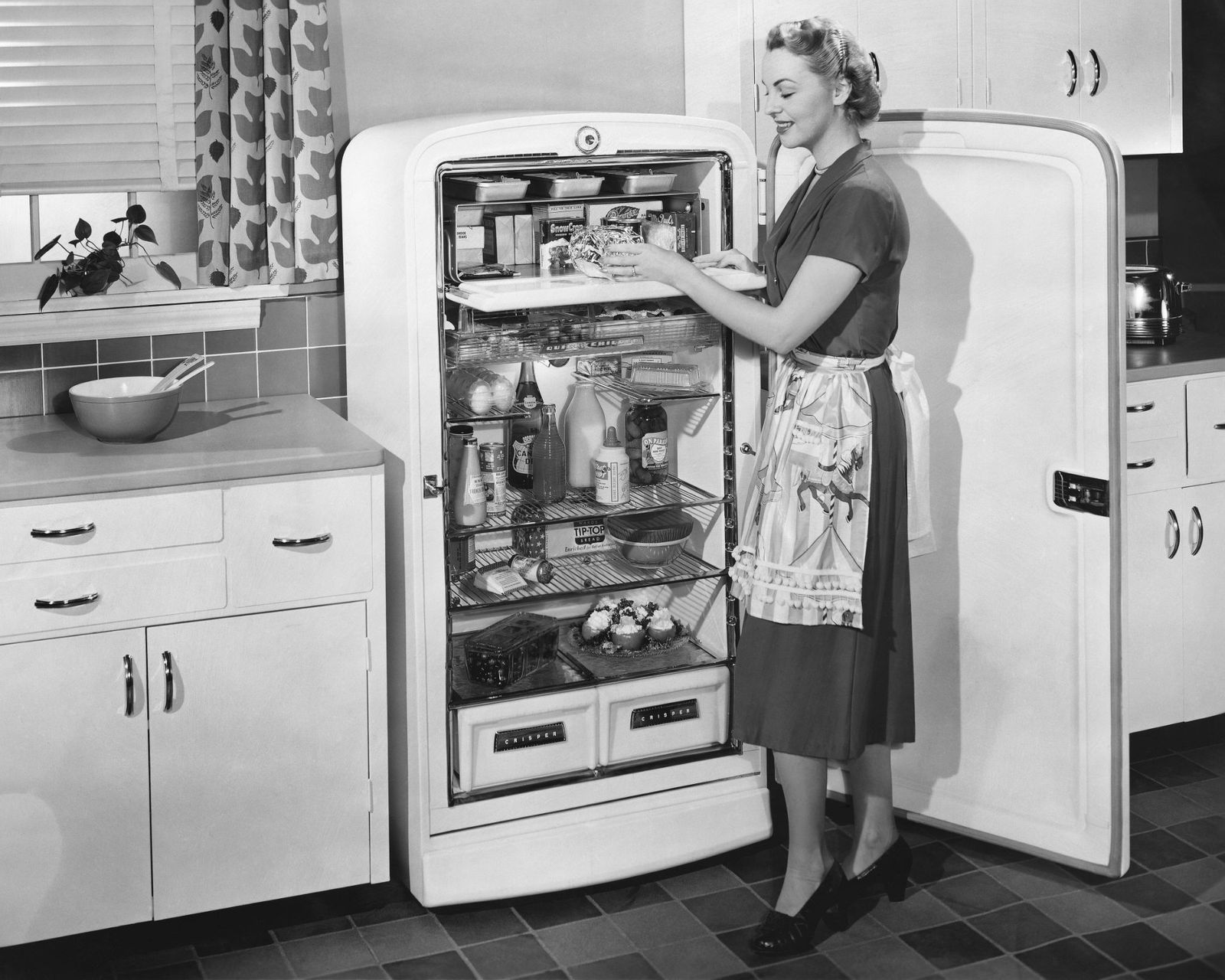
Image: Everett Collection

Daily domestic life underwent a radical upgrade in the 1950s, driven by an explosion of household appliances designed to maximize comfort and convenience. These innovations dramatically decreased the physical labor and hours required for chores, meaning extra leisure time for homemakers.

Refrigerators evolved with groundbreaking features like automatic defrosting and adjustable shelving. Meanwhile, early residential microwaves, automated dishwashers, and washing machines became standard fixtures. Also, the introduction of the frozen "TV Dinner" and the rise of fast-food restaurants like McDonald’s translated into less cooking.

10
Fashion & Glamour
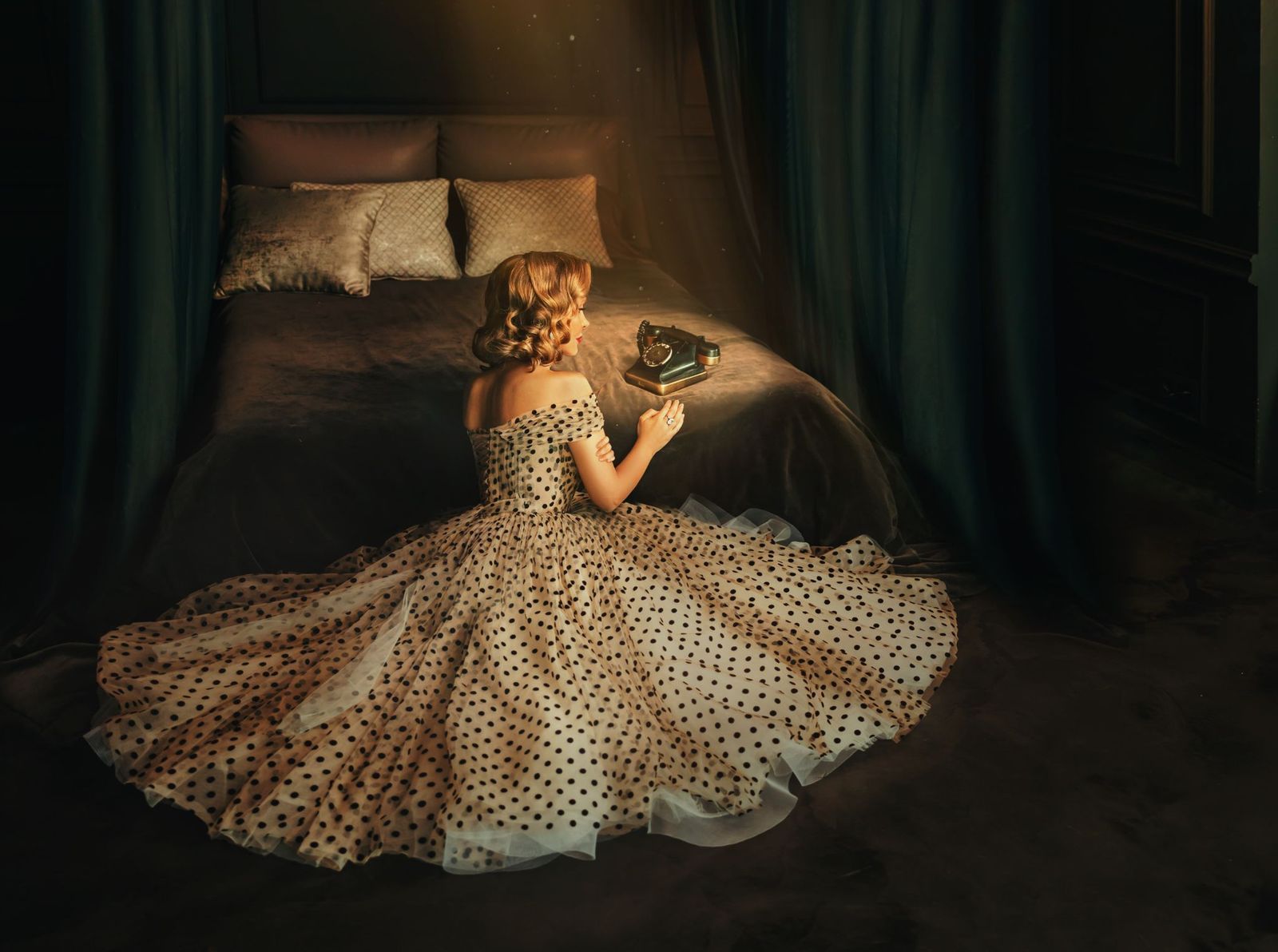
Image: Ironika

1950s American style was all about elegance and sophistication, moving away from the utilitarian garments of the wartime 1940s. Driven by Christian Dior’s "New Look," women’s fashion celebrated the classic hourglass silhouette with cinched waists, sharp tailoring, and voluminous skirts.

Poodle skirts and black-and-white saddle shoes dominated high school hallways, while Hollywood icons like Marilyn Monroe, Audrey Hepburn, and Grace Kelly set the glamour standard. For men, sharp suits, narrow ties, and slicked back hair defined a timeless aesthetic.

General General 3 min read

A breakfast staple

Which breakfast cereal is the most popular? Here are 10 contenders

Image: Franki Chamaki

The idiom goes, "as American as apple pie," but, if we are talking breakfast options, it might as well go "as American as breakfast cereal." Cereal is a popular choice in many parts of the world, but it might be hard to find a place where it is as popular as in the U.S.

That said, not all breakfast cereals are created equal, and not all Americans have the same tastes. Cereal may be a staple, but which cereal? Let’s take a look (in no particular order) at 10 of the most popular choices among Americans.

1
Cinnamon Toast Crunch

Image: Diana Polekhina

Introduced in 1984 by General Mills, it was designed to be the cereal version of cinnamon toast. It is made from a mix of wheat and rice, and covered in cinnamon sugar. Besides breakfast, Cinnamon Toast Crunch is also popular as a snack on its own, in trail mixes, or as a crunchy topping.

2
Lucky Charms

Image: FlyD

Another General Mills classic, this "magically delicious" cereal features a mix of toasted oat pieces and colorful marshmallows. Besides the original flavor, there are several varieties of Lucky Charms, including Chocolatey Chocolate, S'mores, Berry Swirl, and Minis. A breakfast classic for many decades, one of its most famous features is its mascot, Lucky the Leprechaun.

3
Kellogg’s Raisin Bran

Image: Andreas Haslinger

One of Kellogg’s better-known "healthy" options, Raisin Bran is popular as a source of fiber. It was originally a copy of another cereal of the same name, but after a legal battle, it was determined that "raisin bran" was too descriptive to be a trademark, popularizing the name as a generic term for this type of cereal. What makes it so popular? Its name and marketing have long contributed to the perception of it as a "healthy cereal."

4
Cheerios

Image: Liia

Did you know that the original name of Cheerios was CheerieOats? It was introduced in the 1940s by General Mills, and it is a popular choice due to its whole-grain oat base, low sugar, no cholesterol, and the fact that it is gluten-free. Unlike many other cereals, the original version is not the most popular; it has been surpassed by the Honey Nut flavor.

5
Life

Image: M Alazia

Introduced by Quaker Oats, Life cereal gained popularity through a famous marketing campaign featuring a picky eater named Mikey, one of the longest-running ads in American television history. Life is marketed as a healthy, whole-grain choice without artificial flavors or colors, and has several flavors besides the original.

6
Frosted Flakes

Image: engin akyurt

Did you know that cornflakes were invented by the brother of the founder of Kellogg’s? One of Kellogg’s most well-known cereals worldwide, Frosted Flakes was developed when sweet cereal became increasingly more popular. To boost its appeal to children, the cereal was introduced alongside a mascot, Tony the Tiger, now one of the most recognizable characters in the industry.

7
Cocoa Puffs

Image: Brands&People

One of the first chocolate cereals to exist, Cocoa Puffs is certainly among the most popular. Developed in the 1950s by General Mills, it initially used Hershey’s cocoa. Cocoa Puffs’ popularity is not limited to the American market. It is also a top seller in Canada, Europe, and Latin America, where it is commercialized in partnership with Nestlé under the name Nesquik.

8
Froot Loops

Image: Haley Owens

After Kellogg’s unsuccessfully tried to create a competitor to Cheerios, the company was left with specialized equipment designed to produce O-shaped cereal. Rather than scrap it, Kellogg’s used the machinery to develop a new, colorful cereal, along with a new mascot, Toucan Sam. Although the different colors in Froot Loops are meant to suggest different flavors, Kellogg’s has confirmed that they all taste the same.

9
Honey Bunches of Oats

Image: Benyamin Bohlouli

Originally called Battle Creek, this popular cereal was the result of experimentation. Released by Post in the 1980s, it was developed when one of the company’s employees mixed several existing cereals. After some feedback, honey was added to the mix, and it was renamed Honey Bunches of Oats.

10
Rice Krispies

Image: Emma Miller

Developed in the 1920s, Rice Krispies is not only one of Kellogg’s most iconic products but also one of the most popular cereals in America. Its famous "Snap, Crackle, Pop" slogan was inspired by the sounds the cereal makes when milk is added and was later adopted as the names of its three mascots.

History History 5 min read

Myth-busting America

Fact vs. fiction: 10 myths that shaped American history

Image: Markus Spiske

American history is loaded with stories—some true, some half-true, and many others pure myth. Despite historians' best efforts, a few tales have been repeated so often they’ve become almost inseparable from real events. Today, we’re separating fact from fiction with a look at 10 of the most common myths and misconceptions in American history. From young Washington's cherry tree to the actual date of the Declaration of Independence, the truth behind these historical myths may surprise you. But wouldn’t the Founding Fathers say that the truth is always worth knowing?

1
The first Thanksgiving feast

Image: Claudio Schwarz

The story of the first Thanksgiving is often heavily romanticized, but it was largely rooted in political and survival needs. Wampanoag leader Ousamequin reached out to the English at Plymouth not out of inherent friendship, but because his people had been devastated by epidemic disease and needed allies.

Moreover, English Thanksgivings were originally solemn occasions of fasting and prayer —quite different from today’s feasts of abundance and celebration. The truth is that around the 1760s, Pilgrim descendants in Plymouth, concerned about their declining cultural influence, began promoting the idea that the original Pilgrims were America’s founding fathers. The notion of a holiday symbolizing unity and friendship between colonists and natives gained traction, eventually shaping the Thanksgiving tradition we know today.

2
Paul Revere’s "Midnight Ride"

Image: Priscilla Du Preez

Though "The Midnight Ride of Paul Revere" is legendary, Revere certainly didn’t act alone. The famous silversmith was only one of several riders, including William Dawes and Samuel Prescott, who warned of the British army’s approach. To be fair, much of the well-known story was fabled by Henry Wadsworth Longfellow’s poem "Paul Revere’s Ride," which is far from a historically accurate account.

Additionally, Revere would have never shouted "The British are coming!"—that wouldn’t have made much sense, as most Massachusetts colonists still identified as British. The actual alert was closer to "The Regulars are coming," referring to British troops.

3
The frontier was lawless

Image: Idean Azad

Popular culture paints the American West as a wild, lawless frontier, but crime was actually lower in many Western towns than in Eastern cities at the time. Local codes, vigilante groups, and early forms of law enforcement helped keep order, even in the most remote pioneer towns.

Many towns established designated areas where firearms were off-limits, requiring visitors to put away their weapons before entering. Of course, cities like Dodge City and Tombstone had their rowdy moments, but local communities established governance quickly. In many cases, justice in the West was rough but effective, and it helped establish America’s early legal backbone.

4
Washington chopped down a cherry tree

Image: Terence Starkey

Though it’s deeply etched in American memory, the story of young George Washington confessing to chopping down a cherry tree is entirely fictional. This tale was fabricated by Parson Weems, Washington’s biographer, to depict him as morally upright and honest from an early age.

While the story is charming and has contributed to America’s sense of ethos, it underscores the tendency in early American history to create heroic, almost mythical personas for its leaders. Yet, Washington’s legacy hardly needs fabricated childhood anecdotes to shine; his real courage and dedication to his country speak for themselves.

5
The Liberty Bell rang on Independence Day

Image: Dan Mall

The story of the Liberty Bell ringing for independence traces back to a fictional tale by George Lippard in an 1847 issue of The Saturday Courier. In this story, an elderly bellman in the State House steeple anxiously awaited news of Congress’s decision. Doubting their resolve, he suddenly heard his grandson’s triumphant shout: "Ring, Grandfather! Ring!"

This story captivated the public and cemented the Liberty Bell’s association with the Declaration of Independence. However, historians now doubt that the bell actually rang in 1776; at the time the State House steeple was reportedly in poor condition, and the bell may not have been in use. Though many bells rang throughout Philadelphia on July 8 to celebrate the Declaration, whether the Liberty Bell itself rang remains uncertain due to a lack of contemporary accounts.

6
Betsy Ross made the first American flag

Image: Luke Michael

The story of Betsy Ross sewing the first American flag is one of America’s favorite tales, but the sad truth is that there’s no historical evidence to support it. The story only emerged nearly a century after the Revolution, when her grandson published the account in a paper for the Historical Society of Pennsylvania in 1870.

While the Continental Congress did approve a flag design in 1777, it’s unclear who actually made it. However, despite historians' doubts, the early flag design with 13 stars in a circle is still popularly known as "the Betsy Ross flag."

7
Orson Welles’ broadcast induced mass panic

Image: Muhammed ÖÇAL

It’s widely believed that Orson Welles’ 1938 radio adaptation of The War of the Worlds caused widespread panic across the United States, with listeners mistaking it for real news of an alien invasion. However, the actual extent of the panic was greatly exaggerated by newspapers looking to discredit radio as a rival news source.

While the broadcast did unsettle some listeners, most of the audience knew it was a dramatic performance. Reports of mass hysteria were largely fabricated, and ironically, the media’s reaction to the broadcast may be a greater testament to its power than Welles’ fictional invasion ever could be.

8
Cowboys wore big, flashy hats

Image: Brice Cooper

While movies and TV shows often show cowboys wearing wide-brimmed, flashy hats, most cowboys actually wore bowler or derby hats until the late 19th century. These hats were more practical and better suited for riding. Men also wore flat wool caps, Mexican sombreros, or even old Civil War hats like the kepi.

The wide-brimmed "cowboy hat" only became popular later and evolved into a cultural icon thanks to cinematic depictions of the Wild West. As with most things, in truth practicality ruled the range, and the stereotype of the cowboy hat developed more from fiction than reality.

9
Benjamin Franklin discovered electricity

Image: Felix Mittermeier

Benjamin Franklin’s famous kite experiment didn’t really "discover" electricity but rather demonstrated that lightning was a form of electrical energy. In fact, historians aren’t even sure whether he performed the famous experiment himself. At the time, scientists in Europe had been experimenting with electricity for decades.

That being said, Franklin’s findings did help advance science, and laid the groundwork for future innovations. His research not only led to the practical study of electricity, but his invention of the lightning rod also helped save both people and structures. In any case, Franklin never patented any of his inventions, believing that "products of the human imagination belonged to no one person," so he likely wouldn’t have wanted credit as the discoverer of electricity either.

10
The Fourth of July marks the signing of the Declaration

Image: Trent Yarnell

The Declaration of Independence is celebrated on July 4th, but the actual timeline of events is a bit more complex. Independence was formally approved by Congress on July 2, 1776, through the Virginia resolution, which officially severed ties with Britain. However, the text of the Declaration was subjected to intense debate and revisions before Congress approved the wording on July 4.

Further complicating things, the Declaration wasn't publicly read until July 8, and it took several more weeks before all signers had added their names. While some Founding Fathers, like John Adams, initially advocated for celebrating on July 2, the public ultimately gravitated toward July 4—the date displayed on the final document.

Explore more American facts

Choose your favorite category!

General
General

As American as apple pie—the very best America has to offer!

Culture
Culture

Delve into the astounding richness of American lore.

Geography
Geography

Hop in and explore vast and diverse American landscapes.

History
History

Discover the key moments that shaped the United States.