Culture Culture 4 min read

Brand stars

This is how these 10 brand mascots became bigger than their products
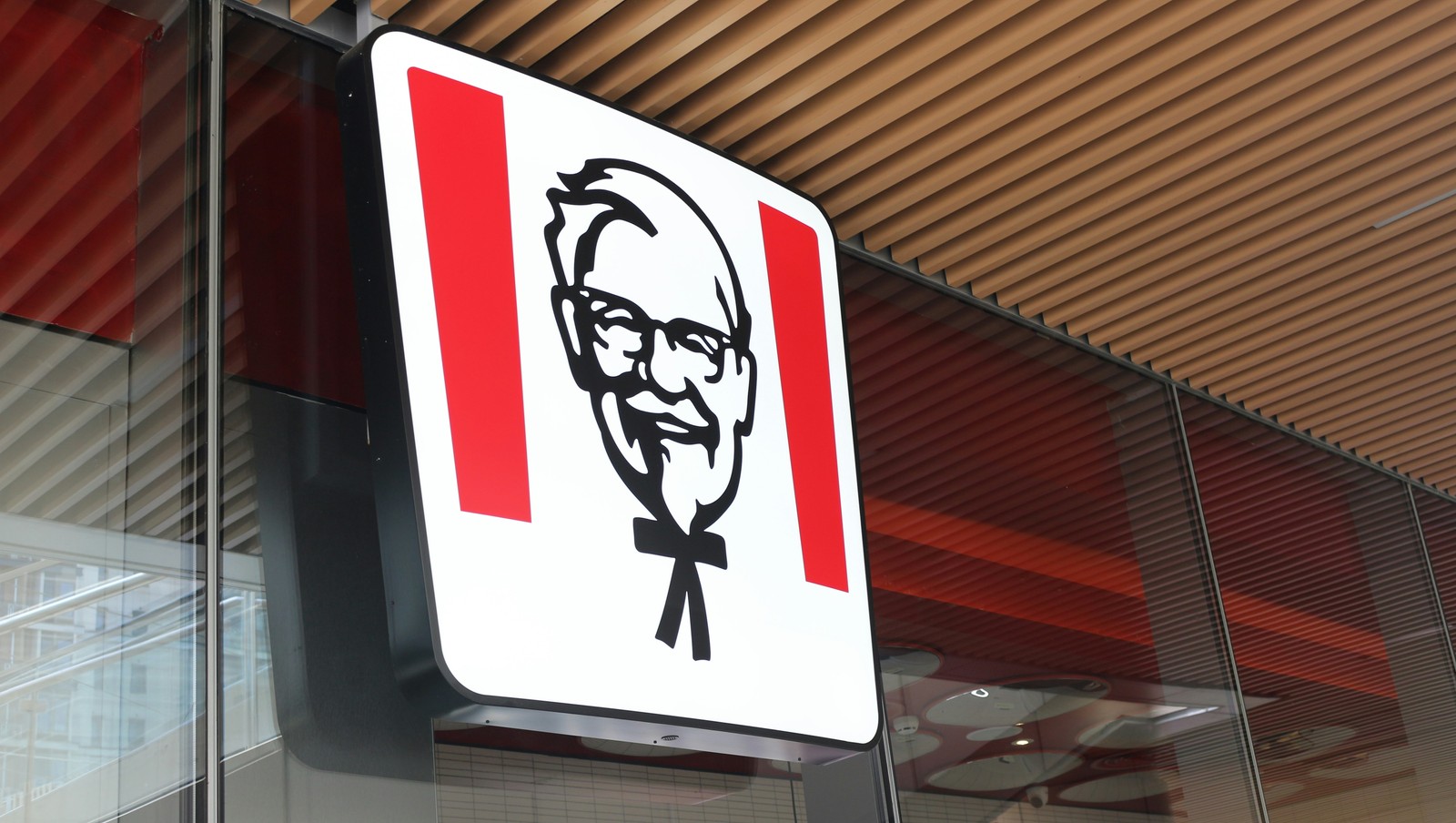
Image: P. L.

Every brand dreams of being instantly recognized by its logo or mascot, and some US brands have truly achieved this. In fact, a few have grown far beyond their products, becoming icons of American culture. From the beloved Pillsbury Doughboy to the unmistakable Colonel Sanders, join us as we take a walk through this brand-mascot hall of fame!

1
The Pillsbury Doughboy
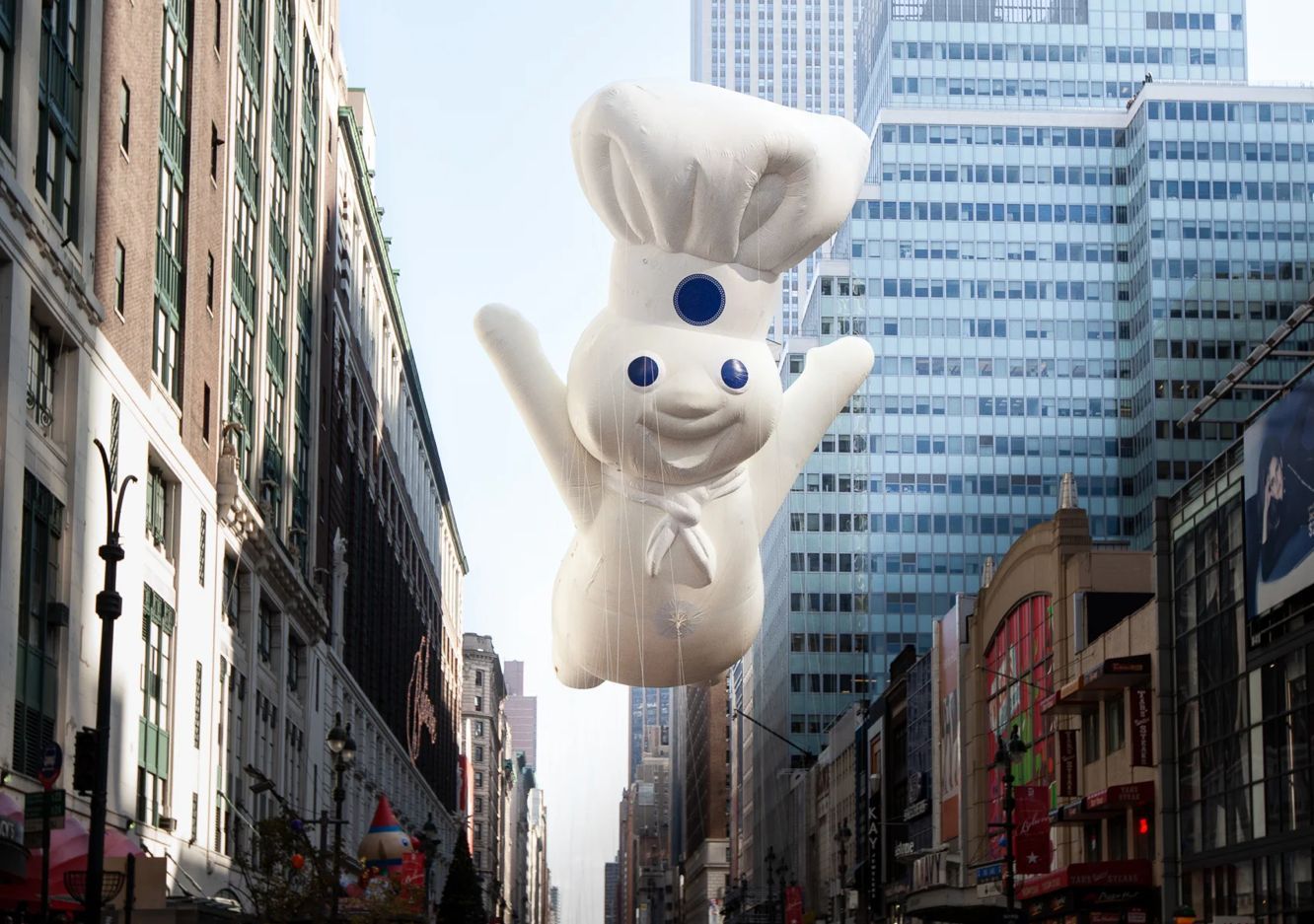
Image: Dan Depew, CC BY 4.0 <https://creativecommons.org/licenses/by/4.0>, via Wikimedia Commons

You only need to see a tiny bit of his fluffy body to recognize him: Poppin’ Fresh, better known as the Pillsbury Doughboy, is a global star. The Pillsbury Company created him in 1965, and over the decades, he has appeared in hundreds of commercials and on all kinds of merchandise. Now, 60 years later, his cute image is still familiar to Americans everywhere. He’s even part of the Macy's Thanksgiving Day Parade!

2
Tony the Tiger

Image: SqueakyMarmot from Vancouver, Canada, CC BY 2.0 <https://creativecommons.org/licenses/by/2.0>, via Wikimedia Commons

Our childhood memories include a character who was and still is right there at the breakfast table. We're talking about Tony the Tiger, the beloved mascot of Frosted Flakes. Introduced in 1952 by Kellogg’s, many of us grew up with him and watched him become a cereal icon. And of course, no one can forget his iconic catchphrase: "They’re grrrreat!"

3
The Energizer Bunny
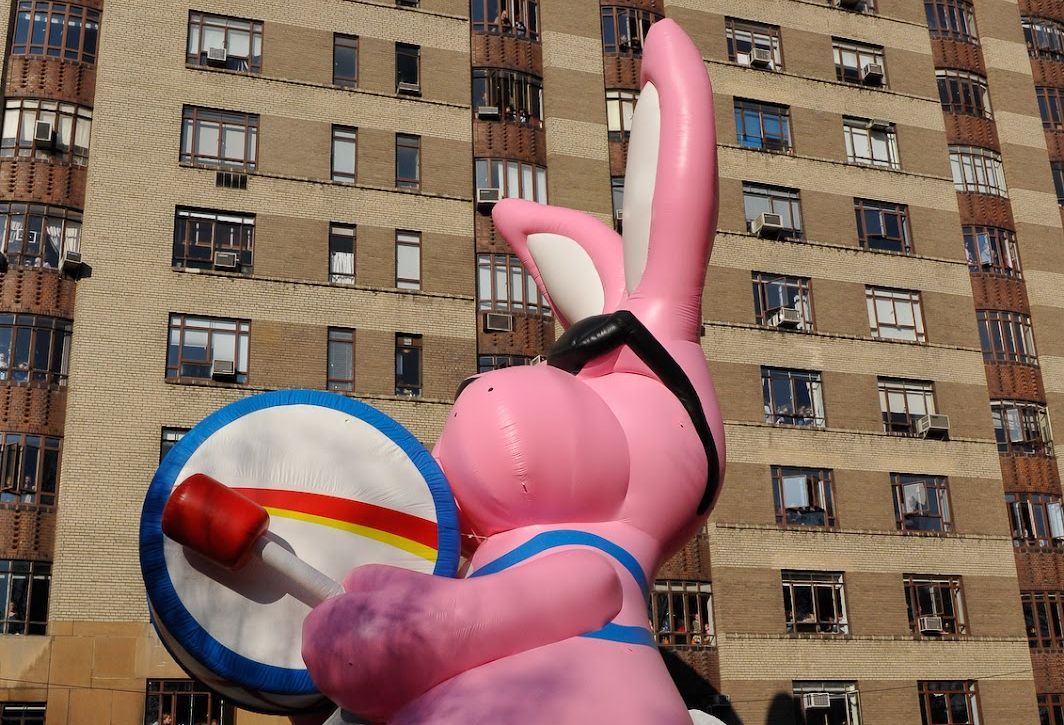
Image: Jazz Guy from New Jersey, United States, CC BY 2.0 <https://creativecommons.org/licenses/by/2.0>, via Wikimedia Commons

Style, attitude, energy: The Energizer Bunny has it all. With his signature sunglasses, drum, and flip-flops, this bunny first appeared in 1989 as a parody of the Duracell bunny, and he quickly grew far beyond Energizer batteries. In fact, he became a symbol of vitality and nonstop energy, so much so that when someone can’t sit still, they’re often compared to this bunny. You know, he just keeps going and going and going.

4
Mr. Clean

Image: JESHOOTS.COM

His style is unmistakable: that celebrity tan, bald head, bright white eyebrows, and even a cool earring. Of course! It’s Mr. Clean, the magical helper who shows up when stains get stubborn. Procter & Gamble introduced him in 1958, and he quickly became more than just the face of a product; he is a full character with his own personality and identity, deeply tied to the idea of household cleaning.

5
Mr. Monopoly
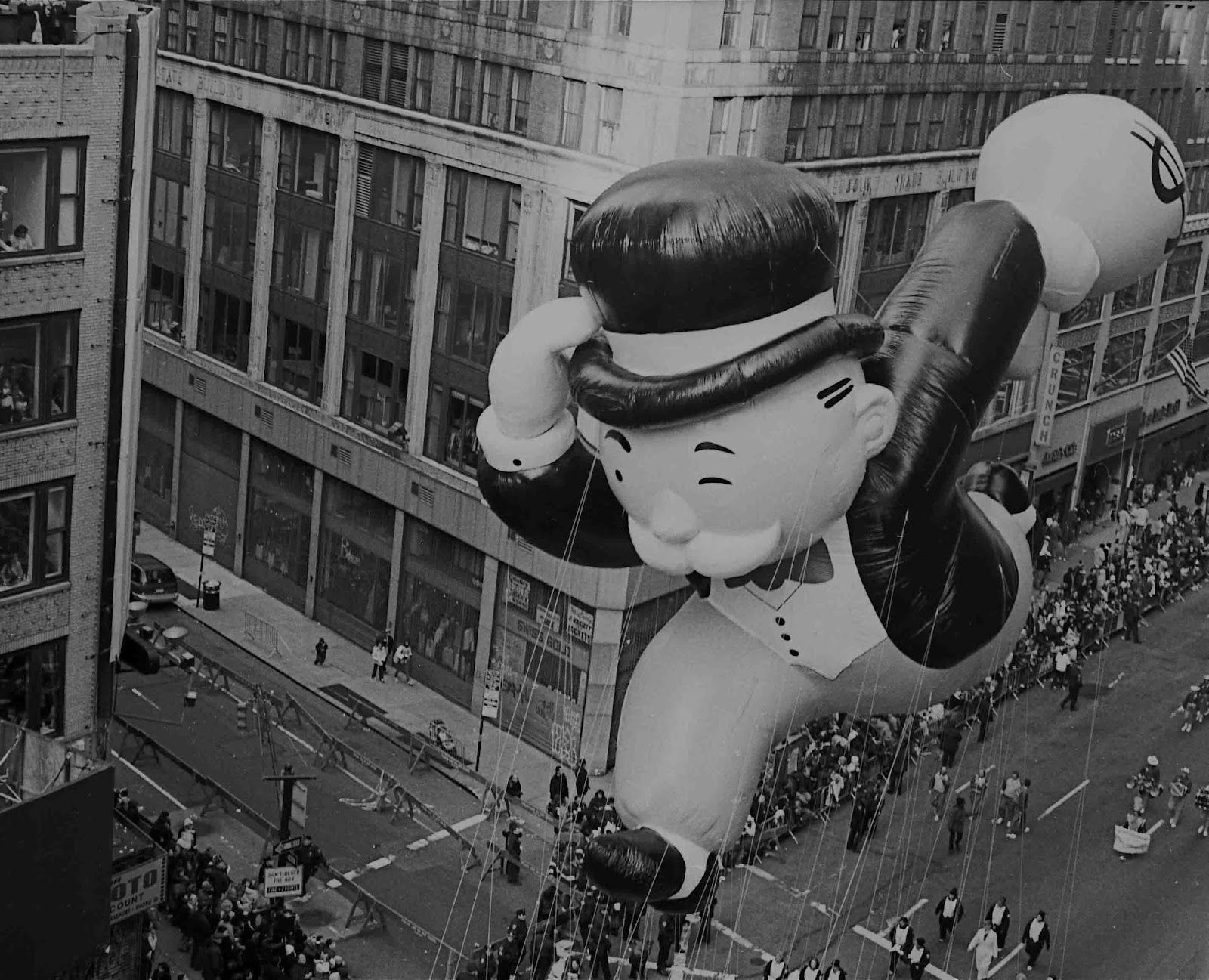
Image: Fluffybuns, CC BY-SA 4.0 <https://creativecommons.org/licenses/by-sa/4.0>, via Wikimedia Commons

We already talked about Mr. Clean, but there’s another Mister who is just as famous, if not more: Mr. Monopoly. While we all know him by that name today, he originally had a much funnier one: "Rich Uncle Pennybags." His mustache and top hat are unmistakable, and his fame has long transcended the Monopoly game, turning him into a visual symbol of wealth and capitalism in pop culture.

6
The Jolly Green Giant

Image: greefus groinks, CC BY-SA 2.0 <https://creativecommons.org/licenses/by-sa/2.0>, via Wikimedia Commons

The Green Giant Company introduced its giant mascot in 1928, and he quickly became synonymous with frozen vegetables across America. The Jolly Green Giant originally had a somewhat intimidating look, but a later redesign turned him into the friendly, smiling giant everyone knows and loves today. Decades of TV commercials, packaging, toys, and pop-culture references made him famous even among people who don’t buy the products.

7
Mr. Peanut
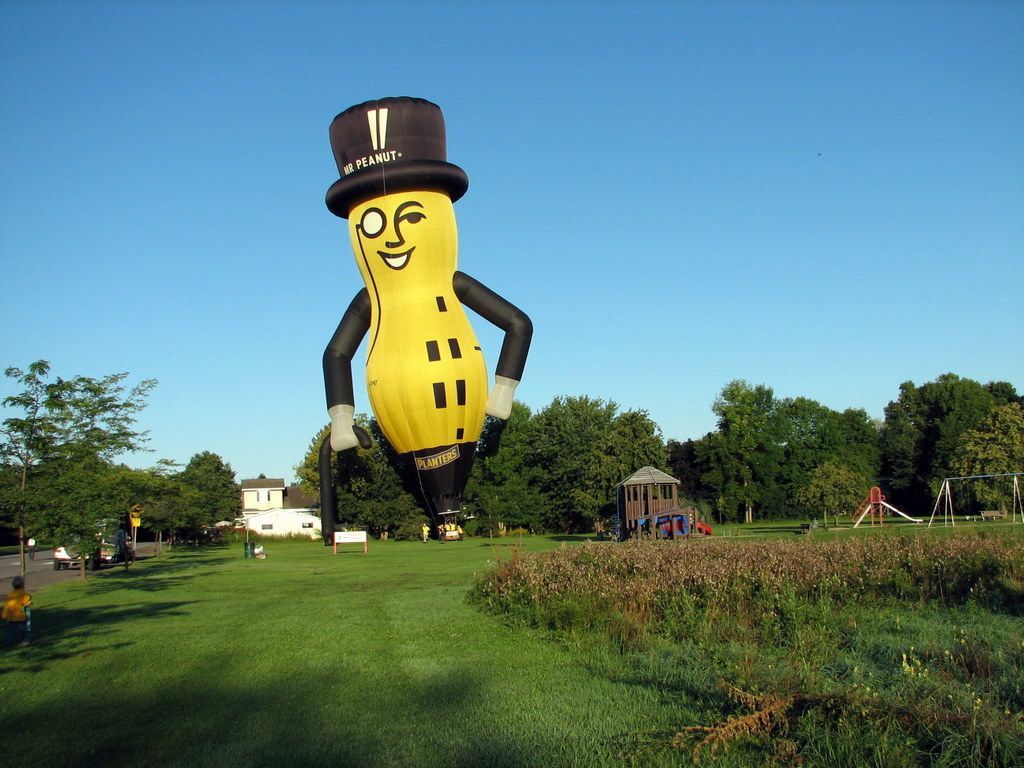
Image: InOttawa.ca, CC BY 2.0 <https://creativecommons.org/licenses/by/2.0>, via Wikimedia Commons

With his classic top hat and monocle, Mr. Peanut is undoubtedly a sophisticated mascot. And since he’s literally a peanut, it’s almost impossible not to think of Planters every time we grab a handful, right? Surprisingly, despite his excellent condition, Mr. Peanut is over 100 years old, having been introduced in 1916.

8
Mickey Mouse
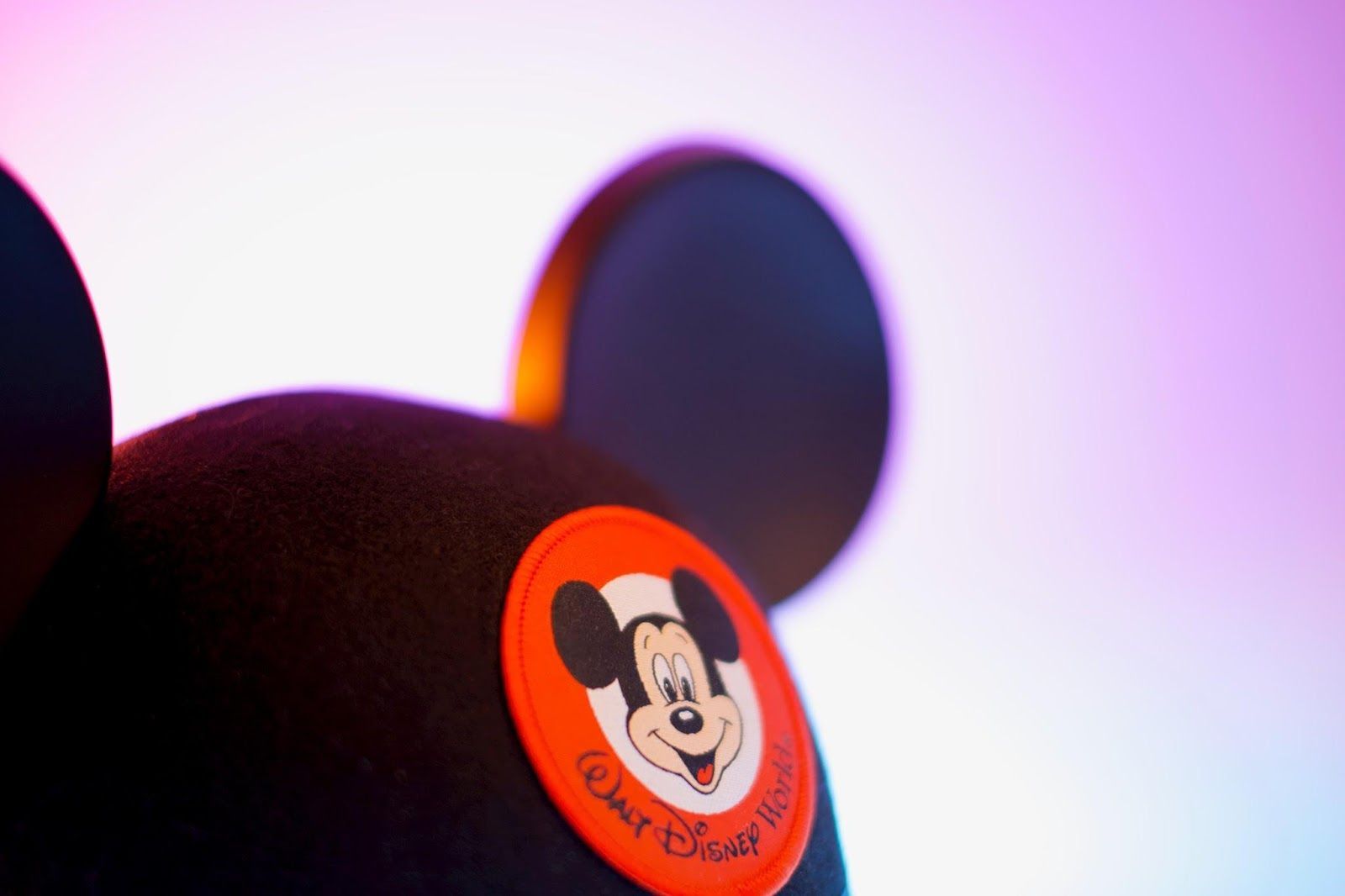
Image: Brian McGowan

If there’s one truly world-famous mascot, it’s definitely Mickey Mouse. His round ears, white gloves, red shorts, and big yellow shoes are so familiar that most of us could sketch them from memory. Mickey started as a character but quickly became the unmistakable icon of Disney. Over time, he even transcended the brand itself, appearing in all kinds of products, commercials, shows, and parades, becoming a symbol of childhood around the world.

9
Colonel Sanders
Image: Marques Thomas

Every time you see this face, you instantly crave fried chicken. That’s the magic of the iconic Colonel Sanders, who is much more than a mascot. He was a real person, the founder of KFC. Because of that, his face has become so familiar to Americans that he feels almost like a father figure. His fame is so strong that KFC often doesn’t even need the brand name; the Colonel’s friendly face says it all.

10
Geico Gecko
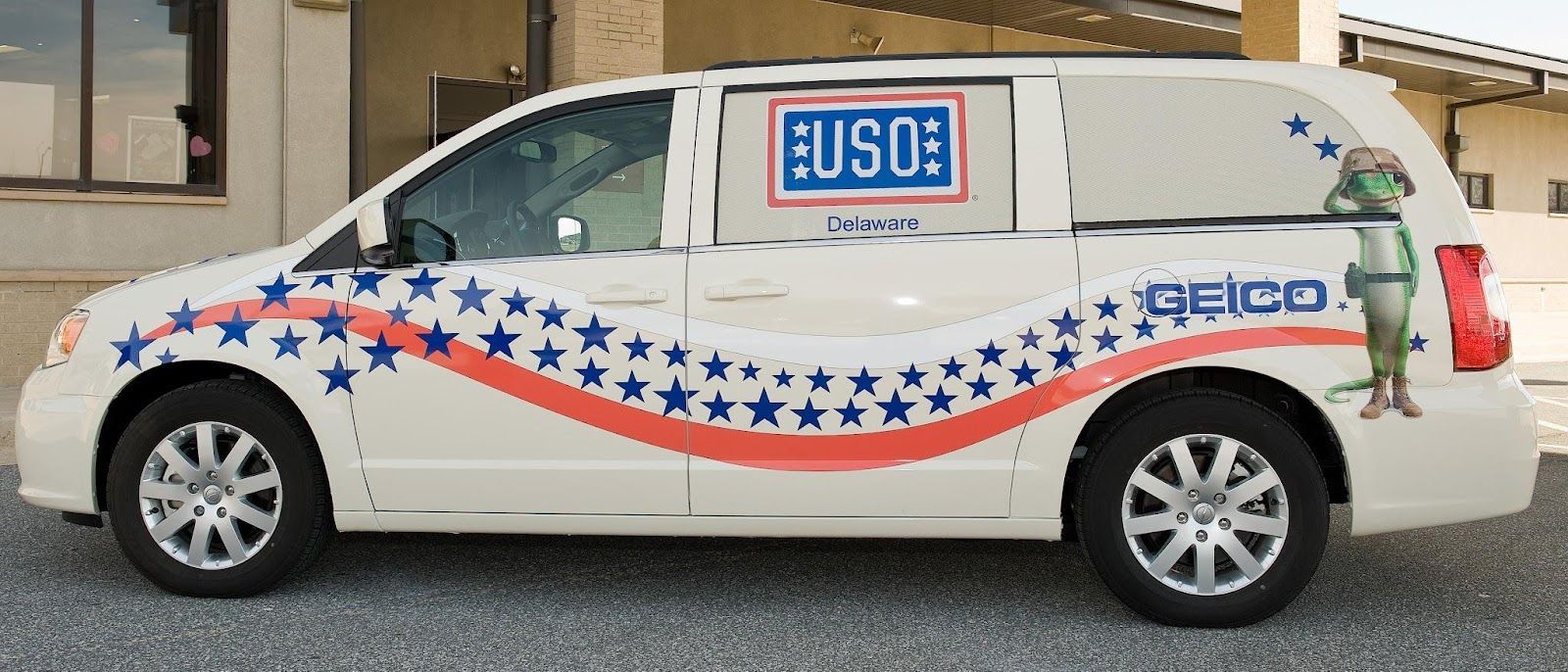
Image: Roland Balik, Public domain, via Wikimedia Commons

The GEICO Gecko is so famous that seeing any lizard instantly brings him to mind. This friendly character has been tied to the brand since 1999, and the idea for him came from people mispronouncing "GEICO" as "gecko." Over the years, he has become a celebrity, so recognizable that he doesn’t even need the brand name for people to know exactly who he is.

General General 5 min read

Sing it proudly!

Patriotic beats: do you know our anthem’s backstory?

Image: Tim Mossholder / Christina Petsos

The US national anthem, "The Star-Spangled Banner," is more than just a patriotic tune; it symbolizes American history, resilience, and unity. And that’s natural, it has a backstory dating back over two centuries, so you can imagine all the interesting, fun details it carries with it. It is filled with historical moments and a few surprises . In this article, we’ll explore 10 intriguing facts about the anthem that you may not know. Let’s dive into the journey of this iconic song and discover how it became a central part of American identity.

1
A song born from the battle

Image: Benjamin Faust

Our anthem was written in mid-September 1814 by Francis Scott Key. But what was it that brought those words to his mind? Well, the lyrics were inspired by the sight of the American flag flying after the British navy was defeated at the Battle of Baltimore.

Key penned the words while observing the conflict at Fort McHenry during the War of 1812. Originally, the anthem began as a poem, not as a song.

It celebrated the fort’s resilience, symbolizing hope for a young nation. Key’s words quickly gained popularity and were eventually set to the tune of an old British song. Little did he know, it would go on to become the anthem we sing today.

2
What’s in a name?

Image: Joshua Woods

Considering what we said before, it’s logical to think The Star-Spangled Banner wasn’t the original title, do you know what it was?

Key’s poem was originally titled "The Defence of Fort McHenry," a clear reference to the conflict that served as his inspiration.

It wasn’t until October or November of 1814, when the first sheet music was printed, that the title changed to the more poetic "The Star-Spangled Banner."

The new name broadened its appeal, allowing it to reach a larger audience who quickly embraced it. It was a name that spoke not just to the battle, but to the pride of the entire nation. This small change made a big difference in how the song was received.

3
A song for all languages

Image: Etienne Girardet

You probably already knew part of these details, but what about this one? Did you know the anthem was translated into German?

During the Civil War, Key’s anthem found a new life: Union supporters translated it into German to recruit German-speaking volunteers for the militia.

That was just the beginning, but it certainly wasn’t the last time it was translated. Over the years, the song has been translated into more than a dozen languages, making it accessible to Americans from diverse backgrounds. This highlights the anthem’s flexibility, which adapts to the times and reaches new groups. After all, freedom and perseverance aren’t exclusively American traits, don’t you think?

4
Baseball’s favorite tune

Image: Wade Austin Ellis

We are all very much used to starting important ceremonies or sporting events by proudly singing the national anthem, but, as you can imagine, there was a first time for that too. Do you know about it?

"The Star-Spangled Banner" made its debut at a sporting event in 1862 during the opening of a baseball stadium in Brooklyn, New York. This marked the first time it was played at a professional game.

Its connection to sports grew stronger over the years, and now it’s a tradition to hear the anthem at nearly every major sporting event. It’s the perfect way to kick off the game, uniting fans in a shared moment of patriotism before the competition begins.

5
Congress made it official… eventually

Image: Joshua Sukoff

The military had already embraced it as an inspirational song, and it had become a tradition to play it at sporting events, but it wasn’t really official until Congress said so and that didn’t happen until 1931. What about that?

The process wasn’t simple, either. Congress debated the decision, facing opposition from various groups—Prohibitionists, pacifists, and even music teachers—but we’ll explore those details in the next section.

Alternatives like "America, the Beautiful" were suggested, but in the end, Key’s song won out. President Herbert Hoover signed the act, and the rest was history: we finally had a national anthem!

6
It’s not easy to sing!

Image: Laith Abuabdu

Remember we said teachers were against it? Can you imagine why? On their side, one of the main complaints about "The Star-Spangled Banner" was that it’s too difficult to sing . And we have to hand it to them, the anthem is notoriously hard to perform.

In terms of scales, the original melody spans an octave and a fifth, a range that challenges even professional vocalists. This explains why many groups struggle with the anthem during public performances. How many can say they’ve truly mastered it—are you one of them?

In any case, the tune, originally a British drinking song, wasn’t designed for mass sing-alongs. No wonder it’s become a patriotic rite of passage to attempt singing it!

7
Women fought for its adoption

Image: Library of Congress

Although it’s not always mentioned first when narrating our history, women have been instrumental in many key moments, and the story of "The Star-Spangled Banner" is no exception.

Women played a significant role in pushing for the anthem’s adoption as the national anthem, how so? The Daughters of the War of 1812, a patriotic women’s organization, were among the most vocal advocates. While some groups opposed it, this organization was very much in favor of it.

Their activism helped build momentum for the 1931 legislation that ultimately led to the anthem’s adoption. In an era when political opportunities for women were limited, this cause offered them a platform to engage in national issues. They succeeded, of course, because persistence pays off!

8
There is no "official" version

Image: Alessio Fiorentino

This might sound far-fetched, but it doesn’t mean there are alternate lyrics to our anthem. Rather, there’s no single, official version of "The Star-Spangled Banner." While various states have tried to legislate performance styles and etiquette, there isn’t a definitive version set in stone.

This flexibility has allowed for creative interpretations, ranging from traditional orchestral performances to more modern adaptations, depending on the context and the event.

And even if it would be nice to have an official version, this gives everyone the possibility to bring new aspects to our national hymn!

9
Jimi Hendrix’s legendary performance

Image: Aditya Wardhana

Proof of what we just said, that the lack of an official version gives place to create amazing new interpretations is Jimi Hendrix’s legendary performance. The psychedelic rock guitarist brought a fresh, rebellious spin to "The Star-Spangled Banner" when he performed it at the 1969 Woodstock Festival . While many are familiar with his electrifying Woodstock rendition, Hendrix actually performed the anthem in concert many more times, over 60 times to be specific.

His interpretation added a new layer of meaning, capturing the turbulent spirit of the era. And even though not everyone liked it, no one can deny that, given the context, it was a powerful message!

10
Do you know the four verses?

Image: Towfiqu barbhuiya

Most of us are familiar with only the first verse of "The Star-Spangled Banner," but did you know the anthem actually has four verses ?

Now, four verses were enough and we can understand that tradition is to sing only the first due to time constraints. But, as it turns out, in 1861, Oliver Wendell Holmes Sr. added a fifth verse, advocating for the end of slavery.

While the additional verses are rarely sung, they tell a richer story of American values and challenges. So, even if you never sing it, you can read the full version and enjoy learning about American ideals!

Geography Geography 4 min read

Let’s take a quick roadtrip

Discover our 49th state with these 10 gorgeous locations in Alaska!

Image: Rod Long

There’s a reason Alaska is known as "The Last Frontier." This state often feels like a remote and isolated location, yet it is undeniably filled with natural beauty. However, don’t let the nickname discourage you from exploring the wonders Alaska has to offer. As cold as this state’s temperatures can get, they are balanced by the warmth of its citizens and the breathtaking landscapes it is home to. With that in mind, we have decided to pay homage to 10 of the most stunning locations in Alaska, in the hope that you might consider them for your next visit. Enjoy!

1
Denali

Image: Barth Bailey

We’ll start with what many believe to be Alaska’s crown jewel. Formerly known as Mount McKinley, Denali is the highest peak in North America, with a summit elevation of 20,310 feet above sea level. Its height is matched only by its magnificence—a snow-covered wonder adorning the Alaskan skyline.

The name "Denali" comes from the Koyukon Athabaskans, who are native to the region. They referred to the mountain as Dinale or Denali, which is believed to be a Koyukon word meaning "high" or "tall." Over the years, many mountaineers have attempted to reach the peak, with the first successful ascent dating back to 1913.

2
Chugach State Park

Image: Paxson Woelber

East of the city of Anchorage lies Chugach State Park , a 495,204-acre state park that houses the stunning Chugach Mountains. However, this park is more than just a scenic landscape; it plays a crucial role in ensuring that the residents of Anchorage have access to safe drinking water.

Chugach State Park is also home to Eklutna Lake, which offers numerous recreational opportunities, including fishing, camping, and hiking. The park supports a diverse array of wildlife, including moose and bears.

3
Kayak Island

Image: Ty Fiero

In 1826, Lt. Sarychev of the Russian Navy noticed the peculiar shape of a certain island located in the Gulf of Alaska. Because it resembled a specific type of boat, Sarychev named the island Kayak Island , unaware that he was christening one of Alaska’s most stunning destinations.

Kayak Island is considered historically significant since it was the first place where a non-native set foot in Alaska. Notably, the island was visited by the famed explorer Captain James Cook in 1778. During this visit, Captain Cook left an empty bottle at the base of a prominent tree. Inside the bottle was a message and two pieces of silver gifted to him by the English crown.

4
Kodiak Island

Image: Brent Jones

Next, we have Kodiak Island , the second-largest island in the United States. Over two-thirds of the island is occupied by the Kodiak National Wildlife Refuge, which protects a diverse range of wildlife, including the Kodiak bear, Roosevelt elk, and Sitka black-tailed deer.

While no entry is allowed to the refuge, the island still has plenty to offer visitors. For example, you can experience the island’s beauty at the Buskin River State Recreation Site, which features camping, fishing, and scenic beaches.

5
Kenai Fjords National Park

Image: Kedar Gadge

Fjords are a truly unique natural wonder that can only be found in a few places in the world, and Alaska is home to one of the most beautiful of its kind. Located on the Kenai Peninsula, west of the town of Seward, Kenai Fjords National Park is a breathtaking expanse of glaciers, islands, and wildlife.

With a total area of 669,984 acres, Kenai Fjords is relatively small—approximately 90% the size of Yosemite. Regardless, of what this park lacks in size, it more than makes up for in accessibility, diversity, and, above all, natural beauty. It is home to the Harding Icefield, one of the largest ice fields in the United States, as well as an impressive variety of wildlife, including black bears, sea otters, and killer whales.

6
Wrangell-St. Elias National Park & Preserve

Image: Grace Simoneau

As the largest American state by landmass, it seems only fitting that Alaska is home to the largest national park in the United States. Wrangell–St. Elias National Park and Preserve encompasses the Wrangell Mountains and a significant portion of the Saint Elias Mountains, including Mount Saint Elias, the second-highest peak in both the United States and Canada.

Besides many species of animals like the grizzly bear and the timber wolf, this park is home to Mount Wrangell and Mount Churchill—two of the largest volcanoes in the region. Not only that, the abandoned buildings of a former copper mining operation within the park have been designated a National Historic Landmark district.

7
Glacier Bay National Park and Preserve

Image: Joseph Corl

Don’t be surprised by the number of stunning glaciers that made it onto this list—after all, these natural wonders are Alaska’s pride and joy. With that in mind, here’s the first entry in our selection of beautiful glaciers you should definitely visit: Glacier Bay National Park and Preserve.

The park houses 7 glaciers in the park, out of which the Margerie Glacier is probably the most famous. This iconic glacier attracts thousands of tourists each year, with nearly 80% arriving via cruise ships. Not only that, the park also offers several other outdoor activities like kayaking, camping, fishing, and bird-watching.

8
Hubbard Glacier

Image: Mick Kirchman

Located within the previously mentioned Wrangell–St. Elias National Park and Preserve, Hubbard Glacier undoubtedly deserves its own spotlight. This stunning glacier can be found right on the border between Alaska and Canada, with part of it extending into Kluane National Park and Reserve in Yukon.

Hubbard Glacier is primarily visited by tour and cruise ships since it can’t be reached by land. Regardless, experiencing the beauty of this natural wonder requires nothing more than gazing upon its majestic presence.

9
Worthington Glacier

Image: Grace Simoneau

Worthington Glacier holds the distinction of being one of the few US glaciers that can be easily accessed via a paved highway. Located approximately 30 miles east of the city of Valdez, this glacier is truly a sight to behold.

Covering 5,774 acres, this breathtaking glacier was designated a National Natural Landmark in 1968. If you’re planning a visit, consider stopping at the Worthington Glacier State Recreation Site, a comfortable state roadside park that offers a stunning view of the glacier.

Explore more American facts

Choose your favorite category!

General
General

As American as apple pie—the very best America has to offer!

Culture
Culture

Delve into the astounding richness of American lore.

Geography
Geography

Hop in and explore vast and diverse American landscapes.

History
History

Discover the key moments that shaped the United States.