General General 3 min read

Folklore files

Think you’re tough? Try reading these hometown legends at night!

Image: Justin Ziadeh

Every town has at least one story that makes folks lower their voices and lean in a little closer. Across the country, these tales have grown legs and wandered far beyond the places where they started. Here are ten of America’s most talked-about urban legends, the ones that keep popping up in conversations, road trips, and campfire chats.

1
Bigfoot in the Pacific Northwest

Image: Jon Sailer

The forests of Oregon and Washington have been a treasure trove of Bigfoot sightings for decades. Hikers, campers, and loggers all have their own take, from gentle encounters to hair-raising escapes. Whether he’s a shy forest neighbor or just a legendary wanderer, the mystery has inspired countless hunts, tales, and devoted believers who swear the creature is still out there.

2
West Virginia’s winged visitor

Image: Bhong Bahala

Point Pleasant had quite a moment in the 1960s, when locals reported seeing a tall figure with glowing eyes sweeping through the sky. Newspapers named it the Mothman, and soon the stories were everywhere. Some people thought it was a bird, others guessed something stranger. The sightings even lined up with a real bridge collapse, which only added to the town’s long-lasting fascination.

3
Minnesota’s winter monster
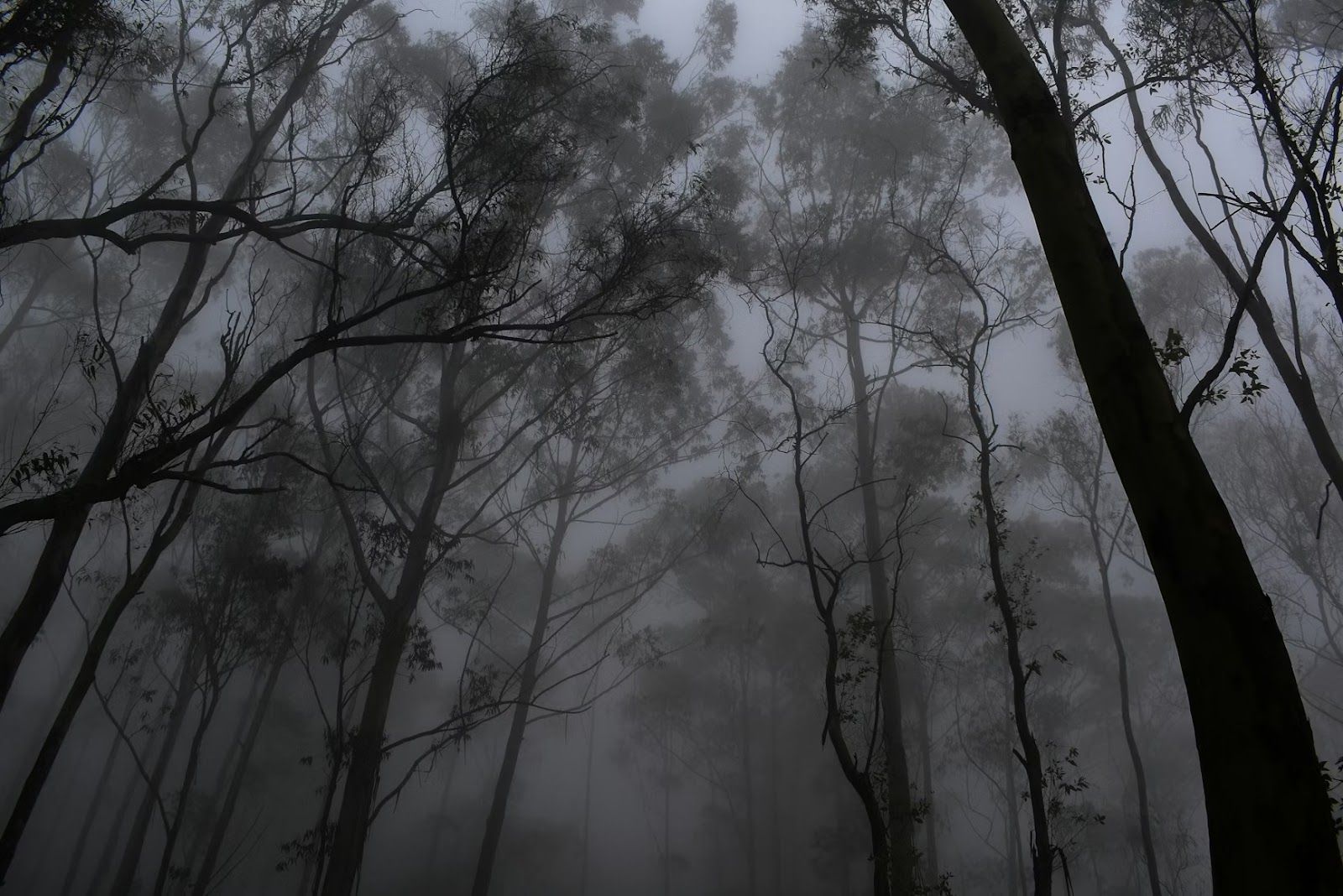
Image: Anoushka Puri

Northern tribes have long shared stories about the Wendigo, a creature tied to greed, hunger, and the frozen wilderness. Descriptions vary, but all versions paint a picture of something you wouldn’t want to cross paths with on a snowy night. Whether seen as a physical creature or a spirit, the tale has survived because it taps into those deep winter fears we all understand, right?

4
The Jersey Devil in New Jersey

Image: Donovan Reeves

The Pine Barrens have been home to strange stories since colonial days. One of the oldest is about Mother Leeds, who supposedly cursed her thirteenth child. Folks say the baby flew off into the forest and took on a life of its own, complete with wings and hooves. Sightings pop up every so often, especially during the wave of excitement in 1909, when everyone was looking over their shoulder.

5
Riverdale Road in Colorado
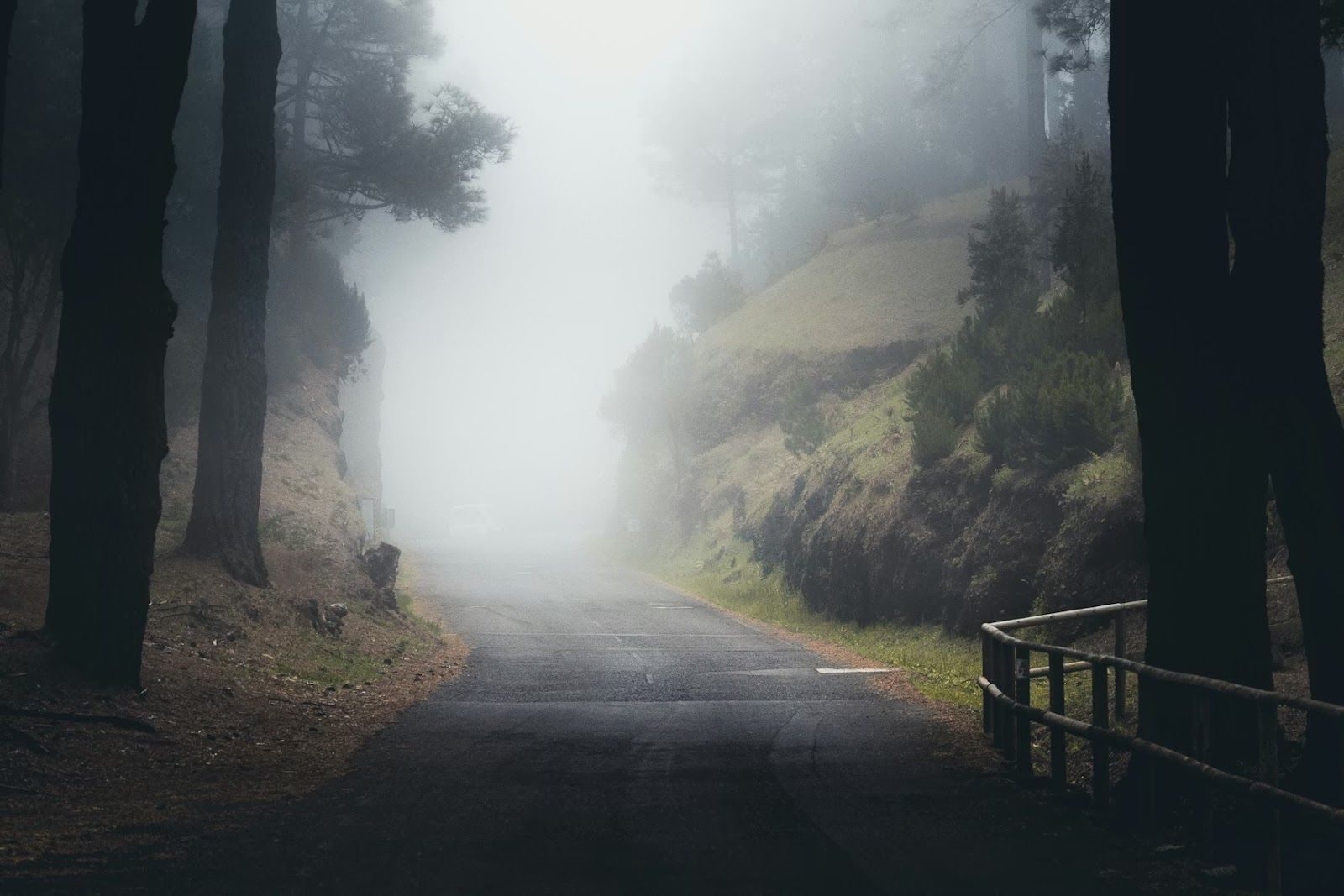
Image: Dennis Schmidt

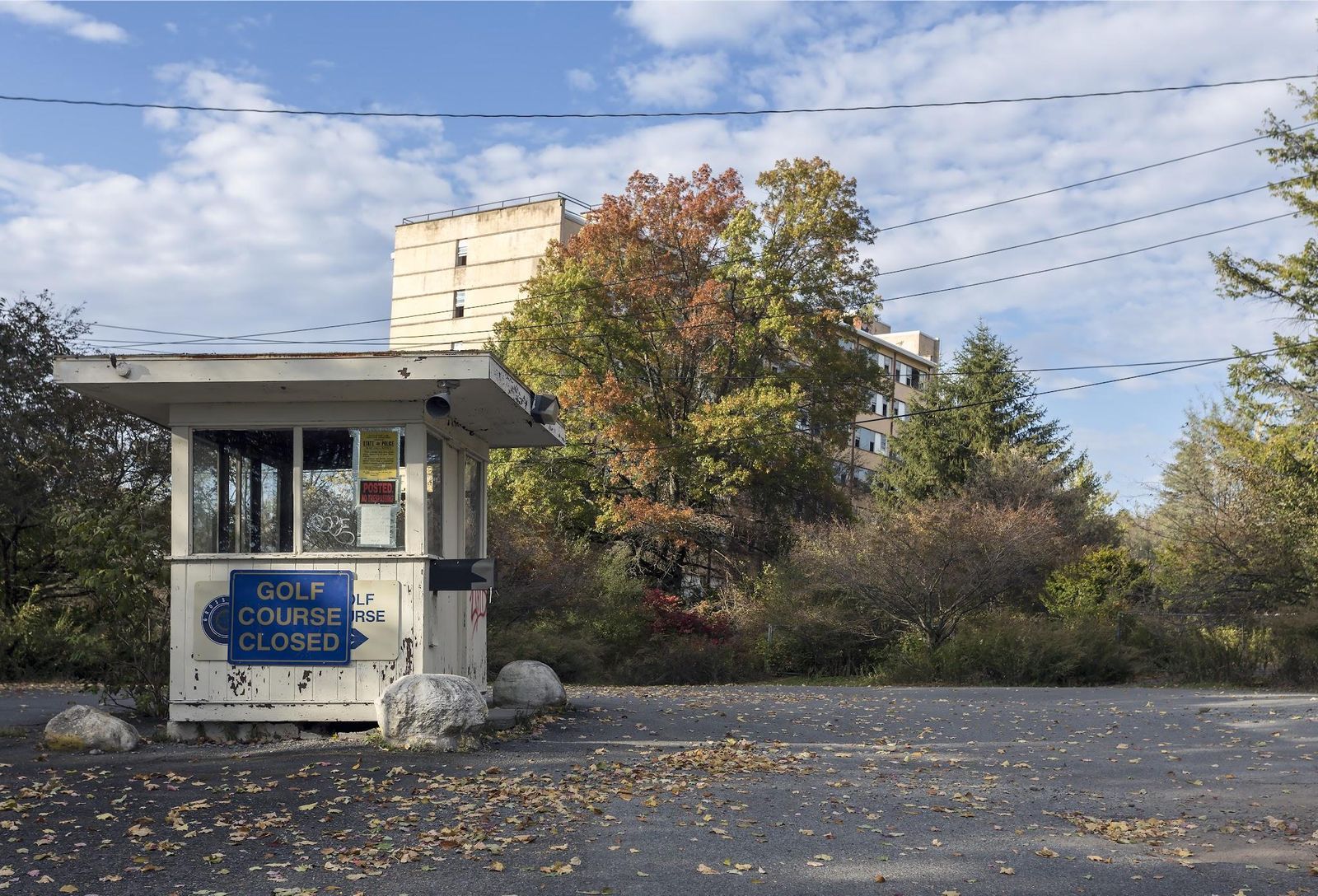
This quiet stretch of pavement near Thornton has earned quite a reputation. People love to talk about its old gates, said to be the ruins of a long-gone mansion, where a ghostly woman in white sometimes steals the spotlight. Drivers also swap stories about a phantom jogger keeping pace with them.

6
The Shaman’s Portal in Oklahoma

Image: Daniëlle Eibrink Jansen

Out in Beaver Dunes Park, people have been whispering for centuries about strange lights flickering across the sand. Early explorers were warned to steer clear, and some stories claim travelers simply vanished after a flash of eerie green. Modern visitors usually come for ATV rides, but the legend of an otherworldly doorway tucked into the dunes still gives the place a curious chill.

7
Hell’s Gate Bridge in Alabama

Image: The New York Public Library

Locals tell an old tale about a young couple whose late-night drive ended in tragedy. The story took on a life of its own, with people claiming that if you sit on the bridge in the dark, you might spot the couple. Everyone knows it’s just a slice of local lore, but it hasn’t stopped anyone from swapping stories.

8
Utah’s petrified forest curse
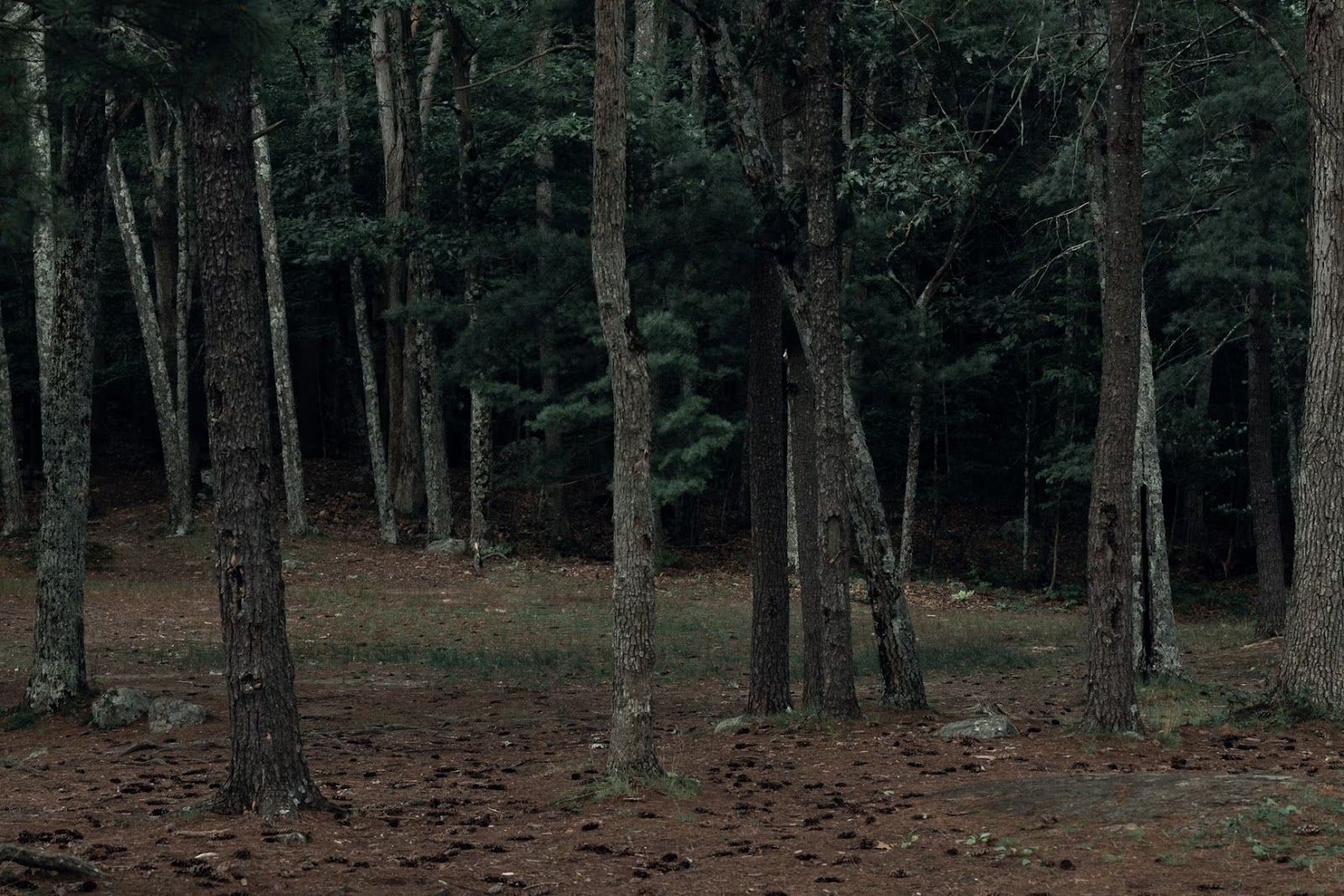
Image: Adrian Hernandez

Escalante Petrified Forest is a beautiful destination, but visitors hear one warning loud and clear: leave the wood where it lies. Rangers say they get packages every year with pieces of petrified wood sent back by people who swear they had nothing but bad luck after taking a souvenir. Whether you believe in curses or just want a peaceful trip, it’s safer to enjoy the scenery with your hands empty.

9
The Cropsey tale in New York

Image: Mahdi Bafande

Growing up in New York, plenty of kids heard a version of Cropsey. Sometimes he was a runaway patient, other times a shadowy presence lurking near camps or tunnels. The unsettling part is that a real criminal case in the 1980s made the stories feel even closer to home. Over time, the legend inspired scary movies, bedtime warnings, and a whole generation of whispered fears.

10
Virginia’s Bunnyman
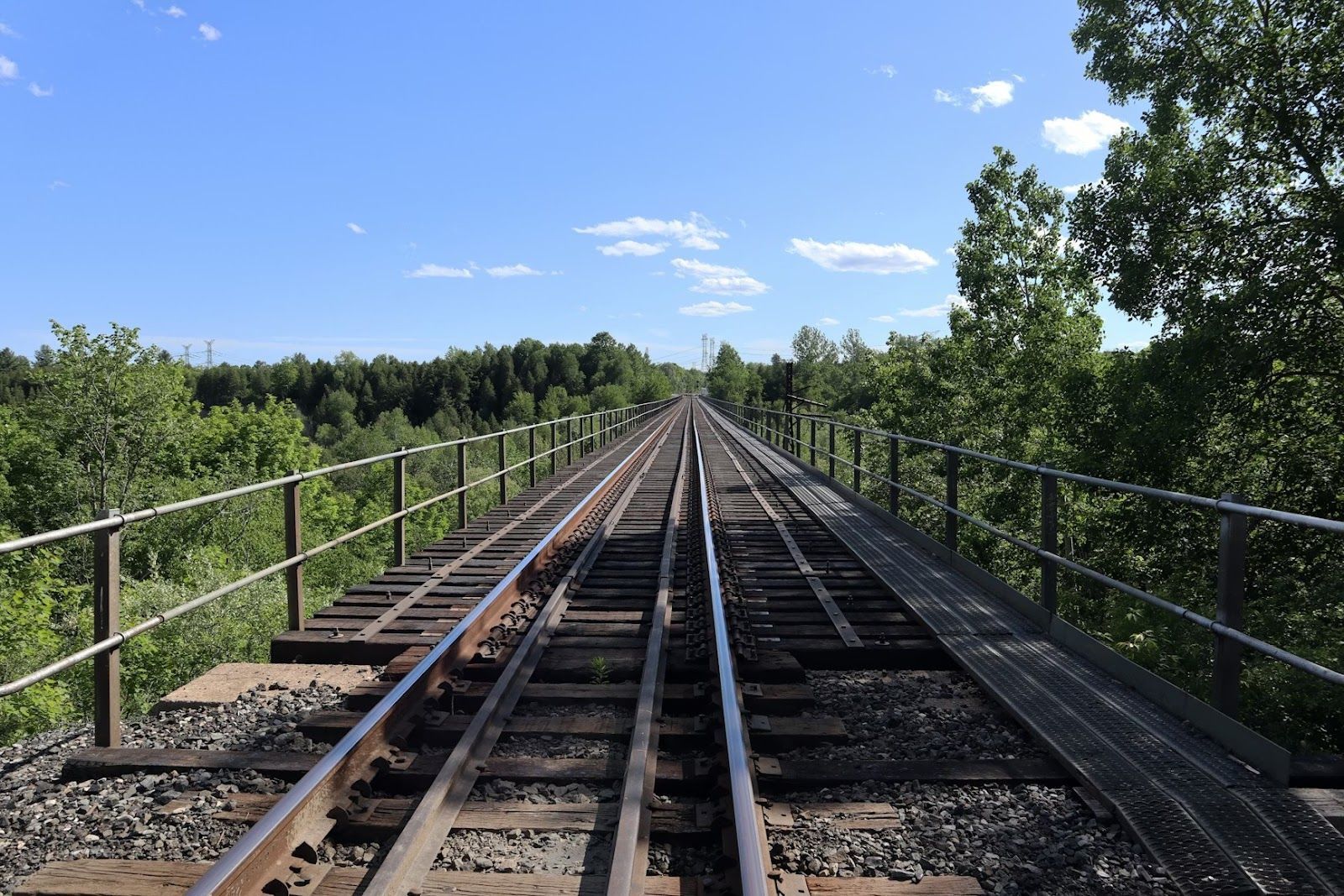
Image: Justin Ziadeh

Clifton has a little train bridge that looks simple enough in the daytime. But the Halloween story tied to it turned it into a local fixture. Some say a dangerous fugitive patient once hid there. Others remember a real-life incident from the 1970s involving a hatchet and a mysterious figure. The tale grew in the retelling, and before long, the Bunnyman hopped right into regional folklore.

General General 3 min read

Iconic façades

Can you recognize these architectural styles that were used in America?

Image: Eugene Kucheruk

When you picture America’s most famous buildings , you’re also looking at a time in history. Taste, identity, and ambition all became written in stone, wood, and steel. Many eras in America left their mark in distinctive styles, from classical Greek Revival to playful Art Deco. Let’s look at famous façades from around the US and what they say about the times that built them!

1
Federal Style

Image: Khay Edwards

It emerged after the American Revolution. The Federal style gave the young nation its first distinctly American architectural voice. You can recognize it for its symmetry, fanlights above doors, delicate columns, and Palladian windows.

Famous examples include the Massachusetts State House in Boston and early townhouses in Washington, D.C.

2
Greek Revival

Image: Wilmer Olano

The U.S. Capitol is a hallmark example of the Greek Revival style. In the early 19th century, Americans embraced this design as a symbolic nod to democracy , borrowing the grandeur of ancient temples.

Tall Doric or Ionic columns, triangular pediments, and white-painted façades became common in courthouses and banks.

3
Gothic Revival

Image: Joseph Barrientos

Pointed arches, steep gables, and intricate wooden trim turned homes and churches into miniature medieval castles. The Gothic Revival style brought a romantic, storybook quality to American landscapes in the mid-1800s.

New York’s Trinity Church is a famous example of this style’s grandeur.

4
Italianate

Image: Nikhil Mistry

By the mid-1800s, Italianate houses became a staple in American cities, drawing from the romantic look of Italian villas. They feature low-pitched or flat roofs, wide eaves with ornate brackets, and tall arched windows.

San Francisco’s "Painted Ladies" rowhouses are iconic examples. This style was rooted in European design, but it flourished in the U.S. as an urban favorite for middle-class families.

5
American Craftsman

Image: Sieuwert Otterloo

Born from the Arts and Crafts movement, the Craftsman style celebrated simplicity , natural materials, and honest workmanship. Low-pitched gabled roofs, exposed beams, wide porches, and built-in furniture became trademarks.

Pasadena’s Gamble House is one of the best-known examples.

6
American Foursquare

Image: Praswin Prakashan

Practical and no-nonsense, the American Foursquare dominated neighborhoods from the 1890s through the 1930s. Its hallmark was a simple boxy shape with four rooms per floor, a wide front porch, and a hipped roof with a central dormer.

Chicago and Midwestern towns saw countless examples rise quickly thanks to mail-order kits from Sears. It became the quintessential "everyman’s house."

7
Prairie School

Image: WOKANDAPIX

Frank Lloyd Wright and his contemporaries pioneered the Prairie School, reshaping American architecture at the turn of the 20th century. Its designs emphasized horizontal lines, low-pitched roofs, open interiors, and harmony with the landscape.

Wright’s Robie House in Chicago is a textbook example. The style was deeply tied to the Midwest, reflecting its wide, flat horizons.

8
Mission Revival

Image: Jim Witkowski

Inspired by California’s Spanish missions , Mission Revival emerged in the late 19th century with stucco walls, red tile roofs, arches, and bell towers. Iconic examples include the Mission Inn in Riverside, California, and numerous railway hotels in the Southwest.

It became especially popular in California and the Southwest for homes and public buildings.

9
Art Deco

Image: William Wachter

Though the Art Deco style was born in France, some of the world’s most famous representative buildings stand in America. The details of New York’s Chrysler Building are a clear example, with sleek, geometric forms, vertical emphasis, and stylized ornamentation.

The Empire State Building and the Miami Art Deco District are other remarkable examples.

10
Ranch

Image: Brian Wangenheim

The Ranch style spread across postwar suburbs, focused on casual, single-story living with long, low profiles and open floor plans. Large windows and sliding glass doors connected indoor spaces to backyards.

Classic examples appear throughout California, such as Eichler homes in the Bay Area.

General General 7 min read

SAUCY REGIONAL TRADITIONS

United States Barbecue: 10 Mouth-Watering Styles Across America

Image: Z Grills Australia

Almost every region in the United States has its own style of barbecue and all of them claim to offer the best one. Texas, North and South Carolina, Kansas City, and even Hawaii, all proudly boast of their BBQ prowess.

The term "barbecue", used to describe any slow-cooked meat, is said to derive from the Taino Indian word babracot . In fact, this practice can be traced back five centuries and originally evolved as a necessity to preserve food and, at the same time, feed many people. Nowadays, barbecue seems to be the epitome of comfort food nationwide . Keep reading to discover the best barbecue styles America has to offer!

1
Texas barbecue

Image: Andrik Langfield

Texas barbecue is heavily influenced by central European traditions . German and Czech immigrants settled in the state in the mid-nineteenth century introducing new ingredients. That is the main reason we find pork products like sausages in Texas-style barbecue, in addition to the classic beef brisket. In order to preserve fresh meat longer, they used to smoke it and cook it for a very long time. Over the years, this traditional barbecued meat, which originated in central Texas, spread throughout the state, so today we can enjoy not one but four different styles !

Central Texas BBQ is generally very straightforward, the meat is smoked over pecan, mesquite, or oak wood with just a salt and pepper dry rub. South Texas BBQ has Mexican influences and uses a molasses-based sweet sauce. East Texas BBQ is marinated in a sweet tomato-based sauce and slowly cooked via indirect heat. Finally, West Texas BBQ is prepared over an open flame using mesquite wood.

2
Memphis barbecue

Image: Philipp Kämmerer

No doubt about it, Memphis is one of the BBQ capitals of America . Unlike barbecue styles in other states, in Memphis, the meat is cooked using charcoal instead of hardwood logs. Pork ribs and pork shoulder are the signature cuts prepared with a tangy and sweet sauce based on molasses and tomato. Classic sides for the Memphis barbecue are sweet baked beans and slaw.

Barbecue originated in Memphis at the beginning of the 20th century , when African Americans began to populate the state. Often found in lunchtime pork sandwiches and late-night treats in nightclubs, Memphis BBQ style soon became a staple in the area. Many entrepreneurs opened new restaurants during this time, including John H. Mills, considered Memphis’s First Barbecue King. Rumor has it that even the great Bing Crosby was a regular at Mills’s place whenever he was in town.

3
Kansas City barbecue

Image: fstop314.com

According to the Visit KC website, "Barbecue in Kansas City is more than a menu item or a method of preparation. It’s an institution." The fact is that Kansas barbecue has a long history and is central to the city's culinary culture . Not for nothing is it called the "BBQ Capital of the World". With more than 100 restaurants, there’s even a Kansas City Barbeque Society in charge of promoting this style of cooking around the world.

Kansas City’s love for barbecue started in the early 1900s when a man called Henry Perry began selling slices of hickory smoked meat wrapped in newspaper. Soon after, others followed and started developing their own barbecue recipes. Nowadays, the Kansas City barbecue style involves grilling or smoking different kinds of meat seasoned with a dry rub, then finished with a tomato-based barbeque sauce. Sides include bread, pickles, baked beans, and slaw.

4
North Carolina barbecue

Image: Peter Bravo de los Rios

Whether at a backyard grill, or a traditional wood fire pit at a local restaurant, North Carolina has a proud barbecue tradition. This particular method of smoking and cooking meat has its roots in the emergence of hog cultivation . In the 1500s, Spanish settlers brought pigs to the region and natives on Roanoke Island contributed with their wood-fired slow-cooking method. Over the years, barbecue in North Carolina became a special feature in every celebration and special occasion.

Although recipes may vary between different regions in the state, pork is always the main ingredient . While in the East people cook the whole hog, western Carolinians prioritize the pork shoulder. The sauce is a matter of controversy too. The Eastern tradition calls for a thin vinegar and pepper sauce, whereas Western recipes add tomato or ketchup. Geographical customs aside, if you happen to visit North Carolina, order a local barbecue in one of the many great restaurants and you won’t be disappointed!

5
South Carolina barbecue

Image: @felipepelaquim

Some argue that South Carolina is "The Birthplace of Barbecue" . We won’t be able to settle this debate here and now, but what is certain is that the Palmetto State's barbecue tradition goes back at least five centuries. As with North Carolina, South Carolina barbecue also has its origins in the cultural exchange between Spanish settlers and American Indians . Europeans brought and raised pigs on the islands off the Atlantic coast and the natives knew exactly how to cook them.

The South Carolina barbecue style means cooking and smoking meat —preferably pork— low and slow over hardwood coals. Sometimes pulled from a whole hog, sometimes chopped from a shoulder or ham, South Carolina barbecue comes with a signature sauce depending on the region . You can find a blend of vinegar, salt, and some red pepper to spice things up or a yellow sauce made of cider vinegar, brown sugar or honey, and mustard. No matter which one you get, be prepared for an exceptionally tender and flavorful dish!

6
St. Louis barbecue

Image: Rachel Bramlett

Did you know St. Louis is said to consume more BBQ sauce per person than anywhere else in the country? St. Louisans are big on spare ribs, which may have been introduced in the local culinary tradition more than a century ago. As the legend goes, a steamboat cook named Henry Perry used to slow smoke discarded slabs of ribs from the Kansas City stockyards using locally harvested hardwood trees.

Nowadays, the St. Louis barbecue style includes a variety of seasonings and cooking methods . From grilling to slow smoking, ribs, pulled pork, burnt ends, and pork steaks are smeared with a sauce made from ingredients such as salt, vinegar, black pepper, brown sugar, tomato, and even apricots. Unlike other types of barbecue, St Louis style does not require a dry rub and it cooks a lot faster. White bread is the side of choice, especially if you want to make the most out of all that BBQ sauce!

7
Hawaiian barbecue

Image: Tirza van Dijk

Yes, they have barbecues in Hawaii. Although you won’t get the traditional ribs, pulled pork, and brisket, the Aloha State is home to a delicious kind of barbecue. Influenced by its many immigration waves —primarily from China, Korea, Japan, Portugal, and the Philippines—, it has labor origins dating back to the late 19th century . While modern Hawaiian barbecue includes various cooking techniques, such as roasting, smoking, and grilling, the traditional way requires an imu , an underground oven lined with hot rocks, and banana and ti leaves.

Barbecues from the Paradise of the Pacific are often sweet, tangy, and tropical . You can find chicken, beef, pork, and even seafood. Marinades and sauces incorporate Asian flavors and ingredients like soy sauce, garlic, ginger, and brown sugar. Side dishes range from sticky rice to macaroni salad, complementing and balancing the bold flavors of the meats.

8
Alabama barbecue

Image: Rachel Bramlett

In the South, barbecue is synonymous with any meat that's cooked over the fire. Although pork is often the protein of choice, some restaurants in Alabama also feature brisket, chicken, and beef ribs. Barbecue became popular in Alabama during the early 19th century when difficult economic times required a clever way for the working class to bring flavor and tenderness to cheap cuts of meat.

Sauces involved in the Alabama barbecue style are as diverse as they come . Influenced by the neighboring states of the so-called "barbecue belt", you can find variations of tomato-based sauces, spicy marinades, mustard dressings, and even a white sauce made with mayonnaise, lemon juice, apple cider vinegar, salt, and black pepper. Across Alabama, these mouth-watering smoked meats are often served on hamburger buns filled with dill pickles and topped with coleslaw.

9
Kentucky barbecue

Image: Luis Santoyo

Barbecues in Kentucky have been popular for a long time. In the Bluegrass State pork shoulders are a popular cut cooked on concrete block masonry pits for at least half a day. However, Kentucky is most famous for smoking mutton over hickory coals . Kentuckians also barbecue other meats like chicken, pork tenderloins, cured hams, and turkey breasts for sandwiches.

Kentucky is home to a diverse array of barbecue sauces with almost every county having its own take. For example, Hickman County uses mostly vinegar and cayenne pepper, while McCracken County sauces taste strongly of vinegar and chili powder. Others prefer an allspice Worcestershire-based dip. The signature sides for Kentucky barbecue are toast, vinegar slaw, and pickled eggs.

10
Florida barbecue

Image: Dim Hou

Florida may be best known for its fresh seafood but the Sunshine State also has its own barbecue style . And a soft spot for pork too! A testament to the important place pig meat has in Floridian cuisine is the Cuban twist on the classic BBQ sandwich found at many local joints.

What sets Florida barbecue apart from others is its Caribbean and Latin American influences. Florida BBQ often blends techniques of the Southern United States style barbecues —like the use of sweet tomato sauce or mustard sauce— with Caribbean flavors such as vinegar, fruits, peppers, and spices. It may not be the most traditional barbecue in the country but it is certainly worth a try!

Explore more American facts

Choose your favorite category!

General
General

As American as apple pie—the very best America has to offer!

Culture
Culture

Delve into the astounding richness of American lore.

Geography
Geography

Hop in and explore vast and diverse American landscapes.

History
History

Discover the key moments that shaped the United States.