Geography Geography 3 min read

Natural wonders

These are the 10 most visited national parks in America
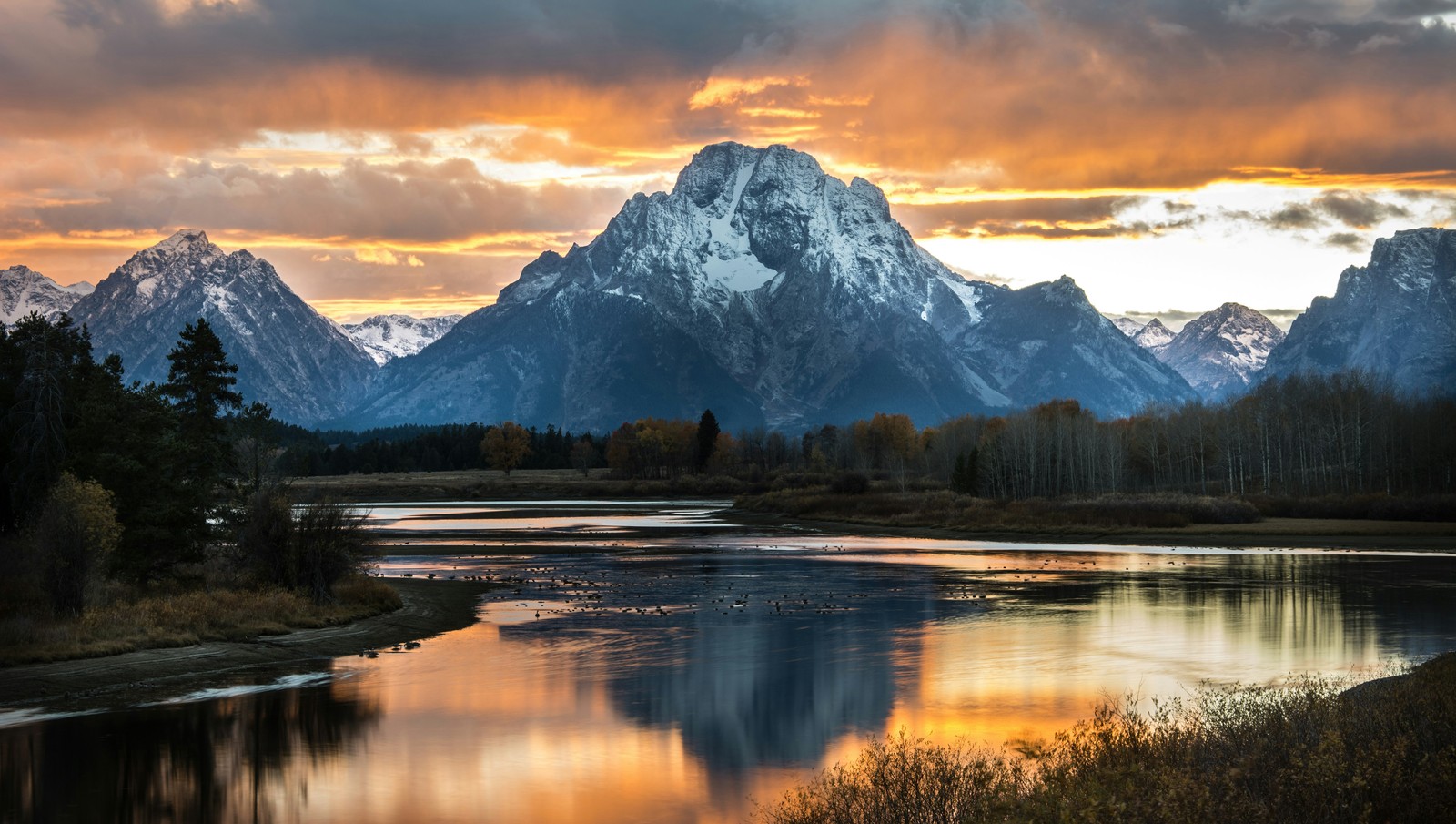
Image: Nate Foong

America’s first national park, Yellowstone, was created in 1872 with the intention of protecting the unique landscape and all its environment for future generations. Nowadays, the National Park System includes 63 officially designated national parks among its 433 units (which include recreation areas, monuments, and historic sites as well).

National parks are a popular choice for those who want to enjoy nature, interact with wildlife, and enjoy recreational activities such as hiking, skiing, or kayaking. Let’s have a look at the top ten national parks by the yearly number of visitors.

1
Olympic National Park, Washington (2.9 million visitors)
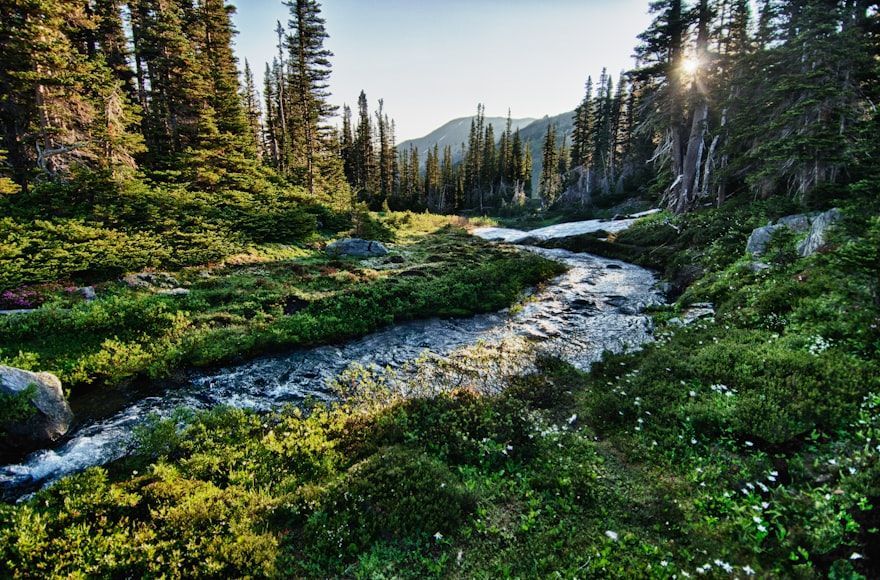
Image: Jachan DeVol

Located in Washington state, in the Pacific Northwest, this park offers a mix of glaciated mountains, lush rainforests, lakes, rivers, and more than 70 miles of coastline . Established as a national monument in 1909, it was designated a national park in 1938 by President Franklin D. Roosevelt.

2
Joshua Tree National Park, California (3.2 million visitors)
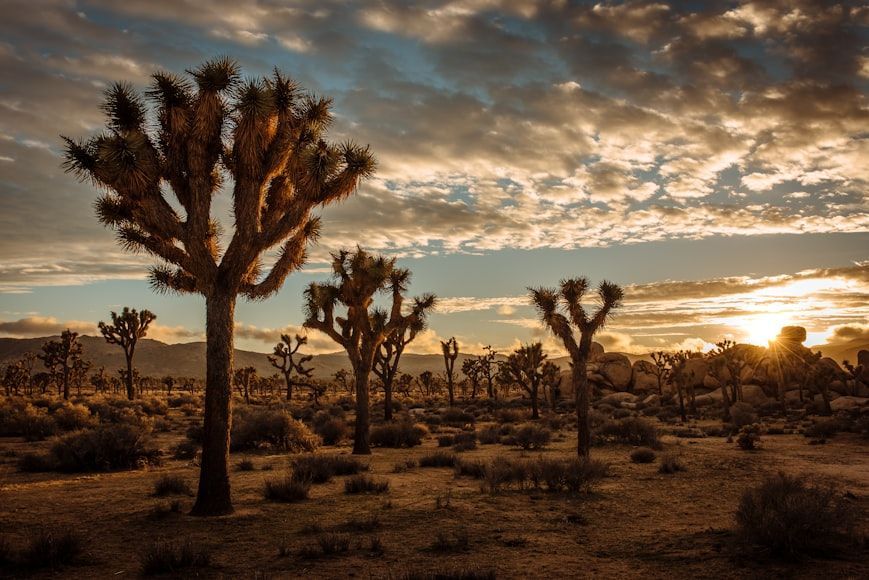
Image: Cedric Letsch

Famous for the Joshua trees that give it its name, this area was designated a national monument in 1936 and a national park in 1994. The park encompasses part of two California deserts —the Mojave and Colorado deserts—and is lined by the Little San Bernardino Mountains in the southwest.

3
Grand Teton National Park, Wyoming (3.4 million visitors)
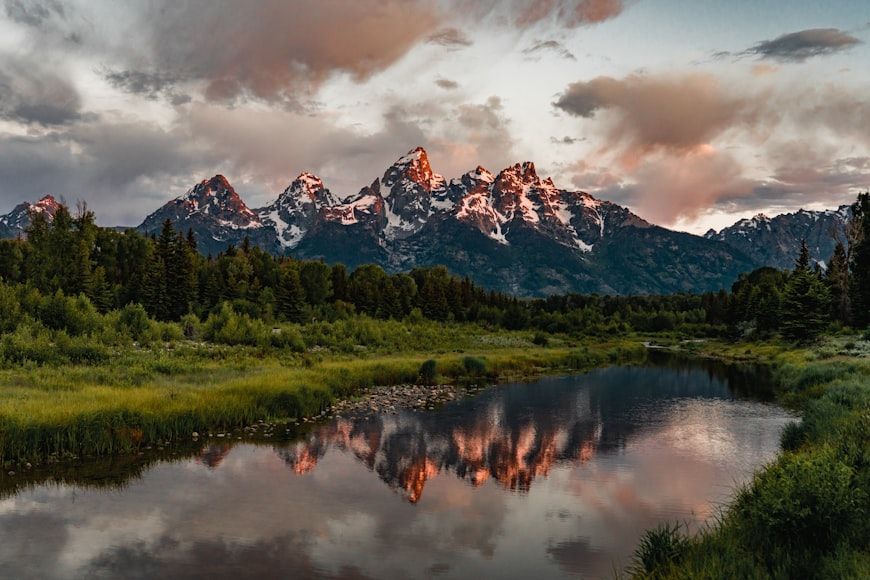
Image: Toan Chu

Did you know that most of this national park exists thanks to an oil magnate? The park was established in 1929, but it was enlarged when John D. Rockefeller Jr. —who also contributed to many other national parks— secretly purchased surrounding land to be established as a monument. The park gets its name from the tallest peak of the Teton mountain range , and it's famous for its pristine lakes and abundant wildlife.

4
Acadia National Park, Maine (3.8 million visitors)
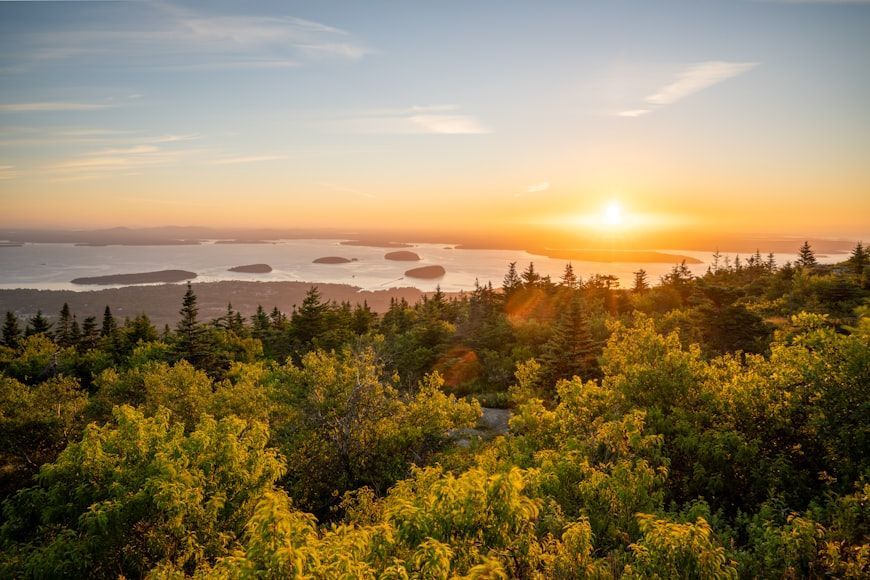
Image: Ran Ding

Located on the Maine coast, this park was established as a national monument in 1916 and a national park in 1919. Besides the beautiful Atlantic shoreline, Acadia National Park offers granite mountain peaks, forests, lakes, and islands .

5
Yosemite National Park, California (3.8 million visitors)
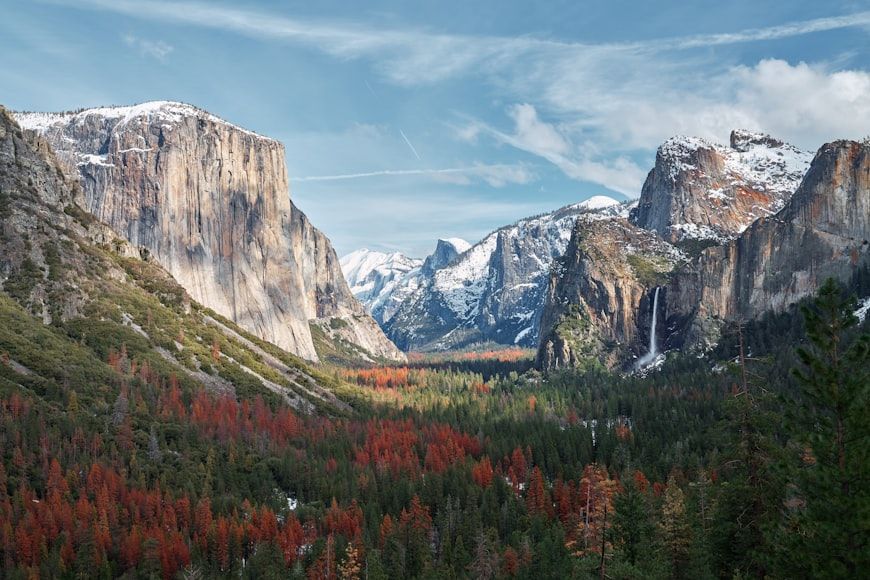
Image: Aniket Deole

Famous for both its granite peaks and its tall sequoias, Yosemite National Park is located in the Sierra Nevada range in California . Established in 1890, some of its popular features are the El Capitan —a tall rock formation— the Cathedral Peak, and the Sentinel dome.

6
Rocky Mountain National Park, Colorado (4.1 million visitors)
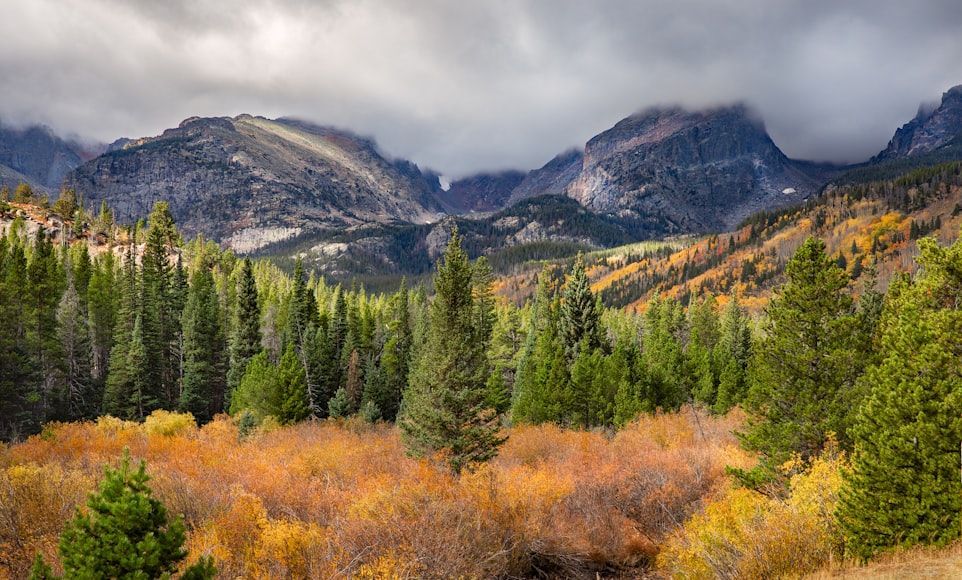
Image: Sonja Wilkinson

Located within the Front Range of the Rocky Mountains, it was established in 1915 by President Woodrow Wilson. Besides its stunning mountain views and alpine lakes, the park is home to the Trail Ridge Road , one of the highest paved routes in the country.

7
Yellowstone National Park, Wyoming, Montana, and Idaho (4.5 million visitors)
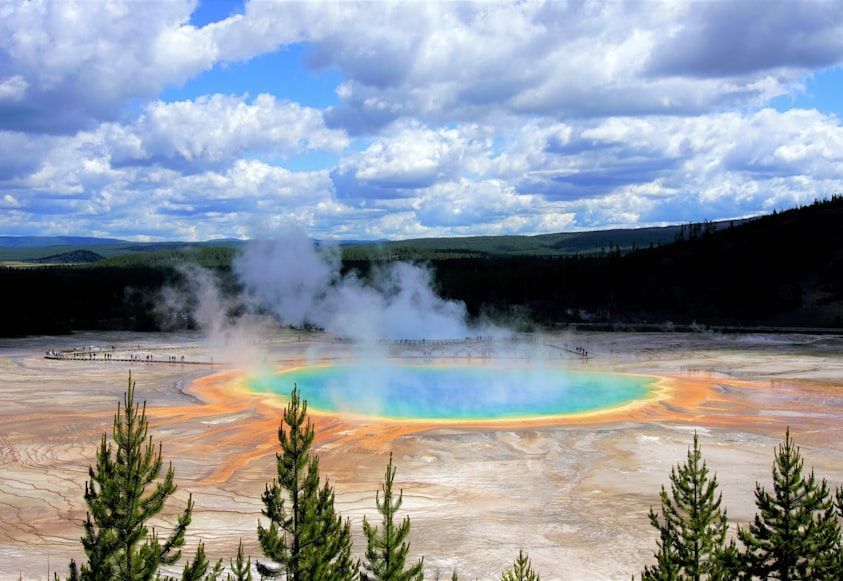
Image: Meina Yin

Considered to be the first national park in the world, Yellowstone was established in 1872 and covers part of three different states —Wyoming, Montana, and Idaho. Besides its wildlife and mountain scenery, it is famous for being located in a volcanic caldera and having many geothermal features. The most famous among them is the Old Faithful geyser.

8
Zion National Park, Utah (4.6 million visitors)
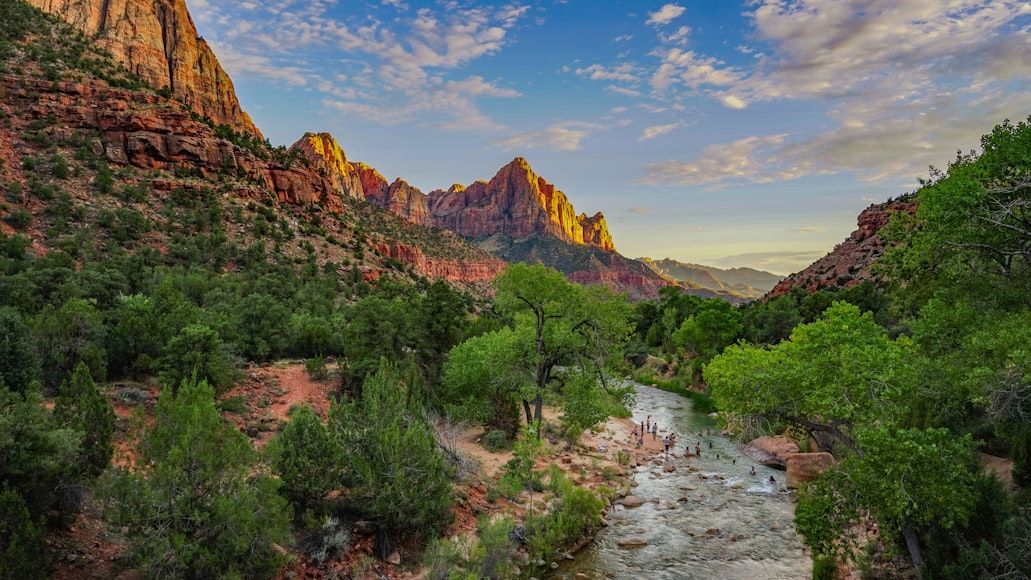
Image: Rich Martello

Located in Utah, where the Colorado Plateau, the Great Basin, and the Mojave Desert meet, this national park boasts a hugely diverse ecosystem , with varied plants and animals. Its geography includes mountains, canyons, buttes, mesas, and monoliths, including the famous Zion Canyon. The park was established in 1919.

9
Grand Canyon National Park, Arizona (4.7 million visitors)
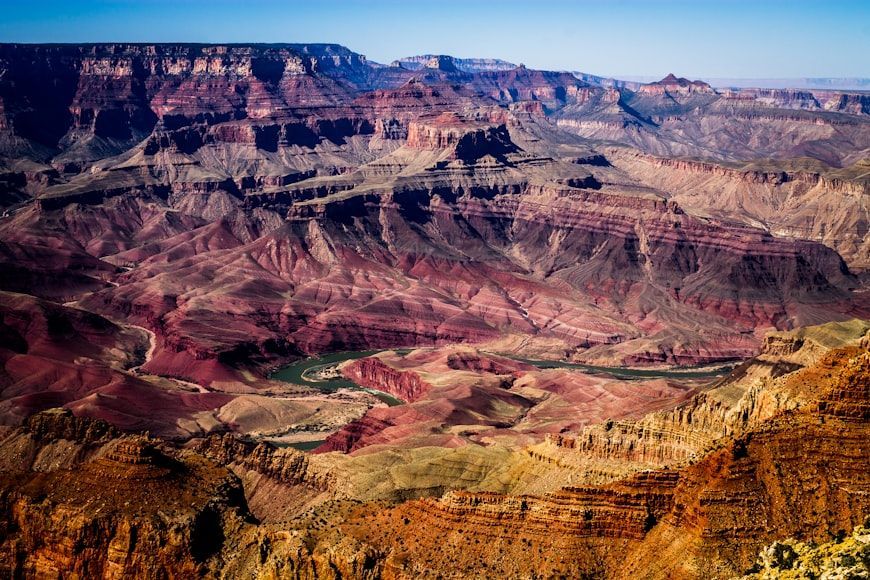
Image: Quinn Nietfeld

Centered around one of the most famous landmarks in America , this national park was established in 1908 as a national monument and designated a national park in 1919. The Grand Canyon, carved by the Colorado River in the Arizona desert, was designated a World Heritage Site by UNESCO.

10
Great Smoky Mountains National Park, North Carolina and Tennessee (13.2 million visitors)
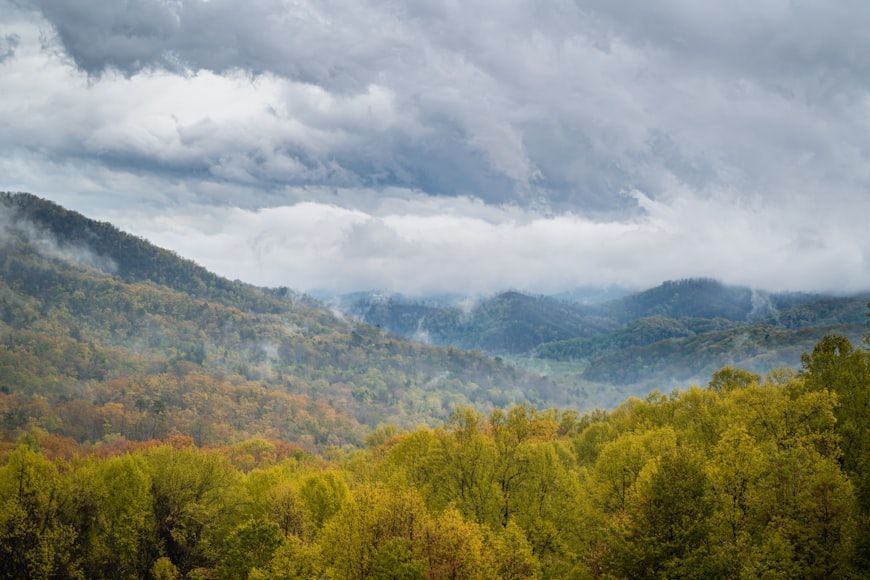
Image: A n v e s h

Straddling the North Carolina-Tennessee border, this national park not only includes part of the Great Smoky Mountain range, but also the Blue Ridge Mountains and the Appalachian rainforest. Established in 1934 by Franklin D. Roosevelt, this park is the home of some of the tallest mountains of eastern North America , such as Kuwohi or Mount Guyot.


History History 3 min read

High data

Millions, secret floors, & survivors: 10 Empire State Building stories!

Image: Kit Suman / Ofuss

The Empire State Building may be an immense structure that's hard to miss, but its history holds events, quirks, and surprising facts that most people have never heard! From lightning constantly striking it to water invading from below, let's uncover 10 things no one ever told you about this iconic American skyscraper.

1
25 times a year

Image: Johannes Plenio

Its tall, elegant steel structure is definitely captivating; no wonder thousands of photographers, painters, and filmmakers have chosen the Empire State Building as the backdrop for their work. However, that imposing height comes with something a little scary: it's estimated that the building is struck by lightning about 25 times a year! Fortunately, it was designed to handle these strikes, so it's completely safe.

2
Really fast

Image: Guilherme Cunha

There are buildings that took decades to complete. But this is not the case with the Empire State Building. In fact, this is one of the fastest skyscrapers ever built: It took only one year and 45 days to erect such an architectural masterpiece. That means it was built at a rate of an incredible 4.5 floors per week!

3
Unlikely survivor

Image: Melanie Dretvic

It was 1945 when the Empire State Building was accidentally struck by a B-25 Mitchell bomber due to the thick fog that covered NYC. A worker named Betty Lou Oliver was on the 80th floor when the plane crashed into the 79th. She was severely injured, but incredibly, she survived. Hours later, while being rescued in an elevator, the damaged cables gave way, and Betty fell 75 floors to the basement. She survived that too!

4
40 million dollars

Image: Pepi Stojanovski

A tremendous building like the Empire State couldn't be built on a shoestring budget. When it was constructed —in the midst of the Great Depression, no less— it cost about $41 million . That's a hefty sum, even today! Adjusted for inflation, that would be around $600 to $700 million in 2025. Wow!

5
Secret floor

Image: roemer overdiep

If you are afraid of heights, be prepared: the Empire State Building has two public observation decks, one on the 86th floor and another on the 102nd. But there's another one, and it's even higher! It's located on the 103rd floor, but it's not open to the public and is mostly used for VIPs or special occasions.

6
High security

Image: Pawel Czerwinski

Although an incredible 4 million people visit the building each year on average, getting in isn't easy. Many visitors say it feels like going through airport security, with X-ray machines and metal detectors everywhere. Visitors must also pass through a security checkpoint before reaching the observation decks, and the building is constantly monitored by cameras and security guards.

7
King Kong

Image: Simon Ray

We all remember the iconic scene of the imposing King Kong climbing the towering mast of the Empire State Building. And while that image lives on in our minds, there's one detail many people overlook: When the original King Kong movie premiered in 1933, the Empire State Building was less than two years old! Plus, at the time, the building still held the title of tallest in the world, making King Kong's climb even more epic.

8
Underground waterways

Image: Evgeniy Smersh

Beneath what is now NYC, there was a network of streams and rivers that flowed freely before Manhattan and other boroughs covered them. The land below the Empire State Building is no exception, and these old underground waterways still occasionally cause complications. For example, during heavy rains, water can rise and seep into the building's wind tunnels, sometimes flooding areas with up to two feet of water.

9
The original plans

Image: Jaunt and Joy

The Empire State Building was originally supposed to have a dirigible anchor! That's right; the mast at the top of the building was meant to serve as a mooring post for dirigibles, with a docking platform and a door for passengers to disembark. However, due to the extreme height, high winds, and overall potential danger, the idea was discarded. Today, the mast is used for antennas and other communications equipment.

10
Green building

Image: Chris Ladouceur

This iconic building that defines New York's skyline is considered a "green building." And no, it has nothing to do with the color of its walls; it's about something much more meaningful. The sustainability modifications that the Empire State has undergone over the years have made it one of the most energy-efficient buildings of its size, minimizing its environmental impact and earning it the title of "green building."

General General 4 min read

Behind the scenes

Can you really buy an Oscar for a dollar? Little-known facts about awards

Image: RDNE Stock project

America must really love handing out awards if we have a full season devoted to it. You’ve watched it on your TV a thousand times, but did you know the winners can sell their Oscars? And what about the fact that the Golden Globes are not actually a hundred percent gold? Here’s all we know about award season . Put that dress and suit on, and walk down the red carpet of our site to get all the details!

1
The Golden Globe: Lighter than it looks

Image: MUILLU

Despite its prestigious reputation, the Golden Globe is one of the lightest major awards, it weighs just 7.8 pounds. That’s about the same as a small bag of sugar. Not exactly a workout for the winners, right?

While it may not be as heavy as an Oscar or a SAG Award, it’s still one of the most recognizable trophies in Hollywood.

2
A golden glow-up in 2009

Image: Kier in Sight Archives

The Golden Globe has been around since 1944, but in 2009, the award got a makeover . Its base was updated and they reinforced the top for a more durable design.

The refresh made sure this little trophy could withstand the excitement (and maybe the occasional after-party mishap). The new design kept its classic golden charm while making it sturdier for future winners.

3
Golden Globe: What’s it made of?

Image: Zlaťáky.cz

Now, let’s talk materials: Did you think the Golden Globe is all gold? Not quite! Up to 2019, the trophy was coated in 24-carat gold , sitting on an exotic marble base. However, the new design is made of zinc, brass, and bronze. Goodbye, marble!

That mix of materials makes it both elegant and solid, though it’s still one of the lighter awards out there.

4
The SAG Award: Hollywood’s heaviest trophy

Image: Venti Views

If you’ve ever bowled a strike, you’ve lifted something as heavy as a SAG Award. This trophy called "The Actor" is the bulkiest of the bunch, with a hefty 12 pounds .

Contrary to Golden Globe winners, SAG Award winners need a little arm strength to hoist it up for their acceptance speeches. But hey, considering how much actors work out for movie roles, a little extra weight shouldn’t be a problem!

5
A trophy with a military past

Image: Scott Webb

The SAG Award isn’t just heavy, it’s made of solid bronze originally developed for the US Navy.

The same material used in World War II for ship propellers and shell casings is now used to honor Hollywood’s finest, how about that?

6
The SAG Award: The baby of the group

Image: Tim Wildsmith

Compared to other long-standing awards, The Actor is still the new kid on the awards block. The SAG Awards are only 30 years old , they are the youngest of the major Hollywood trophies.

However, they’ve quickly become one of the most respected honors in the industry. They acknowledge and reward actors and crews from TV shows and they are highly valued among artists.

7
The Grammy’s original name: The Eddie?

Image: Clem Onojeghuo

The Grammy Award almost had a very different name. Originally, the National Academy of Recording Arts and Sciences considered calling it "The Eddie," after Thomas Edison, the inventor of the phonograph.

That’s clever, but eventually, they settled on "Grammy," inspired by the gramophone, an early record player.

8
Handcrafted with care in Colorado

Image: Randy Fath

Unlike mass-produced trophies, each Grammy is handmade by John Billings and his small team in Ridgeway, Colorado.

It takes 15 hours to craft just one , making each award a true work of art. With only a few people in charge of making them, and only a few people in the world who can win it, there’s a special touch to every trophy.

9
Why the Grammys use fake trophies on stage

Image: Markus Spiske

Ever noticed how winners don’t immediately have their names on their Grammy Awards? That’s because they’re handed blank fake trophies during the ceremony!

After the show, Billings’ wife, Robin Meiklejohn, carefully engraves the real nameplates . That way, winners get their correctly labeled awards without any last-minute surprises. We bet you’ll be double-checking next time you watch it!

10
Oscar nameplates: Everyone gets one, just in case

Image: Serge Le Strat

Unlike the Grammy Awards, where nameplates are engraved after the winners are announced, the Academy Awards prepare nameplates for every nominee ahead of time. That means each nominee’s name is already printed and waiting backstage, ready to be attached. The losers’ nameplates? Well, let’s just say they don’t make it onto the trophies

11
The Oscar: More gold than any other award

Image: Samuel Ramos

Hollywood’s most coveted trophy isn’t just tall, it’s loaded with gold . The Academy Award has more gold than any other major trophy. So, to keep it shiny, the polishing work will require a little time!

It takes an hour of careful work to make sure each Oscar gleams on awards night. Because let’s face it, under those bright Hollywood lights, who wants a dull statue?

12
What’s with the Oscar’s base?

Image: Carol Highsmith's America

Have you ever wondered why the Oscar statue has a unique look? The base is designed as a five-section film reel , representing the Academy’s five core branches: actors, writers, directors, producers, and technicians.

It’s a nod to the many different talents that make a great film possible. A meaningful detail on Hollywood’s biggest prize, don’t you think?

13
Why you can’t sell an Oscar for more than $1

Image: Ilya Chunin

Think an Oscar could get one a fortune? Think again! Since 1950, every Oscar winner must agree to offer the trophy back to the Academy for just $1 before selling it.

This rule prevents an underground market for Hollywood’s highest honor, naturally. So if you’re dreaming of buying one, you might need to win it the old-fashioned way: By making a great movie!

14
Why is it called "Oscar"?

Image: Mirko Fabian

The name "Oscar" has a fun origin story. Legend has it that Margaret Herrick, a former Academy librarian, thought the statue looked like her Uncle Oscar , and the name just stuck! Maybe that’s not the real story, but it’s certainly better than calling it "The Academy Award of Merit."

Explore more American facts

Choose your favorite category!

General
General

As American as apple pie—the very best America has to offer!

Culture
Culture

Delve into the astounding richness of American lore.

Geography
Geography

Hop in and explore vast and diverse American landscapes.

History
History

Discover the key moments that shaped the United States.