Proud moments
These Team USA victories will go down in history

Image: Jon Tyson
American Olympic athletes have always garnered admiration and envy in equal measure worldwide, with Team USA collecting titles and breaking records around the world. But some victories have made indelible marks on sports history. Here are 10 iconic Team USA moments that made us proud.
1
The "Miracle on Ice" (1980 Winter Olympics, Lake Placid, NY)
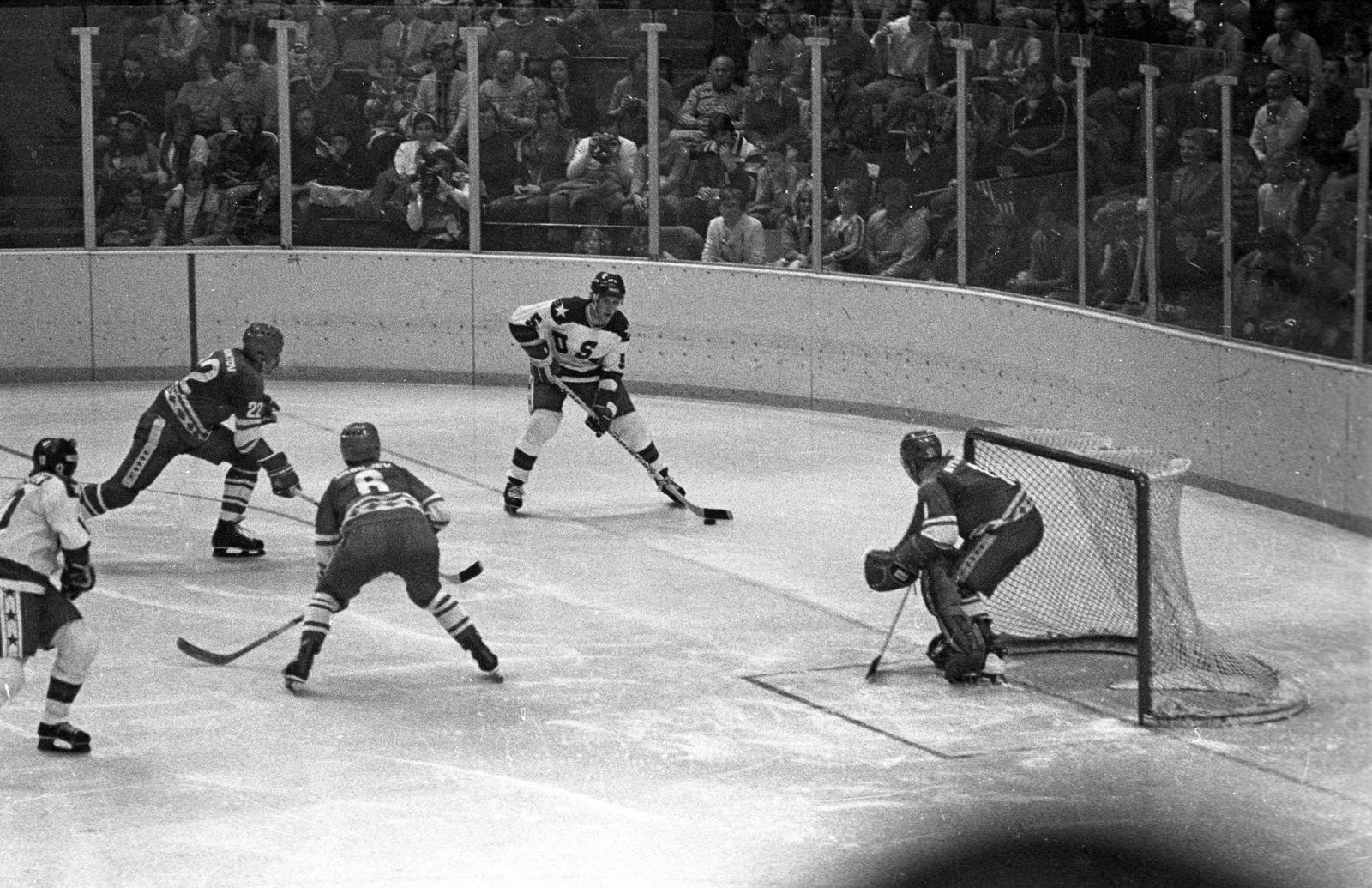
A landmark moment in Olympic men’s hockey history, the first medal-round match saw an amateur Team USA —as Olympic rules barred professional athletes from competing— against a four-time gold-winning Soviet Union that had bypassed regulations to gather a professional team. Against all odds, Team USA achieved a 4-3 upset victory and would go on to win gold against Finland.
2
Jesse Owens (1936 Summer Olympics, Berlin)
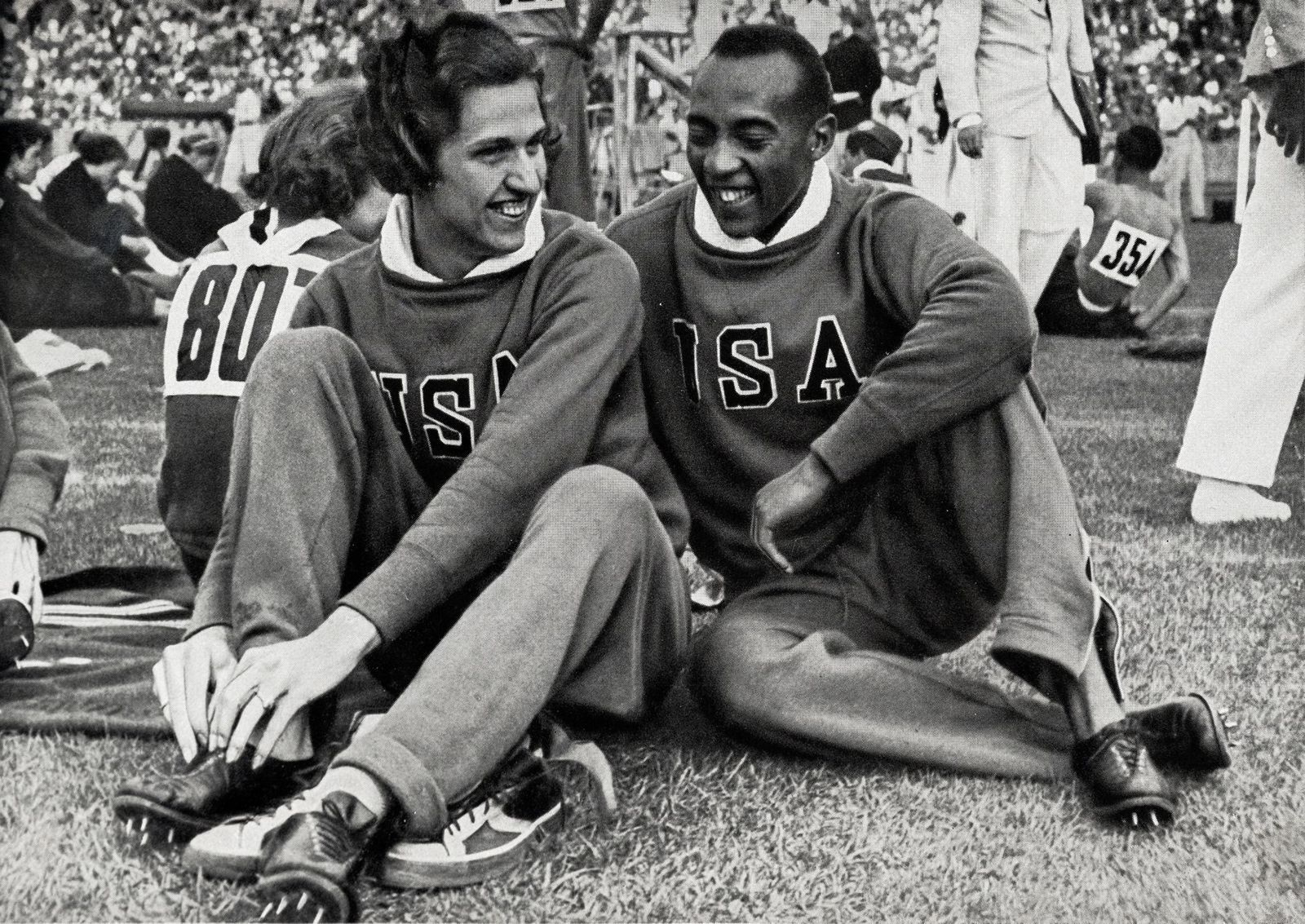
The Berlin 1936 Summer Olympics were celebrated with uncertainty and fear, under a full-fledged Nazi regime that had "softened" its regulations during the event, but still barred Romani and Jewish athletes from the competition. As an African-American athlete, Jesse Owens was under intense pressure, but was still able to win four gold medals , becoming the first track and field athlete to achieve this record.
3
The Dream Team (1992 Summer Olympics, Barcelona)
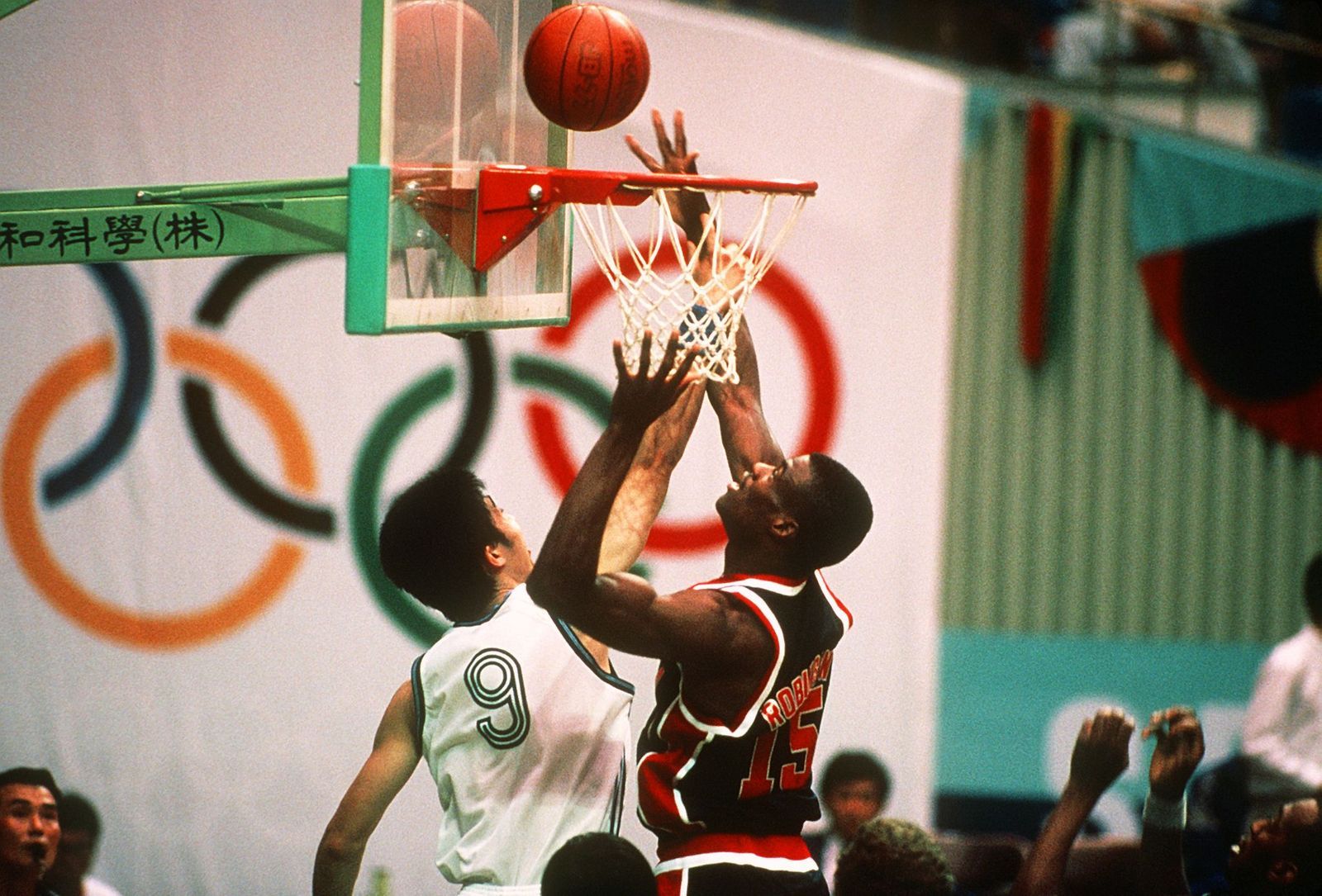
The 1992 Barcelona Olympics were the first to see a men’s Basketball Team USA with active NBA players, who until then were not allowed to compete due to FIBA regulations. Considered one of the most talent-packed teams of all time —with a roster that included names such as Michael Jordan, Magic Johnson, Larry Bird, Charles Barkley, Karl Malone, Patrick Ewing, Scottie Pippen, and David Robinson. The so-called "Dream Team" would remain undefeated through the competition and take the gold medal home, winning each game by at least 32 points —and without Head Coach Chuck Daly having to ever call for a timeout.
4
Michael Phelps (2008 Summer Olympics, Beijing)
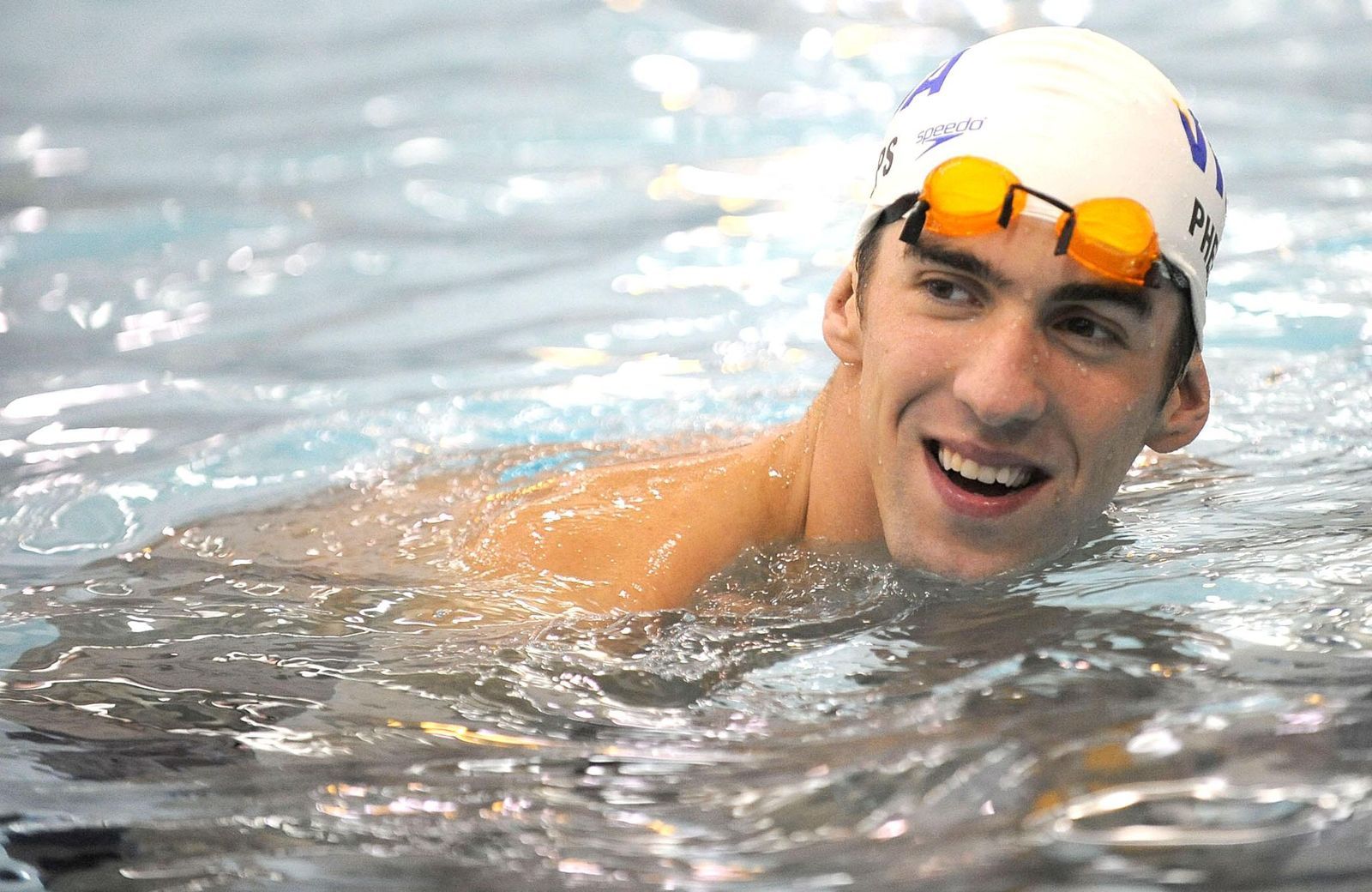
Nicknamed "The Baltimore Bullet" and "Flying Fish", Michael Phelps is one of the great names in Team USA swimming history, with a record total of 24 medals across four Olympic Games . After tying the record for most medals of any color by winning six gold and two bronze in the 2004 Athens Summer Olympics, Phelps would go on to make history in the following 2008 Olympic Games, where he took home eight gold medals, setting a new record, undisputed in any Olympic sport to this day.
5
Mary Lou Retton (1984 Summer Olympics, Los Angeles)
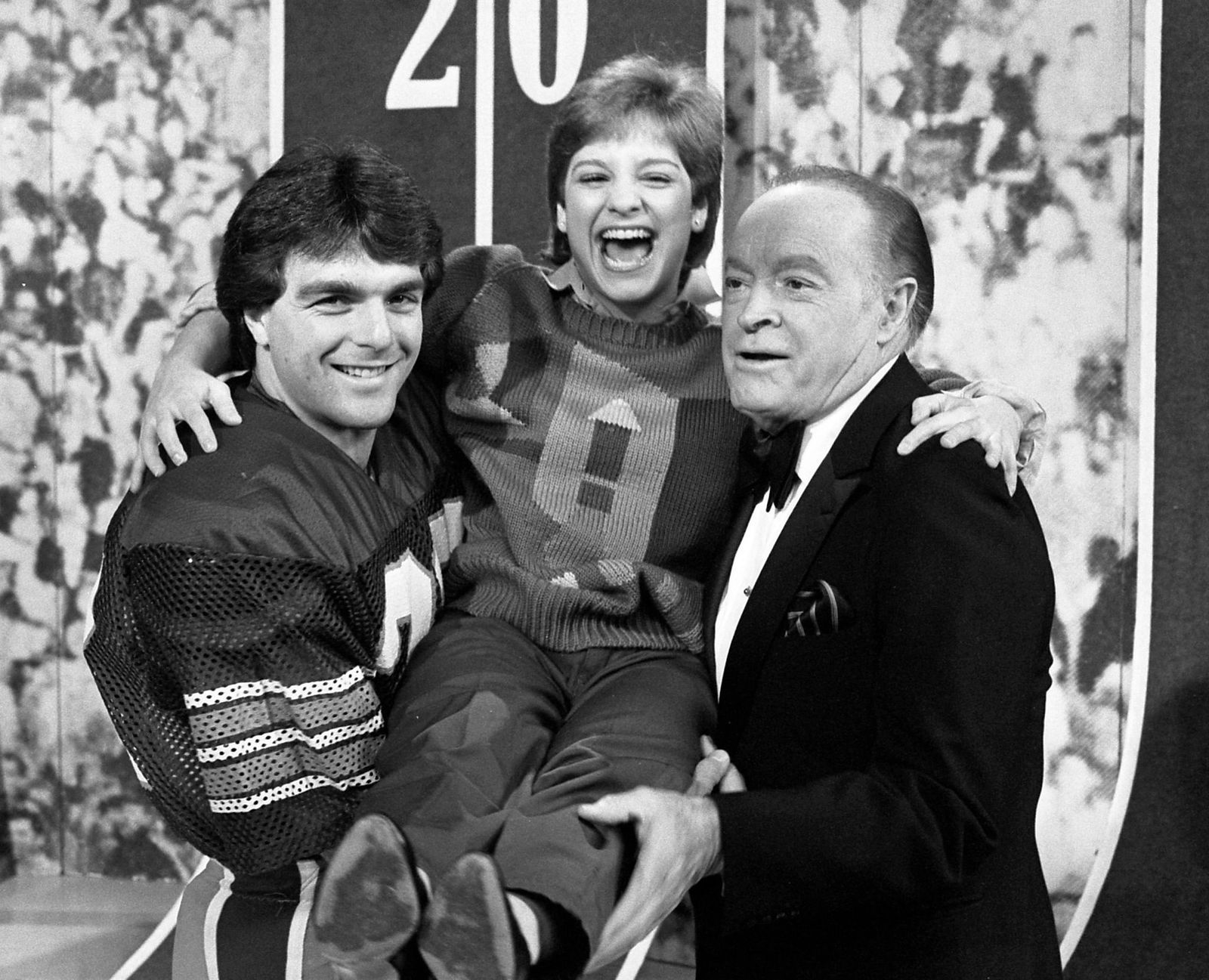
The perfect-score victory of 14-year-old Romanian gymnast Nadia Comăneci in 1976 inspired gymnasts around the globe, among them an 8-year-old Mary Lou Retton. Trained by Comăneci’s former coaches, Retton made a name for herself at a young age, but suffered a devastating knee injury five weeks before the 1984 Los Angeles Olympics. Despite undergoing surgery, Retton recovered just in time and went head-to-head against Romanian athlete Ecaterina Szabo for the all-around medal. Beating Szabo by 0.05 points, Mary Lou Retton became the first American (and the first non-Eastern European) female gymnast to win all-around gold at just 16 years old. She would also win two silver and two bronze medals in the individual events.
6
1996 U.S. Women's Olympic Basketball Team (1996 Summer Olympics, Atlanta)
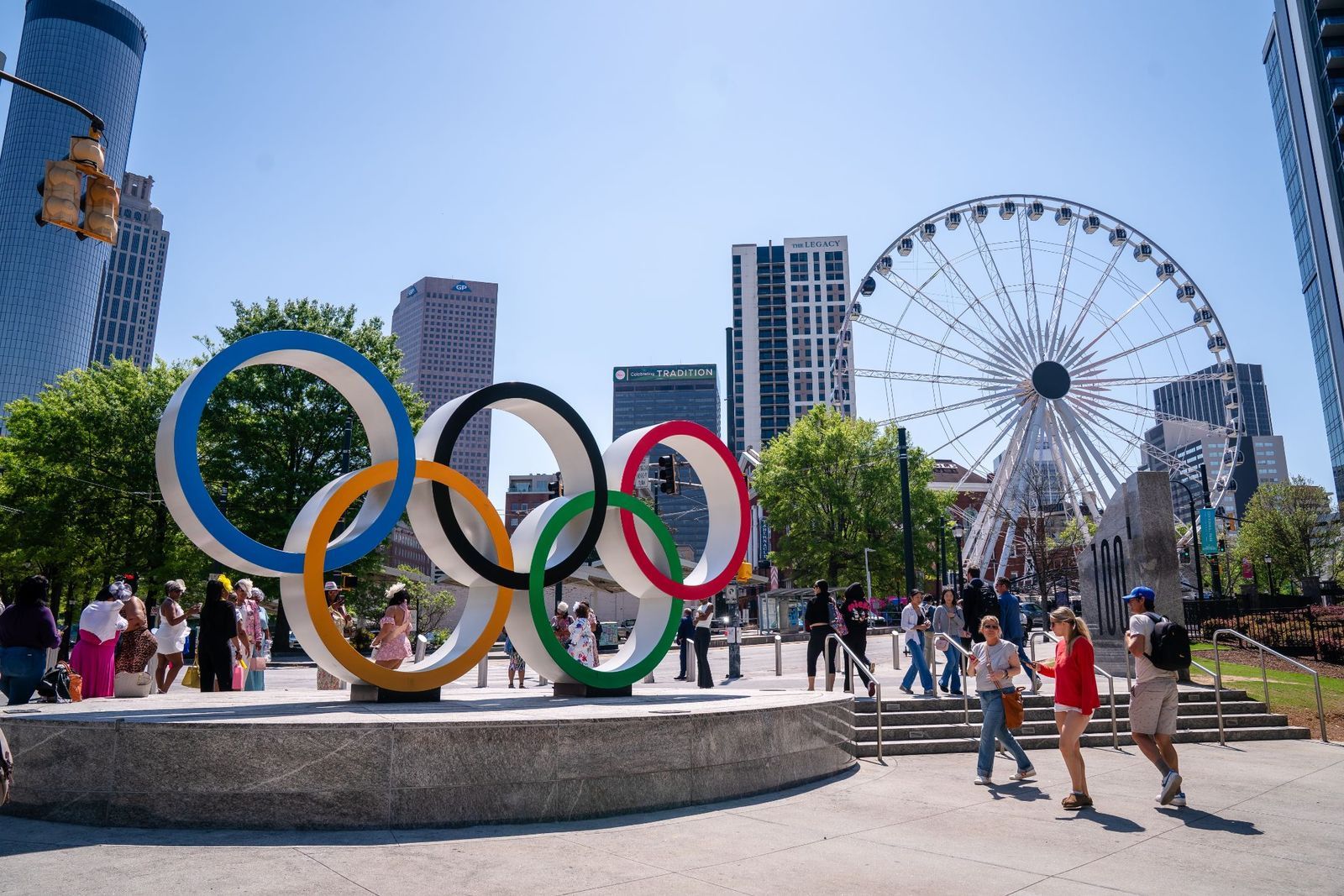
With the men’s teams hogging the spotlight, women’s basketball in the 1990s was still underestimated. The NBA was considering launching a women's professional league, but the 1996 Atlanta Summer Olympics were to be the deciding factor. In order to give their all, the team lived and trained together for a whole year before the competition , with an undefeated pre-Olympic tour and Olympic run. Their Olympic success would pave the way for the WNBA and, more broadly, for women’s basketball across America.
7
Mark Spitz (1972 Summer Olympics, Munich)
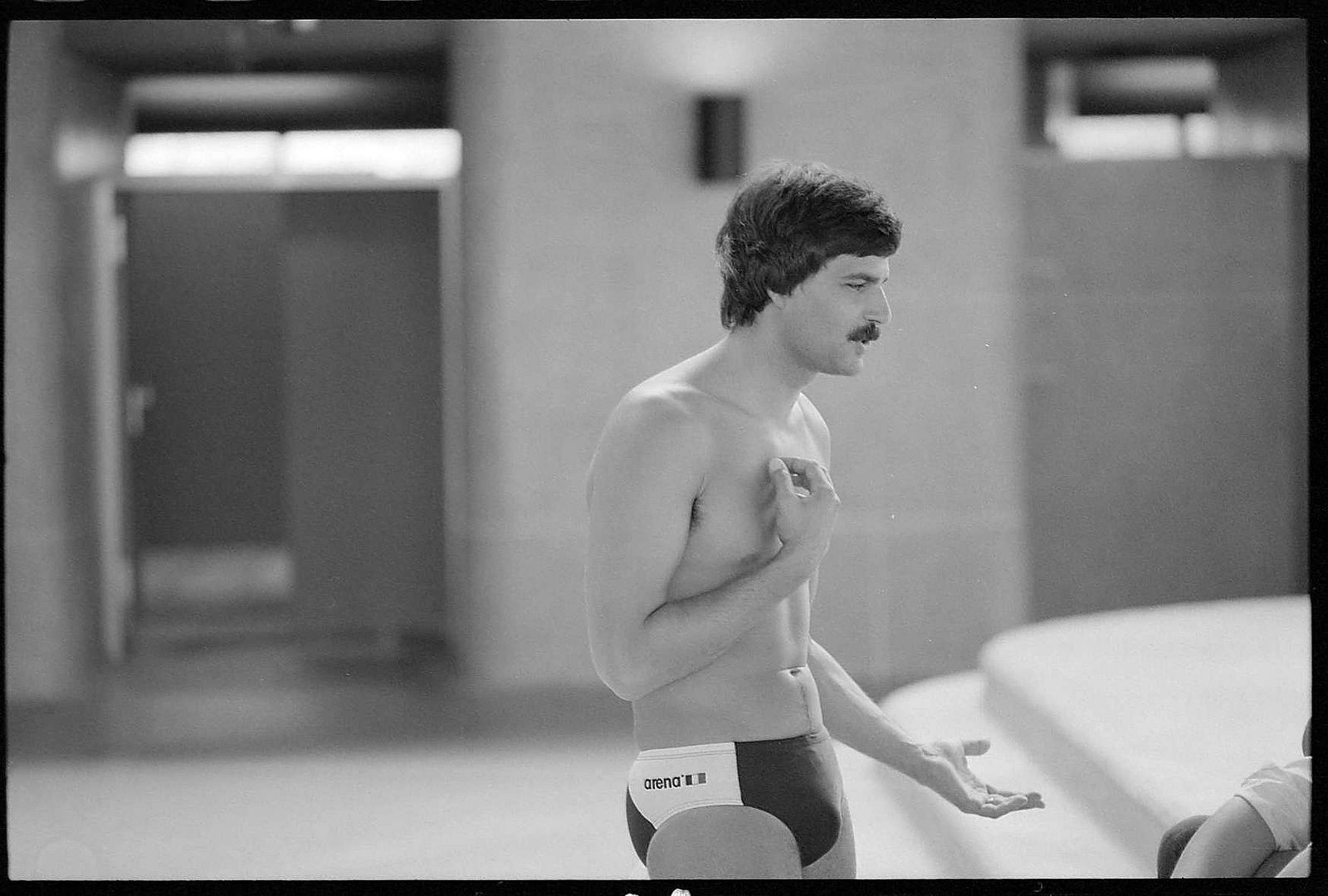
Thirty-six years before Michael Phelps’ gold medal record, Mark Spitz made swimming history in the 1972 Munich Olympic Games. With a record-setting career, Spitz had entered the 1968 Games as the favorite for at least six golds, but was only able to achieve two golds, a silver, and a bronze. The following games were different, though: Spitz competed in seven different categories, winning gold and breaking the world record for each one , remaining undefeated until 2008.
8
Florence Griffith-Joyner (1988 Summer Olympics, Seoul)
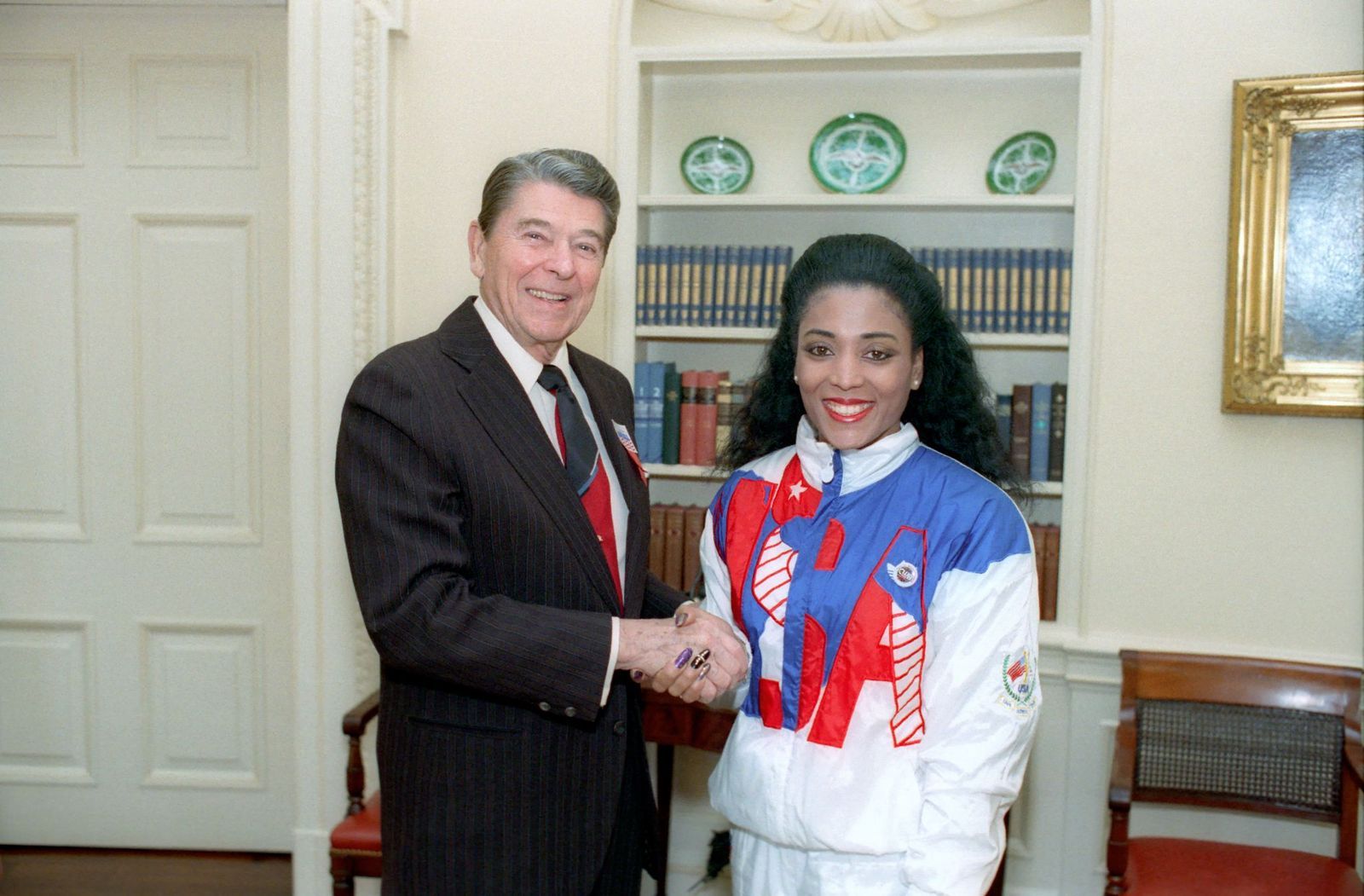
Despite her 3 golds and one silver at the 1988 Seoul Games, one of Flo-Jo’s most impressive records was set a few months earlier , during the Olympic trials in Indiana, where she set a world record for the 100-meter dash in 10.49 seconds. During the games, she would also set a world record for the 200-meter dash in 21.34 seconds. Both these records have remained undefeated to this day.
9
Carl Lewis (1984, 1988, 1992, and 1996 Summer Olympics)

Carl Lewis’ track and field career has impressive numbers, with 10 Olympic medals (9 of them gold) and 10 World Championship medals. However, the numbers don’t stop there. After matching Jesse Owens’ record by winning four golds in the same Olympics in 1984, he would go on to win gold for the same event in four consecutive games , being one of six athletes overall, and one of two track and field athletes to achieve this record.
10
The "Magnificent Seven" (1996 Summer Olympics, Atlanta)
We’re now used to seeing Team USA dominate women’s gymnastics, but a few decades ago the picture was quite different, with powerhouses like Romania and the Soviet Union dominating the sport. By 1996, Team USA had never managed to win a team gold, but the "Magnificent Seven" —Shannon Miller, Dominique Moceanu, Dominique Dawes, Kerri Strug, Amy Chow, Jaycie Phelps, and team captain Amanda Borden— would change history. With a team composed of athletes with strong individual performances, Team USA had managed to reach the finals, with the vault as the defining apparatus. Under immense pressure and after falling on her first attempt, Kerri Strug (with a torn ligament that caused her immense pain) executed a near-perfect jump, landing on one foot and beating Russia’s overall score by 0.851 points.