General General 4 min read

Musical trip across the US

These 10 song titles prove US states rock! Is your favorite on the list?

Image: obBilder

From flowers and birds to tasty dishes and unique mottos, every state has its own identity. And sometimes, what best represents a state is a song. Think of Georgia, and suddenly "Georgia on My Mind" starts playing in your head. Or if someone mentions a trip to Alabama, chances are you'll be singing Lynyrd Skynyrd's hit song all day. Let's explore these and eight other unforgettable songs that proudly feature a state in their title!

1
Sweet Home Alabama
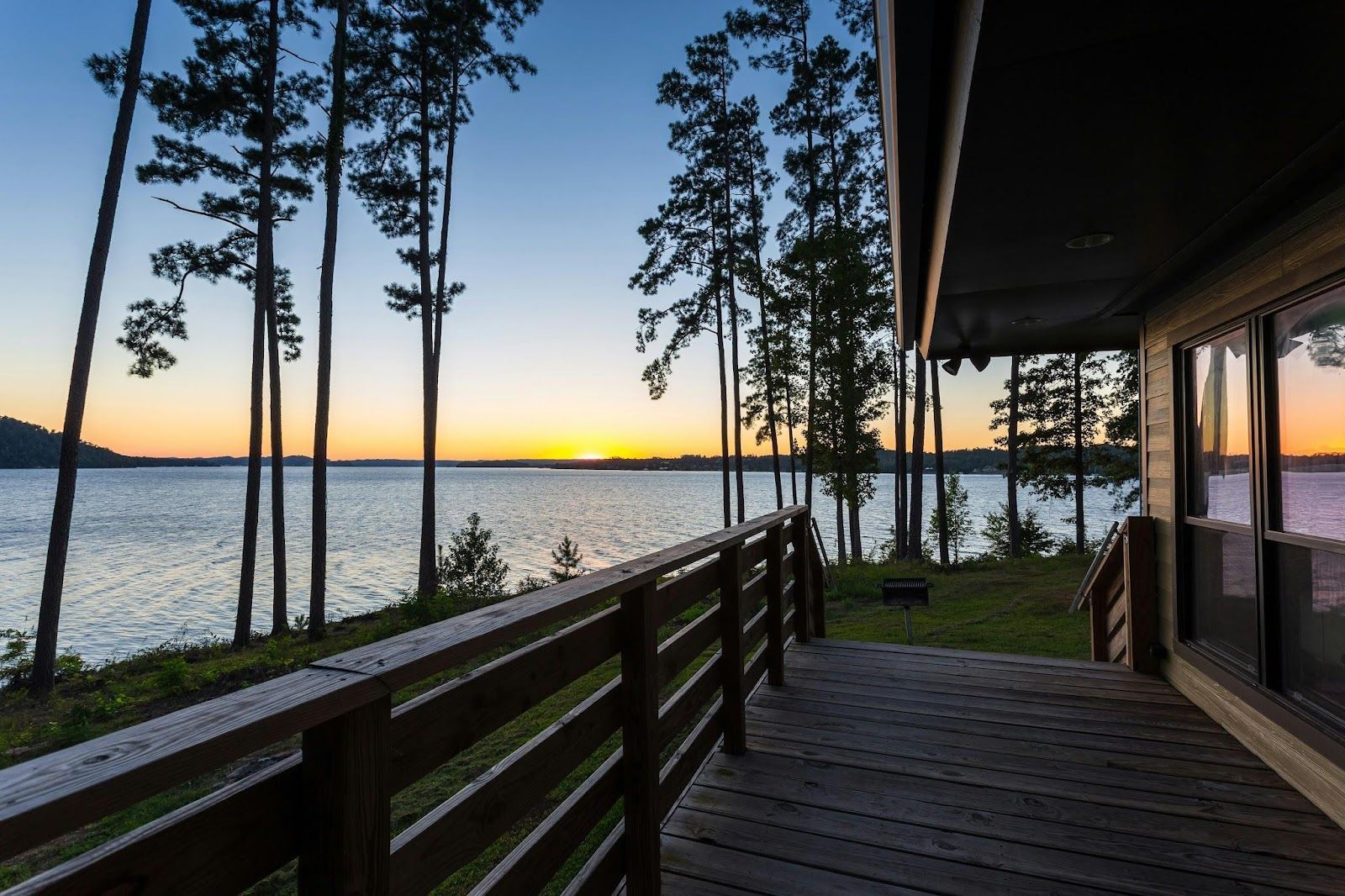
Image: Uwe Conrad

First things first: when it comes to songs that mention states, "Sweet Home Alabama" by Lynyrd Skynyrd immediately comes to mind. While its catchy chorus will have you repeating the state's name all day, the song also features spectacular musical elements, such as its iconic guitar riffs.

2
Georgia on My Mind
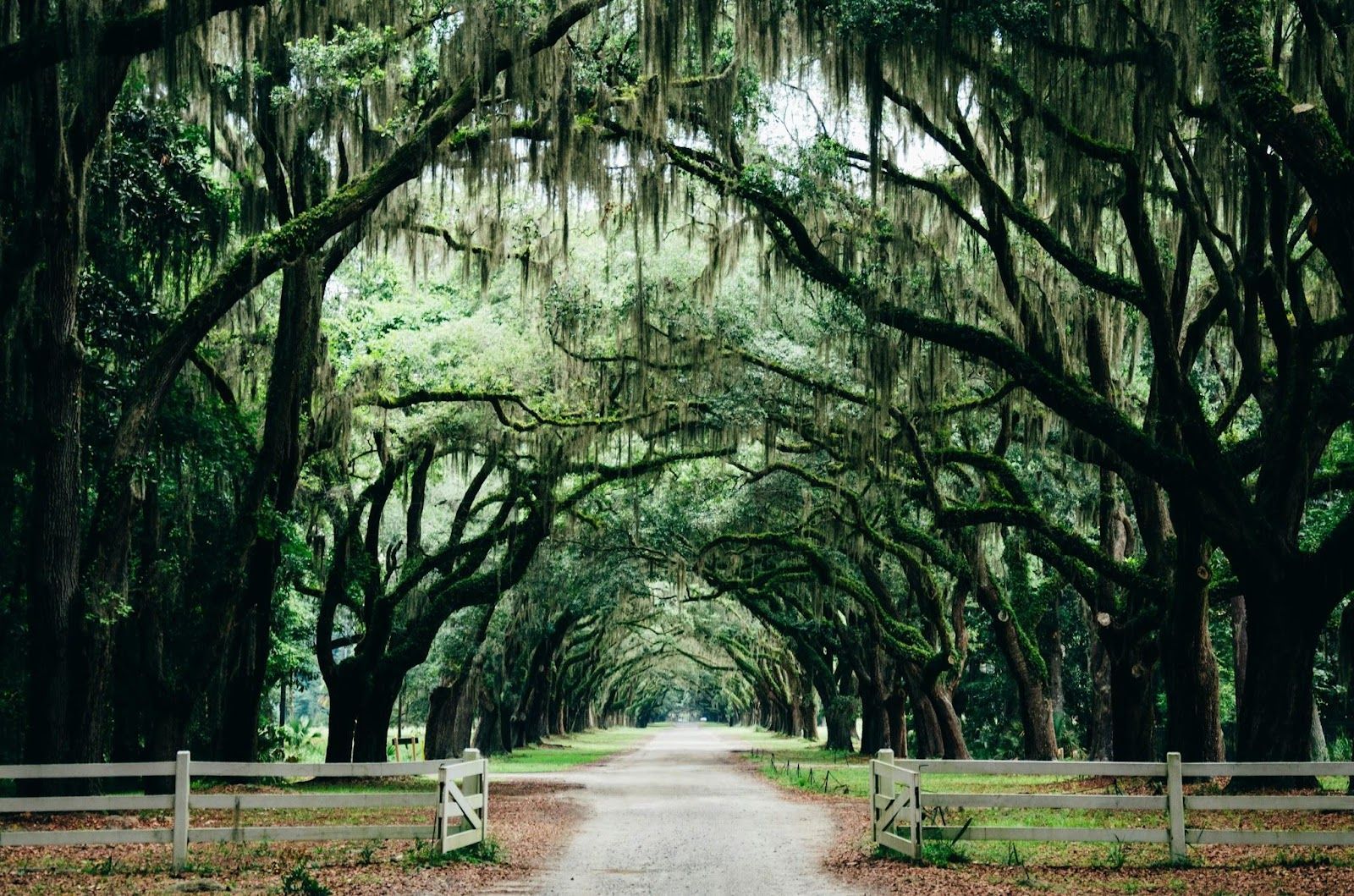
Image: Ashley Knedler

Among the ballads, " Georgia on My Mind" stands out. Written in 1930 by Hoagy Carmichael and Stuart Gorrell, the song later became deeply associated with Ray Charles, whose iconic 1960 version transformed it into a hit everywhere and eventually became the official state song of Georgia.

3
New York State of Mind
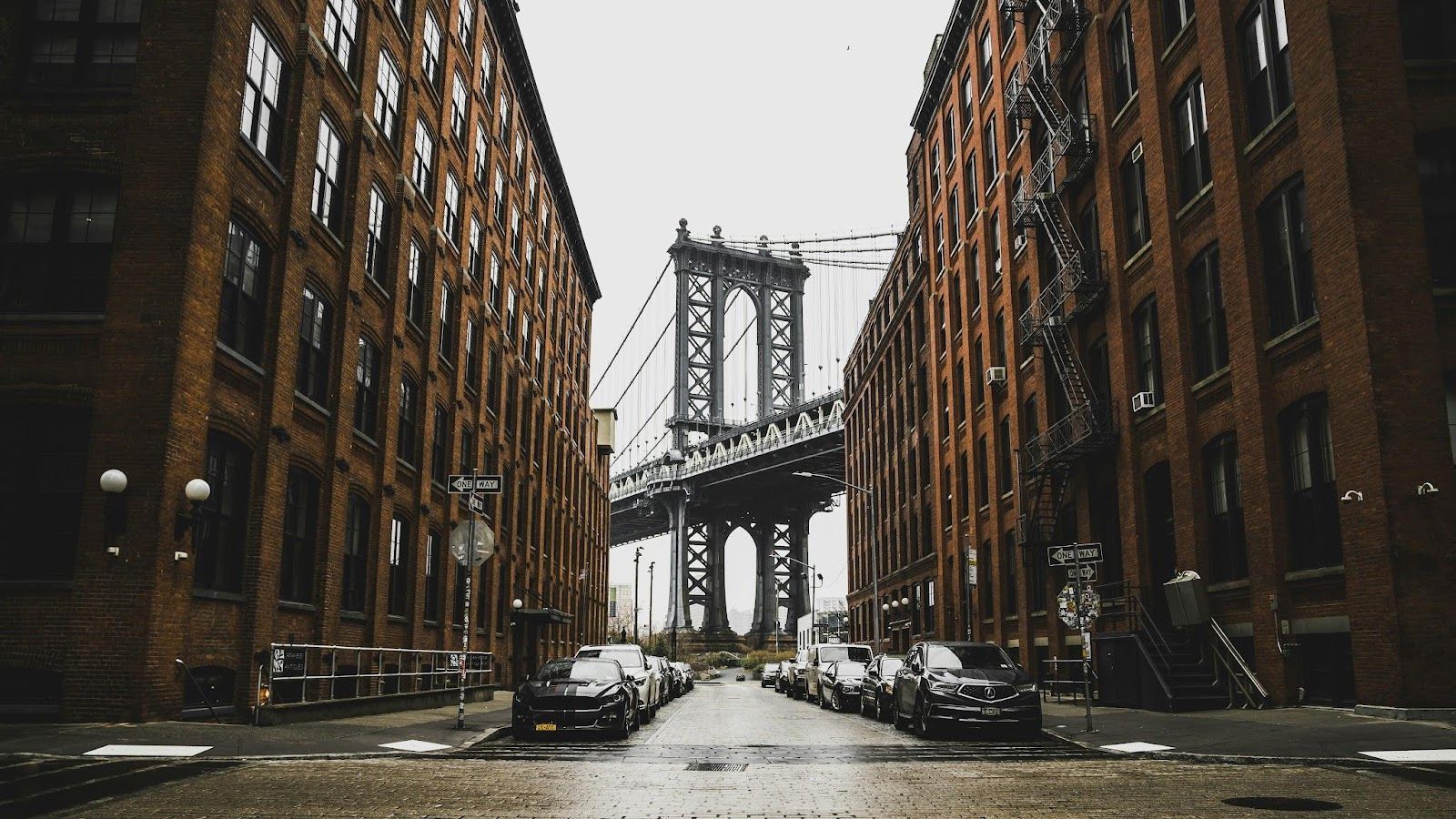
Image: Redd Francisco

Georgia isn't the only state on people's minds; New York is too. While the iconic "New York State of Mind" focuses primarily on the electric energy of New York City , its spirit reflects a wider love for the Empire State. Written and performed by Billy Joel, the song became an anthem not just for New Yorkers but for anyone who connects with the place's energy.

4
Kentucky Rain

Image: Noah Silliman

Yes, the King is definitely on this list! Elvis Presley also sang the name of a state with his legendary "Kentucky Rain." Written by celebrated country singer and songwriter Eddie Rabbitt, along with Dick Heard, the song stands out as one of the most memorable tracks from the later years of Elvis’s career, thanks to its heartfelt storytelling and memorable delivery.

5
The Devil Went Down to Georgia
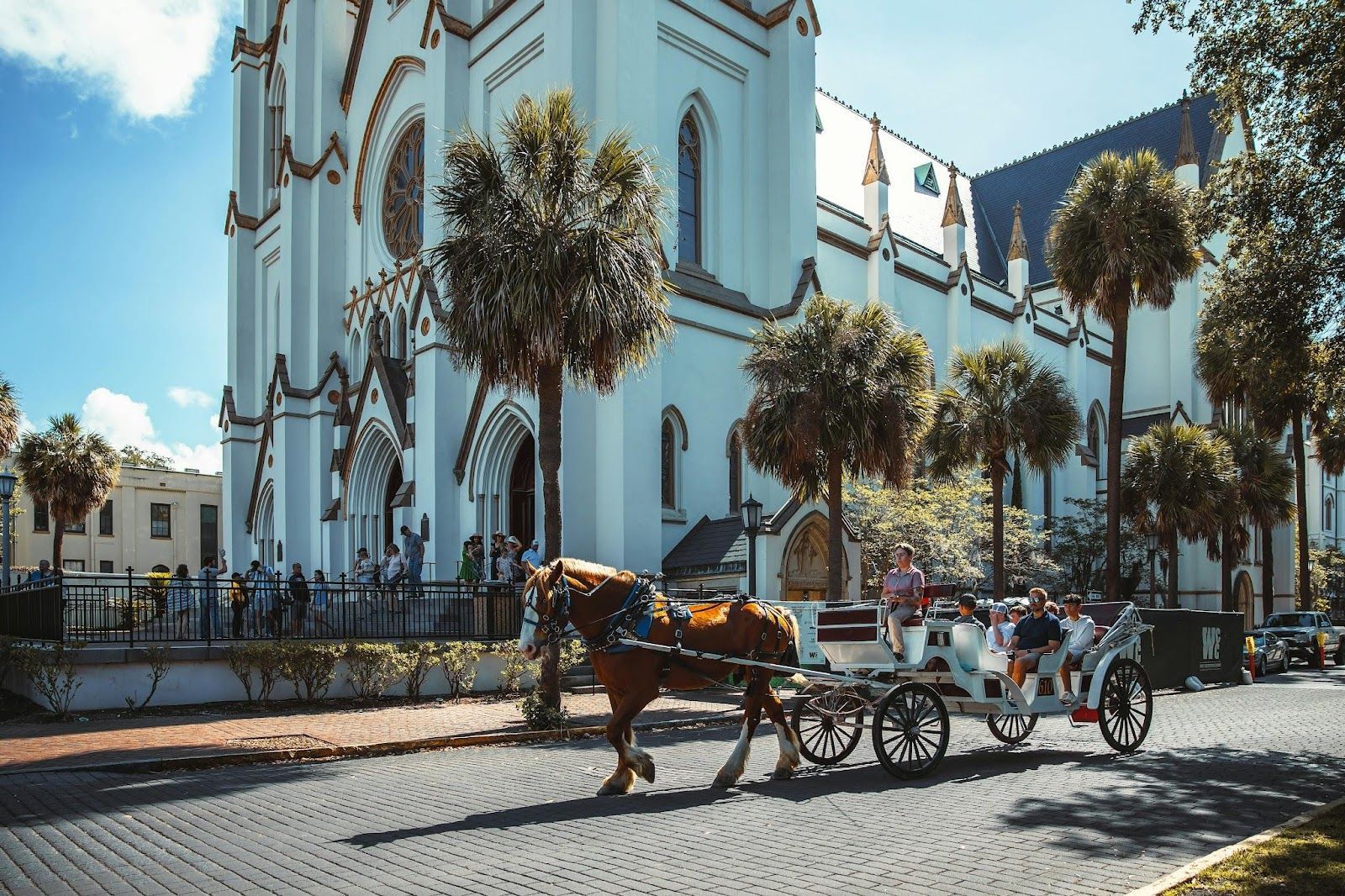
Image: Diane Picchiottino

When you head down to Georgia, remember: The devil went there, too! At least according to Charlie Daniels Band, although the devil didn't fare well in the Peach State . "The Devil Went Down to Georgia" was released in 1979, blending country, bluegrass, and Southern rock. It tells the story of a fiddle showdown between a young man named Johnny and the devil himself!

6
California Dreamin'
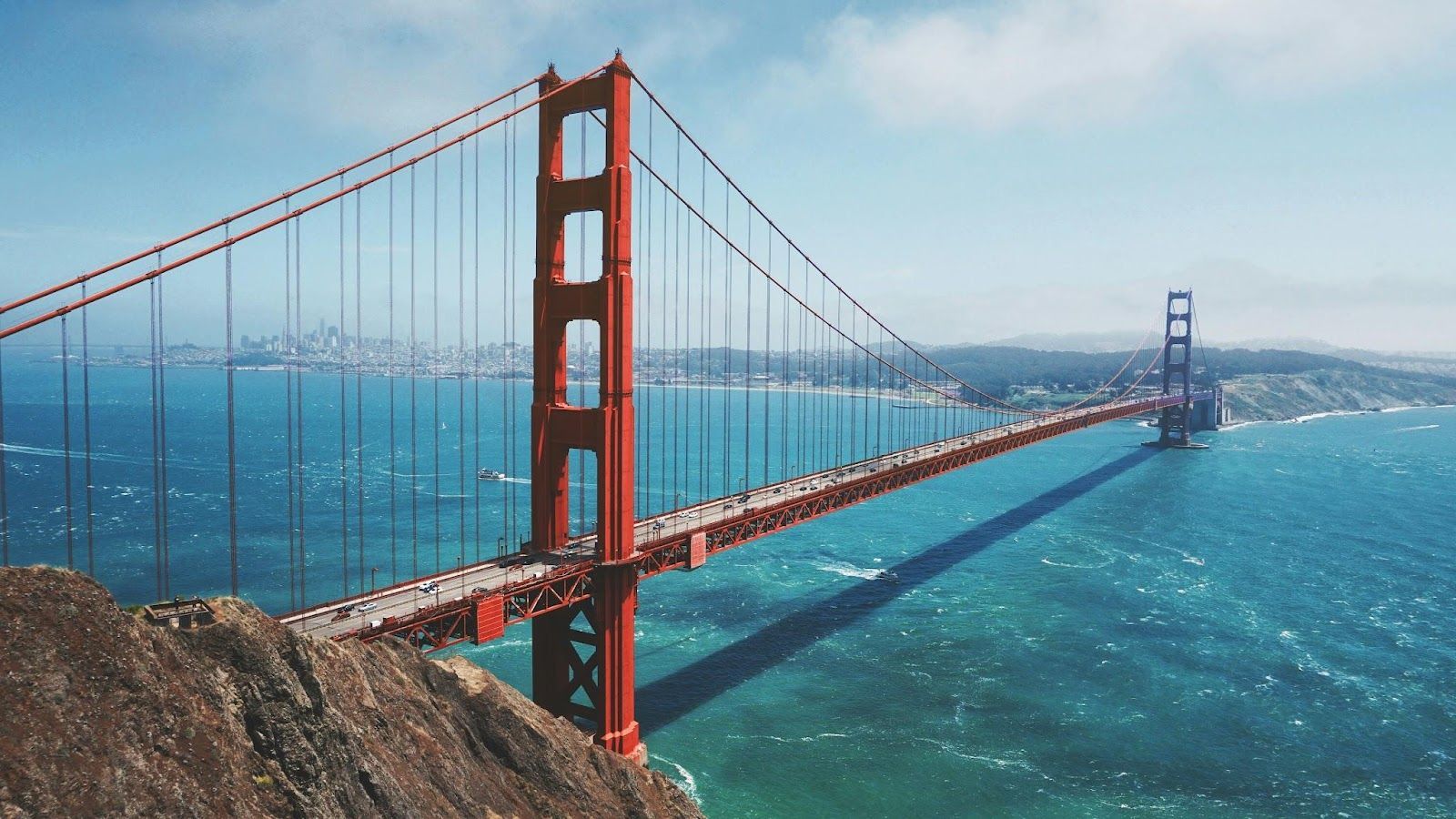
Image: Maarten van den Heuvel

Although countless songs name–drop California in their titles and choruses, "California Dreamin'" is a classic that we all know and love. It just had to make this list, no matter what. First released in 1965, this folk-rock gem by The Mamas & The Papas became an anthem that helped define the decade.

7
Mississippi Queen
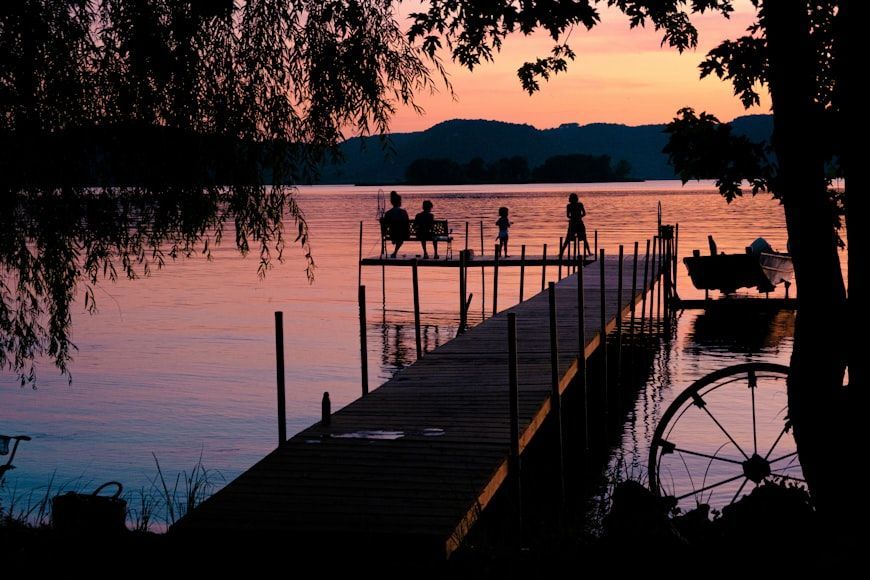
Image: Mike Beaumont

As a Southern rock anthem, "Mississippi Queen" couldn't be left off this list. Released in 1970 by the band Mountain, it became their biggest hit and has since been covered by many artists. With its powerful guitar riffs and unmistakable cowbell intro, it’s hailed as a rock classic.

8
California Girls

Image: Drew Farwell

As expected, California makes another appearance on this list, this time thanks to The Beach Boys. Released in 1965, "California Girls" became one of the decade's defining tracks and one of the band's most beloved hits. Its orchestral intro and summer vibe earned it a spot on Rolling Stone 's list of the 500 Greatest Songs of All Time.

9
Mary Queen of Arkansas
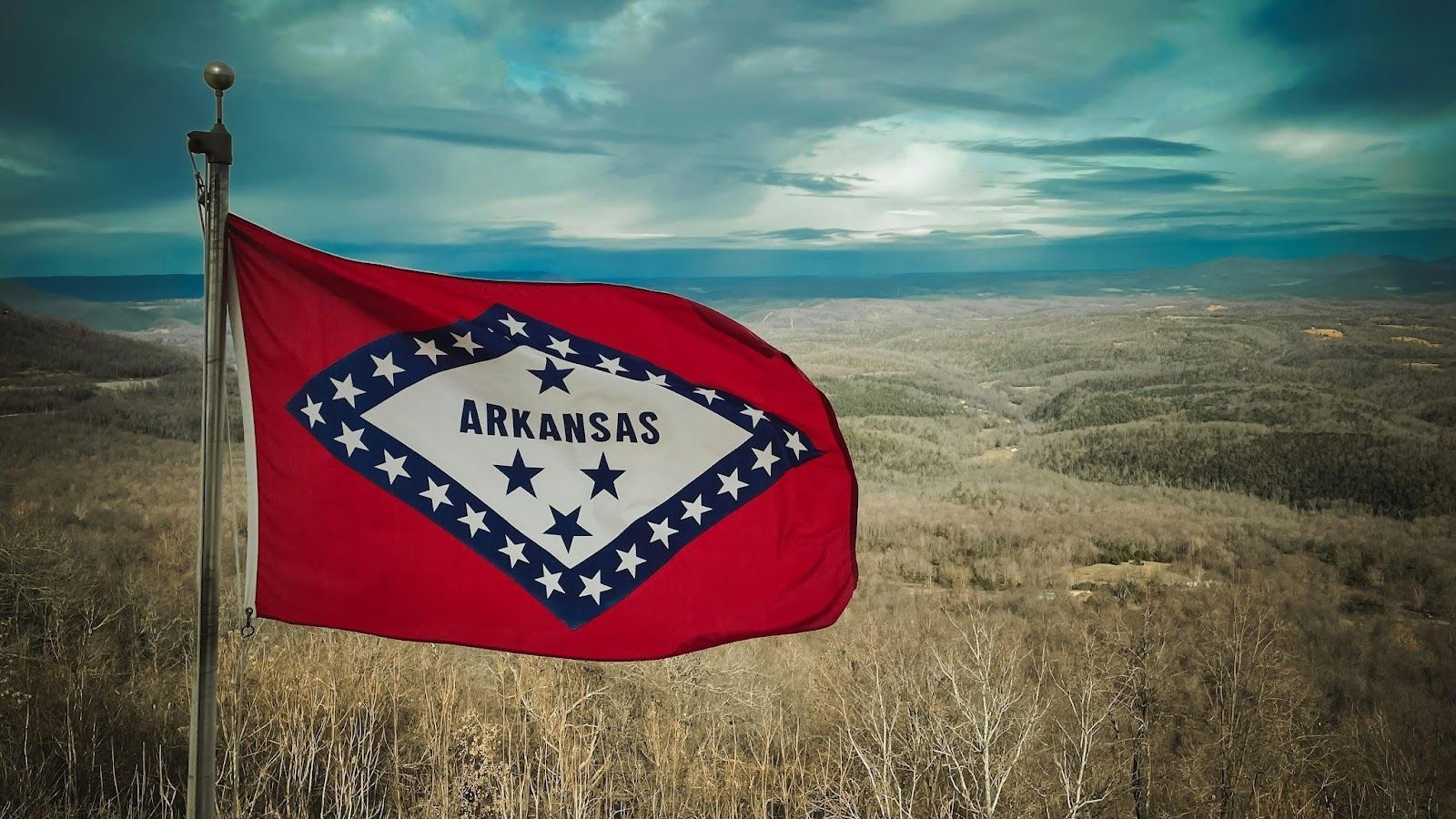
Image: Jametlene Reskp

If there's ever been a singer-songwriter who embodies the true American spirit, it's Bruce Springsteen, not just for hits like Born in the USA, but also for deeper tracks like "Mary Queen of Arkansas." Released in 1973 on his debut album Greetings from Asbury Park, N.J. , this slow, soulful song is an early example of Springsteen's talent for songwriting and storytelling.

10
Texas Flood
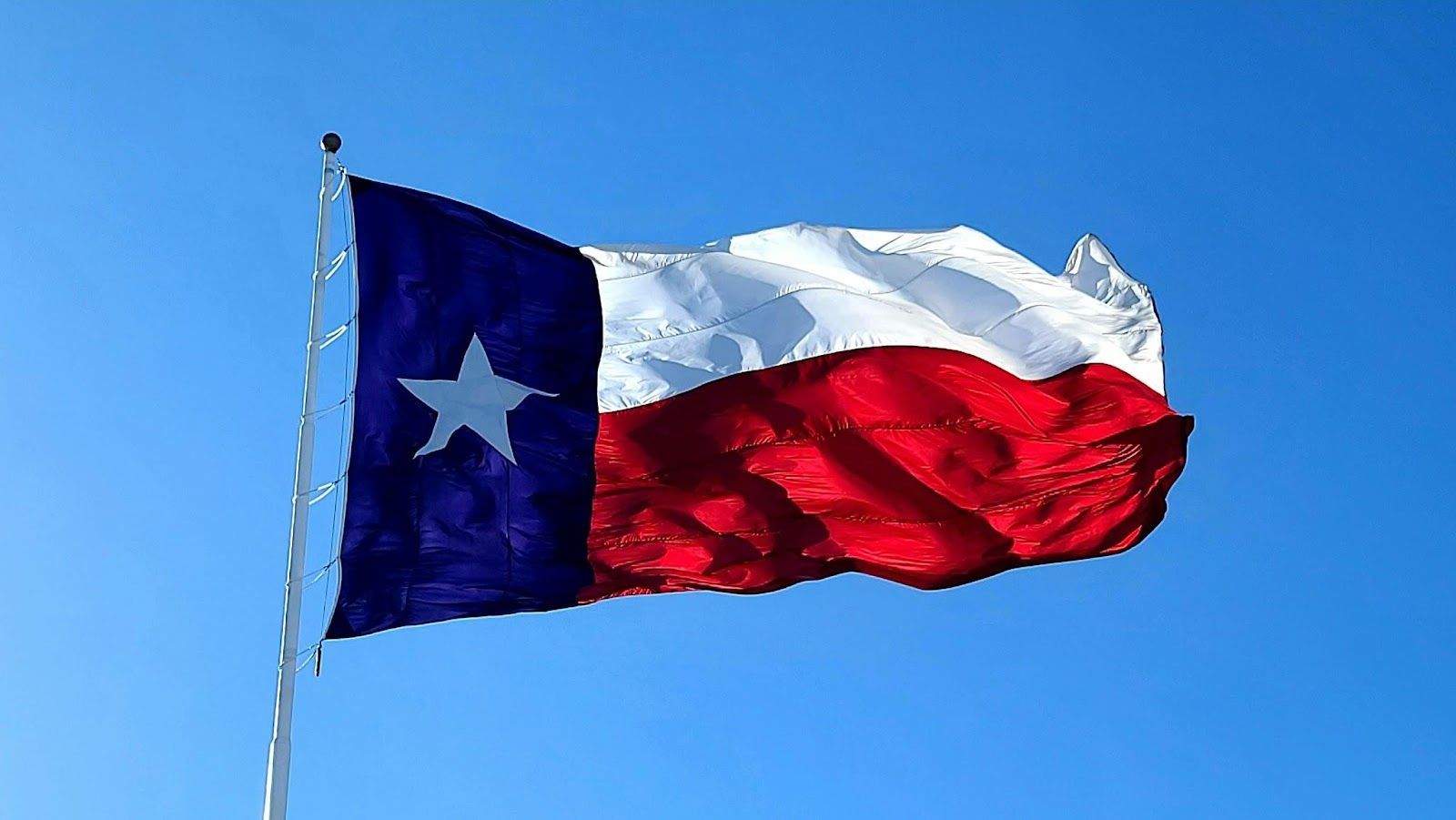
Image: Pete Alexopoulos

The Lone Star State couldn't be left off this list, and neither could the blues! "Texas Flood" was originally recorded by Larry Davis in 1958, but it was Stevie Ray Vaughan's powerhouse 1983 cover that turned it into a hit and helped revive blues rock in the 1980s. Heartbreak hits differently with this powerful song!

History History 4 min read

AMERICANA FLASHBACKS

From Rock’n Roll to Suburbia: 10 defining moments of 1950s America

Image: Brett Jordan

The 1950s was a turning point in American history. A decade marked by innovation and prosperity, this era witnessed major societal shifts, ranging from technological advancements to the emergence of iconic brands and cultural phenomena like rock 'n' roll. It also saw the rise of the civil rights movement and the beginning of the Cold War, kickstarting a new global era. As Americans dreamed of space exploration and new technologies, they suddenly gained access to unprecedented comforts. Here are 10 hallmarks of this remarkable time.

1
Rock 'n' Roll Revolution

Image: Provincial Archives of Alberta

The 1950s marked the explosive rise of rock 'n' roll, with artists like Elvis Presley, Chuck Berry, and Little Richard leading the charge. This novel genre blended rhythm and blues with country, creating an energetic and rebellious sound that resonated with the youth.

Rock 'n' roll quickly became a cultural phenomenon, challenging traditional norms and promoting a new sense of freedom and expression. But the genre's influence extended way beyond music, as it impacted fashion, dance, and even social attitudes. As a symbol of teenage rebellion, it is now considered a catalyst for the social revolutions of the 1960s.

2
Space Race Begins

Image: Brian McGowan

The Space Race, ignited by the Soviet Union's launch of Sputnik in 1957, became a key aspect of the Cold War rivalry between the United States and the USSR. In response, the U.S. accelerated its space program, leading to the creation of NASA in 1958.

The race to space was not just a technological competition but also an ideological battleground. It captured the American imagination, inspiring dreams of exploration and boundless innovation. This era laid the groundwork for major achievements, including the Apollo moon landing, forever cementing the United States’ place in the history of space exploration.

3
Television Takes Over

Image: Randy Jacob

The 1950s also saw television become the dominant medium of entertainment and information in American households. With the widespread adoption of TV sets, shows like I Love Lucy and The Ed Sullivan Show brought families together and became cultural touchstones, influencing fashion, language, and social norms.

Simultaneously, television's ability to massively broadcast news and live events made it a powerful tool for shaping public opinion. As the number of channels and programs grew, television became a central part of American life, affecting politics, advertising, and culture in general.

4
Fast Food Frenzy

Image: Alora Griffiths

The fast food industry boomed in this decade, revolutionizing the American dining experience. Chains like McDonald's, founded in 1955, popularized the concept of quick and affordable meals. This phenomenon was also closely tied to the emerging car culture, as drive-thru restaurants became commonplace.

This convenience appealed to the growing suburban population and busy families, making fast food synonymous with modernity, speed, and the American lifestyle.

5
Iconic Cars

Image: Photo Person

A golden age for American automobiles, the 1950s saw the emergence of iconic models like the Chevrolet Bel Air, Cadillac Eldorado, and Ford Thunderbird . These streamlined machines were not only more affordable than ever but also captured the public's imagination with their enhanced comfort and sophistication.

Cars soon evolved from mere transportation to symbols of status, freedom, and identity. Their innovative designs, characterized by chrome, tailfins, and vibrant colors, reflected the themes of the Space Age and the technological optimism of the era.

6
The Birth of Teenagers

Image: Fern M. Lomibao

While today we think of adolescence as a normal stage of life, the concept of the teenager as a distinct demographic didn’t truly emerge until the 1950s. With increased disposable income, young people soon became a powerful consumer group, influencing fashion, music, and entertainment.

They flocked to new cultural phenomena like rock 'n' roll, drive-ins, and soda fountains. By challenging traditional authority, this generation of teenagers pushed for freedom and independence, in many ways setting the stage for the social changes that would unfold in the subsequent decades.

7
Modern Design

Image: Matt Briney

Characterized by clean lines, organic shapes, and an emphasis on functionality, mid-century modern design was forged during this decade. Designers like Charles and Ray Eames, Eero Saarinen, and George Nelson became iconic figures, creating furniture, architecture, and household items that seamlessly blended form and function.

Technological advancements and the introduction of new materials, such as molded plywood, fiberglass, and plastics, enabled innovative and affordable designs. To this day, futuristic design remains closely associated with mid-century modern aesthetics.

8
Consumer Culture

Image: Jaxon Gee-Dub

This era marked the rise of consumer culture in America, with the proliferation of advertising and the introduction of new products. Brands like Coca-Cola, Pepsi, General Electric, and RCA became household names, and synonymous with the abundance and convenience of modern American life.

Shopping emerged as a popular pastime, with the expansion of department stores and the advent of shopping malls, which consolidated a variety of stores under one roof. As a result, for many, the pursuit of happiness became increasingly intertwined with the acquisition of material goods.

9
The Cold War Era

Image: Marie Rouilly

The Cold War shaped the tense geopolitical landscape of the 1950s, with the United States and the Soviet Union locked in a prolonged ideological struggle. Policies such as the "Marshall Plan" aimed to counter Soviet influence globally, while massive investments in defense and aerospace industries spurred significant technological advancements.

Fears of nuclear conflict and espionage permeated the era, influencing American culture and reflecting in movies and television. Despite these anxieties, the Cold War also fostered a strong sense of unity and patriotism as Americans rallied against a common adversary.

10
Suburban Boom

Image: Nikola Knezevic

The post-World War II era saw a massive migration to the suburbs, spurred by economic prosperity, supportive legislation such as the GI Bill, and a desire for affordable housing. Suburban developments like Levittown offered uniform, mass-produced homes that were accessible to middle-class families.

This suburban expansion reshaped American society, fostering a culture centered around family life, homeownership, and car-centric lifestyles. The move to the suburbs also led to the growth of shopping malls, schools, and community organizations, creating a distinct suburban culture that came to define the American Dream.

General General 6 min read

Where ingenuity and creativity meet

Behind closed doors: 12 hidden secrets of American landmarks

Image: Kenny Nguyễn

For some, architecture might seem like the most boring subject in the world, but if you take a closer look, you'll discover that sometimes buildings hide fascinating secrets. From skyscrapers and monuments to government buildings, America has iconic structures guarding incredible mysteries behind their walls. Read on to uncover the secrets hidden beneath, within, and atop 12 of the most paradigmatic structures in the U.S.

1
Gateway Arch’s time capsule

Image: Roger Miesfeld

The Gateway Arch, the 630-foot-tall monument located on the west bank of the Mississippi River in St. Louis, Missouri, is famous for being the world's tallest arch. But few people know about the secret hidden at its peak.

In 1965, before the final piece of the stainless steel arch was put in place, a time capsule containing the signatures of 762,000 St. Louis students and residents was welded into the keystone. Just one more fun fact added to the mystique of this midwestern icon!

2
A celluloid treasure trove

Image: Denise Jans

Have you ever wondered where Hollywood's golden age films are preserved? Well, as it happens, they are not in the basement of some Tinseltown studio but more than 650 feet below the surface in a facility in Hutchinson, Kansas. Established in 1959, Underground Vaults & Storage specializes in storing a wide range of valuables, including paper documents and client records.

In addition, this site is a precious resource for the entertainment industry. Underground Vaults & Storage preserves—under optimal temperature and humidity conditions—film copies of classic cartoons, television programs like Friends , game shows, soap operas, and even the original reels of cinematic masterpieces like The Wizard of Oz and Gone with the Wind .

3
A ‘Big Basket’ building

Image: Photo shot by Derek Jensen (Tysto, Public domain, via Wikimedia Commons

Who says a building has to look traditional to be iconic? Why settle for an ordinary office building when you can work inside a basket? That's what the executives of the Longaberger Company, an American manufacturer and distributor of handcrafted maple wood baskets, thought when they relocated to Newark, Ohio, in 1997.

Their headquarters was designed as a seven-story building, a perfect replica of the company's top-selling product, the Medium Market Basket. The massive handles are attached to the structure with copper and wooden rivets, and the gold-leaf-plated tags each weigh 725 pounds. Though the building was a novelty, the company eventually abandoned it, and it is now listed for sale.

4
Empire State Building Wedding Club

Image: William Wachter

Popping the question on top of the Empire State Building has become a cherished tradition in the United States. Thousands of couples travel from all over the country to get engaged at one of New York City's most iconic buildings. But did you know that you can also celebrate a wedding there?

Every February 14, a few lucky couples are granted the unique opportunity to exchange wedding vows at the building's 86th Floor Observatory. Since 1994, hundreds of couples have said "I do" at this breathtaking location, celebrating Valentine's Day at America's most romantic landmark.

5
A supernatural castle

Image: Michelle_Raponi

Creativity, ingenuity, and perseverance can achieve extraordinary feats. Such is the case with Coral Castle, a massive limestone structure built by self-taught engineer Edward Leedskalnin in the early 20th century.

Located just north of Homestead, Florida, sits this construction built with stones larger than those at Stonehenge. Leedskalnin, who invested more than 28 years in this project, claimed that he raised it single-handedly using reverse magnetism and supernatural abilities. The truth is he probably used pulleys and other tools, but that doesn’t make it any less of a unique and original building that is a fascinating tourist attraction to this day.

6
Walt Disney's utopian city

Image: Paul Moody

Walt Disney was a visionary, and thanks to his infinite imagination today we have the most endearing characters and the best amusement parks in the world. But did you know that Disney originally envisioned his famous EPCOT Center as the blueprint for a larger utopian society?

EPCOT stands for Experimental Prototype Community of Tomorrow. Had Disney’s dream come to fruition, 20,000 people could have lived in a real, futuristic city complete with residential areas, shopping malls, factories, recreational parks, and a state-of-the-art multimodal road system to connect it all. Unfortunately, after his death in 1966, the company felt his original vision was a bit impractical. Instead, they created a theme park that captures the spirit of its creator, a permanent celebration of human achievement, from culture to technological innovation.

7
Secret codes

Image: Pixabay

The CIA is a mysterious organization, so it's no wonder that there is a sculpture hiding secrets sitting right in the courtyard of the George Bush Center for Intelligence in Langley, Virginia.

Named "Kryptos," this large copper sculpture was installed in 1990 and holds a series of four encrypted messages. Only three of these codes have been cracked, while the fourth remains one of the most famous unsolved cryptograms in the world.

8
The paper house

Image: Daderot, Public domain, via Wikimedia Commons

It seems that the 1920s was a time of inventiveness, innovation, and originality in architecture. During this decade, the United States built the most impressive skyscrapers and, as we've explored, even a massive limestone castle. But a house made of paper? It seems almost impossible, doesn’t it?

Well, we are about to prove you wrong. In 1924, a mechanical engineer called Elis Fritiof Stenman built a summer cottage made almost entirely out of pasted, coated, or rolled-up newspapers. The only exceptions were the framework, floorboards, and shingles. The house is located in Rockport, Massachusetts, and, believe it or not, is still standing and can be visited.

9
Race into the sky

Image: roberto_bellasio

The Chrysler Building on the East Side of Manhattan in New York City was once the world’s tallest building, holding the title for 11 months. But did you know that it almost didn't make it? Industrial pioneer Walter Chrysler, who commissioned the project, wanted his building to be taller than the Eiffel Tower. Originally designed to be 925 feet tall , the imminent construction of other taller skyscrapers forced architect William Van Alen to revise his plans.

This competition for the title of the world’s tallest building became known as the " Race into the Sky ." To beat his opponents, Van Alen ordered a 125-foot spire to be built in secret. It would only be attached to the roof after the rival buildings were finalized. When it was finished in May 1930, the Chrysler Building reached 1,046 feet, making it the tallest man-made structure in the world at the time. Unfortunately, less than a year later, the Empire State Building would claim that honor.

10
A laboratory under the sea

Image: NEOM

Did you know the world's only undersea research laboratory is located in the United States? Sixty-six feet below the surface of the ocean off the coast of Florida lies Aquarius Reef Base, an underwater lab where researchers work for up to ten days at a time.

Aquarius is dedicated to the study and preservation of coral reefs, fish, and aquatic plants. The facility is currently operated by Florida International University and contains sophisticated state-of-the-art lab equipment.

11
Give me the time of day

Image: Leo_Visions

A bridge that tells time? We are not kidding! When it’s not being used by pedestrians and cyclists to cross the Sacramento River in Redding, California, the Sundial Bridge at Turtle Bay serves as a giant timepiece.

The bridge's 217-foot support tower points north, and its shadow can be used to calculate the time. Designed by renowned Spanish architect Santiago Calatrava, it was completed in 2004. So now you know, if your watch breaks or your cell phone dies on your way to Turtle Bay Exploration Park, you don't have to worry, the Sundial Bridge will always tell you the time of day!

12
The Capitol Subway System

Image: Harrison Haines

Few people know that a network of subway cars runs beneath Washington’s labyrinthine Congressional headquarters. The first Capitol Subway System opened on March 7, 1909, and has been transporting politicians seeking shelter from the weather—and curious onlookers—for more than a century.

The rails stretch for nearly a mile, connecting the United States Capitol to several congressional office buildings. While the public can ride the trains, the subway is restricted to congressional members and staff during votes.

Explore more American facts

Choose your favorite category!

General
General

As American as apple pie—the very best America has to offer!

Culture
Culture

Delve into the astounding richness of American lore.

Geography
Geography

Hop in and explore vast and diverse American landscapes.

History
History

Discover the key moments that shaped the United States.