Culture Culture 5 min read

The ultimate ranking of the 12 most unforgettable movie beasts
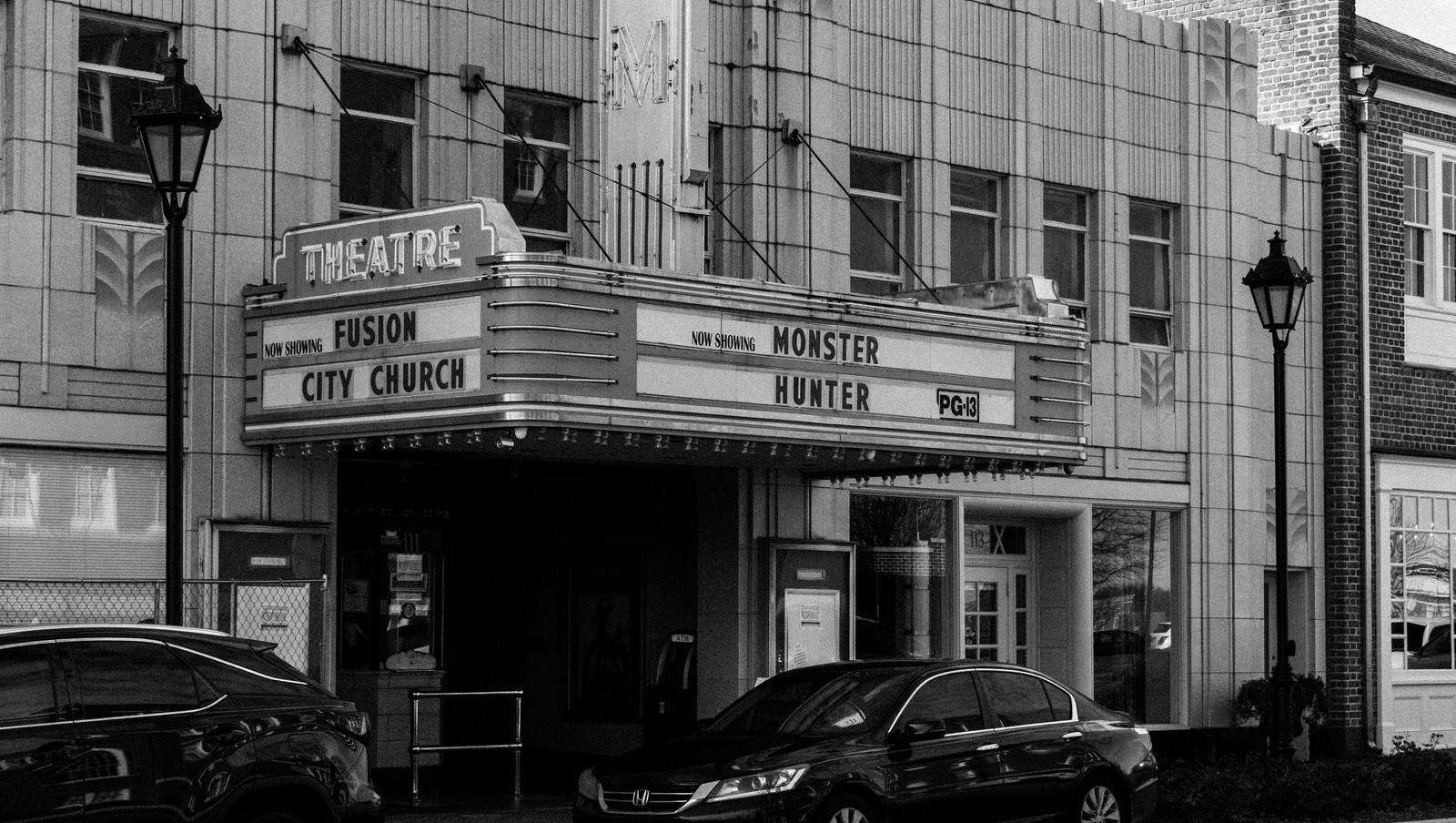
Image: Elijah Mears

American cinema has produced many monsters that remain easily recognizable decades after their first appearance. From stop-motion creatures of the 1930s to the practical effects of the 1980s and modern computer-generated imagery (CGI), these films have helped shape how audiences perceive movie monsters. Together, these examples show how design, technique, and ingenuity turned fictional creatures into lasting icons of popular culture. Has your favorite monster made the list? Find out now!

1
King Kong (1933)
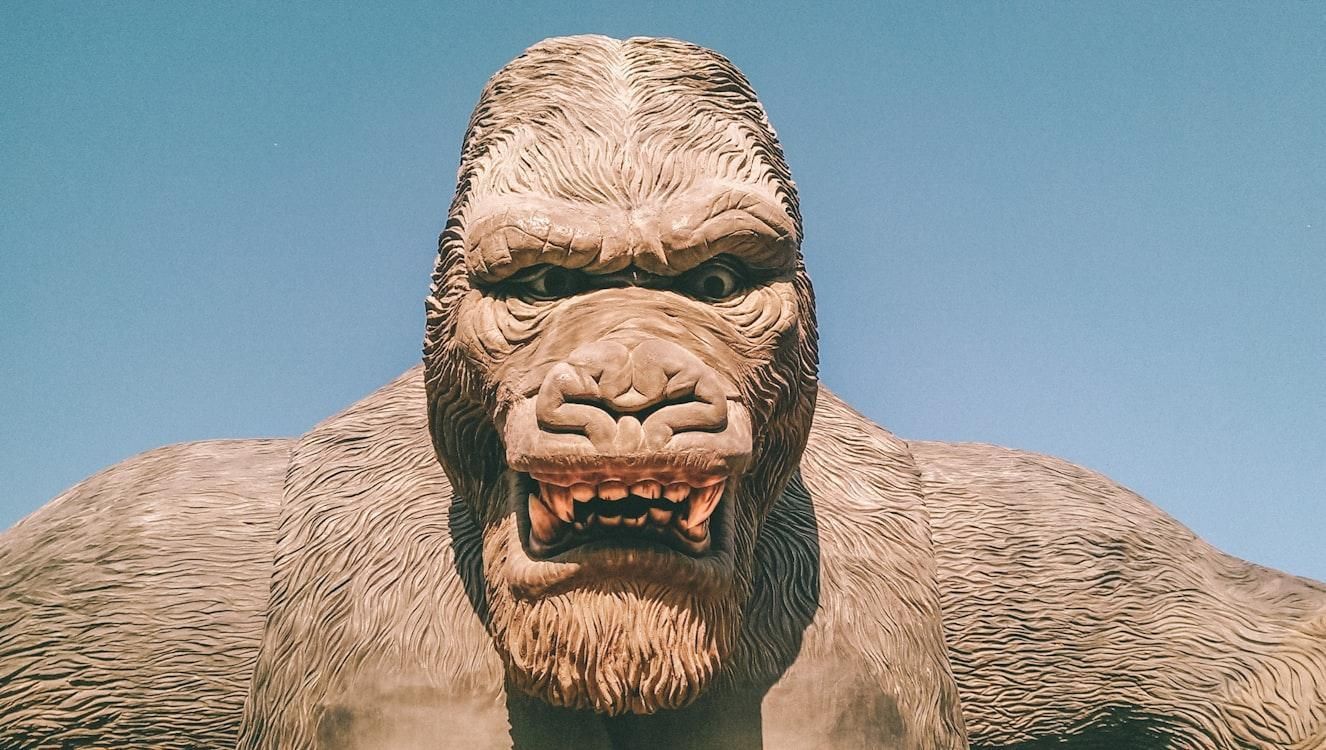
Image: Ahmet Sali

Do you remember the famous scene atop the Empire State Building, where a giant ape defends his beloved Ann Darrow from attacking biplanes? How could anyone forget! King Kong , which debuted as early as 1933, was created using stop-motion animation, combined with rear projection and miniatures. Kong is portrayed as both a destructive force and a sympathetic character. The film became one of the most influential monster movies in American cinema and led to multiple remakes and spin-offs over the decades.

2
Dracula ( Bram Stoker’s Dracula , 1992)
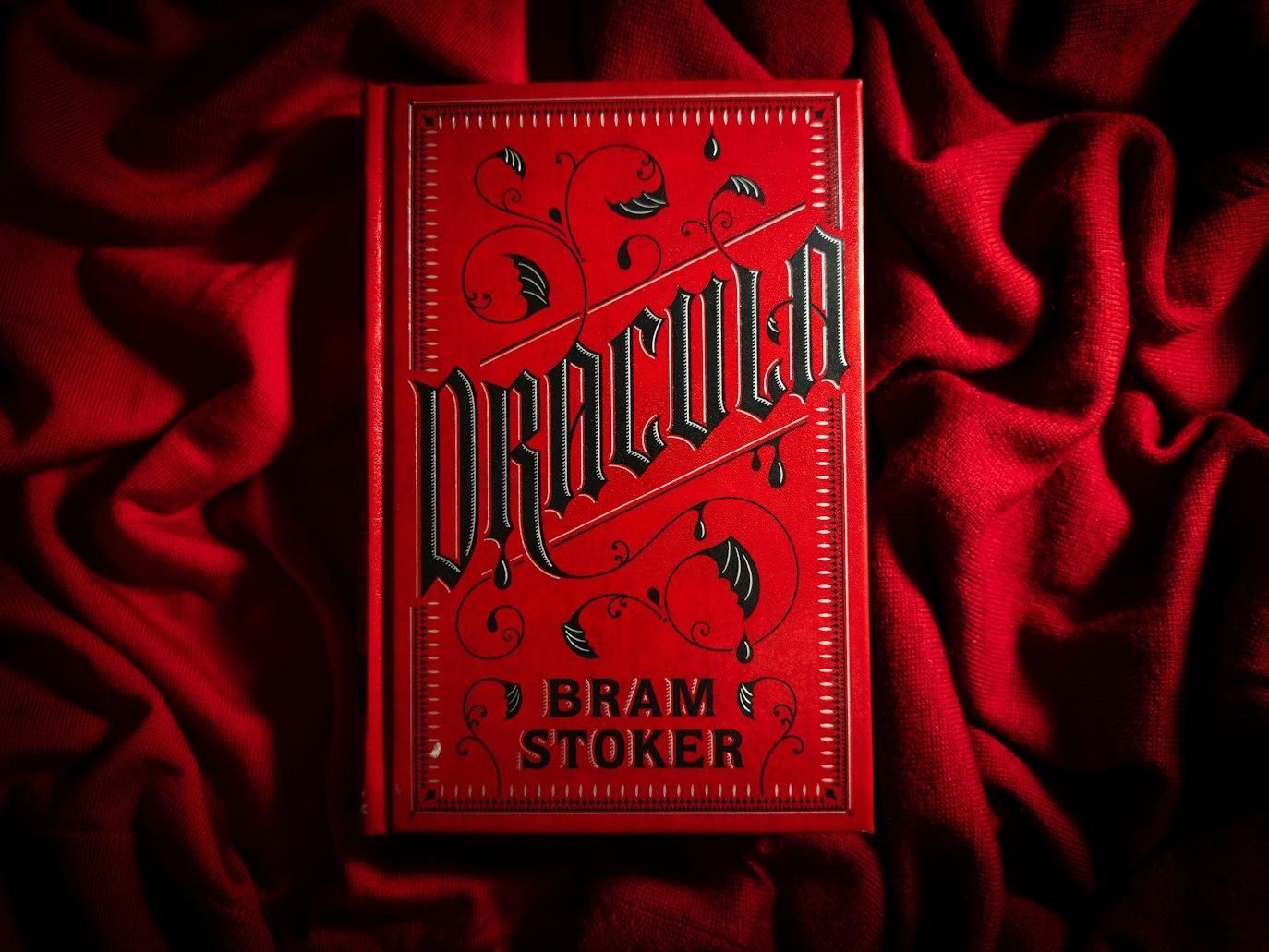
Image: Tim Alex

Francis Ford Coppola’s cinematic rendition of the famous vampire was released in 1992 and relied heavily on practical effects and elaborate costumes. Gary Oldman’s Dracula appears in several distinct visual forms, including an elderly nobleman and a younger, more polished figure. The film openly references earlier screen versions, particularly Bela Lugosi’s 1931 performance, which established the cape, accent, and formal demeanor that many Americans still associate with the character.

3
The Rancor ( Return of the Jedi , 1983)
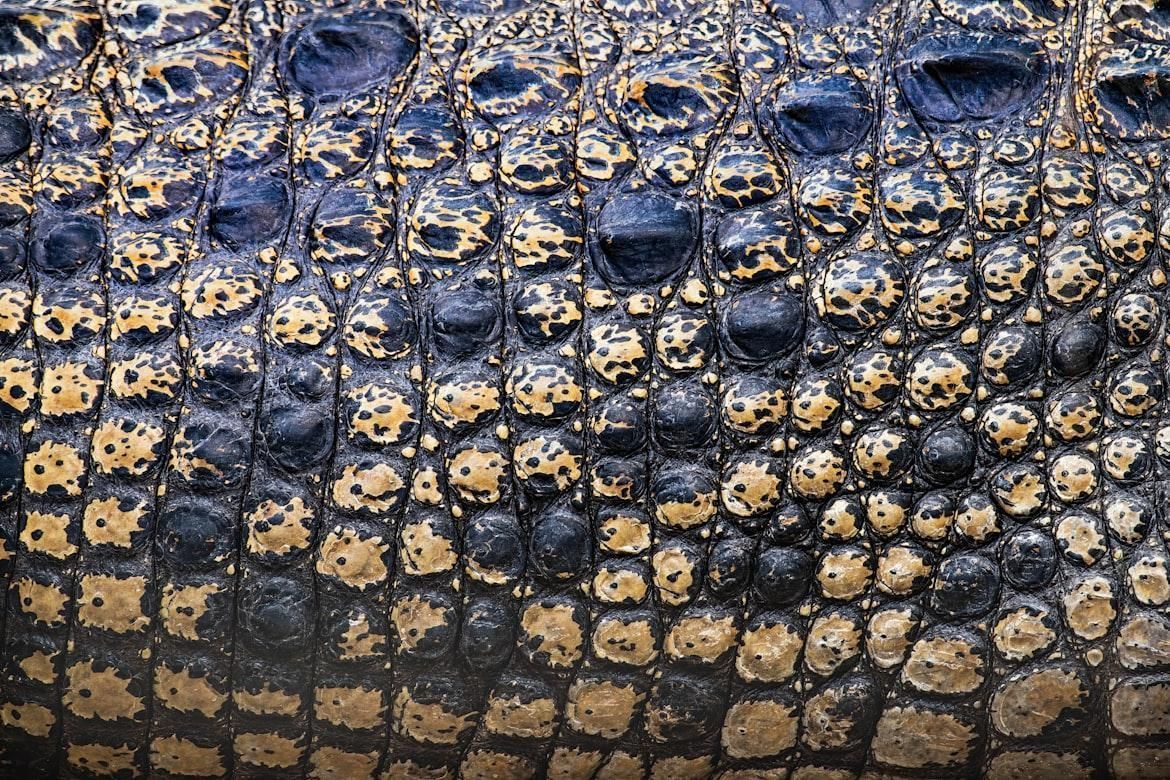
Image: David Clode

The Rancor, a massive reptilian monster from the Star Wars universe, first appeared in Return of the Jedi in 1983. The creature, brought to life using stop-motion animation, is known for its powerful claws, sharp teeth, and intimidating roars, often kept as a dangerous pet or prisoner in pits by crime lords like Jabba the Hutt. Despite limited screen time, the Rancor became one of the most memorable monsters in the Star Wars saga.

4
The Xenomorph ( Alien , 1979)

Image: Bruce Warrington

The Xenomorph first appeared in Alien, the famous sci-fi horror film starring Sigourney Weaver and directed by Ridley Scott. Designed by artist H.R. Giger, the creature is instantly recognizable by its elongated head, inner jaw, and biomechanical body. The monster functions as a relentless, silent threat rather than a speaking villain. Its terrifying design became central to a long-running franchise that included sequels, toys, video games, and even theme park attractions.

5
Gill-man ( Creature from the Black Lagoon , 1954)

Image: Alfonso Betancourt

Introduced in 1954, the Gill-man is an amphibious humanoid living in the Amazon. The creature was brought to life using a full-body suit, with separate actors for land and underwater scenes. Its scaly body, webbed hands, and large, expressive eyes set it apart from other monsters of the era. The film was released during the 3D movie boom of the 1950s, which helped draw large audiences. If you’ve seen the film, we bet you’ve experienced a few chills!

6
Audrey II ( Little Shop of Horrors , 1986)

Image: Rapha Wilde

The sassy and manipulative Audrey II from Little Shop of Horrors is a large, carnivorous, talking plant created using puppetry and mechanical effects. Its design evolves throughout the film as it "grows," requiring multiple versions of the puppet to achieve each stage. The character’s unique mix of menace and comedy helped make it one of the most recognizable non-human monsters in American musical cinema.

7
Thing ( The Thing , 1982)
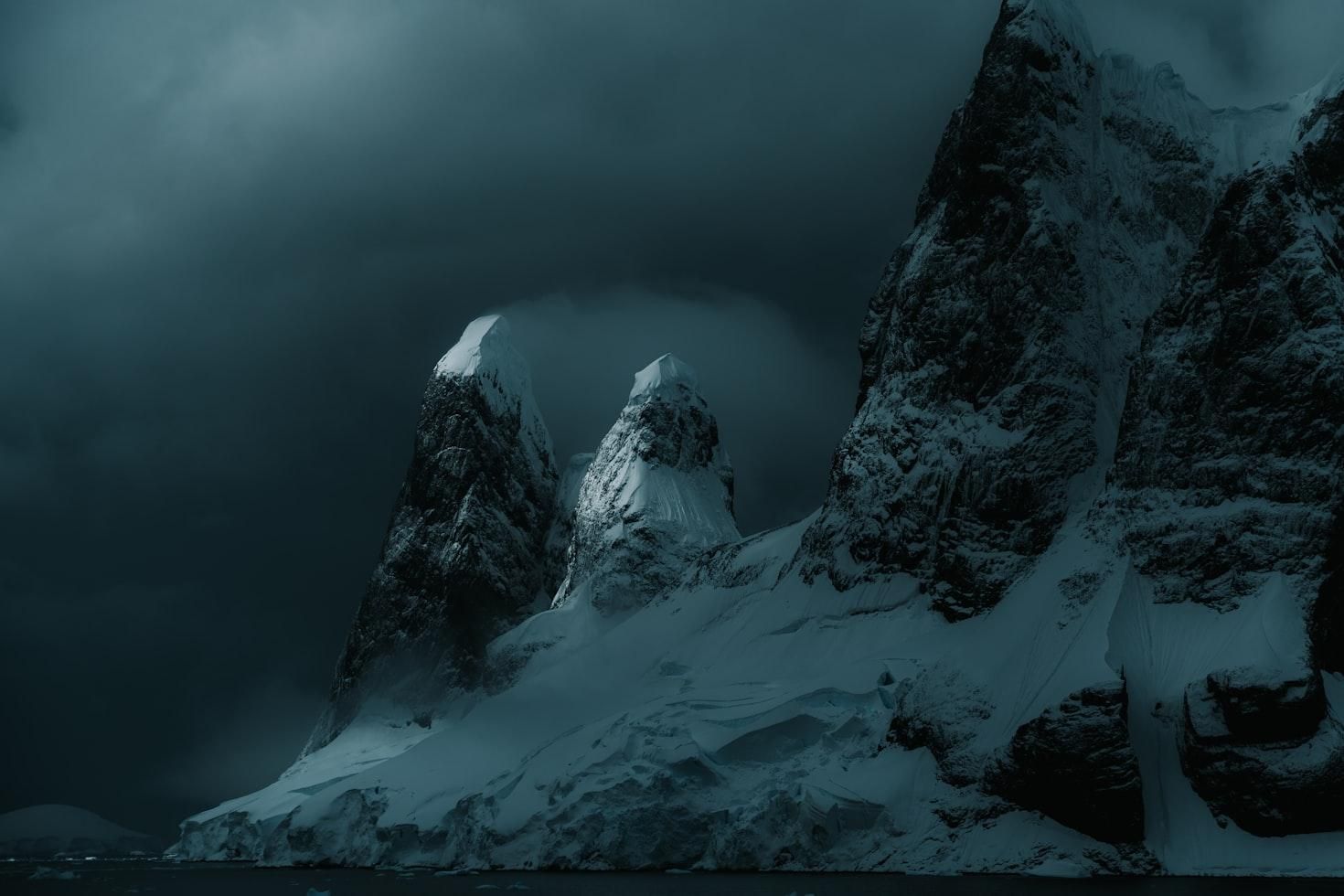
Image: Matthew Stephenson

John Carpenter’s The Thing premiered in 1982, introducing a terrifying shape-shifting alien that can imitate people and animals, making it nearly impossible to identify. The creature’s look was created using extensive practical effects, including animatronics and prosthetics. Set in the icy isolation of Antarctica, the film became well known for using physical effects rather than computer graphics, a choice that helped it remain visually striking decades later.

8
Werewolf ( An American Werewolf in London , 1981)
Image: Ian Nicole Reambonanza

John Landis’s An American Werewolf in London featured groundbreaking practical makeup effects. The unforgettable werewolf transformation scene, shown in full light rather than shadows, shocked audiences and became a milestone in cinematic creature design. The monster itself appears as a large, wolf-like creature with elongated limbs. Starring David Naughton and Griffin Dunne, the film combined horror and humor, helping it stand out among other monster movies of the era.

9
Yautja ( Predator , 1987)
Image: Rowan Heuvel

The 1987 film Predator was groundbreaking in introducing a humanoid alien hunter equipped with advanced technology. Its tense combination of science fiction and high-stakes action captivated audiences of the late 1980s.

The creature is instantly recognizable by its dreadlocked head, mandibles, and thermal-vision mask. Known as Yautja, or Hish-qu-Ten, the Predator became a recurring figure in sequels, comics, and crossover films, cementing its place as one of cinema’s most iconic extraterrestrial monsters.

10
Nosferatu ( Nosferatu , 2024)
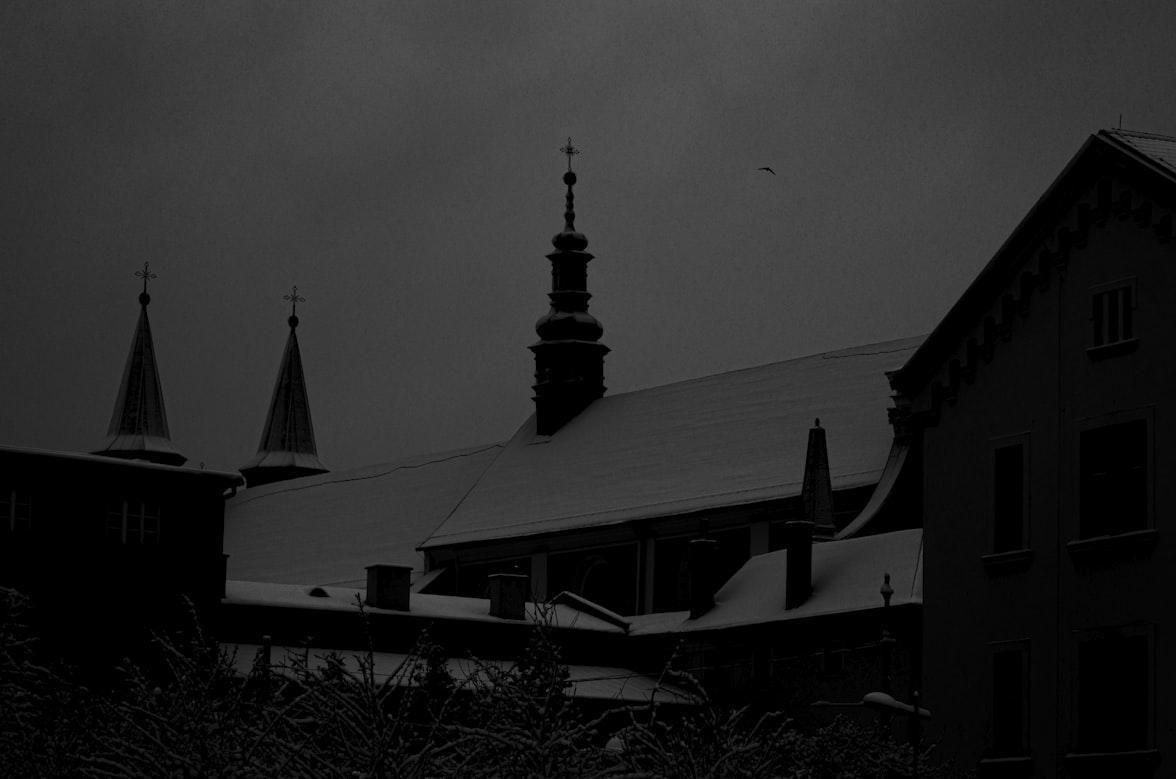
Image: Mikołaj

Released in 2024, Robert Eggers’ Nosferatu revisits the classic silent-era vampire tale with a darker, more historically grounded design. This time around, Count Orlok is shown as a decaying, human-looking figure rather than a romantic aristocrat, with pale skin, thinning hair, and period-accurate clothing. The film was shot largely in Eastern Europe, but aimed squarely at American audiences familiar with classic horror. Its approach highlighted mood and atmosphere over spectacle, connecting a 1920s character to modern horror sensibilities.

11
Graboids ( Tremors , 1990)
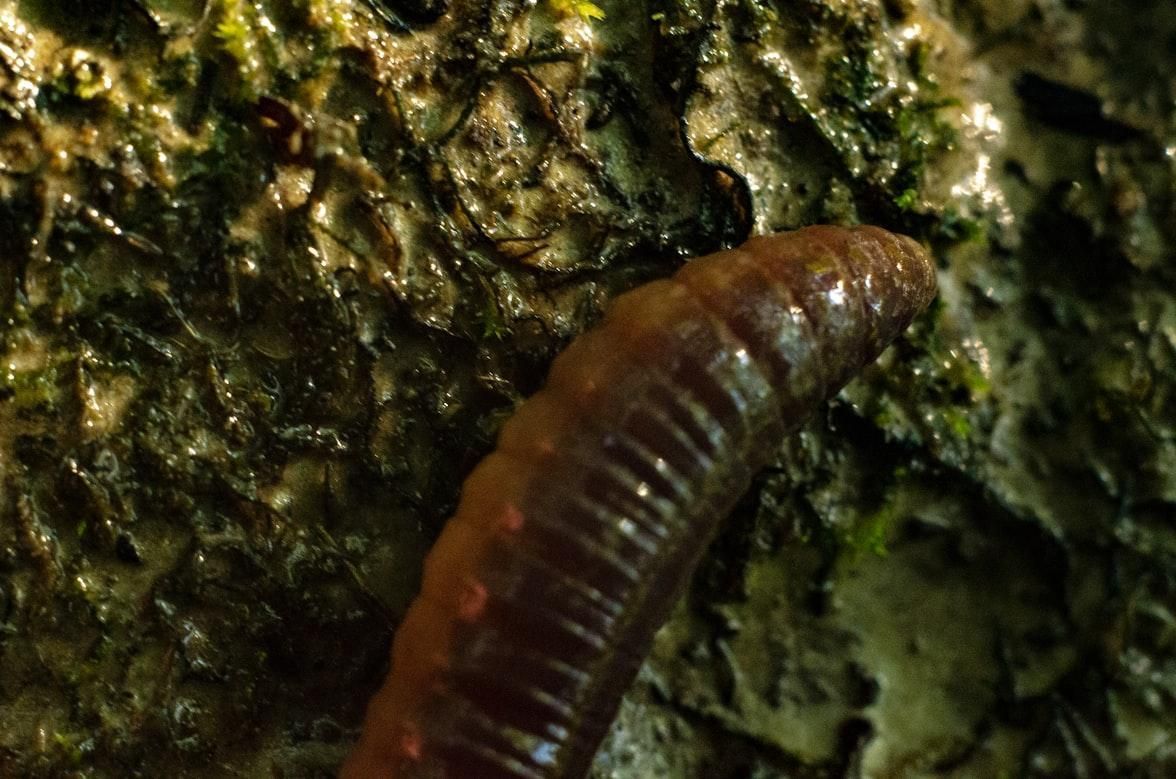
Image: Viktor Talashuk

Graboids, the massive, worm-like predators with circular mouths lined with sharp teeth and tentacle-like tongues, were created using large mechanical props and practical effects. These underground creatures from Tremors have limited visibility and rely on vibrations, which adds a suspense element that appealed to mainstream audiences at the time. They were really scary, don’t you think?

12
Frankenstein’s Monster ( Frankenstein , 2025)
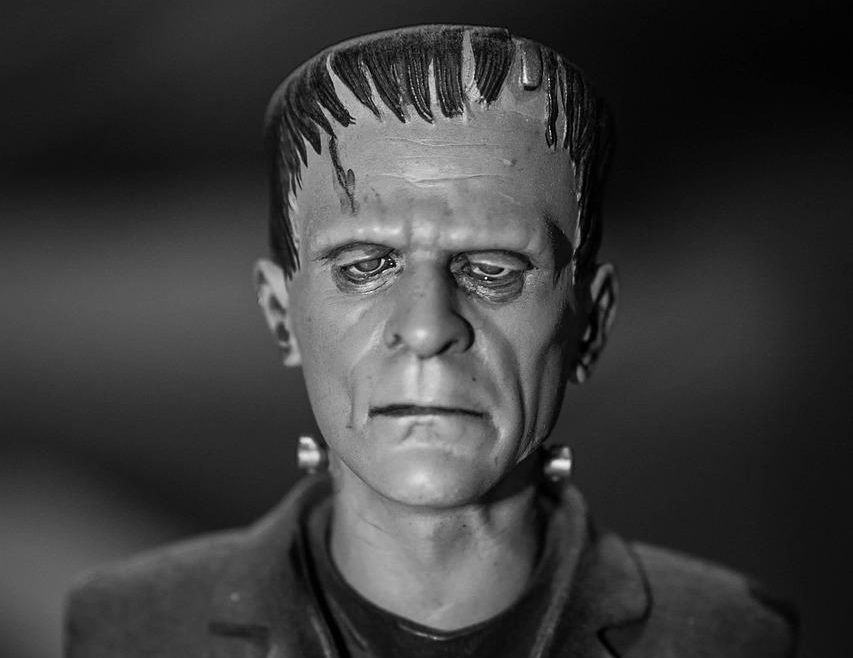
Image: sirenia57

This modern version of Frankenstein revisits the classic monster first popularized in the U.S. by the 1931 film. In keeping with the preconceived image that many viewers have, the monster retains its stitched skin, heavy movements, and a silent presence. Although it is the most recent film on our list, the creature’s appearance and physicality lean heavily on practical makeup and prosthetics rather than on computer-generated visual effects, reflecting Guillermo del Toro’s preference for tactile, artisanal creature design. Thanks to his decision, the character remains a figure shaped by human actions rather than a simple villain.

History History 4 min read

Big Friday instead of Black Friday? That was a flop, this article isn't!

Image: Max Fischer

Ah, Black Friday! A day when we brave the crowds (or click feverishly online) to snag the best deals, right? But how much do you really know about its history? It’s not just about discounts and doorbusters, even if that’s what comes to mind first. From surprising origins to unexpected traditions, Black Friday has plenty of fascinating facts to share. Let’s dive into some fun facts that’ll have you seeing this shopping holiday in a whole new light. Who knows, you might impress your friends at the next dinner with these tidbits!

1
Before bargains, there were stock market crashes

Image: Kelly Sikkema

Long before Black Friday meant shopping sprees, it had a gloomier vibe. Back in the late 1800s, the term was used to describe major stock market crashes . Imagine a Wall Street meltdown, and you’ll get the picture.

One infamous event occurred in 1869 when a financial fiasco involving gold prices rocked the country. While the term’s meaning has flipped over the years, its history isn’t always as rosy as a holiday ad. Thankfully, these days, "Black Friday" is more about spending than stressing—well, unless you’re in line at 5 a.m.!

2
From Santa Claus to shopping sprees

Image: rawkkim

Before malls opened at dawn and websites crashed under traffic, Black Friday was all about parades —specifically, Santa Claus parades! The tradition began in the early 1900s, with department stores like Macy’s sponsoring grand events to usher in the holiday season. These parades were a spectacle of floats, marching bands, and, of course, jolly old St. Nick.

Over time, the day became synonymous with shopping as stores started offering sales to parade-goers. So, if you’ve ever wondered why Santa and Black Friday seem so intertwined, it all started with a parade and a clever marketing move.

3
The plumber’s busiest day

Image: Unseen Histories

Here’s a fun (and slightly gross) fact: Black Friday is a goldmine for plumbers. Why, you may ask? Well, Thanksgiving feasts often lead to… let’s call them plumbing emergencies . From overloaded garbage disposals to bathroom backups, plumbers are busier than ever on this day. In fact, many in the industry refer to it as "Brown Friday" (we don’t need to explain that one to you!). It’s not the most glamorous Black Friday gig, but someone has to do it!

4
Why Thanksgiving got a time-out

Image: Iga Palacz

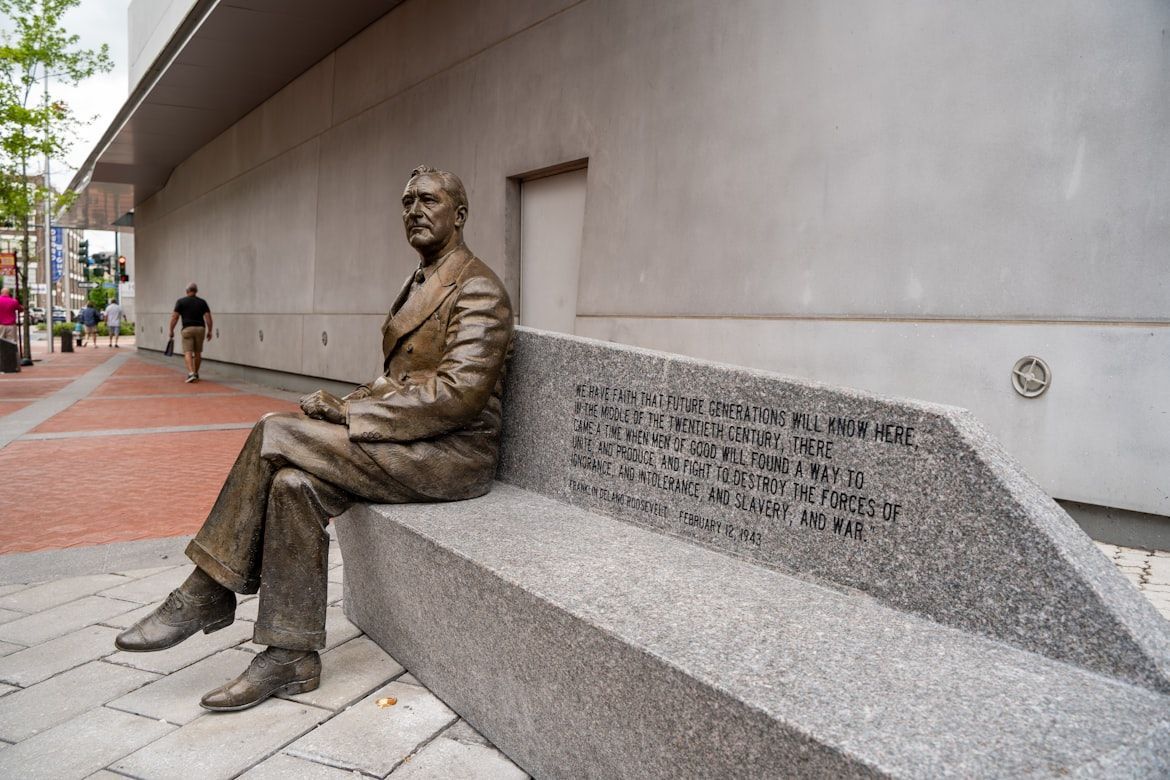
Did you know that Thanksgiving wasn’t always on the fourth Thursday of November? Back in 1939, retailers panicked over a shorter holiday shopping season, so President Franklin D. Roosevelt decided to push Thanksgiving back by a week to give everyone more time to shop .

The change caused quite an uproar, with people dubbing it "Franksgiving." Eventually, Congress stepped in and settled on the date we know today. So, next time you’re enjoying leftovers and plotting your Black Friday buys, thank FDR for the extra shopping days.

5
"Big Friday" was a big flop

Image: 愚木混株 cdd20

In 1961, officials in Philadelphia tried to give Black Friday a friendlier spin by renaming it "Big Friday." The reason? Local police were fed up with the day’s chaotic traffic and crowds . Unfortunately, the new name didn’t catch on; after all, "Black Friday" had a certain dramatic twist. Over time, the term stuck, and its connotations shifted to something more positive. But can you imagine telling friends, "I’m gearing up for Big Friday sales"? It doesn’t have the same charm, does it?

6
When Saturday stole the spotlight

Image: Kelly Sikkema

Believe it or not, Black Friday wasn’t always the reigning king of shopping days. For decades, the Saturday after Thanksgiving held that title . Can you guess why? Many people preferred to relax on Friday before diving into the holiday hustle. That would be our choice if you asked us!

It wasn’t until the early 2000s, when retailers began offering jaw-dropping deals, that Black Friday took the crown. Long live the king!

7
The global spread of Black Friday

Image: Kelsey Knight

Black Friday isn’t just an American obsession anymore—it’s gone global! Over 15 countries, including Canada, the UK, and even Brazil, have embraced the tradition of post-Thanksgiving sales.

Even if some places don’t celebrate Thanksgiving, they’ve adopted the shopping frenzy with open arms. After all, a good bargain is a universal language. So, if you find yourself traveling during the holidays, don’t be surprised to see Black Friday signs in unexpected places.

8
Thanksgiving evening: The new Black Friday

Image: Libby Penner

In 2011, Walmart threw tradition out the window by opening on Thanksgiving night. This controversial move kickstarted the trend of retailers starting sales earlier and earlier . While some loved getting a head start, others missed the old-school thrill of early-morning Black Friday madness.

In any case, it marked a significant shift in how we approach holiday shopping. These days, "Black Friday" often feels more like "Black Thursday Night," but hey, nobody’s complaining about the extra deals.

9
Contactless is the new black

Image: SumUp

Black Friday shoppers are going cashless in droves; 53% of people prefer using contactless payments when hitting the stores . Are you one of them? With just a tap, you’re out the door, deal in hand—no fumbling for change or wrestling with a wallet while juggling bags! Meanwhile, 30% of shoppers admit they’re not too comfortable using cash anymore. And can you blame them? Between convenience and hygiene, contactless is clearly the king of modern shopping. Which method do you prefer?

10
Shopping under the influence

Image: Douglas Lopez

Here’s a fact that might make you chuckle: about 12% of Black Friday shoppers admit to hitting the stores—or their keyboards— after a drink or two . Maybe it’s leftover wine from Thanksgiving, or perhaps it’s liquid courage for battling the crowds.

Either way, some of those impulse buys might be less about bargains and more about buzzed decision-making. So, if you’ve ever woken up to a mysterious order confirmation, you’re not alone! Black Friday shopping is wild enough; add wine, and it’s a whole new adventure!

General General 4 min read

Icons of the 80s

Rediscover the top 10 trends from the 80s that should make a comeback!

Image: Cottonbro Studio

The 1980s were marked by ambition, progress, and reinvention. It was a decade that vibrated with the chimes of the New York Stock Exchange, the rise of cable TV, and the sound of personal computer keyboards. Fashion, of course, was not far behind: leg warmers, shoulder pads, and big hair were all the rage. In this article, we are covering ten years in which technological advances, finance, and pop culture reigned supreme in America. Ready for a flashback?

1
Bright colors

Image: Yaritza

In the 80s, neon was absolutely everywhere, and let’s be honest, it was very hard to miss. Found in clothes, accessories, makeup, signs, and posters, blindingly bright colors became a new style statement. From hot pink to acid green, neon yellow to electric blue, this color palette could be found in pop culture, on the streets, and everywhere in between.

2
Bold fashion

Image: cottonbro studio

There's only one word to describe 80s fashion: bold . B old hair, bold accessories, bold colors, bold everything! Fashion during this decade was strongly influenced by pop music and new rock subgenres such as New Wave. For the first time, different styles began to mix, combining formal garments with rebellious accents —like pairing suits with sneakers, mind you. Whether it was shoulder pads, multicolored leg warmers, or those striking Miami Vice suits, fashion in the 80s was all about vibrancy and an aura of success.

3
Big hair, strong makeup

Image: Gustavo Cerati, Public domain, via Wikimedia Commons

In the 80s, crazy cuts and dramatic makeup became an everyday thing, a way of expressing one’s personality and style everywhere you went. From musicians like Madonna to leading ladies like Demi Moore or Julia Roberts, the stars led the way with their perms, pumped-up hair volume, tanned faces, and bright eyeshadows.

But let's not forget the guys! They also introduced the iconic mullet, popularized by celebrities like Rod Stewart, tennis player Andre Agassi, and Patrick Swayze, just to name a few.

4
Rise of yuppie culture

Image: MART PRODUCTION

In a nutshell, Yuppie culture was characterized by slicked-back hair, V-neck sweaters, and a condescending attitude. The term yuppie , an acronym for "young urban professional," emerged in 1980 in an article in Chicago magazine. It described a young person in their 20s or 30s who was part of the middle to upper class, a socioeconomic group that became the forefront of the decade.

From the beginning, this label sparked divided opinions: For some, it represented ambition and success; for others, it symbolized superficiality, an excessive materialism, and an apparent superiority complex. Accurate or not, the trend eventually faded away after the 1987 Wall Street Crash.

5
Toys on TV

Image: cottonbro studio

The 1980s were marked by spending Saturday mornings watching ads on cartoon commercial breaks. How did this happen? From this decade onwards, companies were finally allowed to market directly to kids. The result was hundreds of all kinds of toy ads. They advertised everything from creative games like the Rubik's Cube or Lego to cute and cuddly toys like Care Bears and My Little Pony. This era also saw the beginnings of the must-have toy trend, with Cabbage Patch dolls leading the pack.

6
Music on the go

Image: cottonbro studio

During the 80s, it was common to see people walking down the street with a Walkman on their hips or a boombox to their ears. Although the boombox gained popularity in the 70s, it became mainstream in the 80s thanks to hip-hop and breakdancing culture. Yet, the Walkman would soon steal its thunder. This revolutionary new audio player allowed people to bring their music with them anywhere without bothering everyone around. And that’s also how mixtapes became a thing!

7
Personal computers

Image: Tomas Martinez

The 80s were a prominent decade for electronics development. In 1981, IBM introduced its first personal computer, and everyday life and work would never be the same again. More affordable computers were created thanks to the introduction of powerful, smaller, and cheaper processors, reaching a wider audience and creating greater demand. Models such as the IBM PC, the Commodore 64, and the Apple Macintosh became household names, paving the way for the era of domestic computing.

8
Rise of video games

Image: cottonbro studio

Thanks to technological advances in graphics and gameplay over the decade, video games finally became undeniably popular. With the rise of arcade machines and home consoles, a series of iconic games managed to capture the attention of a wider audience, igniting a cultural phenomenon that would influence music, film, and television. Titles such as Super Mario Bros., The Legend of Zelda, Space Invaders, Pac-Man, and Donkey Kong became classics that defined an era.

9
Cable TV goes mainstream

Image: Coline Haslé

When cable TV hit the mainstream, it not only gave the big three American networks a run for their money, but it also allowed the world access to specialized shows that better suited their tastes. Whether your interest was sports, comedy, or music, cable had something for everyone.

CNN and HBO definitely changed television forever, but it was perhaps MTV that left the most indelible mark by offering greater insight into contemporary bands and musicians via live performances and music videos.

10
Fitness fever

Image: Ron Lach

The 1980s were the golden age of fitness, a trend that reflected society's growing interest in health and wellness. Exercise routines were not just a workout, but a cultural phenomenon that turned our living rooms into mini gyms.

Major clothing brands began designing exercise-specific apparel and accessories, such as leotards, crop tops, and headbands. Celebrities also capitalized on the fitness craze. Jane Fonda, for example, became a massive hit in 1982 with her iconic workout videos, some of the best-selling VHS of all time.

Explore more American facts

Choose your favorite category!

General
General

As American as apple pie—the very best America has to offer!

Culture
Culture

Delve into the astounding richness of American lore.

Geography
Geography

Hop in and explore vast and diverse American landscapes.

History
History

Discover the key moments that shaped the United States.