Numbers that made history
The “infamous” presidential address that broke radio records
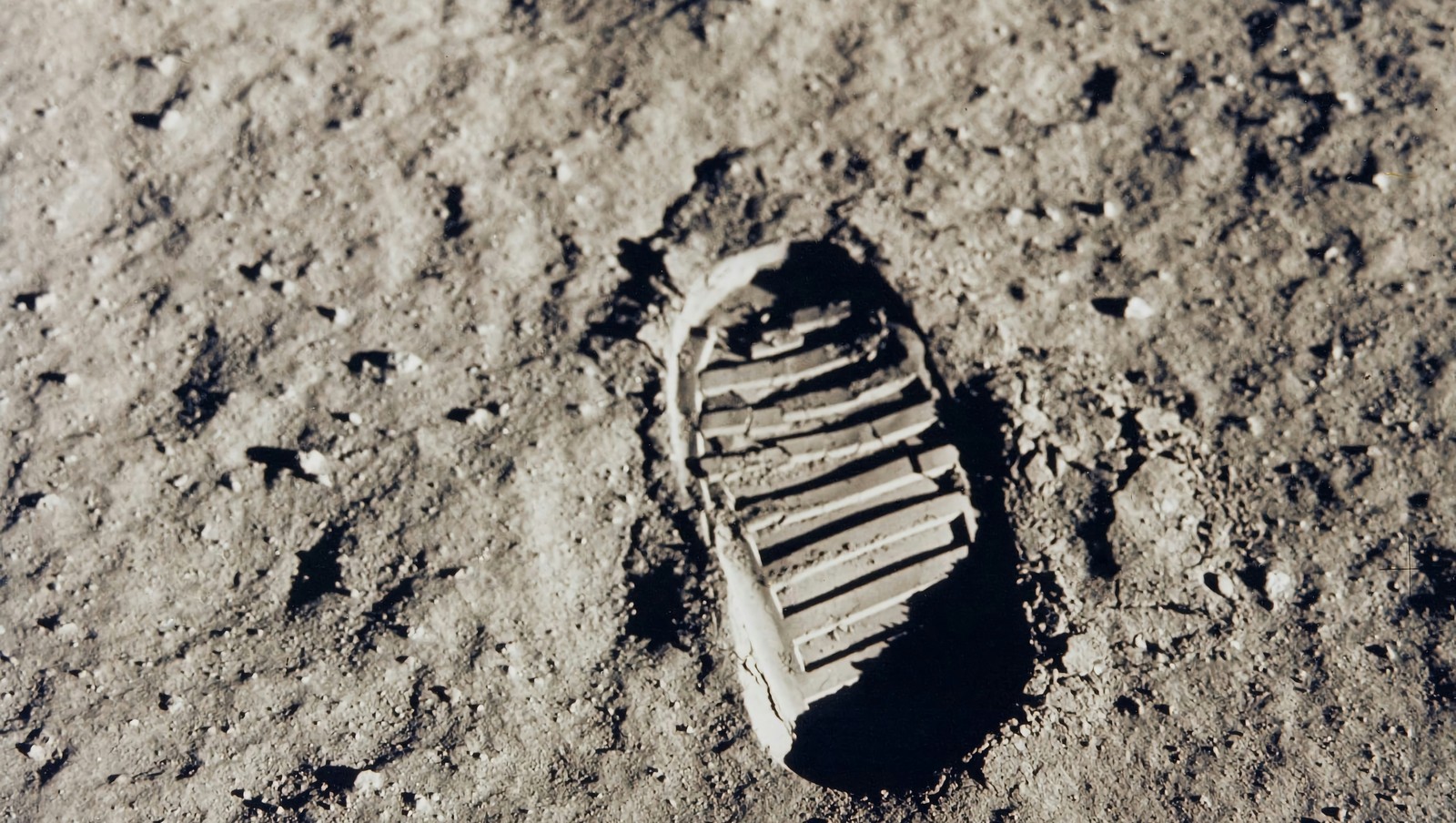
Image: NASA
Were you one of the lucky ones who saw the moon landing live on TV? Or maybe you know someone who witnessed the first televised presidential debate? The popularization of radio and later TV during the 20th century meant that millions of people were able to experience historic milestones together , no matter their situation or location. Here are the seismic television and radio events that gathered the biggest audiences in 20th-century America.
1
The Moon landing (July 20, 1969)
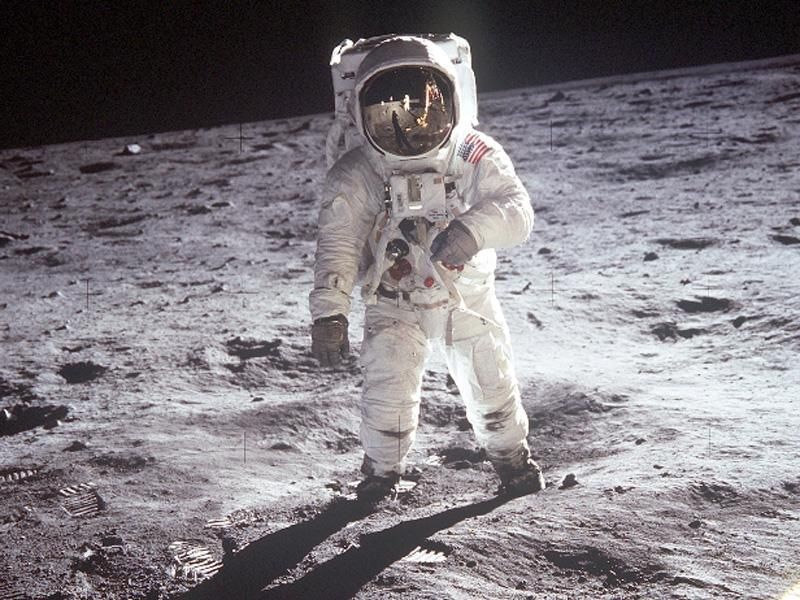
The moment Neil Armstrong set foot on the lunar surface, he had millions of eyes upon him across millions of TV screens. Considered the television event of the decade, t he July 20, 1969 Moon landing broke records at a national and international level. Gathering an estimated 600 to 650 million viewers worldwide, "the small step for man, giant leap for mankind" was watched by around 125 to 150 million American viewers, representing around 93% of households with a TV. This record was not surpassed until the 1981 wedding of Lady Diana and Prince Charles.
2
"Day of Infamy" speech (December 8, 1941)
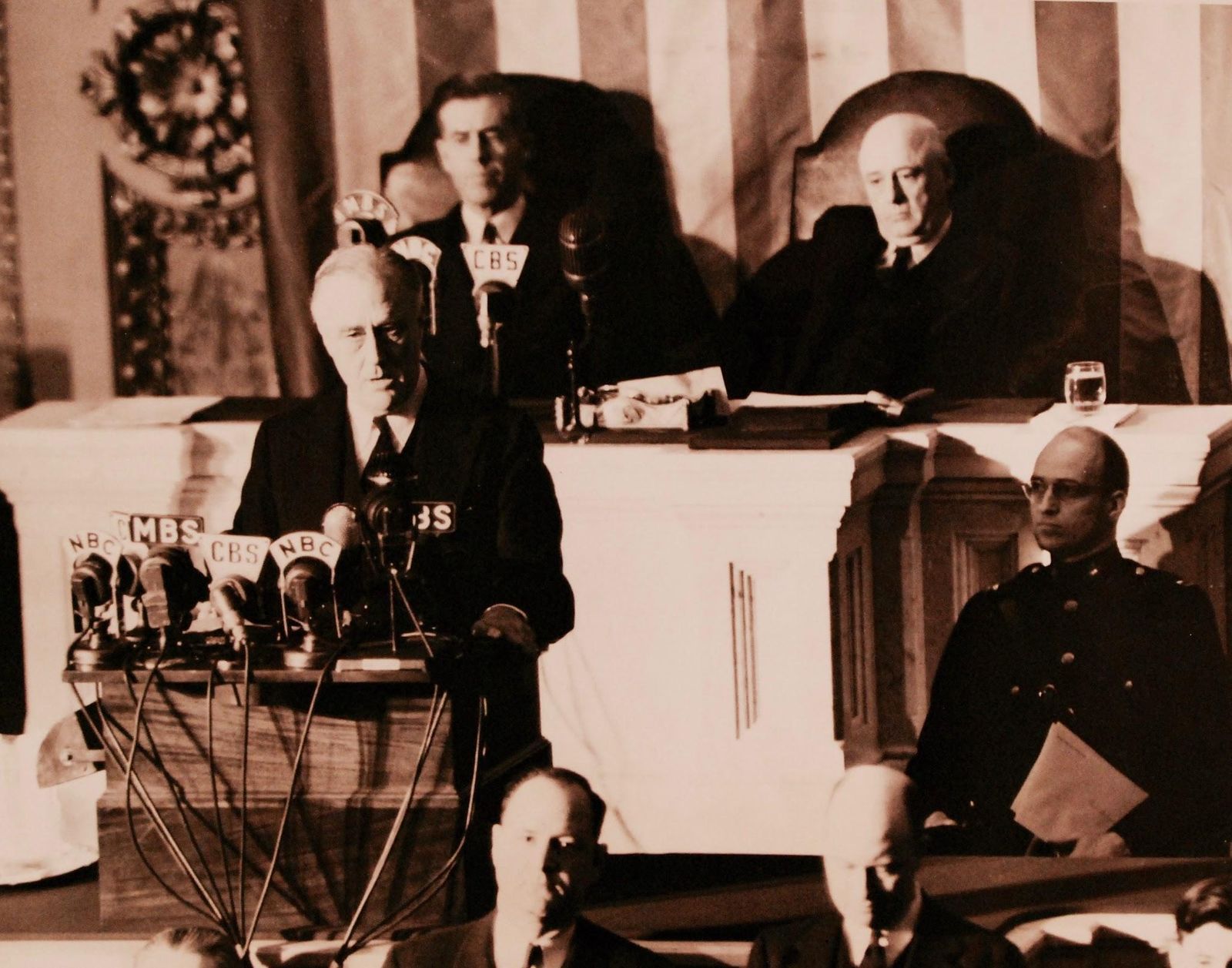
A day after the December 7, 1941 attack on Pearl Harbor by the Japanese Imperial Navy, President Franklin D. Roosevelt addressed the U.S. Congress during a joint session. His speech, which started by describing the day before as "a date which will live in infamy", was not meant to convince Congress about declaring war —which it did shortly after—but to rally a distressed and shocked nation. One of the most famous political speeches of all time, this address attracted the biggest radio audience in American history, with more than 100 million people (an estimated 81% of the adult population) tuning in.
3
The first Kennedy-Nixon debate (September 26, 1960)
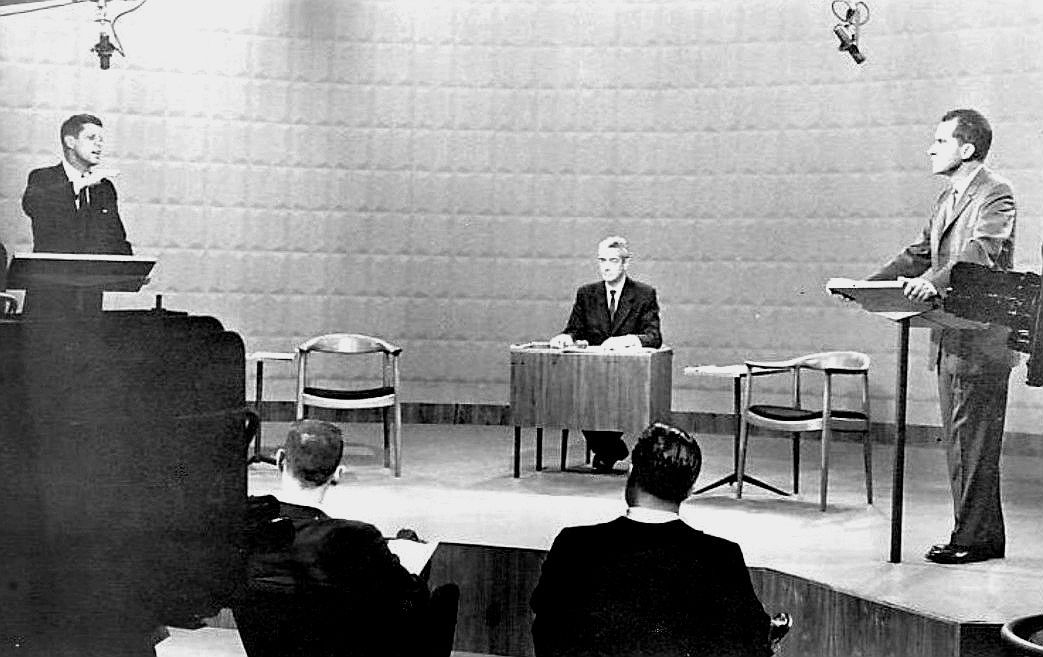
The first of the 1960 presidential debates between Senator John F. Kennedy and Vice President Richard Nixon does not hold the record for the most viewed debate of the century (held by the 1980 Carter-Reagan debate), but it’s nonetheless a landmark event in American television. The first televised presidential debate ever, it attracted between 66 and 77 million viewers , and it is considered one of the main reasons for the shift in public opinion in favor of Kennedy. Nixon, aged 47, the leading candidate before the broadcast, appeared exhausted and pale compared to the much younger-looking and more telegenic Kennedy, aged 43.
4
"I have a dream" speech (August 28, 1963)
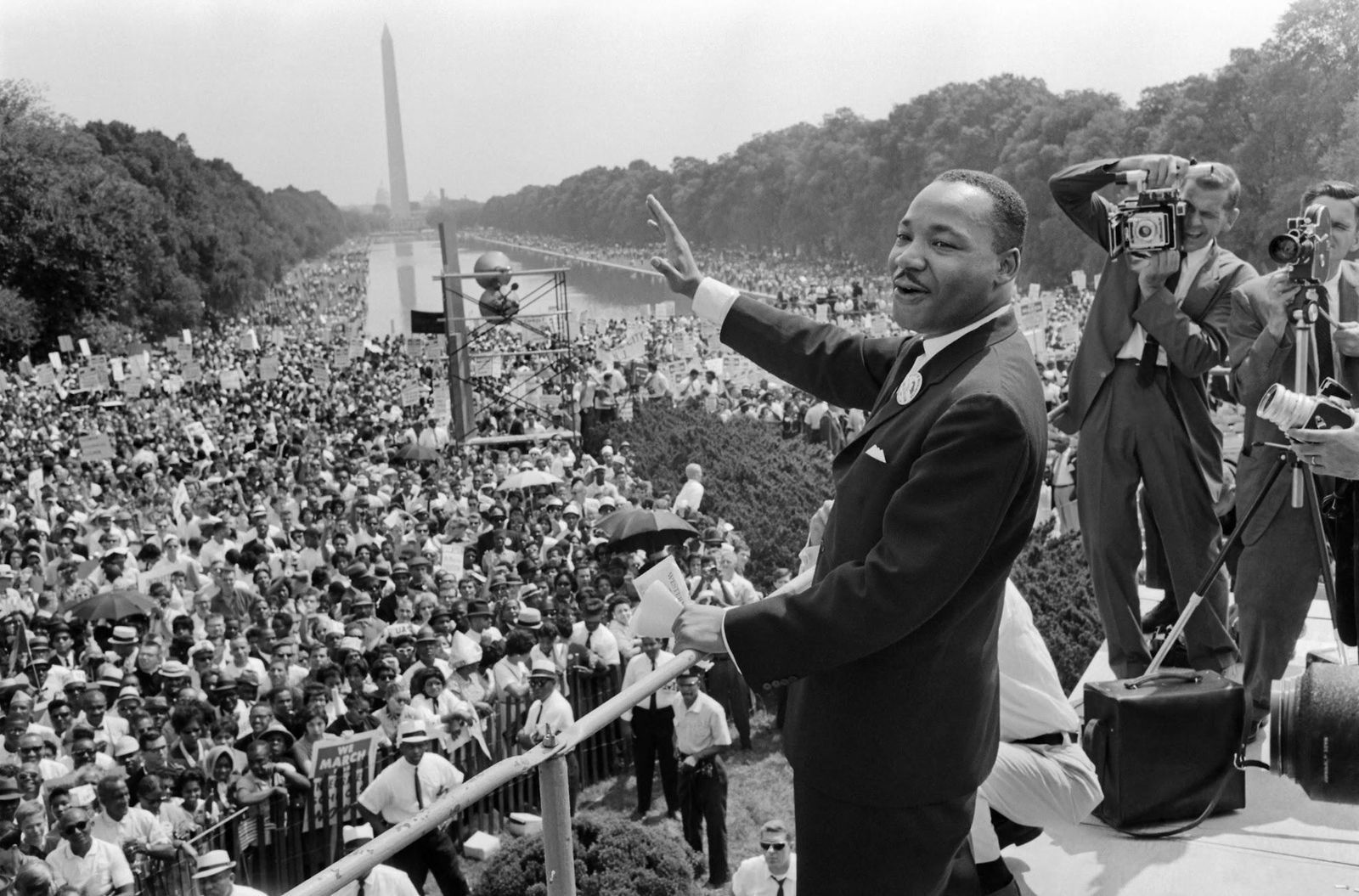
The date and location of Martin Luther King Jr.’s most famous speech were not accidental. As part of the marches in support of President Kennedy’s proposed civil rights legislation, it coincided with the centennial of the 1863 Emancipation Proclamation made by Abraham Lincoln, at whose memorial King gave his speech. Besides the massive live audience (around 250,000 people), the speech was broadcast by the three major television networks and by major radio stations in the country . Although there are no official numbers recorded, it is estimated that there were millions of viewers and listeners, including the First Family at the White House.
5
The War of the Worlds
broadcast (October 30, 1938)
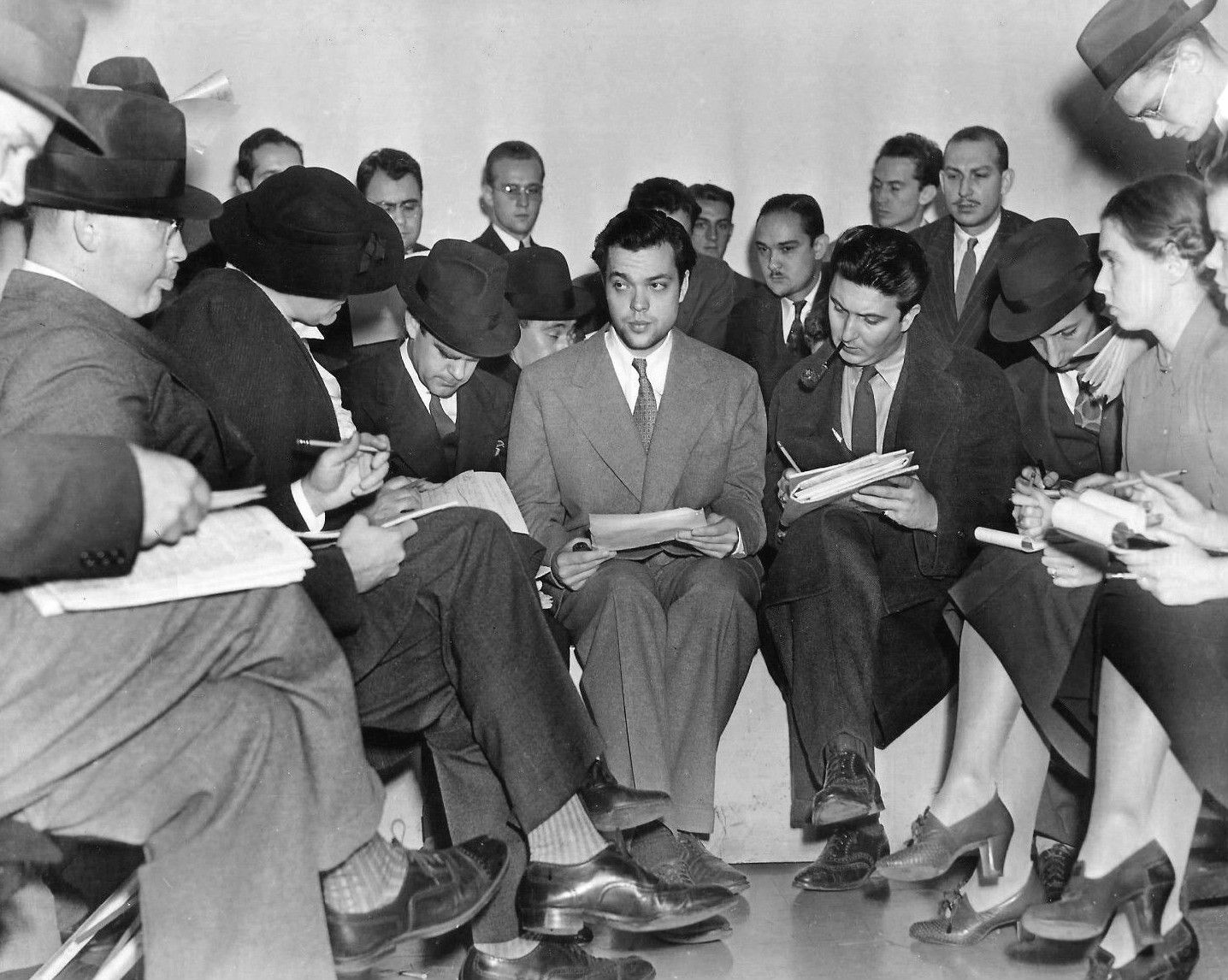
On October 30, 1938, CBS Radio Network broadcast a radio adaptation of H. G. Wells' The War of the Worlds , directed and narrated by Orson Welles. The first part of the broadcast was delivered as a realistic news broadcast, with reporters breaking the news about an alien invasion, which led part of the audience to panic and believe that an actual invasion was taking place. The episode had an estimated audience of 6 million, and it is thought that more than a million listeners believed it was a real broadcast.
6
The Beatles’ first U.S. television performance (February 9, 1964)
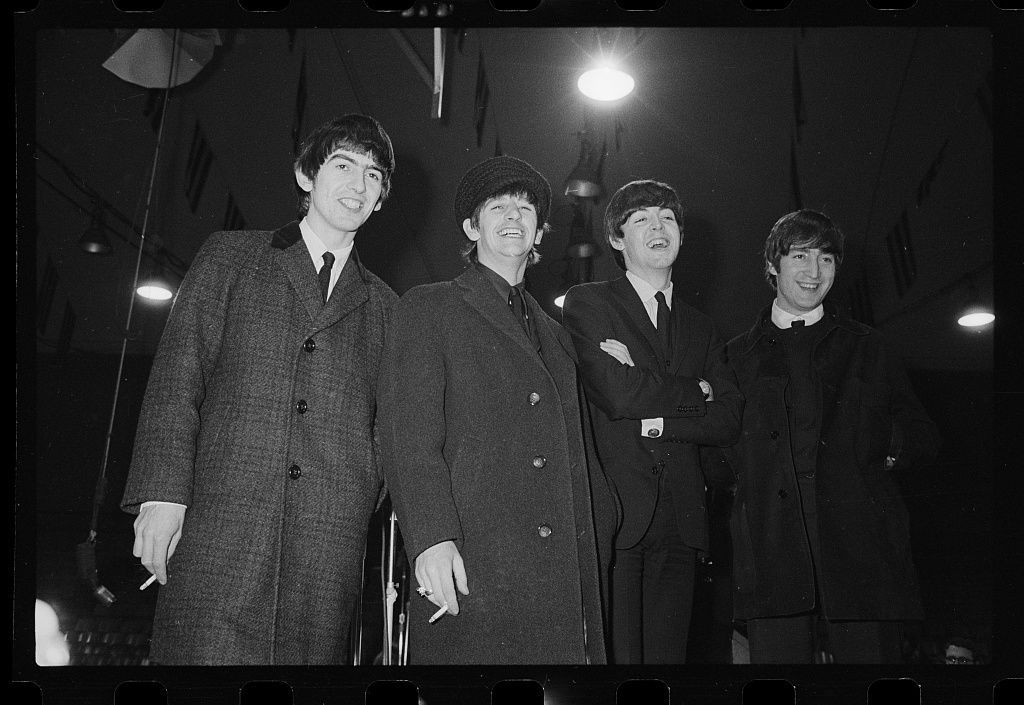
The most famous British band of all time made their American TV debut on February 9, 1964, on The Ed Sullivan Show , with an audience of 73 million viewers. The performance was highly anticipated —the broadcast network received 50,000 applications for the 728 seats available in the studio— and it is considered the starting point of American Beatlemania and the so-called "British invasion" of American music.
7
FDR's first
Fireside Chat
(March 12, 1933)
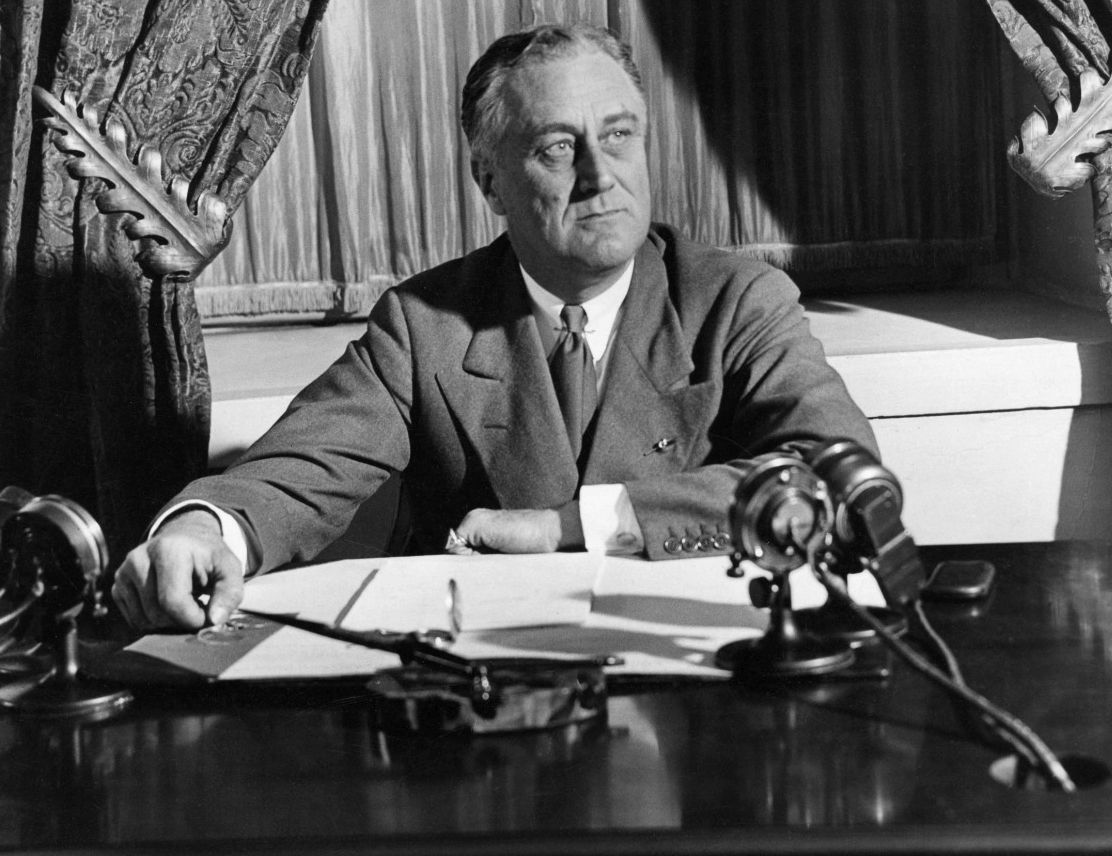
In the 1930s, during the Great Depression, the radio became one of the main sources of entertainment and news. President Roosevelt’s Fireside Chats used the radio format as a way to connect directly with millions of weary Americans , explaining the policies that were being implemented to combat the crisis, dispelling rumors, and encouraging them to trust in the government. The friendly, informal tone of these broadcasts was highly effective in raising the nation’s morale and reducing general anxiety. With the first broadcast reaching an audience of 60 million, the Fireside Chats attracted more listeners than most of the popular radio shows, with numbers rising as America entered World War II.
8
Nixon’s resignation speech (August 8, 1974)
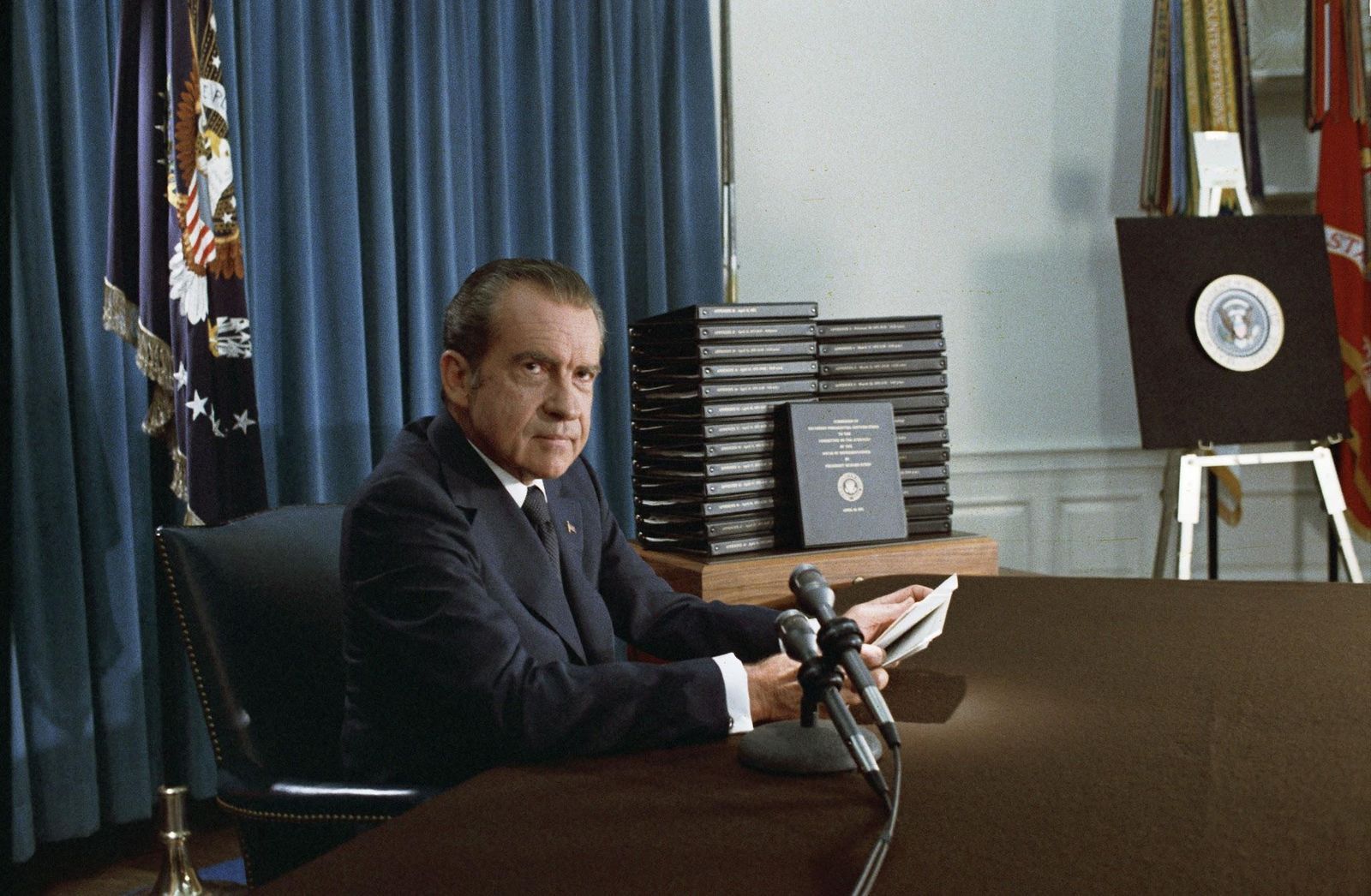
On August 8, 1974, President Nixon addressed the American public from the Oval Office to announce his decision to resign the following day as a result of the Watergate scandal and under the threat of an impending impeachment. Besides an ample radio audience, the televised speech was watched by 90 to 110 million television viewers. While the reactions of the public were mixed, the speech had an unprecedented impact and is considered one of the most important political speeches of that era.
9
_Roots_’ final episode (January 30, 1977)

The production and broadcast of the 1977 Roots miniseries was a milestone in itself. Only a few years before, tensions around the Civil Rights movement had shaken America, and some thought that airing a story that put the enslavement of Black people in the spotlight was a huge risk. But audience numbers proved them wrong: with around 29 million households tuning in for the first episode, the series became a cultural phenomenon that sparked conversations about race, ancestry, and American history. The final episode, with more than 100 million viewers —more than half of the U.S. population— was the most-watched TV episode of the time, and the second-most-watched overall series finale in U.S. history.
10
Super Bowl XVI (January 24, 1982)
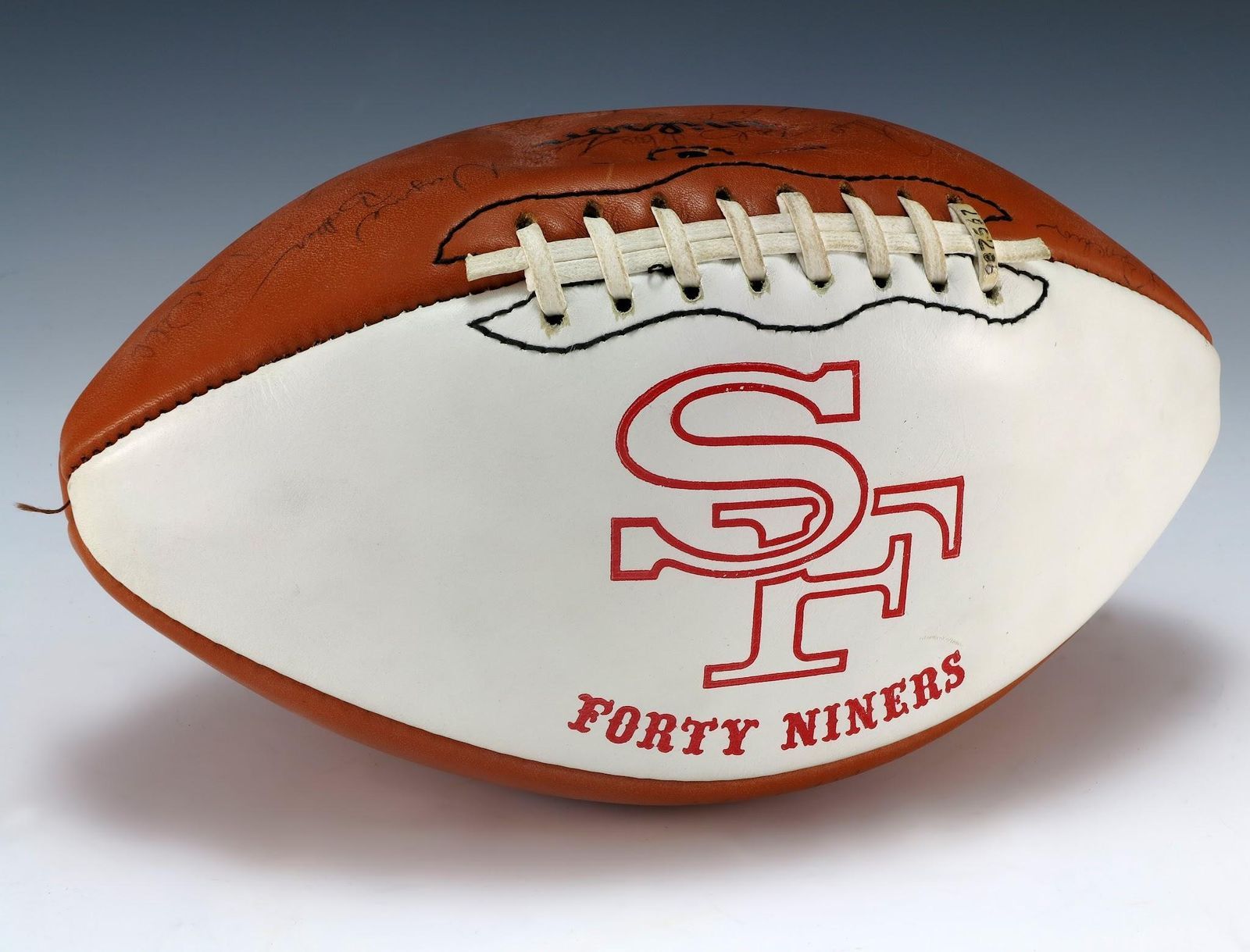
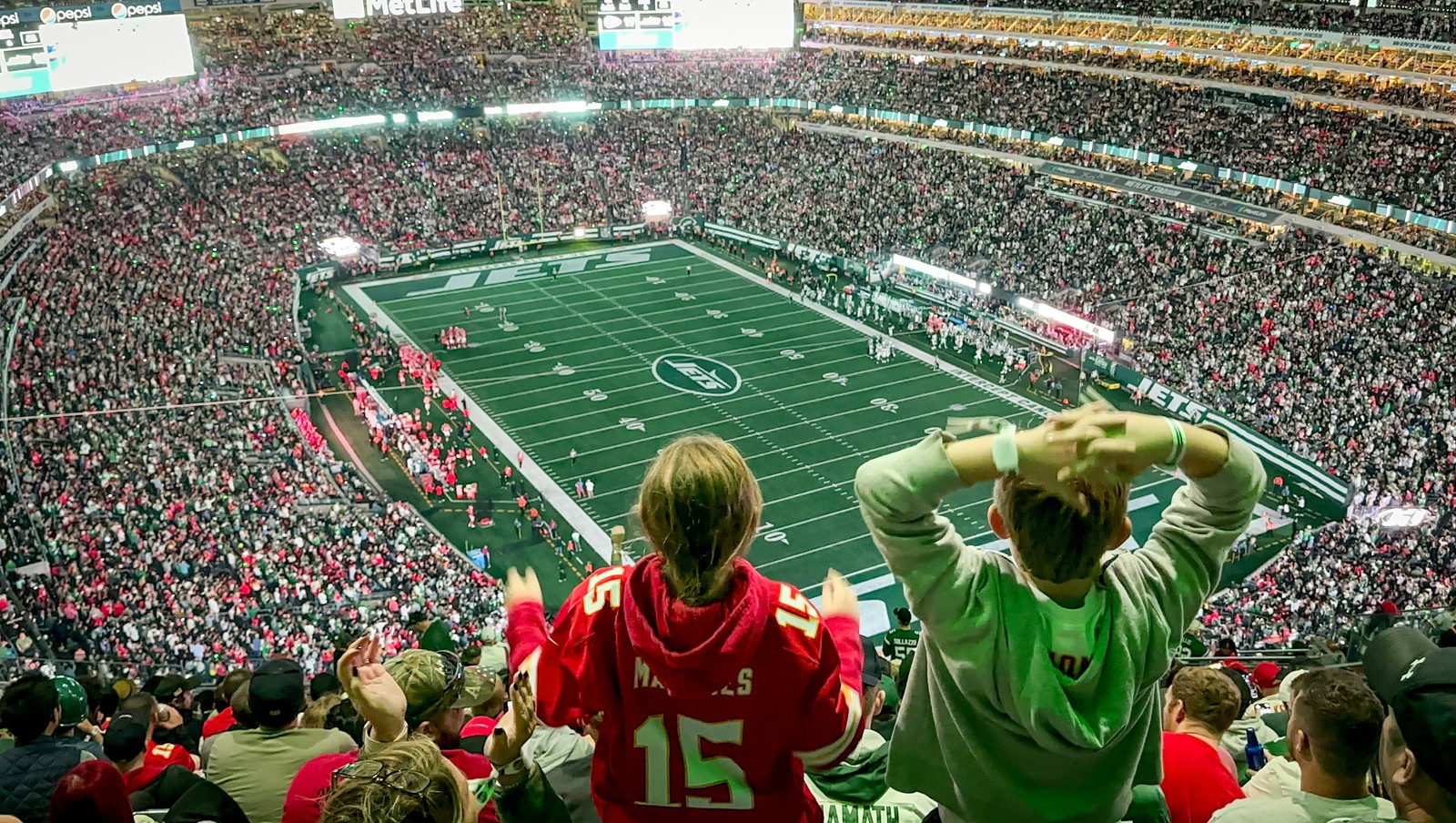
Nowadays, it’s not surprising that sports events like the Super Bowl have a huge television audience, but things were different in the 1980s. Super Bowl XVI, played on January 24, 1982, in Michigan, with the San Francisco 49ers facing the Cincinnati Bengals, was watched by more than 85 million people, breaking all broadcasting records of the time .
11
Louis-Schmeling rematch (June 22, 1938)
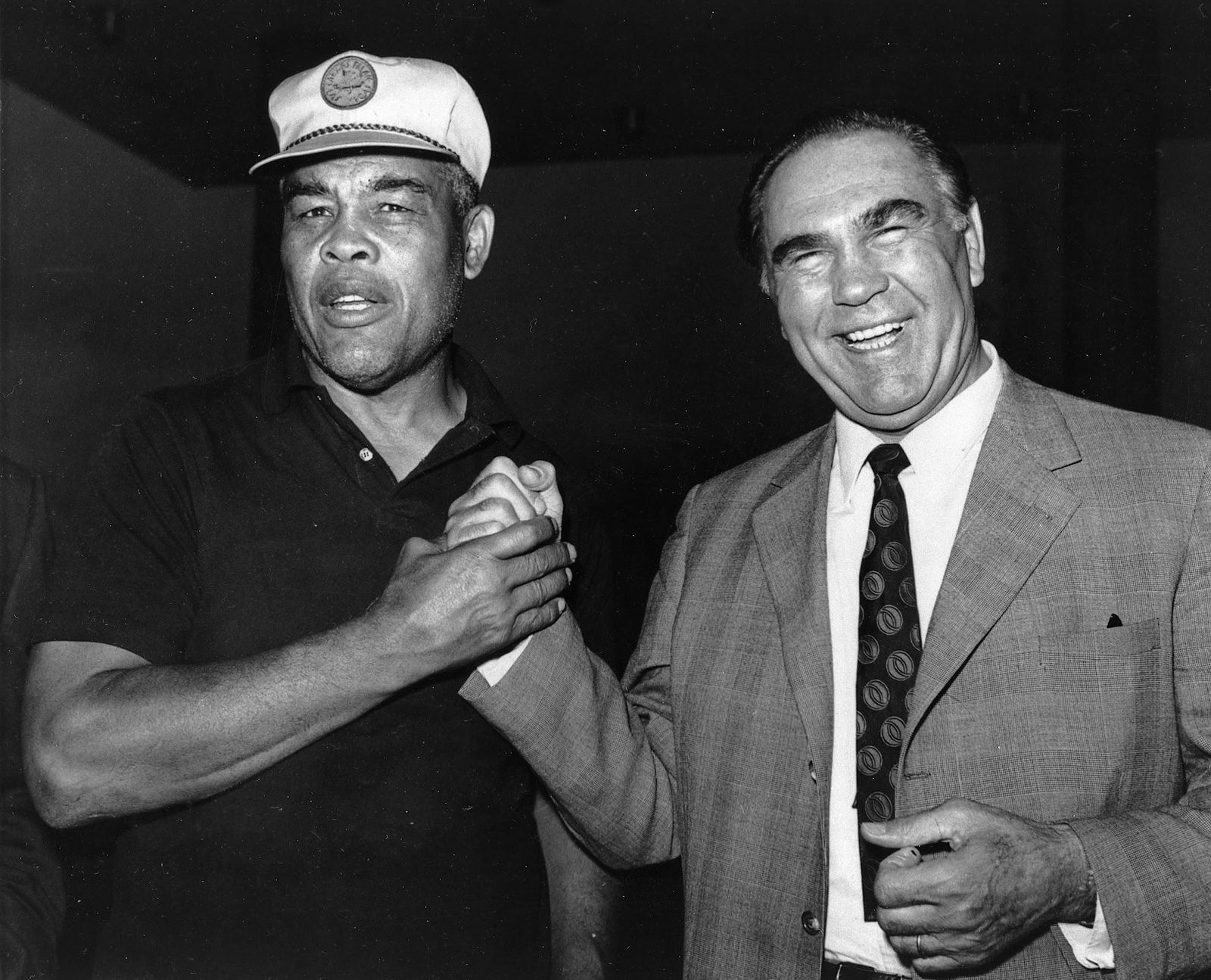
When Joe Louis faced the German boxer Max Schmeling for the first time in 1936, everyone predicted that Schmeling would lose against the undefeated and rising Louis. To the world’s surprise, Schmeling won by knockout. Their rematch two years later was not only Louis’ opportunity to change the result and defeat Schmeling , but it was also charged by the increasing political tensions between Hitler’s Germany and the U.S. Besides its huge live audience at Yankee Stadium, the fight had a record audience of 70 million people in America, with an additional 30 million estimated listeners from other countries.