History History 9 min read

One fact for each colony

The Virginia leader who turned pirate: 13 colonial facts you didn't know
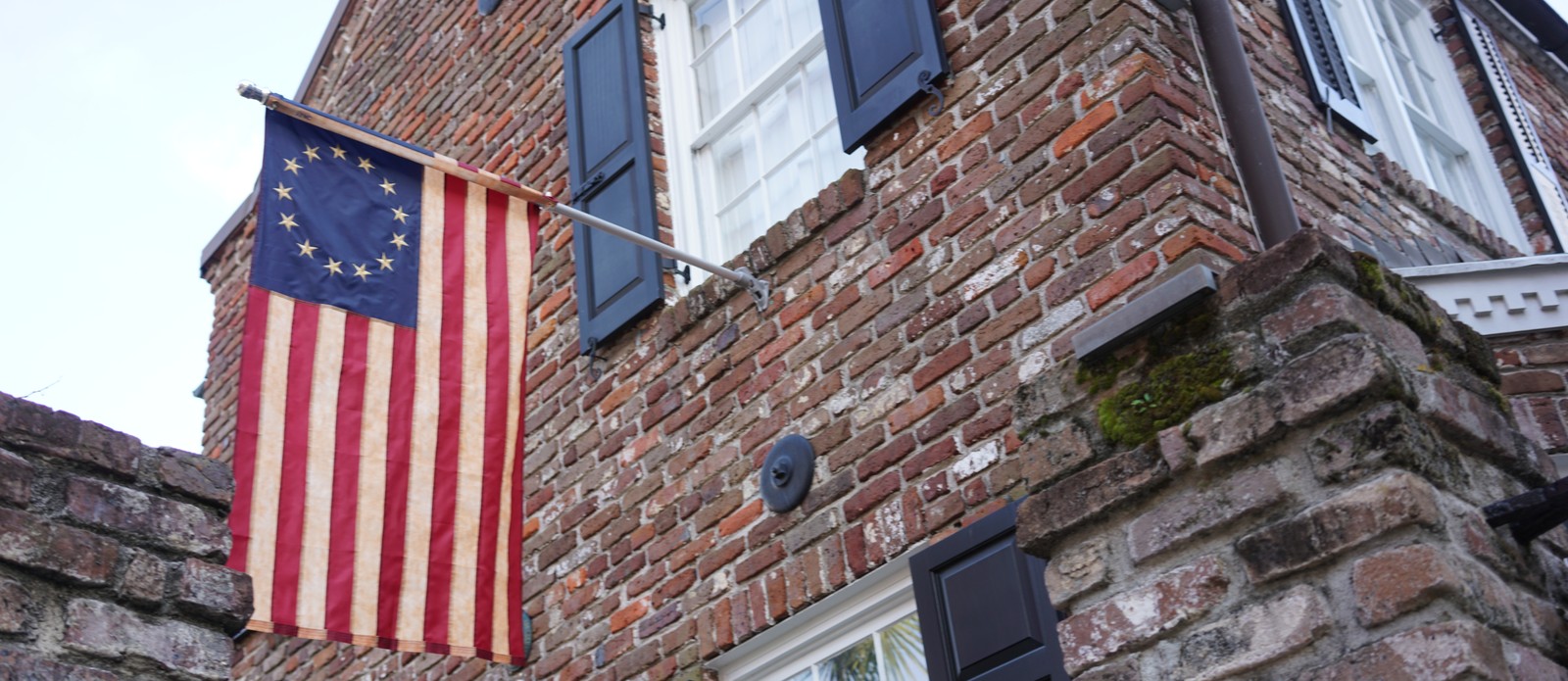
Image: Wynn Wygal

You probably learned about the 13 original colonies in school, but how much do you actually remember? Their history is full of strange twists, surprising rivalries, and stories that didn’t make it into textbooks. From a Virginia colonial leader who became a pirate to the enduring mystery of North Carolina’s "Lost Colony," here are 13 fascinating facts and stories that reveal a very different side of the 13 colonies.

1
North Carolina’s "Lost Colony" remains a mystery
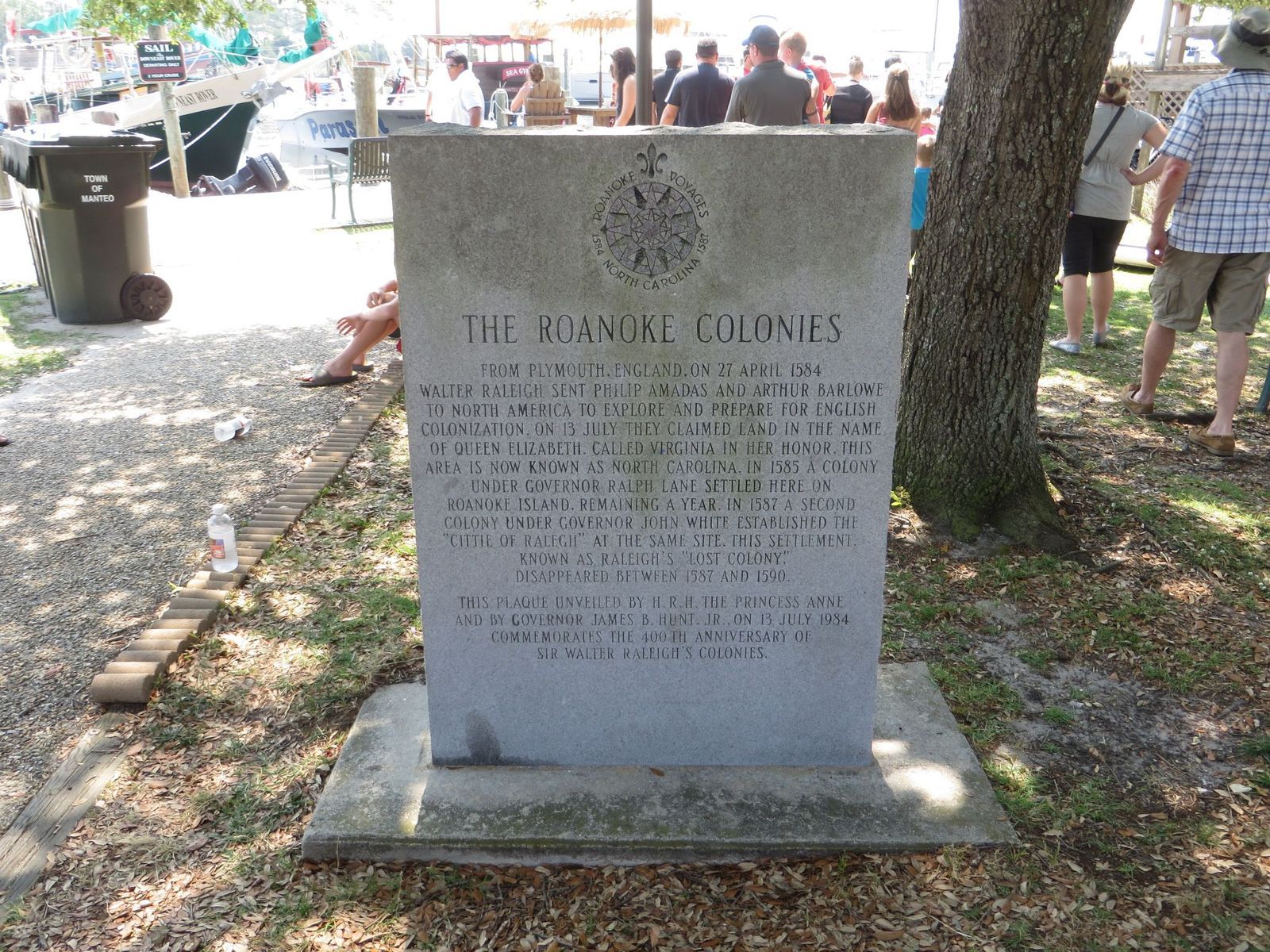
Image: Ken Lund from Reno, Nevada, USA, CC BY-SA 2.0, via Wikimedia Commons

Sir Walter Raleigh was an English statesman, soldier, writer, and explorer who sponsored England’s first attempts to establish a permanent foothold in the New World. He chose Roanoke Island , off the coast of present-day North Carolina, but things didn’t go as planned.

In 1585, the first group arrived on the island. 108 men, mostly soldiers and specialists, but no women or children. It didn’t last: the settlement was abandoned the following year after food shortages and conflicts with Native Americans. In 1587, a second group arrived, led by John White, this time with men, women, and children, to establish a permanent community. But shortly after arriving, White returned to England for supplies, and the Anglo-Spanish War delayed his return for three years. When he finally reached Roanoke in 1590, the settlement was empty. The colonists had vanished, leaving behind few clues and no definitive explanation. One leading theory is that they joined nearby Native communities, but exactly what happened remains a mystery.

2
New Jersey is home to one of the oldest colonial legends
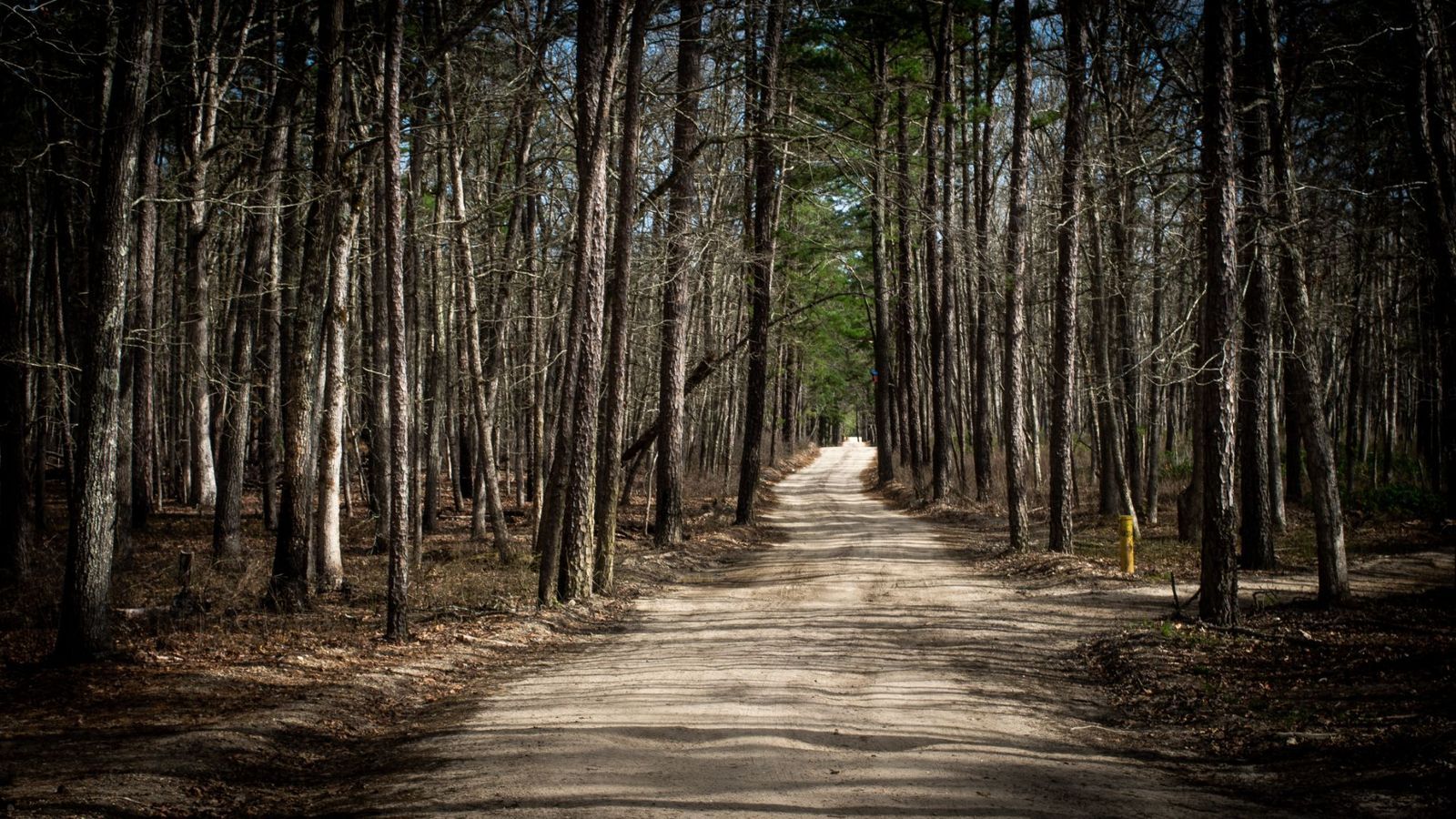
Image: Doug Rose

The Jersey Devil is one of America’s most famous mythical creatures, and is actually older than the nation itself .

That’s right: stories of a bipedal creature with glowing red eyes, horns, wings, and a long, forked tail date back to 1735 . However, it wasn’t originally called the Jersey Devil; it was known as the "Leeds Devil," after the family at the center of the myth. According to legend, Deborah Leeds, a real woman married to Japhet Leeds and living in southern New Jersey’s Pine Barrens, had 12 children. The story claims that her 13th child was born cursed, with wings, hooves, and a tail, before supposedly flying off into the dark woods.

3
New York was once Dutch
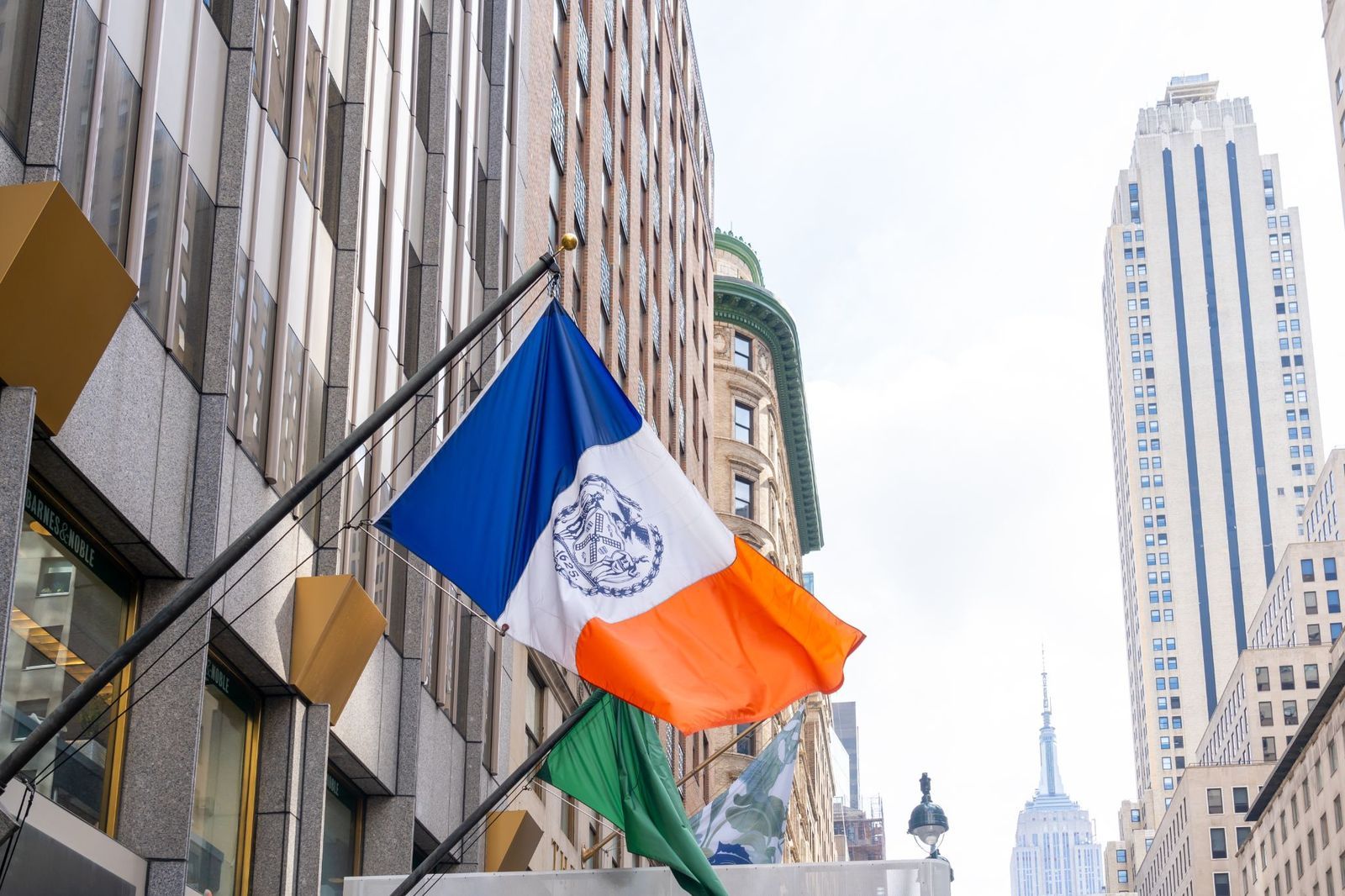
Image: JHVEPhoto

New York is one of the most-visited states in the country, but did you know that the original colony was Dutch?

New Netherland was established in 1614 as the first Dutch colony in North America, with the first permanent settlers arriving in 1624. Over the next four decades, the colony attracted immigrants from across Europe and grew into a diverse center of trade. But everything changed in 1664, when the English seized the colony and renamed it New York, after the Duke of York. The arrival of the English would reshape the colony, but Dutch influence had already left its mark on the region’s language, culture, food, and place names such as Brooklyn, from the Dutch town of Breukelen , and Harlem, from Haarlem .

4
North and South Carolina were once a single colony
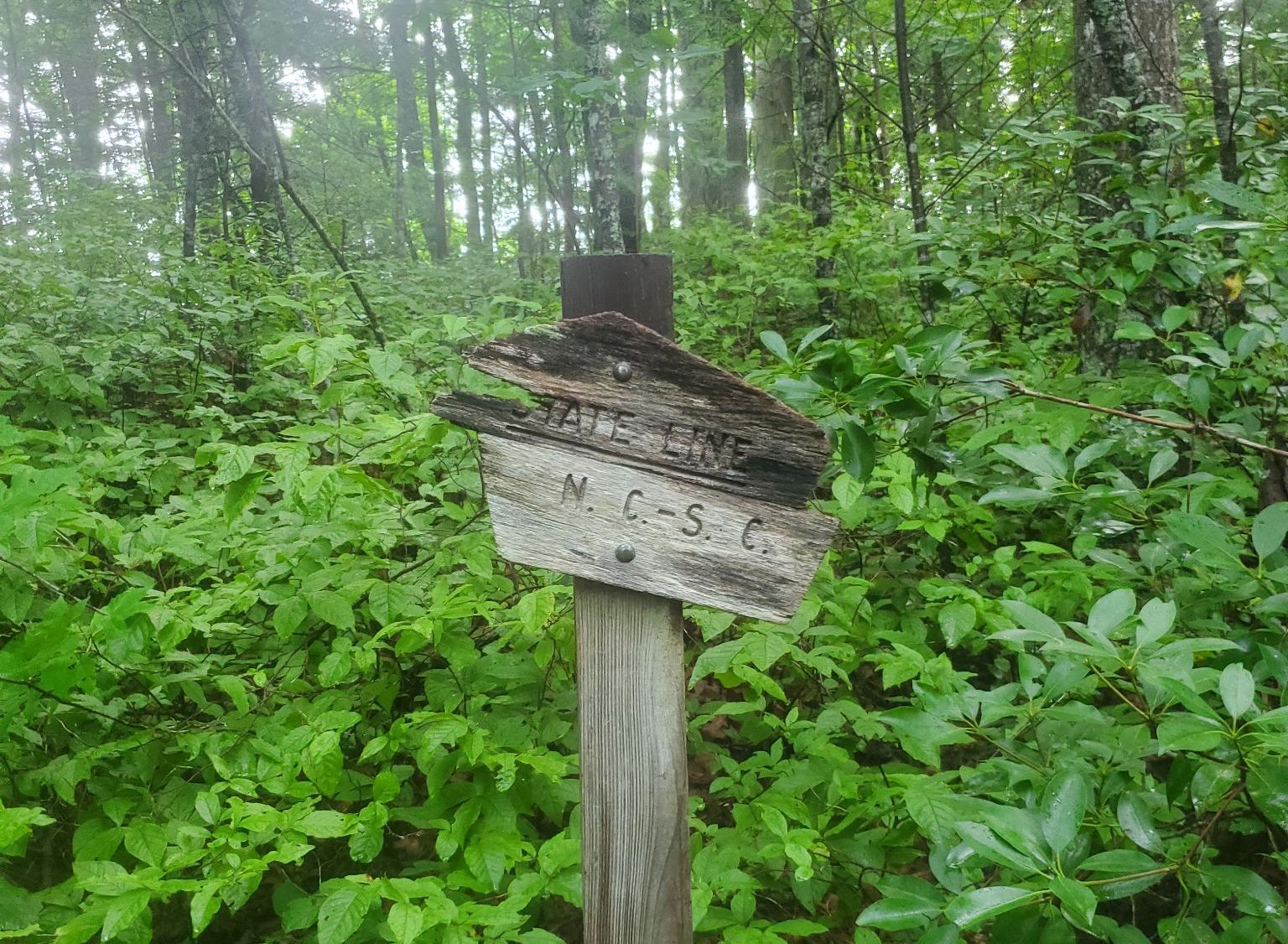
Image: Njwooding, CC BY-SA 4.0, via Wikimedia Commons

Today, North Carolina and South Carolina are two distinct states, but they actually share much more than just a name.

The two were originally a single colony called Carolina, established in 1663 under a royal charter from King Charles II. But the colony stretched across a huge area, making travel and communication between its northern and southern settlements difficult. Over time, the two regions also developed different economies and priorities, with disagreements over taxes and security adding to the tension. In 1691, the northern region received its own deputy governor, and in 1712, it effectively became a separate colony. The two were finally recognized as distinct royal colonies in 1729.

5
Pennsylvania was founded as payment for a debt
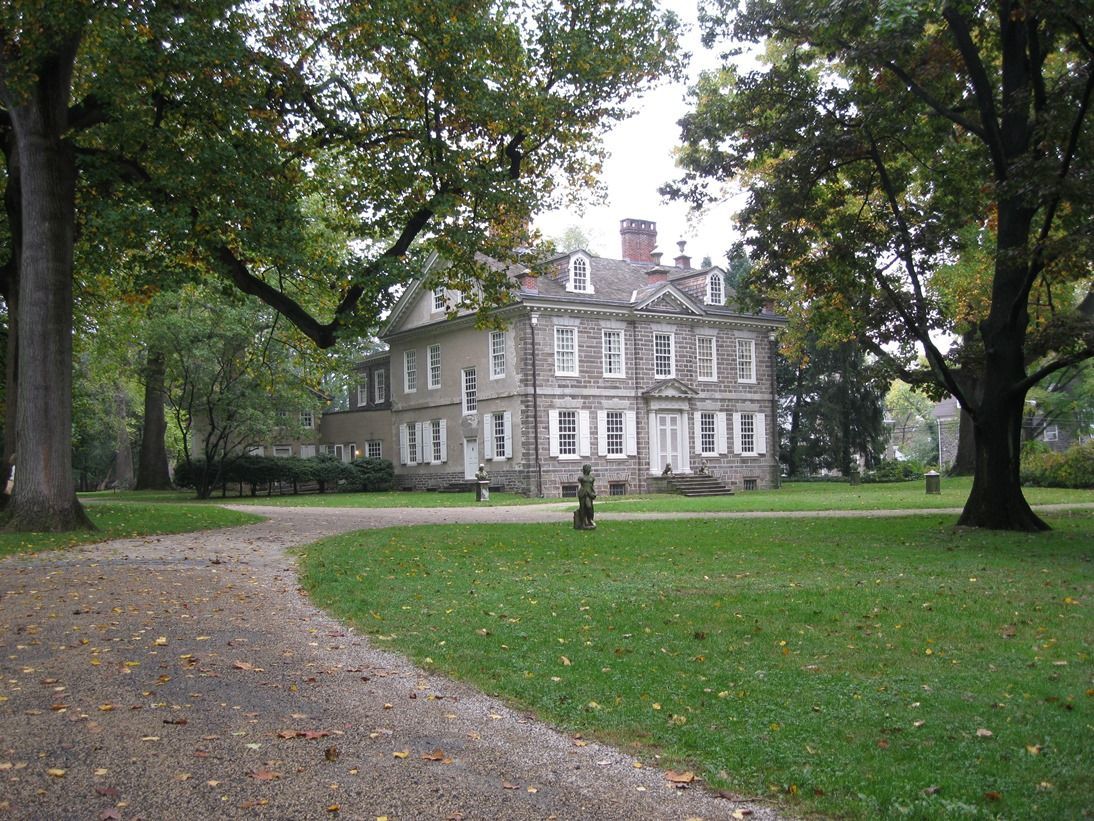
Image: Djmaschek, CC BY-SA 4.0, via Wikimedia Commons

You may have heard of William Penn, the English Quaker who founded the Province of Pennsylvania. But what few people know is that Pennsylvania was created to settle a debt owed by the English Crown.

In the 1660s, Penn’s father, Admiral Sir William Penn, had lent large sums of his own money to help rebuild and supply the Royal Navy after the restoration of the English monarchy. The Crown eventually owed him about £16,000 (approximately $3.5 million today), but he died before collecting it. His son, however, did not let the debt disappear. William Penn asked the Crown to settle it with land in North America instead of cash. In 1681, King Charles II granted Penn a massive tract of land and named the new province Pennsylvania, in honor of his father.

6
Rhode Island’s founder was pushed out of Massachusetts
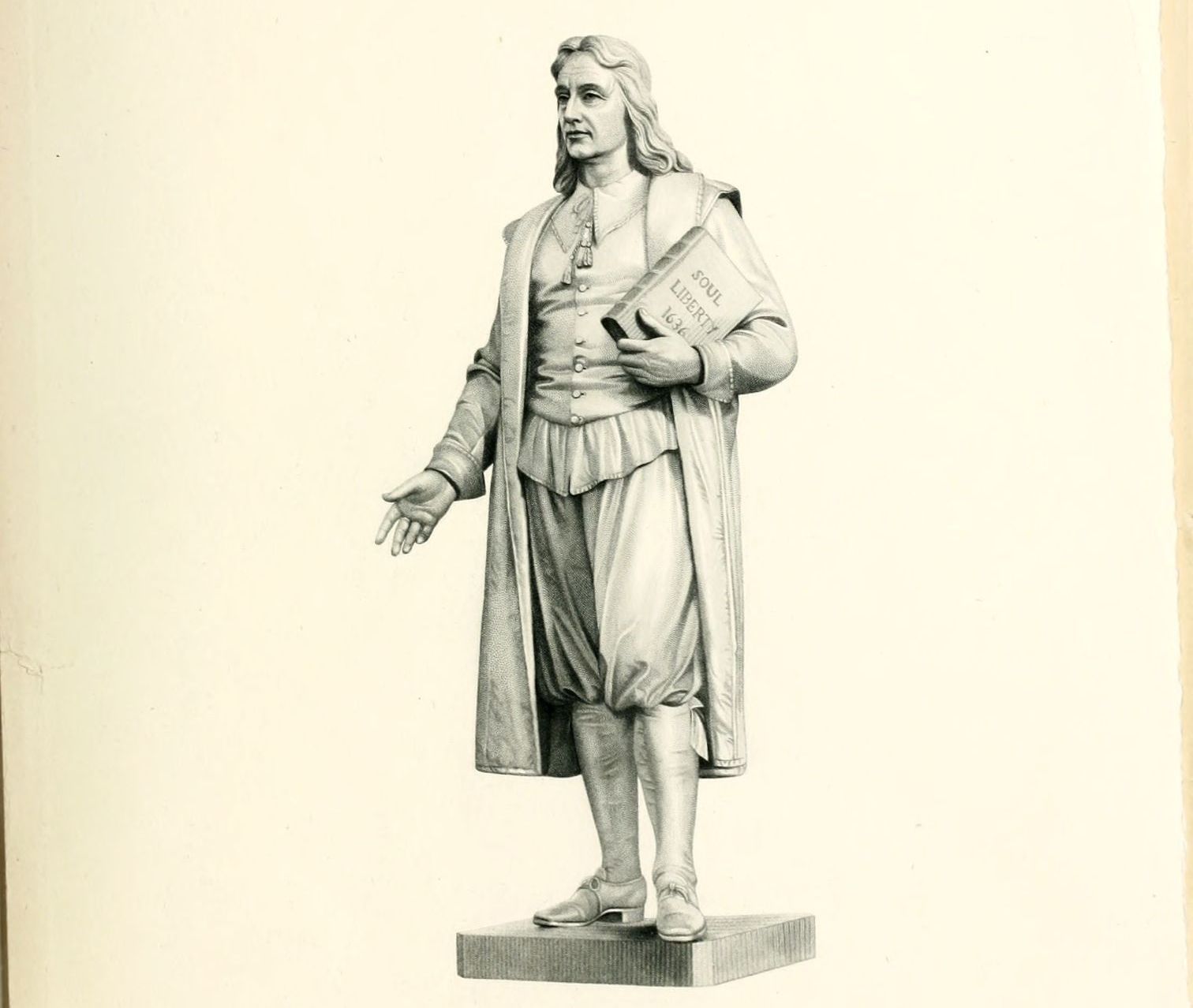
Image: National Biographical Publishing Co., publisher, Public domain, via Wikimedia Commons

Not all colonial founders came directly from England or other parts of Europe. Rhode Island is an interesting example, as the colony was founded by someone who was pushed out of another colony.

In 1636, Roger Williams, an English Puritan minister, founded Rhode Island on the principle of religious freedom after being forced to leave the Massachusetts Bay Colony the year before. But why was he considered such a problem? Williams argued for a separation of church and state, defended religious freedom, and insisted that colonists had no right to take Native American land without first purchasing it — all ideas that were too radical for the 17th century. Facing the threat of being sent back to England, Williams fled into the winter wilderness, where the Narragansett people helped him establish a settlement on land he had obtained through purchase. In 1636, he founded the colony of Rhode Island and Providence Plantations, in modern-day Providence.

7
Connecticut created one of America's earliest written constitutions
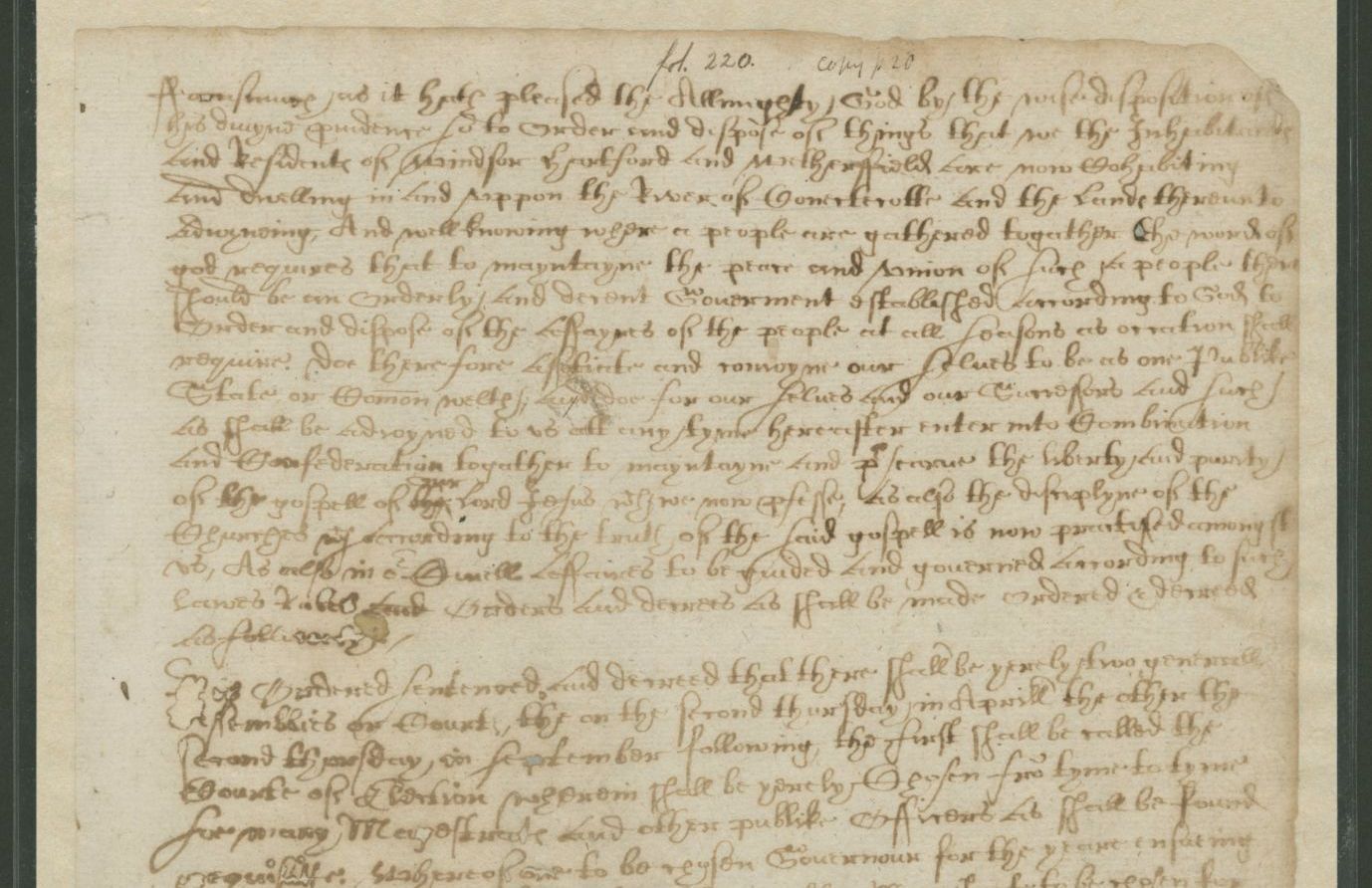
Image: Connecticut Colony, Public domain, via Wikimedia Commons

If you thought Connecticut was called "The Constitution State" because of the US Constitution, this may surprise you.

In fact, Connecticut’s nickname comes from a document written more than 140 years earlier: the Fundamental Orders of Connecticut, adopted in January 1639 (historically dated to 1638–39 because of calendar differences), a document that marked an important early step toward representative government. In 1636, Puritans led by Thomas Hooker left the Massachusetts Bay Colony over political and religious disagreements and settled along the Connecticut River, founding the cities of Hartford, Windsor, and Wethersfield. There, early settlers drafted the Fundamental Orders, creating a system of representative government based on the consent of the governed, one reason it is often described as an early written constitution.

8
Delaware declared independence from Pennsylvania too
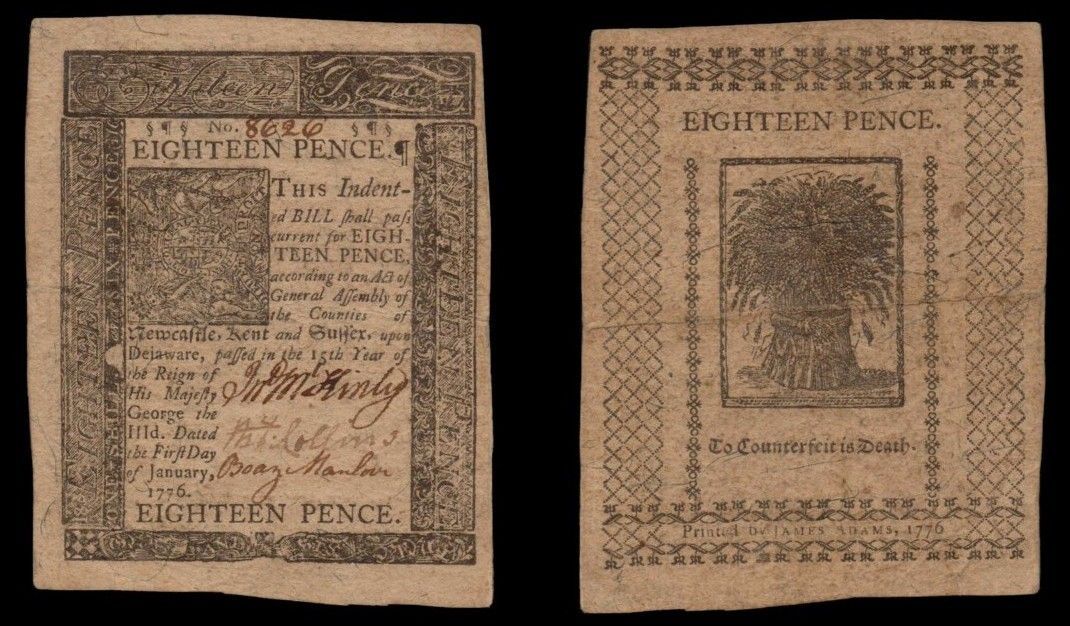
Image: The Kingdom of Great-Britain, Public domain, via Wikimedia Commons

Formerly known as the Three Lower Counties (New Castle, Kent, and Sussex), the territory that became Delaware was first controlled by the Dutch and Swedes before coming under English control in 1664.

In 1682, the English Crown granted the territory to William Penn, tying it to the Province of Pennsylvania. Although Delaware established its own colonial assembly in 1704, it continued to share a governor with Pennsylvania and remained under its rule. So when the American Revolution began in 1776, Delaware made a big break, declaring its independence not only from British rule, but also from Pennsylvania, becoming a separate state.

9
Virginia had witchcraft trials, too
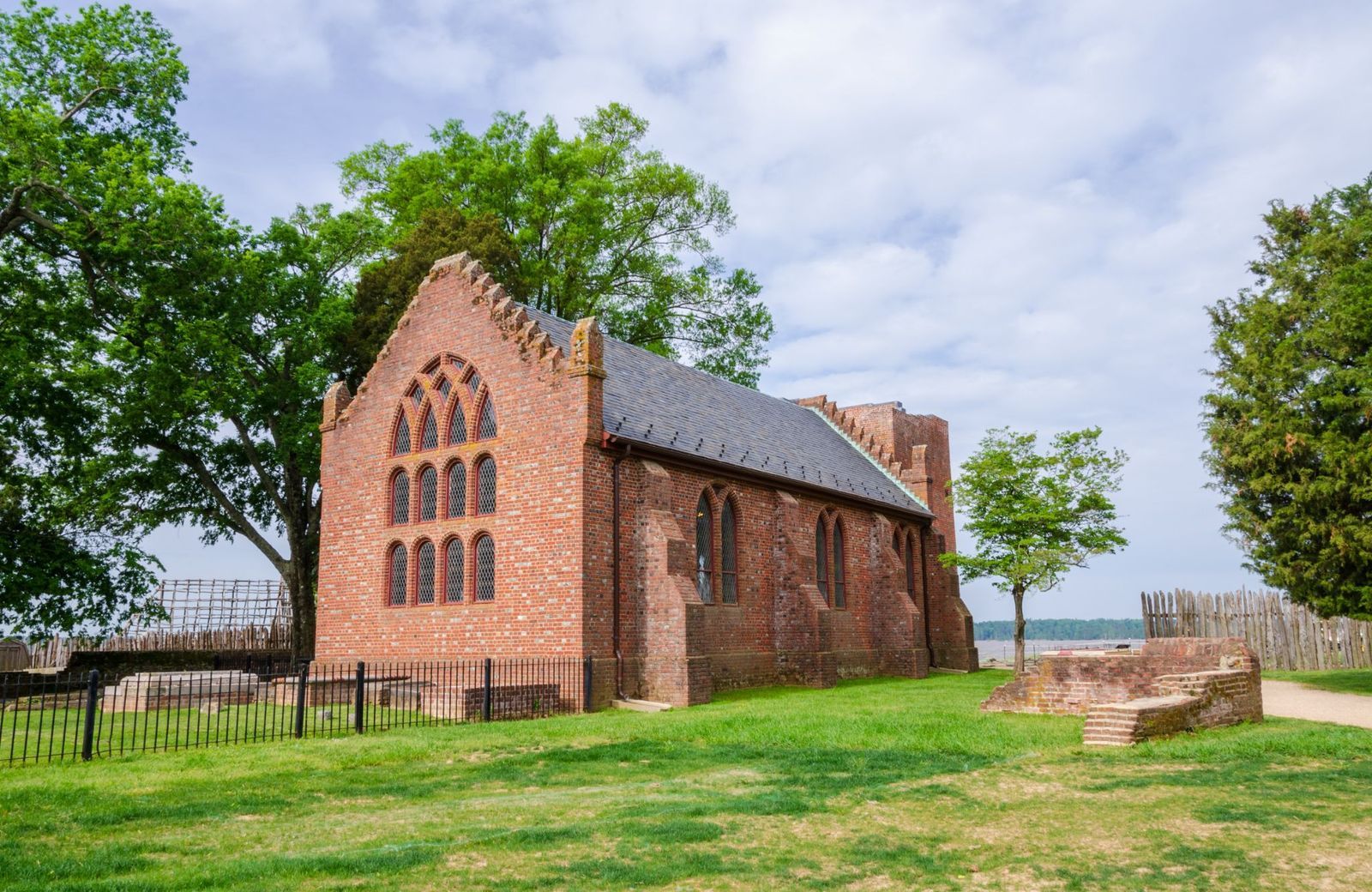
Image: Zack Frank

Salem, Massachusetts, is by far the place most closely associated with infamous witchcraft trials. But Salem wasn’t the only colonial community where people were accused of witchcraft.

Colonial Virginia had its own cases, too. They were far less numerous than those in Salem, but documented accusations and legal proceedings occurred in Virginia from 1626 to 1730. English settlers brought beliefs about the devil, demons, and witches with them to the New World, and those fears soon appeared in the colony’s court records. The first recorded case involved Joan Wright, who was accused of witchcraft in Jamestown in 1626. In total, records document about two dozen Virginia cases, including only two accused men.

10
Georgia was founded partly to protect other colonies
Image: HAL333, CC BY-SA 4.0, via Wikimedia Commons

By the time the colony of Georgia was established, Florida was in Spanish hands, and that was precisely why the English wanted to found Georgia.

South Carolina lay directly north of Spanish Florida, leaving its settlements vulnerable to surprise attacks, naval raids, and invasions from Spanish forces based in St. Augustine. To strengthen the southern frontier, King George II and James Oglethorpe founded the Province of Georgia in 1732, creating defensive outposts such as Fort Frederica on St. Simons Island. The strategy was put to the test during the War of Jenkins’ Ear, when Oglethorpe and his forces successfully repelled a Spanish invasion at the Battle of Bloody Marsh in 1742.

11
The Virginia colonial leader who became a pirate
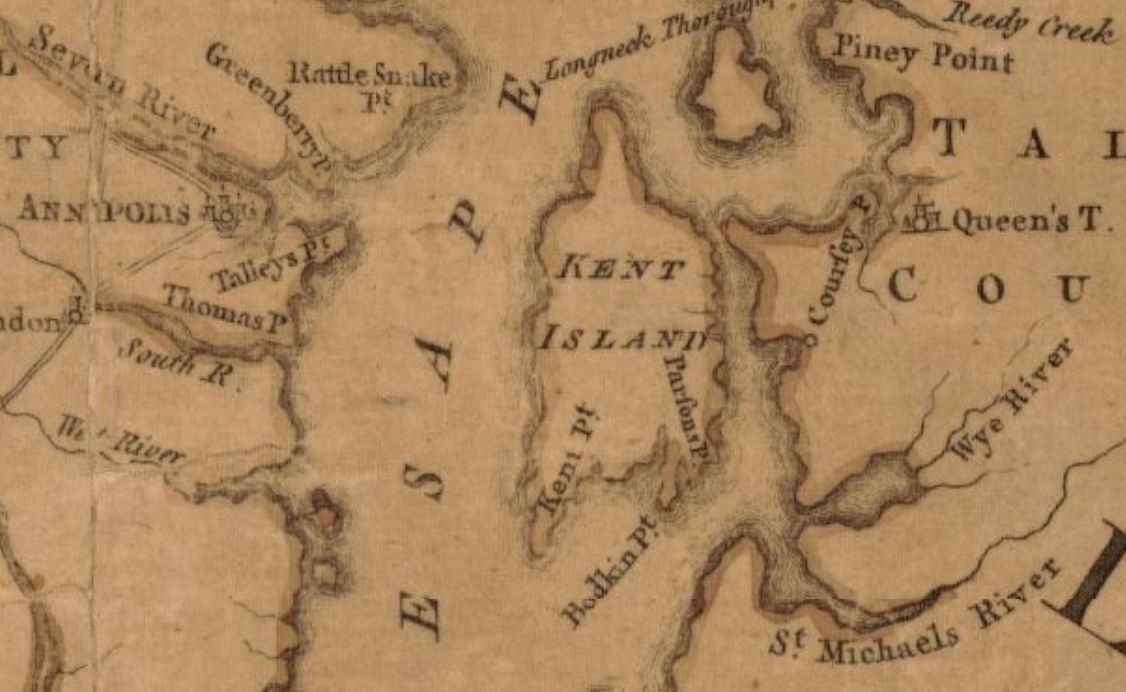
Image: Joshua Fry, Peter Jefferson, Robert Sayer, Thomas Jeffrys, Public domain, via Wikimedia Commons

Although we tend to picture pirates in 18th-century Caribbean stories, piracy was also part of America’s early colonial history.

William Claiborne was a prominent member of Virginia’s colonial government who later became entangled in a violent dispute over Kent Island in the Chesapeake Bay. In 1631, he established a profitable fur-trading post on the island under Virginia’s authority, but in 1634, Maryland claimed the island as part of the new colony. Claiborne refused to recognize Maryland’s authority and, in 1635, authorized armed attacks on Maryland trading vessels and posts, leading to deadly clashes such as the Battle of Pocomoke Sound. Maryland authorities accused him of piracy and murder, and his lands were confiscated in 1638, cementing his status in local history as the colony’s first documented pirate.

12
New Hampshire was the first colony to grow potatoes

Image: engin akyurt

New Hampshire was the first colony to grow potatoes on a permanent, large-scale basis.

Although potatoes had been grown in isolated cases at places such as Jamestown, Scotch-Irish immigrants established the first permanent, widespread potato fields in North America in 1719, in Londonderry (now Derry), New Hampshire. The settlers brought seed potatoes from Northern Ireland, and the crop proved well suited to New Hampshire’s cool climate and rocky soil. From Londonderry, potato farming spread to other colonies, eventually helping make the potato one of America’s most widely consumed vegetables.

13
Massachusetts and Connecticut were named for Native Americans
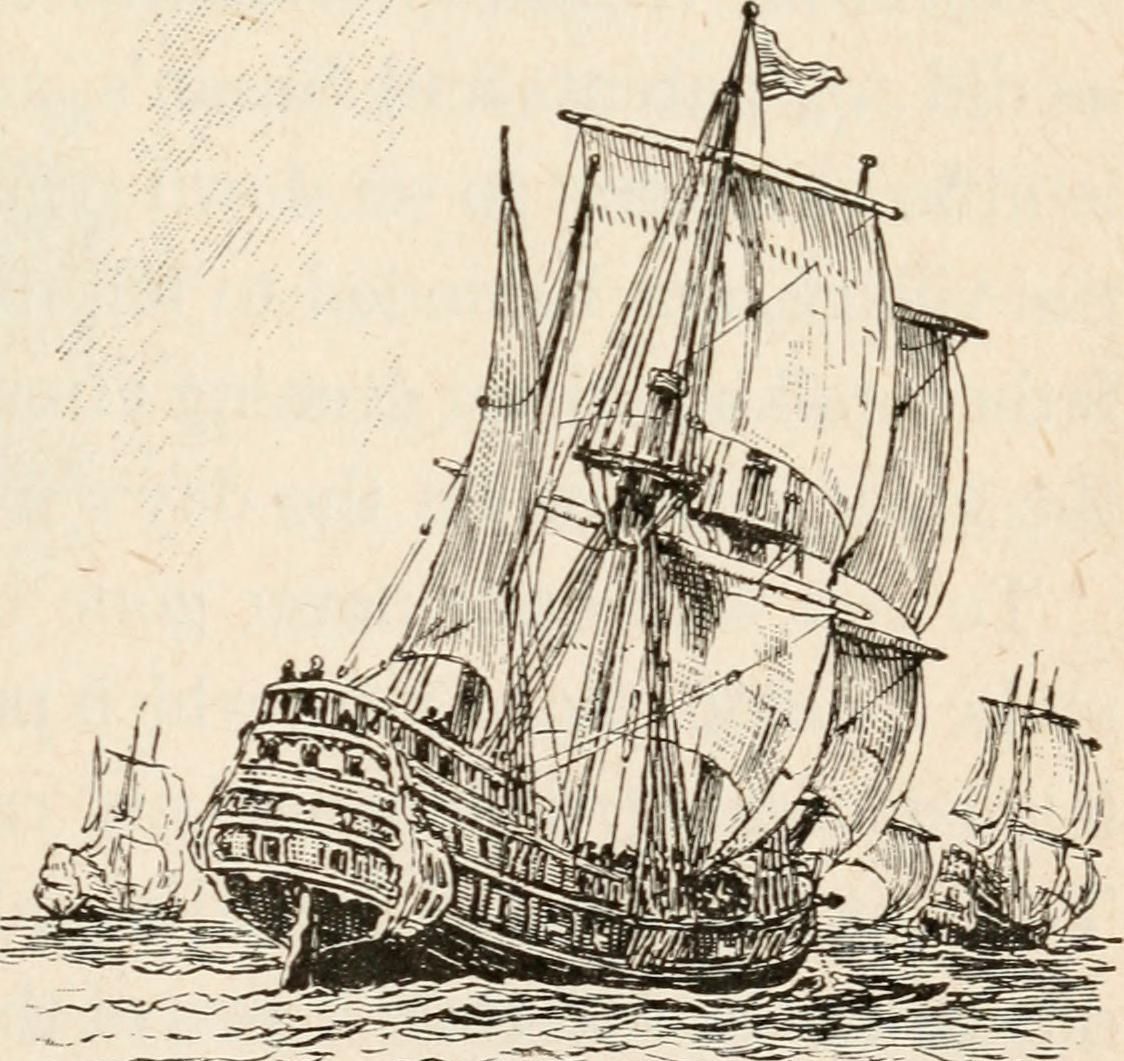
Image: Internet Archive Book Images, CC0, via Wikimedia Commons

Eleven of the 13 original colonies were named after kings, queens, or other figures connected to England. But there are two exceptions: Massachusetts and Connecticut, whose names came from Native American languages.

Massachusetts takes its name from the Massachusett people and an Algonquian term generally interpreted as meaning "at or about the great hill," referring to landmarks such as Great Blue Hill near Boston. Connecticut, meanwhile, comes from the Algonquian word Quinnehtukqut, translated as "beside the long tidal river" or "on the long tidal river," referring to the river now known as the Connecticut River.
History History 3 min read

High data

Millions, secret floors, & survivors: 10 Empire State Building stories!

Image: Kit Suman / Ofuss

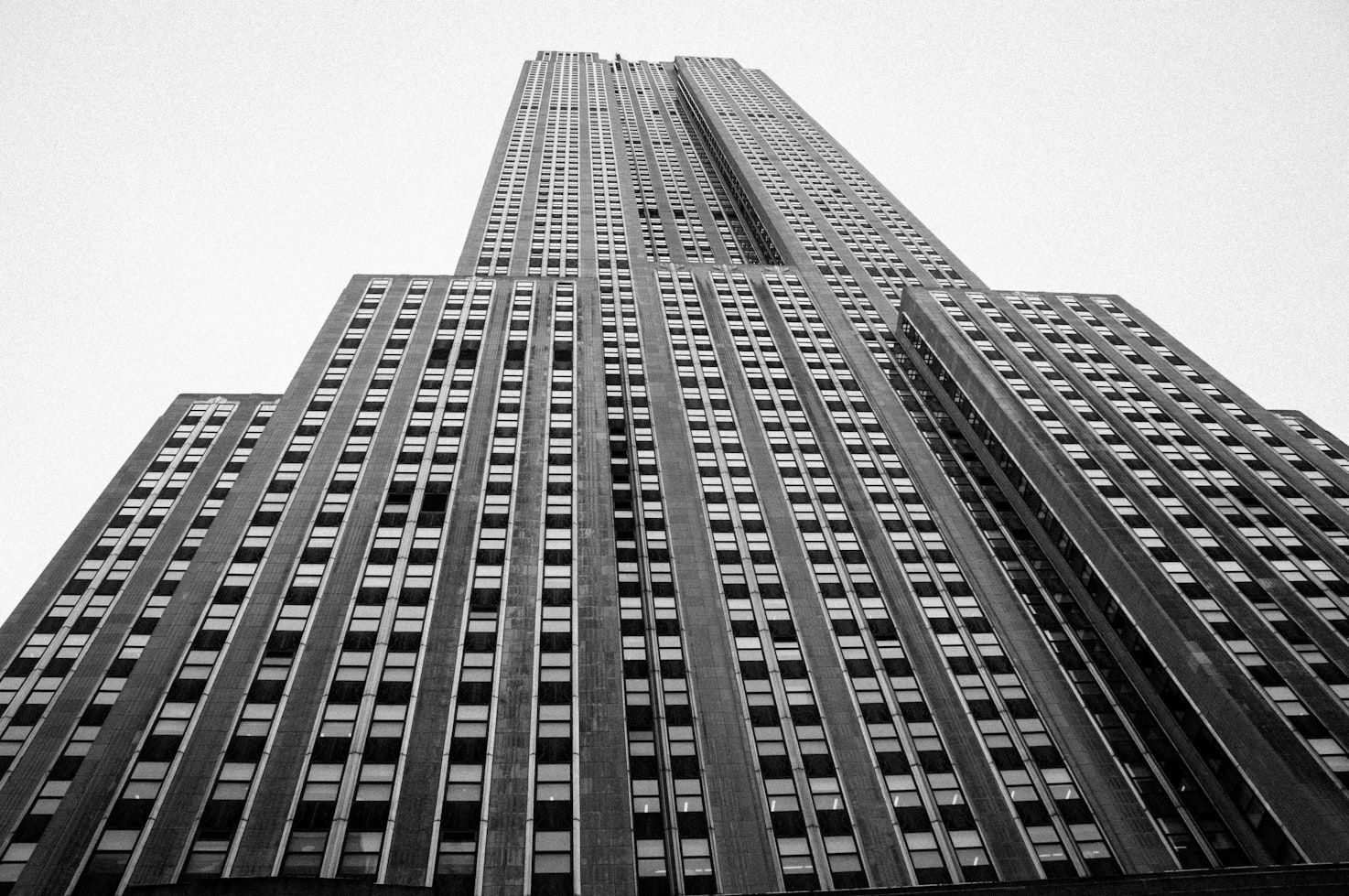
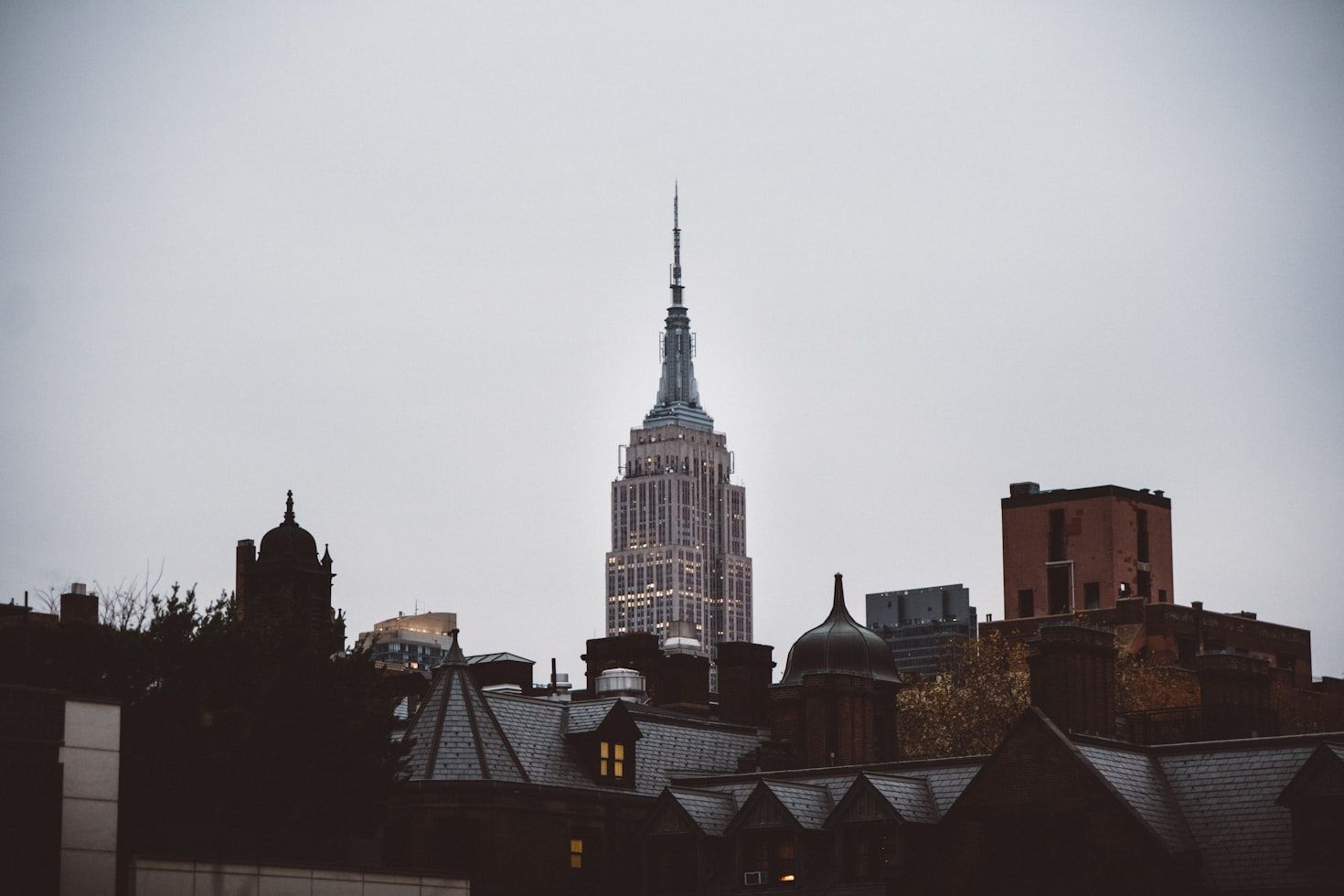
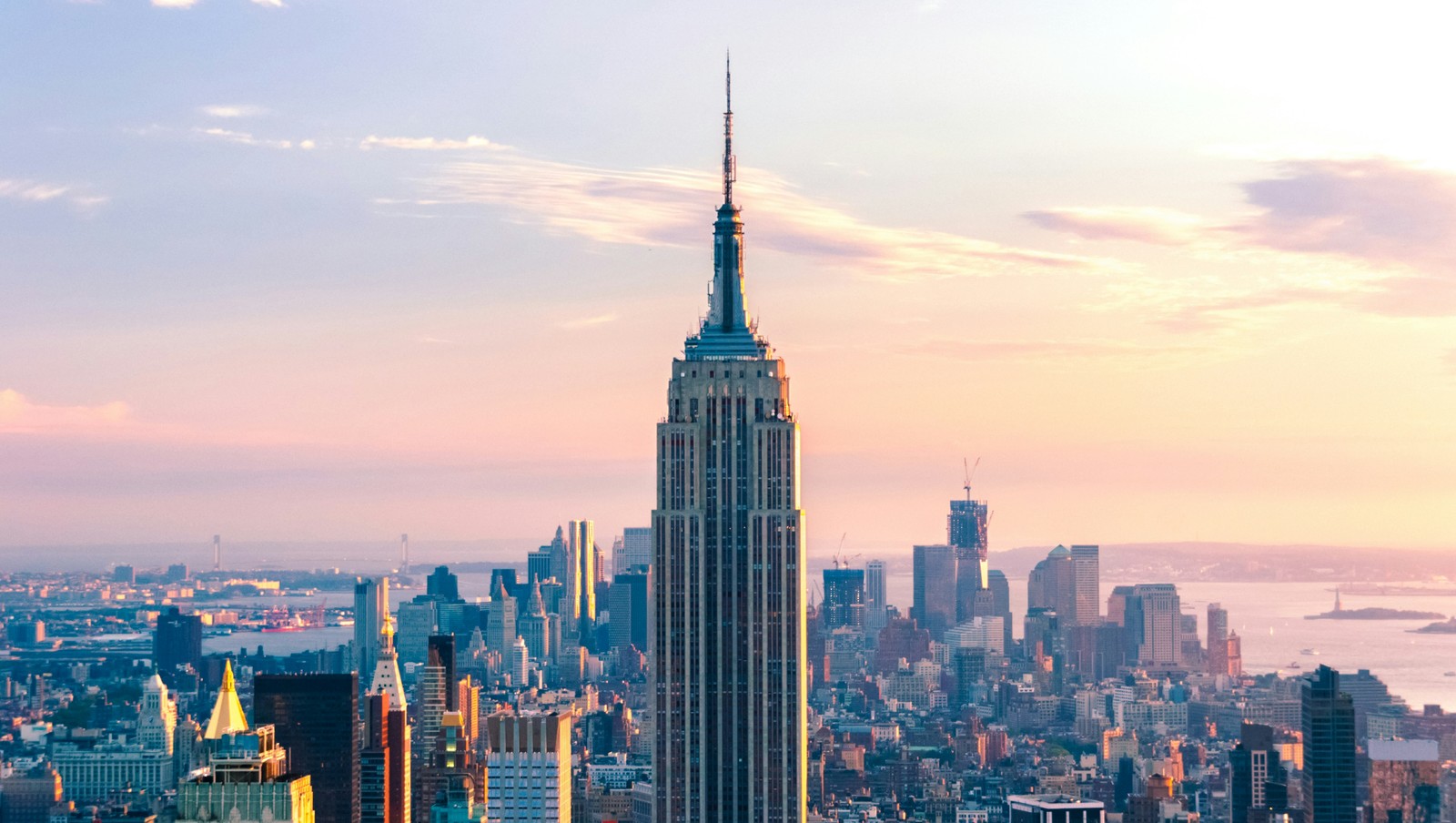
The Empire State Building may be an immense structure that's hard to miss, but its history holds events, quirks, and surprising facts that most people have never heard! From lightning constantly striking it to water invading from below, let's uncover 10 things no one ever told you about this iconic American skyscraper.

1
25 times a year

Image: Johannes Plenio

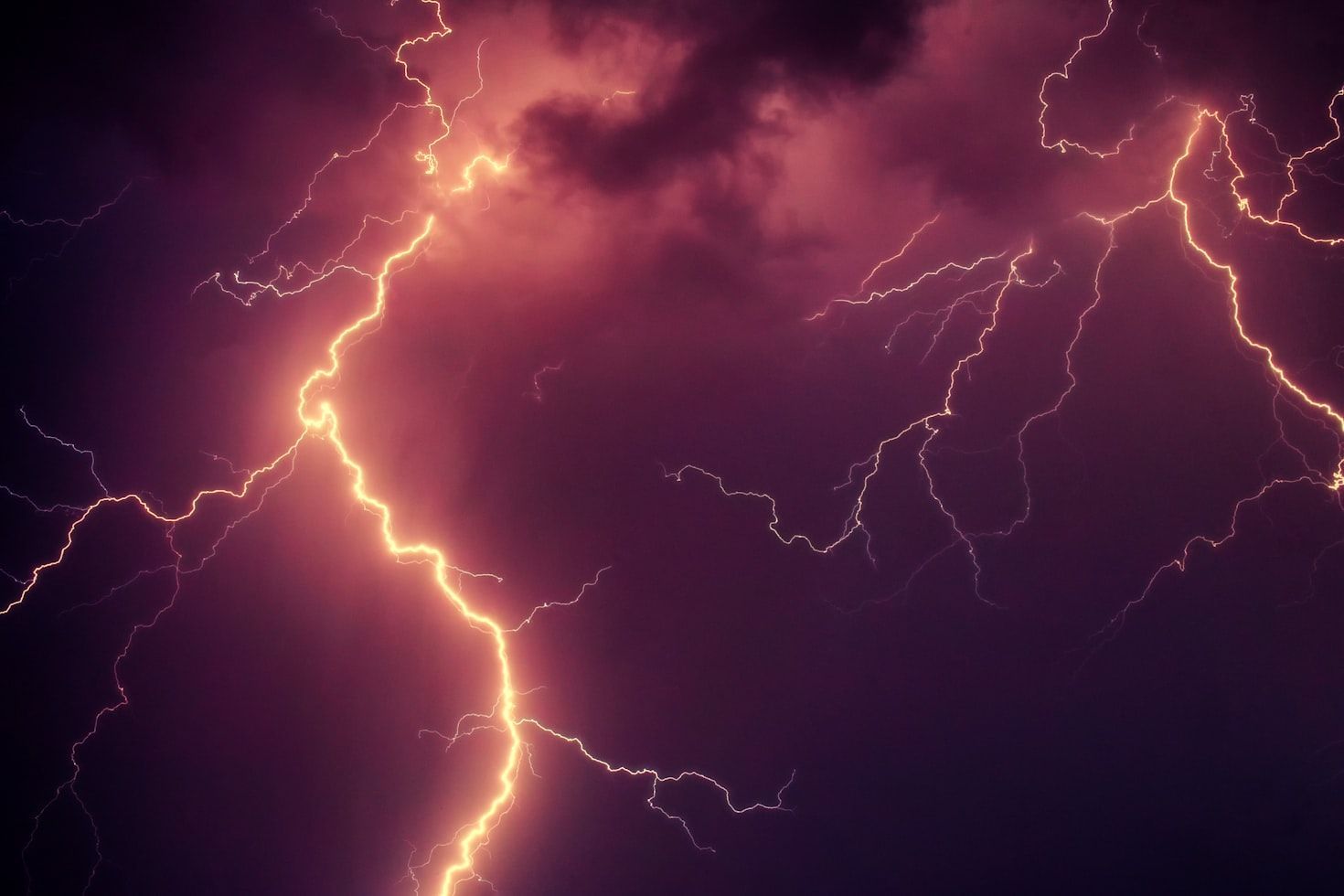
Its tall, elegant steel structure is definitely captivating; no wonder thousands of photographers, painters, and filmmakers have chosen the Empire State Building as the backdrop for their work. However, that imposing height comes with something a little scary: it's estimated that the building is struck by lightning about 25 times a year! Fortunately, it was designed to handle these strikes, so it's completely safe.

2
Really fast

Image: Guilherme Cunha

There are buildings that took decades to complete. But this is not the case with the Empire State Building. In fact, this is one of the fastest skyscrapers ever built: It took only one year and 45 days to erect such an architectural masterpiece. That means it was built at a rate of an incredible 4.5 floors per week!

3
Unlikely survivor

Image: Melanie Dretvic

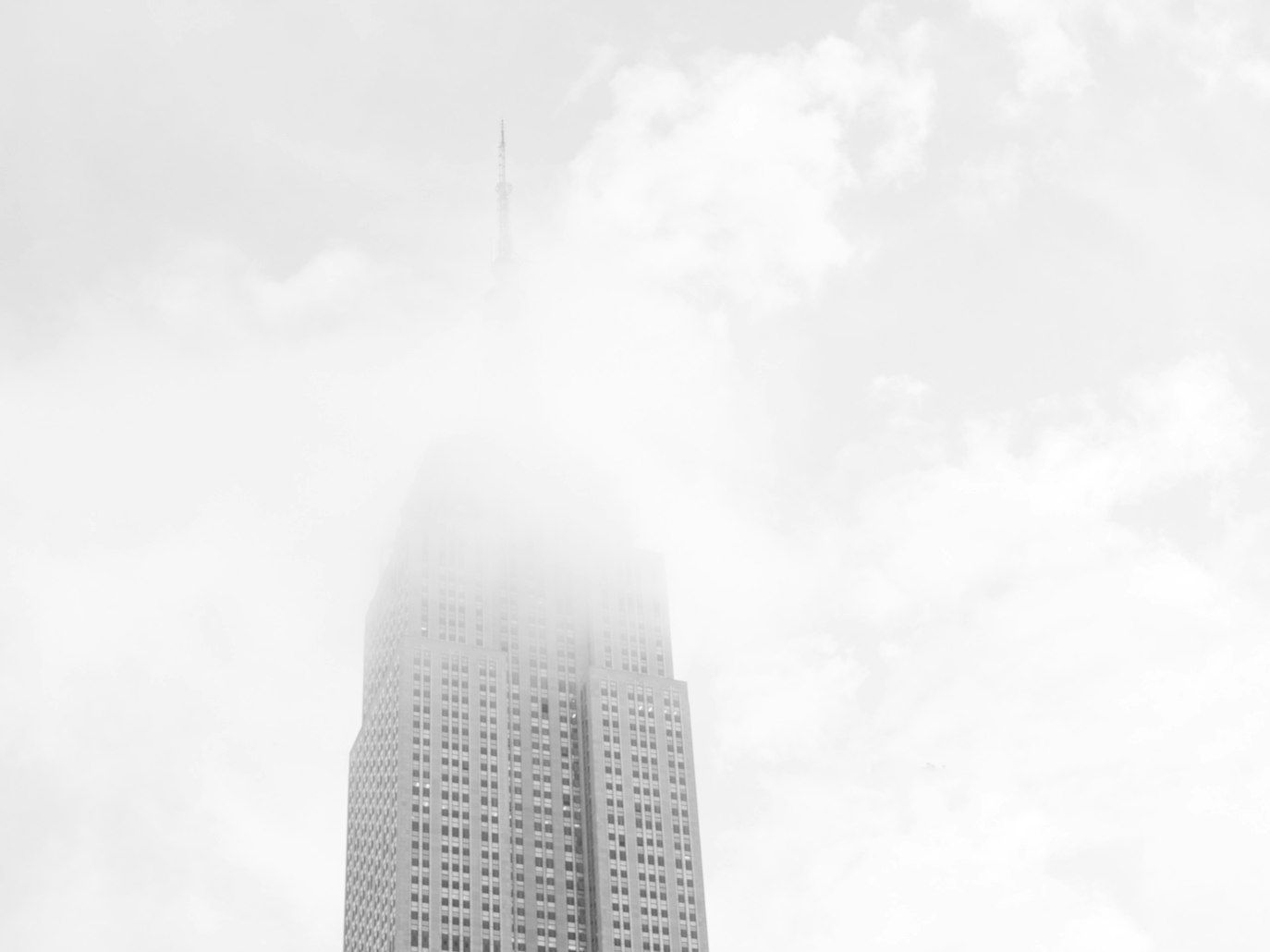
It was 1945 when the Empire State Building was accidentally struck by a B-25 Mitchell bomber due to the thick fog that covered NYC. A worker named Betty Lou Oliver was on the 80th floor when the plane crashed into the 79th. She was severely injured, but incredibly, she survived. Hours later, while being rescued in an elevator, the damaged cables gave way, and Betty fell 75 floors to the basement. She survived that too!

4
40 million dollars

Image: Pepi Stojanovski

A tremendous building like the Empire State couldn't be built on a shoestring budget. When it was constructed —in the midst of the Great Depression, no less— it cost about $41 million . That's a hefty sum, even today! Adjusted for inflation, that would be around $600 to $700 million in 2025. Wow!

5
Secret floor

Image: roemer overdiep

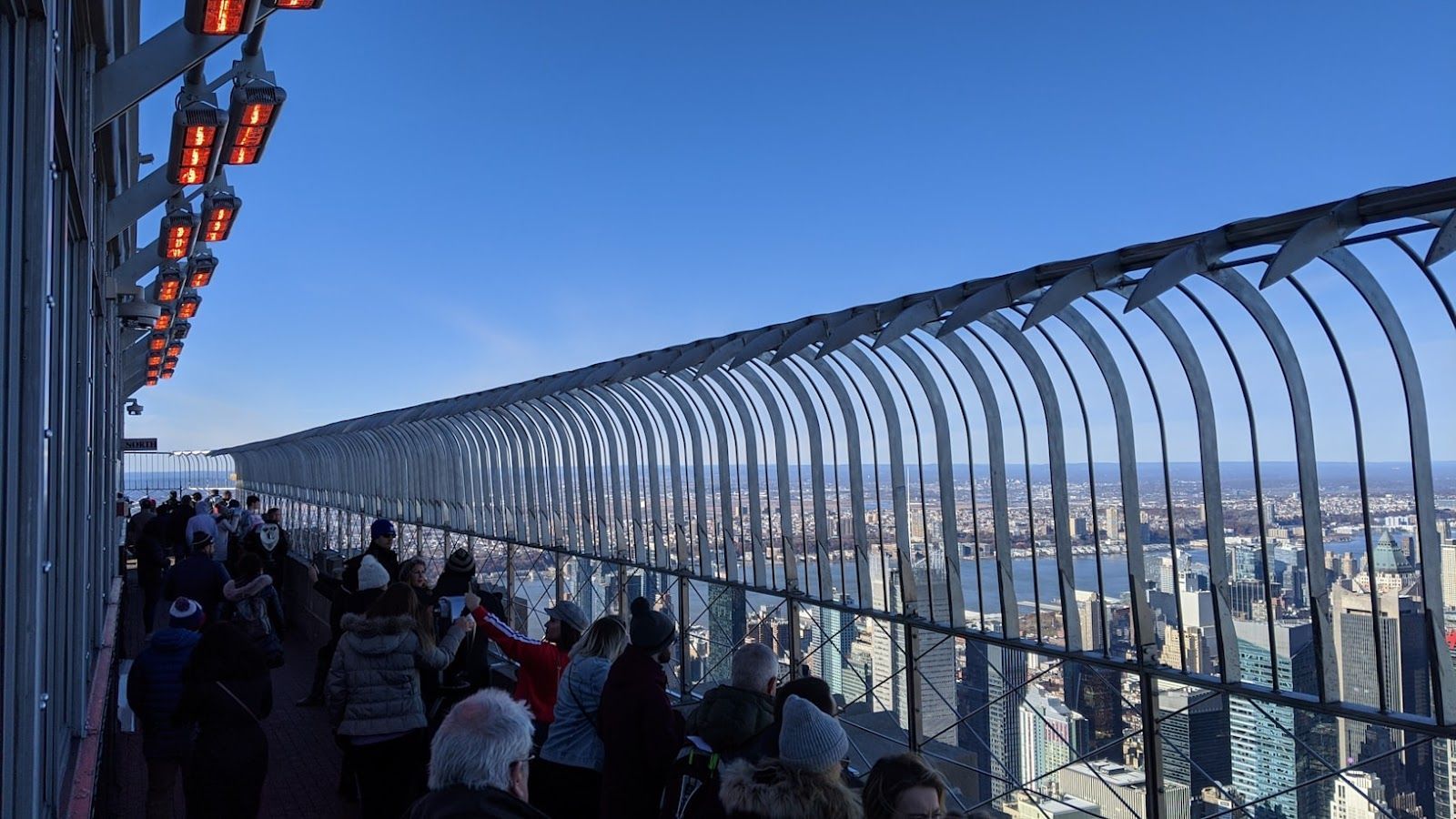
If you are afraid of heights, be prepared: the Empire State Building has two public observation decks, one on the 86th floor and another on the 102nd. But there's another one, and it's even higher! It's located on the 103rd floor, but it's not open to the public and is mostly used for VIPs or special occasions.

6
High security

Image: Pawel Czerwinski

Although an incredible 4 million people visit the building each year on average, getting in isn't easy. Many visitors say it feels like going through airport security, with X-ray machines and metal detectors everywhere. Visitors must also pass through a security checkpoint before reaching the observation decks, and the building is constantly monitored by cameras and security guards.

7
King Kong

Image: Simon Ray

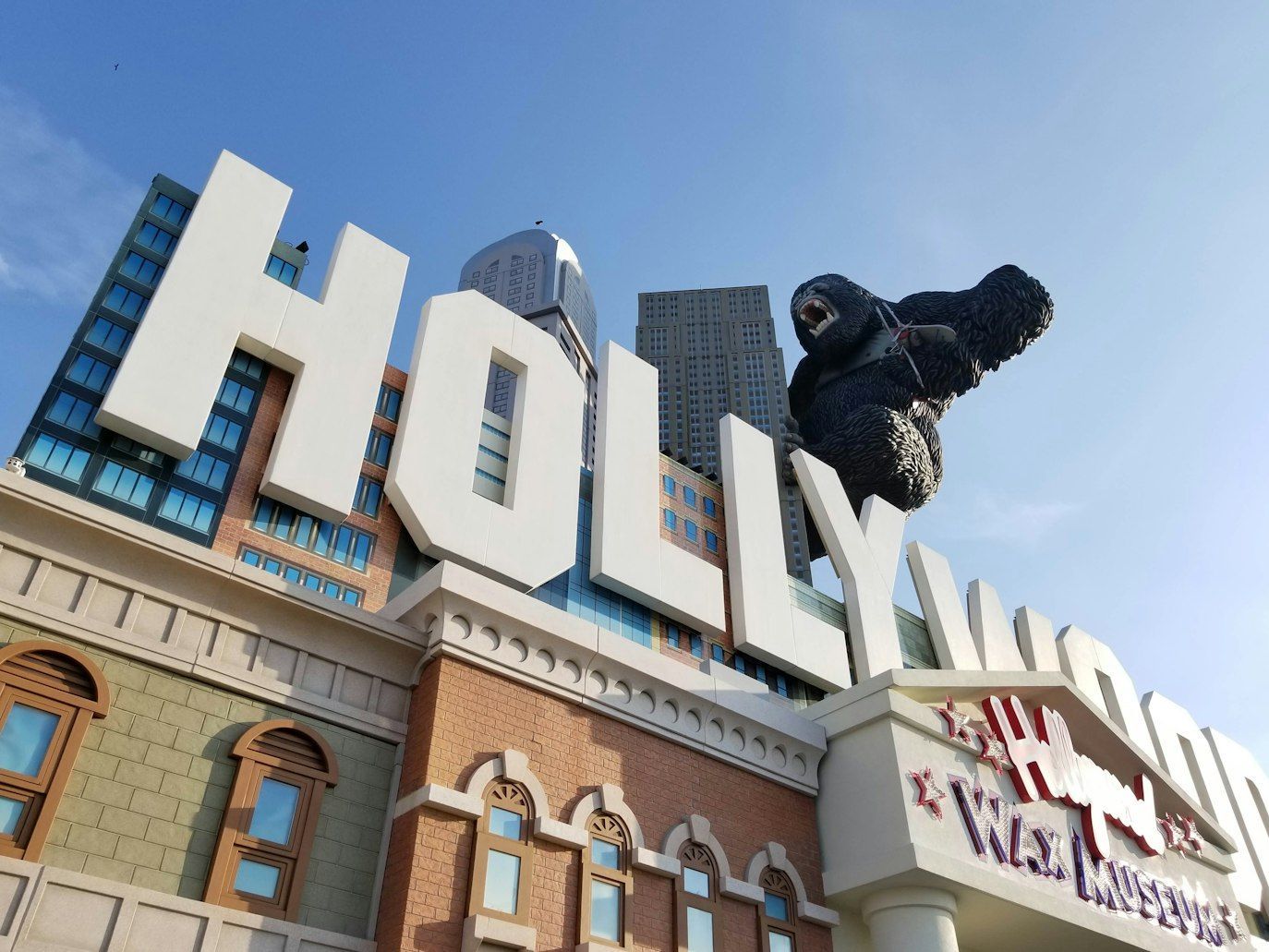
We all remember the iconic scene of the imposing King Kong climbing the towering mast of the Empire State Building. And while that image lives on in our minds, there's one detail many people overlook: When the original King Kong movie premiered in 1933, the Empire State Building was less than two years old! Plus, at the time, the building still held the title of tallest in the world, making King Kong's climb even more epic.

8
Underground waterways

Image: Evgeniy Smersh

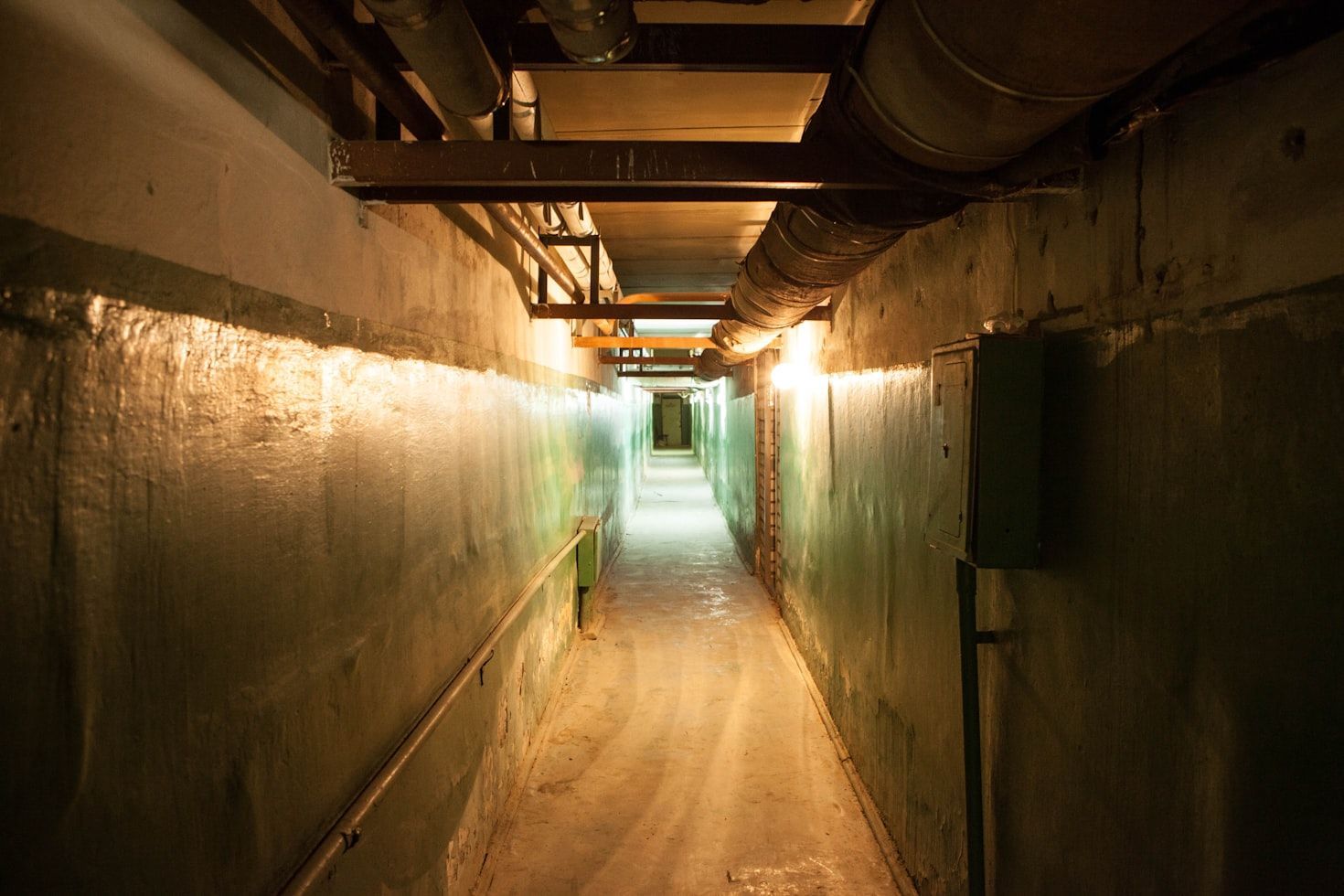
Beneath what is now NYC, there was a network of streams and rivers that flowed freely before Manhattan and other boroughs covered them. The land below the Empire State Building is no exception, and these old underground waterways still occasionally cause complications. For example, during heavy rains, water can rise and seep into the building's wind tunnels, sometimes flooding areas with up to two feet of water.

9
The original plans

Image: Jaunt and Joy

The Empire State Building was originally supposed to have a dirigible anchor! That's right; the mast at the top of the building was meant to serve as a mooring post for dirigibles, with a docking platform and a door for passengers to disembark. However, due to the extreme height, high winds, and overall potential danger, the idea was discarded. Today, the mast is used for antennas and other communications equipment.

10
Green building

Image: Chris Ladouceur

This iconic building that defines New York's skyline is considered a "green building." And no, it has nothing to do with the color of its walls; it's about something much more meaningful. The sustainability modifications that the Empire State has undergone over the years have made it one of the most energy-efficient buildings of its size, minimizing its environmental impact and earning it the title of "green building."

History History 5 min read

America’s front porch

Ellis Island: From execution site to America's main immigration station

Image: Claudine Van Massenhove

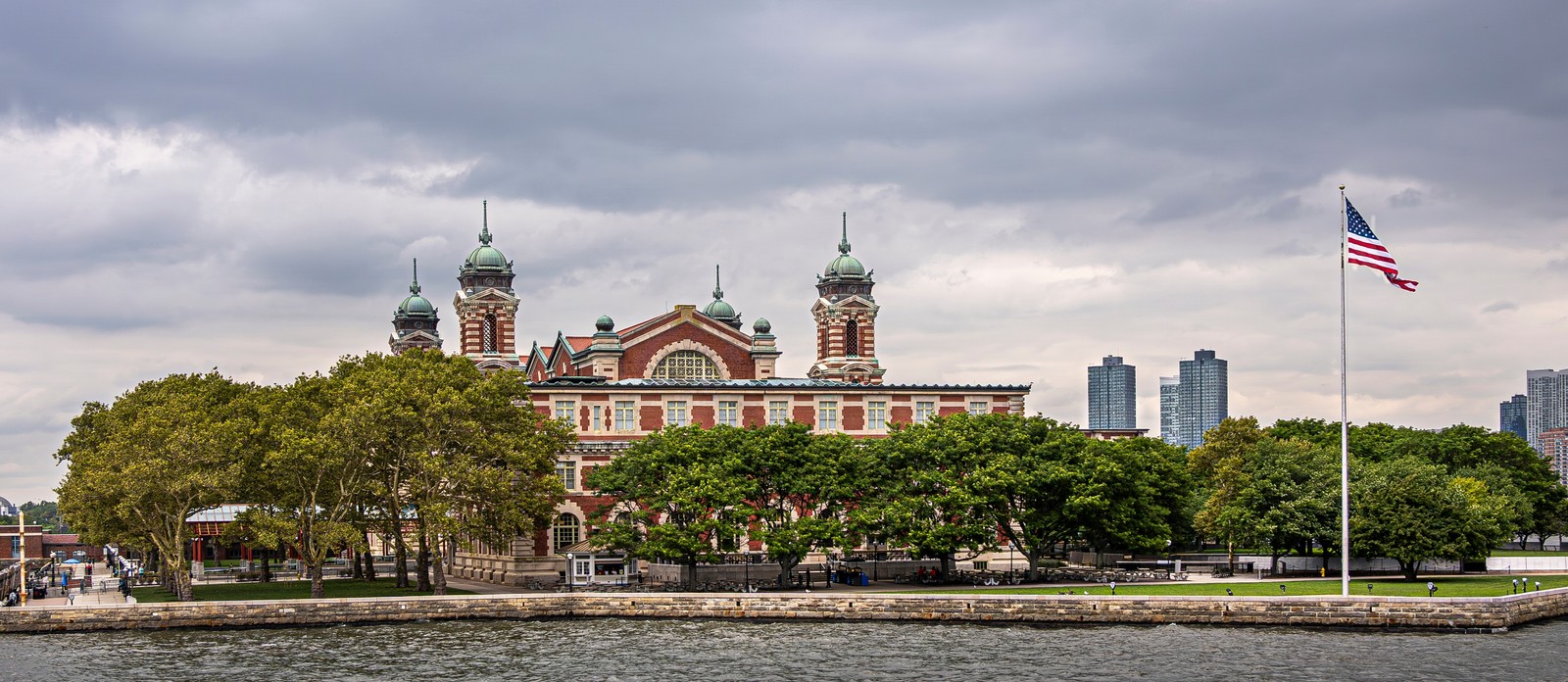
Since its founding, America was regarded as the "land of opportunity", but the number of immigrants who came in search of a better life increased dramatically in the 19th century, and most of them entered the country through the Ellis Island immigration station. When did the station open its gates? Is it still operational today? Let’s explore the history of the Isle of Hope and Tears.

1
A grim past

Image: Lumin Osity

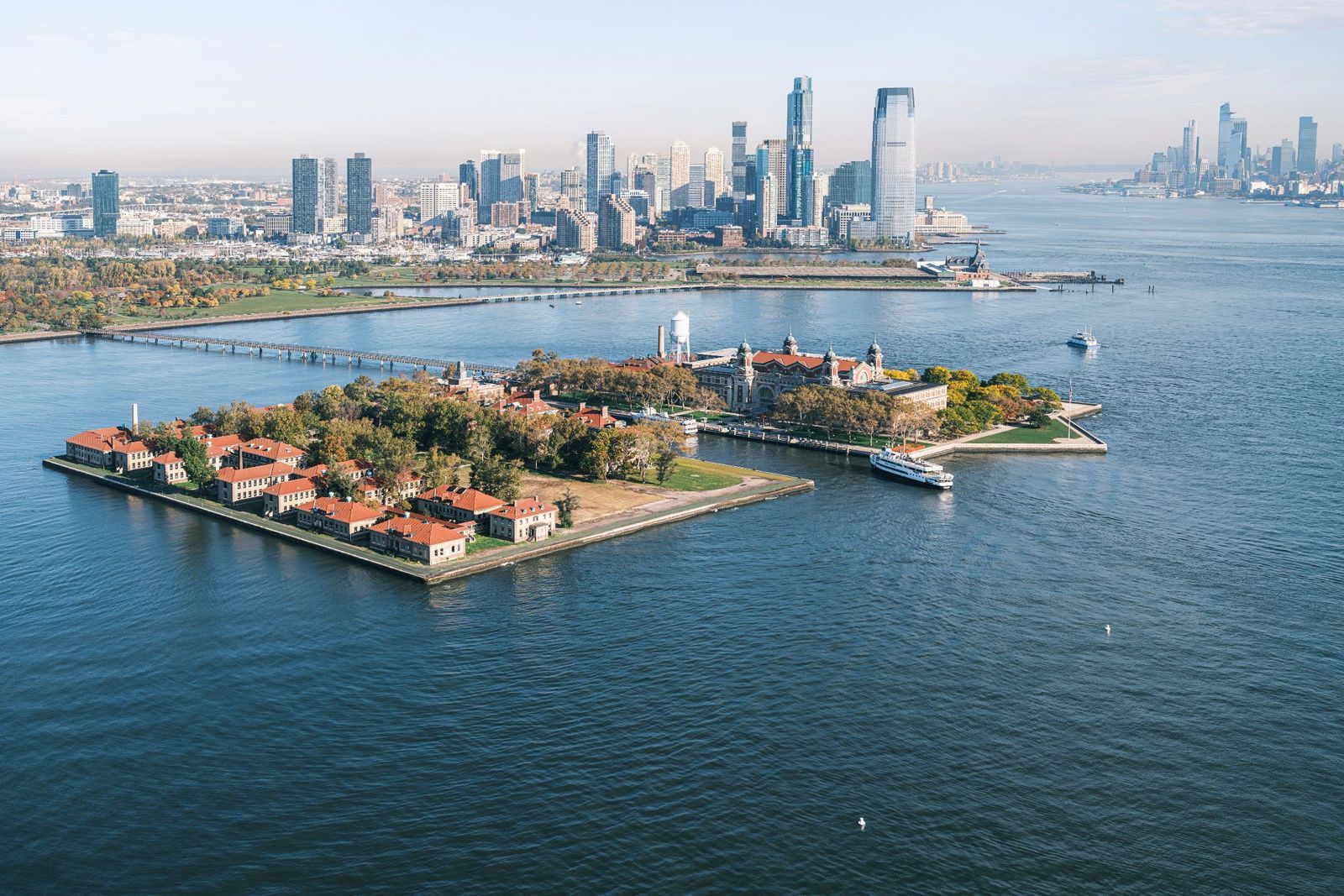
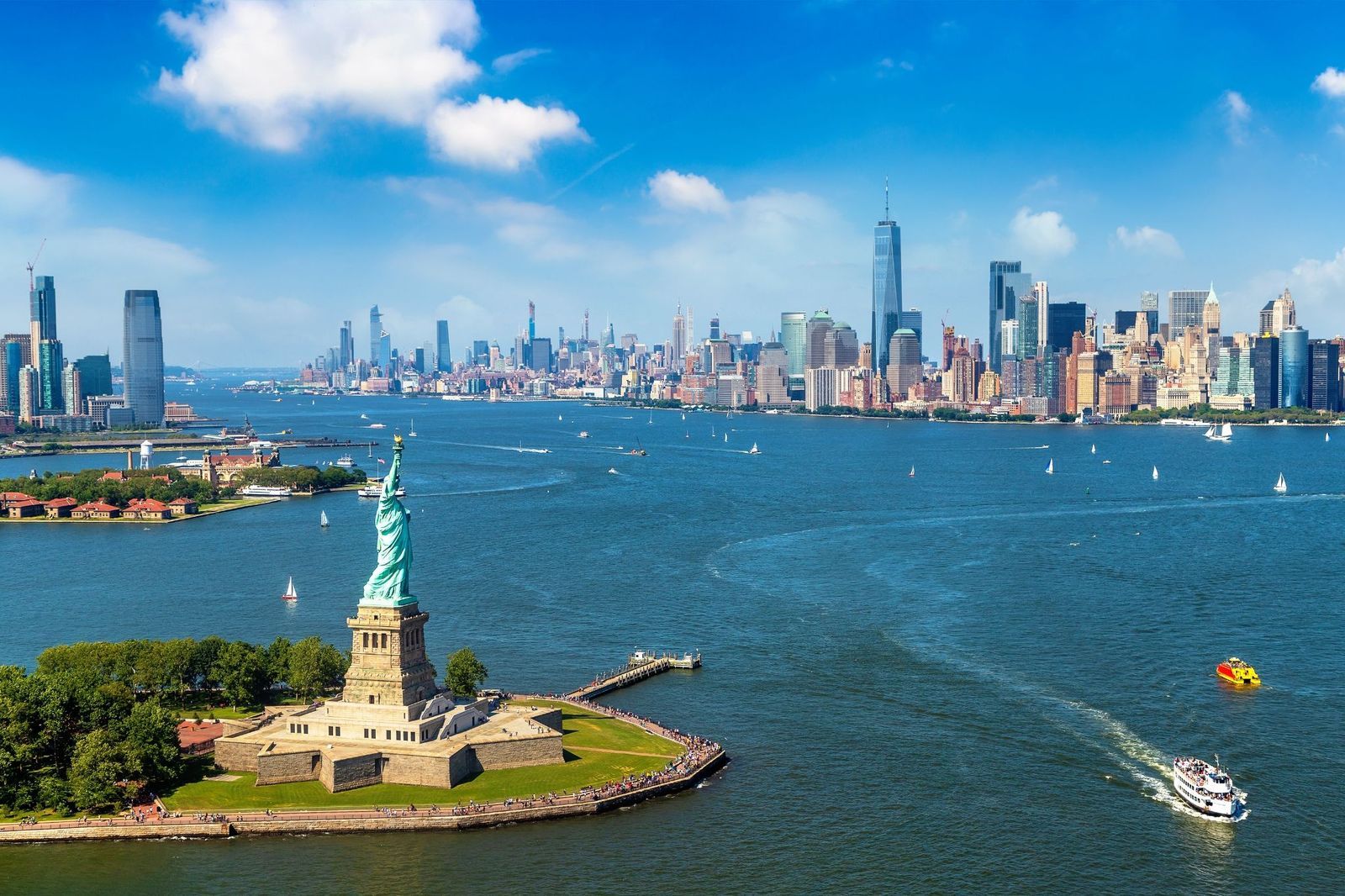
One of the three "Oyster Islands" in Upper New York Bay—along with Liberty Island and the now-submerged Black Tom Island— Ellis Island changed hands many times during the Dutch and British colonial periods. Initially known as Little Oyster Island, it was often used as an execution site for pirates. In 1774, Welsh merchant Samuel Ellis acquired the island, renamed it after himself, and, in the early 19th century, the government bought it to build a fortress.

2
Why Ellis Island?

Image: A. Coeffler, Public domain, via Wikimedia Commons

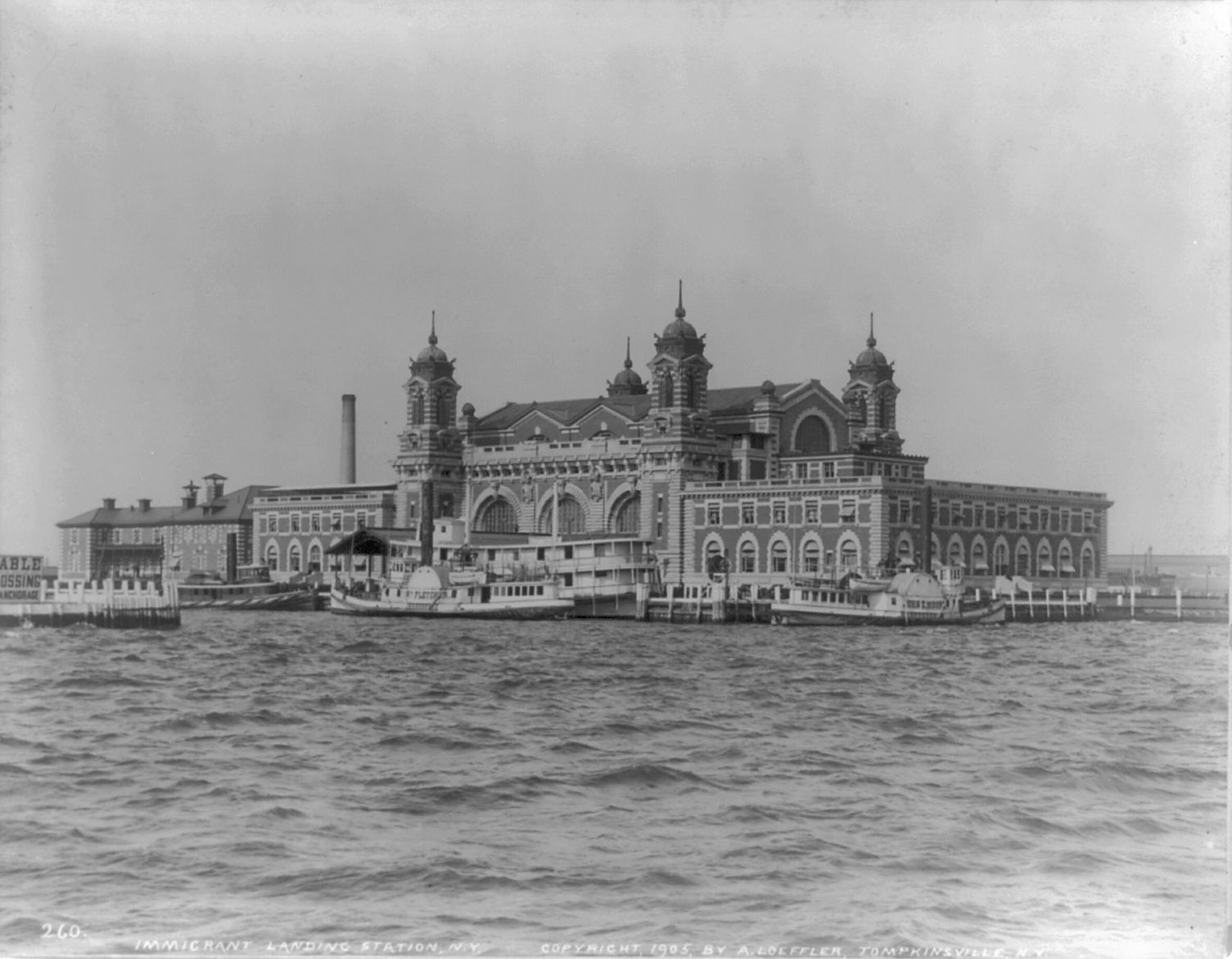
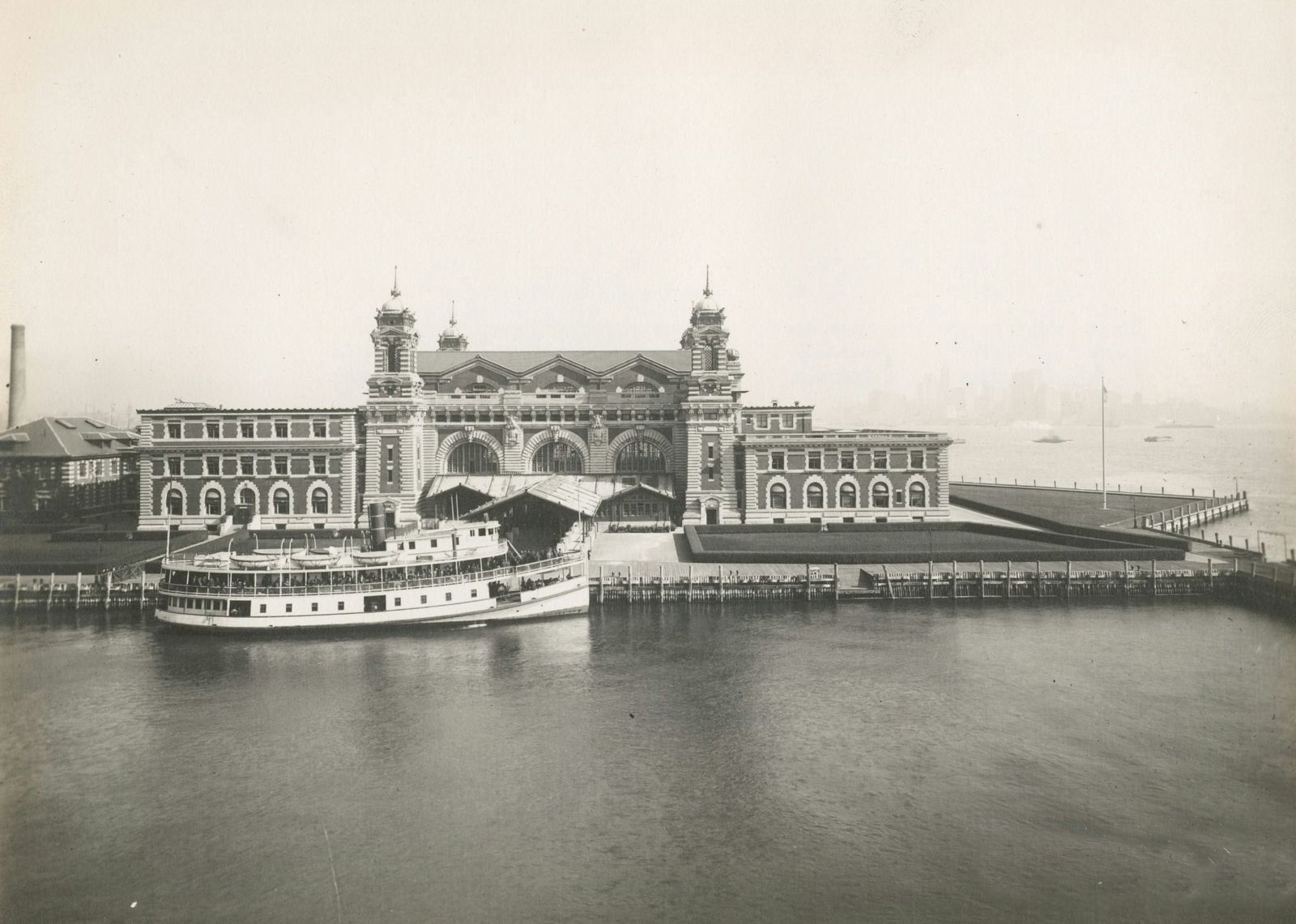
In 1890, the American government decided to shut down the Castle Clinton immigration station on the southern tip of Manhattan due to mismanagement and immigrant abuse. After surveying several locations, Ellis Island was chosen as the site for the new station , and in two years, offices, an immigrant hotel, a hospital, a detention building, a laundry building, and a utility plant were built.

3
A growing island

Image: Tomas Martinez

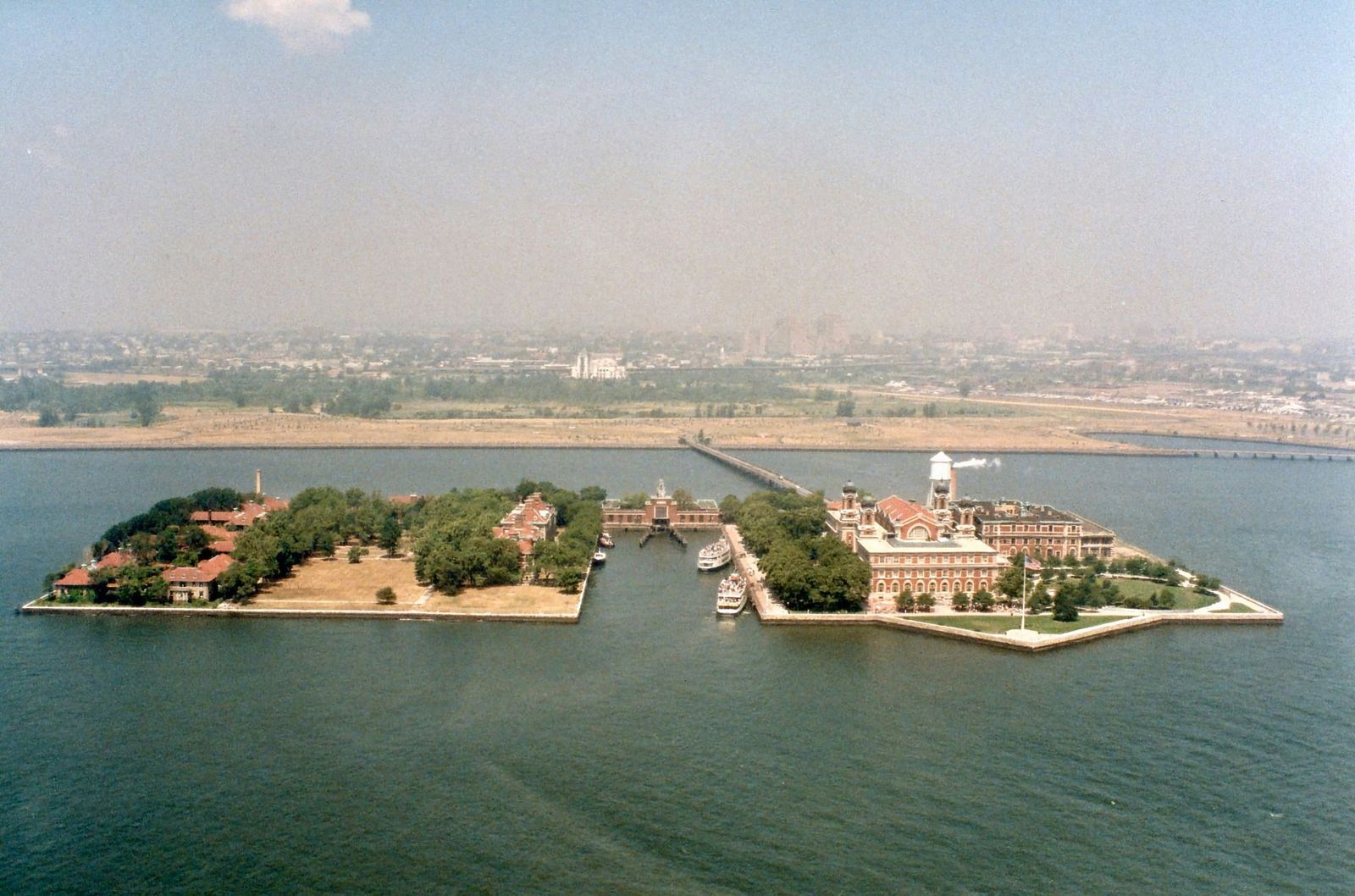
Did you know that Ellis Island used to be much smaller? As construction of the station started, the island was expanded through the creation of three artificial islands, which were then connected to the original land , and much of the dirt and rock used was sourced from the excavation of early New York City subway tunnels. In the end, the island’s original 3.3 acres were expanded to 27.5 acres, meaning that nearly 90% of Ellis Island is manmade.

4
The gateway to America

Image: Luis Santos

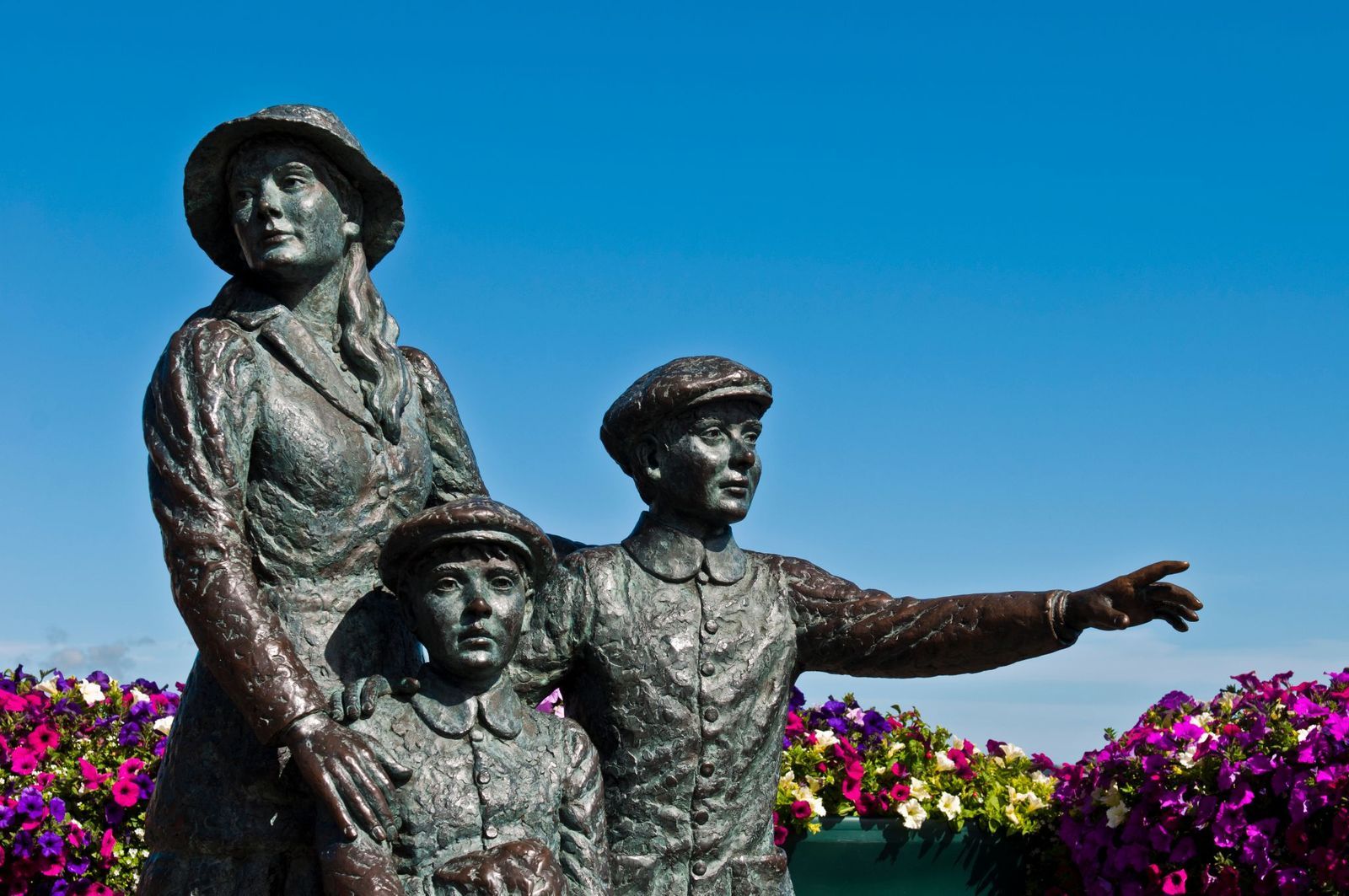
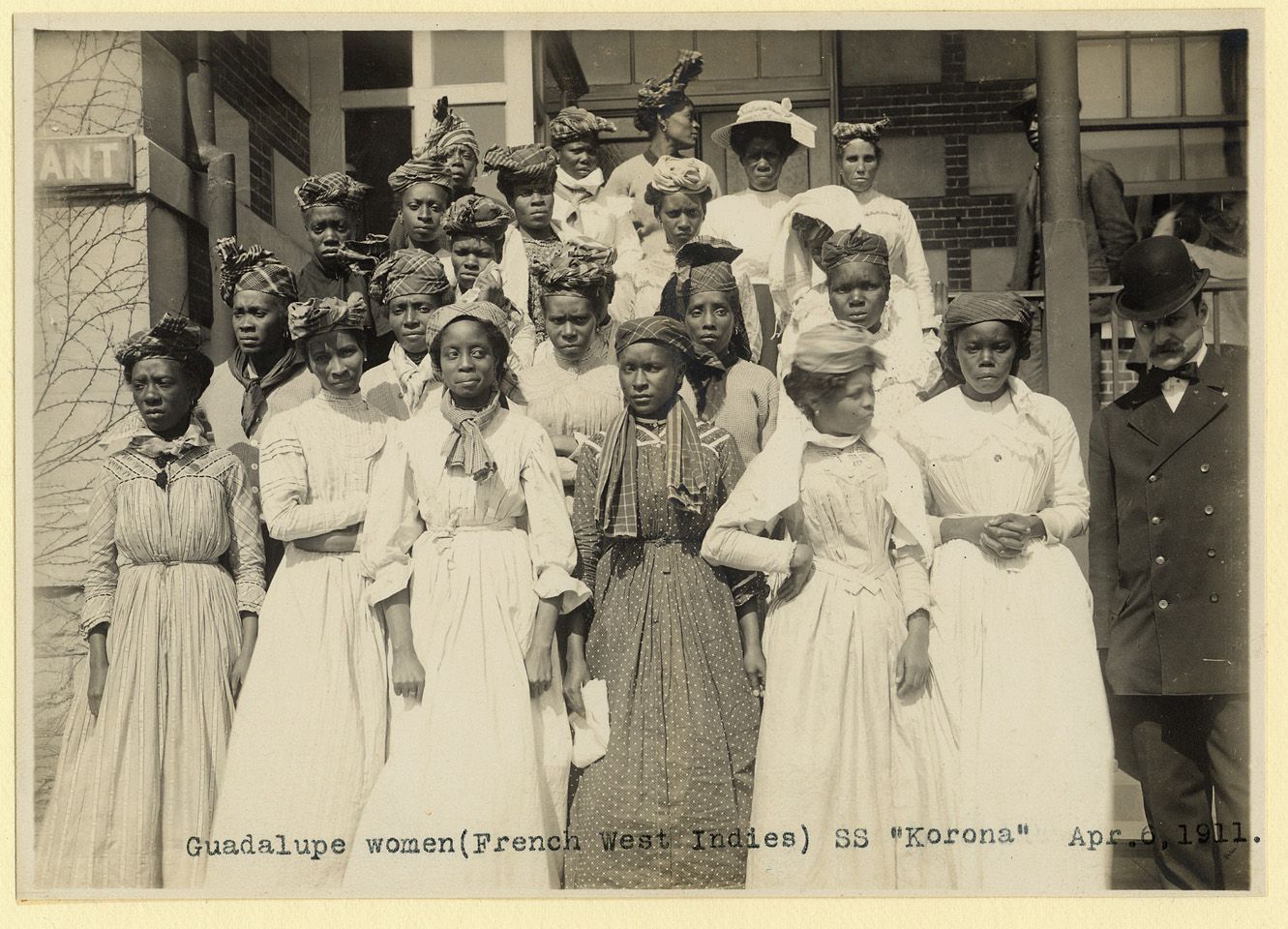
On January 1, 1892, Ellis Island station opened its doors, and the first to come through them were three children. 17-year-old Annie Moore and her two younger brothers had travelled alone from Cork, Ireland, to meet with their parents , who had migrated a few years earlier. Today, a statue depicting the Moore siblings stands on Ellis Island as a tribute to all those who came to America through the station. From its opening in 1892 to its closure in 1954, the station processed more than 12 million immigrants from all over the world.

5
A connection with nearly half of America

Image: Everett Collection

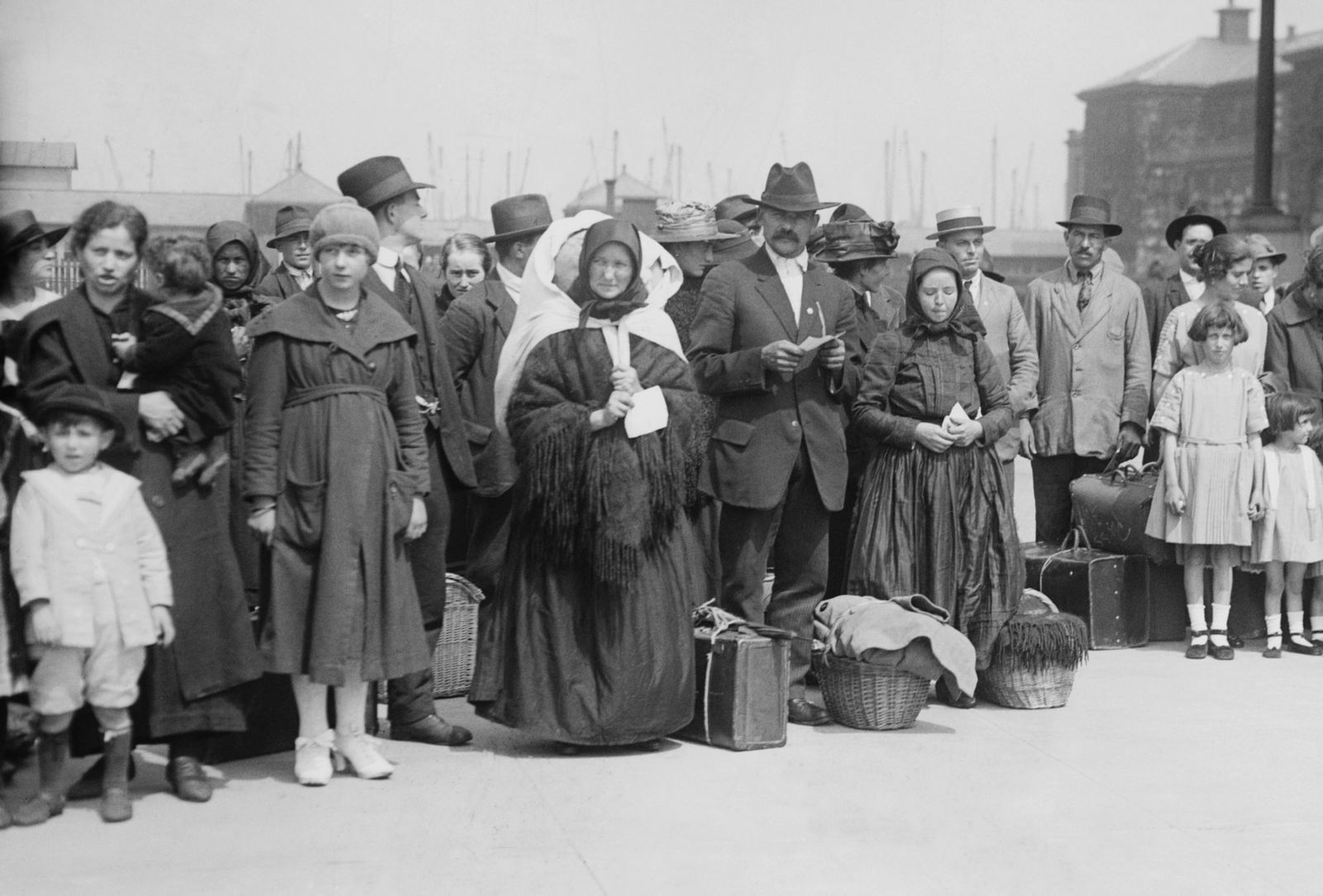
While Ellis Island was not the only immigrant station in America, it was definitely the busiest. It is estimated that around 33 to 40% of living Americans (more than 100 million people) can trace their ancestry back to an Ellis Island immigrant. Today, the station’s records are available online, allowing anyone wanting to explore their family’s past to find their ancestors’ immigration records.

6
Isle of tears

Image: The New York Public Library

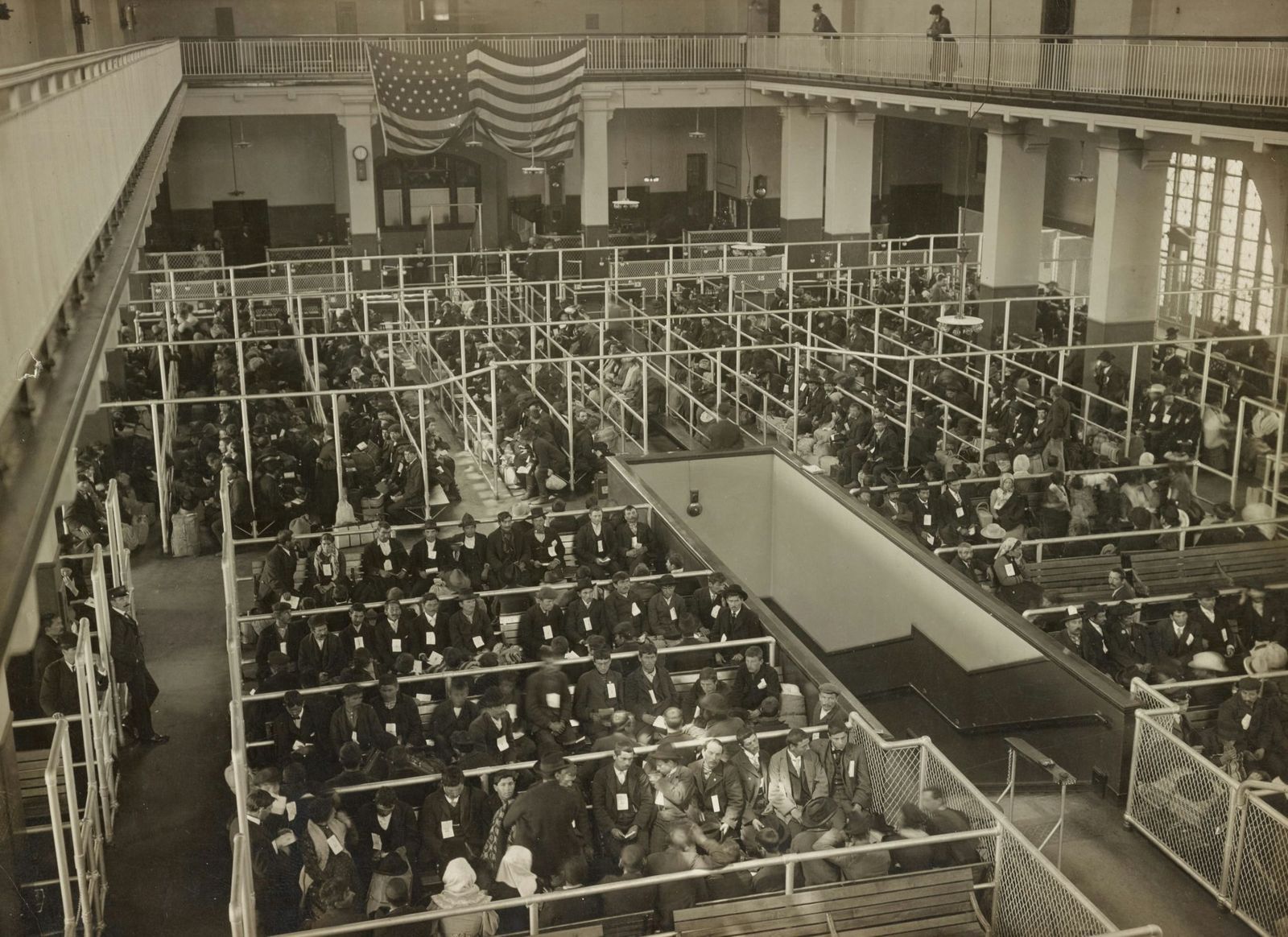
While the popular myth about immigrants having to wait for days to be processed is not true, the inspection process at the station was long and thorough, usually completed in 3 to 5 hours. A medical inspection to rule out physical ailments and infectious diseases was done first, and suspicious cases were sent out to a different area of the station for further testing. Afterwards, a legal questioning about the immigrant’s origin, story, profession, final destination, and economic means was conducted by officers. Those who failed one or both inspections had the chance of a formal hearing before facing deportation, and it is estimated that only 2% of total arrivals were denied entry.

7
Restrictions

Image: English: NPS Photo, Public domain, via Wikimedia Commons

In the early 1920s, immigration quotas based on past censuses were enforced. In 1921, the immigration cap per nationality was restricted to 3% of the U.S. population of that origin represented in the 1910 census, a decision that heavily favored northern and western European immigrants. Three years later, the quota was reduced to 2% of the 1890 census, which further restricted immigration from southern and eastern Europe, as well as from Asia and Africa . In 1924, a new migration policy required migrants to secure a visa before the journey, which drastically reduced the number of people going through the station.

8
The detention center

Image: The New York Public Library

As the flow of immigrants coming through Ellis Island diminished, part of the facilities were repurposed as a detention and deportation center, with the station temporarily closed during WWI, doubling as a jail and a treatment center for wounded soldiers. By the 1930s, the station mainly served as a holding place for individuals detained for illegal entry, overstayed visas, or medical reasons. Unlike other stations, such as Angel Island on the West Coast, Ellis Island was not used as a detention camp for Japanese Americans during WWII, but it was one of the main detention centers for Axis nationals in the New York Area , and later for alleged communist sympathizers during the Red Scare.

9
Who owns Ellis Island?

Image: Sergii Figurnyi

Several islands in New York Harbor have been a point of contention between the States of New York and New Jersey, including Ellis Island. In 1834, the U.S. Supreme Court ruled that the above-water land of Ellis Island belonged to New York, while the surrounding submerged land was part of New Jersey, but the matter was not resolved. In 1993, New Jersey contended that, when the island was artificially expanded to make room for the immigration station, it had been done on the submerged land, and therefore, it was part of New Jersey . In 1998, the Supreme Court ruled in favor of New Jersey, stating that New York only had sovereignty over the original 3.3 acres

10
Ellis Island today

Image: Tada Images

In 1965, Ellis Island was designated as part of the Statue of Liberty National Monument, and its restoration process started in 1984, opening as a museum in 1990. Accessible only by ferry from Battery Park in Manhattan or Liberty State Park in New Jersey , the complex offers guided tours through the installations and access to passenger records. Museum access is free for all visitors, but they need to purchase a ticket for the official ferry.

Explore more American facts

Choose your favorite category!

General
General

As American as apple pie—the very best America has to offer!

Culture
Culture

Delve into the astounding richness of American lore.

Geography
Geography

Hop in and explore vast and diverse American landscapes.

History
History

Discover the key moments that shaped the United States.