General General 4 min read

Fast food, unpacked

The Big Mac's so good it became a way to compare prices around the world
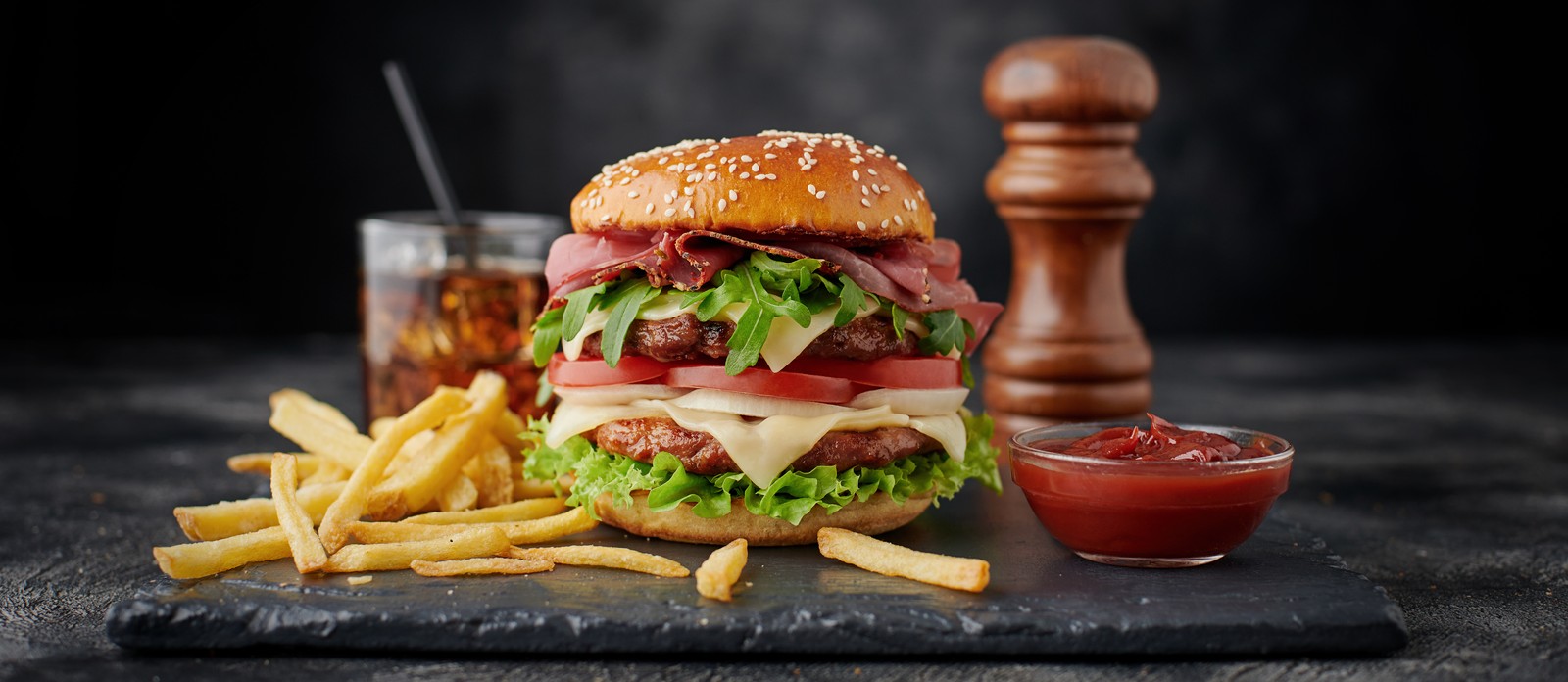
Image: ER_09

Fast food just hits different. Maybe it's nostalgia, maybe it's the irresistible salt-grease-sugar combo, but a good burger or a bucket of chicken has a way of making a rough day feel a little better. The funny thing is, most of us have eaten a Big Mac or a Whopper a hundred times without ever knowing the story behind it . Here are ten classic fast food items and their surprisingly interesting histories.

1
The Big Mac (McDonald's)
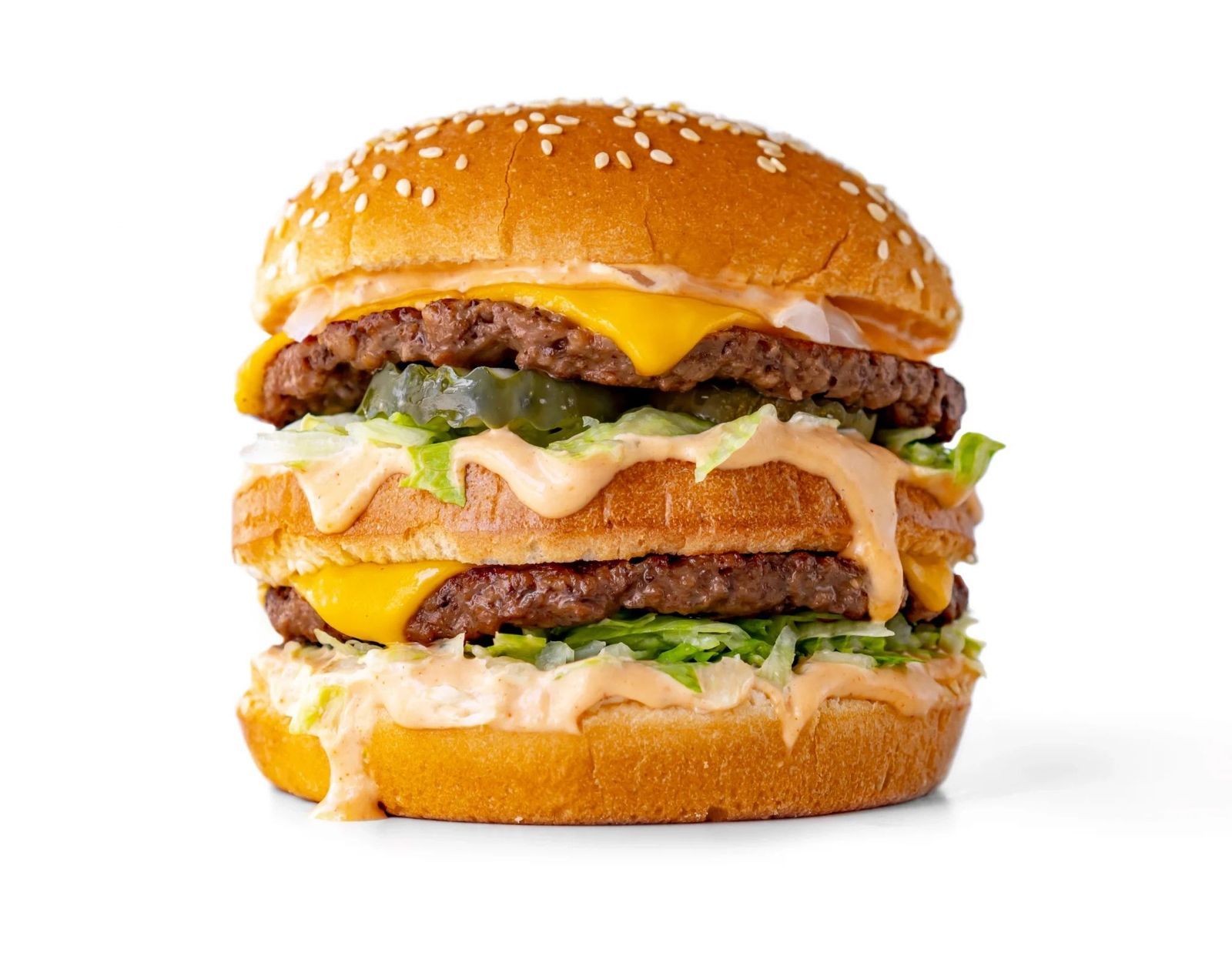
Image: usaphoto

The Big Mac was invented in 1967 by Jim Delligatti, a Pittsburgh-area McDonald's franchisee who figured customers wanted something bigger than the standard burger . It was originally priced at 45 cents, and proved so popular that McDonald's added it to the national menu just a year later, in 1968.

Two beef patties, special sauce, lettuce, cheese, pickles, onions, on a three-part sesame bun. That little jingle, "two all-beef patties, special sauce, lettuce, cheese...", got burned into America's brain back in the 1970s.

2
The Whopper (Burger King)
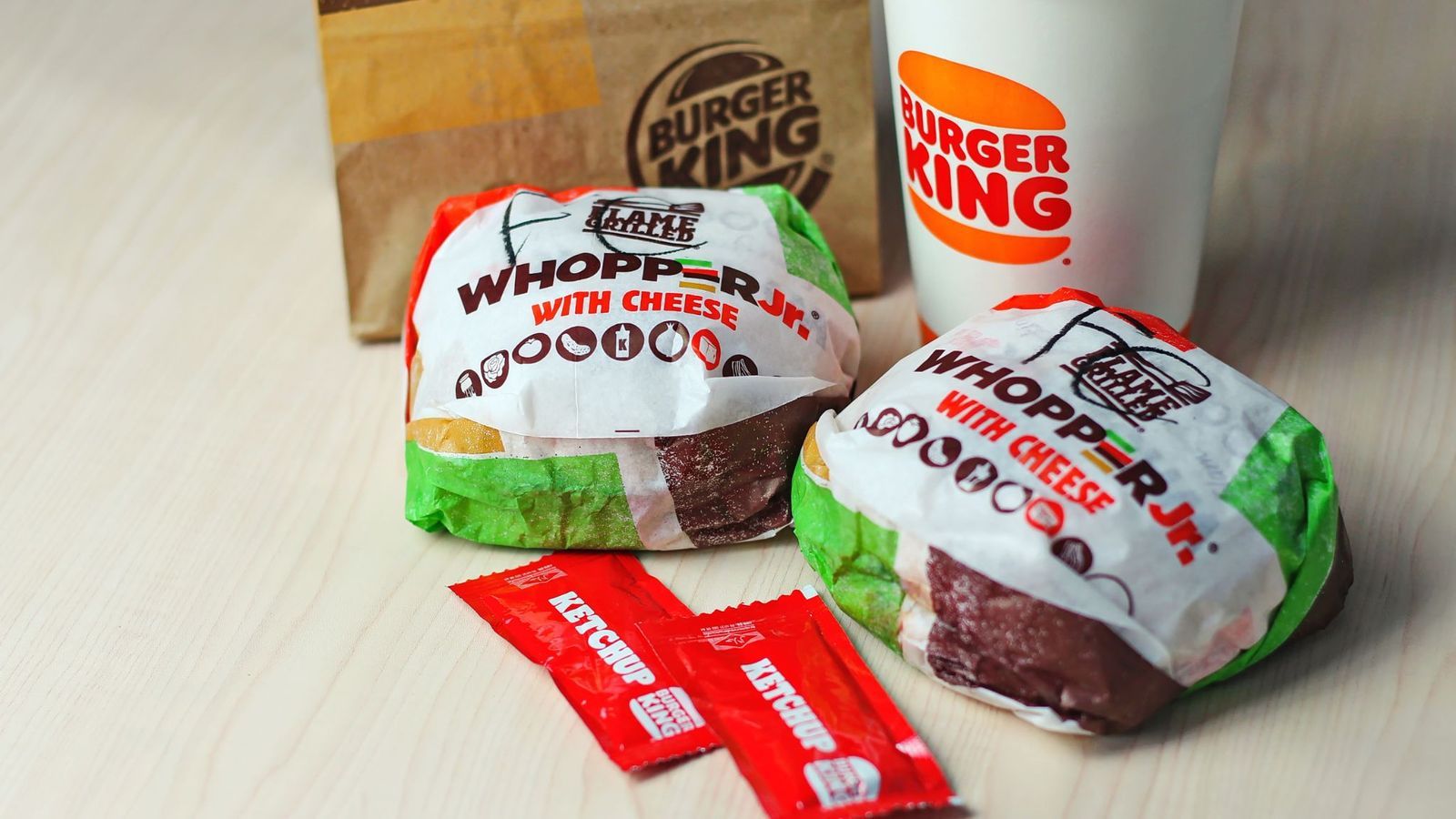
Image: FOOD PHOTO STOCK

Burger King rolled out the Whopper in 1957, and the whole pitch was simple: a bigger flame-grilled burger for just 37 cents (a steal even then). The flame-grilling is the real signature : it gives it a smokier taste than McDonald's griddle-cooked beef, and BK has leaned into that "flame-grilled" branding for decades.

It became the centerpiece of one of fast food's longest-running rivalries, with Burger King regularly poking fun at the Big Mac in its ads.

3
The original recipe fried chicken (KFC)
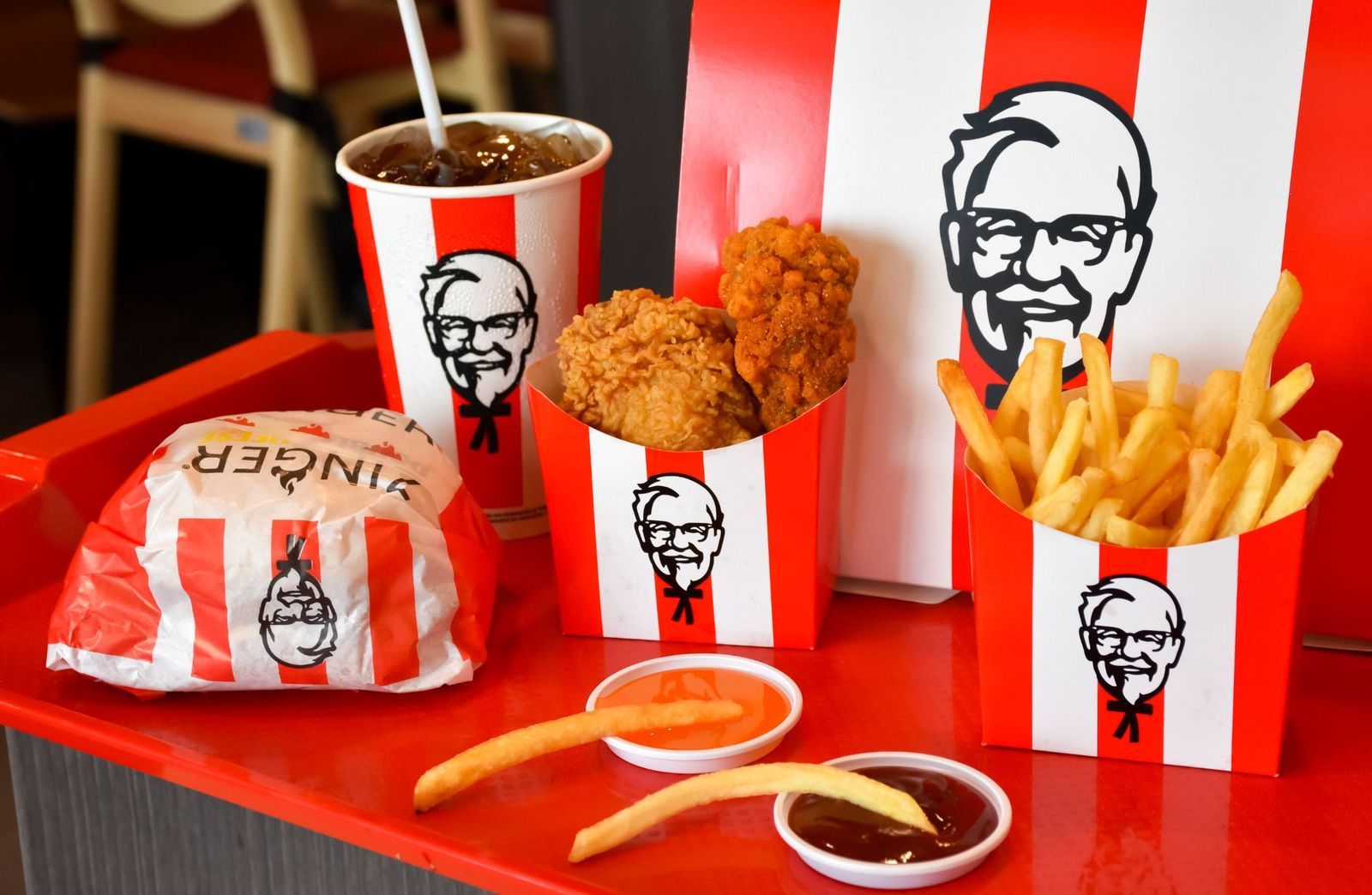
Image: Patcharaporn Puttipon4289

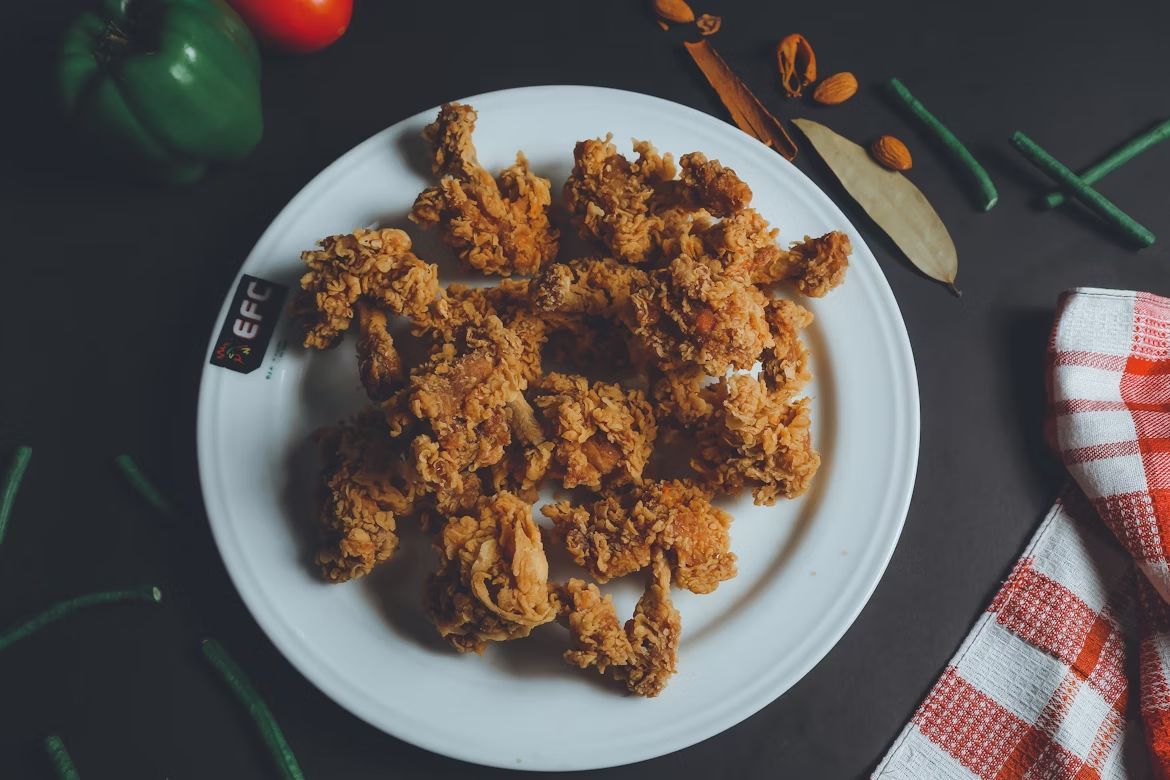
Colonel Harland Sanders perfected his "11 herbs and spices" blend back in the 1930s at a roadside restaurant in Corbin, Kentucky, and, to this day, the exact recipe is locked in a vault and split between two manufacturers so no single person knows the whole thing. The pressure-frying method he pioneered cooks chicken faster while keeping it juicy.

4
The Frosty (Wendy's)
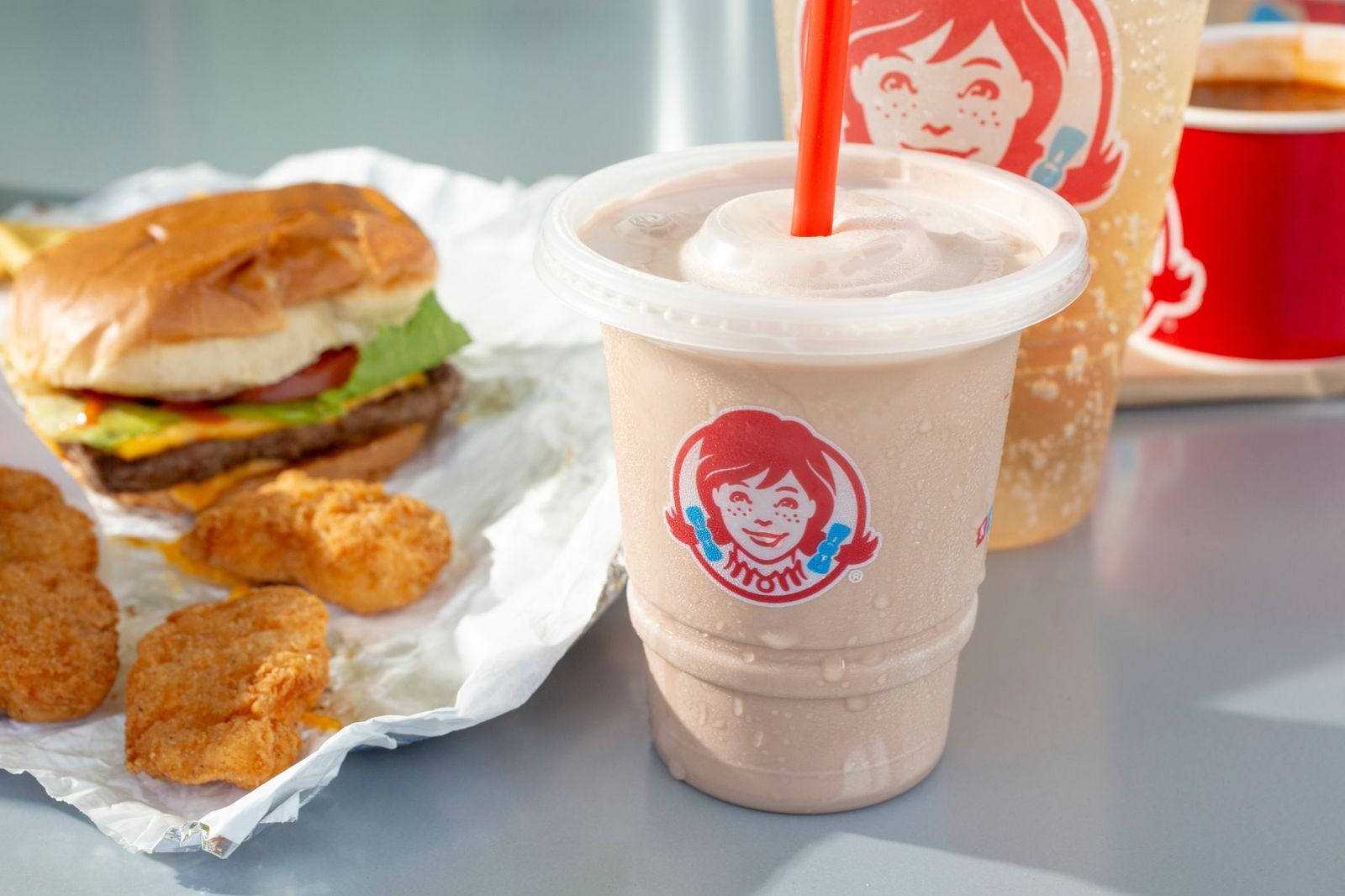
Image: The Image Party

Dave Thomas, Wendy's founder, wanted a dessert that was thicker than a milkshake but still drinkable through a straw, so in 1969 the Frosty was born; that chocolatey, half-ice-cream, half-milkshake treat with the signature spoon-straw . Thomas was famously particular about it staying exactly that consistency, refusing to make it thinner just to speed up the drive-thru line.

5
The Slider/Original Hamburger (White Castle)
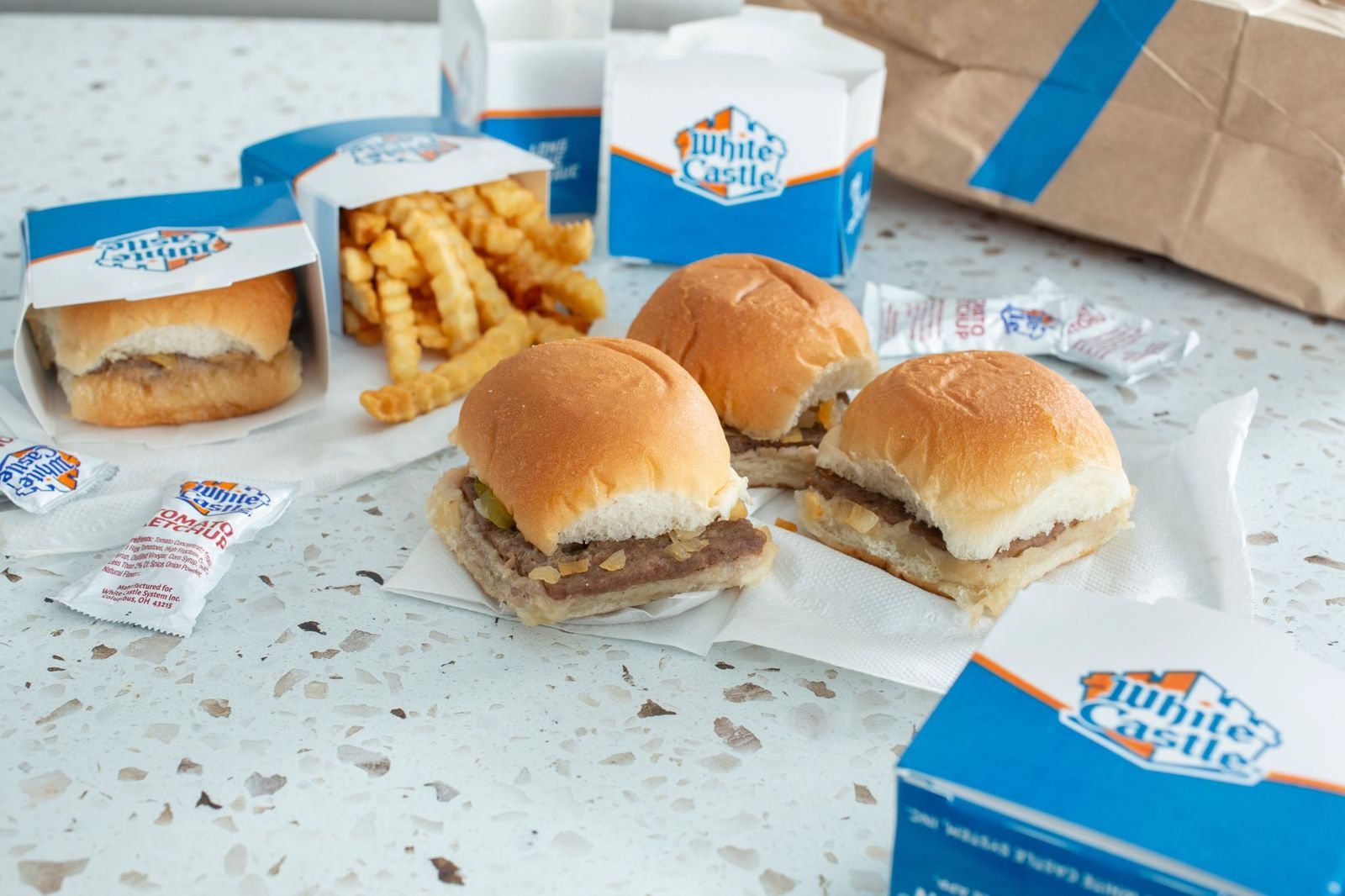
Image: The Image Party

White Castle opened in Wichita, Kansas in 1921 and basically invented the fast food burger chain as we know it, way before McDonald's existed. Their small, square, steam-grilled burgers with five holes punched in the patty cook fast and stay soft, earning the nickname "sliders" because, well, they go down easy.

They're cheap, they're nostalgic for a lot of Americans, and the 2004 movie Harold & Kumar Go to White Castle turned the brand into a full-blown pop culture punchline for a newer generation.

6
The Crunchwrap Supreme (Taco Bell)
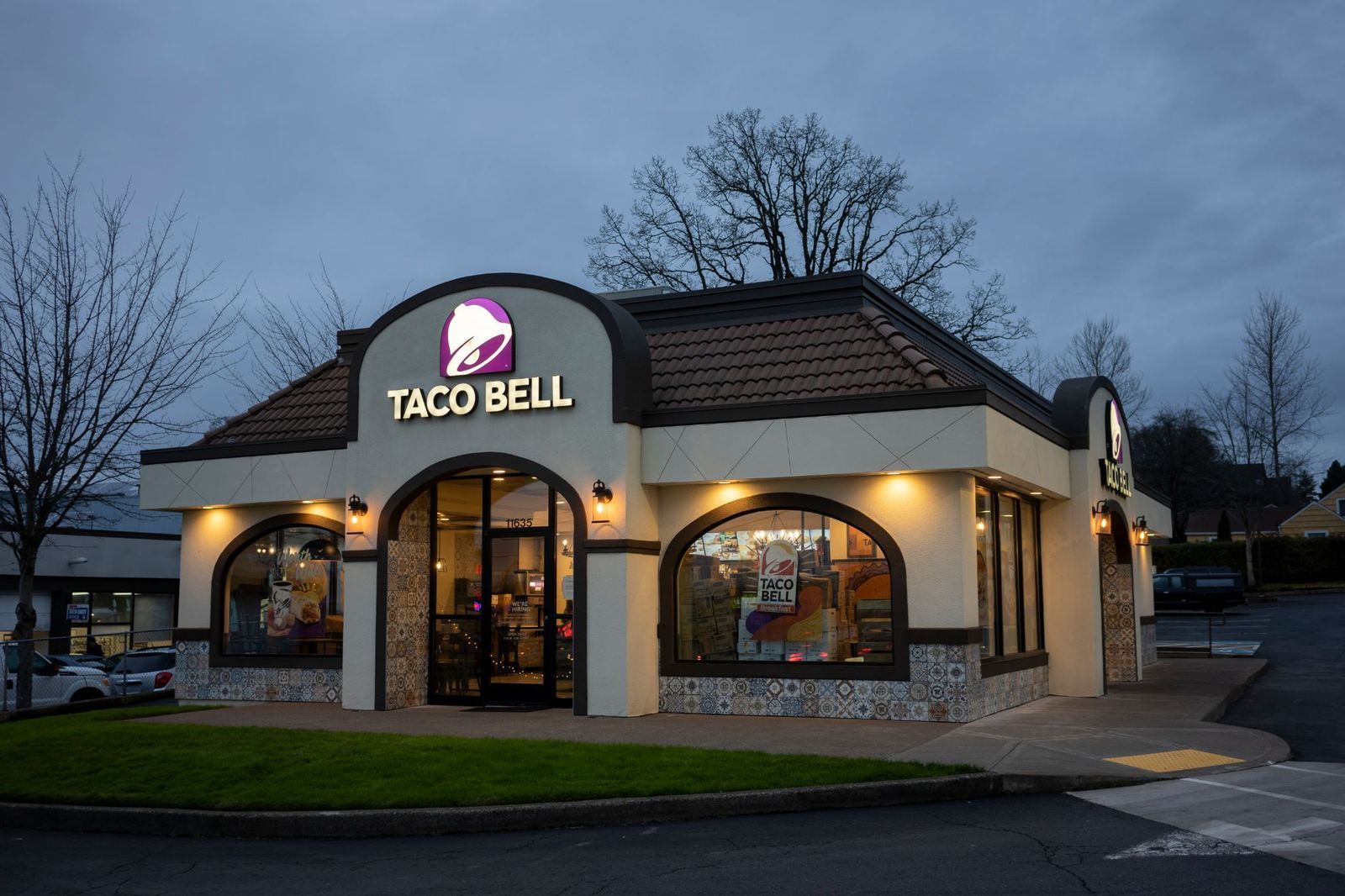
Image: Tada Images

How do you eat a crunchy taco and a soft tortilla together without it falling apart? The answer was a clever hexagonal fold wrapping a tostada shell, meat, cheese, and sauce, all into one portable package . Genuinely inventive engineering disguised as junk food, it became a cult favorite almost instantly upon its 2005 debut, and remains one of Taco Bell’s signature, can't-mess-with-it menu items.

7
The Subway Footlong (Subway)
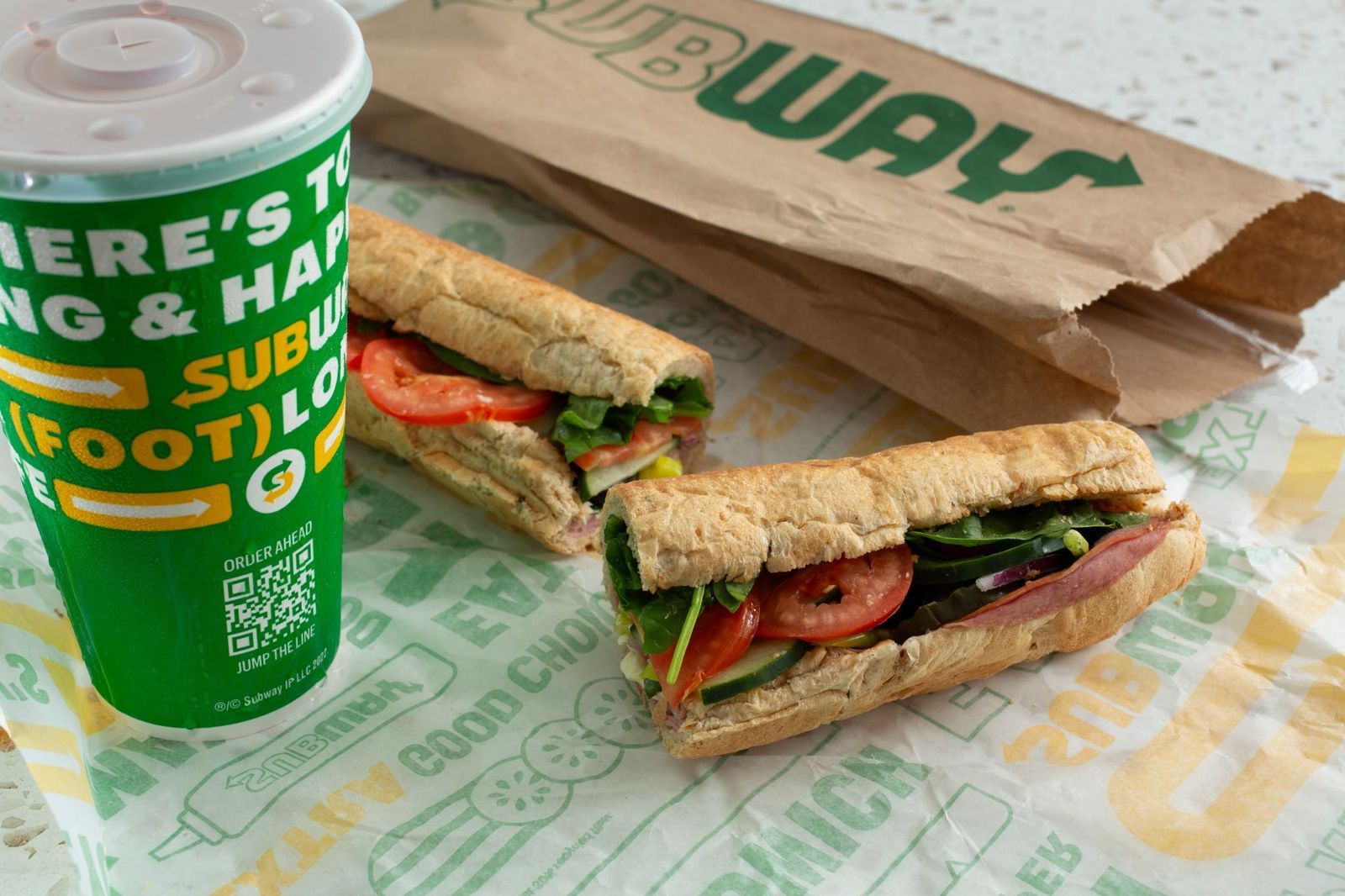
Image: The Image Party

Subway built its whole identity around being the "healthier" fast food option, and the Footlong sandwich, sold by the inch since the chain's earliest days, became the symbol of that customizable, build-it-yourself appeal . It got an extra wave of fame in 2014 when a viral photo showed a customer's "footlong" measuring just eleven inches, sparking a real lawsuit and a wave of internet jokes that the brand never quite lived down.

8
Sourdough Jack (Jack in the Box)
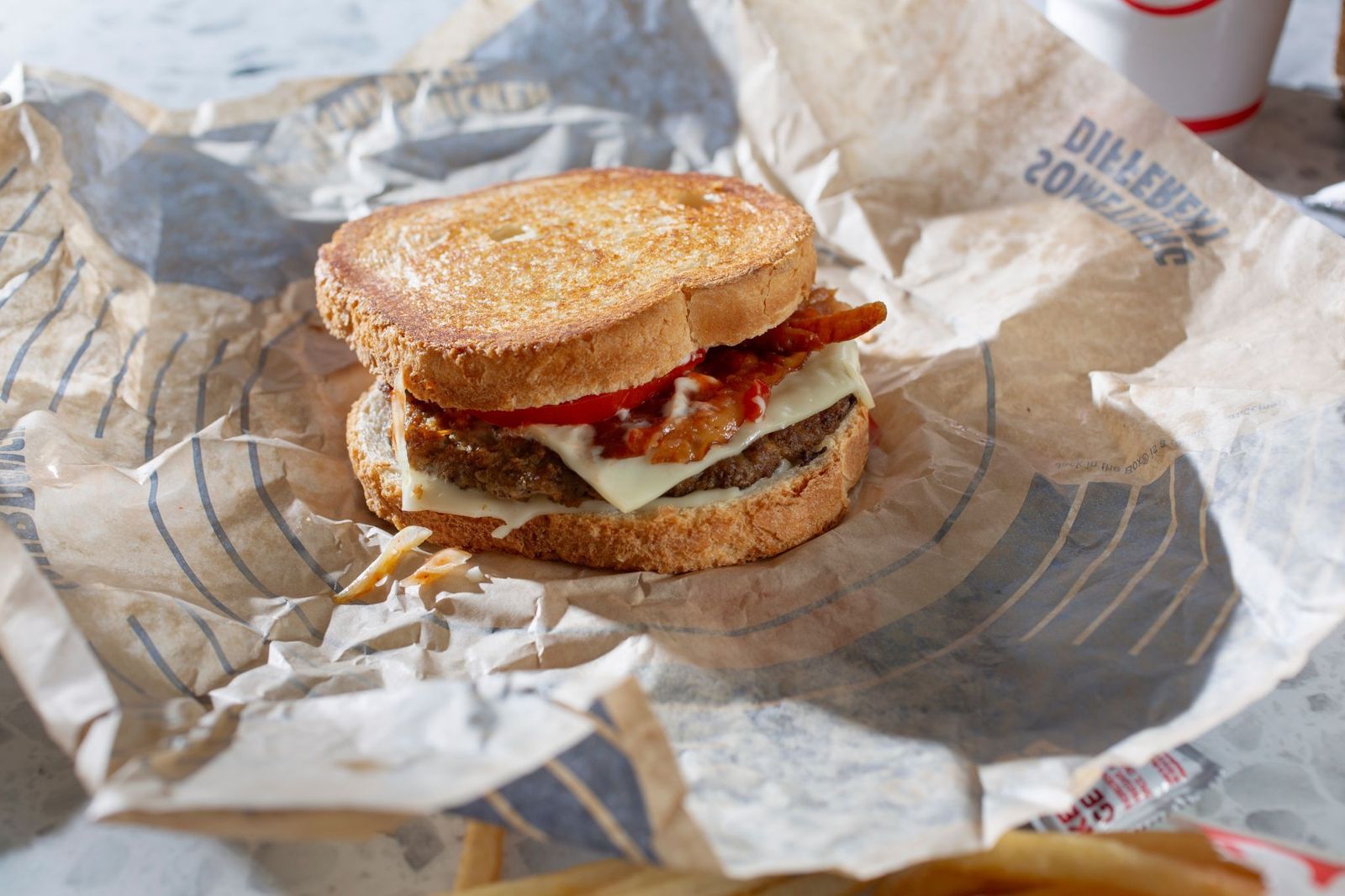
Image: The Image Party

A West Coast favorite that never quite broke out nationally, the Sourdough Jack pairs beef patties and bacon with melted cheese on grilled sourdough bread instead of a regular bun . It's been on the menu since the 1970s and has a loyal following among people who grew up with Jack in the Box, especially in California, where the chain has always had the strongest presence and the most devoted regulars.

9
The Animal Style Burger (In-N-Out)
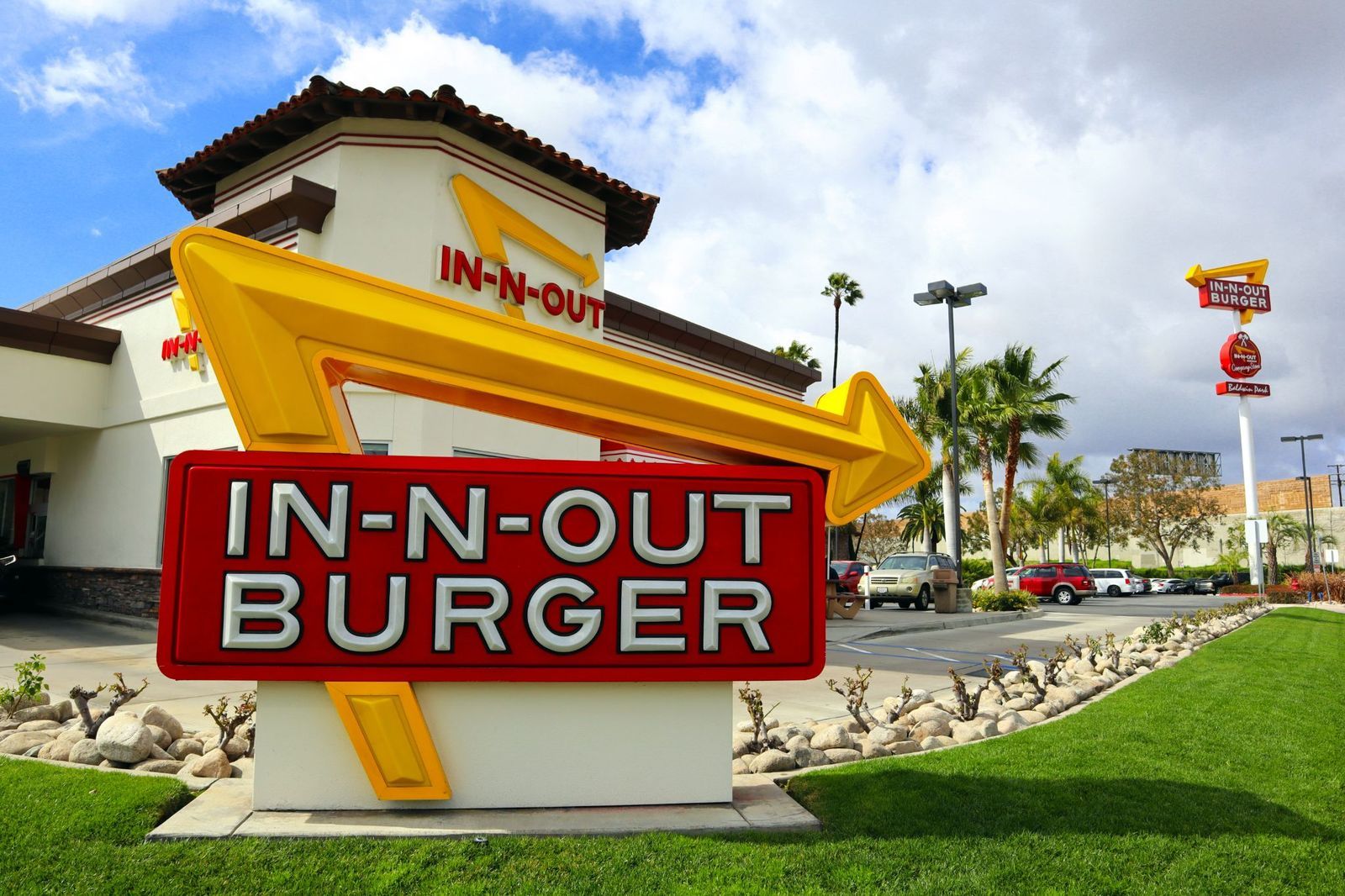
Image: Walter Cicchetti

Not listed on the official menu, the Animal Style burger is part of In-N-Out's famous "secret menu": a mustard-grilled patty, extra spread, grilled onions, and pickles piled on top. It started as something employees made for friends and regulars before word spread and it became one of the most requested items in the chain's history.

The fact that you have to "know to ask for it" is exactly what made it a Southern California legend.

10
The Popeyes Chicken Sandwich (Popeyes)
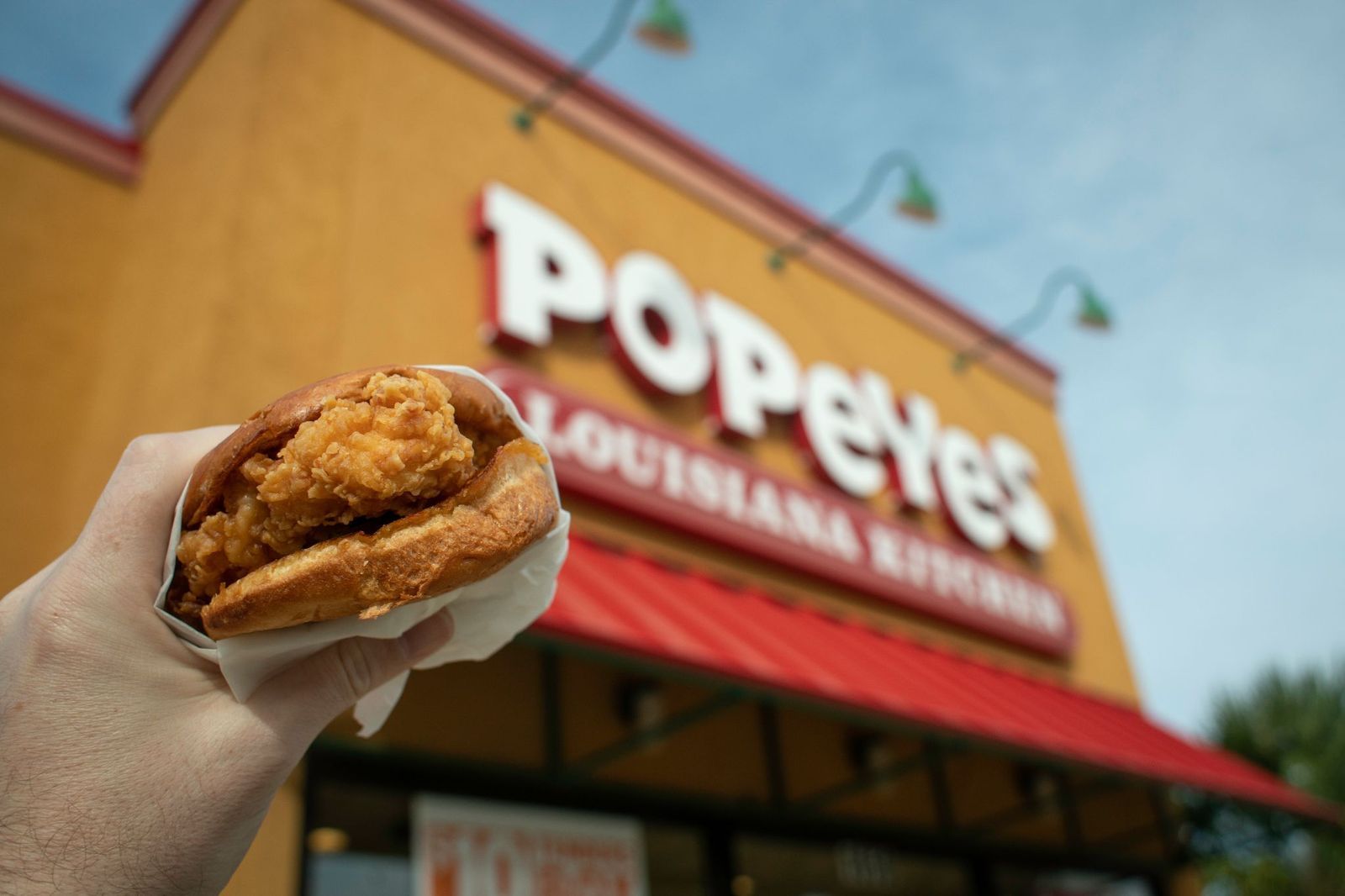
Image: University of College

When Popeyes launched its chicken sandwich in 2019, nobody expected total chaos, but that's what happened . A rivalry with Chick-fil-A's sandwich exploded online, and the sandwich sold out nationwide within two weeks; there were even reports of fights breaking out in some stores over the last one.

The brioche bun, pickles, and crispy-but-juicy chicken turned out to be genuinely great, but the viral frenzy is what cemented it in fast food history.

General General 3 min read

Absurd laws still on the books

You’re probably breaking these laws and you don’t even know it!

Image: Tingey Injury Law Firm

Yes, we know that laws are meant to keep society running smoothly, but some of them are really puzzling. Across the US, you’ll find laws that ban everything from dancing on Sundays to stealing crawfish. Even if many of these laws are outdated , quirky, or just bizarre, they’re still technically on the books. So, if you’re planning a road trip, you might want to brush up on these strange state laws, just in case!

1
Georgia: No eating fried chicken with utensils

Image: Shourav Sheikh

In Gainesville, Georgia, it’s i llegal to eat fried chicken with a fork . This law, passed in 1961, was meant as a publicity stunt to promote the city’s status as the "poultry capital of the world."

While no one’s actually getting arrested for improper chicken consumption, a tourist was once jokingly "arrested" for breaking this law in 2009. If you visit Gainesville, just remember, fingers only!

2
Alabama: No stink bombs or confetti

Image: Damiano Lingauri

If you love a good prank or enjoy tossing confetti at celebrations, Mobile, Alabama, is not the place for you. The city has made it illegal to possess or use stink bombs , "funk balls," and anything designed to create unpleasant odors.

That’s not all, confetti and spray string are also outlawed, so don’t plan any glittery parades. Mobile prefers its air fresh and its sidewalks clean. We cannot blame them!

3
Arizona: No spitting in public

Image: Pete F

In Goodyear, Arizona, it’s not just bad manners to spit in public, it’s illegal. The law specifically bans spitting on sidewalks, roads, parks, and public buildings, and if you’re caught doing it, you could face a $2,500 fine or even six months in jail.

So, if you have a bad habit of spitting on the sidewalk , you might want to think twice before visiting Goodyear. Besides, it’s just gross!

4
Louisiana: No crawfish theft

Image: Rasmus Gundorff Sæderup

Think stealing crawfish is a minor offense? Not in Louisiana! Swiping someone’s crawfish , especially if the value exceeds $1,500, is taken so seriously that it can lead to a $3,000 fine or up to ten years in prison.

So, next time you’re enjoying a seafood boil in the Bayou State, make sure you’re not swiping from someone else’s plate!

5
Massachusetts: No dancing to the National Anthem

Image: Jeffrey F Lin

Patriotism is important, but nobody gets it like Massachusetts! In this state, a 1917 law makes it illegal to dance to the national anthem , though enforcing it would likely be a First Amendment nightmare.

It’s unclear why lawmakers felt the need to crack down on patriotic grooves, but to be safe, keep your hand over your heart and save the dancing for later!

6
South Carolina: No working (or dancing!) on Sundays

Image: Jess Bailey

Did you know that in South Carolina, you may technically have an excuse to skip work on Sundays?

An old law still on the books prohibits working on Sundays , though it’s rarely enforced. Strangely enough, dancing is also banned on Sundays. If you were hoping for a weekend filled with productivity and footloose fun, you might have to sit this one out!

7
North Dakota: No late-night fireworks

Image: Ray Hennessy

In Devil’s Lake, North Dakota, you can buy fireworks between December 26th and January 1st, but you can’t set them off after 11 p.m. What?

Let us explain: This law was originally passed for the millennium celebrations in 1999, but it’s still on the books today. Are you planning to ring in the New Year with a bang? Make sure you light those fireworks early or risk breaking the law!

8
Montana: No "folf" allowed

Image: Oskar Kadaksoo

Montana’s wide-open spaces might seem perfect for throwing a Frisbee, but in Helena, playing Frisbee golf (also known as "folf") outside of designated areas is illegal.

If you get caught, you could face a $500 fine or even six months in jail. Where are all these weird laws coming from, anyway?

9
Indiana: Black cats must wear bells on Friday the 13th

Image: Andreea Popa

Are you superstitious? You’ll love this one. In French Lick Springs, located in Indiana, black cats must wear bells around their necks on Friday the 13th.

This law was introduced in 1939 as a "war measure" to reduce stress among the public. While it’s unlikely anyone enforces this rule today, it’s still an amusing nod to old-school superstitions!

10
Hawaii: No billboards allowed

Image: Dennis Maliepaard

Ever notice that Hawaii’s landscapes are free of massive billboards ? That’s because billboards are banned statewide! The law, dating back to 1927, is part of an effort to preserve the state’s natural beauty.

Hawaii is one of the few places in the US where advertisements don’t compete with breathtaking ocean views. Now, that’s a law we can all enjoy!

General General 4 min read

Can you recall any example?

Cheaper or costly? Items that have sunk or raised in price over the years

Image: Sora Shimazaki

There was a time when lobster was a cheap, poor man’s dish. And there was also a time when air flights were only for the wealthy. But not anymore. Countless products’ prices have gone up or down over the years. Things that once were very exclusive and expensive became accessible due to their production methods. And many things that used to be cheaper are now harder to come by due to scarcity or marketing tactics. Take a look at the following 10 examples of such situations.

1
Clothing (cheaper)

Image: Nick de Partee

Back in the mid-20th century, average American families spent about 10% to 12% of their household income on clothing. That figure has dropped to around 3%. That is not because people buy fewer clothes but because the prices have dropped significantly over the last decades.

Starting about fifty years ago, most U.S. clothing production moved overseas, where labor costs are lower and production output is higher . Those savings were passed onto consumers, and as fast-fashion brands proliferated, Americans had more options at lower prices than ever before.

2
Magazines (more expensive)

Image: Rhamely

While younger generations will not remember this, 25 years ago, magazines were an Internet of sorts : it was the quickest way to access information and color pictures of any subject you were interested in. Magazines were a ubiquitous item, sold everywhere at modest prices. Since the World Wide Web came along, magazines became less important and less demanded products.

If you have bought magazines lately or have inquired about their price, you might be surprised to discover how pricey these items have become.

3
Bananas (cheaper)

Image: John Vid

Believe it or not, back in the day, bananas used to be quite an expensive fruit. These days, this product is one of the cheapest and most popular fruits in the supermarket but when it first became available in the U.S., following the Civil War, it was sold for about 10 cents a piece — that’s about $3 per banana today.

The price of tropical fruit has hovered between 50 and 60 cents per pound for the last 20 years — a significant drop from its early cost. Despite being imported from faraway places and requiring cooling containers, banana sellers produce only one variety, the Cavendish, meaning the fruit can be harvested in abundant volumes and ripened at the same time .

4
Concert tickets (more expensive)

Image: Nainoa Shizuru

There was a time when going to a concert was a pretty accessible event. The ticket prices were low, even for well-known artists. But then, a couple of big players came along into the business and the prices skyrocketed like never before . Besides the ticket price itself, the service charge and taxes make for a hefty sum, not affordable by everyone anymore.

5
Television sets (cheaper)

Image: Peter Geo

It’s a well-known fact that as technology improves and becomes more efficient, prices come down. However, one consumer electronics category stands out from the rest for its drastic price cuts: televisions. The first color TV set debuted in 1954 with a $1000 price tag , and a 15" screen. According to the U.S. Bureau of Labor Statistics’ inflation calculator, that would be more than $11,600 today.

Compare that number to a 65-inch, high-definition smart TV that might cost around $500 in today’s dollars and the price drop is nothing short of amazing.

6
Car insurance (more expensive)

Image: Herson Rodriguez

Car insurance was never the cheapest service in the world, but it used to be a much more accessible price, with options for every pocket. In recent decades, auto insurance premiums have been steadily climbing , making car ownership a more exclusive deal altogether than it used to be.

7
Air flight tickets (cheaper)

Image: Suhyeon Choi

Yes, it may feel like airline ticket prices have surged in recent years due to airport taxes and fuel prices, but if we look at the price evolution over the last decades, we can see that tickets have become much more affordable than before .

Commercial air travel used to be a luxurious experience available only to the wealthy. In 1941, an average flight from Los Angeles to Boston would have cost more than $5,000 in today’s money. These days, a one-way flight from Los Angeles to Boston commonly costs around $300.

8
Fast Food (more expensive)

Image: Kenny Eliason

Getting a burger with fries and a soda for a couple of dollars was a standard deal back in the day, but not anymore. Fast food prices have steadily increased in the last few decades , making the tag for a standard menu almost the same and sometimes even more expensive than a meal at a regular restaurant.

9
Washing machines (cheaper)

Image: engin akyurt

In the same way that TVs have dropped the price, most other appliances have gone down the same path, and washing machines are no exception . These devices, an invaluable addition to modern life, have changed significantly from the 1950s to today.

In 1959, a Kenmore washer was advertised for $209.95. Today, that amount inflates to more than $2,200, which is a $1,600 difference from a basic $500 to $600 top-loading Kenmore machine today.

10
Prescription medicine (more expensive)

Image: Haley Lawrence

Healthcare costs in America have been a complicated problem for years. Not just health insurance but also essential medicines have been raising their prices steadily for a very long time.

It can’t be said that medicines used to be cheap but definitely were far more accessible than these days.

Explore more American facts

Choose your favorite category!

General
General

As American as apple pie—the very best America has to offer!

Culture
Culture

Delve into the astounding richness of American lore.

Geography
Geography

Hop in and explore vast and diverse American landscapes.

History
History

Discover the key moments that shaped the United States.