Culture Culture 9 min read

Real connections

Some of these mafia movie scenes weren't fiction at all
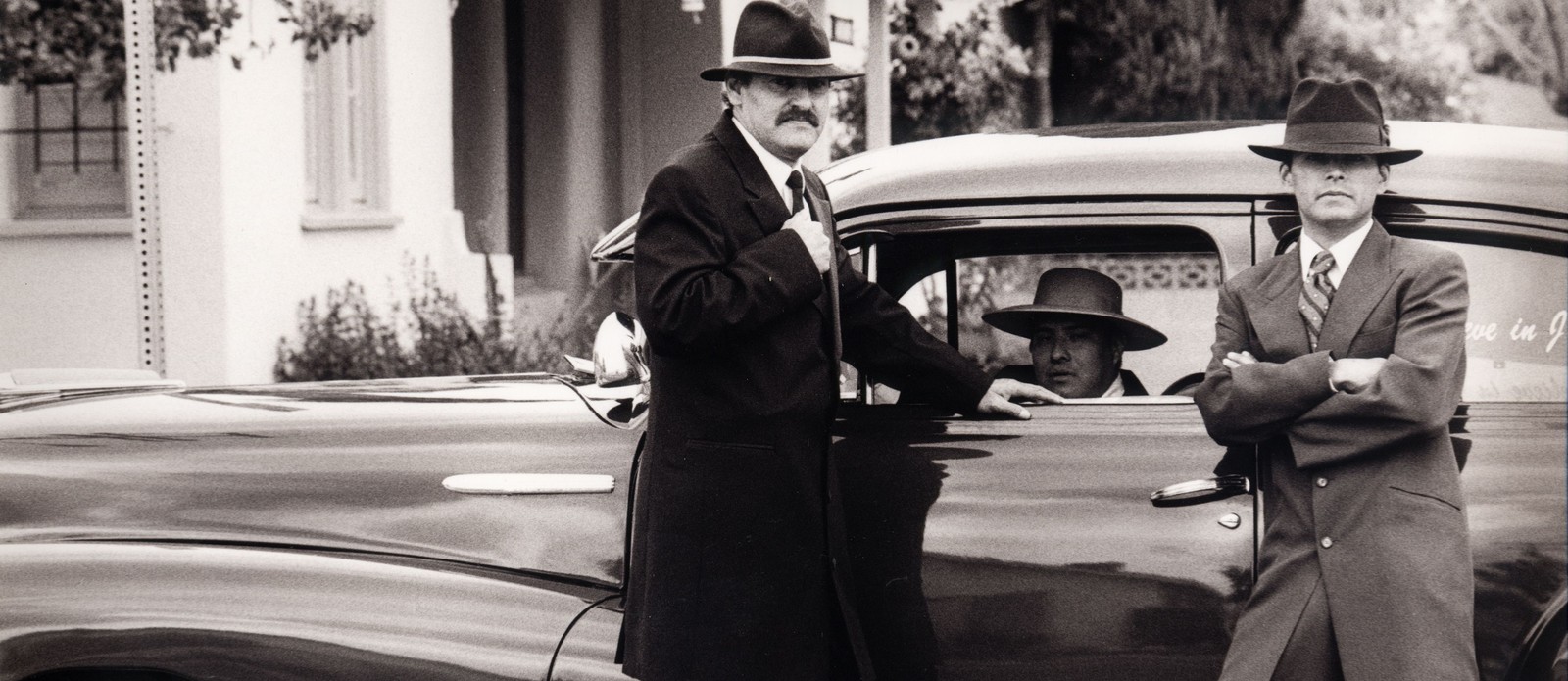
Image: Katherine Bowers

Mafia movies and TV shows have given us some of the most memorable characters in pop culture: powerful bosses like Vito Corleone, undercover agents, bootleggers, gamblers, and families such as The Sopranos caught between loyalty and betrayal. But many of these stories didn't come entirely from Hollywood's imagination. Behind the fictional characters are real mobsters, organized-crime families, and historic events. Sometimes filmmakers stayed remarkably close to the facts; other times, they took extreme creative license. Let's look at the true stories behind some of the most famous Mafia movies and TV shows.

1
The Godfather: A fictional family with real mafia influences
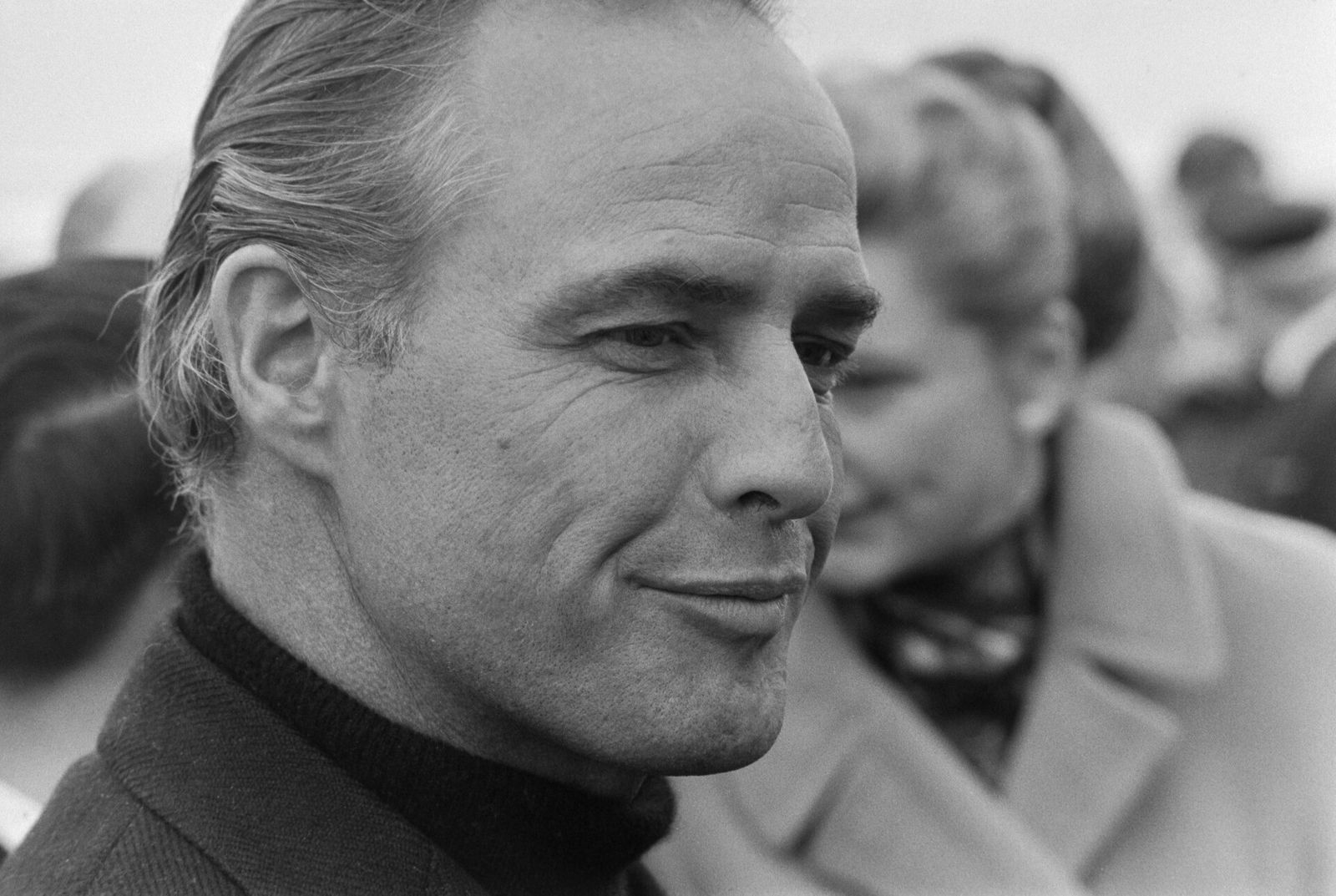
Image: Urpo Rouhiainen, CC BY 4.0, via Wikimedia Commons

The Corleone family may be fictional, but author Mario Puzo drew inspiration from several real Mafia figures and traditions . Vito Corleone (Marlon Brando), for example, has similarities to New York crime boss Frank Costello, who was known for his political connections and influence. Vito's olive-oil business also recalls real mobster Joe Profaci, who built a legitimate olive-oil business alongside his criminal activities.

One of the movie's most memorable scenes also has a real-life parallel. When Michael Corleone (Al Pacino) goes to a restaurant and secretly retrieves a gun from the bathroom before killing Sollozzo and McCluskey, the setup echoes the 1931 murder of mob boss Joe Masseria. Masseria was having lunch at a Coney Island restaurant with Lucky Luciano when Luciano briefly left the table; gunmen then entered and killed Masseria. Michael's assassination, however, is fictional, and Puzo and director Francis Ford Coppola combined real Mafia history with an invented Corleone family.

2
Goodfellas: The real life of Henry Hill
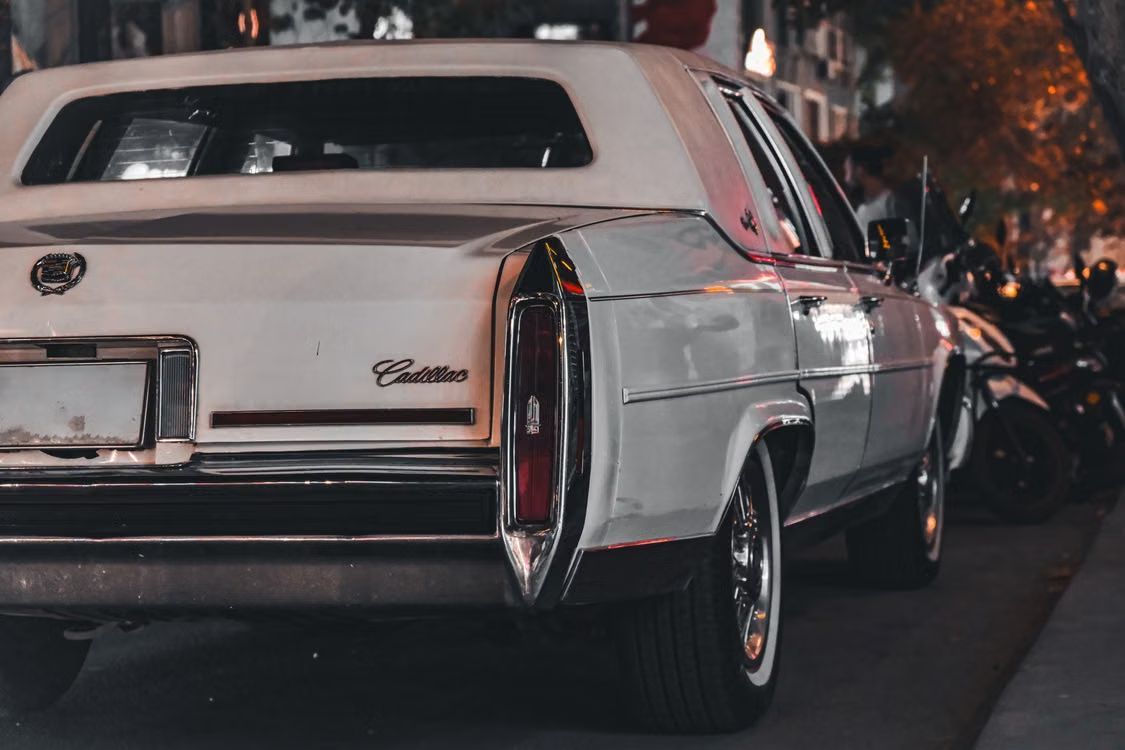
Image: Emre Gokceoglu

Unlike many Mafia movies, Goodfellas is closely tied to one man's actual experiences. The 1990 film by Martin Scorsese is based on Nicholas Pileggi's book Wiseguy , which tells the story of Henry Hill (played by Ray Liotta) and his life inside New York's Lucchese crime family. One of the movie's biggest events, the 1978 Lufthansa heist at JFK Airport, really happened: gangsters stole millions of dollars in cash and jewelry from the airline's cargo terminal.

The movie also recreates the real-life 1970 murder of William Bentvena, known as Billy Batts, who was beaten after insulting Thomas DeSimone. Even Henry Hill's drug arrest and the chaotic day depicted in the film, including his paranoia and the helicopter following him, were based on his real accounts.

3
American Gangster: The rise of Frank Lucas
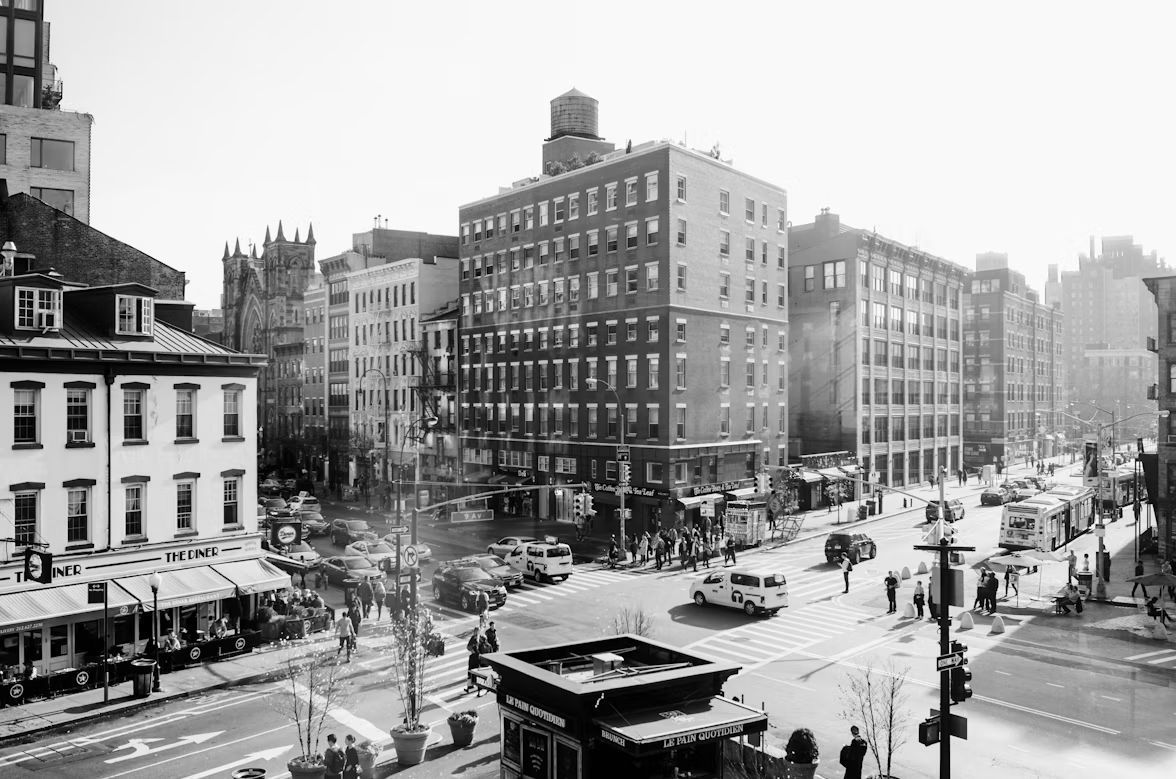
Image: Matteo Modica

American Gangster (2007) follows Frank Lucas, a Harlem drug trafficker who became one of the most powerful figures in New York's heroin trade during the 1960s and '70s. Denzel Washington's portrayal presents Lucas as a disciplined, businessman-like criminal who built his operation largely outside the traditional Mafia structure. Lucas really did build a heroin operation in Harlem under the name "Blue Magic." He also traveled to Southeast Asia to establish direct connections with heroin suppliers, cutting out intermediaries.

Richie Roberts, played by Russell Crowe, was a real New Jersey detective who investigated Lucas, and he later cooperated with authorities by providing information about corrupt police officers. However, the famous Vietnam coffin scene was not real, and the movie also fictionalized Bumpy Johnson's death and romanticized Lucas's family life.

4
Casino: When Las Vegas was run by the mob

Image: Volker Thimm

The glamorous Las Vegas of Martin Scorsese’s Casino (1995) has a very real history behind it. The film was based on Nicholas Pileggi's nonfiction book Casino: Love and Honor in Las Vegas . Robert De Niro's Sam ‘’Ace’’ Rothstein was based on casino executive Frank ‘’Lefty’’ Rosenthal, while Joe Pesci's Nicky Santoro was inspired by Chicago mobster Anthony Spilotro.

Several details shown in the movie really happened . Rosenthal survived a car bombing in Las Vegas in 1982, and the attack with a pen was inspired by a real incident involving Spilotro. Ace's appearances before Nevada gaming officials, accompanied by his real attorney Oscar Goodman, were also based on actual events. Rosenthal did oversee the Stardust and other casinos for the Chicago Outfit, where the mob secretly skimmed casino revenue. Spilotro really operated in Las Vegas as the Outfit's enforcer and ran the "Hole in the Wall" Gang.

5
The Sopranos: New Jersey's mob culture comes to TV
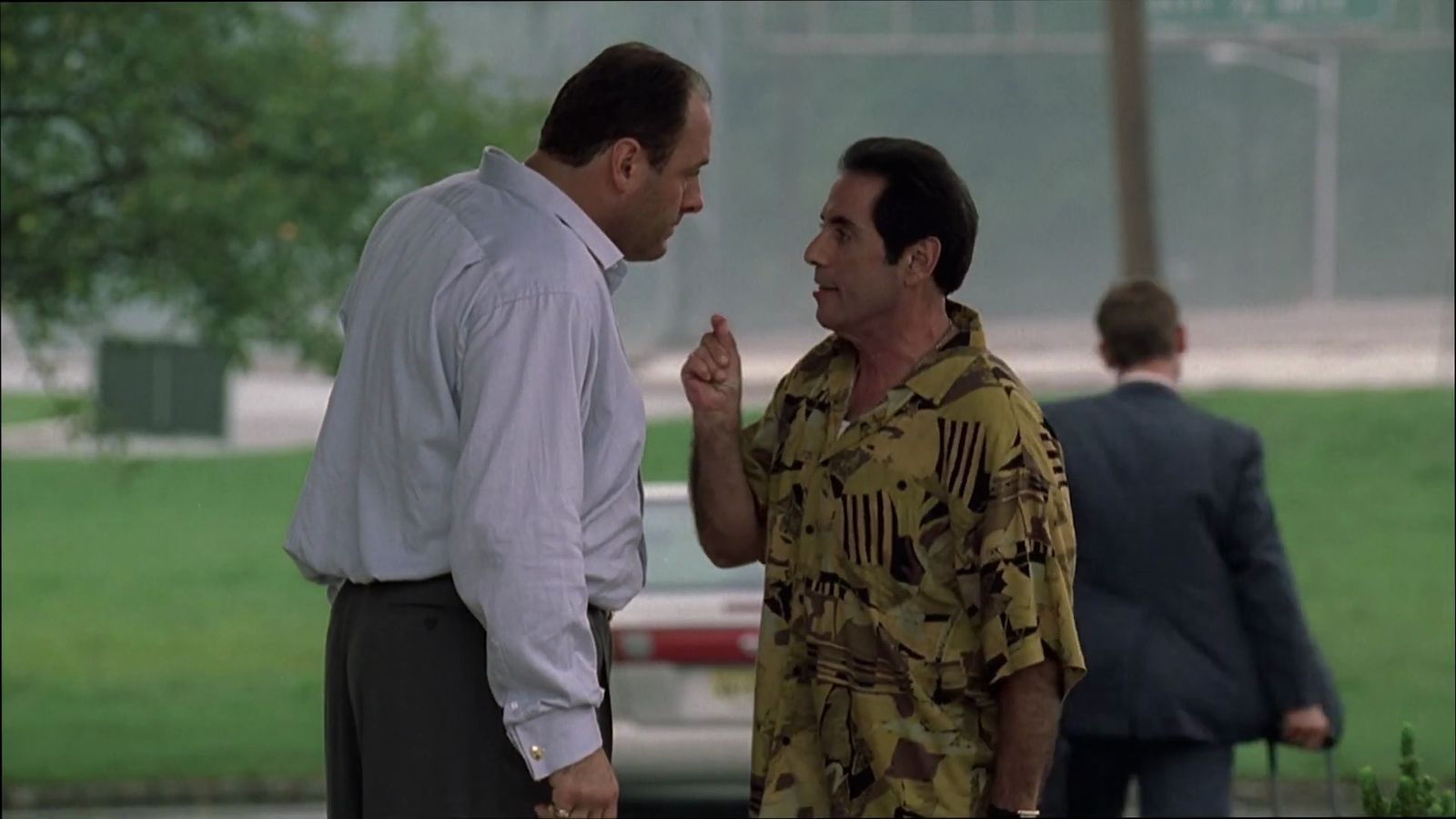
Image: HBO, CC BY 3.0, via Wikimedia Commons

Tony Soprano (James Gandolfini) and his crew were fictional, but The Sopranos (which aired on HBO from 1999 to 2007) drew heavily from the real organized-crime culture of New Jersey and New York. Creator David Chase grew up in New Jersey and was familiar with the presence of Mafia stories and figures in the region. Tony was sometimes compared to real mobster Vincent "Vinny Ocean" Palermo, although he was not based directly on him.

The show's realism went further . FBI wiretaps captured real mobsters discussing how accurately the series portrayed Mafia life. Tony Sirico, who played Paulie Walnuts, had also been involved with the Colombo crime family in his youth and agreed to take the role on the condition that Paulie would never become an informant. Livia Soprano (Nancy Marchand) was based on David Chase's own mother, while locations such as the Bada Bing and Satriale's were real New Jersey establishments used for filming.

6
The Untouchables: Eliot Ness vs. Al Capone

Image: cottonbro studio

During Prohibition, Al Capone became one of America's most notorious gangsters, while federal agent Eliot Ness (played by Kevin Costner) became famous for helping pursue him. Ness really did lead the "Untouchables," a team targeting Capone's illegal operations in Chicago. The 1987 film's baseball-bat scene also has a real-life basis: Capone (played by Robert DeNiro) reportedly had two suspected traitors, Albert Anselmi and John Scalise, brutally beaten at a dinner.

But many memorable moments are Hollywood inventions. The train-station shootout, courthouse shootout, and Canadian border raid never happened, and Ness never killed gangster Frank Nitti. Capone's eventual conviction for tax evasion was real, but the case was largely driven by the U.S. Attorney's Office and Treasury investigators rather than Ness's team.

7
Donnie Brasco: The undercover agent who really went inside
Image: David Kouakou

Donnie Brasco (1997) is based on one of the most remarkable undercover operations in FBI history. Agent Joseph Pistone really spent six years undercover as "Donnie Brasco," infiltrating the Bonanno crime family beginning in 1976. He gained the trust of mobsters who believed he was a small-time jewel thief and was even on the verge of being formally inducted into the Mafia when his true identity was discovered.

The movie's characters also have real counterparts. Johnny Depp plays Pistone, while Al Pacino's Lefty Ruggiero was a real Bonanno mobster who became one of the agent's closest Mafia contacts. The film changes and condenses some events, but the central relationship between Pistone and Ruggiero, and the danger of Pistone being exposed, was based on an actual six-year FBI operation.

8
Scarface: Tony Montana has a real predecessor
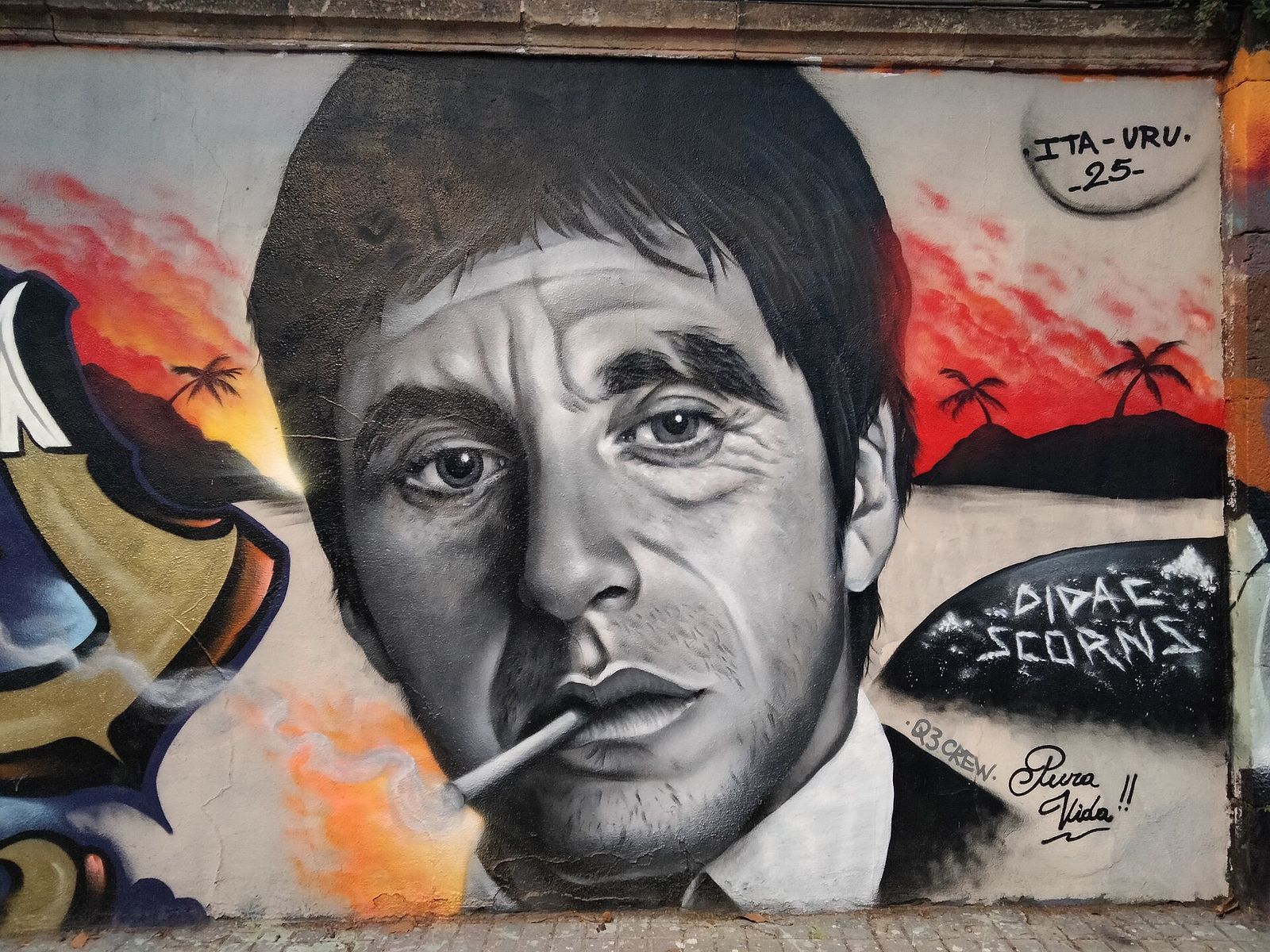
Image: Enric, CC BY 4.0, via Wikimedia Commons

Tony Montana, the cocaine-fueled gangster played by Al Pacino, is fictional. But Scarface has deep roots in real organized crime. The 1983 Brian De Palma film was a very loose remake of the 1932 Scarface , directed by Howard Hawks, which was inspired by Prohibition-era Chicago gangster Al Capone . Capone was famously nicknamed "Scarface" because of the scars on his face, and his life as a Chicago gangster helped inspire the original film.

The 1983 movie moved the story from Prohibition-era Chicago to 1980s Miami, transforming its main character into a Cuban immigrant who rises through the cocaine trade. The Miami setting was tied to the real Mariel boatlift of 1980, when more than 100,000 Cubans arrived in the United States.

9
The Irishman: A mobster's claims about Jimmy Hoffa

Image: Arturo Añez.

The Irishman is based largely on Frank Sheeran's claims about his connections to organized crime and the disappearance of Teamsters leader Jimmy Hoffa. Robert De Niro plays Sheeran, while Al Pacino portrays Hoffa in Martin Scorsese's 2019 film. Sheeran's close relationship with Hoffa and his loyalty to crime boss Russell Bufalino reflect their real-life connections. The 1975 Detroit wedding shown in the film, including the long car trip and gathering of mobsters and union leaders, was also based on a real event.

The film also recreates Sheeran's confrontation with a store owner who had mistreated his daughter Peggy, an incident that contributed to their lasting estrangement. The movie's central claim, that Sheeran killed Hoffa on Mafia orders, comes from Sheeran's own account to writer Charles Brandt, whose book I Heard You Paint Houses inspired the film. However, Sheeran's confession remains disputed, so Hoffa's disappearance is a fact, while Sheeran's role in it has never been established.

10
Bugsy: The man who saw Las Vegas differently
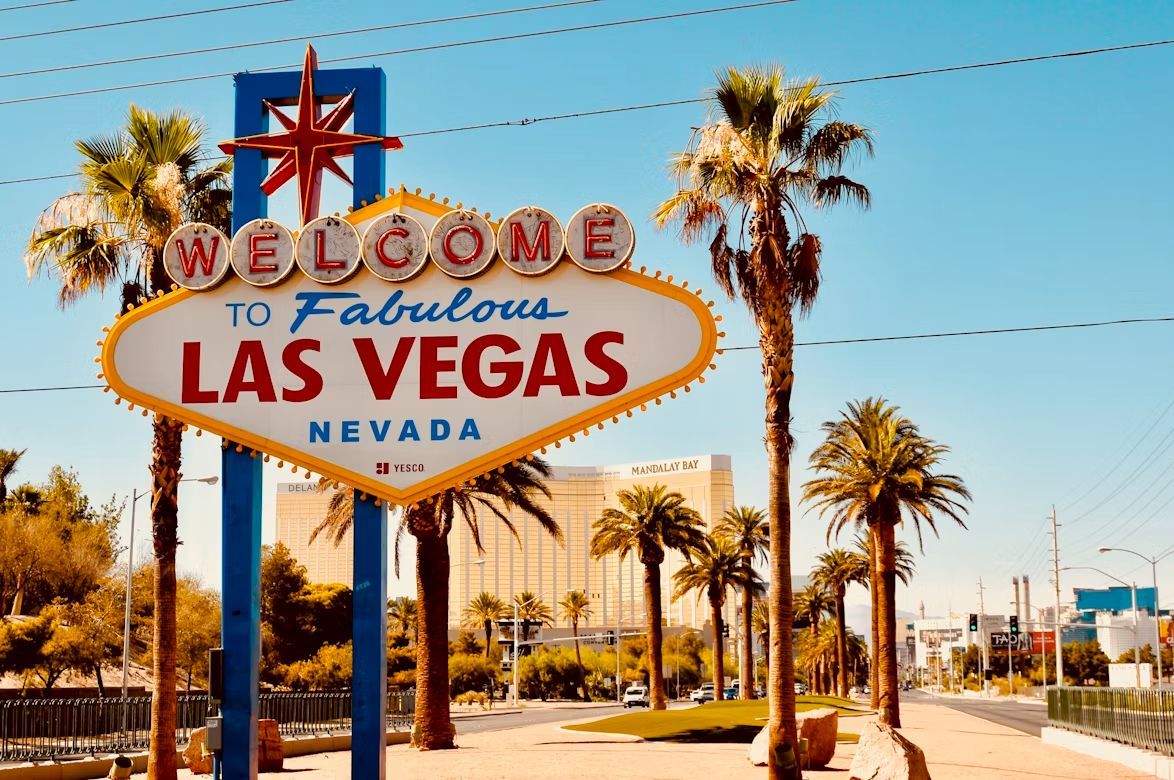
Image: Grant Cai

Benjamin "Bugsy" Siegel was a real gangster whose name became closely connected with the early history of Las Vegas . In the 1991 movie directed by Barry Levinson, Warren Beatty plays Siegel as he pursues his vision of building the Flamingo, a luxury hotel and casino in the Nevada desert. The real Flamingo opened in 1946, and Siegel was involved in the project before he was murdered in Beverly Hills in June 1947.

The film also features Siegel's real relationship with Virginia Hill, played by Annette Bening, and his connections to Meyer Lansky. Those people and relationships had real foundations, but the movie romanticizes and dramatizes parts of Siegel's personal life . Even the story behind the name "Flamingo" is disputed: one version connects it to Hill, while another traces it to Siegel's interest in the flamingos at Florida's Hialeah Park.

11
Black Mass: The dark story of Whitey Bulger
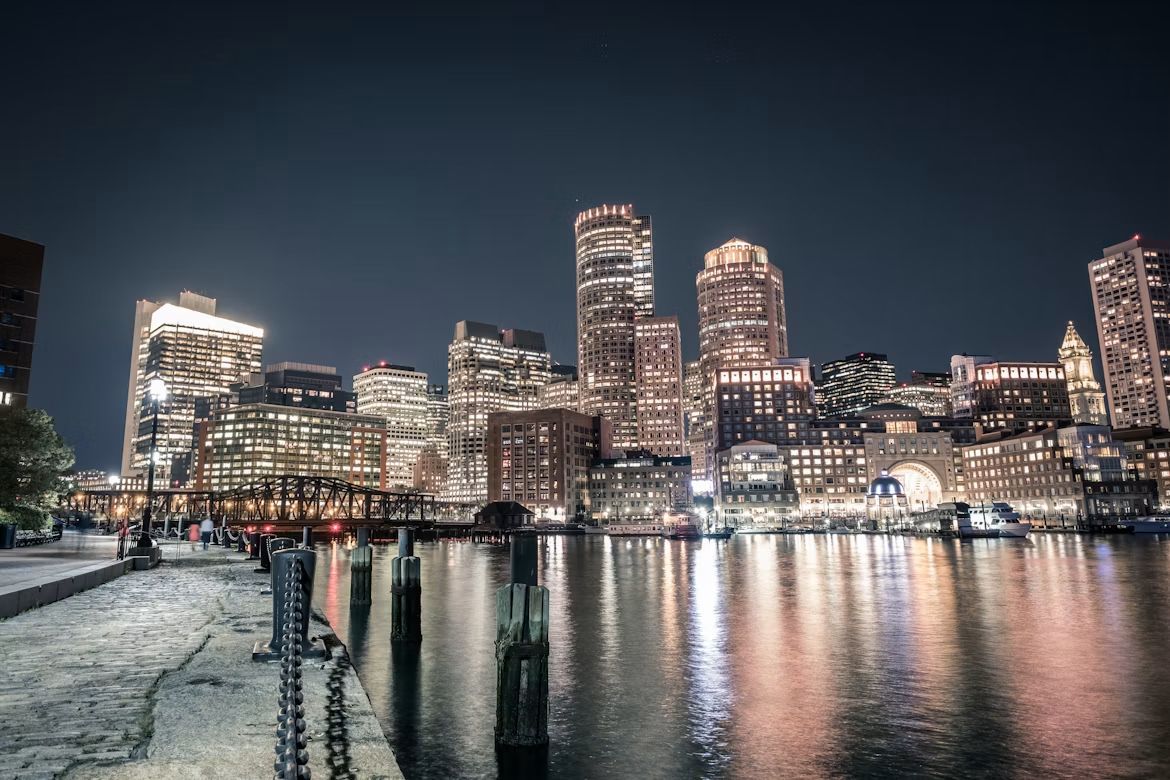
Image: Lance Anderson

The 2015 film Black Mass is based on the real story of Boston gangster James "Whitey" Bulger (played by Johnny Depp). His childhood friendship with FBI agent John Connolly (Joel Edgerton) was real, and their relationship eventually led to a deal in which Bulger provided information about the Italian Mafia in exchange for protection and immunity from prosecution. The film also recreates real events in Boston, including the murder of Brian Halloran, who was shot in broad daylight after leaving a restaurant.

Not everything happened exactly as shown . The murder of John Callahan, for example, was moved to a nightclub in Florida for the film; in reality, Callahan was killed inside a car in an airport parking lot. Kevin Bacon's FBI supervisor, Charles McGuire, was also a fictional composite rather than a real person, created to represent several FBI officials from that period.

12
Boardwalk Empire: Prohibition, politics, and real gangsters
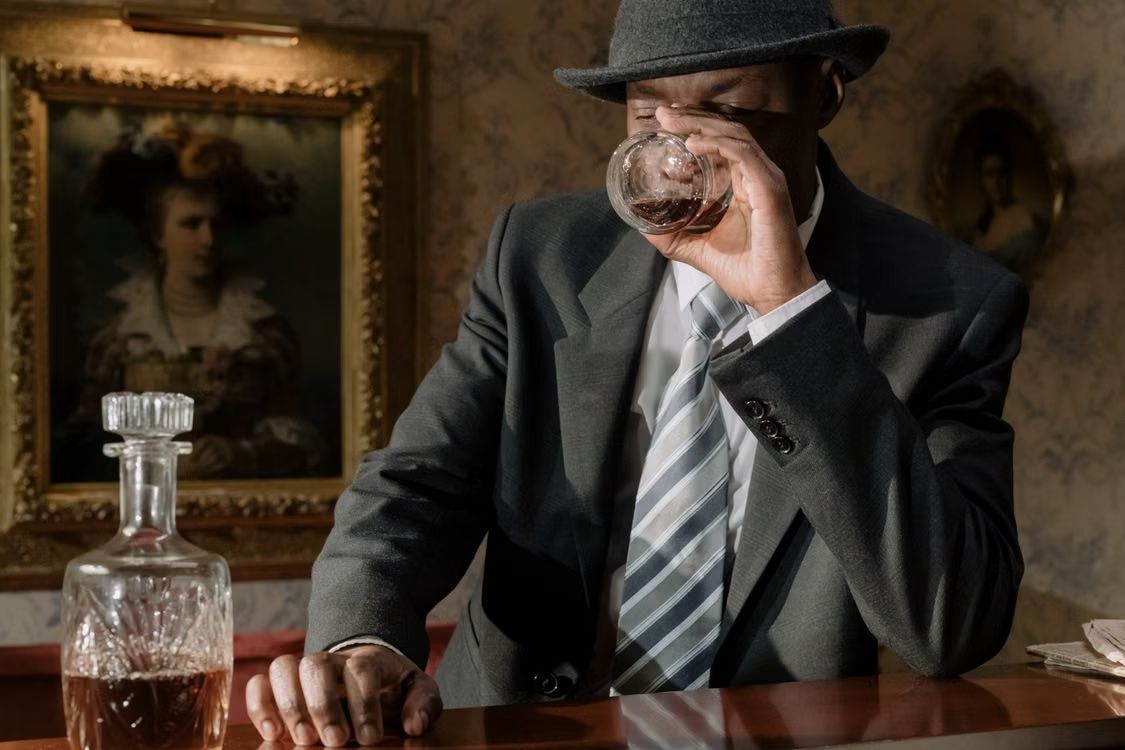
Image: cottonbro studio

The HBO series Boardwalk Empire, which aired from 2010 to 2014, takes viewers back to Prohibition-era Atlantic City, when bootlegging, gambling, politics, and organized crime could overlap. The show's central character, Nucky Thompson (played by Steve Buscemi), was inspired by real Atlantic City political boss Enoch "Nucky" Johnson. The series also features real gangsters such as Al Capone, Lucky Luciano, Meyer Lansky, Johnny Torrio, and Arnold Rothstein, whose early connections reflect the alliances that shaped organized crime in the 1920s.

Some of the show's events also have a real historical basis . Arnold Rothstein really was linked to the 1919 World Series gambling scandal, and the 1929 Atlantic City mob conference, hosted by the real Nucky Johnson, actually took place. But Nucky's fate was very different from the show's dramatic ending: the real Johnson was arrested for tax evasion, served prison time, and lived until 1968, dying at age 85.
History History 6 min read

Numbers that made history

The “infamous” presidential address that broke radio records

Image: NASA

Were you one of the lucky ones who saw the moon landing live on TV? Or maybe you know someone who witnessed the first televised presidential debate? The popularization of radio and later TV during the 20th century meant that millions of people were able to experience historic milestones together , no matter their situation or location. Here are the seismic television and radio events that gathered the biggest audiences in 20th-century America.

1
The Moon landing (July 20, 1969)

Image: NASA on The Commons, No restrictions, via Wikimedia Commons

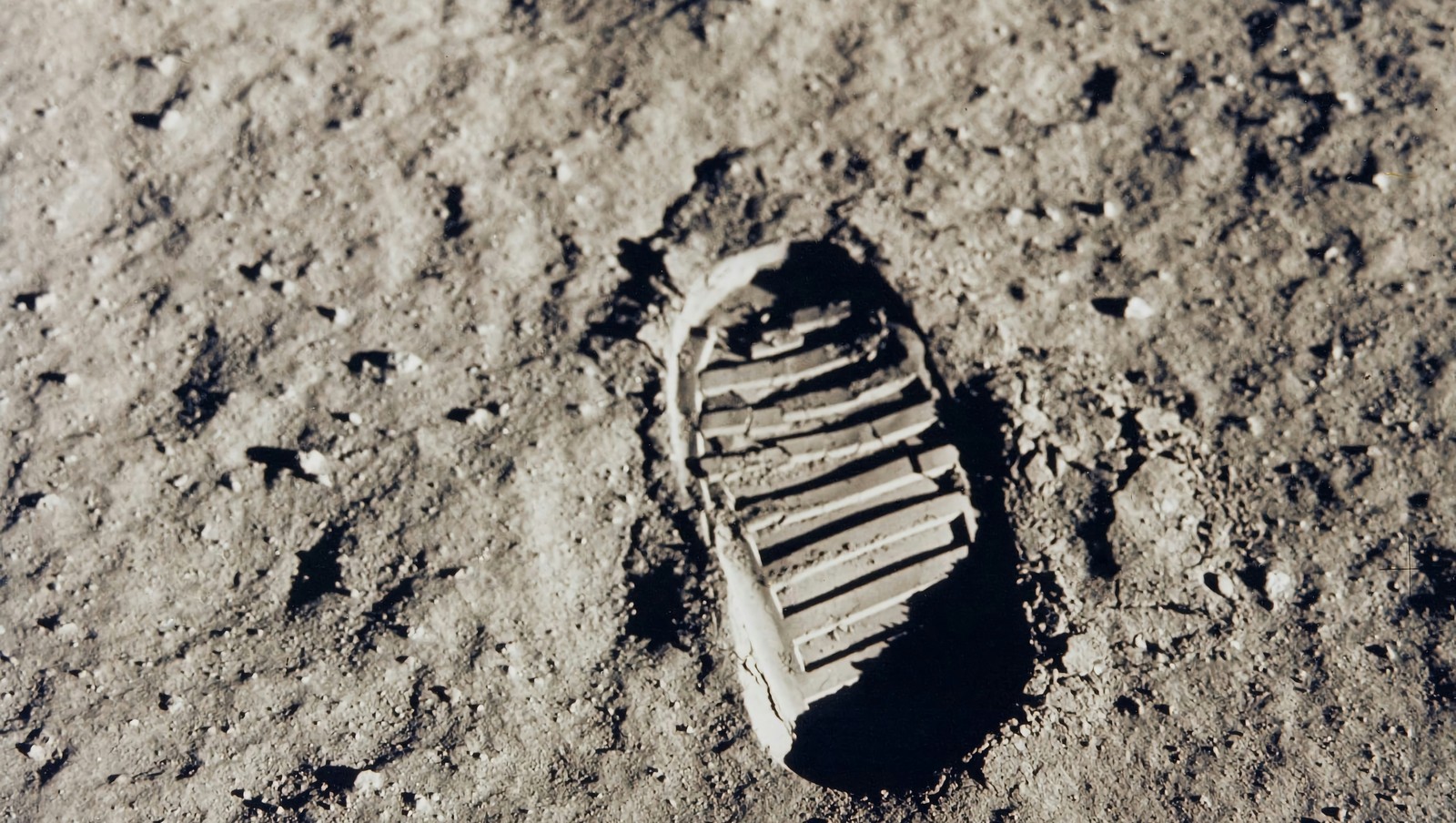
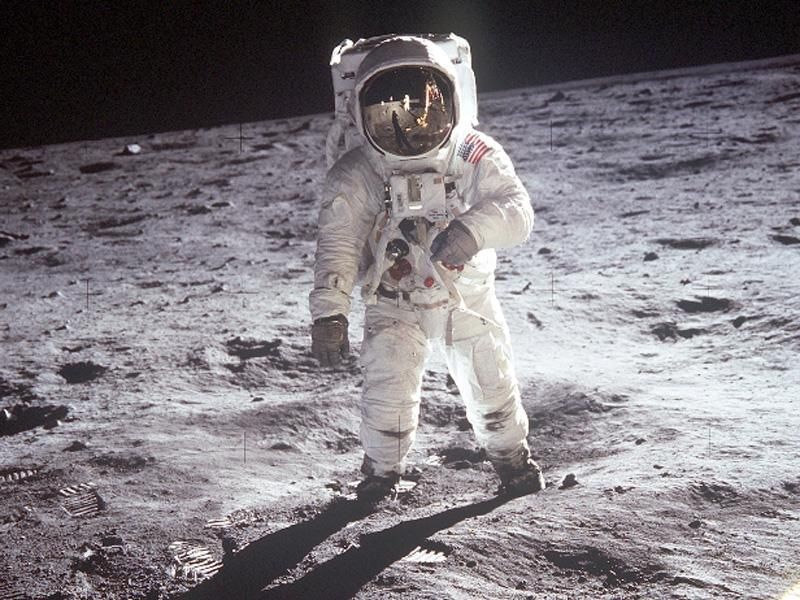
The moment Neil Armstrong set foot on the lunar surface, he had millions of eyes upon him across millions of TV screens. Considered the television event of the decade, t he July 20, 1969 Moon landing broke records at a national and international level. Gathering an estimated 600 to 650 million viewers worldwide, "the small step for man, giant leap for mankind" was watched by around 125 to 150 million American viewers, representing around 93% of households with a TV. This record was not surpassed until the 1981 wedding of Lady Diana and Prince Charles.

2
"Day of Infamy" speech (December 8, 1941)

Image: National Museum of the U.S. Navy, Public domain, via Wikimedia Commons

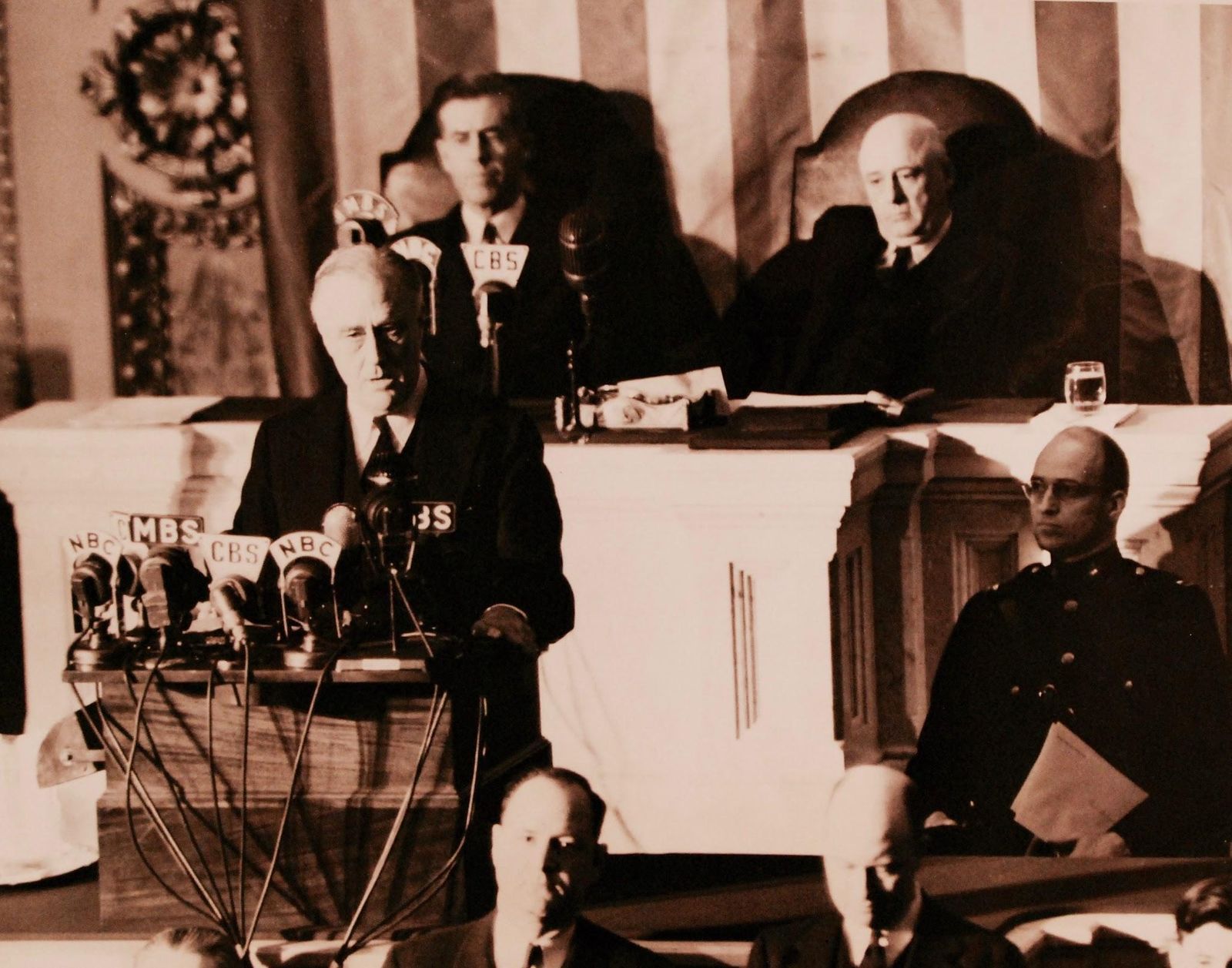
A day after the December 7, 1941 attack on Pearl Harbor by the Japanese Imperial Navy, President Franklin D. Roosevelt addressed the U.S. Congress during a joint session. His speech, which started by describing the day before as "a date which will live in infamy", was not meant to convince Congress about declaring war —which it did shortly after—but to rally a distressed and shocked nation. One of the most famous political speeches of all time, this address attracted the biggest radio audience in American history, with more than 100 million people (an estimated 81% of the adult population) tuning in.

3
The first Kennedy-Nixon debate (September 26, 1960)

Image: Associated Press, Public domain, via Wikimedia Commons

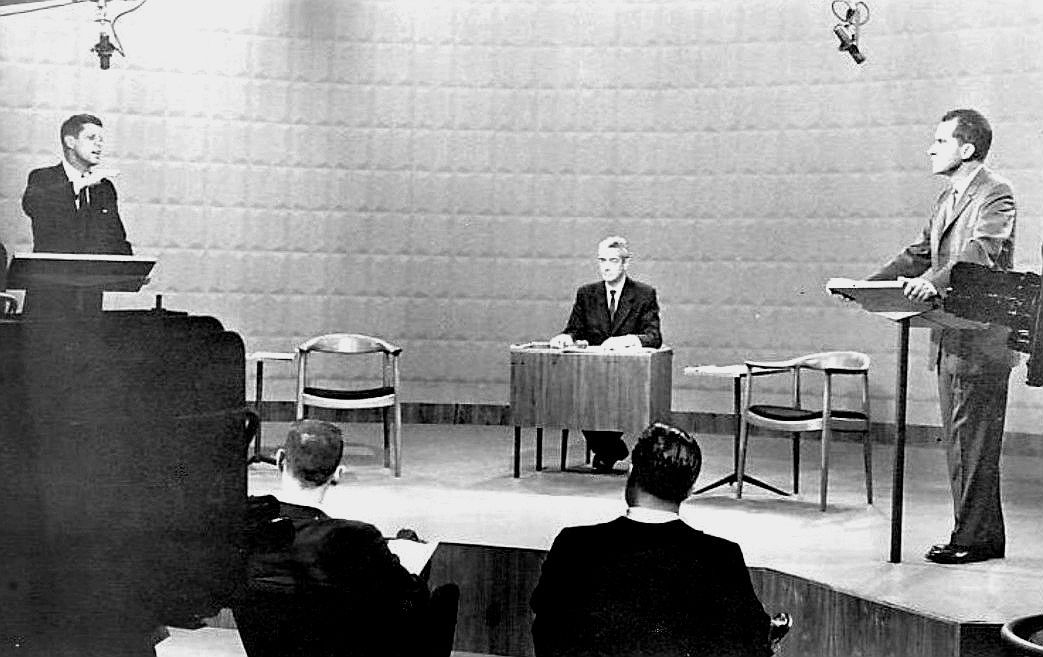
The first of the 1960 presidential debates between Senator John F. Kennedy and Vice President Richard Nixon does not hold the record for the most viewed debate of the century (held by the 1980 Carter-Reagan debate), but it’s nonetheless a landmark event in American television. The first televised presidential debate ever, it attracted between 66 and 77 million viewers , and it is considered one of the main reasons for the shift in public opinion in favor of Kennedy. Nixon, aged 47, the leading candidate before the broadcast, appeared exhausted and pale compared to the much younger-looking and more telegenic Kennedy, aged 43.

4
"I have a dream" speech (August 28, 1963)

Image: National Park Service, Public domain, via Wikimedia Commons

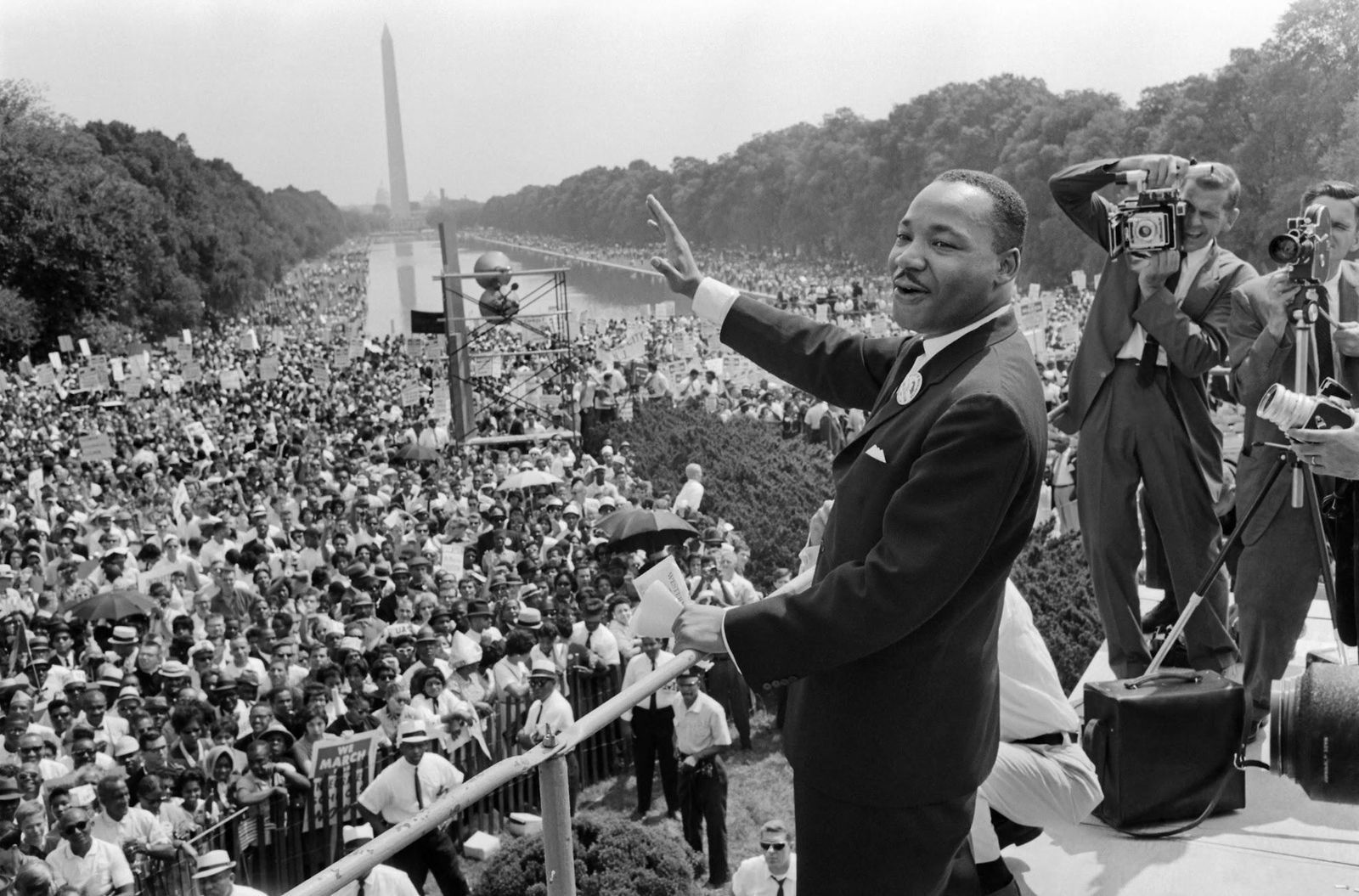
The date and location of Martin Luther King Jr.’s most famous speech were not accidental. As part of the marches in support of President Kennedy’s proposed civil rights legislation, it coincided with the centennial of the 1863 Emancipation Proclamation made by Abraham Lincoln, at whose memorial King gave his speech. Besides the massive live audience (around 250,000 people), the speech was broadcast by the three major television networks and by major radio stations in the country . Although there are no official numbers recorded, it is estimated that there were millions of viewers and listeners, including the First Family at the White House.

5
The War of the Worlds broadcast (October 30, 1938)

Image: The Express, Public domain, via Wikimedia Commons

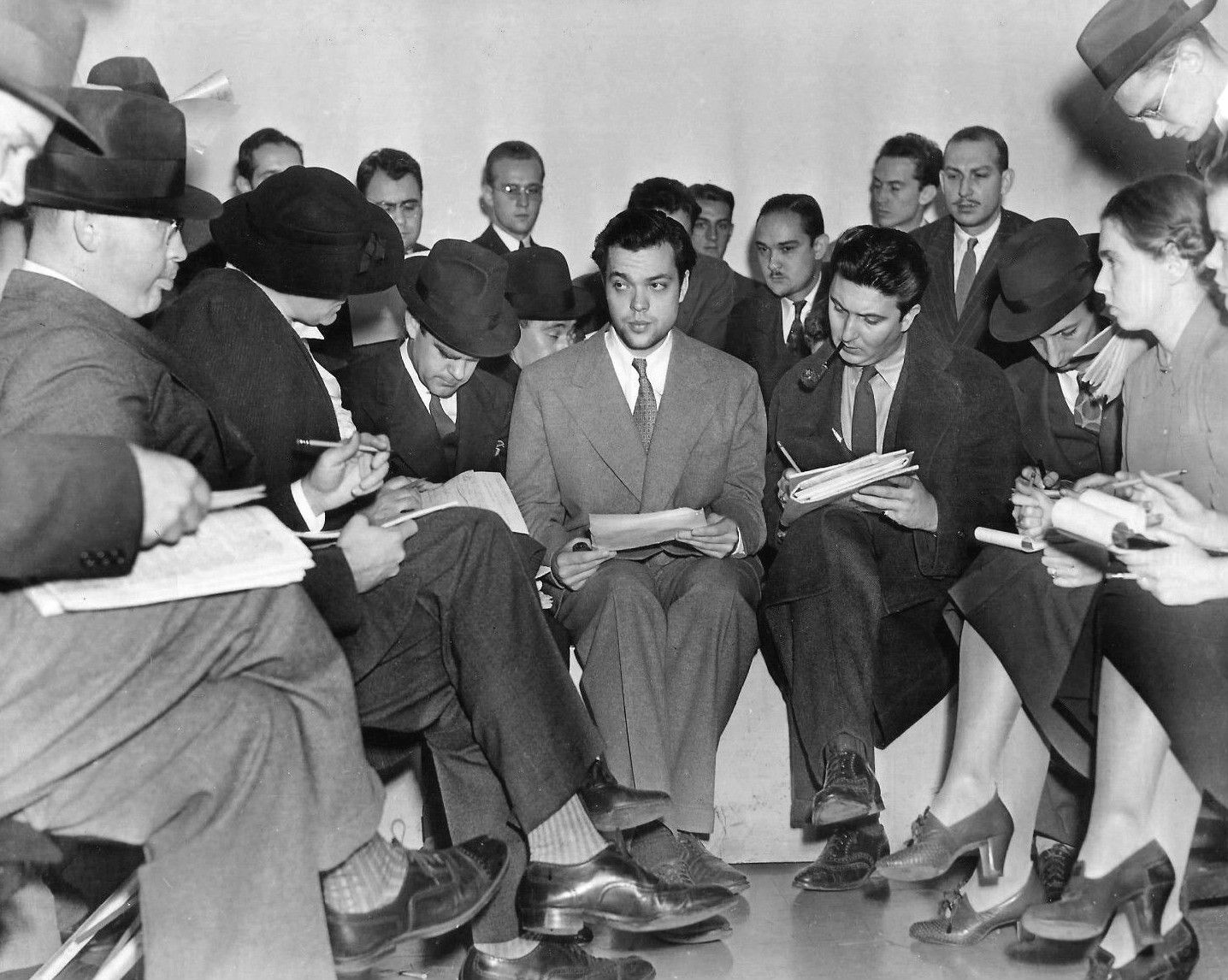
On October 30, 1938, CBS Radio Network broadcast a radio adaptation of H. G. Wells' The War of the Worlds , directed and narrated by Orson Welles. The first part of the broadcast was delivered as a realistic news broadcast, with reporters breaking the news about an alien invasion, which led part of the audience to panic and believe that an actual invasion was taking place. The episode had an estimated audience of 6 million, and it is thought that more than a million listeners believed it was a real broadcast.

6
The Beatles’ first U.S. television performance (February 9, 1964)

Image: United Press International, Public domain, via Wikimedia Commons

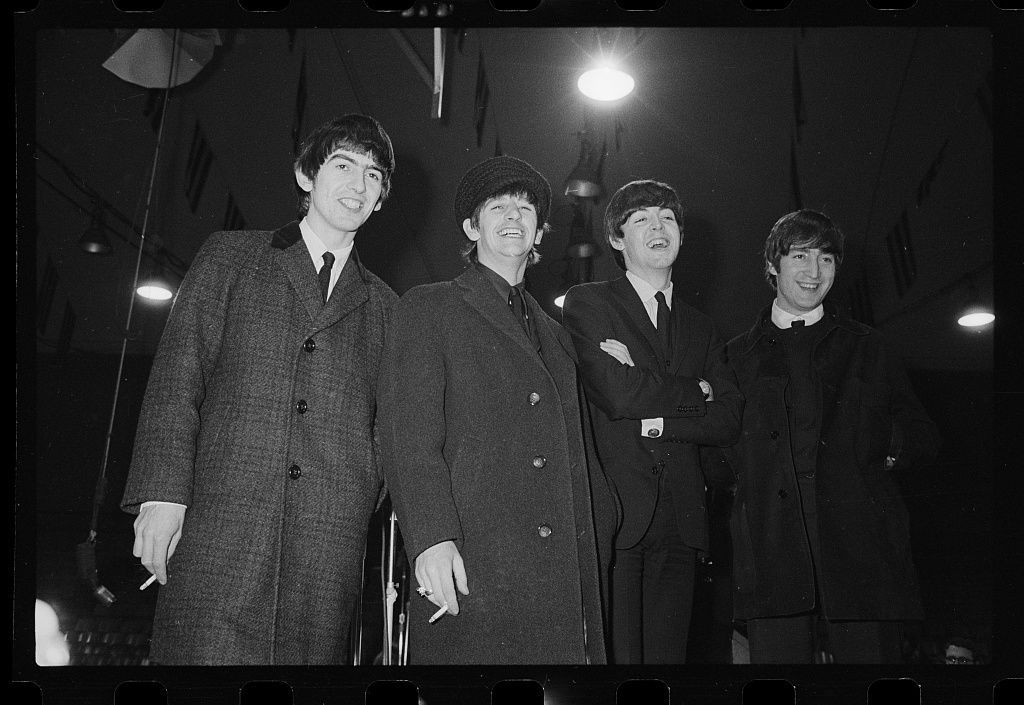
The most famous British band of all time made their American TV debut on February 9, 1964, on The Ed Sullivan Show , with an audience of 73 million viewers. The performance was highly anticipated —the broadcast network received 50,000 applications for the 728 seats available in the studio— and it is considered the starting point of American Beatlemania and the so-called "British invasion" of American music.

7
FDR's first Fireside Chat (March 12, 1933)

Image: Unknown or not provided, Public domain, via Wikimedia Commons

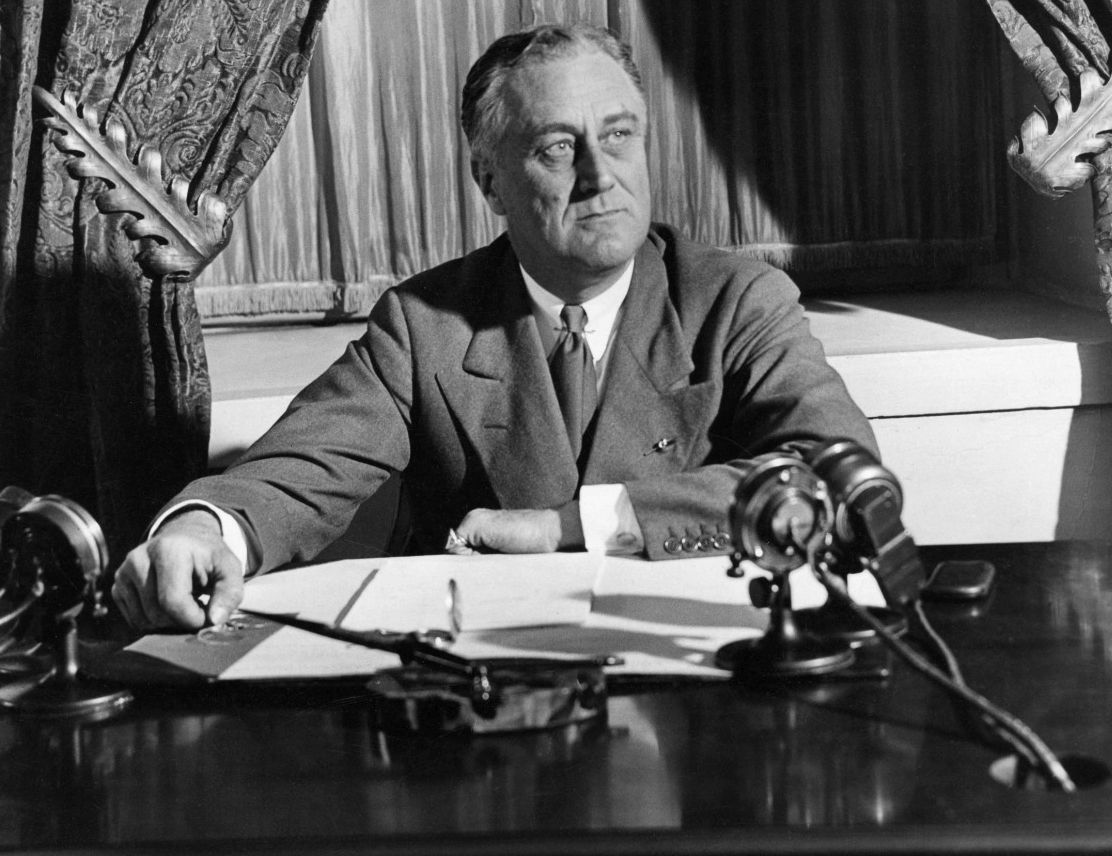
In the 1930s, during the Great Depression, the radio became one of the main sources of entertainment and news. President Roosevelt’s Fireside Chats used the radio format as a way to connect directly with millions of weary Americans , explaining the policies that were being implemented to combat the crisis, dispelling rumors, and encouraging them to trust in the government. The friendly, informal tone of these broadcasts was highly effective in raising the nation’s morale and reducing general anxiety. With the first broadcast reaching an audience of 60 million, the Fireside Chats attracted more listeners than most of the popular radio shows, with numbers rising as America entered World War II.

8
Nixon’s resignation speech (August 8, 1974)

Image: The Nixon library, Public domain, via Wikimedia Commons

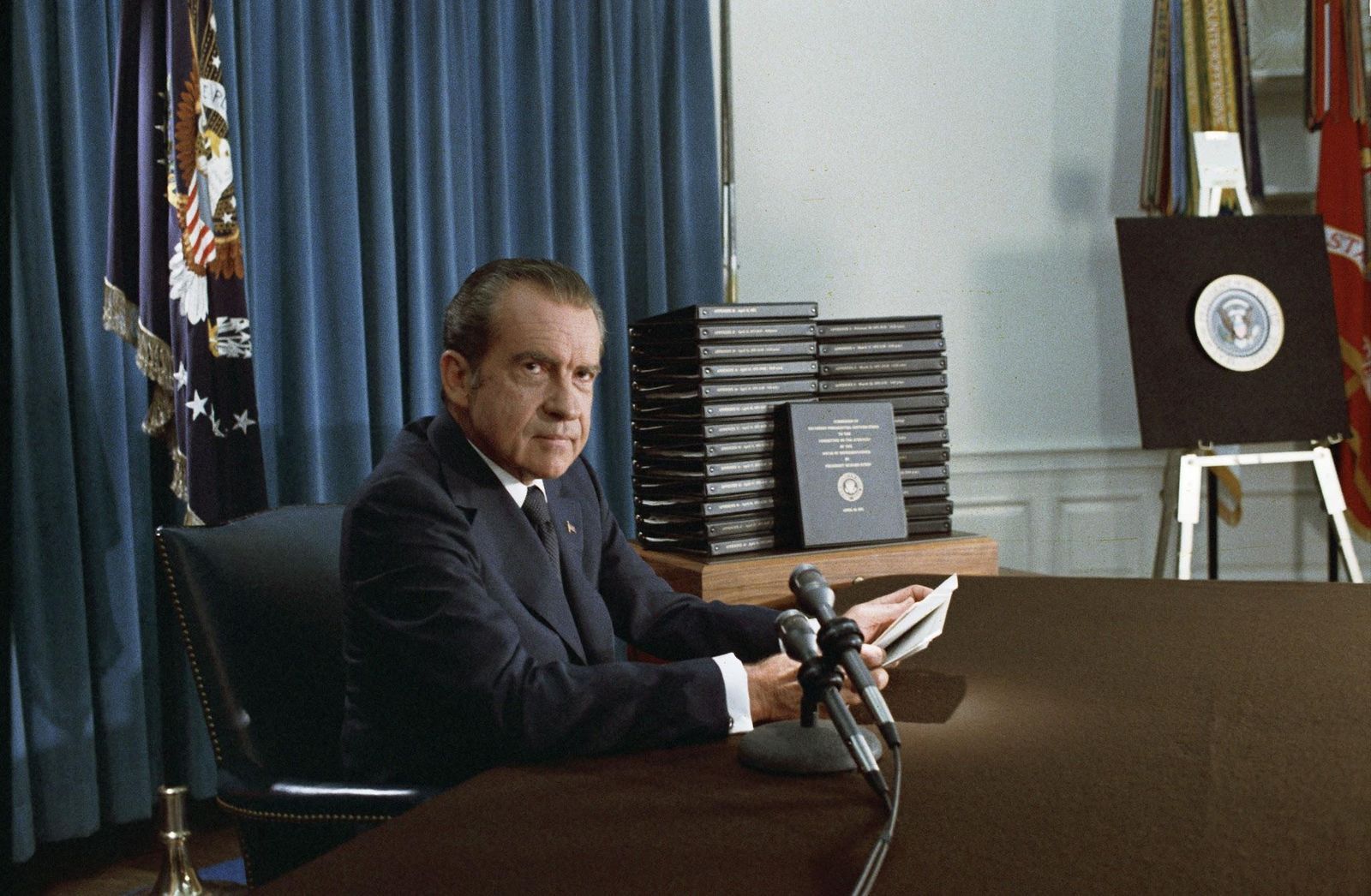
On August 8, 1974, President Nixon addressed the American public from the Oval Office to announce his decision to resign the following day as a result of the Watergate scandal and under the threat of an impending impeachment. Besides an ample radio audience, the televised speech was watched by 90 to 110 million television viewers. While the reactions of the public were mixed, the speech had an unprecedented impact and is considered one of the most important political speeches of that era.

9
_Roots_’ final episode (January 30, 1977)

Image: Stephen Monterroso

The production and broadcast of the 1977 Roots miniseries was a milestone in itself. Only a few years before, tensions around the Civil Rights movement had shaken America, and some thought that airing a story that put the enslavement of Black people in the spotlight was a huge risk. But audience numbers proved them wrong: with around 29 million households tuning in for the first episode, the series became a cultural phenomenon that sparked conversations about race, ancestry, and American history. The final episode, with more than 100 million viewers —more than half of the U.S. population— was the most-watched TV episode of the time, and the second-most-watched overall series finale in U.S. history.

10
Super Bowl XVI (January 24, 1982)

Image: Gerald R. Ford Presidential Museum, Public domain, via Wikimedia Commons

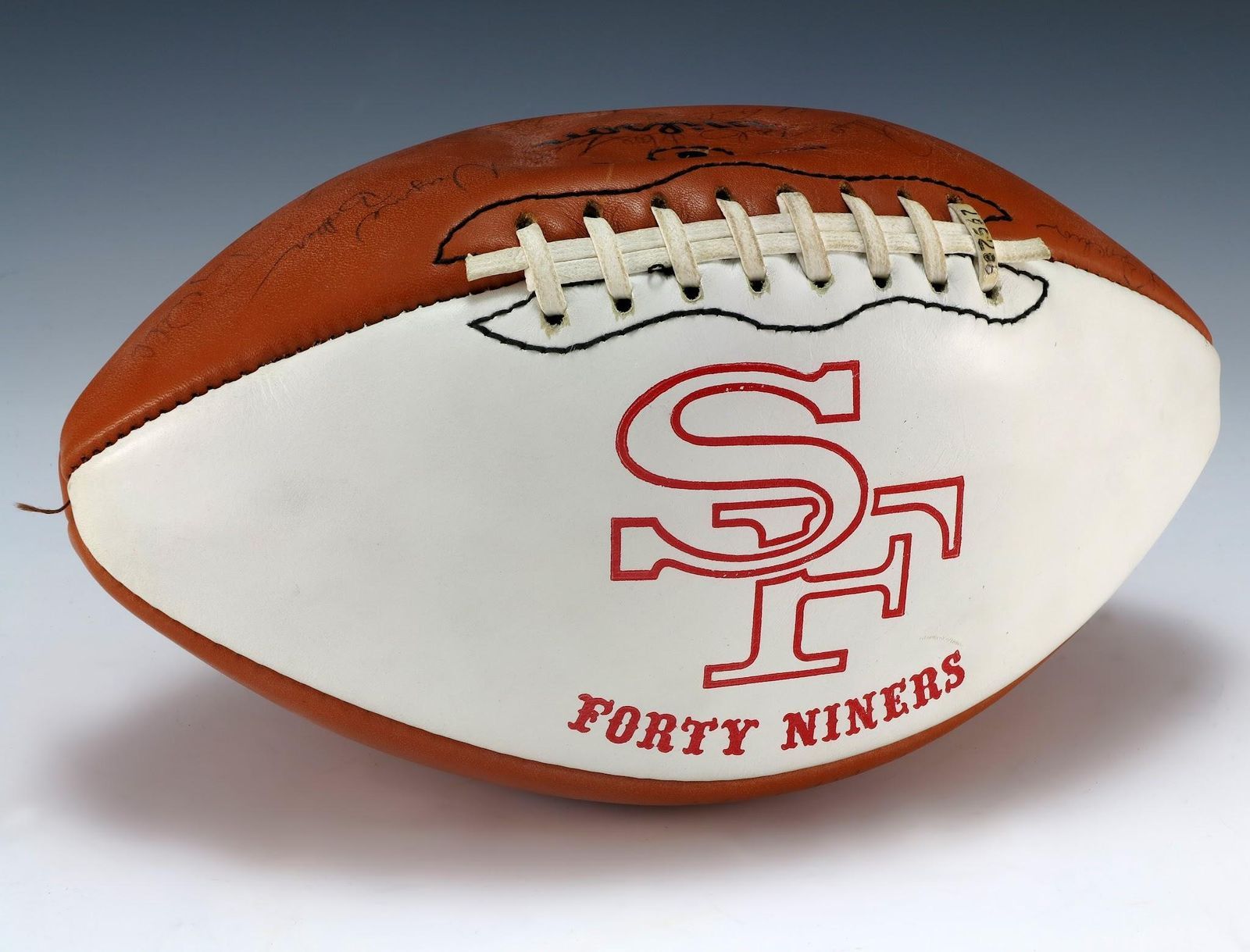
Nowadays, it’s not surprising that sports events like the Super Bowl have a huge television audience, but things were different in the 1980s. Super Bowl XVI, played on January 24, 1982, in Michigan, with the San Francisco 49ers facing the Cincinnati Bengals, was watched by more than 85 million people, breaking all broadcasting records of the time .

11
Louis-Schmeling rematch (June 22, 1938)

Image: Associated Press, Public domain, via Wikimedia Commons

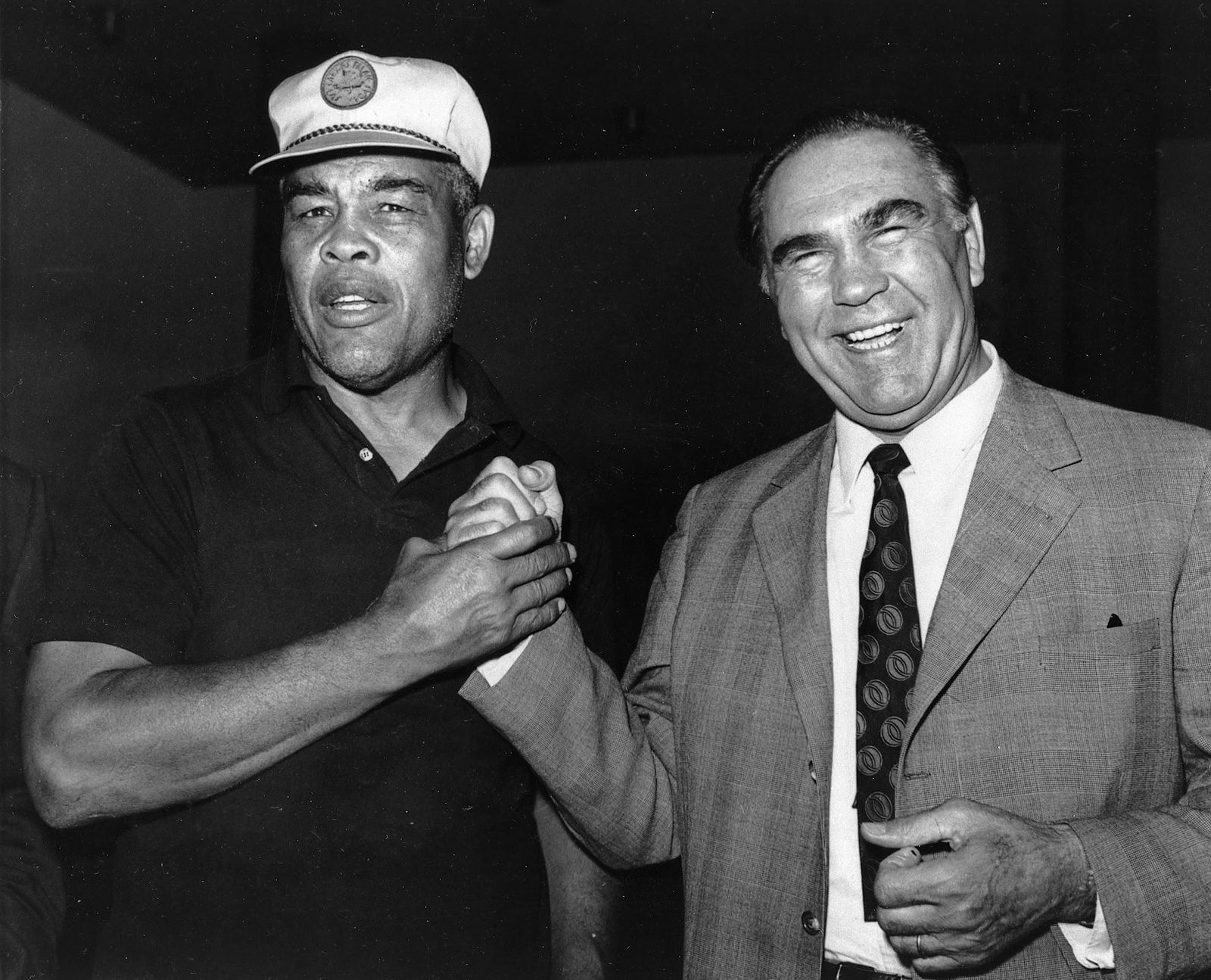
When Joe Louis faced the German boxer Max Schmeling for the first time in 1936, everyone predicted that Schmeling would lose against the undefeated and rising Louis. To the world’s surprise, Schmeling won by knockout. Their rematch two years later was not only Louis’ opportunity to change the result and defeat Schmeling , but it was also charged by the increasing political tensions between Hitler’s Germany and the U.S. Besides its huge live audience at Yankee Stadium, the fight had a record audience of 70 million people in America, with an additional 30 million estimated listeners from other countries.

Geography Geography 3 min read

American wonders

The Grand Canyon is older than dinosaurs—10 facts you never knew

Image: Drif Riadh

The Grand Canyon is one of America’s greatest natural wonders, but its history holds more surprises than you might think. From its ancient formation to modern discoveries, this canyon’s story is filled with adventure, mystery, and national pride. Here are 10 astonishing facts that reveal its amazing journey through time.

1
Ancient origins

Image: Ameer Basheer

The Grand Canyon isn’t just old—it’s millions of years older than previously thought. Some rock layers at the bottom date back 1.8 billion years, nearly half the age of Earth itself. While the canyon itself is around 5 to 6 million years old, recent studies suggest parts of it began forming 70 million years ago—during the dinosaur era.

2
Once an ocean floor

Image: Yannis Papanastasopoulos

Long before it was a canyon, this region sat beneath an ancient sea. The Kaibab Limestone, the canyon’s top layer, formed from marine fossils left behind as the waters receded 270 million years ago. The presence of coral, shellfish, and even shark fossils proves the area was once home to a thriving ocean ecosystem.

3
Carved by more than water

Image: Wolfgang Hasselmann

While the Colorado River played a huge role in shaping the canyon, other forces were at work. Volcanic activity, tectonic uplift, and even landslides helped carve out its immense depths. Lava flows from nearby volcanoes poured into the canyon, creating layers of rock that tell the story of violent geological change.

4
The earliest human inhabitants

Image: Russ McCabe

Humans have lived near the Grand Canyon for at least 12,000 years. The earliest known inhabitants were Paleo-Indians, who left behind stone tools and spear points. Later, the Ancestral Puebloans built cliff dwellings and left behind intricate pottery, proving that this seemingly inhospitable land was once home to thriving communities.

5
First European encounter

Image: Antoine Vidal de La Blache

Spanish explorer García López de Cárdenas was the first European to lay eyes on the canyon in 1540. Sent by Francisco Vázquez de Coronado in search of legendary cities of gold, he and his men were shocked by its vastness. They tried to climb down for water but failed, unable to comprehend its sheer scale.

6
Named a national monument

Image: Benjamin Cutting

President Theodore Roosevelt designated the Grand Canyon a national monument in 1908, calling it a place "every American should see." He was instrumental in protecting it from commercial exploitation, setting the stage for its eventual National Park status in 1919.

7
Hidden caves

Image: Russ McCabe

The Grand Canyon contains over 1,000 caves, but fewer than 400 have been explored. Some remain completely untouched, preserving prehistoric fossils and evidence of ancient human life. Today, only one cave is open to the public—Grand Canyon Caverns, located nearby in Arizona.

8
Phantom ranch

Image: Annie Spratt

Built in the 1920s, Phantom Ranch remains one of the most isolated lodges in America. Located at the bottom of the canyon, it’s only accessible by hiking, mule ride, or rafting. Due to high demand, reservations are awarded through a lottery system.

9
America’s first canyon explorer

Image: Alex Moliski

John Wesley Powell led the first recorded expedition through the Grand Canyon in 1869. With one arm lost in the Civil War, he braved the Colorado River’s treacherous rapids in wooden boats. His journey mapped the canyon’s uncharted territory, proving it wasn’t an impassable wasteland but a geological treasure trove.

10
Forgotten civilizations?

Image: Otacilio Maia

In the 1930s, explorer Emery Kolb uncovered a sealed cave in the canyon containing ancient artifacts and human remains. Some speculated it belonged to a lost civilization, but archaeologists determined it was a prehistoric Native American site. The canyon still holds thousands of undiscovered archaeological sites, adding to its mystery and historical significance.

Explore more American facts

Choose your favorite category!

General
General

As American as apple pie—the very best America has to offer!

Culture
Culture

Delve into the astounding richness of American lore.

Geography
Geography

Hop in and explore vast and diverse American landscapes.

History
History

Discover the key moments that shaped the United States.