Pets for the adventurous
Sloths, kangaroos, and other exotic pets that you could have in the U.S.
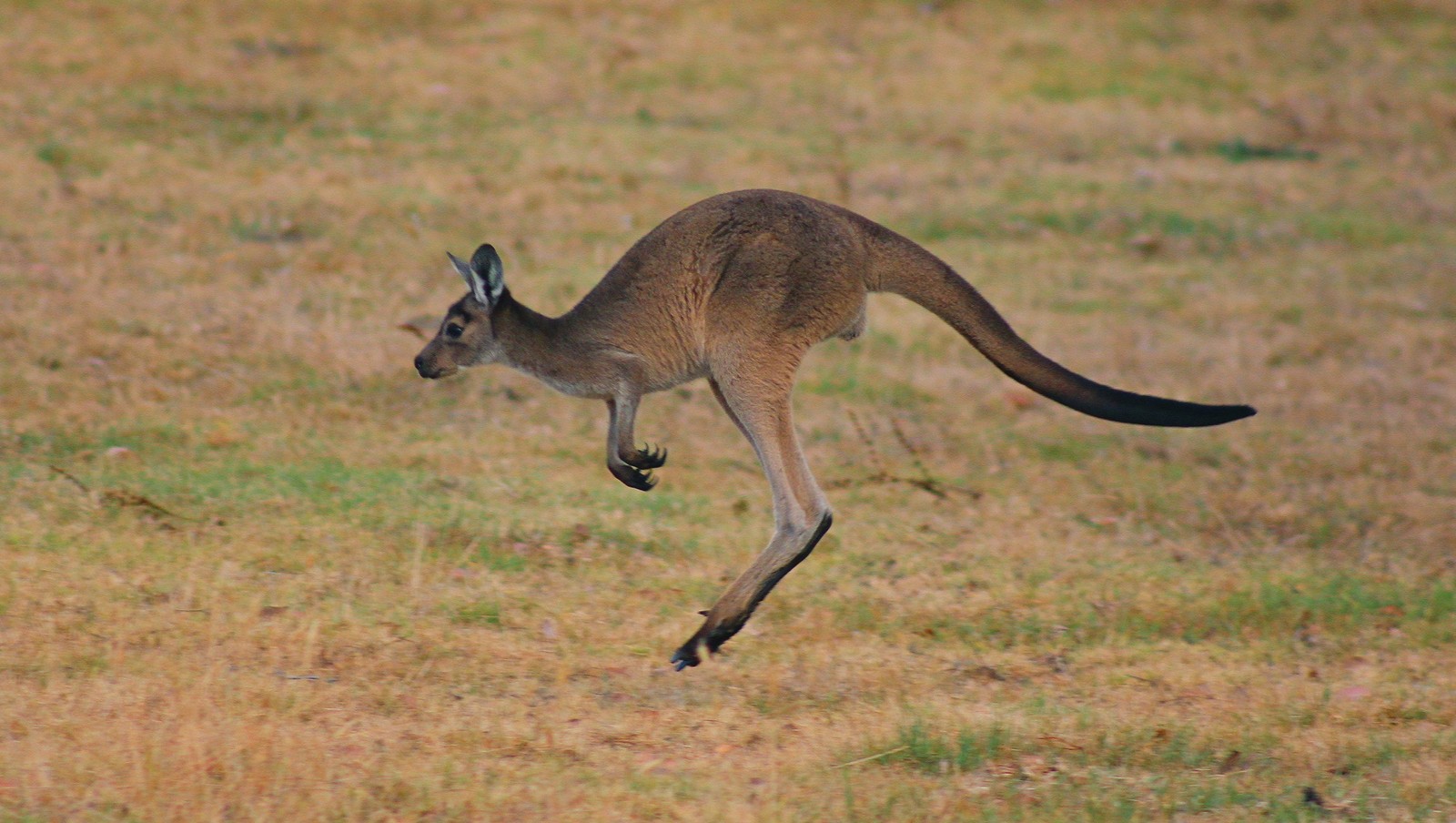
Image: Ashish Upadhyay
When looking for a pet, people usually decide on a cat, a dog, a rabbit, or, if they are feeling adventurous, maybe a lizard. But some might want to push the boundaries of what is considered a "normal" pet and choose something more exotic.
However, not all exotic pets are created equal, and not all states allow you to own the pet of your choosing. Here are some unusual pets you might be able to have, depending on which state you live in.
1
Sloth
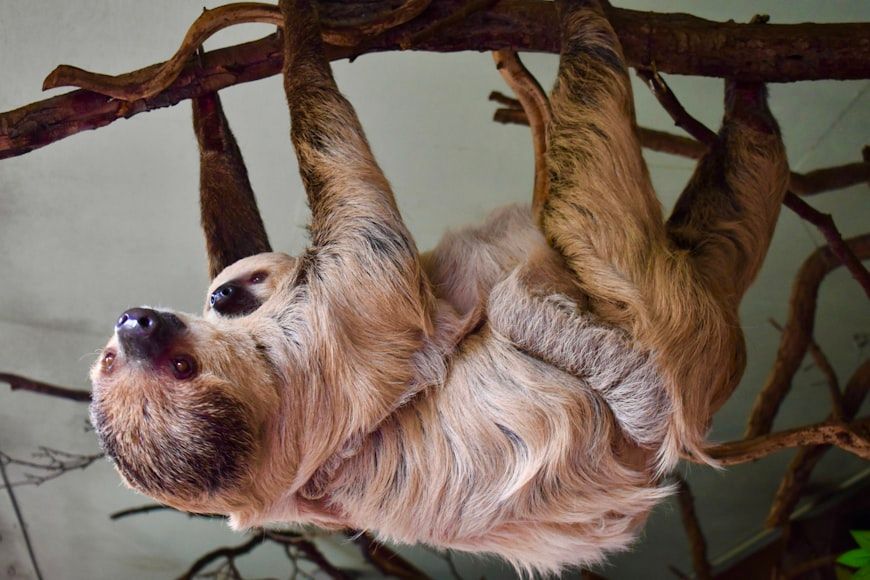
Two-toed sloths are the species most commonly allowed as pets in the U.S. However, they require special care, a suitable environment, and—since they can live up to 30 years—a committed owner. Alabama, Indiana, Iowa, Kansas, Minnesota, Michigan, Mississippi, Montana, New York, Nevada, North Carolina, Oregon, and Texas allow ownership of two-toed sloths without a permit. Other states may require a license.
2
Caiman
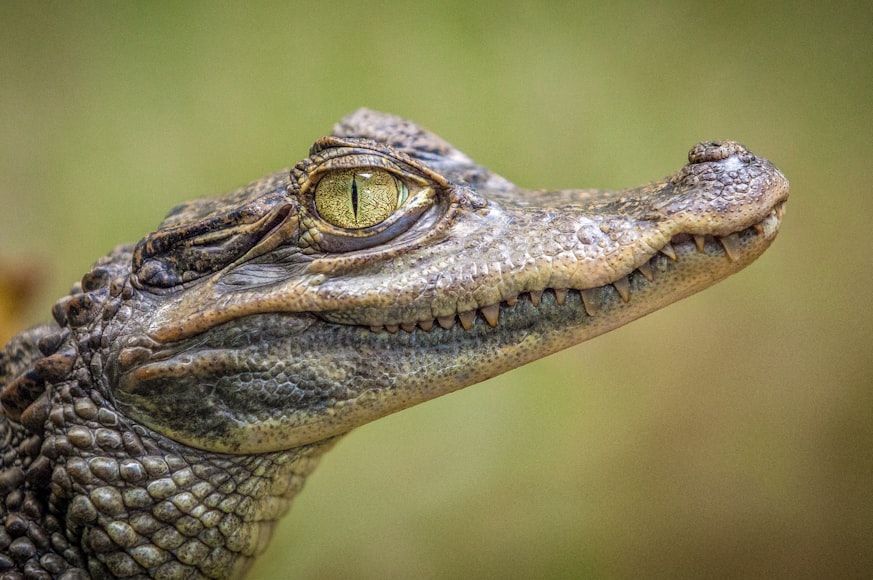
One would think that Caiman Central (commonly known as Florida) might allow its residents to own caimans as pets, but it’s actually the contrary: they are considered invasive and dangerous, so depending on the species, they are either illegal to own or require a permit. However, the state of Tennessee allows ownership of dwarf caimans without a permit.
3
Elk
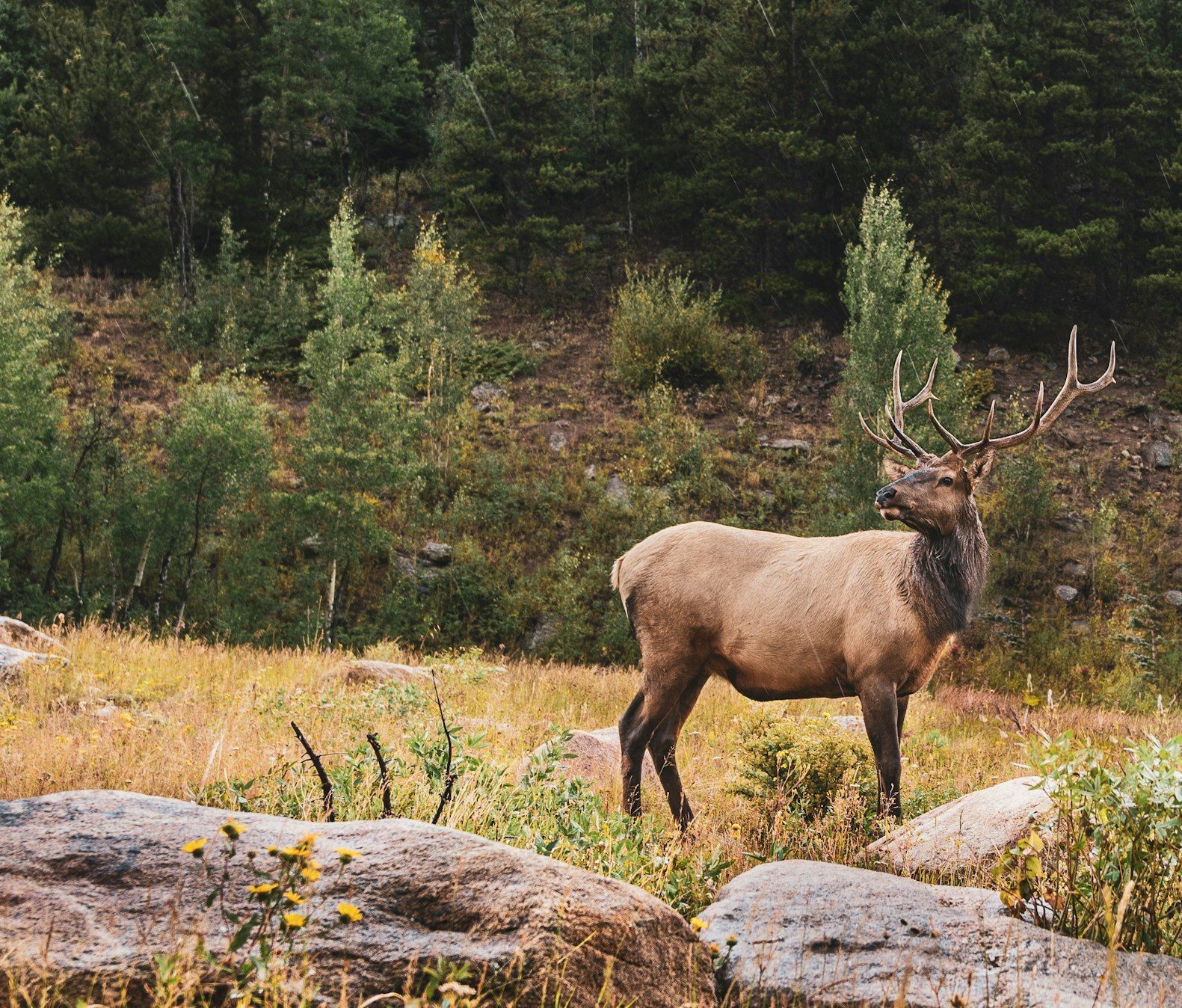
The United States has a large elk population across many states, both wild and domesticated, and many states will allow you to own them as livestock with a proper license. If you’ve always dreamed of having a pet elk, there’s good news: in Alaska, you can legally own a domesticated elk, as long as it was not captured from the wild.
4
Bison
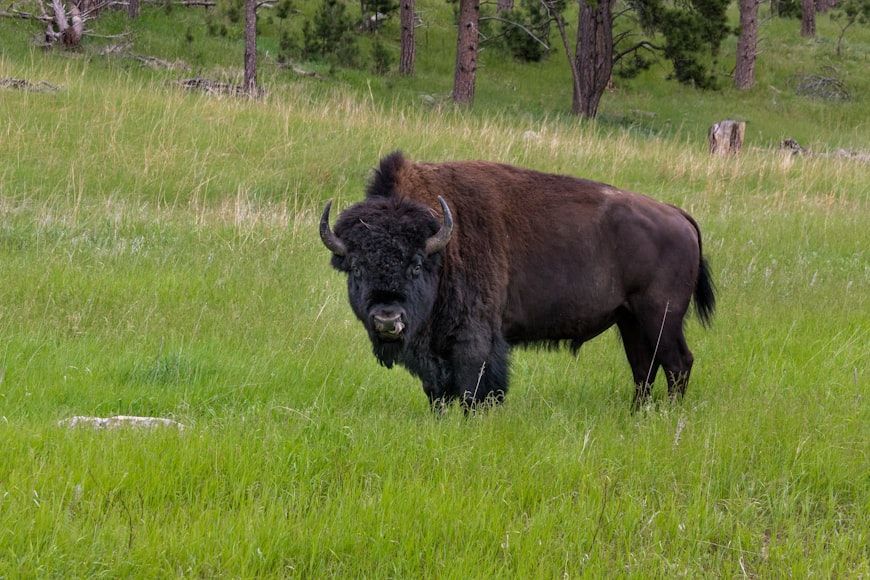
Bison can be found across all 50 states, either in the wild or raised as livestock on ranches. However, not all states permit private ownership of them. In most states, some sort of permit is required to raise bison as cattle, with varying degrees of difficulty. Once again, Alaska offers a solution for bison enthusiasts: like elk, bison can be kept as pets, provided they are domesticated and not captured from the wild.
5
Sugar Glider
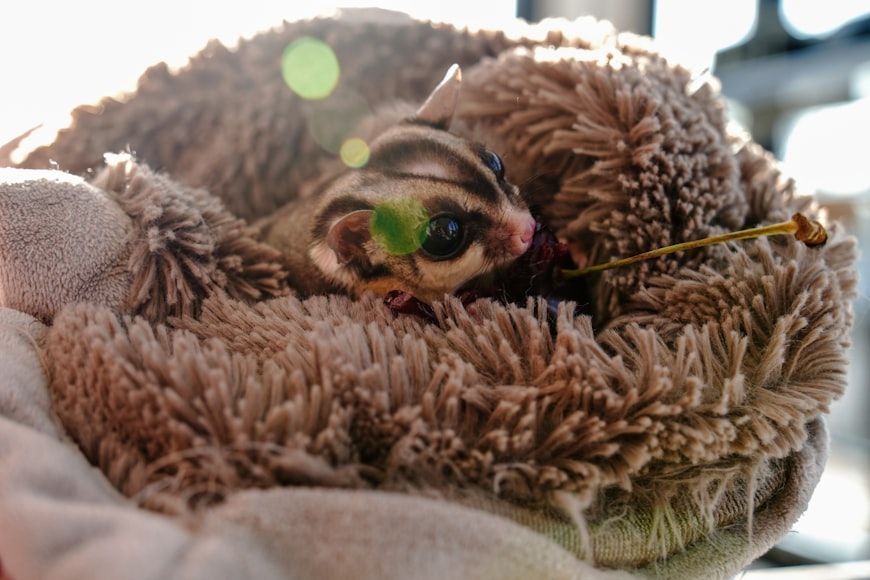
These small possums make good pets because they are social, playful, cuddly, and form strong bonds with their owners. However, they are exotic pets and require specialized care, a specific diet, and proper maintenance. Most states allow sugar gliders to be owned without a permit, but Georgia, New Mexico, and parts of New York require a license. In Hawaii, California, and Alaska, owning a sugar glider is illegal.
6
Kangaroo
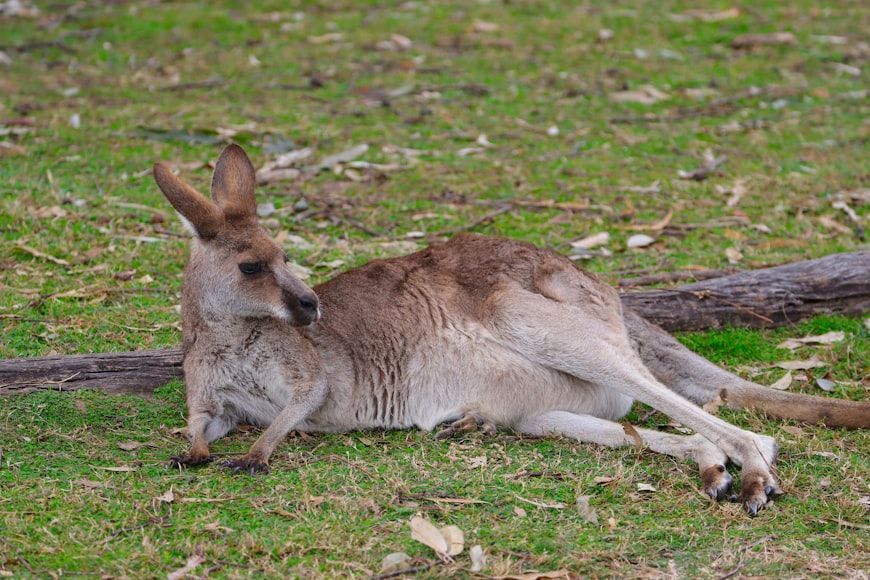
Surprisingly, many states allow kangaroos and wallabies as pets. Some states may require a license, but Arizona, Colorado, Oklahoma, and Oregon classify them as "uncontrolled" exotics, so no permit is needed. Kangaroos and wallabies are completely banned as pets in Connecticut, Georgia, Maine, and New Hampshire.
7
Fennec Fox
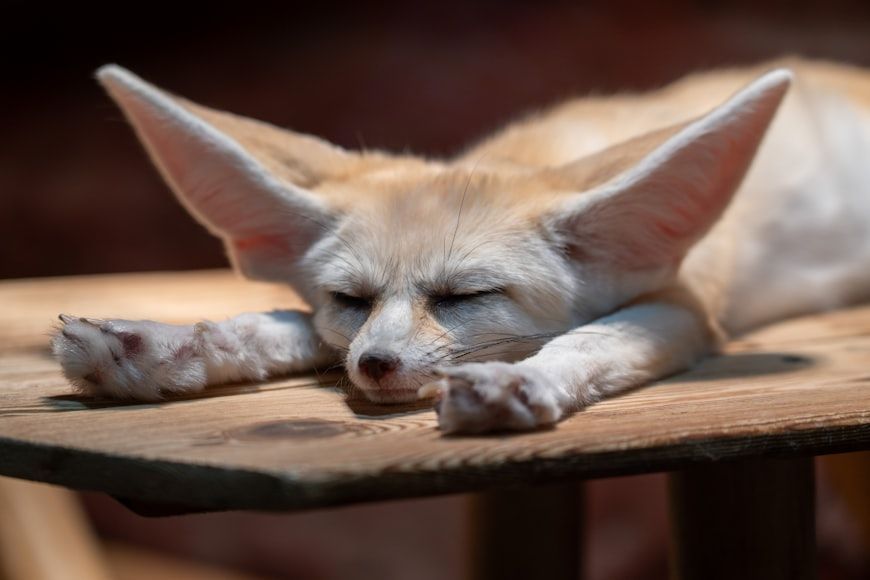
Native to North African deserts, fennec foxes are the smallest fox species, characterized by their large ears. You can legally own them without a permit in Arkansas, Illinois, Indiana, Louisiana, Michigan, Mississippi, Nebraska, Ohio, Oklahoma, Tennessee, and New York (though not in New York City). The rest of the states either require a permit or deem it illegal.
8
Kinkajou
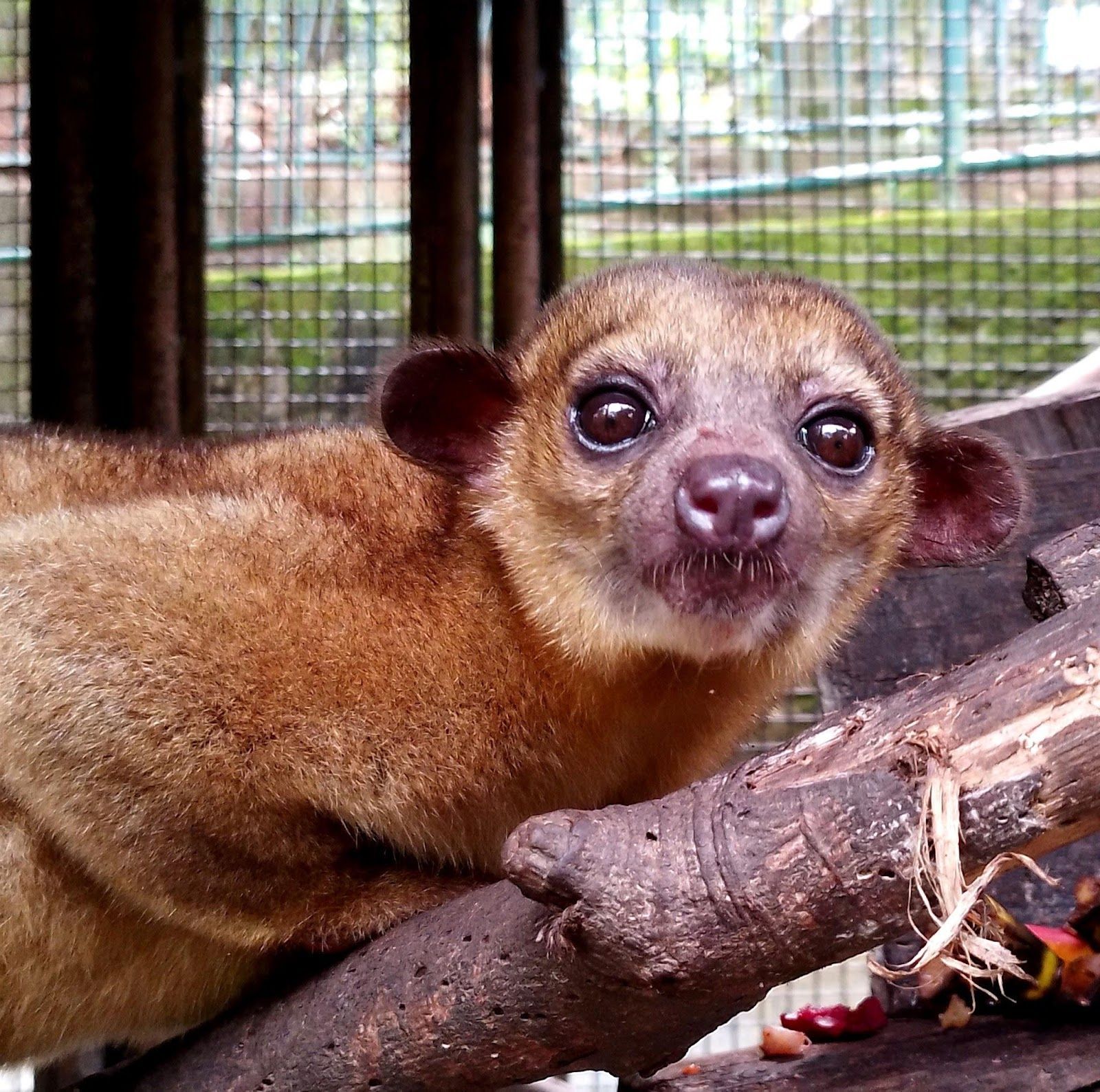
These adorable mammals, also known as honey bears, are related to raccoons and coatis. There are no federal laws restricting kinkajou ownership, but several states either prohibit them or require a permit. States that allow ownership without a permit include Arizona, Kansas, Michigan, Nevada, New York, North Carolina, Oregon, Texas, and Virginia.
9
Python
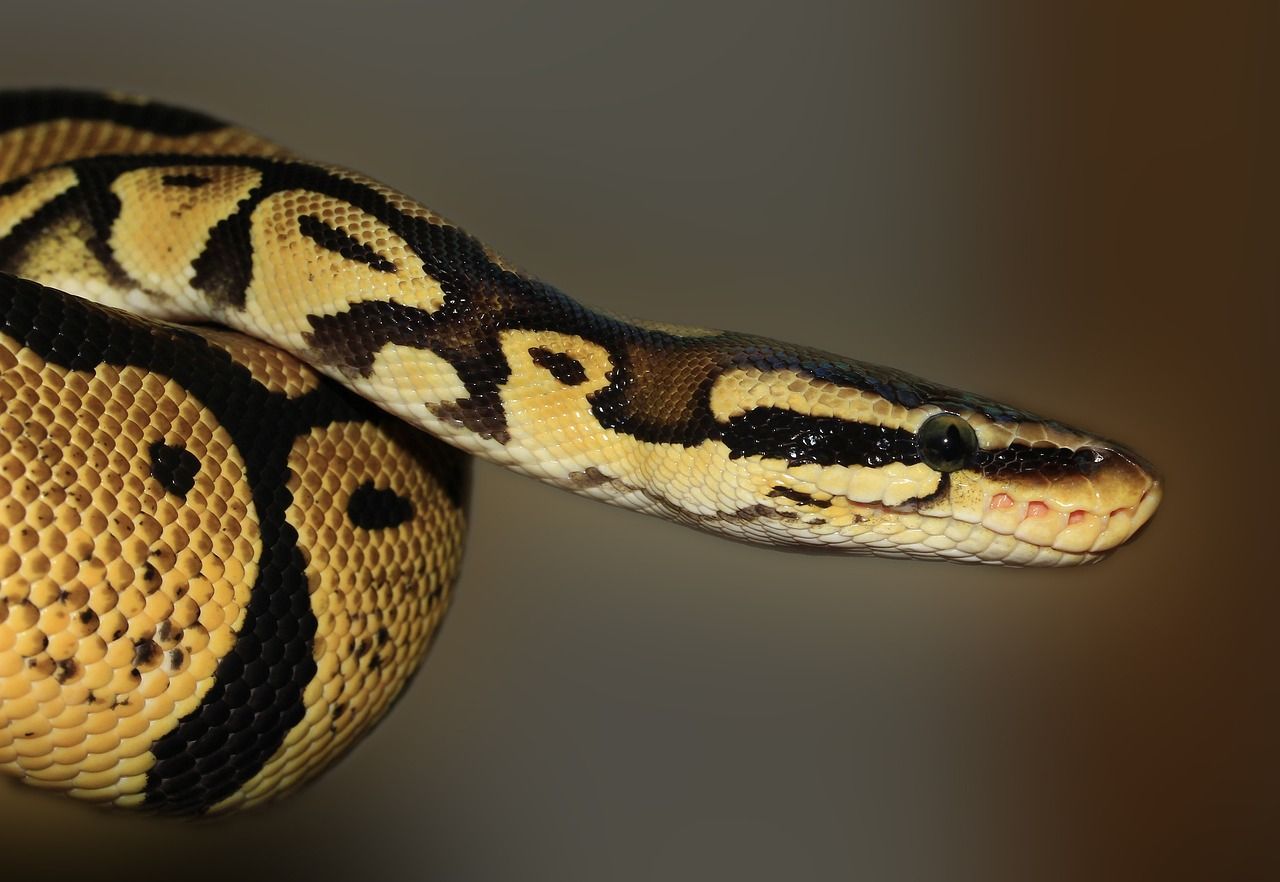
When it comes to permits, not all snakes are treated the same. Regulations depend on how dangerous a species might be and the potential impact on local ecosystems if released. Following this logic, not all pythons are equally restricted: species such as the Burmese or Indian python are illegal in many states, while others, like the Ball python, are legal without a permit in Arizona, Arkansas, Illinois, Massachusetts, Montana, Oregon, Rhode Island, and Vermont.
10
Tarantula
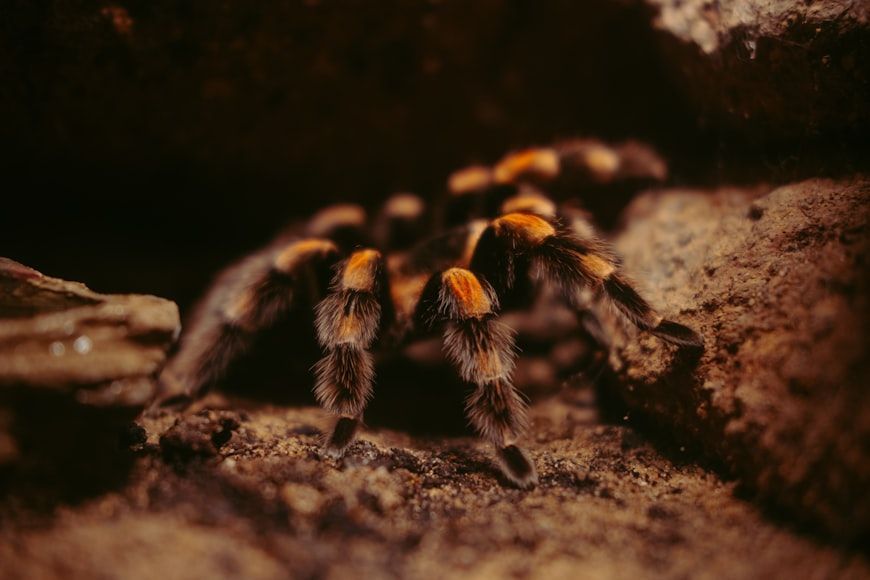
Tarantulas are not banned in any state, but some species might be restricted and require a special permit, in particular those considered an endangered species or potentially invasive. So, if you dream of having a pet spider, check your state laws first to ensure your desired species will not cause you legal problems in the future.