Geography Geography 5 min read

Cradles of history

America's forgotten capitals: Cities that were once their state’s main

Image: Martin Zenker

Every state has its heart: A main city that serves as the center for governance, lawmaking, and administration. But what about the cities that once held the title, only to see it moved elsewhere? Did any of them resist the change? Let’s look into towns that left indelible marks on the culture of their states, even after the halls of power packed up and moved inland.

1
San Francisco, California

Image: Belle Co

San Francisco was never officially a state capital, but there was a 9-month period during the early governance of California when the capitol stood in the city’s Merchant’s Exchange building .

The seat of California’s capital moved multiple times among cities, including Monterey, San Jose, Vallejo, and Benicia. In the mid-19th century, it settled in Sacramento, strategically situated at the confluence of major rivers –which also meant proneness to flood . Severe flooding hit the city in the 1860s, temporarily incapacitating it as a state capital.

The administration then moved to San Francisco, which had been instrumental during the Gold Rush and remained a cultural and economic powerhouse. When Sacramento had recovered, though, the legislature moved back and it has remained the state capital since.

2
Savannah, Georgia

Image: Jessica Furtney

Savannah, the beautiful city in Georgia famous for its cobblestone streets and picturesque squares, was the state’s first colonial capital. It continued to hold the capitol following the American Revolution.

In the late 1700s, however, the capital moved inland to Augusta, where the population was growing. The decision was also meant to protect the government from potential coastal attacks .

Several cities served as capitals in the decades that followed, such as Louisville and Milledgeville. It wasn’t until a constitutional convention was held in Atlanta that the city’s potential as a state capital was recognized, and later realized.

3
St. Augustine, Florida

Image: Maddie DiFilippo

Known for its well-preserved colonial architecture, like the Castillo de San Marcos fortress , St. Augustine was the capital of East Florida for hundreds of years, since Spanish rule.

When Florida became a U.S. territory, St. Augustine, on Florida's northeast coast, maintained its role as one of two capitals, alongside Pensacola, which served West Florida. However, the difficulty of travel between these two cities led to inefficiencies in governance.

A halfway point was set exactly at Tallahassee to make access easier for legislators of both sides. To this day, St. Augustine maintains many constructions and a strong heritage from its colonial past.

4
New Orleans, Louisiana

Image: Stella He

When Louisiana was admitted into the Union, vibrant New Orleans was the state capital, and it remained so for over 30 years until the government seat was changed to Baton Rouge.

New Orleans was the largest and most economically significant city in the state at the time, so it was a natural choice. Still, its location also posed challenges, like disease outbreaks that often plagued it, and the powerful political influence of the French Creole population .

Eventually, Baton Rouge became the official capital, and its new Gothic Revival-style capitol building opened in the mid-19th century. Today, New Orleans remains a cultural hub for the state and the country.

5
Lewiston, Idaho

Image: Anthony Camerlo

The original capital of Idaho was upstate Lewiston, a key shipping hub thanks to its access to river transport. But the discovery of gold in the Boise Basin meant that the population –and the riches– flew to southern Idaho.

With the majority of settlers now in the south, the capital's relocation was pushed. Lewiston residents did not take this lightly: They fiercely resisted losing the capital and went so far as to lock the territorial seal and papers in the town jail to prevent their removal.

Federal troops had to intervene to complete the relocation. Today, Lewiston still proudly proclaims itself as "Idaho's First Territorial Capital," a line displayed everywhere downtown.

6
Plymouth, Massachusetts

Image: donwhite84

Plymouth, located in southeastern Massachusetts on Plymouth Bay, was the landing site of the Pilgrims in 1620. For many decades it remained its capital until the colony merged with that in Massachusetts Bay.

After the merger, Boston, a city with a larger population and a central hub for trade and governance, was designated the new capital. But Plymouth is still considered "America's Hometown" and hosts elaborate Thanksgiving celebrations annually.

Plymouth will always retain its historical significance, such as being the home of Plymouth Rock , which commemorates the site of the disembarkation of the Mayflower Pilgrims.

7
Kingston, New York

Image: Amy Lavine, CC BY-SA 4.0

Kingston is located along the Hudson River in Ulster County, New York, with a scenic backdrop of the Catskill and Shawangunk Mountains.

It retains its Revolutionary War-era stone buildings, historic landmarks, and its title as the "birthplace" of New York State's government; It was its first capital. But when it became a center for revolutionary activities in the late 18th century, British forces burned the city in retaliation.

Kingston was rebuilt, but it never regained its capital status. Albany was later chosen as the capital for its central location and strong infrastructure.

8
Detroit, Michigan

Image: Alex Brisbey

Detroit, a.k.a. "Motor City," is not just the center of the U.S. automotive industry, but was Michigan's first capital before it moved inland to Lansing.

Michigan Territory had Detroit as its center, and it remained so even after it became a state. But there were concerns over Detroit's proximity to the Canadian border , and, as with many other capitals, a desire to fix the capitol in the state’s center.

Lansing, just a small settlement at the time, was more accessible and more secure. Detroit didn’t stay behind, though; Its role as a transportation hub during the Industrial Revolution helped it become a manufacturing powerhouse .

9
Kaskaskia, Illinois

Image: Dave Hoefler

Kaskaskia is now nearly a ghost town , a quiet community of fewer than 20 residents. This is due to Mississippi River flooding and shifting channels –but it was once its state capital.

Situated in Randolph County, Illinois, near the Mississippi River, it’s uniquely located on the western bank of the river. In the early 19th century it was a center for trade and governance and remained the capital until the legislature decided to relocate to Vandalia.

Vandalia, inland and growing, was a reasonable choice back then, but it would be replaced by Springfield eventually, largely due to the efforts of Abraham Lincoln .

10
New Castle, Delaware

Image: jakob

New Castle served as Delaware’s colonial capital during the 17th and 18th centuries. It was here, in 1776, that Delaware declared independence from both Pennsylvania and Great Britain, establishing itself as a state.

The city’s location by the Delaware River was key during colonial times, but it also made it susceptible to British naval attacks during the American Revolution. That was why the seat was moved to Dover, although it wasn’t made the permanent capital until the 1780s.

New Castle still keeps its well-preserved colonial architecture, particularly in the district surrounding its courthouse.

Geography Geography 4 min read

Let’s take a quick roadtrip

Discover our 49th state with these 10 gorgeous locations in Alaska!

Image: Rod Long

There’s a reason Alaska is known as "The Last Frontier." This state often feels like a remote and isolated location, yet it is undeniably filled with natural beauty. However, don’t let the nickname discourage you from exploring the wonders Alaska has to offer. As cold as this state’s temperatures can get, they are balanced by the warmth of its citizens and the breathtaking landscapes it is home to. With that in mind, we have decided to pay homage to 10 of the most stunning locations in Alaska, in the hope that you might consider them for your next visit. Enjoy!

1
Denali

Image: Barth Bailey

We’ll start with what many believe to be Alaska’s crown jewel. Formerly known as Mount McKinley, Denali is the highest peak in North America, with a summit elevation of 20,310 feet above sea level. Its height is matched only by its magnificence—a snow-covered wonder adorning the Alaskan skyline.

The name "Denali" comes from the Koyukon Athabaskans, who are native to the region. They referred to the mountain as Dinale or Denali, which is believed to be a Koyukon word meaning "high" or "tall." Over the years, many mountaineers have attempted to reach the peak, with the first successful ascent dating back to 1913.

2
Chugach State Park

Image: Paxson Woelber

East of the city of Anchorage lies Chugach State Park , a 495,204-acre state park that houses the stunning Chugach Mountains. However, this park is more than just a scenic landscape; it plays a crucial role in ensuring that the residents of Anchorage have access to safe drinking water.

Chugach State Park is also home to Eklutna Lake, which offers numerous recreational opportunities, including fishing, camping, and hiking. The park supports a diverse array of wildlife, including moose and bears.

3
Kayak Island

Image: Ty Fiero

In 1826, Lt. Sarychev of the Russian Navy noticed the peculiar shape of a certain island located in the Gulf of Alaska. Because it resembled a specific type of boat, Sarychev named the island Kayak Island , unaware that he was christening one of Alaska’s most stunning destinations.

Kayak Island is considered historically significant since it was the first place where a non-native set foot in Alaska. Notably, the island was visited by the famed explorer Captain James Cook in 1778. During this visit, Captain Cook left an empty bottle at the base of a prominent tree. Inside the bottle was a message and two pieces of silver gifted to him by the English crown.

4
Kodiak Island

Image: Brent Jones

Next, we have Kodiak Island , the second-largest island in the United States. Over two-thirds of the island is occupied by the Kodiak National Wildlife Refuge, which protects a diverse range of wildlife, including the Kodiak bear, Roosevelt elk, and Sitka black-tailed deer.

While no entry is allowed to the refuge, the island still has plenty to offer visitors. For example, you can experience the island’s beauty at the Buskin River State Recreation Site, which features camping, fishing, and scenic beaches.

5
Kenai Fjords National Park

Image: Kedar Gadge

Fjords are a truly unique natural wonder that can only be found in a few places in the world, and Alaska is home to one of the most beautiful of its kind. Located on the Kenai Peninsula, west of the town of Seward, Kenai Fjords National Park is a breathtaking expanse of glaciers, islands, and wildlife.

With a total area of 669,984 acres, Kenai Fjords is relatively small—approximately 90% the size of Yosemite. Regardless, of what this park lacks in size, it more than makes up for in accessibility, diversity, and, above all, natural beauty. It is home to the Harding Icefield, one of the largest ice fields in the United States, as well as an impressive variety of wildlife, including black bears, sea otters, and killer whales.

6
Wrangell-St. Elias National Park & Preserve

Image: Grace Simoneau

As the largest American state by landmass, it seems only fitting that Alaska is home to the largest national park in the United States. Wrangell–St. Elias National Park and Preserve encompasses the Wrangell Mountains and a significant portion of the Saint Elias Mountains, including Mount Saint Elias, the second-highest peak in both the United States and Canada.

Besides many species of animals like the grizzly bear and the timber wolf, this park is home to Mount Wrangell and Mount Churchill—two of the largest volcanoes in the region. Not only that, the abandoned buildings of a former copper mining operation within the park have been designated a National Historic Landmark district.

7
Glacier Bay National Park and Preserve

Image: Joseph Corl

Don’t be surprised by the number of stunning glaciers that made it onto this list—after all, these natural wonders are Alaska’s pride and joy. With that in mind, here’s the first entry in our selection of beautiful glaciers you should definitely visit: Glacier Bay National Park and Preserve.

The park houses 7 glaciers in the park, out of which the Margerie Glacier is probably the most famous. This iconic glacier attracts thousands of tourists each year, with nearly 80% arriving via cruise ships. Not only that, the park also offers several other outdoor activities like kayaking, camping, fishing, and bird-watching.

8
Hubbard Glacier

Image: Mick Kirchman

Located within the previously mentioned Wrangell–St. Elias National Park and Preserve, Hubbard Glacier undoubtedly deserves its own spotlight. This stunning glacier can be found right on the border between Alaska and Canada, with part of it extending into Kluane National Park and Reserve in Yukon.

Hubbard Glacier is primarily visited by tour and cruise ships since it can’t be reached by land. Regardless, experiencing the beauty of this natural wonder requires nothing more than gazing upon its majestic presence.

9
Worthington Glacier

Image: Grace Simoneau

Worthington Glacier holds the distinction of being one of the few US glaciers that can be easily accessed via a paved highway. Located approximately 30 miles east of the city of Valdez, this glacier is truly a sight to behold.

Covering 5,774 acres, this breathtaking glacier was designated a National Natural Landmark in 1968. If you’re planning a visit, consider stopping at the Worthington Glacier State Recreation Site, a comfortable state roadside park that offers a stunning view of the glacier.

History History 4 min read

Movies that were to be

Were these movies cursed? Films that never got finished

Image: DS stories

Some movies flicker out before they’re even made. What do you call a film with a famous director, a finished script, and a dream cast? In many cases, unfinished. Hollywood’s drawers are filled with a graveyard of unfinished movies in varying stages: scripts, production plans, casting decisions, and even filmed footage. But they all remain tantalizing what-ifs. Let’s look into the stories of some flicks that never achieved their full potential!

1
The mythical "Kill Bill Vol. 3"

Image: Til Man

Ah, yes, the revenge of the revenge. Quentin Tarantino has been teasing Kill Bill Vol. 3 for nearly two decades. He’s talked about giving the character of Nikki time to grow up and take center stage in the third installment, even floating the idea of casting Zendaya or another grown-up actress in the role.

But as of now? It’s all smoke and samurai swords. Tarantino claims he has one more film left in him, and every fan theory points to Vol. 3 as the final strike.

2
The loaded history of "The Man Who Killed Don Quixote"

Image: Iuliia Dutchak

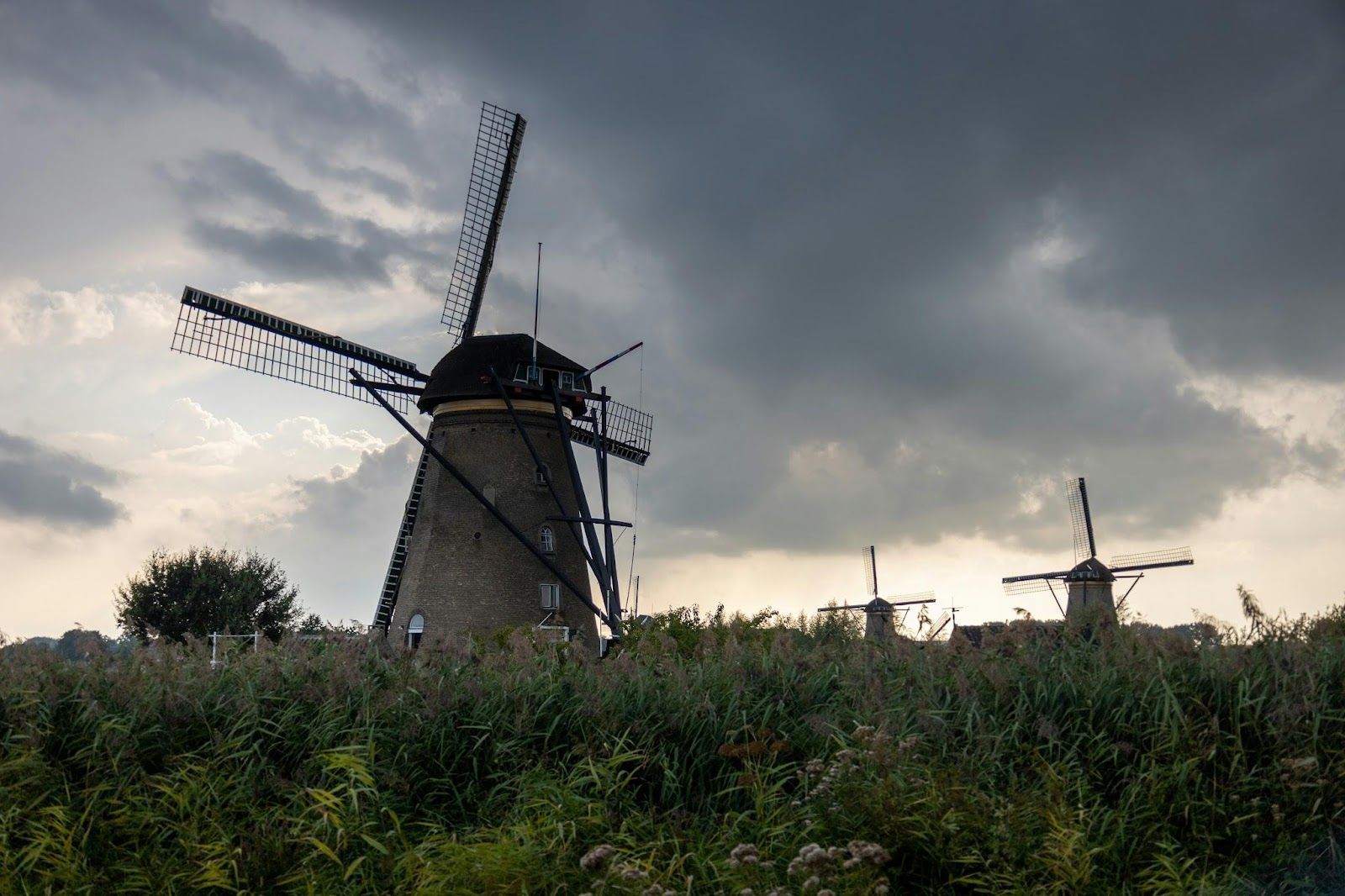
Johnny Depp and Jean Rochefort were originally set to take the leads, battling windmills as Cervantes’ mad knight and his companion. But this is another case of a film that seemed hexed.

Terry Gilliam first attempted the project in 2000, but many disasters ensued. Health issues, floods that wrecked the sets, and insurance company failings led to the project's dramatic collapse. In 2018, Gilliam finally released a version starring Adam Driver and Jonathan Pryce. But fans agree—it wasn’t that version.

3
Kubrick’s "Napoleon"

Image: Nicolas HIPPERT

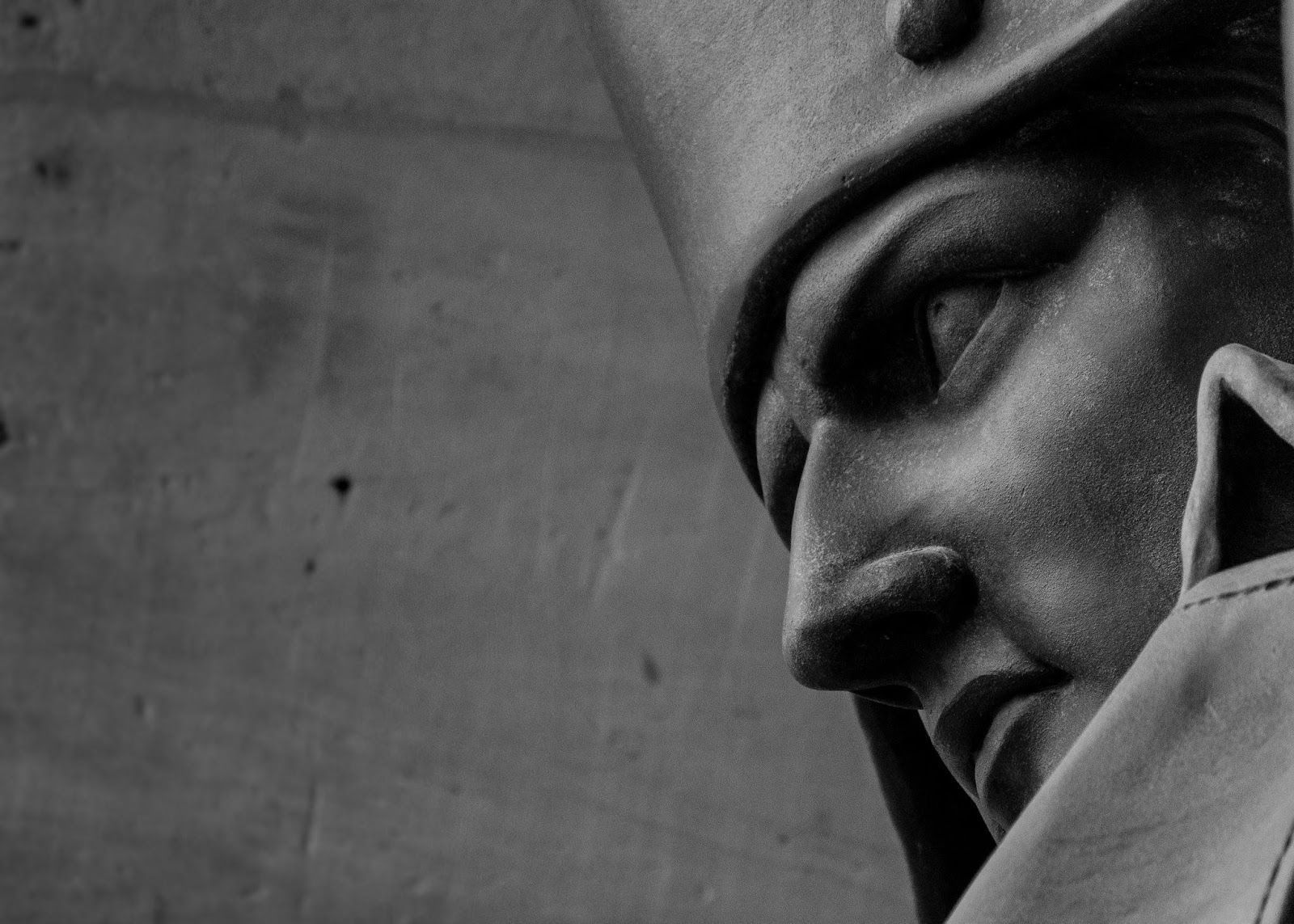
The holy grail of unmade epics. Stanley Kubrick devoted years to this project—allegedly reading over 500 books, creating a card catalog of Napoleon’s daily life, and scouting locations across Europe.

He wanted Jack Nicholson in the lead and even planned to use actual armies to stage the battles. MGM said yes… then said nope. The budget was colossal, and Kubrick ultimately shelved it. Though he carried the idea to his grave, the script survived. Steven Spielberg has since talked about adapting it into a miniseries.

4
The irony of "Superman Lives"

Image: Yogi Purnama

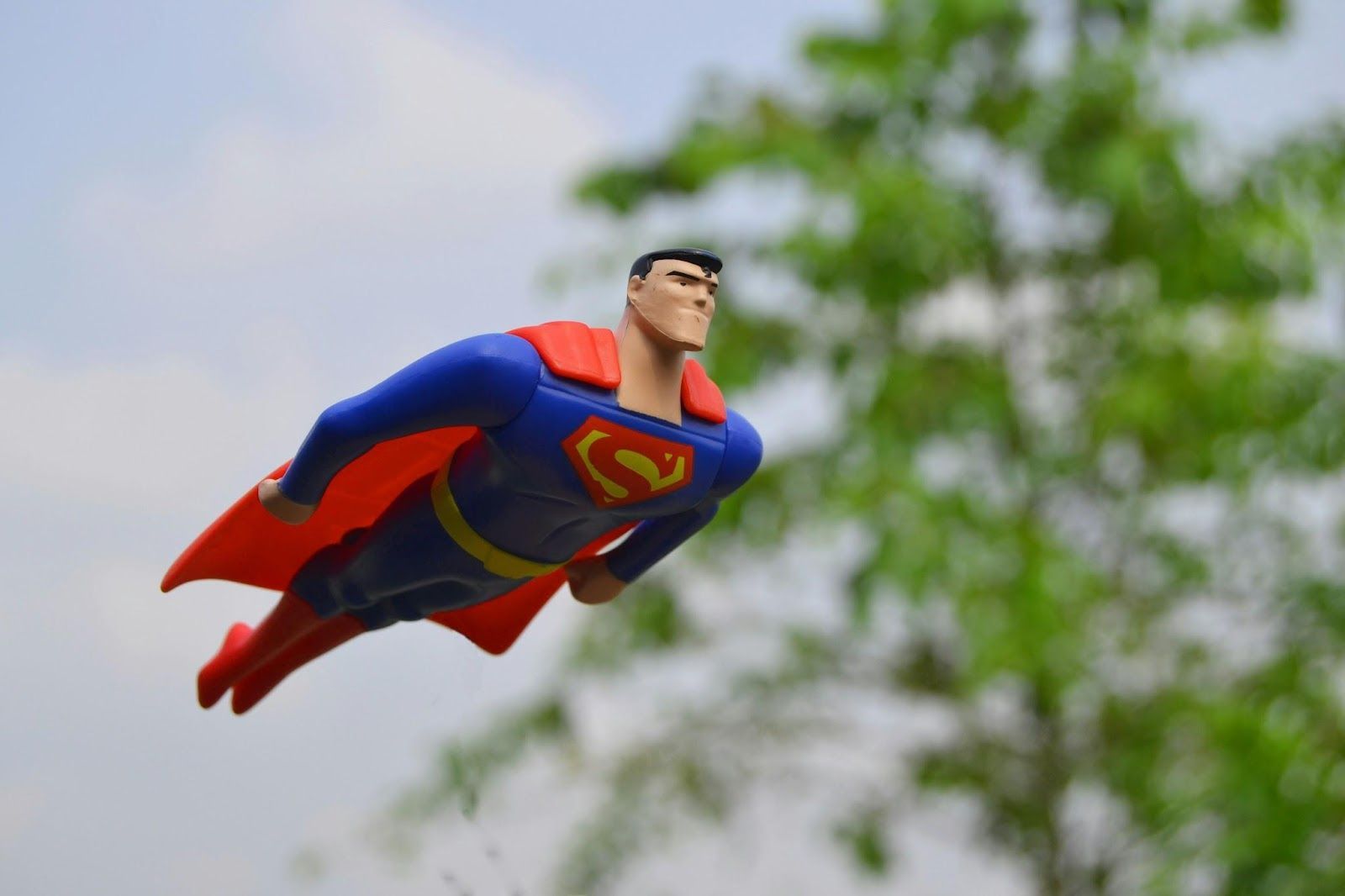
Superman Lives was meant to reboot the Man of Steel, with Tim Burton at the helm and Nicolas Cage sporting long black hair and a glow-in-the-dark suit.

But after years of rewrites, studio shake-ups, and ballooning budgets, the whole thing collapsed under its own weight. Though it was never filmed, test footage of Cage in costume became internet legend. And if you really want the full story, the documentary The Death of Superman Lives: What Happened? is the way to go.

5
Jodorowsky’s "Dune"

Image: Francisco Gomes

Alejandro Jodorowsky’s Dune was meant to be a 10-hour odyssey, starring Salvador Dalí as the Emperor, Orson Welles as Baron Harkonnen, and featuring music by Pink Floyd. Yes, really.

However, as one can imagine, the budget grew past sanity. No studio could afford Jodorowsky’s vision. The 2013 documentary Jodorowsky’s Dune explores how this unmade film went on to influence countless others—from Star Wars to Blade Runner .

6
The true "The Thief and the Cobbler"

Image: Fabian Centeno

Richard Williams, the man behind Who Framed Roger Rabbit , spent nearly three decades working on _The Thief and the Cobbler_—a painstakingly hand-drawn masterpiece, inspired by Persian art and silent comedy.

However, by the 1990s, delays and mounting costs led the studio to reconsider its decision. The film was recut, rewritten, and released under various titles, with added songs and jarring voice-overs. The truth is, the original version was never fully completed.

7
The cursed "Blood Meridian"

Image: Erik

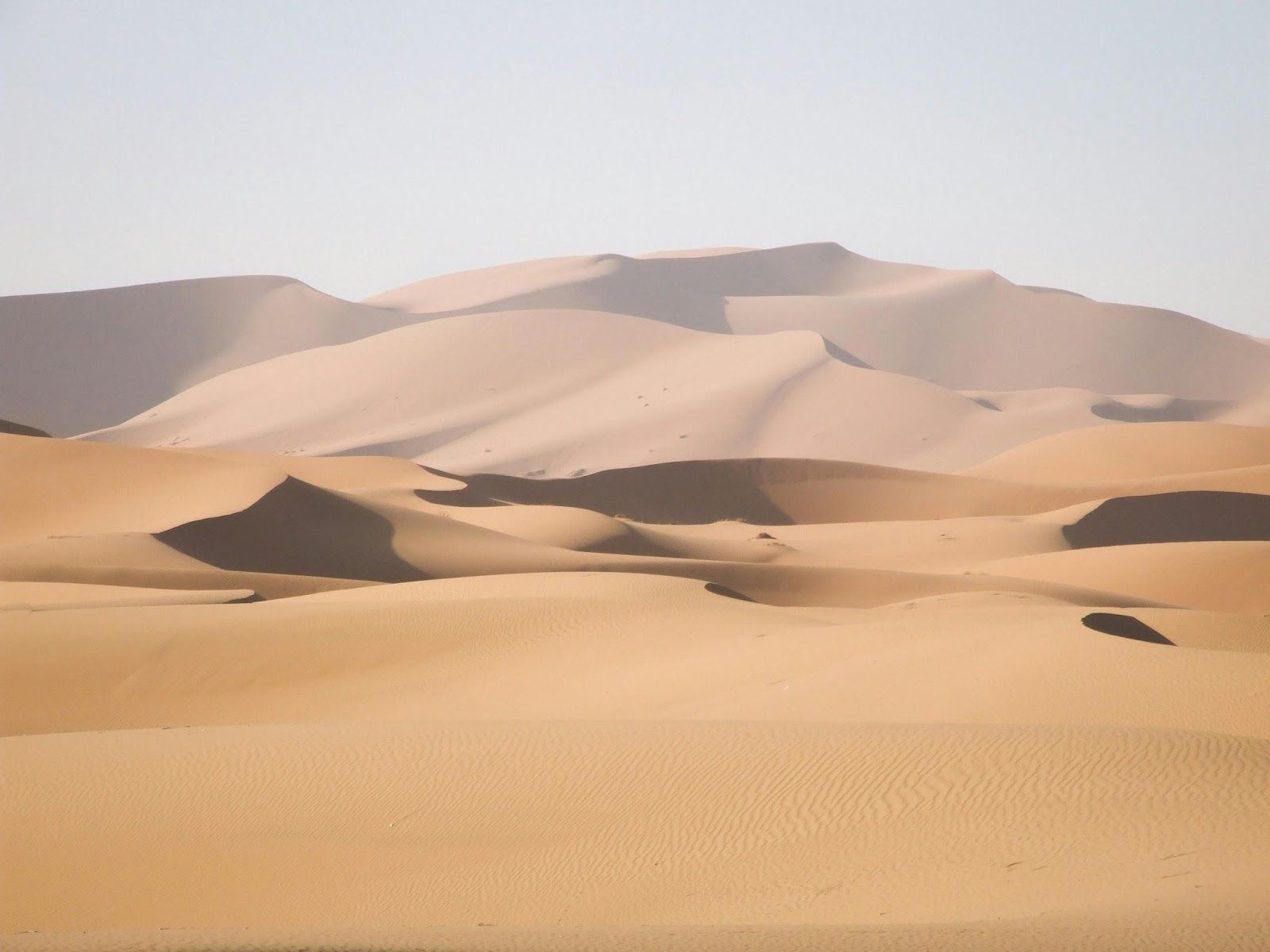
So many doomed attempts have been made that Cormac McCarthy’s brutal novel is often labeled "unfilmable." Blood Meridian is a violent fever dream, soaked in sun and sand—which might sound easy to bring to the screen.

Ridley Scott tried. So did James Franco and Todd Field. But each version was ultimately abandoned. In 2024, New Regency announced a new adaptation was in the works. As of now, however, it still seems cursed— Blood Meridian remains untouched by the screen.

8
Orson Welles’ "The Other Side of the Wind"

Image: Andre Moura

Yes, a version was released by Netflix in 2018… but it wasn’t quite what its director originally envisioned.

Orson Welles began shooting The Other Side of the Wind in the early ’70s, imagining a satirical, semi-autobiographical tale about a fading director staging a comeback. But financial chaos, legal snarls, political drama, and even missing reels meant that Welles never lived to finish it.

9
"At the Mountains of Madness" featuring Tom Cruise

Image: Balazs Busznyak

Imagine Tom Cruise battling ancient, brain-melting monsters in Antarctica—based on H.P. Lovecraft’s most mind-bending novella. Now picture Guillermo del Toro directing that nightmare in IMAX 3D. So what happened? It’s not entirely clear, though budget concerns likely played a role. You never know, though. Del Toro has shared some original concept art and designs that just might be revived someday.

10
The Rat Pack’s "The Rogues"

Image: Brice Cooper

A film called The Rogues , starring the Rat Pack, appears in fan lore and anecdotal sources—though there’s little documented proof. Frank Sinatra. Dean Martin. Sammy Davis Jr. The Rat Pack was Hollywood’s smoothest syndicate, both on and off-screen.

In the mid-’60s, they began filming The Rogues , a heist flick in the spirit of Ocean’s 11 . But egos clashed, schedules frayed, and the project derailed mid-production, as legend has it.

Explore more American facts

Choose your favorite category!

General
General

As American as apple pie—the very best America has to offer!

Culture
Culture

Delve into the astounding richness of American lore.

Geography
Geography

Hop in and explore vast and diverse American landscapes.

History
History

Discover the key moments that shaped the United States.