History History 4 min read

Ronald Reagan's obsession with jelly beans is just the tip of the iceberg
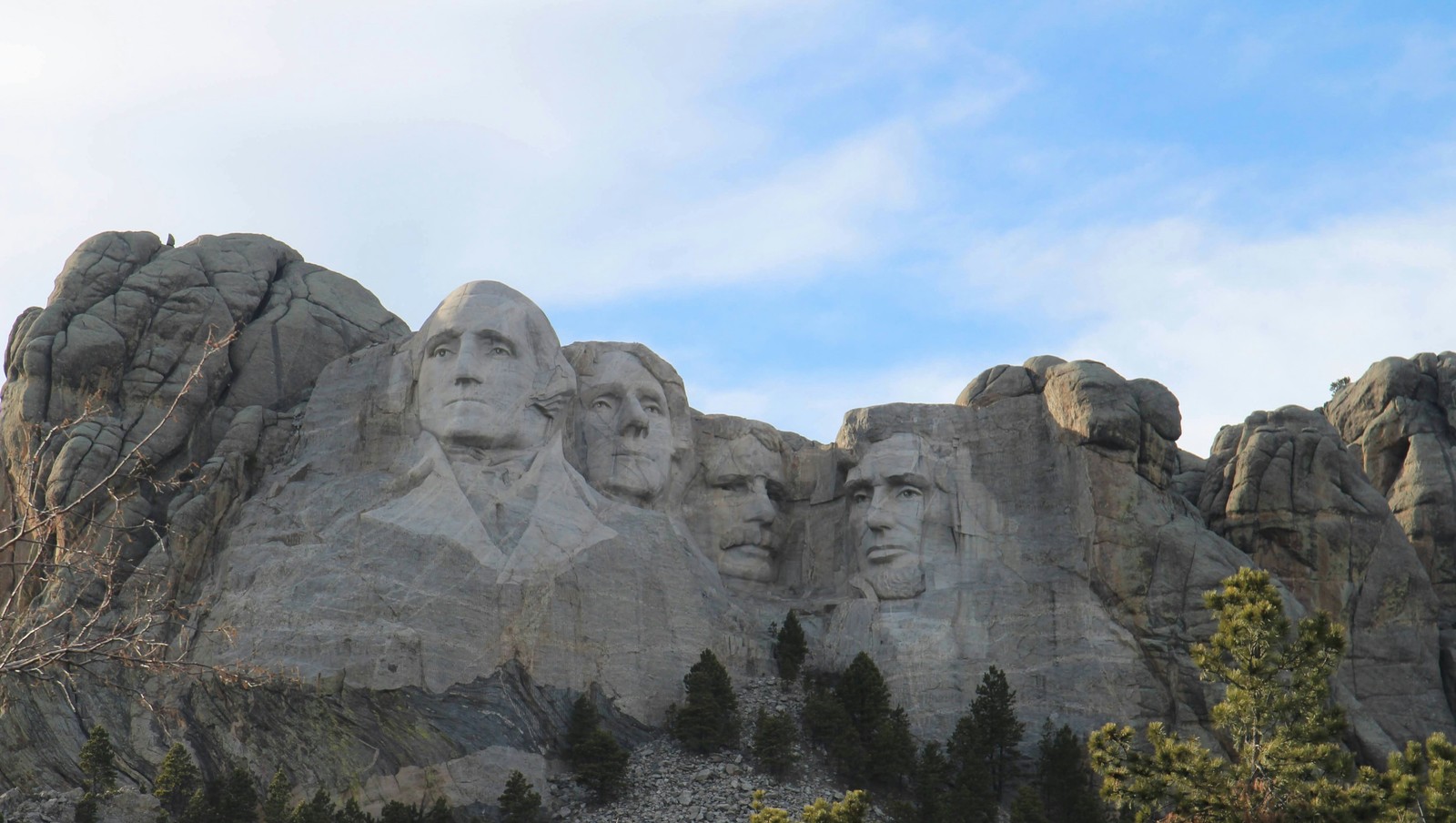
Image: Jane Simoes

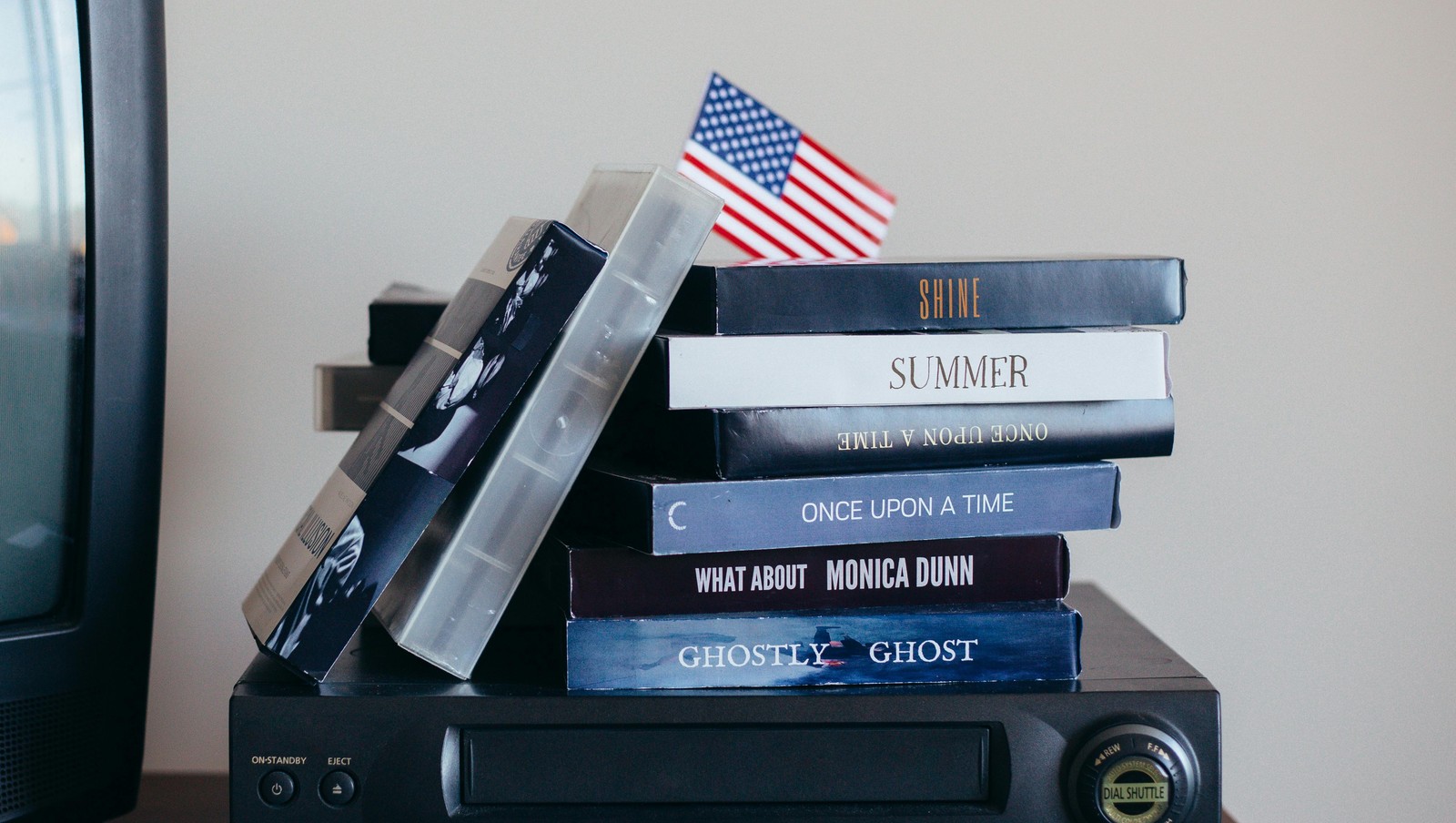
The Oval Office has seen its share of dignified statesmen, but behind those serious portraits lie some seriously entertaining stories . Did you know Ronald Reagan kept his desk perpetually stocked with jelly beans, or that John Quincy Adams had a habit of stripping down for a morning swim in the Potomac? Something nobody can deny is that our commanders-in-chief have been refreshingly, hilariously human.

1
Ronald Reagan: The Jelly Bean Fanatic
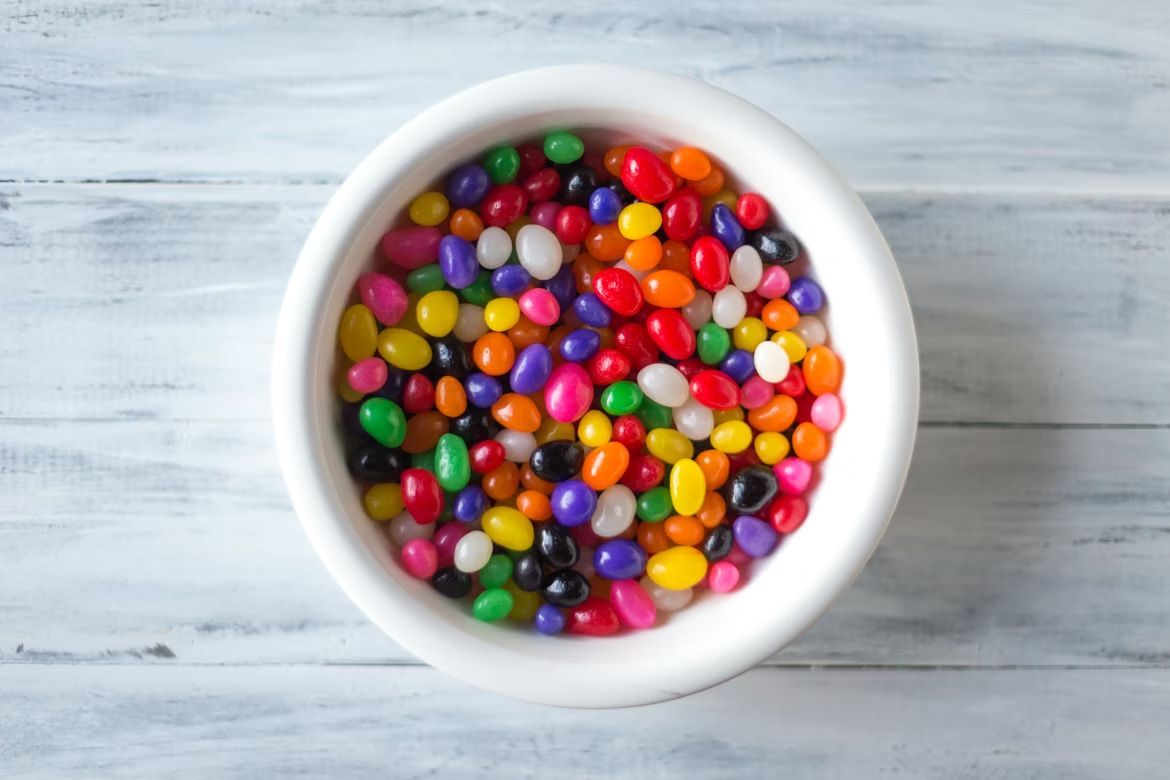
Image: Patrick Fore

Ronald Reagan kept a jar of jelly beans on his desk in the Oval Office and on Air Force One . Blueberry was his favorite flavor, and 3.5 tons of jelly beans were shipped to Washington for his 1981 inauguration.

The Jelly Belly company even created a special blueberry flavor just for Reagan's presidential inauguration. Cabinet meetings apparently featured bowls of the colorful candies, and Reagan would munch on them during crucial policy discussions.

2
John Quincy Adams: The Naked Swimmer

Image: Axel Korolkoff

John Quincy Adams had a rather unusual morning routine that would absolutely not fly today. The sixth president would wake up early, walk down to the Potomac River, strip off all his clothes, and go for a refreshing swim .

Legend has it that a female reporter once caught wind of this habit and sat on his clothes until he agreed to give her an interview. Adams apparently took it in stride, though one imagines the Secret Service would have a collective heart attack if any modern president tried this stunt.

3
Teddy Roosevelt: The One-Man Zoo
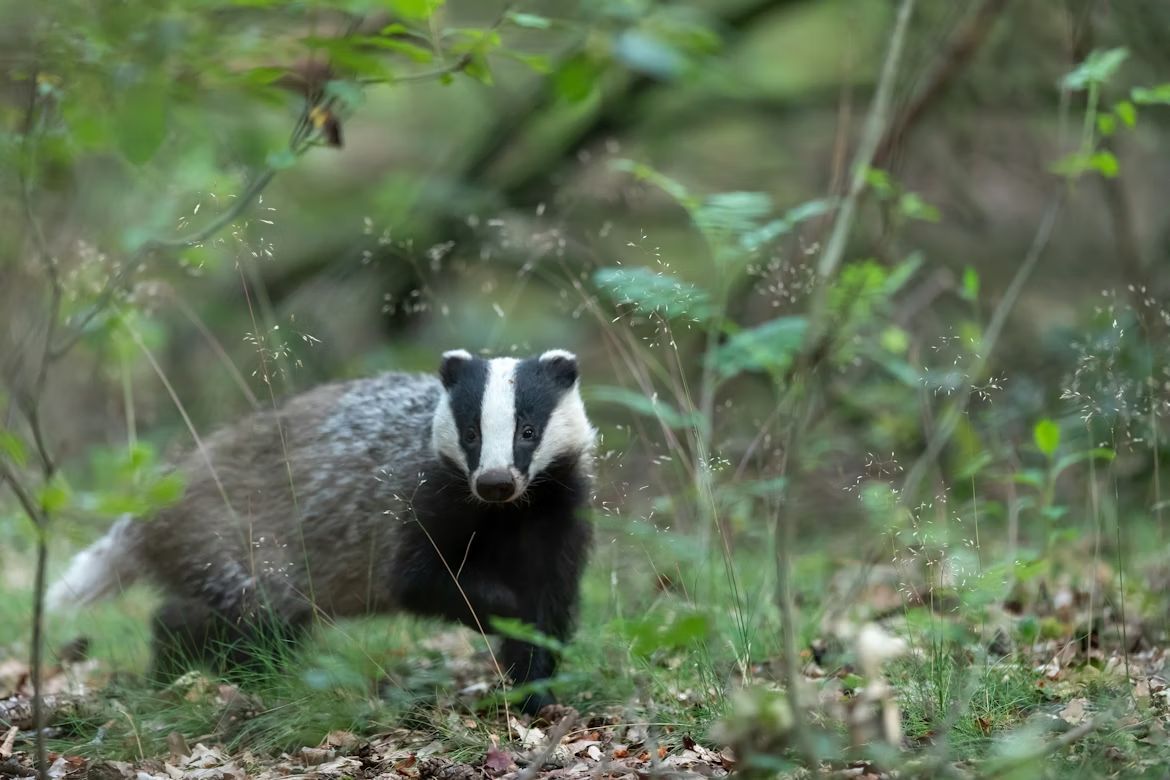
Image: Vincent van Zalinge

Theodore Roosevelt ran a wildlife sanctuary at the White House . His kids had a veritable menagerie that included a badger, guinea pigs, snakes, and even a one-legged rooster. There are also claims that he kept a bear and a hyena in the House. Oh, and let's not forget about the pony that his son Quentin once took up in the White House elevator.

When President Roosevelt's son Archie fell ill and was confined to bed, his brothers Kermit and Quentin decided to cheer him up by bringing their pony, Algonquin, up to his room via the White House elevator. The plan nearly backfired, though: Algonquin became so captivated by his own reflection in the elevator mirror that getting him out proved to be quite the ordeal.

4
Thomas Jefferson: Ice Cream Pioneer
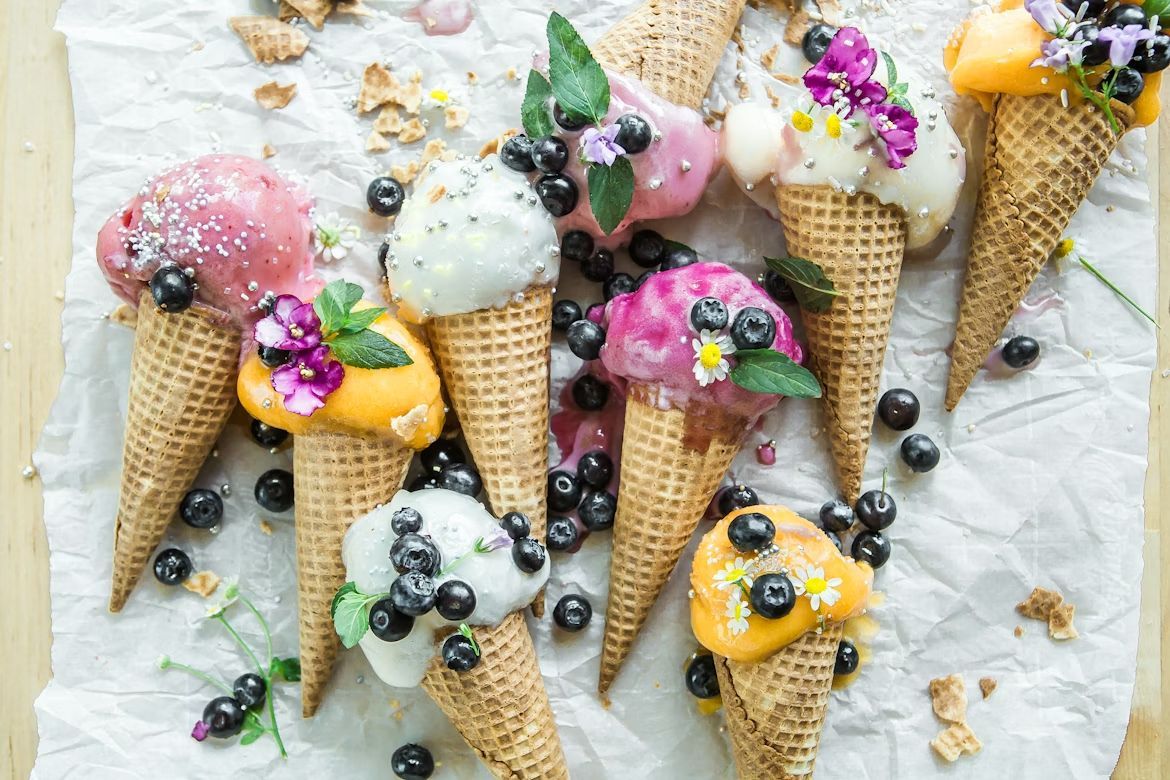
Image: Brooke Lark

After his time in France, Jefferson returned with a fancy ice cream recipe and became one of the first Americans to popularize it . He reportedly had an 18-step process for making the stuff.

The Founding Father loved ice cream so much that he designed a special ice house at Monticello, though its purpose went beyond just frozen treats. The structure stored ice and snow harvested from the Rivanna River to refrigerate fresh dairy and meats throughout the year, with ice cream being just one of the delicacies it made possible.

5
Andrew Jackson: Profanity Parrot Owner
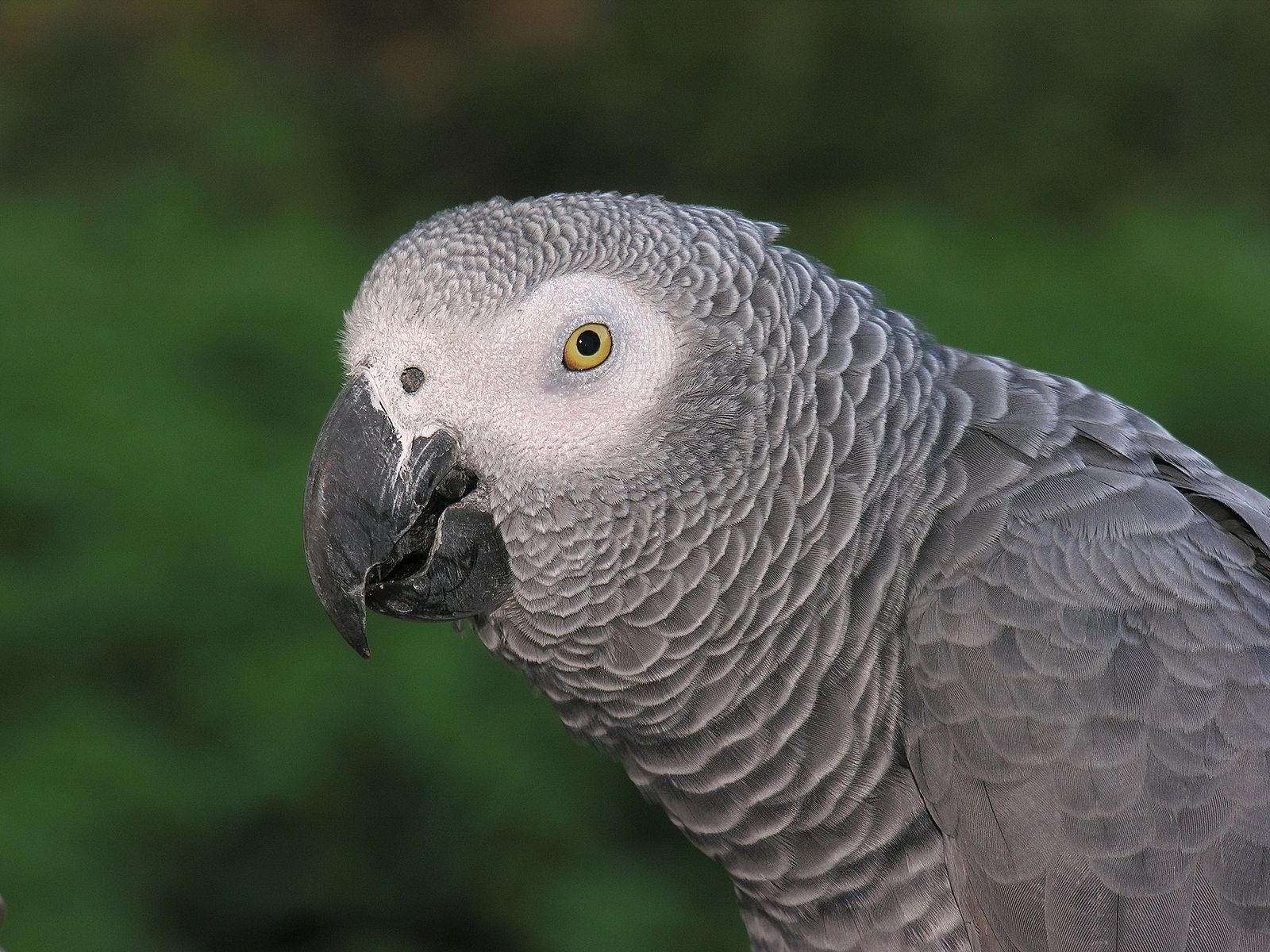
Andrew Jackson's pet parrot, Poll, learned a colorful vocabulary from Old Hickory himself. When Jackson died in 1845, the parrot attended his funeral. Unfortunately, as some witnesses declared, Poll had to be removed from the service because the bird wouldn't stop cursing loudly at the mourners.

You have to wonder what that scene was like—somber grieving interrupted by a parrot dropping f-bombs left and right. It's both mortifying and hilarious to imagine the reverend trying to continue the eulogy while this feathered menace squawks profanities from the corner.

6
Gerald Ford: The Model President
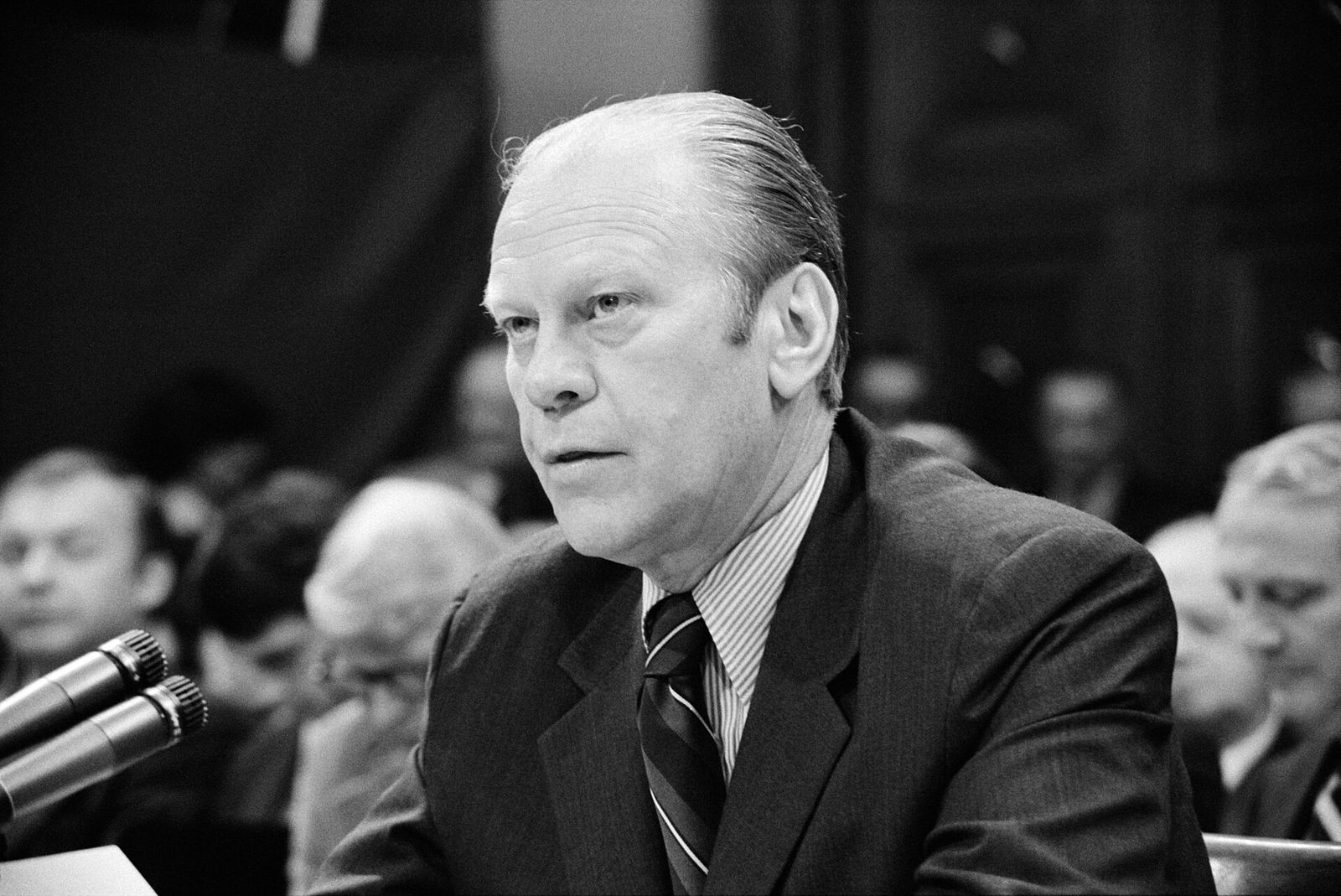
Image: Thomas J. O'Halloran, photographer, Public domain, via Wikimedia Commons

Before Gerald Ford became president, he was a legitimate male model . In the 1940s, the future president appeared on the cover of Cosmopolitan magazine.

Ford had been a star football player at the University of Michigan, and his athletic build and fame caught the attention of photographers. He modeled to make extra money, appearing in fashion spreads and looking quite dashing, we might add.

7
LBJ: The Presidential Prankster
Image: David Clode

Lyndon B. Johnson owned an amphibious car that could drive on both land and water. His favorite party trick was to drive guests around his Texas ranch and then pretend the brakes had failed as they headed straight toward a lake . People would scream in terror as the car splashed into the water.

Then, to everyone's shock and relief, the car would simply start floating. Johnson would burst into laughter while his passengers tried to recover from their near-death experience.

8
William Howard Taft: Bathtub Troubles
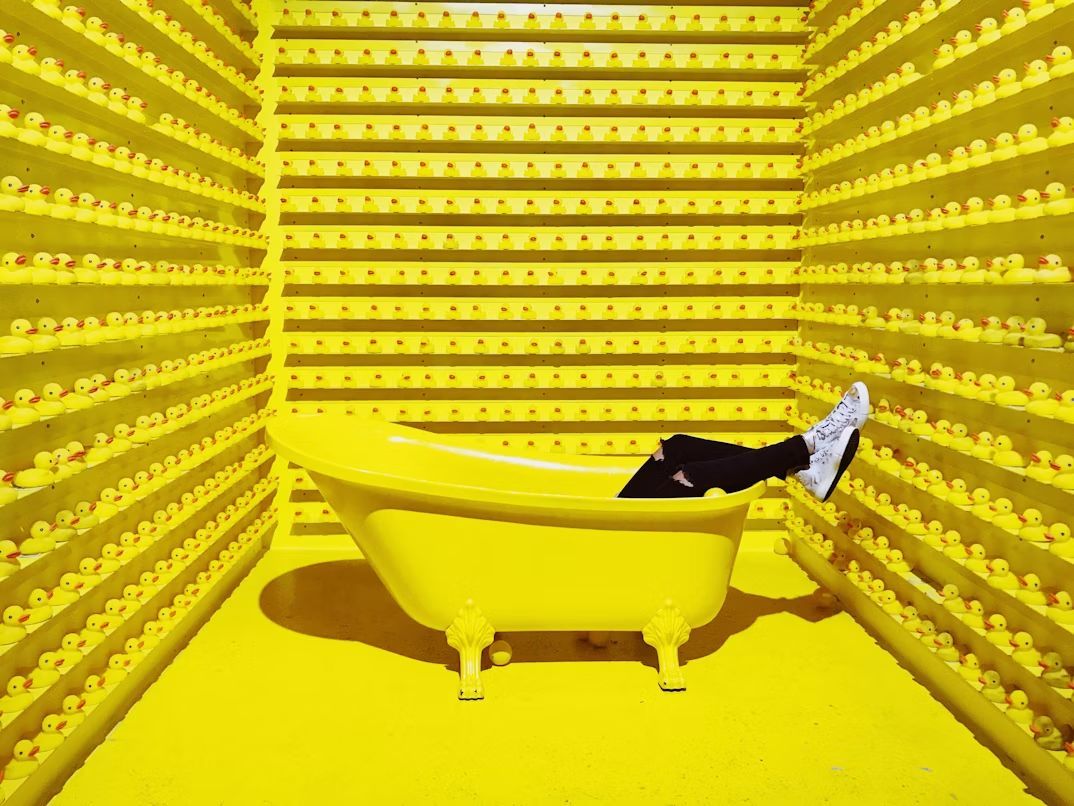
Image: Brandi Alexandra

William Howard Taft was America's heaviest president, weighing in at around 340 pounds. The most famous anecdote about him involves getting stuck in the White House bathtub , though historians debate whether this actually happened. What's definitely true is that he had a custom bathtub installed that could fit four normal-sized men.

9
Calvin Coolidge: The Prankster President
Image: Brian Lundquist

There are claims that Calvin Coolidge would sometimes press all the buttons on his desk to summon his staff, then hide to watch them run around confused, looking for him . Very mature, Mr. President.

Coolidge also had a pet raccoon named Rebecca, who walked on a leash around the White House grounds. Silent Cal might not have talked much, but his actions —and his choice in pets— spoke volumes about his quirky sense of humor.

10
Jimmy Carter: UFO Witness
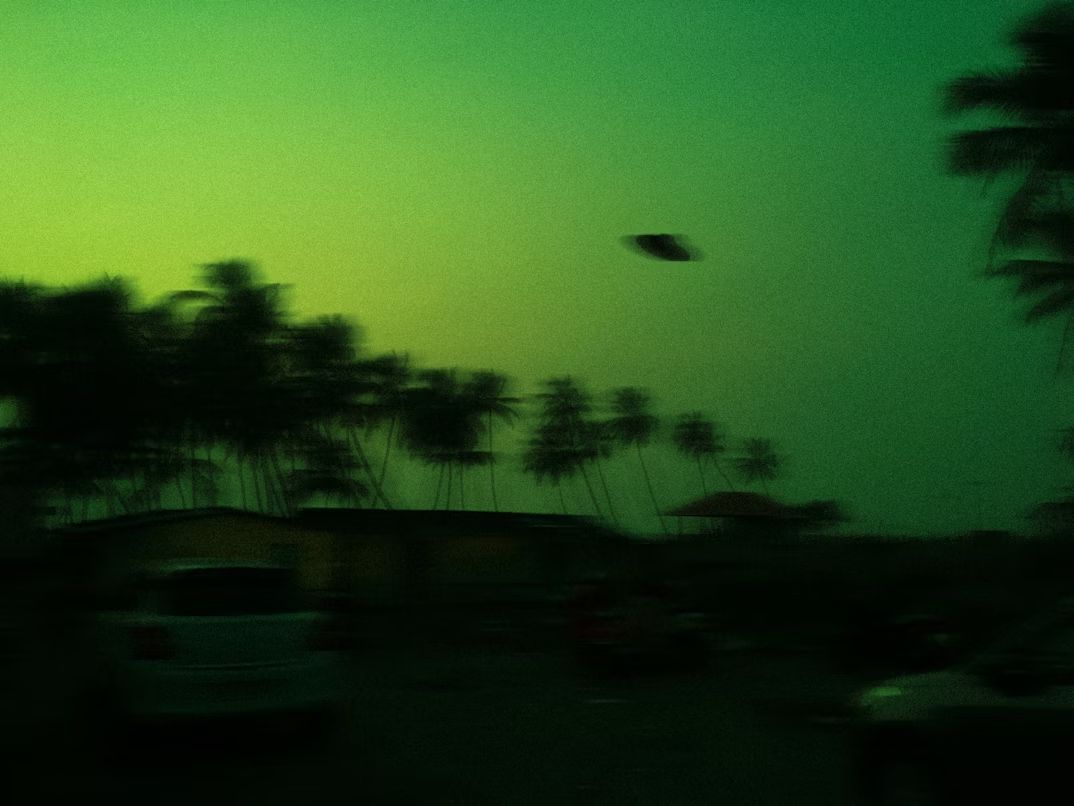
Image: Albert Antony

Jimmy Carter once filed an official report claiming he saw a UFO . In 1969, before becoming president, Carter and a group of people in Georgia witnessed a strange, bright light in the sky that changed colors and moved in unusual ways. He was so convinced of what he saw that he filed paperwork with the International UFO Bureau.

Carter promised during his campaign that if elected, he would release all government information about UFOs. Once in office, though, he was reportedly told some things were too classified even for the president.

General General 4 min read

Seriously, These Exist

10 “fake” holidays that are surprisingly real

Image: Dean Drobot

Some days celebrate religious rites, solemn events, or serious causes. Others celebrate rubber duckies, pickles, and even doing absolutely nothing. These quirky national days are unofficial observances, not federal holidays, but they’re real, and they’re surprisingly fun to celebrate . Wait until you see what made the list. Which one is your favorite?

1
National Nothing Day

Image: CLS Digital Arts

Incredibly, National Nothing Day is a real, unofficial observance celebrated every year on January 16. It all began when columnist and publicist Harold Pullman Coffin proposed the idea in 1972.

His objective was to create an "un-event" , reminiscent of the Mad Hatter's "un-birthday" celebration in Alice in Wonderland , giving people permission to celebrate, observe, or honor absolutely nothing. It was meant as a pushback on a growing list of commercialized commemorative days. Finally, a holiday with no to-do list.

2
National Toilet Paper Day

Image: TierneyMJ

Now here’s a holiday that covers a truly essential household item . That’s why National Toilet Paper Day is a completely real unofficial holiday celebrated annually on August 26. Before you take your next roll for granted, remember: it has quite a history.

In 1857, entrepreneur Joseph Gayetty began selling commercially manufactured toilet paper in the United States. His product came in flat sheets, not rolls, and was marketed as "Gayetty’s Medicated Paper." This bathroom staple has a surprisingly fascinating backstory.

3
National Talk Like a Pirate Day

Image: Roman Samborskyi

Ahoy! International Talk Like a Pirate Day is a real, globally recognized unofficial holiday celebrated every year on September 19.

John Baur and Mark Summers invented International Talk Like a Pirate Day in 1995 as a joke while playing racquetball in Oregon. They chose September 19 because it was Summers’s ex-wife’s birthday, and the idea remained a private joke for years. In 2002, columnist Dave Barry promoted the holiday in his newspaper column, turning it into a worldwide phenomenon, and the rest is pirate history.

4
National Tooth Fairy Day

Image: Katerina Morozova

The Tooth Fairy has been an important part of childhood for generations, so it's only fitting that she has a day of her own. Amazingly, she not only has one but two national days.

The holidays land biannually on February 28 and August 22. Some say the intention was for it to match dentists’ recommendation for semi-annual checkups. The Tooth Fairy herself is said to have originated in 1920s health education campaigns that used imaginary fairies to encourage kids to eat vegetables and brush their teeth.

5
National Soft Ice Cream Day

Image: Kashugraphy

Who doesn’t love soft serve ice cream? Some would say it was inevitable for this dessert to have its own commemoration, and luckily, that’s the case. National Soft Ice Cream Day is celebrated yearly on August 19. Now the question that remains is: why does it refer to the "soft" type?

One popular story dates the rise of soft serve ice cream to 1934, when ice cream vendor Tom Carvel reportedly got a flat tire in Hartsdale, New York, over Memorial Day weekend. Forced to pull over, he noticed his ice cream stock was melting and started selling the softened product to passing motorists, who apparently loved the softer texture. That’s how Carvel went on to develop equipment for serving soft serve ice cream and eventually built a business around it. Talk about turning a breakdown into a sweet opportunity .

6
National Rubber Ducky Day

Image: Alena A

National Rubber Ducky Day is celebrated every year on January 13 to honor the iconic yellow bath toy. The date comes from a 1973 Sesame Street calendar that designated January 13 as the birthday of Ernie’s famous bath-time companion, Rubber Duckie.

Ernie first sang the hit song "Rubber Duckie" in February 1970, and the song went all the way to No. 16 on the Billboard Hot 100. Surprisingly, the earliest versions of the toy in the late 19th century were made of hard, solid rubber and were meant as chew toys rather than floating bath accessories. That’s one bath-time fact you probably didn’t see coming.

7
National Pickle Day

Image: Viktorya Telminova

National Pickle Day is a completely real unofficial observance celebrated every year on November 14.

While it sounds like something made up by internet foodies, it was actually popularized by the National Pickle Packers Association (now known as Pickle Packers International) in 1949 as part of a public relations push to celebrate the crunchy, briny snack . In the United States, more than 2.5 billion pounds of pickles are consumed every year, making it more than worthy of its own calendar slot. That’s a whole lot of pickles and a pretty good reason to celebrate.

8
National Left-Handers Day

Image: Olga Donchuk

It’s well known that the majority of people are right-handed, but left-handed people have a day of their own: August 13.

First established in 1976 by Dean R. Campbell (the founder of Lefthanders International, Inc.), the day was created to celebrate the uniqueness of left-handed people while raising awareness about the everyday challenges of living in a world designed largely for right-handed people. If you’re a lefty, this is your day to shine.

9
National Waffle Day

Image: Foodgraphy39

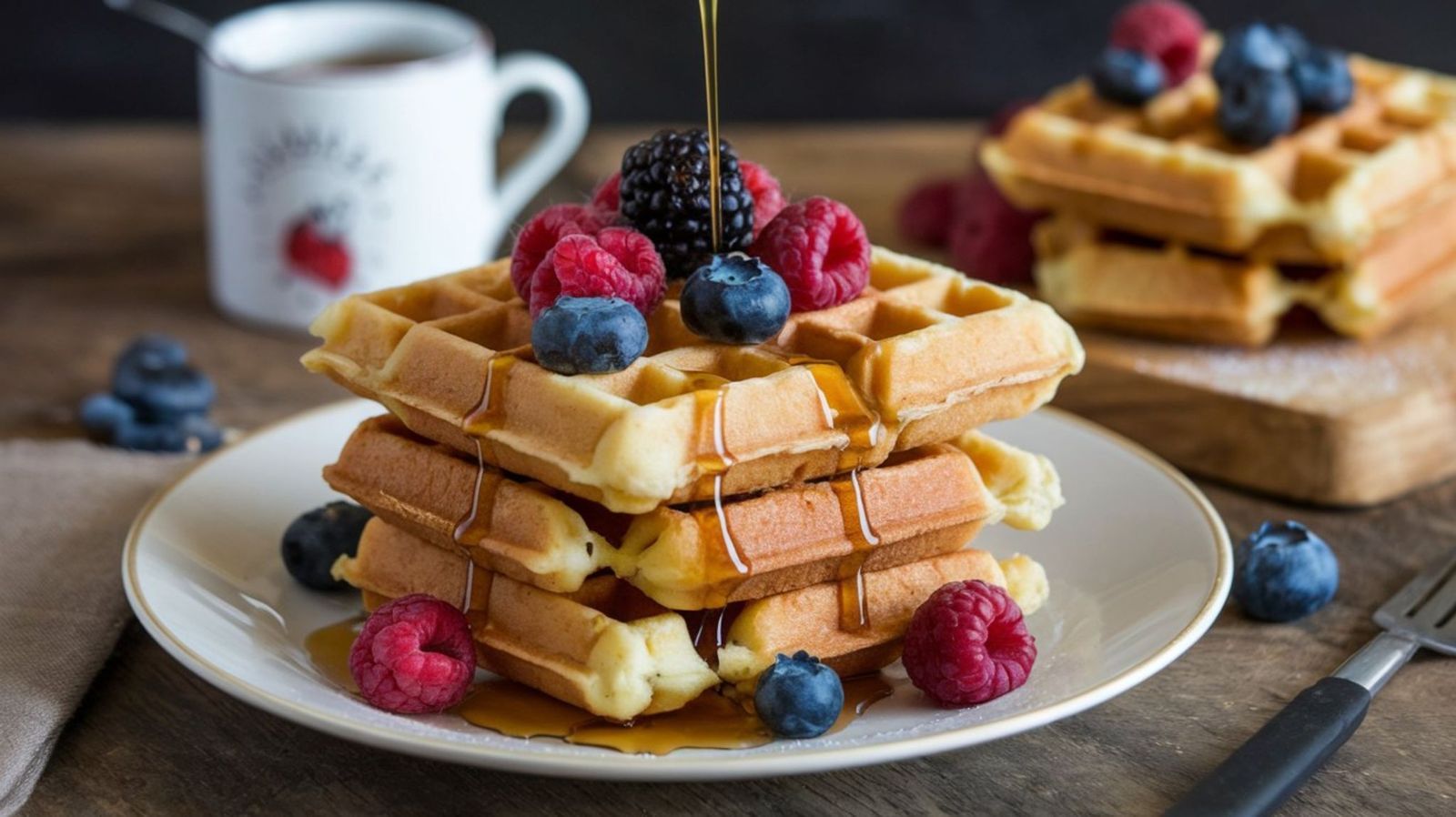
While National Waffle Day might sound like a corporate marketing stunt, the day actually marks a specific milestone in history.

On August 24, 1869, a New Yorker named Cornelius Swartwout received U.S. Patent No. 94,043 for an improved waffle iron. While waffles had been enjoyed for centuries in Europe, Swartwout’s invention was a hinged, flippable iron designed to sit over a coal stove, making it easier to prepare waffles at home . Turns out your breakfast has a patent.

10
National Bubble Bath Day

Image: Alliance Images

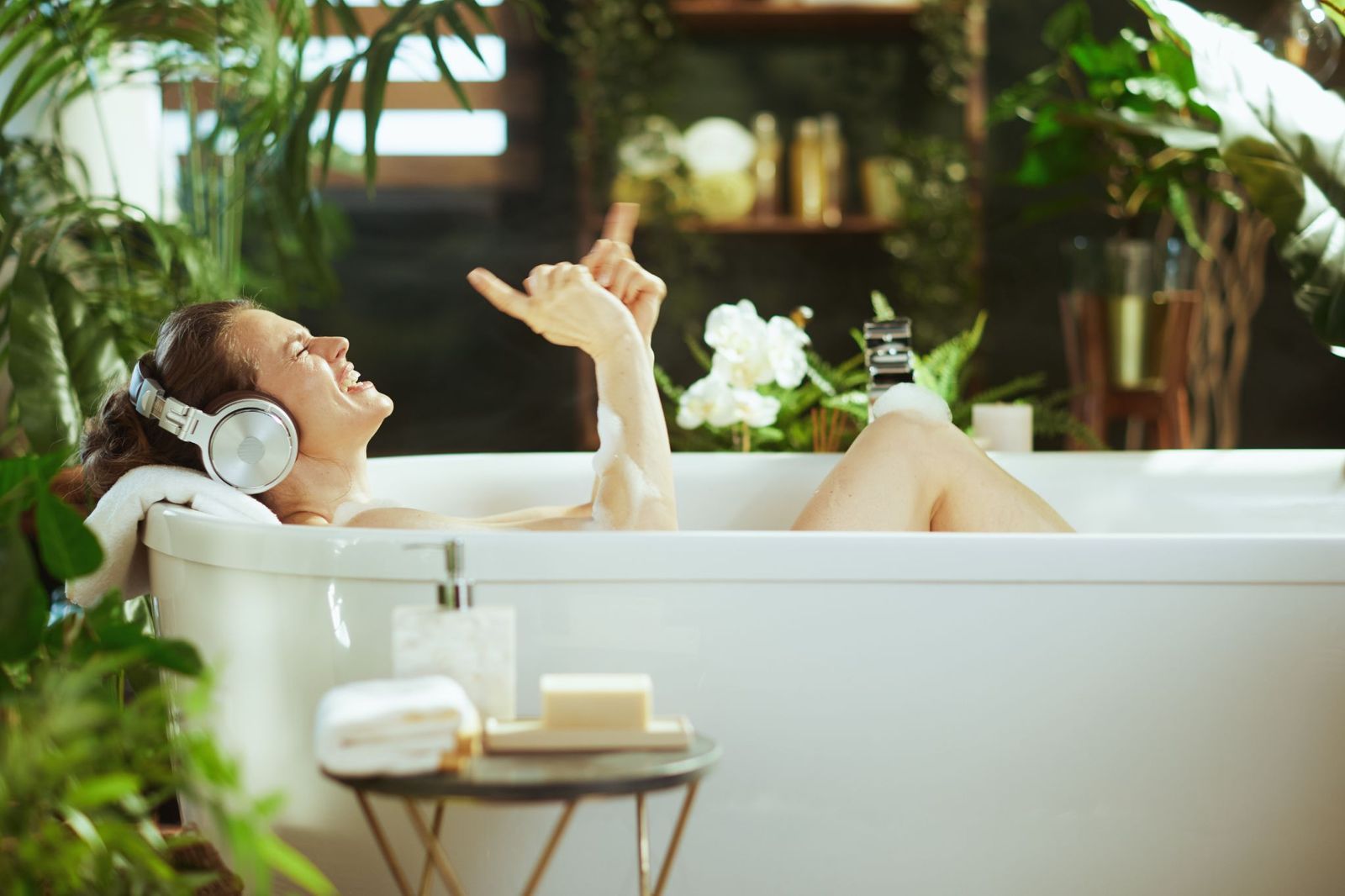
Love a long, relaxing soak? This one has your name on it. Celebrated on January 8, National Bubble Bath Day encourages people to slow down , relax, and enjoy a warm, bubbly bath.

Its origin is unclear, but its popularity has increased as an opportunity to promote self-care, especially during the cold winter months. No complicated celebration required; just add bubbles.

General General 6 min read

From the Nike Air to the Cell phone camera

NASA in your house: 10 inventions that revolutionized everyday life

Image: NASA

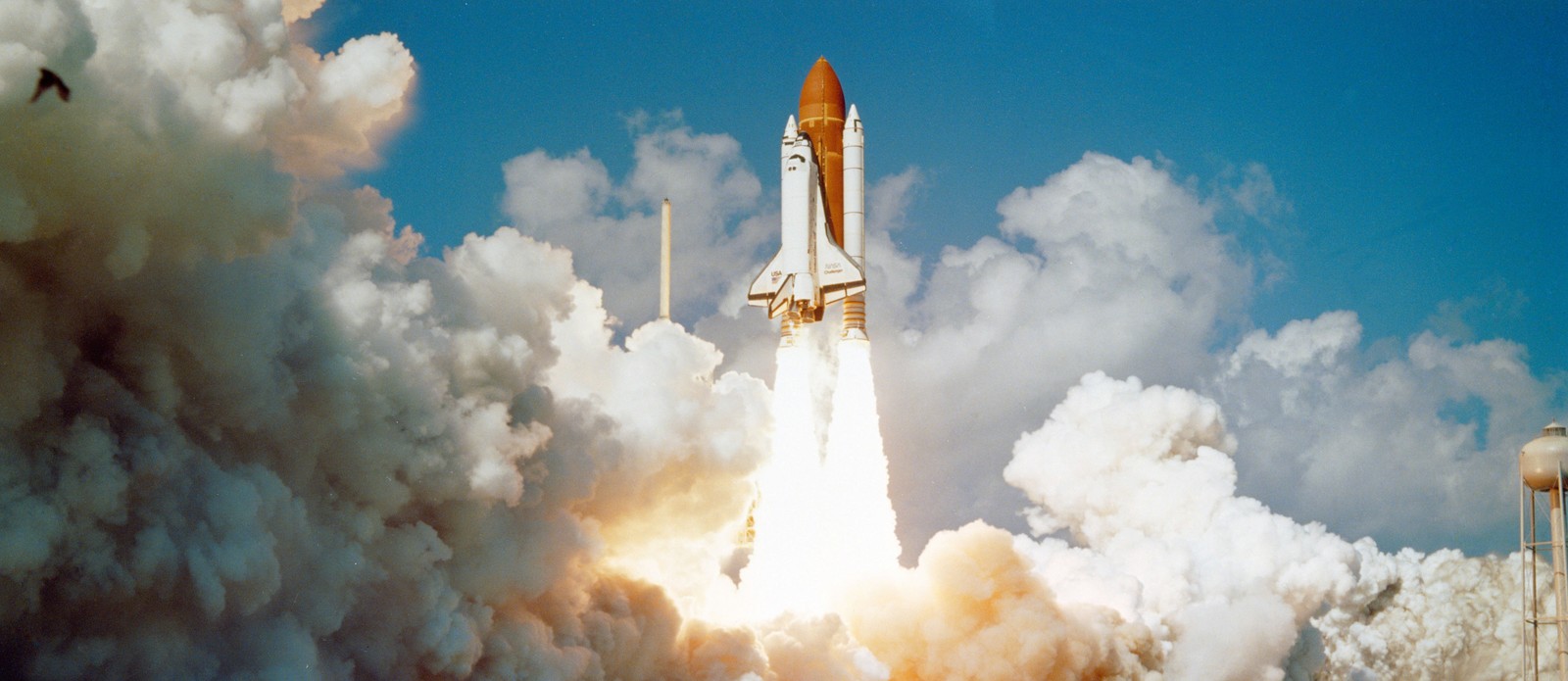
You probably never realized that NASA, the same agency that revolutionized space travel back in the sixties and seventies, is also responsible for the microchips in your favorite electronics, the alarm that warns you of fire, the sensor that lets you take a quick selfie on your phone , among other everyday inventions. Ready to rediscover them?

1
Microchip

Image: Laura Ockel

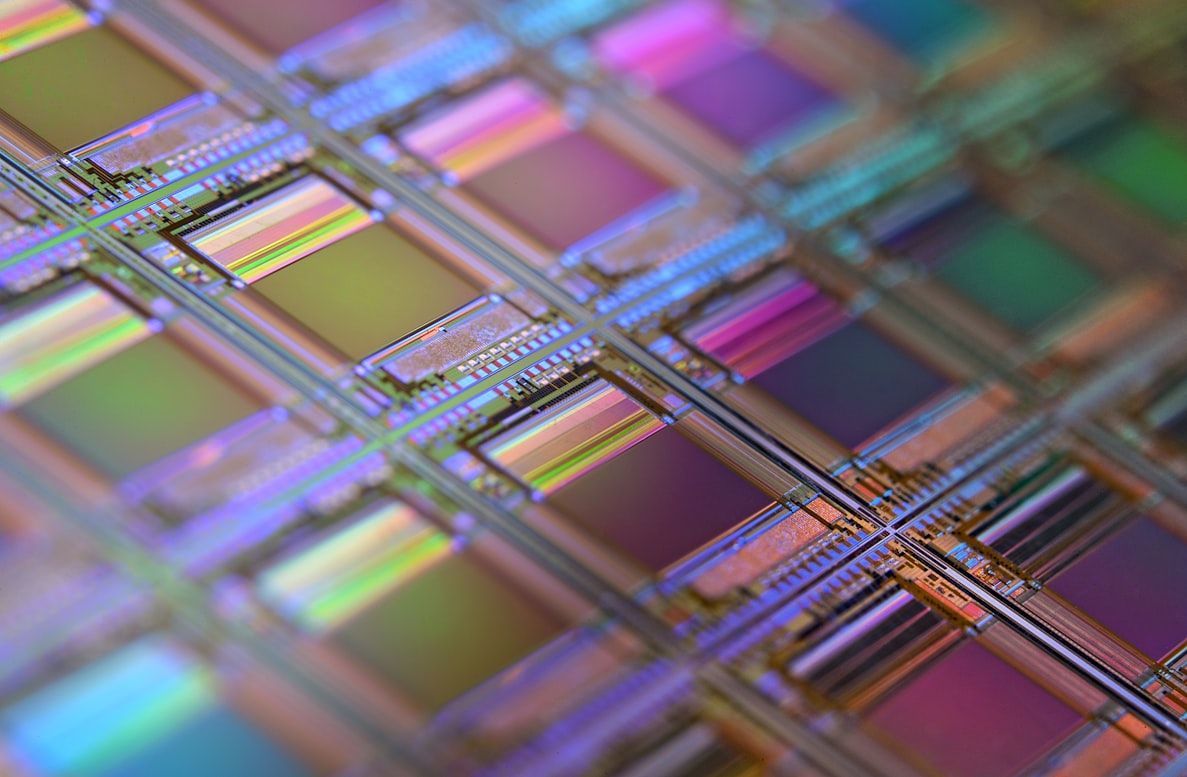
Before microchips, computers relied on glass vacuum tubes that were large, fragile, and too heavy for a spacecraft. To solve this, NASA, during the moon race in the 60s, made a massive bet on a new invention called the integrated circuit, which packed complex electronics onto a tiny sliver of silicon. While these early "microchips" were very expensive and unproven, the Apollo program committed to buying over 60 per cent of all chips made in America. This guaranteed market gave companies like Fairchild Semiconductor, a Californian technology company, the support they needed to perfect the tech and lower the costs. NASA's support as the principal customer for microchips helped the digital revolution happen much sooner than expected. Today, that technology is within almost every electronic device, from the microwave to the laptop.

2
Smoke Detector

Image: Yosuke Ota

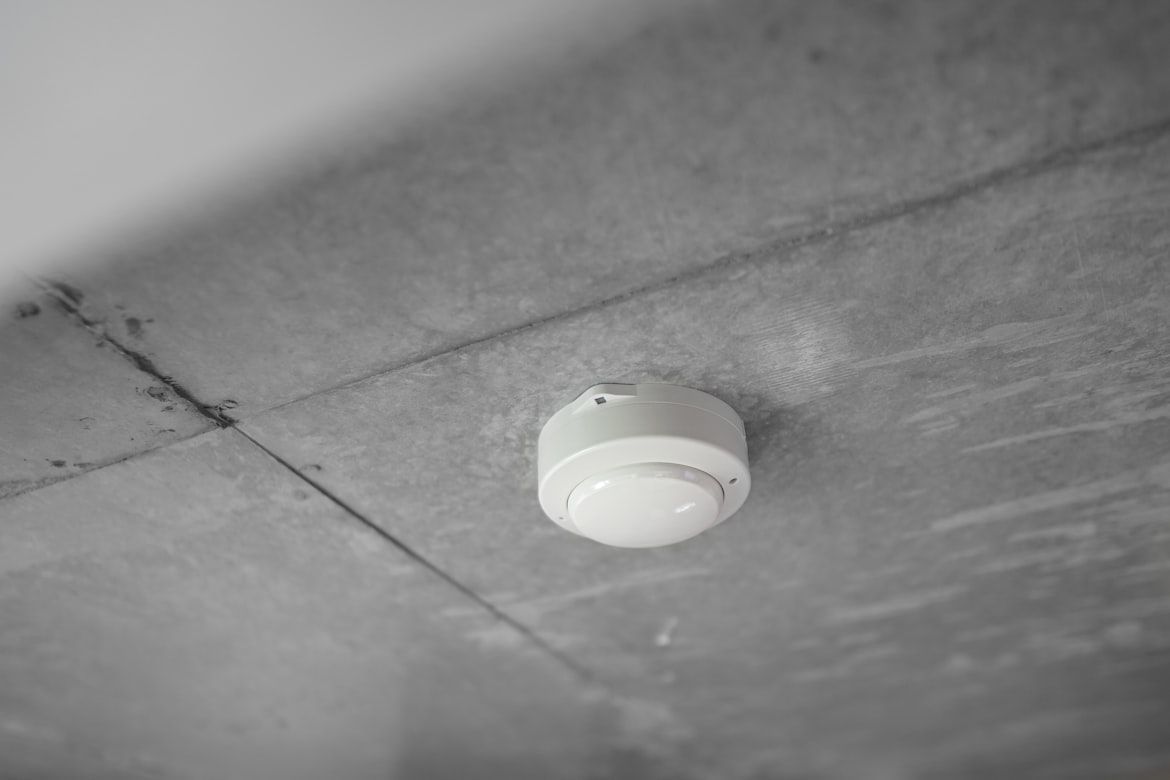
They are among the most important safety tools in our homes, and most people don't know their modern version was shaped for a 1970s space mission. Truth is, the first electric smoke detector was invented in the 1930s by Swiss physicist Walter Jaeger, almost by accident, while working on a gas detection device. Early smoke detectors worked, but they were often too expensive or sensitive for everyday homes.

In the 1970s, NASA teamed up with Honeywell Corporation, a North Carolina-based technology and manufacturing company, to improve the design for Skylab, the first U.S. space station. Astronauts needed an alarm that could detect a real fire without constantly reacting to harmless gases inside the station's tight living quarters. So they added an adjustable sensitivity and long-lasting backup batteries, creating the "nuisance-free" smoke alarm we still use in our homes today.

3
Cell Phone Camera

Image: JD Mason

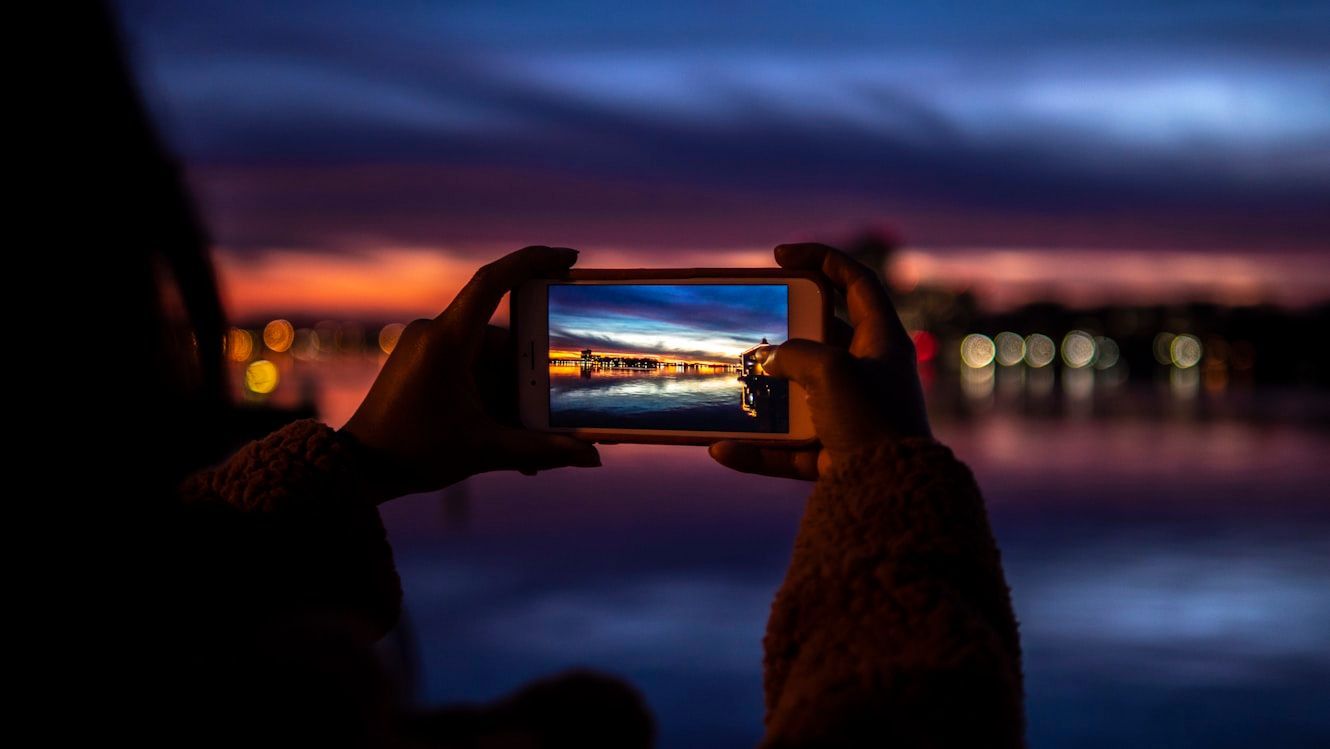
In the 1990s, NASA's Jet Propulsion Laboratory needed to shrink cameras down so they could fit on small spacecraft without draining the battery. Engineer Eric Fossum invented the image sensor, which put all the camera's functions onto a single tiny chip , making cameras much smaller and more efficient than ever before.

In 1995, Fossum founded the company Photobit to bring this space-age sensor to the commercial market. Today, this technology allows smartphones to take high-quality photos while staying thin enough to fit almost everywhere, making it the most used camera tech in the world.

4
Cordless Tools

Image: rakhmat suwandi

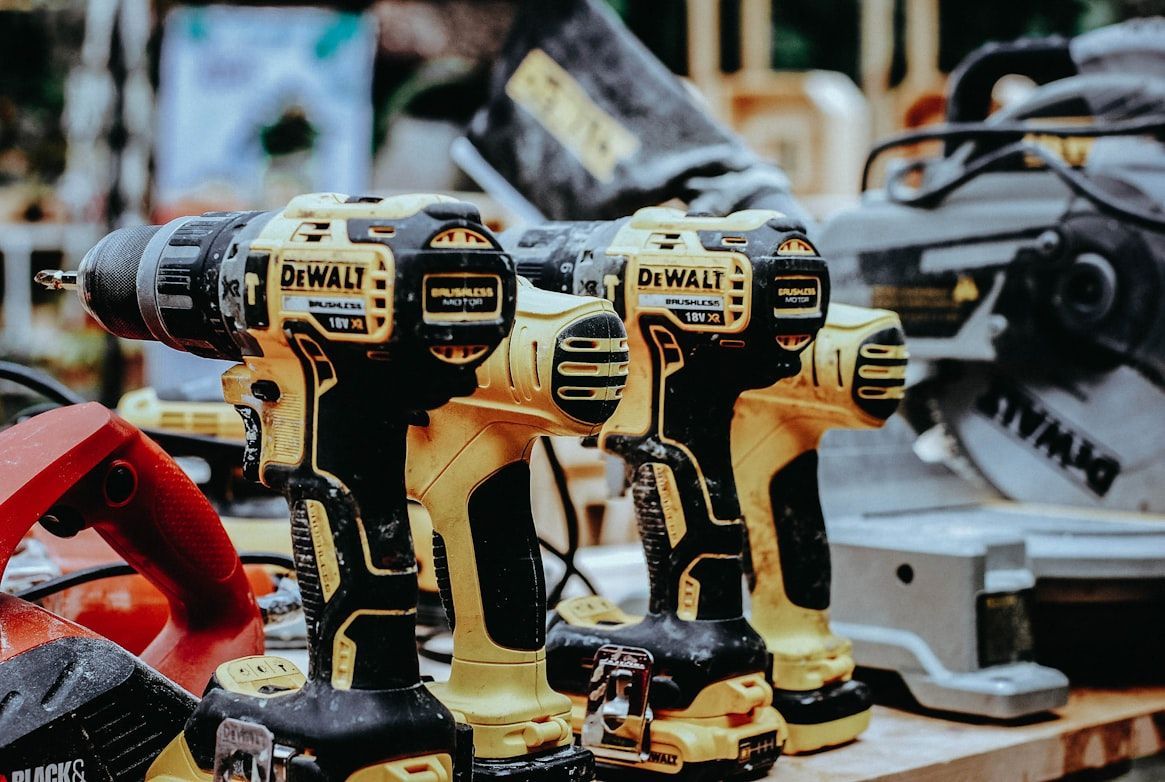
In the early 1960s, Black & Decker developed the first cordless electric drill for commercial use. NASA later recognized the potential and, in 1965, contracted Black & Decker to adapt and refine this technology for the Apollo program, creating a lightweight, battery-powered drill that could operate in the moon's harsh environment and in zero gravity.

But that wasn't all. To make it work for space, they had to improve a specialized motor and smart software that didn't drain the battery too fas t. By the late 1970s, the Dustbuster, the first cordless vacuum, was created, along with the improved battery-powered tools we still rely on today.

5
Memory Foam

Image: Kier in Sight Archives

Have you ever wondered why your mattress is smart enough to remember its original shape? Memory foam is a type of high-density polyurethane foam that softens when heated and under pressure. When you lie down on it, it molds to your body, and when you get up, it slowly returns to its original shape. That's what the "memory" part is about.

NASA developed memory foam in the 1960s to improve seat cushioning and crash protection for airline pilots and passengers, and later adapted it to protect astronauts from "G-forces" during space travel . As it reacted to body heat, the foam softened and molded perfectly to a person's frame, absorbing shock on impact. It took about twenty years to reach the public; the first memory foam mattress didn't hit the market until the early 1990s by companies like Tempur-Pedic and Fagerdala World Foams.

6
Sneaker Air Cushioning

Image: Damian Barczak

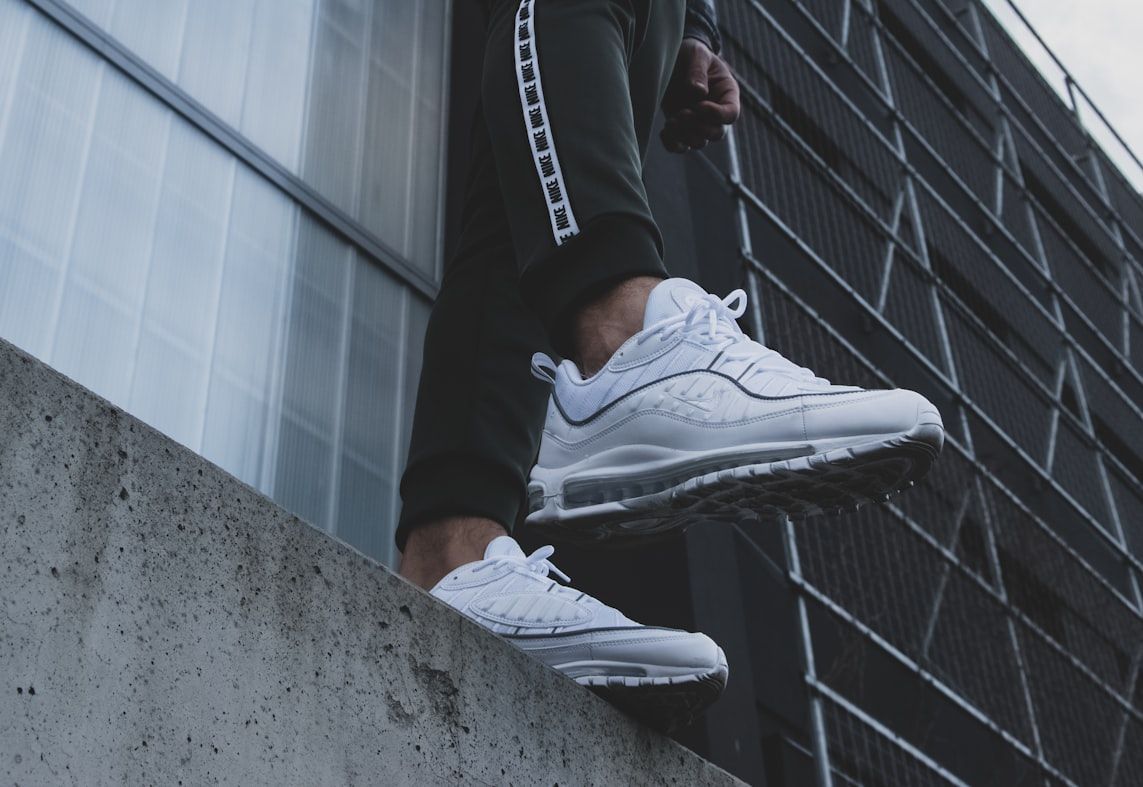
Ever wondered how Nike Airs were created? The truth is that the bounce in many modern sneakers is actually a product of the space industry. A NASA engineer named Frank Rudy, who worked on the Saturn and Apollo rocket engines, was introduced to a process called blow rubber moulding, used to create sealed, pressurised membranes for aerospace applications. He realized this same process could be used to trap gas inside a shoe sole.

In 1977, he brought this idea to Nike, and this led to the creation of the Nike Air Tailwind in 1978, the first shoe to feature this space-inspired cushioning. Today, air-cushioned soles are a standard, using the same aerospace tech to protect joints in every step.

7
Water Filters

Image: RephiLe water

In 1963, NASA faced an important challenge for the Apollo program: keeping drinking water pure for long missions without using heavy chemicals. To solve this, they pioneered a system that used silver ions to kill bacteria and activated carbon to remove pollutants. This allowed astronauts to have clean water stored for weeks.

By the 1970s, NASA shared this technology with the public, leading to the creation of companies like Aquaspace. These days, this same silver-ion and carbon tech is used inside household water pitchers and refrigerator filters to remove contaminants.

8
Scratch-Resistant Lenses

Image: Alireza Hashemi

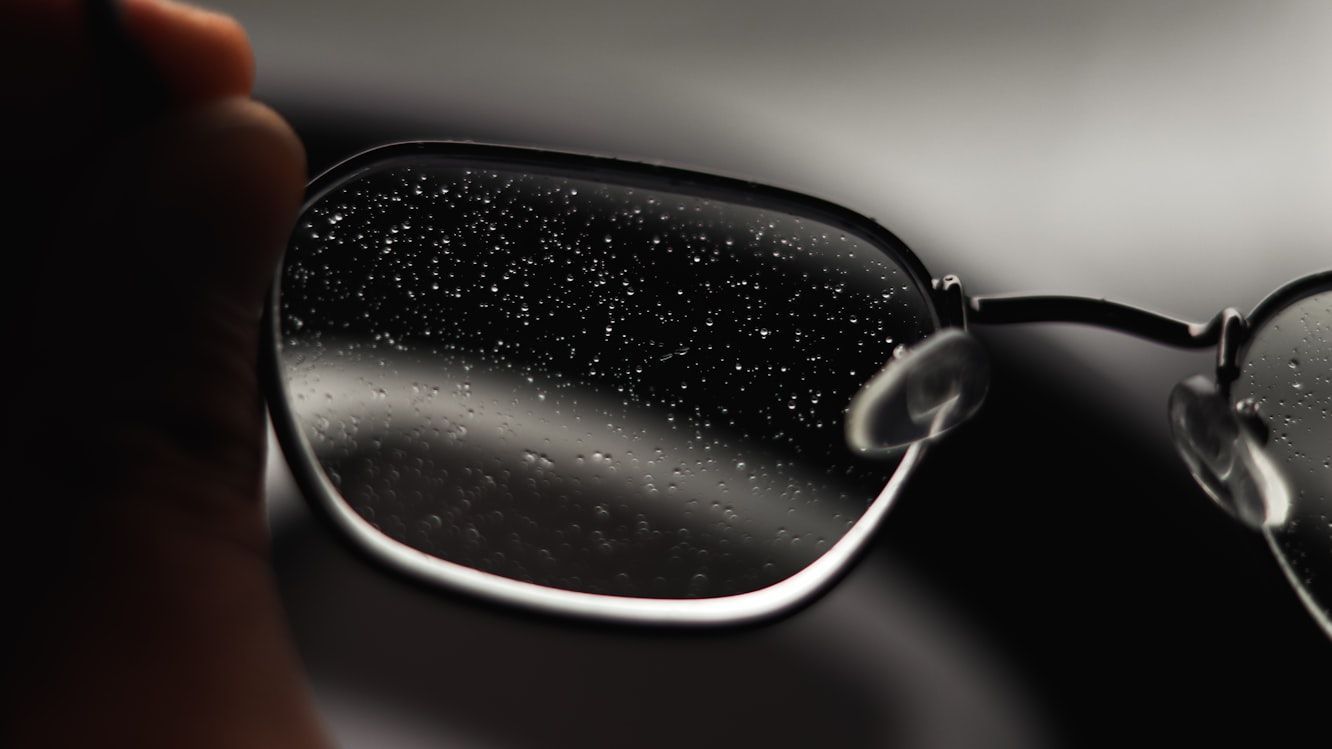
In the 1970s, NASA scientist Ted Wydeven of the Ames Research Center was working on a spacecraft water purification system when he coated a filter with a thin plastic film using an electric discharge of an organic vapor. The result protected the plastic surfaces of aerospace equipment from scratching.

This film made plastic up to ten times more scratch-resistant than earlier materials. In 1983, Foster-Grant licensed the technology and used it to produce scratch-resistant lenses for sunglasses and eyeglasses, introducing space technology to our daily lives.

9
Ear Thermometer

Image: Artur Solarz

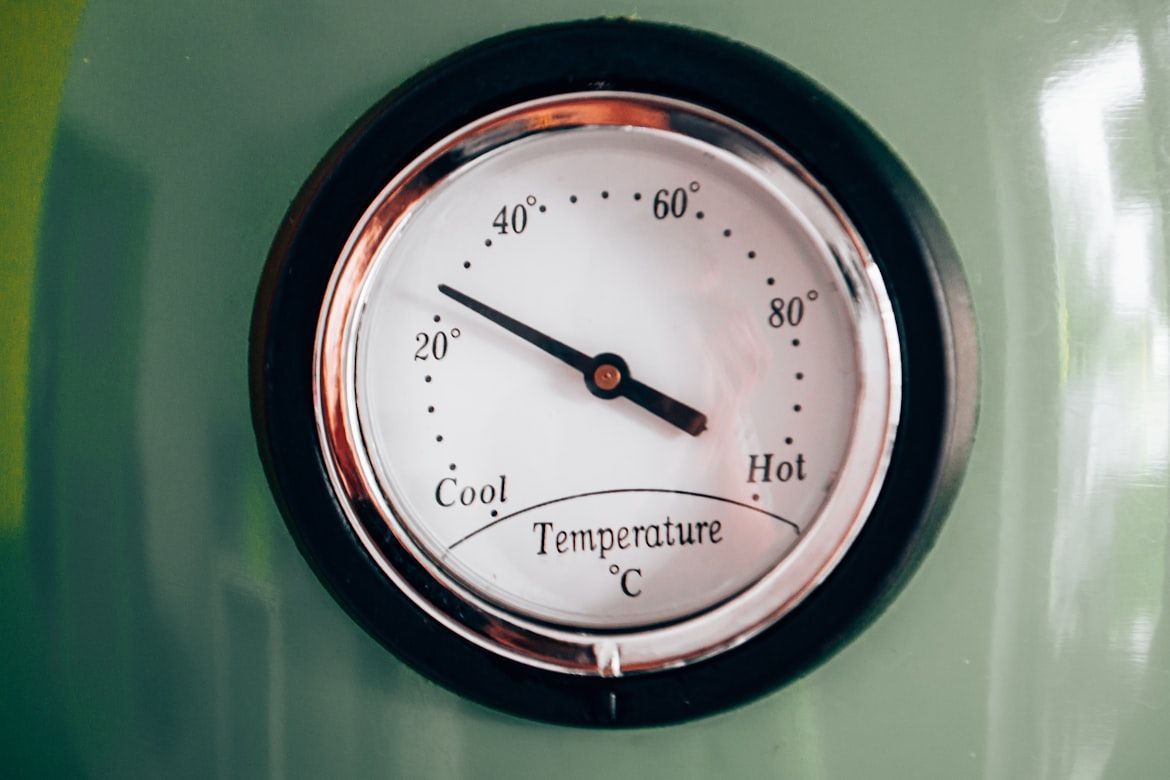
NASA technology and modern healthcare are surprisingly close. It turns out that the same tech used to measure the heat of distant stars is now in our medicine cabinet . In the 1980s, NASA developed special infrared sensors because scientists evidently couldn't place a physical thermometer on a planet millions of miles away. These sensors worked by "reading" invisible heat energy from a distance.

By 1991, a medical technology company called Diatek teamed up with NASA to bring this space tech into daily medicine. They realized the human eardrum also emits infrared heat, and that could work as a perfect window to measure our body temperature. This partnership resulted in the first handheld ear thermometer, making fever checks much more comfortable and easier.

10
Super Soaker

Image: Michael Starkie

You probably assumed that the world's most famous water gun was created in a toy lab. It was actually invented in the home workshop of NASA engineer Lonnie Johnson. In 1982, while working on a new heat pump that used water instead of refrigerant, a nozzle he was testing shot a powerful stream across his bathroom.

Johnson realized its toy potential and licensed his "Power Drencher" design to the toy company Larami. It was renamed to the Super Soaker in 1991, and it uses the same air-pressure principles Johnson applied to spacecraft systems.

Explore more American facts

Choose your favorite category!

General
General

As American as apple pie—the very best America has to offer!

Culture
Culture

Delve into the astounding richness of American lore.

Geography
Geography

Hop in and explore vast and diverse American landscapes.

History
History

Discover the key moments that shaped the United States.