Culture Culture 5 min read

Are we talking about the same thing?

Regional menu: American classics that go by different names
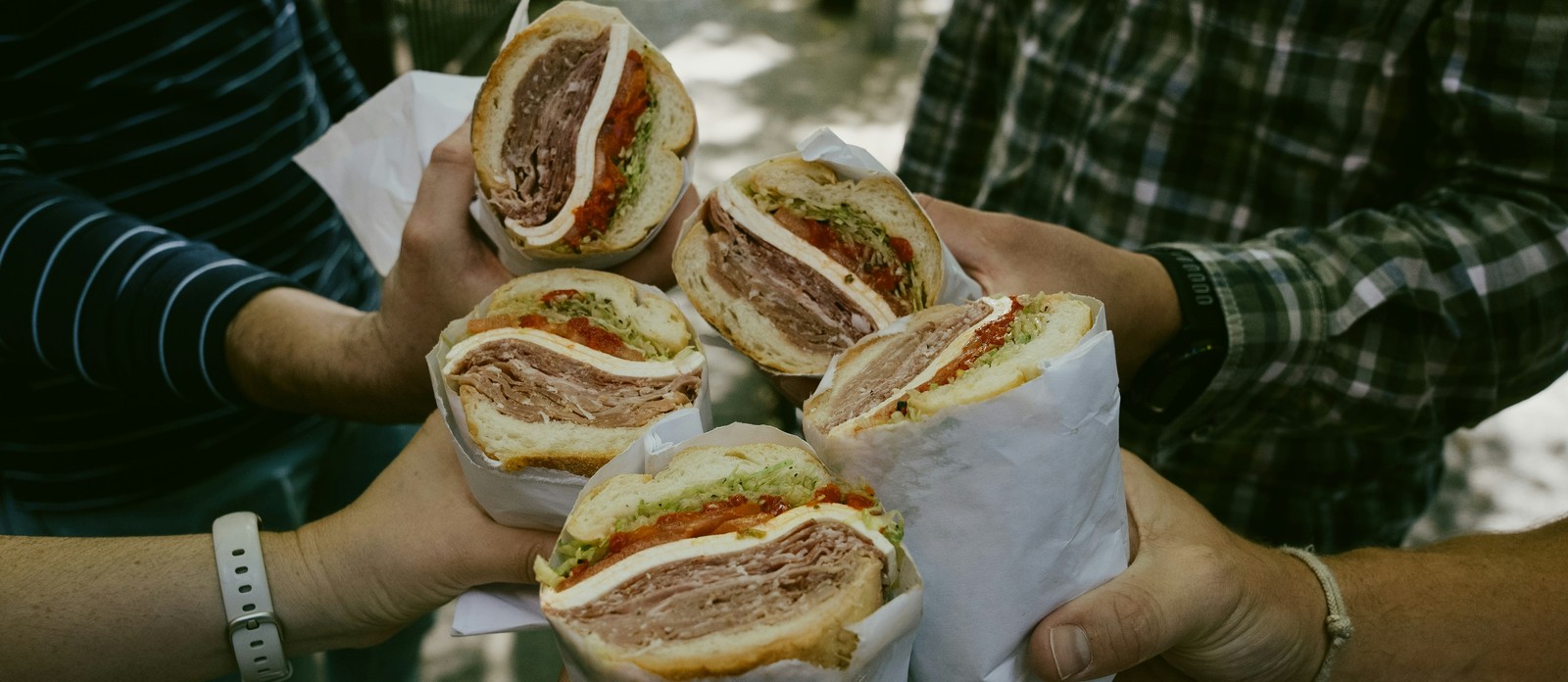
Image: Stephen Han

Ever sat down at a diner during a road trip, picked up the menu, and thought, "I don’t know what half of these things are" ? A hero? A bismarck? A flapjack? They’re usually all things that you know — they just go by another name.

Sandwiches, donuts, pancakes; what you call them probably depends on where you were raised , because their names might differ from state to state, or from region to region. Keep on reading to find out under what names you can find your favorite treat.

1
Soft drinks
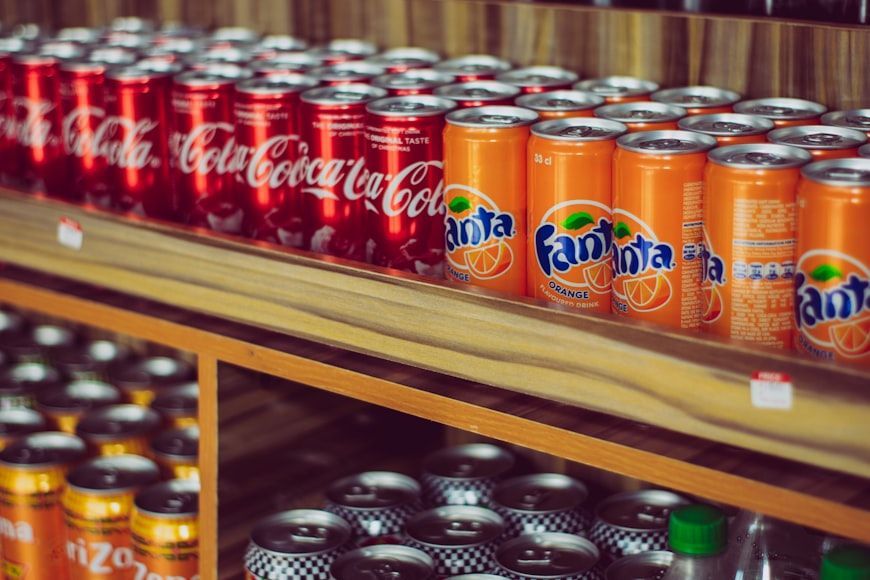
Image: Emmanuel Edward

People on the East and West Coasts might butt heads a lot of times, but they are united when it comes to the name of soft drinks. For them, it’s a soda . Midwesterners differ and will ask for a pop , while across the Southern U.S. coke has become a generic name for any soft carbonated drink. If you ask for a Coke in the South, they might bring you a Sprite or an Orange Fanta.

2
Long sandwiches
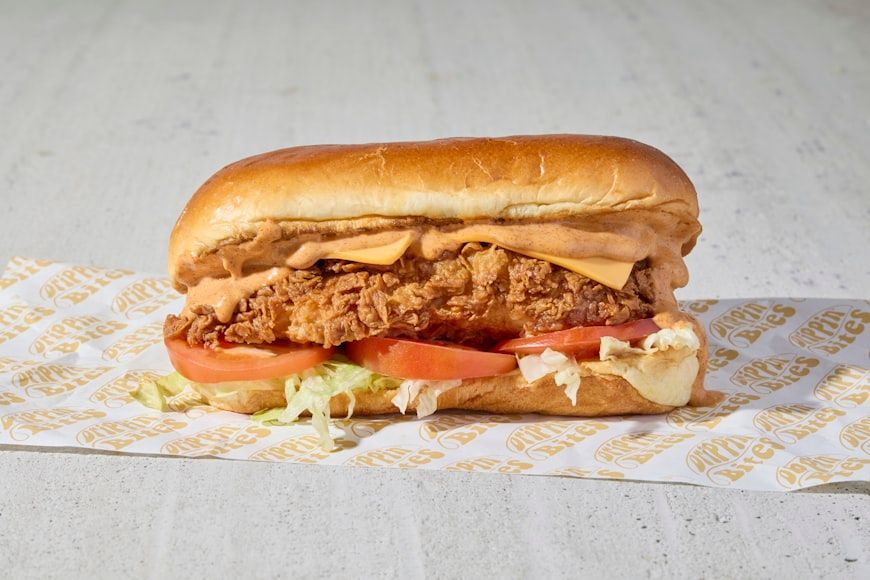
Image: Bilal Rana

If an extra-hearty sandwich (with substantial fillings, often on a long roll) is your lunch of choice, you need to be aware of the regional varieties and names that exist across America. Because asking for a hoagie in New England will get you a few weird stares and no sandwich. While sub is the most widespread term, it’s not the only one. People from South Jersey and the Philadelphia area will use the name hoagie , while New Yorkers will call it a hero if it's filled with cold cuts, cheese, and veggies. Upstate New York follows the New England tradition of the grinder , while Louisiana and the Gulf Coast prefer the Po’Boys , typically made with French bread and filled with seafood. The terms wedgie , spuckie , and torpedo are less common, but if you come across them, now you know what they are.

3
Stuffing or dressing?
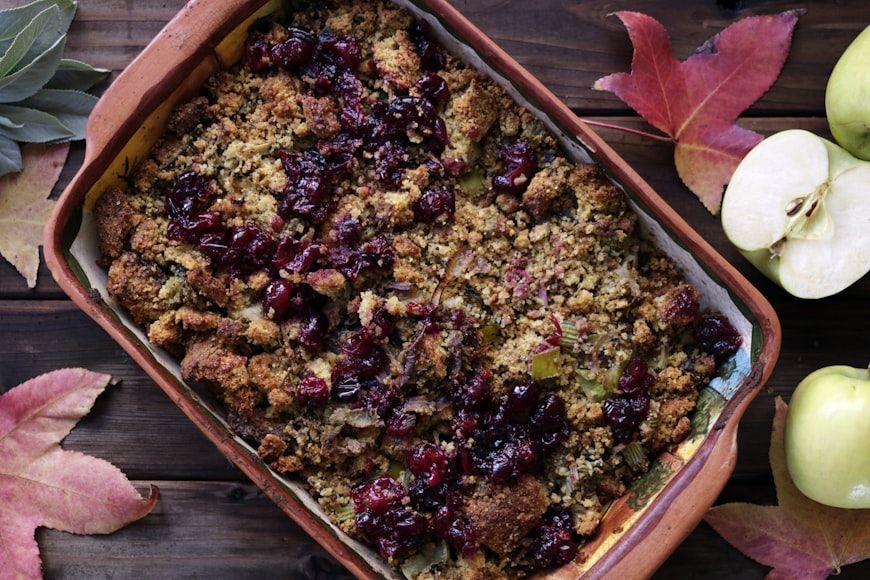
Image: Chelsea shapouri

Does your family’s Thanksgiving table feature stuffing or dressing? There is a lot of debate about the proper name of this dish, but the answer is that they are two different, though similar, dishes, which leads to the names being considered interchangeable. Stuffing is typically cooked inside the turkey, allowing it to absorb the juices, while dressing is cooked in a dishpan, and it’s usually crispier and crunchier. Folks in the Northeast and Midwest, along with the West Coast, tend to use the term stuffing, even when they cook it in a separate pan, while Southern cuisine calls it dressing and, unlike other areas, mainly uses cornbread instead of white bread.

4
Donuts
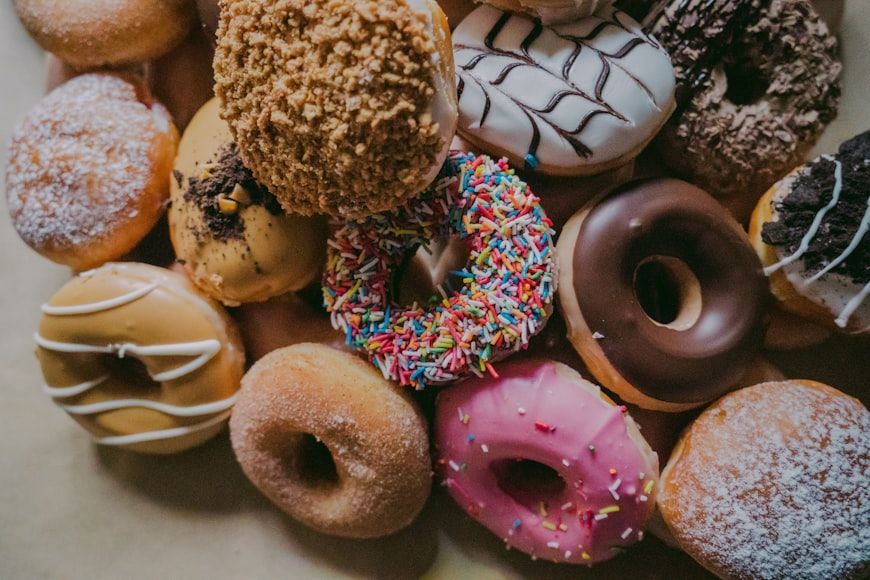
Image: Rod Long

Do you spell it donut or doughnut ? In the end, it doesn’t really matter because there are many other names for it. Besides the classic ring-shaped donut , you can find the Midwestern long john (sometimes called eclair donut in the Mid-Atlantic or Southern U.S., and donut bar in the West Coast), the round bismarck or berliner (filled with jelly in the Midwest and with cream in the Northeast), the Louisiana beignet , or the New England twisted cruller .

5
Pancakes
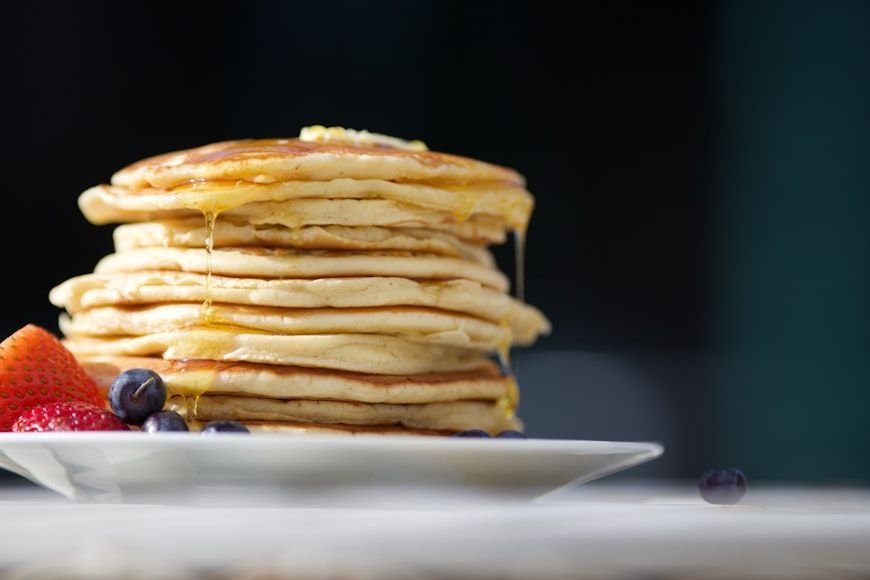
Image: Luke Pennystan

We can agree that pancake is a pretty universal term for this breakfast staple, but that doesn’t mean that regional names aren’t still alive and thriving. The terms griddle cake and hotcake are heavily used in the South, with hotcake having been made popular across the country thanks to the McDonald’s breakfast menu. The name flapjack is common in the Southeast, while part of New England uses johnycake —originally a corn flatbread— for buttermilk pancakes. For miniature pancakes, the term silver dollars is also widely used in different regions of the country..

6
Gravy or sauce?
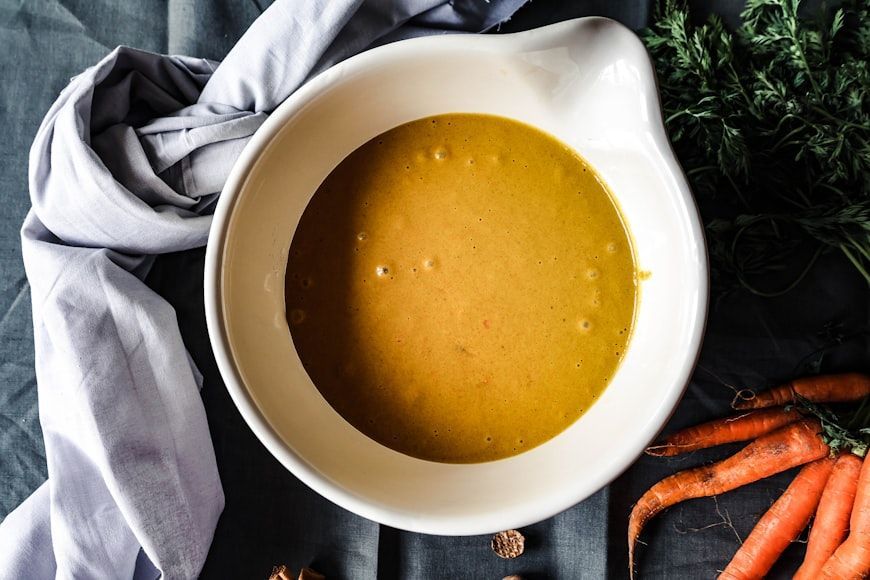
Image: victoria.

We find ourselves again discussing a technicality. All gravies are technically sauces , but sauce is a much wider concept than gravy. Why is there a debate, then? Italian immigrants, upon arriving in America, noticed that gravy was used in English for meat-infused liquids, so they adopted the name to refer to tomato sauces that included meatballs, sausage, or pork. While these are technically sauces, they are still called gravy by many Italian-Americans, especially in the Northeast.

7
Milkshake
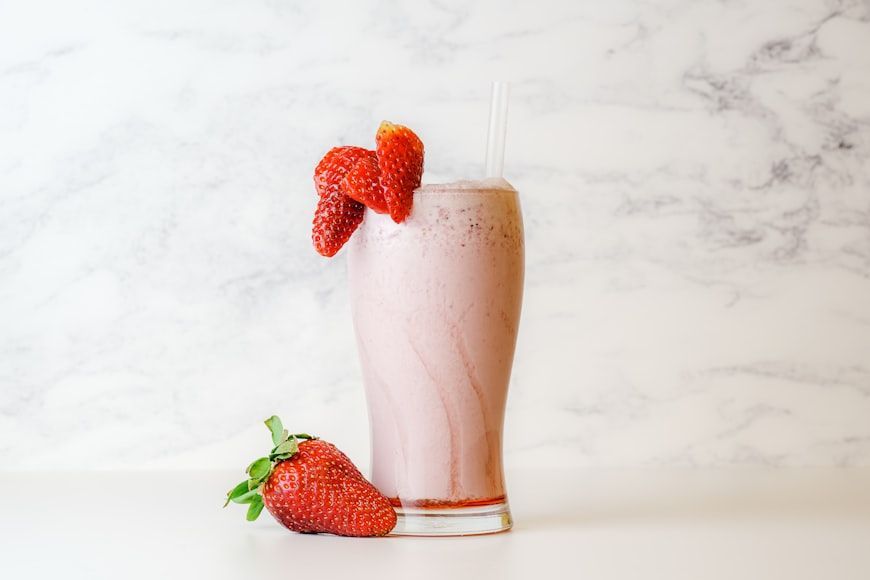
Image: Sebastian Coman Photography

Although it's usually called just a shake in many parts of America, some regions have their own names for a blended drink of milk and ice cream. In New England, asking for a milkshake will get you milk with syrup, while for the ice cream version, you have to ask for a frappe (pronounced frap ). In Rhode Island and Southeastern Massachusetts, asking for a cabinet will get you a coffee-flavored milkshake, and many Midwestern chains offer thicker milkshakes under the name thick shakes or concretes . The malt , another popular version, includes malt powder in its formulation.

8
Sprinkles or jimmies?
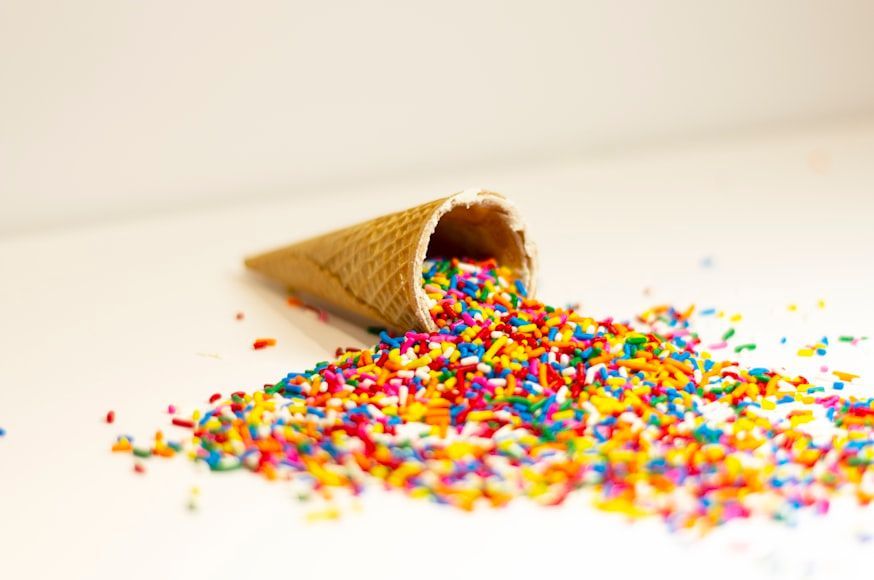
Image: Josephina Kolpachnikof

This debate is very local to a particular area of New England and the Mid-Atlantic. The overwhelming majority of Americans uses the word sprinkles for the small, colorful sugar confectionery used for decorating baked goods. That is, unless they are from Boston, Philadelphia, or some areas of New Jersey, where the name jimmies is more commonly used. Some claim that jimmies specifically refers to the chocolate version of sprinkles, but the name is also widely used for the multicolored version, so the jury is still out on that.

9
Frosting or icing?
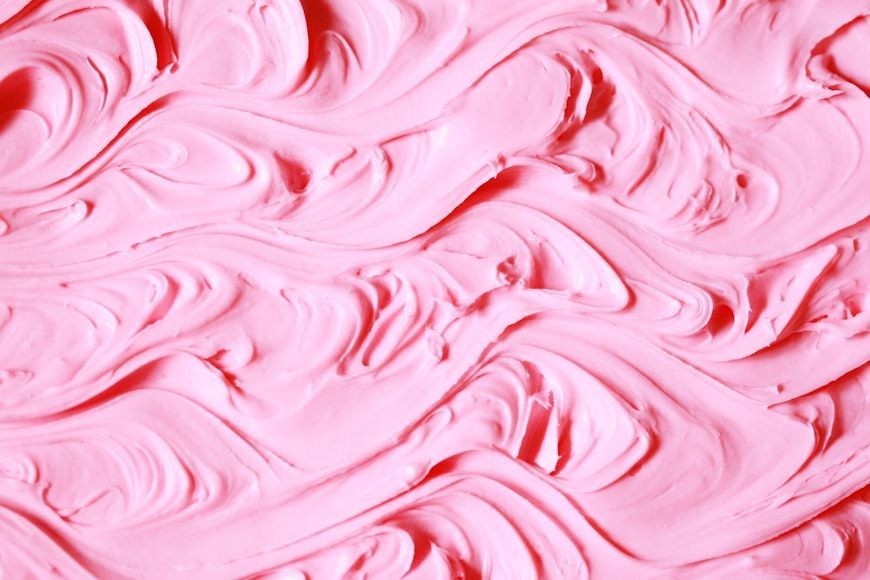
Image: Alexander Grey

Again, two different things with a similar purpose that became synonymous. While both are used to cover and decorate cakes and baked goods, frosting is fat-based and has a thicker and fluffier consistency. On the other hand, icing is a mix of water and sugar, so it’s naturally more liquid. Where does the confusion stem from? Icing is often used as an umbrella term for cake and baked goods toppings —including frosting— which can lead to the idea that they are the same thing.

10
Casserole or hot dish?
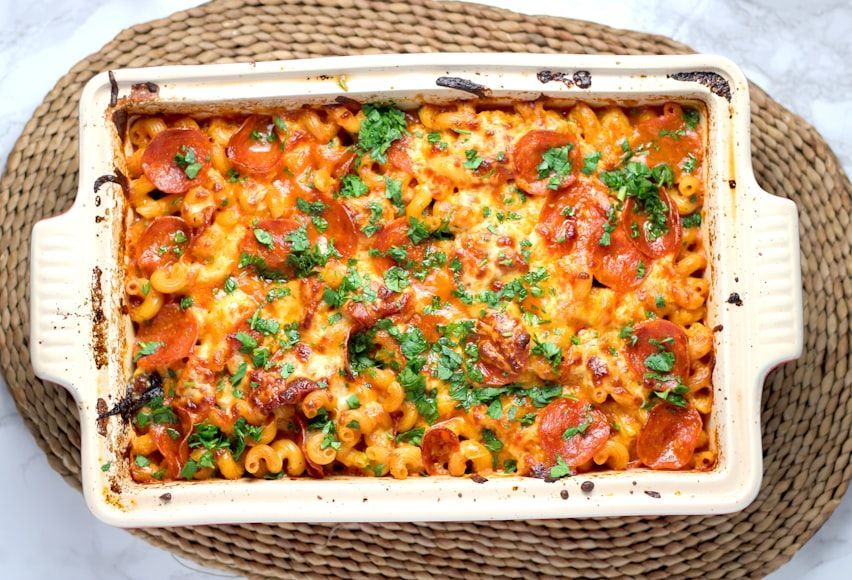
Image: sheri silver

First of all, what identifies a casserole ? It’s a meal baked in a deep pan, usually including protein, vegetables, starches, and a binding liquid. Following that logic, the Midwestern hot dish is a type of casserole, but there is an important distinction. While casserole is a wide term that includes both sides and main dishes, Midwestern hot dishes are a main course on their own.

11
Last piece of bread
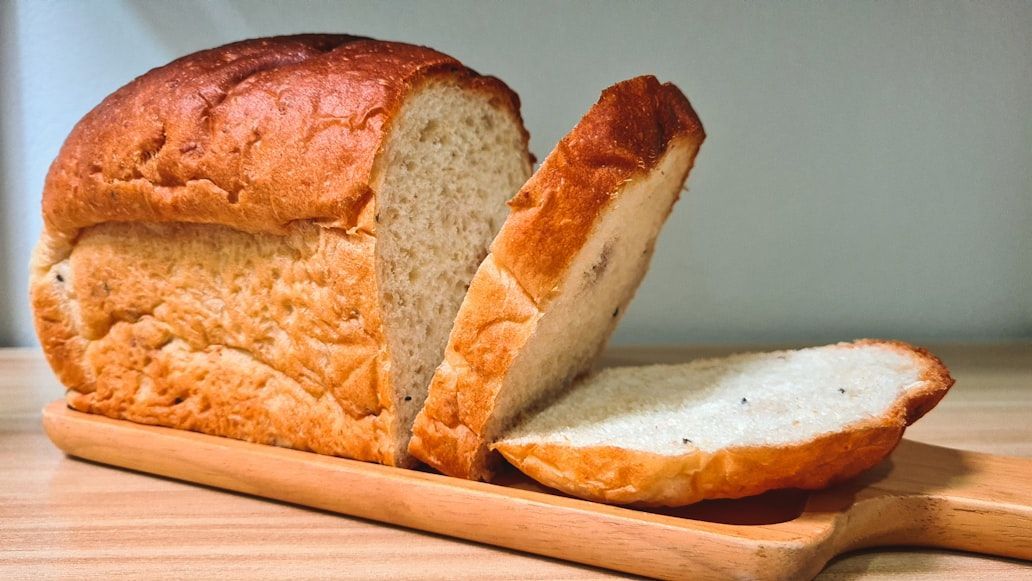
Image: Perry Stevens

The end of a loaf of bread can create strong emotions. People either love it or hate it, so it’s only fitting that it has unique regional names. The end piece or the heel seems to be the most widespread name for it, though butt is commonly used across the Midwest and the South. Knobby is a common name for it in New England, but it is used in combination with other terms, while it is sometimes called the booty in the African-American vernacular.

General General 4 min read

Behind the banners

11 U.S. state flags and their hidden meanings

Image: Drei Kubik

Flags are more than mere symbols—they tell stories, capturing the history, pride, and values of each state they represent. Every element, from colors to symbols, was thoughtfully chosen to convey a message tied to the spirit of the state. Join us on a journey across the country as we explore 11 unique state flags and the rich stories behind them.

1
Texas

Image: Joshua J. Cotten

Also known as the Lone Star, Texas’ flag features a single star on a vertical blue stripe, representing the state’s strong independent spirit. The red stripe represents courage, while the white stripe stands for purity.

In fact, the current design was adopted in 1839 during the Republic of Texas, echoing the state's history as an independent republic before joining the Union in 1845.

2
California

Image: Lesli Whitecotton

California's flag features a grizzly bear, a symbol of strength and independence. The star represents California's status as a republic in 1846 during the Bear Flag Revolt, and the red stripe signifies courage.

Interestingly, the bear depicted on the 1911 version of the flag is said to have been inspired by the last California grizzly bear held in captivity.

3
Arizona

Image: Denisse Leon

Arizona’s flag features a golden star surrounded by red and gold rays, symbolizing both the state’s arid landscape and copper mining industry. The blue and red colors are the same shade used on the flag of the United States.

The star commemorates Arizona’s statehood, achieved in 1912, while the thirteen rays symbolize the original Thirteen Colonies.

4
Colorado

Image: Courtney Cook

Colorado’s flag features blue, white, red, and yellow with a bold "C" encircling a golden disk. The blue symbolizes the sky, gold represents the state’s abundant sunshine, white the snowcapped Rockies, and red the "ruddy" earth.

The gold and white elements also honor Colorado’s gold and silver mining industries. Officially adopted in 1911, the flag stands as a tribute to the state’s natural beauty and pioneering heritage.

5
Florida

Image: Karl Callwood

Florida’s flag features a red cross with the state seal at the intersection. The cross represents the state's Spanish heritage, as it was originally founded by Spanish explorers.

The seal depicts a shoreline where a Seminole woman spreads flowers. While some suggest the woman represents the historical heroine Milly Francis, there is no evidence to support this theory. A Sabal palm and a steamboat complete the scene, reflecting Florida's vibrant scenery.

6
Maryland

Image: Gary Cole

Maryland’s flag stands out with its bold black and gold pattern, divided into quarters. The design incorporates elements from the family crest of the Calverts, the state’s founding family.

During the colonial era, Maryland used only the gold and black Calvert arms. The colors fell out of use after American independence but were reintroduced in 1854.

7
South Carolina

Image: Kelly

South Carolina’s flag features a white palmetto tree on a blue field, with a crescent moon beside it. The roots of this design have existed in some form since 1775, being based on one of the first American Revolutionary War flags.

An early version of this flag, known as the Moultrie Flag, was famously flown during the defense of a fortress on Sullivan's Island against the British fleet. The palmetto tree was later added as a symbol of the island’s successful defense.

8
Tennessee

Image: Brandon Hooper

Tennessee’s flag features three stars arranged in a triangular pattern, symbolizing the three regions of the state —East, Middle, and West Tennessee. The red, white, and blue colors align with the state’s commitment to unity and its place in the Union.

The current version, designed by Colonel Le Roy Reeves, was adopted in 1905. However, an earlier version already aimed to represent the state's three distinct regions with three slanted bars of red, white, and blue.

9
Hawaii

Image: little plant

Hawaii’s flag is unique among U.S. state flags. It features a Union Jack in the upper left corner, reflecting the historical ties between Britain and the Hawaiian Kingdom. It was first adopted in the early 19th century by the Kingdom of Hawaii and retained when the state joined the U.S. in 1959.

The eight horizontal stripes represent the eight main islands of Hawaii: Hawaiʻi, Maui, Kahoʻolawe, Lānaʻi, Molokaʻi, Oʻahu, Kauaʻi, and Niʻihau.

10
Indiana

Image: Lucas Beck

Indiana’s flag features a large gold torch, with 19 smaller stars surrounding it, representing Indiana's status as the 19th state to join the Union. The torch symbolizes enlightenment and the path to progress.

Adopted in 1917, the flag’s design was chosen through a contest offering a cash prize. The winning design, created by Paul Hadley of Mooresville, Indiana, was selected as the official flag with only minor modifications.

11
Maine

Image: Aubrey Odom

Maine’s flag features a shield with a pine tree at its center, flanked by a farmer and a sailor, representing the state’s agricultural and maritime heritage. The North Star above the shield symbolizes guidance and Maine’s motto, "Dirigo," meaning "I Lead."

The pine tree is a nod to Maine’s nickname as the Pine Tree State. Adopted in 1909, the flag’s design emphasizes Maine’s strong connection to its natural resources.

Culture Culture 7 min read

A true city of stars

These 10 famous idols were born in Chicagoland

Image: Chait Goli

When Chicagoans mention which city they come from, the same big names are always brought up: Oprah Winfrey, Michael Jordan, and even Al Capone. These are huge public figures known worldwide, of course. But none of them were born anywhere near Chicagoland ! In an attempt to highlight the city’s ability to produce incredible talents, here is a list of 10 icons who were indeed born in the Chicago area—whether they made history there or elsewhere.

1
Harrison Ford

Image: Chris Nguyen

The face of Indiana Jones was born in 1942 in the Windy City. A Boy Scout from Illinois , he attended school in the suburbs before moving to Wisconsin for college and later to California to pursue acting. There, he became a self-taught professional carpenter to support his family. Everything changed for him when writer and director George Lucas took a liking to him and started including him in small roles in his films. Lucas finally gave him a leading role as Han Solo in his space opera, Star Wars (1977).

Ford is one of the most recognizable actors in the world. His long career includes critically acclaimed performances in films like Blade Runner (1982), The Fugitive (1993), and Witness (1985), for which he earned an Academy Award nomination for Best Actor .

2
Walt Disney

Image: Charlottees

Yes, the father of Mickey Mouse was born far from California’s Disneyland. Walt Disney was born in 1901 in the Hermosa neighborhood of Chicago. He grew up in the city until his family moved to Missouri when he was a young boy, but he later returned to study at the then-called Chicago Academy of Fine Arts (now the School of the Art Institute of Chicago). In 1956, Disney purchased his birth home in Chicago with the intention of restoring it, though his plans for the house were never fully realized.

Of course, the founder of The Walt Disney Company was an imaginative mind who led projects that revolutionized the film industry . His endeavors pioneered the introduction of synchronized sound in animation, the production of full-length animated films, and, most notably, the creation of Disneyland, the world’s first theme park of its kind.

3
Bob Fosse

Image: Pixabay

Bob Fosse was one of the most celebrated choreographers and directors in both Broadway and film history. He was born in 1927 on the North Side of Chicago and grew up in the Ravenswood neighborhood. A revolutionary creator who brought a signature Chicago-jazz style to musical theater, Fosse had been exposed to the city’s vaudeville and burlesque scenes, which were popular in the 1930s and 1940s and attended many dance studios in the city during his youth.

His experience as a performer in Chicago probably influenced the recurring theme of showbiz’s dark side , evident in musicals like Cabaret , Chicago , and Sweet Charity , which he directed and choreographed. He also won an Academy Award for Best Director for the film Cabaret and is the only person to have ever won an Oscar, a Tony, and an Emmy in the same year (1973).

4
Quincy Jones

Image: sam99929

Quincy Delight Jones Jr., one of the most influential musicians of modern times, was born on the South Side of Chicago , a rich cultural hub in the city. Though his family moved from Chicago when he was 10, it was in the city that he was first exposed to musical neighbors and the culture of religious singing. Later, as a teen, he picked up a trumpet and thus began his incredible musical career.

Quincy Jones is most famous for producing Michael Jackson’s albums , not least of which is Thriller , the best-selling album of all time. He’s also known for his work as a film and TV producer, creating the music for iconic films like The Color Purple and The Wiz , as well as TV shows like The Fresh Prince of Bel-Air . In 1985, he produced and conducted the charity single "We Are the World" to fight famine in Africa. Jones has won 28 Grammy Awards.

5
Ray Bradbury

Image: Vanessa Sezini

Ray Bradbury, the author of Fahrenheit 451 (1953) and The Martian Chronicles (1950), was also a Chicagoland native. He was born in Waukegan , about 35 miles north of Chicago, in 1920. Despite leaving Chicago early in life, his childhood in Waukegan is reflected in some of his work, particularly in scenes depicting small-town America—nostalgic, yet sometimes eerie.

Bradbury managed to weave Waukegan repeatedly into his fiction by transforming it into his imagined Green Town, Illinois . This fictional town serves as the setting for his semiautobiographical trilogy consisting of Dandelion Wine , Something Wicked This Way Comes , and Farewell Summer , and it appears in several of his short stories. Most of the narrations set in Green Town evoke summer scenes led by children in a small town at the beginning of the century.

6
Bill Murray

Image: Blake Guidry

The famous comedic actor Bill Murray was born in Evanston, Illinois, a suburb north of Chicago. He grew up nearby, attending Loyola Academy, and in the early '70s, he was invited by his brother Brian to join the improvisational comedy troupe The Second City . This helped launch the career of a talented comedic writer and actor, known for his roles in Saturday Night Live , which he joined in 1977, as well as films like Ghostbusters (1984), Groundhog Day (1993), and Lost in Translation (2003).

Murray is a devoted fan of several Chicago sports teams, including the Chicago Cubs , the Bears, and the Bulls . In the '80s, he served as a guest commentator for a Cubs game, and he was famously emotional in 2016 when the Cubs won the World Series after a 108-year drought.

7
Michelle (Robinson) Obama

Image: Sonder Quest

Michelle Obama, née Robinson, was born in the South Shore neighborhood of Chicago. She grew up in a working-class family and attended Whitney M. Young Magnet High School, a prestigious public school in Chicago, where she excelled academically. She later went on to study at Princeton University and Harvard Law School before returning to Chicago to work at a law firm, where she met future President Barack Obama.

While she is most famous for being First Lady of the United States from 2009 to 2017, before having that role she held several positions in Chicago’s public service . For instance, she served as an assistant commissioner for the city mayor and she directed the city’s office for Public Allies, a leadership development organization. She also worked at the University of Chicago and at the University of Chicago Medical Center.

8
Robin Williams

Image: V

The late and beloved actor Robin Williams was originally from the Lake View neighborhood of Chicago, where he was born in 1951. He spent his childhood in the North Shore, where his father was a senior executive at Ford until the family relocated to Michigan. Williams's legendary quick wit and his knack for improvisation and making people laugh landed him one of his first gigs, a TV commercial for Illinois Bell, shown in the Chicago area, in which he already showcased his talent for goofy voices. He also made guest appearances at the Second City stage where he performed memorable improvisational acts.

Williams had an incredible ability to jump from character to character in an instant, and he soon won the hearts of the audience as both a comedic and dramatic actor in films like Aladdin (1992), Mrs. Doubtfire (1993), and Good Will Hunting (1997).

9
Ernest Hemingway

Image: Dan Price

Another writer from the suburbs of Chicago was Ernest Hemingway, born in 1899 in Oak Park. He spent his early years in this upper-middle-class neighborhood. Though he left Chicago as a young man, the Hemingway Birthplace Museum in Oak Park still stands as a tribute to his legacy, and the area honors him with numerous literary festivals and events every year.

During his childhood, he spent summer days in the woods and lakes of Northern Michigan, experiences that likely forged his love for nature and adventure, which are reflected in many of his works. Hemingway is best known for his timeless contributions to American literature, including The Old Man and the Sea (1952) and For Whom the Bell Tolls (1940). In 1954, he was awarded the Nobel Prize for Literature.

10
Betty White

Image: Day_Photo

The "Golden Girl," Betty Marion White, was born in Oak Park, just like Hemingway. Even though she was still a toddler when her family moved to California, and she was considered a national treasure, she liked to remind people that her roots were at Oak Park , which made fans from the area very happy.

The village had prepared to celebrate her 100th birthday on January 17, 2022, but sadly, the star passed away just weeks before. Oak Park then proceeded to celebrate her life and career at an event that gathered hundreds of fans despite the freezing weather. White held the Guinness World Record for the longest TV career by an entertainer, starred in iconic shows like The Mary Tyler Moore Show and The Golden Girls , and was also a pioneering female producer behind the camera.

Explore more American facts

Choose your favorite category!

General
General

As American as apple pie—the very best America has to offer!

Culture
Culture

Delve into the astounding richness of American lore.

Geography
Geography

Hop in and explore vast and diverse American landscapes.

History
History

Discover the key moments that shaped the United States.