Culture Culture 5 min read

"To be true to ourselves, we must be true to others."

Presidential goals: The 12 moments that defined Jimmy Carter
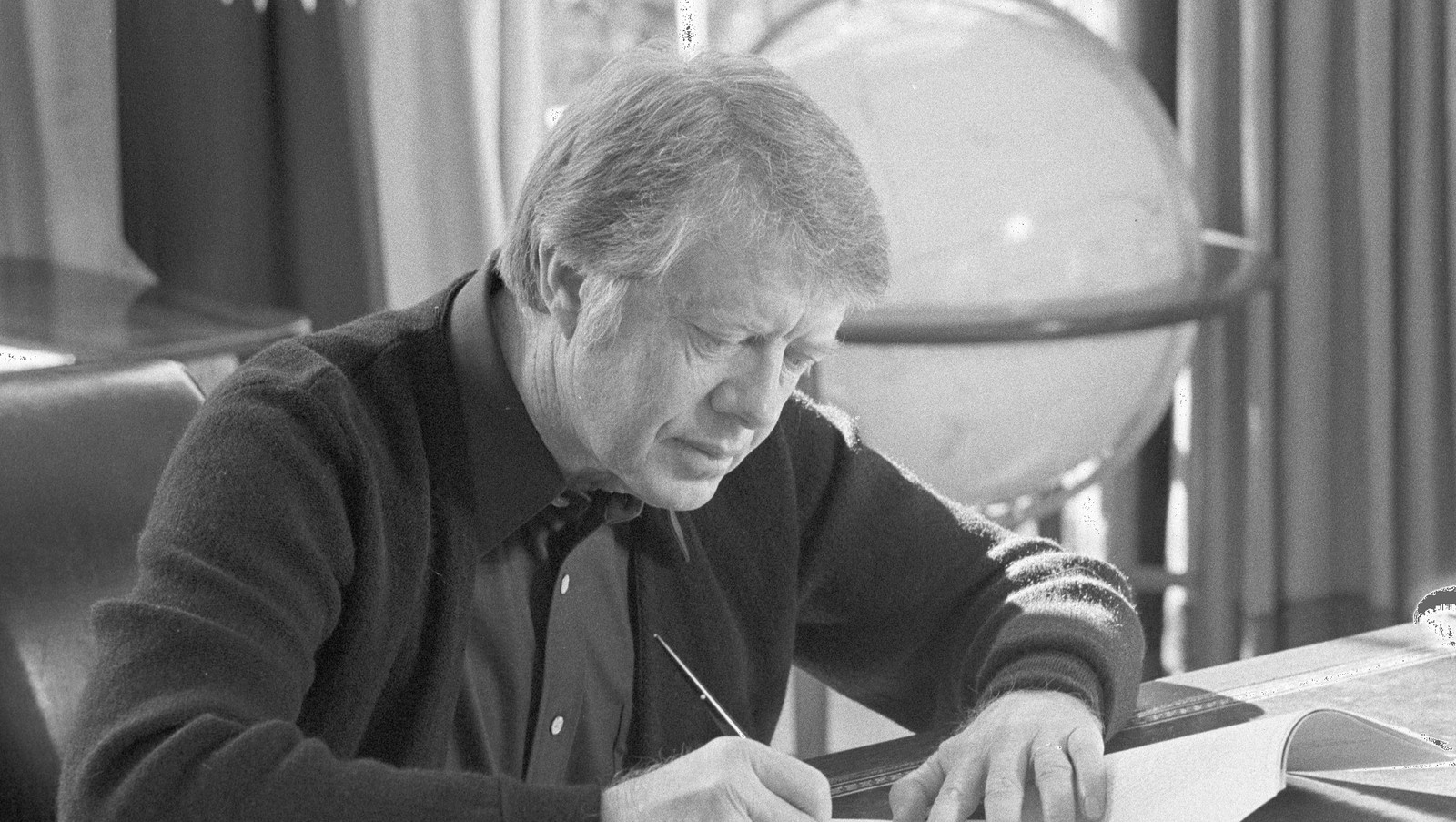
Image: National Archives and Records Administration, Public domain, via Wikimedia Commons

Long before he set foot in the Oval Office—and for decades afterward—Jimmy Carter built a life filled with unexpected achievements and heartwarming stories that showed his true character. From growing up in the small town of Plains, Georgia, to working side by side with volunteers well into his later years, Carter’s journey has been as remarkable as it has been relatable. These 12 moments offer a closer look at the farmer, the naval officer, the peacemaker, and the neighbor next door who happened to become the 39th President of the United States.

1
A farm boy from Georgia
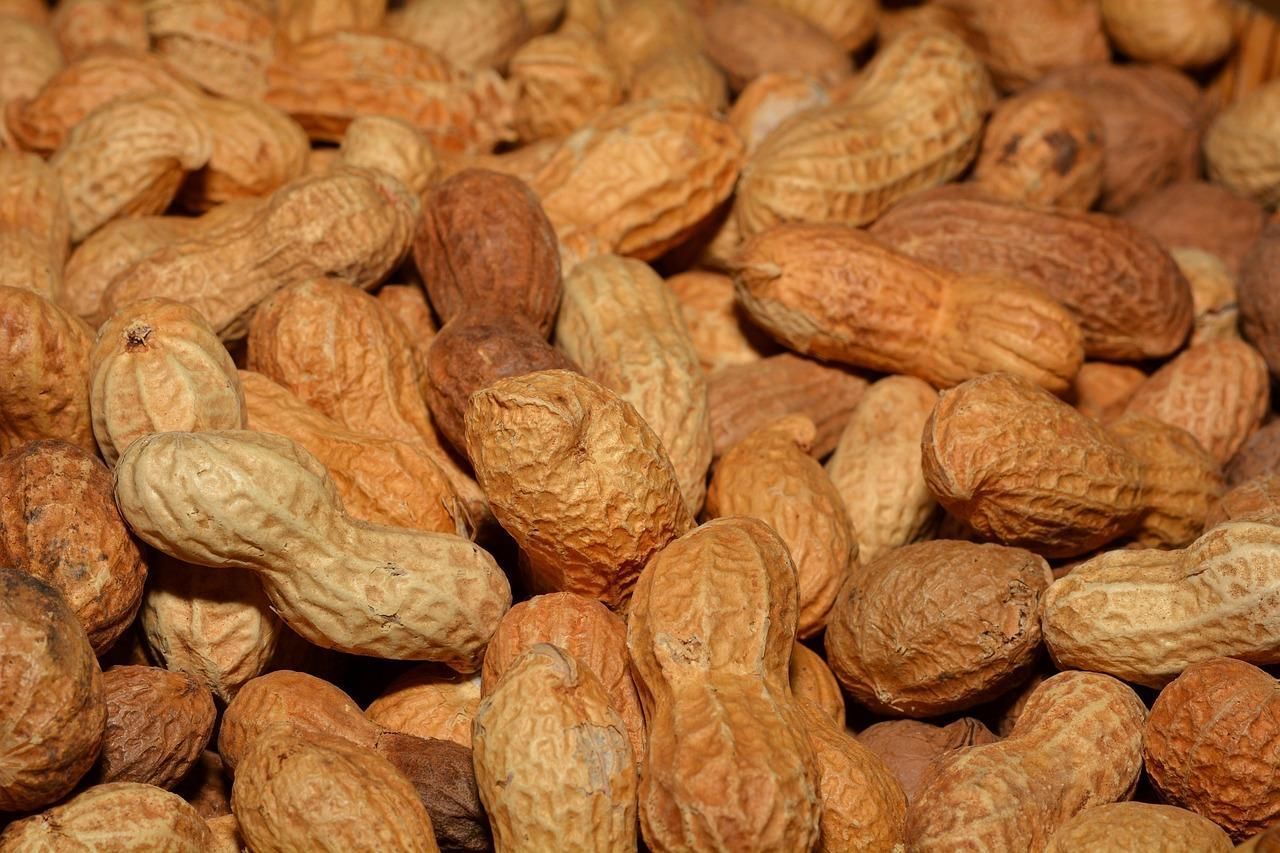
Image: Pezibear

Before Jimmy Carter became a household name, he was a small-town boy with dusty feet and big skies overhead. Life on his family’s peanut farm in Plains, Georgia, was all about early mornings and honest work —milking cows before breakfast, hauling feed, and tending rows of peanuts under the hot Southern sun. There were no shortcuts, just neighbors lending a hand, Sunday suppers, and the comfort of familiar faces. Those long, simple days gave Carter a lasting respect for hard work, humility, and the quiet rewards of a life well lived.

2
Graduating from the Naval Academy

Image: Guy Kawasaki

In the spring of 1946, Jimmy Carter proudly accepted his diploma from the U.S. Naval Academy in Annapolis, Maryland. It was the result of years of study, drills, and determination. From the moment he first stepped onto campus, the call of the sea seemed to be in his blood. The Navy offered him adventure, discipline, and the chance to serve his country aboard vessels that carried him far beyond the red clay fields of Georgia.

3
Training in nuclear engineering
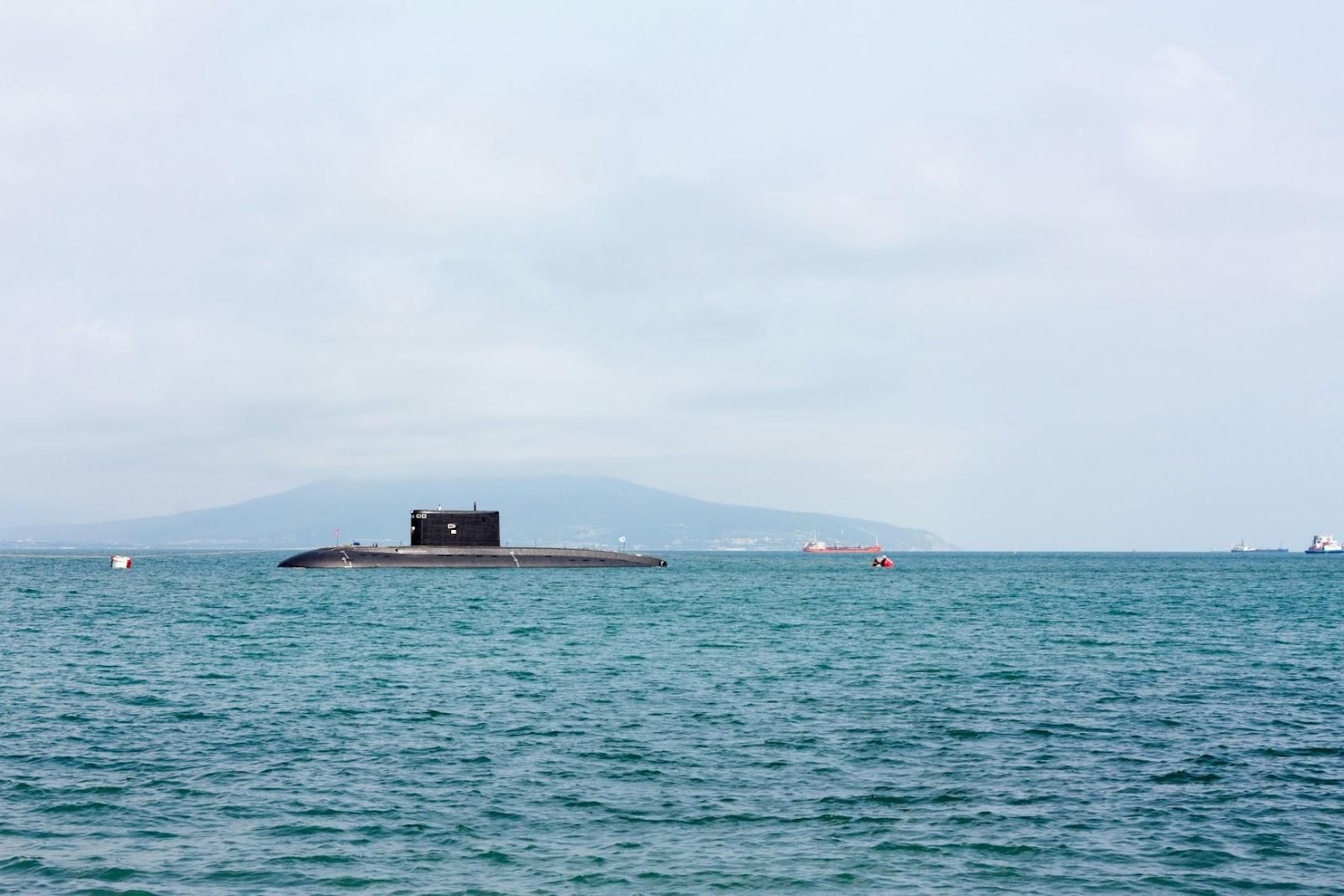
Image: Daniil Zameshaev

Long before campaign trails and speeches, Jimmy Carter was studying the technology that powered the Navy’s most advanced submarines. The training was intense: every calculation had to be precise, every decision double-checked. There was no room for guesswork, only methodical thinking and steady hands. Those long hours in classrooms and labs didn’t just prepare him for service at sea; they built a mindset grounded in patience, careful planning, and practical problem-solving that he carried into every chapter of his life, including his presidency.

4
Running the family peanut business
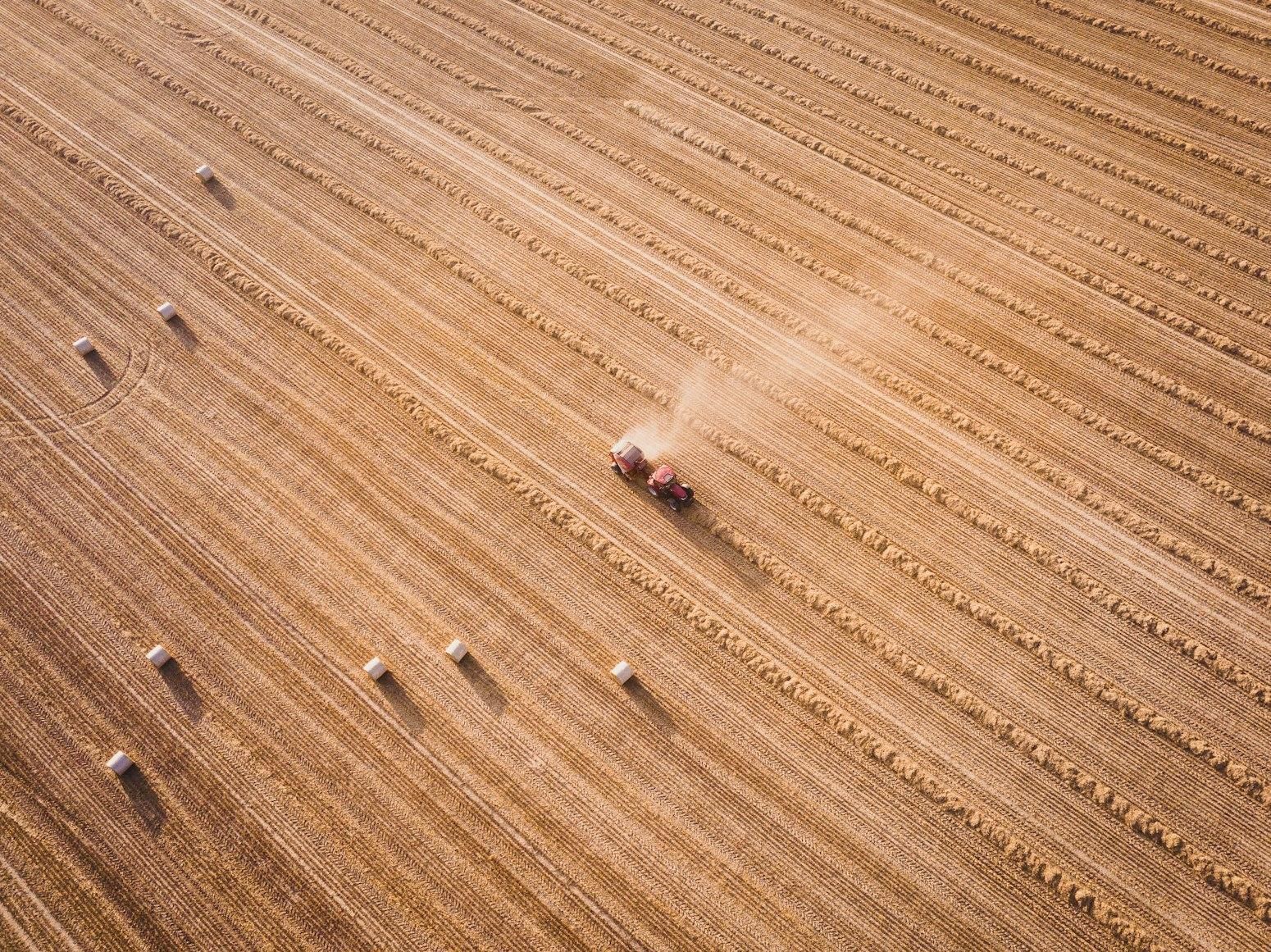
Image: Ivan Bandura

Once his naval service came to an end, Jimmy Carter headed back to Georgia, ready to take the reins of the family peanut farm. But he wasn’t comfortable with just preserving the status quo. Carter rolled up his sleeves and introduced fresh ideas and more modern farming practices to the fields. Thanks to his hard work and smart management, the farm grew into one of the top operations in the area. He knew every inch of those acres, not just as farmland, but as the foundation of his family’s legacy.

5
Governor of Georgia
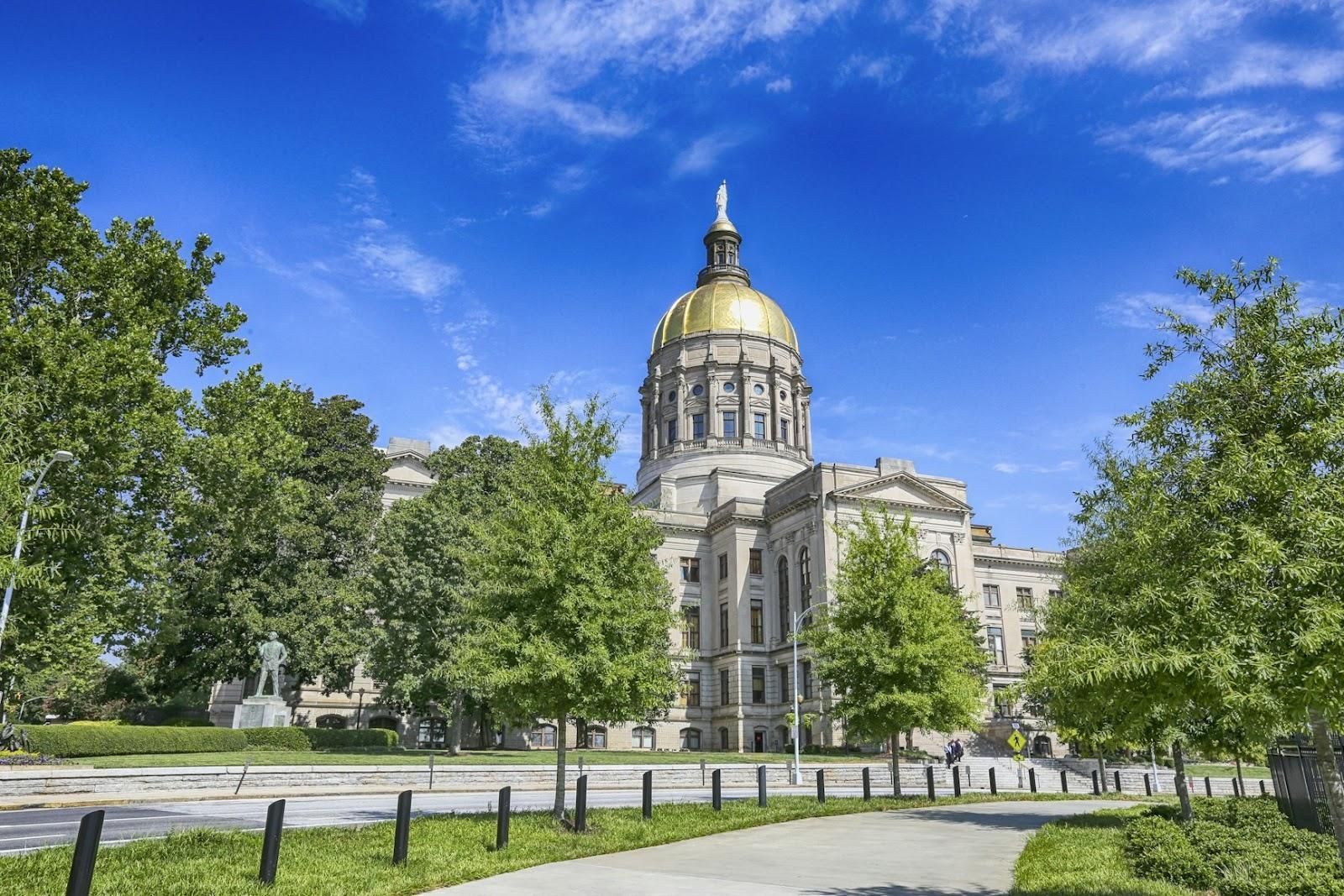
Image: Mick Haupt

When Jimmy Carter became governor of Georgia in 1971, he brought a refreshing promise: honest leadership with open doors. People appreciated how down-to-earth he was, whether chatting with them at the state capitol or sharing a meal at a local diner. His style was all about being accessible and straightforward. Over time, Carter built a reputation as a hardworking leader who stayed close to everyday people, earning their respect by listening carefully and delivering results.

6
The President with a warm smile
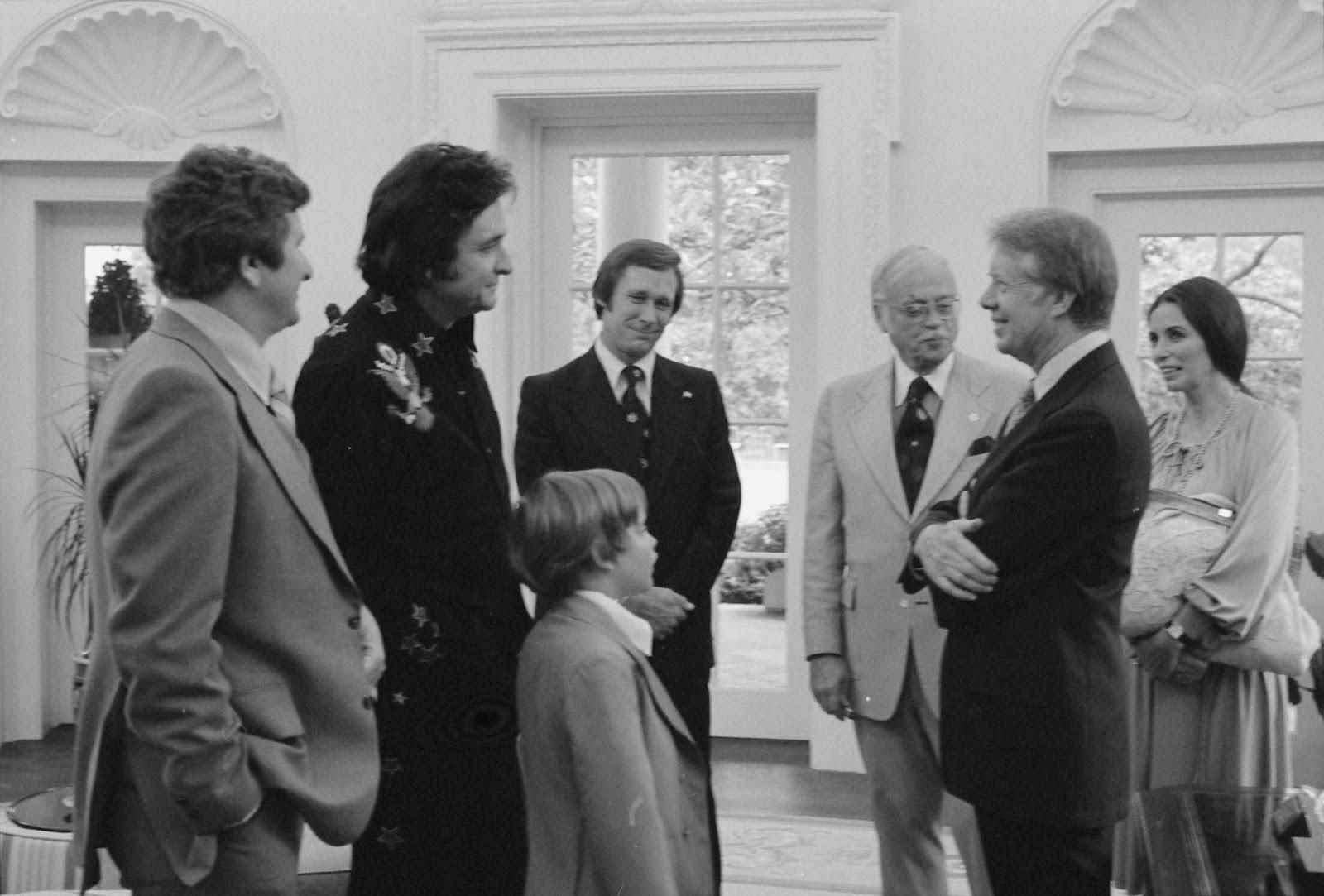
Image: National Archives and Records Administration, Public domain, via Wikimedia Commons

In 1977, Jimmy Carter stepped into the role of the 39th President of the United States. He wasn’t one for stuffy ceremonies or rigid protocols; instead, he valued a friendly handshake, a sincere smile, and honest conversations in which people felt genuinely listened to. With Carter around, the atmosphere at the White House became a bit more casual and welcoming, reflecting his easygoing and approachable nature.

7
The Camp David peace talks
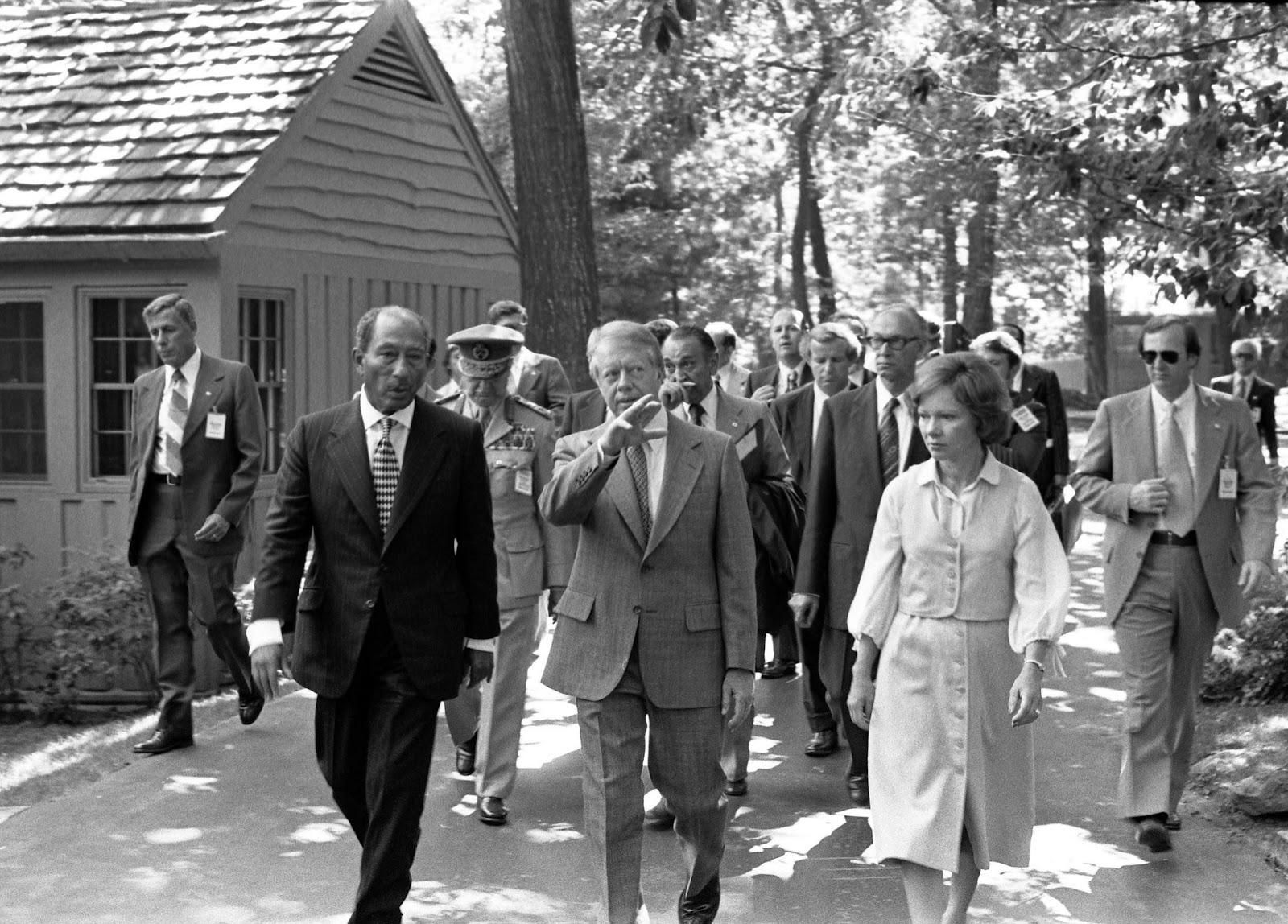
Image: Central Intelligence Agency from Washington, D.C., Public domain, via Wikimedia Commons

During the first year of his presidency, Jimmy Carter welcomed the leaders of Egypt and Israel to Camp David. For nearly two weeks, he played the roles of attentive listener, skillful negotiator, and steady encourager. His calm and determined approach helped bring both sides together, resulting in the Camp David Accords, a historic agreement that still stands as a powerful example of Carter’s dedication and perseverance.

8
A love for fishing
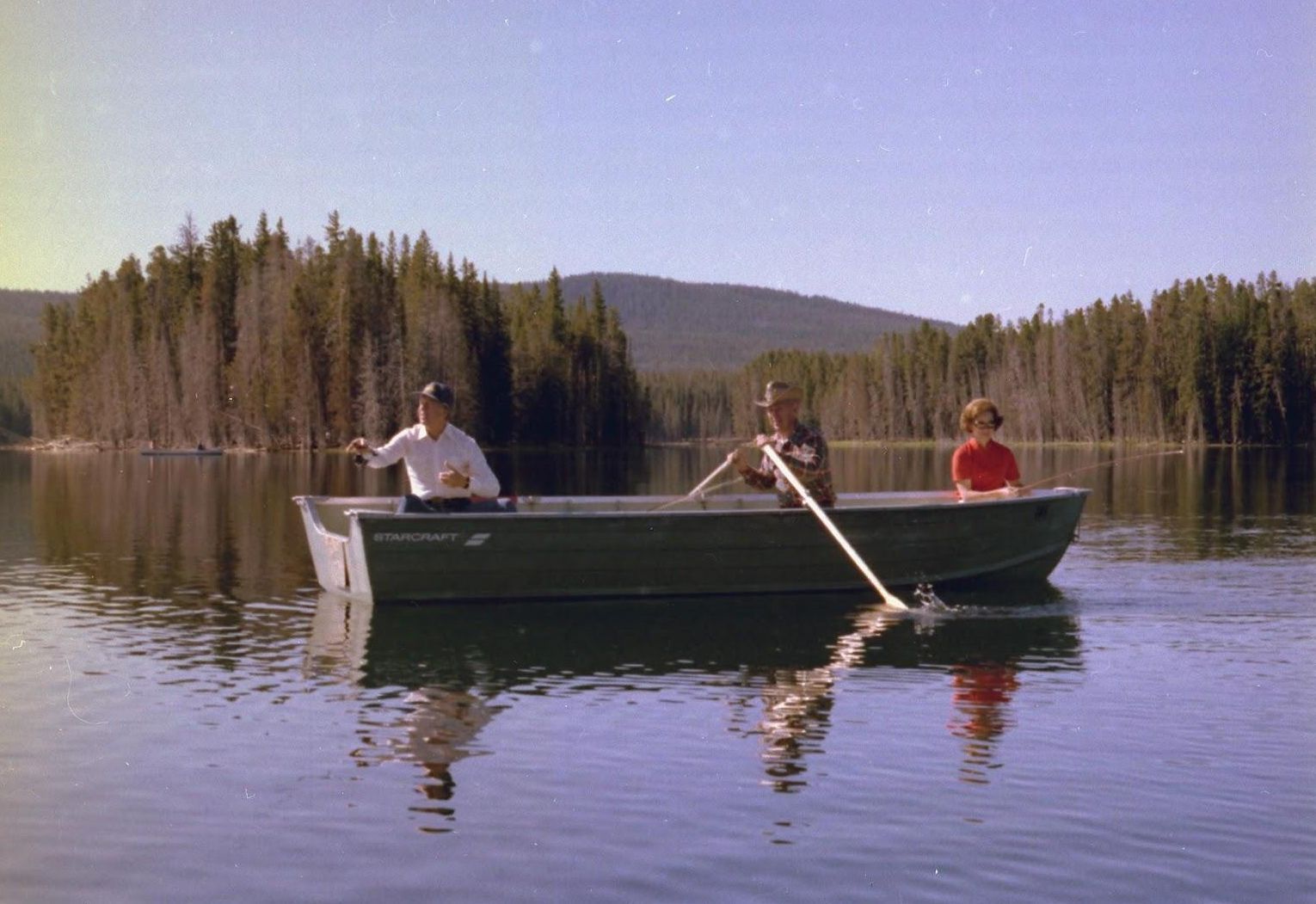
Image: National Archives and Records Administration, Public domain, via Wikimedia Commons

Carter’s passion for the outdoors remained strong throughout his life. Whether he was wading knee-deep in a cool river or casting a line from a modest boat, fishing offered him a respite from his demanding duties as president. With a rod in hand, he found time to think, connect with nature, and recall the easygoing rhythm of his childhood days in rural Georgia.

9
Energy-saving sweaters
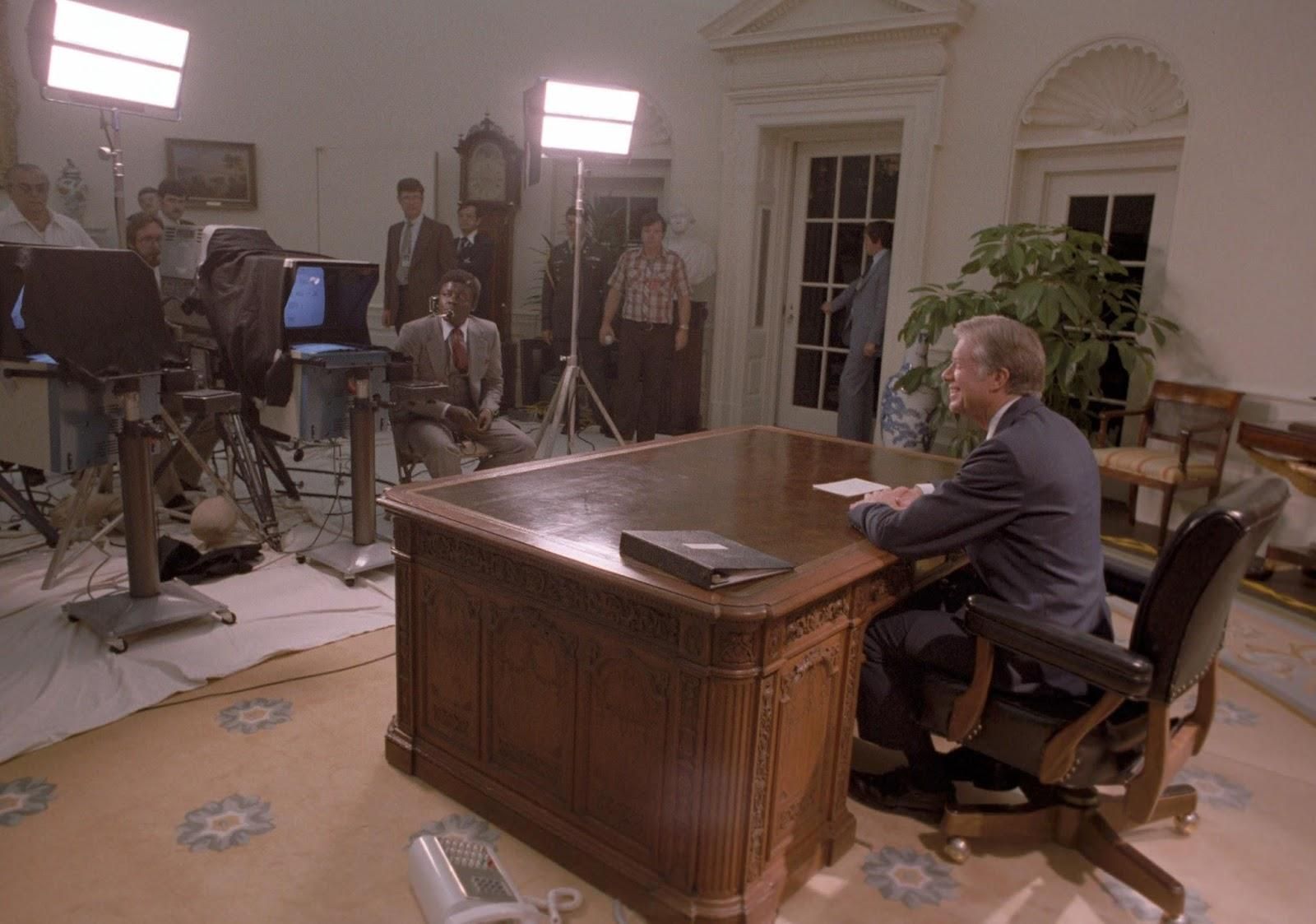
Image: Jimmy Carter's Presidential Photographs, Collection: White House Staff Photographers Collection, Public domain, via Wikimedia Commons

At a time when energy was in short supply, Carter didn’t just give speeches about saving power; he led by example. On national television, he appeared wearing a cozy cardigan sweater, encouraging Americans to lower their home thermostats and put on a warm layer instead. That small, relatable act sent a clear message: Carter wasn’t just asking people to conserve energy; he was doing it himself, showing that simple changes could make a big difference.

10
Nobel Peace Prize
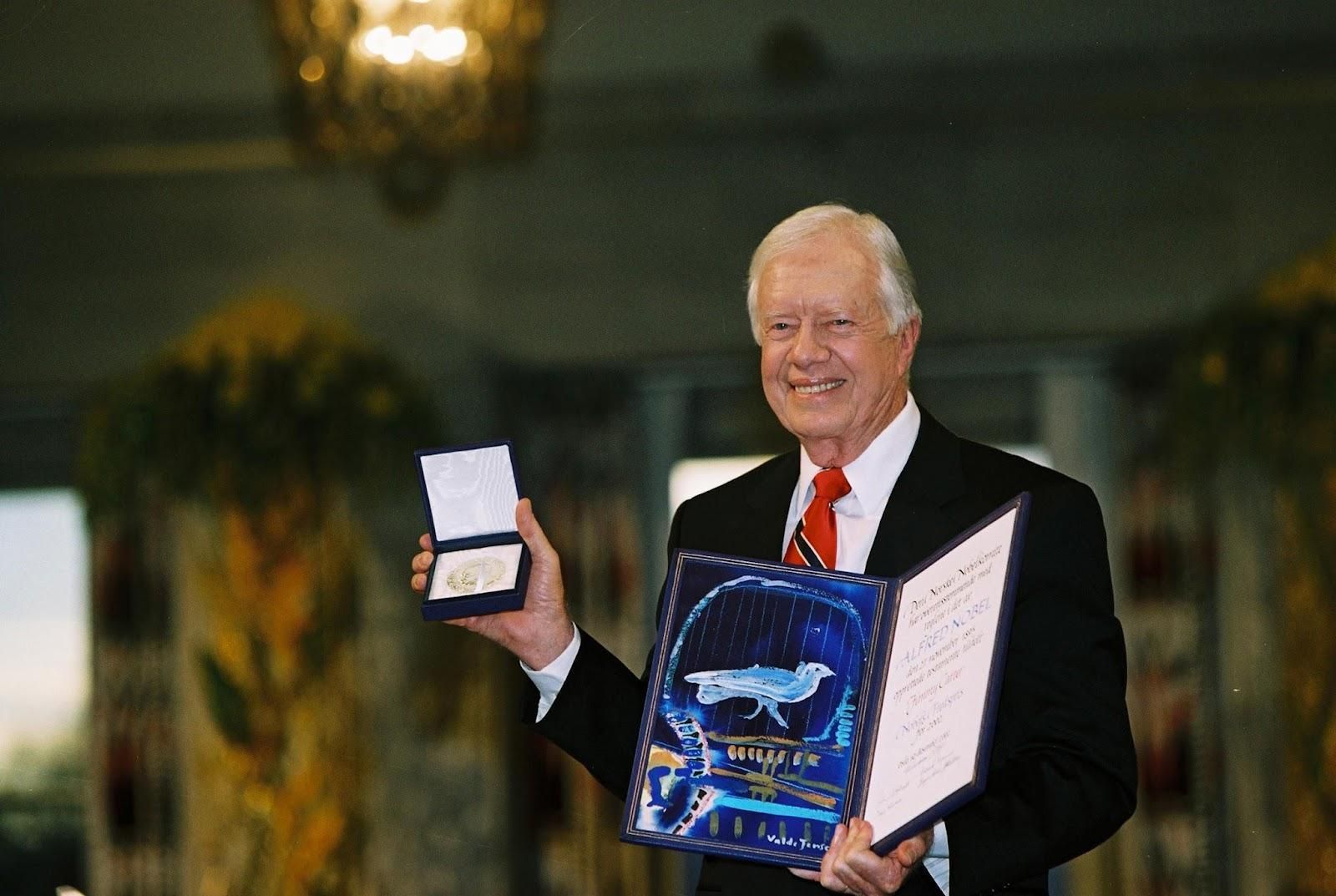
Image: [null Courtesy], Public domain, via Wikimedia Commons

In 2002, Jimmy Carter received the Nobel Peace Prize, honoring his decades-long commitment to promoting peace and defending human rights around the world. This award wasn’t about politics or prestige; it celebrated a lifetime devoted to bridging divides and working toward understanding among people of different nations, cultures, and beliefs.

11
Building homes
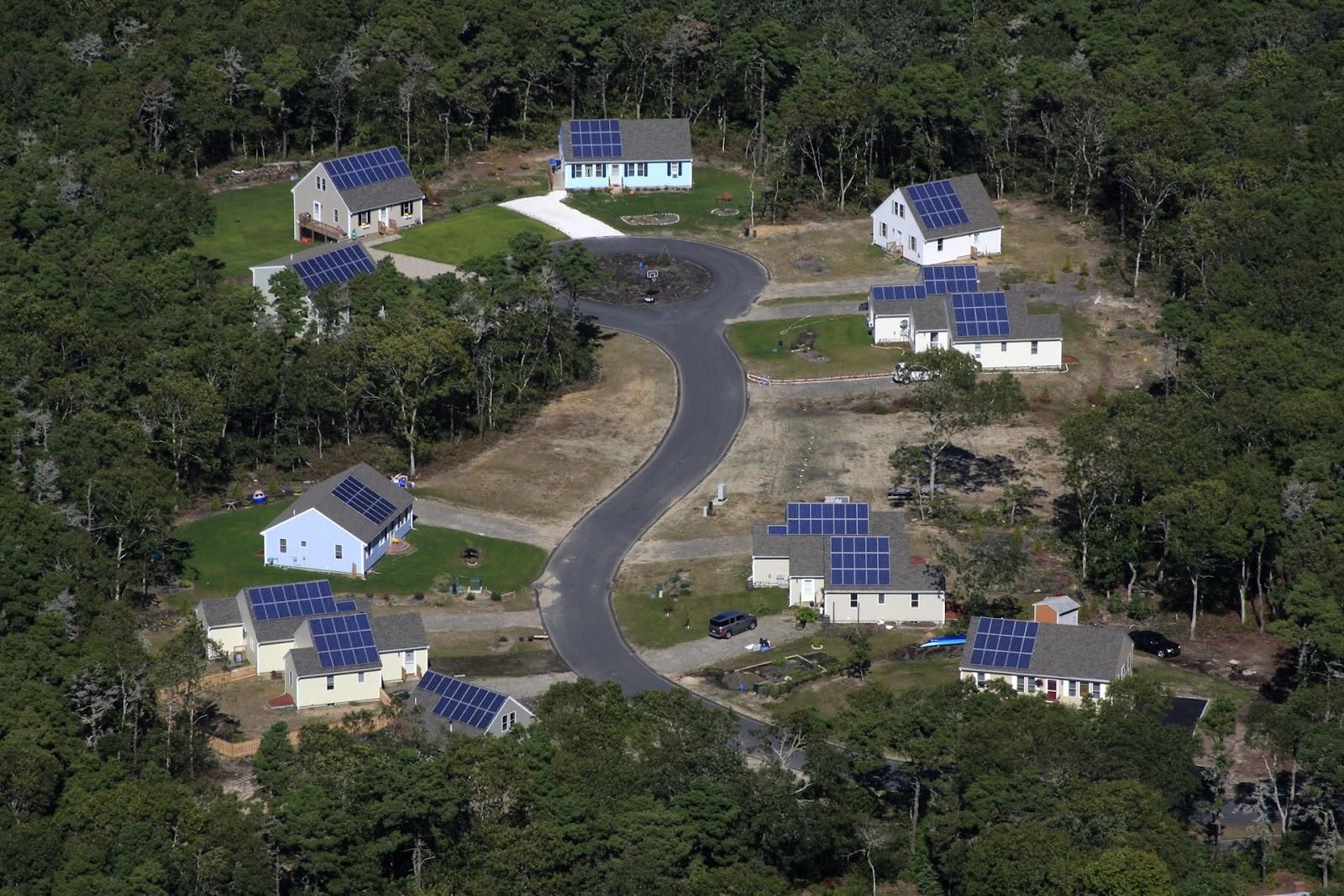
Image: Photo by Chris Wingard. – U.S. Department of Energy from United States, Public domain, via Wikimedia Commons

Long after leaving the White House, Jimmy Carter showed he wasn’t one to shy away from hard work. Through Habitat for Humanity , he picked up a hammer and rolled up his sleeves, helping to build homes for families in need. It was hands-on, honest labor, the same kind of hard work he’d been familiar with since his childhood on the Georgia farm.

12
The farmer who wrote books
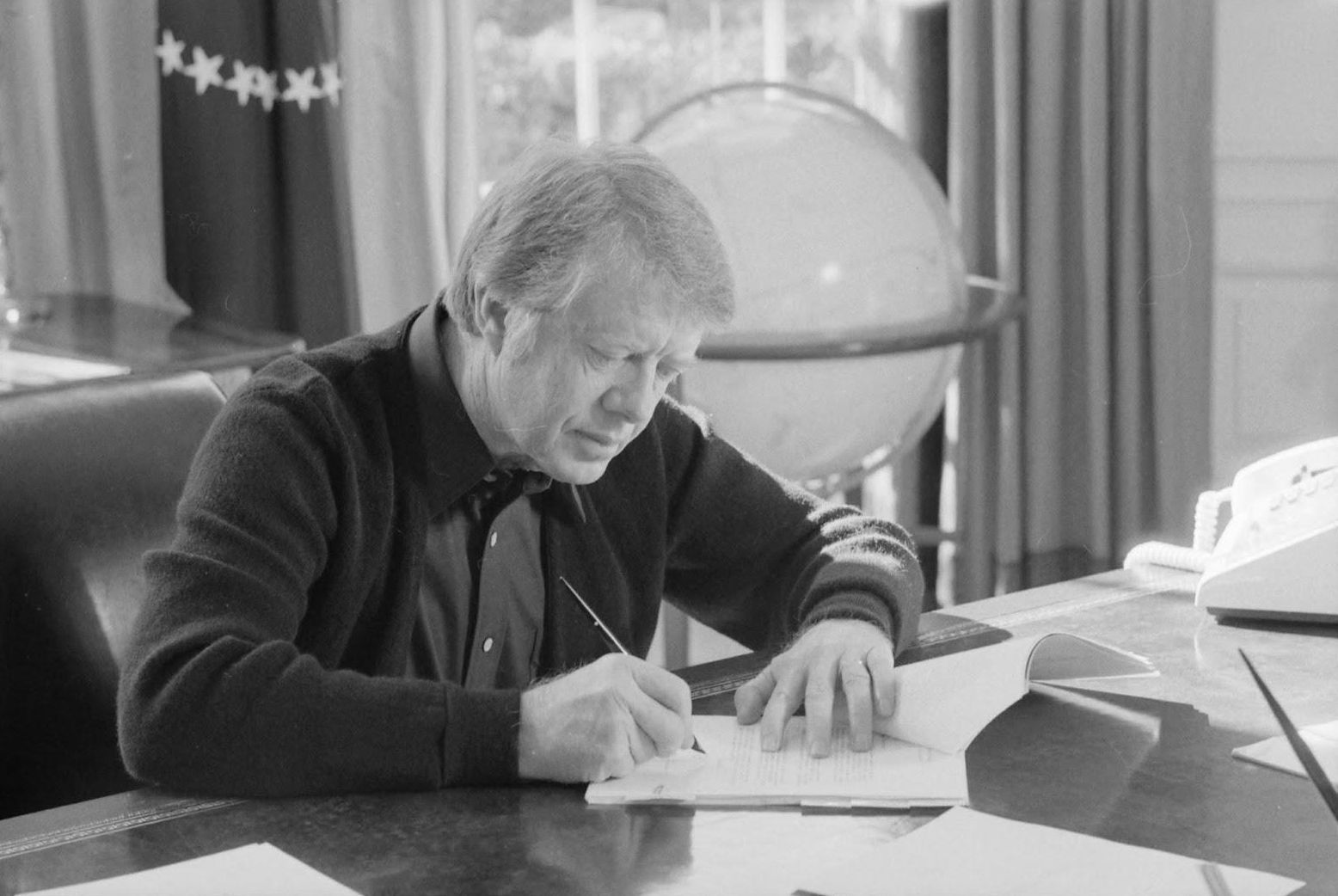
Image: National Archives and Records Administration, Public domain, via Wikimedia Commons

From heartfelt memoirs to thoughtful poetry, Jimmy Carter has authored more than 30 books over the course of his life. Writing became his way of sharing experiences, wisdom, and dreams for a better world. Much like tending his farm or casting a line in a quiet river, Carter approached writing with patience, care, and a personal warmth that will surely connect with readers for decades to come.

History History 3 min read

Hidden depths

America’s lost ocean: How the Great Lakes came to be

Image: Randy Laybourne

Like legendary giants, the Great Lakes are North America's watery core, influencing commerce, climate, and culture. Stretching across the U.S. and Canada, these five immense lakes—Superior, Michigan, Huron, Erie, and Ontario—contain an astounding 84% of North America's fresh surface water. Here are 11 fascinating facts about these monumental lakes that may have flown under your radar until now.

1
Lake Superior lives up to its name

Image: Jacob Skowronek

Lake Superior is the largest, deepest, and coldest of the five. It holds more water than the other four lakes combined—enough to cover North and South America in a foot of water. At 31,700 square miles, it’s the largest freshwater lake by surface area in the world.

2
Only one is fully American

Image: Ioann-Mark Kuznietsov

Lake Michigan is the only Great Lake entirely within the jurisdiction of the United States. It touches four states—Wisconsin, Illinois, Indiana, and Michigan—and its shores are home to major cities like Chicago and Milwaukee. As if this wasn’t enough, this lake also boasts the world’s largest freshwater sand dunes.

3
They create their own weather

Image: Srikanta H. U

The Great Lakes have a powerful influence on regional weather, especially through the phenomenon of "lake-effect snow." As cold air sweeps over the warmer lakes, it picks up moisture, resulting in heavy snowfall in cities like Buffalo, Cleveland, and Chicago. The lakes also generate localized storms that can rival oceanic tempests in intensity. Yet, not all is harsh; these unique conditions help create microclimates that are perfect for agriculture, supporting a range of crops across the region.

4
A shipwreck graveyard

Image: Vlad Tchompalov

Prone to stormy and unpredictable weather, the Great Lakes are home to over 6,000 shipwrecks. The most infamous of these, the SS Edmund Fitzgerald, sank in Lake Superior during a violent storm in 1975, inspiring Gordon Lightfoot's iconic ballad. In fact, many of these wrecks are remarkably well-preserved, thanks to the cold freshwater, which slows down the decay process and keeps these sunken ships intact for decades.

5
They contain a fifth of the world’s freshwater

Image: Sime Basioli

The Great Lakes hold about 21% of the world's fresh surface water. That’s roughly six quadrillion gallons—enough to submerge the lower 48 states under about 10 feet of water. Given this staggering quantity, it's no surprise that the lakes are crucial to American drinking water, agriculture, and industry.

6
The Erie Canal’s role

Image: Lucy M

Opened in 1825, the Erie Canal linked the Great Lakes to the Atlantic Ocean via the Hudson River, transforming trade and settlement patterns. It played a pivotal role in making New York City an economic powerhouse and significantly accelerated the movement of goods between the Midwest and the East Coast. While most traffic now flows through the larger St. Lawrence Seaway, the Erie Canal remains a key chapter in U.S. history.

7
When the Niagara Falls stood still

Image: Vishwesh Jirgale

In 1969, engineers temporarily halted the flow of Niagara Falls due to concerns that erosion was progressing so rapidly the falls could disappear in a few years. After a thorough inspection by the Army Corps of Engineers, they concluded that no immediate maintenance was necessary. Despite this, the endeavor was far from futile—it provided valuable insights that would guide future preservation efforts for the iconic falls.

8
America’s forgotten "Third Coast"

Image: Richard Main

The Great Lakes coastline spans about 10,900 miles, which makes it longer than the U.S. East and West Coasts combined. This hidden "Third Coast" features sandy beaches, towering cliffs, and picturesque lighthouses, making it a popular destination for tourism and outdoor recreation.

9
Once an ancient ocean

Image: Andrzej Kryszpiniuk

Millions of years ago, the region now holding the Great Lakes was covered by an ancient sea. Over time, glaciers carved out the massive basins, which filled with meltwater after the Ice Age. The evidence of this transformation is still visible in the region’s fossils and rock formations.

10
Chicago River’s historic reversal

Image: Jake Leonard

In 1900, engineers reversed the flow of the Chicago River to prevent sewage from polluting Lake Michigan, the city’s drinking water source. Using a system of canals, the river was redirected toward the Mississippi River watershed, an astonishing feat of engineering that still works to this day.

11
Protected by an international treaty

Image: Hermes Rivera

The 1909 Boundary Waters Treaty between the U.S. and Canada governs the Great Lakes, ensuring cooperative water management. It led to the creation of the International Joint Commission, which helps both nations resolve disputes and protect this vital natural resource.

History History 3 min read

Who would you write it for?

Mark Twain said what? Remarkable book dedications and their stories

Image: Hưng Lê

These might be memorable titles written by renowned authors, but sometimes the dedications are just as remarkable as the rest of the volume. Have you ever read the lines tucked into the opening pages of famous books? Some are chilling, some funny, some thought-provoking—and we’ve gathered a list of particularly interesting ones!

1
Don’t question the author

Image: Amaan Ali

In his usual sarcastic style, Mark Twain wrote in the opening "Notice" of The Adventures of Huckleberry Finn : "Persons attempting to find a motive in this narrative will be prosecuted; persons attempting to find a moral in it will be banished; persons attempting to find a plot in it will be shot." It’s an unforgettable way to open a classic.

2
What you don’t know…

Image: Markus Spiske

In the book This Boy’s Life, Tobias Wolff wrote: "My first stepfather used to say that what I didn’t know would fill a book. Well, here it is."

It’s a dark but funny recounting of his turbulent youth in this memoir, so the line is a perfect setup for what’s to come.

3
About loyalty

Image: Niranjan V S

In her book Dark Places , thriller writer Gillian Flynn wrote: "What can I say about a man who knows how I think and still sleeps next to me with the lights off?"

The author of Gone Girl tipped her hat to her husband, Brett Nolan, here. Who doesn’t want a partner who accepts us fully—even if we spend our days writing about murky crimes?

4
Cosmic love

Image: Jayshree Sharma

If you’re a romantic, try not to swoon over Carl Sagan’s dedication in Cosmos : "In the vastness of space and the immensity of time, it is my joy to share a planet and an epoch with Annie."

This beautiful line of cosmic love was dedicated to his wife and collaborator, Ann Druyan. And the book that follows is a science classic.

5
A touch of fantasy

Image: Ali Müftüoğulları

Ken Kesey’s famous book One Flew Over the Cuckoo’s Nest , set in a psychiatric ward, wouldn’t be cataloged as fantasy at all. And yet, its memorable dedication reads: "To Vik Lovell, who told me dragons did not exist, then led me to their lairs."

6
The inclusive take

Image: Andrew Neel

John Cheever had a good idea in his dedication of The Wapshot Chronicle : "To M with love, and with best wishes to practically everybody else I know." A playful and inclusive way to make sure you leave out no one who matters! It was his debut novel, and it won the National Book Award.

7
The vengeful one

Image: Gaspar Uhas

This one is dark but packs a memorable punch. The dedication of No Thanks , by E. E. Cummings, is simply a list of names—the 14 publishers who turned his work down. But here’s the unforgettable bit: the words are arranged on the page in the shape of an urn.

8
Thanking the parents

Image: Lucas George Wendt

Comedian Judd Apatow dedicated his book Sick in the Head to his loving parents: "For Mom and Dad. Your support—and the mental health issues you gave me—made all of this possible." Tongue in cheek, just as fans would expect from him.

9
Chilling and sobering

Image: Isaac N.

Powerful: Toni Morrison’s dedication in Beloved is simply the phrase "Sixty million and more," referring to the victims of the transatlantic slave trade. No verbs, no explanations—just five heavy, sobering words to leave readers thinking.

10
About undying love

Image: Girl with red hat

F. Scott Fitzgerald’s The Great Gatsby is, after all, a story steeped in undying love. His dedication was fitting: "Once again, to Zelda." It’s a brief but heartfelt nod to his wife and muse.

11
An offering

Image: Jouwen Wang

John Steinbeck’s East of Eden opens with a sort of letter. It’s longer than this, but it begins with an anecdote in which "Pat" asked him to give him a box to fill with things. The dedication reads:

"Dear Pat… Well, here’s your box… Nearly everything I have is in it… all the gratitude and love I have for you. And still the box is not full. JOHN."

Explore more American facts

Choose your favorite category!

General
General

As American as apple pie—the very best America has to offer!

Culture
Culture

Delve into the astounding richness of American lore.

Geography
Geography

Hop in and explore vast and diverse American landscapes.

History
History

Discover the key moments that shaped the United States.