Culture Culture 7 min read

The subcultures that defined eras

One movie turned this working-class subculture into a Hollywood legend
Image: Anthony

From flappers to hippies to yuppies, American subcultures have reflected what was happening in the country around them. They gave people, especially the younger generation, a way to express what they valued, what they rejected, and where they felt they belonged. Some championed freedom and individuality; others celebrated success, tradition, or community. Their clothing and music made them easy to recognize, but their deeper appeal came from the ideas and cultural changes they represented. Here are some of the most memorable American subcultures of the 20th century.

1
Hippies
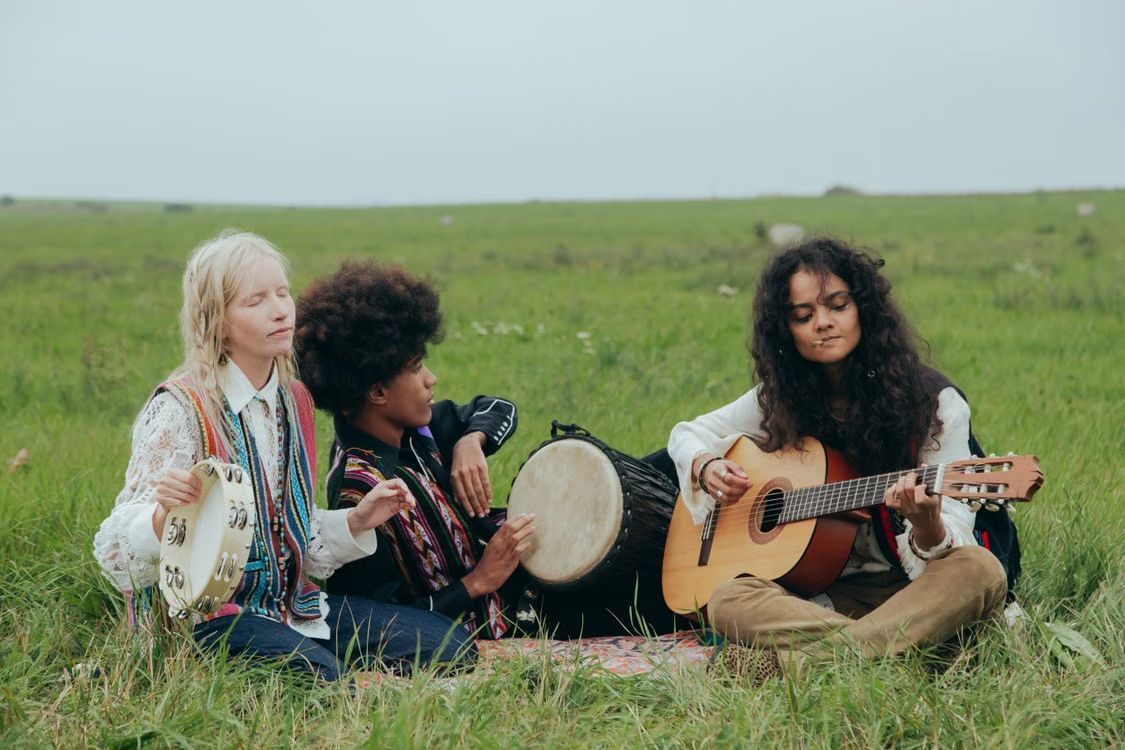
Image: cottonbro studio

The hippie movement took shape in the early 1960s, initially in San Francisco’s Haight-Ashbury neighborhood, as young Americans searched for alternatives to mainstream society. They rejected materialism and conformity while promoting peace, personal freedom, community, and alternative ways of living. Their opposition to the Vietnam War helped make the movement a powerful symbol of the era’s counterculture.

Hippie culture spread through music, festivals, and growing interest in Eastern spirituality and alternative lifestyles. Long hair, flowing clothes, denim, fringe, and colorful patterns became part of the familiar look, while folk music and psychedelic rock provided its soundtrack. Ideas about peace, environmentalism, and individual freedom continued to influence American culture long after the movement faded.

2
Beatniks

Image: Igor Murakhin

The Beat movement developed among writers and artists in New York in the late 1940s before gaining a strong presence in San Francisco during the 1950s. Legendary Beat writers such as Jack Kerouac and Allen Ginsberg rejected conventional careers, consumerism, and social conformity, instead embracing creativity, spontaneity, travel, and personal freedom.

The movement attracted young people who were drawn to poetry, jazz, coffeehouses, and a bohemian lifestyle. The media soon turned the "beatnik" into a recognizable figure, complete with berets, black clothing, goatees, and bongos. Although the image was often exaggerated to the point of caricature, Beat culture helped inspire the larger counterculture that followed in the 1960s.

3
Greasers

Image: cottonbro studio

Greasers emerged among working-class youth in the years after World War II and became especially visible in American cities during the 1950s. Strongly associated with Italian American communities in the Northeast and Mexican American communities in the Southwest, they found an identity through rock and roll, cars, motorcycles, and an independent attitude.

The name "greaser" became associated with the group’s heavily greased hair, while leather jackets, jeans, boots, and white T-shirts completed the signature look. The style was later immortalized in Grease (1978), starring John Travolta and Olivia Newton-John.

4
Flappers
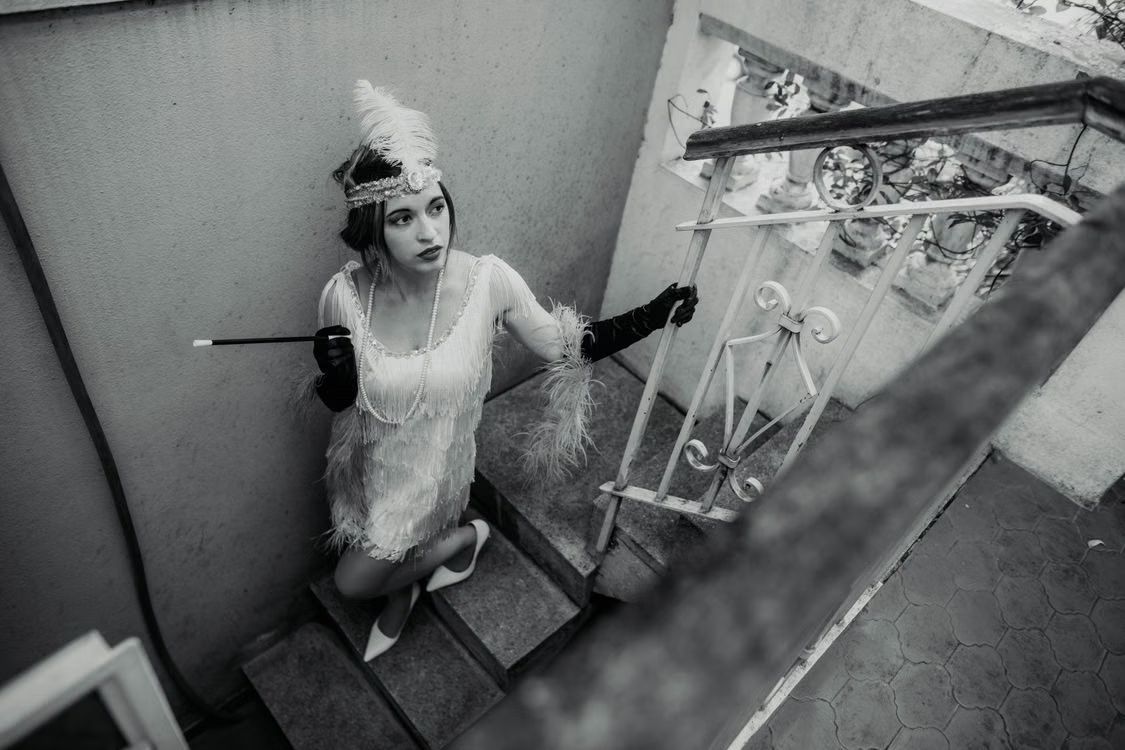
Image: Gera Cejas

Flappers emerged in the United States during the 1920s, when young women were challenging traditional expectations in the years following World War I. With women gaining the right to vote in 1920, and jazz, movies, automobiles, and nightlife transforming American life, flappers embraced greater independence and pushed against older ideas about how women should behave.

Their short dresses, bobbed hair, cloche hats, makeup, and energetic dancing became symbols of the Jazz Age. Flappers represented the excitement and freedom of a rapidly changing society. Even though the lifestyle was associated with only some of the decade’s young women, the flapper became an enduring image of 1920s modernity.

5
Rockabilly
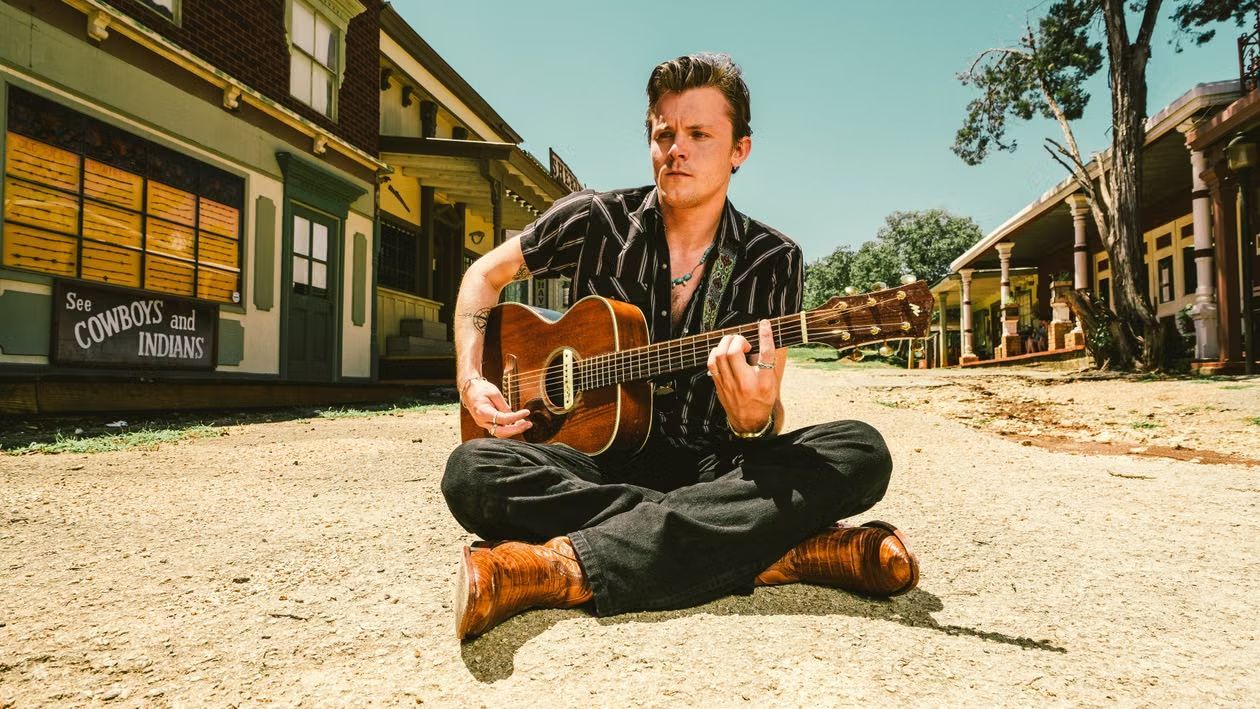
Image: Roy Reyna

Rockabilly developed in the early 1950s, particularly in Memphis, Tennessee, where country and hillbilly music were blending with rhythm and blues. Sun Records became an important part of this musical crossroads, recording artists including Elvis Presley, Carl Perkins, Jerry Lee Lewis, and Johnny Cash. Its energetic sound appealed to young listeners and helped shape the emerging rock & roll revolution.

Rockabilly was less a political movement than a celebration of youthful energy, musical experimentation, and independence. Slicked-back hair, pompadours, leather jackets, jeans, boots, and fitted dresses became associated with the scene. Its sound and style have repeatedly returned to American music and popular culture, keeping the spirit of 1950s rockabilly alive.

6
Yuppies
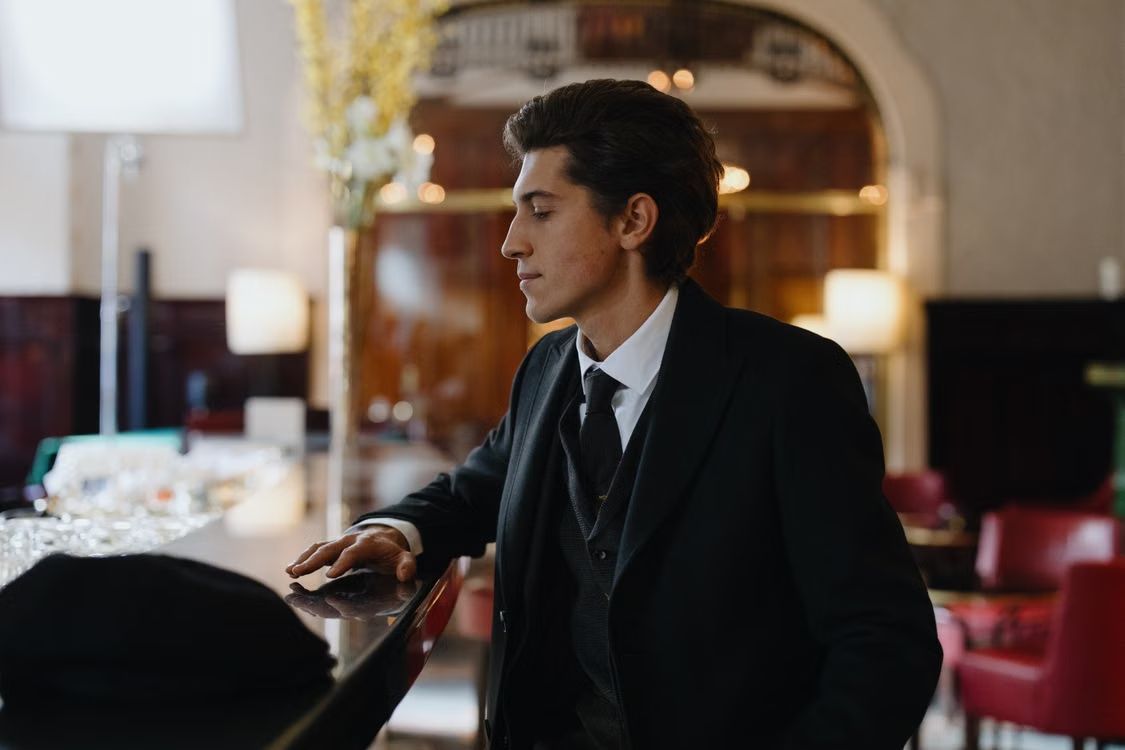
Image: cottonbro studio

The term "yuppie," short for "young urban professional," emerged in the early 1980s to describe young, college-educated professionals building careers in major American cities such as New York and Chicago. Instead of rejecting the American dream, yuppies embraced career advancement, financial success, fitness, and a comfortable urban lifestyle. Their rise reflected the economic optimism and growing consumer culture of the decade.

Power suits, designer clothes, expensive cars, upscale restaurants, and fashionable apartments became associated with the yuppie image. The culture was both admired and criticized for its focus on money and status, but its influence was undeniable. Yuppies came to represent the ambitious, success-driven side of 1980s America, and were famously satirized to violent effect by Patrick Bateman, the homicidal protagonist of Bret Easton Ellis’ novel and subsequent film American Psycho.

7
Punks

Image: Dmitrii Eremin

American punk emerged in New York City in the early-to-mid 1970s, with clubs such as CBGB becoming gathering places for musicians and artists looking for an alternative to mainstream rock. Bands such as the Ramones and artists such as Patti Smith embraced stripped-down music, creative freedom, and a DIY approach, while the British scene that followed, led by bands such as the Sex Pistols, gave punk a louder, more confrontational edge.

Punk attracted young people who wanted to challenge commercialism and conformity. Ripped clothes, leather jackets, boots, safety pins, and unconventional hairstyles became part of its deliberately provocative look. What started as a small New York scene eventually influenced American music, fashion, graphic design, and alternative culture for decades.

8
Disco culture
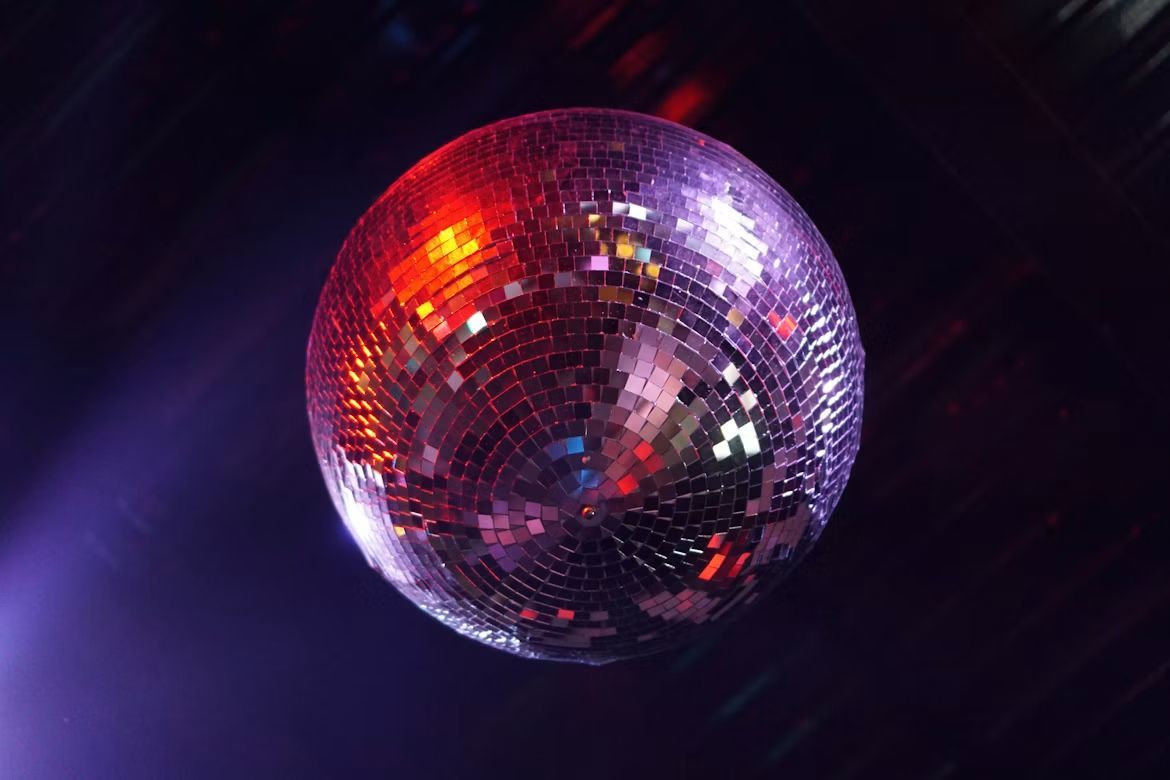
Image: Dustin Tramel

Disco culture grew out of New York City nightlife in the early 1970s, particularly within Black, Latino, and LGBTQ+ communities. Clubs provided spaces for dancing, self-expression, and social connection, while disco offered an energetic alternative to the rock-dominated music scene. Its message was less about angry rebellion than about joyous freedom, pleasure, inclusion, and self-expression.

By the middle of the decade, disco had moved into the mainstream, with artists such as the Bee Gees, Donna Summer, and Gloria Gaynor becoming major stars. Sequins, platform shoes, flared pants, glitter, and glamorous hairstyles defined the look, while the 1977 movie Saturday Night Fever helped make disco a national phenomenon. Its influence on dance music and nightlife remains strong.

9
Surfer culture
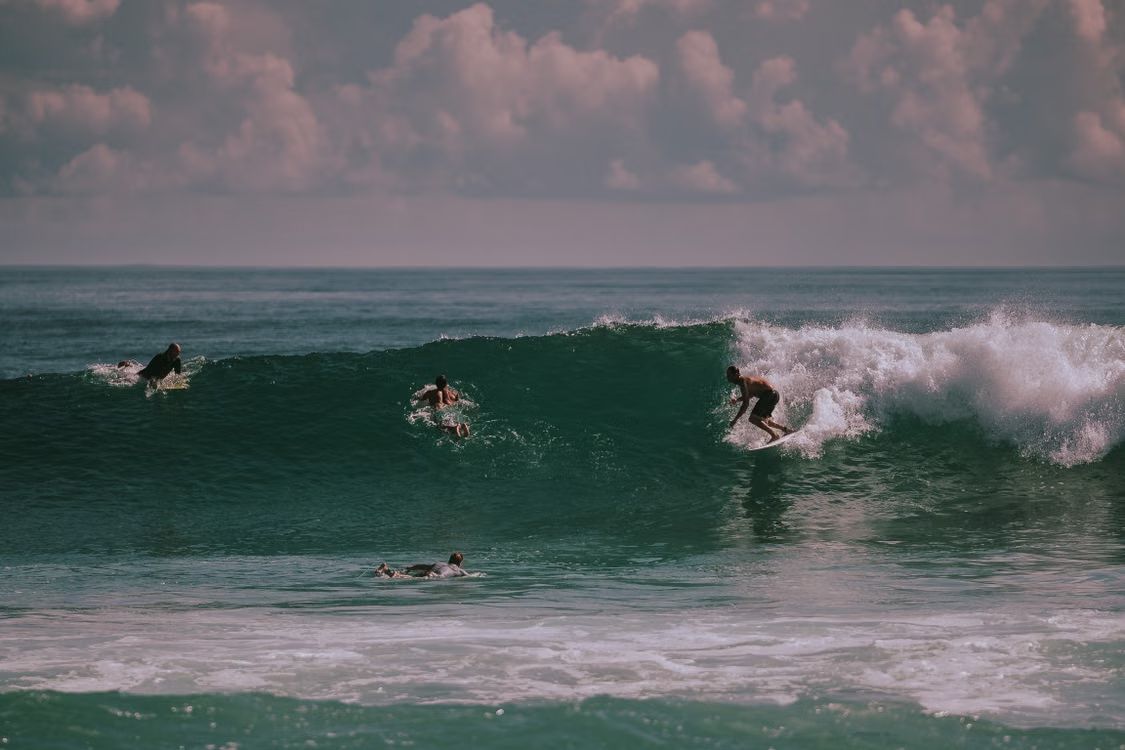
Image: Kyle Miller

Surfing originated in Hawaii, and surfer culture later developed along Southern California’s beaches during the 1950s and early 1960s. For young Californians, surfing represented freedom, outdoor life, adventure, and an escape from everyday routines. The region’s beaches, cars, drive-ins, and relaxed lifestyle made the culture especially appealing.

The Beach Boys helped take that Southern California image across the country with songs about surfing, cars, romance, and youth. Board shorts, swimsuits, T-shirts, bare feet, and sun-bleached hair became part of the familiar look. Surfer culture ultimately came to represent the carefree California lifestyle, even for people who had never picked up a surfboard.

10
Preppies

Image: George Frewat

Preppy culture grew from the traditions of elite Northeastern prep schools and Ivy League colleges, where a distinctive style had developed during the early 20th century. By the 1950s and 1960s, it was increasingly associated with young Americans who valued education, tradition, good manners, and established institutions . It reflected the lifestyles, speech, and values of upper-class, "old money" families, emphasizing social traditions and a polished way of life.

Oxford shirts, polo shirts, khakis, loafers, sweaters, and navy blazers became the defining look. Leisure activities such as sailing, golf, tennis, and lacrosse were closely associated with the culture, which generally embraced rather than challenged the social world it came from. During the 1980s, brands such as Ralph Lauren helped bring the preppy style into mainstream American fashion.

11
Grunge

Image: Sami Abdullah

Grunge emerged in Seattle and the surrounding Pacific Northwest during the 1980s, growing out of a local music scene influenced by punk, hard rock, and independent music. Bands and fans rejected the polished, glamorous image associated with much of 1980s rock, favoring authenticity, simplicity, and a DIY attitude instead.

Nirvana’s breakthrough in the early 1990s transformed grunge into a national phenomenon. Flannel shirts, ripped jeans, thrift-store clothes, and worn sneakers became unexpectedly fashionable, while the music reflected a more raw and emotionally honest attitude. Grunge became one of the defining cultural expressions of the early 1990s.

12
Bikers
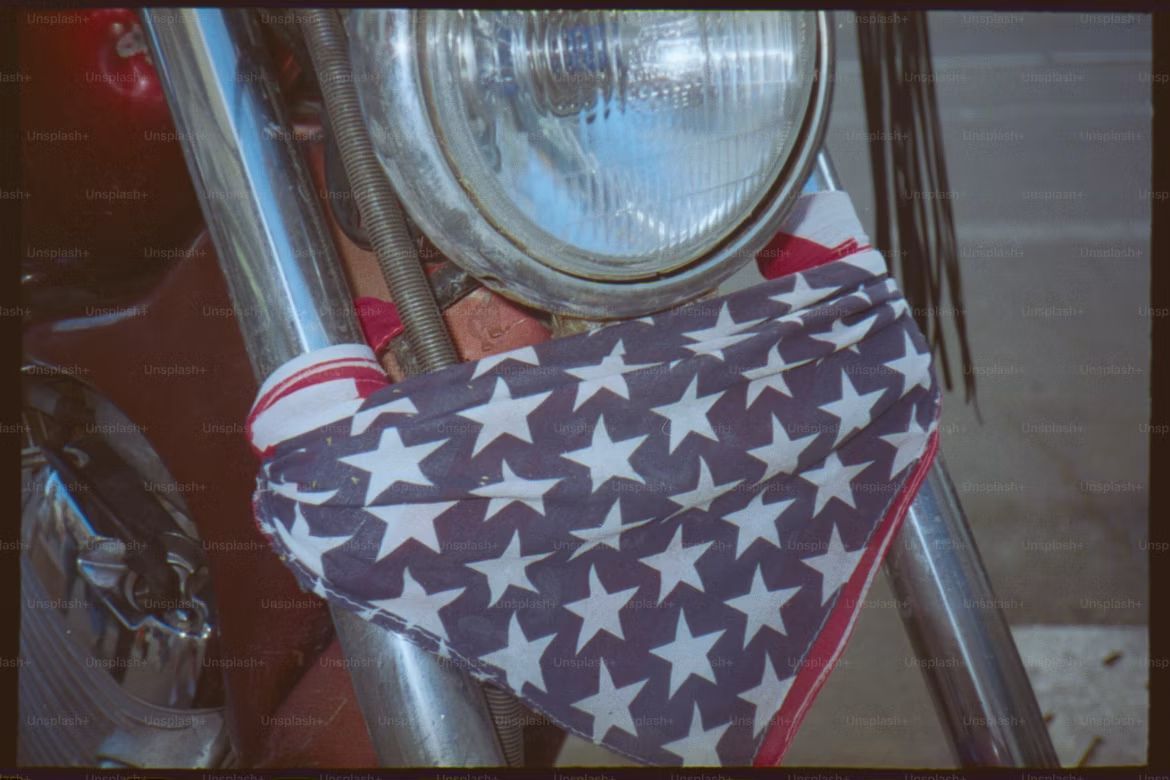
Image: Victoria Dokukina

American biker culture grew into a new form after World War II, when returning veterans began forming motorcycle clubs built around friendship, adventure, and freedom. Motorcycles — especially Harley-Davidson bikes — offered a sense of independence after years of military discipline, while clubs provided the camaraderie many veterans had experienced during the war. The 1947 motorcycle gathering in Hollister, California, gained notoriety after sensationalized reports portrayed the event as unruly, helping establish the rough image later associated with bikers.

Leather jackets, denim, boots, patches, and motorcycles became central to the culture’s visual identity. Movies such as The Wild One and Easy Rider further popularized the image of the biker as an independent outsider. Although biker culture has never been limited to outlaw clubs, the open road and freedom from convention remain central to its enduring appeal.

General General 4 min read

Wave them with pride

Honoring the states: learn about the history of 10 state flags

Image: Tina Chelidze

From the 13 colonies to the consolidation of the 50 states, America’s journey of growth and unity is remarkable. Each state is unique, with distinctive features, mottos, and, of course, flags. Each flag tells a story and honors the rich history and heritage of the state it represents. Among the 50 state flags, we’ve chosen 10 state flags to learn about their design, elements, and the history they represent.

1
New York

Image: Clker-Free-Vector-Images

New York was one of the 13 original colonies and is one of the most populated states today. Its flag, with a vibrant blue in the background, features a sun symbol, one supporter on each side, and the state’s inspiring motto "Excelsior," meaning "ever upward."

The scene in the coat of arms paints a picture of the Hudson River flanked by Liberty on the left, and Justice on the right. Topping it all off is a bald eagle, always majestic, perched atop the world. Powerful, isn’t it?

2
California

Image: Clker-Free-Vector-Images

California was the 31st state to be admitted to the Union (1850) and the history behind its flag has elements present in previous models of banners used by what we know today as Mexico.

This flag was first hoisted in 1846 after American settlers in the territory fought for its independence. Finally, it was recognized as official in 1911.

The flag depicts a grizzly bear —also the official state animal— and a lone red star symbolizing previous attempts to gain independence.

3
Indiana

Image: Clker-Free-Vector-Images

Indiana’s flag was designed by Paul Hadley and approved as the state flag in 1917 after the Daughters of the American Revolution held a flag design contest.

Over the dark blue flag stands a golden torch surrounded by 19 stars . The 13 stars on the outer circle represent the 13 original colonies, while the five stars in the inner circle were added to symbolize the next five states that joined the union, Indiana being the 19th.

The torch? You guessed it right, it represents liberty and enlightenment.

4
Louisiana

Image: Clker-Free-Vector-Images

Blue background abounds among the official state flags and it’s no surprise since it’s one of the national colors. Louisiana’s flag is not the exception.

This flag is the only one to depict a pelican nurturing its offspring in a nest. What is curious about it is that the pelican, an animal that symbolizes devotion to progeny, is crying tears of blood, which represents sacrifice. Underneath, belted in a white ribbon, the state’s motto: "Union, Justice, and Confidence".

5
New Jersey

Image: Clker-Free-Vector-Images

New Jersey’s flag is the only state flag to have a buff background , although it is wrongly depicted as yellow most times. This background color represents the uniform worn by soldiers from New Jersey’s regiments in the Revolutionary War.

In the center of the flag, there is a coat of arms supported by Liberty and the goddess Ceres, representing agriculture. Above the coat of arms, a horse’s head that stands for strength, and, below it, a helmet that symbolizes sovereignty.

6
Arkansas

Image: Clker-Free-Vector-Images

Arkansas’s flag depicts a complex symbolism using well-known elements: a diamond shape, with 25 stars on the outer part, the state’s name in the middle, one star above, and three stars below.

Arkansas was the 25th state to join the union, hence the stars around the diamond. The star over the word "Arkansas" represents the Confederacy to which it was admitted in 1861. The three stars below represent different things: the nations Arkansas belonged to, the Louisiana Purchase, and the fact that it was the third state formed after such purchase. A simple design, yet a complex meaning, don’t you think?

7
Colorado

Image: Clker-Free-Vector-Images

Colorado’s flag is quite simple in its design, although it represents many state elements . For example, the name, a Spanish word that means "red", is symbolized by the red C in the middle. But that’s not all, the letter C also means "columbine" the state flower, represented by the colors blue, yellow, and white. These two last colors also stand for the gold and silver present in the area.

Last, but not least, the letter C stands for "Centennial State" as Colorado became a state in 1876, when the nation was celebrating a century of its independence.

8
Washington

Image: Clker-Free-Vector-Images

Washington is the only state to have a flag with a green background. At the same time, it is the only one to depict a real person . George Washington’s picture is surrounded by a golden ring that reads "The Seal of the State of Washington 1889," the year in which the territory became a state.

The background color refers to the "Evergreen State" while the golden ring represents the wheat areas of the Eastern part of the state.

9
Wyoming

Image: Clker-Free-Vector-Images

This flag was also chosen during a flag design competition held in 1916. It consists of a dark blue background bordered by white and red and, in the center, the silhouette of a bison with the state seal that reads "Great Seal of the State of Wyoming."

Within the seal, the state motto "Equal rights," since Wyoming was the first state to grant women the right to vote. Below the ribbon, a farmer and a cowboy, the main occupations in the state, and two pillars that read "Livestock, mines, grain, oil." And that’s not all, at the bottom, a bald eagle and a star with the number 44, the order of admission to the union.

10
New Mexico

Image: Clker-Free-Vector-Images

Let’s finish this list with what may be the simplest flag of all the 50 states: New Mexico’s. With colors that symbolize the Spanish ruling over the territory, this state flag was adopted in 1925 and it consists of a yellow background with the Zia sun in the center.

The Zia sun is an ancient interpretation of the sun and its design consists of four rays, a sacred number of the Zia. Beautiful, isn’t it?

General General 5 min read

The Soundtrack of Our Lives

Plop, plop, fizz, fizz! Remember these 10 catchy jingles?

Every brand aims to create a logo, slogan, or jingle that is instantly recognizable and remains iconic over time. But the truth is, not all of them succeed. However, some brands have developed jingles so catchy that, from the moment you hear them, you can't help but sing along. We're talking about those ads that we can still easily remember, even though they were created years ago. Do any come to mind? So, get ready to relive 10 of these unforgettable jingles that stuck in our minds!

1
"I don't want to grow up"- Toys 'R' Us

Image: Liao Je Wei

No kid on Earth doesn't love toys, and Toys 'R' Us knew this too well. Their unforgettable commercial, "I Don't Want to Grow Up, I'm a Toys 'R' Us Kid," is proof of that. Remember it? Of course, you do!

Launched in the 1980s, this ad was a hit. The kids' voices repeatedly stating, "I don't want to grow up," immediately brings the brand's name to mind. In addition to the catchy line, the commercial also showcased a wide variety of toys available in stores, which are—of course—the reason why kids never want to grow up!

2
"Give me a break"- Kit Kat

Image: Abi Schreider

Kit Kat has successfully tied itself to the joy of taking a break , thanks in large part to its iconic jingle: "Give me a break, give me a break, break me off a piece of that Kit Kat bar!" Feeling like dancing?

We're sure you've caught yourself singing this line more than once in everyday life. The infectious tune has lived rent-free in our minds since the ‘80s when the commercial first debuted. In it, chefs, firefighters, builders, office workers, and people from all walks of life—including children—hold up a Kit Kat bar, smiling and dancing as they politely ask for their well-deserved break.

3
"Plop plop fizz fizz"- Alka-Seltzer

Image: Ksenia

For a jingle to stand out, it needs to be both consistent and effective . And Alka-Seltzer's most famous jingle nailed it perfectly.

"Plop, plop, fizz, fizz, oh what a relief it is!" is the catchy jingle that hit the radio in 1953. With two simple words, it shows us how to use the product: "Plop" (drop the tablet into a glass of water), "fizz" (watch it dissolve), and then, relief!

Later adapted for TV, the commercial featured Alka-Seltzer's mascot, Speedy , who explained the product's benefit: "Those speedy bubbles relieve your upset stomach and headache fast! For acid indigestion alone, Alka-Seltzer Gold."

4
"Sometimes you feel like a nut"- Almond Joy and Mounds

Image: Jessica Loaiza

As brands offer a variety of products, they often look for unique ways to differentiate each one, creating distinct commercials to highlight the essence of each product. But Almond Joy and Mounds, produced by the same company, did the opposite: they were united in the same commercial.

"Sometimes you feel like a nut, sometimes you don't. Almond Joy's got nuts, Mounds don't." Not only is it funny and catchy, but it's also crystal clear: although the bars look similar, there’s one key difference. Yep, the nuts ! So, which one is your favorite?

5
"Mmm Mmm Good" – Campbell's Soup

Image: Kelly Common

Sometimes, the simplest approach is the most effective, right? And that was demonstrated by Campbell's when it launched its famous jingle "Mmm Mmm Good." You've probably heard it!

What's the expression you use when you taste something that's delicious? That's right: Mmm! The canned soup brand exploited this universal expression to the fullest by adding it to its commercials and consistently evoking a cozy, homey vibe. By doing so, they connected the product with the kind of food we all prefer: homemade .

6
"My Bologna Has a First Name"- Oscar Mayer

Image: Aneta Voborilova

Almost everyone knows how to spell " bologna ," and that's largely thanks to Oscar Mayer's catchy 1973 jingle. Remember that one?

In the famous commercial, a young boy sings, "My bologna has a first name, it's O-S-C-A-R/ My bologna has a second name, it's M-A-Y-E-R/ Oh, I love to eat it every day, and if you ask me why, I'll say/ 'Cause Oscar Mayer has a way with B-O-L-O-G-N-A." The catchy tune and playful lyrics became a cultural phenomenon, making the brand name synonymous with the product. It was a highly effective marketing tactic!

Kids and adults alike couldn't stop spelling out this fun jingle, which still plays in our minds to this day.

7
"Meow, meow, meow, meow…"- Meow Mix

Image: Matheus Queiroz

Sometimes, we wish our pets could talk to us. It's a fantasy explored by many cartoons and some famous movies. But if your cat could talk, what would it ask for as its favorite meal? Hard to guess, right? Meow Mix, the cat food company, decided to give us an answer.

In its 1970s commercial, a kitten "sings" the catchy jingle, "Meow, Meow, Meow, Meow, Meow, Meow, Meow," while the visuals clearly show that the cat is asking for Meow Mix's delicious food. Associating the very sound of the animal with the brand name was a very clever move!

8
"Like a Good Neighbor"- State Farm

Image: Tierra Mallorca

You know a jingle is good when it's been around for decades , and that's the case with the iconic "Like a good neighbor, State Farm is there" from the well-known insurance company.

The jingle was written in 1971, and since then, it has become one of the most recognized jingles in commercial history.

Sung warmly and softly, the jingle conveys the idea that the insurance company will always be there for the customers, whatever they need, providing a sense of security and reliability.

9
"I'm A Big Kid Now"- Huggies Pull-Ups

Image: Jimmy Conover

Cuteness is a great way to connect with an audience, and Huggies, the famous diaper and pull-up brand, understands this perfectly.

And the proof of this is its iconic jingle, "I'm a big kid now!" This line represents the transition from diapers to training pants and the start of the potty training process.

The commercial, which debuted in 1992, features a young child proudly telling his parents about all the things he can do now that he's a "big kid." It highlights the joy and pride of this milestone for both toddlers and their parents. The jingle was a big hit and became one of the brand's most famous.

10
"I'm Lovin' It" - McDonald's

Image: Road Ahead

When you think of McDonald's advertisements, it's impossible not to remember the legendary "I'm Lovin' It."

Although it's newer than some other jingles on this list, "I'm Lovin' It" debuted in 2003 and quickly became an iconic part of the McDonald's brand. Along with the catchy "pa ra pa pa pa" hum, the jingle successfully linked the brand with the pleasure of enjoying a delicious burger.

Thanks to its simplicity and positive vibes, the jingle became a crucial part of the brand's identity and is etched in the memory of many Americans.

Explore more American facts

Choose your favorite category!

General
General

As American as apple pie—the very best America has to offer!

Culture
Culture

Delve into the astounding richness of American lore.

Geography
Geography

Hop in and explore vast and diverse American landscapes.

History
History

Discover the key moments that shaped the United States.