General General 6 min read

Beloved American brands

Why did Kodak and Woolworth's disappear? The real reason
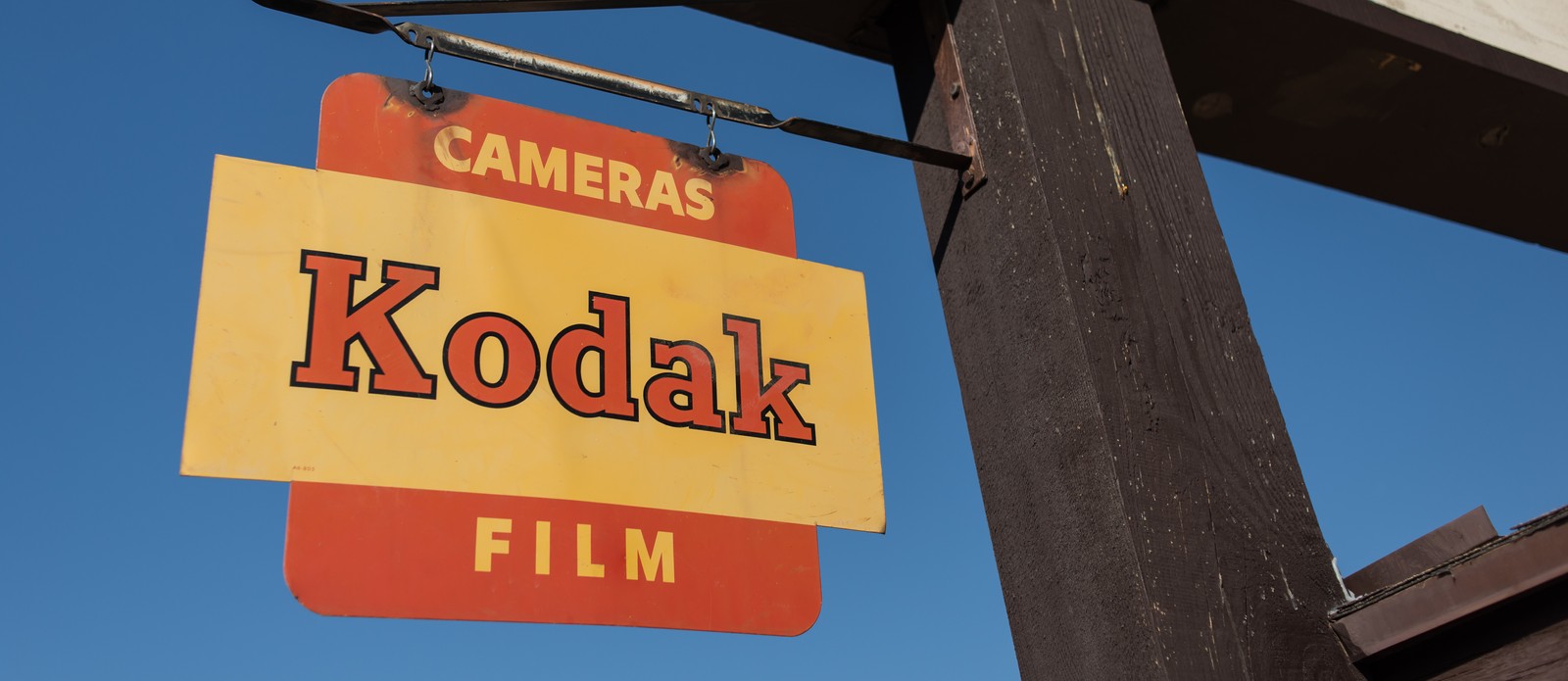
Image: pony rojo, CC BY-SA 2.0, via Wikimedia Commons

Blockbuster, Kodak, Woolworth’s… just hearing those names can bring back many memories, even though the brands have long since gone. T hese weren’t just brands; they were part of our routines, our weekends, and our family vacations. For decades, these companies seemed unstoppable. Then, they disappeared. So what happened? Here’s the story behind 10 iconic American brands that once stood at the top, and the real reasons they faded away.

1
Blockbuster
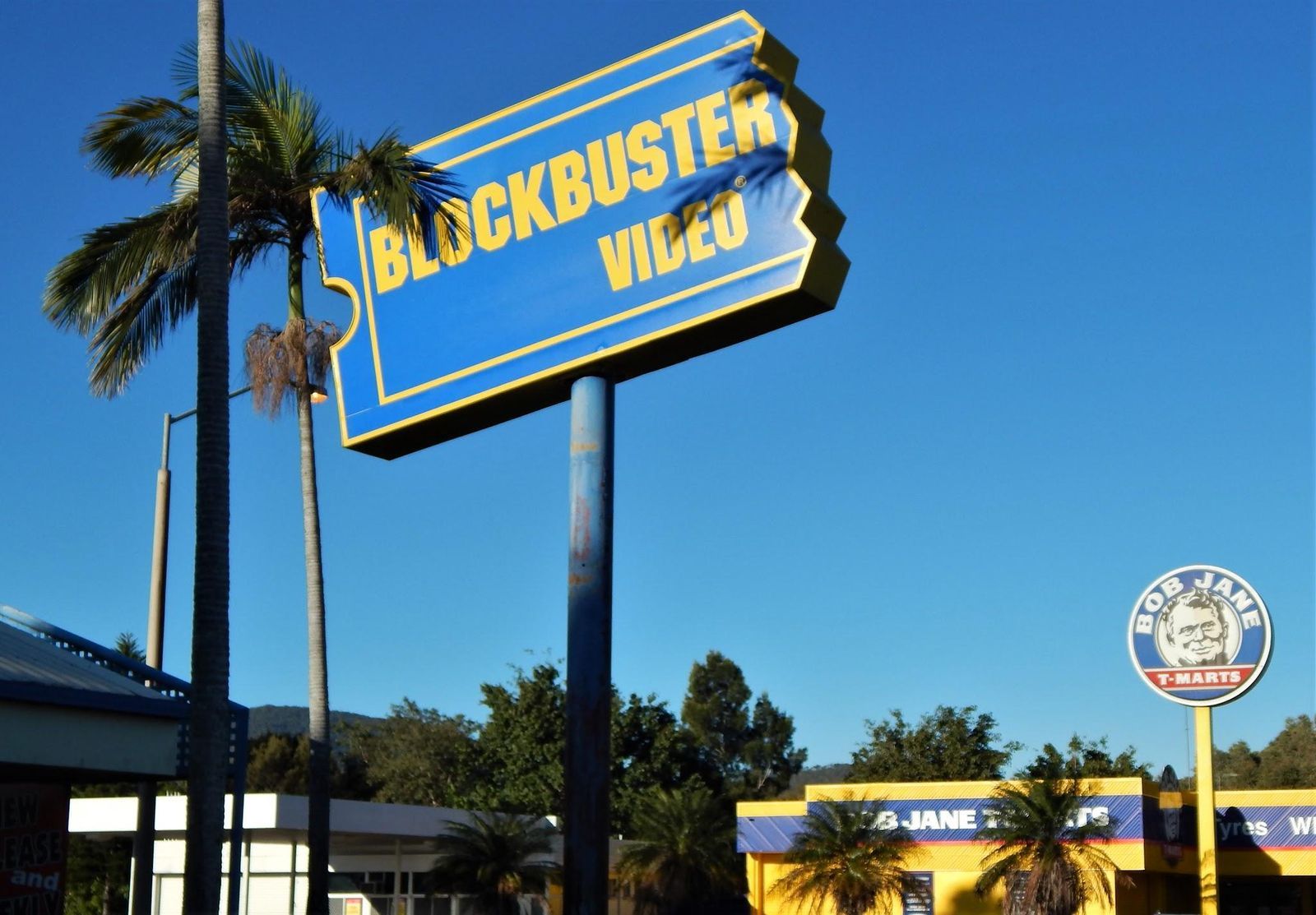
Image: RegionalQueenslander, CC BY-SA 4.0, via Wikimedia Commons

During the 1980s and 1990s, Friday night often meant one thing for American families: a trip to Blockbuster. Browsing the aisles for a movie, debating what to watch, and grabbing popcorn at the counter became a weekly routine. But nothing lasts forever.

Born in 1985, Blockbuster conquered the massive home-video market with thousands of stores by the late 1990s and early 2000s, catering to families with at-home VCRs. Then technology changed everything. First came DVD-by-mail services like Netflix, followed by streaming, which left Blockbuster struggling. Late fees and inconvenience only pushed more customers away. The company filed for bankruptcy in 2010. Today, just one official store remains in Bend, Oregon, where visitors still stop by for a dose of the video-store era.

2
Kodak
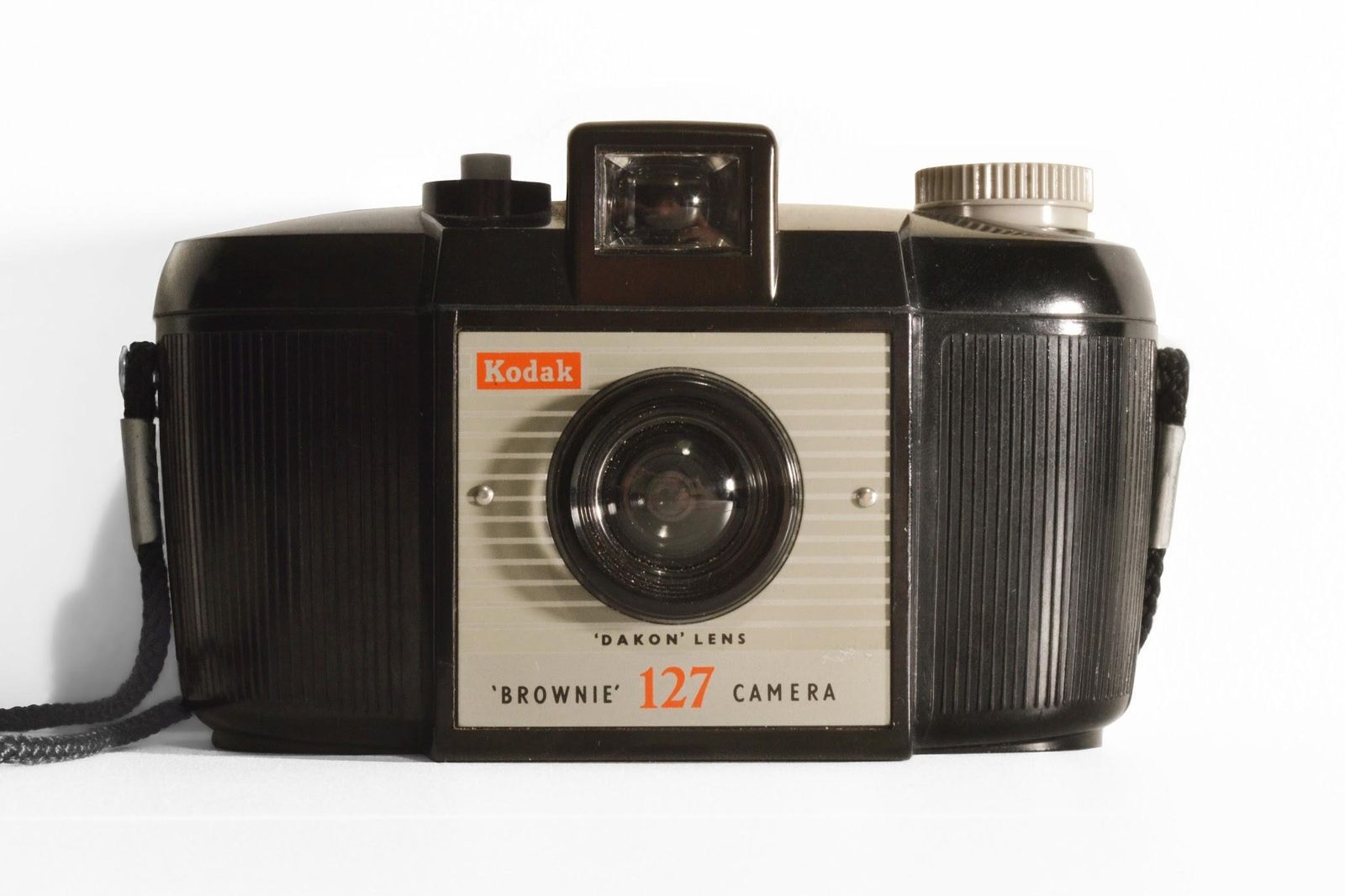
Image: 多多123, CC BY 4.0, via Wikimedia Commons

Back in the day, almost every vacation, birthday, wedding, or holiday gathering seemed to include a Kodak camera, or at least a roll of Kodak film. Founded in 1881, Kodak helped keep the moments that filled family photo albums for generations.

From the 1960s through the 1990s, Kodak dominated the world of film and photography. But that success also made the company slow to accept that technology was changing. Ironically, Kodak helped invent one of the first digital cameras in 1975, yet it hesitated to embrace the future. By the 1990s and 2000s, digital cameras (and later camera phones) quickly replaced traditional film. In 2012, the company declared bankruptcy.

3
Pan Am
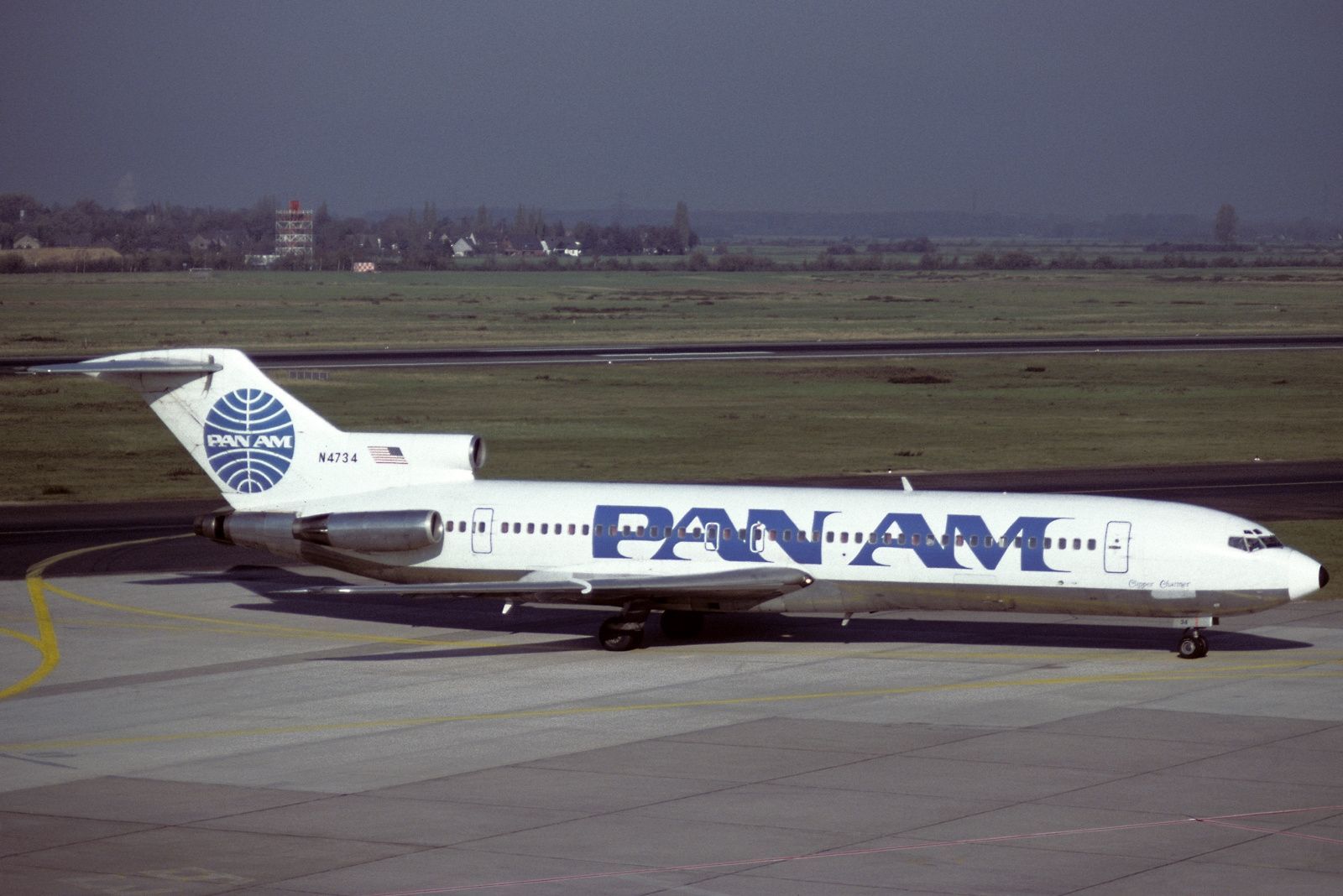
Image: Felix Goetting (GFDL 1.2 or GFDL 1.2), via Wikimedia Commons

Long before flying became an everyday experience, Pan American World Airways, better known as Pan Am, was already carrying Americans across the world. It was founded in 1927, and during the 1960s and 1970s, the airline became a symbol of glamorous air travel.

Its famous blue globe logo was instantly recognizable, even to those who rarely flew. But by the late 1970s, rising competition, fuel costs, and financial troubles began weakening the company. After years of mounting losses and debt, Pan Am shut down in 1991. Even so, its fame was such that even today, more than 30 years later, we still remember it.

4
Woolworth’s
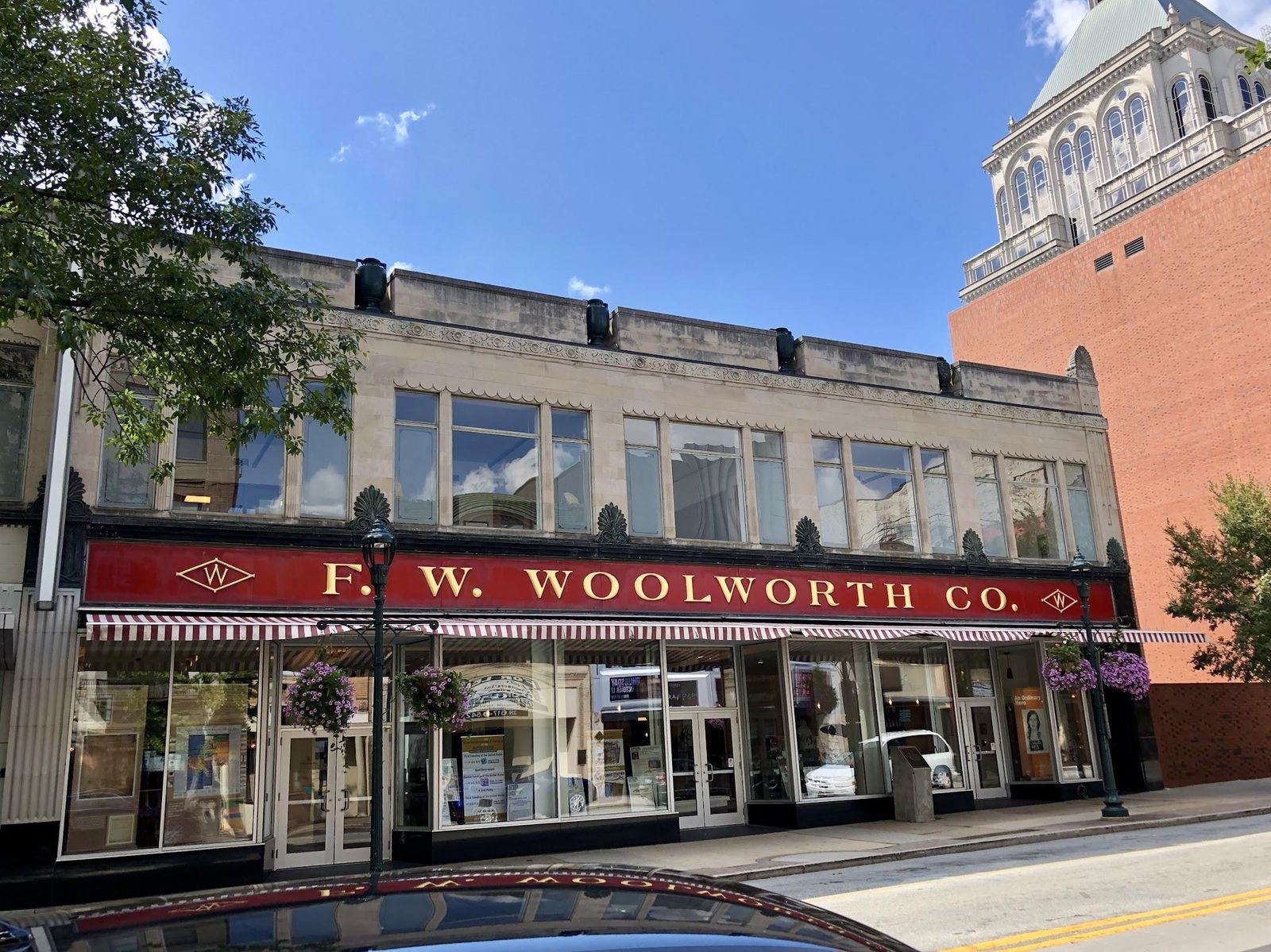
Image: Warren LeMay from Cullowhee, NC, United States, CC0, via Wikimedia Commons

Before Woolworth's made the "five-and-dime" famous, shopping in America looked very different. For decades, Americans visited Woolworth’s for everything from toys and school supplies to household goods and everyday essentials. By the 1960s, the brand had become a familiar part of American life.

Created in 1879 by Frank Winfield Woolworth, the chain grew into one of the country’s largest retailers. But in the 1970s, malls and discount giants like Walmart changed the way Americans shopped, and Woolworth struggled to keep up. By the 1980s, the iconic chain was slowly disappearing. Most stores closed during the 1990s, and the Woolworth retail chain officially ended in 1997.

5
Circuit City
Image: kennejima, CC BY 2.0, via Wikimedia Commons

Testing giant stereo systems, browsing rows of CDs and video games, and shopping for the newest TV were all part of the experience at Circuit City, once one of America’s biggest electronics chains.

Founded in 1949 by Samuel S. Wurtzel in Richmond, Virginia, as "Wards Company," the retailer adopted the Circuit City name in 1984. During the 1980s, 1990s, and early 2000s, it became the go-to place for Americans buying a TV, stereo, computer, or any electronic device. But like many companies on this list, Circuit City struggled as shopping habits changed and online stores became more convenient. A controversial 2007 decision to lay off thousands of experienced employees further hurt the company’s reputation. Circuit City couldn’t survive mounting losses and closed all remaining stores in 2009.

6
Borders

Image: Bindydad123, CC BY-SA 4.0, via Wikimedia Commons

Remember Borders? Born in 1971, its huge stores, filled with books, music, magazines, and cozy reading spaces, invited customers to spend entire afternoons there.

During the 1990s and early 2000s, the rise of large shopping malls actually helped Borders thrive, turning its bookstores into popular destinations inside malls across the US. But eventually, the company ran into a challenge it couldn’t overcome: online shopping and digital reading. Competitors like Amazon surged ahead, while Borders struggled to adapt and made costly business decisions, including outsourcing its online sales to Amazon for years. The company collapsed financially in 2011 and soon closed all remaining stores.

7
Bugle Boy
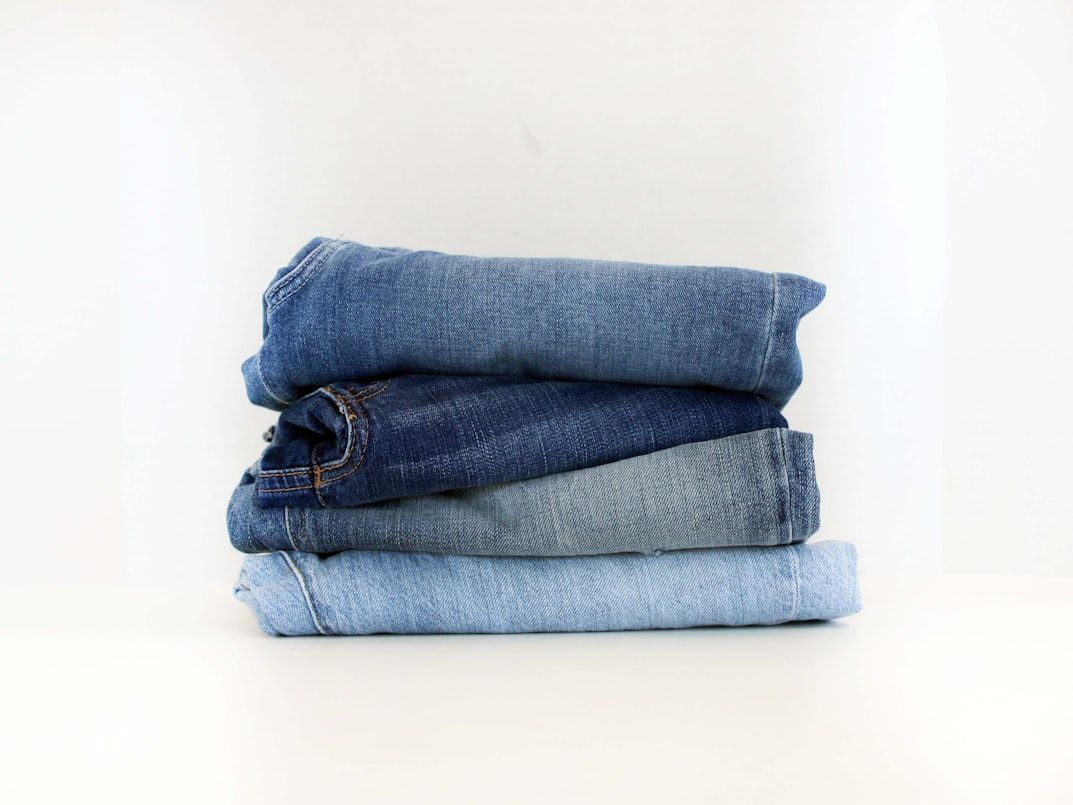
Image: Claire Abdo

In the late 1980s and early 1990s, teenage fashion became almost synonymous with Bugle Boy. Famous across the country for its casual jeans and memorable TV commercials, the brand became a major part of American mall culture and was sold in department stores nationwide.

But fashion never stands still, and brands have to constantly adapt to survive. By the late 1990s, newer youth-oriented labels had taken over with fresh styles that quickly made Bugle Boy seem outdated. Sales began to fall, and after years of struggling to keep up with changing trends, the company closed its stores in 2001.

8
Howard Johnson’s restaurants
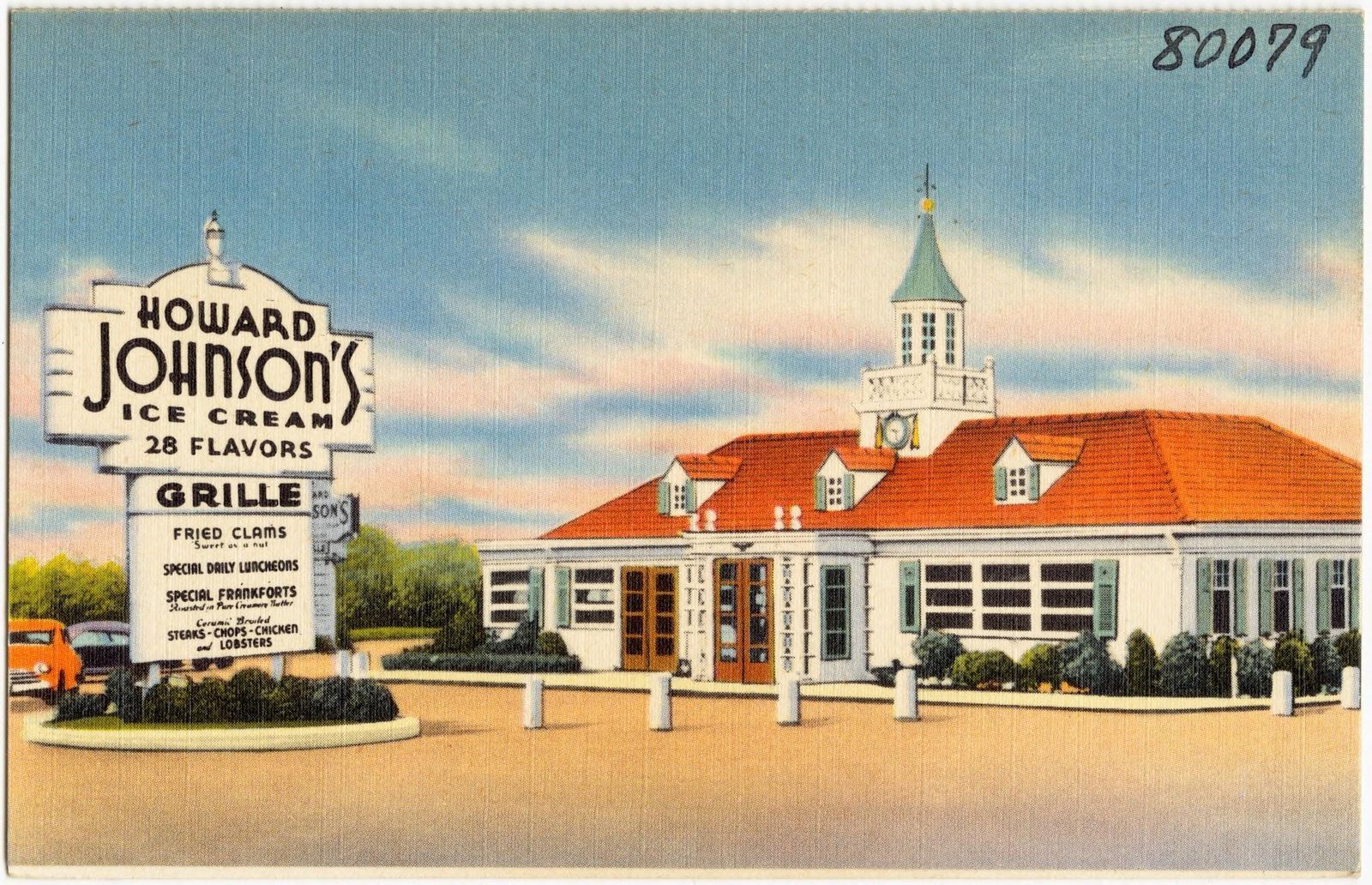
Image: Tichnor Quality Views, Made Only by Tichnor Bros., Inc., Boston, Mass., Public domain, via Wikimedia Commons

During the 1960s and 1970s, a stop at Howard Johnson's was part of the classic American road-trip experience for many families, and that was no accident.

Founded in 1925 in Quincy, Massachusetts, the famous orange-roofed chain reached its peak when America’s expanding highways and booming car culture made roadside travel more popular than ever. But by the late 1970s and early 1980s, the growing popularity of fast-food chains like McDonald's began changing the way Americans ate on the road. Drivers increasingly wanted meals that were faster, cheaper, and more standardized, while interstate highways also redirected traffic away from many older roadside locations. Unlike some other brands on this list, Howard Johnson’s faded away slowly over the decades. The last restaurant finally closed in 2022.

9
Burger Chef
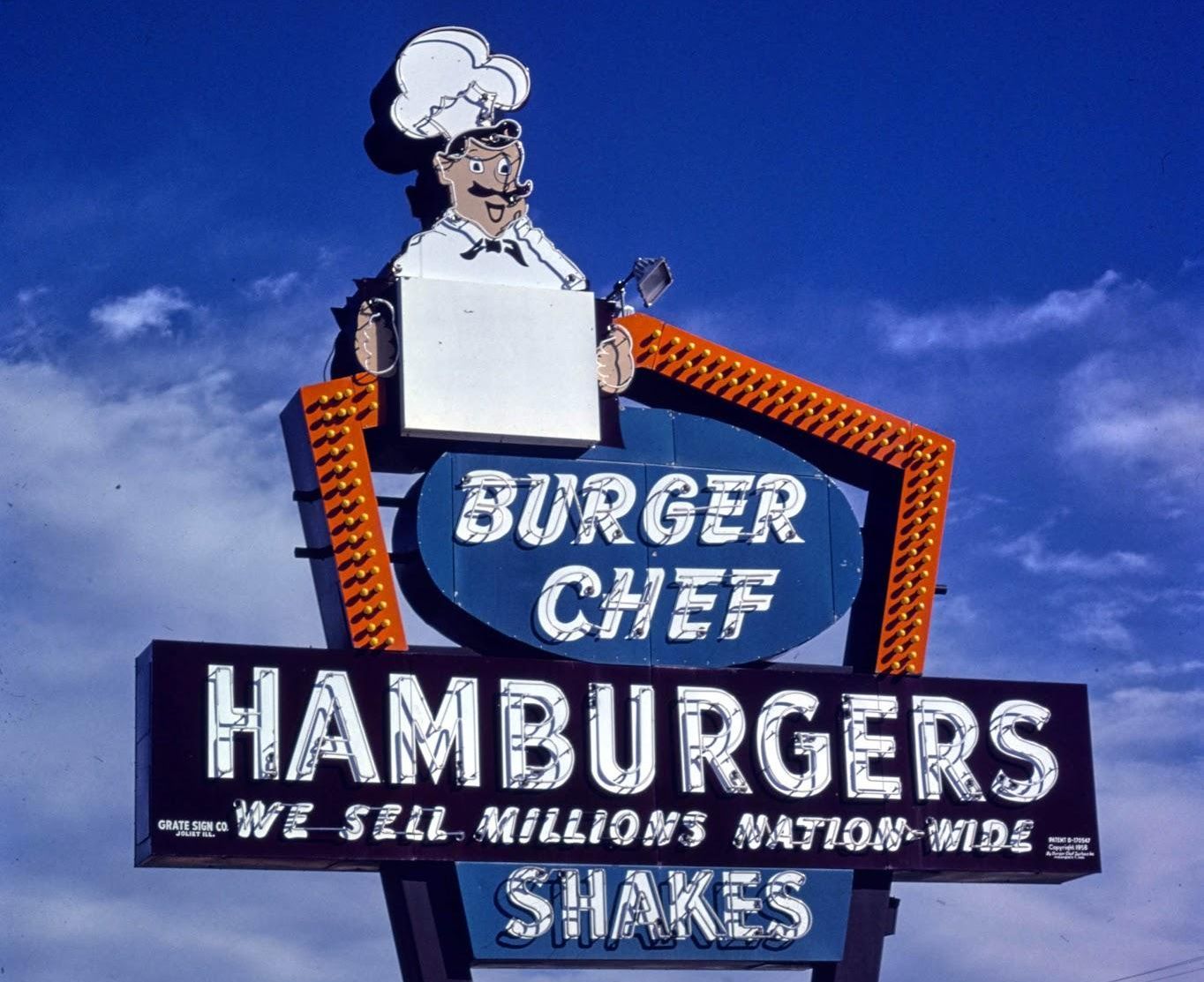
Image: John Margolies, Public domain, via Wikimedia Commons

In 1958, a name emerged as one of the pioneers of America’s growing fast-food industry: Burger Chef. By the late 1960s, the chain had more than 1,000 locations across the country and had become one of McDonald's’s biggest competitors.

Long before Happy Meals became famous, Burger Chef helped popularize the idea of marketing meals directly to children with toys and themed publicity. But during the fast-food wars of the 1970s, competition became fiercer than ever. While McDonald’s and Burger King expanded by leaps and bounds, Burger Chef struggled with financial problems and changing consumer tastes. In 1982, the company was sold to Hardee's, which gradually converted most Burger Chef locations into Hardee’s restaurants.

10
Sports Authority
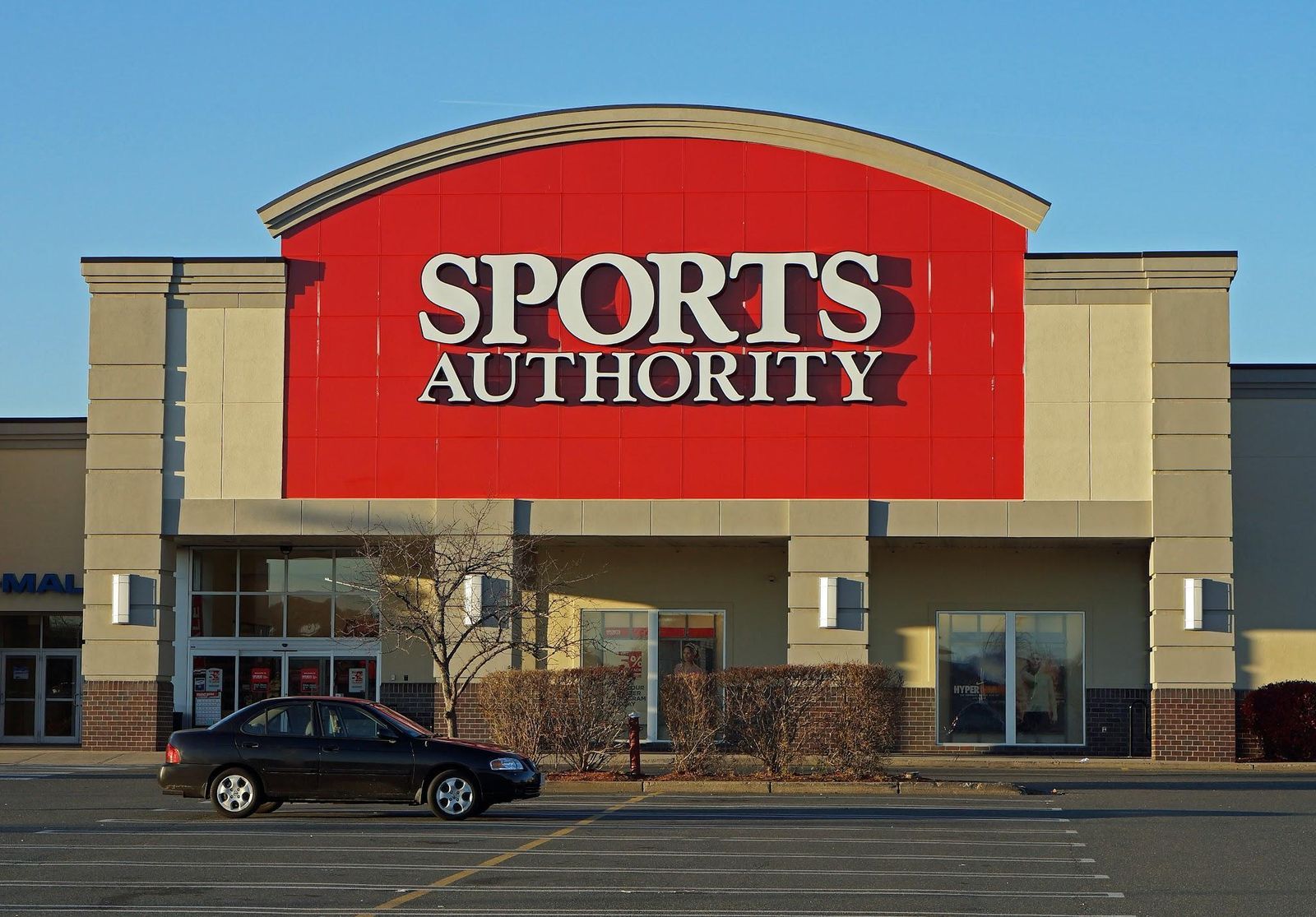
Image: Anthony92931, CC BY-SA 3.0, via Wikimedia Commons

Throughout the 1990s and 2000s, many Americans looking for running shoes, gym shorts, and sports gear headed straight to Sports Authority.

Known for its huge stores packed with athletic apparel, exercise equipment, bicycles, camping gear, and team sports products, Sports Authority became the ideal shopping destination for families and athletes across the US. But as online shopping rapidly changed retail in the 2000s, the company struggled to adapt. Heavy debt from expansion efforts and a slow shift to e-commerce eventually caught up with the chain. Sports Authority declared bankruptcy in 2016 and closed all remaining stores later that year.

History History 3 min read

The many faces of the flag

Our flag has changed 27 times: Explore its evolution

Image: Joshua Hoehne

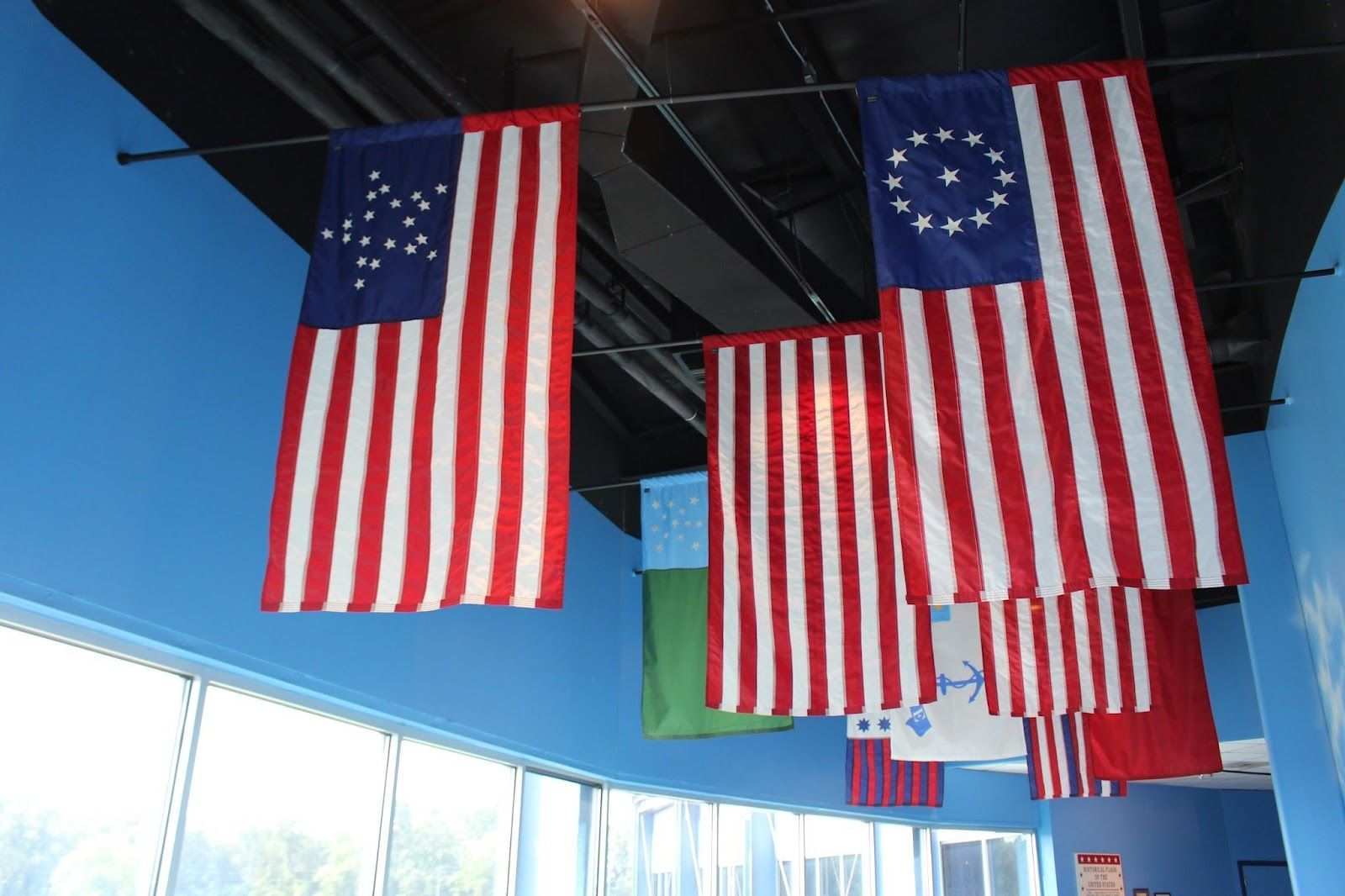
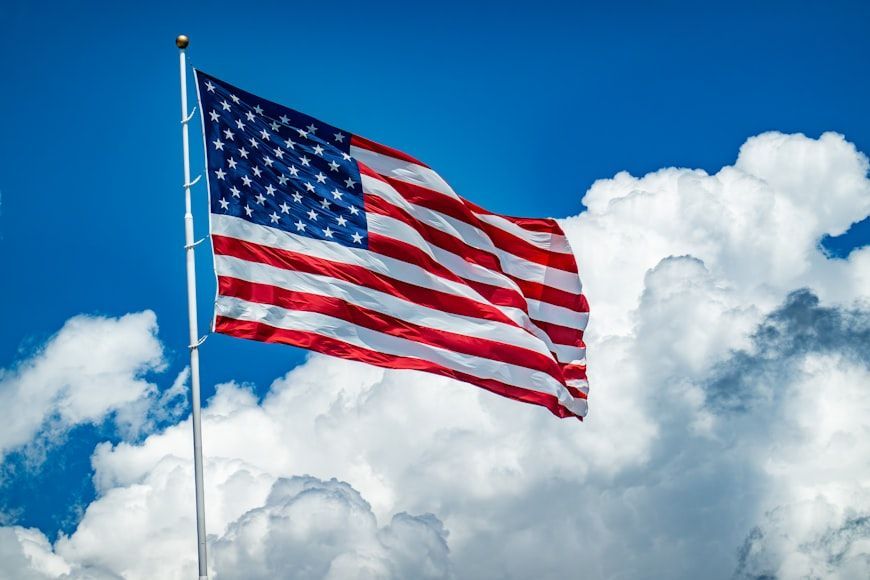
The Stars and Stripes are now recognized around the world, but the US flag didn’t always look the way it does today. While the red, white, and blue colors have been there from the beginning, the design has changed about 27 times! And so have the rules for handling it. If you want to see what our flag looked like in the past, or learn more about the protocols and traditions surrounding it, keep reading!

1
1776

Image: Bureau of Engraving and Printing., Public domain, via Wikimedia Commons

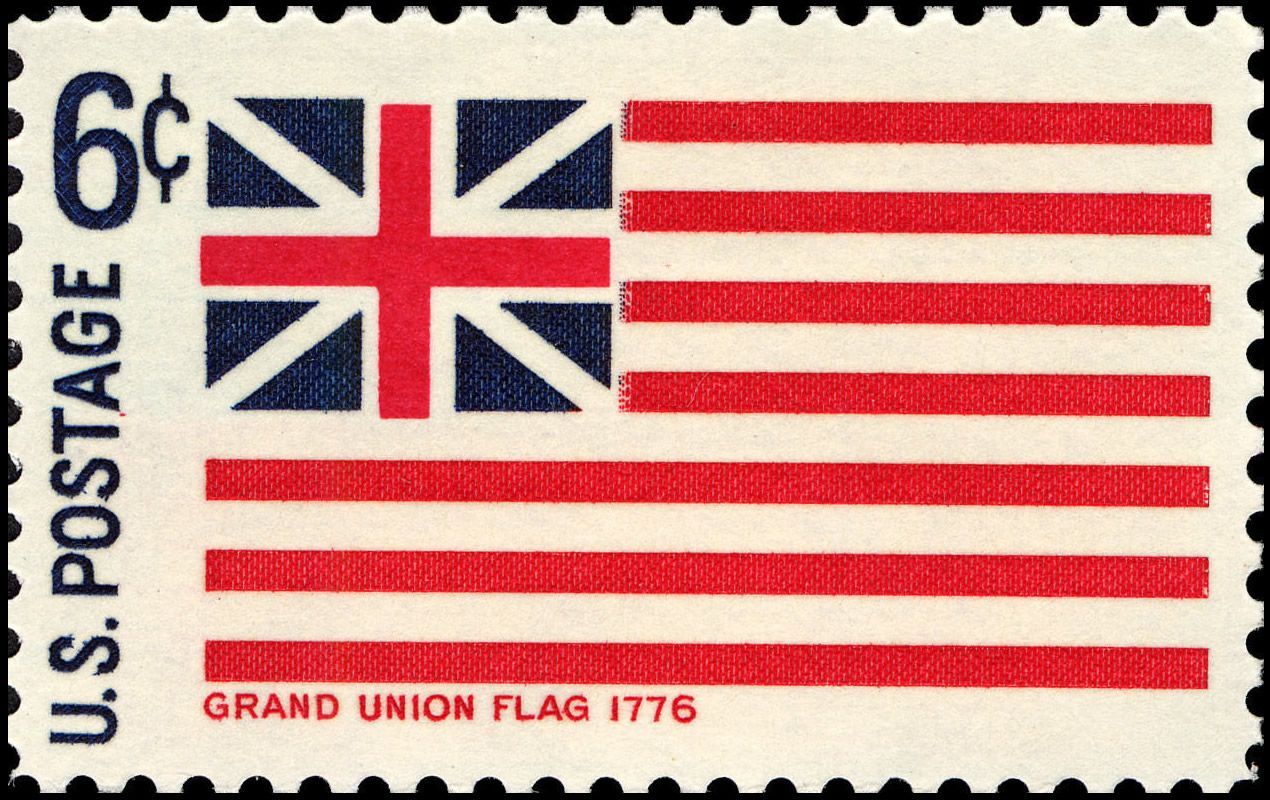
During the American Revolution, the Grand Union Flag, also called the Continental Colors, was created to represent the colonies. It featured 13 alternating red and white stripes (symbolizing the original colonies), but instead of stars in the upper left corner like we see today, it displayed the Union Jack.

2
1777

Image: Bureau of Engraving and Printing., Public domain, via Wikimedia Commons

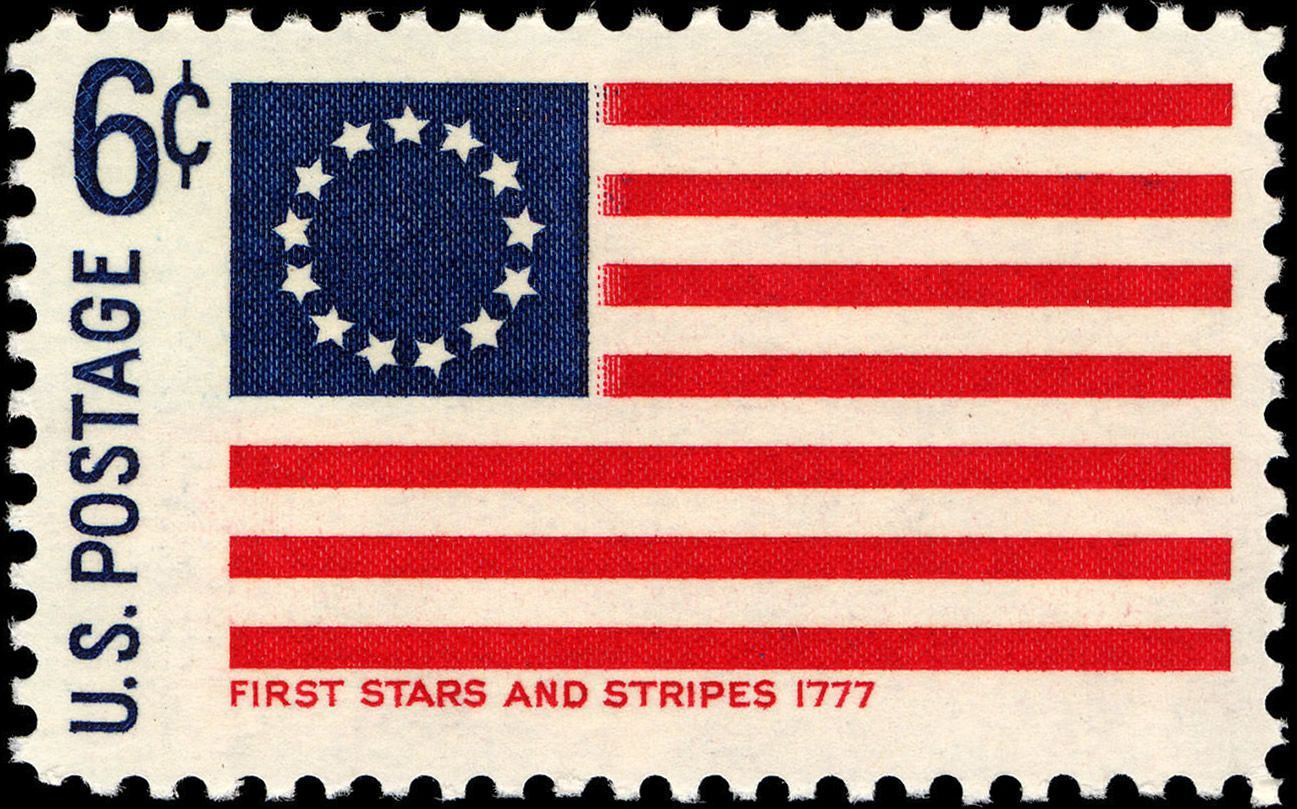
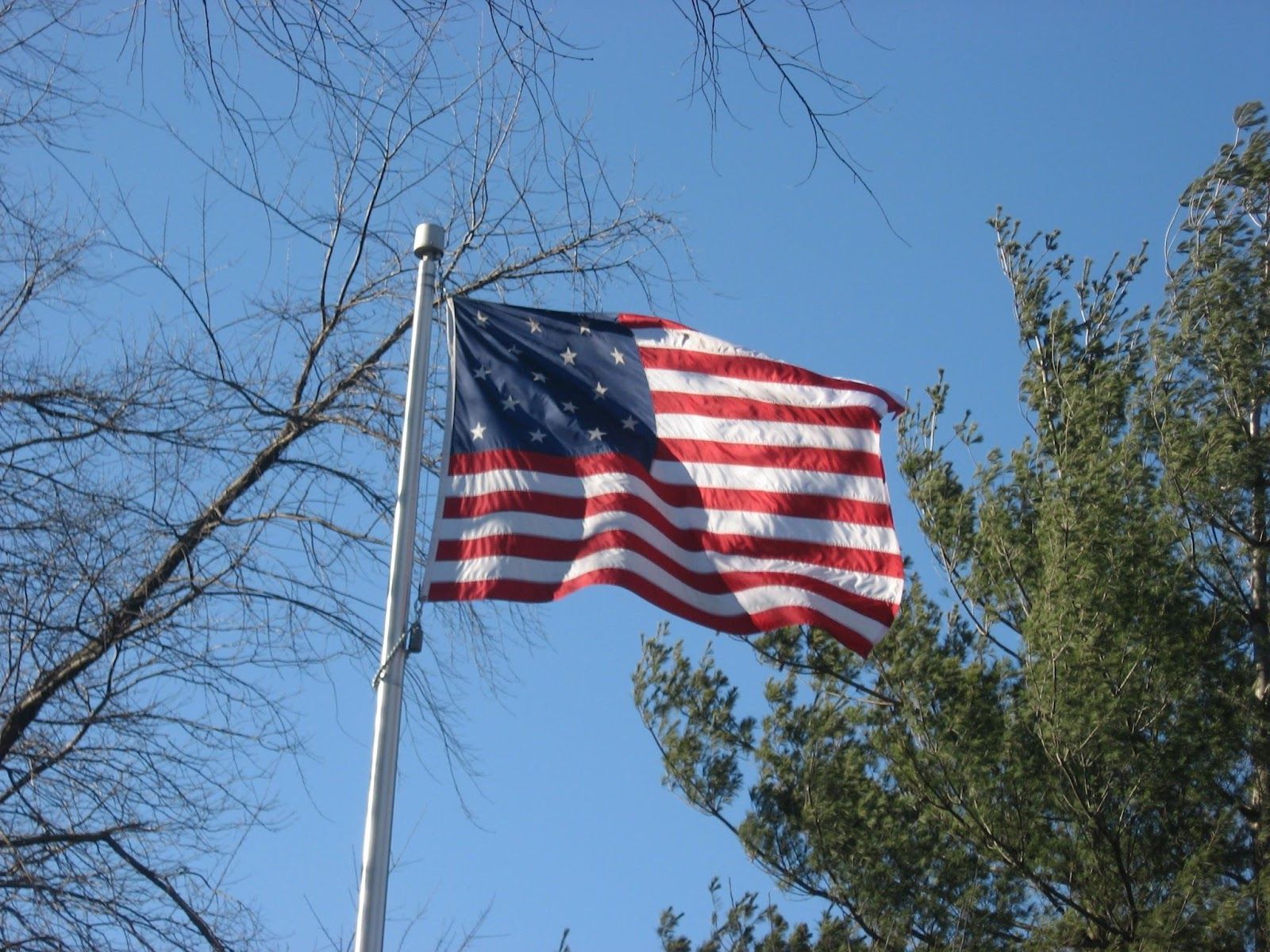
In 1777, following the Declaration of Independence, the Continental Congress adopted the first official flag of the United States. It featured 13 alternating red and white stripes, which still honor the original colonies today. Replacing the Union Jack, it introduced a new element that would be key for the rest of its history: 13 white stars set in a blue field, or canton, arranged in a circle to symbolize equality and unity among the states.

3
1795

Image: Nyttend, Public domain, via Wikimedia Commons

It wasn’t until 1795 that the flag changed again, when two more stars and two additional stripes were added to represent the recently admitted states of Vermont (1791) and Kentucky (1792). This version was the only US flag to feature more than 13 stripes and later became known as "The Star-Spangled Banner", since it was the very flag that inspired Francis Scott Key to write the poem that would later be the lyrics of the national anthem.

4
1818

Image: Michael Rivera, CC BY-SA 4.0 <https://creativecommons.org/licenses/by-sa/4.0>, via Wikimedia Commons

In 1818, the flag’s design changed once again. The 15 stripes were reduced back to 13 to permanently honor the original colonies. Five new states had joined the Union, bringing the total number of stars to 20. These stars were sometimes arranged in straight rows and other times in the shape of a large star, which earned this version the nickname "The Great Star Flag."

5
1912

Image: This image is a work by Wikipedia and Wikimedia Commons user Aktron.When reusing, please credit me as: Aktron / Wikimedia Commons. I would appreciate being notified if you use my work outside Wikimedia.More of my work can be found in my personal gallery.csen+/−csenmkplsr+/−, CC BY-SA 3.0 <https://creativecommons.org/licenses/by-sa/3.0>, via Wikimedia Commons

Each new state joining the Union meant one more star on the flag. In 1912, when New Mexico and Arizona were added, the number of states reached 48, so their stars also took their place. That year, President Taft issued an executive order setting the official proportions of the flag and specifying that the stars should be arranged in six horizontal rows of eight.

6
1960

Image: chris robert

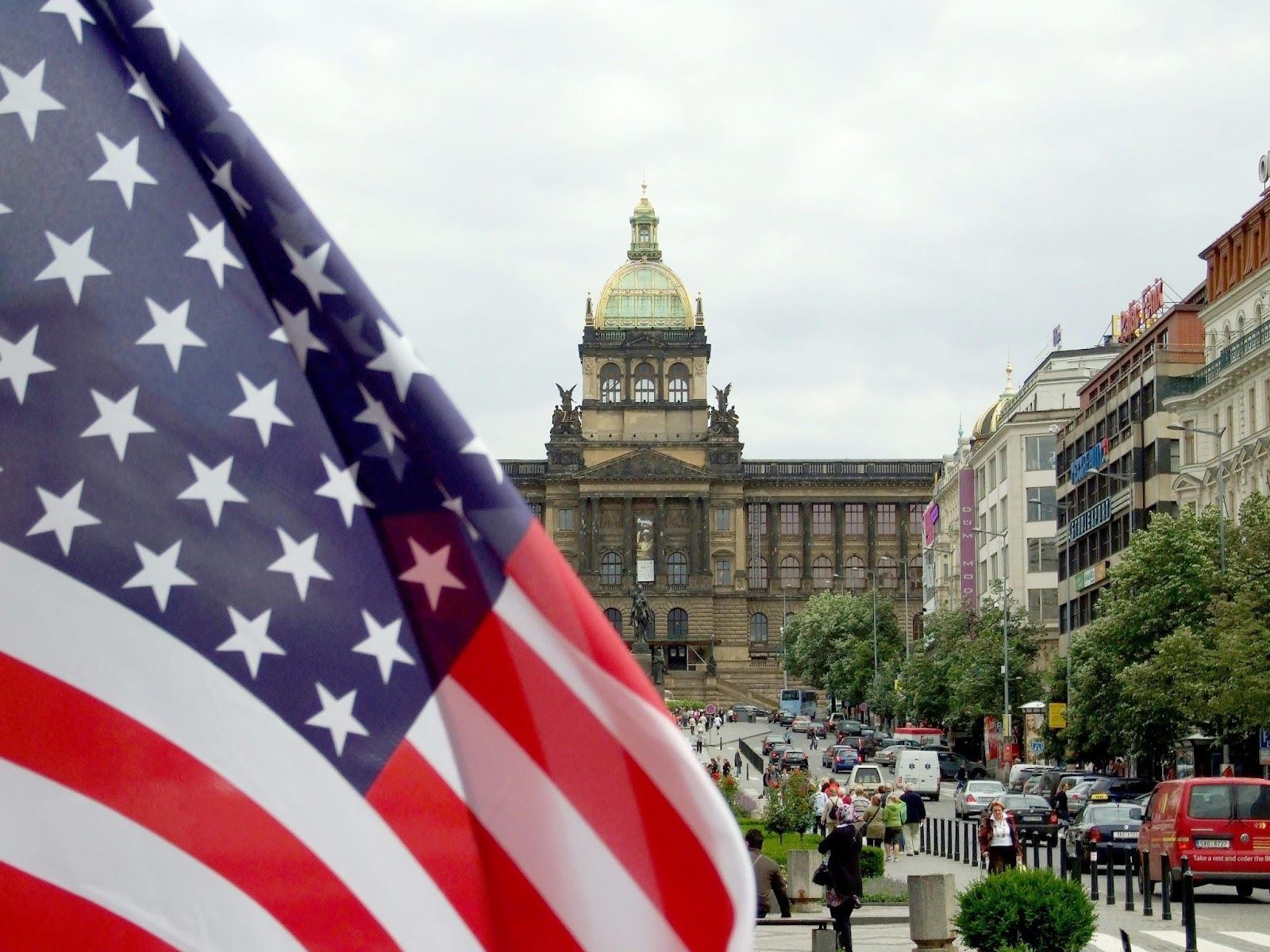
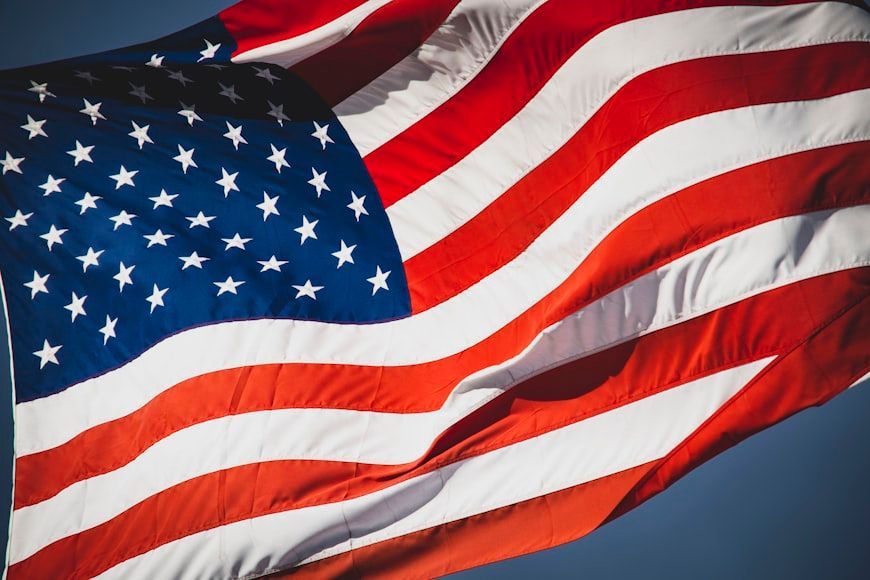
The most recent design change came in 1960. After Alaska and Hawaii joined the Union in 1959, two more stars were added, bringing the total to 50. They were arranged in nine alternating rows of six and five stars, like the official flags you see displayed across the country today.

7
Flag time

Image: Jon Sailer

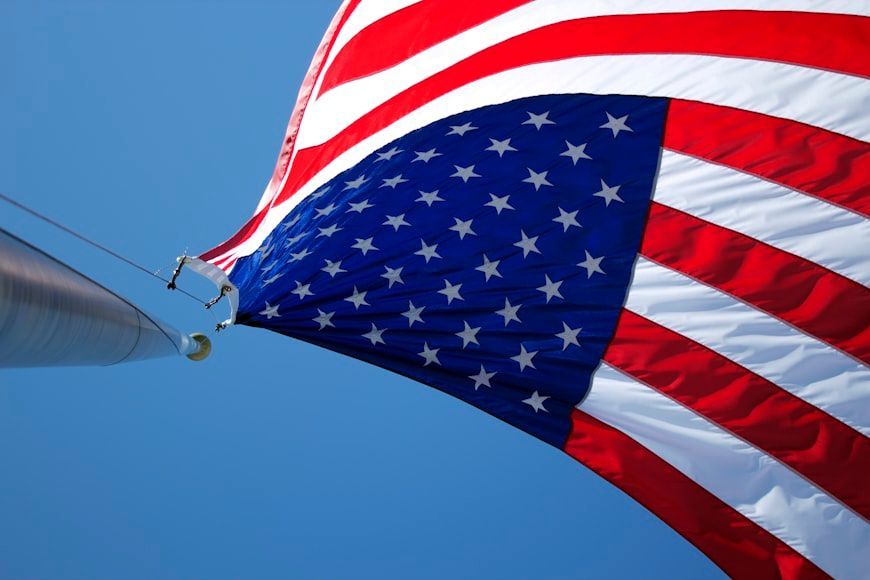
Beyond its official design, the US flag follows a set of protocols established over the years. One key rule specifies the time to display it: generally, the flag should be flown from sunrise to sunset. If displayed at night, it must be properly illuminated.

8
Weather conditions

Image: Anandu Vinod

The flag code doesn’t just set the time of day; it also indicates the proper weather conditions for display. According to the protocol, the flag should not be flown in bad weather, such as rain, snow, or storms, unless it’s an all-weather flag designed for such conditions.

9
Position

Image: Roger Starnes Sr

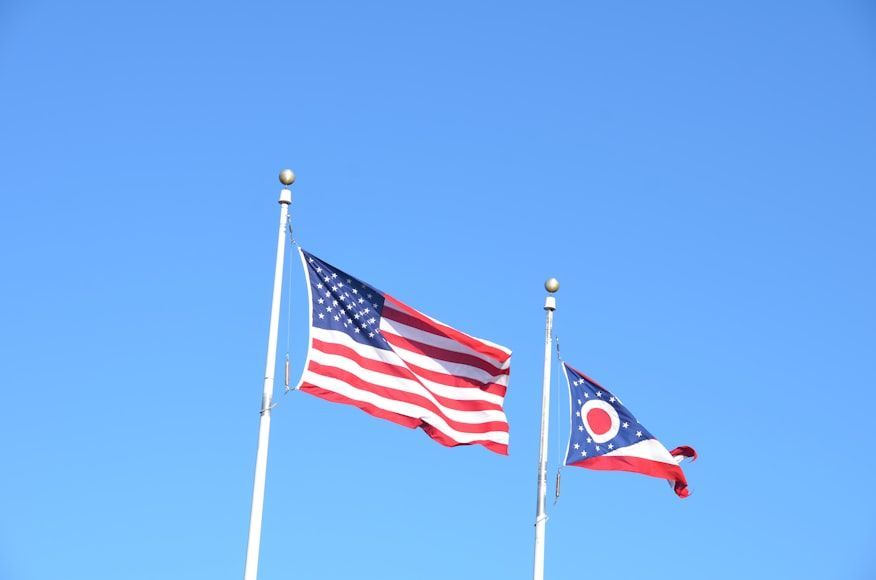
Of course, the flag must always have the blue canton in the upper left corner. But there are more rules for its position. When flown with other symbols, such as state flags, the national flag must be in the center and slightly higher. Additionally, if it needs to be lowered from the flagpole, the flag must never touch the ground.

10
Don'ts

Image: Alex Martinez

If you need to handle the flag, it’s important to know the proper way. But it's also crucial to know what not to do. Some of the key "don'ts" include never letting it touch the ground, avoiding creasing it, not writing or drawing on it, and one that might surprise many: don’t use it as clothing or decoration.

General General 3 min read

GAME ON!

Backyard Bonanza: The Ultimate Guide to America's Favorite Lawn Games

Image: Erol Ahmed

When the sun's out and the grill's fired up, nothing completes the quintessential American backyard gathering like a good old-fashioned lawn game. From classics that evoke nostalgia to modern favorites that keep everyone on their toes, these games have been entertaining families and friends for generations, bringing their own blend of competition and camaraderie to your backyard bash. Here's a rundown of 10 of the most popular lawn games across America!

1
Cornhole

Image: Jon Tyson

Cornhole reigns as the king of backyard games, combining skill and strategy with just the right amount of casual fun. Originating in the Midwest , players take turns tossing bean bags at a slanted board with a hole in it. Points are scored based on where the bag lands, with a perfect shot through the hole earning the coveted "cornhole."

2
Lawn Darts

Image: Afif Ramdhasuma

Once banned for safety concerns, modern lawn darts have undergone a safety makeover, now often sporting darts with plastic tips. Players take turns throwing darts toward a target ring on the ground, with the age-old game focusing on accuracy and a steady hand, making it a favorite for those who enjoy a real challenge .

3
Bocce Ball

Image: Braedon McLeod

Hailing from ancient Rome but finding a home in American yards, bocce ball involves tossing larger balls towards a smaller target ball, or pallino . Similar to curling and other such games, the goal is to get your ball closest to the pallino, all while strategically blocking opponents' shots. It's a game of finesse and strategy, often accompanied by good-natured banter - and what good lawn game isn’t?

4
Horseshoes

Image: Meg MacDonald

Dating back to ancient Greece (through a similar game called "quoits," where iron hoops are thrown instead), horseshoes remain a staple in American backyard culture. Players aim to toss horseshoes around a metal stake, scoring points based on proximity. This game combines skill and luck, with each ringer celebrated as a triumph of accuracy and expertise.

5
Croquet

Image: Troy Taylor

With origins in 19th-century England, croquet has become a refined addition to American backyard gatherings. Players use mallets to hit balls through a series of wickets arranged on the lawn, blending the gentle pace and strategic gameplay to make croquet a favorite among those who enjoy a more leisurely but still competitive game.

6
Ladder Toss

Image: Meritt Thomas

Also known as ladder golf, this game involves tossing bolas (two balls connected by a string) onto a ladder-shaped structure. Points are earned based on where the bolas land—the top rung yielding the most points and the bottom the least. It's easy to learn but challenging to master, keeping players engaged for hours.

7
Giant Jenga

Image: Meritt Thomas

Jenga , upsized to giant proportions, adds a nerve-wracking twist to backyard game nights. Players take turns removing wooden blocks from a tower and placing them on top without causing it to collapse. With each move potentially deciding the tower's fate, just like its smaller counterpart, Giant Jenga is a game that demands steady hands and clear strategic foresight.

8
Tug of War

Image: Anna Samoylova

A test of sheer strength and teamwork, tug of war pits two teams against each other in a battle of brute force. Using a sturdy rope, teams pull in opposite directions, aiming to drag the other team over a designated line. A game as ancient as rope itself , it's a primal display of competitiveness and camaraderie that never fails to energize a crowd.

9
Potato Sack Race

Image: Diego Catto

Bringing back memories of school field days, the potato sack race is a lighthearted sprint that requires nothing more than a burlap sack and some open space. Participants hop their way to the finish line, competing for the thrill of the race and the joy of friendly competition . It's simple, silly, and undeniably fun—a perfect way to wrap up a day of outdoor festivities.

10
Spikeball

Image: Spikeball

A recent phenomenon, spikeball is a competitive lawn game that has surged in popularity, offering a fast-paced twist on traditional volleyball . Played with a small trampoline-like net placed at ankle level, teams of two hit a small ball off the net, aiming to bounce it in such a way that the opposing team cannot return. It's athletic, energetic, and ideal for satisfying competitive spirits on sunny afternoons.

Explore more American facts

Choose your favorite category!

General
General

As American as apple pie—the very best America has to offer!

Culture
Culture

Delve into the astounding richness of American lore.

Geography
Geography

Hop in and explore vast and diverse American landscapes.

History
History

Discover the key moments that shaped the United States.