General General 4 min read

Plenty to be proud about

Not what you think: these are 10 things foreigners love about America
Image: Rob Martinez

People around the world often criticize the U.S. for different reasons, but many also admire much about America’s culture and personality. And, often, these qualities come as a surprise to Americans, who take them for granted. Visitors mention that we seem welcoming, ambitious, and energetic compared to people in other countries, while others are amazed at the country’s size, scenery, and global cultural influence.

1
Friendly to strangers

Image: Priscilla Du Preez 🇨🇦

Many foreigners are surprised by how casually Americans talk to strangers. Small talk in elevators, stores, restaurants, or even while waiting in line feels unusual to visitors from countries where people tend to be more reserved in public. Smiling at strangers is also much more common in the U.S.

Travelers often mention how Americans quickly offer directions, recommendations, or help without being asked. Even cities with "rude" reputations, like New York, are regularly praised by tourists for how helpful locals can be once someone needs assistance.

2
The national parks system
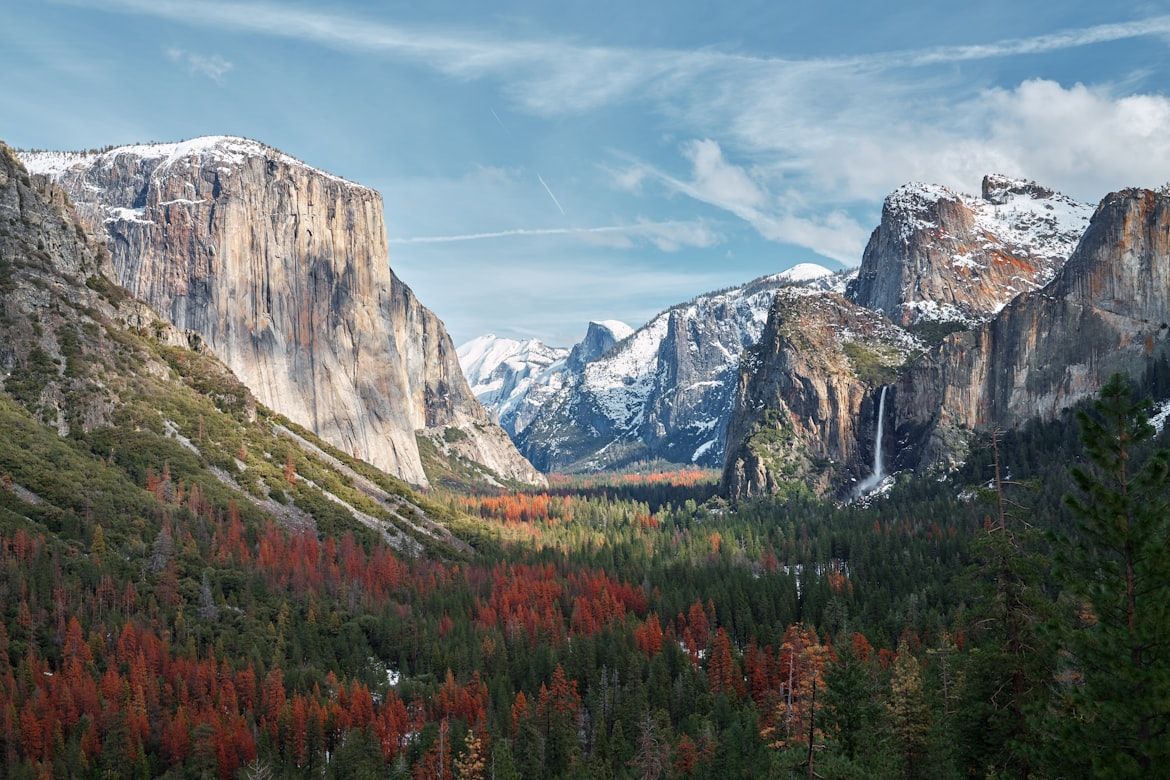
Image: Aniket Deole

The U.S. created the world’s first national park when Yellowstone opened in 1872. Today, the National Park System includes more than 400 protected sites, including famous places like Yosemite, Grand Canyon, Zion, and Glacier National Park.

Foreign visitors often admire how accessible these parks are through scenic roads, visitor centers, campgrounds, and hiking trails . Many international tourists specifically plan American vacations around road trips through the parks of California, Utah, Arizona, and Wyoming.

3
Optimism and positivity

Image: Madison Oren

Visitors from abroad frequently describe Americans as unusually optimistic. Expressions like "follow your dreams" or "you can do it" are deeply connected to American culture and are often more openly encouraged than in other countries.

Foreigners also notice how Americans tend to show enthusiasm in everyday situations , whether in schools, workplaces, or sports. Even critics of the U.S. often admit that Americans are generally comfortable encouraging ambition and celebrating success.

4
Innovation and entrepreneurship

Image: Kvalifik

The U.S. became home to some of the world’s most influential companies, including Apple, Microsoft, Google, Amazon, and Tesla. Silicon Valley in California became internationally famous as a center for startups, technology, and innovation.

Many foreigners admire how American culture encourages people to start businesses and take risks . Entrepreneurs from around the world move to places like California, Texas, and New York, hoping to find investment, opportunities, and professional connections.

5
Confidence and directness
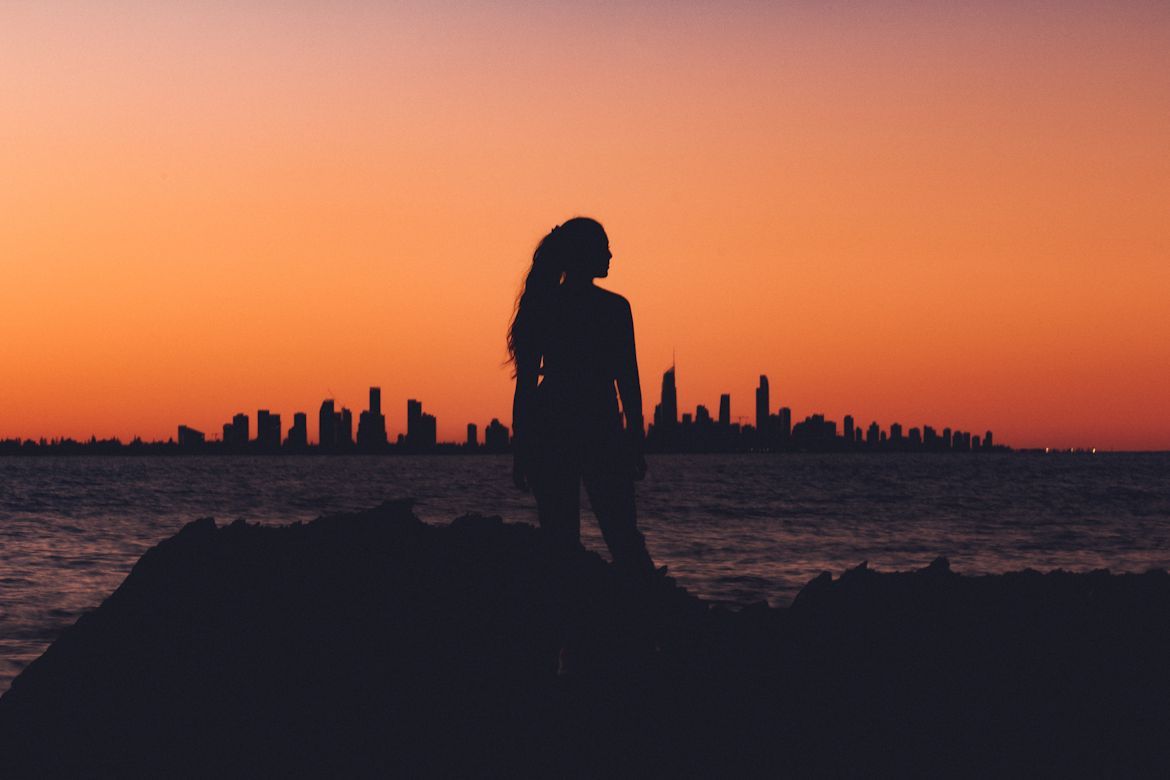
Image: Jordan Donaldson | @jordi.d

Americans are often seen as more direct and confident people from cultures where communication is more formal or indirect. Visitors frequently notice how comfortable Americans are in introducing themselves and openly expressing opinions .

International students and workers also mention that Americans tend to speak clearly about goals, plans, and expectations. While some cultures view this as overly bold, others admire how straightforward conversations can make social and business situations easier.

6
Customer service
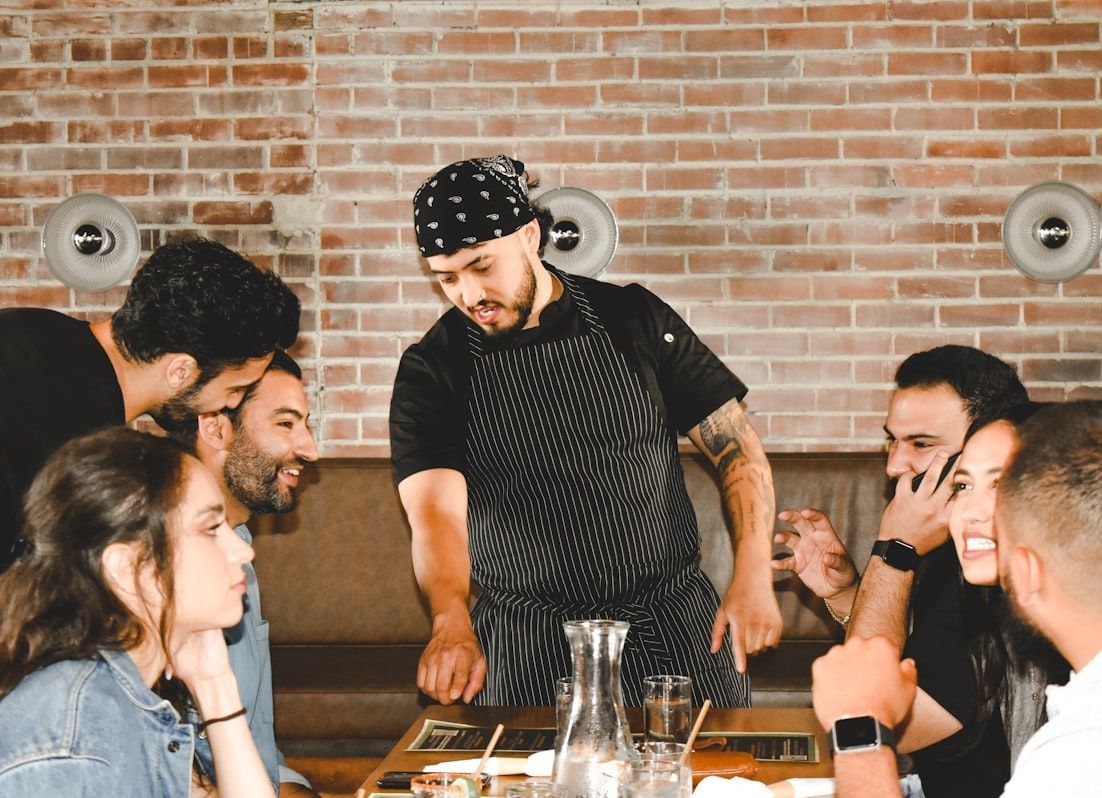
Image: Ashlyn Ciara

Tourists are often surprised by the level of customer service in the U.S. Restaurant servers regularly check on tables, stores allow generous return policies, and many businesses operate customer support services late into the night or even 24 hours a day.

Foreign visitors especially notice the friendliness and attentiveness of American service workers. While tipping culture can seem confusing at first, many travelers still praise the speed, convenience, and customer-focused attitude common across the country.

7
The scale of the country and its road trips
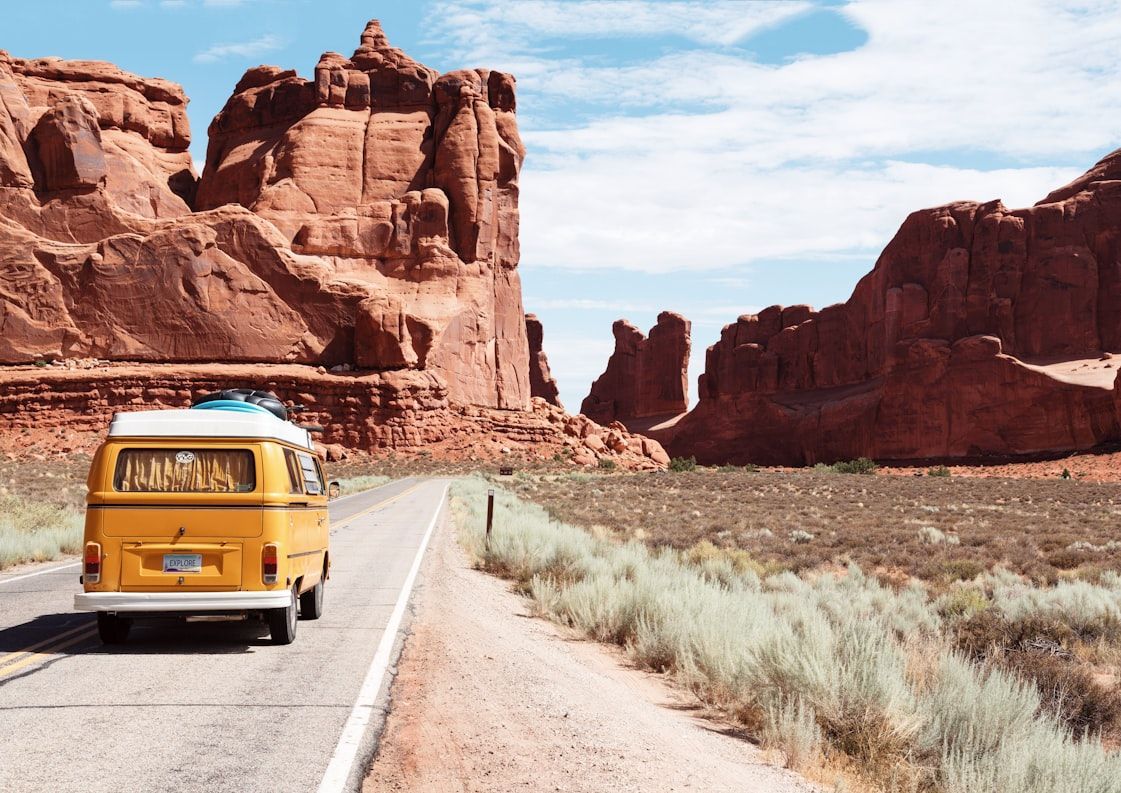
Image: Dino Reichmuth

The enormous size of the U.S. fascinates many visitors. The country stretches about 2,800 miles from coast to coast and includes deserts, mountains, forests, beaches, giant cities, and small rural towns.

American road trip culture became famous worldwide thanks to Route 66, the Interstate Highway System often mythologized in movies and music. Many foreigners dream of driving through places like the Pacific Coast Highway, the Southwest deserts, or the Deep South .

8
American universities and research centers
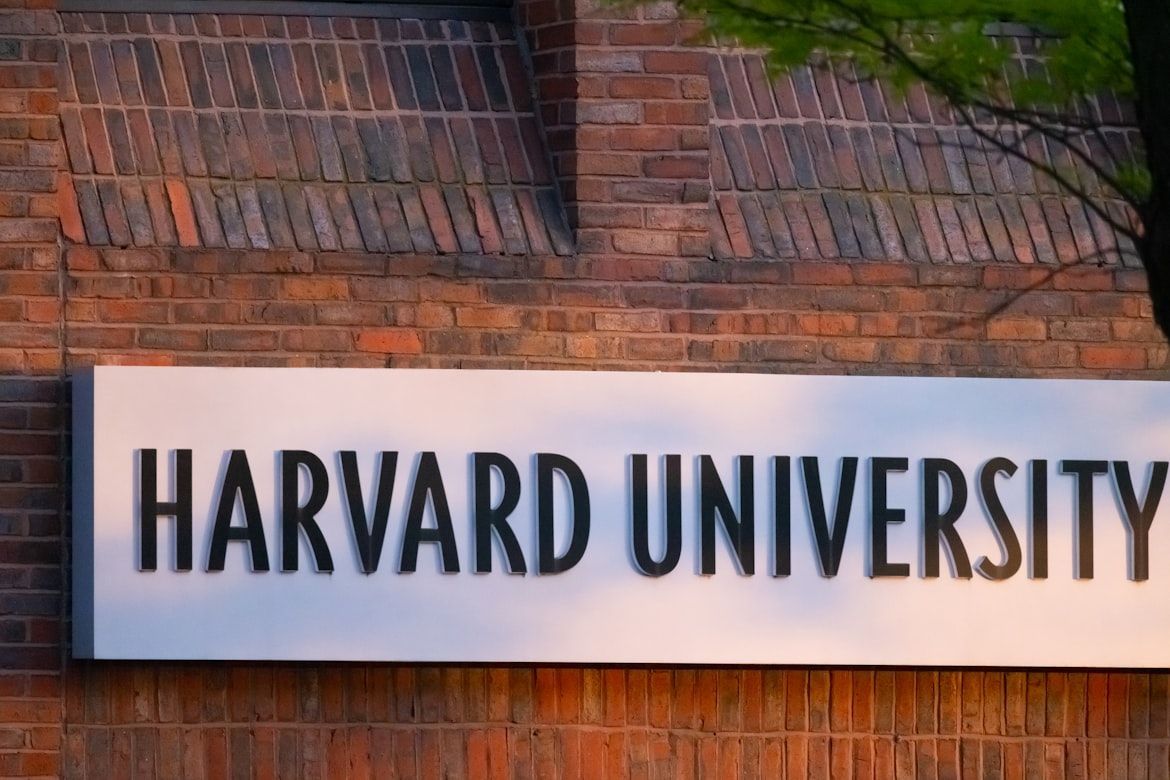
Image: Xiangkun ZHU

American universities attract hundreds of thousands of international students every year. Schools like Harvard, MIT, Stanford, Princeton, and Yale became globally respected for science, medicine, engineering, business, and technological research.

Foreign students also admire the large campuses, sports culture, and research funding available in the U.S. American universities helped produce major scientific discoveries and a large number of Nobel Prize winners across many different fields.

9
Entertainment and pop culture
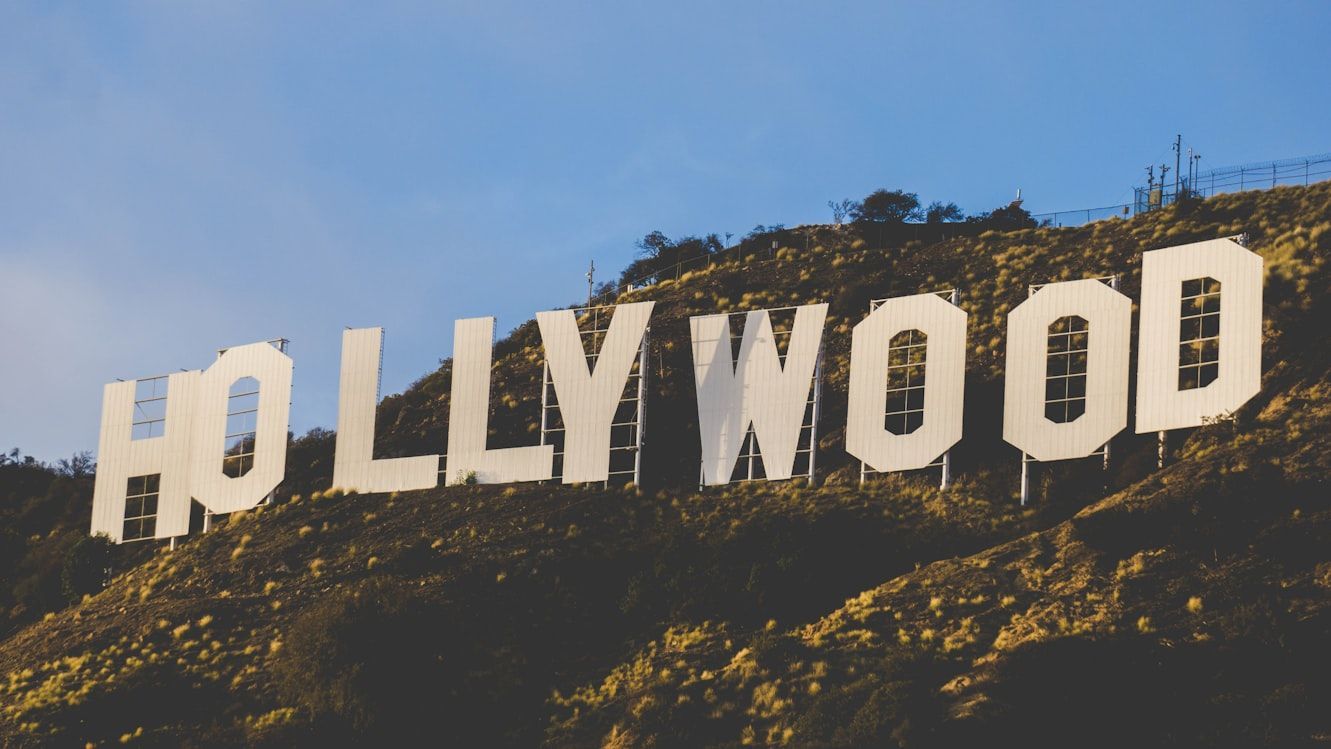
Image: De'Andre Bush

American entertainment has influenced cultures all over the world for decades. Hollywood movies, jazz, rock music, hip-hop, television shows, and sports leagues like the NBA became internationally recognizable symbols of American culture.

Many foreigners grow up watching American movies and listening to American music long before ever visiting the country . Shows like Seinfeld , Friends , and blockbuster films from Disney helped shape how millions of people imagine the U.S.

10
Ambitious dreams and personal goals
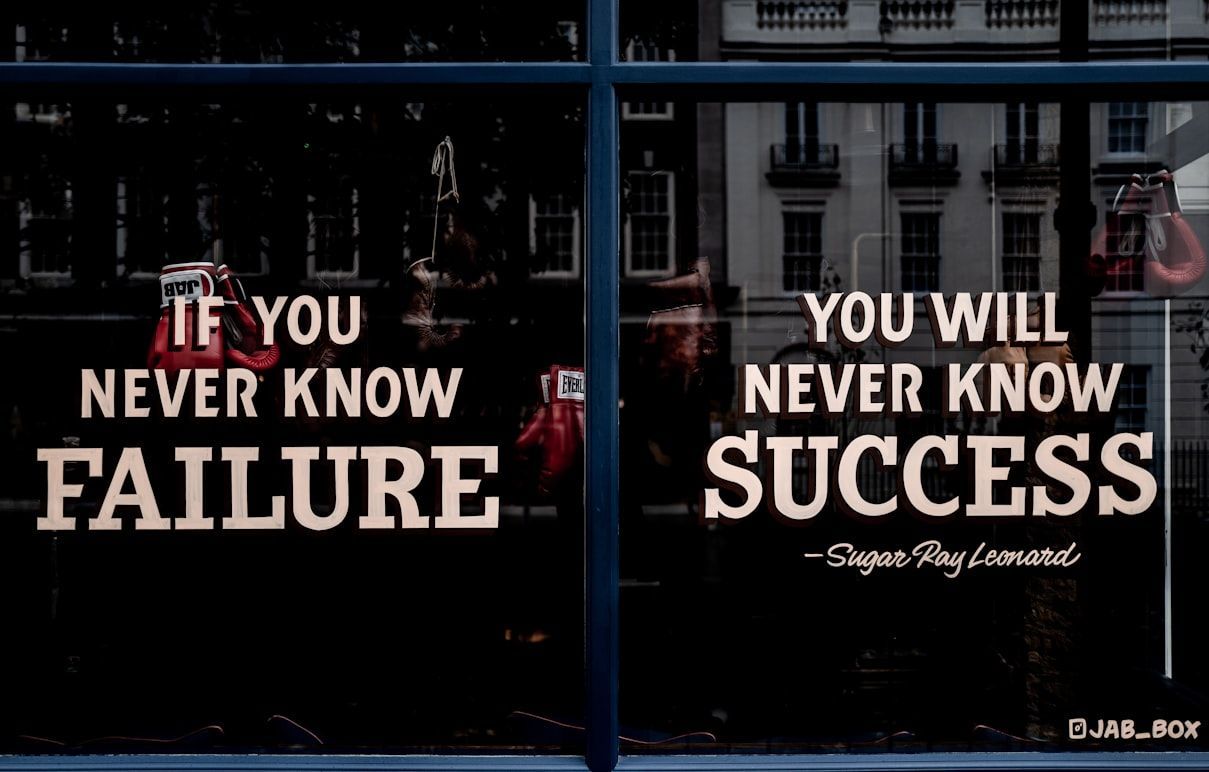
Image: the blowup

The idea of the "American Dream" remains iconic around the world. Many foreigners admire how strongly Americans believe people can reinvent themselves, build successful businesses, or achieve major goals through hard work and determination .

For generations, immigrants moved to the U.S. searching for opportunity, education, or freedom. That history helped create an international image of Americans as highly ambitious people who are constantly working toward bigger personal goals.
General General 4 min read

Unusual local laws

Ten small towns where the law gets downright weird

Image: Tingey Injury Law Firm

Ever wonder what happens when old laws never get repealed? America's small towns are treasure troves of bizarre legislation that'll make you scratch your head and chuckle. These aren't urban legends— these are real laws that somehow made it onto the books and stayed there, defying all logic and modern sensibility . So buckle up for a tour of ten small towns where following the law means navigating some seriously strange rules and regulations.

1
1. Gainesville, Georgia - Chicken Capital Chaos

Image: Lucas Andrade

In Gainesville, the self-proclaimed "Poultry Capital of the World," you'd better not even think about using a fork to eat fried chicken. That's right— this town passed a law in 1961 making it illegal to consume chicken with anything other than your bare hands . The ordinance was originally a publicity stunt to promote the town's poultry industry, but it's technically still enforceable today.

2
2. Wilbur, Washington - Riding Ugly Horses Prohibited

Image: Magdalena Smolnicka

The tiny town of Wilbur takes civic beauty seriously—so seriously that they've outlawed riding an ugly horse down the street . The big question, of course: who gets to decide what constitutes an ugly horse? There's no official equine beauty standard outlined in the ordinance, leaving enforcement entirely up to interpretation.

3
3. Pocatello, Idaho - Smiling is Mandatory

Image: Allef Vinicius

Feeling grumpy? Don't bring that frown to Pocatello, Idaho, where a 1948 ordinance made it illegal not to smile in public . The law was passed during a time when city leaders wanted to promote a more positive, welcoming atmosphere in their community. Technically, walking around with a scowl on your face could get you in trouble with the law, though enforcement has been, shall we say, lax.

4
4. Carmel, California - High Heels Require a Permit

Image: Amanda Vick

Fashionistas beware: in the upscale coastal town of Carmel-by-the-Sea, wearing high heels over two inches tall requires a permit . The law, which dates back to the 1920s, was actually created to protect the city from liability lawsuits. Carmel's charming streets are notoriously uneven and filled with quirky design features, making twisted ankles a real hazard for heel-wearers. Rather than fix the streets, city officials decided to require permits for anyone wanting to wear stilettos around town.

5
5. Blythe, California - Must Own Cows

Image: Brice Cooper

In Blythe, a small desert town along the California-Arizona border, you're required by law to own at least two cows before you can wear cowboy boots in public . This head-scratching ordinance apparently aimed to prevent city slickers from appropriating authentic cowboy culture without earning the right. The logic seems to be that cowboy boots are functional workwear for actual cowboys, not a fashion statement for posers.

The reality is that nobody in Blythe enforces this law, and you'll see plenty of people strutting around in cowboy boots without a single cow to their name. The ordinance has become more of a conversation starter than actual legislation

6
6. Marshalltown, Iowa - No Horse Eating Fire Hydrants

Image: Justin Meckes

Marshalltown takes fire safety seriously, which is why they've made it illegal for horses to eat fire hydrants . This bizarre law presumably dates from the days when horses were the primary mode of transportation, though exactly what equine-hydrant-munching incident prompted this legislation remains a mystery.

7
7. Yamhill, Oregon - Fortune Telling Forbidden

Image: petr sidorov

In Yamhill, Oregon, predicting the future is not just frowned upon—it's illegal . This small town of fewer than 1,200 residents has a law explicitly banning fortune telling, palmistry, and other mystic arts. The ordinance dates back to the early 20th century, when such laws were common across America, designed to protect citizens from scam artists and charlatans.

8
8. Cicero, Illinois - Humming Banned on Sundays

Image: Kristina Flour

This town has an ordinance that prohibits humming on public streets on Sundays . The law likely originated during a more puritanical era, when Sundays were strictly reserved for quiet contemplation and religious observance. Any form of frivolous noise was considered disrespectful to the Sabbath.

9
9. Paulding, Ohio - No Cop-on-Dog Biting Allowed

Image: Jairo Alzate

In the small town of Paulding, there's a law that addresses a very specific workplace hazard: it's illegal for a police officer to bite a dog , even in self-defense. Most towns have laws protecting people from dog bites, but Paulding flipped the script and decided dogs needed protection from over-enthusiastic law enforcement.

10
10. San Antonio, Texas - Flirting Forbidden

Image: Elist Nguyen

In San Antonio, using your eyes to catch someone's attention romantically is technically against the law. The city has an ordinance that prohibits flirtation and "offensive ogling" in public places . This Victorian-era law was meant to protect people (particularly women) from unwanted attention and harassment before modern sexual harassment laws existed. The rule specifically mentions making eyes at someone or using hands to communicate romantic interest.

General General 6 min read

Happiness in a bowl

What’s your favorite cereal? The top 10 most popular brands in America

Image: DS stories

On any given day, one out of every two Americans starts his or her morning with a bowl of cereal. Altogether, Americans consume roughly 2.7 billion boxes every year. Although the story of cereal began around 10,000 years ago with the advent of agriculture, cold breakfast cereals are a more recent and decidedly American development that quickly expanded to the rest of the world. Whether you prefer Corn Flakes or Froot Loops over Cheerios and Lucky Charms, you'll likely find your favorite cereal in this article. Join us as we look back on 10 of America's most popular breakfast brands!

1
Corn Flakes

Image: Sten Ritterfeld

Who hasn't started their day with a bowl of Corn Flakes at least once? While Corn Flakes weren't exactly the first packaged cold cereal product sold in America, they are undoubtedly the most iconic. As early as 1902, William Keith Kellogg began mass production of his first cereal after proving its efficacy and popularity with patients at the Battle Creek Sanitarium, where he worked alongside his prestigious doctor brother.

The Kellogg brothers were focused on offering a healthier alternative to the traditional pork-and-beef heavy English-style breakfasts that most Americans were eating at the end of the 19th century. Therefore, they developed a process that allowed them to transform thin slices of cereal into small toasted flakes of wheat or corn. Since then, Corn Flakes, combined with fresh milk, have been one of the most popular breakfasts among Americans, young and old.

2
Cheerios

Image: Deena Englard

Did you know that a one-ounce serving of Cheerios contains nearly 250 individual "O's."? Crazy, right? Introduced in 1941 by the American company General Mills, Cheerios is one of the first oat-based ready-to-eat cereals and remains one of the most widely consumed in the United States.

Back in the 1930s, General Mills engineers tested more than 500 formulas and experimented with 10 different shapes and sizes before perfecting the now-iconic "O." They finally came up with the delicious cereal that offers the nutrients of 4 cereals: oats, corn, wheat, and rice. Today, there are about 20 different flavors of Cheerios available in the U.S., including Honey Nut, Chocolate, and Apple Cinnamon. Which one is your favorite?

3
Rice Krispies

Image: Lisa Fotios

Kellogg’s is one of the most influential breakfast cereal companies in the United States and the world, and we have them to thank not only for Corn Flakes but also for our beloved Rice Krispies. This breakfast cereal made from crispy rice first appeared on the shelves in 1928. It was revolutionary at the time because the company used a new patented process called "oven-popping" to manufacture them.

Rice Krispies’ success may have been due to its claim that the cereal would remain floating even after 2 hours in milk. The brand's classic slogan honoring this unique quality—"Snap! Crackle! Pop!"—was introduced around 1939 and is still used on packaging today. For decades, Rice Krispies has been one of the most popular cereals among consumers, so much so that even the Rolling Stones recorded a short song for a television commercial promoting the brand in 1964. Do you remember the catchy tune?

4
Cap'n Crunch

Image: Samantha Gades

Cap'n Crunch cereal, a combination of corn and oats, was developed in the early 1960s by Pamela Low, a flavorist who was inspired by a brown sugar and buttered rice recipe from her grandmother. Since its debut, additional flavors have been introduced, including Berries, Peanut Butter, and Chocolate.

But did you know that Cap'n Crunch’s full name is Horatio Magellan Crunch ? The iconic cartoon mascot was developed for the Quaker Oats Company by Allan Burns, a screenwriter and television producer who later co-created popular shows like The Munsters and The Mary Tyler Moore Show . Since its introduction in 1963, the late 18th-century naval captain, born on Crunch Island—a magical land in the Sea of Milk—has won the hearts (and bowls) of countless consumers across America.

5
Trix

Image: Sascha Bosshard

General Mills introduced Trix in 1954 as the first fruit-flavored cereal. Initially, it wasn’t marketed exclusively for kids, but because of the bright colors, it soon became a favorite among the little ones. When Trix was first launched, it featured round cereal balls in three flavors: "Raspberry Red," "Orange Orange," and "Lemony Yellow." It wasn't until 1991 that Trix became the first fruit-shaped breakfast cereal.

But as with other brands on this list, Trix is best remembered for its mascot rather than the cereal itself. In fact, the Trix Rabbit is one of the single longest-running ad campaigns in television history. Since the 1960s, the brand has kept the same character, the same slogan—"Trix are for kids!"—and the same storyline: the rabbit’s endlessly thwarted attempts to steal a box of cereal.

6
Frosted Flakes

Image: Engin Akyurt

If we talk about the sweetest cereals on the market, we cannot fail to mention Frosted Flakes. The concept and technology of a "frosted" cereal was developed in 1939 by Jim Rex, a salesman from Philadelphia who unfortunately didn’t have much success with his product Ranger Joe Wheat Honnies. The idea, though, was soon adopted by the breakfast cereal industry, and by 1952, Kellogg introduced Sugar Frosted Flakes to its lineup.

That same year, Kellogg launched a campaign featuring Tony the Tiger, Frosted Flakes’ famous mascot, who proudly declared, "Sugar Frosted Flakes are Grrr-reat! The slogan and the character became so popular in the United States that it's probably more quintessential than the cereal itself.

7
Lucky Charms

Image: Céline Druguet

The mini marshmallows found in Lucky Charms, whose technical and copyrighted name is Marbits , were invented, along with the cereal, by General Mills product developer John Holahan in 1963. One morning, he cut up a few orange marshmallow Circus Peanuts, mixed them into a bowl of Cheerios, and was delighted with the result. The rest, as they say, is history.

Lucky Charms is inspired by Irish culture. Its mascot, Lucky the Leprechaun debuted on St. Patrick's Day in 1964. The successful combination of this endearing character, delicious shaped oat pieces, and colorful little marshmallows was quickly embraced by children around the world. Tasty, crunchy, and fun, this cereal has undeniably revolutionized American breakfasts forever.

8
Froot Loops

Image: Yusuf Timur Çelik

Toucan Sam has been a part of our lives for more than 60 years now. Kellogg’s iconic mascot—a blue, anthropomorphic toucan with the ability to smell Froot Loops from great distances—was introduced alongside the O-shaped cereal in 1963.

Froot Loops were developed after Kellogg attempted to displace General Mills' Cheerios from the market. The idea of introducing fruity flavors proved to be a success, even though, years later, the company admitted that the different colors did not correspond to unique fruit flavors. In recent years, Froot Loops have faced criticism for their use of artificial colorings and high sugar content. Yet, they still have plenty of fans and they remain one of the best-selling cereal brands in America.

9
Cinnamon Toast Crunch

Image: Francisco Jacquier

Another popular breakfast cereal created by General Mills is Cinnamon Toast Crunch. In fact, the company sells over 100 million boxes a year of this brand alone, putting it just behind Cheerios and Frosted Flakes in sales. How about you—do you have a box of Cinnamon Toast Crunch waiting in your pantry?

These delicious little squares of whole wheat and rice, topped with cinnamon and sugar, were first launched in 1984 and were an instant hit. And it makes sense, given that, in a way, they were invented by a child. Cinnamon Toast Crunch was developed by General Mills scientists and product managers after an unnamed child suggested the idea of a cinnamon toast-flavored cereal during a radio contest. Since then, it has remained one of America's favorite cereals and we don't expect its popularity to wane any time soon.

10
Life

Image: Binyamin Mellish

More than 60 years after its creation, Life remains one of the top 10 best-selling cereal brands in the United States. Introduced on the market in 1961 by the Quaker Oats Company under the slogan "The most useful protein ever in a ready-to-eat cereal," Life is a multigrain cereal enjoyed by millions of family households across the country.

Like its competitor Trix, Life has also made history in marketing and advertising. A famous Life commercial featuring Little Mikey, a hard-to-please four-year-old boy, aired nationally from 1972 to 1984, making it the longest-running commercial in television history . Have you seen it? We bet you have!

Explore more American facts

Choose your favorite category!

General
General

As American as apple pie—the very best America has to offer!

Culture
Culture

Delve into the astounding richness of American lore.

Geography
Geography

Hop in and explore vast and diverse American landscapes.

History
History

Discover the key moments that shaped the United States.