History History 6 min read

Tin-foil hat time!

Not all myths are false: these 12 incredible social experiments were real
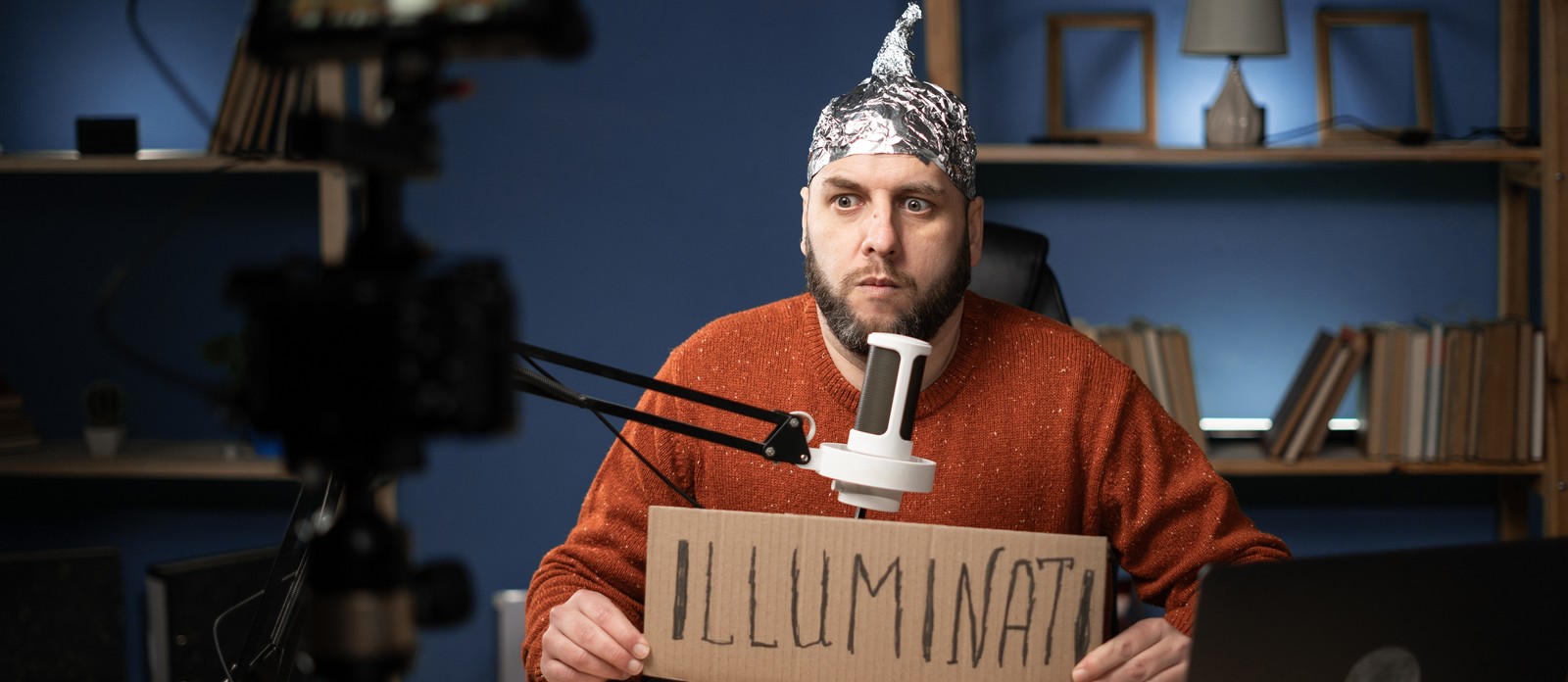
Image: Lysenko Andrii

There’s a famous, funny saying that goes, "Just because I'm paranoid doesn’t mean that I’m not being followed." In other words, sometimes, strange things do happen. Human behavior can be unpredictable, which might explain why researchers have devised some truly unusual ways to study it. But psychologists weren't the only ones experimenting. During the 20th century, U.S. military and intelligence agencies conducted tests that sound more like fiction than fact. From pigeons trained to guide missiles to children trying desperately not to eat a sweet treat, these 12 experiments and research programs really happened.

1
A city became an unwilling laboratory
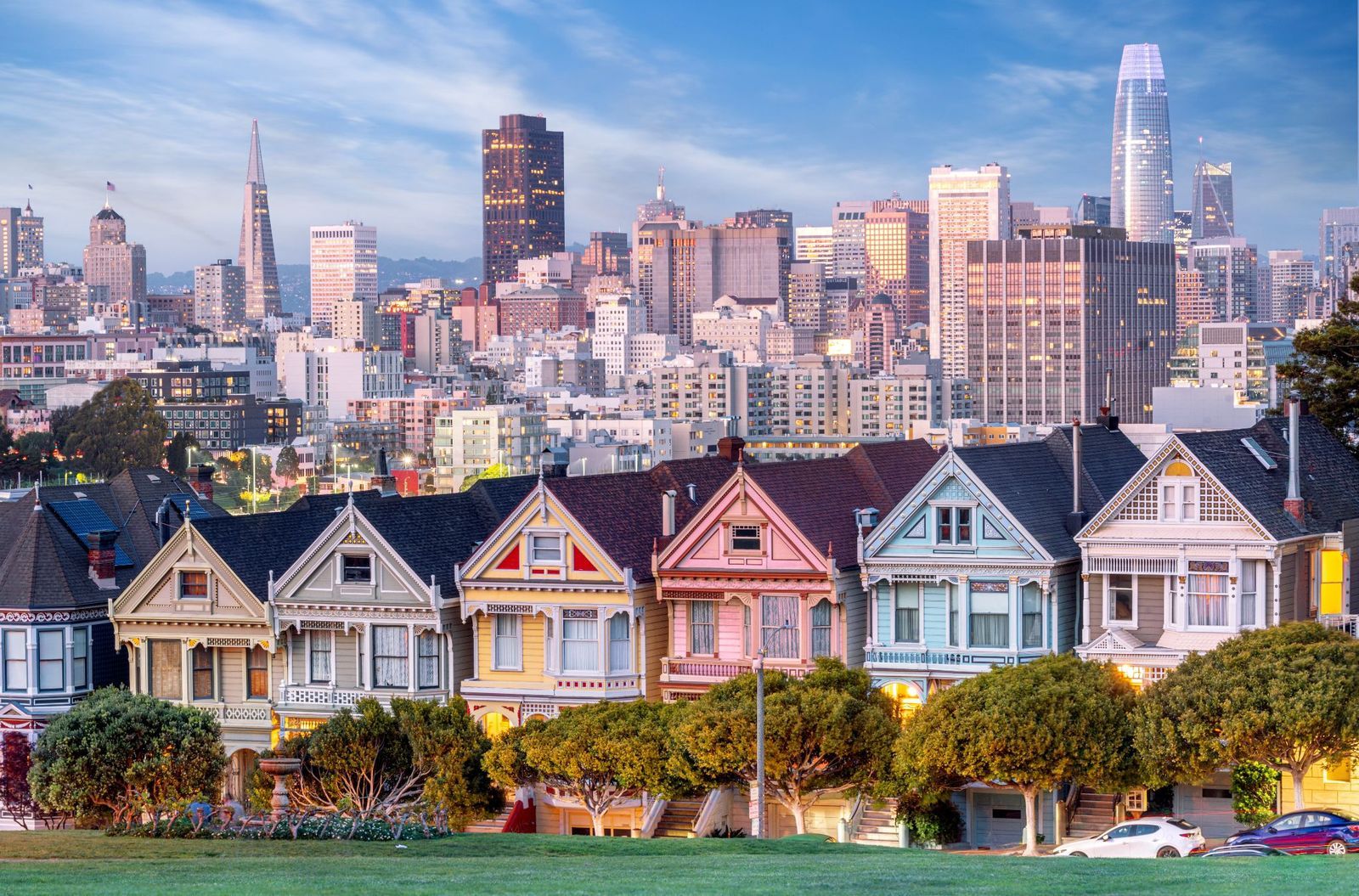
Image: anek.soowannaphoom

In September 1950, San Franciscans went about their lives without knowing that the U.S. military was conducting a biological-warfare vulnerability test around them . During Operation Sea-Spray, bacteria were released into the city’s environment to study how an airborne biological agent might spread through a major coastal city .

The organisms included Serratia marcescens , selected because researchers at the time considered it suitable as a relatively harmless stand-in for something much more dangerous that could be actually used for biological warfare. Residents weren't informed or asked for consent, an aspect of the operation that would raise obvious ethical objections today.

2
Particles were scattered across America
Image: VRVIRUS

Sea-Spray wasn't the end of large-scale military dispersion experiments. During the 1950s and 1960s, the Army's Operation LAC (Large Area Coverage)used microscopic fluorescent zinc cadmium sulfide particles to investigate how biological-warfare agents might travel through the atmosphere .

The scale was astonishing. The National Research Council later described LAC as the largest test undertaken by the Army Chemical Corps, with experiments spanning an area from the Rocky Mountains toward the Atlantic and from Canada toward the Gulf of Mexico. Related tests took place in places including Minneapolis, St. Louis, Corpus Christi, and Fort Wayne.

3
What really happened at Hawthorne?
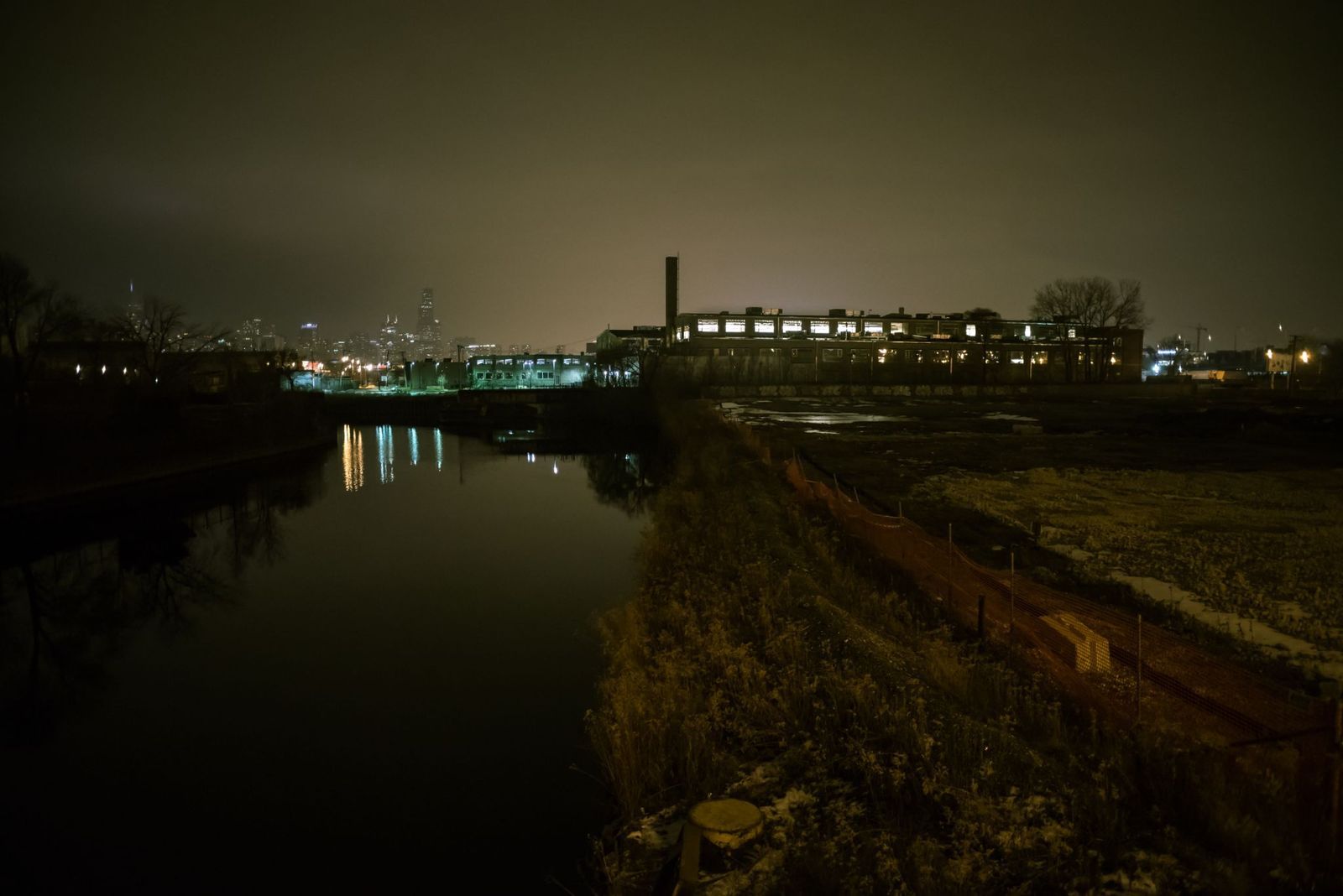
Image: Bruno Passigatti

Between 1924 and 1933, researchers conducted a famous series of workplace studies at Western Electric's enormous Hawthorne Works, near Chicago. One early question sounded straightforward: Would changing factory lighting make employees more productive?

The answer proved surprisingly complicated. Researchers expanded their work to examine breaks, schedules, supervision, and social relationships. More than 21,000 employee interviews were eventually conducted. The studies helped inspire the idea known as the "Hawthorne effect": that people may behave differently when they know they're being observed.

4
Would you believe everyone else or your own eyes?

Image: New Africa

Psychologist Solomon Asch devised a wonderfully simple test of conformity in the 1950s. A participant looked at lines of obviously different lengths and had to identify which one matched a reference line. Under normal circumstances, the task was extremely easy.

There was just one catch: nearly everyone else in the room was secretly working for Asch . On selected trials, these confederates confidently gave the same obviously wrong answer before the real participant responded. Many participants went along with the group at least once, despite what they could plainly see. Even more revealingly, later variations showed that simply having someone else break the group's unanimity could dramatically weaken its influence.

5
Scientists created two rival tribes
Image: Pixelvario

In 1954, psychologist Muzafer Sherif and his colleagues brought 22 boys, around 11 years old, to a summer camp at Oklahoma's Robbers Cave State Park. The children didn't know that they were subjects in an elaborate experiment .

Researchers separated them into two groups, which became the Rattlers and Eagles, and allowed each to develop its own identity . Then came competitions deliberately designed to encourage rivalry. Hostility escalated quickly. Researchers eventually introduced problems neither group could easily solve alone, such as difficulties involving the camp's water supply. Working toward these shared, or "superordinate", goals helped reduce the conflict.

6
How far would you go if an authority told you to?
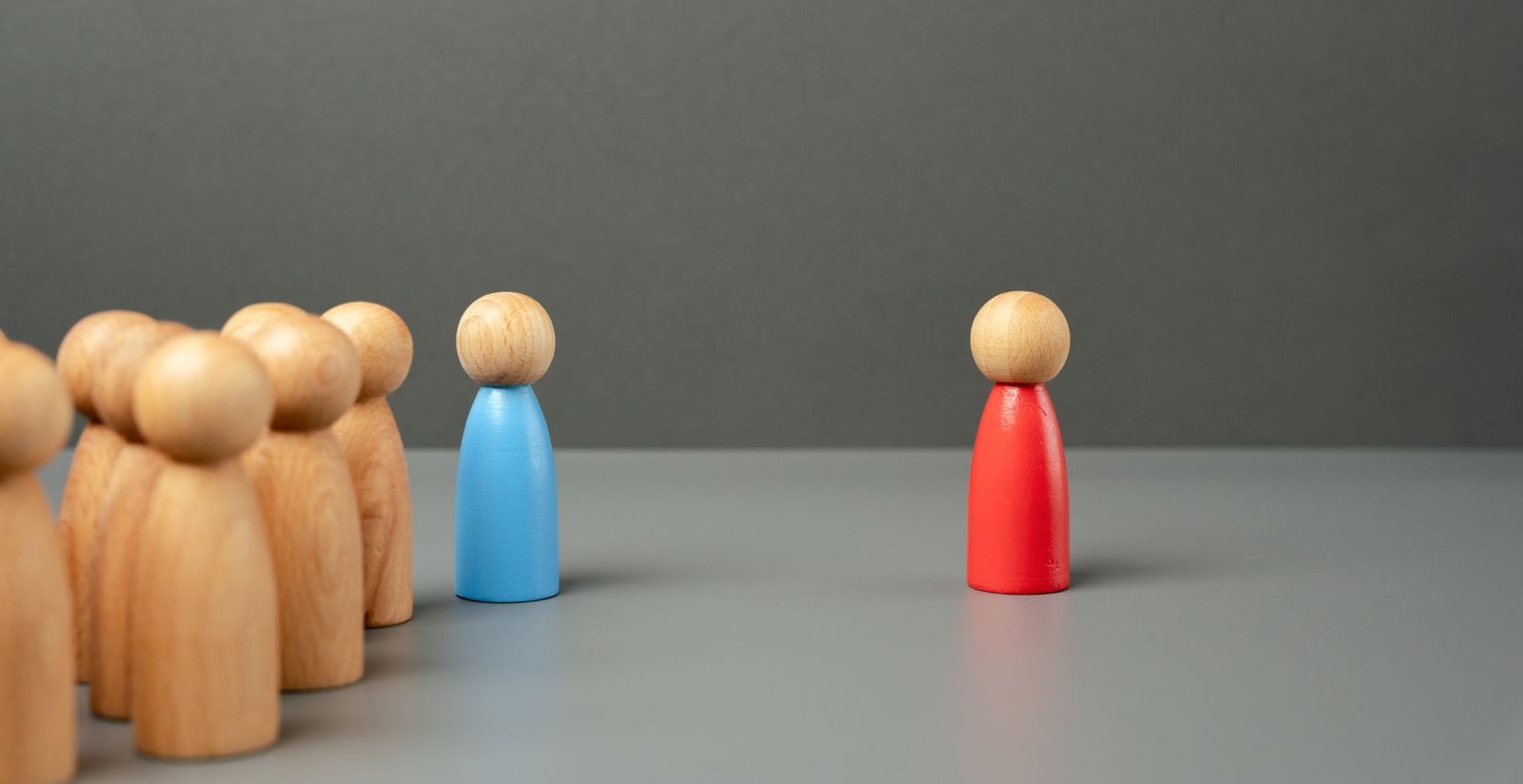
Image: Andrii Yalanskyi

At Yale University in the early 1960s, psychologist Stanley Milgram told volunteers they were participating in an experiment about learning. They were instructed to administer increasingly powerful electric shocks whenever another participant answered a question incorrectly .

The shocks weren't real, and the supposed victim was working with the researchers . But the person pressing the switches didn't initially know that. The machine climbed from 15 volts all the way to a menacing 450 volts, and in Milgram's famous baseline experiment, 65% of participants continued to the maximum level when prompted by the experimenter. Some showed considerable distress. Milgram conducted numerous variations with very different results, demonstrating that circumstances mattered enormously.

7
The marshmallow test wasn’t as simple as we thought
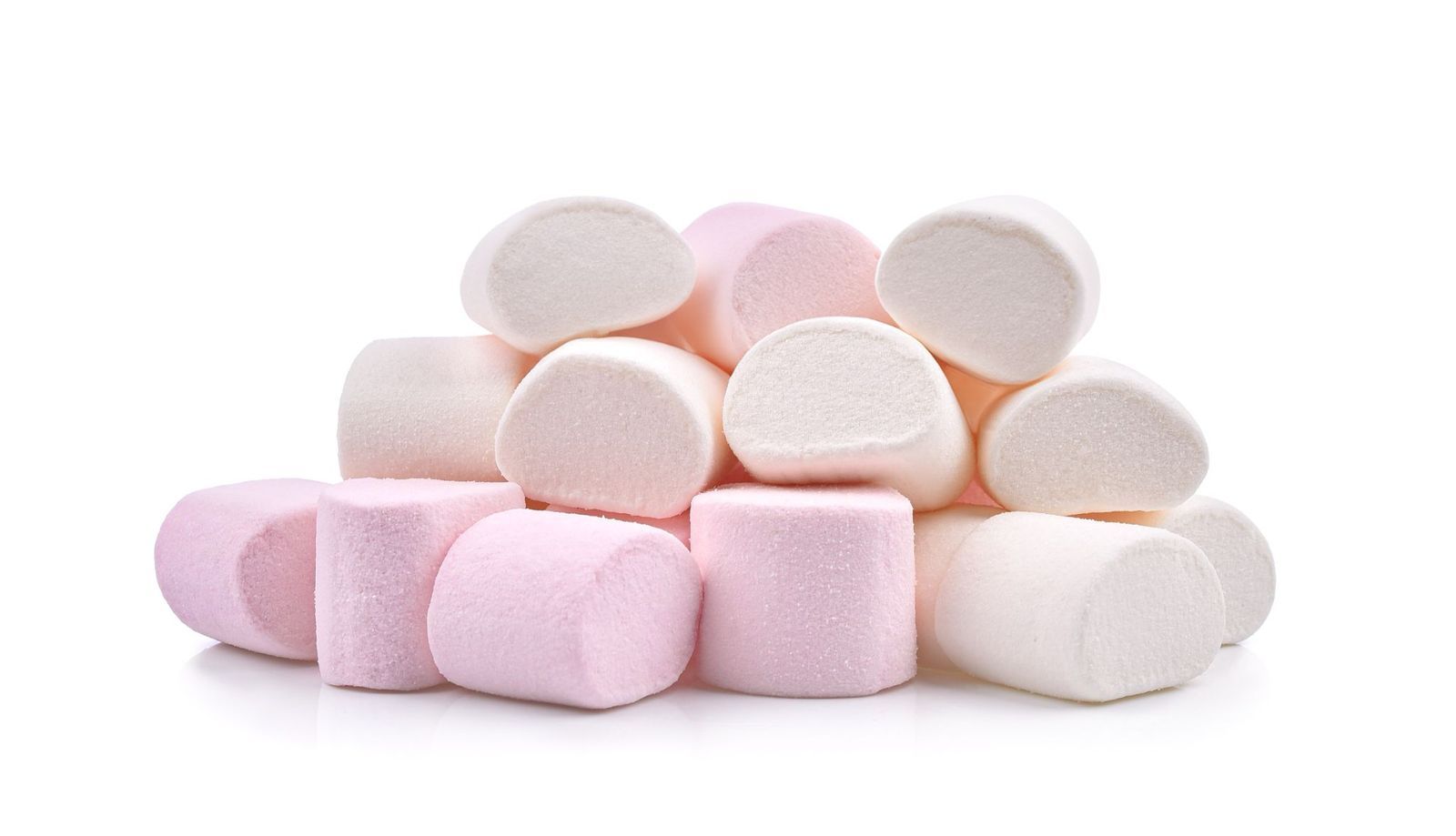
Image: PotaeRin

Imagine being a preschooler alone in a room with a delicious treat and an agonizing choice: enjoy a small reward now or wait and receive a bigger reward later . Psychologist Walter Mischel and his colleagues used variations of this setup at Stanford beginning in the late 1960s to study delayed gratification and self-control.

Later studies associated children's ability to wait with outcomes years afterward, and the experiment became a pop-psychology phenomenon . But there's an important twist. More recent research using larger and more diverse samples found that the relationship weakened substantially when researchers accounted for family background and childhood circumstances.

8
Facebook experimented with 689,000 news feeds
Image: Alex Haney

In January 2012, hundreds of thousands of people unknowingly became participants in an enormous experiment conducted through Facebook. Researchers altered the News Feeds of 689,003 English-speaking users, reducing either positive or negative emotional content and examining what those users subsequently posted .

The study, published in Proceedings of the National Academy of Sciences in 2014, found small changes consistent with "emotional contagion": altering the emotional balance of posts people encountered was associated with corresponding changes in the language they later used.

9
The military tried to build a pigeon-guided missile
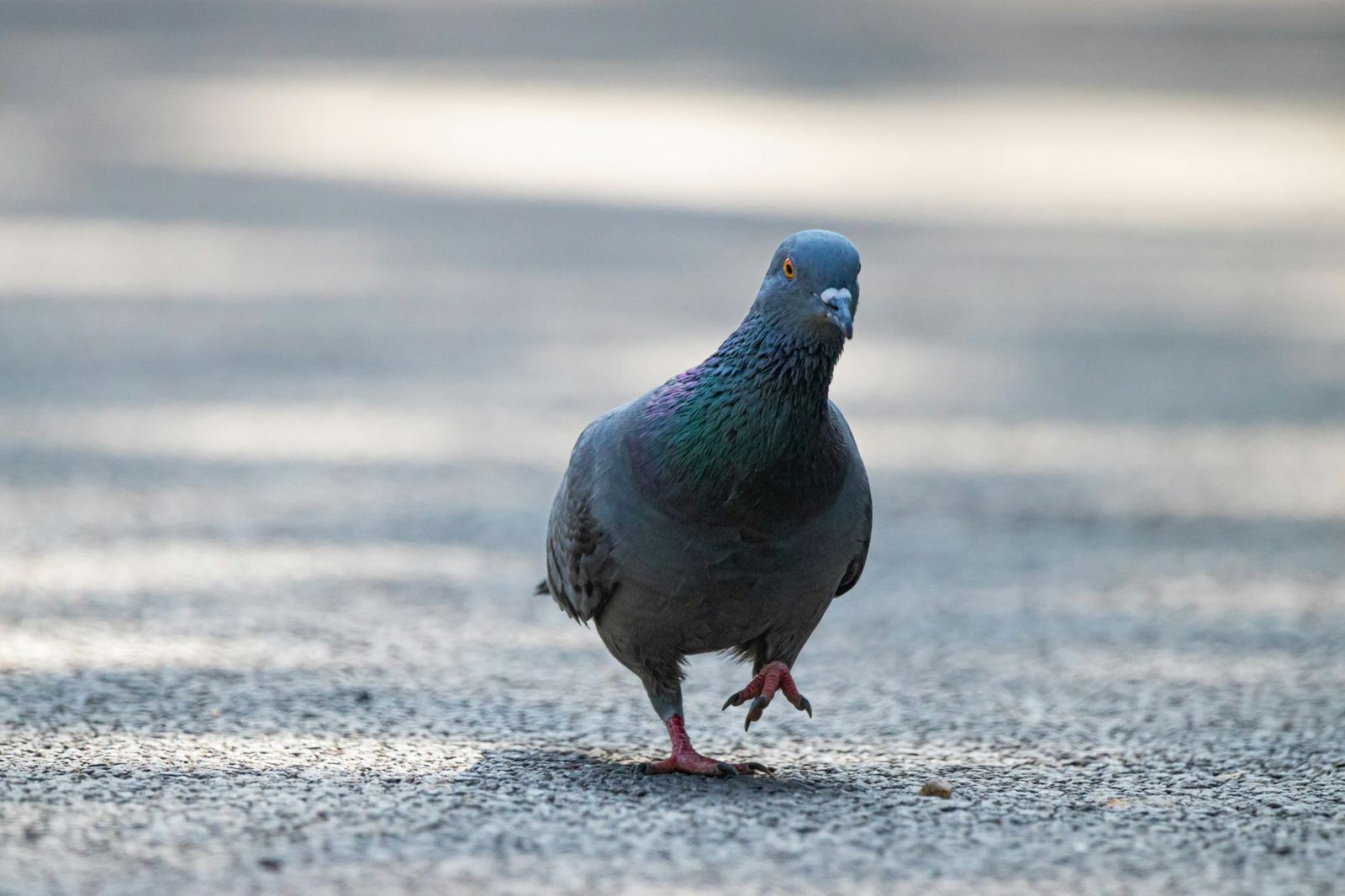
Image: Syed Ahmad

Before sophisticated computerized guidance systems, psychologist B. F. Skinner proposed an alternative with feathers. During World War II, his Project Pigeon attempted to train pigeons to help guide weapons toward targets.

The concept wasn't quite as crazy as it sounds. Pigeons could be remarkably good at recognizing visual targets . Skinner trained them to peck at an image displayed on a screen; if the weapon drifted off course, movement of the target image could produce corrective guidance signals through the bird's pecking. The National Defense Research Committee eventually provided $25,000 for the work before dropping the project in 1944. The Navy later revisited the idea as Project ORCON, short for "organic control." Electronic guidance ultimately made the avian alternative unnecessary.

10
The Government really investigated psychic spies
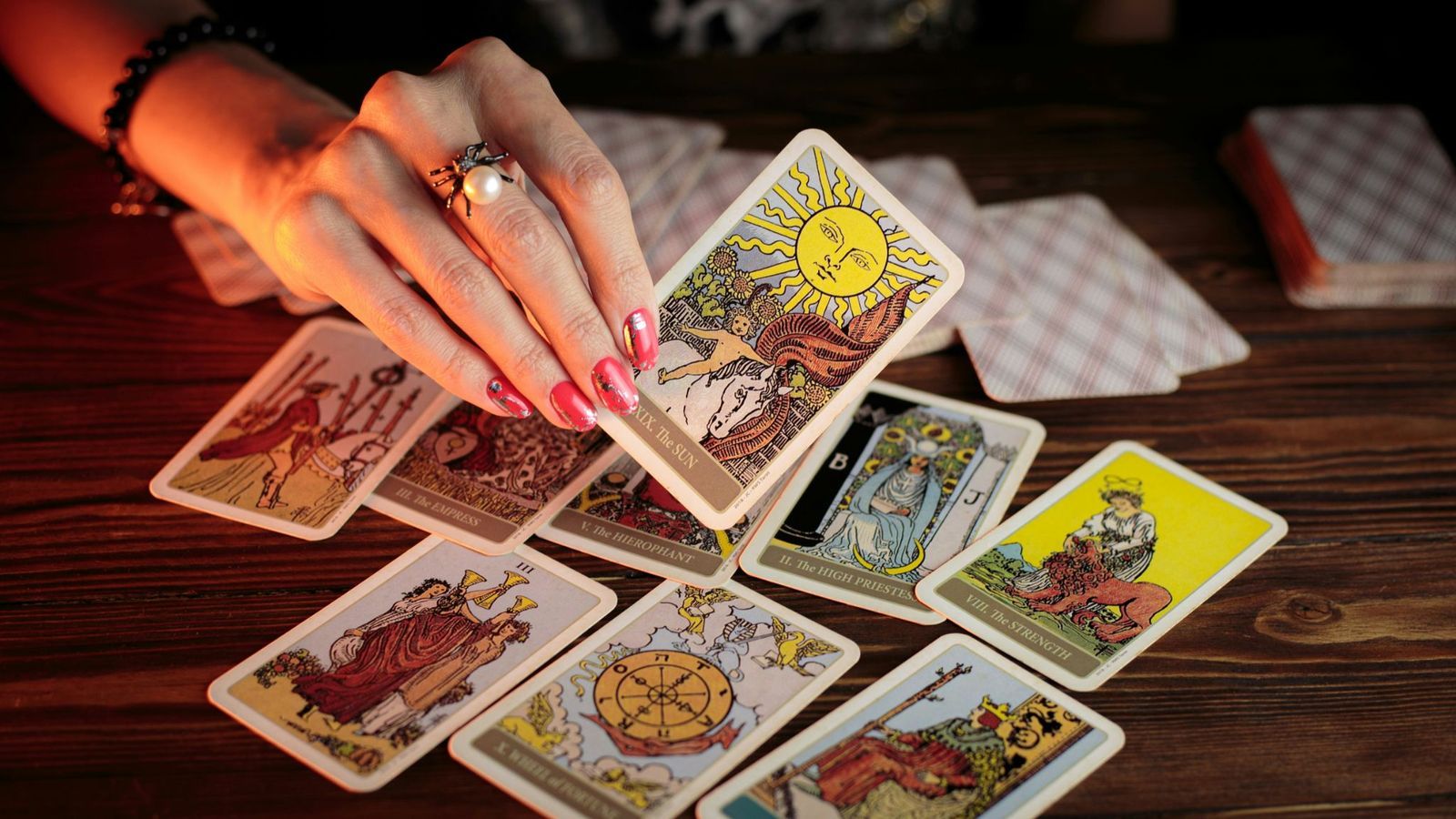
Image: petr sidorov

Beginning during the Cold War, U.S. intelligence and defense agencies really did spend years investigating "remote viewing", the supposed ability to describe distant or hidden objects and locations without using ordinary senses .

Various programs eventually became popularly associated with the name Stargate. In 1995, an outside evaluation reviewed roughly two decades of work and concluded that the program hadn't demonstrated sufficiently useful operational intelligence capabilities to justify continuing it. Stargate was terminated.

11
The CIA tried to make a spy cat
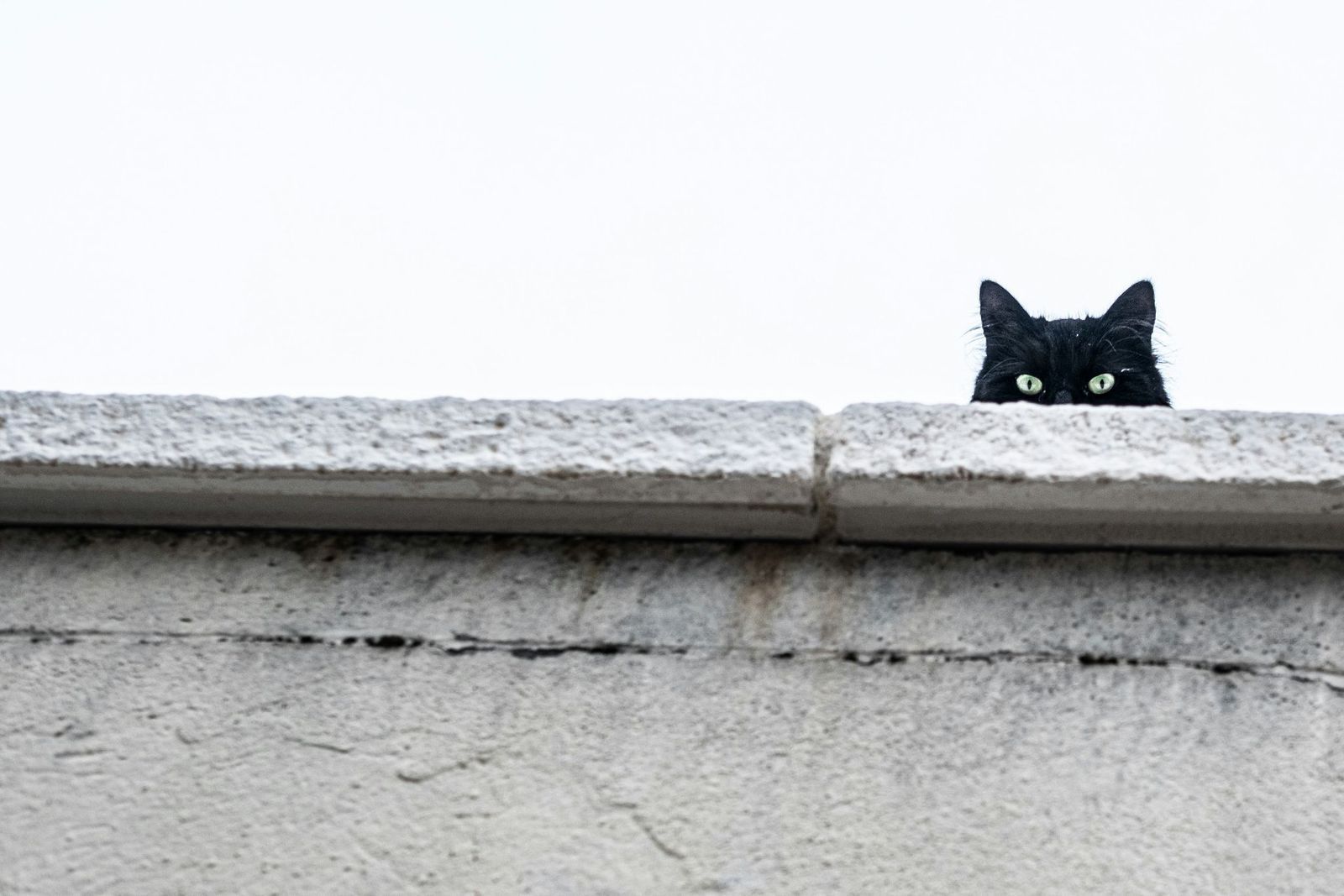
Image: Clément Falize

During the Cold War, the CIA faced a familiar espionage problem: How could an operative get close enough to secretly overhear a conversation without attracting attention? Someone came up with a decidedly unconventional answer: a cat.

The appropriately nicknamed Acoustic Kitty project investigated whether surgically implanted listening and transmitting equipment could transform an apparently ordinary feline into a mobile surveillance device . Declassified CIA records confirm the project, but officials eventually concluded that environmental and security problems made the technique impractical.

12
Would you stop to help a stranger?
Image: sulit.photos

In 1973, Princeton psychologists John Darley and C. Daniel Batson devised an experiment with an almost storybook setup. Seminary students were sent across campus to give a talk. On the way, each encountered a man slumped in an alley who appeared to need help .

Some students were told they had plenty of time; others were told they were already late. And in a brilliant touch, some were heading to give a talk about the biblical Good Samaritan itself. Yet the topic of their speech didn't significantly determine whether they stopped. Time pressure did. About 63% of those who weren’t in a hurry helped, compared with just 10% of those in the high-hurry condition . Some hurried participants passed the distressed stranger while literally on their way to discuss the Good Samaritan.

Geography Geography 3 min read

Let’s go book-gazing!

Beyond books: 11 breathtaking libraries you are going to want to visit

Image: Clay Banks

Whether you're a book lover or not, there's something magical about stepping into a beautiful library—the scent of old volumes, the quiet hum of readers, and the sheer architectural grandeur. Some libraries across the US are among the most enchanting places you can walk into. Here is a list of 11 stunning libraries worth exploring, even if you're not a bookworm!

1
Library of Congress

Image: Vincent Yuan @USA

Of course—the beating heart of American knowledge! As the largest library in the country and the world , it holds millions of books, rare manuscripts, and historical treasures.

Its grandeur isn’t just in its collection. Take the Thomas Jefferson Building: with its elaborate ceilings, marble columns, and frescoes, stepping inside feels like walking into a cathedral. Ever wanted to see an original Gutenberg Bible? This is the place.

2
New York Public Library

Image: Ran Ding

Patience and Fortitude stand guard—those are the two iconic stone lions flanking the entrance. The New York Public Library’s main branch is a true city landmark.

Step inside the Stephen A. Schwarzman Building, with its grand marble-lined halls and sweeping staircases. Don’t miss the Rose Main Reading Room —an awe-inspiring space adorned with murals, chandeliers, and rows of inviting wooden tables.

3
Boston Public Library

Image: Wendy Wei

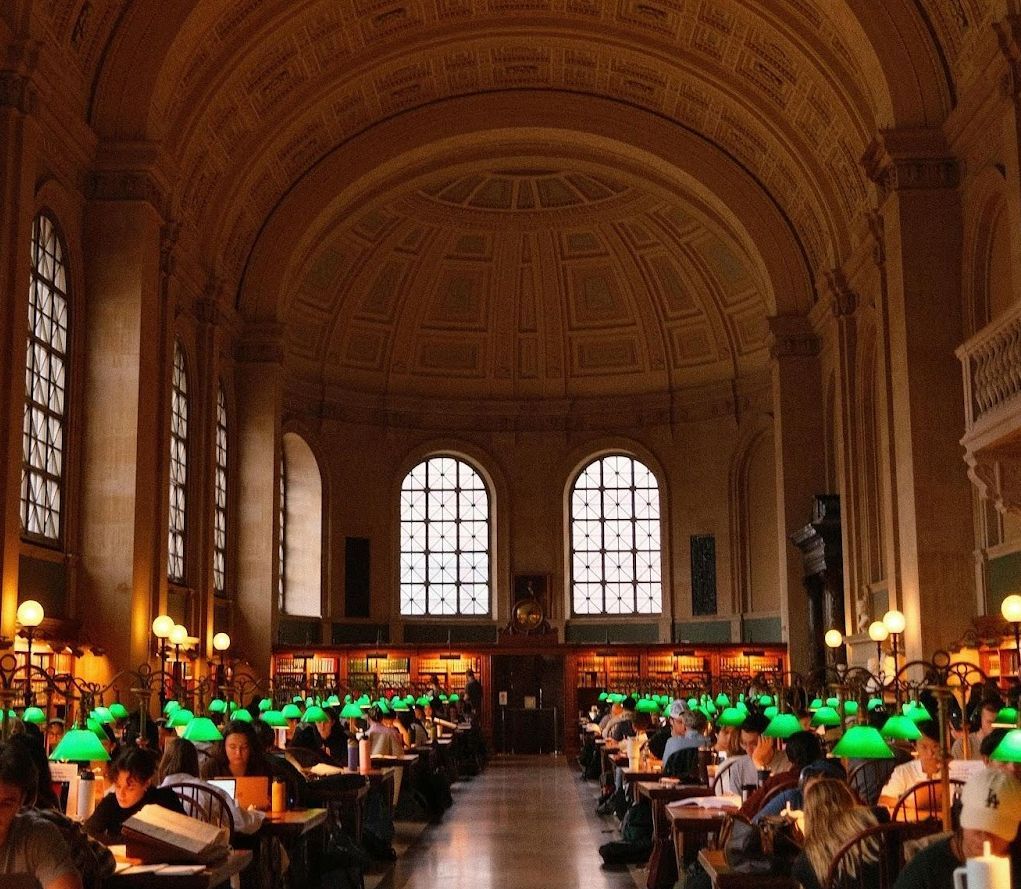
A library so impressive it feels like it should charge an admission fee—but lucky for us, it doesn’t! Established in 1848, it was the first large free municipal library in the United States.

It’s home to Bates Hall, a stunning reading room with soaring barrel-vaulted ceilings and warm oak tables—a dream setting for book lovers.

4
Seattle Central Library

Image: Sylvia Yang

A sharp contrast to the historic beauties on this list, but no less worthy of inclusion. The Seattle Central Library is a futuristic masterpiece.

Designed by renowned architect Rem Koolhaas, its bold glass-and-steel exterior is impossible to miss. Inside, multi-level platforms create a space that feels more like a sci-fi movie set than a traditional library.

5
Geisel Library at the University of California, San Diego

Image: Jeremy Huang

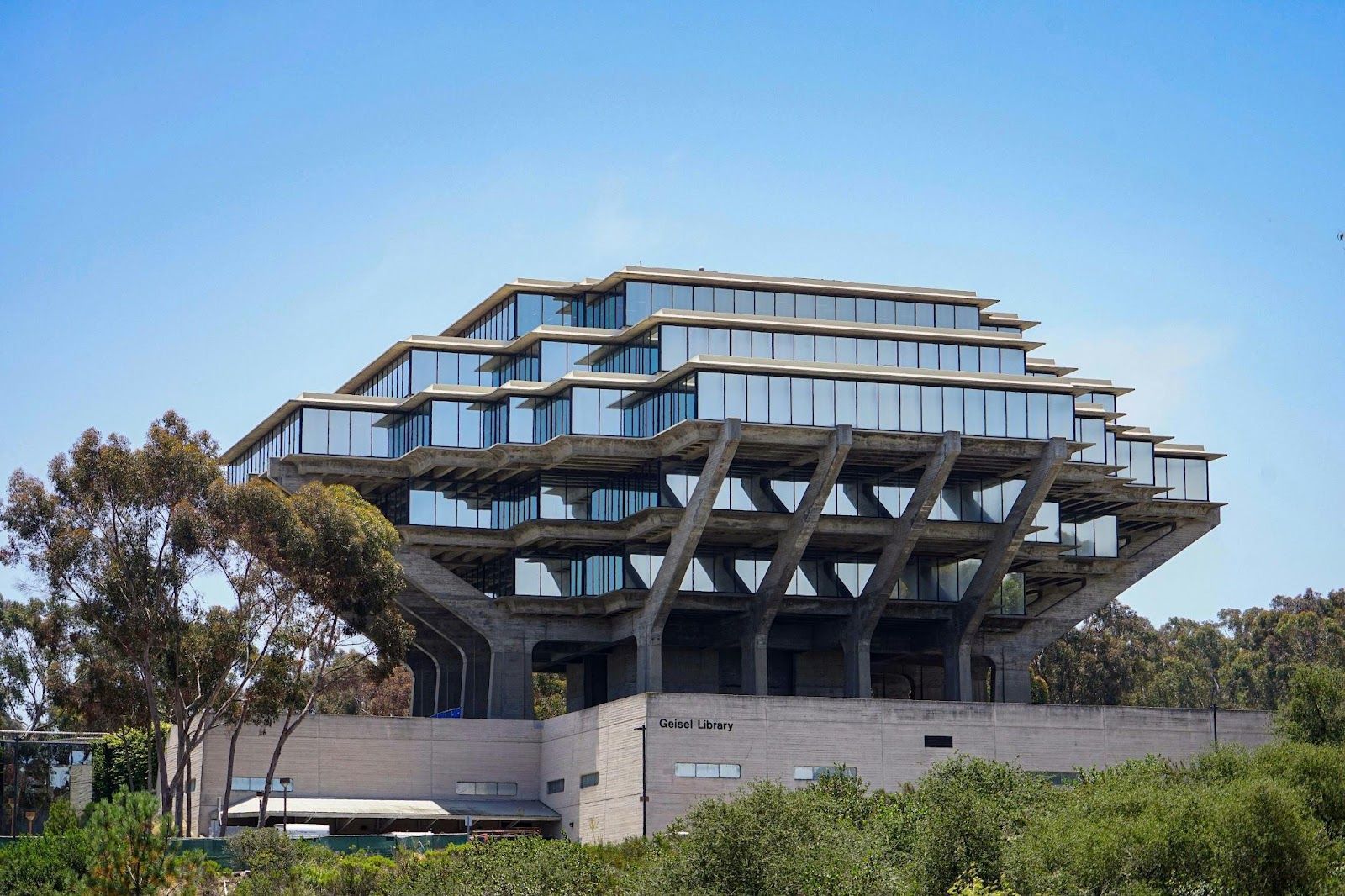
Named after none other than Dr. Seuss himself (real name: Theodor Geisel) and his wife, Audrey, this library looks like something straight out of a sci-fi novel.

Its unique Brutalist-meets-futuristic design makes it one of UCSD’s most recognizable landmarks. It houses an extensive collection—but let’s be honest, the main draw is the building itself. It’s an architectural oddity that feels both retro and futuristic at the same time.

6
George Peabody Library

Image: Elijah Hail

Some libraries feel grand, but this one feels magical . Tucked away in Baltimore, the George Peabody Library is known for its soaring atrium, lined with six stories of cast-iron balconies adorned with gilded accents.

The library’s collection specializes in 19th-century literature—but honestly, most visitors come just to soak in its beauty. It’s a book lover’s dream come to life.

7
Iowa State Law Library

Image: Muhammed A. Mustapha

Hidden inside the Iowa State Capitol in Des Moines, this library is a Victorian-era gem —think spiral staircases, intricate ironwork, and rows of leather-bound books stretching to the ceiling.

It may be lesser-known than others on this list, but it perfectly illustrates how libraries can be both functional and visually captivating. This setting alone makes you not mind so much having to do legal research.

8
Beinecke Rare Book & Manuscript Library

Image: Tim Bish

This is no ordinary library—as you can plainly see. It’s an architectural marvel . Located at Yale University, the Beinecke Library is famous for its translucent marble panels, which bathe the interior in a soft, golden glow.

9
Morgan Library & Museum

Image: mana5280

Walking into the Morgan Library feels like stepping into a European palace—pure Gilded Age opulence with ceiling frescoes, carved wood, and velvet drapes.

Originally J.P. Morgan’s personal book collection , it is now a New York City landmark and museum showcasing rare manuscripts, original works by Dickens and Austen, and even handwritten music by Mozart!

10
William W. Cook Legal Library

Image: Mathew Schwartz

Some law libraries are dull and purely functional. This is not one of them. Located at the University of Michigan, the Cook Legal Library is a Gothic gem with towering stained-glass windows, massive oak tables, and cathedral-like reading halls.

The architecture alone makes studying law feel a bit more poetic, but it’s also one of the finest academic law libraries in the country.

11
Suzzallo and Allen Libraries

Image: Cameron Stewart

This one looks like a place to learn witchcraft and sorcery, doesn’t it? Part of the University of Washington in Seattle, the Suzzallo and Allen Libraries feature a Reading Room that is a Gothic architectural masterpiece, with soaring ceilings and stained-glass windows .

Culture Culture 5 min read

MAKING HISTORY

From Mel Brooks to Viola Davis: 10 American stars who are EGOT winners

Image: Mirko Fabian

Have you ever heard of an EGOT artist? EGOT artists are a select group who've had the honor of receiving the four major entertainment awards in the United States: the Emmy, the Grammy, the Academy Awards, and the Tony Awards (hence the acronym of the name). Winning all four awards is an exceptional achievement, and only a small number of artists throughout history achieved this prestigious title. In this article, we've rounded up 10 of the most beloved American artists who reached EGOT status.

1
Richard Rodgers

Image: Dayne Topkin

Legendary composer Richard Rodgers was the first artist to achieve the EGOT. Over the course of his career, he composed 43 Broadway musicals and more than 900 songs. In addition to winning all four of the entertainment industry's top awards, Rodgers received a Pulitzer Prize, making him the first person to be awarded all five prizes.

In 1945, he won the Oscar for his song in the musical State Fair . Five years later, he received the first of his six Tonys for South Pacific (he would also win for The King and I and Pipe Dream , among others). In 1960 The Sound of Music gave Rodgers his first Grammy. Finally, in 1962, he completed the EGOT thanks to his composition for The Valiant Years , a documentary series about Winston Churchill.

2
Helen Hayes

Image: Alfred Cheney Johnston, Public domain, via Wikimedia Commons

In 1977, Helen Hayes became the first woman to earn the title of EGOT artist after winning a Grammy for Best Spoken Word Recording for Great American Documents . The famous actress, also known as "First Lady of American Theatre", received her first Academy Award in 1931 for The Sin of Madelon Claudet —in 1970, she would receive another for _Airport_—.

A few years later, she won two Tony Awards for Happy Birthday and Time Remembered , and an Emmy for the Schlitz Playhouse of Stars series. But that's not all. Hayes was such a significant artist for American culture that, in 1986, she received the Presidential Medal of Freedom and the National Medal of Arts in 1988.

3
Marvin Hamlisch

Image: Lucas Alexander

Composer Marvin Hamlisch, who gained fame and critical acclaim for a prolific career working on the soundtracks of dozens of films and plays, finally achieved his fourth distinct award in 1995. It was due to an Emmy for the music and lyrics for Barbra: The Concert.

By the mid-1970s, he had already won three Academy Awards for The Way We Were and The Sting , four Grammys, and a Tony for A Chorus Line . Did we mention that he also received a Pulitzer Prize? Certainly, Hamlisch was one of the most accomplished artists of the 20th century.

4
Mel Brooks

Image: Felipe Vieira

With a career spanning over seven decades , director, comedian, and screenwriter Mel Brooks has won multiple prizes and distinctions, including all four of the entertainment industry's top awards, a Kennedy Center Honor, a Hollywood Walk of Fame star, and a National Medal of Arts, among many others.

Brooks finally became an EGOT artist in 2001. The artist won four Emmys for Outstanding Writing Achievement in Variety and as a guest actor on the sitcom Mad About You ; three Grammys as a composer and comedian; an Academy Award for Best Original Screenplay; and three Tony Awards for the theatrical version of The Producers , the most awarded musical in the history of Broadway.

5
Whoopi Goldberg

Image: Library of Congress Life, CC0, via Wikimedia Commons

The star of The Color Purple , the beloved Whoopi Goldberg, is the first African-American to achieve EGOT status. In 1986, she received her first award, a Grammy for Best Comedy Album. In 1990, she added another accolade to her list with an Academy Award for Best Supporting Actress for Ghost .

In addition, in 2002, Goldberg won both the Tony Award as a producer of the musical Thoroughly Modern Millie and her first Daytime Emmy for Beyond Tara: The Extraordinary Life of Hattie McDaniel —in 2009, she would win another for The View .

6
Mike Nichols

Image: cottonbro studio

American film and theater director Mike Nichols, known for masterpieces such as Who's Afraid of Virginia Woolf? , Silkwood , and Working Girl, fell short of the EGOT in the 1960s. However, he finally earned the coveted title in 2001, when he received two Emmy Awards for his TV movie Wit .

In 1962, he was awarded a Grammy for his comedy show with Elaine May. Two years later, he won the first of his nine Tonys for the theatrical version of Barefoot in the Park . In 1967, Nichols received an Oscar for directing the mythical The Graduate . The Emmy had to wait 34 more years, but fortunately, it ended up arriving four years before he died in 2014.

7
Jennifer Hudson

Image: Kazuo ota

Did you know that Jennifer Hudson is the youngest woman to become EGOT? She earned the title in 2022, when she won a Tony for producing the Broadway show A Strange Loop .

Hudson already had an Oscar for Best Supporting Actress for Dreamgirls , a Grammy for her 2009 debut studio album, and a Daytime Emmy for her role as executive producer on Baby Yaga .

From rising to fame for her appearance on the third season of the reality series American Idol to being inducted into the Hollywood Walk of Fame, the 42-year-old actress and singer is one of the most promising artists of the 21st century.

8
John Legend

Image: Lijo Joseph

In 2018, singer, songwriter, and producer John Legend made history by becoming the first African American man to achieve EGOT status. In addition, Legend is the first person to receive the four awards in four consecutive years.

The artist can proudly boast 18 Grammys, including Best New Artist and Best R&B Album. In 2014, he received an Academy Award as composer of the song "Glory" for the movie Selma , while three years later, he won a Tony Award as co-producer of the revival of the classic Jitney . Lastly, in 2017, Legend gained EGOT status by winning an Emmy for Outstanding Variety Special as producer of Jesus Christ Superstar . The musical was a television special in which he also appeared as the lead actor.

9
Viola Davis

Image: Mirko Fabian

It's no secret that American actress Viola Davis is one of the most outstanding artists of her generation. Fortunately, her hard work was finally recognized when, in 2023, she received the last award she needed to join the distinguished EGOT group: the recording of her memoir Finding Me got a Grammy for Best Audio Book.

Previously, Davis had won an Oscar for Best Supporting Actress for Fences , an Emmy for Outstanding Lead Actress in a Drama Series for her role as criminal defense attorney Annalise Keating in How to Get Away with Murder , and the Tony for her performance in King Hedley II .

10
Robert Lopez

Image: Marius Masalar

"Let it Go", the popular theme song from Disney's animated movie Frozen, has been playing since 2013 and remains a commercial success to this day. That may explain why composer Robert Lopez has become the youngest person to enter the EGOT hall of fame. Moreover, he is the only one to have two of each of these awards.

In 2004, the American songwriter won a Tony Award for Avenue Q . The streak continued with two Emmys for his work in the animated musical series Wonder Pets! The Broadway show The Book of Mormon gave him his first Grammy and two new Tonys. Lopez completed the medal count in 2014 with an Academy Award for Frozen, and in 2018, he was recognized for "Remember Me" from Coco .

Explore more American facts

Choose your favorite category!

General
General

As American as apple pie—the very best America has to offer!

Culture
Culture

Delve into the astounding richness of American lore.

Geography
Geography

Hop in and explore vast and diverse American landscapes.

History
History

Discover the key moments that shaped the United States.