General General 5 min read

What’s in a team’s name?

No Grizzlies in Tennessee: Decoding 10 NBA team nicknames

Image: Abhay siby Mathew

What could knickerbockers, animals, and mechanical engineering have in common? Well, plenty, if you ask an NBA fan. The naming of basketball teams has involved whole fan communities, local polls, and a lot of state industry pride. Nuggets, Pistons, Pacers—some evoke local wildlife, while others dig centuries back into historical roots. Ever wondered why Tennessee has Grizzlies or how Miami’s team ended up simply as "Heat"? Let’s dive into the stories behind the league’s most iconic—and surprising—team names.

1
Knicks

Image: Kelly Sikkema

"Knicks" is the shorter, catchier version of "Knickerbockers." The New York team name was chosen in the 1940s because of its association with Dutch settlers in the city. In Washington Irving's satirical book A History of New York , the author used "Diedrich Knickerbocker" as a fictional narrator. Over time, the term came to symbolize the city’s colonial heritage.

One of the oldest teams in the NBA, the Knicks never changed their worldwide-known name or their headquarters. They also boast one of the most iconic sports arenas in the world: Madison Square Garden . The Knickerbockers brand became so well-established that it intentionally opted to never introduce a team mascot, to preserve its classic image.

2
Nuggets

Image: PIX1861

The Denver Nuggets don’t allude to any form of food. Let’s look at the team’s history before explaining its name. Originally, as members of the American Basketball Association, they were called the Denver "Rockets" in reference to one of the owner’s businesses. However, when the team prepared to join the NBA in the 1970s, they had to change their name because Houston already had a team named the Rockets.

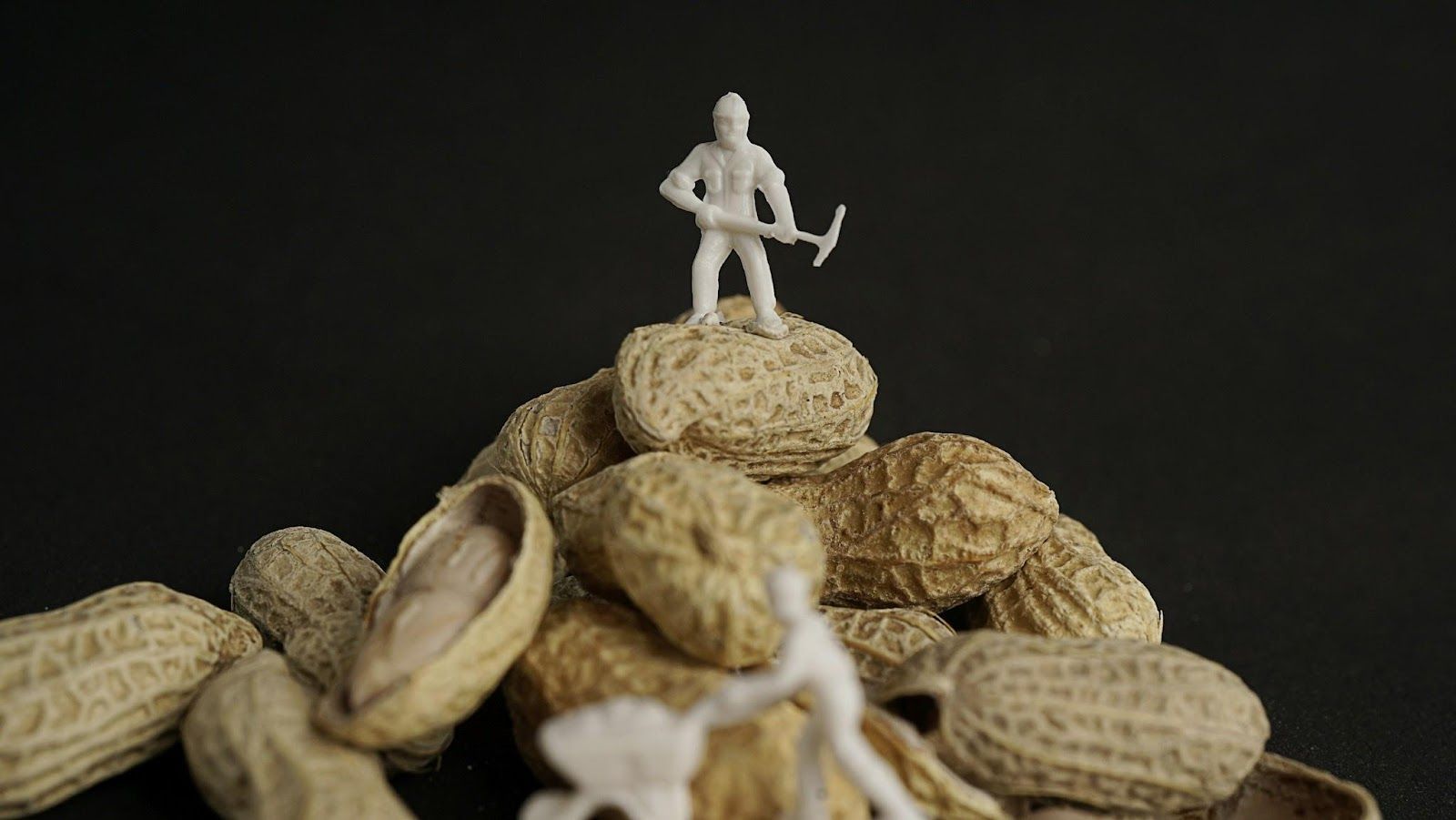
After a fan contest, the name "Nuggets" was chosen as a nod to Colorado’s gold and silver mining heritage , where prospectors sought valuable "nuggets" of precious metals. The team adopted a logo featuring a miner holding a pickaxe, and the name has stuck ever since.

3
Rockets

Image: NASA

So, why did Houston name its team The "Rockets"? Technically, it didn’t. The team was founded in San Diego in the 1960s as an NBA expansion team. The name "Rockets" was chosen through a fan contest, inspired by San Diego’s slogan at the time, "A City in Motion," and its ties to the aerospace industry.

Less than 10 years later, the team relocated to Houston, Texas. It was understood that a name change wasn’t necessary: "Rockets" fit seamlessly with Houston’s role as NASA’s space center and its nickname, "Space City."

4
Pistons

Image: Tim Mossholder

The Pistons were originally founded in Indiana as the Fort Wayne Zollner Pistons . Their owner, Fred Zollner, also owned a manufacturing company that produced pistons for automotive and railroad engines. The team carried the last part of the name forward when they joined the NBA, and later moved to Detroit.

Detroit, known as "Motor City" for its global reputation as the center of the American auto industry, was the perfect fit for the Pistons name. The concept that the Pistons symbolized "horsepower" was what inspired the introduction of their mascot, Hooper, a horse wearing the Pistons’ jersey.

5
76ers

Image: Jimmy Woo

The Philadelphia 76ers derive their name from an entirely different source than most other teams. Honoring the city’s insignia as the birthplace of the Declaration of Independence in 1776, the team’s name pays tribute to this pivotal moment in American history.

In its inception, the team was based in Syracuse, New York, and was known as the "Syracuse Nationals." It was one of the NBA’s original franchises. When it moved to Philadelphia, though, a fan contest was issued to select the best possible name. "76ers" was selected and it quickly became the popular consensus to shorten it to the nickname "Sixers."

6
Grizzlies

Image: Greg Johnson

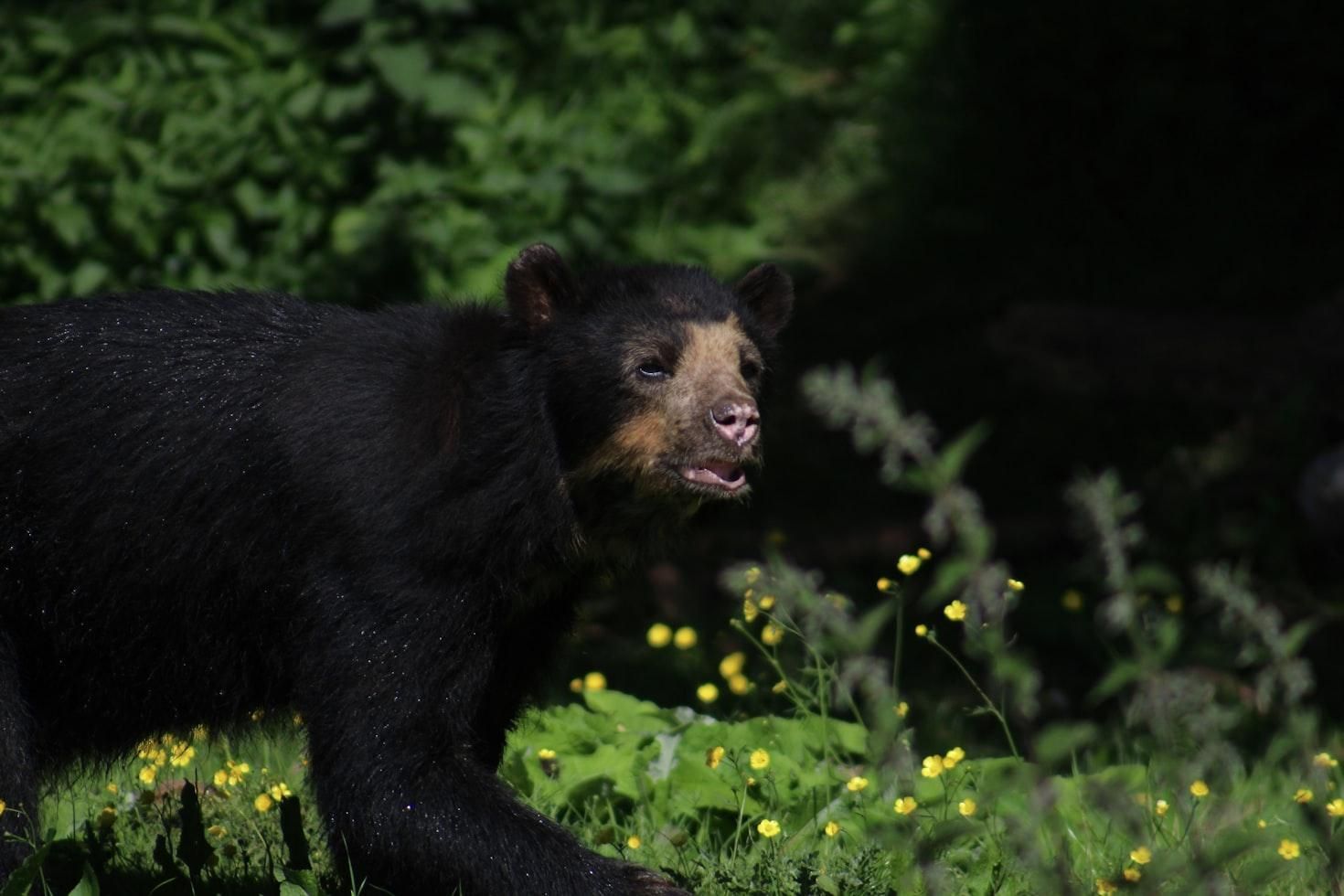
Everyone’s first reaction upon hearing where the Grizzlies are based is the same: "But are there any grizzlies in Tennessee?" The answer is, none that we know of. But the team was founded far from those lands, in Vancouver, British Columbia. In the mountainous regions of western Canada, grizzly bears are indeed a thing.

However, the team faced financial difficulties and fan support challenges in Vancouver, leading to their relocation to Memphis in the early 2000s. At the time, there was some debate about whether to change the name. Ultimately, the NBA and team management decided to keep "Grizzlies" to maintain a connection to the team’s origins and avoid the costs of rebranding.

7
Heat

Image: Maxim Tajer

As many people observe, it’s unusual for a team name not to be a plural word. "Heat" is as fiery as it is accurate, belonging to the hottest state in the U.S. The city’s tropical weather inspired one of the most abstract names in the NBA, often symbolized by fire and the colors red, orange, and black.

The Miami "Heat" name was designated after winning a fan contest, beating other options like "Sharks" and "Barracudas." Fans also suggested names such as "The Beaches" and "The Miami Vice."

8
​​Timberwolves

Image: Andrew Ly

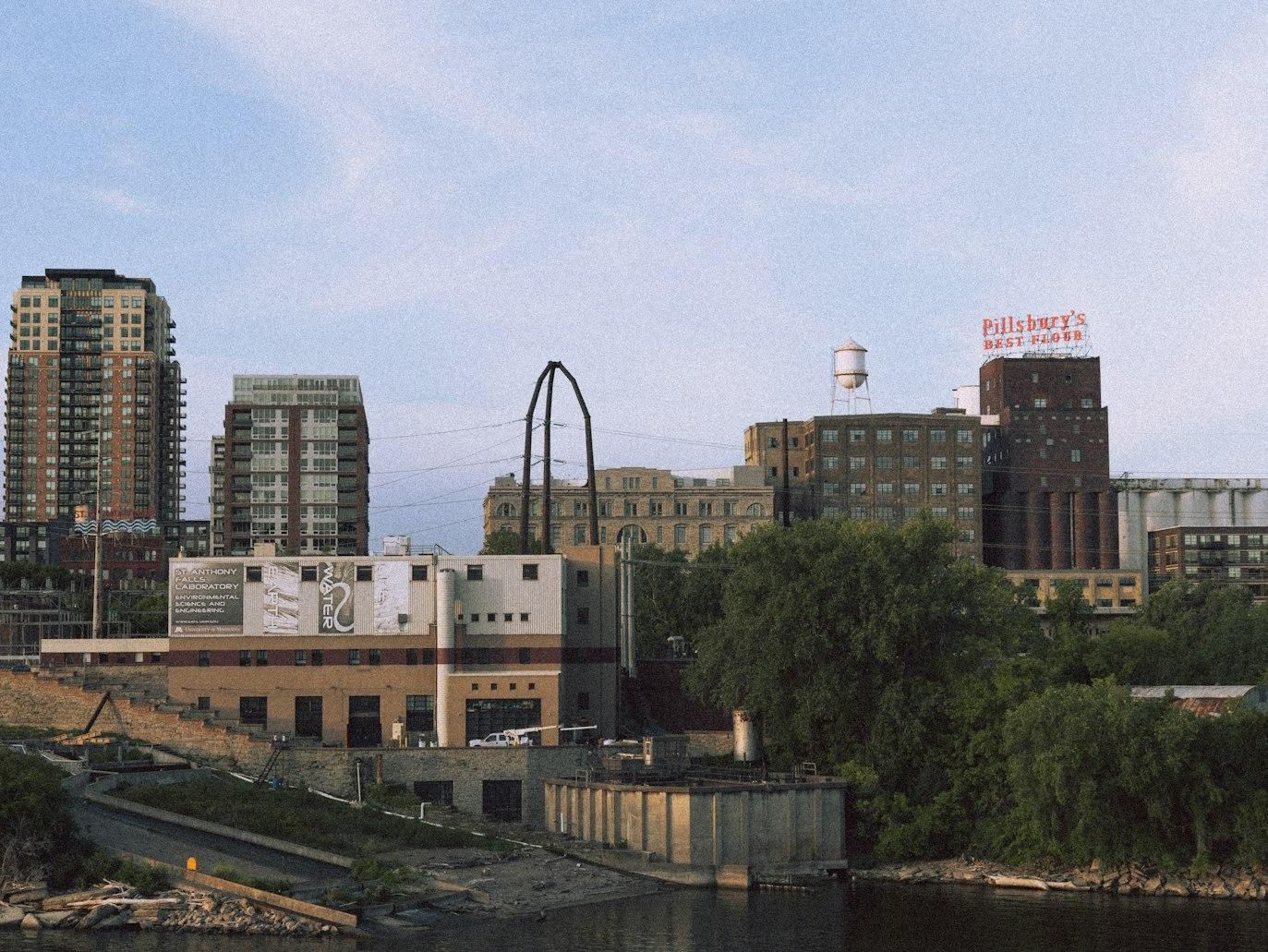
There may be no grizzlies in Memphis, but there are certainly timber wolves in Minnesota. In fact, the state has the largest population of timber wolves in the contiguous United States. The name for Minneapolis’ team was chosen through a statewide contest as a nod to Minnesota’s wilderness and natural wildlife. It was an instant hit.

The other finalist in the contest was the option "Polars," but it seems people found "Timberwolves" to be more unique. In later years, the team introduced its mascot, Crunch , a wolf often seen at events around the city.

9
Pacers

Image: Rui Alves

The Pacers emerged and remained in Indiana. The name was chosen mostly to pay homage to Indiana’s rich racing heritage: pace cars were used in the iconic Indianapolis 500 auto race , which evolved from horse races held annually in the state. However, it can also be considered a pun on the "fast-paced" style of playing that the team hoped to live up to.

In fact, one of the investors of the Pacers franchise was Chuck Barnes , who represented three legendary race car drivers: Mario Andretti, A.J. Foyt, and Rodger Ward. The team proudly retained the name when they joined the NBA in the 1970s after achieving remarkable success in the ABA.

10
​​​​Cavaliers

Image: PublicDomainPictures

Lastly, Cleveland’s "Cavaliers" is another example of a team name chosen through a fan vote. A local fan suggested the term, which refers to gentlemen trained in arms and horsemanship, for its associations with boldness, a fighting spirit, and a certain elegance. This option won, and over time, enthusiastic fans began referring to the team as "the Cavs."

Other contestants in the row were "Jays," "Foresters," and "Presidents." The "Cavs" nickname gained significant popularity during the LeBron era , as the star player’s success helped the team gain a stronger national following. Interestingly, the best-known rivalry for the Cavs is none other than the Golden State "Warriors."

Culture Culture 5 min read

Multifaceted heroes

The King of Rock 'n' Roll himself? Celebrities who served in the military

Image: pasja1000

Did you know that Jimi Hendrix performed 26 parachute jumps or that Bea Arthur was a pioneer woman in the Marine Corps? The award-studded careers of these celebrities made some of us forget that they served in the U.S. military before becoming international stars. Let's explore their feats!

1
Elvis Presley

Image: Clem Onojeghuo

Yes, the King of Rock 'n' Roll, who revolutionized music with hits like "Hound Dog," was drafted into the U.S. Army. Presley was offered to serve in the Special Services entertaining troops but chose to serve as a regular soldier.

The most well-known name in entertainment at the time, he was stationed in Germany and earned the rank of Sergeant. There, he met his future wife , Priscilla Beaulieu.

2
Morgan Freeman

Image: Harald Müller

Morgan Freeman, the legendary actor revered for his deep, resonant voice and commanding presence, served as a radar technician in the U.S. Air Force before his acting career took off.

There, he harbored dreams of becoming a fighter pilot. Eventually, though, his time in the cockpit revealed that flying was not his true passion.

3
Humphrey Bogart

Image: Tomas Martinez

The iconic star of Casablanca served in the U.S. Navy during World War I. He worked as a coxswain aboard the USS Leviathan , transporting troops to Europe.

Some versions attribute his signature lip scar —and, by extension, his unique speech—to an injury during his service, though some claim it was from a brawl or childhood incident.

4
Jimi Hendrix

Image: Aditya Wardhana

Jimi Hendrix is widely regarded as one of the greatest guitarists in history. What’s less known about him is that he served as a paratrooper with the 101st Airborne Division back in the 60s.

Even less known is that he enlisted in the Army at age 19 as part of a deal to avoid jail time after being caught joyriding stolen cars. He completed 26 parachute jumps before being honorably discharged a year later due to injuries.

5
Bea Arthur

Image: Ajeet Mestry

Yes, Bea Arthur, one of the beloved Golden Girls , was also a trailblazer as one of the first women to serve in the U.S. Marine Corps during WWII.

Her sharp wit and memorable roles like Dorothy Zbornak earned her multiple awards and the hearts of many Americans. But before acting, she had worked as a typist and truck driver for the Marine Corps, eventually reaching the rank of Staff Sergeant.

6
Bob Ross

Image: https://images.unsplash.com/photo-1662796246357-36ffa59acbca?

Can you believe that the cherished, gentle-voiced host of The Joy of Painting served in the U.S. Air Force for 20 years?

Bob Ross, the soothing icon of creativity and positivity who taught millions how to paint in the famous PBS series, was once a Master Sergeant. He worked as a medical records technician stationed in Alaska. It is said that he once vowed never to yell again after retiring.

7
Mr. T

Image: Skitterphoto

Mr. T, born Laurence Tureaud, is recognized for his role in Rocky III and the hit television series The A-Team. Before his rise to fame, though, he was a military police officer in the 1970s.

There, he stood out in basic training, so much so that he was named the top trainee out of 6,000 recruits. An anecdote retells that he was ordered by his sergeant to chop trees down as a punishment. After one hour, he had chopped down 70 trees and was told to stop.

8
Adam Driver

Image: Venti Views

Actor Adam Driver is known for his roles in films like Marriage Story and the Star Wars trilogy . Few know that he enlisted in the U.S. Marine Corps after 2001 and served for nearly three years before being discharged for a mountain biking injury.

Driver served as a mortar in the 1st Battalion, 1st Marines. After being discharged, he co-founded Arts in the Armed Forces , a nonprofit that brought art programs to military personnel and families.

9
Chuck Norris

Image: Andrea De Santis

Chuck Norris, the action star legend, was once an Air Policeman in the U.S. Air Force. It was there, in fact, where he first began his training in martial arts.

A pop culture icon for his tough-guy image and humorously exaggerated abilities, he was deployed to an air base in South Korea in the late 50s. There, he earned black belts for multiple disciplines in martial arts , including Tang Soo Do and Taekwondo.

10
Johnny Cash

Image: Markus Spiske

Here's another musician who had a career in the military. Johnny Cash, the legendary country singer, was a radio operator in the U.S. Air Force.

The "Man in Black" was a Morse Code listener intercepting Soviet transmissions in West Germany during the Korean War. Allegedly, it was during this time that he bought his first guitar and began writing songs.

11
Paul Newman

Image: Keanu K

The blue-eyed actor from Butch Cassidy and the Sundance Kid also served as a radioman and gunner during World War II. He trained as a pilot but was reassigned as an operator and rear gunner due to colorblindness.

In fact, he avoided flying in the Okinawa campaign due to an ear infection his pilot had. This saved both their lives, and Newman lived on to become a Hollywood legend and philanthropist.

12
Clint Eastwood

Image: Brice Cooper

Clint Eastwood, the iconic actor and filmmaker, was drafted into the U.S. Army during the Korean War. He worked as a swimming instructor for the 35th Infantry Regiment.

He even survived the crash landing of a Navy torpedo bomber with engine problems. He and his pilot had to swim two miles to shore near Point Reyes, California.

13
James Earl Jones

Image: Piotr Makowski

Before lending his iconic voice to Darth Vader and Mufasa, James Earl Jones trained as an Army Ranger and served as a second lieutenant in the Korean War.

After graduating from college in the 50s, he was assigned to the Army's 2nd Infantry Division in Korea. He received an honorable discharge as a first lieutenant in 1955 and went on to pursue the same career his father had: acting.

Culture Culture 2 min read

Wild words

Hold your horses! 10 phrases born on the American frontier

Image: Documerica

The American frontier shaped more than just maps—it shaped the way people talked. From cattle trails to mining camps, settlers coined many blunt and vivid expressions that have stuck. These everyday phrases still carry the grit of survival, the humor of hardship, and the improvisation of a world built fast. Here are 10 common sayings whose roots run straight into frontier soil.

1
Circle the wagons

Image: Dana Davis

Pioneer wagon trains literally circled their wagons at night for protection.

Creating a closed ring helped shield families, livestock, and supplies from raids, wild animals, and harsh weather—and the formation later evolved into a metaphor for any type of unified, defensive action.

2
Hold your horses

Image: Cemrecan Yurtman

Frontier riders needed to keep horses steady at all times, but particularly in chaotic and potentially dangerous settings like stage stops and river crossings.

By the mid-1800s, the phrase became a common command, later evolving into a figurative call for patience.

3
On the warpath

Image: Andrew James

This term originated as an English rendering of a Native American expression for wartime mobilization—specifically the route or course taken toward an impending conflict.

Euro-American settlers later adopted the phrase, and by the late 19th, century newspapers were using it metaphorically to describe anyone behaving aggressively or angrily.

4
Branding iron

Image: Jonny Gios

Ever wonder where the term "brand name" comes from? Frontier ranchers used heated irons to mark ownership on their cattle.

The idea of a distinctive identifying mark later moved into the commercial world, where "brand name" came to signify a recognizable product or company identity.

5
Come hell or high water

Image: Furkan Elveren

Ranchers driving cattle across rough terrain used this phrase to signal determination despite floods, storms, conflict, and whatever else the wild frontier could throw at them.

The earliest known printed use appears in an 1882 issue of The Burlington Weekly Hawk Eye, an Iowa newspaper. Railroads later adopted it in contracts requiring delivery despite natural obstacles.

6
Riding shotgun

Image: Paul Einerhand

In Wyatt Earp’s era, the seat beside a stagecoach driver was reserved for an armed guard carrying a shotgun to deter bandits.

By the early 20th century, the job had vanished, but the expression endured as a casual claim for the front passenger seat.

7
Belly up to the bar

Image: Vidar Nordli-Mathisen

Saloon bars on the frontier often lacked stools, so patrons had to stand and lean their bellies directly against the counter.

The phrase soon came to mean approaching something boldly, whether at a bar or any other challenge.

8
Kick the bucket

Image: Lucas van Oort

Rural butchers often suspended animals from a beam called a "bucket," and they sometimes kicked during slaughter.

The phrase was popular on farms and frontier towns, eventually becoming a euphemism for dying.

9
Dead ringer

Image: Annie Spratt

Frontier horse racers engaged in plenty of shady practices—and one of the most common was substituting a horse with a look-alike, a "ringer," to scam bets.

When the substitute was an exceptionally close match, it was called a "dead ringer," emphasizing its perfect likeness.

10
High noon

Image: CHUTTERSNAP

Before standardized clocks or reliable rail schedules, "high noon" was an easy way to tell time by noting the sun at its highest point.

It also became associated with showdowns and other events because midday offered the clearest visibility.

Explore more American facts

Choose your favorite category!

General
General

As American as apple pie—the very best America has to offer!

Culture
Culture

Delve into the astounding richness of American lore.

Geography
Geography

Hop in and explore vast and diverse American landscapes.

History
History

Discover the key moments that shaped the United States.