General General 6 min read

From the Nike Air to the Cell phone camera

NASA in your house: 10 inventions that revolutionized everyday life
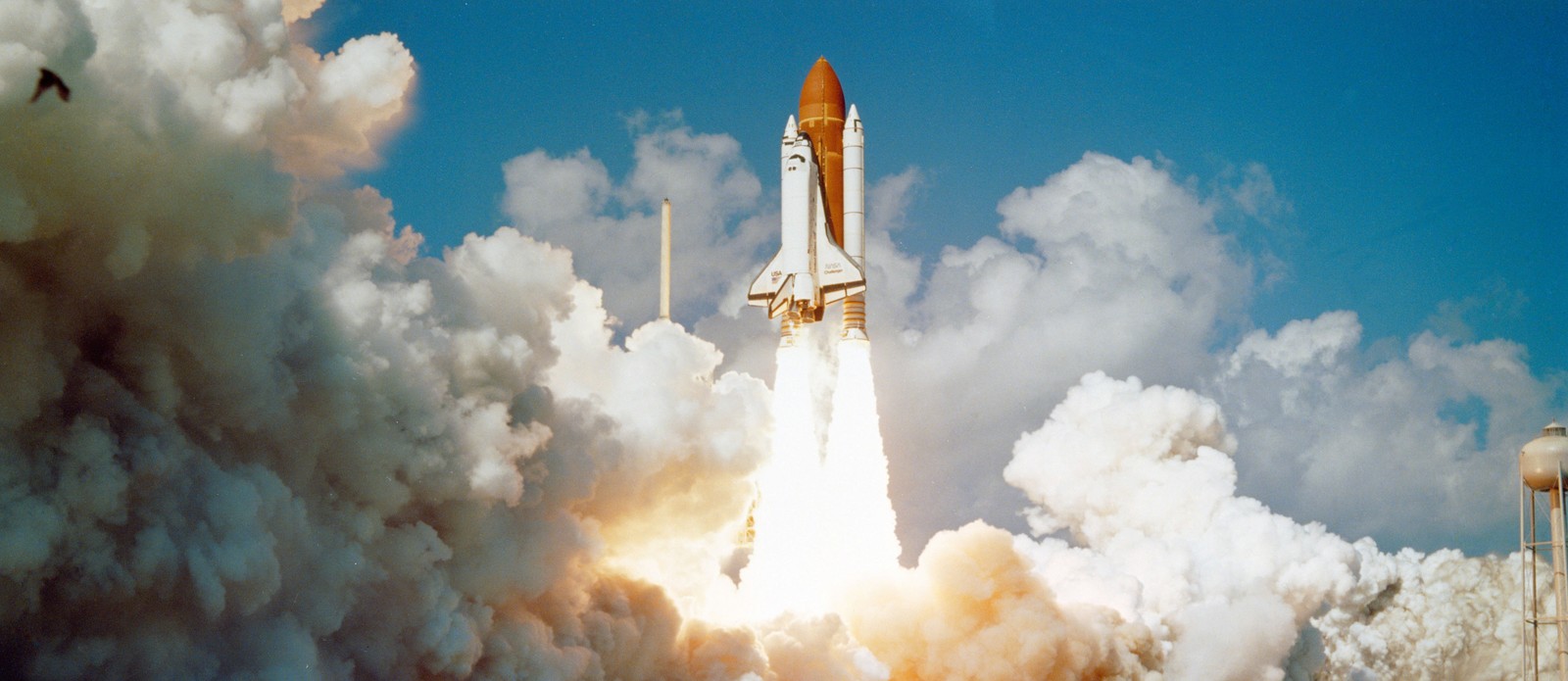
Image: NASA

You probably never realized that NASA, the same agency that revolutionized space travel back in the sixties and seventies, is also responsible for the microchips in your favorite electronics, the alarm that warns you of fire, the sensor that lets you take a quick selfie on your phone , among other everyday inventions. Ready to rediscover them?

1
Microchip
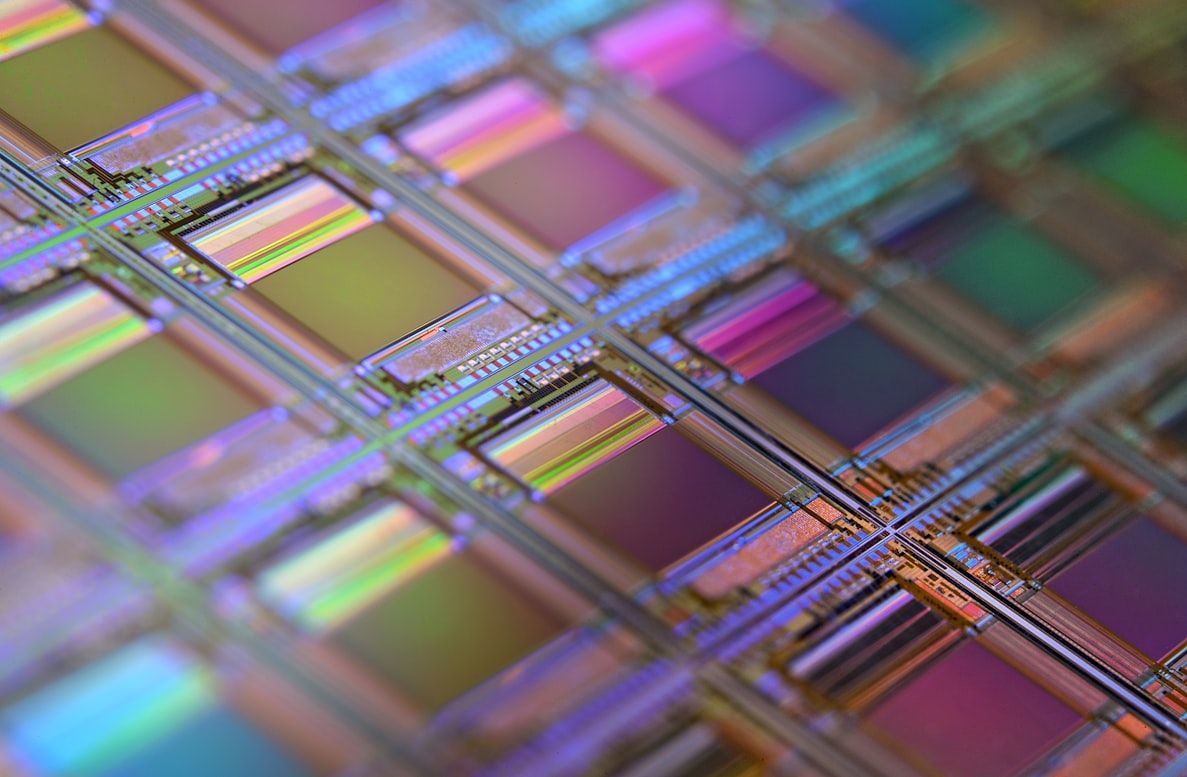
Image: Laura Ockel

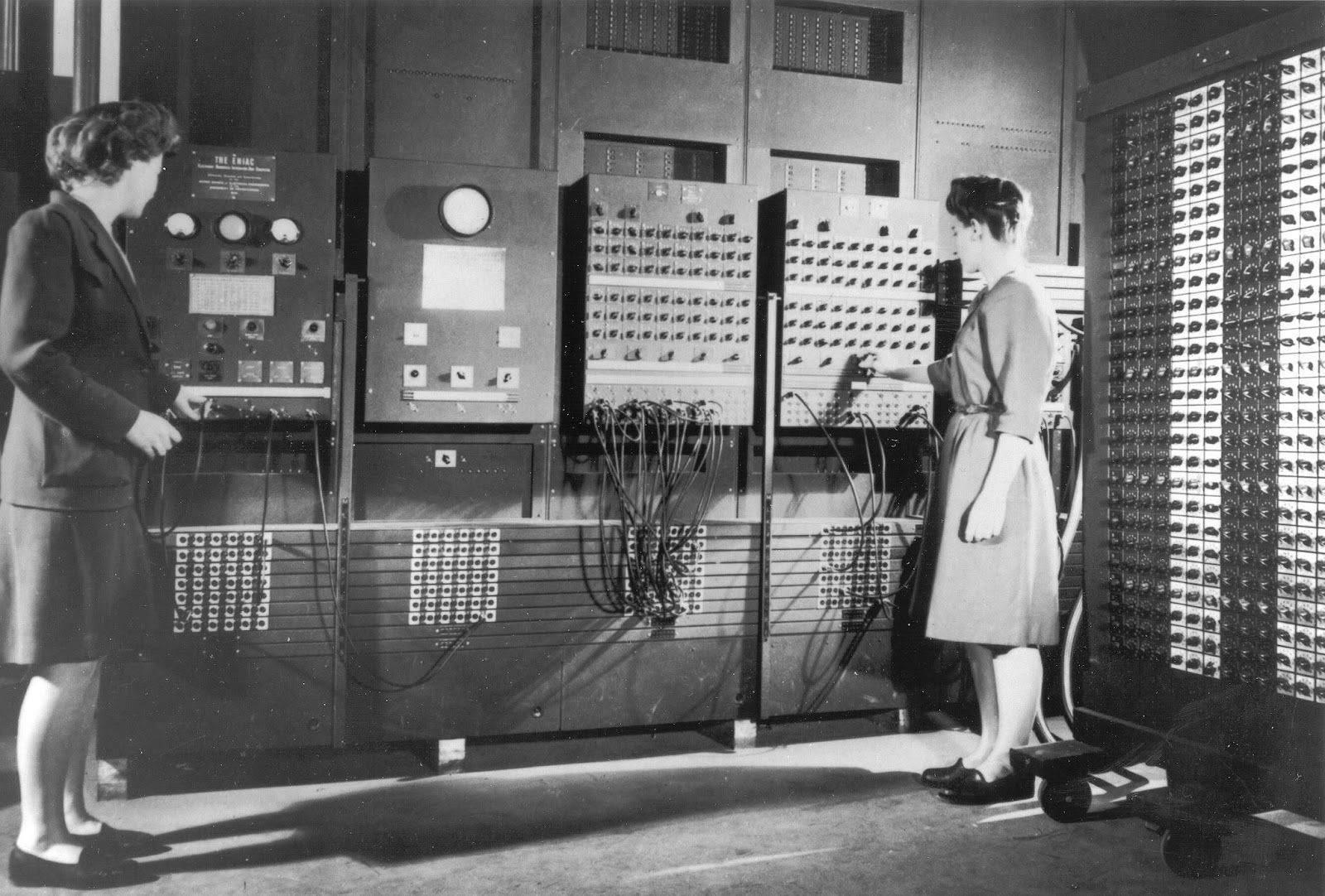
Before microchips, computers relied on glass vacuum tubes that were large, fragile, and too heavy for a spacecraft. To solve this, NASA, during the moon race in the 60s, made a massive bet on a new invention called the integrated circuit, which packed complex electronics onto a tiny sliver of silicon. While these early "microchips" were very expensive and unproven, the Apollo program committed to buying over 60 per cent of all chips made in America. This guaranteed market gave companies like Fairchild Semiconductor, a Californian technology company, the support they needed to perfect the tech and lower the costs. NASA's support as the principal customer for microchips helped the digital revolution happen much sooner than expected. Today, that technology is within almost every electronic device, from the microwave to the laptop.

2
Smoke Detector
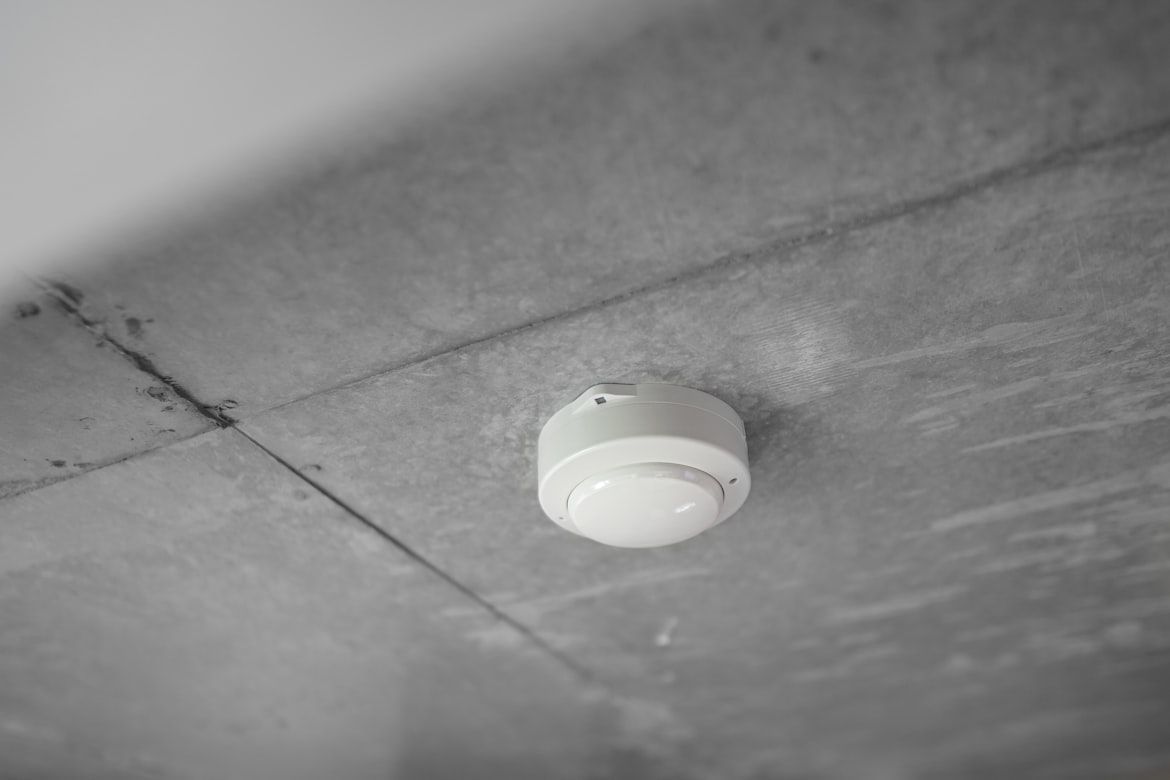
Image: Yosuke Ota

They are among the most important safety tools in our homes, and most people don't know their modern version was shaped for a 1970s space mission. Truth is, the first electric smoke detector was invented in the 1930s by Swiss physicist Walter Jaeger, almost by accident, while working on a gas detection device. Early smoke detectors worked, but they were often too expensive or sensitive for everyday homes.

In the 1970s, NASA teamed up with Honeywell Corporation, a North Carolina-based technology and manufacturing company, to improve the design for Skylab, the first U.S. space station. Astronauts needed an alarm that could detect a real fire without constantly reacting to harmless gases inside the station's tight living quarters. So they added an adjustable sensitivity and long-lasting backup batteries, creating the "nuisance-free" smoke alarm we still use in our homes today.

3
Cell Phone Camera
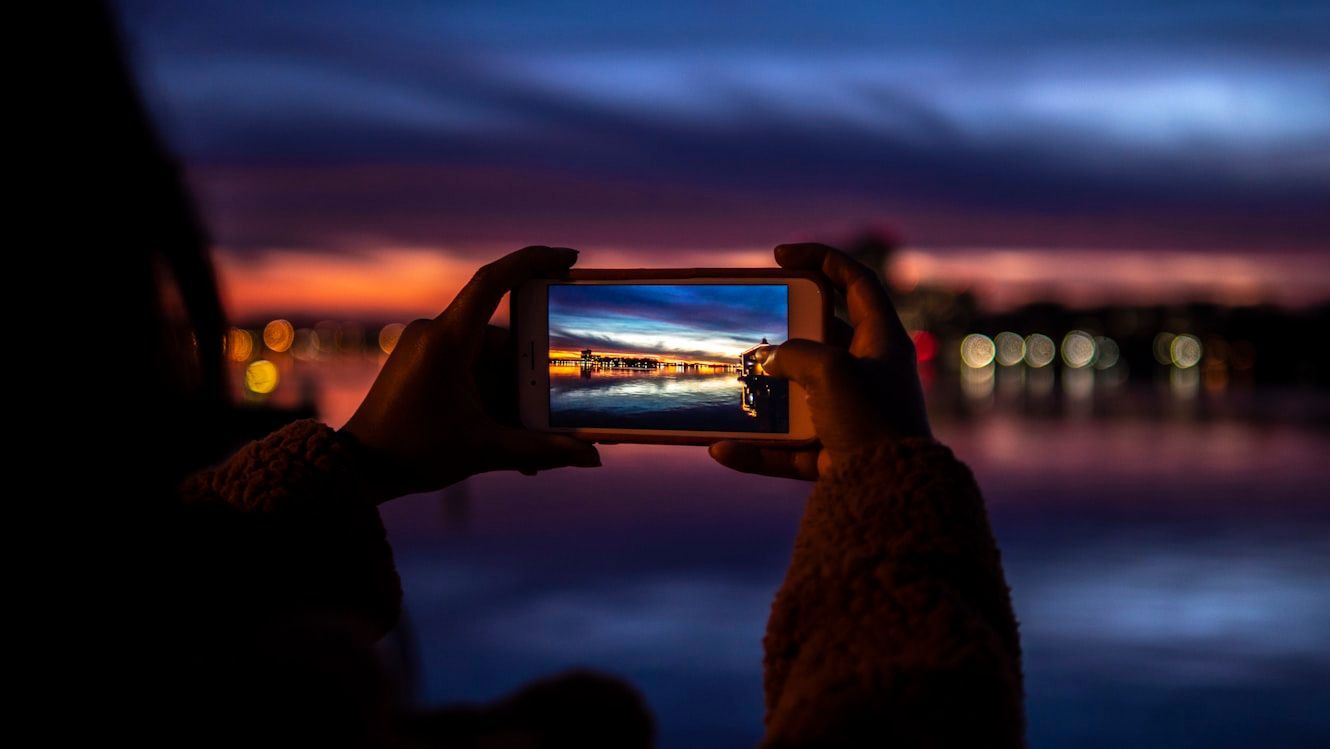
Image: JD Mason

In the 1990s, NASA's Jet Propulsion Laboratory needed to shrink cameras down so they could fit on small spacecraft without draining the battery. Engineer Eric Fossum invented the image sensor, which put all the camera's functions onto a single tiny chip , making cameras much smaller and more efficient than ever before.

In 1995, Fossum founded the company Photobit to bring this space-age sensor to the commercial market. Today, this technology allows smartphones to take high-quality photos while staying thin enough to fit almost everywhere, making it the most used camera tech in the world.

4
Cordless Tools

Image: rakhmat suwandi

In the early 1960s, Black & Decker developed the first cordless electric drill for commercial use. NASA later recognized the potential and, in 1965, contracted Black & Decker to adapt and refine this technology for the Apollo program, creating a lightweight, battery-powered drill that could operate in the moon's harsh environment and in zero gravity.

But that wasn't all. To make it work for space, they had to improve a specialized motor and smart software that didn't drain the battery too fas t. By the late 1970s, the Dustbuster, the first cordless vacuum, was created, along with the improved battery-powered tools we still rely on today.

5
Memory Foam

Image: Kier in Sight Archives

Have you ever wondered why your mattress is smart enough to remember its original shape? Memory foam is a type of high-density polyurethane foam that softens when heated and under pressure. When you lie down on it, it molds to your body, and when you get up, it slowly returns to its original shape. That's what the "memory" part is about.

NASA developed memory foam in the 1960s to improve seat cushioning and crash protection for airline pilots and passengers, and later adapted it to protect astronauts from "G-forces" during space travel . As it reacted to body heat, the foam softened and molded perfectly to a person's frame, absorbing shock on impact. It took about twenty years to reach the public; the first memory foam mattress didn't hit the market until the early 1990s by companies like Tempur-Pedic and Fagerdala World Foams.

6
Sneaker Air Cushioning

Image: Damian Barczak

Ever wondered how Nike Airs were created? The truth is that the bounce in many modern sneakers is actually a product of the space industry. A NASA engineer named Frank Rudy, who worked on the Saturn and Apollo rocket engines, was introduced to a process called blow rubber moulding, used to create sealed, pressurised membranes for aerospace applications. He realized this same process could be used to trap gas inside a shoe sole.

In 1977, he brought this idea to Nike, and this led to the creation of the Nike Air Tailwind in 1978, the first shoe to feature this space-inspired cushioning. Today, air-cushioned soles are a standard, using the same aerospace tech to protect joints in every step.

7
Water Filters
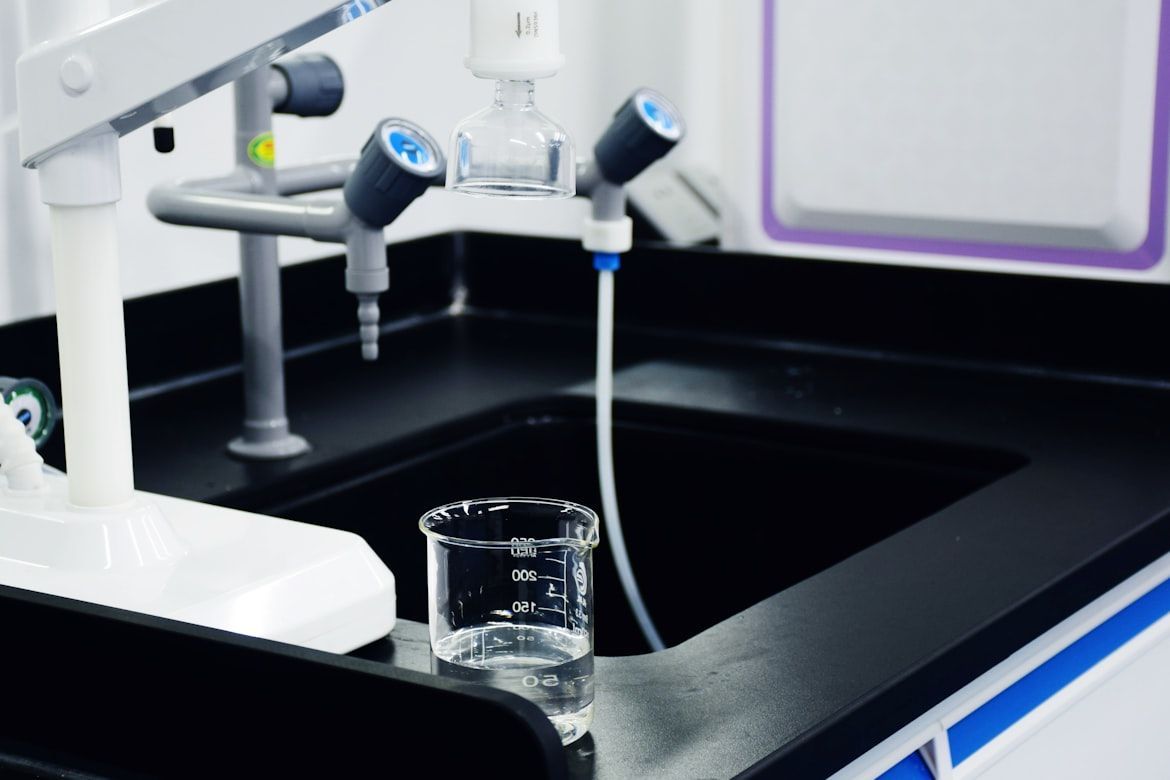
Image: RephiLe water

In 1963, NASA faced an important challenge for the Apollo program: keeping drinking water pure for long missions without using heavy chemicals. To solve this, they pioneered a system that used silver ions to kill bacteria and activated carbon to remove pollutants. This allowed astronauts to have clean water stored for weeks.

By the 1970s, NASA shared this technology with the public, leading to the creation of companies like Aquaspace. These days, this same silver-ion and carbon tech is used inside household water pitchers and refrigerator filters to remove contaminants.

8
Scratch-Resistant Lenses
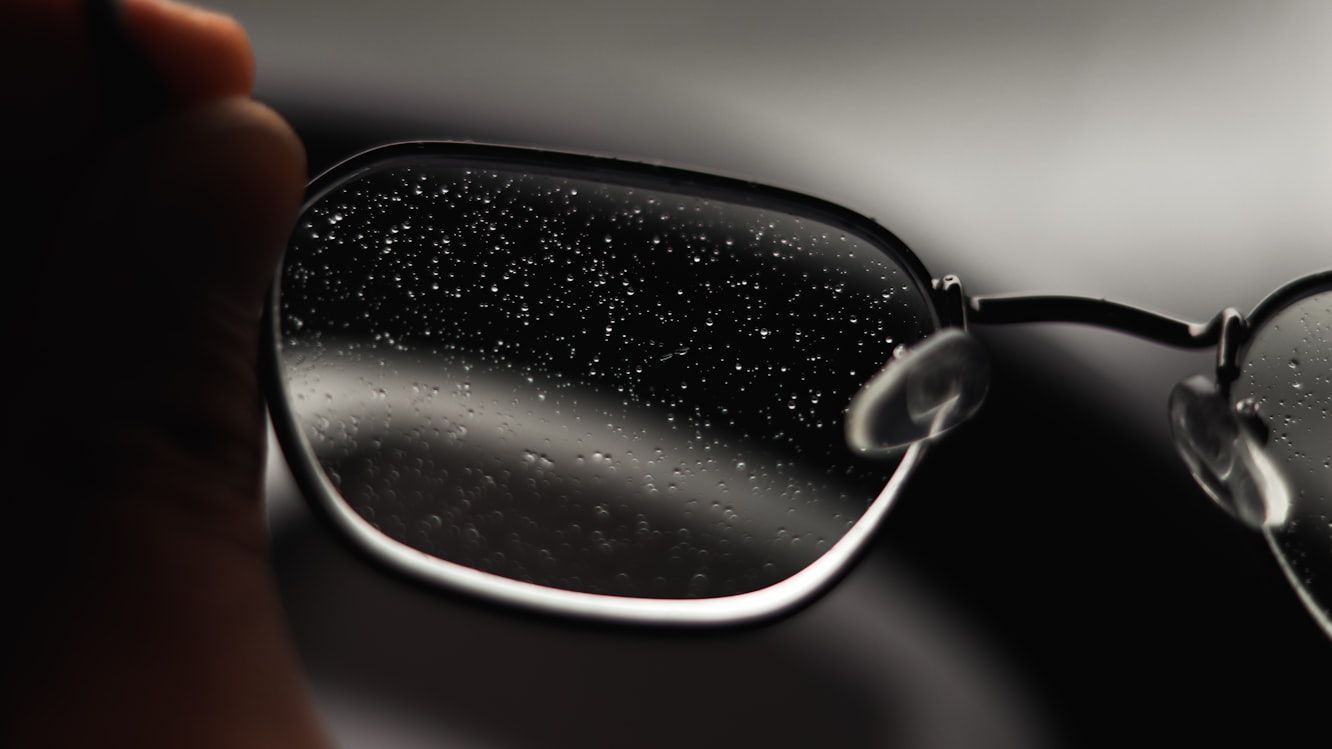
Image: Alireza Hashemi

In the 1970s, NASA scientist Ted Wydeven of the Ames Research Center was working on a spacecraft water purification system when he coated a filter with a thin plastic film using an electric discharge of an organic vapor. The result protected the plastic surfaces of aerospace equipment from scratching.

This film made plastic up to ten times more scratch-resistant than earlier materials. In 1983, Foster-Grant licensed the technology and used it to produce scratch-resistant lenses for sunglasses and eyeglasses, introducing space technology to our daily lives.

9
Ear Thermometer

Image: Artur Solarz

NASA technology and modern healthcare are surprisingly close. It turns out that the same tech used to measure the heat of distant stars is now in our medicine cabinet . In the 1980s, NASA developed special infrared sensors because scientists evidently couldn't place a physical thermometer on a planet millions of miles away. These sensors worked by "reading" invisible heat energy from a distance.

By 1991, a medical technology company called Diatek teamed up with NASA to bring this space tech into daily medicine. They realized the human eardrum also emits infrared heat, and that could work as a perfect window to measure our body temperature. This partnership resulted in the first handheld ear thermometer, making fever checks much more comfortable and easier.

10
Super Soaker

Image: Michael Starkie

You probably assumed that the world's most famous water gun was created in a toy lab. It was actually invented in the home workshop of NASA engineer Lonnie Johnson. In 1982, while working on a new heat pump that used water instead of refrigerant, a nozzle he was testing shot a powerful stream across his bathroom.

Johnson realized its toy potential and licensed his "Power Drencher" design to the toy company Larami. It was renamed to the Super Soaker in 1991, and it uses the same air-pressure principles Johnson applied to spacecraft systems.

Culture Culture 3 min read

A-Listers ahead

From Spielberg to King: Who are Hollywood’s “Powers that Be”?

Image: Venti Views

If you have ever wondered who decides who wins an Oscar or why a certain movie had a sequel, you are not alone. Hollywood is filled with big fish who make billion-dollar decisions every day. Some of the names in this list you will know for sure, some will sound familiar, perhaps from the end credits of some film, and some you have probably never heard of. But they are all big Hollywood players who can shift tides, shape cultural trends, and make stars (or break them).

1
Kathleen Kennedy

Image: Thea Hdc

Kathleen Kennedy has been a part of many of the greatest movies of the last 35 years. She’s been involved with almost every Steven Spielberg movie since Raiders of the Lost Ark, but also Back to the Future, The Goonies, The Sixth Sense, and The Curious Case of Benjamin Button , to name a few. Also, she is the president of Lucasfilm following its sale to Disney.

2
Reed Hastings

Image: Jakob Owens

Netflix’s co-founder Reed Hastings is a big name in the entertainment business, helping distribute some of the world’s most-viewed television shows over the last years.

With a background in technology and software, Hastings capitalized on the changing media consumption behaviors and created something that took the media business by storm.

3
Bob Iger

Image: Clyde He

Quite probably the most influential person in Hollywood, Bob Iger presides over the industry’s largest and most influential entertainment business, the Disney brand. Add 21st Century Fox, Star Wars, Marvel, Pixar , and a few other things, and you have a modern-day media empire.

4
Kevin Feige

Image: Brands&People

Arguably the most successful film producer of all time, Kevin Feige has championed the superhero cinematic universe that has swept over Hollywood in the last decades, whether you like it or not.

5
Dana Walden

Image: J. Schiemann

Dana Walden was a key figure in Disney's acquisition of 20th Century Fox TV , which she built into a powerhouse over two decades. She is also in charge of ABC Studios, ABC Entertainment, Freeform, and Hulu .

6
Oprah Winfrey

Image: Ioann-Mark Kuznietsov

A true household name, Oprah Winfrey is one of America’s most trusted stars . She also writes bestsellers, has her own cable network (OWN), and is involved in infinite ventures in the entertainment landscape.

7
J.J. Abrams

Image: Billy Freeman

The name behind some of the biggest blockbusters of the last 30 years, J.J. Abrams, is one of the most sought-after directors and producers in all of Hollywood. He is responsible for movies like Armageddon, several Mission: Impossible installments, and a couple of Star Wars films , to name a few.

8
Shonda Rhimes

Image: Jakob Owens

As the creator and showrunner of Grey’s Anatomy, Bridgerton, Scandal, Private Practice, How to Get Away with Murder , and many other series, Shonda Rhimes has been a strong presence in Hollywood since the early 2000s and has been featured multiple times in the Times 100 Most Influential People on the World list.

9
Steven Spielberg

Image: Mirko Fabian

Probably the person most of us would expect to be on this list, Steven Spielberg has shaped America and the world’s pop culture with some of the most successful and influential films ever made . His presence has been a force to be reckoned with and a strong influence in Hollywood since the mid-1970s.

10
James Cameron

Image: Kyle Loftus

The man behind blockbusters like Titanic, Terminator, and Avatar , among many others, has kept himself busy diving to the deepest point in the ocean, creating documentaries, series, producing, directing, writing, and more for a few decades now and his work is embedded in pop culture, in a similar way to Spielberg and our next entry.

11
Stephen King

Image: Vitalii Onyshchuk

The man responsible for some of the biggest film classics, not just in the horror genre but in many others as well, didn’t even intend to go into the movie business in the first place.

As one of America’s more successful contemporary writers, Stephen King has created stories that started as bestsellers and eventually found their way into Hollywood. From Carrie, Cujo, Pet Sematary, The Shining, to Shawshank Redemption, The Green Mile, Stand By Me , and countless others, his stories are the basis for some of the biggest blockbusters that Hollywood has ever seen.

History History 5 min read

Achieving the unachievable, one step at a time

Did you know these 10 legendary American athletic feats?

Image: Renith R

Humans are capable of extraordinary deeds in the physical world, and quite a few of them have taken place in public. From an individual who decided to run 50 marathons in 50 consecutive days to another who climbed a rock wall 3,000 feet high with no ropes or safety equipment of any kind, history is filled with amazing feats accomplished by remarkable people. And, as it happens, quite a few of them are American citizens. Do you know these ten?

1
2008 Beijing Olympic Games - Michael Phelps

Image: Thomas Park

Winning a gold medal in the Olympic Games is, by itself, a huge achievement and a dream come true for any elite athlete. Repeating this feat is something that very few have achieved, and doing so has elevated these individuals to legendary status.

Now, imagine winning not one, not two, but eight gold medals in a single edition of the Olympic Games . This unimaginable feat was accomplished by the now-famous swimmer Michael Phelps. This remains the greatest individual achievement in one edition of the Olympic Games by any Team USA athlete.

2
1936 Munich Olympic Games - Jesse Owens

Image: Braden Collum

Another legendary Olympic moment took place many years before Michael Phelps was even born, when Jesse Owens, a Black athlete, won four gold medals in the 1936 Munich Olympic Games.

Despite competing on very controversial ground at the time, Owens blazed his way to Olympic glory and secured his place in the pantheon of the greatest American athletes.

3
Cuba to Florida Swim - Diana Nyad

Image: Matt Hardy

If you see the distance between Miami and Havana on a map, it doesn’t seem all that far. That is until you start approaching and realize that there are 110 miles between these two places. Believe it or not, this journey has been swum three times. The first two crossings involved a shark cage and several short rests.

The third person to achieve this milestone was Diana Nyad, who completed the swim on her fifth attempt at age 64 in 2013 . Nyad used a protective jellyfish suit, shark divers, and electronic shark-repellent devices to achieve an "unassisted" swim.

4
50 Marathons in 50 Days

Image: Pietro Rampazzo

Running a marathon is an impressive feat of endurance and strength for almost any human being. Running two marathons in two consecutive days is nearly impossible for anyone. Now, imagine running 50 marathons across 50 American states in 50 consecutive days.

That incredible accomplishment was achieved by Los Angeles native Dean Karnazes , beginning with the Lewis and Clark Marathon in St. Louis on September 17, 2006 , and finishing with the New York City Marathon on November 5 . A bit too much, maybe?

5
1968 Mexico City Olympic Games - Bob Beamon

Image: Gabriel Sanchez

On the rarest of occasions, humans are capable of physical achievements that defy what the human body is capable of doing. During the 1968 Summer Olympics in Mexico City, Bob Beamon broke the world record for men’slong jump with an incredible jump of 29 feet, 2.25 inches . Yes, that is almost 30 feet.

There was a delay in posting the distance, and Beamon didn’t know what the metric figure that finally appeared on the board equated to in feet and inches. When a teammate told him he had jumped over 29 feet, he collapsed on the track from the realization of what he had accomplished.

6
2017 Australian US Open - Serena Williams

Image: Kelly Sikkema

Winning a world tennis championship is a significant achievement for any tennis player. That is, unless you are a tennis player so accomplished that winning these tournaments is as regular as anything. The list of people who do that is very short, and the names on it are all very well known.

One of those names is, without a doubt, Serena Williams. Possibly the greatest female tennis player ever, she won the 2017 Australian Open . This fact alone may not seem out of place for such an athlete. But what sets it apart is the fact that she did so while pregnant .

7
17 minutes without breathing - David Blaine

Image: Jakob Owens

How long can you hold your breath underwater? Trained individuals can achieve very impressive results in this field, but one feat that stands out is the one accomplished by American illusionist David Blaine, who, on September 8, 2008, set a world record for static apnoea, by holding his breath underwater inside a tank for 17 minutes and 4.5 seconds.

Blaine is best known for his high-profile feats of endurance and has set and broken several world records. These include standing for 35 hours on a 100-foot-high pillar only 22 inches wide in 2002 and sitting in a clear Perspex box for 44 days in 2003 without eating and drinking only water.

8
900 spin - Tony Hawk

Image: Devin Avery

In the world of skating, a 360 is the name given to a stunt performed by executing a mid-air spin on the board. This is a complicated trick, achieved only by very experienced skaters. A 720 is a stunt performed by doing not one, but two mid-air spins on the board. As one can imagine, this is exponentially more difficult than a 360, and very few people can pull off this stunt.

Now, if we mention a 900, you might guess where we are going. This involves not one, not two, but two and a half mid-air spins on the board. This insanely difficult stunt was first performed (at least publicly) by Tony Hawk, the skateboard champion, at the 1999 X Games, cementing his status as a skateboarding legend.

9
2008 U.S. Open - Tiger Woods

Image: Will Porada

Tiger Woods is a familiar name in the sports world. He has won 14 major golf championships and achieved a level of superstardom seldom seen in the game. However, the one we are choosing to highlight today displays an extraordinary amount of tolerance to pain in the face of competition.

During the 2008 U.S. Open, he played a total of 91 holes with a torn ACL and double stress fractures in his left leg . With a course set up to give players the toughest test of golf imaginable, the U.S. Open is hard enough as it is. Add in debilitating leg injuries, plus 19 extra holes (thanks to a playoff with Rocco Mediate), and you have one of the greatest showings of pain tolerance in the history of tournament golf.

10
El Capitan Free Solo Climb - Alex Honnold

Image: Jessica Tuttle

Imagine climbing a huge stone wall approximately 3,000 feet high in less than four hours. Now imagine doing that, without any kind of ropes or safety equipment. That is exactly what Alex Honnold did on June 3, 2017, when he made the first-ever free solo ascent of El Capitan by completing Alex Huber's 2,900-foot big wall route, Freerider, in 3 hours and 56 minutes.

The climb, described as "one of the great athletic feats of any kind, ever," was documented by climber and photographer Jimmy Chin and documentary filmmaker E. Chai Vasarhelyi, as the subject of the documentary Free Solo which, among other awards, won the Academy Award for Best Documentary Feature in 2018.

Explore more American facts

Choose your favorite category!

General
General

As American as apple pie—the very best America has to offer!

Culture
Culture

Delve into the astounding richness of American lore.

Geography
Geography

Hop in and explore vast and diverse American landscapes.

History
History

Discover the key moments that shaped the United States.