History History 5 min read

History time

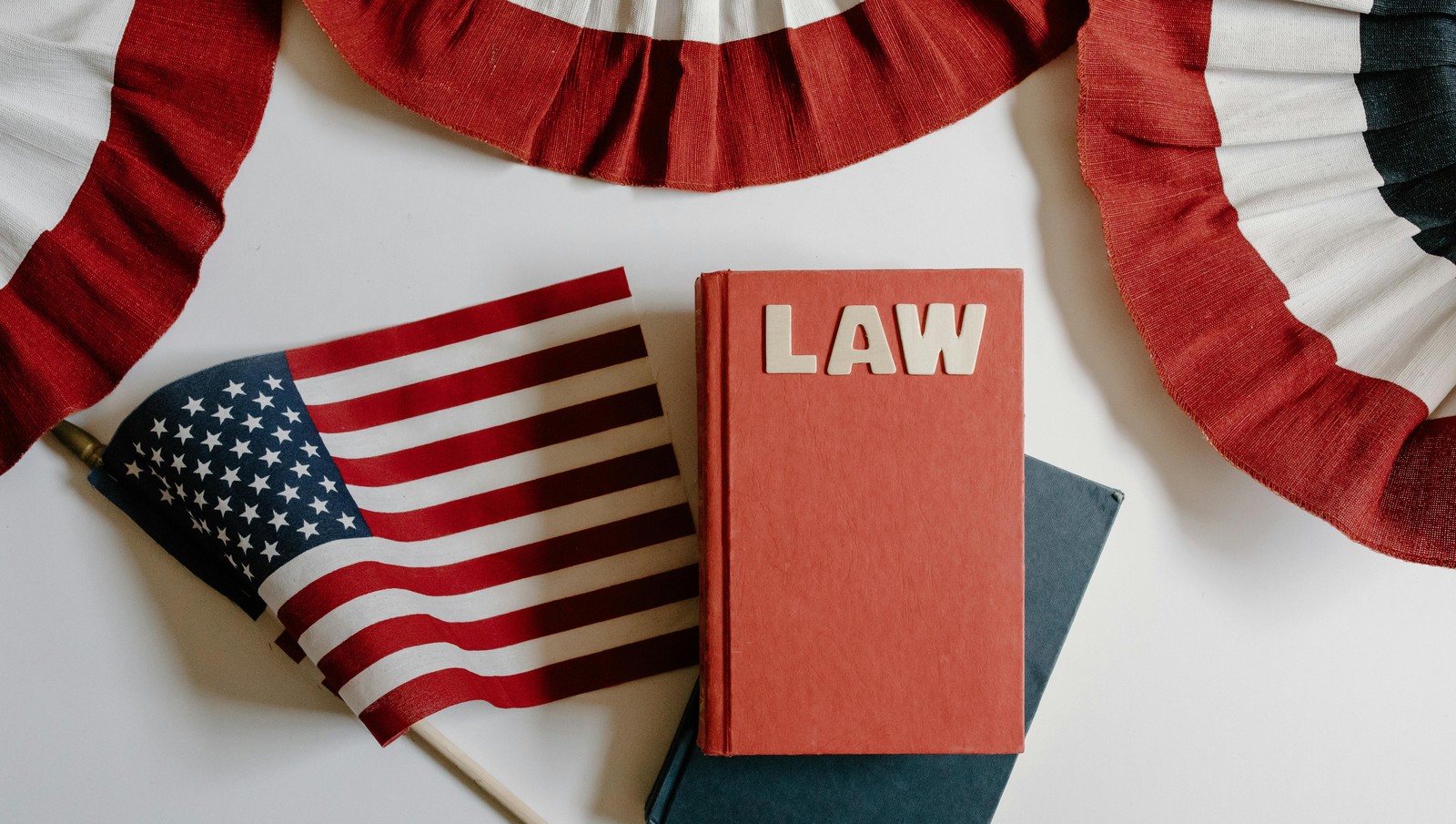
Let’s honor our 13 original colonies with 13 interesting facts!

Image: Kaboompics.com

The 13 original British colonies along the East Coast of what is now the United States were the building blocks of a new nation. At the same time, they were lively, complex, and filled with unique stories. Founded for reasons ranging from religious freedom to economic gain, each colony brought its own flavor to the mix. While they eventually united to resist British rule, their individual histories remain captivating. Let’s explore 13 interesting facts about these foundational colonies and uncover the tales that make them unforgettable.

1
New Hampshire: Constitution and potatoes

Image: Spenser Sembrat

New Hampshire was a pioneer in colonial America: They were the first colony to establish its own constitutional government. But its tastiest contribution? Potatoes!

In 1719, Scotch-Irish immigrants near Londonderry planted the first permanent potato crops. The tubers quickly became a staple and spread across the colonies only to become the most consumed vegetable in the country. Plus, New Hampshire even declared the potato its official state vegetable in 2013. Who knew potatoes had such historical roots?

2
Massachusetts: Named after the original inhabitants

Image: Wei Zeng

When English settlers arrived on the Mayflower in 1620, they weren’t stepping onto empty land. Indigenous peoples had called the area home for thousands of years.

The colony’s name, Massachusetts, honors the Massachusett tribe. Derived from the Algonquian word Massa-adchu-es-et , it translates to "great hill-small place." Even as history tells a more complicated story about their interactions with the settlers, it’s a nice tribute to the land's original inhabitants.

3
Connecticut’s secret tree

Image: Christopher Luther

Connecticut’s colonial history has a touch of mystery and rebellion . In 1662, the colony was granted a royal charter ensuring its right to self-govern by King Charles II. After his death, in 1686, King James II tried to revoke it.

Legend has it that, during a heated debate, the charter was spirited away during a momentary blackout and hidden in the hollow trunk of a white oak tree. The "Charter Oak" became a symbol of freedom and self-determination, and it’s now honored as Connecticut’s official state tree.

4
Rhode Island: Refuge for the rejected

Image: Demure Storyteller

The colonies were revolutionary, but some views were too progressive for the era. That is why Roger Williams, Rhode Island’s founder, was banished from Massachusetts . He had progressive views on religious freedom and so he found sanctuary in what later became Rhode Island.

In 1636, he purchased land from the Narragansett people and founded a colony based on the separation of church and state. It became a haven for minority religious groups like Baptists, Quakers, and Jews.

5
New York: From New Netherland to a global capital

Image: Benjamín Gremler

Before it was New York, it was New Netherland, a bustling Dutch colony founded in 1624. The Dutch established New Amsterdam on Manhattan Island, but in 1664, the English seized the territory and renamed it after the Duke of York.

New York grew rapidly, eventually becoming the first capital of the United States after the Revolutionary War. It’s amazing to think this vibrant city started as a modest Dutch trading post.

6
New Jersey’s devilish legend

Image: Benjamin Ashton

The Pine Barrens of New Jersey are home to one of America’s oldest and creepiest legends : the Jersey Devil. Do you know how it goes?

According to folklore, a woman named Mother Leeds cursed her 13th child, who was born as a monstrous creature, and fled into the forest. The tale, rooted in both colonial superstition and Indigenous folklore, has been passed down for centuries, keeping imaginations alive, and visitors on edge, in the Garden State.

7
Pennsylvania: The King’s debt becomes a colony

Image: The Body

Pennsylvania owes its existence to a royal, and quite big, IOU. King Charles II granted William Penn the land in 1681 as payment for a debt owed to Penn’s father.

Penn established the colony as a safe haven for Quakers, emphasizing religious tolerance and fair dealings with Indigenous peoples. Pennsylvania, clearly named after the family’s name, became a model of diversity and coexistence, attracting settlers of all faiths and backgrounds.

8
Delaware: The First to Declare Independence

Image: Demure Storyteller

Independence from Britain? They all did that, but Delaware took it a step further! Though initially governed as part of Pennsylvania, Delaware established its own legislature in 1704.

On June 15, 1776, this colony declared independence not just from Britain but also from Pennsylvania, making it the first colony to break away formally . Known as the "First State" for ratifying the US Constitution in 1787, Delaware’s pioneering spirit is woven into its history.

9
Maryland: A pirate colony?

Image: Luisa Frassier

Maryland’s early days weren’t all peaceful. William Claiborne , a man of the Virginian council, refused to accept that his settlement on Kent Island was part of Maryland after the colony’s charter was granted in 1632.

Claiborne launched pirate raids on Maryland’s trading posts, leading to charges of piracy and murder. While he eventually lost his claim, Claiborne’s defiance adds a plot twist to Maryland’s story.

10
Virginia: Witch trials in the South

Image: Henry Deng

Did you think witch trials only happened in Salem? Think again. Virginia held about two dozen trials between 1626 and 1730, including the infamous case of Grace Sherwood. If that name doesn’t ring a bell, maybe "The Witch of Pungo" does.

While we’re not going to get into the details of how they proved she "was a witch," she was convicted of witchcraft and spent several years in jail before she was released.

11
North Carolina: The Mystery of Roanoke

Image: Gene Gallin

North Carolina’s Roanoke Colony remains one of America’s greatest mysteries. In 1587, over 100 settlers vanished without a trace , leaving behind only the word "Croatoan" carved into a tree.

As you can imagine, there are plenty of theories surrounding this event: Did they join local Indigenous tribes, or succumb to the harsh environment? While we may never know, the "Lost Colony" keeps historians and treasure hunters quite captivated.

12
South Carolina’s "Blue Gold" boom

Image: Omri D. Cohen

South Carolina’s indigo trade, led by Eliza Lucas Pinckney in the 1730s, turned the colony into an economic powerhouse. This vibrant blue dye, vital for textiles, was so lucrative it earned the nickname "blue gold."

Despite the challenges, which included sabotage by rivals, the crop’s success transformed South Carolina’s economy. However, its growth came at the cost of enslaved labor, a sobering reality of the colony’s prosperity.

13
Georgia: A colony for a cause

Image: Jaanus Jagomägi

Founded in 1732 by James Oglethorpe, a prison reformer, Georgia was established as a social experiment . It was designed to provide a fresh start for England’s "worthy poor," and to that end, the colony outlawed slavery and large landholdings.

However, settlers soon pushed back, and by 1751, many of the original restrictions were lifted. Despite its challenges, Georgia’s idealistic beginnings make it a unique addition to the 13 colonies.

Geography Geography 3 min read

A room with a view

11 historic lodges and accommodations in the US worth checking out

Image: gibblesmash asdf

America is full of natural wonders, and its national parks offer countless possibilities to visitors. Among these are stunning lodges and accommodations, many of which were built during the early decades of the 20th century. Take a look at 11 of these historic locations—you might even be inspired to plan a future visit.

1
LeConte Lodge, Great Smoky Mountains National Park, Tennessee

Image: Mitchell Bowser

It’s hard to imagine this massive lodge once being a tent camp, but in 1925, that was its humble beginning. Over the years, it has transformed into the comfortable hotel with grand halls we see today. Built atop Mount LeConte in 1926, this lodge provides breathtaking views of the surrounding areas and all the amenities of a modern establishment.

2
The Ahwahnee, Yosemite National Park, California

Image: Hanbyul Jeong

Built in 1925, The Ahwahnee is a 121-room hotel nestled in a picturesque meadow at the base of the Royal Arches in Yosemite Valley. Its dining hall, featuring 34-foot-high ceilings and floor-to-ceiling windows, along with its elegant suites and magnificent lounges complete with vintage fireplaces , offers the perfect retreat after a day of hiking in the park.

3
Many Glacier Hotel, Glacier National Park, Montana

Image: Michael Kirsh

The largest inn in Glacier National Park, Many Glacier Hotel is a 215-room Swiss-style chalet boasting breathtaking lounges with stunning views , exposed log beams , and a majestic three-story lobby . Its generous dining room offers a panoramic backdrop of the northern Rockies for its guests to enjoy while sipping a local brew or a delicious meal.

4
El Tovar Hotel, Grand Canyon National Park, Arizona

Image: James Lee

Perched on a high ledge along the South Rim of the Grand Canyon, overlooking the Colorado River, El Tovar was designed to resemble a Scandinavian-style villa. With 78 rooms, a grand lounge wrapped in hewn Oregon pine , cobblestone fireplaces , and a dining room adorned with dark wood paneling , vintage light fixtures , and murals , El Tovar offers the perfect retreat after a full day of hiking and taking in the breathtaking views.

5
Lake Crescent Lodge, Olympic National Park, Washington

Image: Georg Eiermann

The Lake Crescent Lodge was built in 1915 and features 55 rooms and it is ideally situated between firs and hemlocks, in the mountainous Hurricane Ridge area. Guests are greeted by a Victorian-era sunroom , an antique-furnished lobby , and a welcoming stone fireplace —an ideal retreat for those eager to soak in the views or explore the numerous hiking trails.

6
Big Meadows Lodge, Shenandoah National Park, Virginia

Image: Becky Winner

Big Meadows Lodge, a charming 1930s hotel , boasts beautiful craftsmanship and is set near a grassy meadow where deer often graze. The lodge features 29 rooms in its main building , along with 72 additional accommodations spread across its outer cabins and lodges .

7
Old Faithful Inn, Yellowstone National Park, Wyoming

Image: Judy Beth Morris

The 1904 Old Faithful Inn is celebrated as the largest log structure in the world , stretching 700 feet in length and rising seven stories high. This iconic hotel was strategically positioned to offer stunning views of the renowned Old Faithful geyser.

It has an awe-inspiring 92-foot-high lobby , and its Obsidian Dining Room has a mouth-watering menu complete with locally sourced bison burgers and smoked-trout ravioli.

8
Zion Lodge, Zion National Park, Utah

Image: James Lee

The 100-year-old Zion Lodge was thoughtfully designed to harmonize with its natural surroundings, constructed from untreated logs and locally sourced sandstone . With 76 rooms and 40 cozy cabins , the lodge serves as the perfect base for exploring the park’s diverse hiking trails, offering adventures for visitors of all skill levels.

9
Paradise Inn, Mount Rainier National Park, Washington

Image: Rich Martello

Located 19 miles from the southwestern Nisqually Entrance at Mount Rainier National Park, Paradise Inn was built between 1916 and 1917 and once featured one of the region’s first ski lifts . The inn’s 121 rooms still showcase some of their original rustic charm , with showers and restrooms located down the hall.

10
Wuksachi Lodge, Sequoia and Kings Canyon National Parks, California

Image: Josh Carter

The Wukachi Lodge, built in 1999, is the first hotel in the area not constructed over 80 years ago. It boasts 102 rooms and modern amenities , including private baths , mini-fridges, spacious accommodations , central heating , and more.

11
Chisos Mountains Lodge, Big Bend National Park, Texas

Image: Intricate Explorer

The 72-room Chisos Mountains Lodge is nestled at the base of Casa Grande Peak, in the heart of the hiking area. Guests can step right out of their rooms and onto the famous Window Trail , summit Emory Peak , or spend a full day on the South Rim Trail .

General General 3 min read

Lady Liberty enlightens the world with her torch

Image: Dudubangbang Travel

The Statue of Liberty stands proudly on Liberty Island in New York Harbor, raising her torch high above her head as a symbol of freedom and hope. This American icon has welcomed millions of immigrants and visitors, becoming one of the most recognizable landmarks across the globe. Let's dive into 12 fascinating facts about this beloved American monument!

1
Her torch has been replaced

Image: Mateus Maia

Lady Liberty is no longer holding her original torch. The first one, made out of copper and covered in gold leaf, was replaced in 1986 due to extensive damage. The current torch sports a 24-karat gold flame, which gleams in the sunlight by day and is illuminated by torchlights at night.

2
What happened to the original torch?

Image: Epicgenius, CC BY-SA 4.0 <https://creativecommons.org/licenses/by-sa/4.0>, via Wikimedia Commons

The original torch is on display in the Statue of Liberty Museum on Liberty Island. It was removed on July 4, 1984, after leaks from rain and corrosion from the elements damaged it beyond repair. It was replaced in 1986 with the current replica and inaugurated by First Lady Nancy Reagan.

3
The view from the top

Image: Lowe, Jet, creator, Public domain, via Wikimedia Commons

Visitors could originally climb up to a small observation deck inside the Statue of Liberty's torch. However, the structure was damaged in an explosion in 1916, and access to the torch has been closed ever since.

4
Lady Lighthouse

Image: Luke Stackpoole

From 1886 to 1902, the Statue of Liberty served as an official lighthouse, guiding ships and welcoming visitors into New York Harbor with 14 electric lamps housed inside the torch.

5
A gift from France

Image: Albert Fernique, Public domain, via Wikimedia Commons

To celebrate the centennial of American Independence and the friendship between the American and French nations, the people of France gifted the Statue of Liberty to the United States in 1886.

6
Gustave Eiffel

Image: Carol M. Highsmith, Public domain, via Wikimedia Commons

Gustave Eiffel, the very same engineer behind Paris' most famous tower, designed Lady Liberty's inner iron framework. His design allowed the statue to withstand the strong winds and harsh weather conditions in New York Harbor. The entire puddled iron structure was replaced by corrosion-resistant stainless steel in 1986.

7
She wasn't always green

Image: Maarten van den Heuvel

Lady Liberty's outer shell is made out of copper. It originally had a shiny brown color, but exposure to the elements over time caused the copper to oxidize, giving the statue the famous green patina it is known for.

8
The New Colossus

Image: Gautam Krishnan

Emma Lazarus, the famous American author and poet, was inspired by the Statue of Liberty to write a poem titled The New Colossus . Lines from the sonnet are now inscribed on a bronze plaque on the statue's pedestal.

9
A challenging trek

Image: Zoshua Colah

Visitors to the Statue of Liberty's famous crown observation deck must do so by climbing 354 narrow steps. The view from the top, however, sure is worth it!

10
Visitors from the Seven Seas

Image: Laurenz Heymann

Lady Liberty's crown has seven rays or spikes. The number was chosen to mirror the Seven Seas of ancient literature, as well as the seven continents of the world, meaning Asia, Africa, North America, South America, Antarctica, Europe, and Australia. Through this symbol, the Statue of Liberty extends her message of freedom across the globe.

11
Her left hand

Image: Ron Cogswell from Arlington, Virginia, USA, CC BY 2.0 <https://creativecommons.org/licenses/by/2.0>, via Wikimedia Commons

Besides the torch in her right hand, Lady Liberty is holding a tablet in her left hand. The tablet reads JULY IV MDCCLXXVI . In Roman numerals, that is July 4, 1776, the date of the American Declaration of Independence.

12
Broken chains

Image: Atsme, CC BY-SA 4.0 <https://creativecommons.org/licenses/by-sa/4.0>, via Wikimedia Commons

The Statue of Liberty stands 305 feet from the ground to the tip of her torch, making her one of the tallest statues in the world. At her feet lie broken shackles and chains, symbolizing the abolition of slavery, oppression, and tyranny.

Explore more American facts

Choose your favorite category!

General
General

As American as apple pie—the very best America has to offer!

Culture
Culture

Delve into the astounding richness of American lore.

Geography
Geography

Hop in and explore vast and diverse American landscapes.

History
History

Discover the key moments that shaped the United States.