One of a kind
Legal exceptions: 10 states with unique regulations

Image: Tingey Injury Law Firm
Did you know that you are legally allowed to drive without a seatbelt? That’s right, at least in New Hampshire. In the US, each state creates its own laws and regulations , which means that sometimes what’s legal in one state might be banned in another. Most regulations are similar, but once in a while, a state decides to do something unexpected , such as imposing fines on people pumping their own gas or allowing the possibility of splitting its territory into new states. Let’s see some of these laws and regulations.
1
New Hampshire: Seat belts are not mandatory

The invention of the seat belt revolutionized automobile safety, and it is not a surprise that it is a legal requirement for driving in the U.S. and many other countries . However, there is a state where it is not a requirement, provided that you are an adult.
Under New Hampshire state law, only minors are required to have a seatbelt —or a safety seat in the case of infants. Adults can do as they see fit in this matter , which follows the state’s stance on personal issues, reflected in its motto "Live Free or Die". However, while you will not be pulled over for driving without a seat belt, it can be used against you in the case of an accident or an injury lawsuit.
2
New Jersey: No pumping your own gas

A few decades ago, New Jersey was no exception in this matter, and it was just one of many states where self-service gas stations were banned due to safety concerns and pressure from full-service station owners.
Most states have repealed the ban since then —Oregon was the last state to do so in 2023; however, New Jersey still requires gas to be pumped by a trained attendant , imposing fines of up to $500 on any customer found pumping their own gas.
3
Nebraska: Unicameral legislature
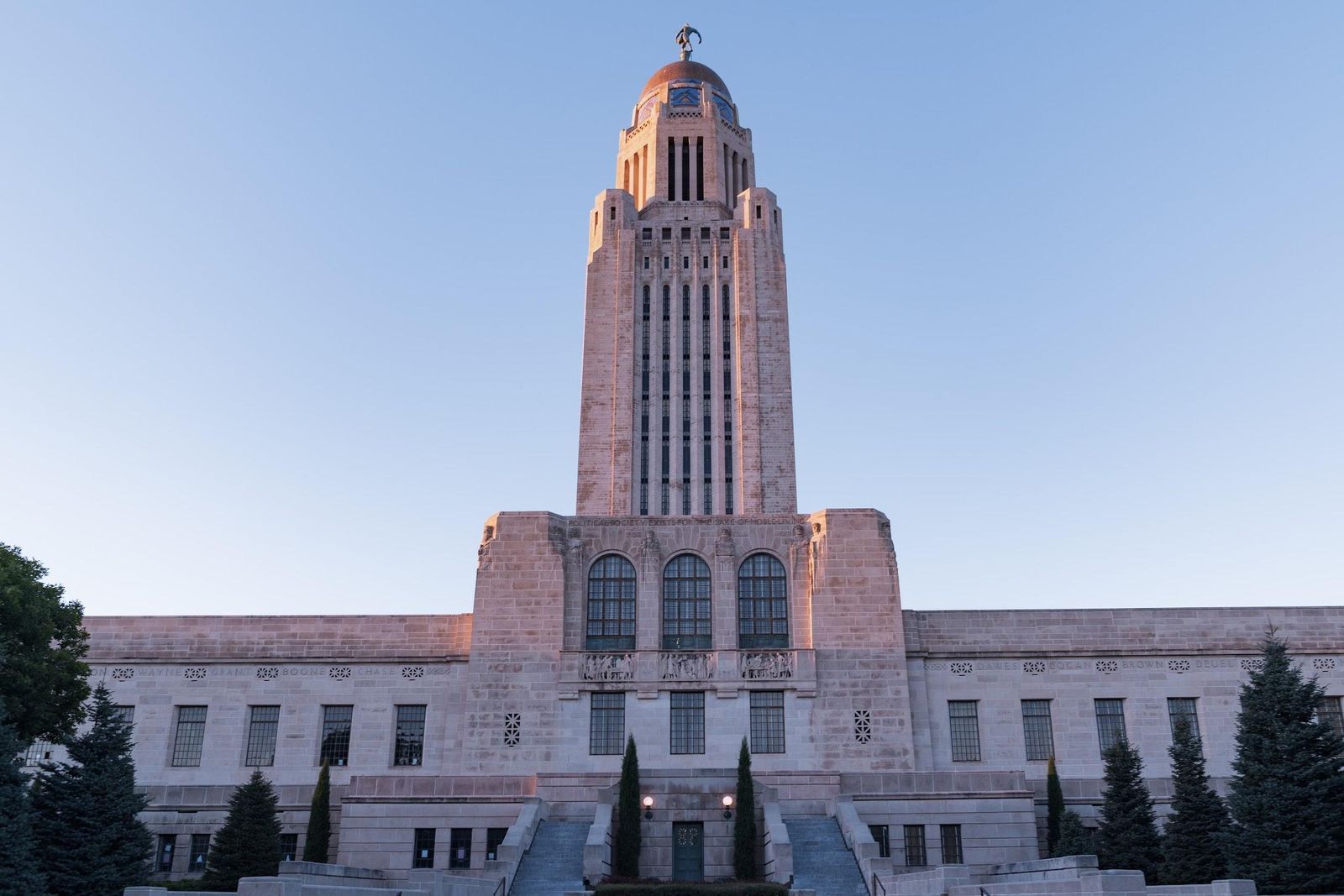
49 of the 50 states have a government comprised of two chambers, a Senate and a House of Representatives, and the state of Nebraska originally followed the same structure. Still, a mere 50 years after gaining statehood in 1867, Nebraskans had grown tired of both chambers disagreeing on most laws and started pushing for the creation of a unified chamber.
This idea became a reality in 1937, when a referendum abolished the dual-chamber system and established a single-chamber system in its stead. But it was not just that: the newly instituted Nebraska Legislature reduced the number of representatives from 133 to 49 , elected without affiliation to a political party, to ensure that state affairs and interests would be at the forefront.
4
Texas: Right to create new states
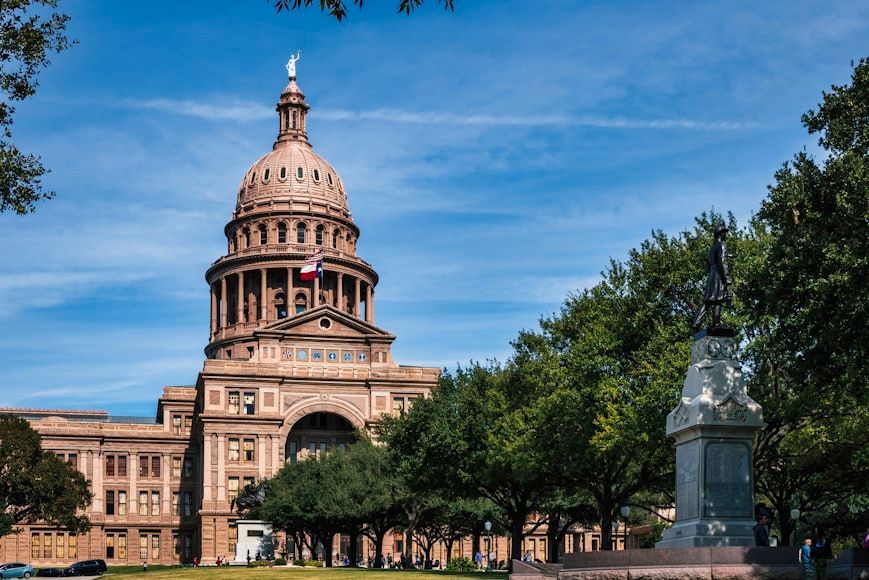
Although the federal system gives states the authority to create their own laws and regulations, some major changes, such as a territorial division, require the explicit approval of both the state’s legislature and the U.S. Congress . That is, unless you are the State of Texas.
At the time of Texas annexation in 1845, a special clause regarding this matter was included in the annexation resolution, granting Texas the right to create up to four new states —while maintaining the State of Texas— out of its territory and population without interference from the U.S. Congress, though it would need approval from the state’s legislature. This clause has been invoked several times, citing administrative, political, or economic reasons to divide the territory, but it has never been put to use.
5
Alaska: Annual payment to residents
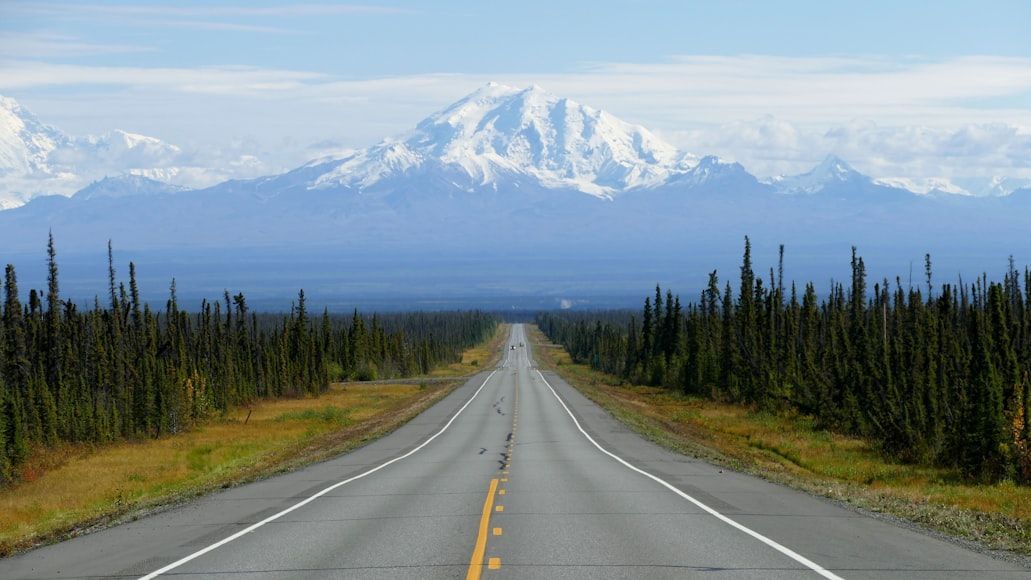
Out of all American states, Alaska has historically been considered one of the most difficult to live in due to its proximity to the Arctic Circle, its limited daylight, and its isolation. These physical difficulties also result in economic hardships, which means that many Alaskans rely on federal assistance.
In 1976, the state government established the Alaska Permanent Fund Corporation to ensure that residents of Alaska would benefit from the territory’s natural resources. Through this fund, the government invests a percentage of the state oil and mineral royalties and pays permanent residents —children included— an annual benefit. Part of the investment is also used to fund essential public services such as education, infrastructure, and safety.
6
Louisiana: Napoleonic Code system

As a consequence of its past as a British colony, America operates under a common law system . This means that, despite the enactment of new laws, past court and judicial decisions are extremely relevant and create a precedent.
Many states were never part of the British Empire, having belonged to France or Spain in the past, but only one has inherited a different legal system because of it. In the state of Louisiana, civil law is codified following the system of the Napoleonic Code . This means that decisions are not based on judicial precedents, but must follow the systematic laws collected in the code.
7
North Dakota: No voting registration

Voting registration is a huge part of America’s electoral system, with campaigns focusing on registration deadlines and requirements. Although voting is not mandatory, the registration system is intended to ensure that those who desire and are eligible to vote can do so.
The state of North Dakota is the sole exception to this prerequisite, having abolished voting registration in 1951. Does this mean that anyone can vote in North Dakota? Of course not. North Dakotans are required to show proof of ID at the polls before voting . If you have been a resident of the state for more than 30 days and fulfill the general requirements, you can vote.
8
Hawaii: No independent or incorporated cities

Not all American cities work in the same way when it comes to their governments . Cities and towns can be consolidated —meaning the city and county government is the same—, incorporated —having their own government but operating under county law—, or independent —not belonging to a county. Most states have a mix of these, but Hawaii is an exception.
The state of Hawaii is divided into four counties: Honolulu, Maui, Hawaiʻi, and Kauaʻi. While the city of Honolulu has a municipal government, it is a consolidated city, meaning that there are no cities, towns, or jurisdictions in Hawaii that have a government of their own, and all issues, public services, and regulations are handled by the respective county.
9
Washington, D.C.: Laws have to be approved by Congress
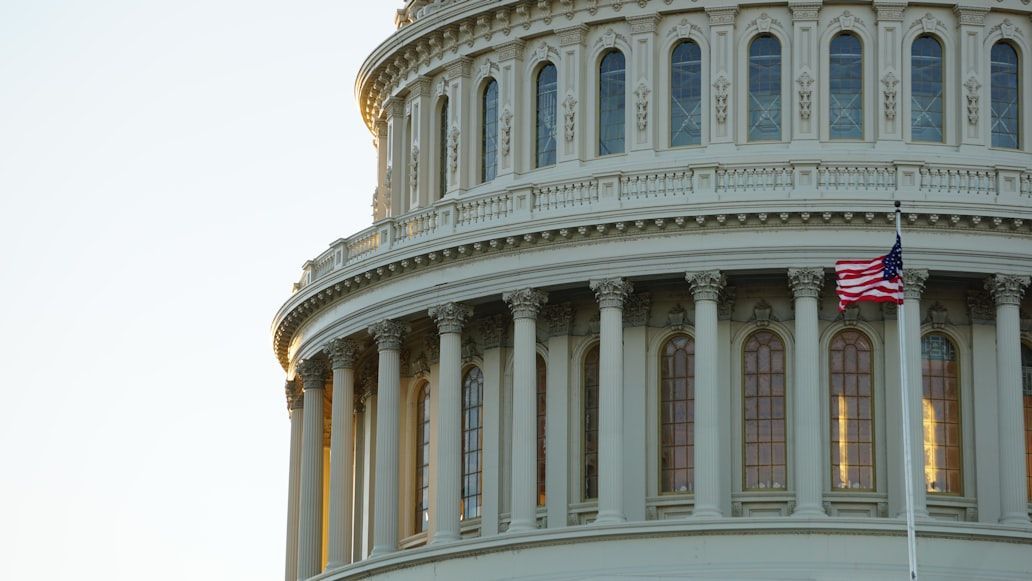
Washington, D.C., is unique in itself because it is neither a state nor a territory, despite sharing characteristics with both. As a federal district, Washington, D.C., is part of the U.S. like the states are, but unlike them, it does not have legislative autonomy.
According to the Constitution, the jurisdiction over the city belongs to Congress, making it the de facto legislature of Washington, D.C. After the passing of the 1973 Home Rule Act, the city can elect a mayor and a city council, but all laws and regulations are ultimately subject to approval by Congress.
10
Montana: No "at-will" firing of a permanent employee

Employment laws vary from state to state, except for issues already defined by federal law. Despite the differences, most states follow the "at-will" doctrine, meaning that employers and employees can terminate the employment relationship at any time , for any legal reason, without notice, unless otherwise specified in a contract. While prohibiting discriminatory or unlawful terminations, this mode of employment gives flexibility for everyone involved.
The state of Montana, however, has a different approach to employment. State laws require a probationary period (usually 12 months), during which "at will" principles apply. After this period, employers must provide a "good cause" for termination , such as performance failures, disruption of operations, or other reasonable job-related issues.