Smalltown, USA
Is your state’s capital one of the smallest in the country?
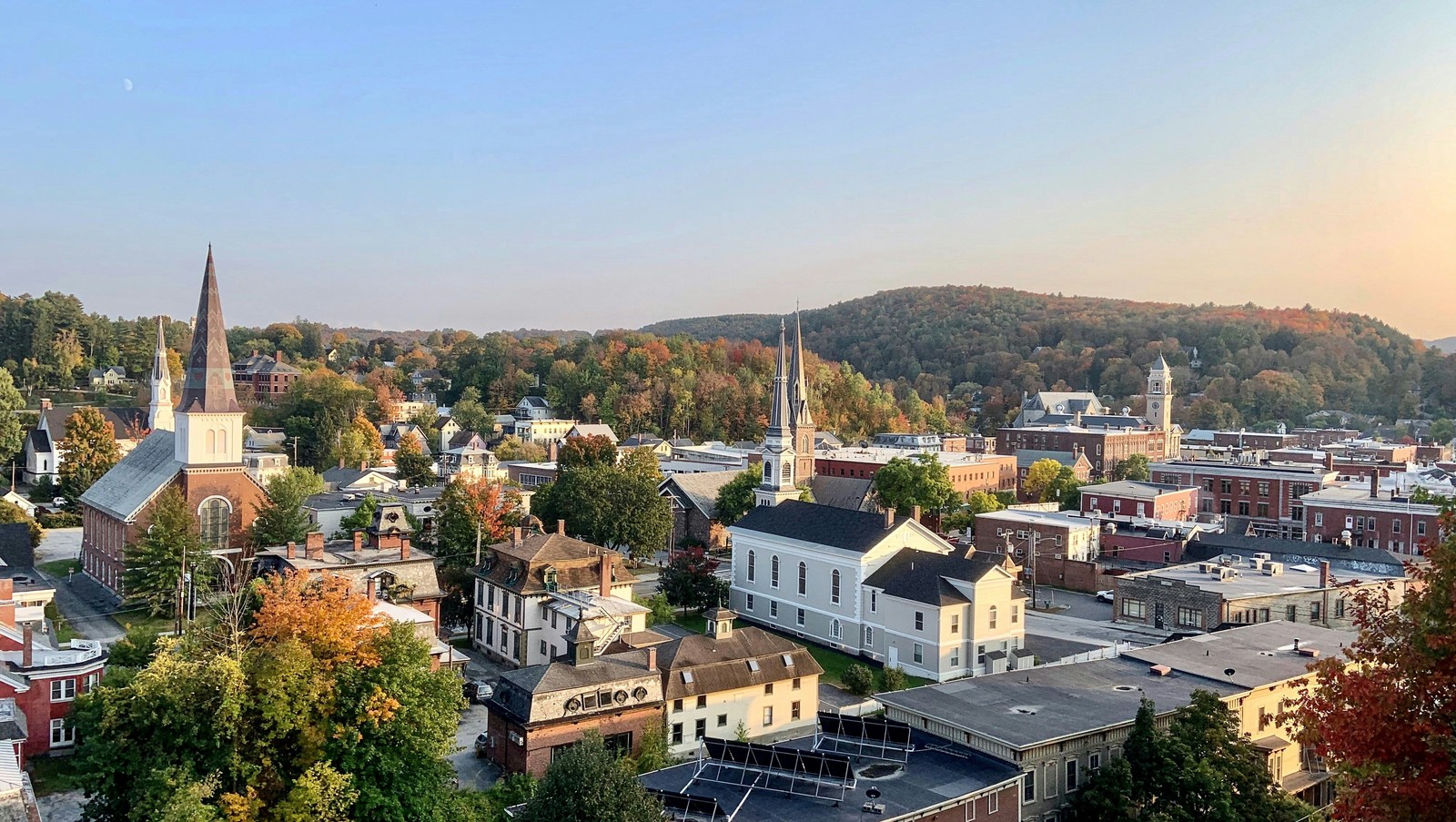
Image: John Holm
Not every state capital is a huge city packed with high-rises and traffic. Some of them are closer to small towns, where you can stroll from the government buildings to local diners in just a few minutes. These modest capitals still handle big jobs, from passing budgets to signing laws. Take a look at 12 of America’s smallest state capitals and see if your state made the list.
1
Montpellier, Vermont
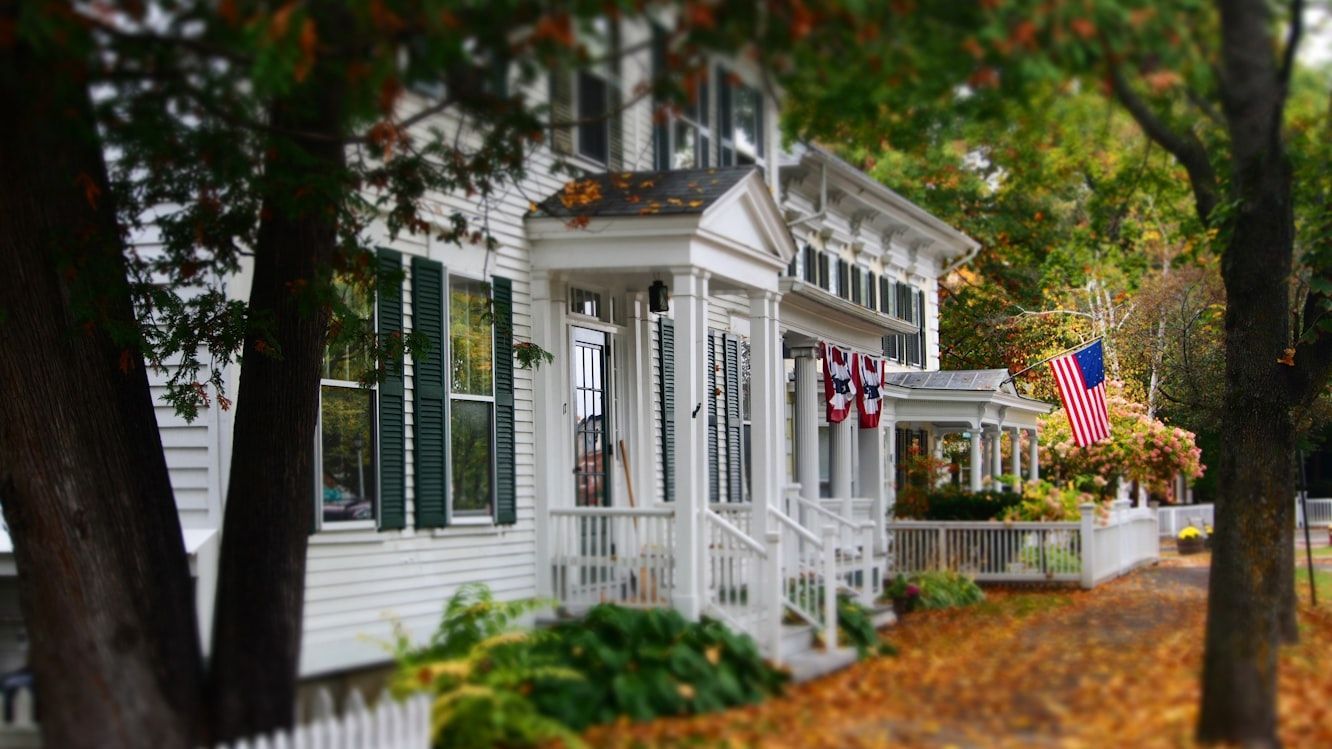
Montpellier is the smallest state capital in the United States, with only about 8,000 residents along the Winooski River. Instead of traffic jams and towers, you get shops, quiet streets, and a gold-domed Capitol rising above the roofs .
Founded in the late 1700s and named after a city in France, Montpellier still feels more like a New England village than the seat of power that it is.
2
Pierre, South Dakota
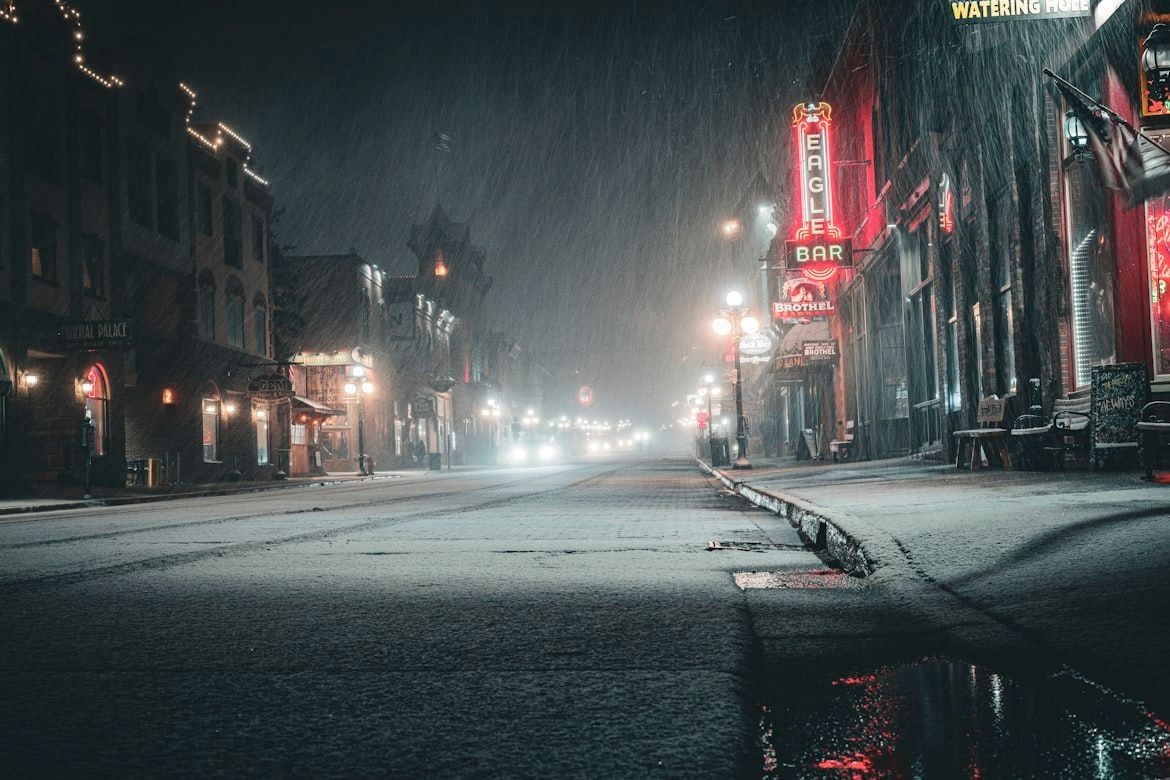
Pierre, South Dakota’s capital, is one of the quietest capitals in America , with only around 14,000 residents. It sits high on the bluffs of the Missouri River, where prairie hills roll into wide water and sunsets.
Life here runs at a slower pace than in most capital cities. Government buildings share streets with modest homes, fishing spots, and family-run shops.
3
Augusta, Maine
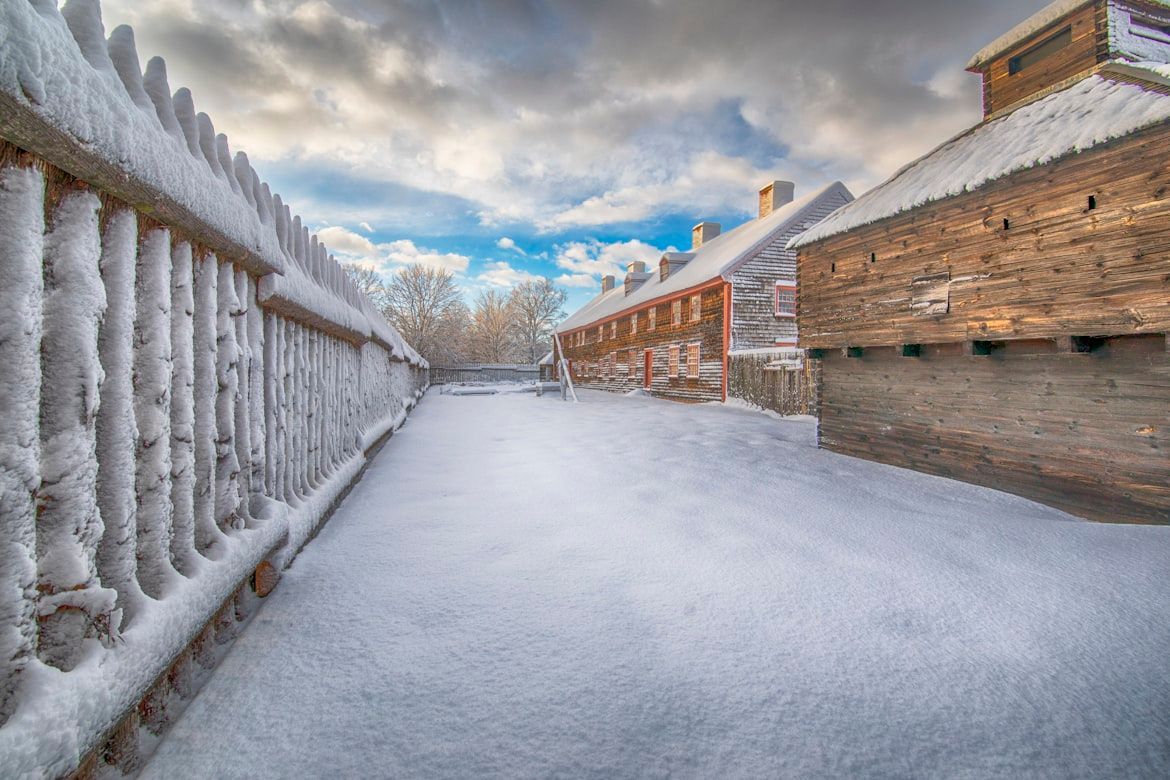
Maine’s capital is a compact city on the banks of the Kennebec River. With a population well under 20,000 , it trades towering skylines for church steeples, brick storefronts, and a tidy state house.
The city’s roots go back to colonial trading days, and that history shows in its older neighborhoods and riverside mills. Museums, offices, and small coffee shops occupy most of the city’s center.
4
Frankfort, Kentucky
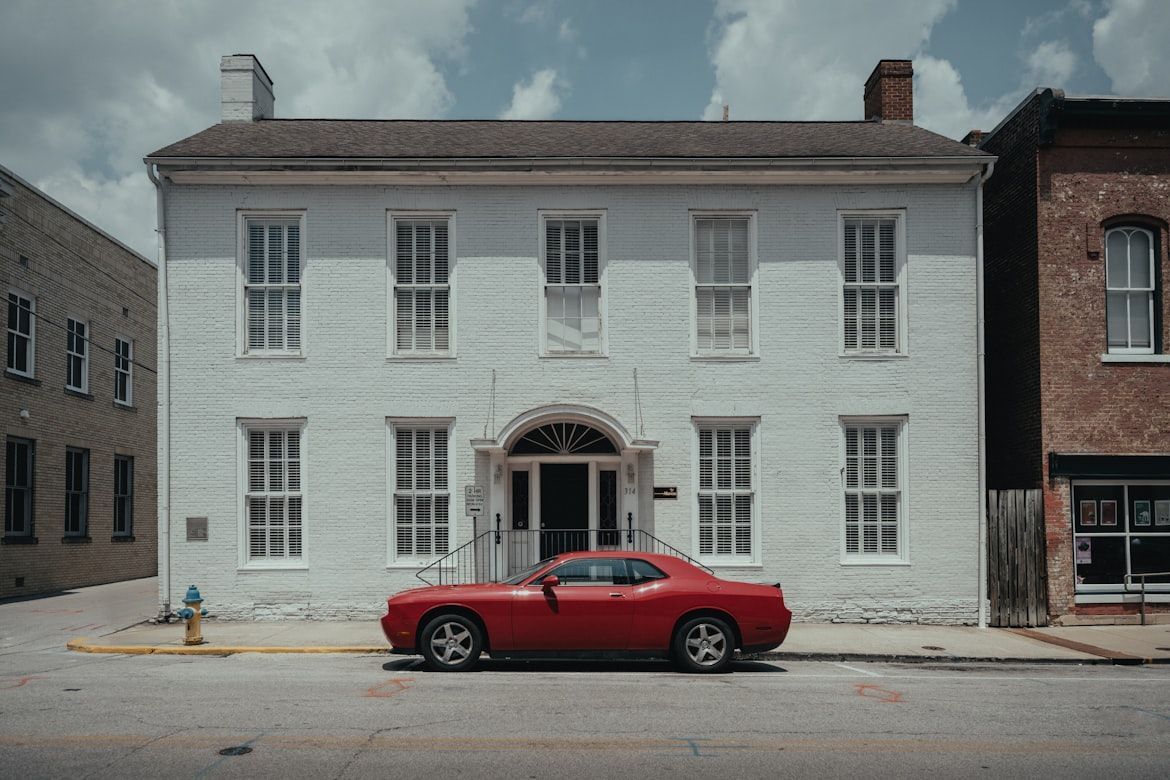
Frankfort, the capital of Kentucky, sits in a river valley surrounded by grass hills. With only 28,000 inhabitants, it’s smaller than many nearby college towns , and keeps a relaxed pace even while housing the ornate state capitol and many of the state’s main offices.
Old brick buildings, historic bourbon distilleries, and close neighborhoods give Frankfort a cozy, walkable feel. On workdays, lawmakers and staff share streets with locals grabbing lunch.
5
Helena, Montana
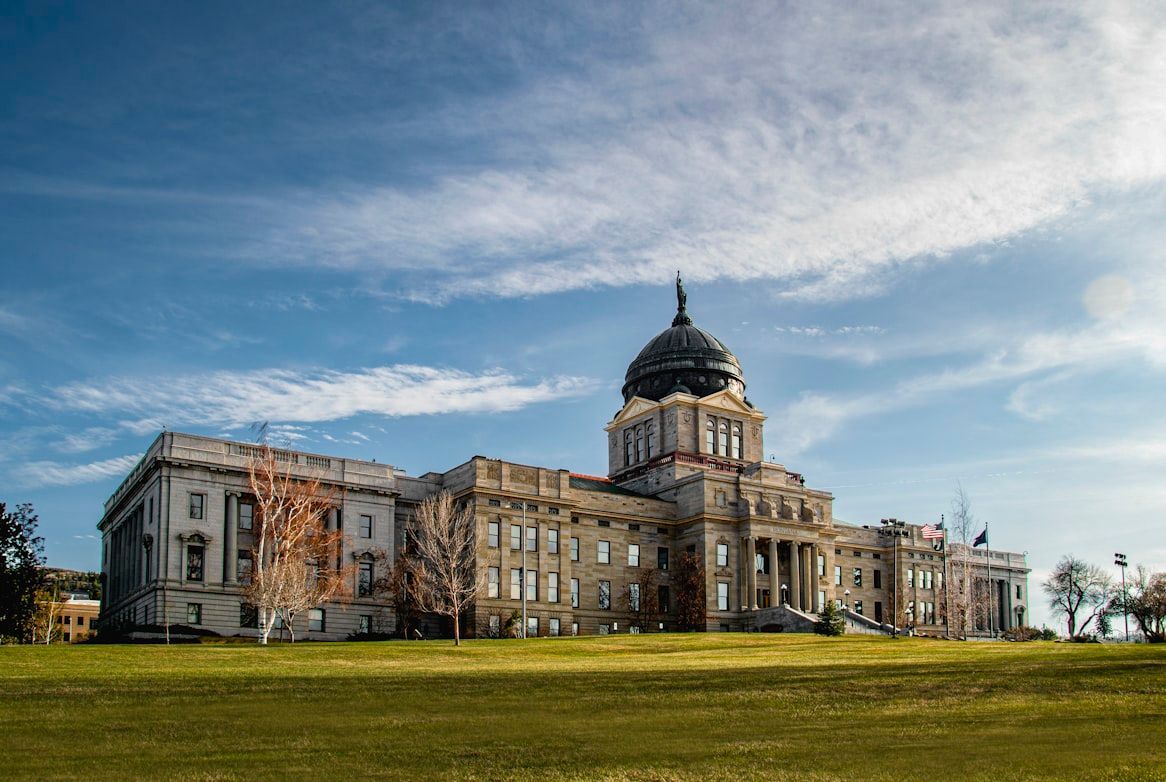
Montana’s capital began as a gold rush camp in the 1860s and never became a huge metropolis . Today, it remains a mid-sized mountain town, with 33,000 inhabitants, historic brick blocks, steep hills, and the state capitol dome.
Trails and open land sit only minutes away from government buildings, so hikers and cyclists mix with office workers at day’s end.
6
Juneau, Alaska
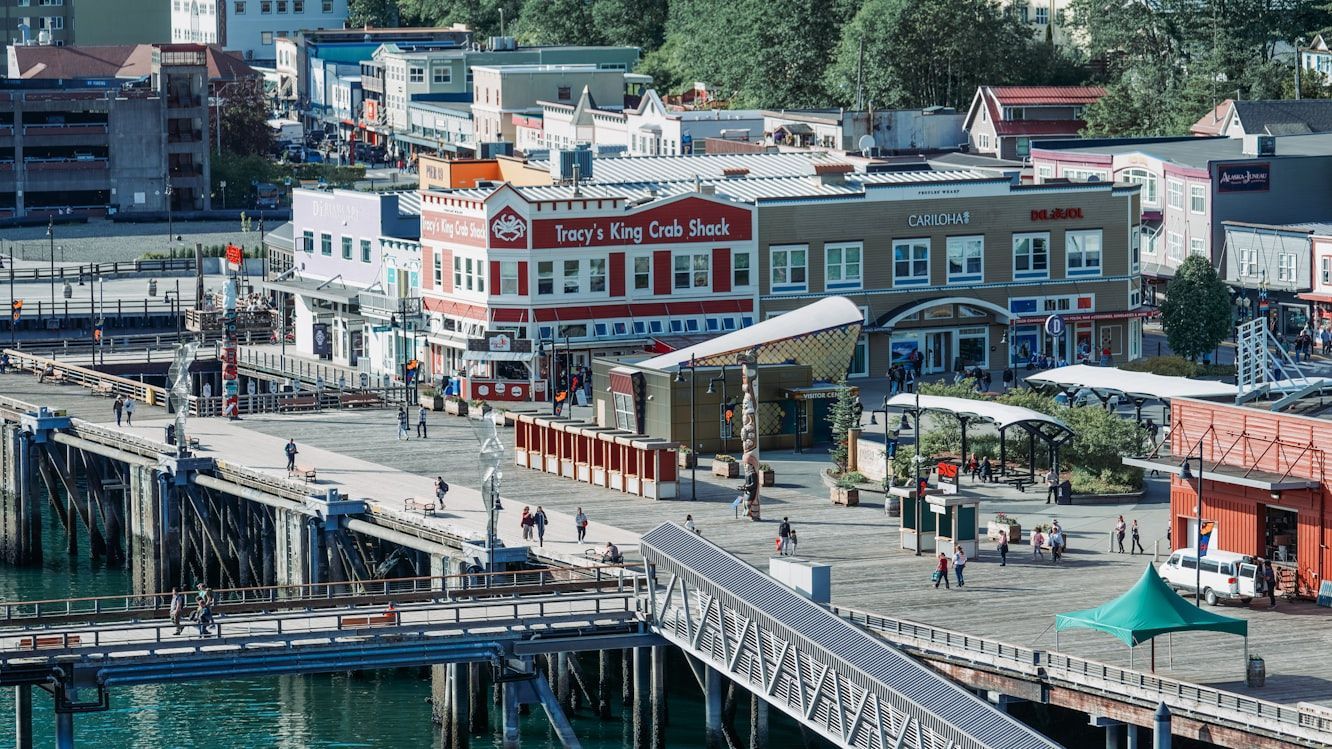
The remote capital of Alaska is one of the few state capitals that you cannot reach by road . It can only be reached by air or sea. Wedged between steep mountains and icy waterways, it remains relatively small, with a population of 31,000 individuals.
Cruise ships, fishing boats, and floatplanes share the waterfront with government offices and houses on the hillsides. Glaciers, forests, and whales are never far away, making this capital city an incredible place to live.
7
Dover, Delaware
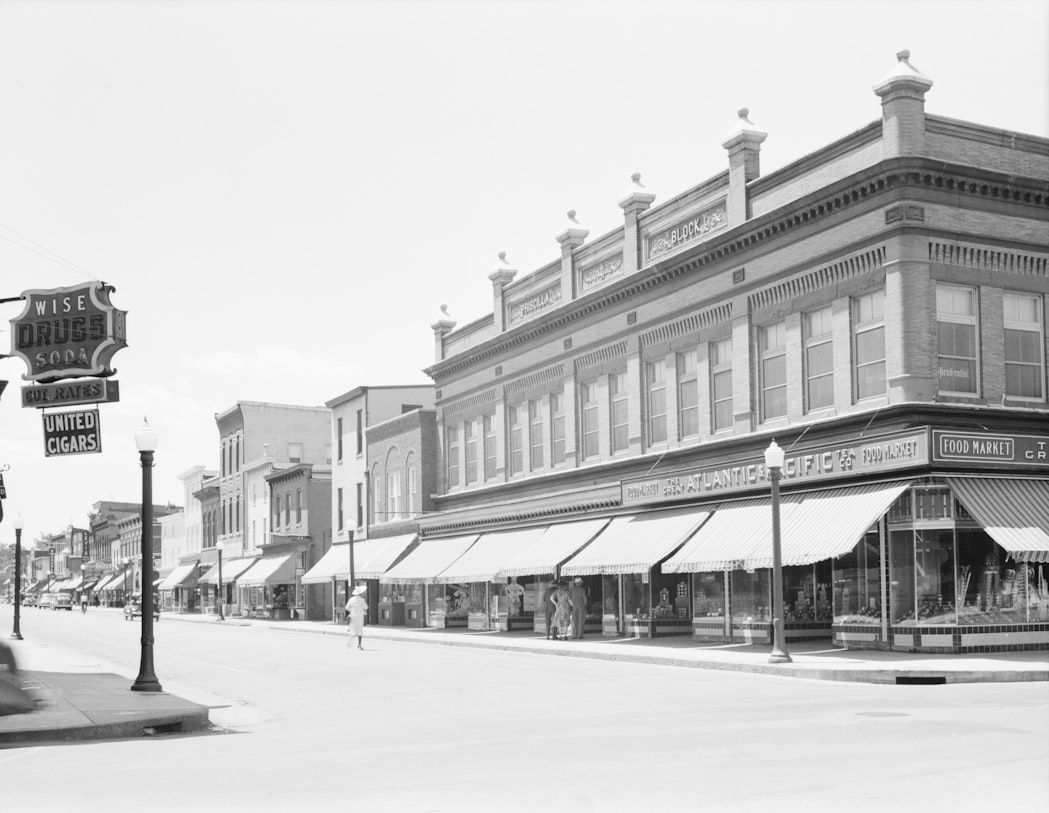
With a population of around 39,000, Delaware’s capital keeps the feel of a small colonial town even as it manages modern state business . Streets near the Capitol Square are lined with brick homes, churches, and public buildings that date back to the American Revolution.
Instead of a dense downtown, Dover offers broad streets, open lawns, and local shops that serve residents more than tourists.
8
Annapolis, Maryland
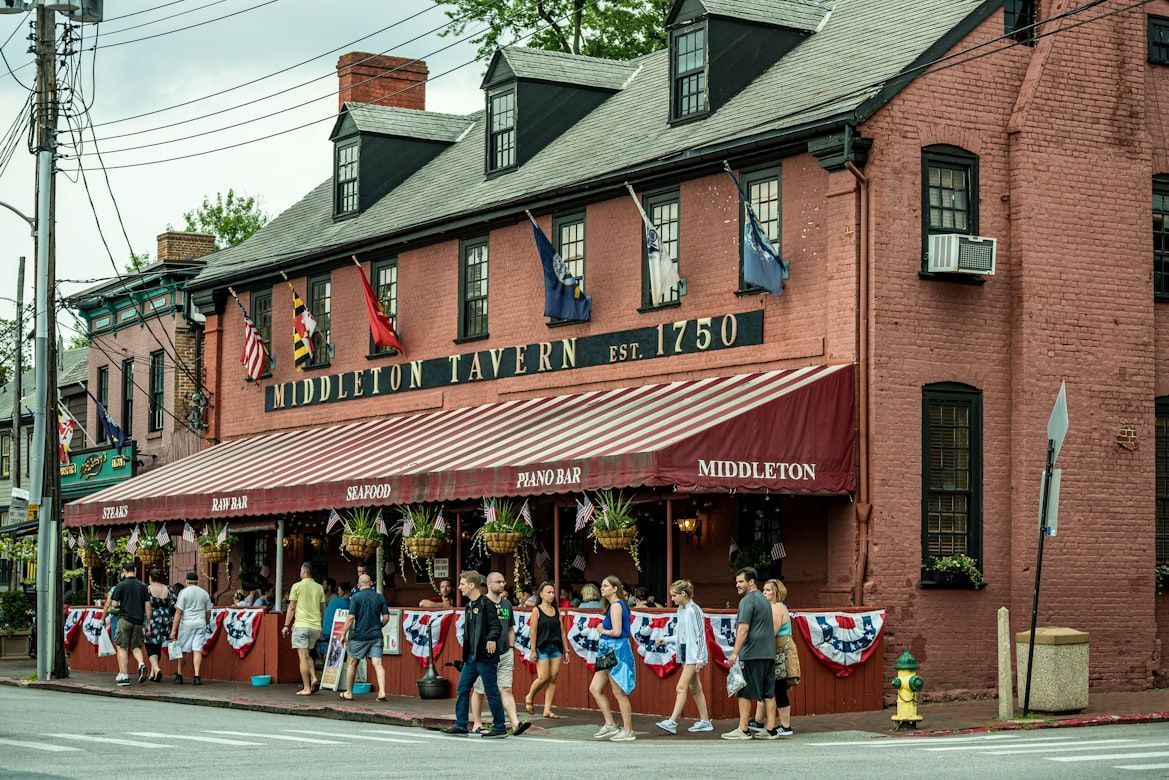
With 40,000 individuals, Annapolis, Maryland’s capital, proves that a city can be small in size and big in history . Narrow streets wind past eighteenth-century houses, brick taverns, and the domed state house that once served as the nation’s capital.
Its harbor holds sailboats, crab boats, and U.S. Naval Academy midshipmen more often than commuters. Coffee houses, galleries, and waterfront benches make Annapolis feel more like a relaxed resort town than a state capital.
9
Jefferson City, Missouri
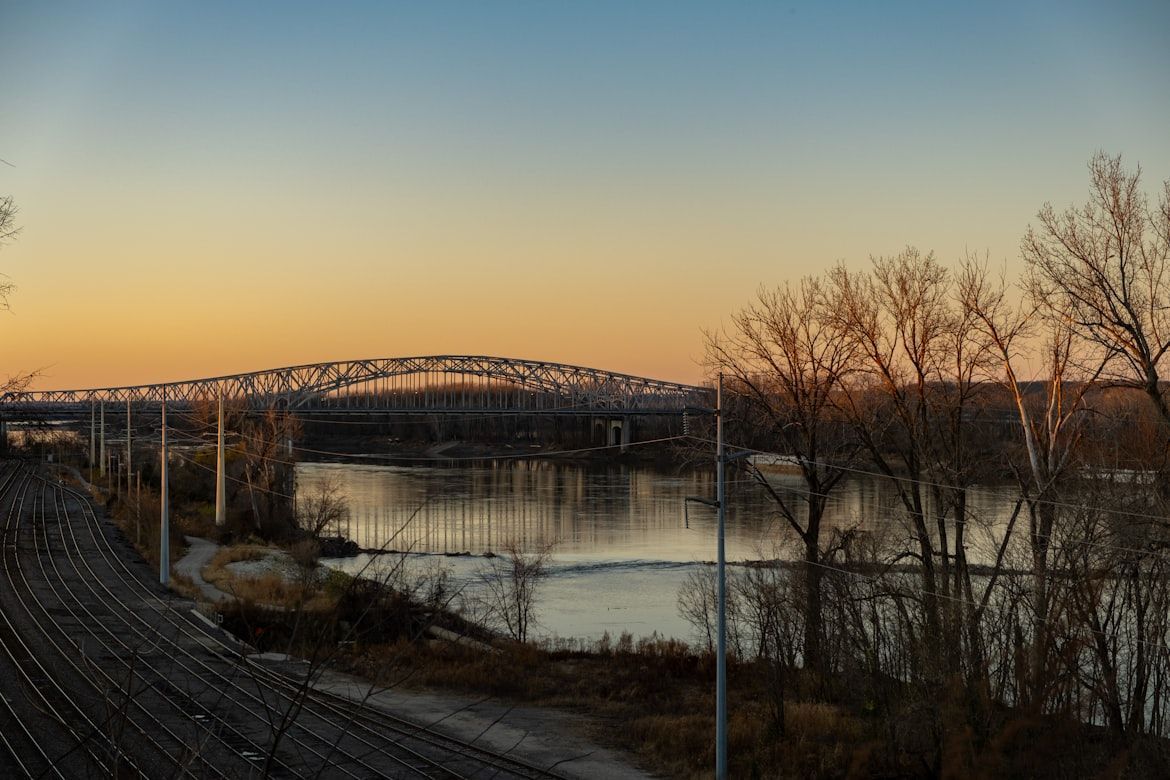
The capital city of Missouri sits above a bend in the Missouri River. Smaller than many of the state’s other cities, it is the home of 42,000 individuals. It trades sprawl for tidy neighborhoods, a compact downtown, and a tall capitol overlooking the water .
Named for President Thomas Jefferson, the city balances government workdays with a slower Midwestern rhythm.
10
Concord, New Hampshire
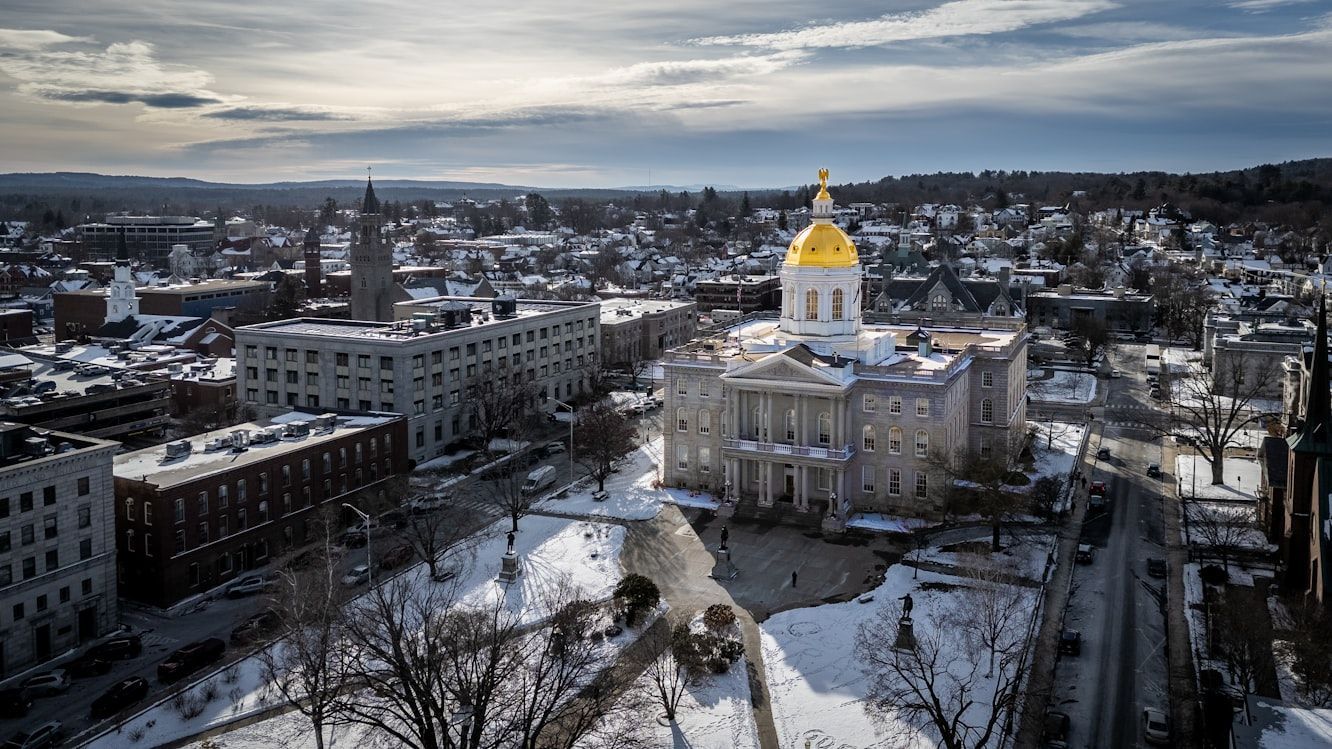
New Hampshire’s capital is a modest New England city where church steeples and a granite state house rise above low-rise streets. With a population of 44,000, it’s smaller than many capitals, and it keeps rush hour brief and downtown walkable.
The city’s history stretches back to colonial days, and older buildings still frame the main streets. Concord also hosts civic events, shops, and offices that keep it lively, mixing a hometown feeling with the grandeur of a state capital.
11
Charleston, West Virginia
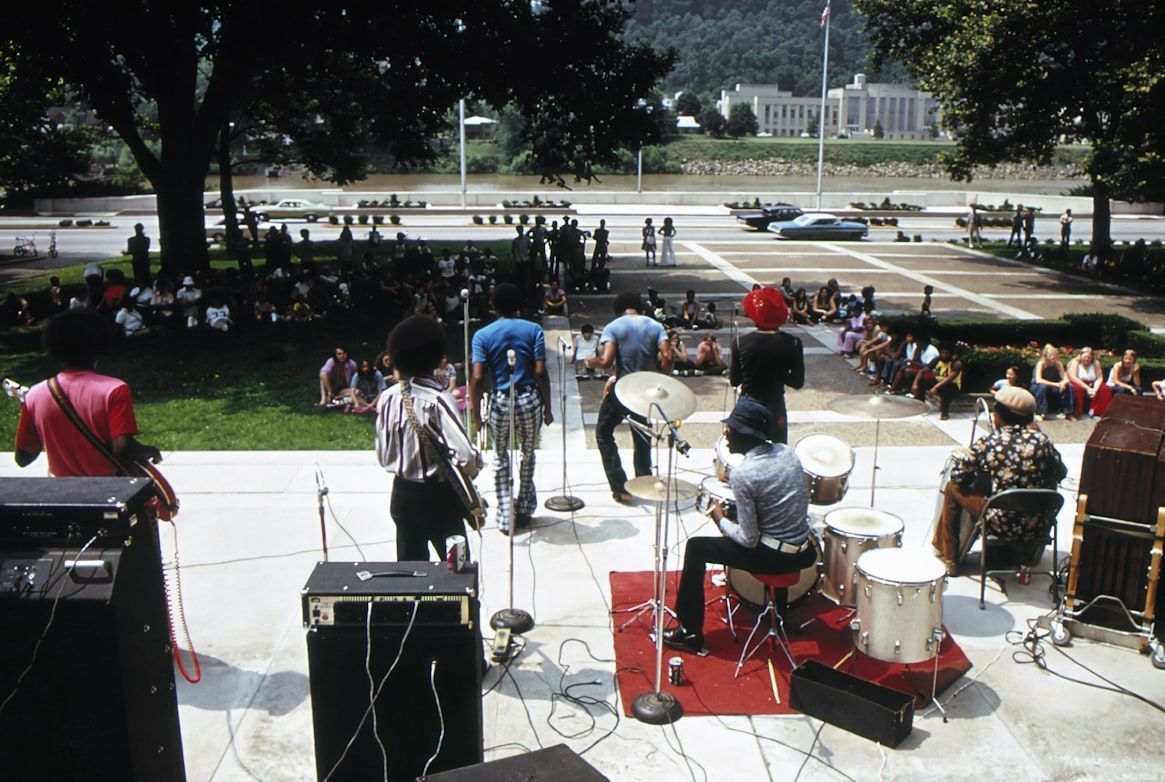
West Virginia’s capital sits where the Elk and Kanawha Rivers meet, backed by lush green hills. With 45,000 individuals calling it home, it is smaller than many people expect , with neighborhoods climbing the slopes and a gold-domed Capitol reflecting in the water below.
Coal country history, riverfront parks, and a modest downtown give Charlestown a charming regional flavor. Commuters share roads with barge workers and weekend fishermen, and the city’s size makes government feel close to everyday life.
12
Harrisburg, Pennsylvania

The capital of Pennsylvania is modest in population compared with its big neighbors, like Philadelphia and Pittsburgh . It "only" has about 50,000 inhabitants. Its green-domed Capitol can be seen from afar, in the skyline of mid-rise offices and row houses along the wide Susquehanna River.
Once a major transportation crossroads, Harrisburg still feels more manageable than many urban centers. Riverfront walkways, historic districts, and nearby small towns keep this capital’s rhythm comfortable.