General General 4 min read

Do you know how to sew a button?

How prepared are you?
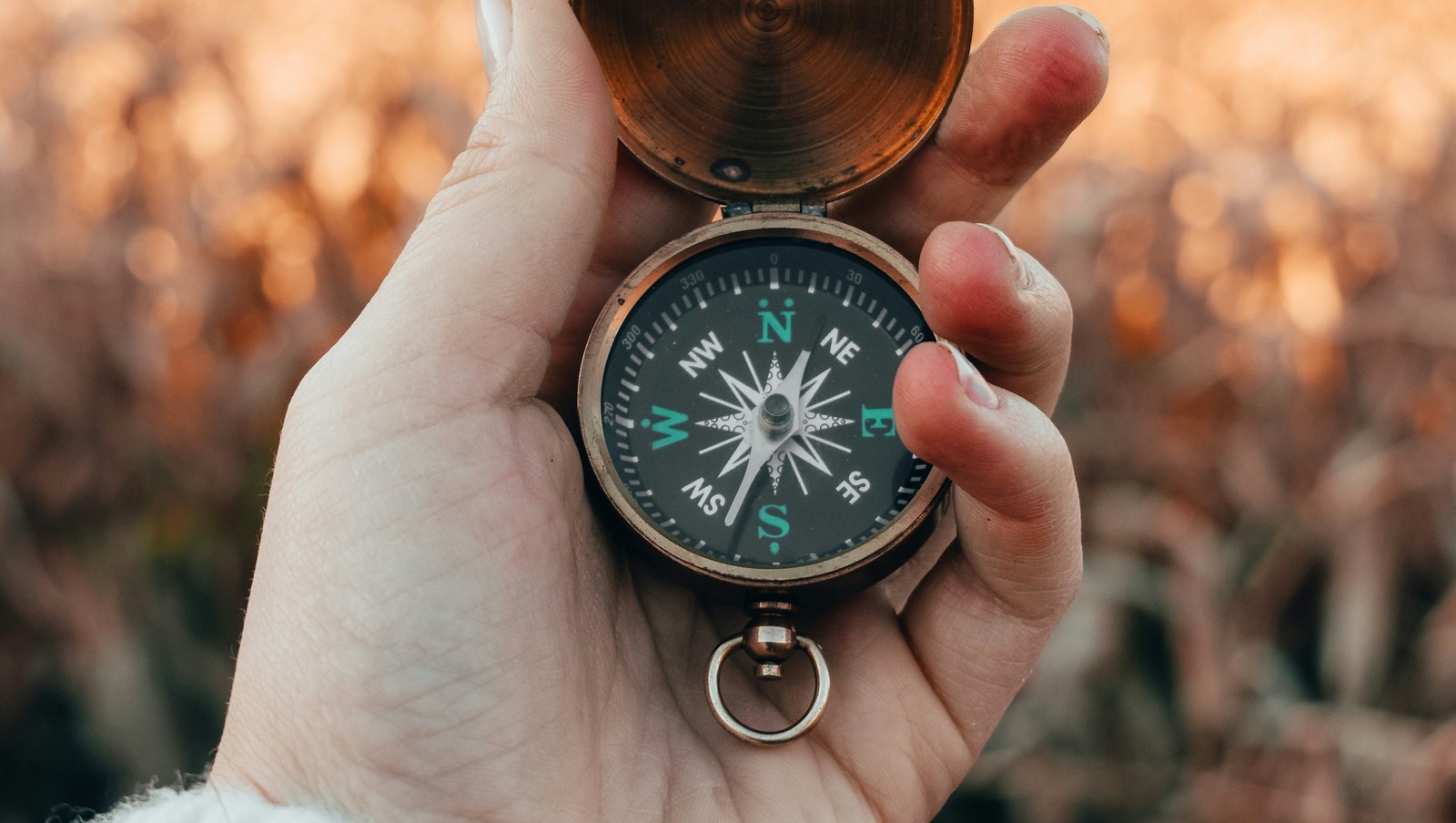
Image: Mariah Hewines

In a world where most of us have specialized knowledge about certain things, we often neglect to learn about other basic areas that can also affect us greatly. Knowing how to use a compass, cook some basic recipes, knowing how to sew a button, light a fire, stay fit, and keep a budget are all things that everybody should know about because they can either make your life a bit easier or, if disaster strikes, can save your life. Check out these 12 useful skills. Which ones do you already have?

1
Basic computer skills

Image: Christin Hume

An increasingly larger chunk of our world requires at least some basic form of digital literacy to interact with it. Knowing your way around a computer, your smartphone, and the Internet makes everything a little bit easier .

You don’t need to be a hacker or anything like that; just knowing the very basics allows us to access most of the advantages that modern technology provides.

2
Housekeeping skills
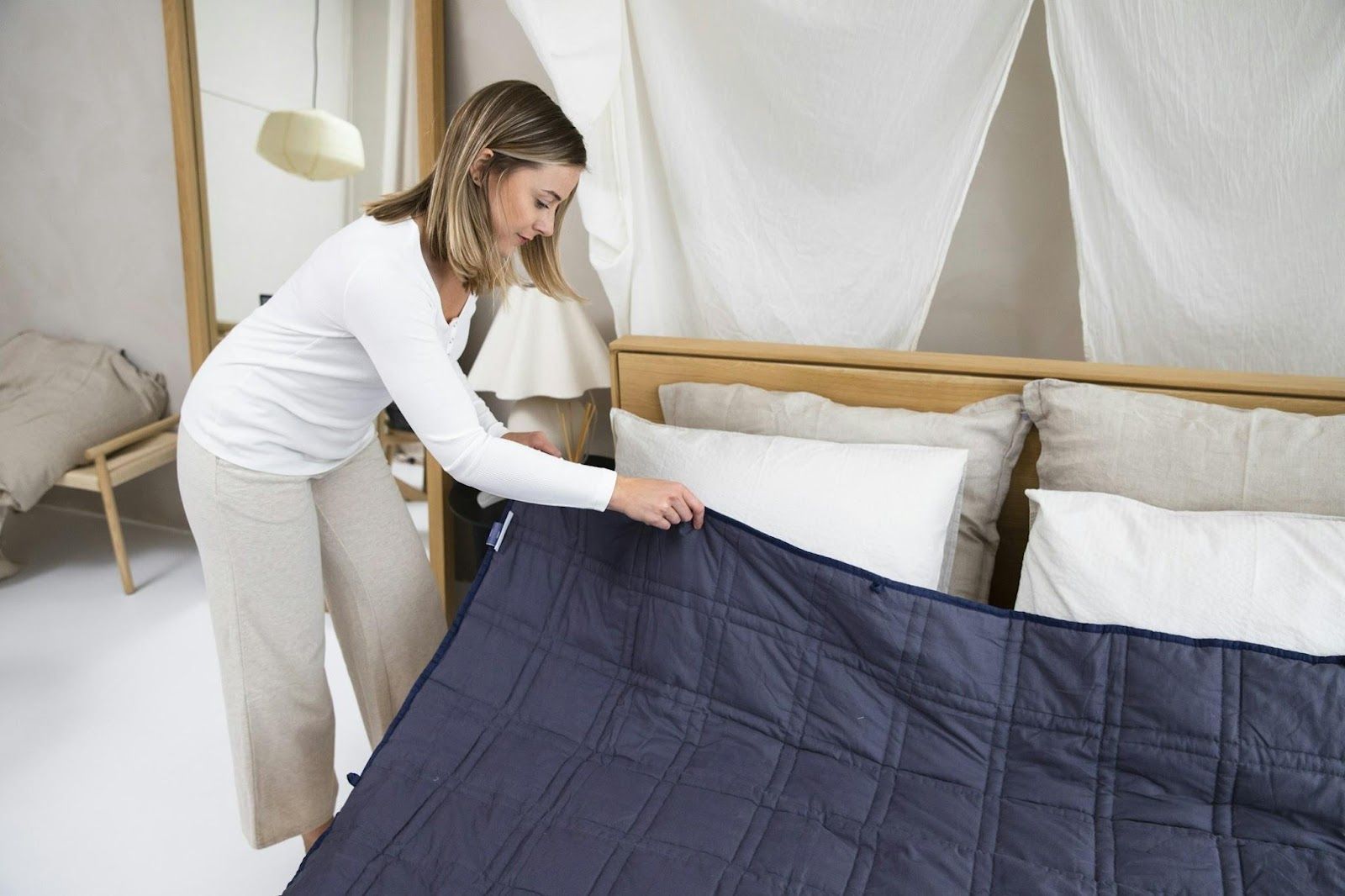
Image: Slaapwijsheid.nl

Living in a clean and comfortable environment is something that almost everyone can achieve with just a little bit of effort. Learn to use a vacuum cleaner, your washing machine, and the dishwasher, if you have it ; learn how to iron your clothes, make a bed, and clean your home.

3
Navigation skills
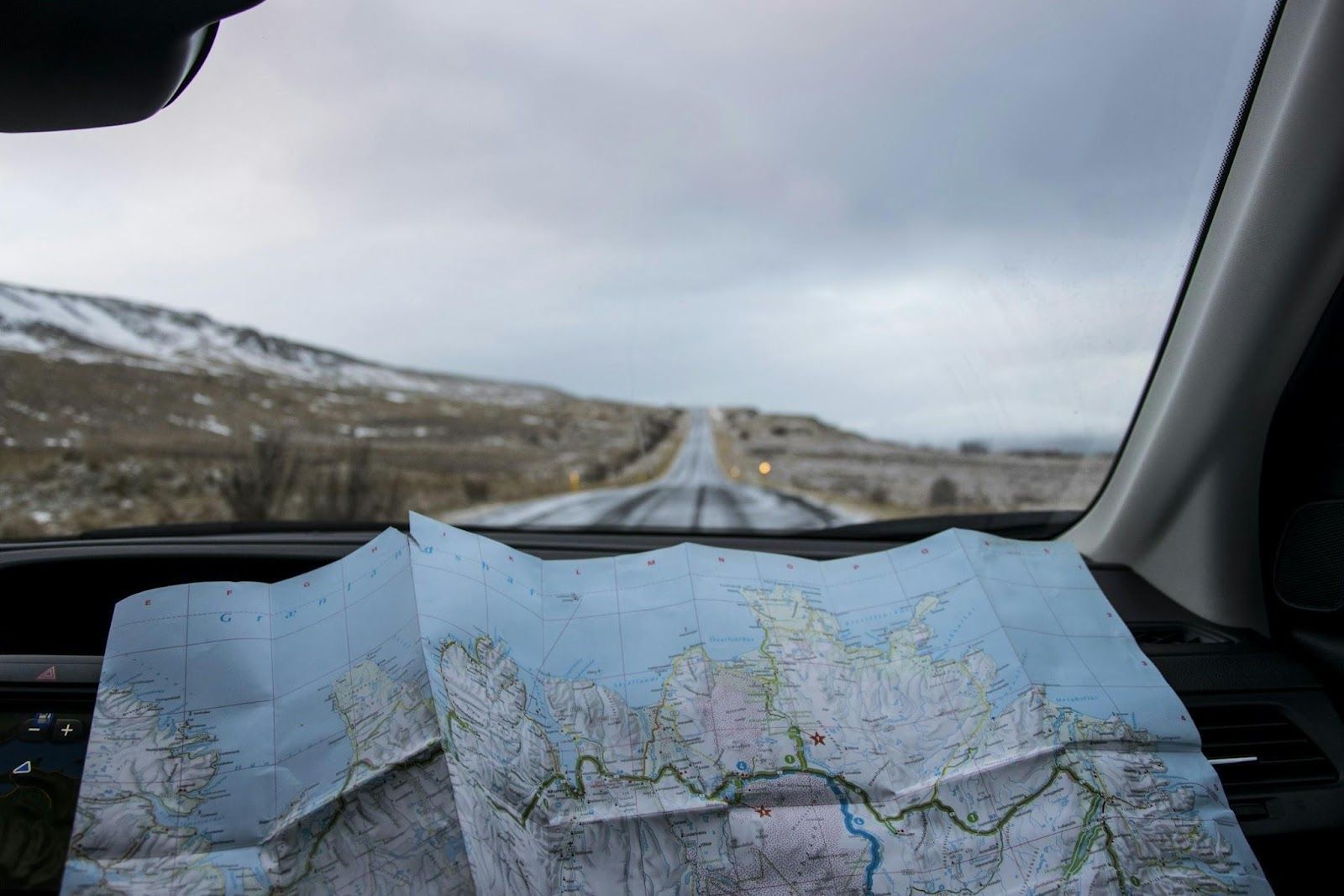
Image: Tabea Schimpf

The aforementioned basic computer and smartphone skills are a great aid in this department. But even if you have those incorporated, it is always a good idea to learn how to use a map and a compass. Ask for directions and memorize them . Just in case technology fails.

4
Survival skills

Image: Courtnie Tosana

Learn how to make a fire. Learn how to perform CPR and a Heimlich maneuver on adults, children, and infants. Learn to use a portable electricity generator. Learn a few basic knots. All of these abilities are very rarely used. But whenever you need them, you'd better know how to perform them correctly . Your life or someone else’s might depend on it.

5
Time management

Image: kylefromthenorth™️

The best way to make time is to manage it correctly. Learn to set daily and weekly goals , prioritize your tasks and responsibilities, create to-do lists, and review your schedule periodically.

6
Financial education

Image: Sasun Bughdaryan

Track your money. Learn to check, build, and repair, if necessary, your credit score . Learn how to apply for a loan or a credit card. And hire or at least consult with a tax professional to make sure that you are doing your taxes correctly.

7
Social skills

Image: Chris Liverani

While it is true that some people are born with social skills, these can be learned by anyone . The ability to accept criticism in good spirit, the ability to have a productive conversation, patience, knowing how to speak clearly and succinctly, and knowing how to negotiate are all things that can be learned and add significant benefits to whoever acquires these skills.

8
Fitness
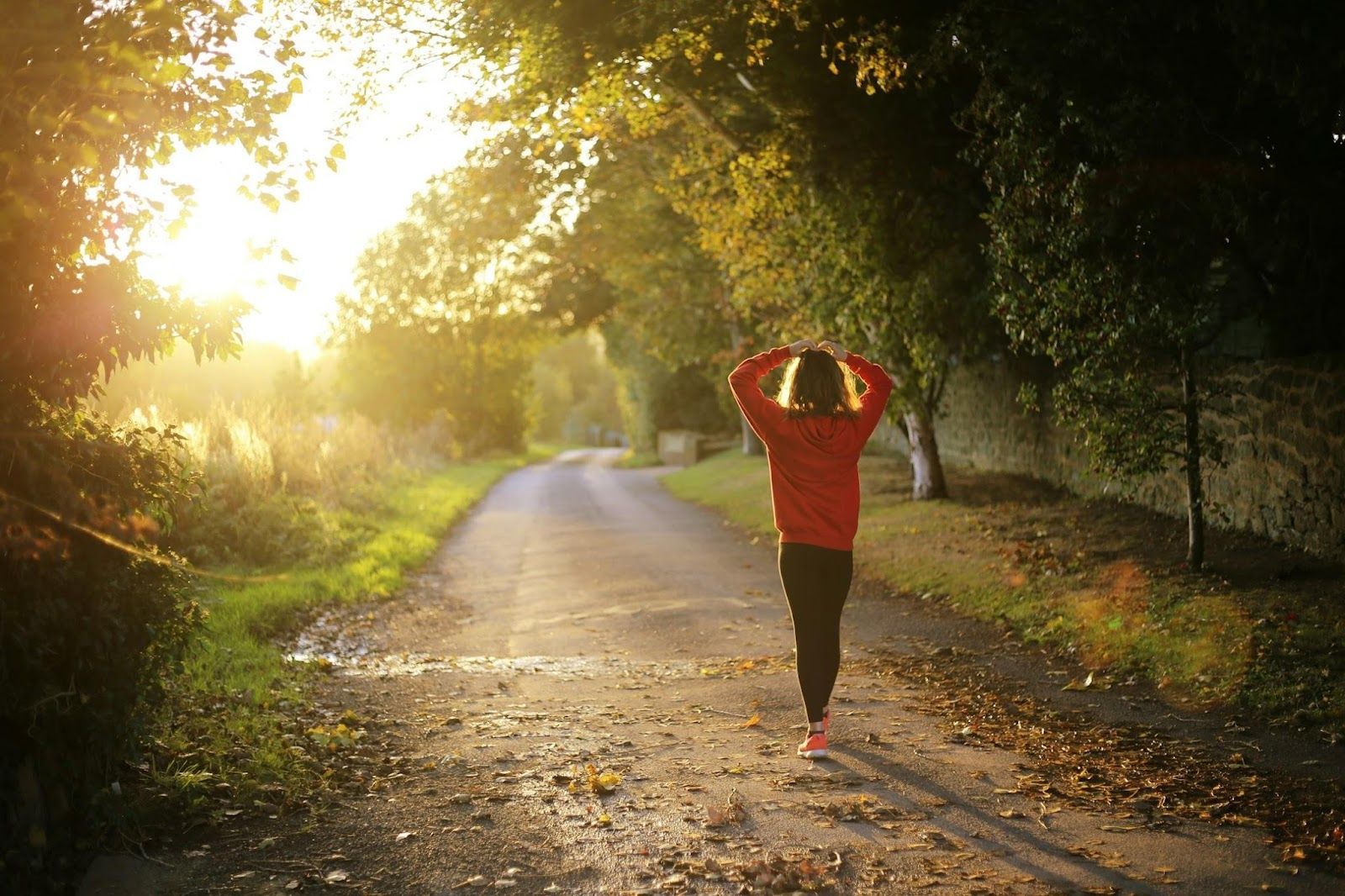
Image: Emma Simpson

Your body is your vessel. And it is the only one you are going to get for your life. Therefore, make sure to keep it as fit as possible . Strengthen your muscles and bones with activities that suit you. Learn how to stretch properly, learn bodyweight exercises, and look for ways to stay active at any age. A fit body will always get you farther.

9
Healthy cooking

Image: Alyson McPhee

This one goes hand in hand with the previous item. Healthy cooking involves preparing nutritious and balanced meals. This is essential for maintaining good health and can be a fun and creative activity.

Learn some basic recipes that you can make at home, quickly, with a few ingredients, and you will never go hungry again.

10
Learn to keep a budget

Image: Mediamodifier

This one is related to the previous item regarding financial education, but on a more basic level. Keeping a good track of the money you earn and the money you spend helps you make ends meet and save more at the end of the month.

Create a spreadsheet and write down your expenses and your income, or use an app to help you do the same thing on your phone.

11
Sew on a button
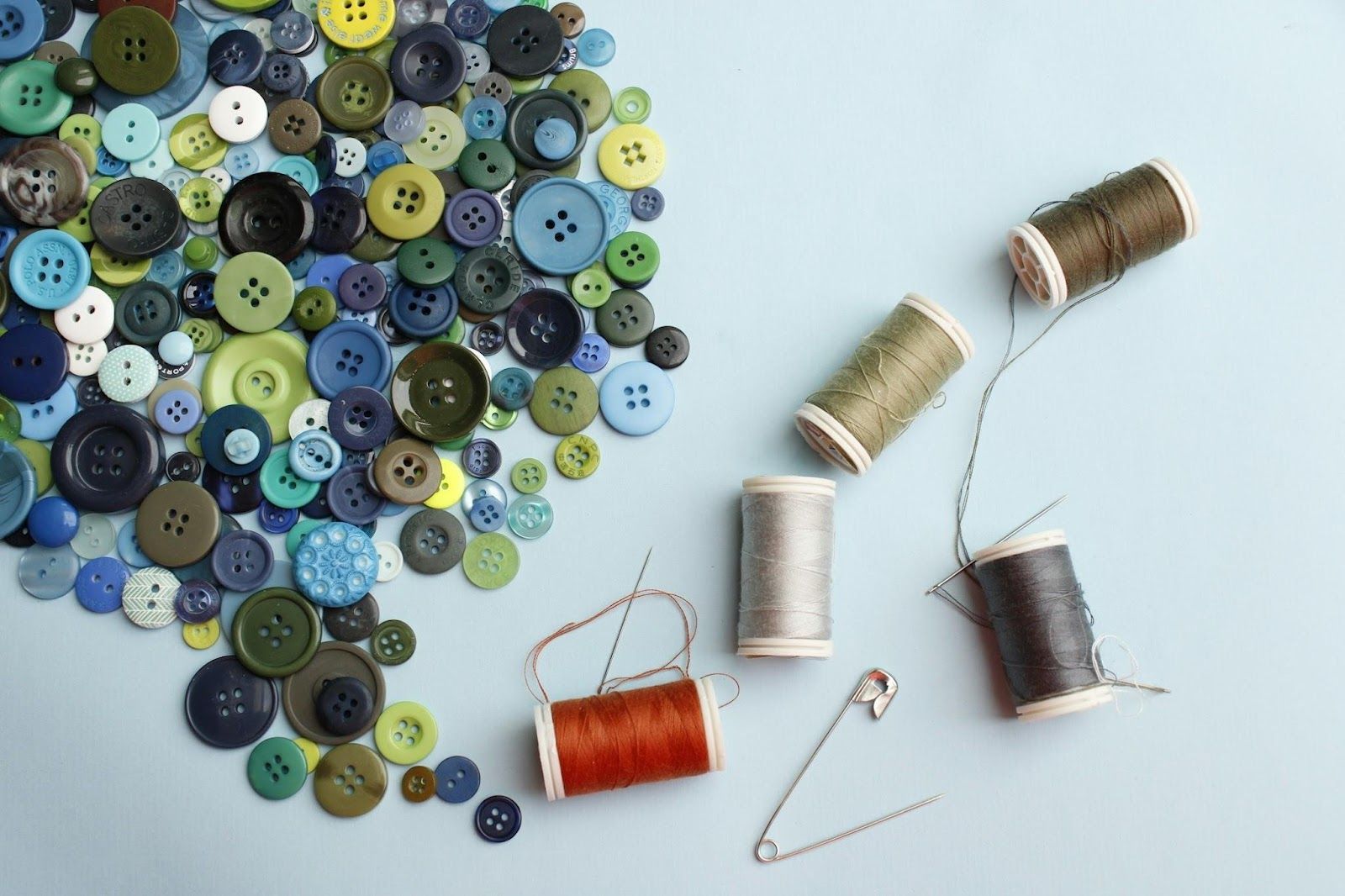
Image: Merve Sehirli Nasir

The constantly decreasing quality of clothing makes this simple skill all the more important as time goes by. Learn how to sew on a button. It is not difficult, and it will save you a trip to the tailor or having to ask somebody else for a very easy task.

12
Change a tire
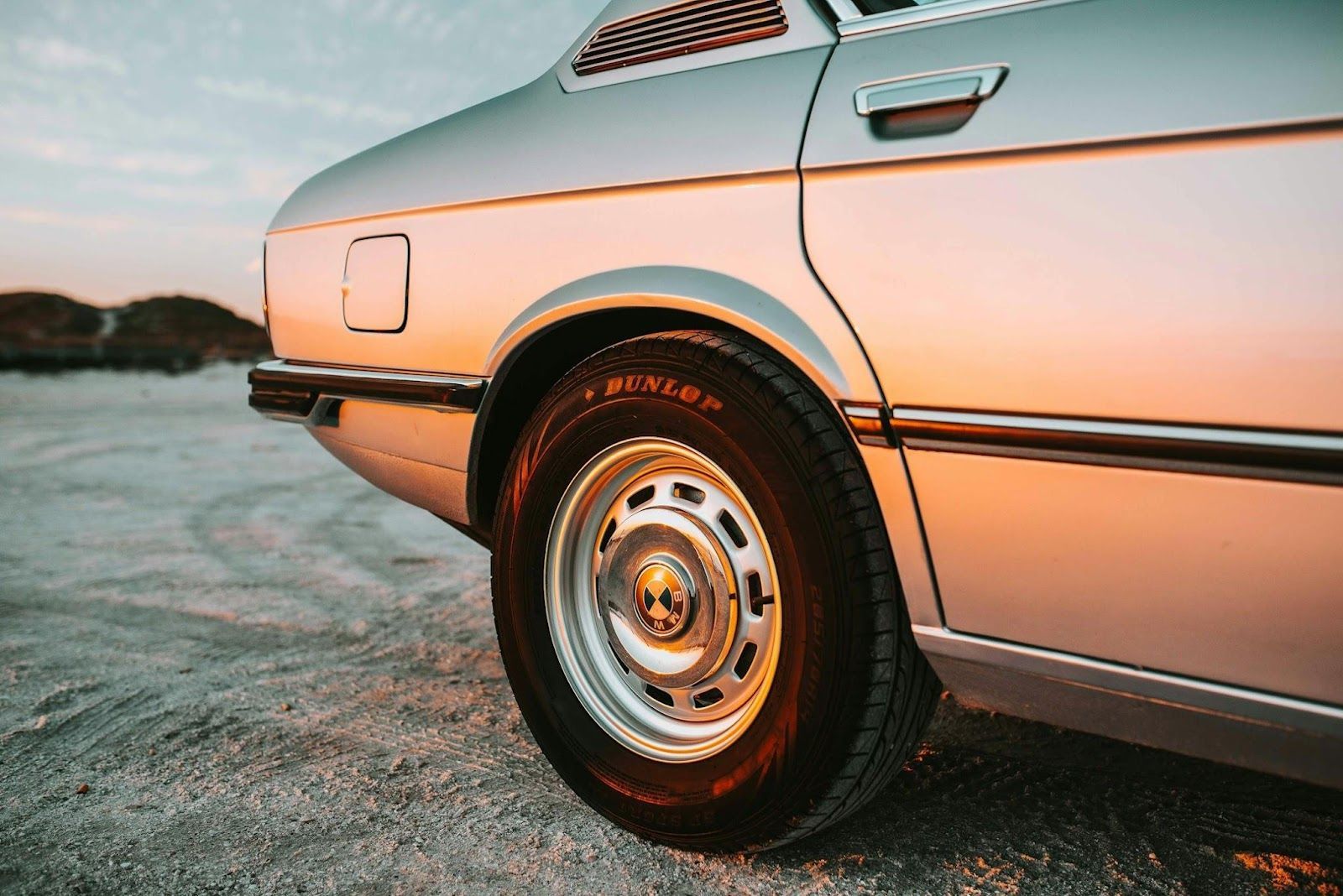
Image: Wade Lambert

If you drive a car, you should know how to change a tire. Yes, maybe you have an insurance service that can aid you, and maybe there is always someone around who can help until there is no service available and you are all alone.

Changing a tire is very simple, and there are techniques to do so with very little physical effort . Learn how to perform this simple task, and you will be much safer when driving a car.

Geography Geography 5 min read

LIVING HISTORY

Check Out 10 Of The Oldest Houses in America And Their Stories

In the U.S. territory, there are some buildings and edifications that have really passed the test of time, standing as witnesses to the strength and durability that human creations can have. Many of them still retain traits of those who built or inhabited them, even after standing for 400 years or more. If you want to discover more about them, join us as we tell you the origin and stories of 10 of the oldest buildings in America!

1
Palace of the Governors (New Mexico, 1610)

Image: Donald Giannatti

This is one of the oldest continuously occupied public buildings in the United States. Built in 1610 , it served as the seat of the Spanish, Mexican, and, finally, American government.

Some experts claim that the key to its longevity is the material of which it is composed. Adobe has always worked very well as a building material in areas that, like New Mexico, have a major thermal amplitude. This is because adobe works as a thermal insulator.

Besides all the historical artifacts this building holds, it also has many stories to tell. In 1862, during the Civil War, Abraham Lincoln gave a famous speech from the Palace's balcony.

2
Fairbanks House (Massachusetts, 1637)

Image: Lampos Aritonang

Built around 1637 by English immigrant Jonathan Fairbanks in what is now Dedham, Massachusetts, many sources claim that the Fairbanks House is the oldest timber-frame house in America.

With so many years of existence and so many people who must have passed through it, can you imagine the stories that could be told from inside those wooden walls? For 8 generations, Jonathan's descendants inhabited this place, and today, it functions as a museum for all of us to visit.

This 380 -year-old house was built with oak wood, straw, animal fur, and other materials of the time. Just imagine how cold it must have been inside during winter!

3
C.A. Nothnagle Log House (New Jersey, 1638-1643)

Image: Joshua Michaels

Can you imagine holding an object from the 1590s in your own hands? Well, that's what you could do at the C. A. Nothnagle Log House in New Jersey.

The Finns and the Swedish left testimonies of their building techniques in our territory with this log cabin built between 1638 and 1643, one of the oldest still extant in the country. The many inhabitants of this house never had to worry about winter; the interior features a large, centrally located stone and brick chimney that provides even heat for the entire place.

With so many years of history, it's not unusual for visitors to experience strange episodes at the C. A. Nothnagle Log House. Some have reported hearing footsteps and soft murmuring, while others affirm to have seen a specter of a woman dressed in colonial-era clothing.

4
Richard Sparrow House (Massachusetts, 1640)

Image: James Kovin

Richard Sparrow, surveyor and early settler of Plymouth, Massachusetts, built this historic house in 1640, making it the oldest surviving house in Plymouth.

With its timber frame, this house is an example of typical colonial architecture, demonstrating the durability of this type of construction. Despite the restorations necessary to keep it standing, the house keeps most of its original materials and still looks much as it did in the 17th century , making it an interesting source of education about the period.

5
House of the Seven Gables (Massachusetts, 1668)

Image: Joseph Corl

The Fairbanks House is not the only historic house in Massachusetts.

Considered a colonial mansion, the Turner-Ingersoll Mansion was built in 1668 for Captain John Turner and stayed with his family for three generations. The place became famous in 1851 for its appearance in Nathaniel Hawthorne's Gothic novel "The House of the Seven Gables," which also gave it its characteristic nickname.

While the dark stories Hawthorne wrote about are fictional, some visitors claim to have felt a scary feeling and strange vibes inside the house. Would you like to visit the museum?

6
Paul Revere House (Massachusetts, 1680)

Image: Timur M

As the name implies, this historic house was the home of patriot Paul Revere.

Built in 1638 , it is not only one of the oldest houses in the country, but it is also the oldest standing building in downtown Boston, and represents a fine example of classic Colonial American architecture.

The building originally belonged to another owner, and Paul Revere acquired it around 1770 . If you visit the house, you can see objects and artifacts that actually belonged to the Revere family! You won't be the first, though, as an estimated 300,000 people visit the house annually.

7
Shirley Plantation (Virginia, 1723)

Image: Belia Koziak

Shirley Plantation is undoubtedly one of the oldest and most famous plantations in America.

While the plantation was founded in 1613, construction of its main house began in 1723, designed in the Georgian architectural style.

Additionally, visitors can find artifacts, tools, and weapons from the Civil War era, making it a truly valuable experience. As another detail, Shirley Plantation also has the oldest known plantation portrait in America: it features Elizabeth Hill and John Carter, whose marriage united the Hill and Carter families. These families have owned the place since 1738 to this day!

8
Wright's Ferry Mansion (Pennsylvania, 1738)

Image: Marie Martin

Susanna Wright was a pioneer Quaker woman from Philadelphia, who decided to live in Wright's Ferry (what is now Columbia) in the early 18th century. Wright was active in poetry, science, and local politics and business.

In 1738, she built Wright's Ferry Mansion, which served not only as her family home but also as a business center. With its classic proportions and elegant style, the mansion is today one of the oldest in the country. It was preserved to keep its original appearance, remaining a fine example of early 18th-century architecture in the country.

Legend has it that the house is haunted by the spirit of its original owner, with several visitors claiming to have seen her, or heard murmurs and loud footsteps inside the house.

9
Mount Vernon (Virginia, 1734-1750s)

Image: Matt Briney

We can't overlook the iconic Mount Vernon. Built in Fairfax County, Virginia, it’s one of the most famous homes in the country. And you know why: it was the home of our first president, George Washington.

The original house was built in 1734 by George Washington's father, Augustine Washington, and then expanded by his son into the building we see today. Washington influenced American architecture with the design of this building. In fact, it is said that the design of the "New Room" in Mount Vernon inspired the White House's Oval Office!

While the exterior is made of wood, it was sanded and beveled to mimic stone for a classic, elegant style. The house also has Martha Washington's famous "Blue Room," one of the most beautiful and best-decorated spaces, which still preserves its appearance. Have you already visited it?

10
Drayton Hall (South Carolina, 1747-1752)

Image: Peter Herrmann

Charleston, South Carolina, was the site where the historic Drayton Hall was built between 1747 and 1752.

This 18th-century plantation is considered to be one of the best-preserved examples of Georgian architecture. In addition, it is also claimed to be the only plantation house on the Ashley River that survived the Revolutionary and Civil Wars, not without some damage.

With nearly 300 years of history, it's undeniable that this house was the scene of many stories and events. Some visitors have claimed that the house is haunted , reporting sightings of apparitions and hearing mysterious noises. Spooky, isn't it?

History History 3 min read

The many faces of the flag

Our flag has changed 27 times: Explore its evolution

Image: Joshua Hoehne

The Stars and Stripes are now recognized around the world, but the US flag didn’t always look the way it does today. While the red, white, and blue colors have been there from the beginning, the design has changed about 27 times! And so have the rules for handling it. If you want to see what our flag looked like in the past, or learn more about the protocols and traditions surrounding it, keep reading!

1
1776

Image: Bureau of Engraving and Printing., Public domain, via Wikimedia Commons

During the American Revolution, the Grand Union Flag, also called the Continental Colors, was created to represent the colonies. It featured 13 alternating red and white stripes (symbolizing the original colonies), but instead of stars in the upper left corner like we see today, it displayed the Union Jack.

2
1777

Image: Bureau of Engraving and Printing., Public domain, via Wikimedia Commons

In 1777, following the Declaration of Independence, the Continental Congress adopted the first official flag of the United States. It featured 13 alternating red and white stripes, which still honor the original colonies today. Replacing the Union Jack, it introduced a new element that would be key for the rest of its history: 13 white stars set in a blue field, or canton, arranged in a circle to symbolize equality and unity among the states.

3
1795

Image: Nyttend, Public domain, via Wikimedia Commons

It wasn’t until 1795 that the flag changed again, when two more stars and two additional stripes were added to represent the recently admitted states of Vermont (1791) and Kentucky (1792). This version was the only US flag to feature more than 13 stripes and later became known as "The Star-Spangled Banner", since it was the very flag that inspired Francis Scott Key to write the poem that would later be the lyrics of the national anthem.

4
1818

Image: Michael Rivera, CC BY-SA 4.0 <https://creativecommons.org/licenses/by-sa/4.0>, via Wikimedia Commons

In 1818, the flag’s design changed once again. The 15 stripes were reduced back to 13 to permanently honor the original colonies. Five new states had joined the Union, bringing the total number of stars to 20. These stars were sometimes arranged in straight rows and other times in the shape of a large star, which earned this version the nickname "The Great Star Flag."

5
1912

Image: This image is a work by Wikipedia and Wikimedia Commons user Aktron.When reusing, please credit me as: Aktron / Wikimedia Commons. I would appreciate being notified if you use my work outside Wikimedia.More of my work can be found in my personal gallery.csen+/−csenmkplsr+/−, CC BY-SA 3.0 <https://creativecommons.org/licenses/by-sa/3.0>, via Wikimedia Commons

Each new state joining the Union meant one more star on the flag. In 1912, when New Mexico and Arizona were added, the number of states reached 48, so their stars also took their place. That year, President Taft issued an executive order setting the official proportions of the flag and specifying that the stars should be arranged in six horizontal rows of eight.

6
1960

Image: chris robert

The most recent design change came in 1960. After Alaska and Hawaii joined the Union in 1959, two more stars were added, bringing the total to 50. They were arranged in nine alternating rows of six and five stars, like the official flags you see displayed across the country today.

7
Flag time

Image: Jon Sailer

Beyond its official design, the US flag follows a set of protocols established over the years. One key rule specifies the time to display it: generally, the flag should be flown from sunrise to sunset. If displayed at night, it must be properly illuminated.

8
Weather conditions

Image: Anandu Vinod

The flag code doesn’t just set the time of day; it also indicates the proper weather conditions for display. According to the protocol, the flag should not be flown in bad weather, such as rain, snow, or storms, unless it’s an all-weather flag designed for such conditions.

9
Position

Image: Roger Starnes Sr

Of course, the flag must always have the blue canton in the upper left corner. But there are more rules for its position. When flown with other symbols, such as state flags, the national flag must be in the center and slightly higher. Additionally, if it needs to be lowered from the flagpole, the flag must never touch the ground.

10
Don'ts

Image: Alex Martinez

If you need to handle the flag, it’s important to know the proper way. But it's also crucial to know what not to do. Some of the key "don'ts" include never letting it touch the ground, avoiding creasing it, not writing or drawing on it, and one that might surprise many: don’t use it as clothing or decoration.

Explore more American facts

Choose your favorite category!

General
General

As American as apple pie—the very best America has to offer!

Culture
Culture

Delve into the astounding richness of American lore.

Geography
Geography

Hop in and explore vast and diverse American landscapes.

History
History

Discover the key moments that shaped the United States.