Geography Geography 4 min read

MONUMENTAL HERITAGE

A Legacy In Stone: 10 Landmarks That Make America

Image: Heath Hughes

Churchill once said that we choose the shape of our buildings, but in turn, they shape us. America boasts an array of monumental landmarks that stand as testaments to its history, culture, and perseverance. From coast to coast, these colossal structures inspire awe and pride, symbolizing the values and spirit of the nation.

Join us to explore 10 of the largest American monuments and structures that are part of our unique legacy to the world and the hearts of the American people.

1
Statue of Liberty

Image: Pierre Blaché

Location: New York City, New York

The iconic symbol of freedom and democracy, Lady Liberty stands tall on Liberty Island in New York Harbor. A fraternal gift from France in 1886, she welcomed immigrants and visitors to the United States for over a century with her torch held high , representing enlightenment and hope.

Originally, it was a brownish copper color, but after a few years of exposure to the elements, its iconic green patina—caused by the oxidation of its copper surface—began to spread. Also, did you know that her full name is actually "La Liberté éclairant le monde" , French for "Liberty Enlightening the World"?

2
Mount Rushmore

Image: John Bakator

Location: Keystone, South Dakota

Carved into the granite face of the Black Hills, Mount Rushmore features the colossal visages of four revered American presidents: George Washington, Thomas Jefferson, Theodore Roosevelt, and Abraham Lincoln.

Although the monumental sculpture was never finished due to lack of funding (the original vision of sculptor Gutzon Borglum was that each president would be depicted from head to waist), it is still one of the most enduring symbols of the nation's founding principles and leadership.

3
Lincoln Memorial

Image: Kelli Dougal

Location: Washington D.C.

Honoring the 16th President of the United States, the Lincoln Memorial stands as a tribute to Abraham Lincoln's enduring legacy and his role in preserving the Union during the Civil War. An example of neoclassical architecture, it is built in the form of a classical temple , and the massive marble statue of Lincoln seated solemnly commands reverence upon entrance.

The memorial serves as a symbolic center for civil rights and has been the site of many historic speeches , most notably Martin Luther King Jr.'s "I Have a Dream" speech in 1963.

4
Gateway Arch

Image: Chris Hardy

Location: St. Louis, Missouri

Considered by some to be the tallest human-made monument in the Western Hemisphere - and the tallest arch in the world - the Gateway Arch soars 630 feet above the Mississippi River, a tribute to America's westward expansion and the pioneering spirit of its people.

Made of stainless steel with reinforced concrete infill, the structure is built to withstand earthquakes and winds up to 150 miles per hour. Inside, the arch is hollow and contains a tram system that takes visitors to an observation deck at the top.

5
Washington Monument

Image: Andy He

Location: Washington D.C.

Dedicated to the nation's first President, George Washington, this towering obelisk stands at 555 feet, making it one of the tallest stone structures in the world - and for a brief period of time between 1884 and 1889, before the construction of the Eiffel Tower, it actually was the world's tallest structure.

Its cornerstone, a 24,500-pound marble block, was specially hollowed to hold a number of memorabilia , including items associated with the monument, George Washington, and various benevolent societies.

6
USS Arizona Memorial

Image: Kirby Yardley

Location: Pearl Harbor, Hawaii

Built over the sunken remains of the USS Arizona, this memorial pays homage to the lives lost during the attack on Pearl Harbor on December 7, 1941. Only accessible by boat, the solemn structure sits just above the sunken battleship without touching it , preserving the original wreckage intact.

To this day, drops of oil occasionally leak from the ship’s deteriorating oil tanks , forming oil slicks on the water’s surface that are often referred to as "the tears of the Arizona."

7
Crazy Horse Memorial

Image: Lauren Lopes

Location: Crazy Horse, South Dakota

A colossal endeavor still in progress, the Crazy Horse Memorial is a heartfelt tribute to the Lakota leader Crazy Horse , intended to honor the culture, tradition, and resilience of Native Americans.

When it is finally completed, it will be the largest sculpture in the world , standing at 563 feet high and 641 feet long.

8
Hoover Dam

Image: Ryan Thorpe

Location: Nevada/Arizona border

Although not technically a monument, the Hoover Dam undeniably stands as a testament to American ingenuity and resourcefulness. Completed in 1936, it was originally named Boulder Dam , but the association with President Herbert Hoover endured, leading to its eventual renaming in his honor.

Spanning the Colorado River between Nevada and Arizona, the Hoover Dam is a monumental feat of engineering and a vital source of hydroelectric power and water for the Southwest United States.

9
Bunker Hill Monument

Image: Siddharth Mallya

Location: Charlestown, Massachusetts

Standing tall on Breed's Hill in Charlestown, Massachusetts, the Bunker Hill Monument commemorates the Battle of Bunker Hill , one of the early clashes in the American Revolutionary War.

Constructed between 1825 and 1843, the granite obelisk rises 221 feet and is accompanied by a statue of Col. William Prescott , a celebrated commander and hero of the Revolutionary War. Prior to the construction of the Washington Monument, it was the nation's largest-scale memorial.

10
Golden Gate Bridge

Image: Leo_Visions

Location: San Francisco, California

Spanning the Golden Gate Strait and connecting San Francisco to Marin County, the Golden Gate Bridge is an enduring symbol of American engineering and inventiveness. Opened in 1937, the iconic suspension bridge stretches 1.7 miles, and the main cables that support the weight of the roadway are made out of over 80,000 miles of galvanized steel wire.

Its distinctive orange hue, known as International Orange , was carefully chosen by consulting architect Irving Morrow to both complement the natural surroundings and enhance visibility in the frequent foggy conditions of the bay.

Culture Culture 3 min read

What’s on the menu?

American cuisine: 10 regional dishes to try

Image: Louis Hansel

America’s regional cuisine is as varied as the country itself, a result of more than two centuries of different influences coming together and creating new traditions. When we think about regional dishes, some fan favorites come to mind: Philly cheesesteak, Texas BBQ, different pizza styles, gumbo, and many more. But some dishes, no matter how popular and representative of their region, seem to be less talked about. Here are 10 regional favorites that are worth a try.

1
Cioppino

Image: James Wei

A not-so-talked-about product of the Italian influence in America, cioppino is an underrated representative from San Francisco. A tomato-based seafood stew (or a soup, depending on who you ask), it started as a struggle meal made with whatever was caught that day, and it is now a beloved dish that reflects the city’s history.

2
Fry bread

Image: Immo Wegmann

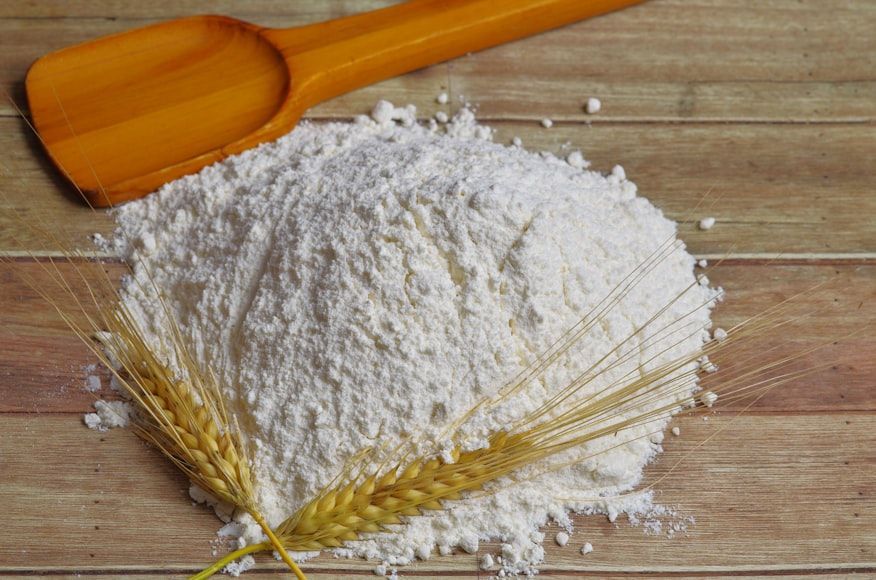
When thousands of Navajo people were forcefully displaced from Arizona to New Mexico, they were provided with meager rations for the 300-mile journey: flour, water, salt, and lard. From these scarce provisions, they created a fried dough, chewy on the inside and crispy on the outside. Originally eaten on its own, it is nowadays paired with all kinds of toppings.

3
Poi

Image: Daniel Dan

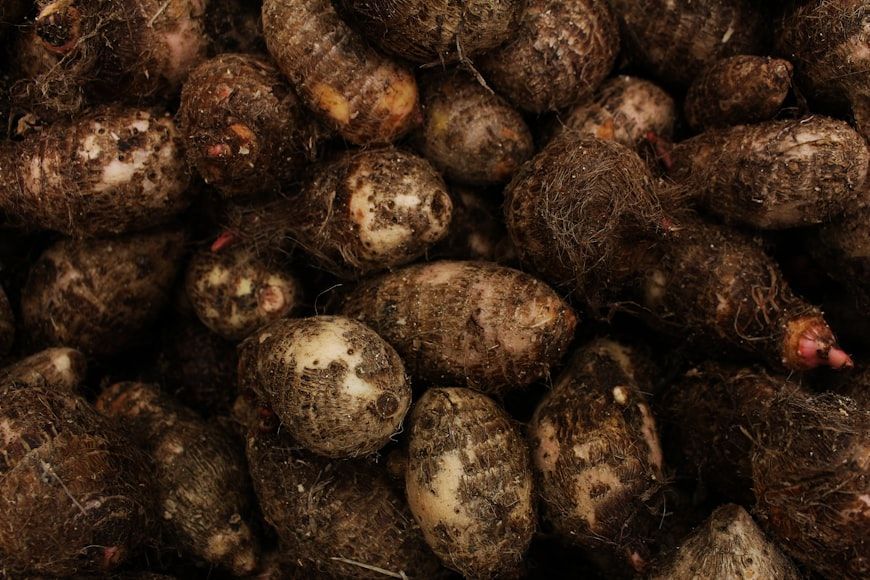
Made from steamed and mashed taro root, this Hawaiian dish can be enjoyed in several ways. Although sweeter when freshly made, it is often paired with other savory dishes. It can also be left to ferment, which gives it a more sour taste. Highly nutritious, poi has been a staple in Hawaiian and Polynesian cuisines for centuries.

4
Étouffée

Image: Stephanie Moody

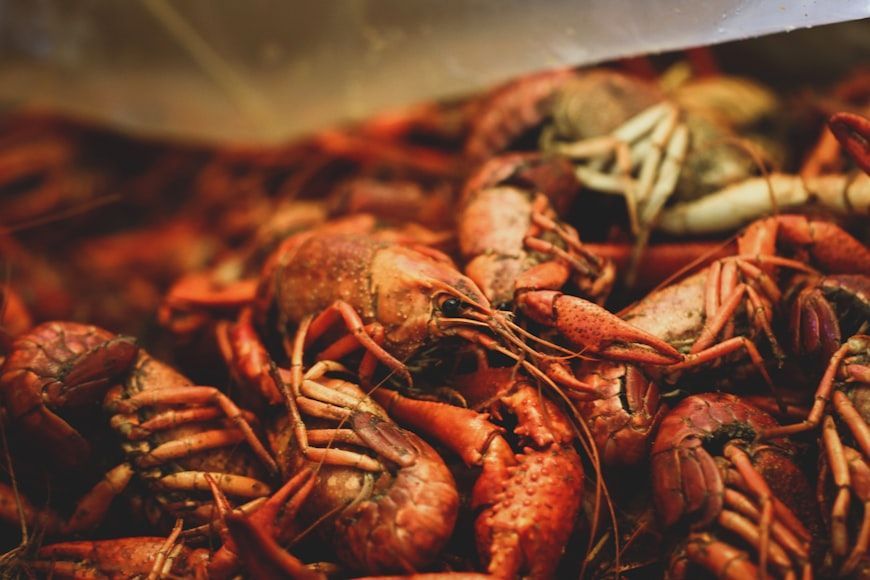
Gumbo and jambalaya might be what first come to mind when thinking about Louisiana, but étouffée (meaning ‘smothered’) should not be overlooked. Thicker than gumbo —though sharing many of its ingredients—, étouffée delivers what its name promises: a rich, gravy-like, shellfish stew that smothers the accompanying rice. Depending on whether you are having a Creole or a Cajun étouffée, it may or may not contain tomatoes.

5
Crab cakes

Image: Girish Dalvi

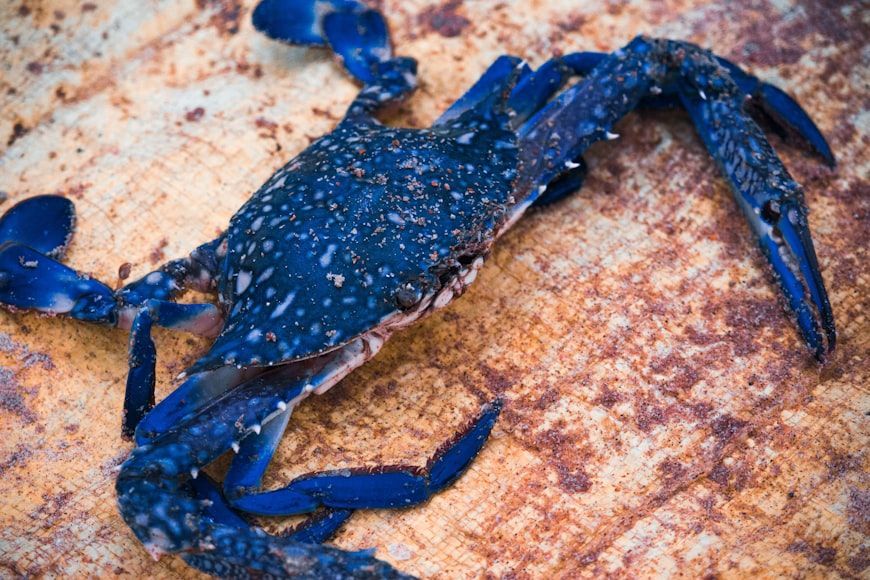
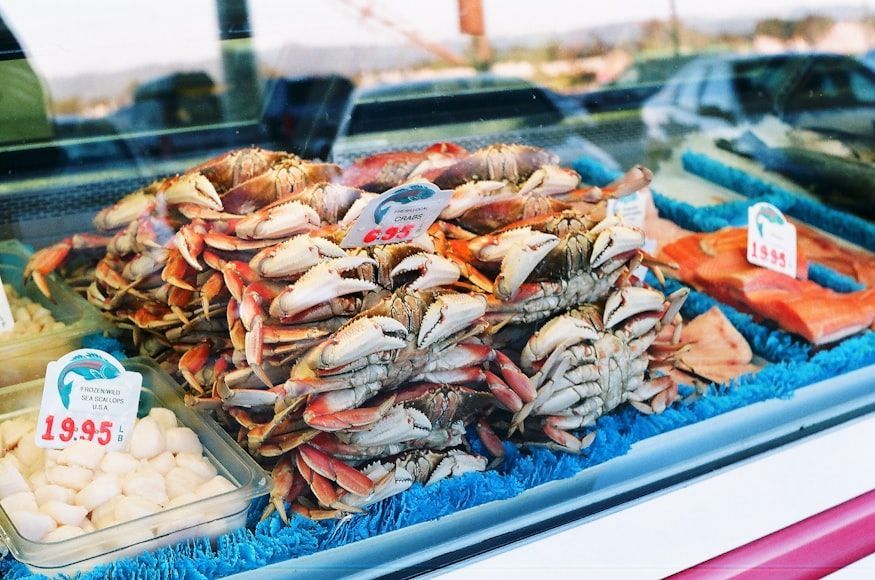
This dish can be found all along the Atlantic coast, but its most famous iteration is associated with Chesapeake Bay, Maryland. With a history that goes back to Native Americans, modern crab cakes can be enjoyed sautéed, baked, grilled, deep-fried, or broiled, and are most of the time made with blue crab, though other crab meats can be used.

6
Clam chowder

Image: henry perks

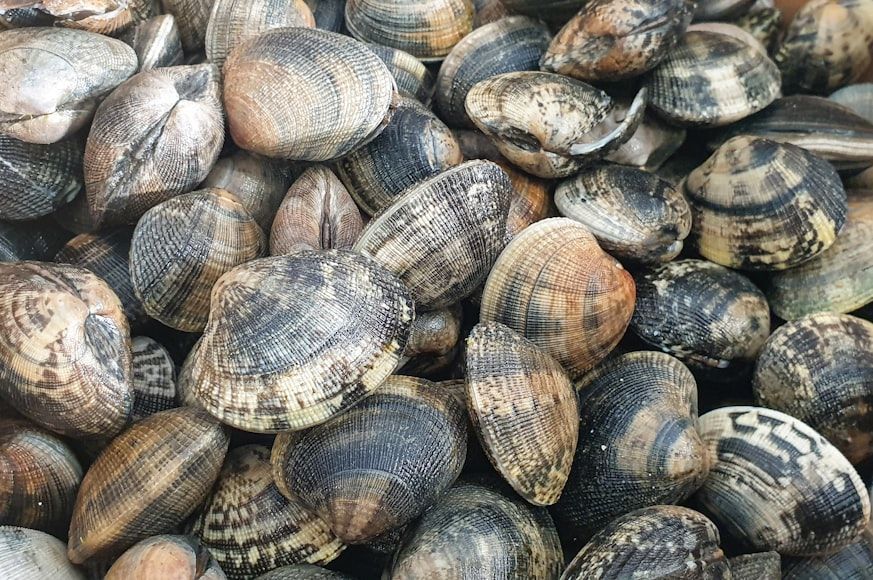
A New England staple, this dish draws influence from British, French, and Nova Scotian traditions. Although it was not dairy-based in its origins, modern clam chowder gets its rich texture from milk or cream, and features butter, potatoes, pork, and, of course, clams. Other famous variations differ mainly in the soup base, such as the Manhattan clam chowder (made with tomato) or the Rhode Island clam chowder (made with a clear broth).

7
Hush puppies

Image: Abhijit Biswas

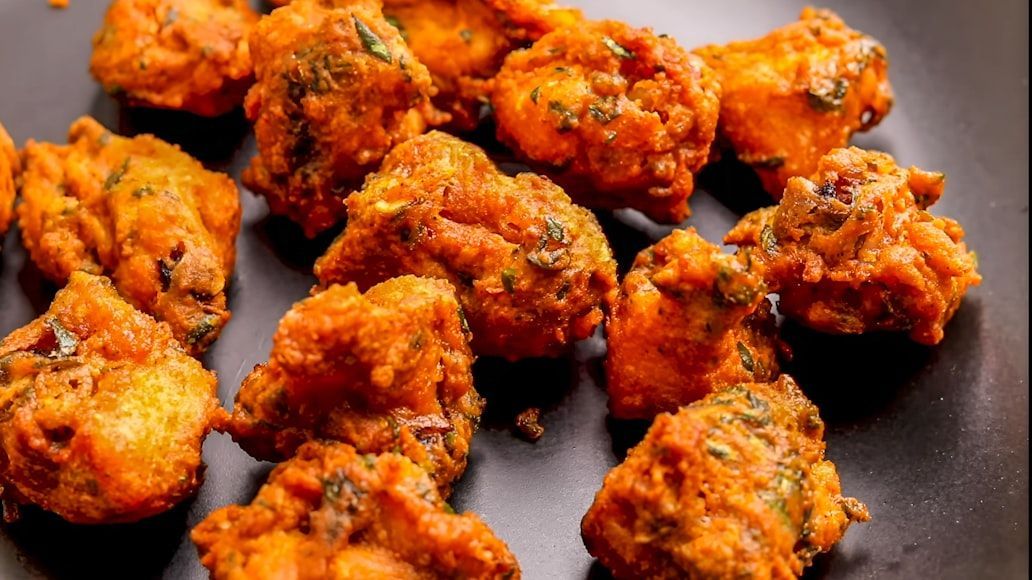
A Southern classic, these cornmeal fritters became popular during the Civil War because they were affordable and versatile. Usually made plain to serve as a side dish, they can also have cheese, jalapenos, whole corn grains, and other fillings added.

8
Marionberry pie

Image: Amanda Hortiz

Oregon's signature dessert, this pie filling features marionberries, a blackberry hybrid developed in the 20th century. Compared with regular blackberries, marionberries have a deeper, more complex flavor, resulting in a sweeter and sharper pie filling. A summer staple, it is often served alongside vanilla ice cream.

9
Runza

Image: Kelsey Todd

Food from the Midwest is sometimes reduced to casserole dishes and jello salads, but it is more varied than some might think. Runza, a sandwich-hot pocket hybrid filled with beef, cabbage, and onions, is an example of how midwesterners transformed immigrant food traditions into something new. Originating in Nebraska, runzas are derived from German and Eastern European pirogs , a baked, filled dough.

10
Akutaq

Image: Adam Chang

Though this Alaskan delicacy is technically an ice cream, don’t expect it to be like the ice creams you are used to. Made from reindeer fat, seal oil, fresh snow, berries, and sometimes, ground fish, akutaq is a dessert, a snack, a spread, and a main dish all in one. Developed as a way to preserve fruits and animal fats, this nutrient-dense dish has everything you need to face the harsh Alaskan winters.

General General 5 min read

NATURE'S WARRIORS

Discover The Top 10 Fierce Animals Roaming America

As much as we love animals, it's important to remember one thing: some of them are best admired from a distance. While any wild creature can be a bit scary, a few stand out, particularly for their intimidating traits. With dangerous claws , sharp teeth, or horns that wouldn't fit inside your car, America's fauna has an incredible range of characteristics that could surprise many. Let's discover the names and features of the top 10 fierce animals roaming America; you won't believe the last one!

1
American Alligator

Image: Joshua J. Cotten

Let's start with a powerful one. While they say not to judge by appearances, only one look at an American alligator's face can confirm it might not be the friendliest creature around.

Populating freshwater habitats in the southeastern U.S., males can grow up to 15 feet long. In addition to their impressive size, they have incredibly strong jaws , one of the most powerful in the animal kingdom.

American alligators are also excellent hunters, as they know how to blend into their surroundings while waiting for prey to approach. Clever tactics!

2
Western Diamondback Rattlesnake

Image: Amber Wolfe

The American alligator is not the only reptile on this list. We also have the stellar presence of the impressive Western diamondback rattlesnake. With a name like that, how could it possibly go unnoticed? But believe us, its name is not the only surprising thing about it.

This reptile has particularly large fangs compared to other snakes, and what's even more fascinating is that they are quickly replaced if one breaks or gets damaged. When this carnivorous predator confronts its prey —generally rodents, birds, or some other reptiles— it uses those fangs to inject its venom , a toxin capable of hindering coagulation and even causing tissue damage.

3
Grizzly bear

Image: Becca

This huge creature is far from a cuddly care bear. We are talking about the fearsome grizzly bear, a giant that can weigh up to 1,500 pounds and reach 10 feet tall when standing on its hind legs.

And as if its size were not enough, the great strength of this beast and its territorial nature make it a threat to other species. In addition, despite being omnivores, their sharp claws and large teeth make them tough predators.

One more scary detail: Don't be fooled by its size; grizzly bears can reach speeds of up to 35 miles per hour!

4
Cougar

Image: Robert Sachowski

"Cougar" is a nicer name for the creature also known as a mountain lion, an impressive feline that ranks as the second-largest cat in the Americas, just behind the jaguar.

The cougar can weigh up to 220 pounds and measure up to 8 feet long. Can you imagine a kitten that size? With its claws, teeth, and pointed ears! Despite its name, the mountain lion can adapt to different environments: cold mountains, forests, and even deserts.

But what truly distinguishes this animal is its stealthiness. This solitary creature is an intelligent and cautious predator, approaching its prey slowly and quietly until it's time to attack.

5
American bison

Image: Leslie Driskill

If you got shocked by the 220 pounds of the cougar or the 1,500 pounds of the grizzly bear, just wait until you hear how much the American bison can weigh.

Males of this imposing animal can reach 2,000 pounds! In addition, some specimens reach 6.5 feet from hoof to shoulders. Despite its size and strength, the American bison is an herbivore , which means it doesn't attack other animals for food.

But wait, if this beautiful animal gets angry, its defense can be truly intimidating; just picture a horned creature of that size approaching. It can also run at a speed of up to 35 miles per hour! Definitely an incredible animal.

6
Black widow spider

Image: Jared Subia

The black widow is not only a comic book character but also one of the most feared creatures on this list. This arthropod lives throughout the southern and western United States, as it prefers warm, dry climates.

Unlike other animals, the black widow is a threat to other species and also to its own. This spider's name comes from its notorious behavior: sometimes, the female devours the male.

In addition to this creepy detail, its appearance is also spooky. It has a shiny black body with a bright red marking on its abdomen. But that's not all; this spider also has potent venom used to immobilize its prey. Fortunately, experts say it typically only bites in self-defense.

7
Great white shark

Image: Gerald Schömbs

5,000 pounds , 20 feet long, and several rows of sharp teeth capable of delivering a bite force of up to 4,000 pounds per square inch; this is the impressive great white shark.

Despite its size, it can swim agilely with a speed of up to 25 miles per hour. This fearsome predator, found along both the Pacific and Atlantic coasts of the United States, uses all its advantages to attack its prey quickly and surprisingly.

While their visibility is low, they rely on their ability to perceive the electromagnetic fields of other creatures! Looks like an invincible predator, doesn't it?

8
Black bear

Image: Greg Johnson

While slightly smaller than the grizzly bear, the black bear is still intimidating. With an average weight of 450 pounds , it's a large animal, equipped with sharp claws and teeth that can quickly appear if it or its cubs feel threatened.

In addition to their speed of up to 30 mph, these agile animals can also climb trees! And yes, the myth is true: they do love honey (who wouldn't, right?).

Here's another fun fact: despite their name, black bears can have black, brown, or blond fur.

9
Coral snake

Image: MART PRODUCTION

The rattlesnake isn't the only snake making this list. The coral snake definitely earned its spot, too.

Famed and feared worldwide, this snake species possesses a potent venom that can immobilize and cause respiratory failure in its prey. In addition, its small size (about 2 to 3 feet in length) helps it go unnoticed by other animals before it bites them.

Found in the southeastern United States, the coral snake is known for its impressive appearance but is generally not very aggressive unless provoked. Did you know other snakes mimic the coral snake's colors to appear more intimidating and keep predators away? You know, nature is wise.

10
Fire ants

Image: oktavianus mulyadi

This list isn't just about huge horns, sharp teeth, and hefty bodies; there are also creatures the size of a rice grain.

We're talking about fire ants, tiny but strong insects with a fearsome reputation. Why is the aggressiveness of such a small creature so scary? Well, because their stings are really painful , something that no animal species would want to experience. But that's not all; fire ants have the ability to sting and bite at the same time, causing pain, itching, and burning.

Like all ants, they have a very organized society . Every time they perceive their colony threatened, they launch a chemical alarm and start defending their home like an army!

Explore more American facts

Choose your favorite category!

General
General

As American as apple pie—the very best America has to offer!

Culture
Culture

Delve into the astounding richness of American lore.

Geography
Geography

Hop in and explore vast and diverse American landscapes.

History
History

Discover the key moments that shaped the United States.