General General 4 min read

Facts to make up your mind

Is living near a data center good or bad? 12 facts to make up your mind

Image: Gorodenkoff

Nearly everything you do online depends on data centers. Let that sink in, because it’s true. They power cloud storage, streaming, banking, shopping, artificial intelligence, and much more. As these facilities spread across the country, more people are finding themselves living nearby. Perhaps you do too. While these centers can bring economic benefits, they also raise concerns about noise, energy, and community impact. Whether you like this or not, we are not here to change your mind. But we can present six advantages and six drawbacks worth knowing about.

1
Pro: More local tax revenue

Image: Alexander Schimmeck

Data centers generate unusually large property-tax bills because they house millions of dollars' worth of servers and specialized equipment. That often makes them among the largest taxpayers in a county .

In Northern Virginia, tax revenue from data centers helps fund schools, roads, parks, libraries, and emergency services. Some counties report receiving far more in taxes than they spend on providing public services to these facilities.

2
Con: Constant noise
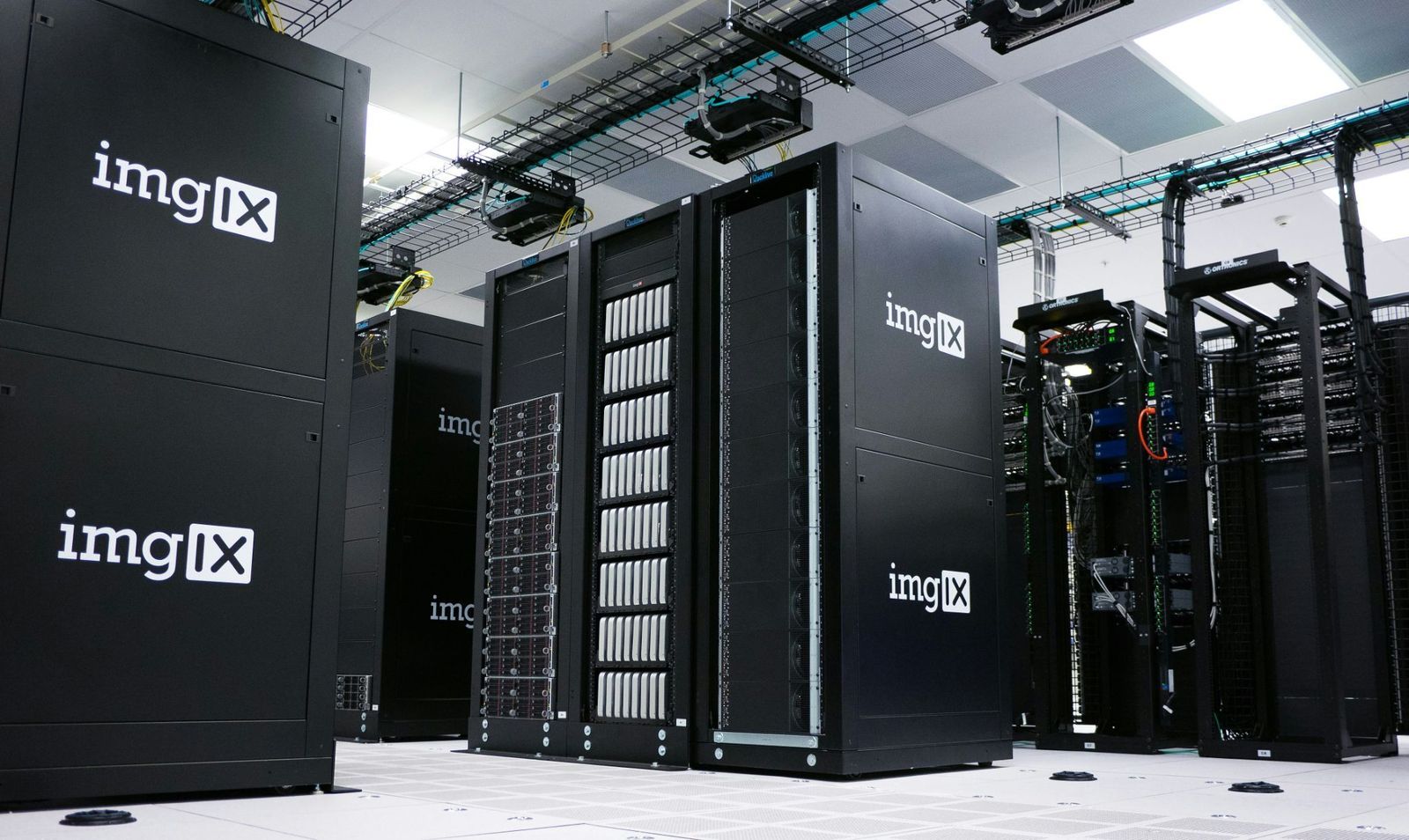
Image: imgix

Cooling equipment, ventilation systems, and electrical infrastructure operate continuously to keep thousands of servers from overheating. Together, they can produce a steady mechanical hum day and night.

Residents living closest to certain facilities have complained that low-frequency noise is noticeable even indoors , especially during quiet nighttime hours when background noise is minimal.

3
Pro: Better infrastructure investment
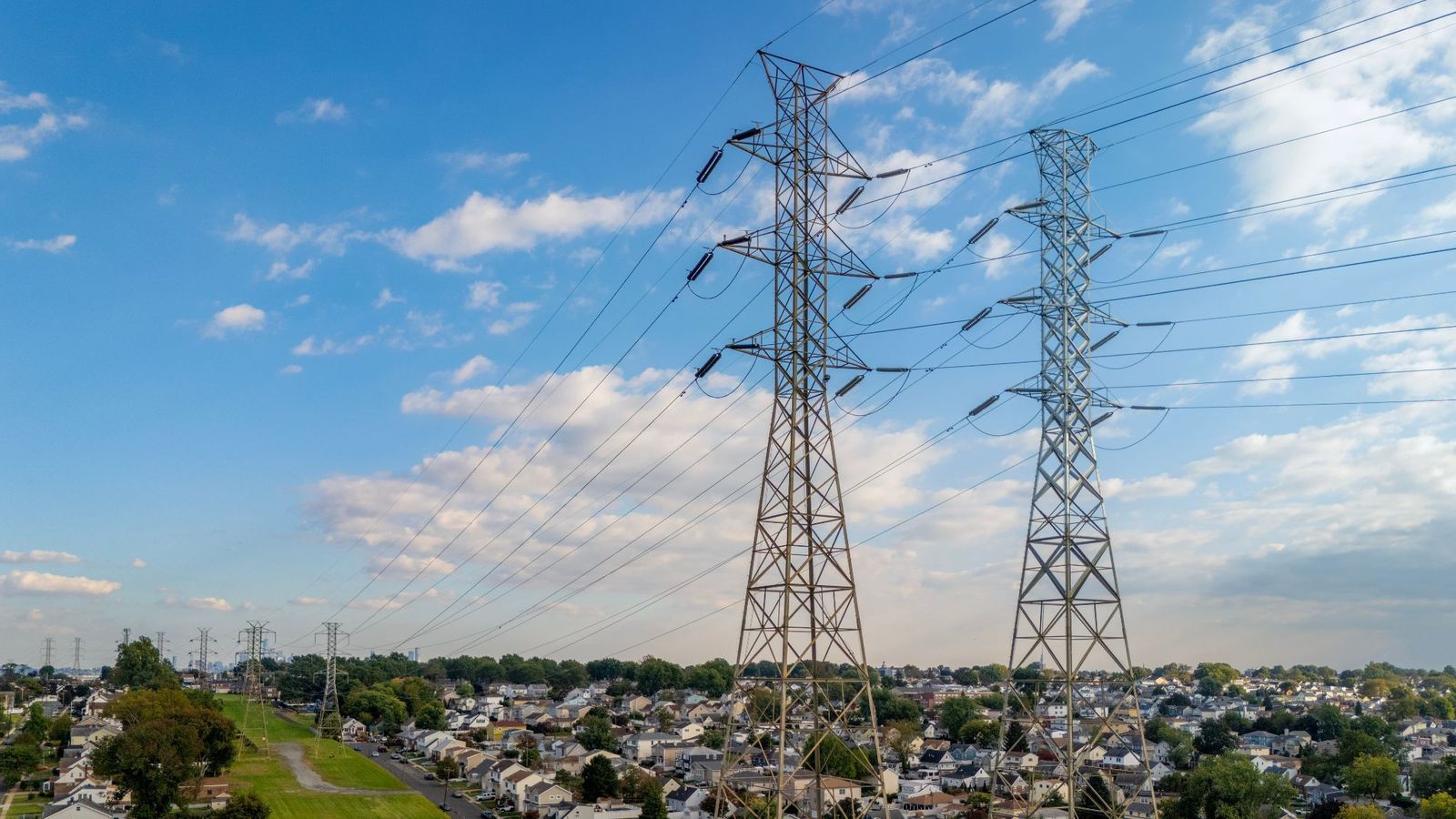
Image: BART SADOWSKI PL

Building a major data center often requires improvements to nearby infrastructure. Utilities may expand electrical capacity, while roads, substations, and water systems are upgraded before the facility opens .

Although these improvements primarily support the project itself, neighboring communities frequently benefit from stronger infrastructure that might otherwise have taken many years to receive through normal public investment.

4
Con: Massive electric consumption
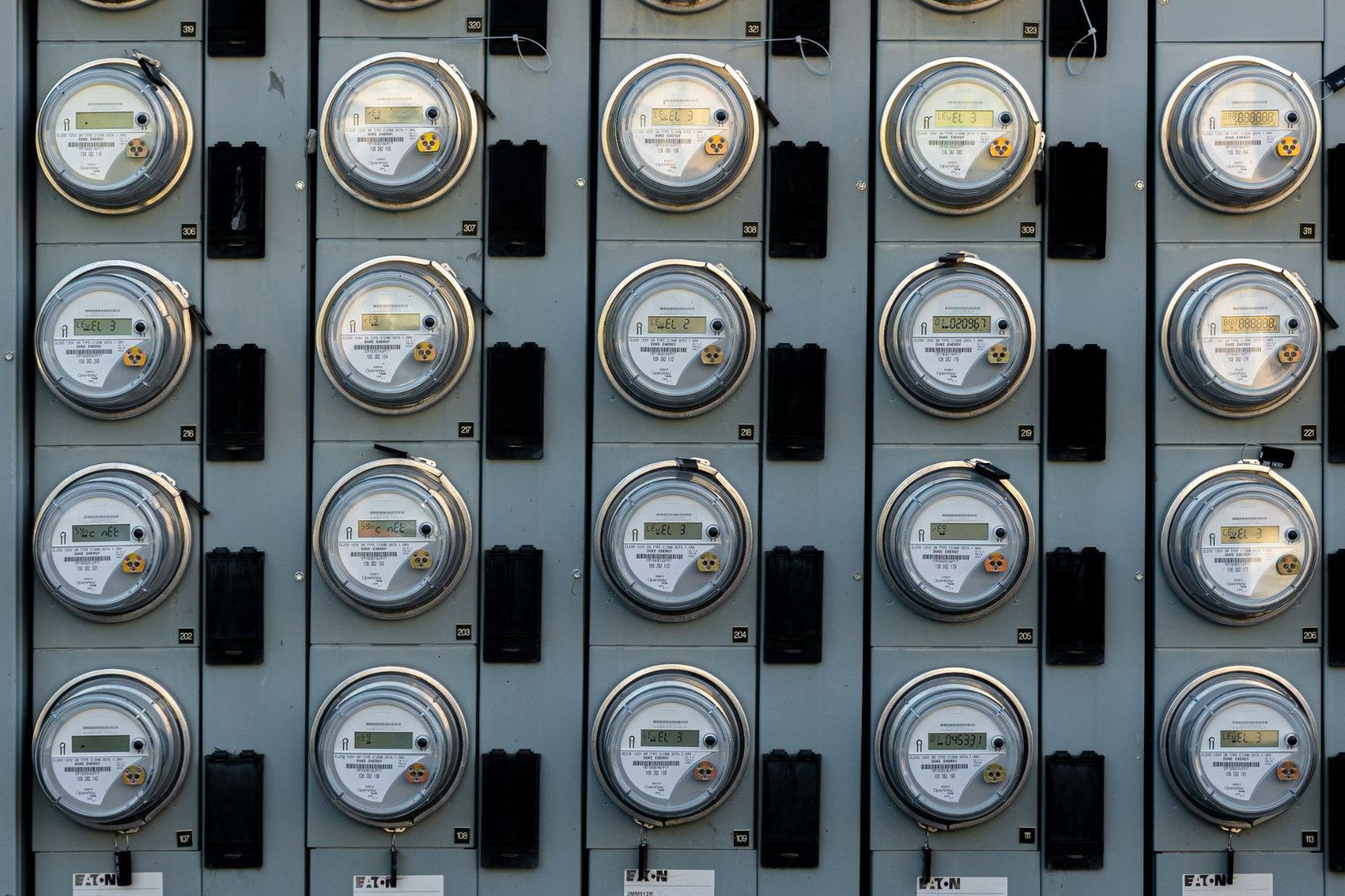
Image: Jon Moore

Modern data centers consume enormous amounts of electricity because servers run continuously while powerful cooling systems remove the heat they generate around the clock .

As cloud computing and artificial intelligence continue expanding, experts expect electricity demand from American data centers to grow rapidly, requiring utilities to build additional generating and transmission capacity.

5
Pro: Construction jobs and economic activity

Image: Jeriden Villegas

Constructing a hyperscale data center is a massive undertaking that can last several years. Hundreds of construction workers, electricians, engineers, truck drivers, and contractors may be involved during the building phase .

The project also boosts nearby hotels, restaurants, equipment suppliers, and local businesses serving the temporary workforce. Much of this economic activity occurs before the facility even begins operating.

6
Con: High water use

Image: Daniel Sinoca

Many facilities use water-based cooling systems to improve efficiency, particularly during hot weather. Depending on the technology used, consumption can be significant throughout the year .

This has become a growing concern in drought-prone regions, where residents and local officials debate whether expanding technology campuses should compete with other important community water needs.

7
Pro: Some permanent high-paying jobs

Image: ThisisEngineering

Once completed, data centers require technicians, network specialists, electricians, maintenance engineers, and security staff to keep operations running around the clock without interruption.

Although permanent staffing is relatively small, many of these technical positions pay well above average local wages and can help attract additional technology companies to the surrounding area.

8
Con: Large, industrial-looking buildings

Image: Geoffrey Moffett

Most data centers are designed for function rather than appearance. They are typically large, windowless buildings surrounded by fences, cooling equipment, substations, and security systems.

Even with landscaping, these facilities often resemble industrial warehouses . Some residents worry they will permanently change the character of suburban neighborhoods or previously rural communities.

9
Pro: potential property-value gains in some markets

Image: Artful Homes

The effect on nearby home values varies from one community to another. In some growing technology regions, new investment has coincided with rising demand for housing and stable property prices .

Researchers caution that there is no universal rule. Local planning, neighborhood design, and overall economic growth all influence whether nearby homeowners ultimately benefit from higher property values.

10
Con: Limited long-term employment relative to their size
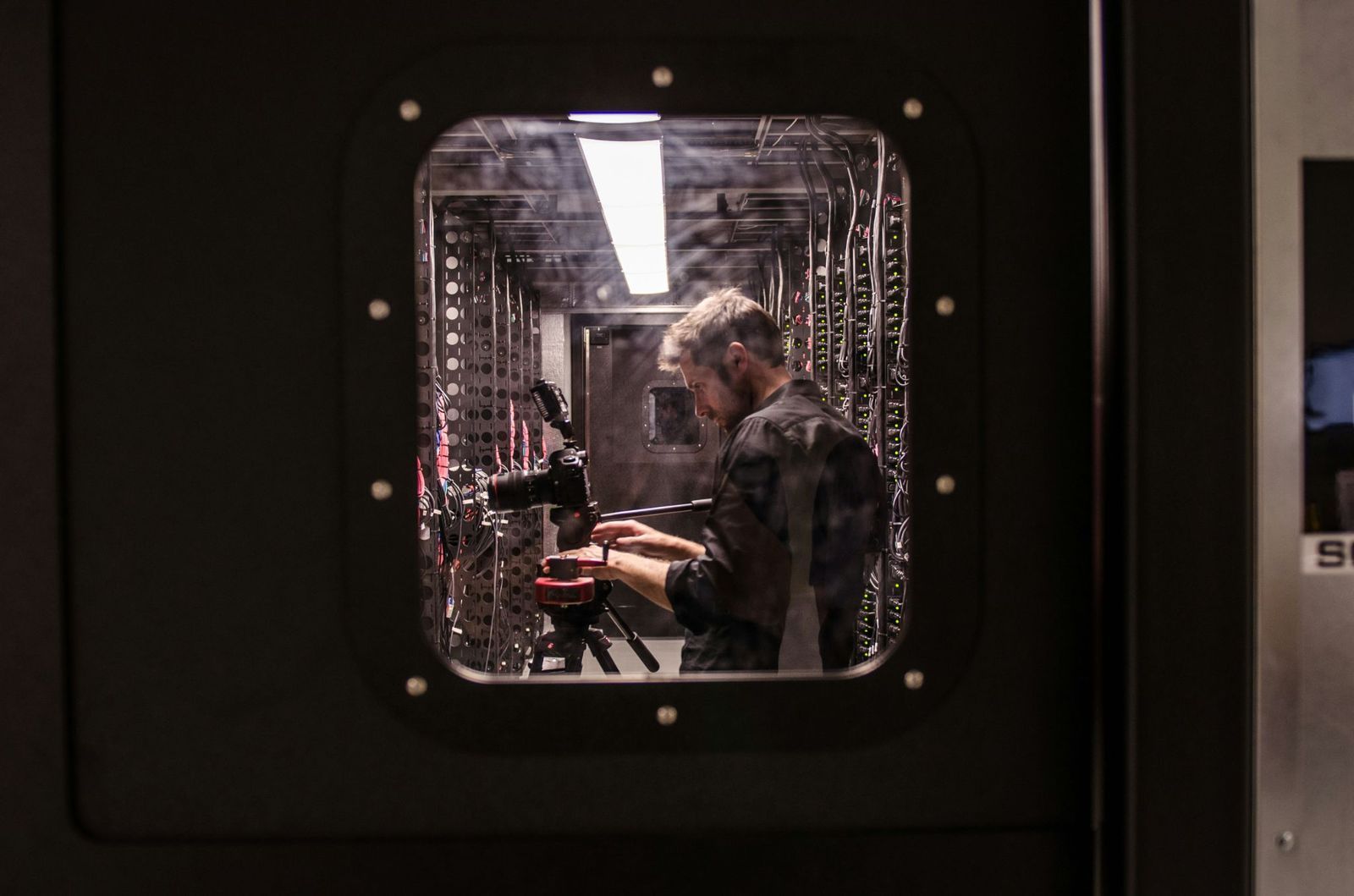
Image: jesse orrico

Construction creates hundreds of temporary jobs, but the finished facility usually requires only a relatively small permanent workforce to operate and maintain its systems .

Critics argue that billion-dollar campuses occupying vast amounts of land often provide far fewer long-term jobs than factories, manufacturing plants, or large distribution centers of similar size.

11
Pro: Very little traffic after construction
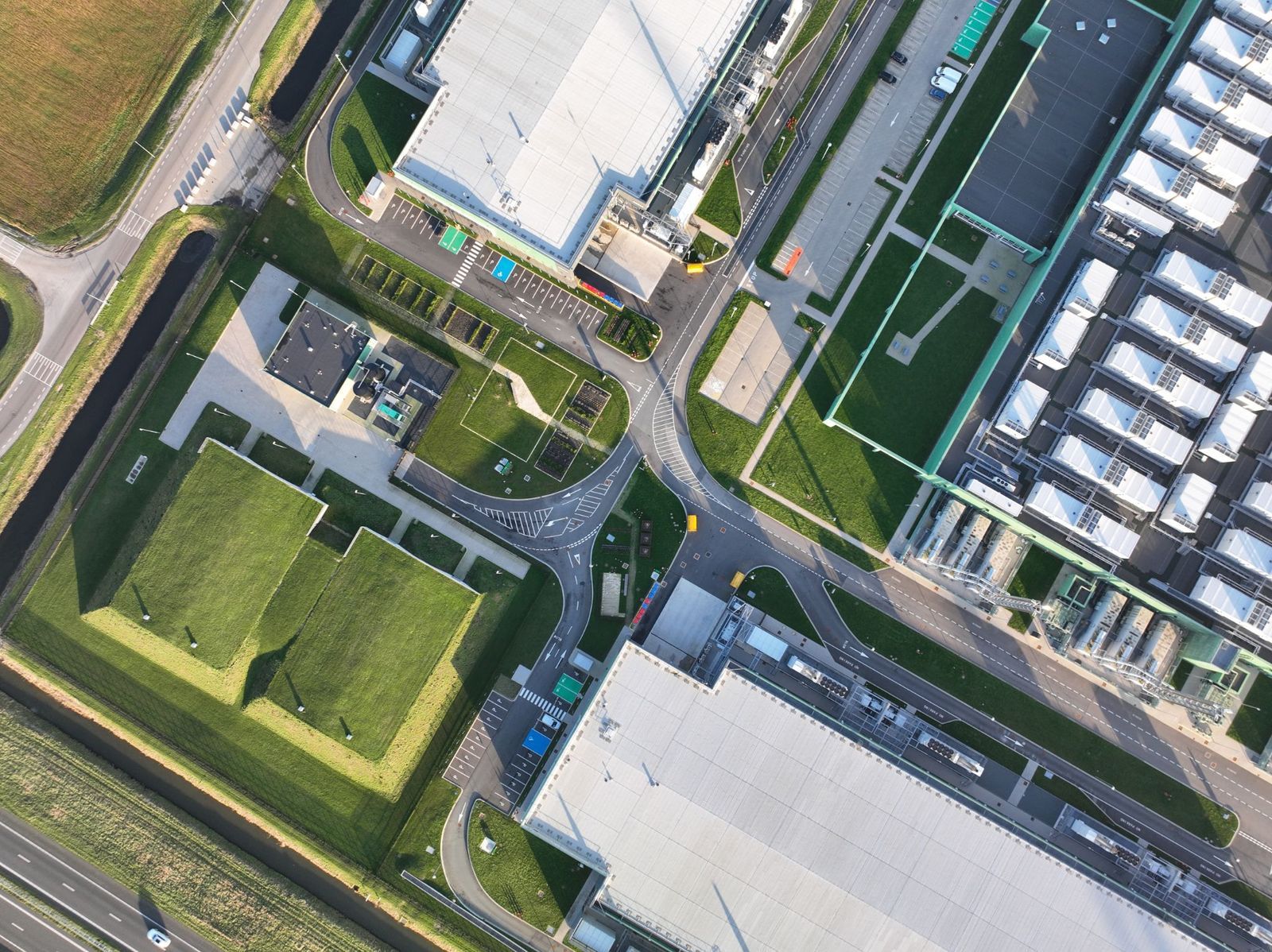
Image: Make more Aerials

Construction brings heavy equipment, delivery trucks, and hundreds of workers. Once the building is finished, however, daily traffic usually drops dramatically compared with many other industrial sites .

Unlike warehouses or factories, operational data centers employ relatively few people. Most days, only technicians, maintenance crews, security personnel, and occasional service vehicles enter the property.

12
Con: Backup generator emissions and air quality concerns

Image: Matthew G Eddy

Nearly every data center maintains large diesel backup generators that automatically provide power during electrical outages. They are also tested periodically to ensure reliable operation.

Although these engines are regulated under environmental laws, nearby residents sometimes express concerns about exhaust emissions, air quality, and the cumulative effects as more facilities are built .
General General 3 min read

Eat your greens!

Debunking 12 common myths about healthy eating habits

Image: Anh Nguyen

Dieting is not a perfect science with ideal outcomes or easily traceable numbers. As such, it is prone to false claims, myths, and fads that have been repeated enough to be deemed as right by many people. Take a look at these 12 myths about healthy eating and dieting. Which ones have you heard?

1
Give up your favorite food to lose weight

Image: amirali mirhashemian

Small amounts of your favorite high-calorie foods can be included in a weight-loss plan . Just remember to keep track of your total calorie intake. To lose weight, you must burn more calories than you consume.

2
Avoid bread, pasta, and rice

Image: Eaters Collective

Grains themselves aren’t necessarily bad or unhealthy. Consuming whole grains—such as brown rice, whole-wheat bread, cereal, and pasta—as part of a healthy eating plan is a good idea because whole grains provide iron, fiber, and other important nutrients .

3
Choose gluten-free foods

Image: mohamed hassouna

Gluten-free foods are not necessarily healthier if you don’t have celiac disease or a gluten sensitivity. Gluten is a protein found in wheat, barley, and rye grains. If you don’t have these health issues but avoid gluten anyway, you may miss out on important vitamins, fiber, and minerals.

4
Avoid all fats

Image: Kelly Sikkema

Despite all the bad press, not all fats are bad. Fat provides essential nutrients and should be an important part of a healthy eating plan. However, because fats have more calories per gram than protein or carbohydrates (or "carbs"), it is important to limit fat intake to avoid consuming extra calories.

5
Avoid dairy products

Image: Kenny Eliason

Dairy products are an important food group because they provide proteins needed to build muscles and support organ function , as well as calcium to strengthen bones.

Most dairy products, such as milk and some yogurts, have added vitamin D to help the body absorb calcium, since many Americans don’t get enough of these nutrients.

6
Go vegetarian to lose weight

Image: Anna Pelzer

Embracing a fully vegetarian diet only leads to weight loss if you reduce your total calorie intake . As often happens, some vegetarians may make food choices that could lead to weight gain, such as eating large amounts of foods high in sugar, fat, and calories.

Eating small amounts of lean meats can also be part of a healthy plan to lose or maintain weight.

7
Don’t snack between meals

Image: Shreyak Singh

There is nothing wrong with snacking. It can help prevent overeating at meals , provided the snacks are healthy —like apples, peanut butter, low-fat cheese, or whole-grain crackers.

8
Healthy eating is expensive

Image: Louis Hansel

Healthy eating can be expensive, but it doesn’t have to be. With a little planning and smart shopping , you can enjoy a much healthier diet on a budget . Many people think produce is too costly, but there are plenty of examples that prove otherwise. For instance, a large bag of lettuce is affordable and lasts a long time.

9
Avoid late-night snacks

Image: nrd

Late snacking isn’t inherently a problem. The real issue is when your late-night snacks are unhealthy . The time of day is not as important as what you eat. If you’re eating ice cream or chips and dip, you’ll gain weight—no matter what time it is.

10
Diet soda is better than regular soda

Image: Kenny Eliason

Multiple studies have linked diet soda to an increased risk of diabetes , metabolic syndrome, and obesity, though causation is still debated. Nonetheless, if you’re looking for a healthier soda alternative, try flavored water, sparkling water, or unsweetened tea.

11
Non-nutritive sweeteners are healthy

Image: Towfiqu barbhuiya

The increasing demand for low-calorie, low-carb, sugar-free foods has led to a larger portion of products containing non-nutritive sweeteners (NNS).

While it’s clear that a diet high in added sugar increases disease risk, intake of NNS may also raise the risk of type 2 diabetes by causing negative changes in gut bacteria and promoting blood sugar dysregulation.

12
White potatoes are unhealthy

Image: Lars Blankers

Delicious potatoes are often labeled as "unhealthy" because they are frequently eaten in unhealthy ways. However, these starchy vegetables are highly nutritious , providing potassium, vitamin C, and fiber , and can be included as part of a healthy diet. The key is to cook or bake potatoes, but never fry them.

General General 5 min read

10 TV shows that changed everything

Image: Alexander Chesarev

There’s no way you haven’t watched at least one of them. Groundbreaking, radical, and revolutionary: these TV shows are all that and more. From The Simpsons to Sex and the City, from The Sopranos to Law & Order, these series reshaped storytelling and how we think about our work, our friendships, and our love lives . Get ready to rediscover 10 beloved, incredibly entertaining shows that turned everything upside down.

1
The Simpsons

Image: 360b

The Simpsons , created by Matt Groening, premiered on Fox in 1989, starring a new family that defied conventional, picture-perfect TV norms.

Instead, an imperfect and dysfunctional family appeared — and because of that, they were relatable in profoundly new ways . The Simpsons was also a pioneer in adult animation, allowing children to follow the story while including complex political and social satire for adults. It not only coined permanent catchphrases but also had a surprising ability to predict world events.

2
The Sopranos

Image: ArtMediaWorx

The Sopranos, created by David Chase, debuted on HBO in 1999. It followed the life of Tony Soprano (played by the late James Gandolfini) and his struggles as a mobster and the patriarch of his dysfunctional suburban family , all analyzed by his psychiatrist, Dr. Jennifer Melfi (Lorraine Bracco).

This show was radical because, unlike previous protagonists, the central figure Tony was deeply flawed and often unlikable, paving the way for more anti-hero protagonists like Walter White and Don Draper. Alongside its complex and ambiguous morality, the cinematography of the show began to rival that of Hollywood movies.

3
Lost

Image: Erman Gunes

Lost , created by J.J. Abrams, Damon Lindelof, and Jeffrey Lieber, premiered on ABC in 2004, before streaming existed. The story follows the crash of Oceanic Flight 815 on a very peculiar tropical island. It kicked off as a gritty and character-driven survival story that eventually evolved into a sci-fi and mythological epic.

It was revolutionary because it introduced the "mystery box" trope, proposing complex questions and dropping clues that kept viewers hooked and constantly theorizing — arguably inventing modern, interactive TV fandom.

4
Sex and the City

Image: vipflash

Created by Darren Starr, Sex and the City, which premiered in 1998 on HBO, changed the cultural narrative around women’s roles through the lives of four female friends (led by Sarah Jessica Parker’s Carrie Bradshaw) living and working in New York City.

It was the first mainstream hit that featured women talking frankly about sex and sexuality — and proposed that female friends can be soulmates, and that those relationships can take precedence over romantic, marital ones. Rejecting outdated "traditional" roles, the show also destigmatized being single and childless, and instead embraced female financial independence, celebrating women who focused on their careers and personal development in their 30s and 40s.

5
CSI: Crime Scene Investigation

Image: digicomphoto

CSI, created by Anthony E. Zuiker and which premiered on CBS in 2000, followed the lives and work of a team from the Las Vegas Police Department (LVPD), led by Dr. Gil Grissom (William Petersen), who meticulously collected evidence to solve cases.

It shifted the focus for the first time from police and detective work on the streets to the indoor, behind-the-scenes dynamics of interrogations, forensics, and high-tech lab analysis. It also popularized the concept of "nerd squad", making lab and microscope analysis cool for the first time .

6
The X-Files

Image: Snap Spot

The X-Files, created by Chris Carter, premiered in 1993, and introduced a structure where each episode was a stand-alone story known as a "monster of the week," while also being part of an overarching mythic story that included government alien conspiracy theories and supernatural events.

This show flipped gender roles completely: the main female character, Agent Dana Scully (Gillian Anderson), was the intelligent and assertive medical doctor (inspiring many women at the time to pursue STEM careers), and the lead male character, Agent Fox Mulder (David Duchovny), was the intuitive and instinct-driven character.

7
Breaking Bad

Image: ssi77

Breaking Bad, created by Vince Gilligan, premiered in 2008 and is considered by many to be the ultimate catalyst that transformed television into a cinematic experience, elevated serialized storytelling, and, once it became available on Netflix, popularized the binge-watching model so common today .

Another crucial aspect was the main character: Walter White (Bryan Cranston) changed from a sympathetic, cancer-stricken high school chemistry teacher to the ultimate drug lord villain. Before this show, characters rarely evolved; instead, here the audience became especially invested in Mr. White’s persona.

8
Mad Men

Image: lev radin

Mad Men , created by Matthew Weiner and airing on AMC from 2007 to 2015, centered on the professional and personal lives of advertising executives, including protagonist Don Draper (Jon Hamm), on Madison Avenue in New York City in the 1960s. It was the first basic cable series to win an Emmy Award for Outstanding Drama Series .

It revolutionized television at the time by proving that a sophisticated, slow-burning script with literary character development (including some of the best-written dialogue on television ever) could work. The show was also committed to historical accuracy and meticulous set design, raising the bar for visual and thematic storytelling.

9
Law & Order

Image: Tingey Injury Law Firm

Law & Order, created by Dick Wolf, premiered on NBC in 1990, flipping the usual crime drama formula on its head — splitting episodes into a two-part structure, presenting a police investigation, followed by a courtroom prosecution .

Therefore, it prioritized legal procedures over emotional drama, and the cases became the main character, presenting the difficulties and nuances of the criminal justice system, instead of the usual black-and-white representation of justice. With new episodes still airing (following a 2010-2022 hiatus), Law & Order remains one of the most successful series in TV history, launching numerous spinoffs including the popular Law & Order: SVU.

10
Grey’s Anatomy

Image: ssi77

Grey’s Anatomy, created by Shonda Rhimes, aired on TV for the first time in 2005 and became the longest-running American primetime medical series ever. It centers on a hospital in Seattle and follows surgical residents as they become surgeons, while balancing intense life-and-death emergencies with complex personal life stories .

Most notably, the series created what was described as "Grey’s Effects": the approach to joyful and defiant female sexuality and to women unapologetically taking up space in a male-dominated professional field; it even shaped medical school applications and improved the public's understanding of real-world health issues.

11
The Wire

Image: Kevin McGovern

The Wire was created by former police reporter David Simon and detective Ed Burns, and is considered by many to be one of the greatest shows ever made , airing on HBO from 2002 to 2008. It is a drama series that analyzes the systemic issues Baltimore faces, examining a different institution in each of its five seasons.

Originally pitched as the "anti-cop show," it showed police departments slowed down by piles of bureaucracy, where chasing arrests became more important than actually solving crimes or improving lives. In addition, the city was the main character, portrayed as a gray, morally complex world.

Explore more American facts

Choose your favorite category!

General
General

As American as apple pie—the very best America has to offer!

Culture
Culture

Delve into the astounding richness of American lore.

Geography
Geography

Hop in and explore vast and diverse American landscapes.

History
History

Discover the key moments that shaped the United States.