Culture Culture 4 min read

Time to play

I'll Take "Best American game shows of all time" for 200, please!
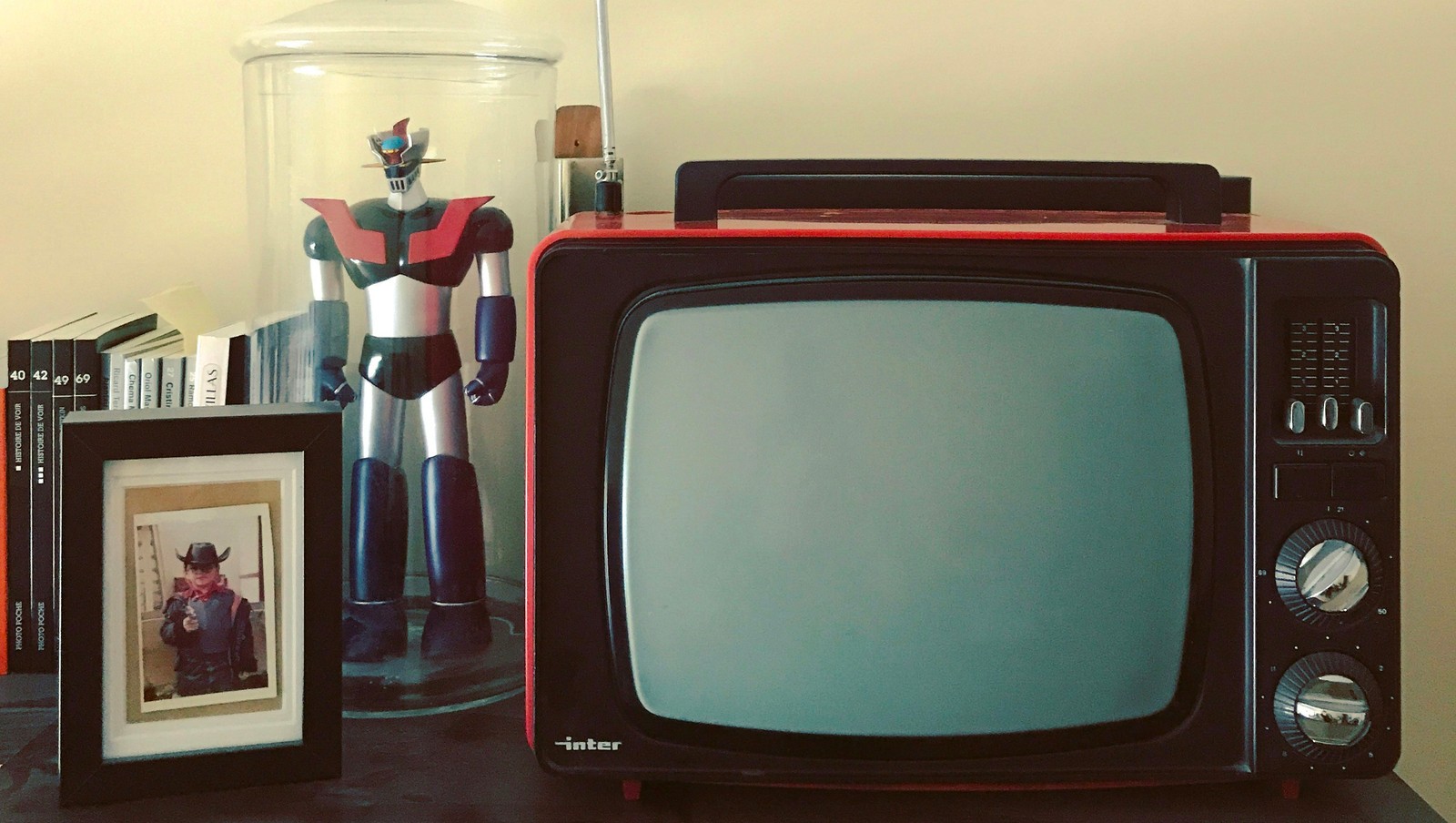
Image: Alberto Contreras / Eyestetix Studio

Game shows are often tinged with controversy: "Where do the networks get the money for the prizes?" "Are they rigged?" Despite these mysteries, game shows have been a staple of entertainment since the dawn of television. A typical scene from childhood involves us sitting on the couch, surrounded by our family, screaming the correct answer at the TV set. Many game shows from the 50s and 60s are still on the air today; others are newer, but they all have in common that they are a healthy way of unwinding after a busy day. Let us present to you the 10 game shows every American has watched at least once!

1
Wheel of Fortune

Image: See page for author, Public domain, via Wikimedia Commons

Created in 1975 and still on the air, Wheel of Fortune features three contestants competing to solve a word puzzle, in a manner similar to Hangman , to win money and prizes. For 41 years, it was hosted by Pat Sajak and Vanna White to great ratings success. In 2024, Sajak announced his retirement and was replaced by presenter and producer Ryan Seacrest.

Throughout the years, Wheel of Fortune has had many international adaptations and is currently the longest-running syndicated game show in U.S. television history.

2
Family Feud
Image: RDNE Stock project

And the survey says... Family Feud is hilarious! For most of the past 45 years, this game show has offered us fun and innocent entertainment. Family Feud has had different hosts, such as Richard Dawson and Steve Harvey, and has introduced us to some of the most curious American families and some of the most unexpected answers in television history.

Winner of several Emmy Awards and exported to over 50 international markets, we hope to have Family Feud for many more years!

3
Press Your Luck

Image: g

Remember The Whammy? This show's mascot, an animated devil, was the one thing to avoid at all costs to win the most money in Press Your Luck . And answer a few questions correctly, of course!

Press Your Luck first aired in 1983 . It was discontinued and resurrected many times since, but in 2019, it came back to stay. Nowadays, it airs on ABC and is hosted by actress, director, and producer Elizabeth Banks.

4
The Price is Right
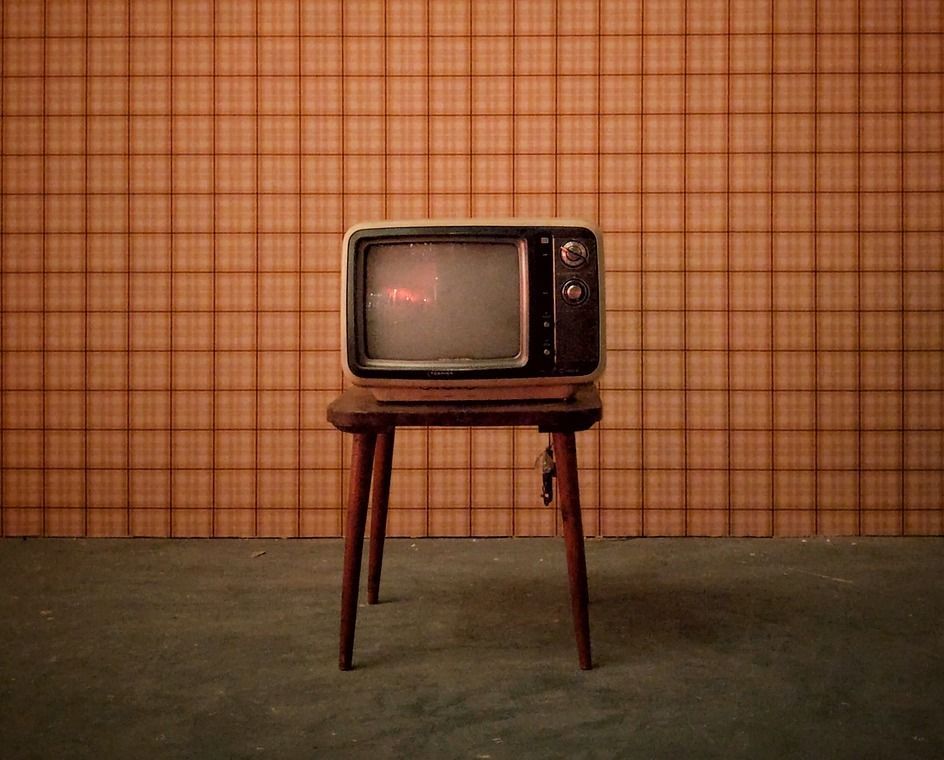
Image: d

In a 2007 article, TV Guide selected The Price is Right as "the best quiz show of all time". Do you agree? It's the longest-running daytime game show in North American television history, so it makes sense. The original version ran from 1956 to 1965 on NBC, while the current version has been running since 1972 on CBS.

Bob Barker, who hosted The Price is Right for 35 years, turned this show in which contestants must guess the exact price of different products, into an all-time institution. We will forever remember his voice uttering the famous catchphrase "Coooome on down!"

5
Card Sharks
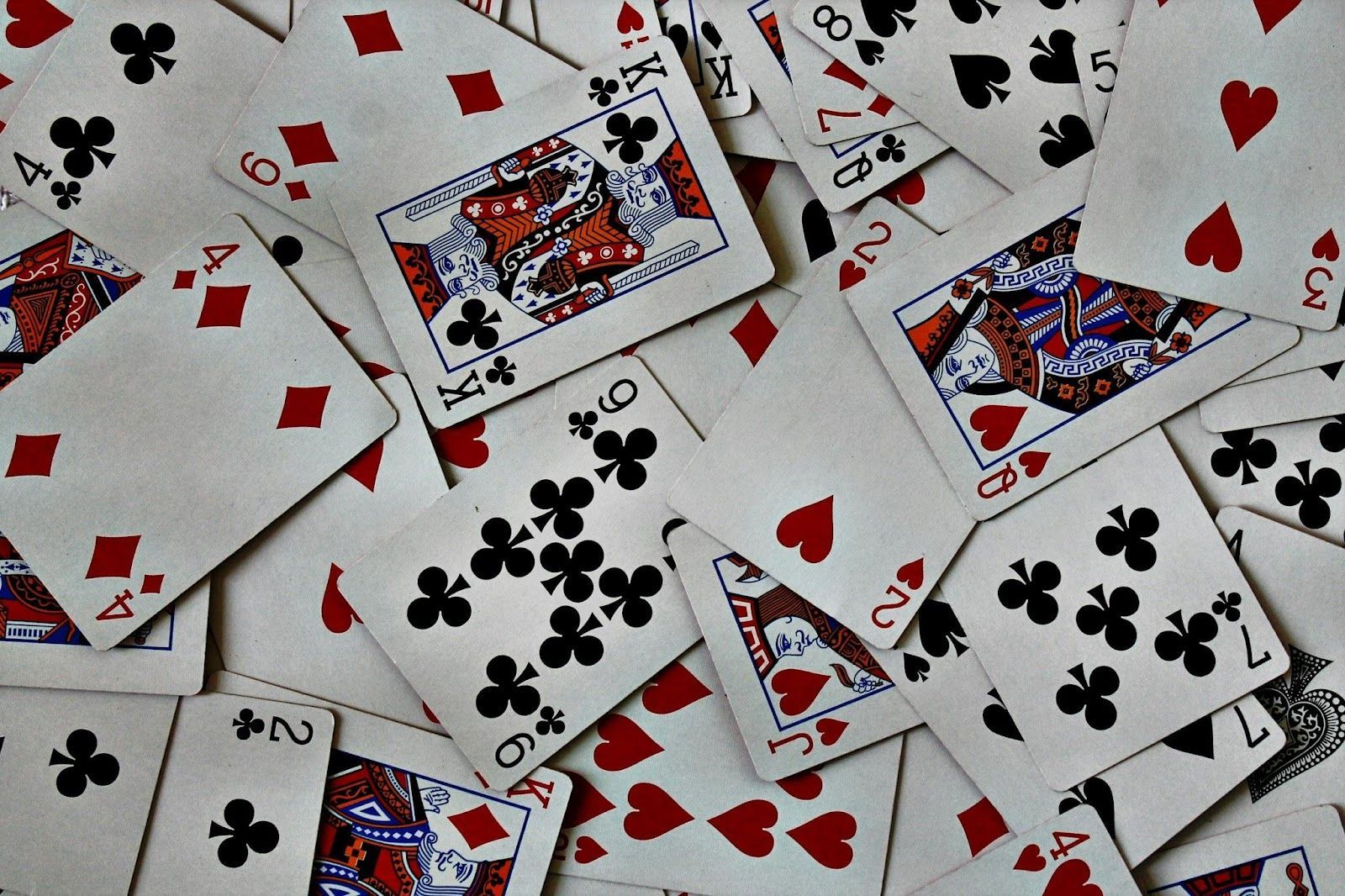
Image: Amanda Jones

There have been four different versions of Card Sharks from 1978 to 2021, presented by famous hosts like Jim Perry, Bob Eubanks, and Joel McHale.

The show is based on some random but funny survey questions contestants must answer to control a row of oversized playing cards. Will the next card be higher or lower? Place your bets!

6
Who Wants to Be a Millionaire

Image: Anete Lusina

Phone a friend or ask the audience: Is Who Wants to Be a Millionaire one of the best game shows TV has ever given us? We certainly think so, and that's our final answer!

Unlike most of the programs listed in this article, Who Wants to Be a Millionaire is not a native American show but rather a British format. Yet, U.S. audiences seem to have embraced it with open arms. Because, let's be honest, who would turn down the chance to win a million dollars?

7
Hollywood Squares
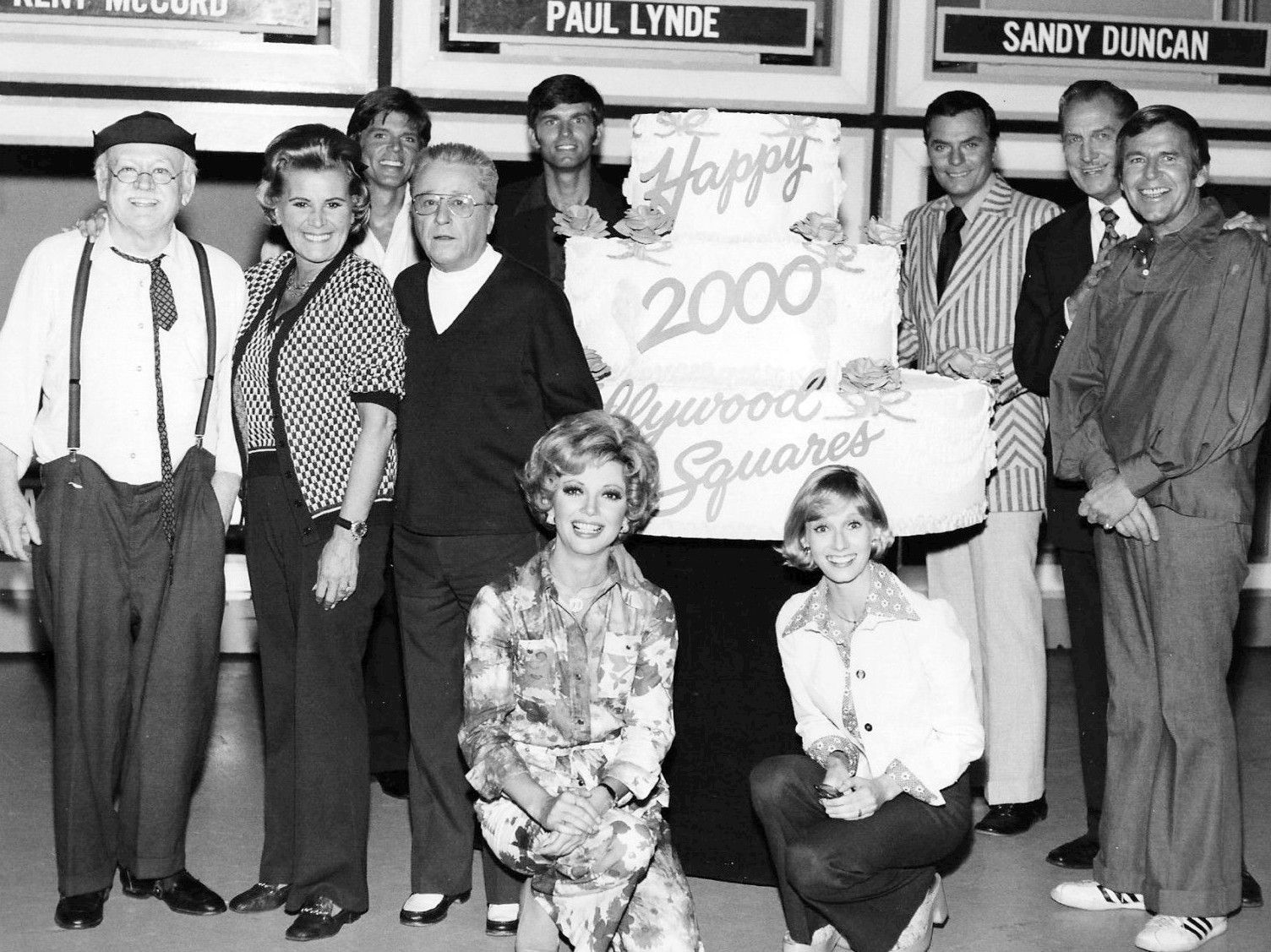
Image: NBC Television, Public domain, via Wikimedia Commons

During the years it remained on the air, many celebrities took up the squares of this sort of human tic-tac-toe. Personalities like Vincent Price, Joan Rivers, Kathy Griffin, and Whoopi Goldberg, among others, not only made this show fun but also legendary.

Hollywood Squares aired from 1966 to 2004 with a couple of interruptions in between and was presented by different hosts. However, that didn't stop it from winning several Emmy awards and being regarded as one of the greatest game shows ever.

8
The Dating Game
Image: Pexels

We are so used to the many dating shows now on the air that we take them for granted. However, The Dating Game , which first premiered in 1965, was a true pioneer. Since its release and until 2021, the show was revived several times with different variants but the same appeal.

The format was very simple: a single man or woman would ask questions to three unseen candidates. At the end of the episode, he or she would choose one to go on an all-expenses-paid date. The Dating Game is also known for having featured many stars before they became famous, like Burt Reynolds, Farrah Fawcett, Steve Martin, Suzanne Somers, and Arnold Schwarzenegger, among others.

9
Deal or no Deal
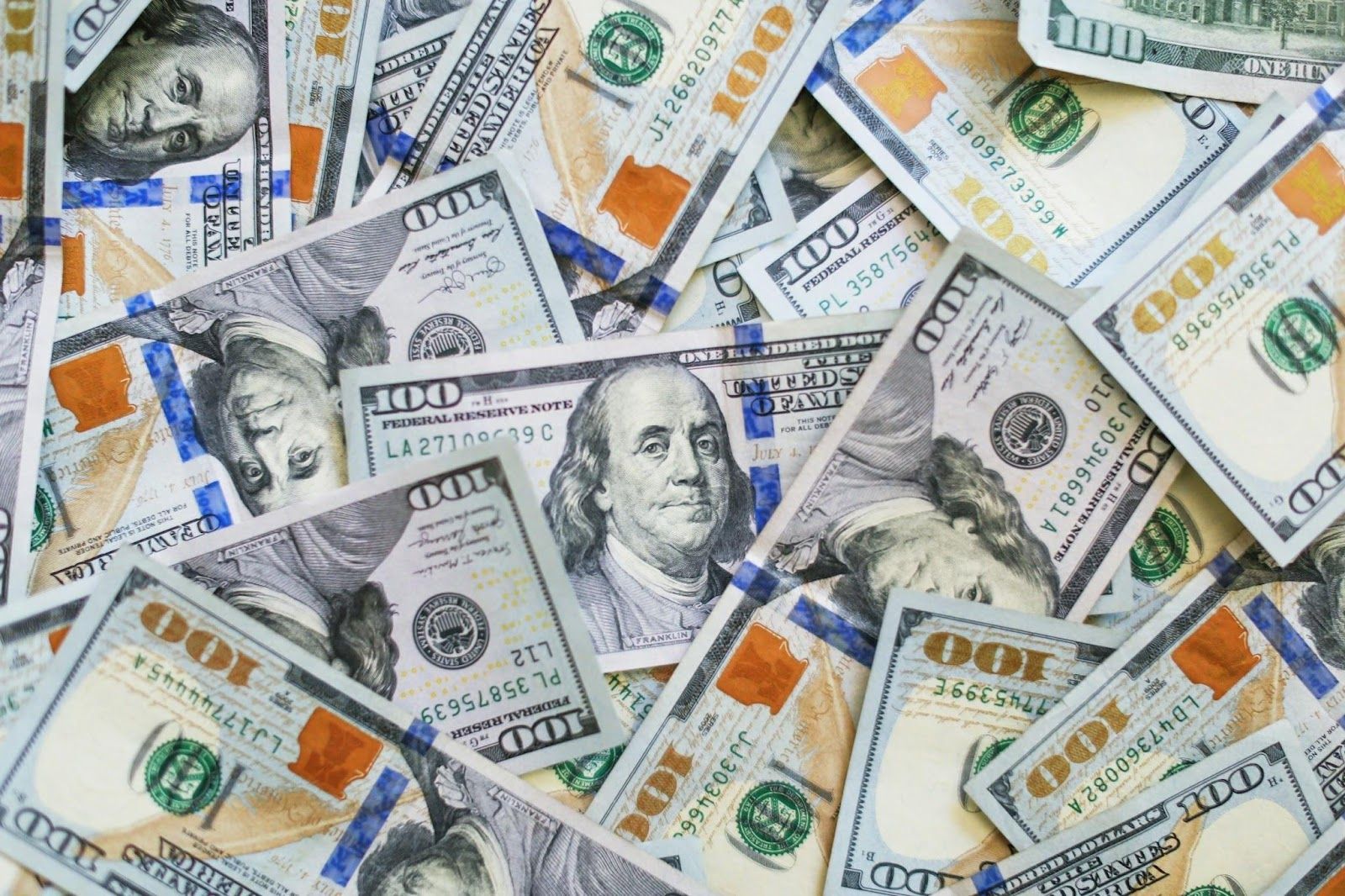
Image: Giorgio Trovato

This show doesn't have a long history on television, but those mysterious silver suitcases that may —or may not— hide lots of cash deserve a place on this list.

Deal or No Deal is, in fact, an American version of a Dutch game show that first premiered on NBC in 2005. It was hosted by Canadian comedian and TV personality Howie Mandel. Despite its ratings success, it was eventually discontinued in 2019.

10
Jeopardy!
Image: Possessed Photography

Did you know that the original name intended for this show was What's the Question ? Luckily, a skeptical executive who was not convinced by the game's concept said, "It doesn't have enough jeopardy". And the rest is history!

A quiz competition with a twist, Jeopardy! is one of the most beloved game shows in America. The first version of this iconic TV program aired on NBC from 1964 to 1975. In 1984, Jeopardy! returned to the small screen as a daily syndicated series —hosted by the legendary Alex Trebek and narrated by Johnny Gilbert— and is still on the air today.
History History 4 min read

Historical misconceptions

No, George Washington did not have wooden teeth: Debunking American myths

Image: EricThriller

Did you really imagine George Washington with wooden teeth? Or Betsy Ross drawing the Star-Spangled Banner in a scrapbook? Some longstanding stories associated with US history are, after all, more myth than reality. Let’s explore what is fact and what is fiction about stories we have probably all heard!

1
George Washington had wooden teeth

Image: Todd Trapani

Washington suffered from dental problems throughout his adult life and did wear several sets of false teeth. However, he did not wear wooden ones.

They were made from materials like ivory, metal, and springs . The "wood" myth probably comes from the staining of ivory and from 19th-century caricatures.

2
Salem witches were burned at the stake

Image: Sofia Holmberg

We hold the long-standing belief that the accused Salem "witches" were burned like European witch victims.

However, in the Salem (and colonial New England) trials of 1692–1693, convicted witches were almost always executed by hanging ; burning at the stake was not the legal penalty under English law in the colonies.

3
Paul Revere rode and shouted, "The British are coming!" alone

Image: Mikhaël Noury

He may be riding alone in the Boston statue that represents the dramatic midnight ride in which he warned of the British troop movements.

But in reality, Revere was one of several riders who spread word of the British troop movements; Longfellow’s 1860 poem amplified and simplified the story, including the shouted line, which would have been unlikely among colonists.

4
Betsy Ross designed the first American flag

Image: Heather Newsom

We have heard again and again the myth that Betsy Ross stitched the first Stars and Stripes after being asked by George Washington. In reality, this tale grew from a family tradition promoted more than a century after 1776. Historians have found no contemporary documentation proving that she designed the first official flag.

The flag’s creation was likely more complex and collective. Ross has always remained a folk symbol, but there is no proof that she was the sole designer.

5
Mrs. O’Leary’s cow started the Great Chicago Fire

Image: raquel raq

The myth: a cow kicked over a lantern in Catherine O’Leary’s barn and caused the 1871 conflagration. The cow story originated in sensational newspaper reporting and later became part of folklore.

Investigations have never produced conclusive proof, and modern historians treat the O’Leary–cow tale as an unfair scapegoating and probably apocryphal. The fire’s precise origin remains a mystery.

6
"Molly Pitcher" was a famous woman who operated a cannon at Monmouth

Image: Foysal Razu

The story of Molly Pitcher, a single heroic woman who supposedly took over a cannon when her husband fell, may have been created to represent several women . The best documented candidate is Mary Ludwig Hays, but the legend also reflects the broader contributions of women who supported troops during the Revolutionary War, with or without having been widowed.

7
Davy Crockett died fighting to the last at the Alamo

Image: Eric Francis

Did Crockett heroically fight to the death amid hand-to-hand combat at the Alamo? Well, that was indeed the location of his death, but sources conflict about the manner.

Some eyewitness accounts and Mexican records suggest he may have been captured and executed; other accounts describe him dying in combat. The neat heroic portrait was shaped by 19th-century myth-making.

8
The Declaration of Independence was signed on July 4, 1776

Image: The New York Public Library

It is widely believed that all signers of the Declaration of Independence scribbled their names on it on July 4, which is why we celebrate that date.

Congress adopted the Declaration on July 4, but most delegates did not sign the parchment copy until August 2 of that year (and a few added their names even later). July 4 became the commemorative date for adoption and celebration, not the universal signing day.

9
The Pilgrims’ "First Thanksgiving" centered on a big roast turkey, like today

Image: Tyler Donaghy

No, the 1621 harvest meal at Plymouth did not feature the same turkey-centered feast we picture now.

Accounts mention venison and wildfowl, but the menu and ritual context were very different from modern Thanksgiving dinners. The idea of an annualized, turkey-centered national holiday developed much later (19th century onward).

10
Thomas Edison single-handedly invented the light bulb

Image: Tamas Pap

Many believe that Edison alone invented the incandescent light bulb out of whole cloth. But electric light was the product of decades of work by many inventors (from Humphry Davy to Swan and others).

Edison’s contribution was significant improvements and the critical development of a commercially viable, manufacturable system, but he did not "invent" electric light in isolation.

11
Pocahontas dramatically saved John Smith from execution

Image: EricThriller

The myth holds that Pocahontas heroically rescued Captain John Smith by throwing herself over him at the moment of execution.

Disney may have amplified the romantic and dramatic aspects of this story. John Smith’s account of a dramatic rescue appears in later writings and is debated by historians. Many scholars now interpret the scene as a ritual adoption or a ceremonial act rather than a literal rescue, or they suspect Smith embellished the story.

Culture Culture 4 min read

Where did RadioShack go?

From Blockbuster to Pan Am: Remember these 10 giants no longer around?

Image: Sean Benesh

It can be hard to imagine a giant falling, but it happens more often than we might think. Huge companies with thousands of employees, stores across the world, and solid reputations file for bankruptcy every year—some with a loud bang, while others fade away quietly after a long decline. You will likely recognize the following ten names. These companies were once everywhere, only to one day vanish into thin air. Some are gone for good, some were absorbed by other corporate giants, and some still exist but only as a tiny fraction of what they used to be. Do you miss any of these brands?

1
Pan Am

Image: Rob Wilson

If a single name were to represent the airline industry in the 20th century, it would most likely be Pan Am. Founded as Pan American Airways in 1927, the company became an American icon , known for its many airline innovations , its distinctive blue logo, and the crisp white uniforms of its staff.

However, when the airline industry was deregulated in 1978, increased competition set the stage for Pan Am’s downfall. The company declined throughout the 1980s and ultimately declared bankruptcy in 1991.

2
Borders

Image: Araix Rand

Its huge stores were havens for book lovers, who could spend hours wandering its aisles, browsing and perusing its vast catalog of books , magazines , CDs , and more. But, alas, none of these stores had been profitable since the mid-2000s.

In 2011, after the company filed for bankruptcy, every single store was closed. Its trademarks were later purchased by its prominent rival, Barnes & Noble.

3
Circuit City

Image: Austin Distel

Starting its life as Wards Company in 1948, Circuit City became one of America’s most recognizable brands in the consumer electronics retail business . However, the turn of the century brought significant changes and financial difficulties, ultimately leading the company to file for bankruptcy in 2008.

4
Tower Records

Image: Lucía Garó

In a similar vein to Borders, Tower Records was a haven for music lovers who enjoyed the vast selection of music available in its stores. And, much like Borders, music stores have largely gone the way of the dodo.

Managerial blunders and the rise of internet piracy contributed to the company filing for bankruptcy twice—first in 2004 and again in 2006. Its assets were sold at auction to Great American Group, and the last store closed in December 2006.

5
Trans World Airlines (TWA)

Image: Ross Parmly

Pan Am was not the only major airline to disappear. The once-powerful TWA met the same fate, operating from 1930 until it was acquired by American Airlines in 2001 . It was once one of the "Big Four" domestic airlines in the United States, alongside United, Eastern, and the aforementioned American.

6
Blockbuster

Image: Bruno Guerrero

Another demise that hit hard for loyal customers was Blockbuster. While the VHS rental behemoth dominated the market throughout the ’90s and early 2000s —with over 9,000 stores and 84,000 employees—the lethal combination of the internet and piracy proved too much to withstand. As a result, the company gradually closed nearly all its stores, leaving only one remaining today in Bend, Oregon.

7
Amoco

Image: Markus Spiske

The first name on this list to disappear not due to financial difficulties but because of a merger, Amoco was a giant in the oil and gas industry. Founded in 1910, it became the largest natural gas producer in North America by the late ’90s .

In 1998, it merged with British Petroleum in a $61 billion deal. Existing service stations were rebranded under the BP name, and the Amoco brand gradually faded from view.

8
Compaq

Image: ThisisEngineering

In the ’90s, Compaq was a major player in the computer industry and, at one point, the largest supplier of PC systems in the US . However, as the century came to an end, lower-cost competitors like Dell began attracting consumers and chipping away at Compaq’s market share. In 2002, the company merged with Hewlett-Packard, and the Compaq name gradually faded away.

9
Woolworths

Image: Kay Enn

The original five-and-dime store, Woolworths, was a pioneer in the retail industry in the late 1800s . It managed to survive—and even thrive—through most of the 20th century, but by 1989, it had entered a steady decline.

Following a 1993 restructuring that led to the closure of half its 800 stores, the rest gradually shut down. While the Woolworths retail brand and name have disappeared, the company rebranded as the Venator Group in 2001 and shifted its focus to its footwear division. Today, you might know it as Foot Locker.

10
Howard Johnson’s

Image: Francesca Saraco

The last name on our list is a familiar one, especially to travelers. The iconic Howard Johnson’s began as a single ice cream stand outside Boston, Mass., before expanding to over 1,000 restaurants. In the 1950s, the chain introduced motor lodges at nearly 300 of its locations.

Howard Johnson’s was sold to Marriott in the 1980s, and most of its restaurants gradually shut down. The last remaining location, in Lake George, N.Y., closed its doors in 2017.

Explore more American facts

Choose your favorite category!

General
General

As American as apple pie—the very best America has to offer!

Culture
Culture

Delve into the astounding richness of American lore.

Geography
Geography

Hop in and explore vast and diverse American landscapes.

History
History

Discover the key moments that shaped the United States.